Is Too Much Protein Bad for Your Kidneys? Separating Fact from Fear
One of the most persistent health myths is that eating too much protein damages your kidneys. It's been repeated so often that most people accept it as fact. But the research tells a different story. For people with healthy kidneys, there's no evidence that protein, even high amounts, causes damage.
By Niall Kiddle, Founder, Organised

Reviewed by Pedro Rodrigues, Agronomist (farming and sourcing only) ·
6 min read · Published · Updated · 4 cited sources
Makers of the Organised Daily blend, a grass-fed beef organ supplement from regenerative UK farms

The belief is so widespread that even some doctors repeat it. But where did it come from, and what does the actual evidence show?

The origin of the protein myth
The myth has two origins. First, the observation that people with kidney disease often need to restrict protein. This is true. When kidneys are damaged, they can't clear nitrogenous wastes efficiently, so protein restriction becomes necessary. But this doesn't mean protein damages healthy kidneys. It means damaged kidneys can't handle high protein.
Second, early animal studies showed that high-protein diets increased glomerular filtration rate, the rate at which kidneys filter blood. Researchers interpreted this as damage, without realising that increased GFR in healthy animals is actually a normal adaptation, not a sign of damage.
These two observations, that kidney disease patients need low protein, and that high protein increases kidney workload, merged into a myth: high protein damages kidneys.
This confusion persists because kidney physiology is genuinely complex. But the core finding from modern research is unambiguous: in people with healthy kidney function, high protein intake does not cause kidney damage.
What happens to excess protein
Your body doesn't store excess protein the way it stores fat or carbohydrates. When you eat more protein than you need for building and maintaining tissue, your body breaks it down and uses it for energy or converts it to other compounds.
The breakdown of excess amino acids produces urea and ammonia, nitrogenous waste products that must be cleared by the kidneys. This is the basis of the claim that high protein "stresses" the kidneys.
But here's the critical part: clearing these metabolic byproducts is what healthy kidneys are designed to do. That's literally their job. Producing waste products doesn't damage them any more than processing blood damages your heart.
How kidneys work
Your kidneys filter your entire blood volume multiple times per day. The filtering happens at the glomerulus, a specialised capillary network where small molecules like water, urea, and minerals are filtered out, while large molecules like proteins and blood cells are retained.
Filtered waste travels through the kidney tubules, where water and nutrients are selectively reabsorbed. What's left is urine: excess water, urea, uric acid, and other waste products that your body needs to eliminate.
A healthy adult kidney can filter roughly 100 to 150 litres of blood daily, producing about 1 to 2 litres of urine. This tremendous filtering capacity exists for a reason: your body generates a lot of waste, and your kidneys are built to handle it.
Kidney function and protein workload
A healthy pair of kidneys can clear roughly 100 grams of urea per day. Most people on high-protein diets, even 200g daily, produce nowhere near that amount of nitrogenous waste. The kidneys handle it easily.
Additionally, increased protein intake causes a modest increase in GFR. This isn't damage. This is adaptation. When you eat more protein, your kidneys filter a bit more efficiently. When you eat less protein, GFR decreases. This is normal physiological adjustment, not disease.
The analogy: a muscle working harder isn't damaged. It's being used. Healthy muscles adapt to increased work by becoming stronger. Healthy kidneys adapt to increased workload by increasing filtration efficiency.
If increased GFR from high protein intake actually damaged kidneys, every athlete eating 200g of protein daily would develop kidney disease. They don't. Kidney function markers in elite athletes on high-protein diets remain normal.
High protein doesn't damage healthy kidneys. It's literally what healthy kidneys are built to handle.
Research on high protein diets
Multiple controlled trials have examined whether high-protein diets damage kidney function in healthy people. The conclusion: they don't.1
Studies of people on ketogenic diets, often 150 grams or more of protein daily, show no deterioration in kidney function over months. Studies of resistance athletes consuming 2 to 3 grams of protein per kilogram of body weight show no kidney damage markers.
One meta-analysis of 21 studies on high-protein diets found no evidence of kidney damage in people with normal baseline kidney function, even with extremely high protein intake, 3 grams or more per kilogram of body weight.1
The only consistent finding across research: very high protein intake, over 3 grams per kilogram, in people with existing kidney disease, reduced GFR, proteinuria, or diagnosed chronic kidney disease, can worsen the condition. But this applies to people whose kidneys are already damaged, not healthy people.
For healthy people, no safe upper limit for protein intake has been identified. The research simply doesn't show damage, even at intake levels that would be considered extreme.
Get the science, plainly, free
Two short reads a week on what the research actually says about nutrition.
By signing up you agree to receive emails from us. No spam, unsubscribe anytime.
People with actual kidney problems
If you have kidney disease, diagnosed by a doctor through blood work showing elevated creatinine or reduced eGFR, then protein restriction becomes medically necessary. Your damaged kidneys genuinely can't handle high protein intake.
Similarly, if you have diabetes or hypertension, you need to be cautious about very high protein intake, since these conditions increase kidney disease risk.
But for people with genuinely healthy kidney function, the research is clear: high protein is not only safe, it's often beneficial for muscle maintenance, satiety, metabolic health, and strength.
How do you know if your kidney function is healthy? Get tested. A basic metabolic panel measuring creatinine and eGFR takes five minutes and costs minimal money. If these numbers are normal, your kidneys can handle high protein without concern.
Optimal protein intake
How much protein is optimal? The answer depends on your goals.
- Minimum RDA: 0.8g per kilogram of body weight. This is the bare minimum to prevent deficiency.2
- For muscle maintenance: 1.2 to 1.6g per kilogram of body weight, especially as you age.
- For muscle building or recovery: 1.6 to 2.2g per kilogram of body weight.3
- For satiety and metabolic support: 1.2 to 2.0g per kilogram of body weight.
For a 70kg person, this translates to 55 to 154g daily, depending on goals. Eating 150g of protein is perfectly safe for healthy kidneys.
Additionally, the source of protein matters. Animal proteins, meat, fish, eggs, dairy, are complete proteins with all nine essential amino acids.4 Plant proteins often lack one or more amino acids. For equal amino acid delivery, you need to eat more plant protein than animal protein.
Beef and organ meats provide the additional micronutrients, creatine, carnitine, taurine, and iron, that support muscle health and athletic performance. Plant proteins, eaten alone, require strategic combination to deliver all essential amino acids.


1 of 9
Daily blend
100,000+ thriving families4.9 on Trustpilot
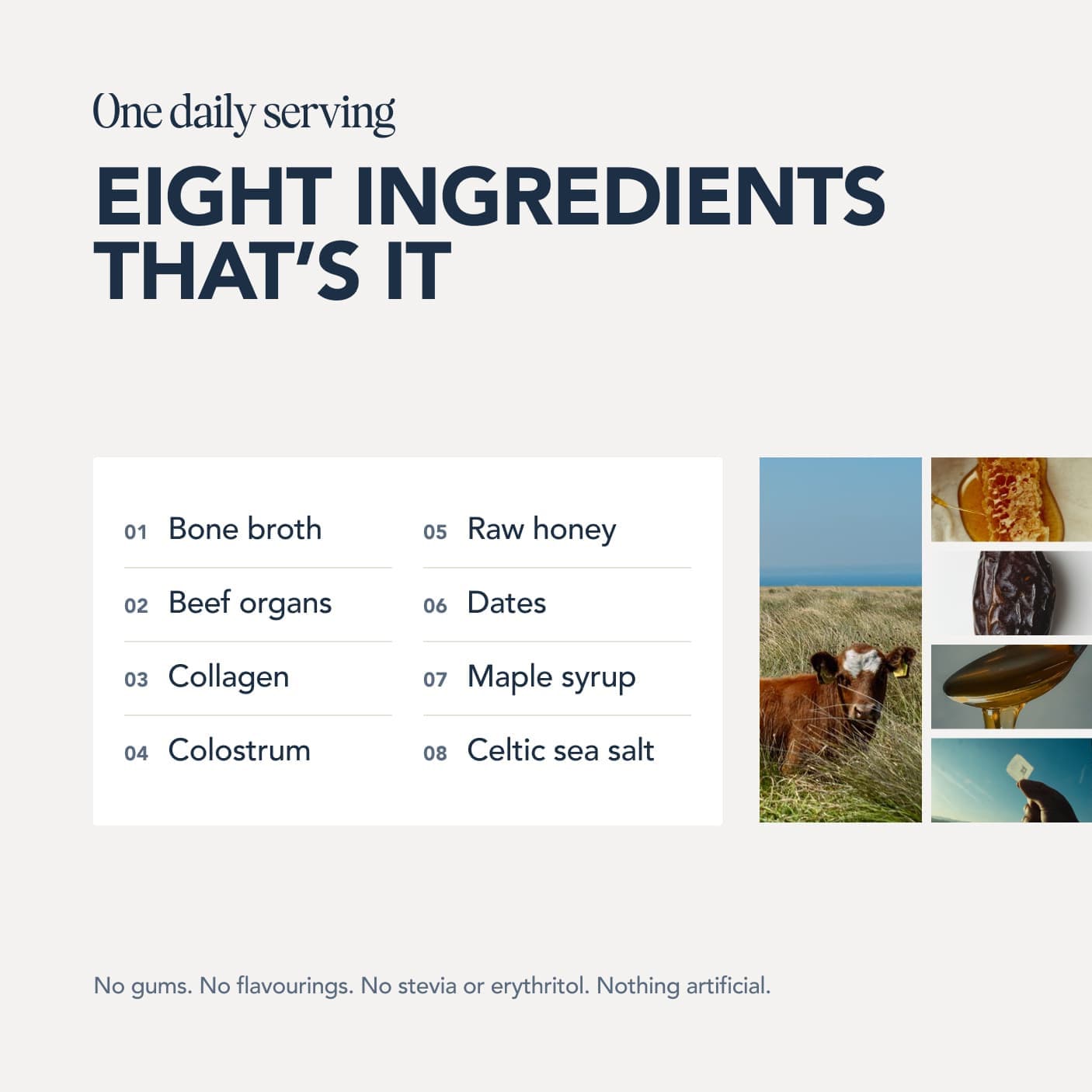
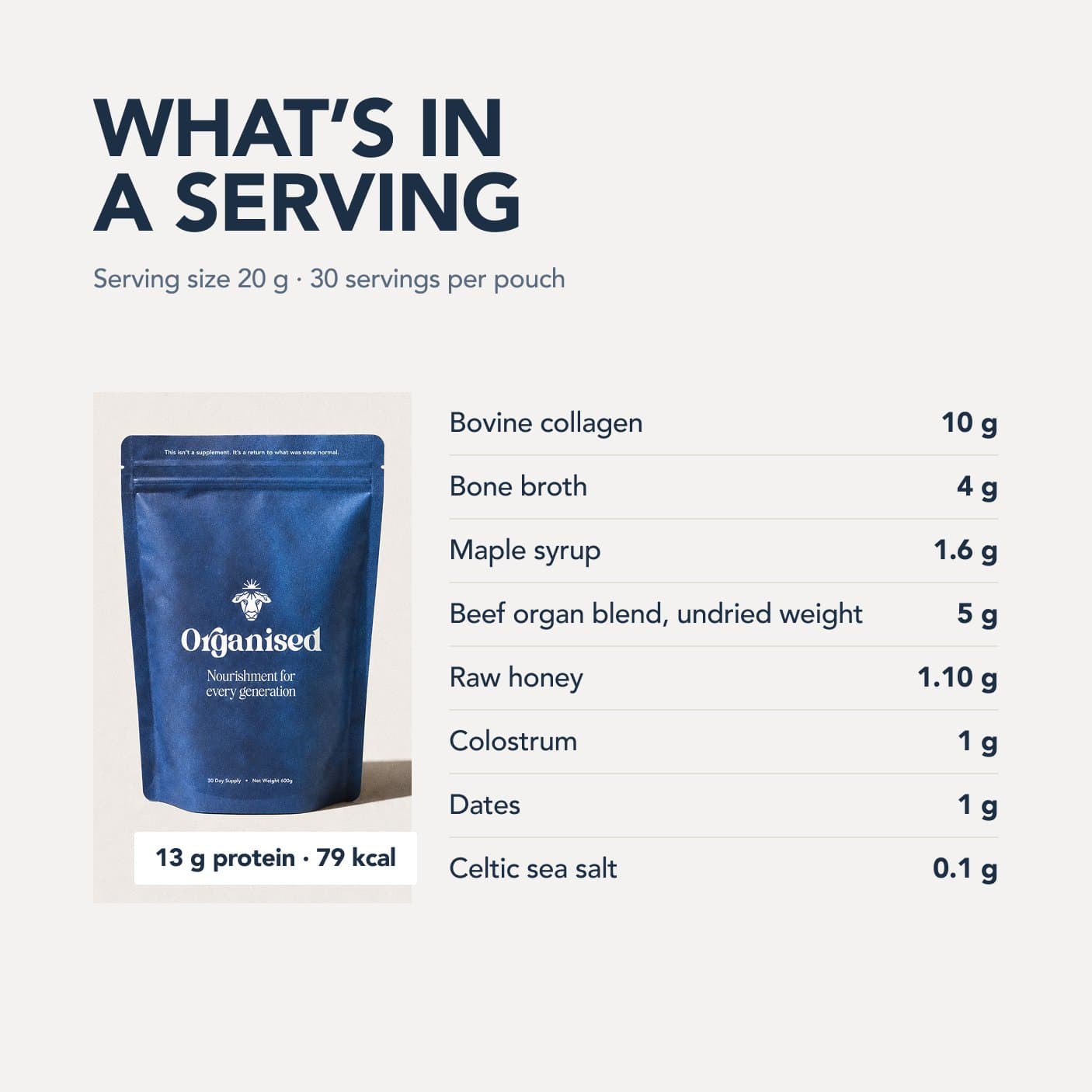
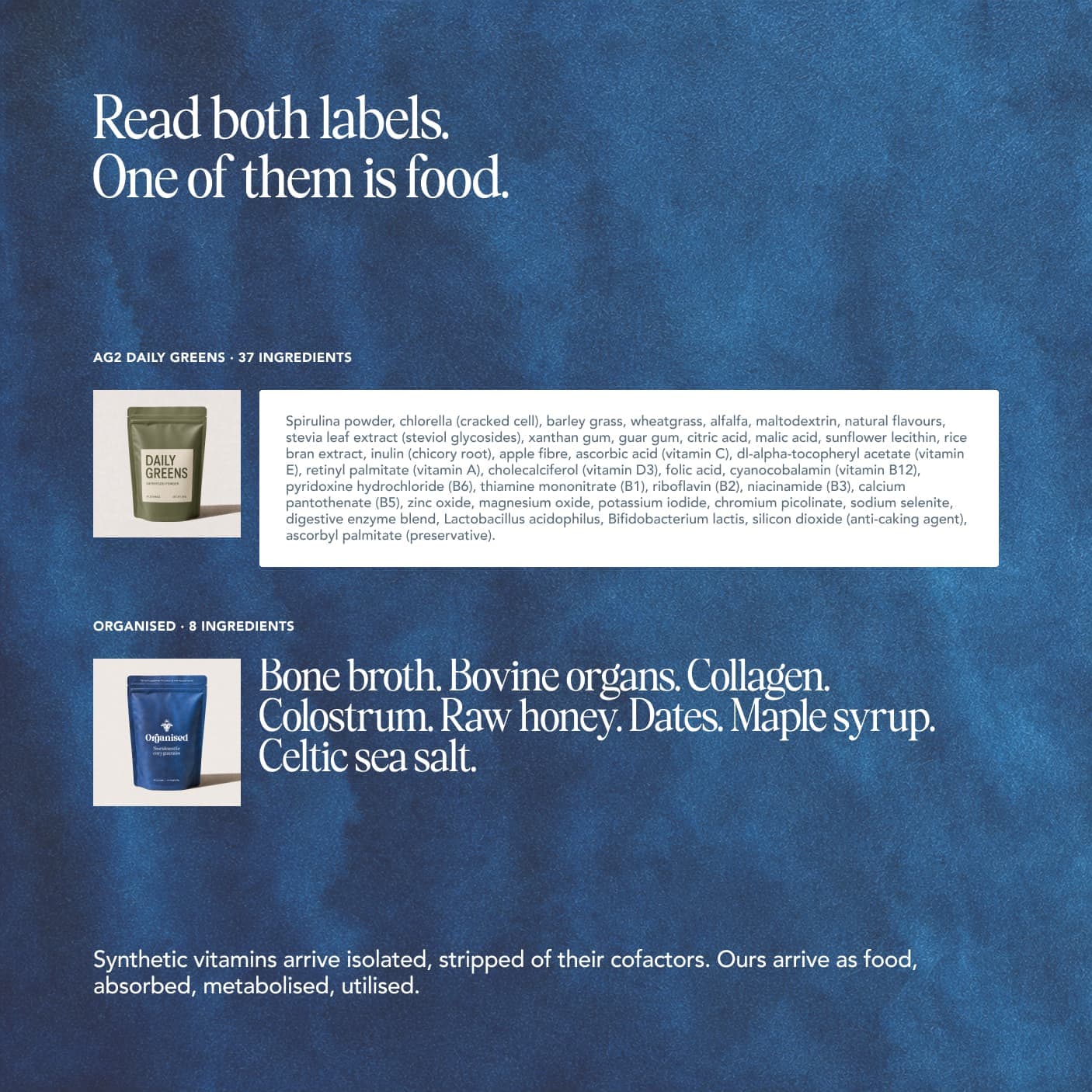
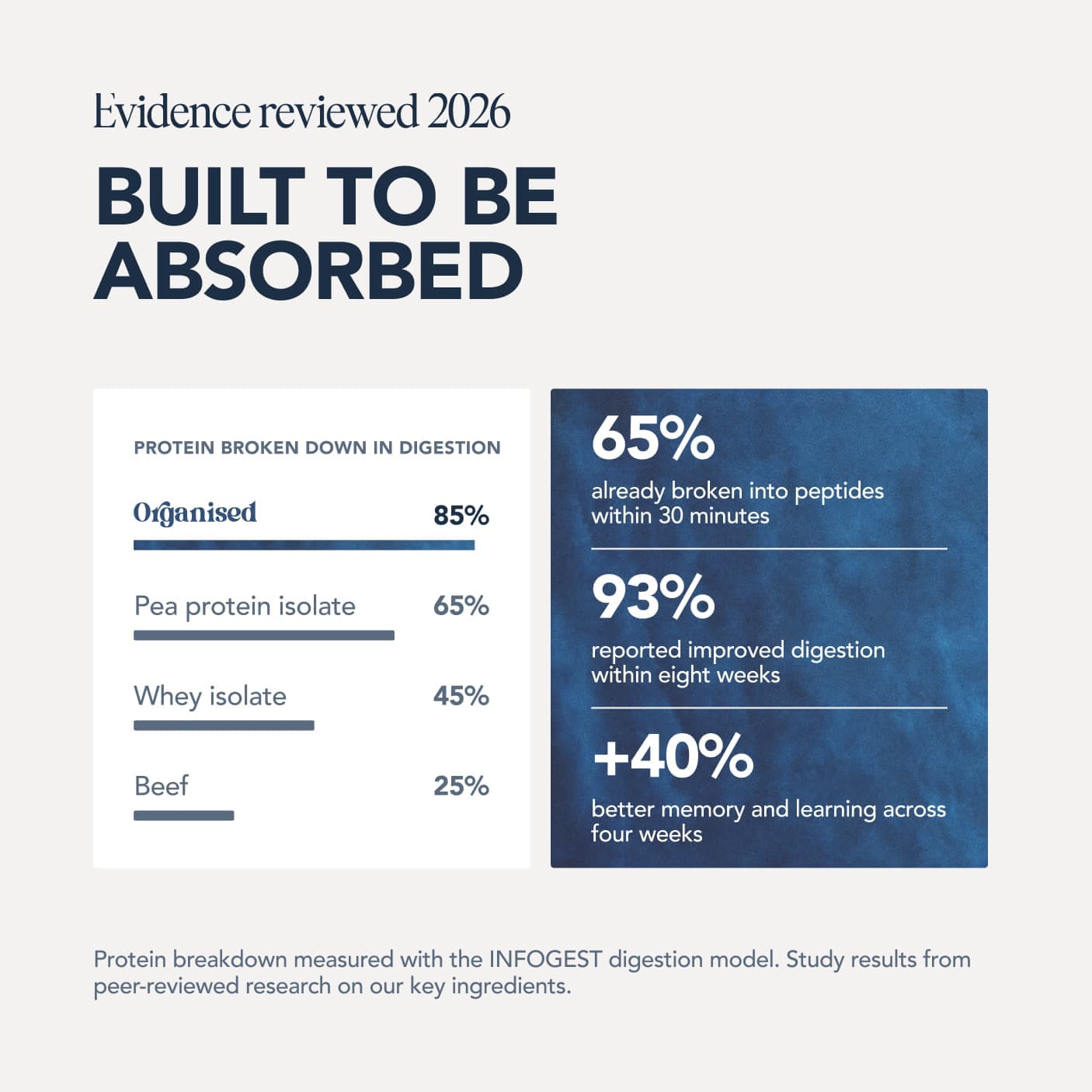
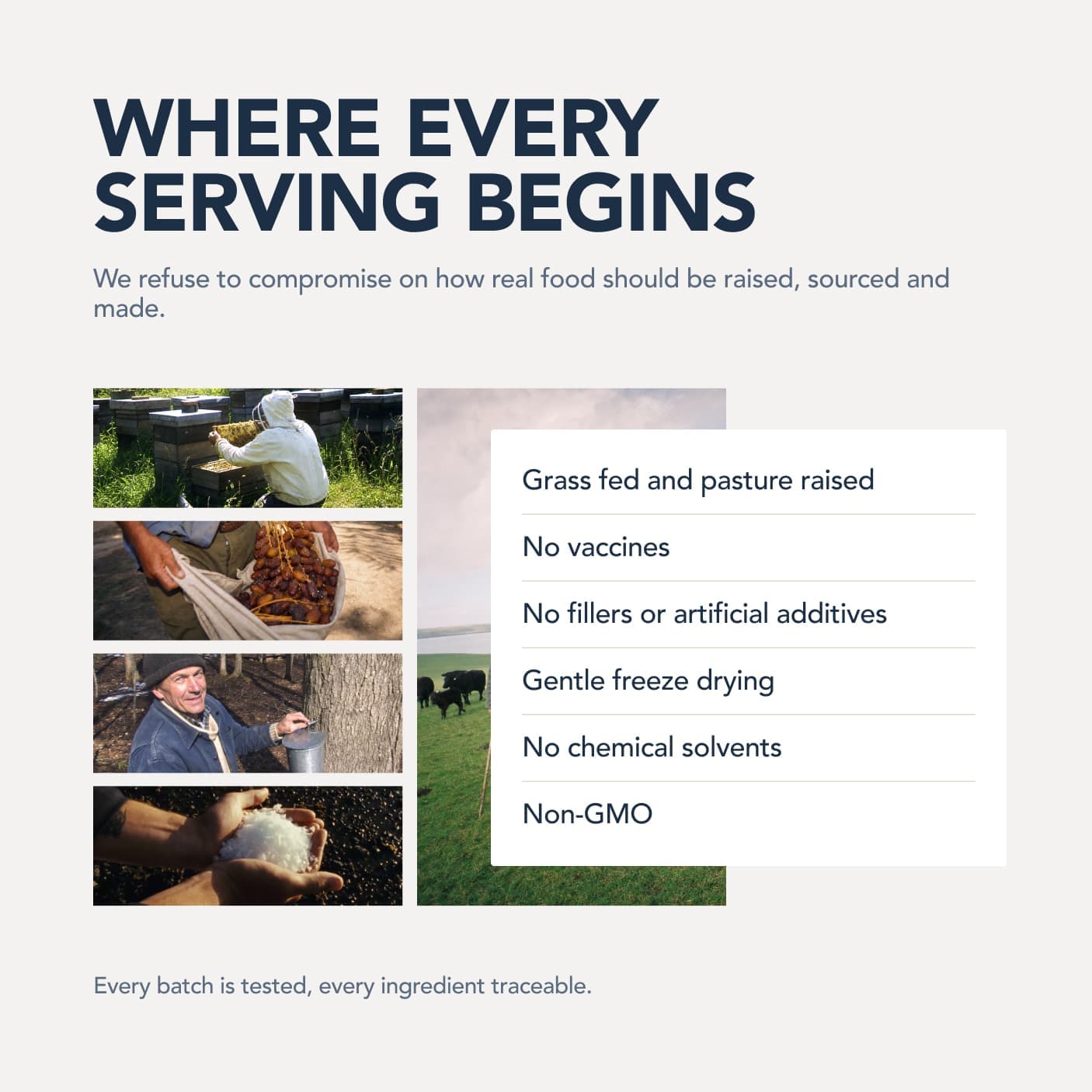
Eight real ingredients built around grass-fed beef organs, collagen and colostrum. Nothing synthetic added.
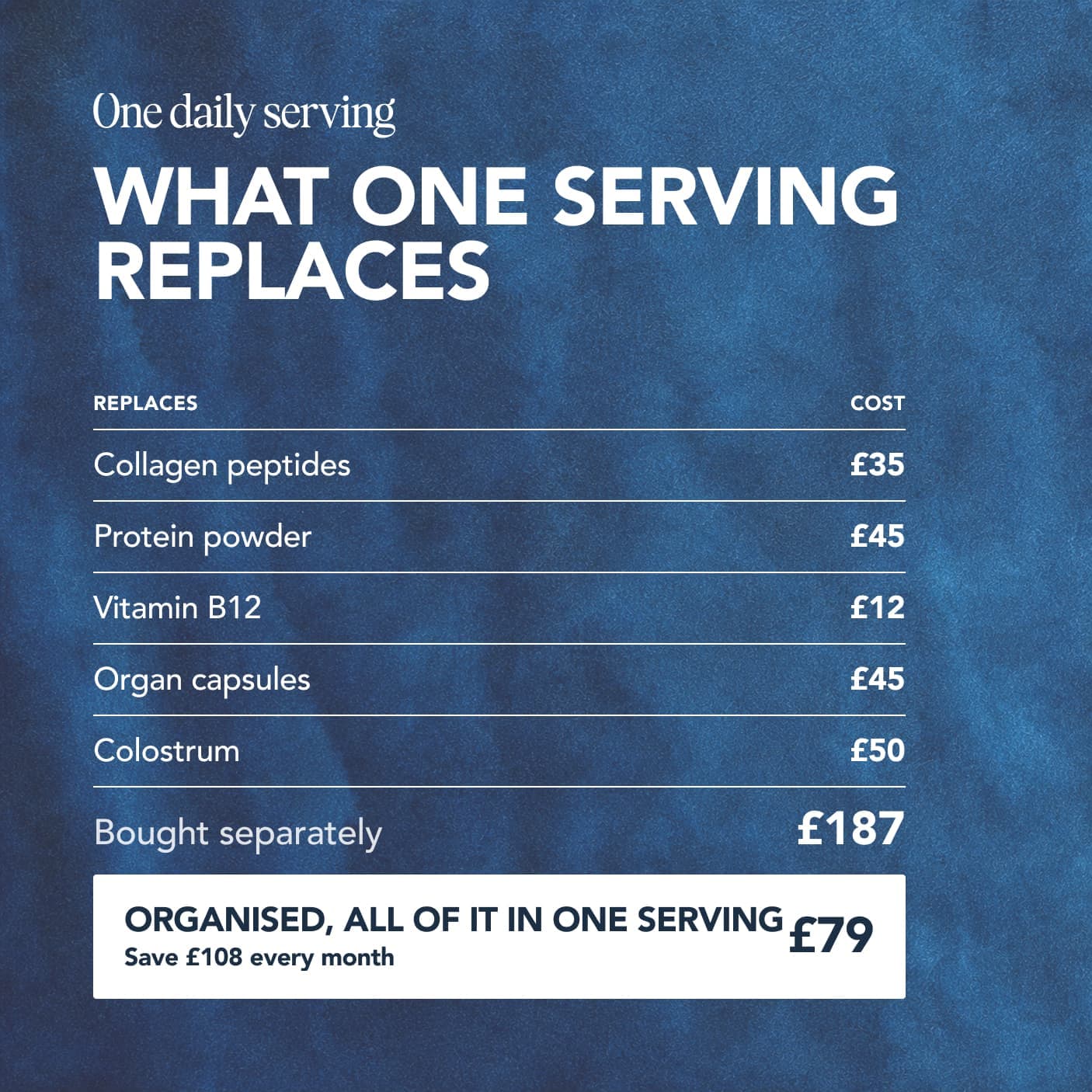
Free with your first order, worth £38. Plus £10 off the pouch with a subscription.

Free UK shipping · Made in England · 100 day money back guarantee on your first pouch · Skip, pause or cancel anytime
The bottom line
The protein myth persists because it sounds logical and because it's been taught in some medical schools for decades. But the modern research is conclusive: high protein intake doesn't damage healthy kidneys.
If you have healthy kidney function, confirmed by a doctor through blood work, you can eat as much protein as you want without concern. Eat beef, organs, fish, and eggs confidently. Your kidneys are designed to handle it.
If you have diagnosed kidney disease, work with your doctor on appropriate protein restriction. But don't restrict protein based on fear of a myth. Restrict it based on actual medical need confirmed by blood tests.
For everyone else: protein isn't your enemy. It's a fundamental nutrient your body needs for muscle, hormone, enzyme, and immune function. Eat adequate amounts without fear.
References
Every source below was checked on 27 August 2026. Each PubMed, PMC and DOI identifier was resolved against NCBI or Crossref, and what it opens is printed under the citation, so you can see the link goes where the citation says without leaving the page. Where a citation and its identifier disagreed, the citation was corrected to the record or the reference was deleted along with the sentence marker that pointed at it, and where the resolved paper turned out not to support the sentence, the sentence was cut back to what it does support. Borrowed authority is worse than none, because it looks like rigour.
- Devries MC, Sithamparapillai A, Brimble KS, Banfield L, Morton RW, Phillips SM. Changes in kidney function do not differ between healthy adults consuming higher- compared with lower- or normal-protein diets: a systematic review and meta-analysis. Journal of Nutrition. 2018;148(11):1760-1775. https://pubmed.ncbi.nlm.nih.gov/30383278/Checked 27 August 2026: PMID 30383278 opens Devries MC, Sithamparapillai A, Brimble KS et al, Changes in Kidney Function Do Not Differ between Healthy Adults Consuming Higher- Compared with Lower- or Normal-Protein Diets: A Systematic Review and Meta-Analysis. J Nutr 2018;148(11):1760-1775. PubMed indexes it as: Meta-Analysis, Systematic Review.
- Institute of Medicine. Dietary Reference Intakes for Energy, Carbohydrate, Fiber, Fat, Fatty Acids, Cholesterol, Protein, and Amino Acids. Washington, DC: National Academies Press; 2005. https://nap.nationalacademies.org/catalog/10490/
- Morton RW, Murphy KT, McKellar SR, et al. A systematic review, meta-analysis and meta-regression of the effect of protein supplementation on resistance training-induced gains in muscle mass and strength in healthy adults. British Journal of Sports Medicine. 2018;52(6):376-384. https://pubmed.ncbi.nlm.nih.gov/28698222/Checked 27 August 2026: PMID 28698222 opens Morton RW, Murphy KT, McKellar SR et al, A systematic review, meta-analysis and meta-regression of the effect of protein supplementation on resistance training-induced gains in muscle mass and strength in healthy adults. Br J Sports Med 2018;52(6):376-384. PubMed indexes it as: Meta-Analysis, Systematic Review.The authors' own declaration, from the record: Competing interests: SMP has received grant support, travel expenses, and honoraria for presentations from the US National Dairy Council. This agency has supported trials reviewed in this analysis.
- Hoffman JR, Falvo MJ. Protein - which is best? Journal of Sports Science & Medicine. 2004;3(3):118-130. https://pmc.ncbi.nlm.nih.gov/articles/PMC3905294/Checked 27 August 2026: PMC3905294 opens Hoffman JR, Falvo MJ, Protein - Which is Best? J Sports Sci Med 2004;3(3):118-30. PubMed indexes it as: Review.
Who wrote and reviewed this guide
Niall Kiddle
Author · Founder, Organised
Niall is the founder of Organised. He started the company in 2024 after fixing his own health the slow way: in 2022 he swapped a cupboard of synthetic supplements for real food, raw milk, organ meats, bone broth and honey, and felt the difference within months.
Areas of expertise: Ancestral nutrition, Organ meats, Whole-food supplementation, Gut health, Regenerative sourcing
Read Niall's full profile
Pedro Rodrigues
Reviewer · Agronomist (farming and sourcing only)
Pedro is the agronomist Organised works with on farming and sourcing. His job on the guides is to keep the science honest: he reviews what we publish about soil health, regenerative agriculture, grazing and the way food is actually produced.
Areas of expertise: Regenerative agriculture, Agronomy, Soil health, Grass-fed farming, Food sourcing
Reviewed this guide on
Read Pedro's full profileMore on debunking
View all- Are Organ Meats High in Purines? What Gout Sufferers Need to Know
- Cholesterol in Organ Meats: Should You Be Worried?
- Do You Really Need 5 a Day? What the Evidence Says
- Does Red Meat Cause Cancer? A Nuanced Look at the Evidence
- Liver Doesn't Store Toxins: Debunking the Biggest Organ Meat Myth
- The Real Reason Your Doctor Says 'Eat Less Red Meat'
- The Saturated Fat Myth: What Modern Research Actually Shows
Browse the guides library
All guidesKeep reading

Science
Glycine and Longevity: The Latest Research
Recent research on glycine supplementation and lifespan extension. How glycine affects ageing and where the longevity field is heading.

Science
The Gut Lining: How It Works and How to Protect It
Understand how your gut lining works. Learn about enterocytes, tight junctions, zonulin, and practical ways to protect your intestinal barrier with food.
Science
The Fibre Myth: Do We Really Need as Much as We're Told?
Explore the fibre myth. Learn about SCFAs, why more fibre isn't always better, context-dependent dosing, and the history of cereal industry marketing.
Real food, made effortless
See the blendA few ways to use it
All recipes
Energy Balls with Organised, Dates and Raw Honey
Make no-bake energy balls with Organised, dates, and raw honey. Perfect lunch box, pre-workout, or on-the-go snack. Simple recipe.

Raw Milk Hot Chocolate with Collagen
A nourishing evening hot chocolate made with raw milk, grass-fed collagen, raw cacao, and honey. A nighttime ritual that supports sleep and gut health.

Raw Milk Ice Cream with Organised
Make raw milk ice cream at home with Organised for a seasonal, nutrient-dense treat. Three simple flavours to try whenever the craving strikes.


 Join over 100,000+ members
Build a better food system with us
The Organised community is thousands of people choosing real food and backing the farmers who grow it, all of us trying to leave the world a little better than we found it. If that is what you care about too, you belong here.