The Role of Zinc in Over 300 Enzymatic Reactions
Zinc is quietly involved in nearly every system of your body. Your immune system, your hormones, your metabolism, your wound healing, your taste and smell, they all depend on it. Most of us are running on fumes.

By Niall Kiddle, Founder, Organised

Reviewed by Pedro Rodrigues, Agronomist (farming and sourcing only) ·
6 min read · Published · Updated · 5 cited sources
Makers of the Organised Daily blend, a grass-fed beef organ supplement from regenerative UK farms
Zinc is a cofactor for 300+ enzymatic reactions
Zinc is a mineral, and like other minerals, it acts as a cofactor for enzymes. An enzyme is a protein that facilitates chemical reactions. Without its cofactor, the enzyme cannot function. Remove the cofactor, slow the reaction, and suddenly dozens of metabolic pathways start moving at half speed.
Zinc is involved in DNA synthesis, cell division, protein folding, inflammatory regulation, antioxidant defence, and hormone signalling.1 It's not a supporting actor in health. It's central casting. And deficiency is phenomenally common.
Zinc deficiency doesn't announce itself loudly. You don't wake up with acute zinc deficiency symptoms the way you would with acute vitamin C deficiency (scurvy) or vitamin D deficiency in bright sun (rickets). Zinc deficiency creeps in. Your immunity weakens. Your wound healing slows. Your taste and smell dim. Your mood flattens. Your testosterone drifts lower. Small things, but pervasive.
Zinc deficiency is the silent thief that steals your immunity, your wound healing, and your hormones all at once.
Immunity and infection: where zinc shows up most obviously
Zinc is absolutely central to immune function. T cells, the cells orchestrating immune response, require zinc to differentiate and proliferate. Phagocytes, the cells that literally engulf pathogens, need zinc to function.2 Natural killer cells need zinc. Antibody production needs zinc.
When zinc is deficient, T cell production drops, phagocyte killing ability diminishes, and antibody responses are blunted. The result: you get sick more often, recover more slowly, and are more vulnerable to both viral and bacterial infections.
During a viral infection or sepsis, your body rapidly depletes zinc. Inflammation spikes, zinc demand increases, and if you're not entering the infection with robust zinc status, you enter a deficit state. This is why zinc supplementation at the first sign of a cold has solid research behind it.3 You're replenishing what the infection is rapidly consuming.
People with chronic infections, recurring respiratory infections, or slow wound healing almost always have zinc deficiency as a contributing factor. It's not the only factor. But it's almost always present.

Testosterone, DHT, and sexual function
Zinc is essential for testosterone synthesis. The enzyme that converts cholesterol to pregnenolone, the first step in steroid hormone production, is zinc-dependent.4 The enzyme that converts testosterone to DHT is zinc-dependent. Without zinc, testosterone production drops and sexual function suffers.
Men with low testosterone consistently show lower zinc status than men with normal testosterone. Zinc supplementation in deficient men has been shown to increase testosterone levels measurably. This is not a supplement placebo. This is basic biochemistry.
Zinc is also involved in sperm production, sperm motility, and fertility. Men who are struggling with fertility should have their zinc status checked before pursuing expensive fertility treatments. Adequate zinc is a prerequisite.
Women need zinc equally. It's involved in oestrogen and progesterone metabolism, in ovulation, in menstrual cycle regulation. Women with amenorrhoea or irregular cycles often improve dramatically with zinc repletion.
Your sex hormones cannot be made without zinc. If you're low in zinc, your hormones are going to suffer.
Wound healing and skin integrity
Zinc is essential for collagen synthesis and cross-linking, the process that gives collagen its structural strength.5 It's involved in fibroblast activation, the cells that produce collagen. It's needed for epithelial integrity, the formation of new skin cells over a wound. Zinc deficiency results in slow, poor-quality wound healing.
This shows up not just in obvious wounds, but in skin quality generally. People with poor skin healing, slow recovery from minor cuts, poor wound closure after surgery often have zinc deficiency as a contributing factor. Stretch marks, that are essentially tears in the dermis, heal better with adequate zinc.
Zinc is also involved in hair and nail growth. Hair loss, weak nails, and poor skin quality are classic signs of zinc deficiency. A person with mysterious alopecia or persistently weak nails should always have zinc status checked.

The absorption problem and where to find it
Zinc is found in reasonable quantities in many foods. But bioavailability varies enormously. Zinc from animal sources is absorbed far more efficiently than zinc from plant sources. Animal protein enhances zinc absorption. Phytates, found in grains and legumes, inhibit zinc absorption.
A person eating a plant-forward diet high in grains and legumes but low in animal foods can eat adequate zinc quantities and still be deficient because the zinc is not being absorbed.
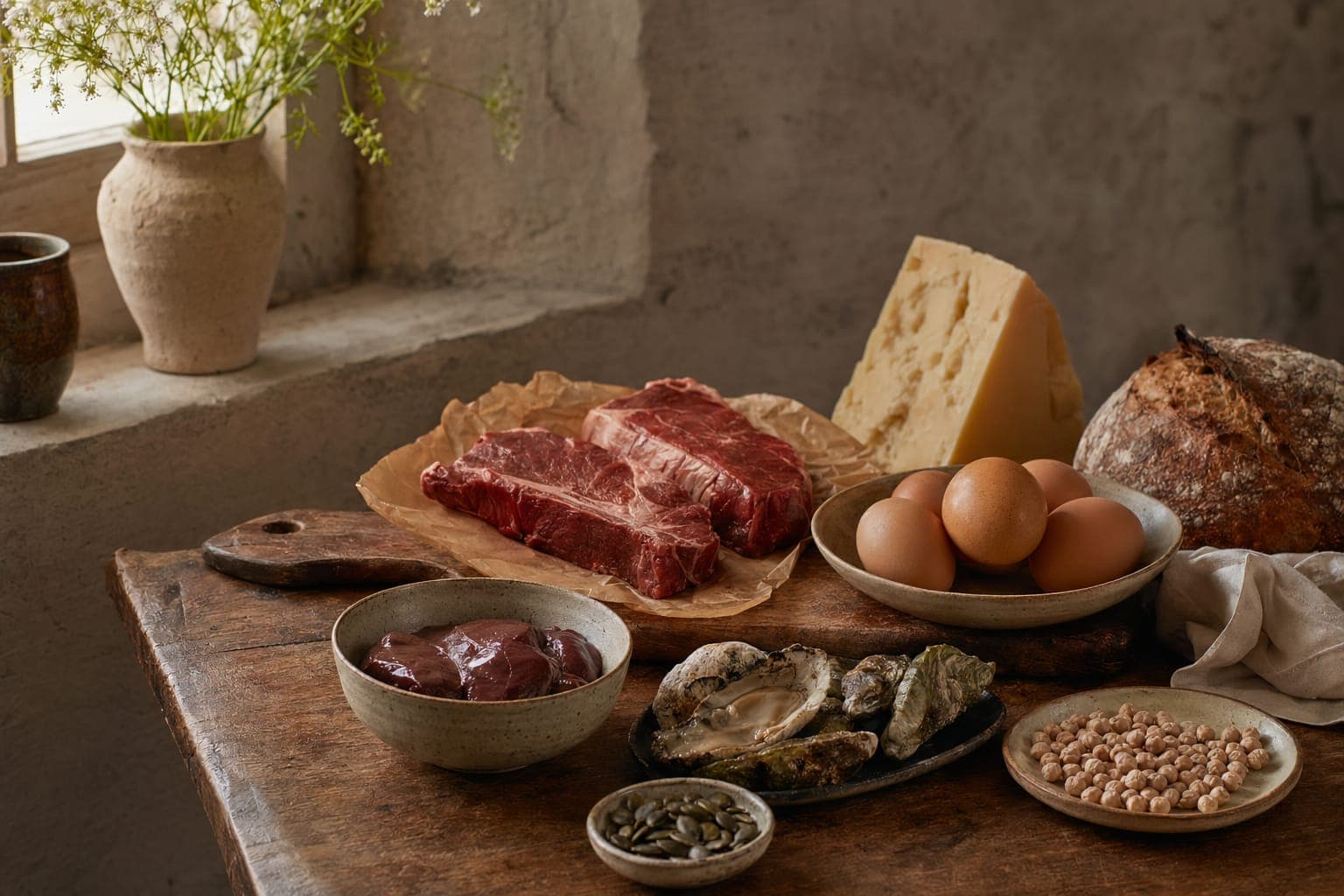
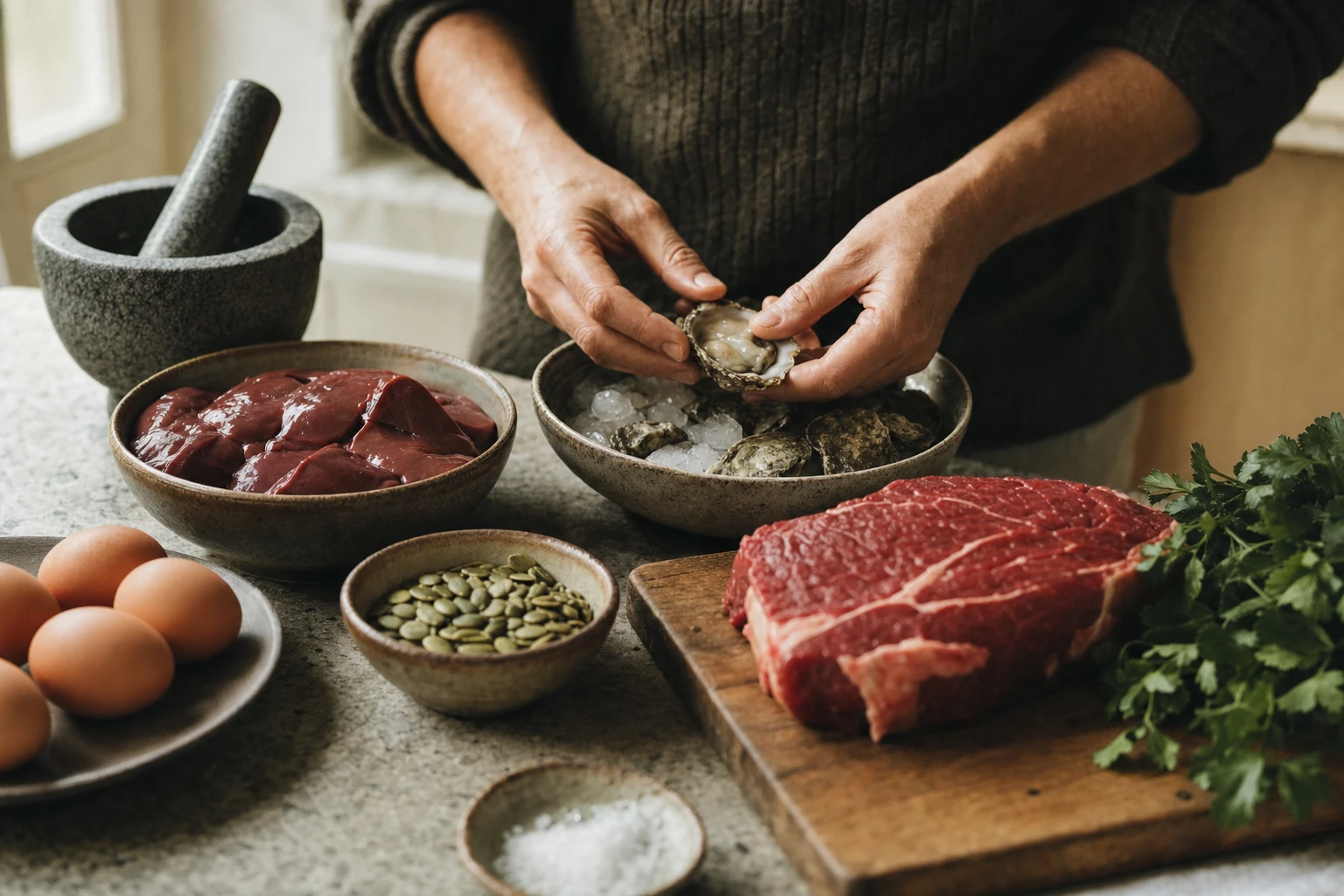
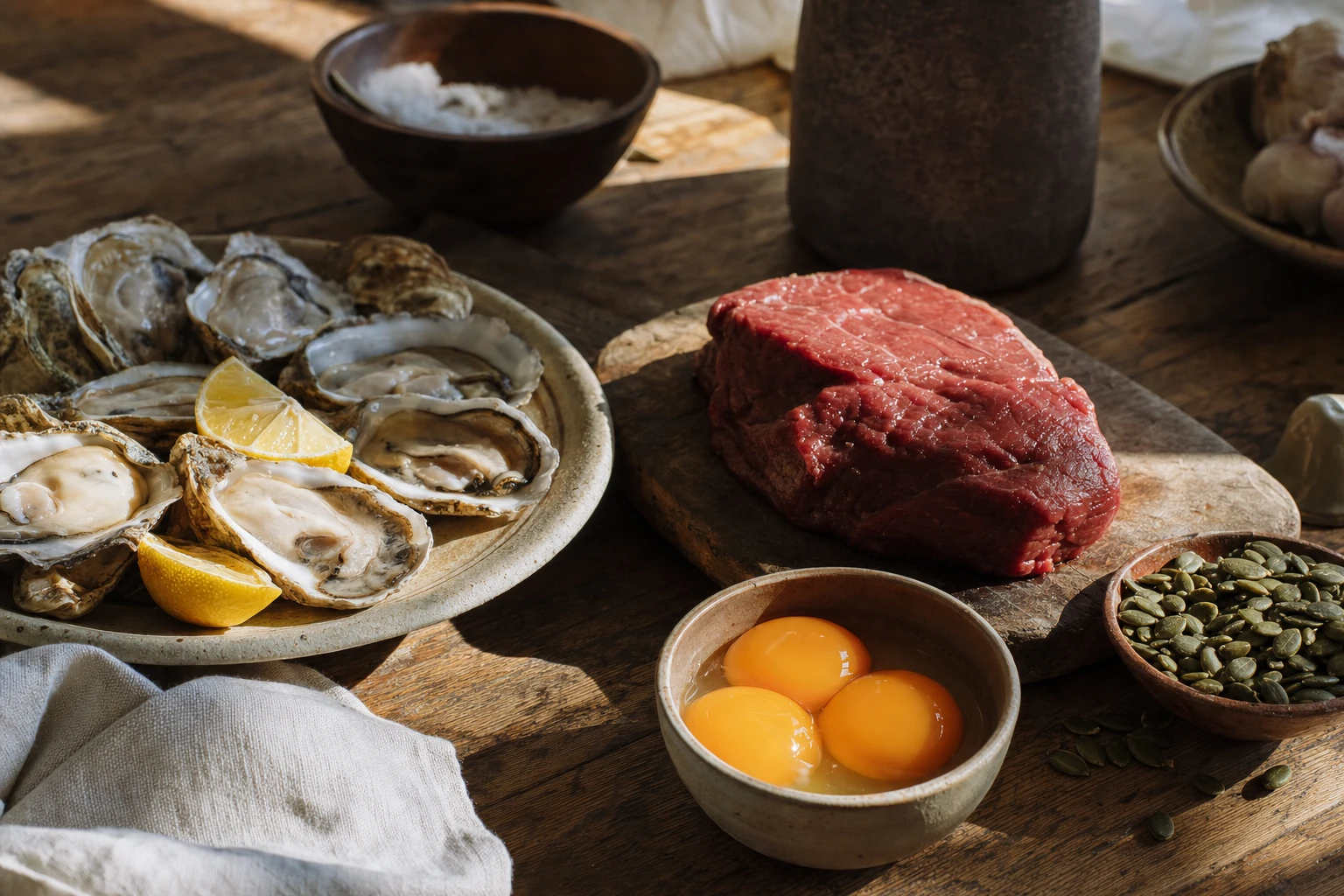
- Oysters - 25 milligrams per 100 grams. The most zinc-dense food on the planet.1
- Beef - 5 to 10 milligrams per 100 grams. Excellent bioavailability.
- Lamb - 4 to 5 milligrams per 100 grams.
- Chicken - 1 to 2 milligrams per 100 grams. Lower than red meat.
- Egg yolks - 1.5 milligrams per yolk.
- Pumpkin seeds - 8.5 milligrams per 100 grams. Plant source, but decent bioavailability.
- Cashews - 5.5 milligrams per 100 grams. Better absorbed than most plant sources.
If you're on a plant-forward diet, you need either significantly higher absolute quantities of zinc, or you need to supplement. If you're eating animal foods regularly, particularly shellfish and red meat, you're likely fine.
Get the science, plainly, free
Two short reads a week on what the research actually says about nutrition.
By signing up you agree to receive emails from us. No spam, unsubscribe anytime.
How to know if you're deficient
Zinc deficiency doesn't have a simple marker. Blood zinc levels don't tell the whole story because your body tightly controls serum zinc, maintaining levels even when tissue zinc is depleted. By the time blood zinc drops significantly, deficiency is severe.
Instead, look for the constellation of symptoms. Slow wound healing after minor cuts or after surgery. Hair loss, particularly diffuse shedding. Weak nails. Poor skin quality. Recurrent infections, particularly respiratory infections. Loss of taste or smell. Low libido or erectile dysfunction in men. Irregular or absent periods in women. Mood disturbances or depression. These are often better indicators than any blood test.
If you're experiencing any combination of these, particularly if you're on a plant-based diet or if you've had gut surgery that impairs absorption, a trial of zinc supplementation is worth pursuing. Take 15 to 30 milligrams daily for eight to twelve weeks and notice whether your symptoms improve. Improved wound healing or return of taste sensitivity typically appears within weeks. Hair loss takes longer, you won't see full benefit until new hair is growing in, which takes months.
That said, getting tested is worth doing. A zinc taste test (zinc sulfate solution placed on the tongue) is not perfectly predictive, but it correlates with zinc status. More importantly, if you're planning to supplement, knowing where you're starting from helps you calibrate dosing and duration.
Why deficiency is so common
Zinc deficiency is remarkably common for a few reasons. First, modern agriculture has depleted soil zinc in many regions. The vegetables grown in zinc-poor soil are zinc-poor. A person relying primarily on plants is at particular risk.
Second, refined carbohydrates contain almost no zinc, but they're calorie-dense, so people eating high quantities of refined grains and sugar are consuming calories without zinc. Meanwhile, phytates in those grains actively inhibit zinc absorption.
Third, digestive impairment is becoming increasingly common. Chronic inflammation, dysbiosis, leaky gut, insufficient stomach acid, all of these impair zinc absorption. A person with poor digestion can eat adequate zinc and still be deficient. This is particularly true for older adults, who produce less stomach acid.
Finally, certain conditions and medications increase zinc losses. Chronic diarrhoea causes zinc malabsorption. Diuretics increase zinc excretion. Some autoimmune conditions increase zinc demand. If you're dealing with any of these, your zinc requirements are higher than baseline.
1 of 9
Daily blend
100,000+ thriving families4.9 on Trustpilot
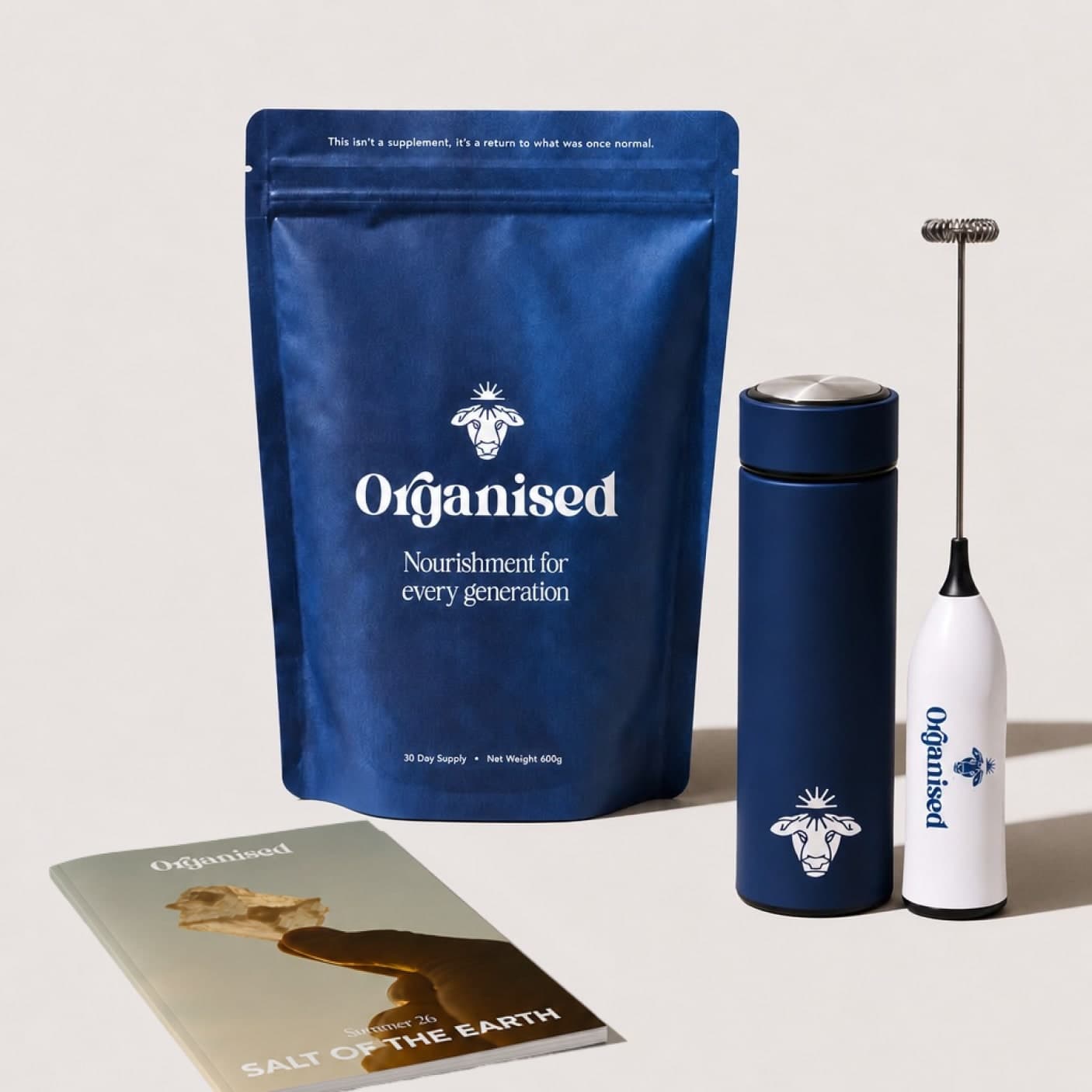
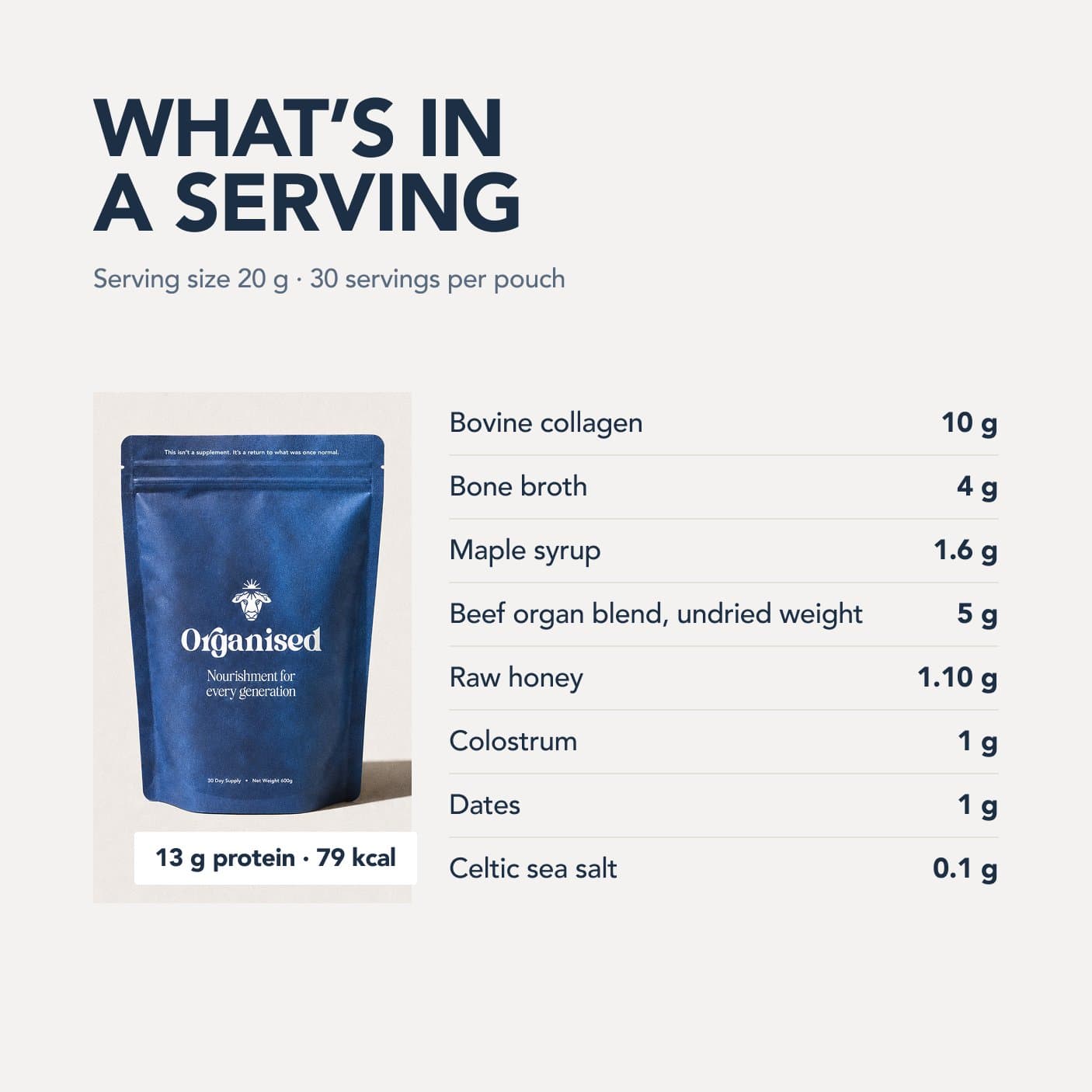
Eight real ingredients built around grass-fed beef organs, collagen and colostrum. Nothing synthetic added.
Free with your first order, worth £38. Plus £10 off the pouch with a subscription.
Free UK shipping · Made in England · 100 day money back guarantee on your first pouch · Skip, pause or cancel anytime
The bottom line
Zinc is not a micronutrient you can ignore. It's woven into immunity, hormone production, wound healing, and metabolism. Deficiency develops slowly and masquerades as chronic fatigue, poor immunity, weak skin and hair, low libido, and slow recovery. Eating red meat, shellfish, and eggs consistently is the foundation. If you're not doing that, supplementing 15 to 30 milligrams daily makes sense. Your immunity, your hormones, and your wound healing will thank you.
References
Every source below was checked on 27 August 2026. Each PubMed, PMC and DOI identifier was resolved against NCBI or Crossref, and what it opens is printed under the citation, so you can see the link goes where the citation says without leaving the page. Where a citation and its identifier disagreed, the citation was corrected to the record or the reference was deleted along with the sentence marker that pointed at it, and where the resolved paper turned out not to support the sentence, the sentence was cut back to what it does support. Borrowed authority is worse than none, because it looks like rigour.
- National Institutes of Health Office of Dietary Supplements. Zinc - Health Professional Fact Sheet. NIH ODS Zinc.
- Wessels I et al. Zinc as a Gatekeeper of Immune Function. Nutrients. PMC5748737.Checked 27 August 2026: PMC5748737 opens Wessels I, Maywald M, Rink L, Zinc as a Gatekeeper of Immune Function. Nutrients 2017;9(12). PubMed indexes it as: Review.The authors' own declaration, from the record: The authors declare that they have no conflict of interest.
- Singh M, Das RR. Zinc for the common cold. Cochrane Database Syst Rev. PubMed PMID: 23775705.Checked 27 August 2026: PMID 23775705 opens Singh M, Das RR, Zinc for the common cold. Cochrane Database Syst Rev 2013. PubMed indexes it as: Meta-Analysis, Systematic Review.
- Fallah A et al. Zinc is an Essential Element for Male Fertility. J Reprod Infertil. PMC6010824.Checked 27 August 2026: PMC6010824 opens Fallah A, Mohammad-Hasani A, Colagar AH, Zinc is an Essential Element for Male Fertility: A Review of Zn Roles in Men's Health, Germination, Sperm Quality, and Fertilization. J Reprod Infertil 2018;19(2):69-81. PubMed indexes it as: Review.The authors' own declaration, from the record: Conflict of Interest The authors have declared that no competing interests exist. Financial Disclosure: The authors declared no conflicts of interests.
- Lansdown AB et al. Zinc in wound healing: theoretical, experimental, and clinical aspects. Wound Repair Regen. PubMed PMID: 17244314.Checked 27 August 2026: PMID 17244314 opens Lansdown AB, Mirastschijski U, Stubbs N et al, Zinc in wound healing: theoretical, experimental, and clinical aspects. Wound Repair Regen 2007;15(1):2-16. PubMed indexes it as: Review.
Corrections
What this page used to say, and why it no longer says it. Corrections are dated and are never removed, because deleting the record of an error is a second error. Every guide we have corrected is listed at our corrections log.
- 27 August 2026. Reference 4 linked a paper by Allouche-Fitoussi and Breitbart under Fallah's name. It now links Fallah's own record.
- 27 August 2026. The claim that the cholesterol-to-pregnenolone enzyme and the testosterone-to-DHT enzyme are zinc-dependent was removed. The cited review is about male fertility and does not establish either step.
Who wrote and reviewed this guide
Niall Kiddle
Author · Founder, Organised
Niall is the founder of Organised. He started the company in 2024 after fixing his own health the slow way: in 2022 he swapped a cupboard of synthetic supplements for real food, raw milk, organ meats, bone broth and honey, and felt the difference within months.
Areas of expertise: Ancestral nutrition, Organ meats, Whole-food supplementation, Gut health, Regenerative sourcing
Read Niall's full profile
Pedro Rodrigues
Reviewer · Agronomist (farming and sourcing only)
Pedro is the agronomist Organised works with on farming and sourcing. His job on the guides is to keep the science honest: he reviews what we publish about soil health, regenerative agriculture, grazing and the way food is actually produced.
Areas of expertise: Regenerative agriculture, Agronomy, Soil health, Grass-fed farming, Food sourcing
Reviewed this guide on
Read Pedro's full profileMore on nutrient deep-dives
View allBrowse the guides library
All guidesKeep reading

Life stage
Why Prenatal Vitamins Aren't Always Enough
Why prenatal vitamins miss critical nutrients like choline and K2. What whole foods your baby actually needs during pregnancy.

Organised
Colostrum vs Glutamine for Gut Health
Colostrum contains IgG and growth factors. Glutamine fuels enterocytes. They work through different mechanisms. Here's the honest comparison.
Science
The Fibre Myth: Do We Really Need as Much as We're Told?
Explore the fibre myth. Learn about SCFAs, why more fibre isn't always better, context-dependent dosing, and the history of cereal industry marketing.
Real food, made effortless
See the blendA few ways to use it
All recipes
Organised Smoothie Bowl Recipes for Every Season
Four seasonal smoothie bowl recipes using Organised. Berry in summer, apple-cinnamon in autumn, tropical in spring, warming chocolate in winter.
The Organised Recovery Smoothie for After Exercise
A recovery smoothie made with beef protein, raw milk, frozen berries, collagen, and honey. Optimal nutrition in the 30-minute window after exercise.
Gut-Healing Marshmallows with Collagen and Raw Honey
Learn to make gut-healing marshmallows with collagen and raw honey. A shareable treat that sneaks nutrition into every bite. Easy recipe with video tips.


 Join over 100,000+ members
Build a better food system with us
The Organised community is thousands of people choosing real food and backing the farmers who grow it, all of us trying to leave the world a little better than we found it. If that is what you care about too, you belong here.