Animal-Based Eating: What It Is and Why It's Growing
Animal-based eating is gaining momentum, but it's often misunderstood as just another version of carnivore. It's broader, richer, and more ancestral than that.
By Niall Kiddle, Founder, Organised

Reviewed by Pedro Rodrigues, Agronomist (farming and sourcing only) ·
7 min read · Published · Updated · 2 cited sources
Makers of the Organised Daily blend, a grass-fed beef organ supplement from regenerative UK farms
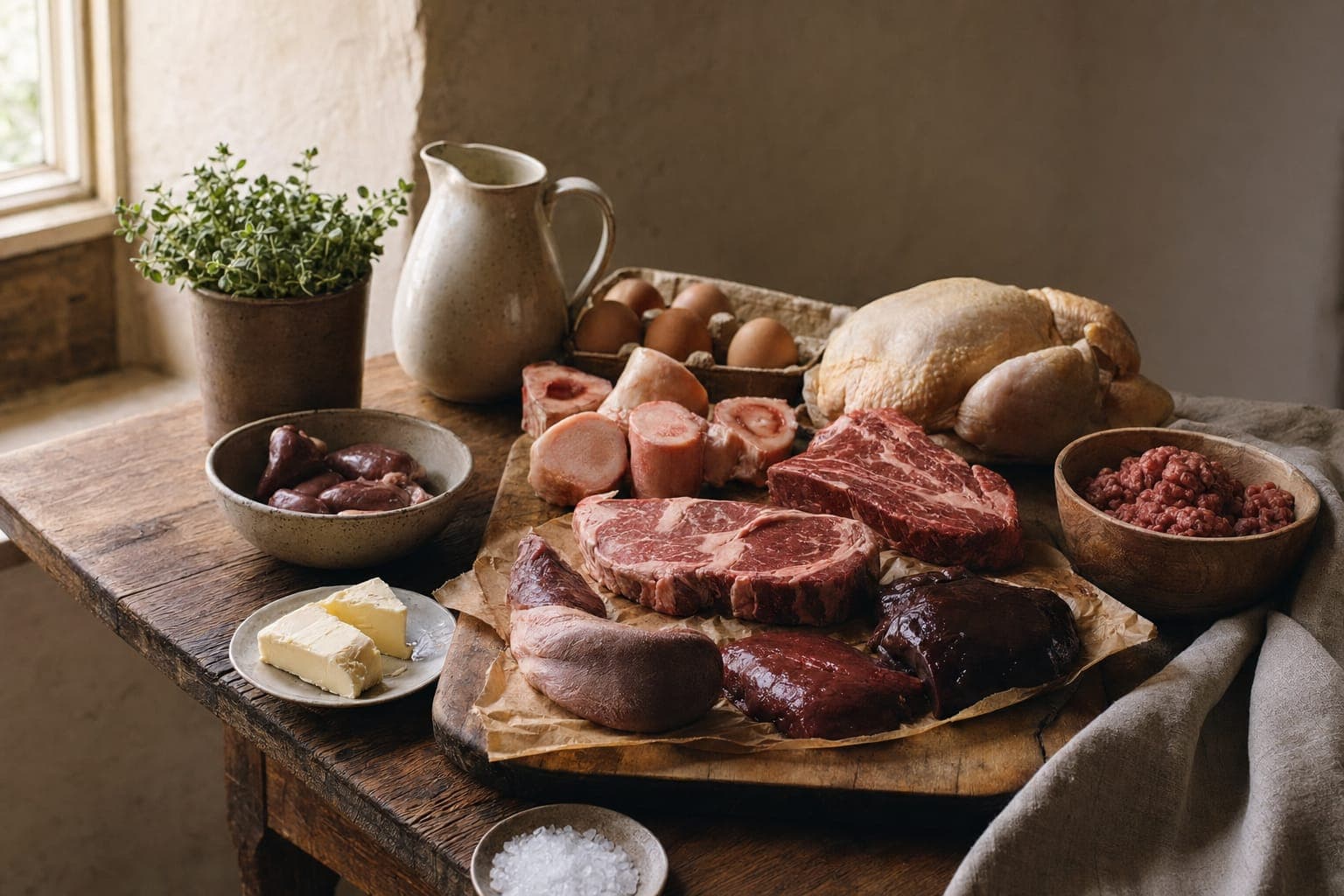
Open a conversation about animal-based eating and you'll quickly hit confusion. Some people think it means eating only meat, nothing else. Others assume it's just paleo with a different name. A few understand it as a comprehensive framework that centres on animal products whilst remaining flexible about plants.
The third definition is the useful one, and it's also the one gaining the most traction amongst people paying serious attention to nutrition.
What animal-based eating actually means
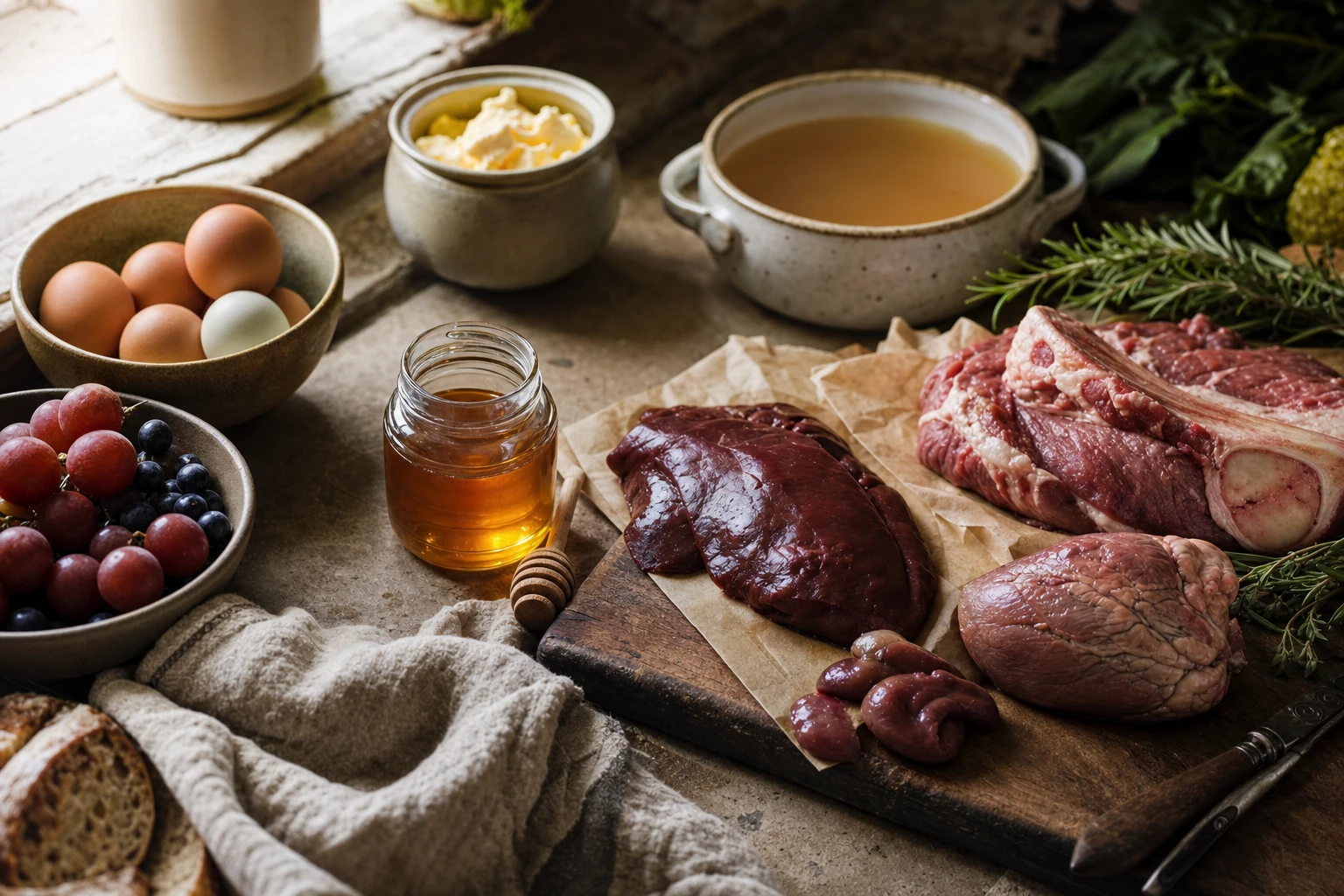
Animal-based eating prioritises foods that come from animals. This includes muscle meat, organs, bone broth, dairy, eggs, and animal fats like butter, ghee, lard, and tallow. It centres the diet on these foods as the core nutritional foundation.
But animal-based eating is not carnivore. It's more flexible. It includes some plant foods, but strategically. Honey, fruit, and select vegetables are often included. The hierarchy is inverted from modern nutrition: animals products come first, plants fill in the gaps.
The philosophy rests on a single principle: animal foods provide the most nutrient-dense, most bioavailable nutrition. Plant foods can supplement this foundation, particularly when they're nutrient-dense and low in anti-nutrients. But they're supplementary, not central.
This is ancestral in a way that modern nutrition isn't. For almost all of human history, in almost all climates, animal foods were the preferred foods, the ones protected and prioritised.1 Plant foods were seasonal, opportunistic, sometimes essential but often supplementary.
Animal-based eating isn't about rejecting plants. It's about returning to the nutritional hierarchy that kept humans healthy for millennia. Animals first. Plants as valuable additions, not replacements.
The nose-to-tail philosophy
Central to animal-based eating is the concept of nose-to-tail consumption. You eat the entire animal, not just the muscle meat that supermarkets prioritise.
Muscle meat provides protein and some micronutrients, but it's nutritionally incomplete. Liver provides dense micronutrients. Heart provides taurine and CoQ10. Bone broth provides collagen, gelatin, amino acid profiles optimised for healing. Bone marrow provides fat-soluble nutrients and minerals. Fat provides energy, satiety, fat-soluble vitamin absorption, and access to nutrients stored in adipose tissue.
When you eat nose-to-tail, you're not missing anything. You're eating a nutrient-complete food. Organs aren't supplements to meat. They're essential parts of a complete nutritional picture.
This is why traditional cultures treated organs as sacred. They understood, without modern nutritional science, that organs were the nutritional keystone. When organs were available, health was optimal. When they became scarce or unavailable, health declined.
Practically, nose-to-tail means buying from farmers, from ethnic butchers, from suppliers who sell organs and bone. It means making bone broth from bones and cartilage. It means seeking out rendered fat and bone marrow. It means a different relationship with meat than the modern supermarket provides.
Plants that fit the framework
Animal-based eating includes plants, but carefully. The plants included are usually high in nutrients, low in anti-nutrients, and either seasonal or used strategically.
Honey is included. Honey is pure carbohydrate from animal sources (made by bees), provides quick energy, and contains antimicrobial compounds. It's not nutrient-dense, but it's food humans have eaten for hundreds of thousands of years when available.
Fruits are included, particularly whole fruits rather than juices. Berries, stone fruits, citrus. Fruit provides carbohydrate, some vitamins, some minerals, and can be eaten seasonally without the year-round carbohydrate load that grains provide.
Select vegetables are included, usually the less controversial ones. Root vegetables provide minerals and carbohydrate. Leafy greens provide micronutrients. But crucially, grains are not included. Legumes are not included. Seeds are not included. The plants included are the ones ancestral humans ate regularly without significant processing.
Some animal-based practitioners include dairy, others don't. Some include coffee and tea, others exclude plant drinks as a matter of consistency. The framework is flexible. What matters is that plants are supplementary, not central, and that the plants included are chosen deliberately, not eaten by default.
Animal-based eating doesn't require absolute plant elimination. It requires intention about plant inclusion. Nothing goes in automatically. Everything serves a purpose.
Why this approach is gaining credibility
Animal-based eating is gaining momentum amongst athletes, amongst people healing from chronic disease, and increasingly amongst practitioners who are watching the outcomes their clients achieve.
Part of the appeal is practical. Meat, eggs, and dairy are calorically dense and satiating. You can eat reasonable portions and feel satisfied. You're not managing hunger constantly like many people do on plant-heavy diets.
Part of the appeal is nutritional. The nutrient density is superior. You can cover your micronutrient requirements with smaller quantities of food. You're not fighting absorption issues or nutrient interactions that limit bioavailability.
Part of the appeal is philosophical. It aligns with ancestral eating patterns. It doesn't require the cognitive load of balancing macros across plants and proteins. It doesn't require constant vigilance about complementary proteins or vitamin supplementation. It's simpler.
And part of the appeal is honest observation. People try animal-based eating and feel better. Energy improves. Digestion clears. Skin improves. Sleep deepens. These changes are observable, often rapid, and they happen for reasons that make biological sense: improved nutritional status, reduced inflammation, improved gut health, stable blood sugar.
The emerging science on ancestral diets, the observations from functional medicine practitioners, and the self-reported improvements of thousands of people experimenting with animal-based approaches are all pointing in the same direction. We've gotten something wrong. We've overestimated the necessity of plants and underestimated the nutritional completeness of animal foods.
Get ancestral nutrition guides, free
Two short reads a week on traditional ways of eating, examined with modern evidence.
By signing up you agree to receive emails from us. No spam, unsubscribe anytime.
The practical reality of eating this way
Animal-based eating sounds complicated but in practice it's simpler than modern nutrition. Breakfast is eggs and butter, or leftover meat and bone broth. Lunch is meat and vegetables. Dinner is meat, organs, and sometimes fruit or honey. No calorie counting. No macro tracking. No checking the ingredients label on dozens of products.
The complexity is in sourcing. You need access to quality animal products. This might mean paying more. It might mean shopping at different places than your supermarket. It might mean building a relationship with a local farmer. If you're eating nose-to-tail, you need to know where organs come from and how to handle them.
But sourcing access to good food is a complexity worth engaging with. It's a return to a relationship with food, with farmers, and with the source of your nutrition that modern convenience has eroded.
Nutritionally, animal-based eating is a net simplification. You're not worried about essential amino acids because animals provide all of them. You're not worried about vitamin B12 because animals provide it. You're not worried about heme iron versus non-heme iron because you're eating the superior form. You're not supplementing vitamins that plant foods don't provide adequately.
Socially, animal-based eating can be complicated. Modern culture has increasingly shifted toward plant-forward narratives. Eating primarily meat is countercultural. You might find yourself explaining your choices. You might face scepticism from people who believe modern nutritional guidelines are optimal. This is less a practical problem than a social one, but it's real.

1 of 9
Daily blend
100,000+ thriving families4.9 on Trustpilot
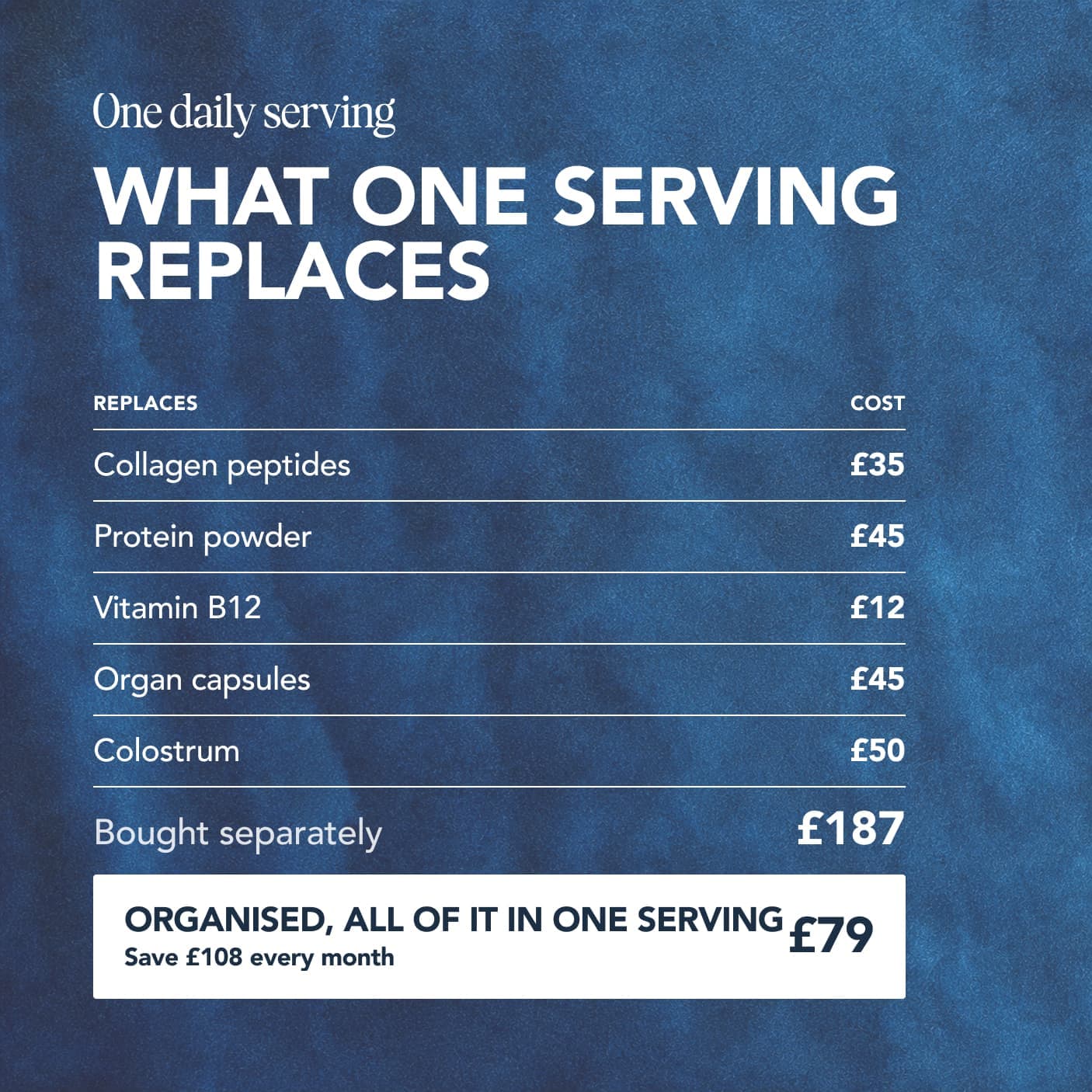
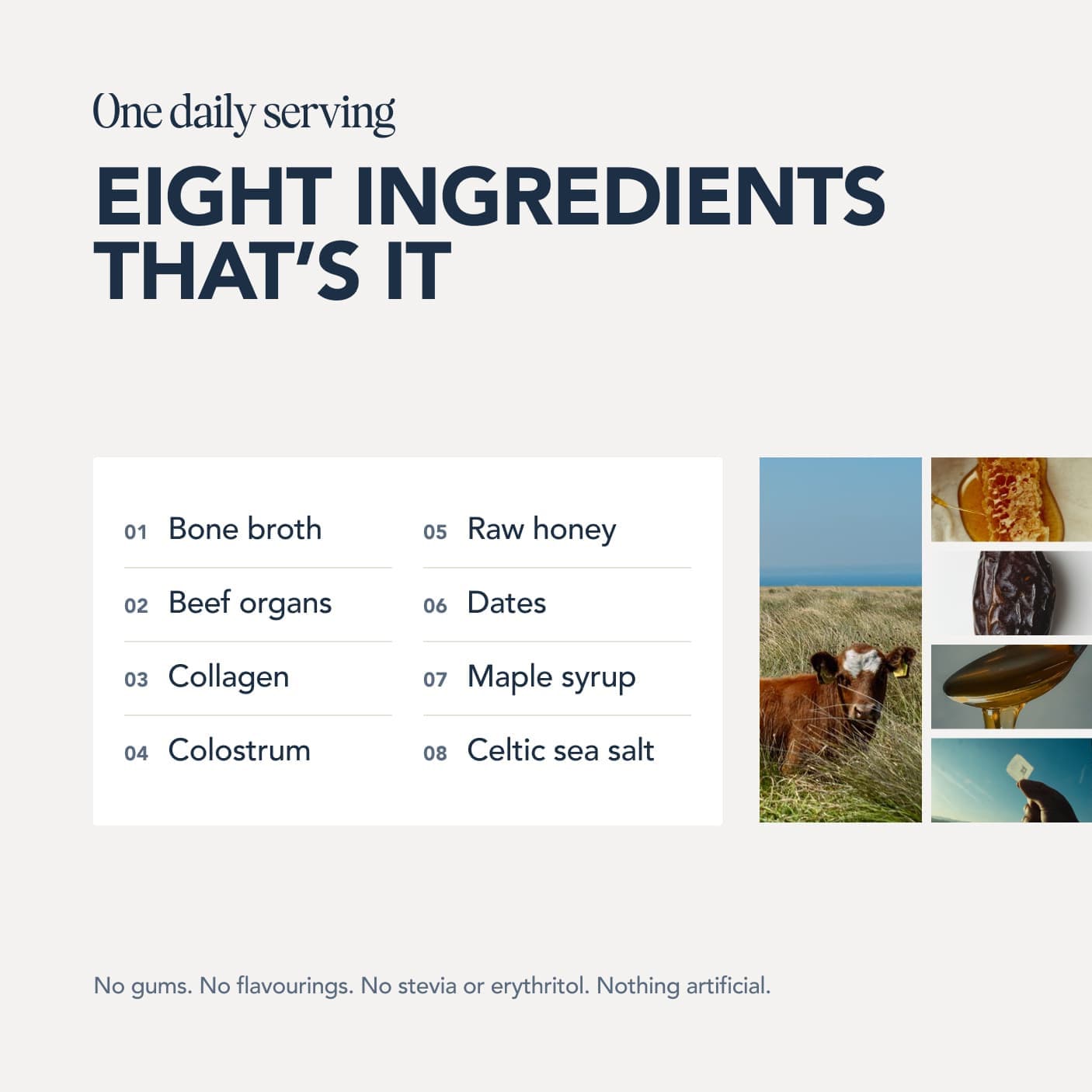
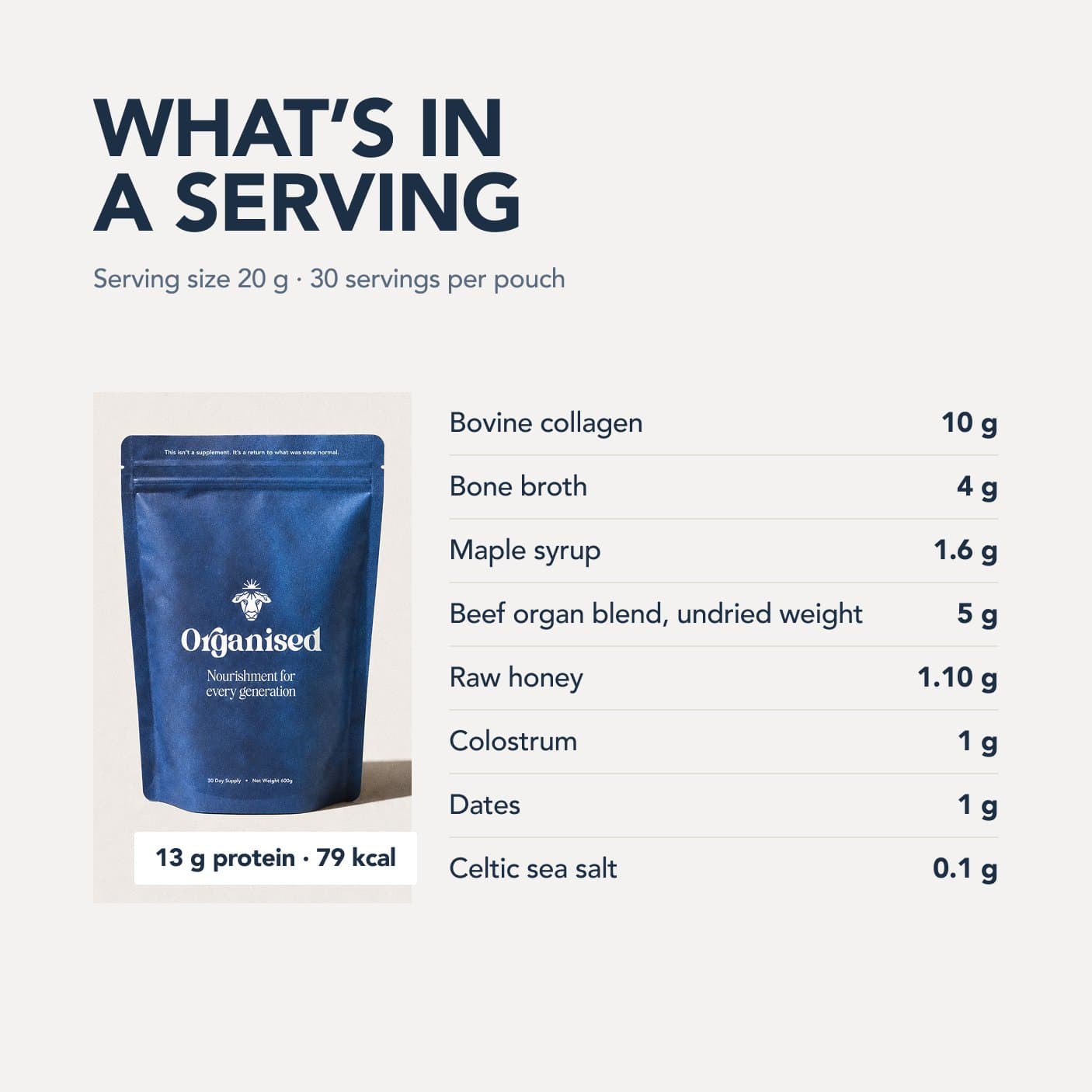
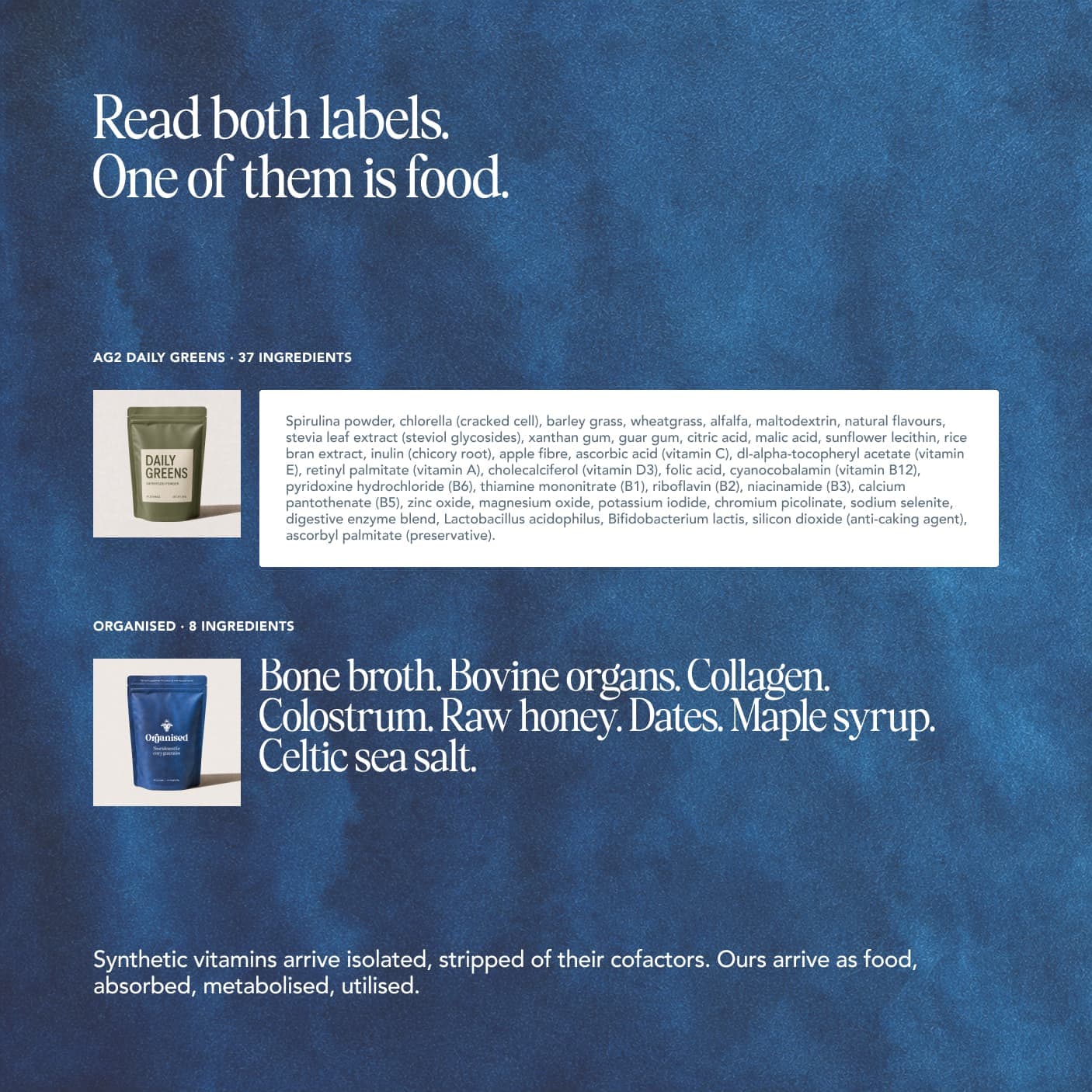
Eight real ingredients built around grass-fed beef organs, collagen and colostrum. Nothing synthetic added.
Free with your first order, worth £38. Plus £10 off the pouch with a subscription.


Free UK shipping · Made in England · 100 day money back guarantee on your first pouch · Skip, pause or cancel anytime
Where it fits with ancestral nutrition
Ancestral nutrition is about recognising that modern humans are the same biologically as the humans who thrived on diverse diets from hunting and gathering. What changed is not our bodies. What changed is our food supply and our nutritional assumptions.
Animal-based eating is one legitimate ancestral approach amongst several. Some ancestral populations ate primarily meat. Others ate more plants. The key principle, the one that connects them all, is that they ate whole foods and they concentrated on the foods most nutrient-dense in their environment.
In northern climates, that meant maximum reliance on animals. In more tropical climates, that might have included more plants. But everywhere, the hierarchy was the same: nutrient density mattered more than variety, whole foods were preferred to anything processed, and the foods that supported health were the ones protected and prioritised.
Animal-based eating returns to this hierarchy. It says: eat animal foods because they're nutrient-dense and bioavailable. Add plants when they genuinely contribute value. Don't eat plants out of habit or obligation. Eat the diet that serves your health, not the diet that serves agricultural subsidies or modern food marketing.
Animal-based eating is ancestral not because our ancestors ate nothing but meat, but because our ancestors ate what served them best, and that was usually mostly animals.
Is it right for you?
Animal-based eating works for many people and it's worth experimenting with. The simplicity is appealing. The nutrition is undeniable. The lived experience of people eating this way is compelling.
It's particularly worth trying if you're recovering from dysbiosis, if you have digestive complaints, if you have autoimmune issues, if you're trying to improve body composition, or if you're simply tired of the complexity of modern nutritional guidance.
Try it for a month, seriously. Eat meat, organs, eggs, dairy, some fruit and honey. Keep grains and legumes out. Notice what changes. If you feel better, it's worth continuing. If you feel worse, add back the plants that seem to help.
The best diet is the one that serves your health and that you can sustain without fighting your appetite or your values. For many people, animal-based eating is that diet. It might be for you too.
References
Every source below was checked on 27 August 2026. Each PubMed, PMC and DOI identifier was resolved against NCBI or Crossref, and what it opens is printed under the citation, so you can see the link goes where the citation says without leaving the page. Where a citation and its identifier disagreed, the citation was corrected to the record or the reference was deleted along with the sentence marker that pointed at it, and where the resolved paper turned out not to support the sentence, the sentence was cut back to what it does support. Borrowed authority is worse than none, because it looks like rigour.
- Cordain L, et al. Origins and evolution of the Western diet: health implications for the 21st century. Am J Clin Nutr. 2005. PMID 15699220.Checked 27 August 2026: PMID 15699220 opens Cordain L, Eaton SB, Sebastian A et al, Origins and evolution of the Western diet: health implications for the 21st century. Am J Clin Nutr 2005;81(2):341-54. PubMed indexes it as: Review.
- USDA FoodData Central. Beef, variety meats and by-products (liver, kidney, heart). fdc.nal.usda.gov.
Who wrote and reviewed this guide
Niall Kiddle
Author · Founder, Organised
Niall is the founder of Organised. He started the company in 2024 after fixing his own health the slow way: in 2022 he swapped a cupboard of synthetic supplements for real food, raw milk, organ meats, bone broth and honey, and felt the difference within months.
Areas of expertise: Ancestral nutrition, Organ meats, Whole-food supplementation, Gut health, Regenerative sourcing
Read Niall's full profile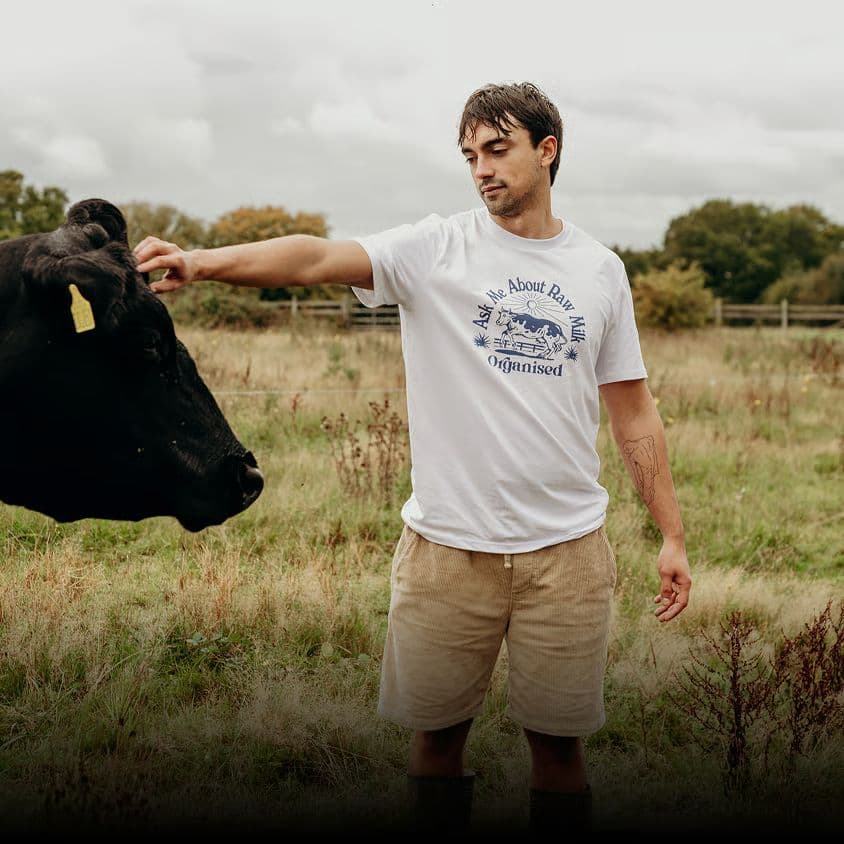
Pedro Rodrigues
Reviewer · Agronomist (farming and sourcing only)
Pedro is the agronomist Organised works with on farming and sourcing. His job on the guides is to keep the science honest: he reviews what we publish about soil health, regenerative agriculture, grazing and the way food is actually produced.
Areas of expertise: Regenerative agriculture, Agronomy, Soil health, Grass-fed farming, Food sourcing
Reviewed this guide on
Read Pedro's full profileBrowse the guides library
All guidesKeep reading
Ancestral
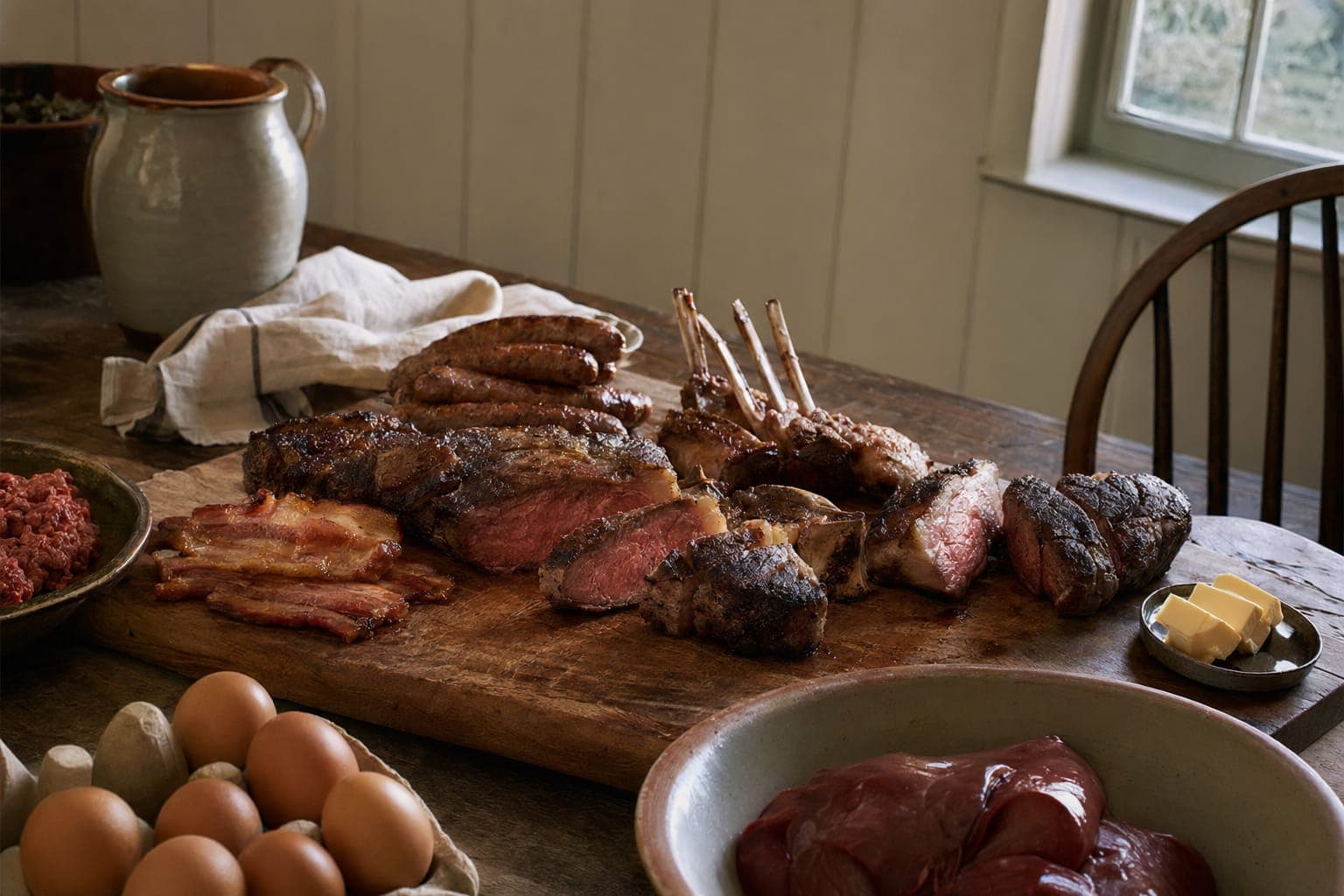
The Carnivore Diet: An Honest Assessment
An unbiased look at the carnivore diet. What works, what doesn't, who might benefit, and why fibre remains a conversation worth having.
Ancestral
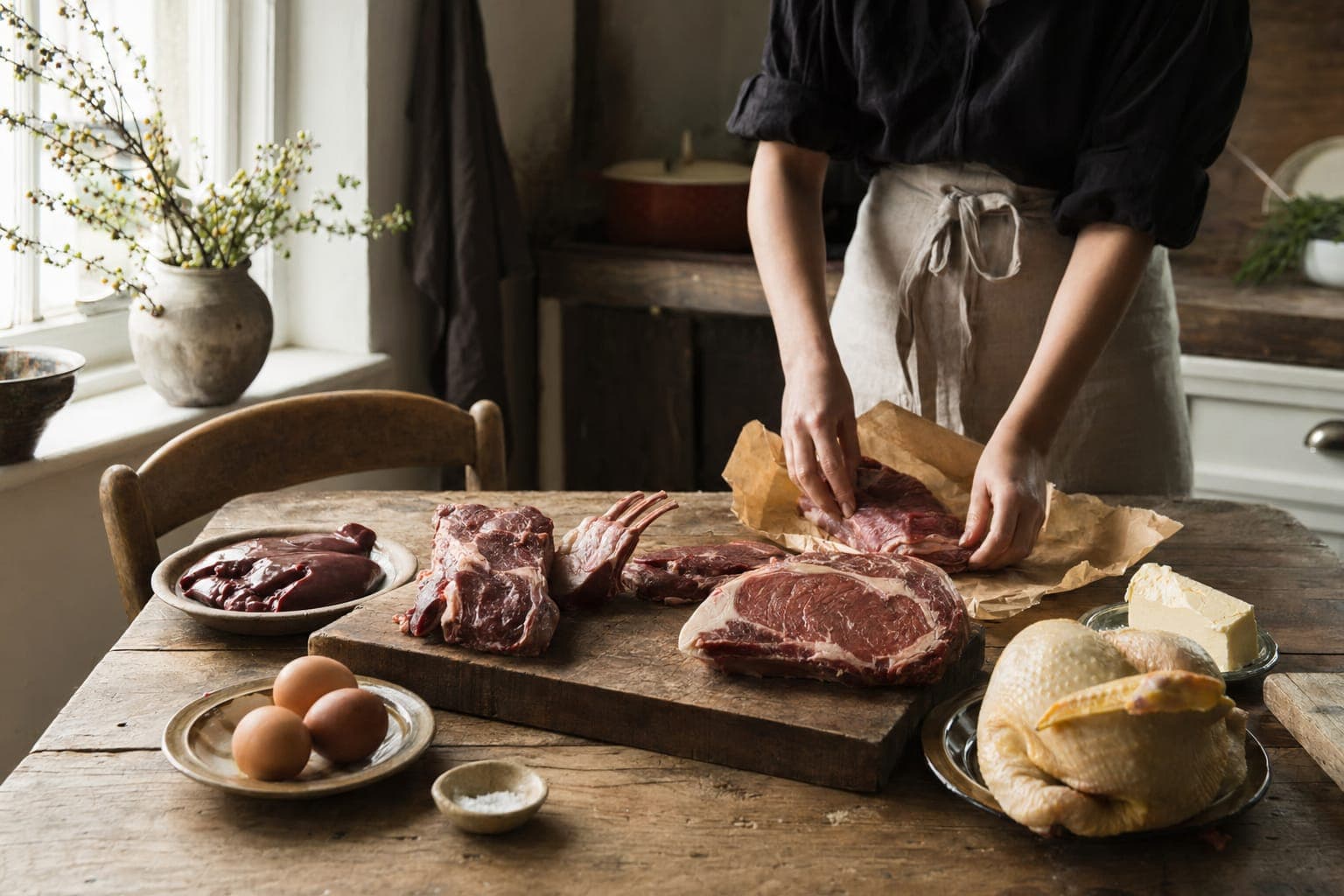
Paleo, Primal, Carnivore, Animal-Based: What's the Difference?
What's the difference between paleo, primal, carnivore, and animal-based eating? A clear breakdown of each framework and when to use them.
Ancestral
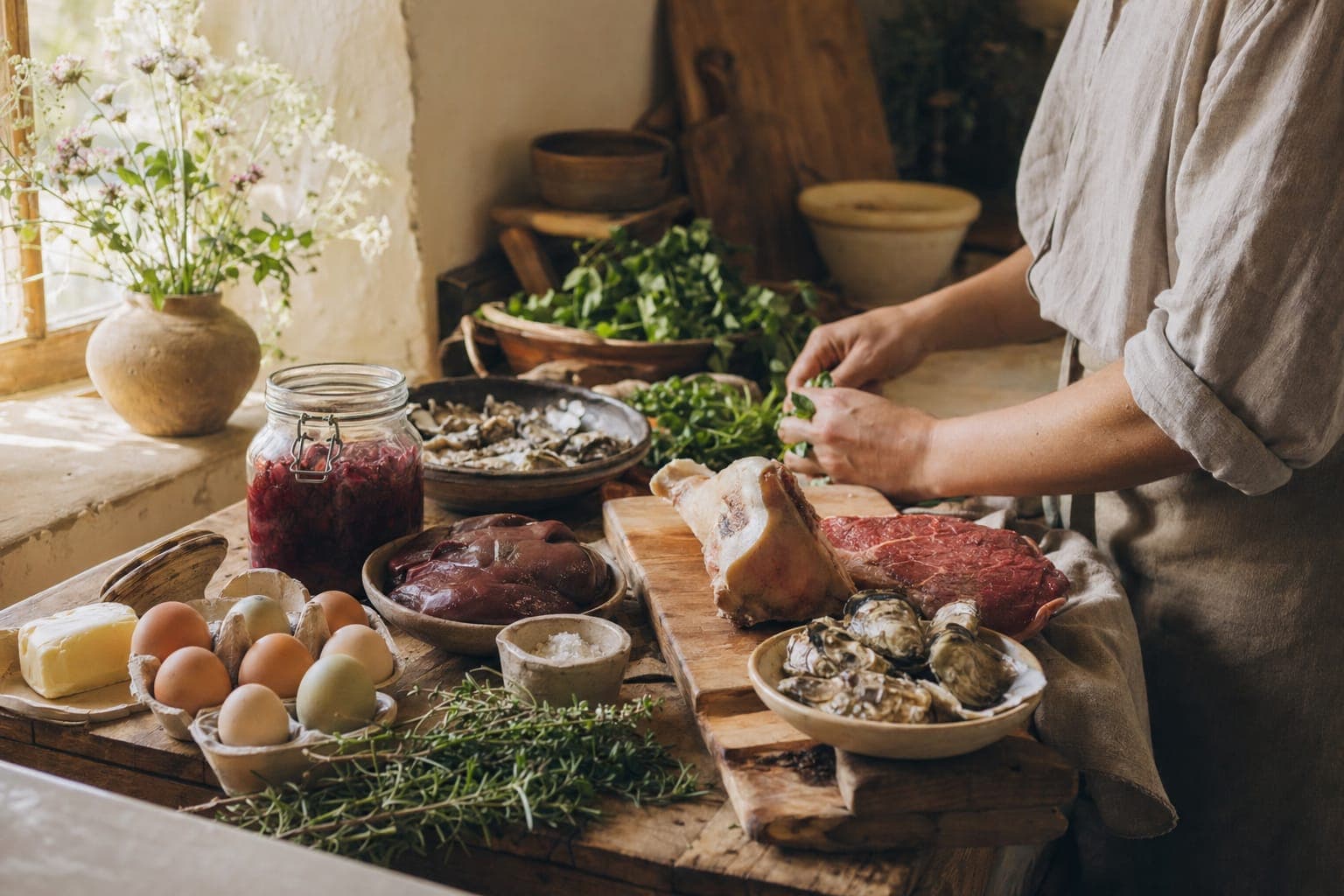
What Does 'Bioavailable' Actually Mean?
What does bioavailable really mean? How your body absorbs nutrients, what interferes with absorption, and why some foods deliver more nutrition than others.
Real food, made effortless
Bring it into my routineA few ways to use it
All recipes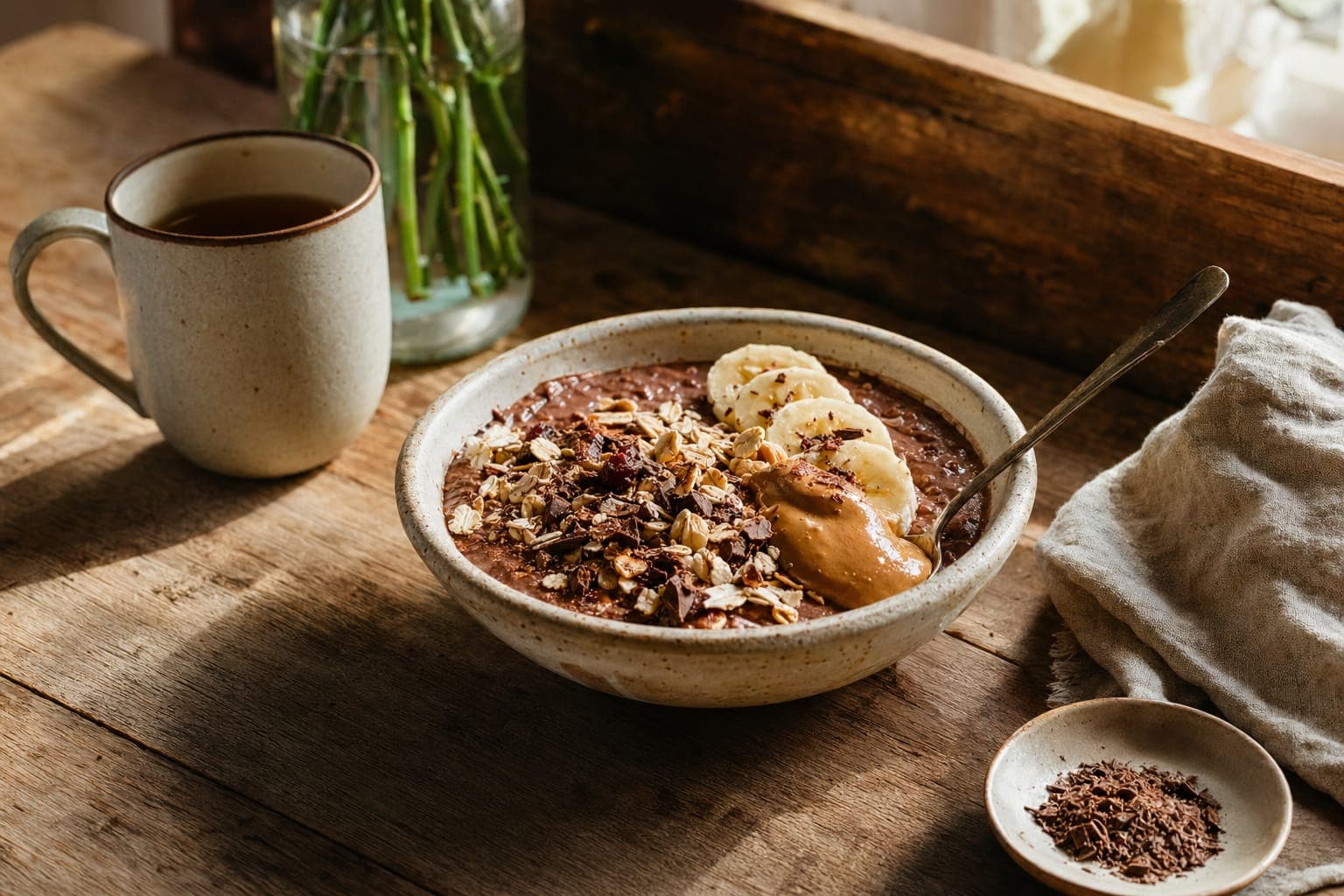
10 Ways to Use Organised That Aren't Just a Shake
Move beyond the basic shake. Discover 10 creative ways to use Organised in smoothie bowls, oats, yoghurt, baking, and more.
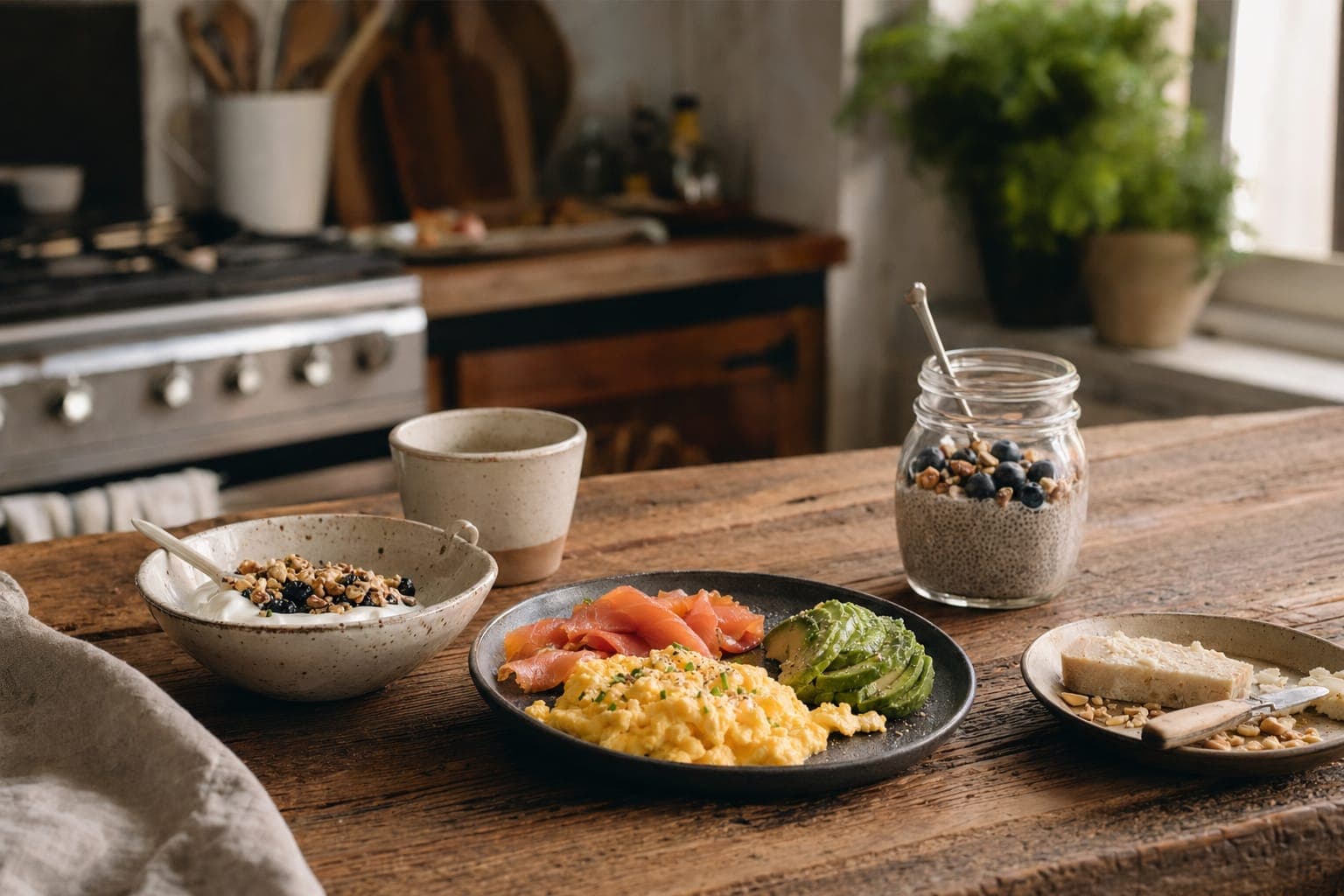
5-Minute High-Protein Breakfasts Using Organised
Quick, high-protein breakfast ideas using Organised. Five recipes you can make in minutes with real food. No fussing around.
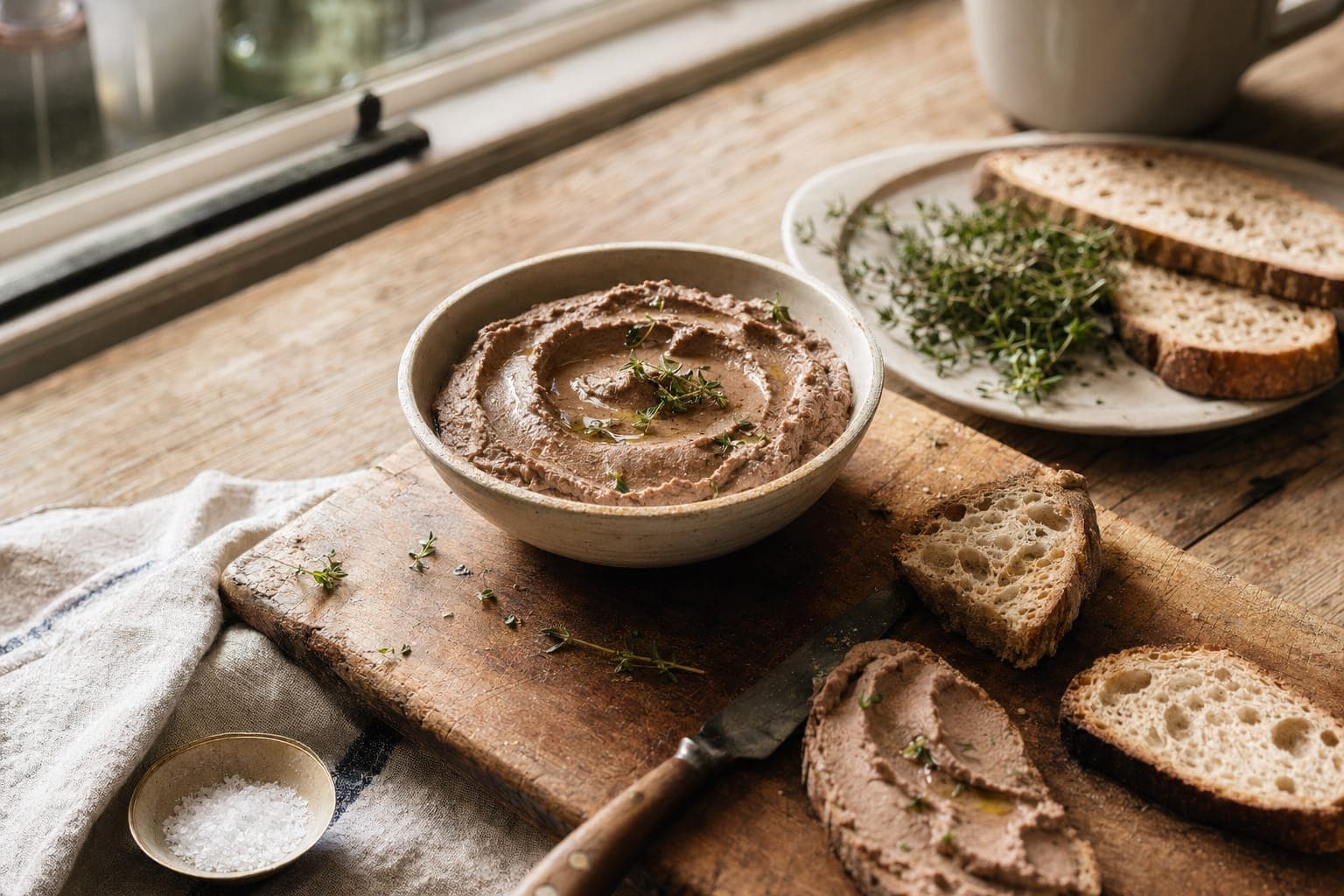
Liver Pate for Beginners: A Gentle Introduction to Organ Meats
Simple liver pate recipe to start eating organ meats. Chicken liver, butter, and herbs. Gentle introduction to nutrient-dense whole foods.


 Join over 100,000+ members
Build a better food system with us
The Organised community is thousands of people choosing real food and backing the farmers who grow it, all of us trying to leave the world a little better than we found it. If that is what you care about too, you belong here.