What Does 'Bioavailable' Actually Mean?
You absorb maybe 10 percent of the iron in spinach. You absorb over 40 percent of the iron in red meat. That difference is bioavailability, and it changes everything.
By Niall Kiddle, Founder, Organised

Reviewed by Pedro Rodrigues, Agronomist (farming and sourcing only) ·
6 min read · Published · Updated · 4 cited sources
Makers of the Organised Daily blend, a grass-fed beef organ supplement from regenerative UK farms
Bioavailability is one of those terms that sounds scientific and gets thrown around in marketing, usually to justify expensive products. But understanding what it actually means is crucial if you're going to eat for nutrition instead of just for calories.
Bioavailability is simple: it's the percentage of a nutrient in food that your body can actually absorb and utilise. A food might contain 100 units of iron, but if your body absorbs only 10 units, the bioavailability is 10 percent. The remaining 90 units never enters your bloodstream. You don't get the benefit.
This is why eating a food and getting its nutrients are not the same thing. Nutrients have to be absorbed, transported, and utilised by your body. If they're not, they're not nutrition. They're just something you ate and excreted.
What bioavailability actually is
Bioavailability determines whether a nutrient actually reaches your cells and does its job. It's affected by dozens of factors: the form of the nutrient, what other foods you ate at the same time, your digestive health, your micronutrient status, and your genetics.
A nutrient in an optimal form with all its cofactors present and with no inhibitors around has high bioavailability. A nutrient that's chemically modified, separated from its cofactors, or present alongside compounds that block its absorption has low bioavailability. You absorb less and your body gets less benefit.
This is why the difference between foods isn't just about what's in them. It's about what your body can actually extract from them. Two foods might contain identical nutrient profiles on paper. The difference in what you actually absorb might be five-fold.
Eating a nutrient and absorbing a nutrient are not the same thing. Bioavailability is the difference between the two. It's where food becomes actual nutrition.
Heme versus non-heme iron
The most striking example of bioavailability difference is the iron story. Plant foods contain iron. Animal foods contain iron. But your body absorbs them differently.
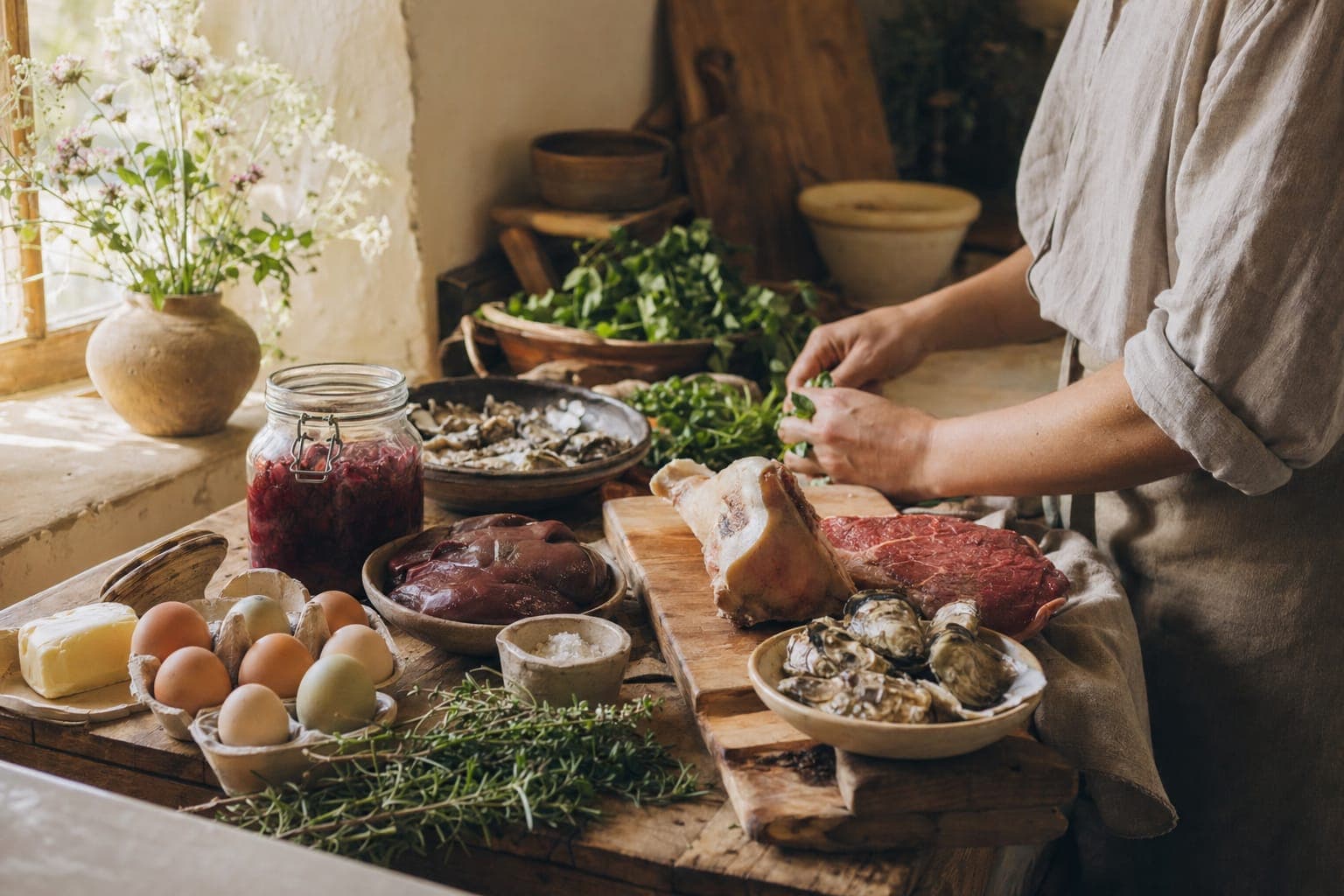
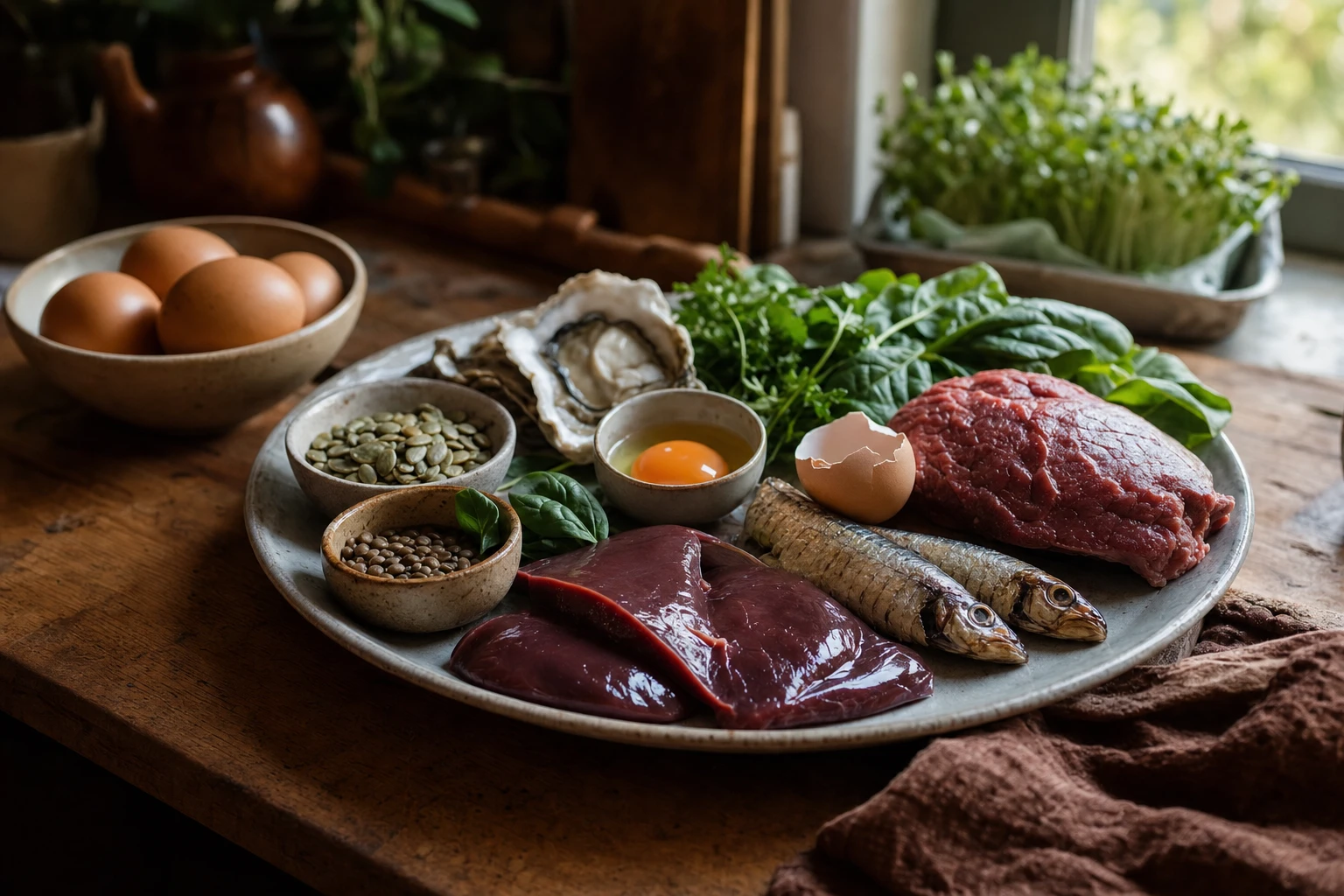
Iron from animal sources (meat, organs, fish) is heme iron. Heme iron is bound to a protein molecule (haemoglobin) in a form that your body recognises and absorbs efficiently. Your body absorbs between 15 and 35 percent of heme iron depending on your iron status.1
Iron from plant sources (spinach, legumes, fortified grains) is non-heme iron. Non-heme iron is not bound to haemoglobin. Your body has to separate it from the plant food, chelate it, and transport it across your intestinal wall. The absorption rate is much lower, between 2 and 20 percent depending on what other foods you ate at the same time.1
This means you absorb roughly 10 times more iron from a steak than from an equivalent quantity of spinach. It's not that steak is magical. It's that heme iron is bioavailable at rates non-heme iron simply can't match.
This is why anaemia is so common in plant-forward diets and so rare in people eating adequate animal foods. It's not that vegetarians and vegans aren't eating iron. It's that they're eating iron that their bodies can barely absorb.
Phytic acid and anti-nutrients
Plant foods contain compounds called anti-nutrients. Phytic acid (phytate) is one of the most significant. These compounds have evolved in plants as a defence mechanism. They bind minerals in the plant, making them less available for animals who eat them.
Legumes are high in phytic acid. Grains are high in phytic acid. Nuts and seeds contain phytic acid. When you eat these foods, phytic acid binds zinc, iron, calcium, and magnesium in your gut. Your body can't absorb them. They pass through and you don't get the minerals.
This is a problem, not a detail. If you eat a mostly plant-based diet, you're chronically exposed to phytic acid. You're eating minerals you can't absorb. Your body has to find minerals elsewhere or become deficient.
Fermentation and soaking can reduce phytic acid content.2 Traditional cultures understood this intuitively. They fermented grains and legumes before eating them. They soaked nuts and seeds. They weren't doing this for flavour. They were improving bioavailability.
Modern food production skips these steps for efficiency. You buy quick-cooking lentils without soaking. You buy instant oats. You skip the preparation steps that would reduce anti-nutrient content. The minerals are technically in the food. Your body can't access them.
Minerals in a form you can't absorb are just expensive fibre. Bioavailability isn't a marketing term. It's the difference between nutrition and waste.
The role of digestion
Bioavailability starts with digestion. If you don't digest food properly, you don't extract nutrients. If your stomach acid is low, if your pancreatic enzymes are insufficient, if your gut lining is damaged, nutrient absorption drops even from foods that should be highly bioavailable.
This is why digestive health is foundational. You can eat perfect food, but if you can't digest it, you don't benefit. You need adequate stomach acid. You need sufficient pancreatic enzymes. You need intact intestinal permeability. You need a healthy microbiome.
Stress decreases digestive enzymes. Processed foods damage gut lining. Antibiotics kill the microbiota that helps you absorb nutrients. Modern lifestyle actively decreases your ability to absorb nutrients from food.
This is why chronic stress makes nutrient deficiency worse. This is why taking antibiotics depletes micronutrients. This is why healing your gut is so important. Your gut is the portal where food becomes nutrition. If it's damaged, even perfect food delivers limited nutrition.
Get ancestral nutrition guides, free
Two short reads a week on traditional ways of eating, examined with modern evidence.
By signing up you agree to receive emails from us. No spam, unsubscribe anytime.
Cofactors and food pairing
Bioavailability is affected by what else you eat at the same meal. Vitamin C enhances iron absorption. Pair red meat with citrus or tomato and your iron absorption improves. Eat it with tea or coffee and absorption drops because tannins inhibit iron uptake.3
Fat enhances fat-soluble vitamin absorption. Eat vitamin A without fat and absorption is compromised.4 Eat it as part of liver (which contains fat naturally) or pair it with butter or oil, and absorption improves dramatically.
Calcium can block iron absorption if the amounts are large and concurrent. But calcium is necessary for other functions. This isn't about avoiding calcium. It's about understanding the interactions.
Traditional food pairings encoded this knowledge. Meat with citrus. Organs with fat. Vegetables with fat. These pairings aren't accidents. They're strategies that emerged from millenia of observation, refined because they felt better and people thrived on them.
1 of 9
Daily blend
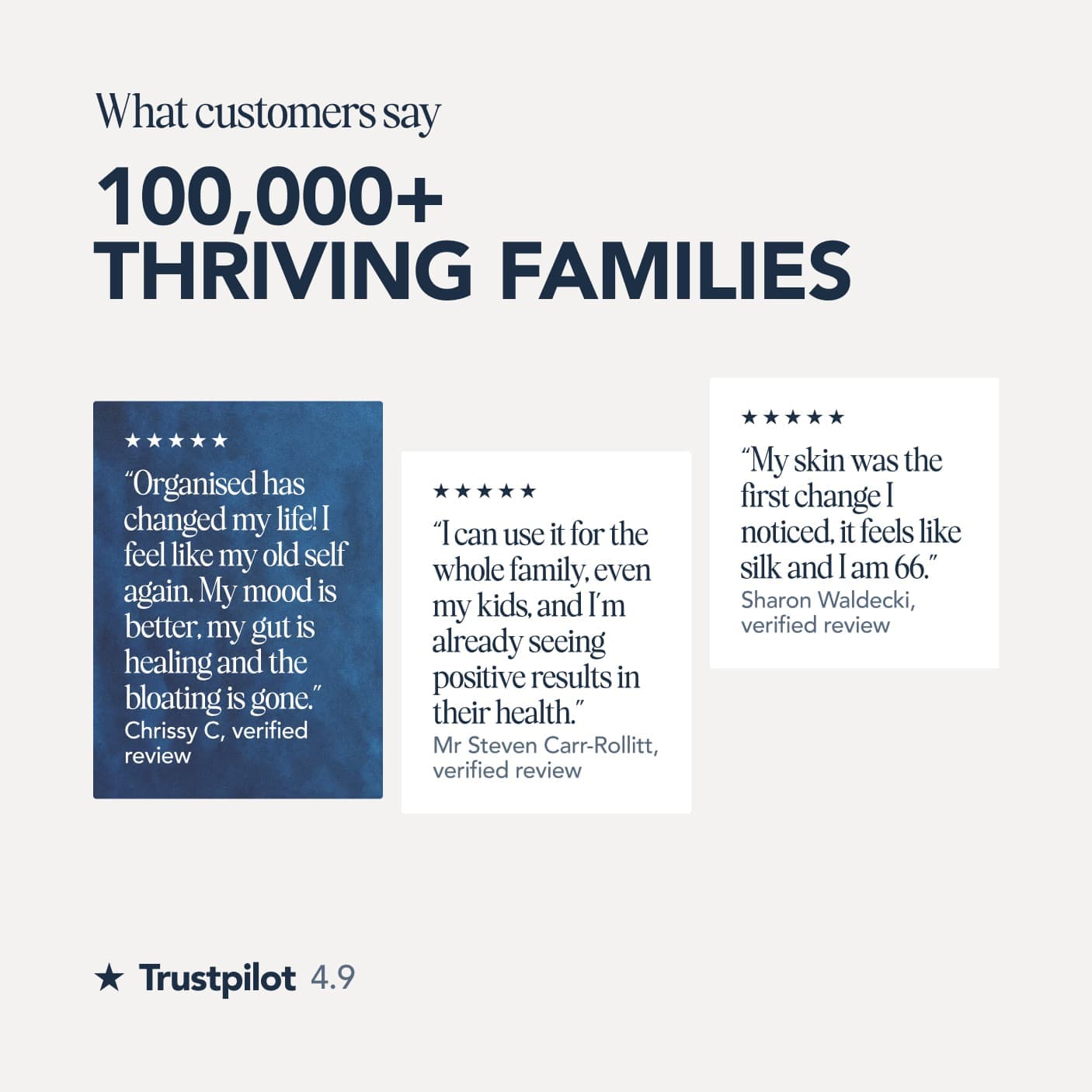
100,000+ thriving families4.9 on Trustpilot
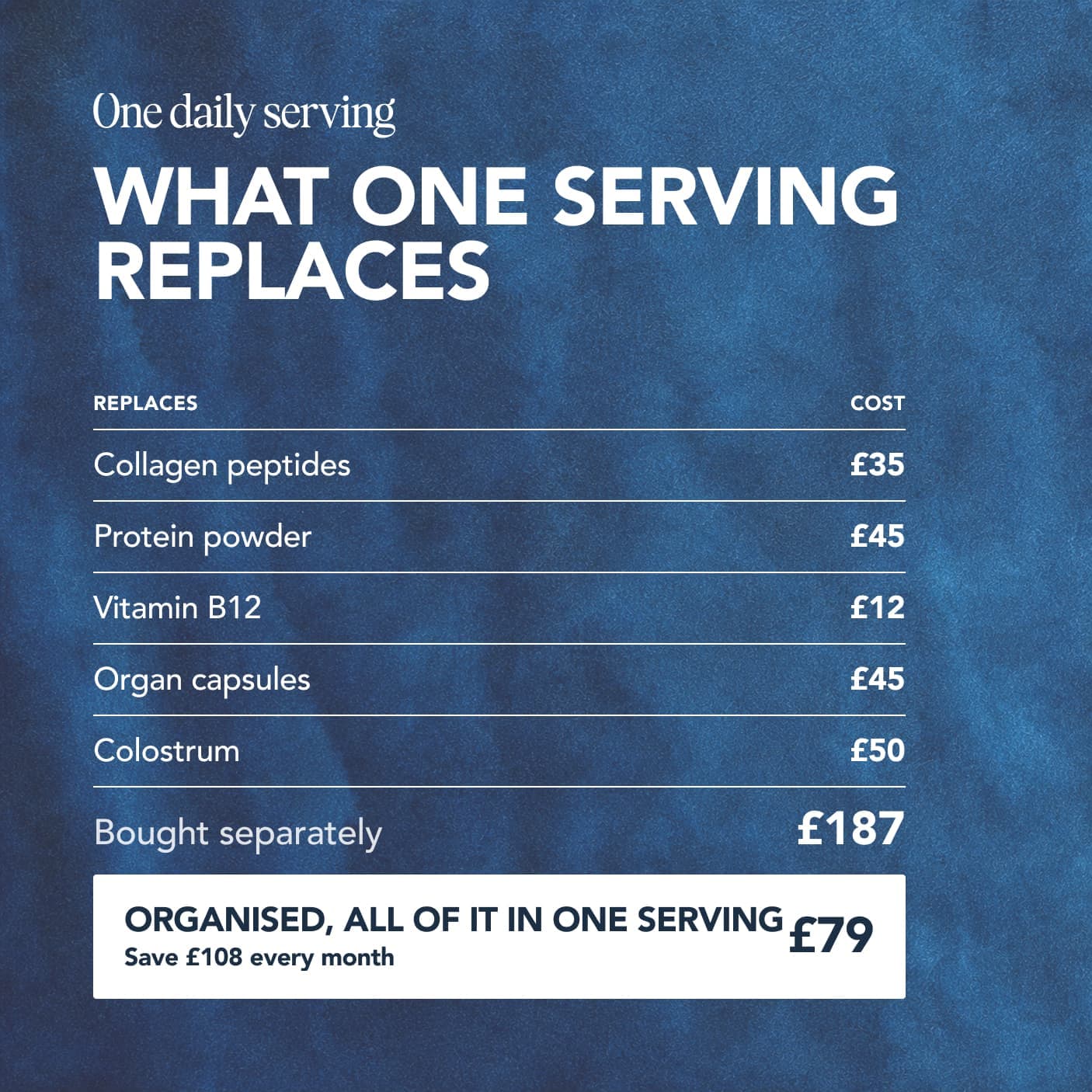
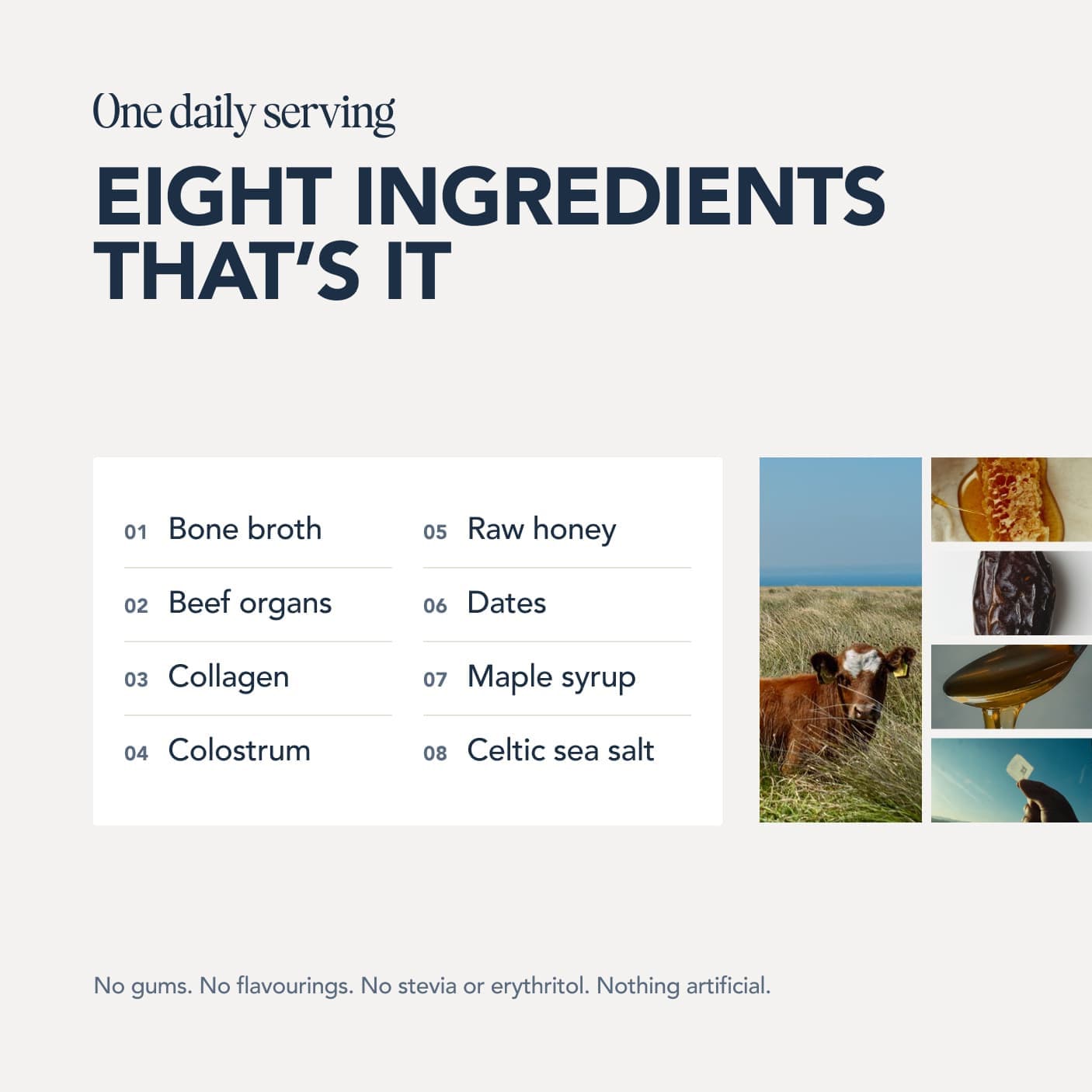
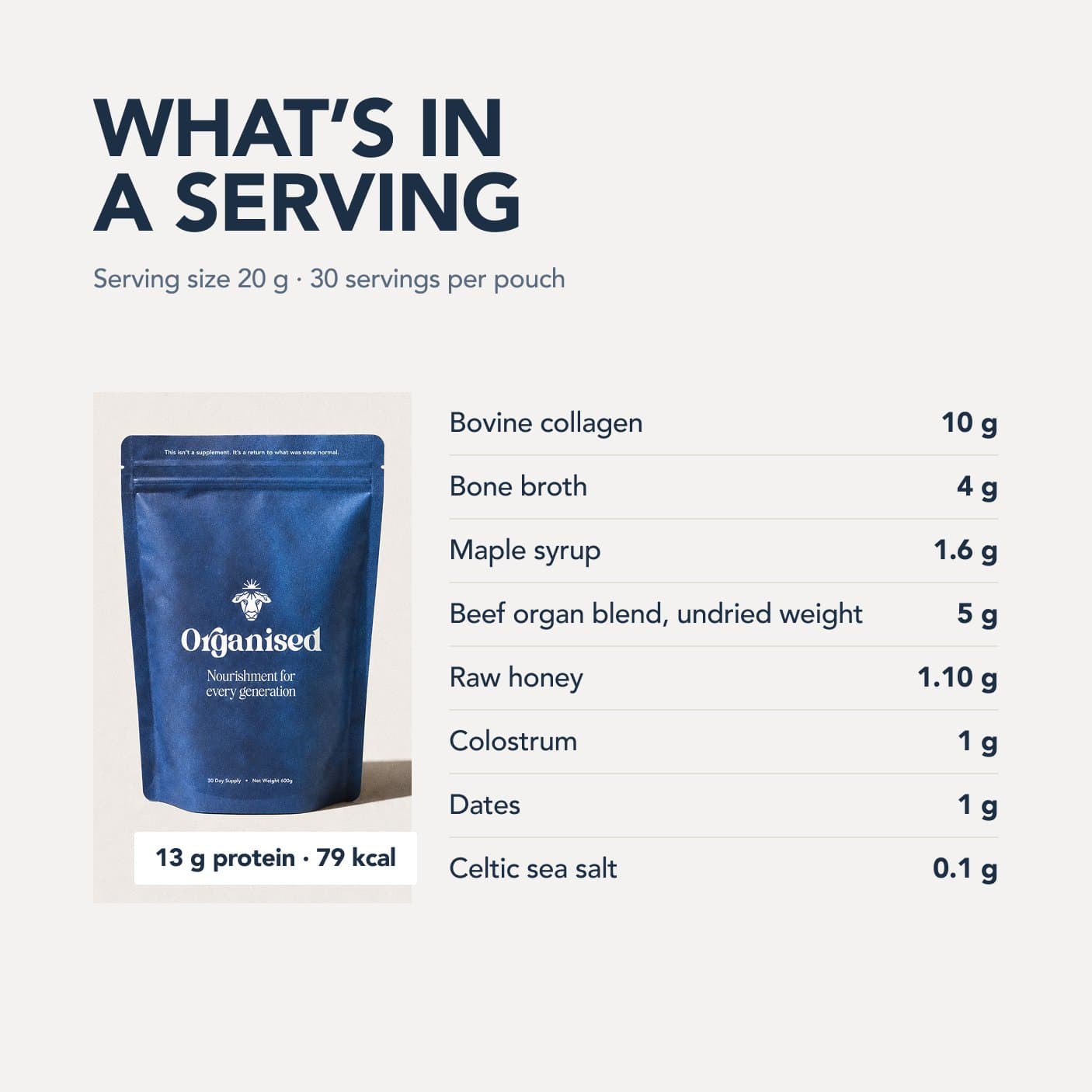
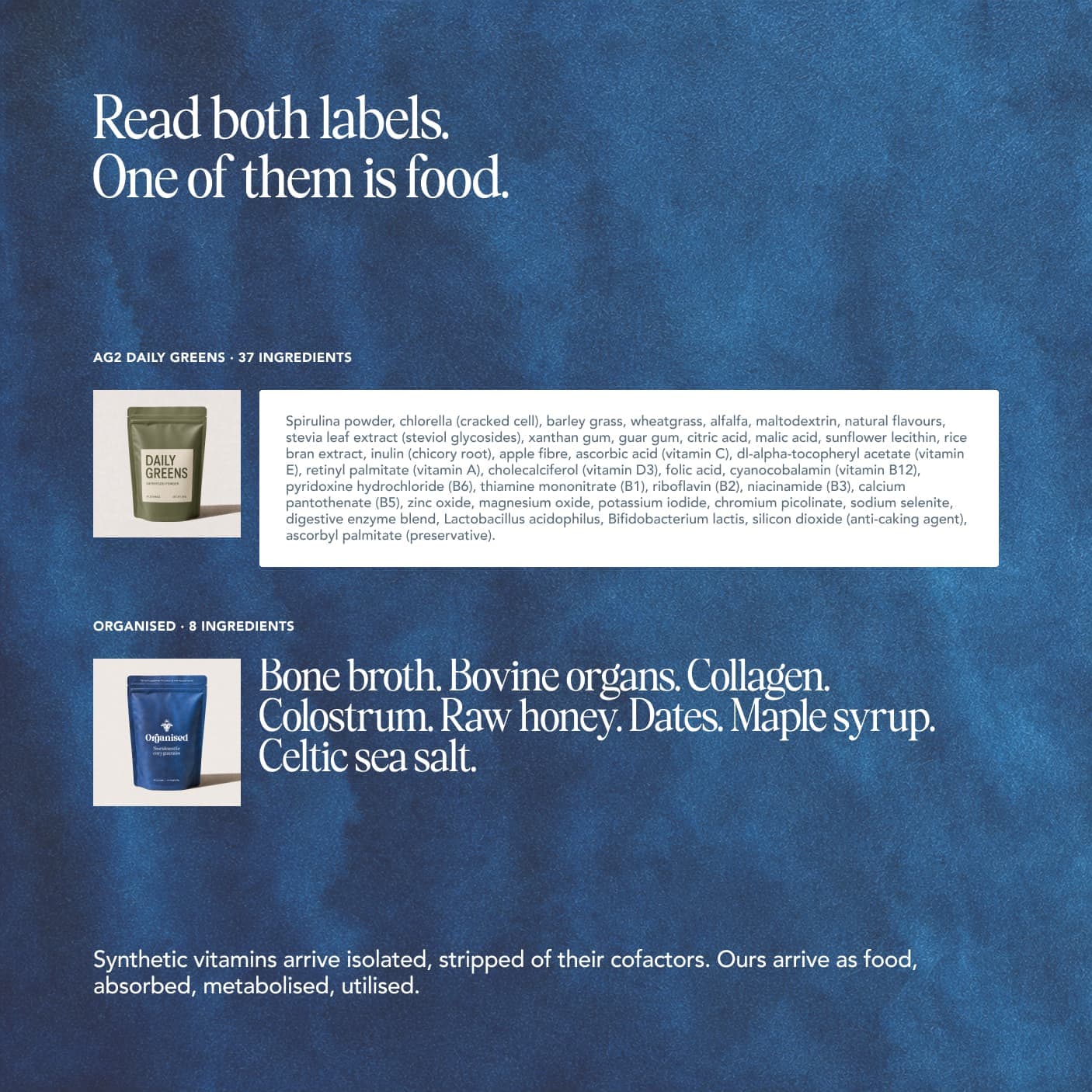
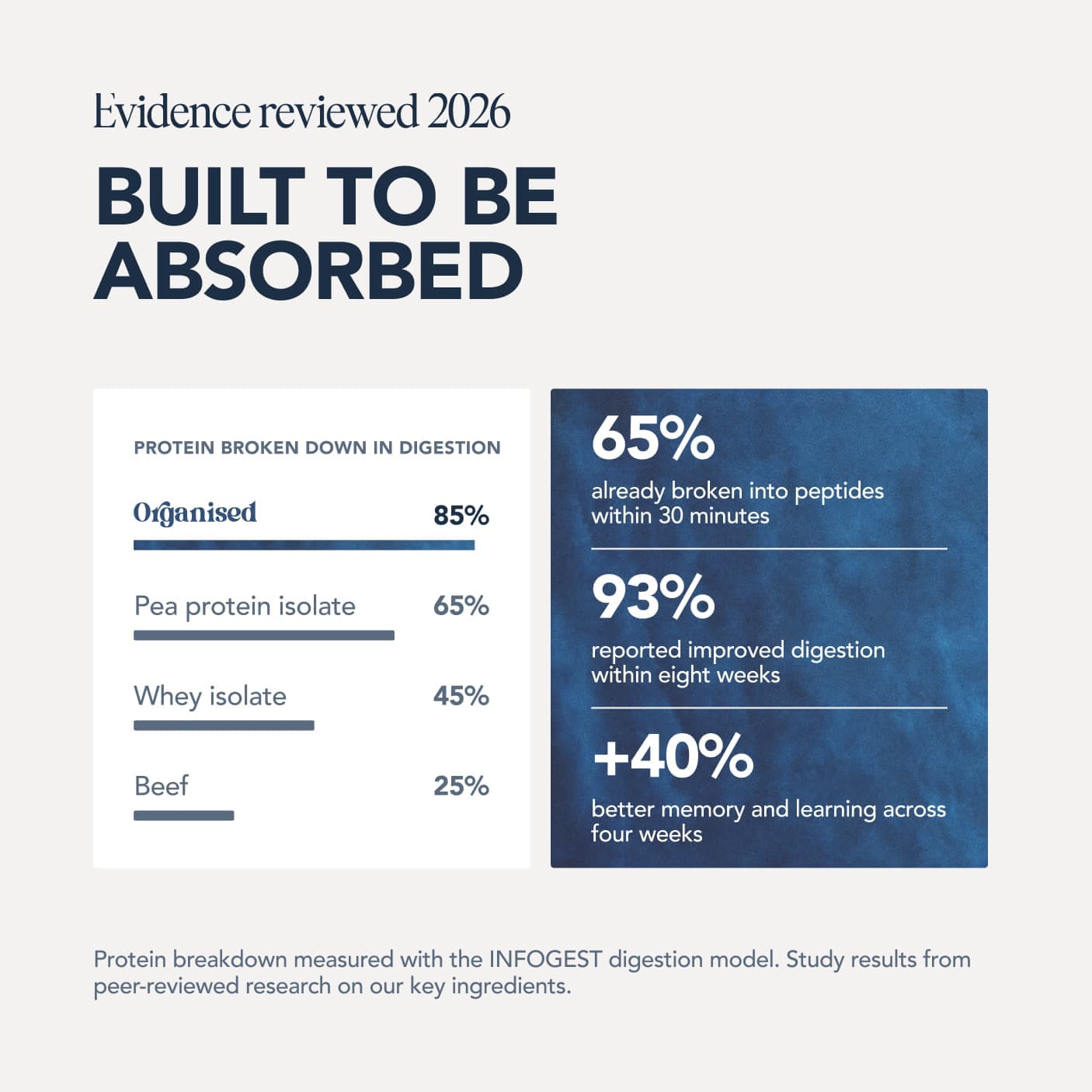
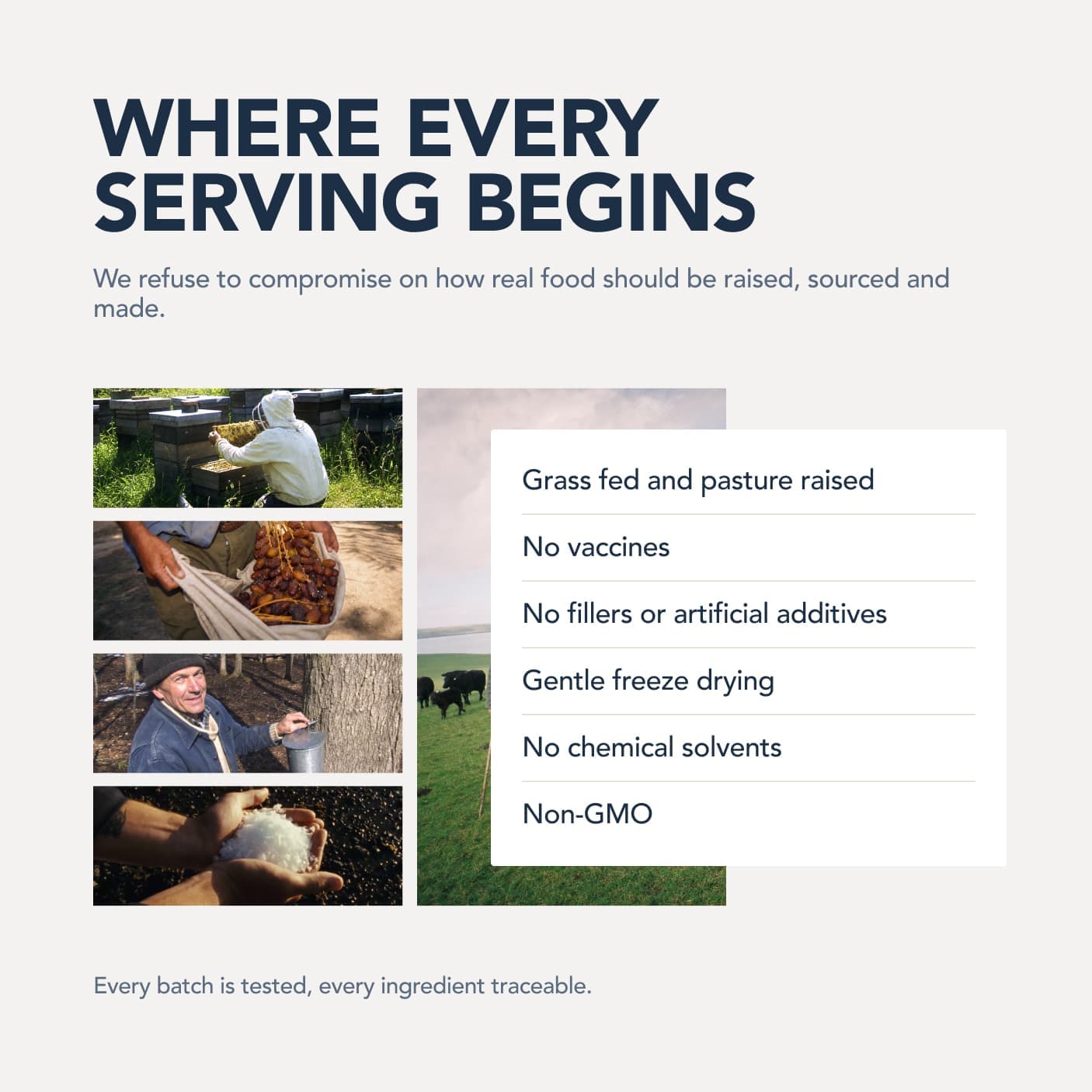
Eight real ingredients built around grass-fed beef organs, collagen and colostrum. Nothing synthetic added.
Free with your first order, worth £38. Plus £10 off the pouch with a subscription.
Free UK shipping · Made in England · 100 day money back guarantee on your first pouch · Skip, pause or cancel anytime
How food preparation affects absorption
Cooking changes nutrient bioavailability, usually for the better. Raw vegetables contain more anti-nutrients than cooked vegetables. Cooking breaks down cell walls, making nutrients more accessible. Cooking reduces some anti-nutrients.
Boiling vegetables leaches water-soluble nutrients into the water. Steaming preserves them. Sautéing in fat preserves fat-soluble vitamins and enhances their absorption. Roasting concentrates nutrients as water evaporates.
Fermentation increases bioavailability. Bone broth makes minerals in bone more absorbable through the process of extracting them into liquid. Traditional preparation methods weren't arbitrary. They were optimising for nutrient extraction and absorption.
Modern food preparation often prioritises speed over nutrient preservation. Foods are processed in ways that reduce anti-nutrients but also reduce overall nutrient quality. Nutrients are isolated. Foods are heated to excessive temperatures. The food matrix is disrupted.
How you prepare food matters as much as what food you prepare. Traditional preparation methods were refined through generations of optimisation. Skip them and you lose nutrient benefit even from excellent foods.
Practical implications
Understanding bioavailability means shopping and eating differently. It means prioritising animal foods for their superior mineral bioavailability. It means pairing foods intentionally to enhance absorption. It means preparing food in ways that reduce anti-nutrients and improve nutrient extraction.
It means accepting that a gram of nutrient in food A isn't equal to the same gram in food B if the bioavailability is different. The nutrient profile on a label is incomplete information. The absorbed nutrient is what matters.
It means understanding that your digestive health is nutritional foundation. Healing your gut, managing stress, and maintaining healthy stomach acid are as important as the food you eat. A perfect diet delivers limited nutrition if your digestion is compromised.
It means respecting traditional food preparation. Your grandmother wasn't fermenting grains and soaking legumes because she had time to waste. She was optimising nutrient bioavailability with the knowledge available to her. Modern convenience skipped these steps. We're paying the price in micronutrient deficiency despite eating enough calories.
References
Every source below was checked on 27 August 2026. Each PubMed, PMC and DOI identifier was resolved against NCBI or Crossref, and what it opens is printed under the citation, so you can see the link goes where the citation says without leaving the page. Where a citation and its identifier disagreed, the citation was corrected to the record or the reference was deleted along with the sentence marker that pointed at it, and where the resolved paper turned out not to support the sentence, the sentence was cut back to what it does support. Borrowed authority is worse than none, because it looks like rigour.
- National Institutes of Health Office of Dietary Supplements. Iron - Health Professional Fact Sheet. NIH ODS Iron.
- Gibson RS et al. A review of phytate, iron, zinc, and calcium concentrations in plant-based complementary foods. Food Nutr Bull. PubMed PMID: 20715598.Checked 27 August 2026: PMID 20715598 opens Gibson RS, Bailey KB, Gibbs M et al, A review of phytate, iron, zinc, and calcium concentrations in plant-based complementary foods used in low-income countries and implications for bioavailability. Food Nutr Bull 2010;31(2 Suppl):S134-46. PubMed indexes it as: Review.
- Lynch SR, Cook JD. Interaction of vitamin C and iron. PubMed PMID: 6940487.Checked 27 August 2026: PMID 6940487 opens Lynch SR, Cook JD, Interaction of vitamin C and iron. Ann N Y Acad Sci 1980;355:32-44.
- National Institutes of Health Office of Dietary Supplements. Vitamin A and Carotenoids - Health Professional Fact Sheet. NIH ODS Vitamin A.
Who wrote and reviewed this guide
Niall Kiddle
Author · Founder, Organised
Niall is the founder of Organised. He started the company in 2024 after fixing his own health the slow way: in 2022 he swapped a cupboard of synthetic supplements for real food, raw milk, organ meats, bone broth and honey, and felt the difference within months.
Areas of expertise: Ancestral nutrition, Organ meats, Whole-food supplementation, Gut health, Regenerative sourcing
Read Niall's full profile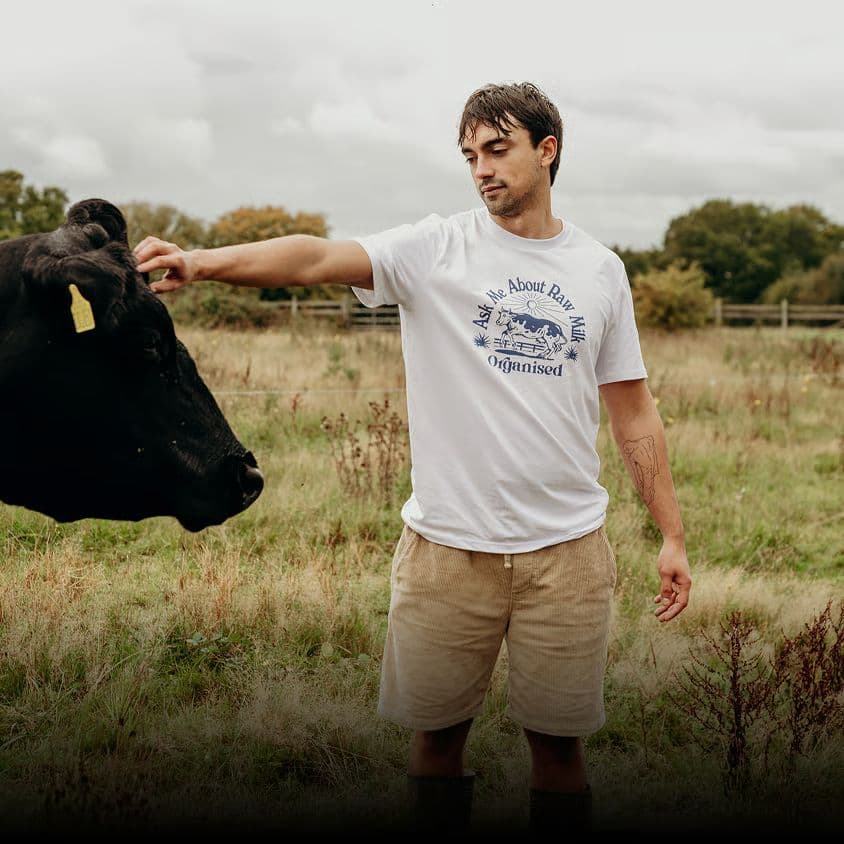
Pedro Rodrigues
Reviewer · Agronomist (farming and sourcing only)
Pedro is the agronomist Organised works with on farming and sourcing. His job on the guides is to keep the science honest: he reviews what we publish about soil health, regenerative agriculture, grazing and the way food is actually produced.
Areas of expertise: Regenerative agriculture, Agronomy, Soil health, Grass-fed farming, Food sourcing
Reviewed this guide on
Read Pedro's full profileBrowse the guides library
All guidesKeep reading
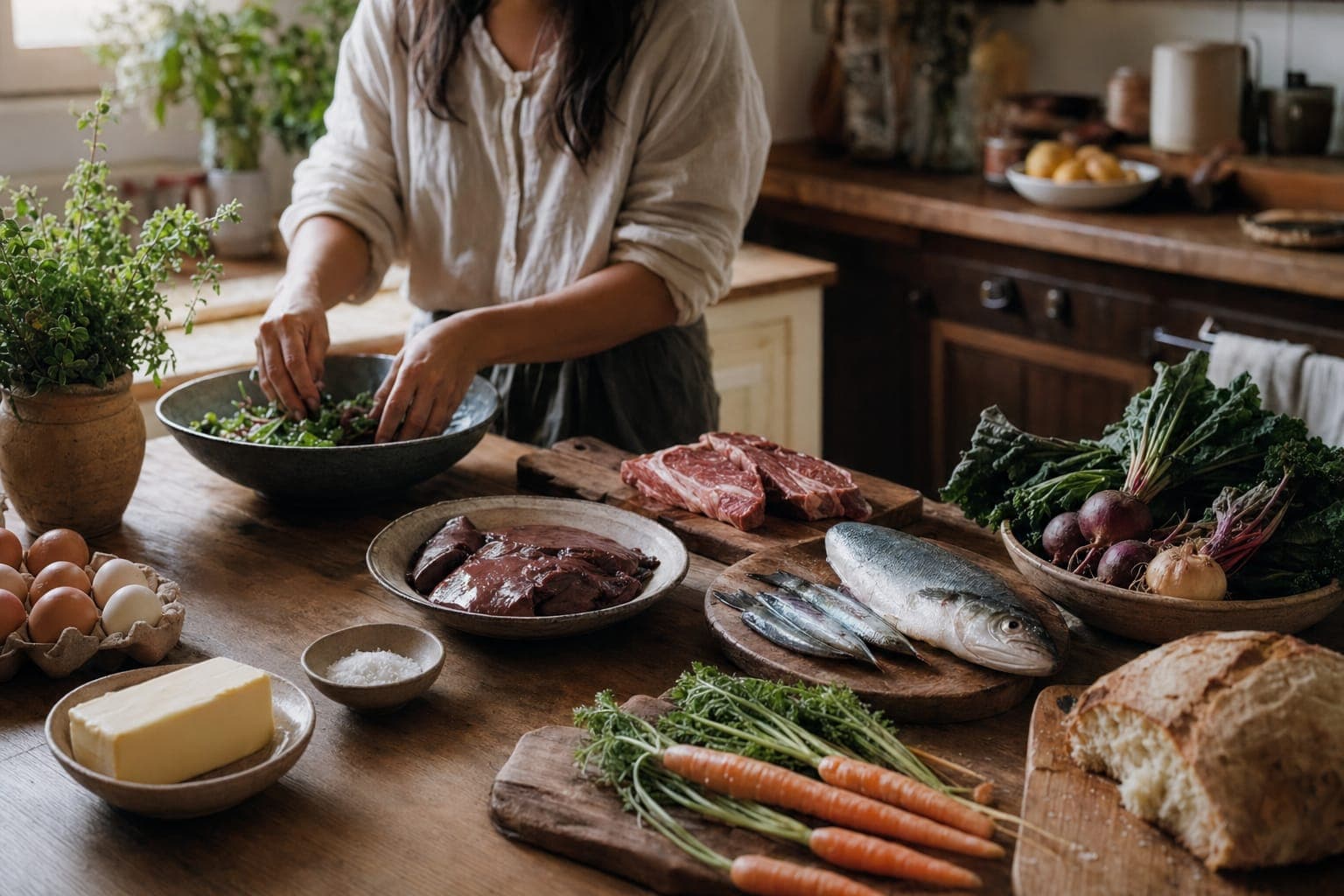
Ancestral
This Is Not a Supplement. It's Whole Food Nutrition.
Why whole foods work better than supplements. Understanding food matrix, nutrient synergy, and why isolated nutrients fall short.
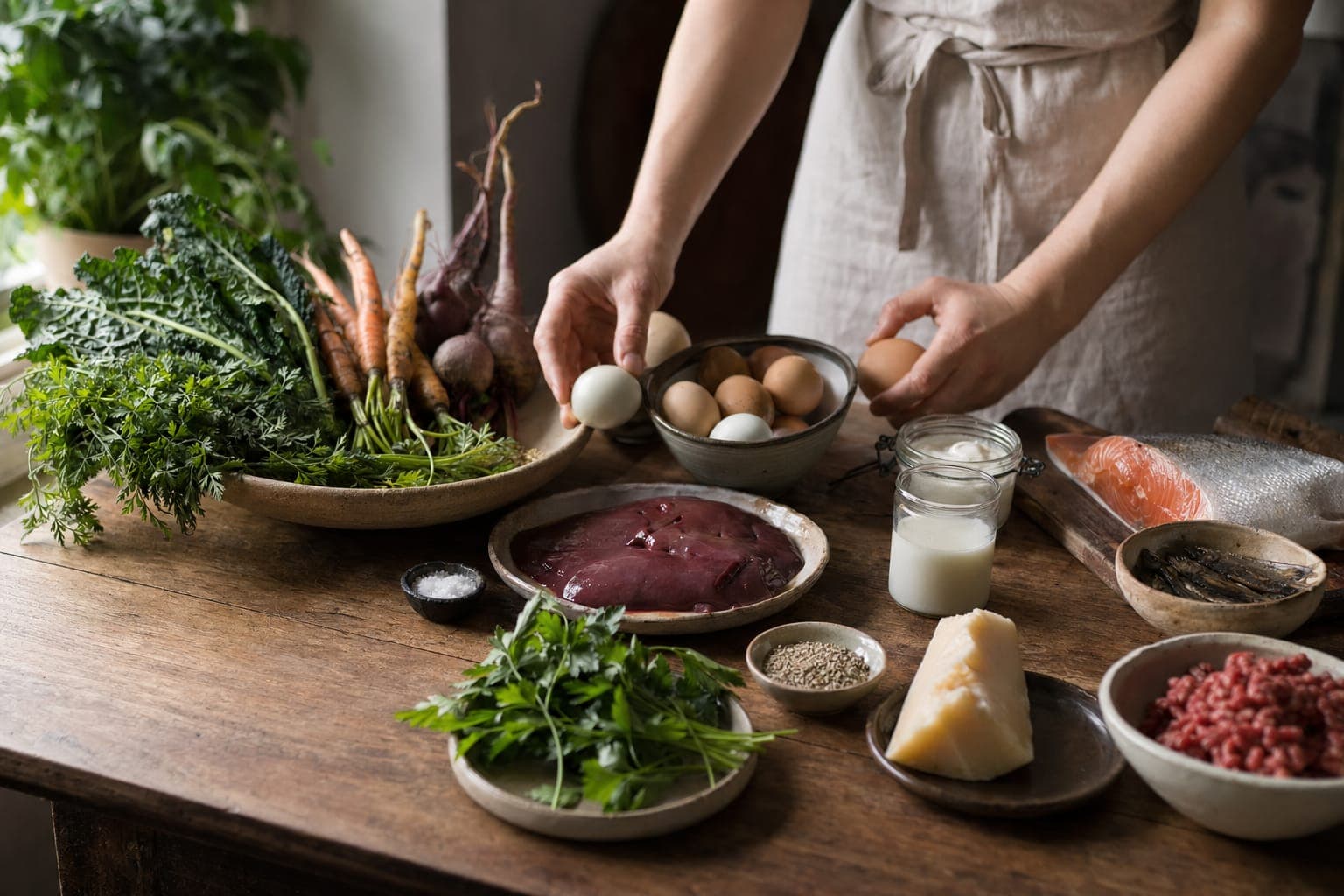
Ancestral
Cofactors: Why Isolated Nutrients Don't Work as Well
What are cofactors? How nutrients work together, why isolated supplements fail, and which foods provide the complete nutritional picture.
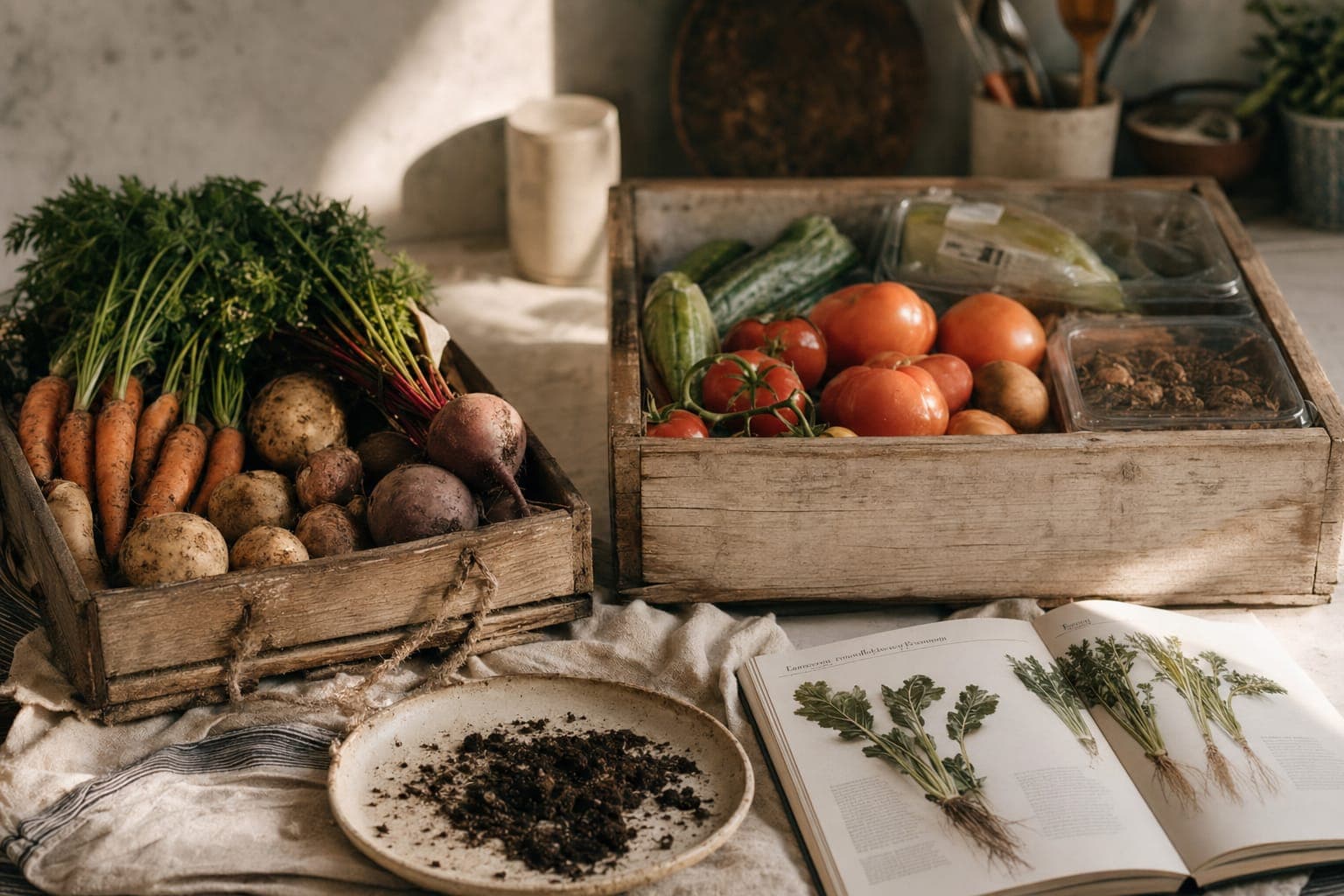
Ancestral
Why Modern Food Is Less Nutritious Than It Was 50 Years Ago
Soil depletion, selective breeding, and industrial agriculture have made modern produce less nutritious. Here's the evidence.
Real food, made effortless
Bring it into my routineA few ways to use it
All recipes
Raw Milk Hot Chocolate with Collagen
A nourishing evening hot chocolate made with raw milk, grass-fed collagen, raw cacao, and honey. A nighttime ritual that supports sleep and gut health.
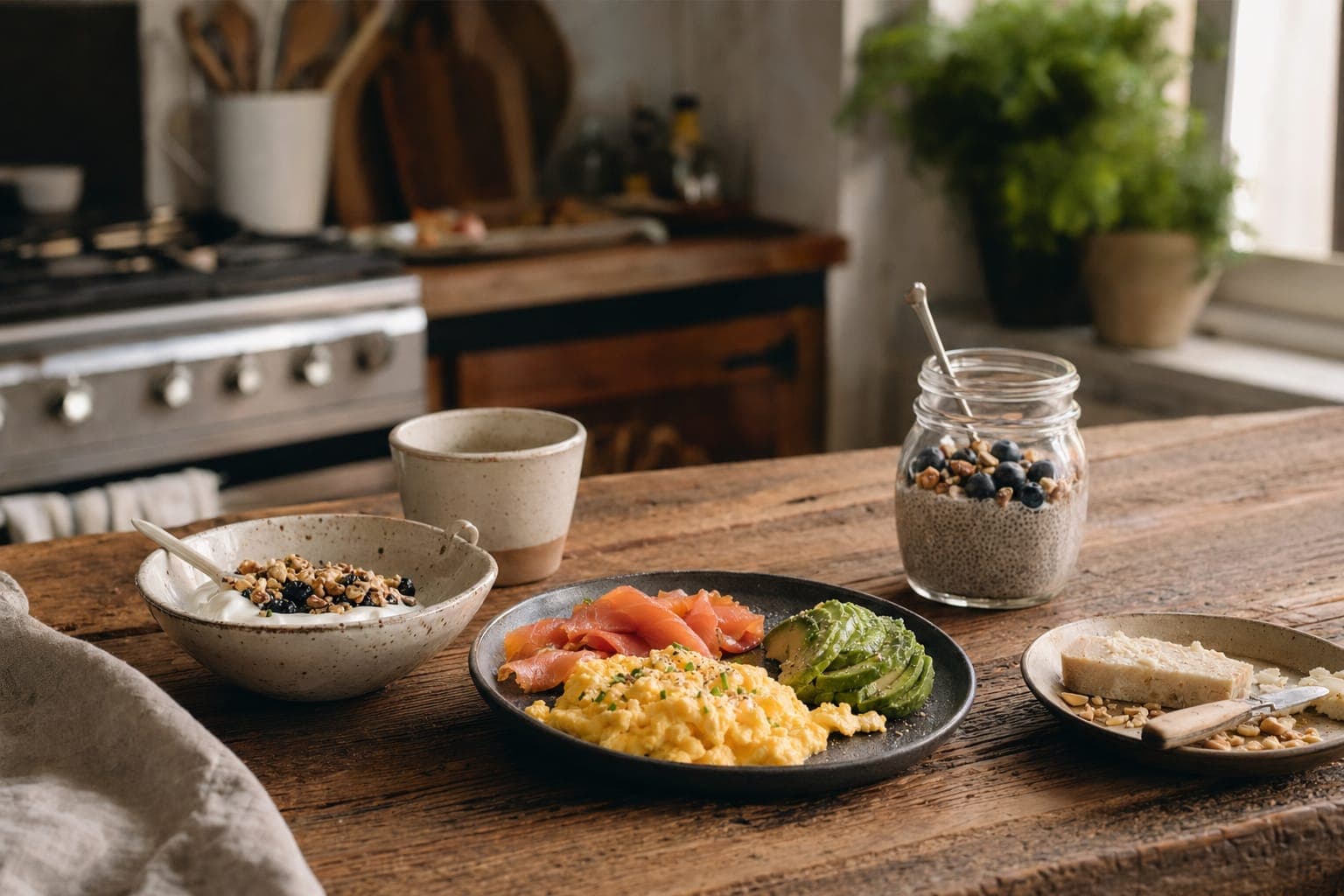
5-Minute High-Protein Breakfasts Using Organised
Quick, high-protein breakfast ideas using Organised. Five recipes you can make in minutes with real food. No fussing around.
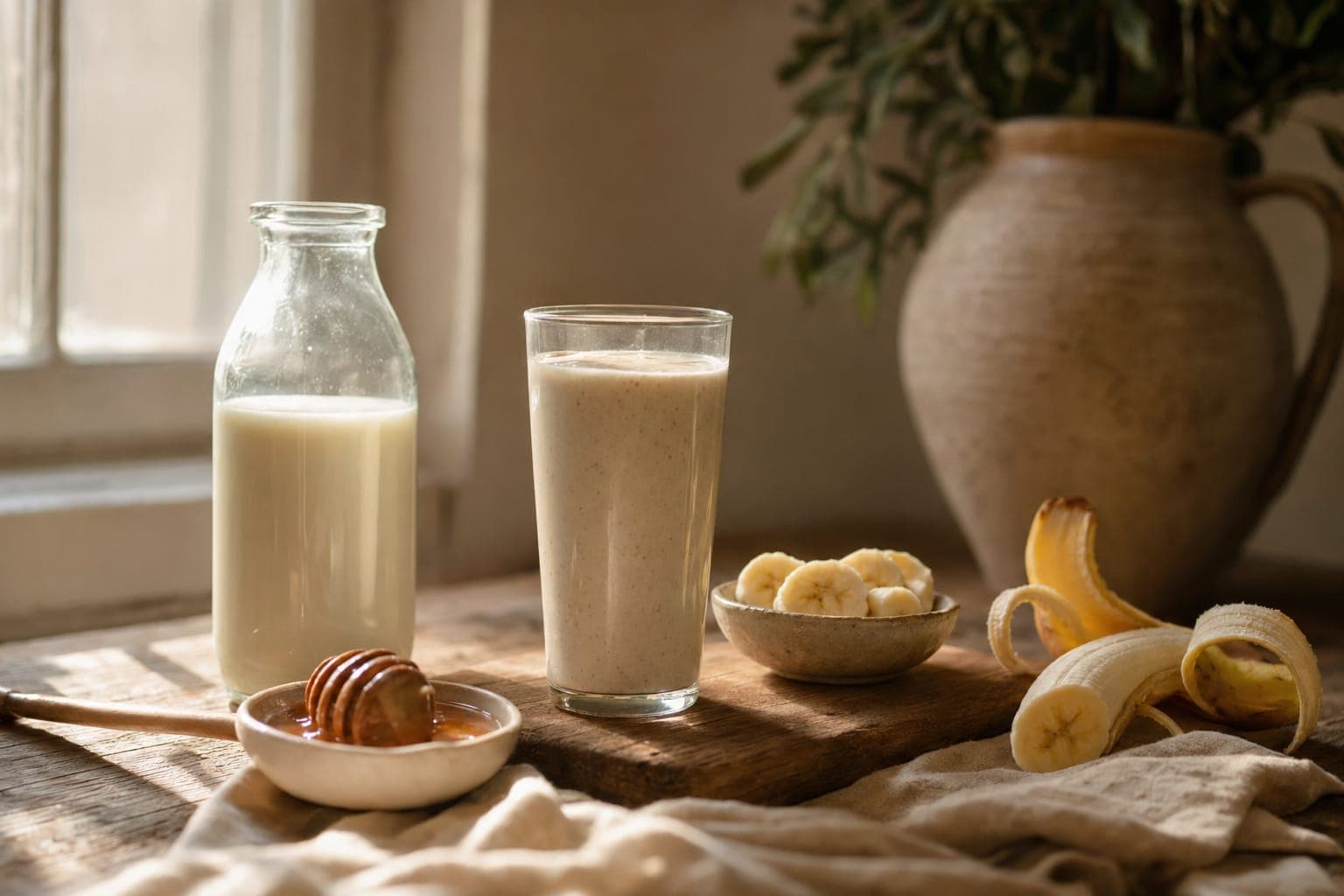
The Perfect Organised Morning Shake: Our Favourite Recipe
Our signature morning shake: Organised, raw milk, banana, honey. Simple, nourishing, and optimised for an empty stomach.


 Join over 100,000+ members
Build a better food system with us
The Organised community is thousands of people choosing real food and backing the farmers who grow it, all of us trying to leave the world a little better than we found it. If that is what you care about too, you belong here.