Guides
Ancestral
Traditional ways of eating examined with modern evidence: nose to tail, raw dairy, fermentation, and the food cultures that built strong generations.
54 guides across these topics.
Ancestral Wisdom
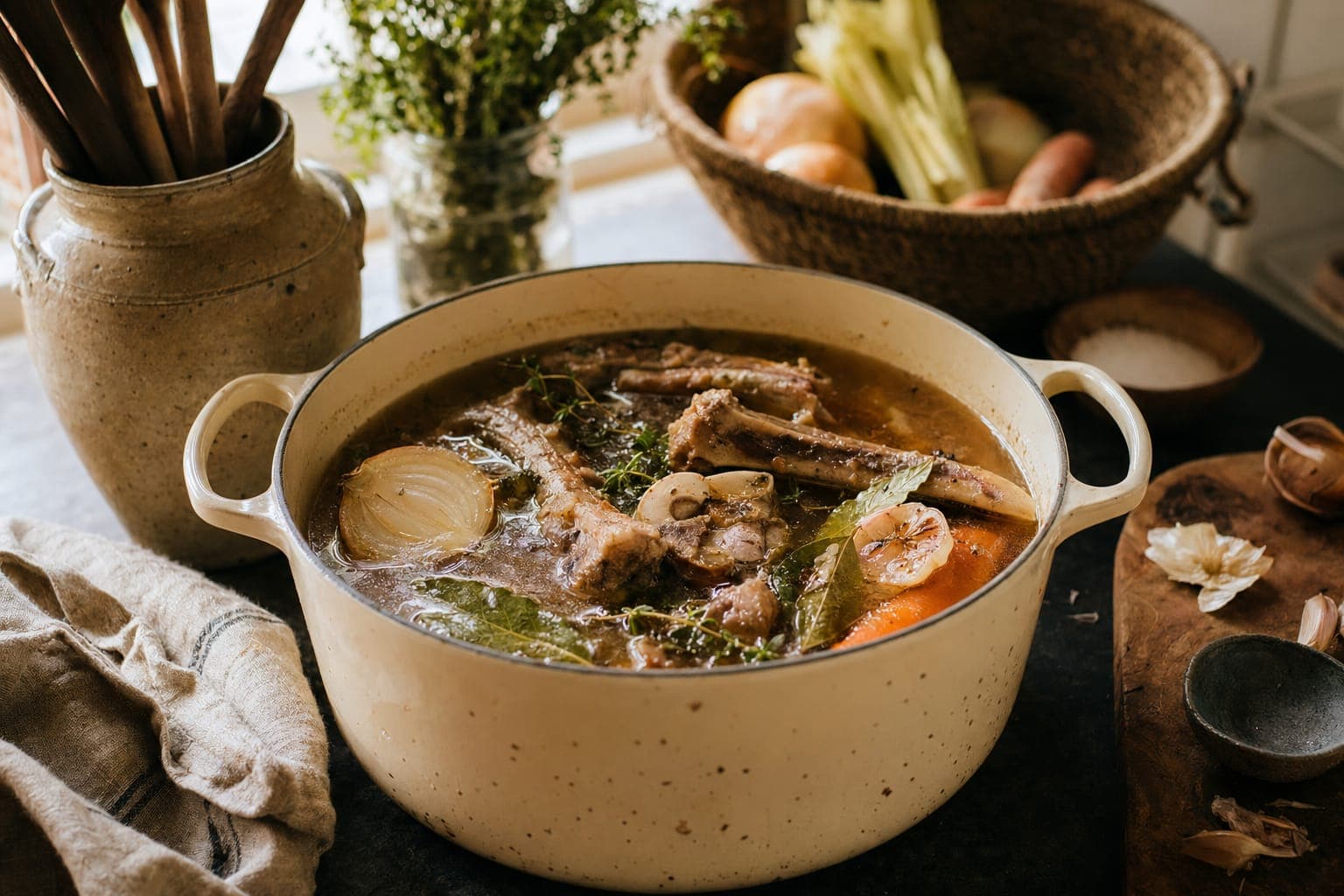
Bone Broth: The Original Superfood
Discover why bone broth has been called nature's most nutrient-dense food across cultures. Learn the science, the history, and how to make it yourself.
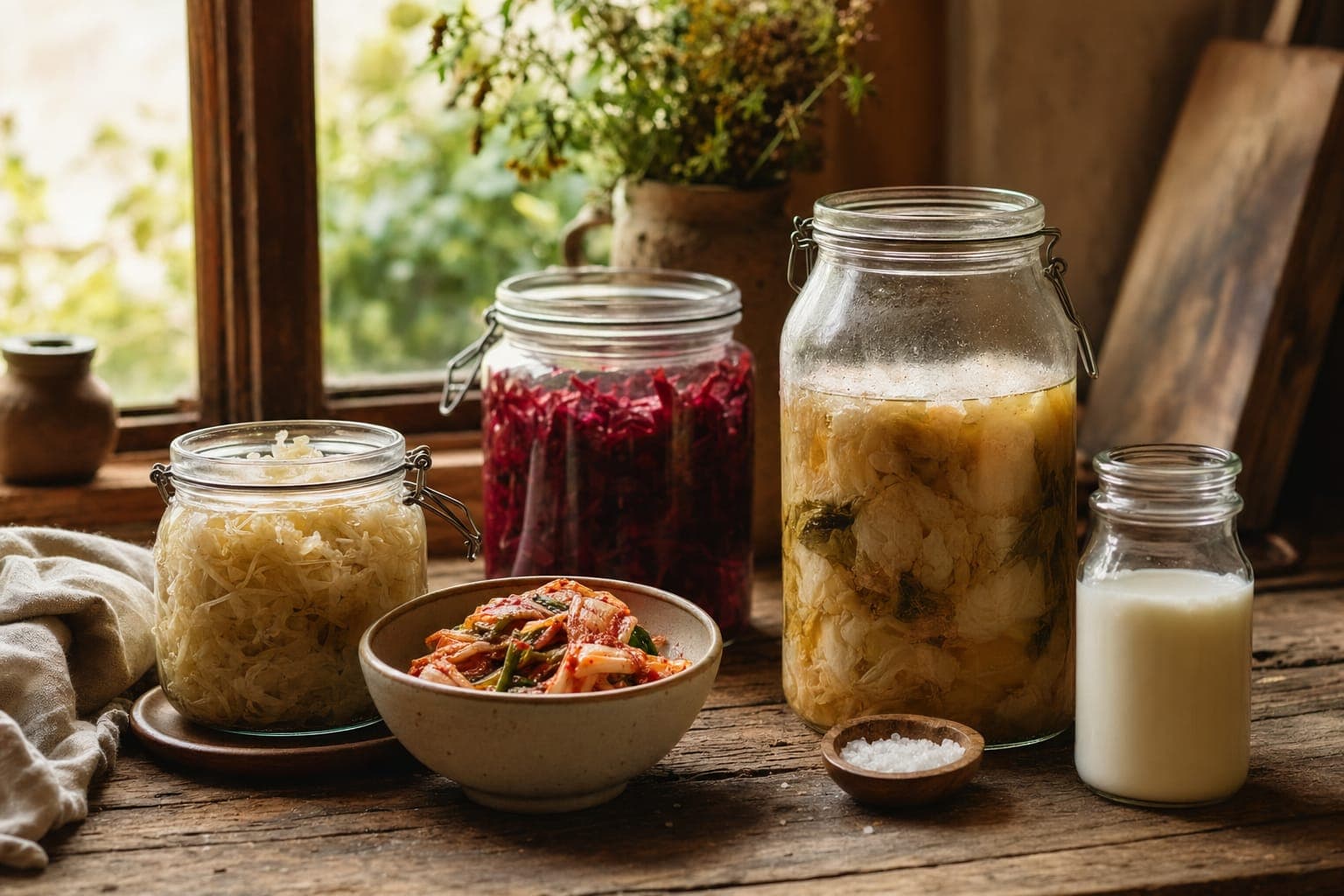
Fermented Foods: A Tradition Worth Reviving
Discover the gut-healing power of fermented foods. Learn how sauerkraut, kefir, and kimchi support digestion, immunity, and ancestral health practices.

Ghee, Tallow and Lard: The Traditional Cooking Fats Making a Comeback
Ghee, tallow, and lard are making a comeback. Here's why traditional cooking fats outperform seed oils at high temperatures and support your health.
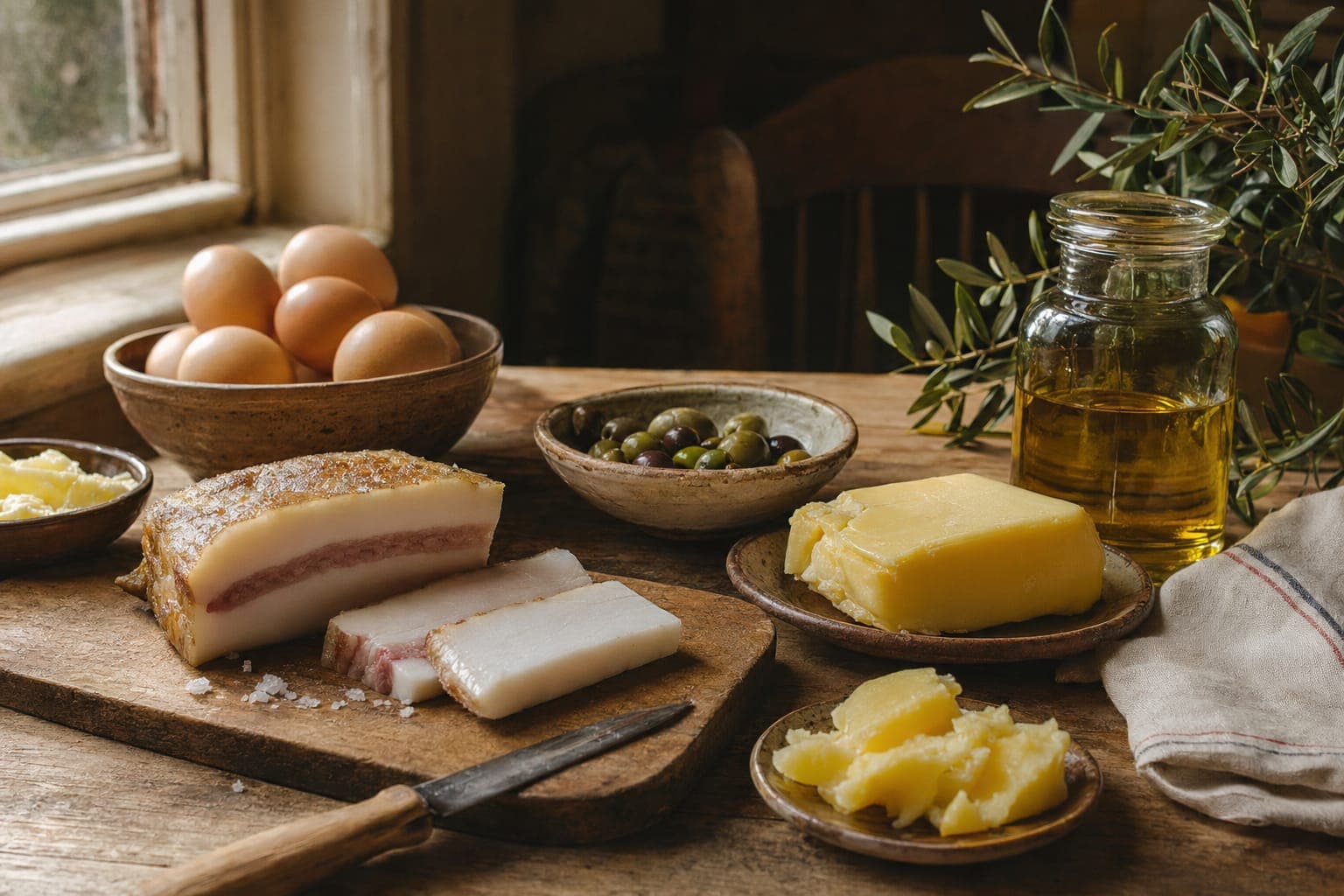
How Fat Became the Enemy (And Why That Was Wrong)
The true history of the fat demonisation myth. How Ancel Keys, sugar industry funding, and flawed science created decades of dietary harm.

How Traditional Cultures Prepared for Winter
Discover how ancestral cultures preserved abundance through fermentation, drying, smoking, and fat storage. Winter food traditions rooted in real nutrition.
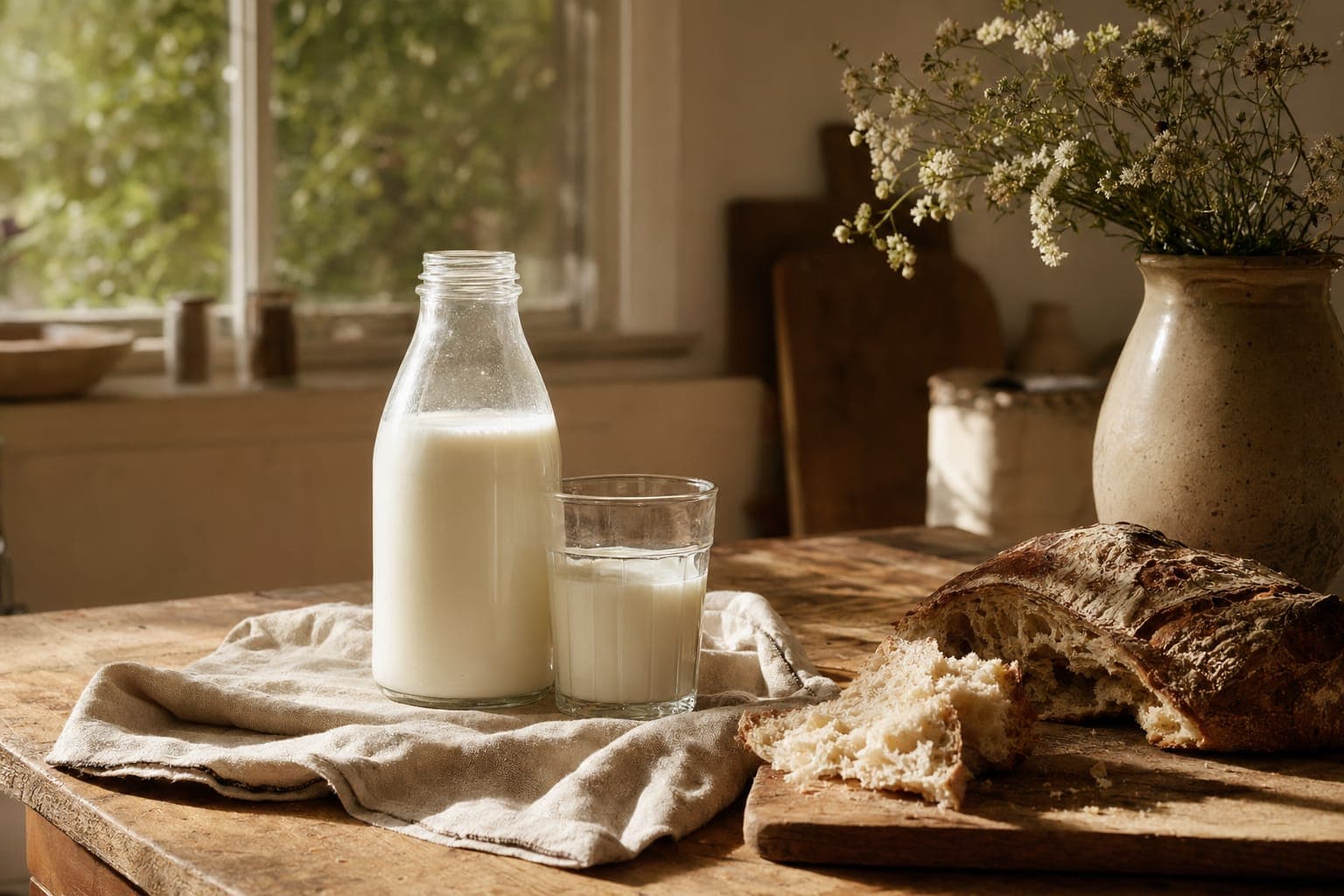
Raw Milk: What It Is, Why It Matters, and Where to Find It
Raw milk nutrition, why enzymes matter, UK legal status, and where to source unpasteurised milk from registered farms safely.

What Your Irish Grandmother Knew About Nutrition
Discover the nutrient-dense wisdom of traditional Irish foodways. From raw dairy to root vegetables, what your Irish grandmother understood about real food.
Modern Food
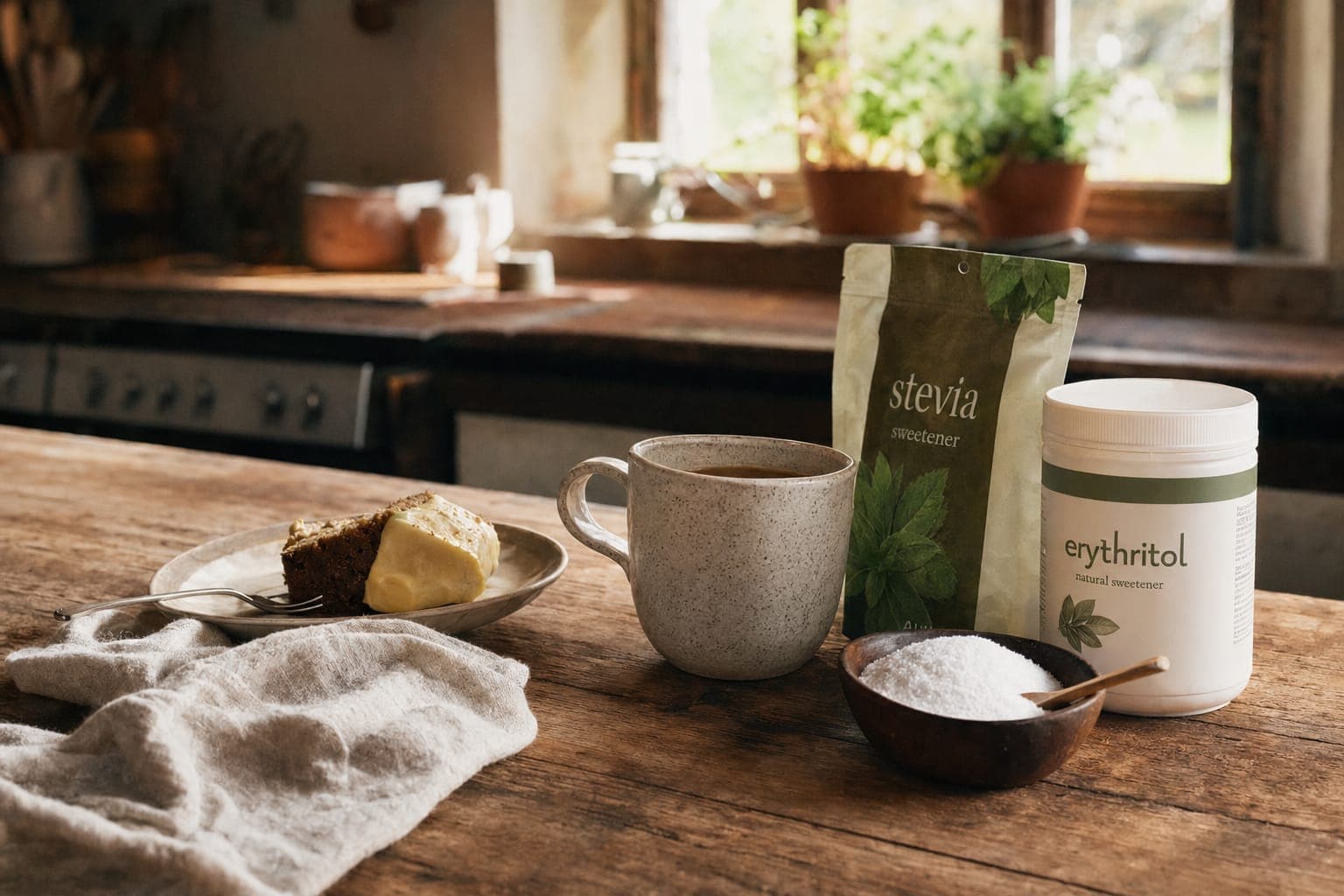
Stevia, Erythritol and the Gut Microbiome
How artificial sweeteners disrupt the microbiome, insulin response, and metabolic health. Why this pillar avoids them entirely.

The Microplastics Problem: How It Affects Your Health
Microplastics are in our food, water, and air. Here's where they come from, how they affect your health, and what you can actually do about it.
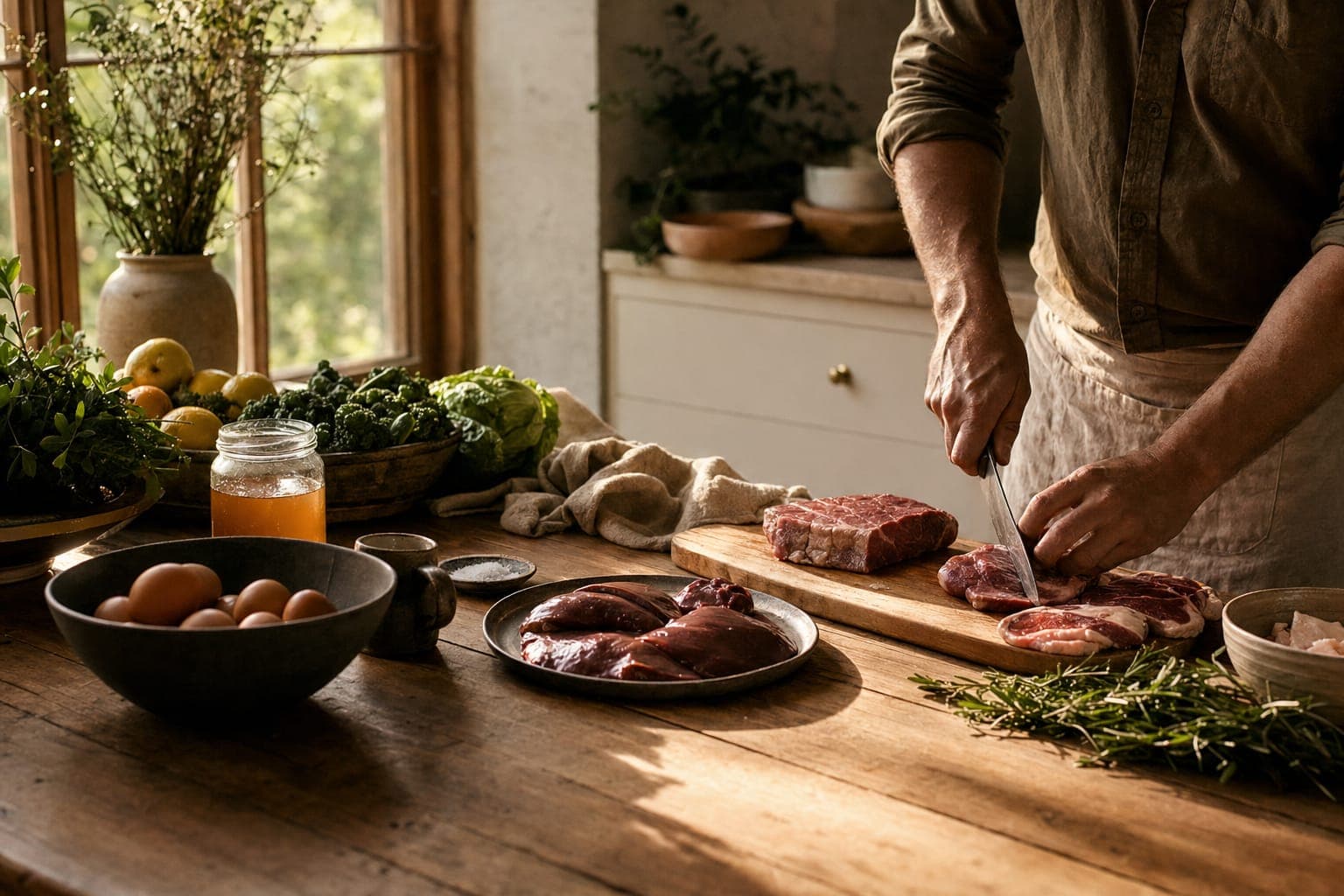
The Rise of Metabolic Disease and What's Really Causing It
Metabolic disease is endemic. Obesity, type 2 diabetes, fatty liver disease, and cardiovascular disease are all increasing. Here's exactly what's causing it.
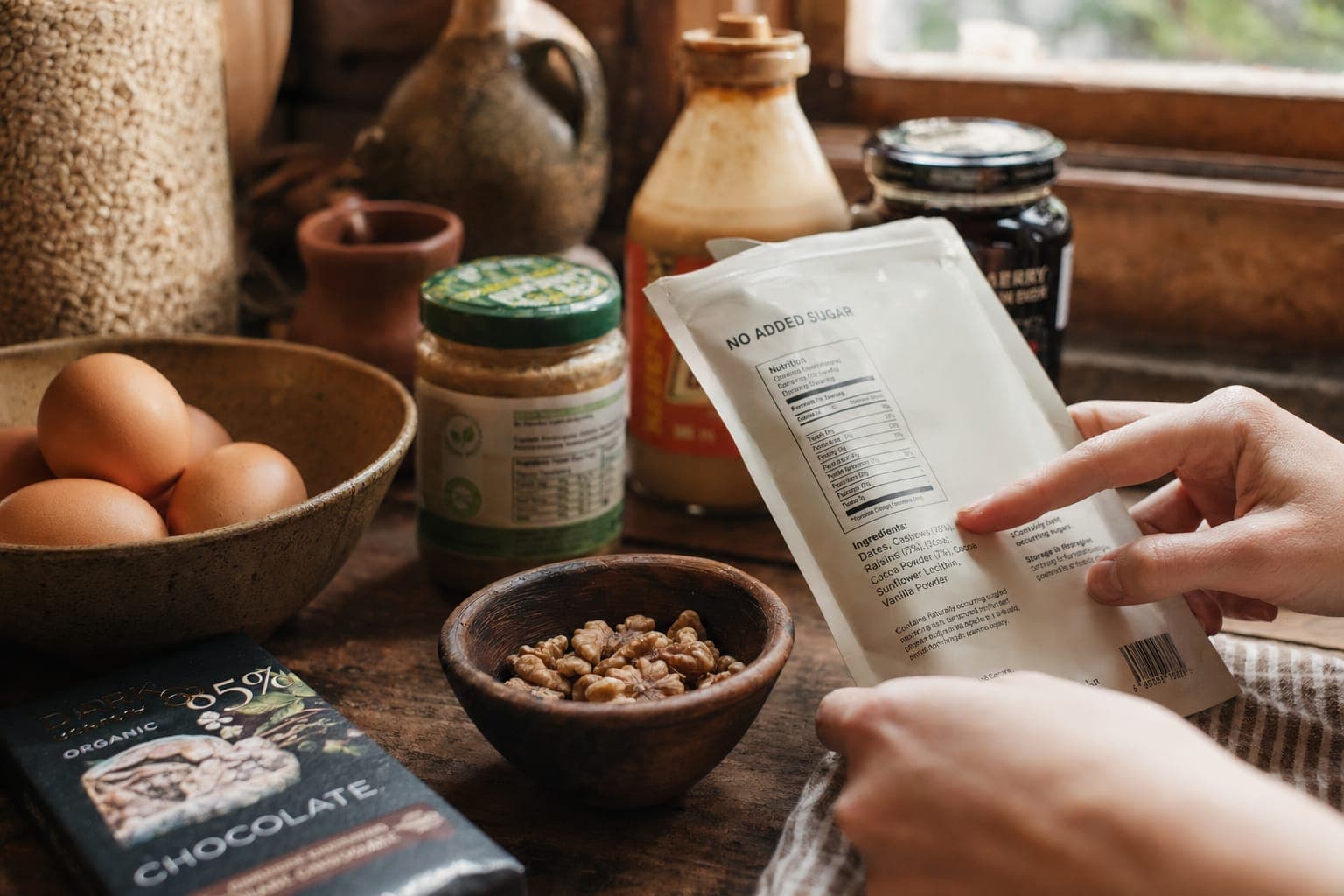
What 'No Added Sugar' Really Means on Food Labels
Decode the lies of food labels. 56 names for sugar, 'no added sugar' loopholes, and how to read ingredients to actually find real food.
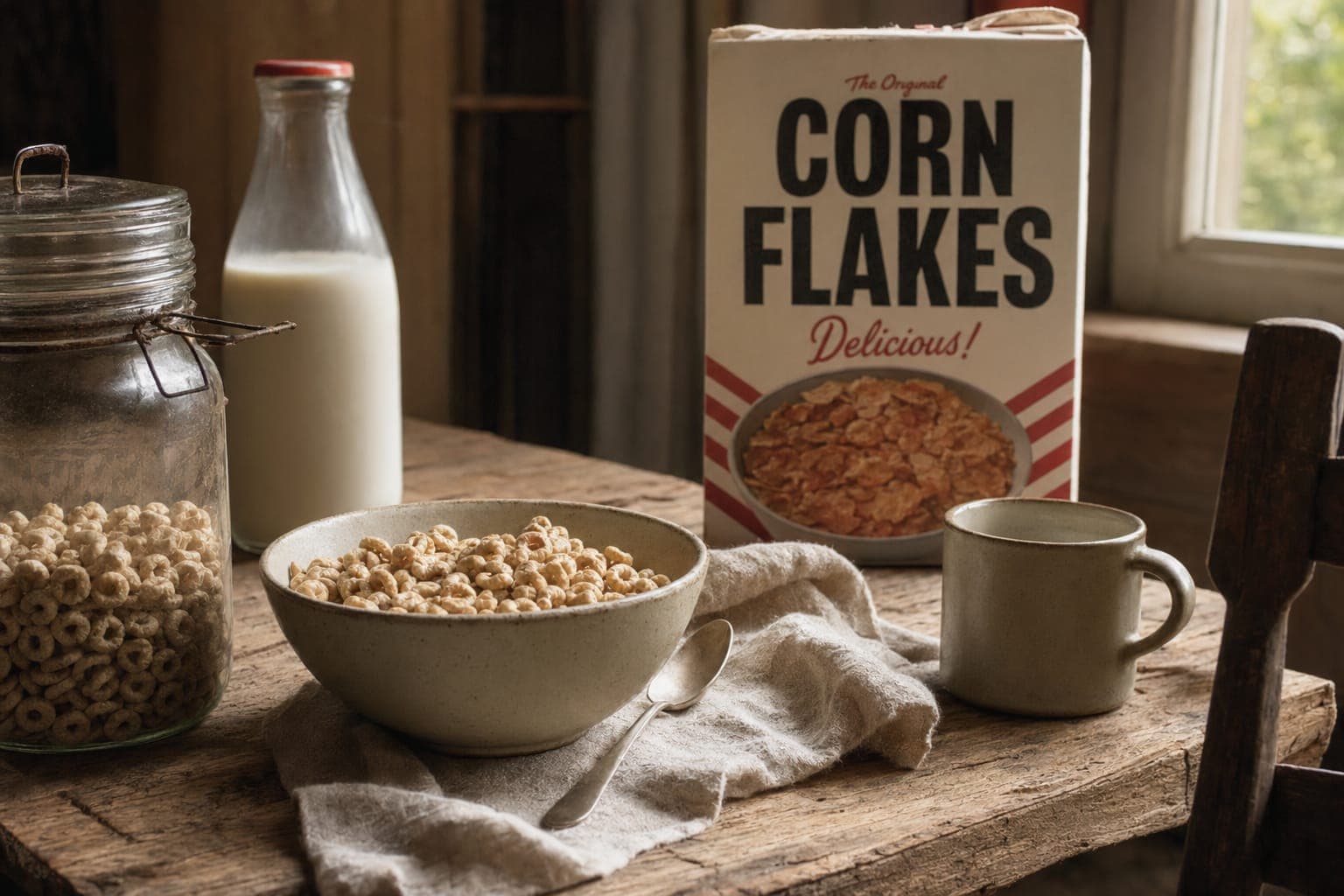
Why Breakfast Cereal Is the Worst Way to Start Your Day
How breakfast cereal spikes blood sugar and cortisol. The history of breakfast cereal marketing and real alternatives to start your day.
Food Quality

Hub
Why Modern Food Is Less Nutritious Than It Was 50 Years Ago
Soil depletion, selective breeding, and industrial agriculture have made modern produce less nutritious. Here's the evidence.
Food Additives You Should Actually Worry About
Most food additives are safe, but a few are genuinely worth avoiding. Learn which food additives actually matter for your health and why. A clear-eyed guide.
The Hidden Ingredients in Your 'Healthy' Protein Bar
Protein bars marketed as healthy hide seed oils, sugar alcohols, and processed isolates. Here's what's actually in them and why they're not real food.
Why 'Fortified' Doesn't Mean Nutritious
Fortified foods are often low-quality cereals dosed with synthetic vitamins. Folic acid is not folate. Learn what fortification really means for you.
Whole Food Philosophy
Hub
Why We Believe Whole Food Is the Future of Nutrition
Why whole food nutrition works better than supplements. Bioavailability, cofactors, and the science of nutrient synergy explained.
8 Ingredients. Nothing Else. The Organised Approach.
See why Organised is built from just 8 whole food ingredients, with no fillers, no synthetics and no compromise. A simpler approach to nutrition.
Why Real Food Doesn't Need a Barcode
The Organised philosophy on real food. Simple ingredients, no mystery, no processed middleman. If it needs a barcode, ask yourself why.

Why We Will Never Add Artificial Sweeteners to Organised
Why Organised will never contain artificial sweeteners, and what the research shows about how sweeteners disrupt your gut bacteria and metabolism.
Ancestral Diets
Hub
What Our Ancestors Actually Ate (And What We've Lost)
Discover what ancestral humans ate, why it worked, and what modern diets have lost. Based on archaeological and anthropological evidence.

The French Paradox: Real Food, Real Health
Explore the French paradox: high saturated fat, low heart disease and long lives. It is not just the wine, but the food, the meals and the eating culture.
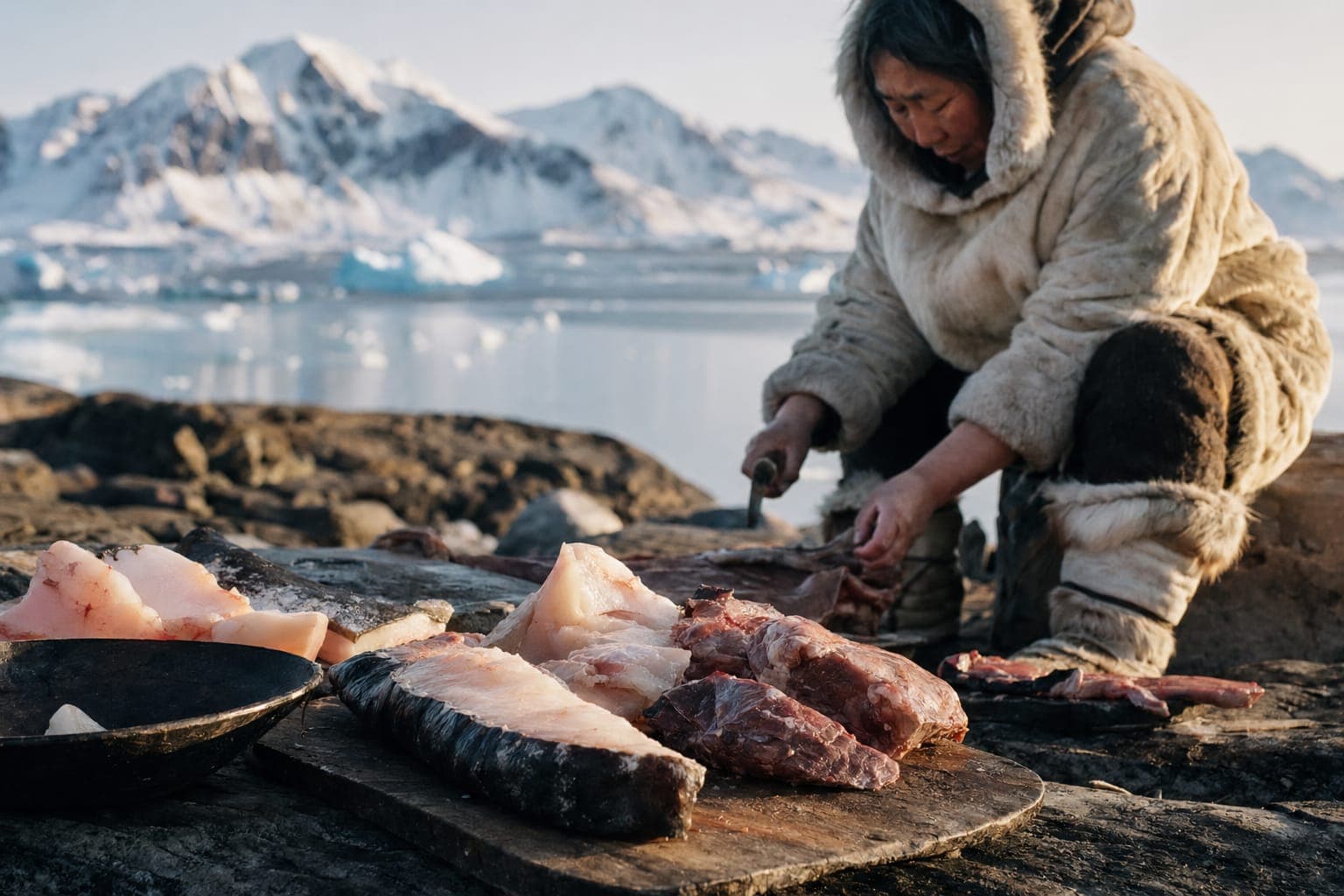
What the Inuit Diet Teaches Us About Fat and Health
The Inuit ate almost zero carbohydrates and high saturated fat with virtually no cardiovascular disease. Here's what that tells us about dietary dogma.
Whole Foods
Hub
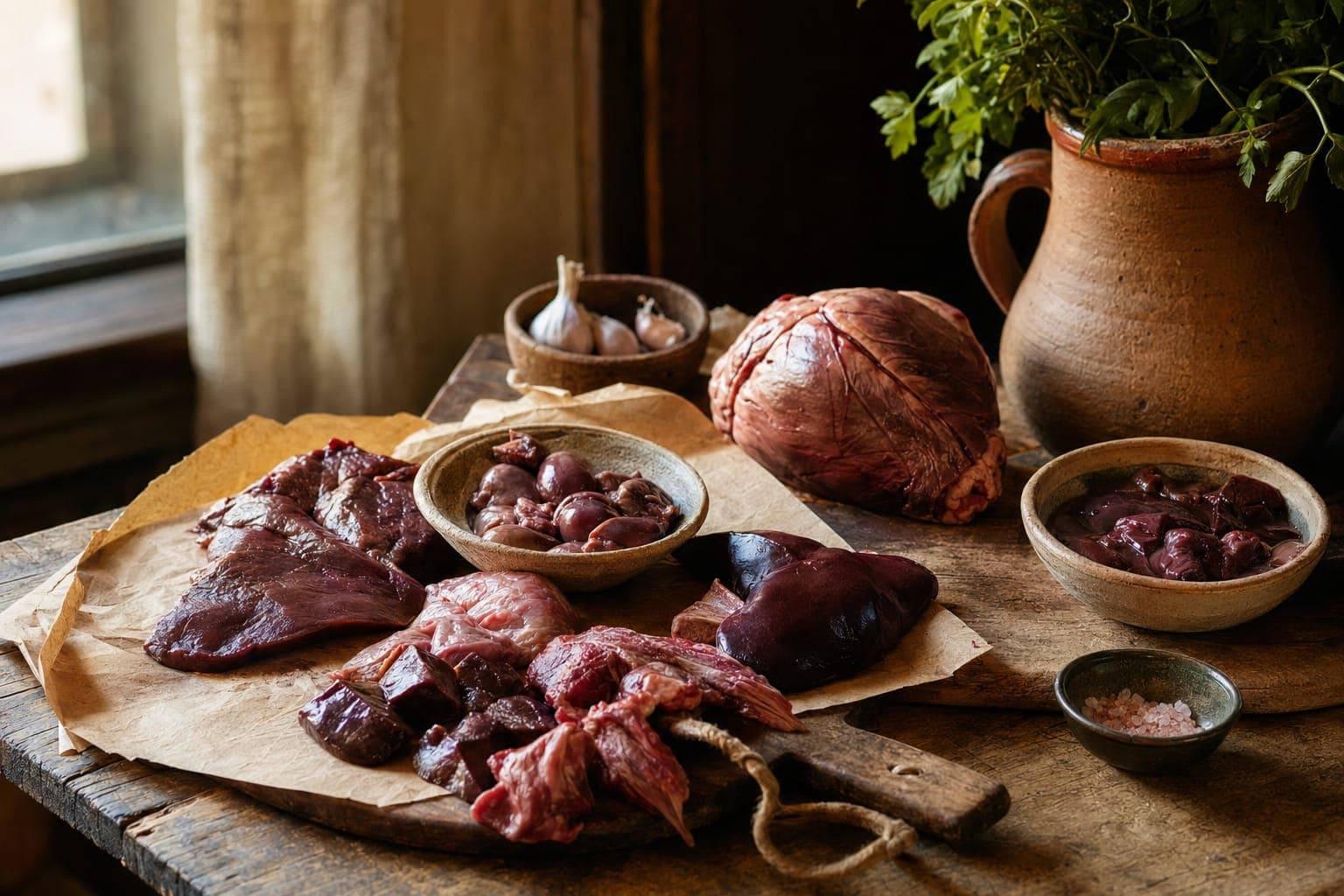
Why Every Traditional Culture Prised Organ Meats
Discover why Inuit, Maasai, and Native American cultures reserved organ meats for hunters and elders. The nutritional truth modern dietitians have overlooked.
Organ Meat Supplements on Reddit: Are They Actually Worth It?
Desiccated liver and beef organ pills spark constant Reddit debate. Here is the honest community consensus, checked against the nutrition evidence.

The Case for Eating Eggs Every Day
Eggs contain choline, B12, lutein, and complete protein. One egg has everything your body needs. Here's why the cholesterol myth should've died decades ago.
Diet Approaches
Hub
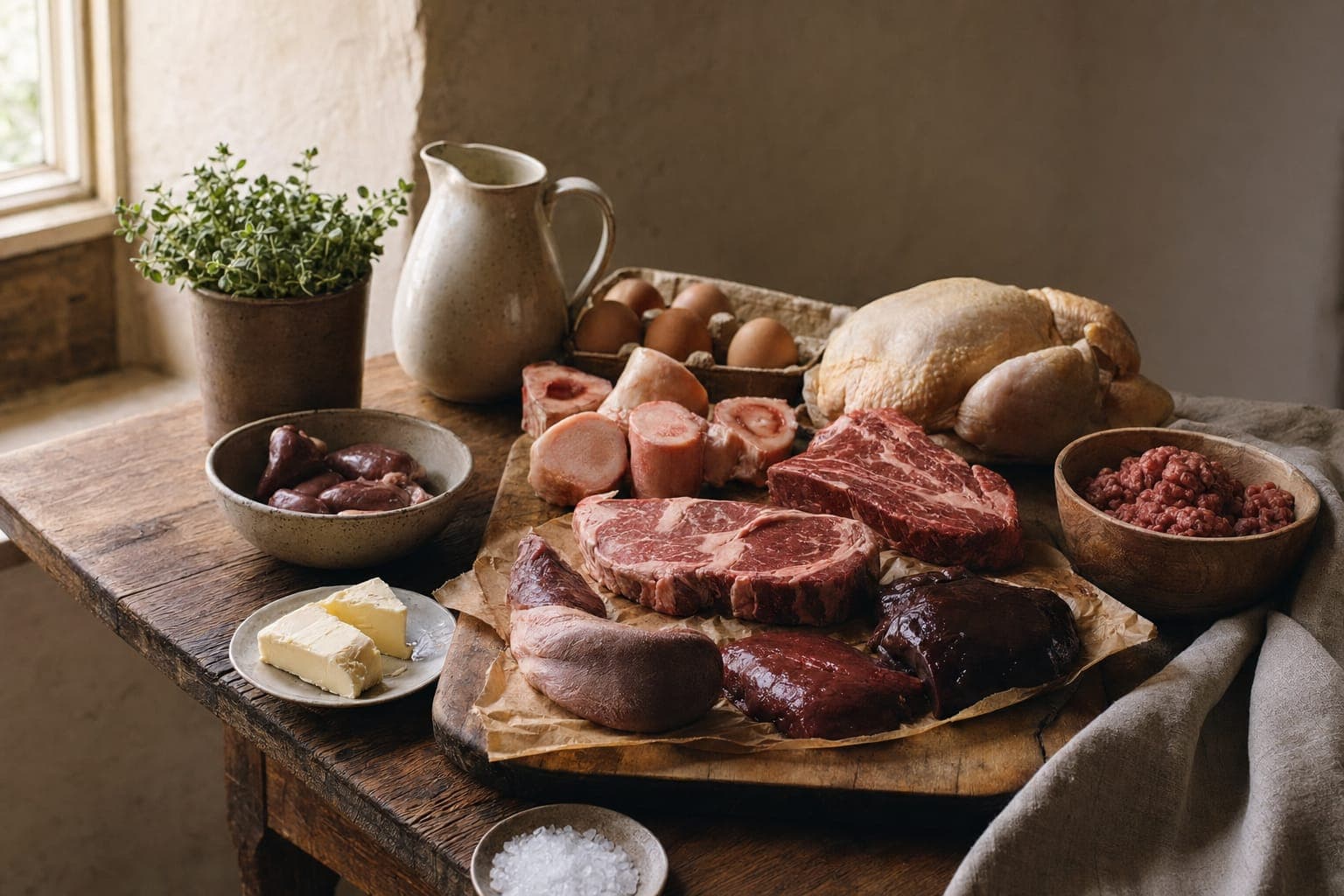
Animal-Based Eating: What It Is and Why It's Growing
What is animal-based eating? A guide to nose-to-tail nutrition, why it's gaining traction, and how it differs from pure carnivore.
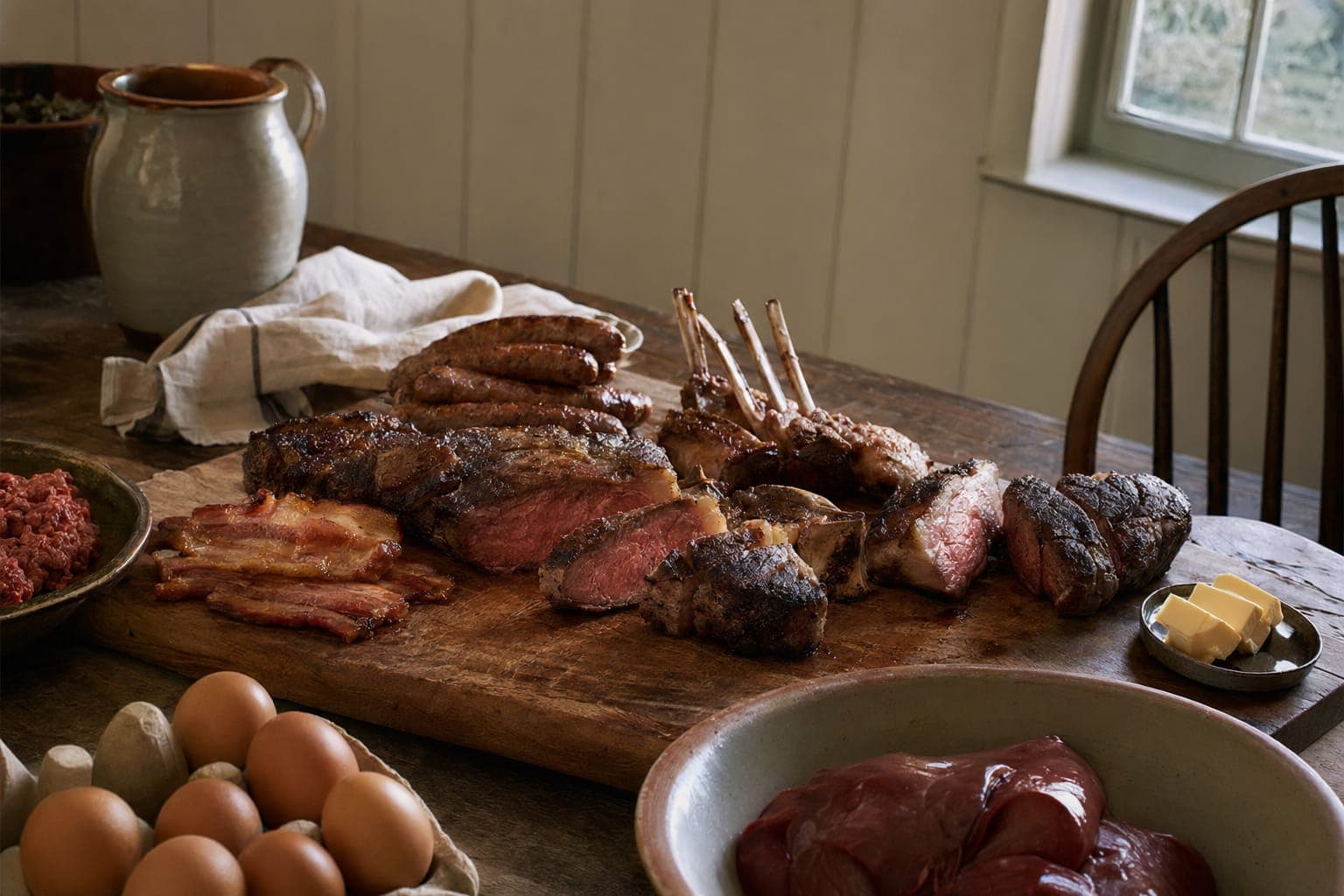
The Carnivore Diet: An Honest Assessment
An unbiased look at the carnivore diet. What works, what doesn't, who might benefit, and why fibre remains a conversation worth having.
Nose-to-Tail
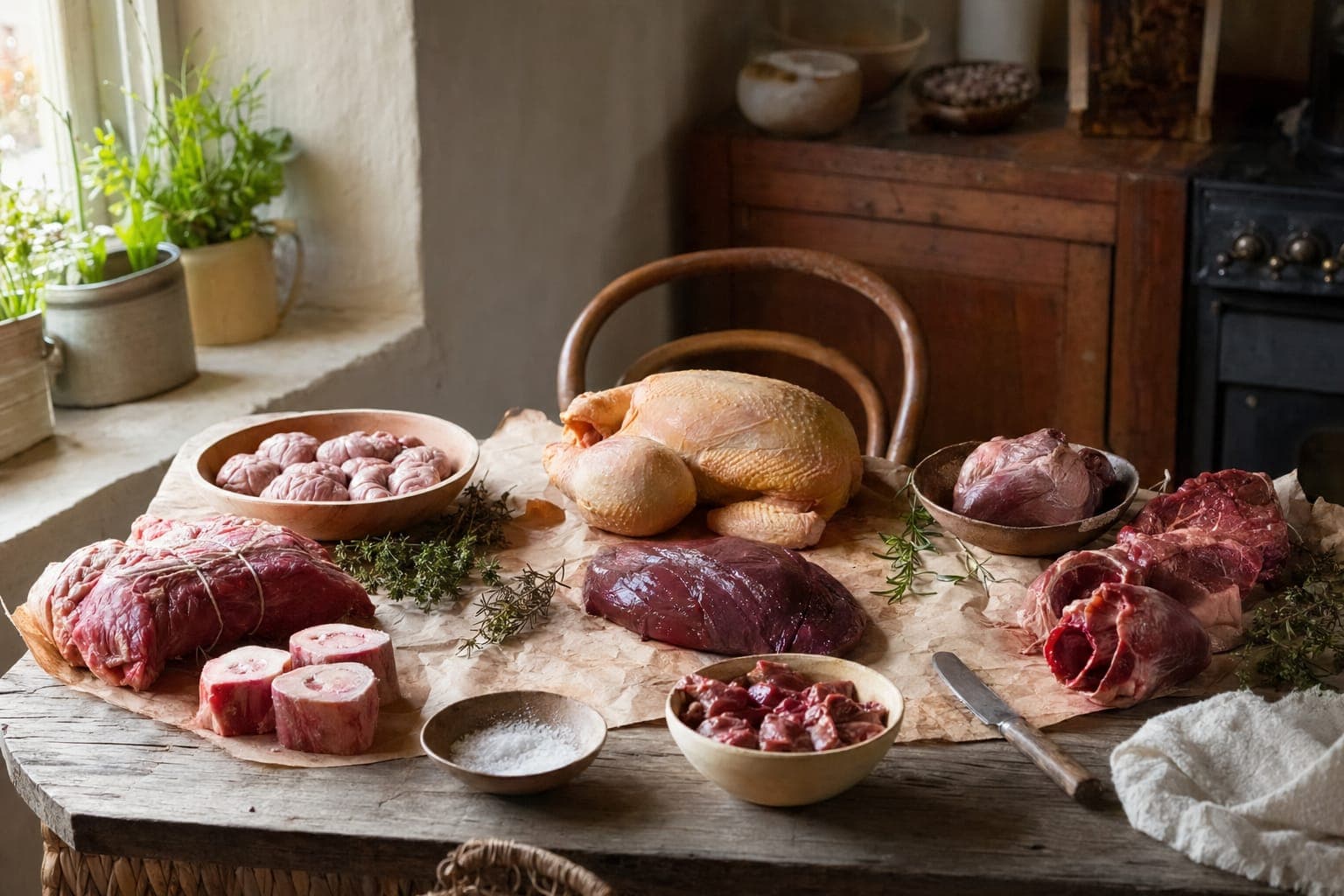
How Nose-to-Tail Eating Reduces Food Waste
How eating the whole animal eliminates waste, supports regenerative farming, and makes nutrition more sustainable and affordable.
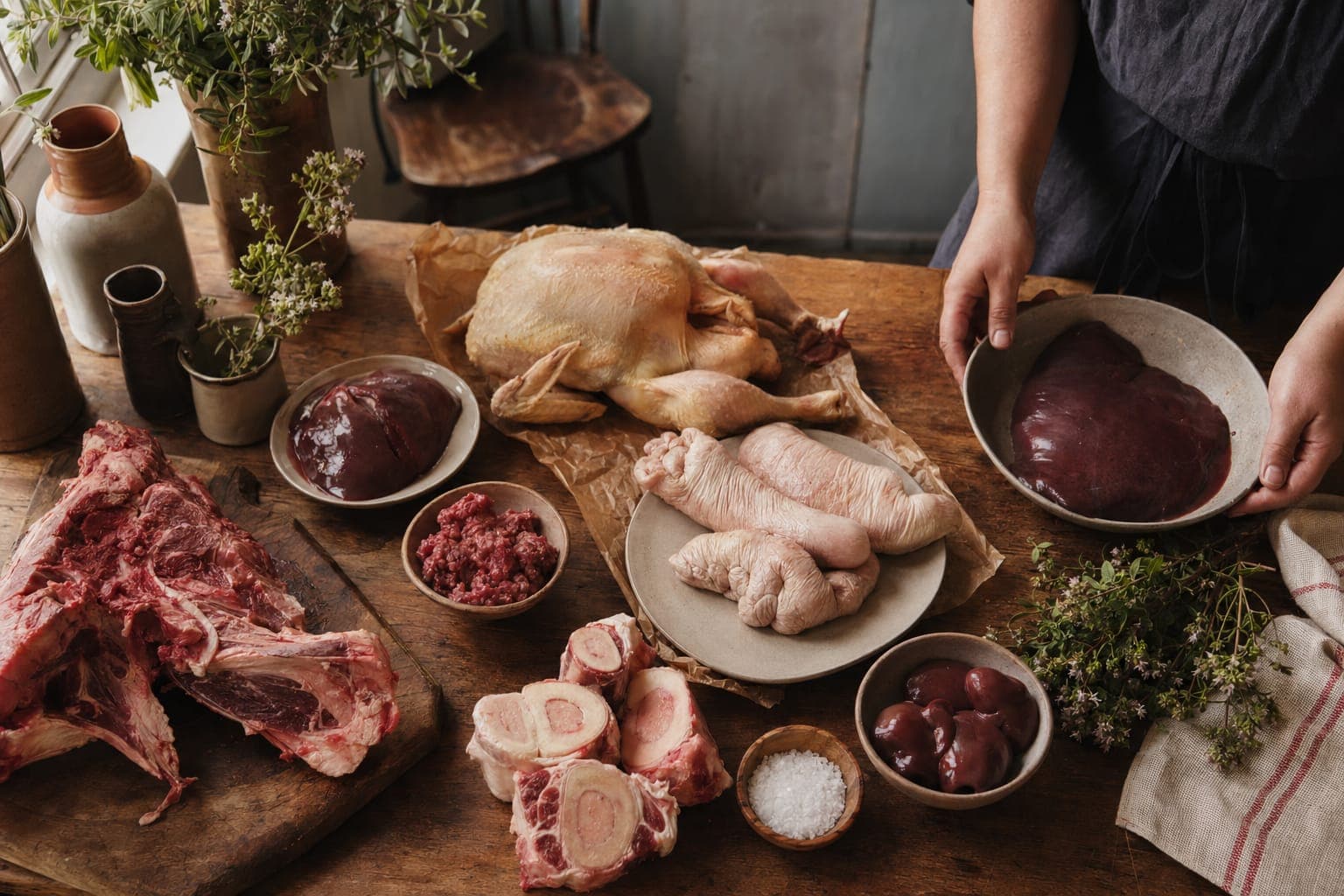
The Ethics of Nose-to-Tail: Honouring the Whole Animal
Why using every part of an animal is the most respectful, sustainable, and nutritious approach to eating meat. A philosophy for ethical eaters.
Science & Mechanisms
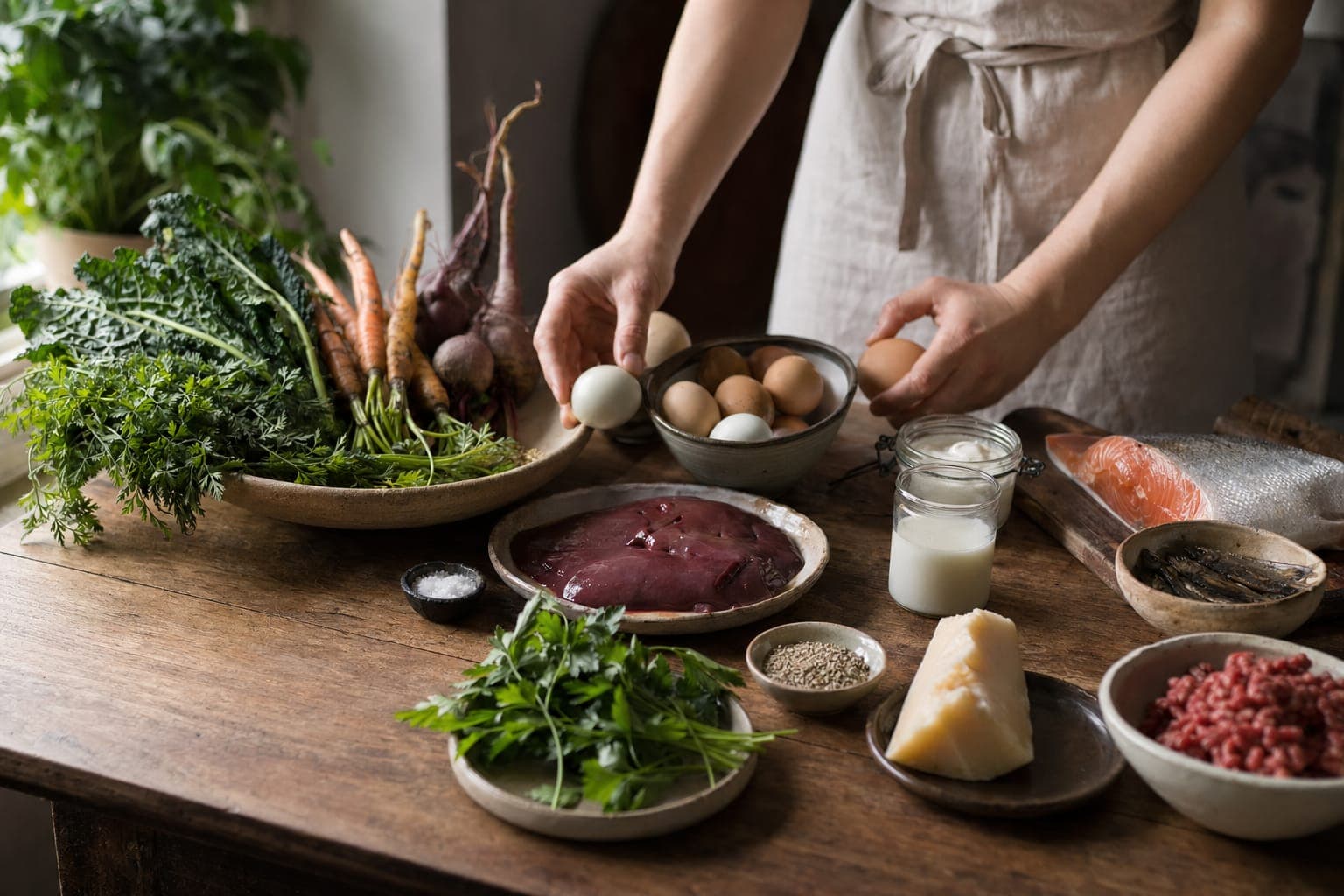
Cofactors: Why Isolated Nutrients Don't Work as Well
What are cofactors? How nutrients work together, why isolated supplements fail, and which foods provide the complete nutritional picture.
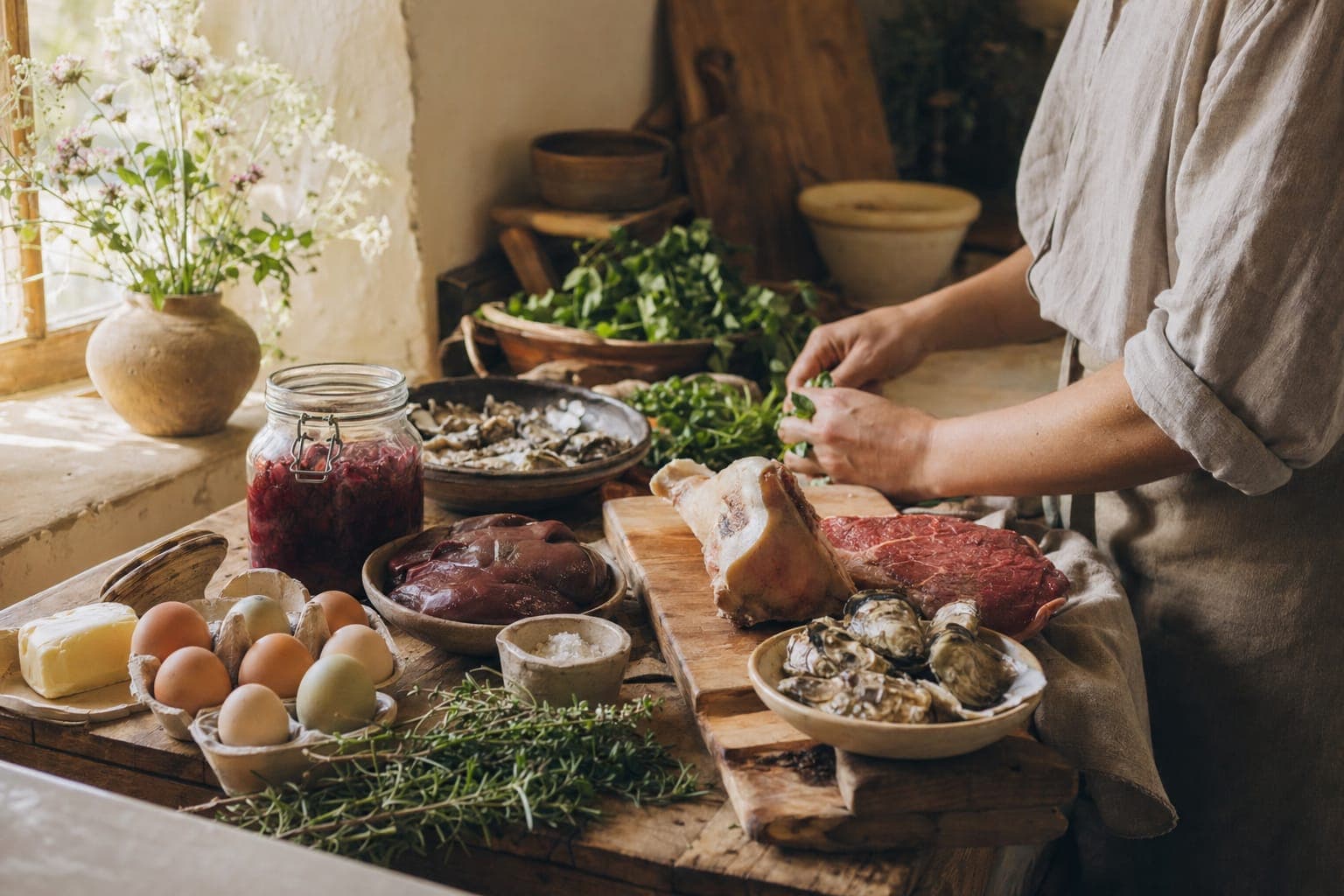
What Does 'Bioavailable' Actually Mean?
What does bioavailable really mean? How your body absorbs nutrients, what interferes with absorption, and why some foods deliver more nutrition than others.
More guides
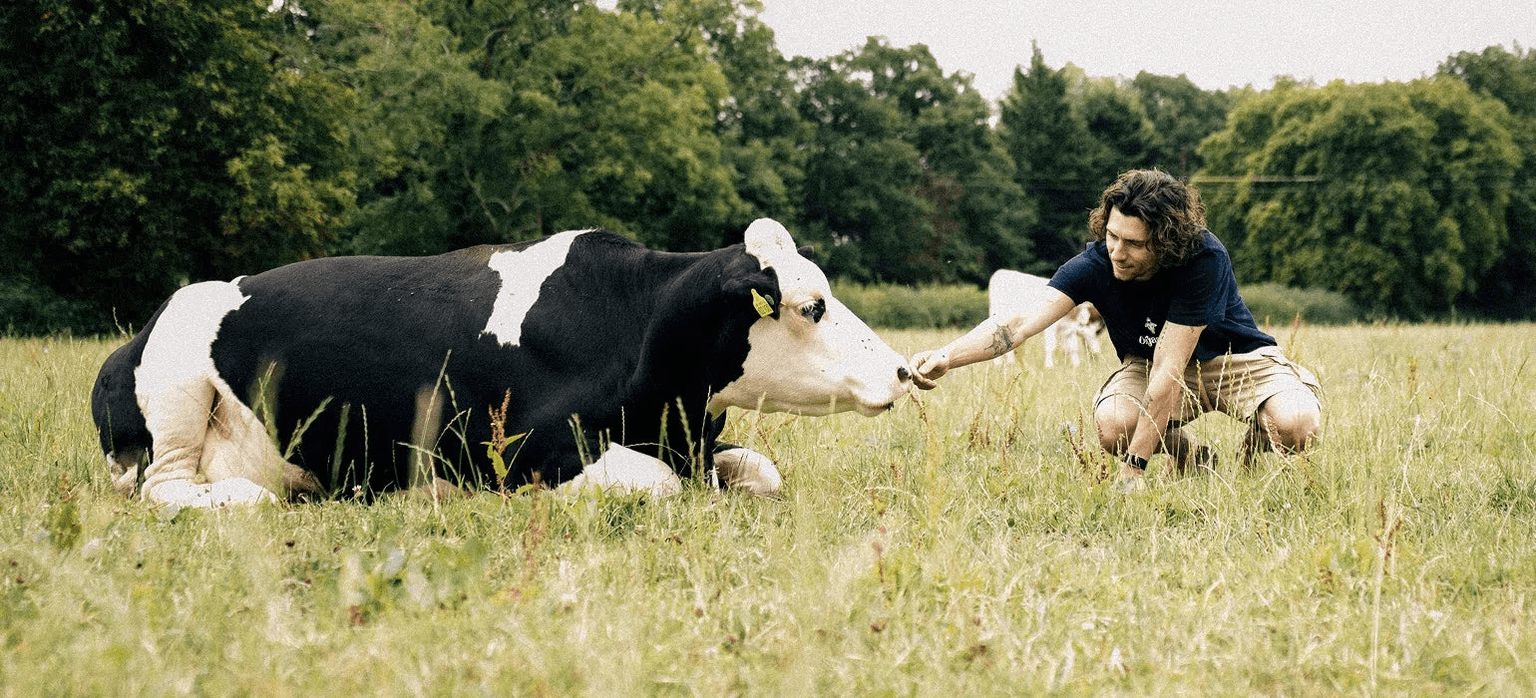
Ancestral Diet: The Simple, Seasonal, Nose-To Tail Way To Eat
Modern health culture can feel loud. Protein hacks, powders, trends with complicated rules. The ancestral diet is the opposite. It is quiet, simple, and
Hub
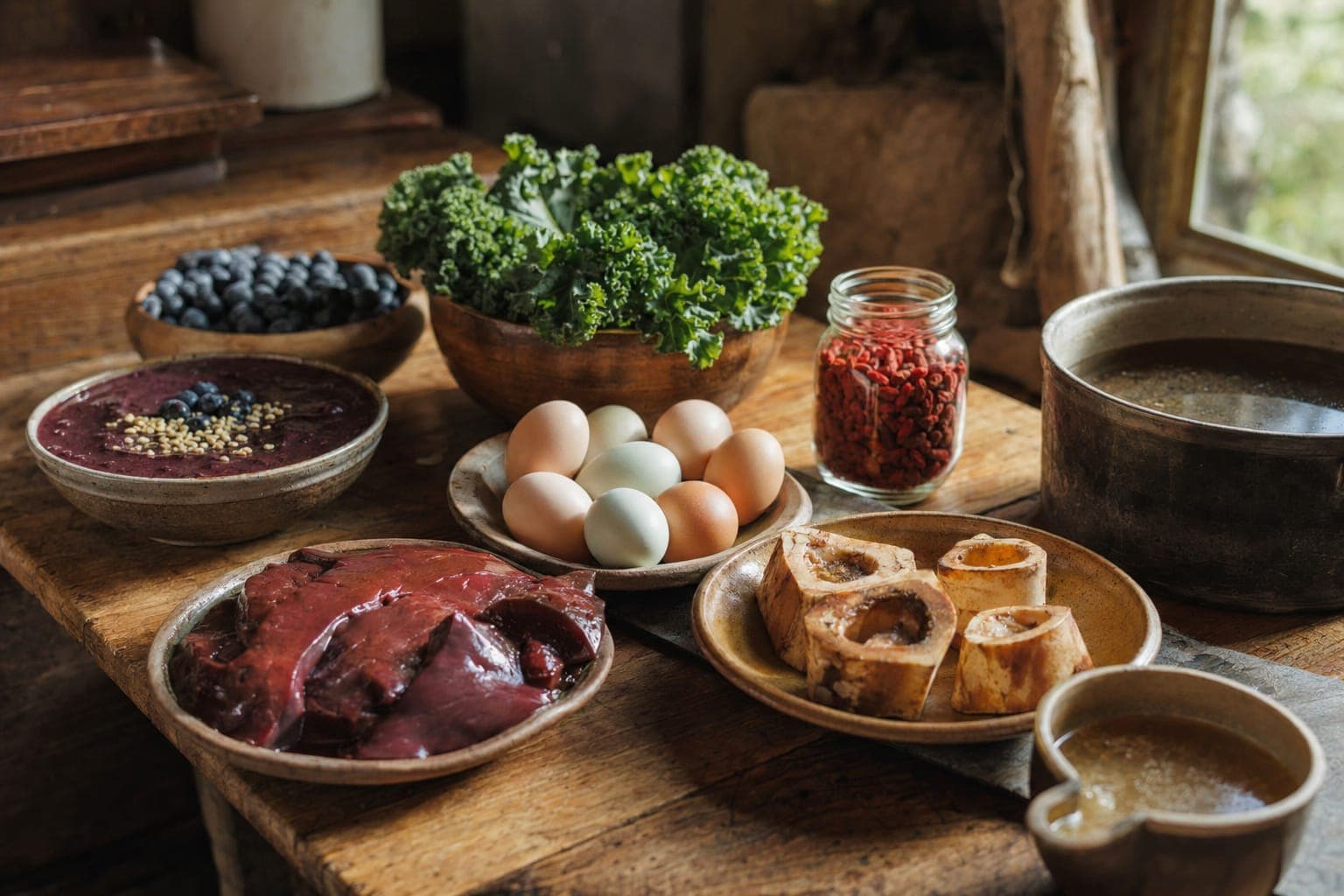
Are 'Superfoods' Just Marketing? A Nutrient Density Reality Check
Acai, goji and kale dominate wellness marketing, but how do nutrient-dense superfoods compare to liver, eggs and bone broth? See what the data shows.

Cod Liver Oil: What Your Great-Grandmother Got Right
Cod liver oil prevented rickets. It provided vitamin A and D when food was scarce. Modern versions miss the point. Here's what actually matters.
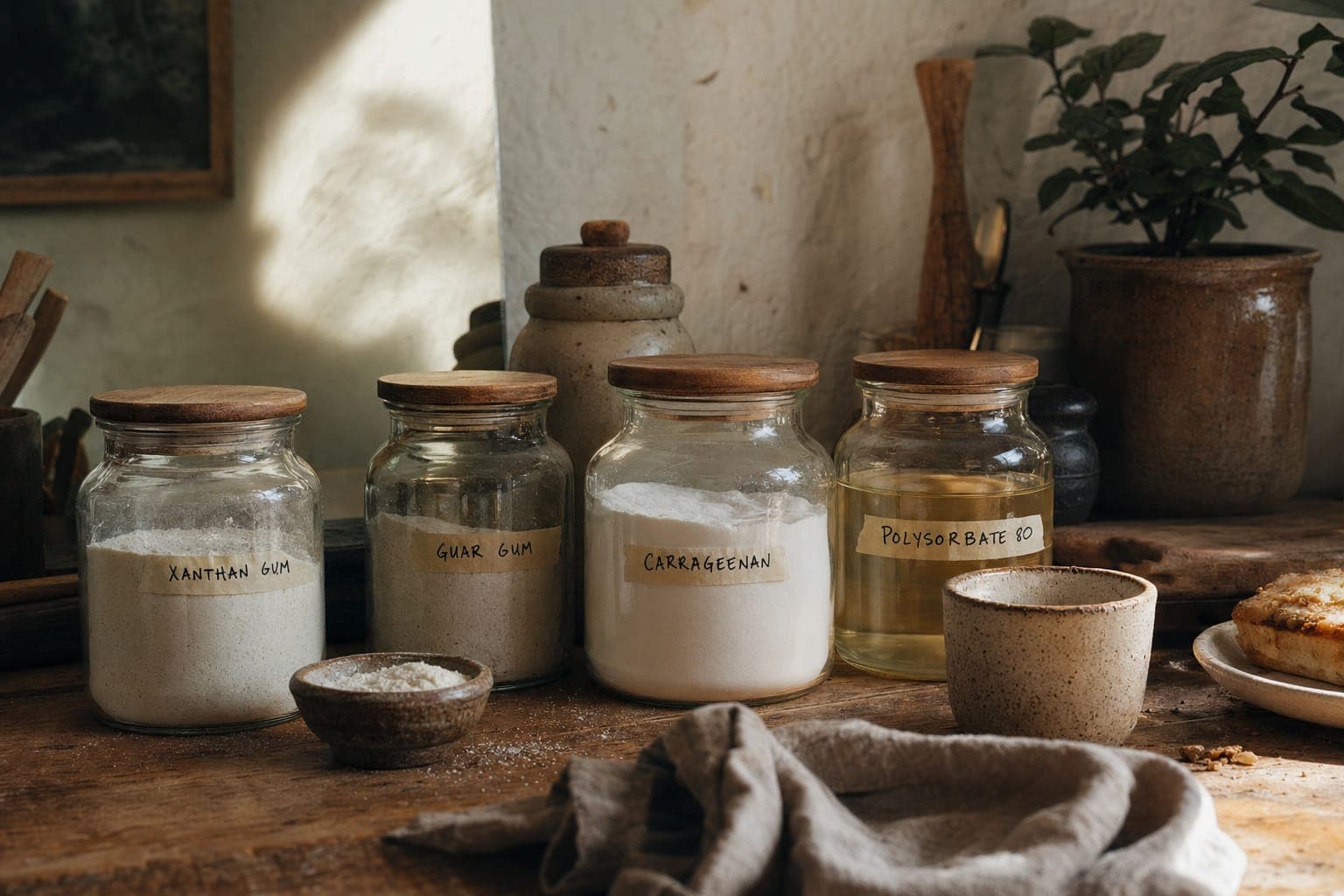
Emulsifiers, Gums and Thickeners: The Hidden Gut Disruptors
Carrageenan, polysorbate 80, and gums hide in most processed food. See what research on emulsifiers and gut health says about your gut barrier.

Natural Flavourings Are Not Natural. Here's Why.
Understand what natural flavouring really means under food law, the FDA and FSA loopholes behind it, and why this common label can mislead shoppers. Read on.
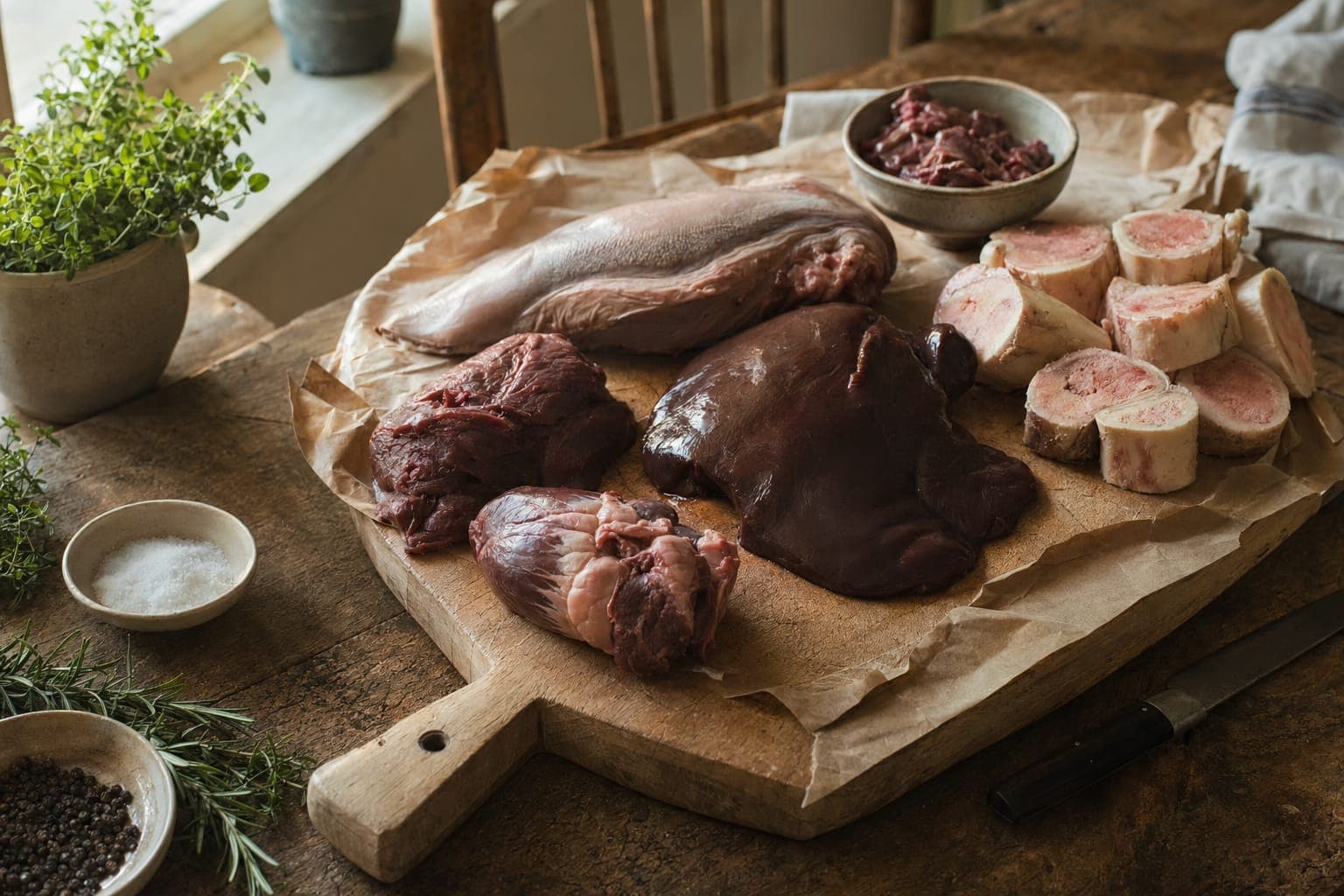
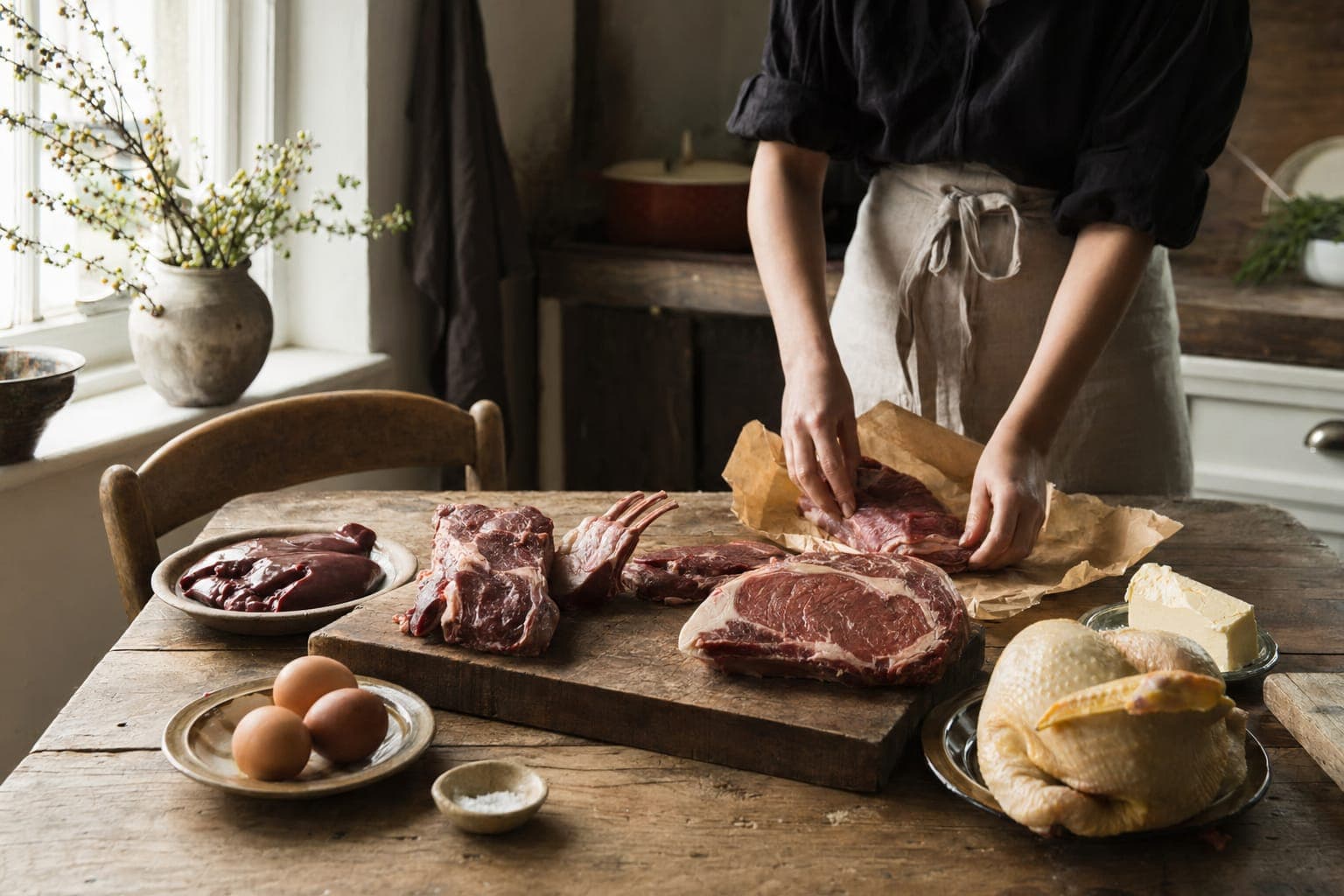
Nose-to-Tail for Beginners: Where to Start
New to nose-to-tail eating? Start with liver, then heart, in small amounts. Get simple freezing tips and easy ways to soften the taste as you build up.
Hub
Paleo, Primal, Carnivore, Animal-Based: What's the Difference?
What's the difference between paleo, primal, carnivore, and animal-based eating? A clear breakdown of each framework and when to use them.
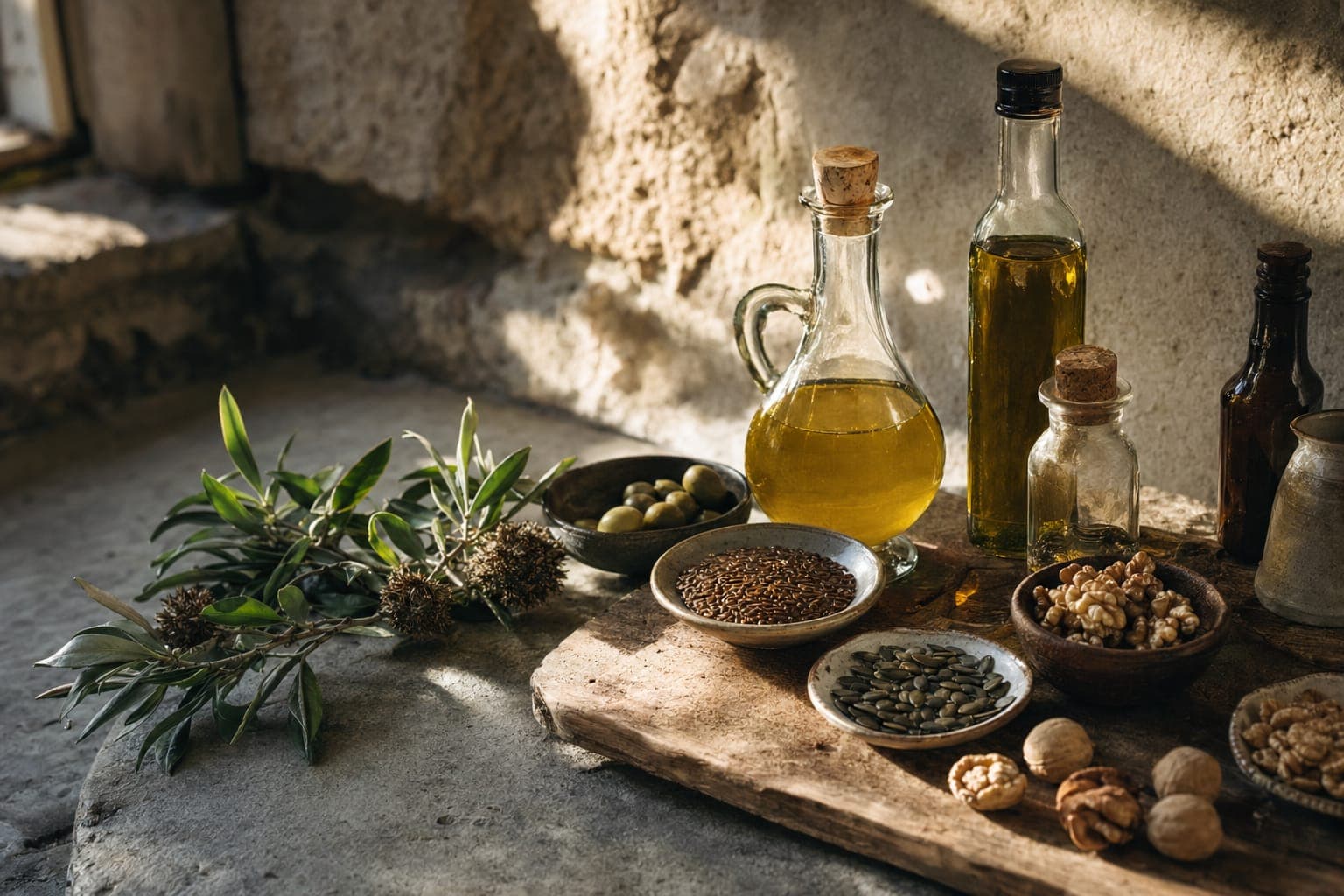
Seed Oils: A Fair and Evidence-Based Assessment
A fair, evidence-based look at seed oils and health: omega-6 ratios, oxidation, and why a growing body of research suggests a cautious approach is sensible.
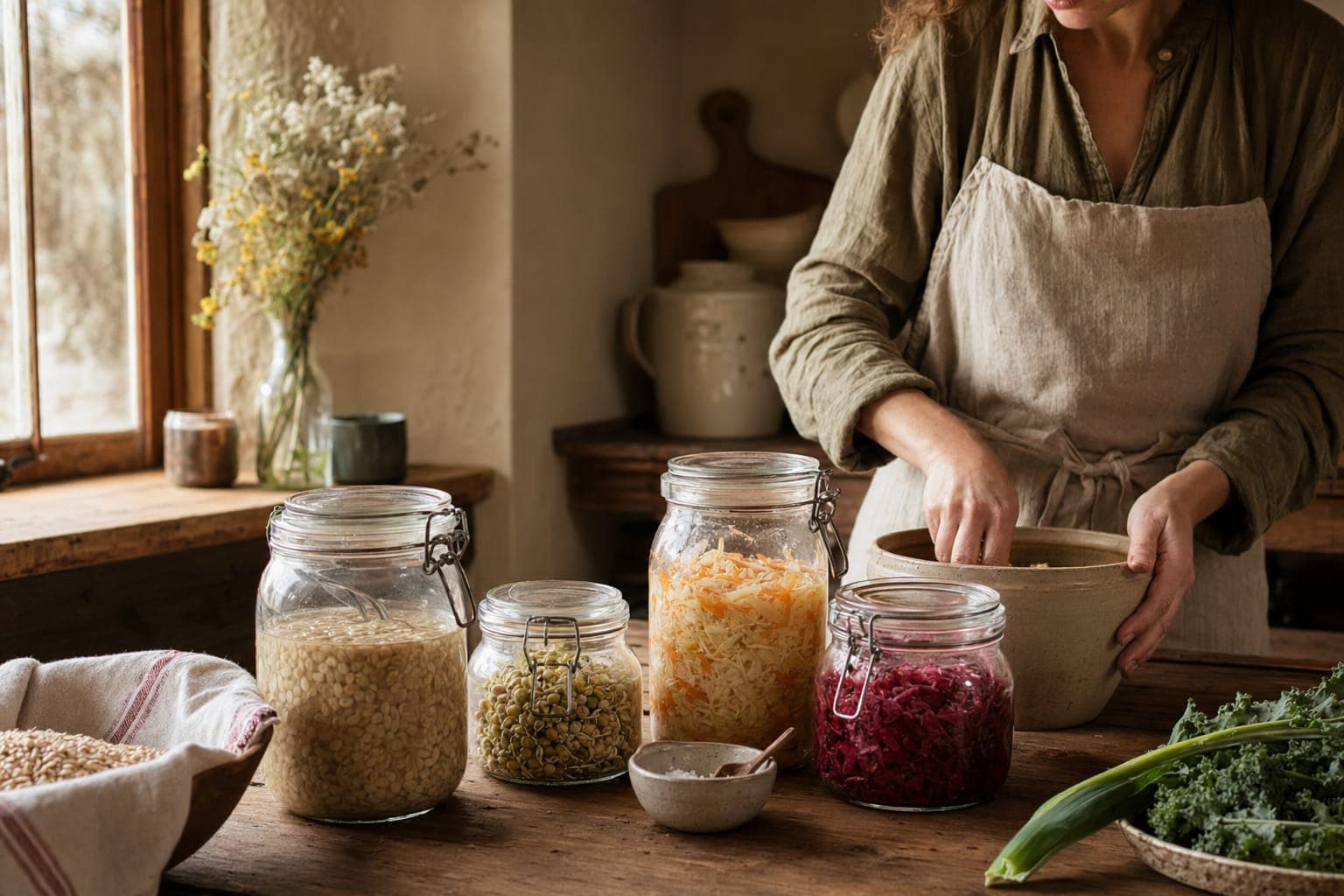
Soaking, Sprouting and Fermenting: Traditional Food Preparation
Phytic acid and lectins make grains and legumes difficult to digest. Traditional prep methods aren't outdated. They're essential for nutrient availability.
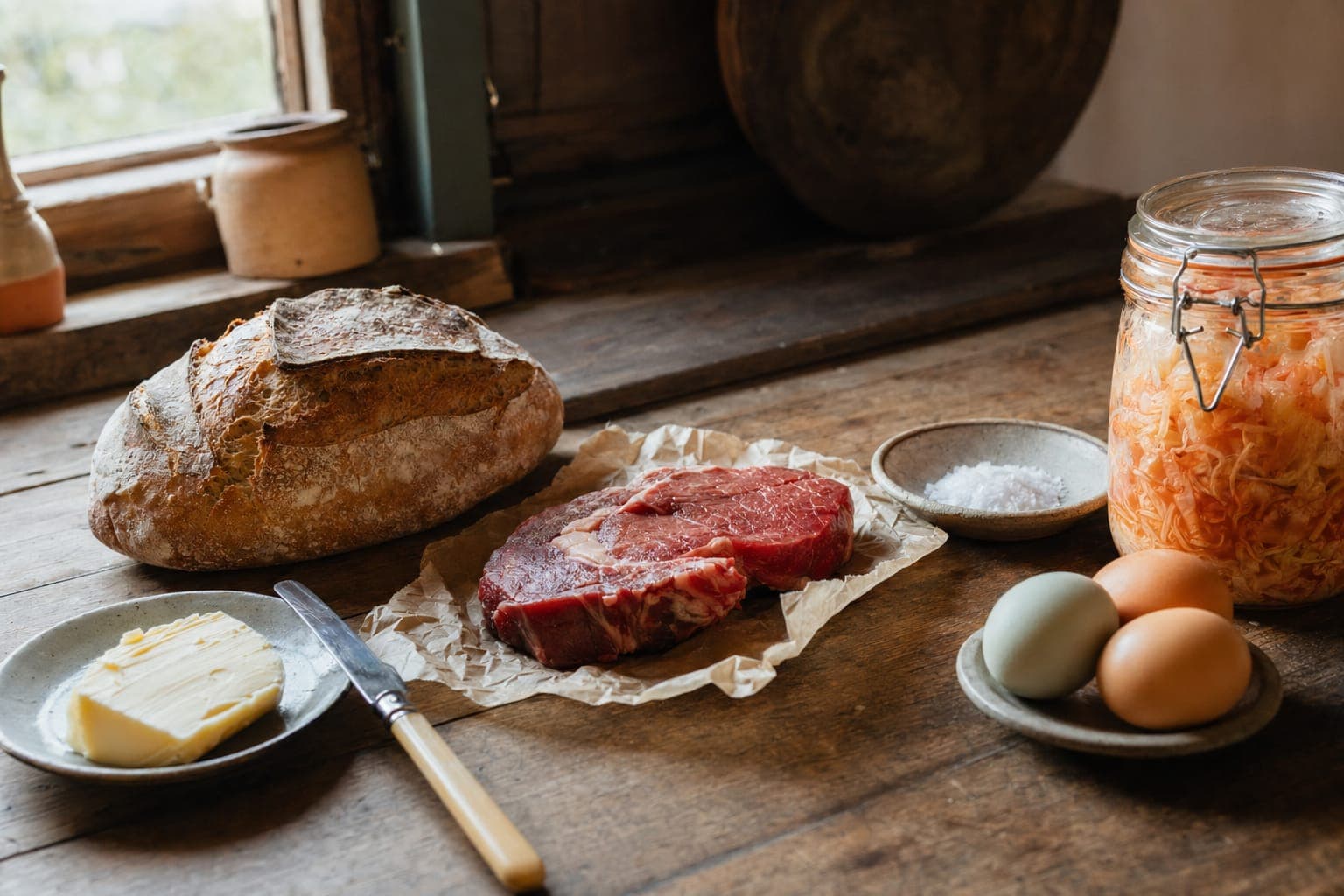
The 8 Ingredients Philosophy: Less Is More
Great meals don't need ten ingredients. Sourdough, butter, salt, meat, eggs, fermented food, and the discipline to keep it simple is where nutrition begins.

The Forgotten Art of Tallow: Nature's Skincare
Learn why beef tallow works as a natural skin balm. We cover its fatty acid profile, its long history in skincare, and how to render it at home with ease.

The Lost Tradition of Eating Seasonally
For most of human history, seasonal eating was the only option. Learn how year-round produce became normal and why eating with the seasons still helps.

Hub
The Mediterranean Diet: Separating Myth from Fact
The Mediterranean diet myth often contradicts the 1960s Crete data. See what Ancel Keys found, what was forgotten, and what real Cretans actually ate.
The Problem with Meal Replacement Shakes
Meal replacement shakes like Huel and Soylent are ultra-processed and miss the food matrix your gut needs. Here is why whole meals still matter for health.
The Problem with Synthetic Multivitamins
Synthetic multivitamins often lack cofactors, absorb poorly, and carry fillers. See why whole food nutrients suit your body better, and what to look for.
Hub
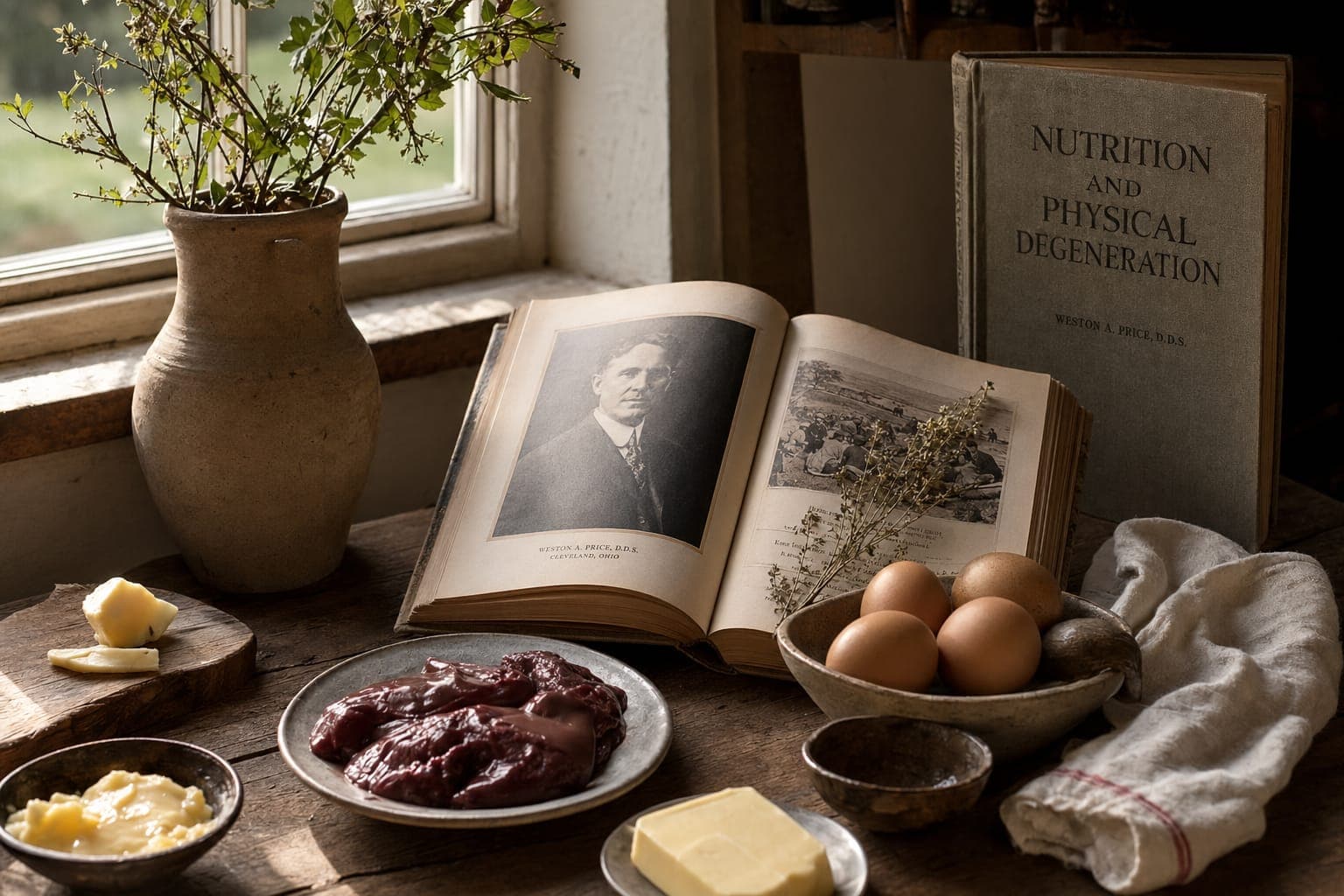
The Weston A. Price Legacy: What He Discovered About Traditional Diets
Discover what dentist Weston A. Price learned from 14 indigenous cultures about nutrition, ancestral diets, and the fat-soluble vitamins your body needs.

Hub
This Is Not a Supplement. It's Whole Food Nutrition.
Why whole foods work better than supplements. Understanding food matrix, nutrient synergy, and why isolated nutrients fall short.
Hub
Ultra-Processed Food: What It Does to Your Body
What ultra-processed food actually does to your body. From appetite dysregulation to inflammation, here's why it matters.

What 'Clean Eating' Gets Right and Wrong
Clean eating has merit, but it can also fuel orthorexia, privilege, and dogma. Here's what actually works about the movement, and what doesn't.

Hub
What Happened When We Stopped Eating Organs
Explore the history of organ meat: how the post-war shift to convenience foods and muscle meat sidelined nutrient-dense organs, and what that change cost us.
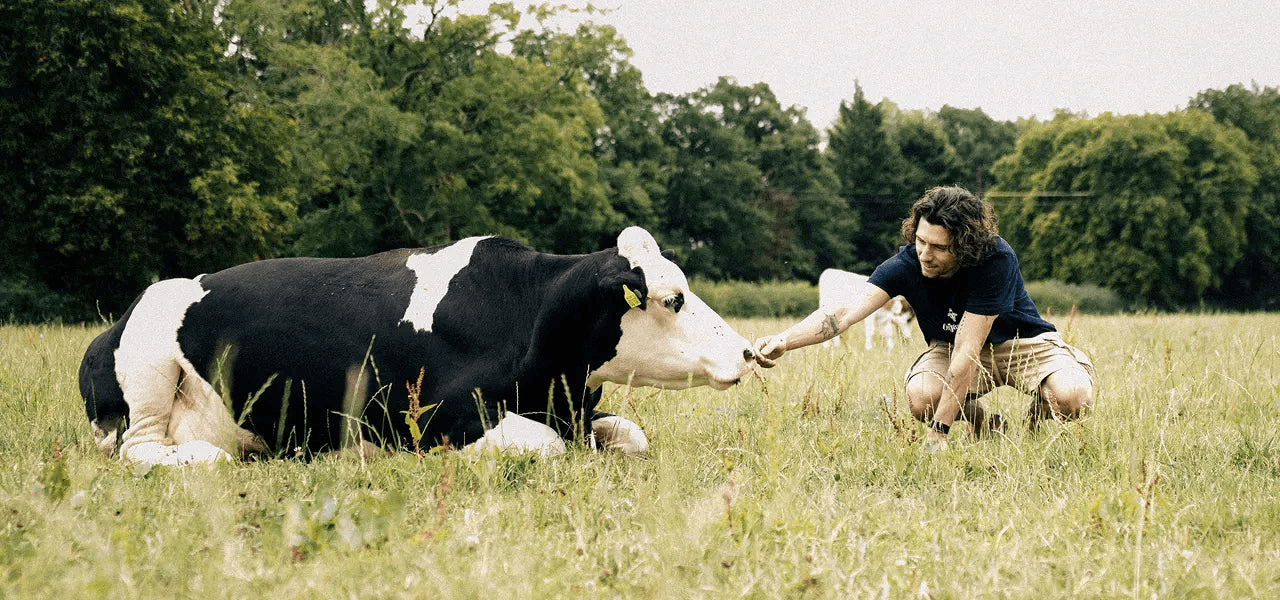
What Is an Animal Based Diet? Definition, Benefits, Food List, and How to Source Well
If you have been hearing “animal based” everywhere lately, you are not alone. It is one of the fastest-growing nutrition movements online, and it sits
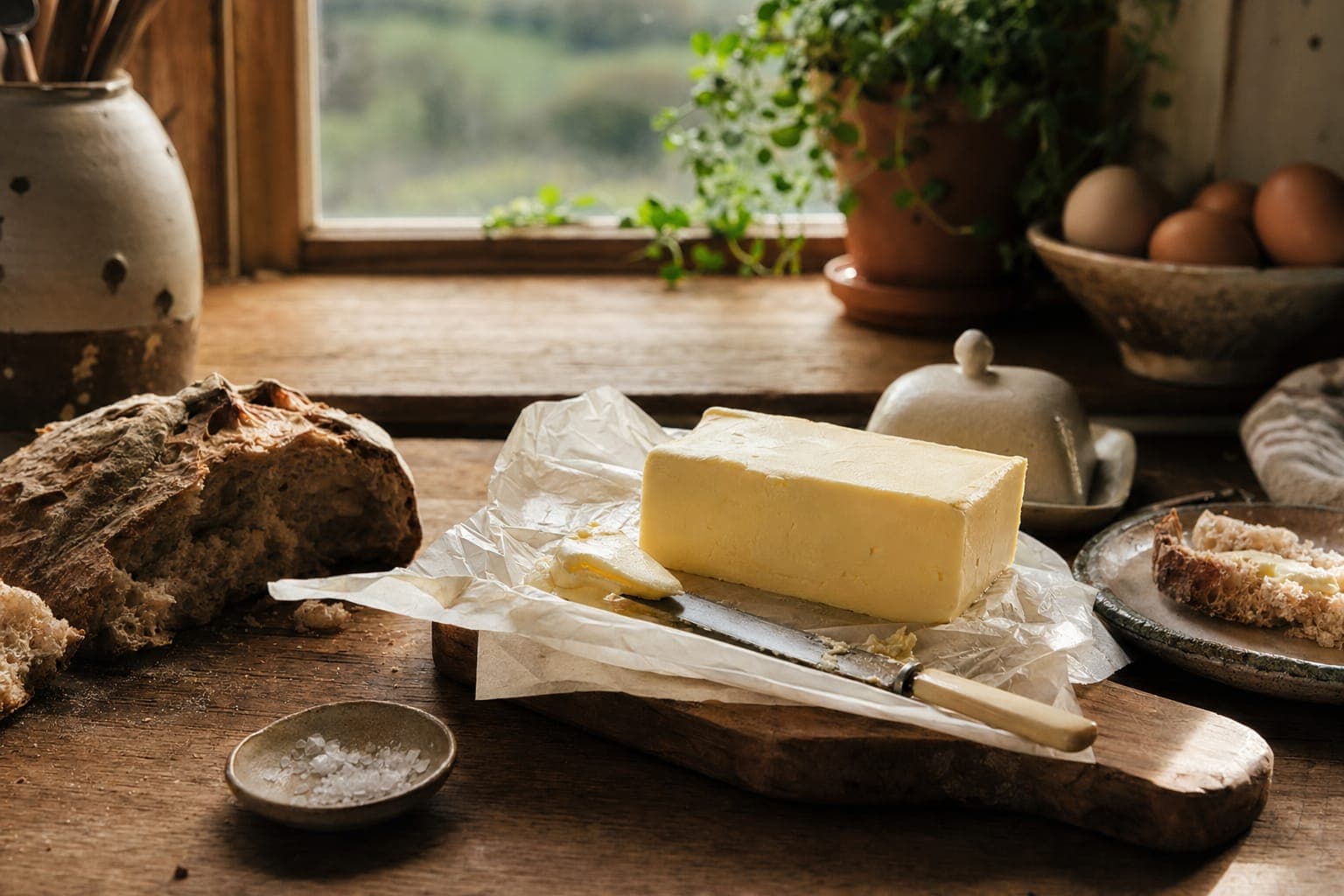
Why Butter Is Back (And Why It Never Should Have Left)
Butter provides fat-soluble vitamins and K2. Margarine was the real experiment. Here's why we're finally returning to what our ancestors ate.