Are 'Superfoods' Just Marketing? A Nutrient Density Reality Check
You've probably heard of acai bowls, goji berries, and kale smoothies. They're everywhere in wellness spaces. But here's what the supplement industry doesn't want you to know: nutrient density per calorie tells a very different story than the marketing.

By Niall Kiddle, Founder, Organised

Reviewed by Pedro Rodrigues, Agronomist (farming and sourcing only) ·
6 min read · Published · Updated · 2 cited sources
Makers of the Organised Daily blend, a grass-fed beef organ supplement from regenerative UK farms
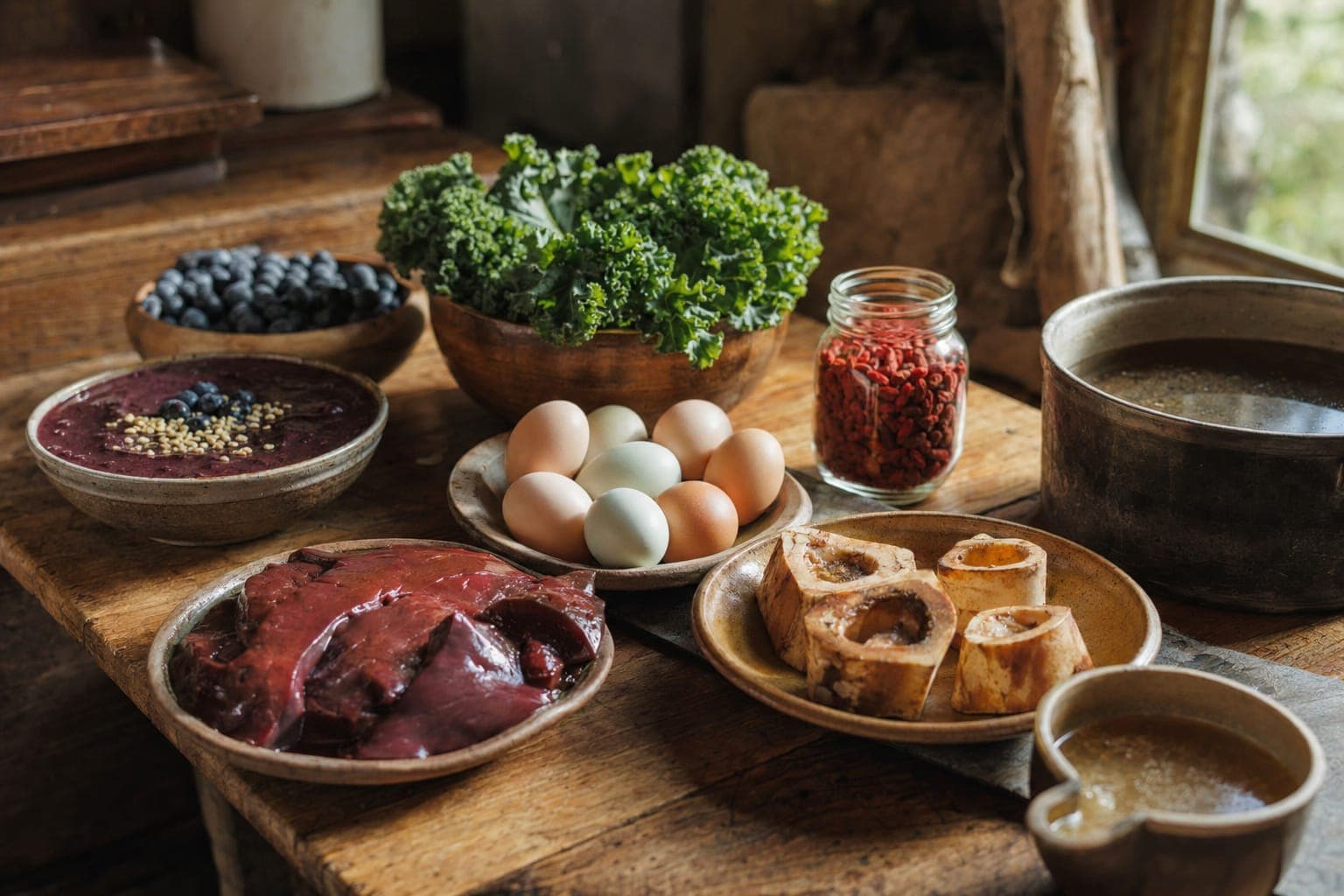
You've probably heard of acai bowls, goji berries, and kale smoothies. They're everywhere in wellness spaces. They're Instagram-worthy. They're expensive. And they're aggressively marketed as modern-day superfoods. But here's what the supplement industry doesn't want you to know: nutrient density per calorie tells a very different story than the glossy marketing.
Most people don't actually know what a superfood is. The term has no official definition. It's a marketing label, not a nutritional category. And the foods that get slapped with it are usually the ones that benefit most from being shipped across continents, packaged in fancy containers, and sold at a premium to wellness-conscious consumers.
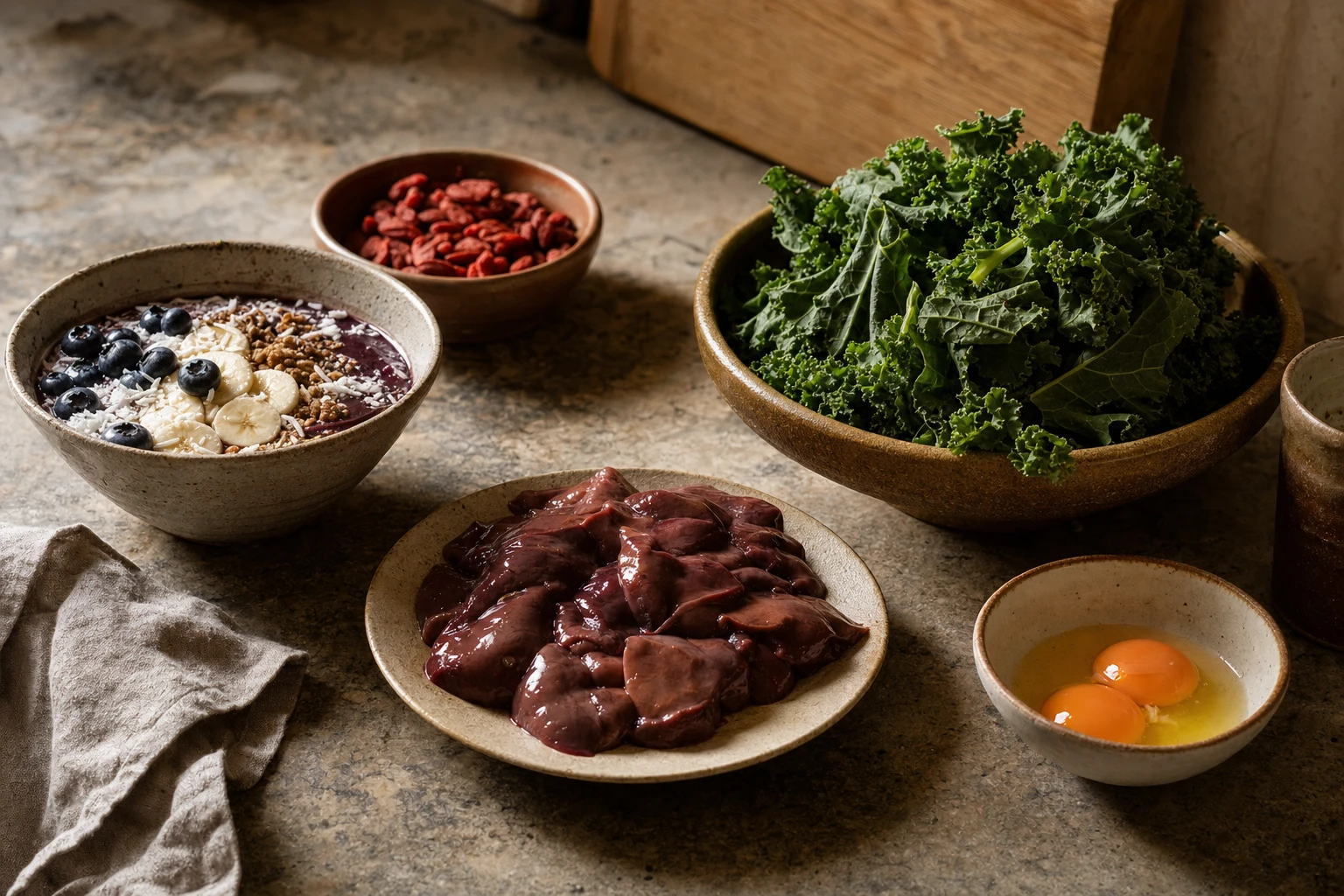
The superfood marketing machine
A superfood is whatever the wellness industry needs it to be.1 Acai became trendy around 2008 after a few clinical studies suggested it had antioxidant properties. Goji berries exploded in the West after being traditional in Chinese medicine for centuries. Kale went from animal feed to health icon in less than a decade. None of these transitions happened because the foods suddenly became more nutritious. They happened because marketing budgets aligned.
The pattern is always the same: identify a food with some promising nutrient compound, isolate that one compound in a study, amplify the finding, and build an entire wellness movement around it. Suddenly that food is sold at three times the price of foods that actually deliver more nutrition per calorie.
Nutrient density: calories versus micronutrients
When nutritionists talk about nutrient density, they mean the amount of micronutrients (vitamins, minerals, amino acids) relative to the calories you consume. A nutrient-dense food delivers a lot of nutrition without forcing you to overeat. This matters because most people don't have unlimited appetite capacity. You can only eat so much in a day.
The real question isn't whether a food has some antioxidants. It's how much nutrition you actually get per calorie, and whether that food includes the full spectrum of nutrients your body needs to function.
This is where the marketing falls apart. Most superfoods are championed for a single nutrient or compound. Acai is sold on antioxidants. Goji berries are sold on vitamin C. Kale is sold on lutein and sulforaphane. But your body doesn't live on one nutrient. You need the full picture: amino acids, fat-soluble vitamins, minerals, fatty acids, and yes, antioxidants too.
The actual contenders: liver, eggs, and bone broth
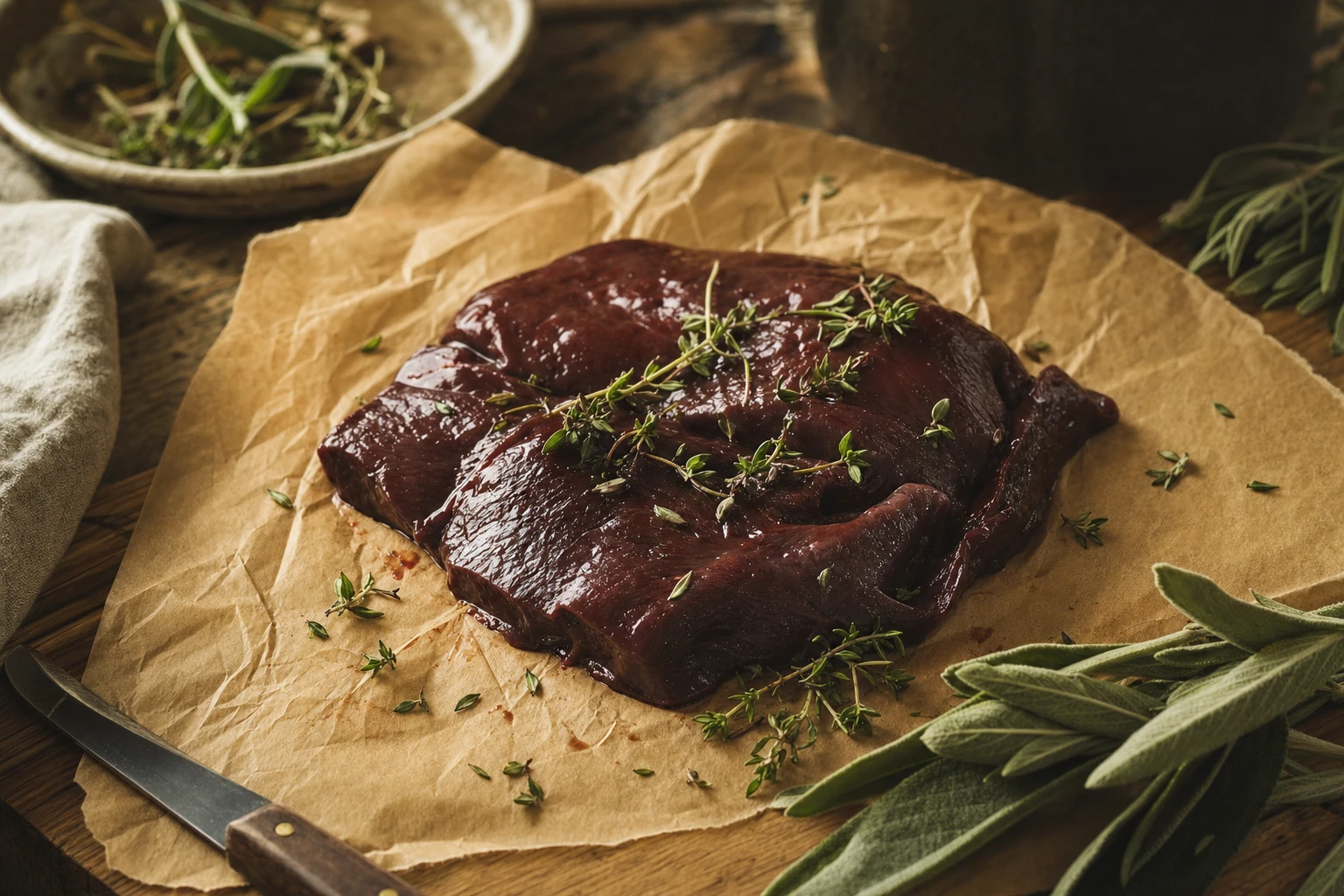
If you ranked foods by total nutrient density per calorie, organ meats would sit at the very top. Beef liver contains more usable nutrients in 100 calories than almost any other food on the planet.
A 100-gram serving of beef liver provides:
- Vitamin A: 6,600 micrograms (over 700% of daily need)
- B12: 25 micrograms (over 400% of daily need)
- Folate: 240 micrograms (60% of daily need)
- Iron: 5.2 milligrams (highly bioavailable heme iron)
- Copper: 3.8 milligrams (190% of daily need)
- Selenium, zinc, choline: all present in substantial amounts
- Amino acids: complete protein profile
- Fat-soluble vitamins: A, D, E, K2 all present
All of this in roughly 175 calories. Not one compound. The full spectrum of what your body actually needs to build and repair cells, make hormones, and keep your immune system functioning.
Eggs are similar. A single egg contains choline for brain development, lutein and zeaxanthin for eye health, protein for muscle, cholesterol for hormone production, and bioavailable vitamin D and A. Everything your body needs. No marketing required.
Acai versus the data
Acai berries do contain antioxidants. Specifically, they're high in anthocyanins and resveratrol. But so are blueberries, blackberries, and raspberries grown locally without travelling 4,000 miles in a container. And they cost a fraction of the price.
A 100-gram serving of raw acai has about 70 calories and delivers some polyphenols. But it's low in vitamins and minerals compared to other berries. And acai isn't typically eaten raw. It's sold as a dried powder or frozen puree, often mixed with added sugars and cheaper fillers to bulk out the product. An acai bowl at a cafe is often 400-600 calories of granola, coconut, honey, and acai concentrate, with minimal nutrients relative to its calorie load.
Compare that to one egg (70 calories, complete amino acid profile, fat-soluble vitamins) plus a serving of truly local berries.2 You'd spend less money, consume fewer calories, and get far more nutrition.
Get ancestral nutrition guides, free
Two short reads a week on traditional ways of eating, examined with modern evidence.
By signing up you agree to receive emails from us. No spam, unsubscribe anytime.
Goji berries: hype or substance?
Goji berries are legitimately nutrient-dense. They contain vitamin C, zeaxanthin, and some B vitamins. But they're also quite high in sugar and typically sold in dried form with added sugars.
A 100-gram serving of dried goji berries (about 23 tablespoons) contains roughly 370 calories and 46 grams of carbohydrate, much of it sugar. You'd need to eat an enormous quantity to get meaningful nutrient benefit, and you'd consume far more calories and sugar than your body needs.
If you want zeaxanthin and eye-protecting compounds, you'd get more per calorie from egg yolks, kale, or spinach. If you want vitamin C, local citrus, berries, or even fermented sauerkraut deliver it with fewer calories and less processing.
1 of 9
Daily blend
100,000+ thriving families4.9 on Trustpilot
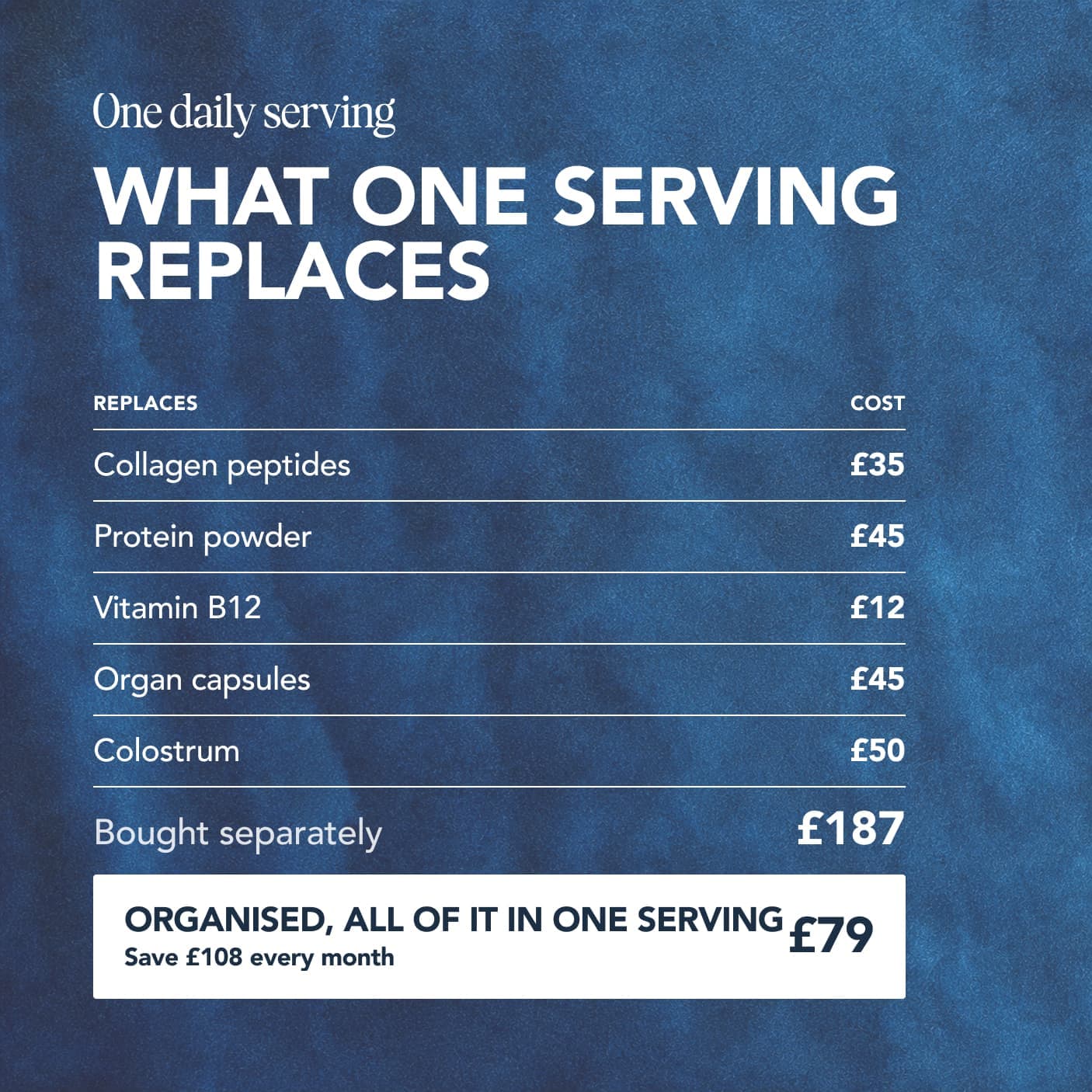
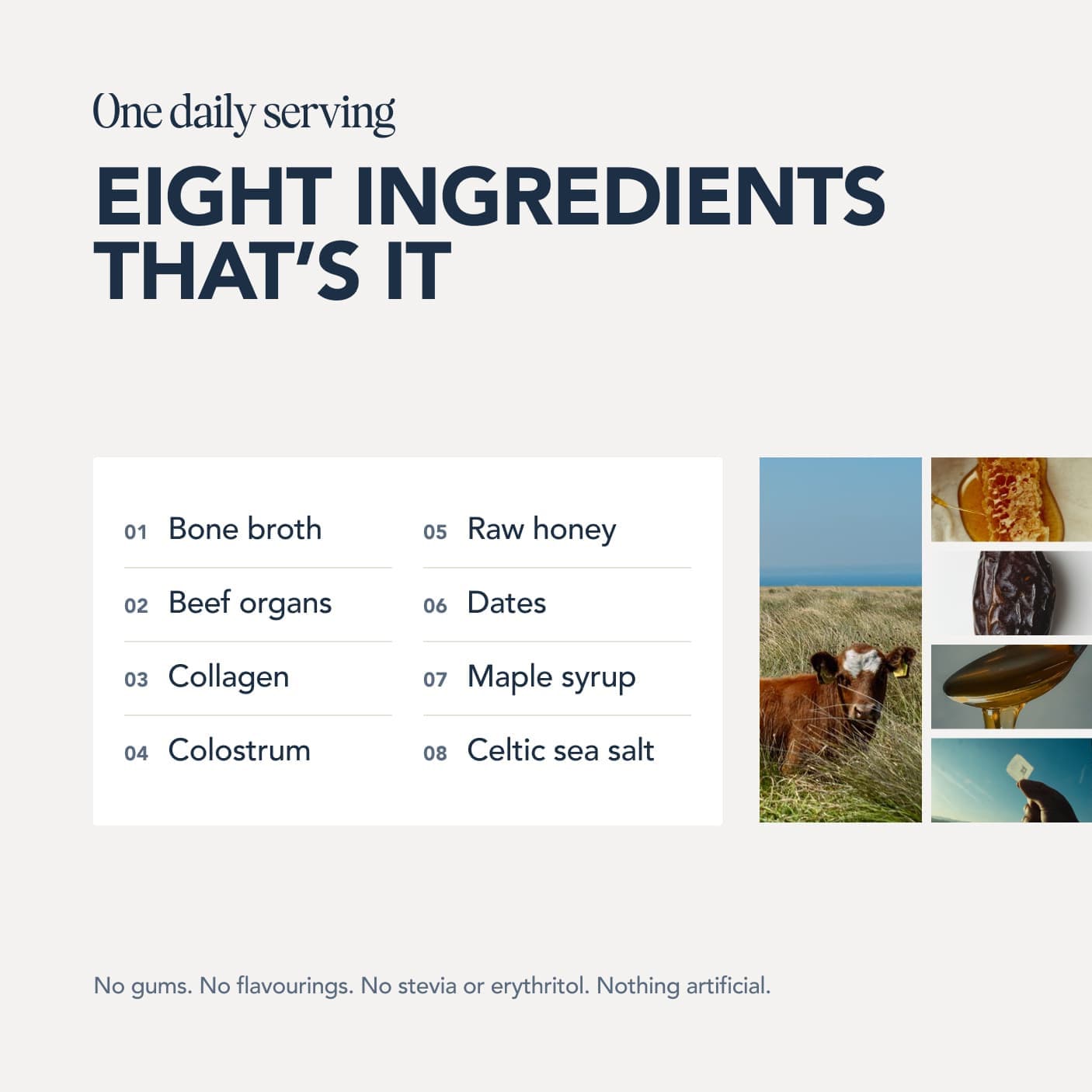
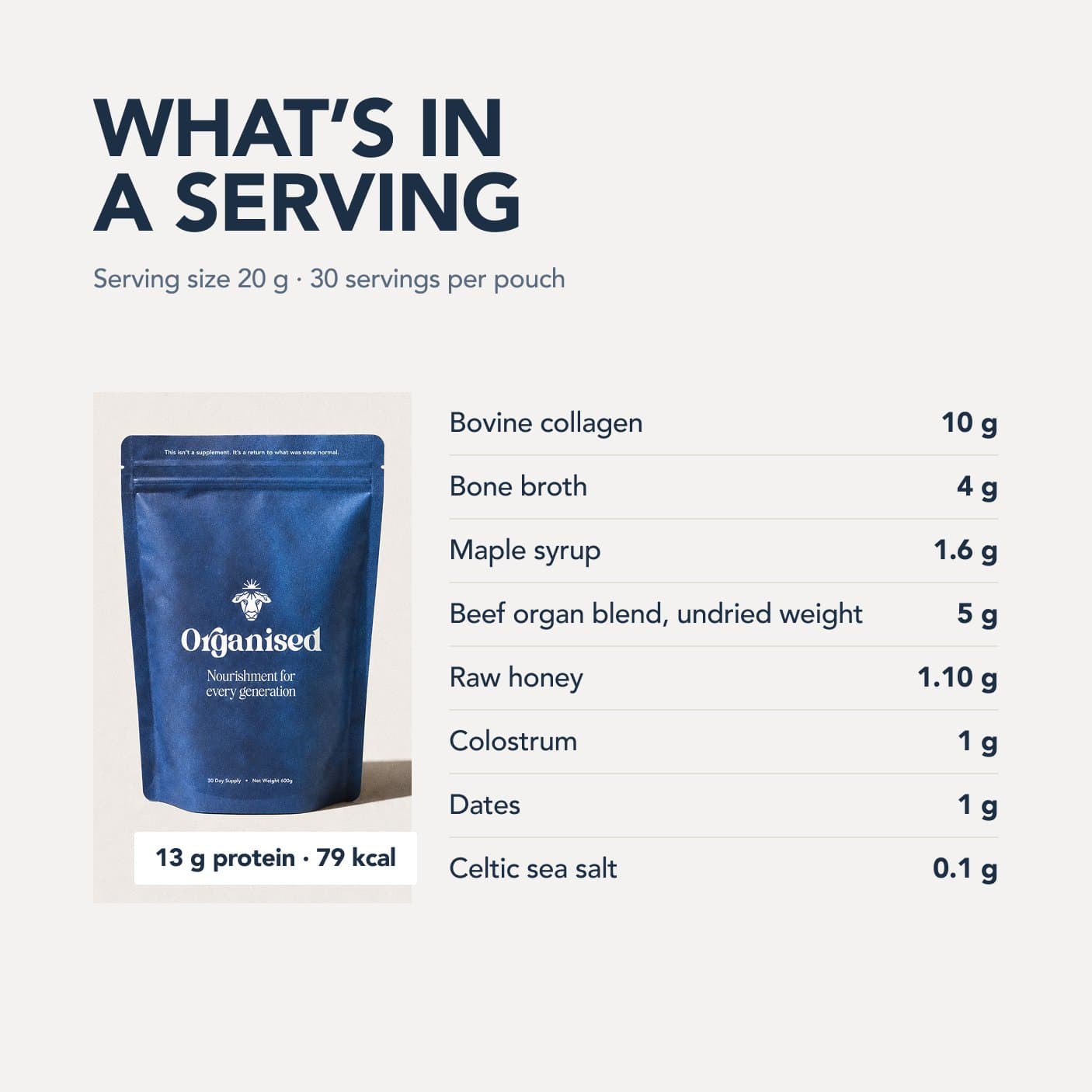
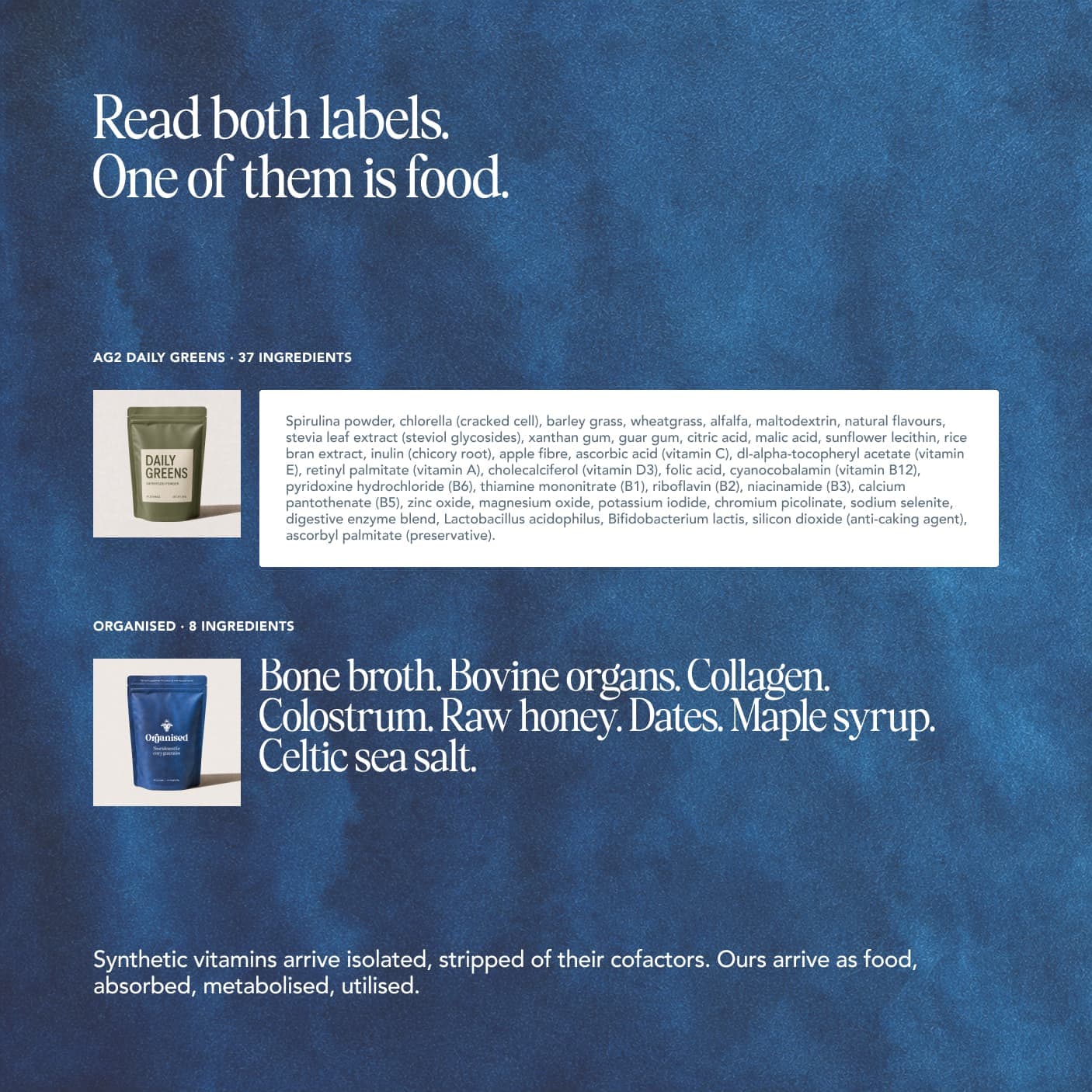
Eight real ingredients built around grass-fed beef organs, collagen and colostrum. Nothing synthetic added.
Free with your first order, worth £38. Plus £10 off the pouch with a subscription.


Free UK shipping · Made in England · 100 day money back guarantee on your first pouch · Skip, pause or cancel anytime
Kale: the leafy green myth
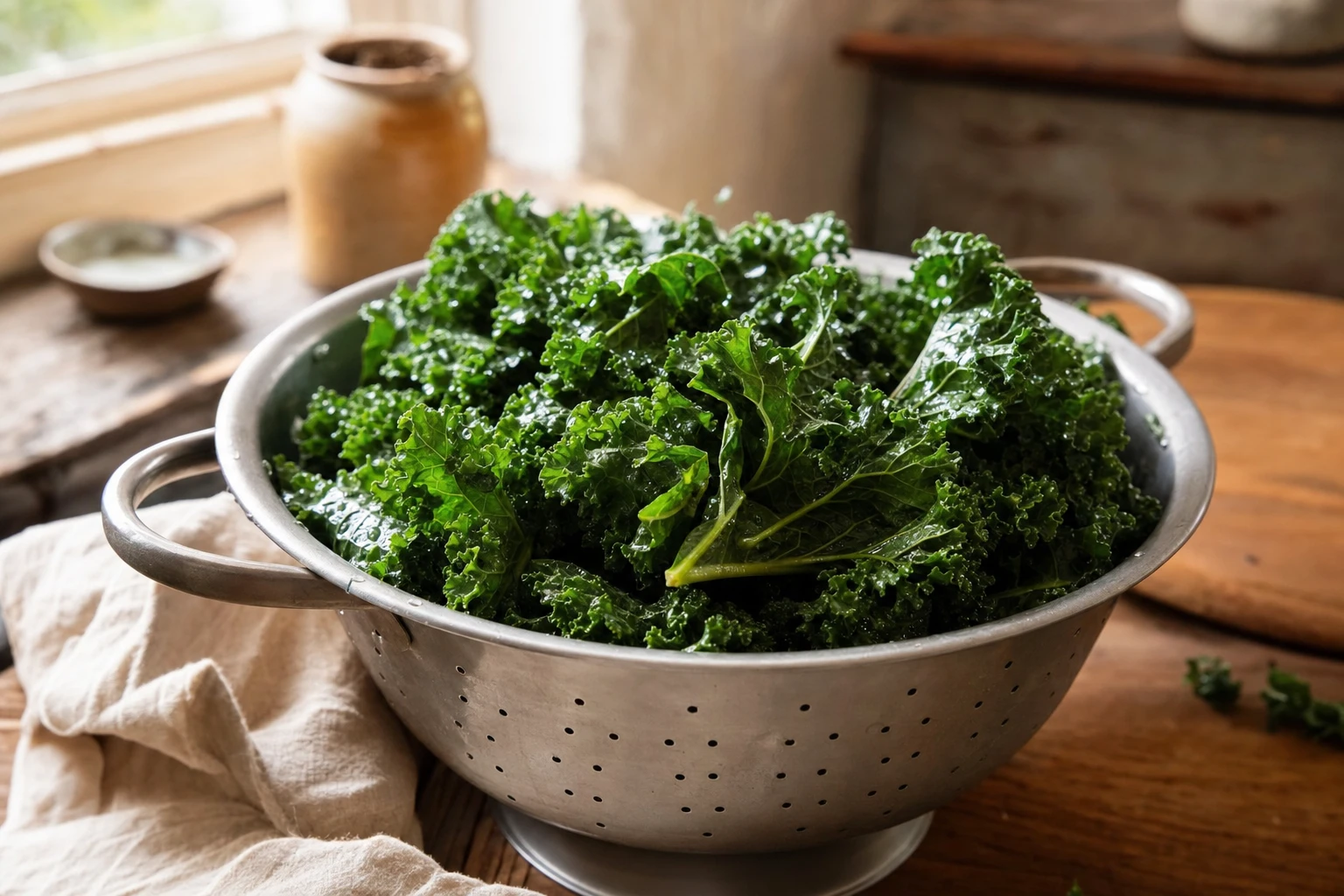
Kale got marketed as the ultimate superfood around 2010. It does contain sulforaphane, a compound linked to potential cancer-fighting properties, and it's reasonably high in vitamin K and some other nutrients. But so does broccoli, cabbage, and Brussels sprouts, all of which are cheaper and less aggressively marketed.
A cup of raw kale has about 34 calories and provides decent amounts of vitamin K, C, and some minerals. But it's also high in oxalates, which can inhibit mineral absorption. And kale becomes nutrient-dense only when eaten in large quantities, which many people find difficult because of its bitter flavour and tough texture.
If you actually enjoy kale and eat it regularly, great. But if you're forcing down kale smoothies because marketing told you it's a superfood, you're working too hard. There are simpler, cheaper, more nutrient-dense options.
Compare kale to liver again. 100 calories of liver delivers more usable micronutrients than a kilogram of kale. You don't have to eat a kilogram of liver to get its benefits.
Why packaging matters more than nutrients
The real reason certain foods become superfoods has nothing to do with their nutritional profile. It's because they're novelty, they're shippable, they're Instagram-photogenic, and they benefit from being expensive.
Liver isn't a superfood. It never will be. It's not glamorous. It's not trendy. You can't charge $15 for a liver bowl at a cafe. And it doesn't come with a story of ancient traditions or far-flung rainforests. So it remains quietly overlooked whilst acai and goji get infinite marketing budgets.
But here's the uncomfortable truth: the foods your ancestors actually ate were far more nutrient-dense than anything sitting in the supermarket superfood section. Nose-to-tail eating, fermented foods, seasonal local produce, raw milk products, and bone broth. These aren't exotic. They're not expensive to source if you know where to look. And they deliver more complete nutrition per calorie than any packaged superfood ever will.
The bottom line
A superfood is marketing. Nutrient density is real. If you want to eat for actual health, stop chasing the trend of the month. Eat liver, eggs, fish, bone broth, and the vegetables that grow locally near you. These aren't sexy. They won't photograph well on Instagram. But they'll actually nourish you, and they won't require a second mortgage to afford.
Your body doesn't care about marketing. It cares about complete nutrition. And that's almost never found in the section of the supermarket designed to look impressive and cost the most.
References
Every source below was checked on 27 August 2026. Each link was requested and read. Where a citation and its identifier disagreed, the citation was corrected to the record or the reference was deleted along with the sentence marker that pointed at it, and where the resolved paper turned out not to support the sentence, the sentence was cut back to what it does support. Borrowed authority is worse than none, because it looks like rigour.
- European Food Information Council. Superfoods: a regulatory and scientific perspective. eufic.org.
- USDA FoodData Central. Egg, whole, raw, fresh. fdc.nal.usda.gov.
Who wrote and reviewed this guide
Niall Kiddle
Author · Founder, Organised
Niall is the founder of Organised. He started the company in 2024 after fixing his own health the slow way: in 2022 he swapped a cupboard of synthetic supplements for real food, raw milk, organ meats, bone broth and honey, and felt the difference within months.
Areas of expertise: Ancestral nutrition, Organ meats, Whole-food supplementation, Gut health, Regenerative sourcing
Read Niall's full profile
Pedro Rodrigues
Reviewer · Agronomist (farming and sourcing only)
Pedro is the agronomist Organised works with on farming and sourcing. His job on the guides is to keep the science honest: he reviews what we publish about soil health, regenerative agriculture, grazing and the way food is actually produced.
Areas of expertise: Regenerative agriculture, Agronomy, Soil health, Grass-fed farming, Food sourcing
Reviewed this guide on
Read Pedro's full profileBrowse the guides library
All guidesKeep reading

Ancestral
Cod Liver Oil: What Your Great-Grandmother Got Right
Cod liver oil prevented rickets. It provided vitamin A and D when food was scarce. Modern versions miss the point. Here's what actually matters.
Ancestral
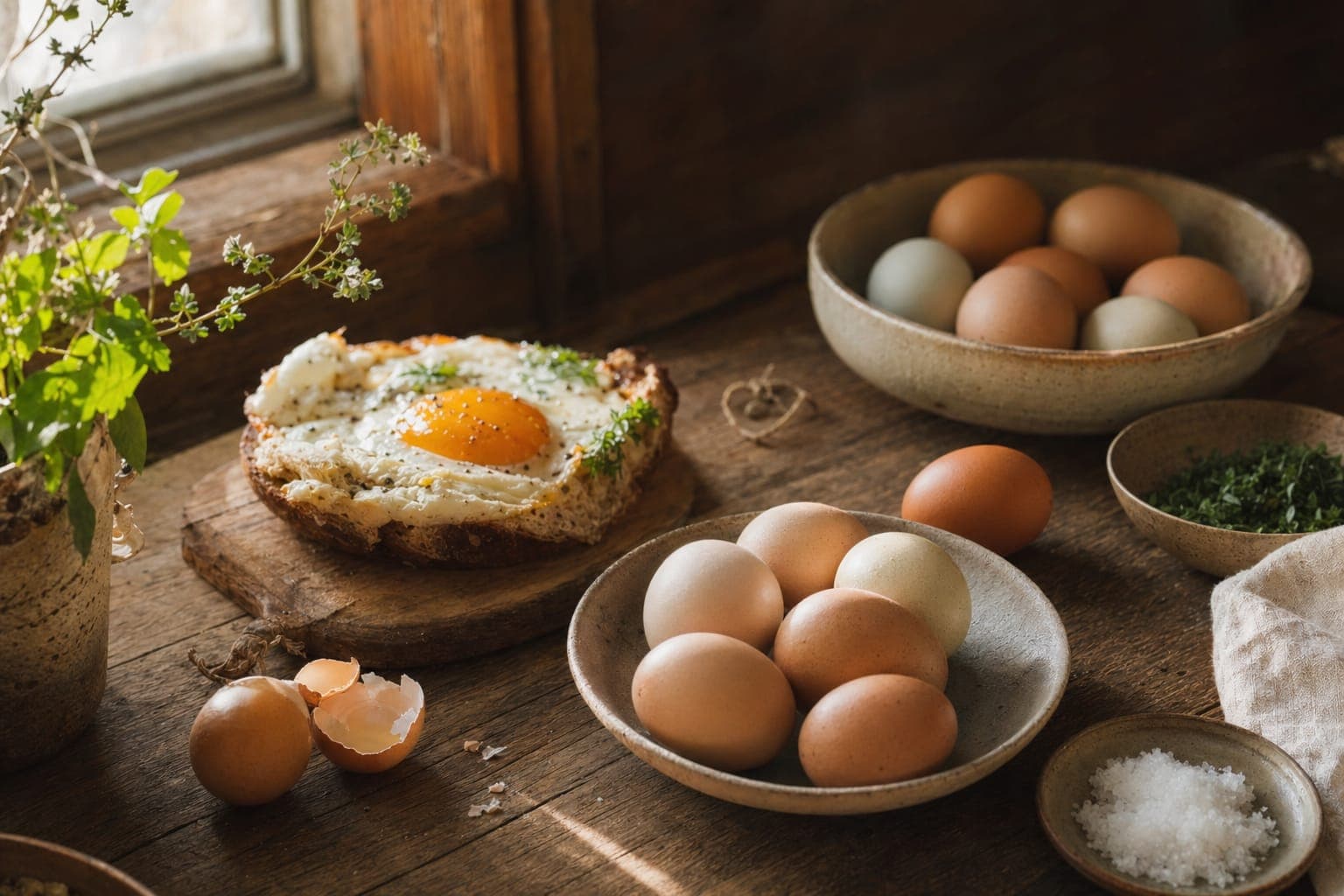
The Case for Eating Eggs Every Day
Eggs contain choline, B12, lutein, and complete protein. One egg has everything your body needs. Here's why the cholesterol myth should've died decades ago.
Ancestral
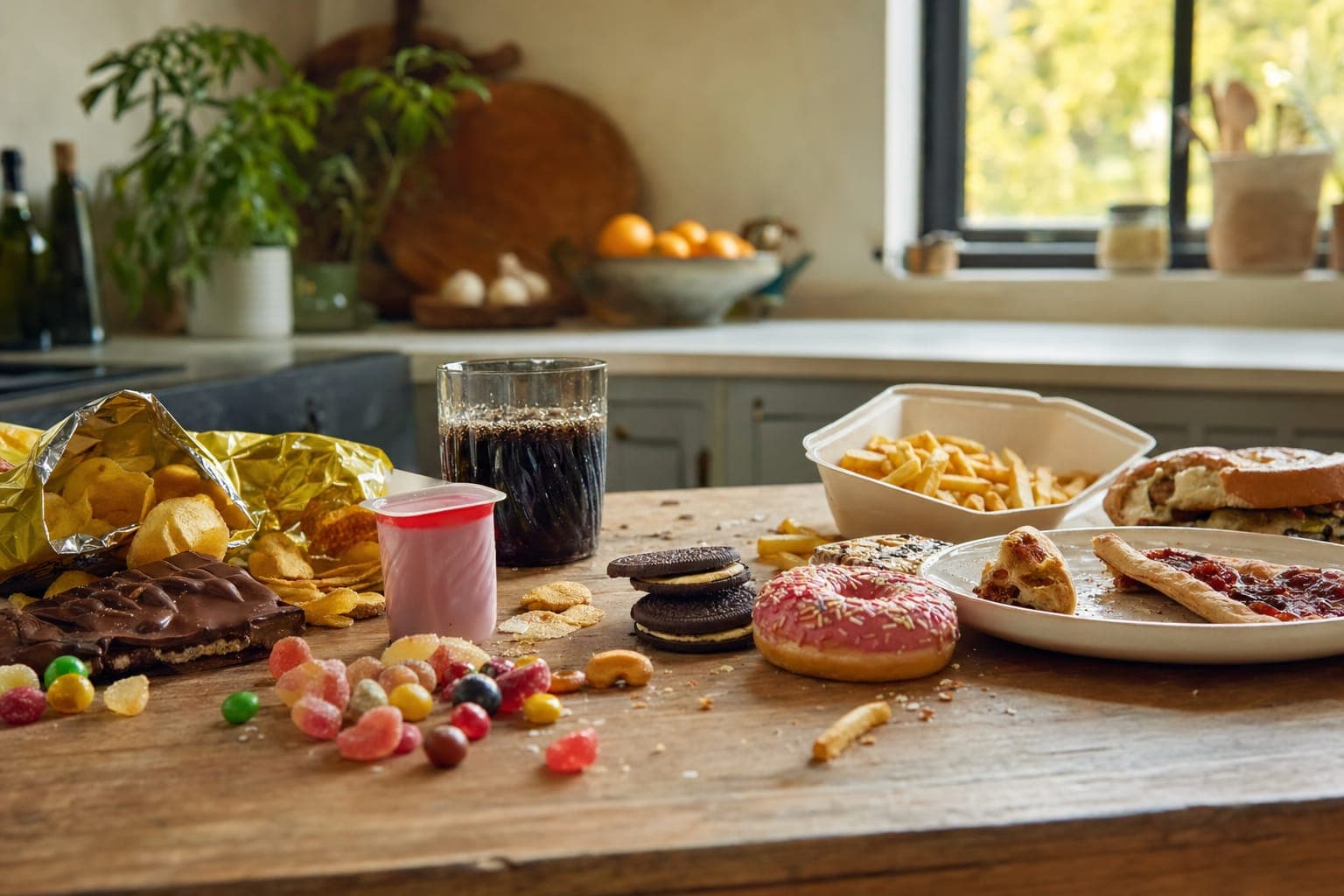
Ultra-Processed Food: What It Does to Your Body
What ultra-processed food actually does to your body. From appetite dysregulation to inflammation, here's why it matters.
Real food, made effortless
Bring it into my routineA few ways to use it
All recipes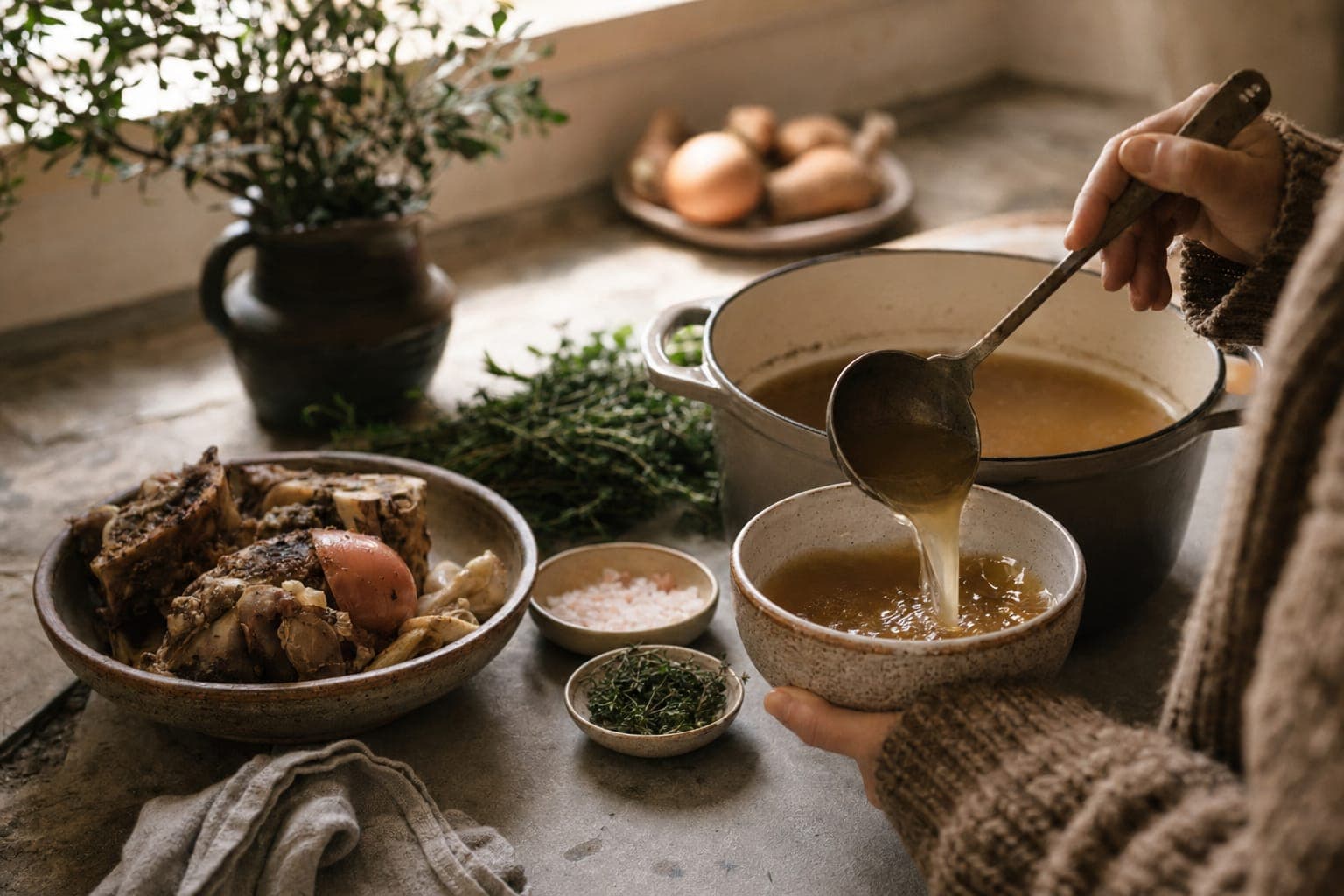
Bone Broth from Scratch: A Step-by-Step Guide
Step-by-step guide to making bone broth at home. Stovetop, slow cooker, and Instant Pot methods. Rich in collagen and gut-healing minerals.
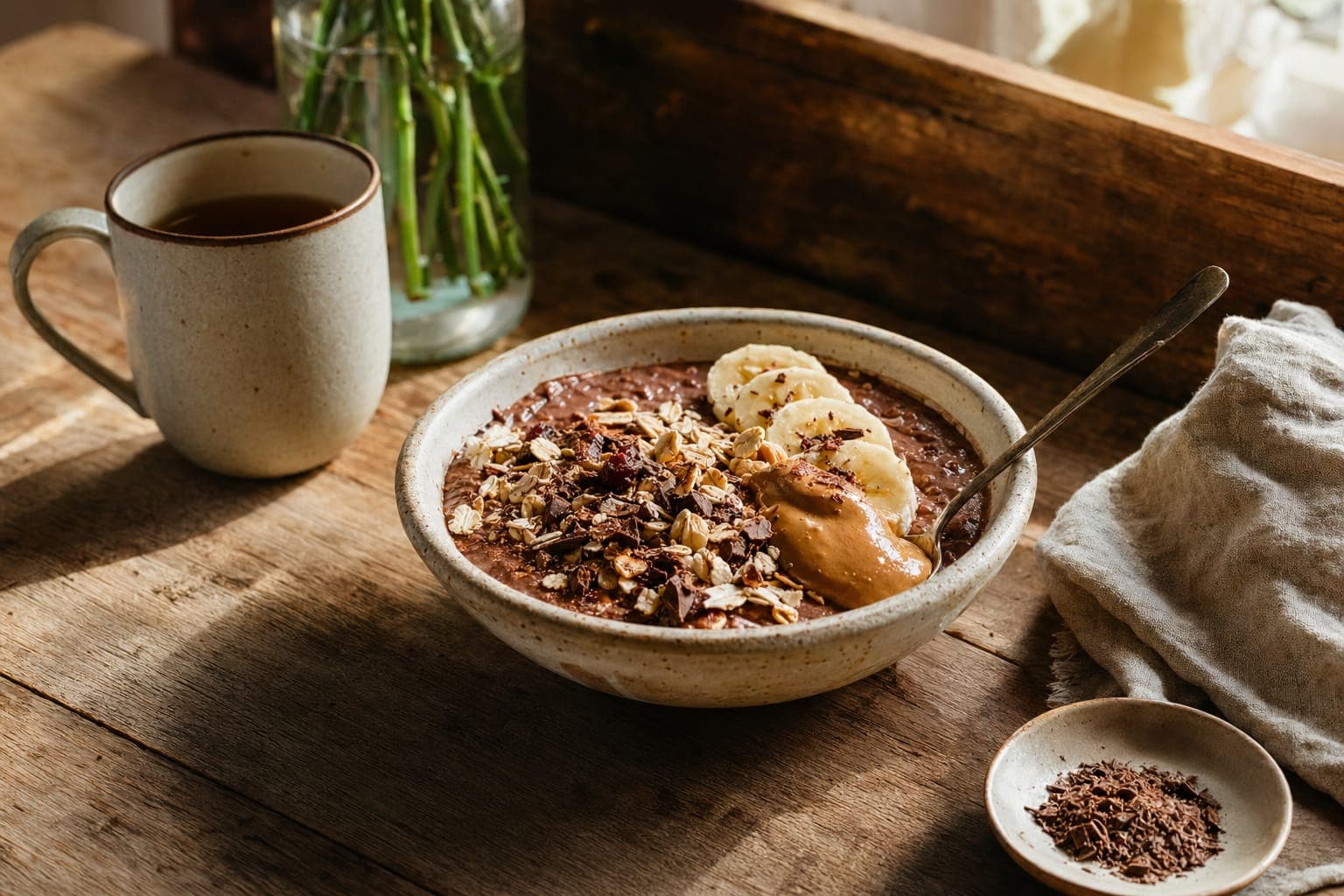
10 Ways to Use Organised That Aren't Just a Shake
Move beyond the basic shake. Discover 10 creative ways to use Organised in smoothie bowls, oats, yoghurt, baking, and more.

Organised Protein Pancakes: A Weekend Favourite
A high-protein pancake recipe using beef protein, eggs, and raw milk. Cooked in cast iron, naturally sweetened with banana and honey. Real food breakfast.


 Join over 100,000+ members
Build a better food system with us
The Organised community is thousands of people choosing real food and backing the farmers who grow it, all of us trying to leave the world a little better than we found it. If that is what you care about too, you belong here.