The Case for Eating Eggs Every Day
You've been told to limit eggs. One per day maximum. The cholesterol myth again. But an egg is one of the most nutrient-dense foods on the planet. A whole food that contains protein, fat, vitamins, minerals, and choline in proportions your body actually recognises. If you're not eating eggs every day, you're missing something important.
By Niall Kiddle, Founder, Organised

Reviewed by Pedro Rodrigues, Agronomist (farming and sourcing only) ·
6 min read · Published · Updated · 5 cited sources
Makers of the Organised Daily blend, a grass-fed beef organ supplement from regenerative UK farms
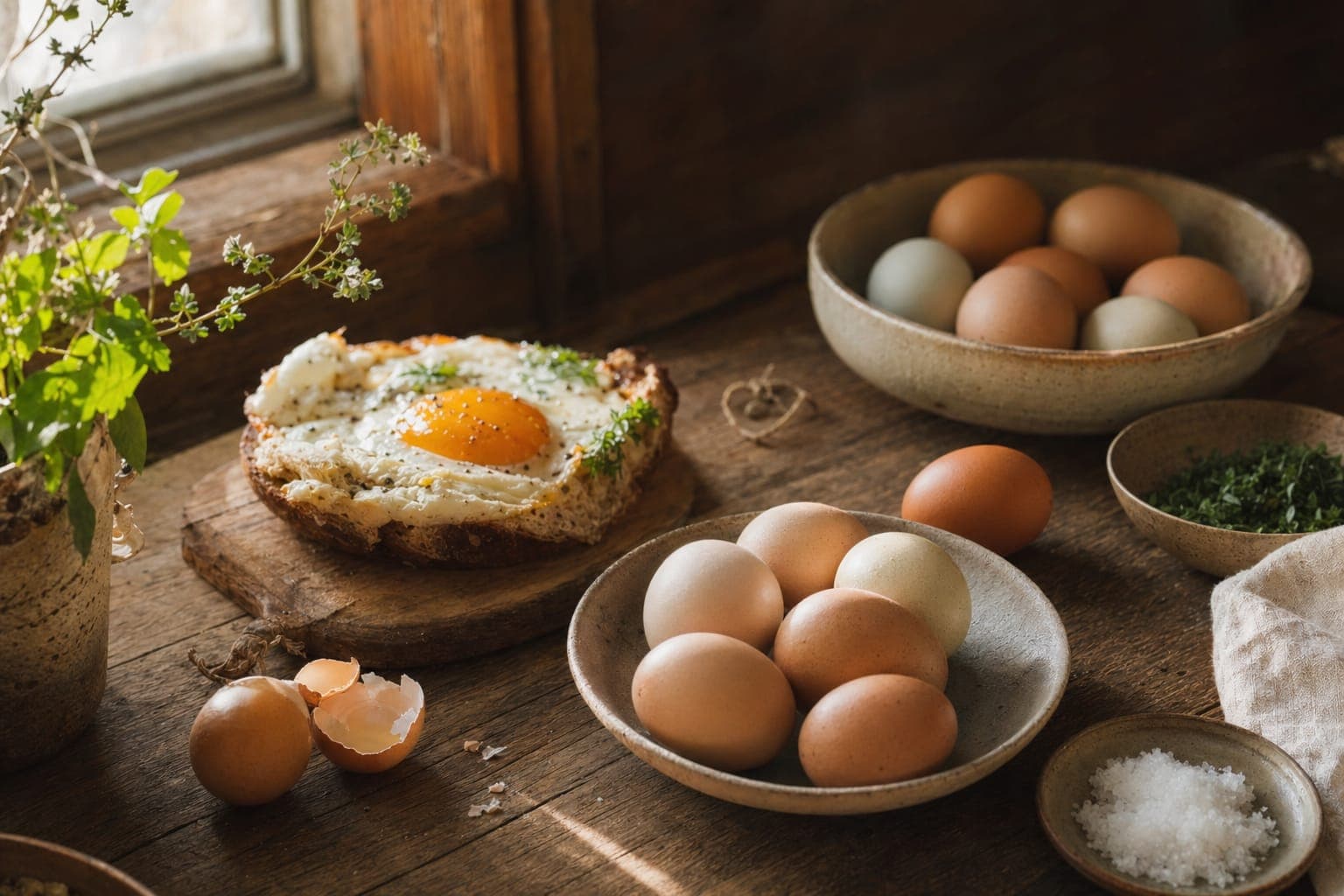
An egg is not a processed food manufactured for marketing convenience. It's a package that evolution designed to contain everything needed to build a living organism. Your body knows what to do with it. And it's been one of humanity's most important foods for thousands of years.

What's actually in an egg
A large egg (approximately 50 grams) contains:1
- Protein: 6 grams of complete protein (all nine essential amino acids)
- Fat: 5 grams, mostly in the yolk, including cholesterol and phospholipids
- Choline: approximately 145 milligrams (a critical nutrient most people lack)
- B12: 0.6 micrograms (25% of daily need)
- Selenium: 22 micrograms (40% of daily need)
- Lutein and zeaxanthin: 220 micrograms (carotenoids for eye health)
- Vitamins A, D, E, K2: all present in bioavailable forms
- Folate, B5, B7: all present
This is a staggering amount of nutrition in 70 calories. No synthetic supplement can deliver this. Because it's not isolated nutrients. It's a whole food package where nutrients work synergistically. The choline works better because of the B vitamins. The carotenoids absorb better in the presence of the yolk fat. The complete amino acid profile means your body can build whatever it needs. This is why eggs have sustained human populations for millennia.
Choline: the nutrient most people lack
Choline is essential for brain development, memory, and neurological function. It's a precursor to acetylcholine, the neurotransmitter involved in learning and focus. It's crucial for fetal brain development. And most people consume nowhere near enough of it.
The Adequate Intake (AI) for choline is 425 mg/day for adult women and 550 mg/day for adult men.2 Most people get 200-300 milligrams. They're chronically deficient.
A single egg provides 145 milligrams. Eating two eggs daily provides 290 milligrams, which covers over half your daily need. Add some liver or dairy and you hit the target easily.
If you're not eating eggs and you're not eating liver, you're chronically choline-deficient. Your brain notices.
Choline deficiency is associated with cognitive decline, poor memory, and increased inflammation. It's particularly important during pregnancy and childhood, when the developing brain demands enormous quantities. And it's almost completely absent from modern nutrition discussions.
B12 and the nervous system
B12 is found almost exclusively in animal foods. It's essential for nerve function, energy production, and DNA synthesis. Deficiency leads to anaemia, neuropathy, and cognitive decline.
Eggs provide bioavailable B12. Not as much as liver or fish, but substantial. A single egg covers 25% of daily need. Combine with other animal foods and you have more than adequate intake.
For vegetarians and vegans, this is particularly important. Plant sources of B12 are unreliable and difficult to absorb. If you're not eating animal foods, you're supplementing synthetically. And synthetic B12 isn't absorbed as effectively as the real thing from food.
The yolk is where the nutrients live
Here's where most people get it wrong: they eat the white and throw away the yolk, or at least separate them. This is food wastage masquerading as health advice.
The white is protein and water. It's useful. But the yolk is where choline, lutein, vitamins A, D, E, K2, and selenium all live. The yolk is the actual nutrient powerhouse.
If you're eating egg whites only, you're eating protein and missing 80% of the nutrition. This is the opposite of nutrient density.
An egg white is a waste product. Eat the whole egg. Your brain and eyes need the yolk.
Pastured or free-range eggs have yolks that are deeper yellow-orange because the hens have access to plants and insects rich in carotenoids. These yolks contain more lutein and zeaxanthin. The nutritional difference is substantial. If you're going to eat eggs, source them from hens with access to pasture.
Lutein and zeaxanthin: vision and ageing
These are carotenoids found concentrated in the egg yolk. They're deposited in the macula of the eye, the part responsible for central vision. They protect against macular degeneration, the leading cause of vision loss in older adults.
Egg consumption is associated with increased lutein and zeaxanthin status, and higher dietary carotenoid intake is associated with lower risk of age-related macular degeneration.5
This isn't a minor nutrient. This is something that will determine whether you can read, drive, and see clearly when you're 70 and 80. And eggs are one of the densest sources available.
Get ancestral nutrition guides, free
Two short reads a week on traditional ways of eating, examined with modern evidence.
By signing up you agree to receive emails from us. No spam, unsubscribe anytime.
The cholesterol myth, finally debunked
For decades, eggs were avoided because of dietary cholesterol. The logic went: dietary cholesterol raises blood cholesterol. High cholesterol increases heart disease risk. So avoid eggs. Simple.
Except it's wrong. Dietary cholesterol has minimal impact on blood cholesterol for most people. Your liver manufactures cholesterol based on your metabolic state. Eating cholesterol doesn't directly translate to blood cholesterol elevation.
More importantly, cholesterol is not a villain. It's essential for hormone production, cell membrane integrity, vitamin D synthesis, and brain function. Your body makes enormous quantities because you need it. Eating it doesn't disrupt that balance.
Recent meta-analyses have found that moderate egg consumption is not associated with cardiovascular disease risk in most healthy populations.3 In fact, some studies show associations with improved cholesterol ratios and reduced inflammation markers.
The cholesterol myth cost us decades of avoiding one of the most nutrient-dense foods available. It's time to stop.

Egg quality matters enormously
Not all eggs are created equal. A pastured egg from a hen with access to grass, insects, and varied diet is a different food from a factory egg from a hen in a cage.
Pastured eggs have been shown to differ in fatty acid and carotenoid content from conventional cage eggs:4
- Higher omega-3 to omega-6 ratio (better for inflammation)
- Higher carotenoid content (deeper yellow yolk)
- Better fatty acid profile overall
- More bioavailable nutrients
The difference in yolk colour alone tells you something. A pale yellow yolk is a hen that lived indoors. A deep orange yolk is a hen that ate plants and insects. Your body responds differently to these foods.
If you have access to truly pastured eggs (from a local farm where you can see the hens), they're worth sourcing. If not, the best available option is typically free-range or organic. Factory eggs are cheap but they're food produced for price, not nutrition.
1 of 9
Daily blend
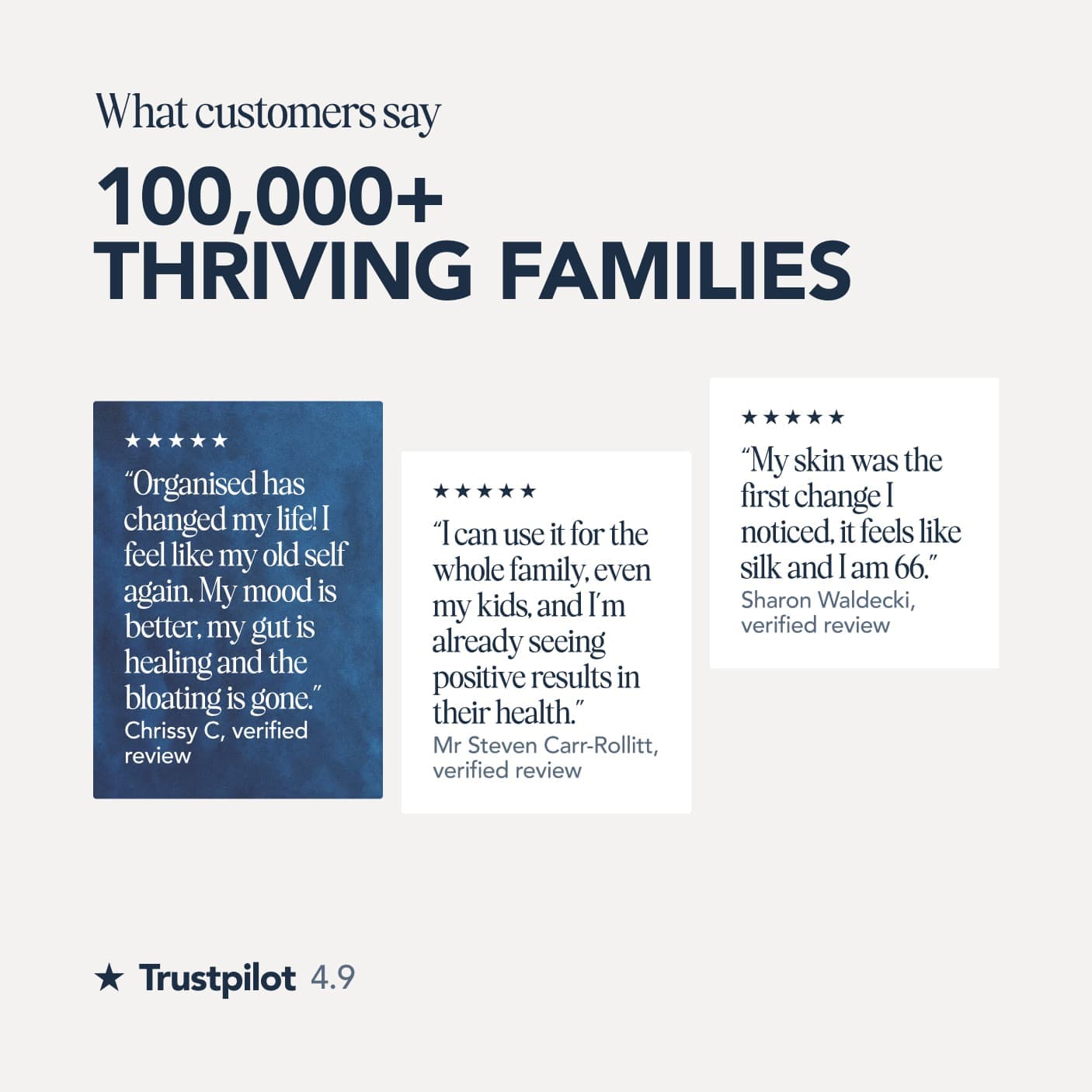
100,000+ thriving families4.9 on Trustpilot
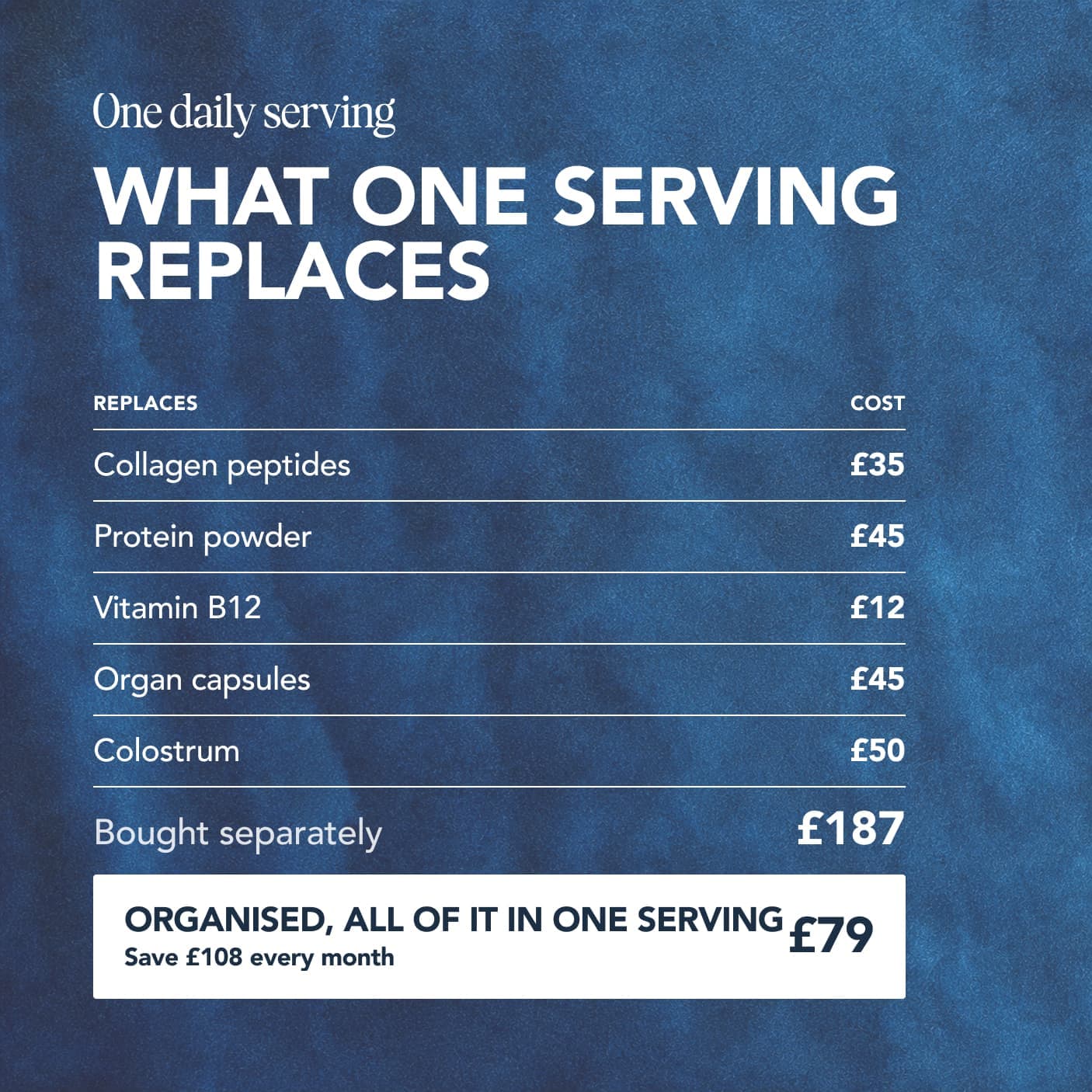
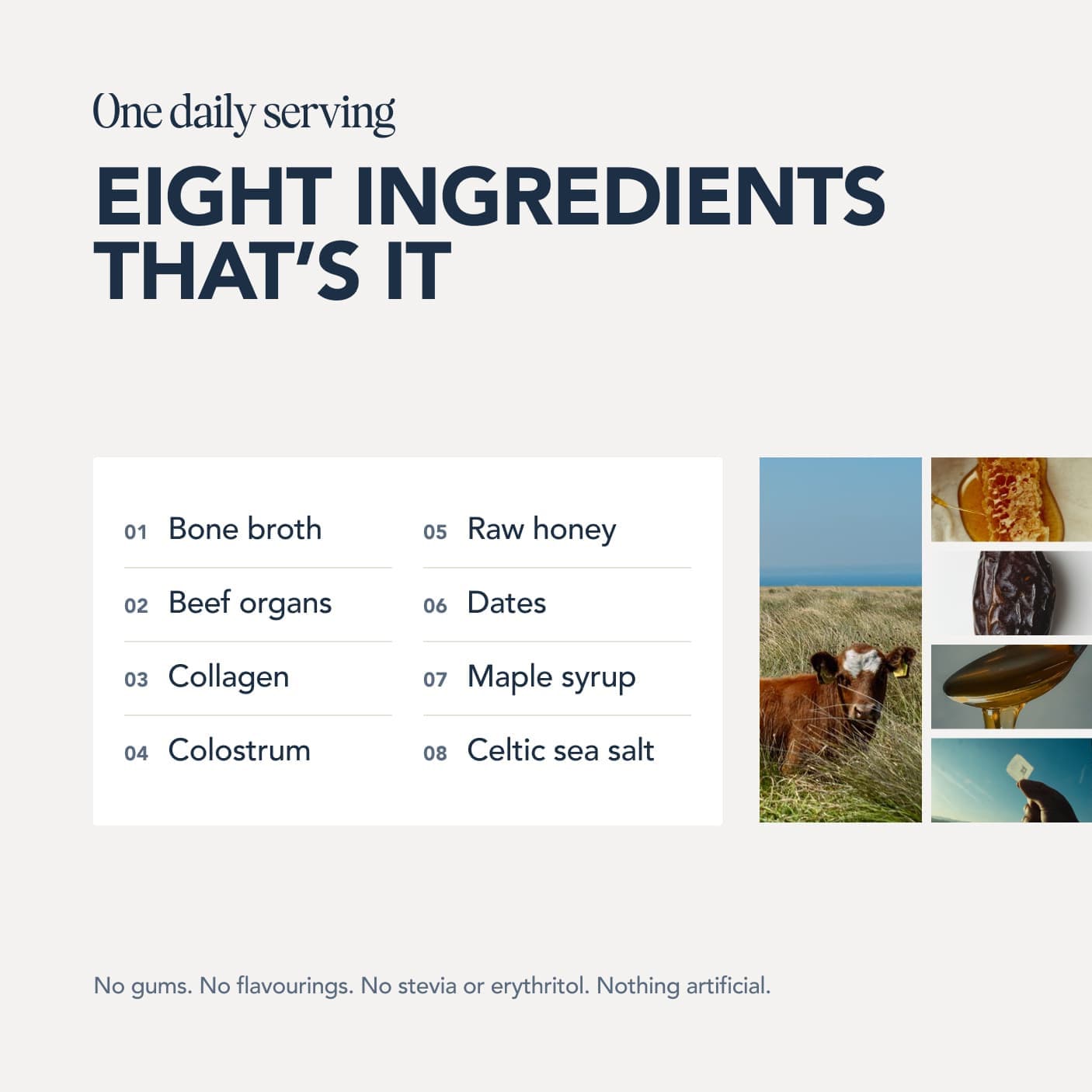
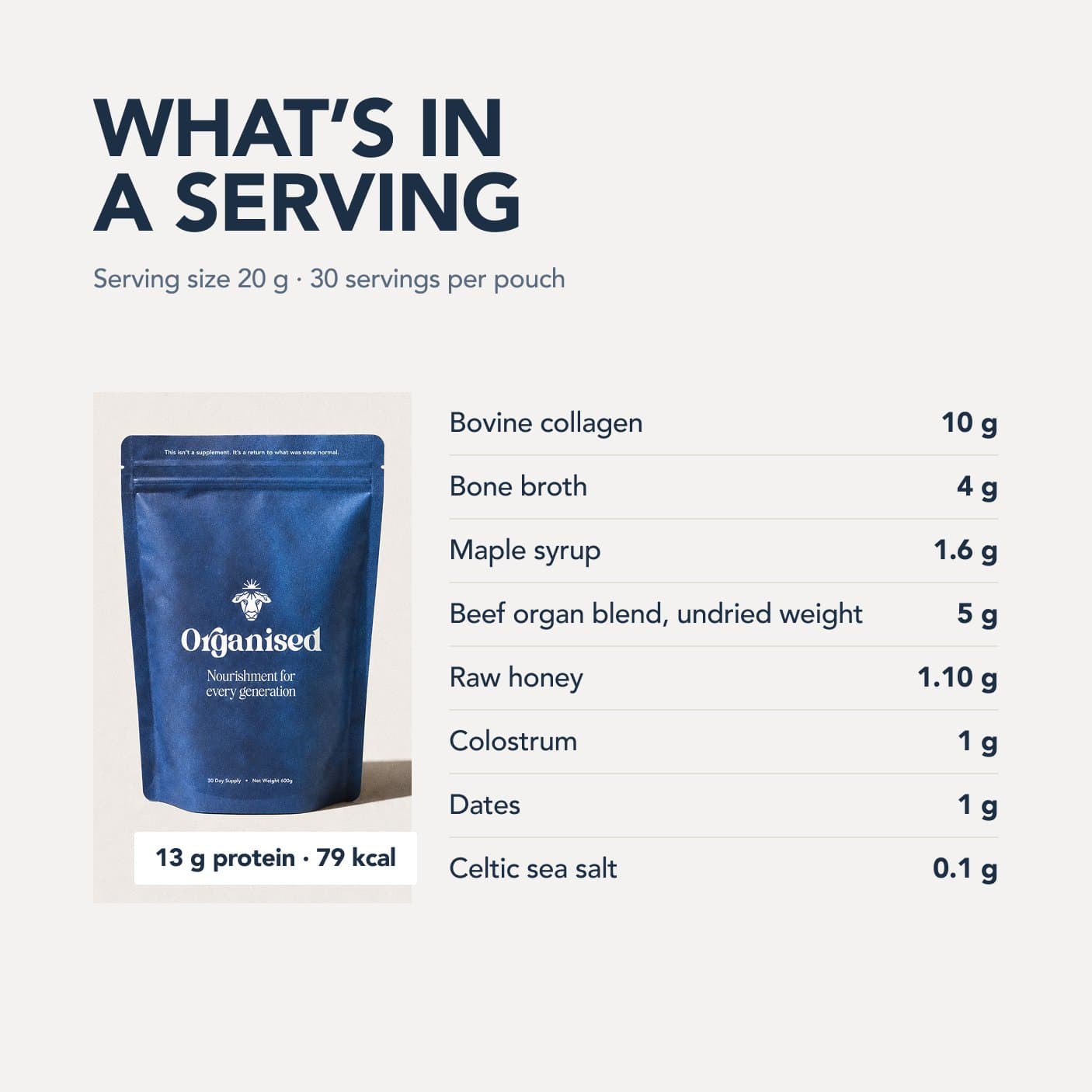
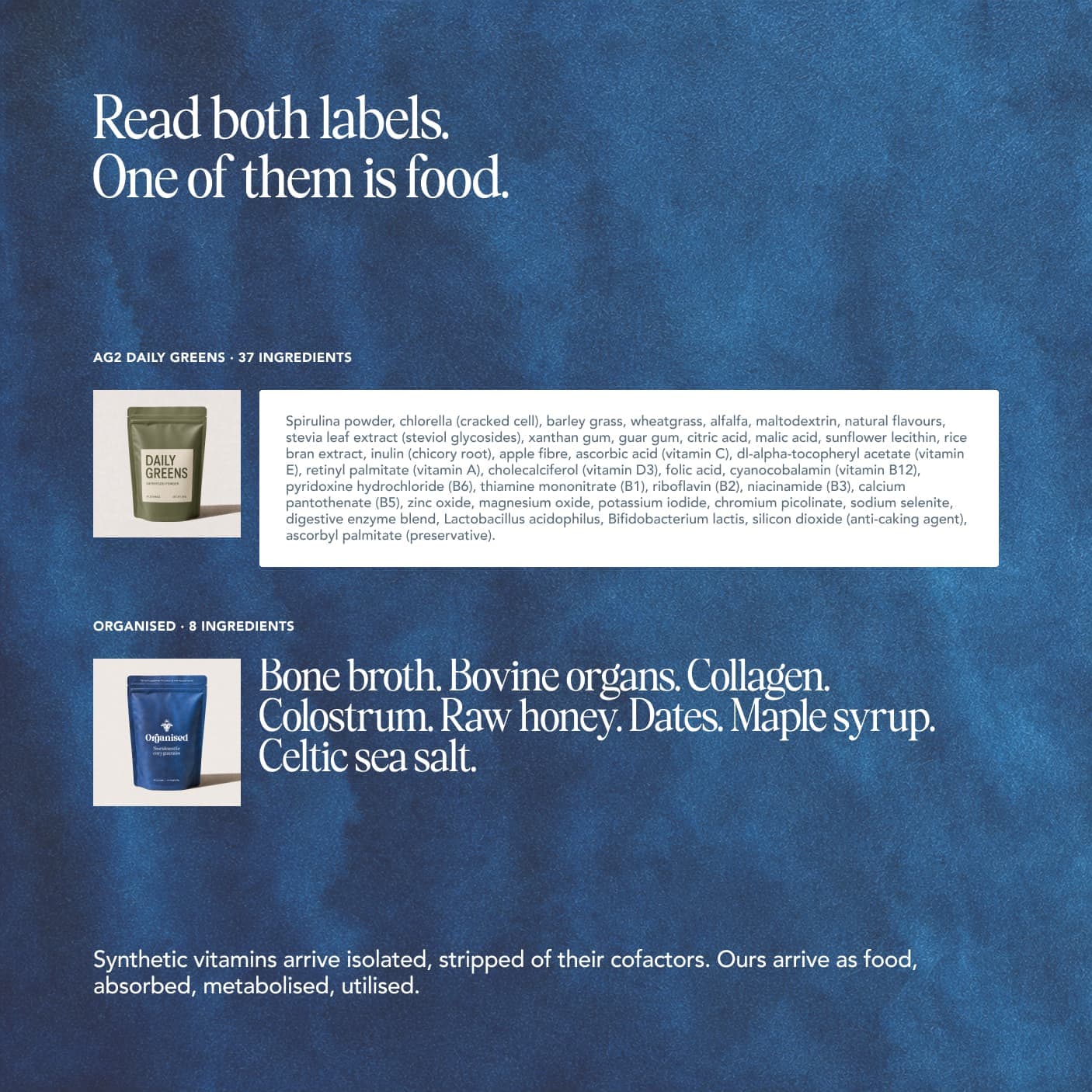
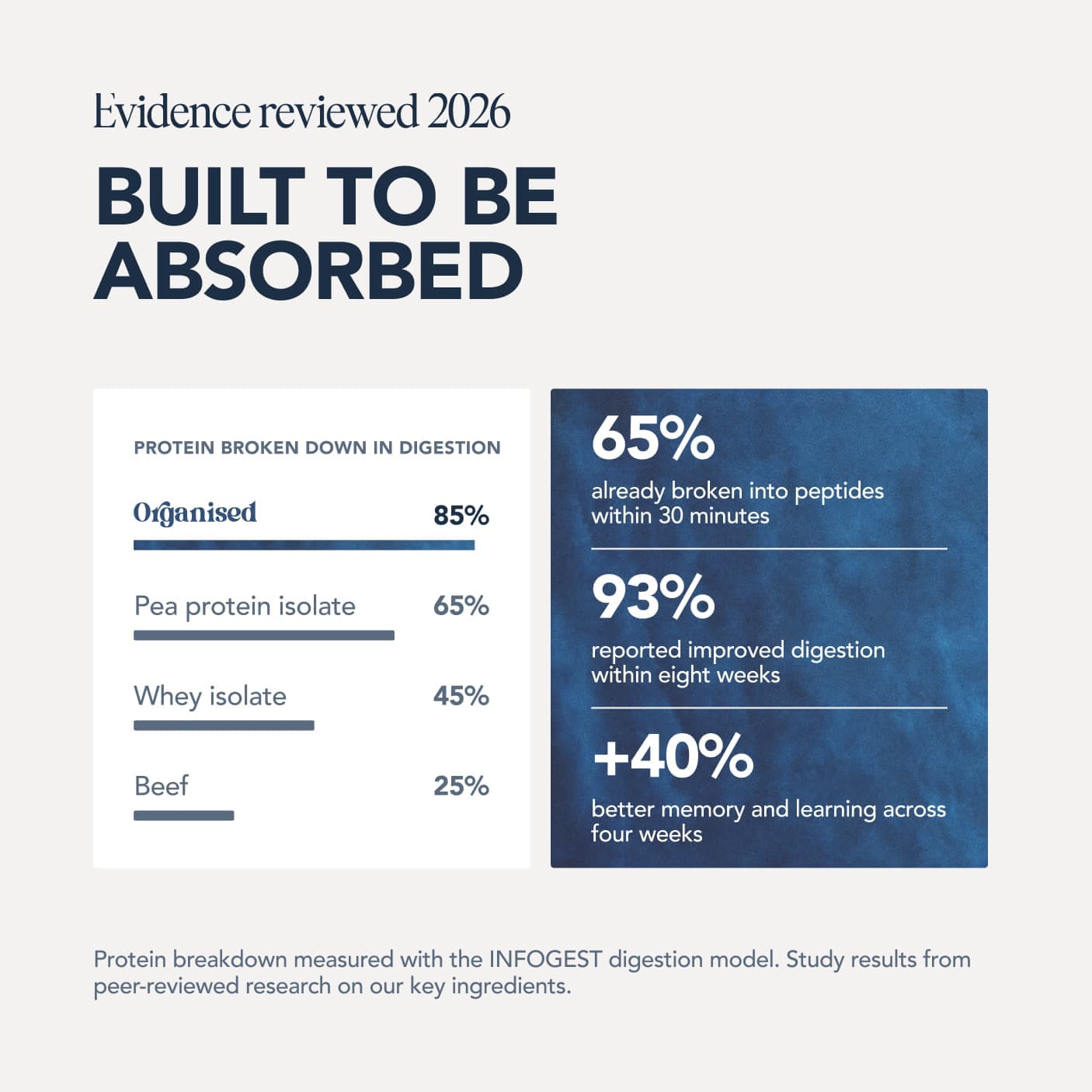
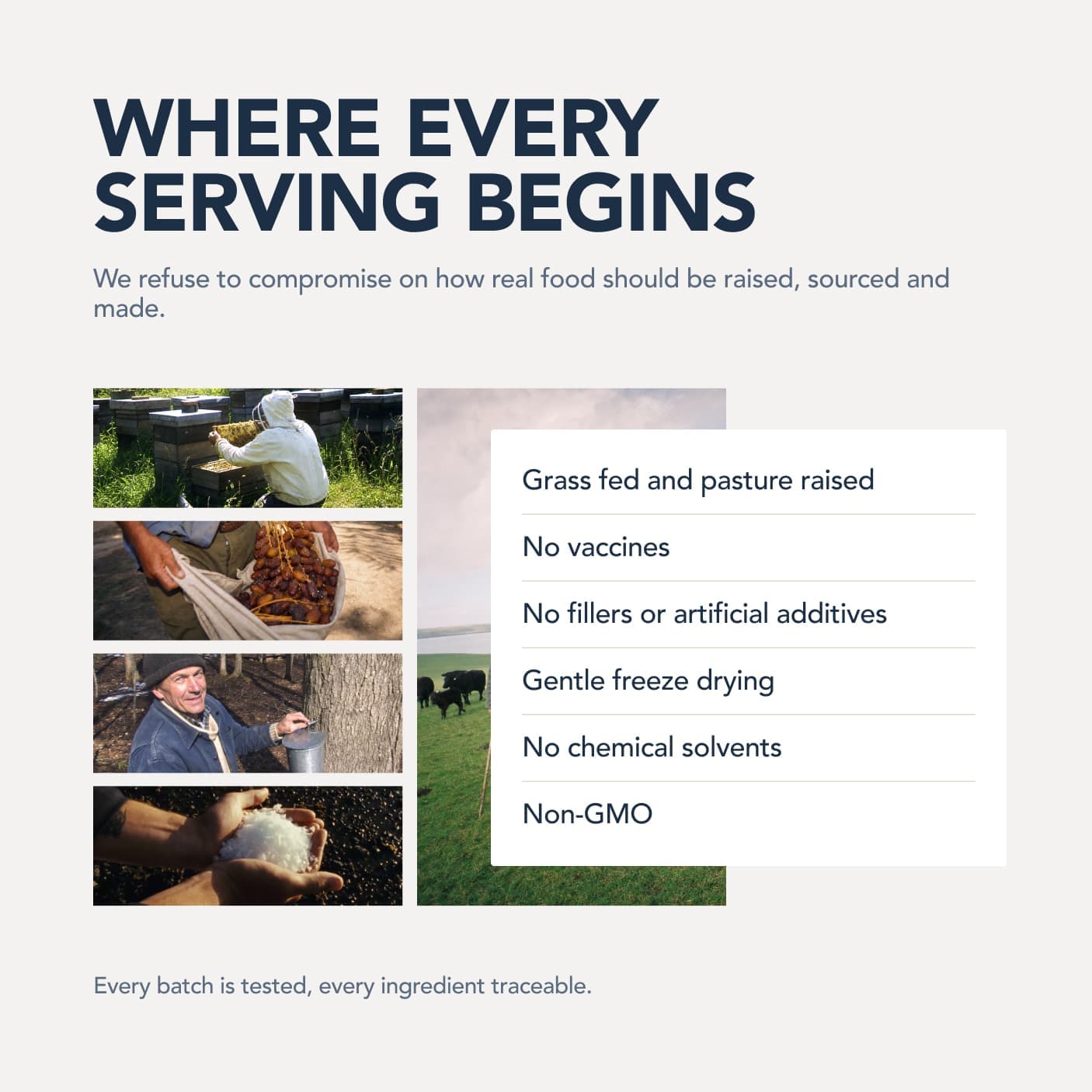
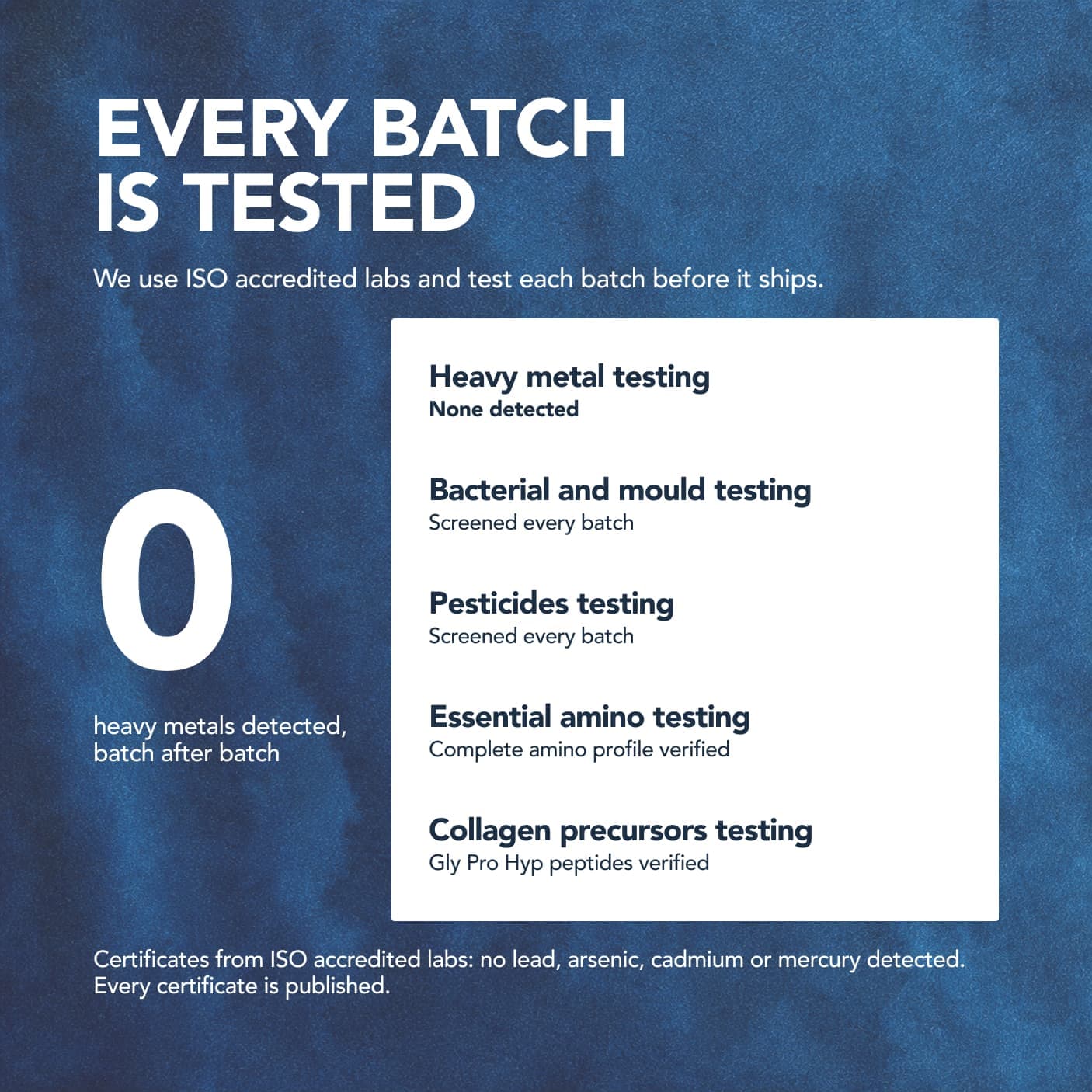
Eight real ingredients built around grass-fed beef organs, collagen and colostrum. Nothing synthetic added.
Free with your first order, worth £38. Plus £10 off the pouch with a subscription.

Free UK shipping · Made in England · 100 day money back guarantee on your first pouch · Skip, pause or cancel anytime
The bottom line
Eat eggs every day. Preferably two. Eat the whole egg, yolk and white. Choose pastured eggs if you can. Avoid the white-only nonsense.
An egg provides choline for your brain, B12 for your nervous system, lutein for your eyes, complete protein for your muscles, and dozens of micronutrients your body needs. It's cheap, it's portable, it's shelf-stable, and it's been a cornerstone of human nutrition for millennia.
The cholesterol myth has cost us decades. Don't let it cost you your health.
Start today. Buy pastured eggs if you can find them. If not, buy the best quality available. Two eggs for breakfast or incorporated into your meals. The protein, the choline, the vitamins, the lutein. Your brain will thank you. Your eyes will thank you. Your energy levels will probably improve.
This is one of the rare instances where the food your ancestors valued turns out to be exactly what modern science says you need. Listen to them. For thousands of years, eggs were understood to be a complete food, not just protein. That intuition was right. Modern nutrition science is only now catching up to what your great-grandmother already knew.
References
Every source below was checked on 27 August 2026. Each PubMed, PMC and DOI identifier was resolved against NCBI or Crossref, and what it opens is printed under the citation, so you can see the link goes where the citation says without leaving the page. Where a citation and its identifier disagreed, the citation was corrected to the record or the reference was deleted along with the sentence marker that pointed at it, and where the resolved paper turned out not to support the sentence, the sentence was cut back to what it does support. Borrowed authority is worse than none, because it looks like rigour.
- USDA FoodData Central. Egg, whole, raw, fresh. FoodData Central
- National Institutes of Health, Office of Dietary Supplements. Choline - Health Professional Fact Sheet. ods.od.nih.gov
- Drouin-Chartier JP, et al. Egg consumption and risk of cardiovascular disease: three large prospective US cohort studies, systematic review, and updated meta-analysis. BMJ. 2020;368:m513. PMID 32132002Checked 27 August 2026: PMID 32132002 opens Drouin-Chartier JP, Chen S, Li Y et al, Egg consumption and risk of cardiovascular disease: three large prospective US cohort studies, systematic review, and updated meta-analysis. BMJ 2020;368:m513. PubMed indexes it as: Meta-Analysis, Systematic Review.The authors' own declaration, from the record: Competing interests: All authors have completed the ICMJE uniform disclosure form at www.icmje.org/coi_disclosure.pdf and declare: support from the National Institutes of Health and Canadian Institutes of Health Research for the submitted work; JPDC received speaker and consulting honorariums from the Dairy Farmers of Canada, outside the submitted work; YL received grants from California Walnut Commission, outside … (abridged; the full declaration is on the record)
- Karsten HD, et al. Vitamins A, E and fatty acid composition of the eggs of caged hens and pastured hens. Renew Agric Food Syst. 2010;25(1):45-54.
- Eisenhauer B, et al. Lutein and Zeaxanthin-Food Sources, Bioavailability and Dietary Variety in Age-Related Macular Degeneration Protection. Nutrients. 2017;9(2):120. PMC5331551Checked 27 August 2026: PMC5331551 opens Eisenhauer B, Natoli S, Liew G et al, Lutein and Zeaxanthin-Food Sources, Bioavailability and Dietary Variety in Age-Related Macular Degeneration Protection. Nutrients 2017;9(2). PubMed indexes it as: Review.The authors' own declaration, from the record: Australian Egg Corporation Limited were included in preliminary discussions about the review process, though did not provide editorial input to the review. Food & Nutrition Australia provides independent nutrition advisory services to the Australian Egg Corporation Limited.
Who wrote and reviewed this guide
Niall Kiddle
Author · Founder, Organised
Niall is the founder of Organised. He started the company in 2024 after fixing his own health the slow way: in 2022 he swapped a cupboard of synthetic supplements for real food, raw milk, organ meats, bone broth and honey, and felt the difference within months.
Areas of expertise: Ancestral nutrition, Organ meats, Whole-food supplementation, Gut health, Regenerative sourcing
Read Niall's full profile
Pedro Rodrigues
Reviewer · Agronomist (farming and sourcing only)
Pedro is the agronomist Organised works with on farming and sourcing. His job on the guides is to keep the science honest: he reviews what we publish about soil health, regenerative agriculture, grazing and the way food is actually produced.
Areas of expertise: Regenerative agriculture, Agronomy, Soil health, Grass-fed farming, Food sourcing
Reviewed this guide on
Read Pedro's full profileMore on whole foods
View allBrowse the guides library
All guidesKeep reading

Ancestral
Soaking, Sprouting and Fermenting: Traditional Food Preparation
Phytic acid and lectins make grains and legumes difficult to digest. Traditional prep methods aren't outdated. They're essential for nutrient availability.

Ancestral
Why Modern Food Is Less Nutritious Than It Was 50 Years Ago
Soil depletion, selective breeding, and industrial agriculture have made modern produce less nutritious. Here's the evidence.

Ancestral
Ultra-Processed Food: What It Does to Your Body
What ultra-processed food actually does to your body. From appetite dysregulation to inflammation, here's why it matters.
Real food, made effortless
Bring it into my routineA few ways to use it
All recipes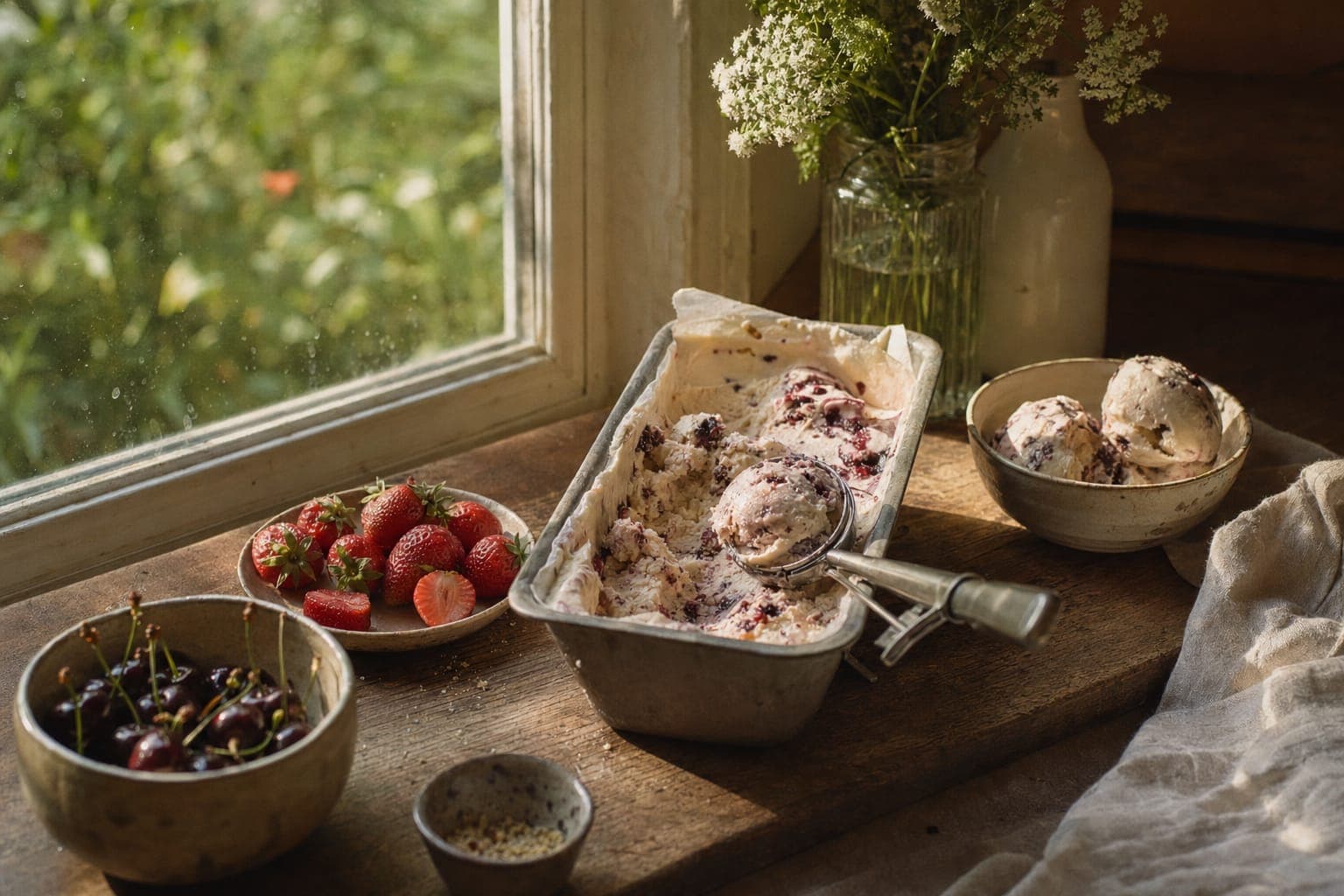
Raw Milk Ice Cream with Organised
Make raw milk ice cream at home with Organised for a seasonal, nutrient-dense treat. Three simple flavours to try whenever the craving strikes.
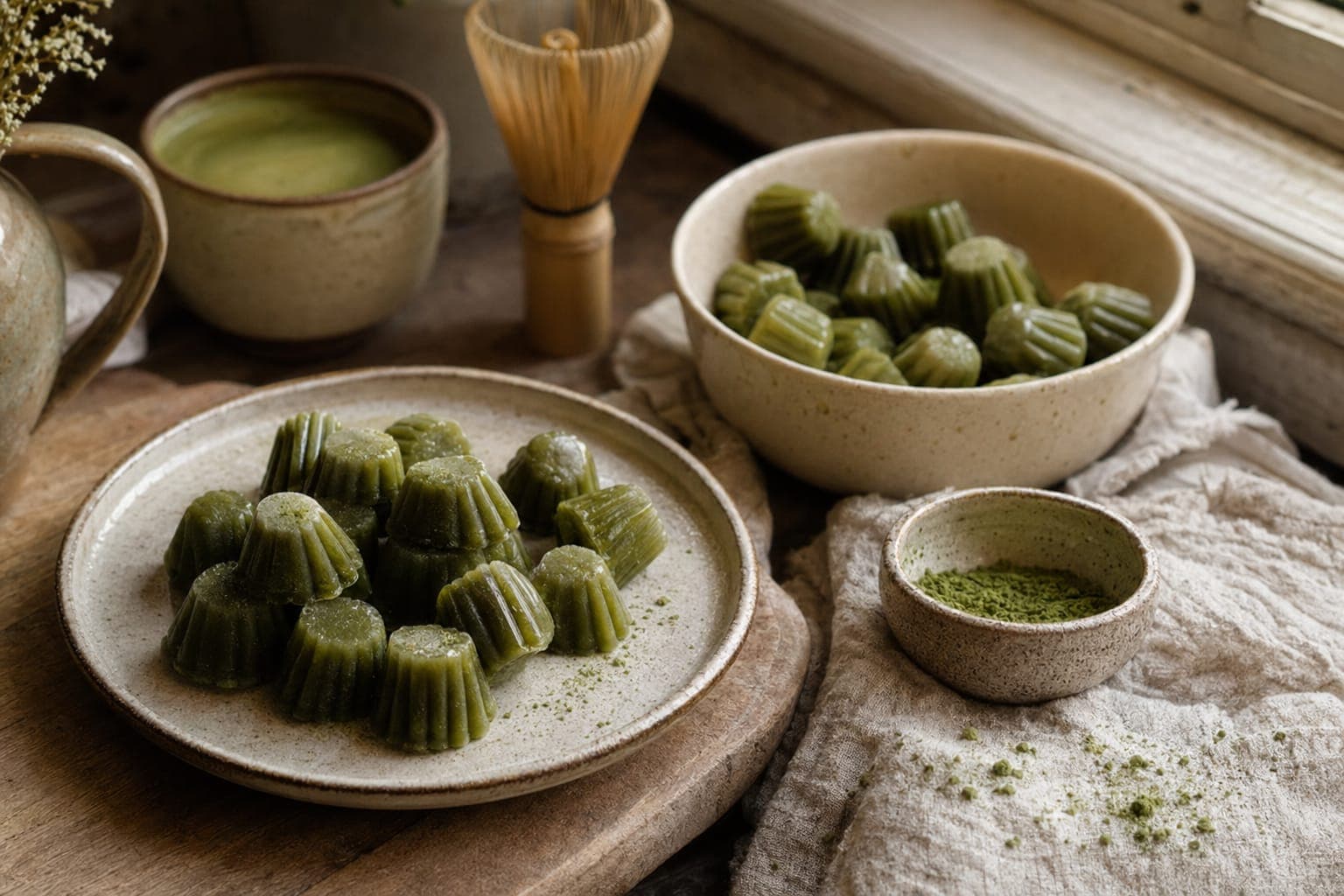
Matcha Latte Gummies with Collagen and Gelatine
Make visually stunning matcha latte gummies infused with collagen and gelatine. Simple recipe for gut-healing sweets you'll actually want to eat.
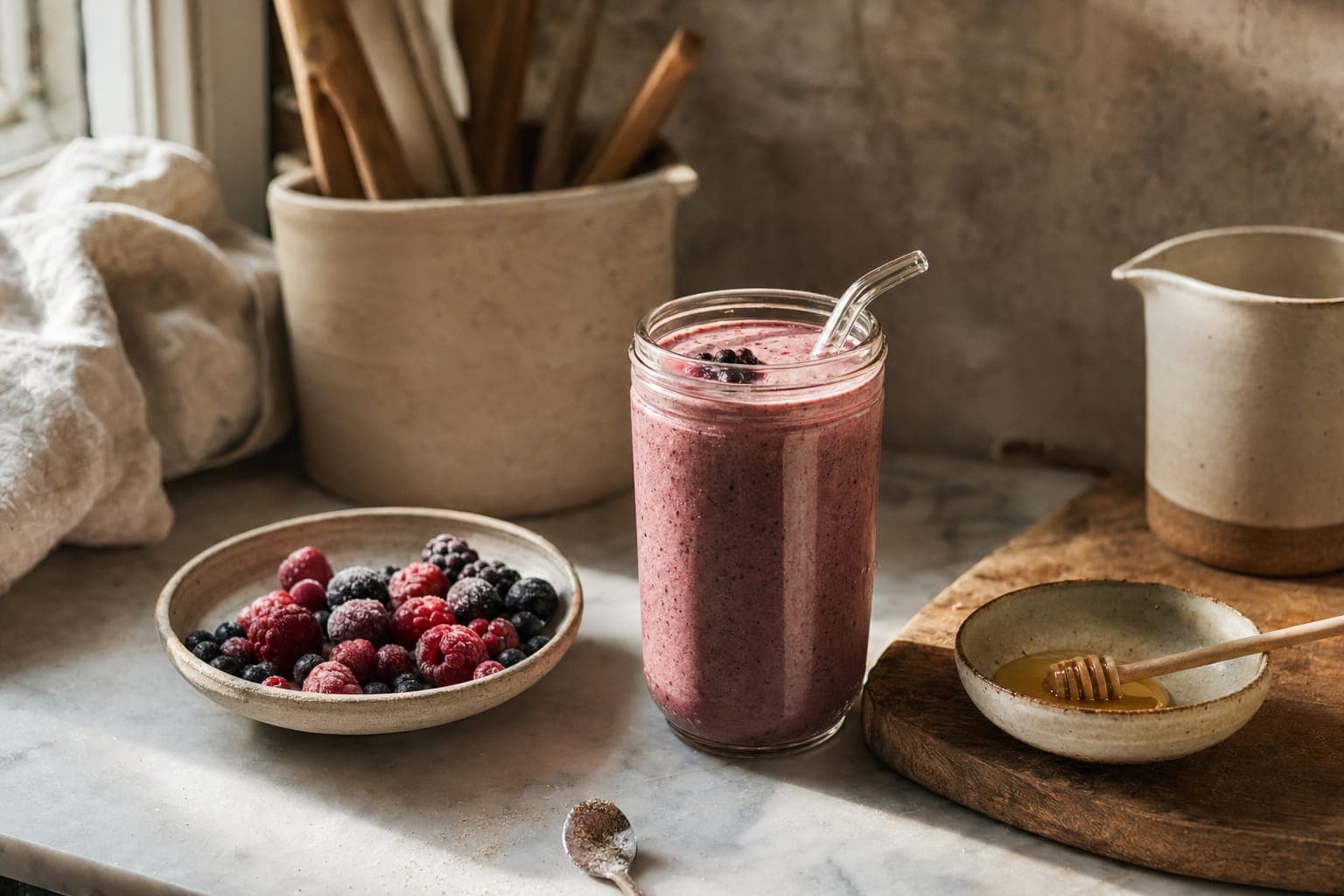
The Organised Recovery Smoothie for After Exercise
A recovery smoothie made with beef protein, raw milk, frozen berries, collagen, and honey. Optimal nutrition in the 30-minute window after exercise.


 Join over 100,000+ members
Build a better food system with us
The Organised community is thousands of people choosing real food and backing the farmers who grow it, all of us trying to leave the world a little better than we found it. If that is what you care about too, you belong here.