Cod Liver Oil: What Your Great-Grandmother Got Right
For decades, every child got a spoonful of cod liver oil. Parents hated administering it. Children gagged on it. And it worked. Rickets nearly disappeared. Diseases of vitamin A and D deficiency became rare. Then the supplement industry modernised the product. And lost the entire point.
By Niall Kiddle, Founder, Organised

Reviewed by Pedro Rodrigues, Agronomist (farming and sourcing only) ·
7 min read · Published · Updated · 4 cited sources
Makers of the Organised Daily blend, a grass-fed beef organ supplement from regenerative UK farms
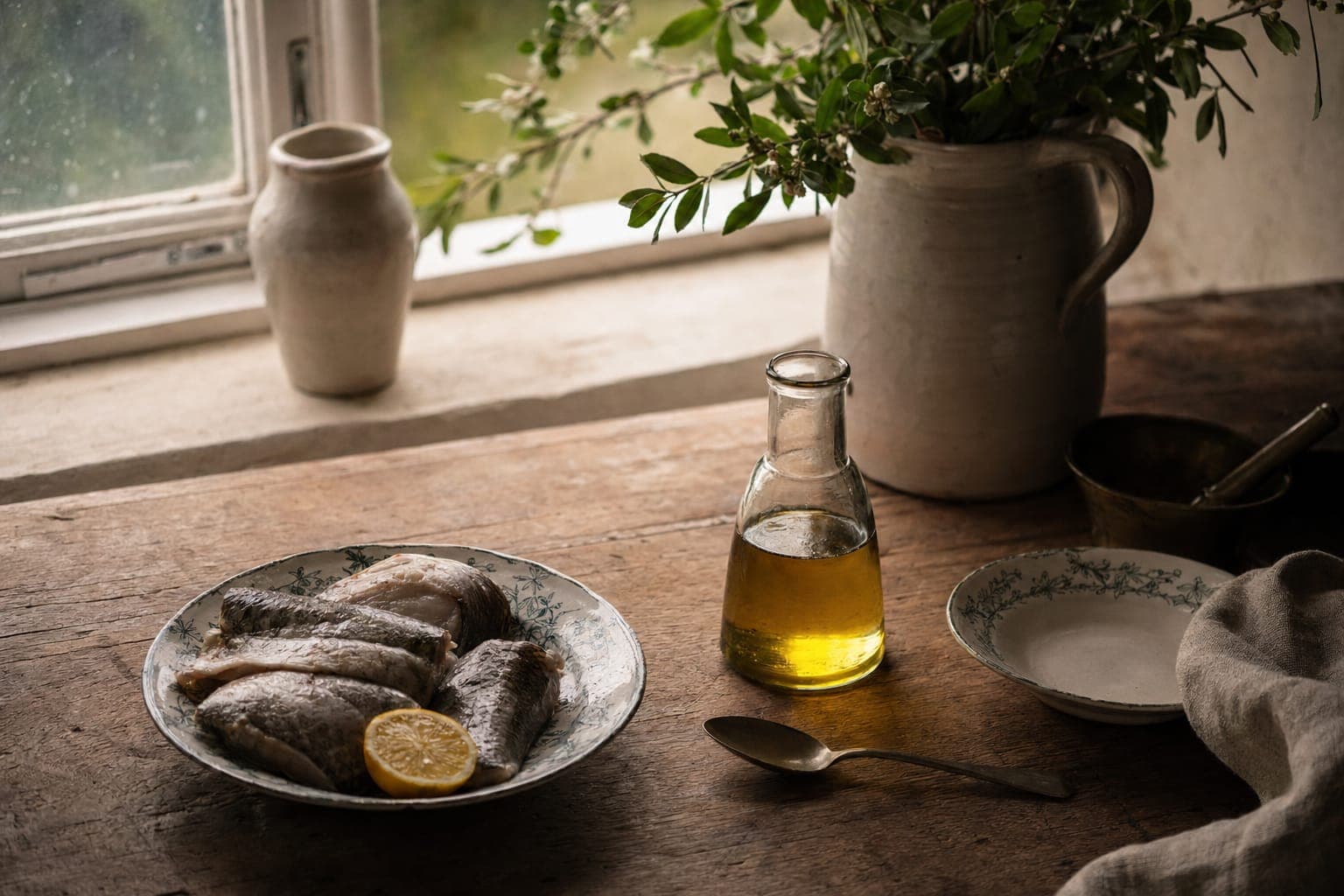
Your great-grandmother wasn't giving her children cod liver oil because it was trendy. She was doing it because she understood something the modern world has forgotten: some nutrients are difficult to get from food, and they're worth the gagging.
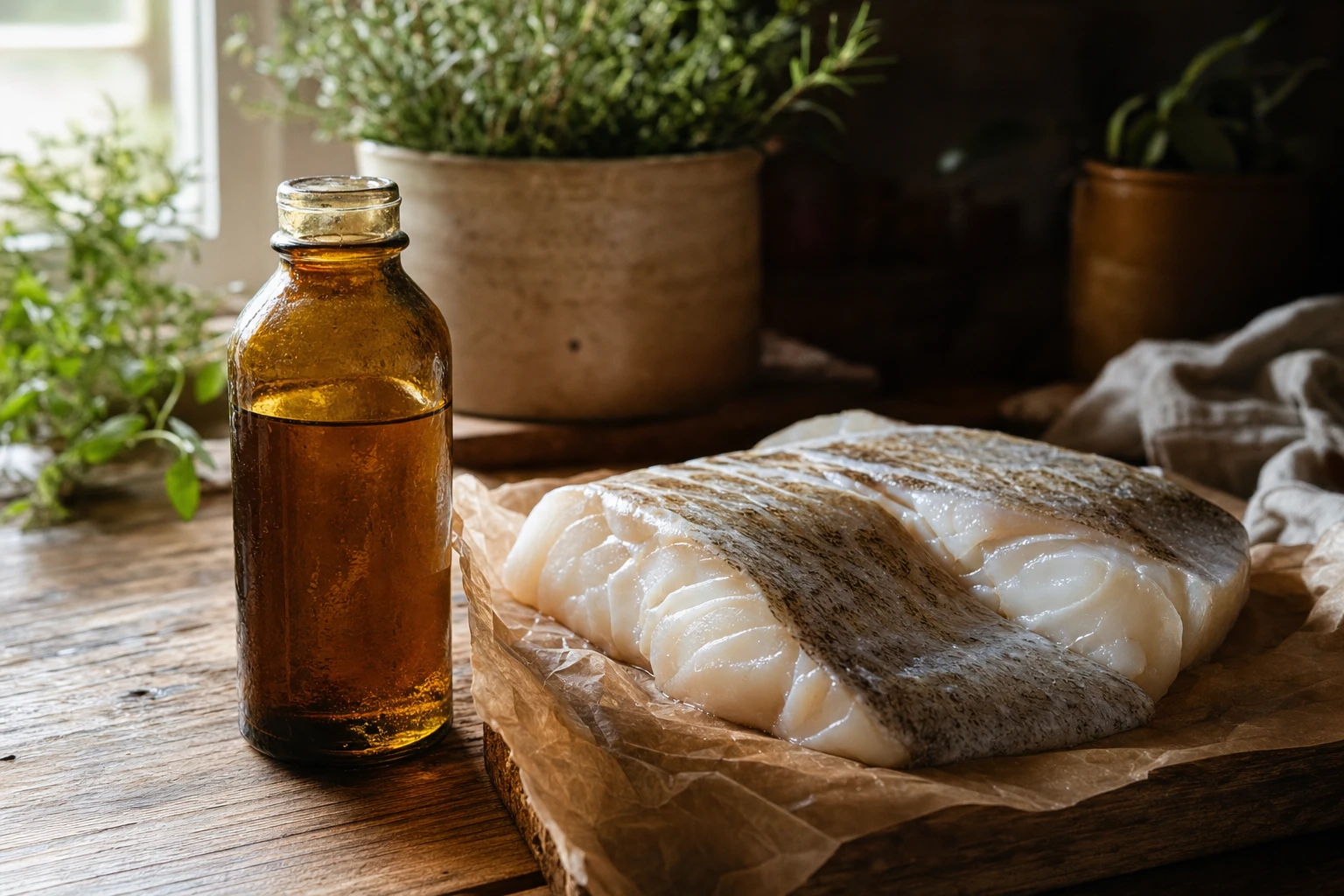
Why your ancestors relied on cod liver oil
Before refrigeration and global food networks, certain nutrients were chronically scarce in many populations. Vitamin D, particularly for populations in northern climates or those who worked indoors. Vitamin A from properly prepared sources. Fat-soluble vitamins in general, especially if you weren't eating organ meats or pastured dairy.
Cod liver oil was the solution. Fish that lived in cold, deep waters accumulated vitamin A and D in their livers as a survival mechanism. A single teaspoon provided significant quantities of both. It was cheap, it was accessible, and it worked.
But the key was that it was the actual oil from the actual liver of the actual fish. Not extracted, not processed, not concentrated and then diluted. Just fish liver oil, fermented or fresh, taken as is.
Rickets: the disease nobody talks about anymore
Rickets is a disease of vitamin D deficiency in children. It affects bone development, leading to soft bones, skeletal deformities, and stunted growth.1 Before supplementation became widespread, rickets was common in northern climates, particularly in children who didn't get adequate sun exposure or proper nutrition.
Industrial revolution populations developed rickets at alarming rates. Children working in factories and mines, getting no sun, eating bread fortified with nothing, living in crowded urban conditions. Rickets became an epidemic.
Cod liver oil, along with improved nutrition and increased access to sunlight, resolved the crisis. By the 1950s, rickets was nearly eradicated in developed nations. The supplement had done its job.
Your ancestors weren't obsessing over micronutrients. They were preventing disease. Cod liver oil prevented rickets. That's why everyone took it.
Today, rickets is making a comeback. Not because we lack cod liver oil, but because of a combination of factors: reduced sun exposure, dietary restriction, poor quality supplements, and the shift away from whole food nutrition.
Vitamin A and D from real fish
Cod liver contains both vitamin A and vitamin D in bioavailable forms. Not the precursors (beta-carotene or calcifediol). The actual active forms that your body can use immediately.
Vitamin A from fish liver is retinol, the form your body uses directly for vision, immune function, and skin health.2 Vitamin D from fish is cholecalciferol, the form your body uses for calcium regulation and immune function.1
Both are fat-soluble, which means they're best absorbed when consumed with fat (the cod liver oil itself provides this). And both are in ratios that your body actually recognises and responds to.
A teaspoon of traditional cod liver oil typically provides several thousand IU of vitamin A and several hundred IU of vitamin D, depending on the source and processing.3 This is substantial. It's also from a whole food source, so your body knows what to do with it.
The problem with modern supplements
Modern cod liver oil supplements are typically produced through industrial extraction and processing. The fish oil is extracted using heat and chemicals. It's often refined, bleached, and deodorised (which is why it no longer tastes like fish). It's sometimes molecularly distilled to remove contaminants, which also removes some of the natural complexity.
The result is that the supplement is more palatable. It doesn't taste bad. It doesn't upset your stomach as easily. But it's also less potent, less bioavailable, and missing some of the synergistic compounds that made the original supplement work.
Even worse, many modern cod liver oil supplements are fortified with synthetic vitamins. The natural vitamin A and D from the fish are deemed insufficient, so manufacturers add synthetic retinyl palmitate (vitamin A) and ergocalciferol (vitamin D2, the plant form). These are cheaper and more stable, but they're not what your body evolved to process.
The result is a supplement that looks like it should work but doesn't perform the way the original did. You're missing the entire synergistic effect.
Fermented cod liver oil versus processed
Traditional cod liver oil was fermented. The livers were either eaten fresh or left to ferment naturally, which preserved the nutrients and created a product rich in fat-soluble vitamins, enzymes, and co-factors that your body uses to properly metabolise those vitamins.
Modern processing strips away fermentation. It strips away complexity. And it creates a product that's cleaner and more shelf-stable but less effective.
Some manufacturers are returning to fermented production. The product isn't pretty. It smells and tastes like fish. But that's the point. It's fish. It's supposed to taste like fish. And when taken properly, it delivers the results your ancestors got.
Get ancestral nutrition guides, free
Two short reads a week on traditional ways of eating, examined with modern evidence.
By signing up you agree to receive emails from us. No spam, unsubscribe anytime.
Rosita and Blue Ice: doing it right
There are two brands that are producing cod liver oil the way it was traditionally made: Rosita (from Iceland) and Blue Ice (from New Zealand, now difficult to source). Both produce fermented cod liver oil from wild-caught fish, without heat processing, without synthetic fortification, and without refinement.
Rosita's product is cold-extracted from fresh fish livers, fermented, and bottled. It's potent. It tastes like fish. It delivers the full spectrum of nutrients that made cod liver oil effective in the first place.
Blue Ice (when available) does similar processing. Both are significantly more expensive than conventional supplements. But they're also significantly more effective.
If you're going to supplement with cod liver oil, it's worth sourcing a product that's actually what your great-grandmother took. The cost difference is worth the actual results.
Cod liver oil is not modern fish oil
This is the distinction that gets lost in most current supplement conversations. Traditional cod liver oil was a small daily teaspoon of whole-fish-liver oil, taken as a vehicle for fat-soluble vitamins A and D. Modern fish oil is something else entirely: high-dose EPA and DHA capsules, marketed for the polyunsaturated fats themselves rather than the vitamins, and frequently rancid by the time they reach the cabinet.
Fish oils are particularly peroxidation-prone, oxidising on the shelf and during storage.4 Daily multi-gram doses of refined fish oil capsules are not the food your great-grandmother took. They are an industrial product invented in the last forty years, and the quiet truth is that the case for taking them as a general health supplement is much weaker than the marketing suggests. If your goal is vitamin D, take vitamin D directly. If it's vitamin A, eat liver. Reach for traditional fermented cod liver oil only when you specifically want both fat-soluble vitamins together in their ancestral form, and keep the dose to the small daily teaspoon people actually used historically.

1 of 9
Daily blend
100,000+ thriving families4.9 on Trustpilot
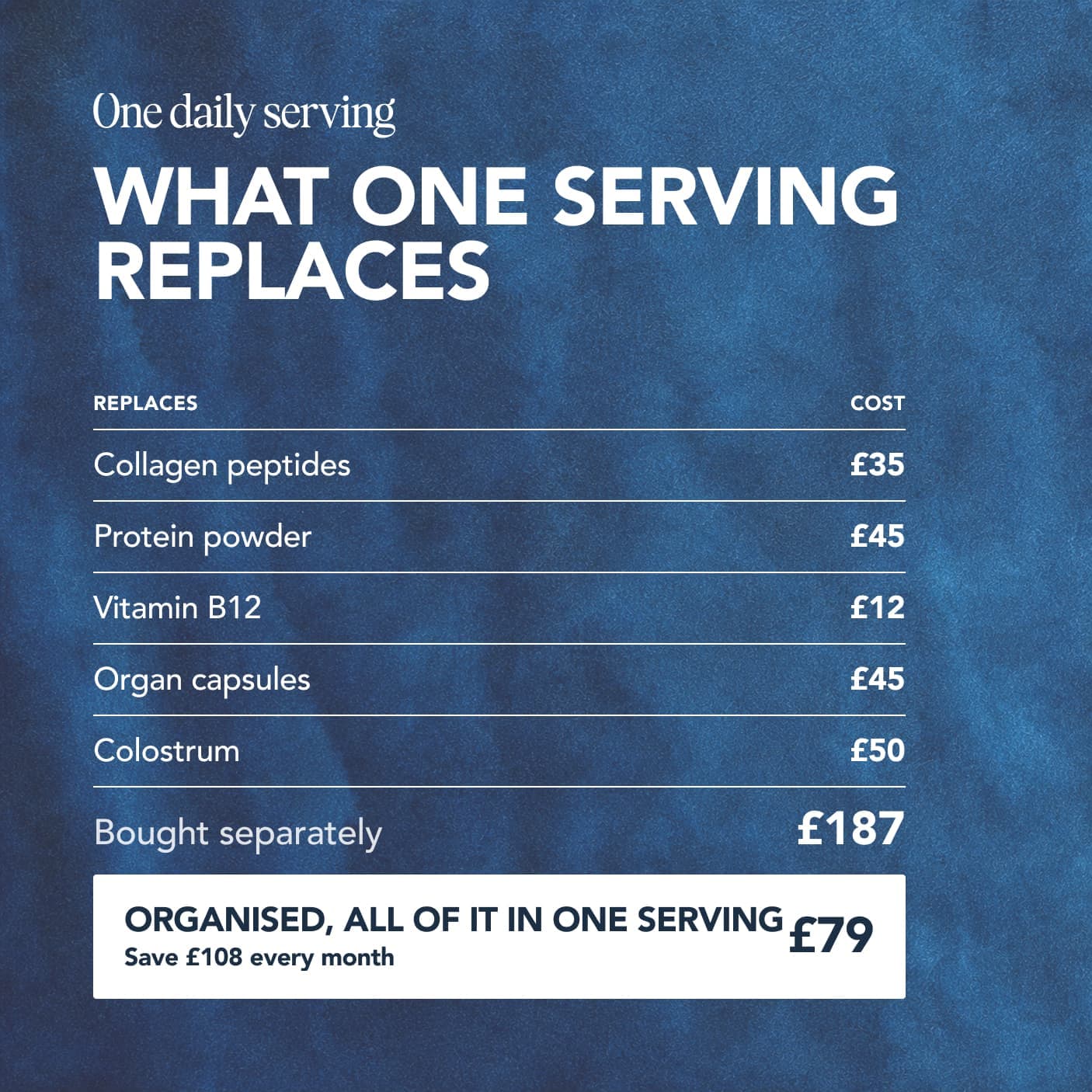
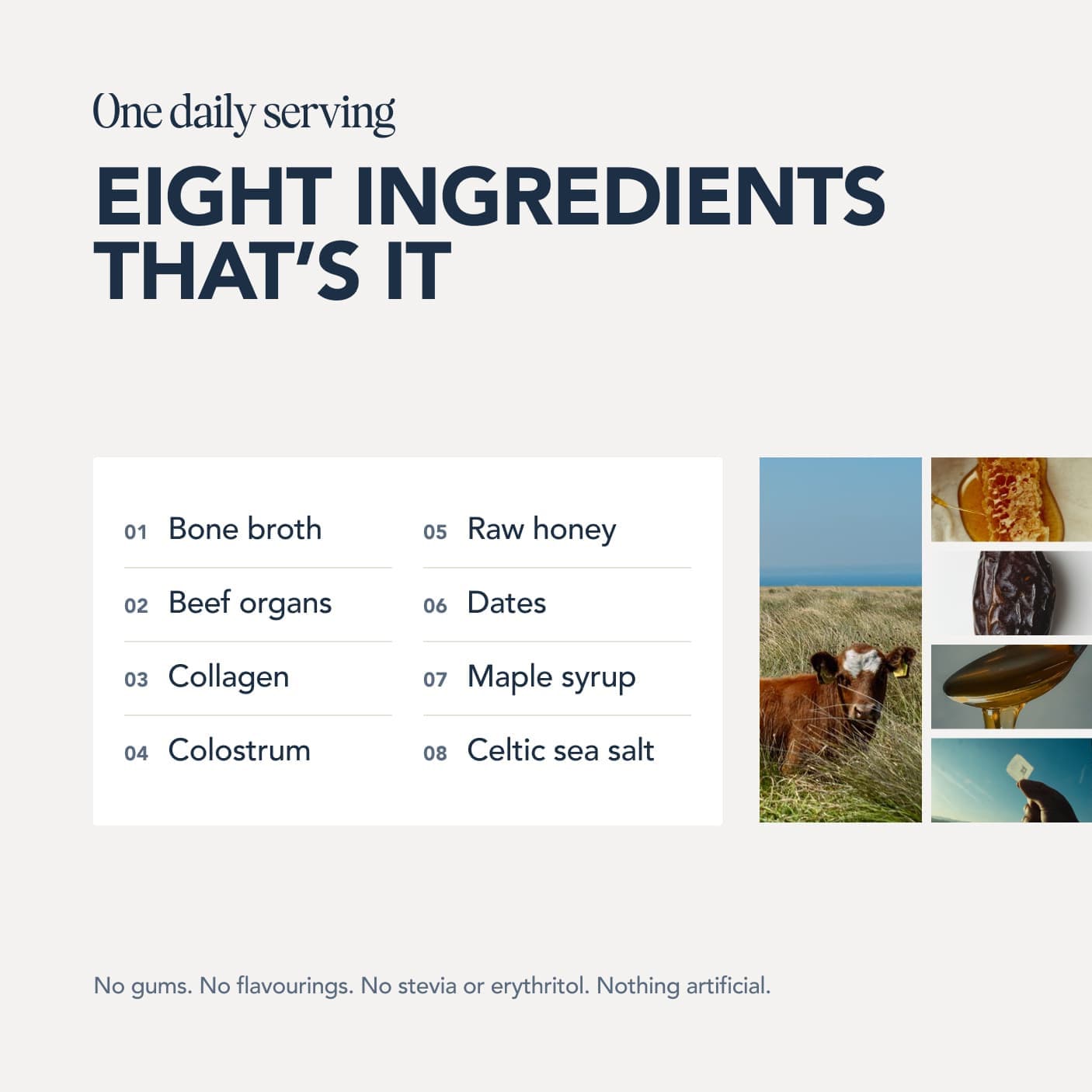
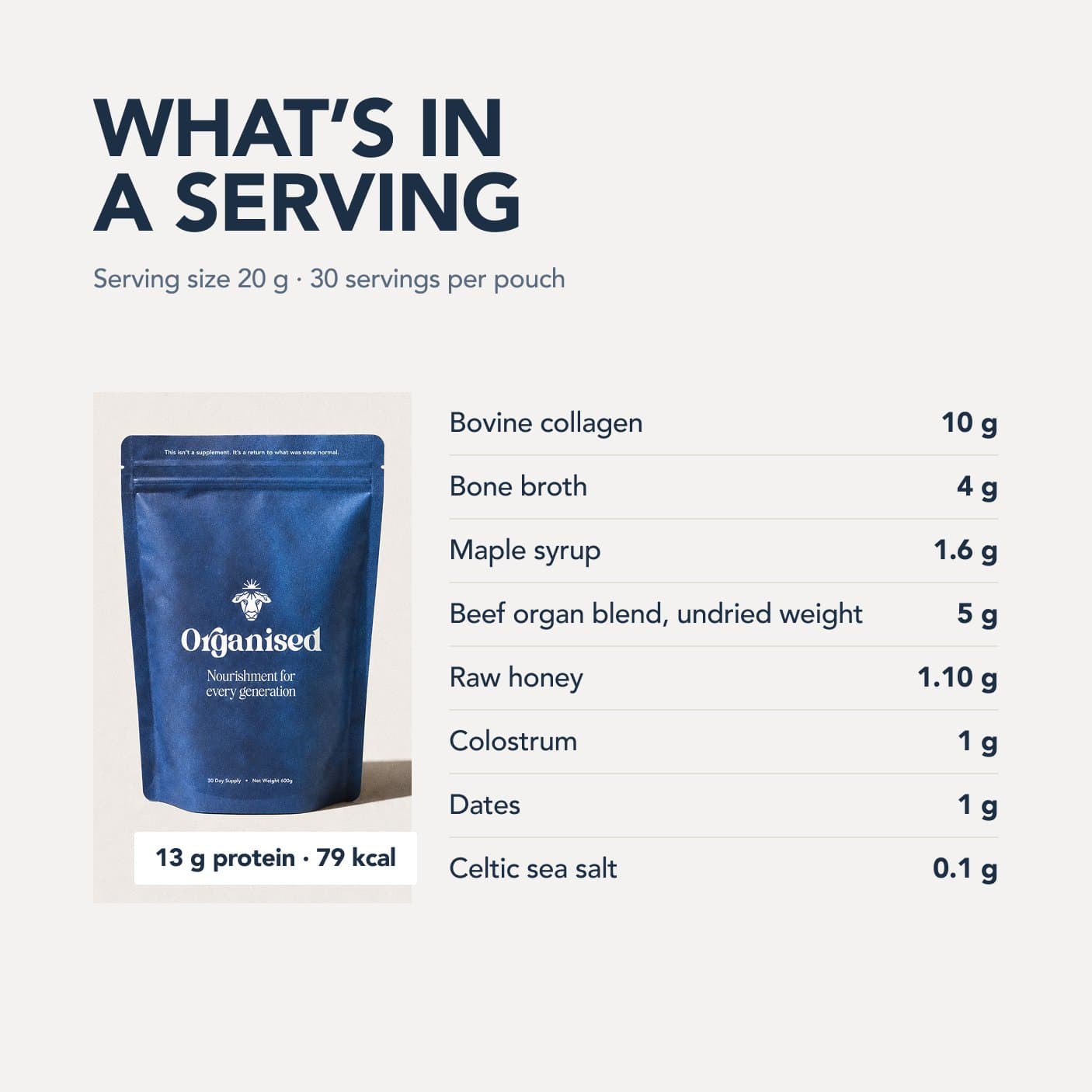
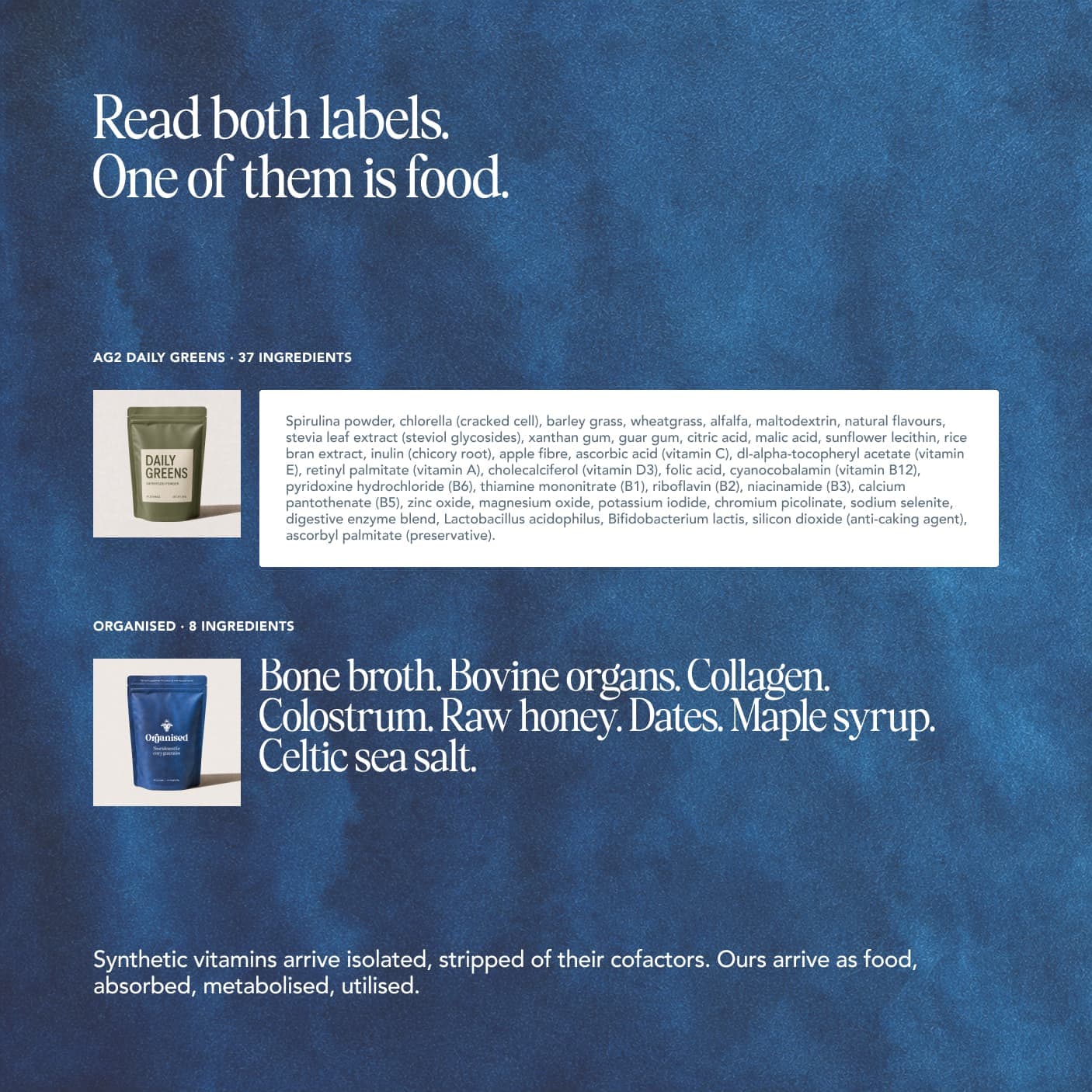
Eight real ingredients built around grass-fed beef organs, collagen and colostrum. Nothing synthetic added.
Free with your first order, worth £38. Plus £10 off the pouch with a subscription.
Free UK shipping · Made in England · 100 day money back guarantee on your first pouch · Skip, pause or cancel anytime
How much do you actually need?
Traditional recommendations were one to two teaspoons daily, typically taken in the morning. This provides roughly 4,000 to 10,000 IU of vitamin A and 400 to 1,000 IU of vitamin D.
These aren't high doses by supplement standards. They're the amounts that prevented rickets and supported general health. If you're deficient in either vitamin, you might need more initially, but long-term maintenance doesn't require megadosing.
If you're getting adequate sun exposure (20-30 minutes daily in appropriate seasons) and eating foods rich in vitamin A (liver, eggs, dairy if you tolerate it, fatty fish), you might not need supplementation at all. But if you live in a northern climate, work indoors, or eat a very restricted diet, cod liver oil covers an important gap.
The bottom line
Your great-grandmother wasn't wrong about cod liver oil. She was treating a real deficiency in a real population. Modern processing has made the supplement ineffective for most people. But if you source a traditional fermented product, it still works.
This isn't a trendy supplement. It's an ancestral food that your body actually recognises. If you need vitamin A and D support, particularly in winter months or if you're not getting adequate sun, fermented cod liver oil from a quality source is one of the few supplements worth considering.
The lesson from your great-grandmother's generation isn't to take more supplements. It's to respect the ones that actually work, and to be willing to do the uncomfortable thing (taking a spoonful of fish-tasting oil) if it supports your actual health. Not every health practice needs to be convenient or pleasant. Sometimes the best health choices taste like fish and require swallowing something your modern palate doesn't want to swallow.
References
Every source below was checked on 27 August 2026. Each PubMed, PMC and DOI identifier was resolved against NCBI or Crossref, and what it opens is printed under the citation, so you can see the link goes where the citation says without leaving the page. Where a citation and its identifier disagreed, the citation was corrected to the record or the reference was deleted along with the sentence marker that pointed at it, and where the resolved paper turned out not to support the sentence, the sentence was cut back to what it does support. Borrowed authority is worse than none, because it looks like rigour.
- National Institutes of Health, Office of Dietary Supplements. Vitamin D: Fact Sheet for Health Professionals.
- National Institutes of Health, Office of Dietary Supplements. Vitamin A and Carotenoids: Fact Sheet for Health Professionals.
- Bjerve KS et al. n-3 fatty acid deficiency in adults: comparison of cod liver oil and other sources. Am J Clin Nutr. 1993;58(5):663-7. PMID: 8294907.Checked 27 August 2026: PMID 8294907 opens Veyna NA, Jay JC, Srisomsap C et al, The addition of glucose-1-phosphate to the cytoplasmic glycoprotein phosphoglucomutase is modulated by intracellular calcium in PC12 cells and rat cortical synaptosomes. J Neurochem 1994;62(2):456-64.
- Albert BB et al. Fish oil supplements in New Zealand are highly oxidised and do not meet label content of n-3 PUFA. Sci Rep. 2015;5:7928. PMID: 25604397.Checked 27 August 2026: PMID 25604397 opens Albert BB, Derraik JG, Cameron-Smith D et al, Fish oil supplements in New Zealand are highly oxidised and do not meet label content of n-3 PUFA. Sci Rep 2015;5:7928.
Who wrote and reviewed this guide
Niall Kiddle
Author · Founder, Organised
Niall is the founder of Organised. He started the company in 2024 after fixing his own health the slow way: in 2022 he swapped a cupboard of synthetic supplements for real food, raw milk, organ meats, bone broth and honey, and felt the difference within months.
Areas of expertise: Ancestral nutrition, Organ meats, Whole-food supplementation, Gut health, Regenerative sourcing
Read Niall's full profile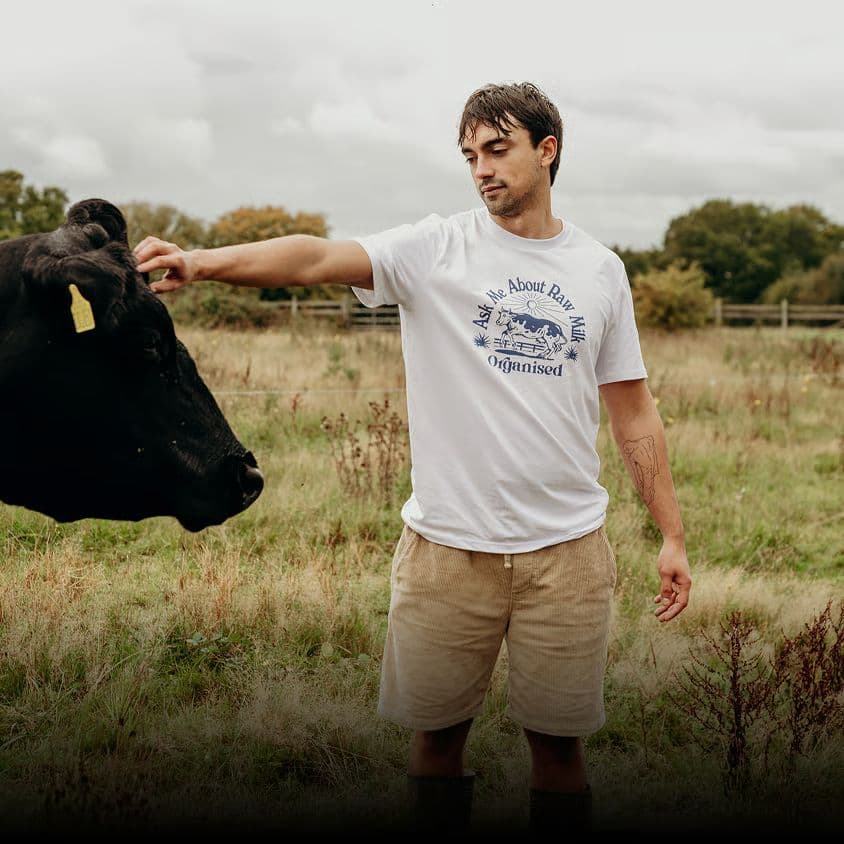
Pedro Rodrigues
Reviewer · Agronomist (farming and sourcing only)
Pedro is the agronomist Organised works with on farming and sourcing. His job on the guides is to keep the science honest: he reviews what we publish about soil health, regenerative agriculture, grazing and the way food is actually produced.
Areas of expertise: Regenerative agriculture, Agronomy, Soil health, Grass-fed farming, Food sourcing
Reviewed this guide on
Read Pedro's full profileBrowse the guides library
All guidesKeep reading

Ancestral
The Case for Eating Eggs Every Day
Eggs contain choline, B12, lutein, and complete protein. One egg has everything your body needs. Here's why the cholesterol myth should've died decades ago.
Ancestral
Why 'Fortified' Doesn't Mean Nutritious
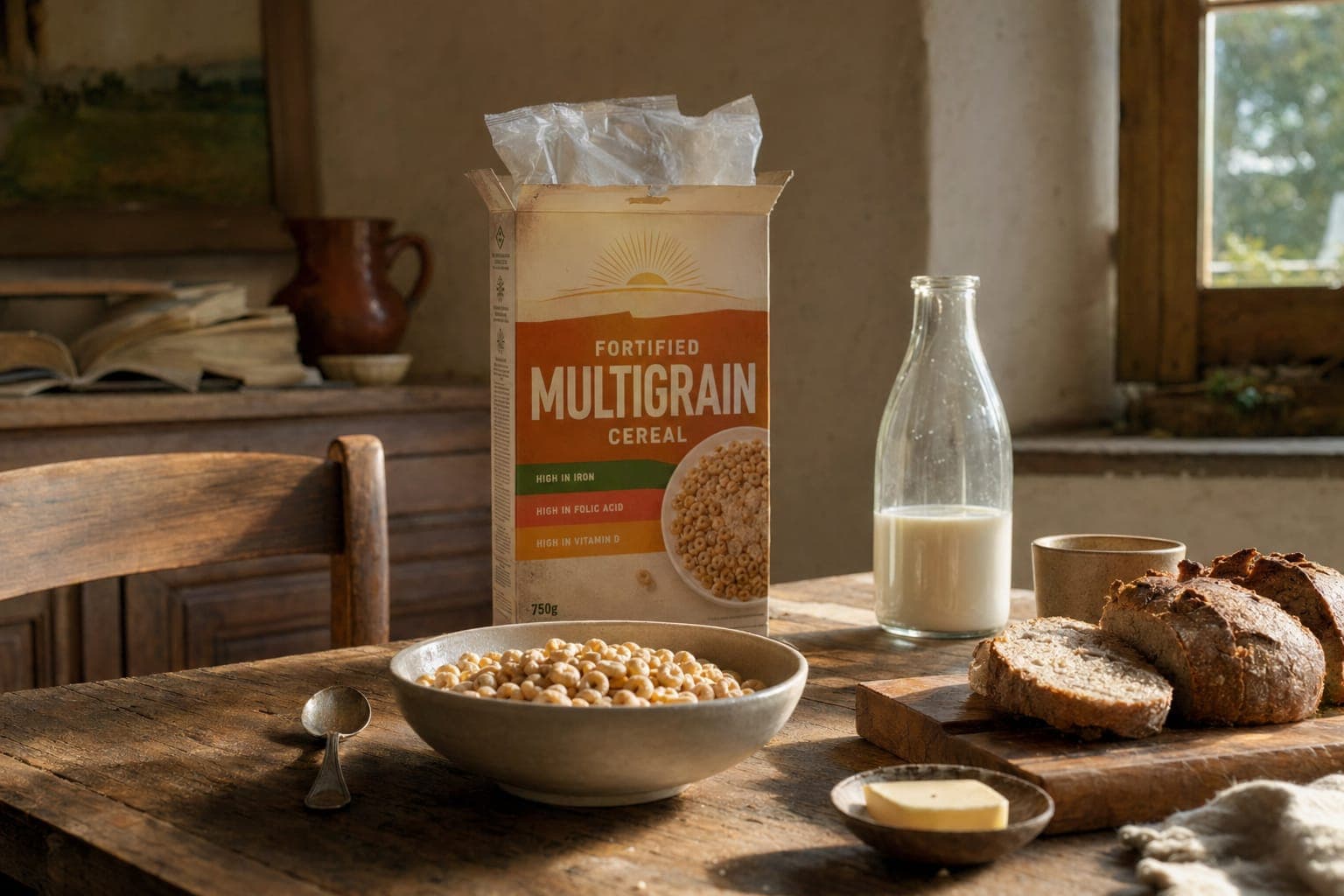
Fortified foods are often low-quality cereals dosed with synthetic vitamins. Folic acid is not folate. Learn what fortification really means for you.
Ancestral
The 8 Ingredients Philosophy: Less Is More
Great meals don't need ten ingredients. Sourdough, butter, salt, meat, eggs, fermented food, and the discipline to keep it simple is where nutrition begins.
Real food, made effortless
Bring it into my routineA few ways to use it
All recipes
Organ Bolognese: The Family Dinner That Heals
Practical organ meat recipe using fresh beef liver and heart. Family-friendly bolognese that bridges supplements to whole food.

Organised Smoothie Bowl Recipes for Every Season
Four seasonal smoothie bowl recipes using Organised. Berry in summer, apple-cinnamon in autumn, tropical in spring, warming chocolate in winter.
Collagen-Rich Beef Stew: Slow-Cooked Nourishment
Beef stew that delivers collagen from connective tissue and bone broth. Winter comfort food that actually nourishes. Simple slow cooker recipe.


 Join over 100,000+ members
Build a better food system with us
The Organised community is thousands of people choosing real food and backing the farmers who grow it, all of us trying to leave the world a little better than we found it. If that is what you care about too, you belong here.