Why Modern Food Is Less Nutritious Than It Was 50 Years Ago
Your grandmother's apple was different. Not just in flavour. In the nutrients your body could extract from it. Somewhere between her kitchen and yours, food became less nutritious. Measurably so.
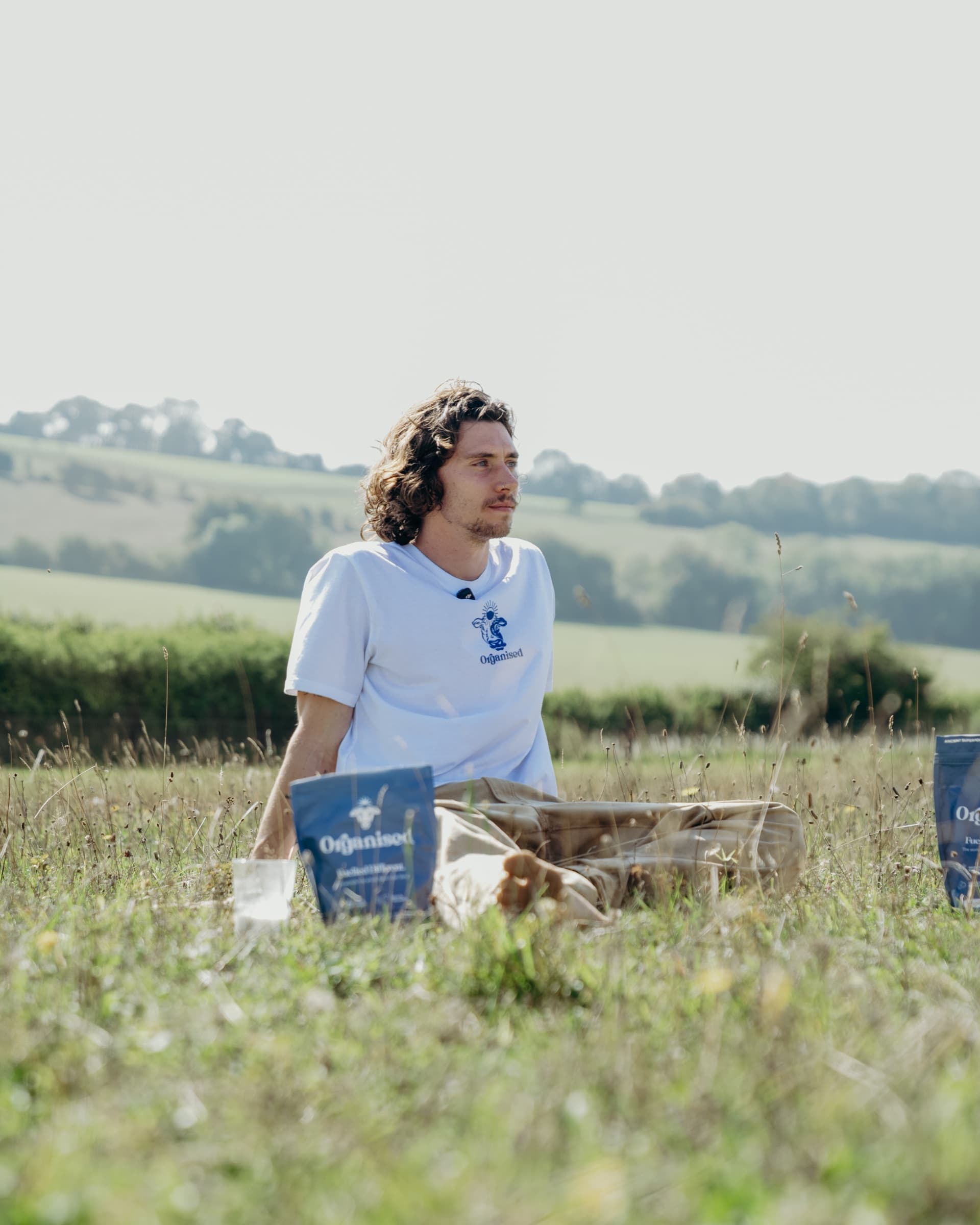
By Niall Kiddle, Founder, Organised

Reviewed by Pedro Rodrigues, Agronomist (farming and sourcing only) ·
7 min read · Published · Updated · 2 cited sources
Makers of the Organised Daily blend, a grass-fed beef organ supplement from regenerative UK farms
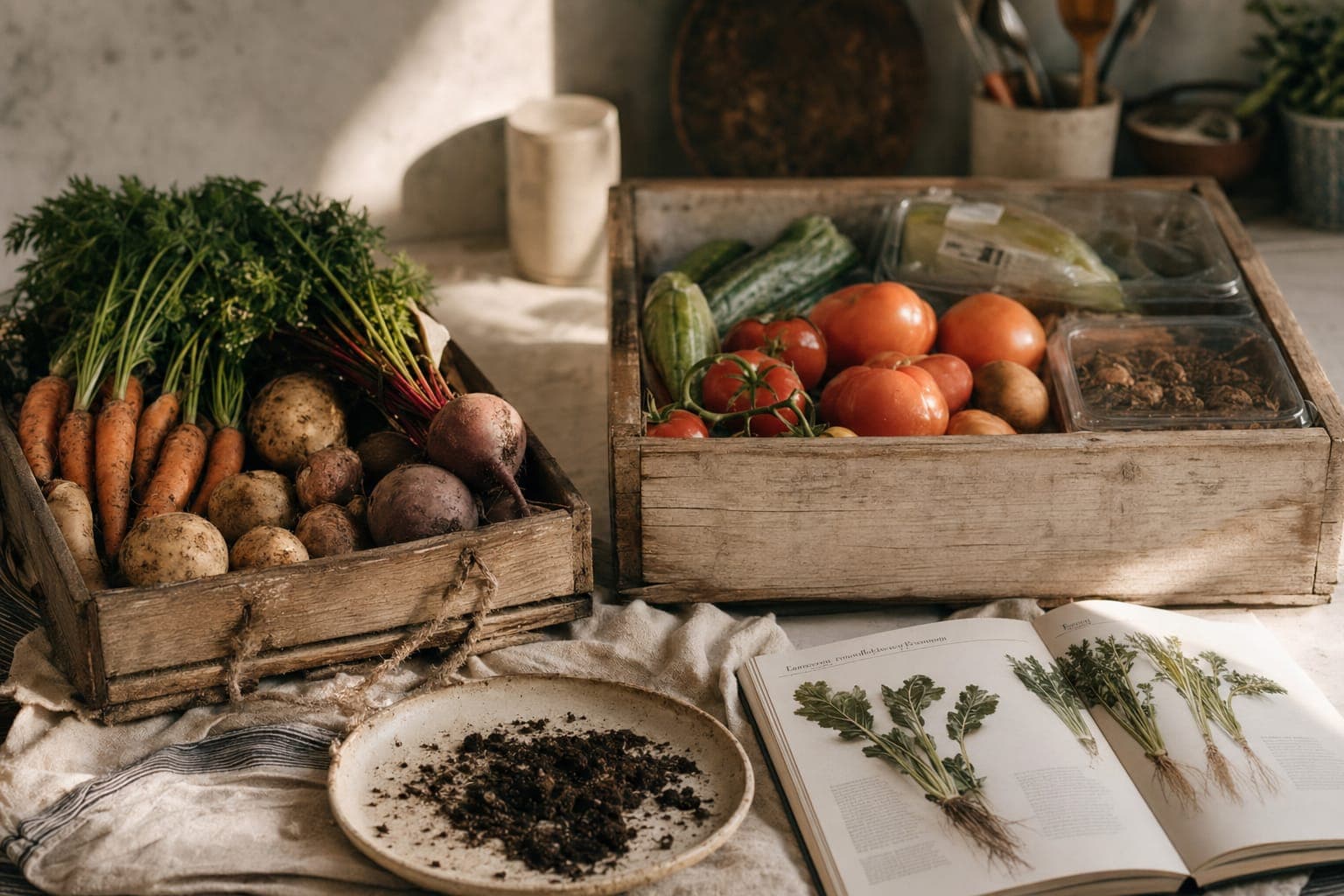
This isn't sentiment. It's documented science.
How we know modern food is less nutritious
In 2004, researchers at the University of Texas analysed data from the US Department of Agriculture spanning the years 1950 to 1999.1 They tracked nutrient density across forty-three different vegetables and fruits.
What they found was stark. Across the board, minerals like calcium, magnesium, iron, and copper had declined significantly.1 Protein had declined in vegetables. Some minerals had fallen by more than thirty percent over fifty years.
This wasn't a small sample. This was comprehensive data from the most thoroughly tracked agricultural system on earth. And the trend wasn't going in your favour.
Similar studies across Europe and Australia have found the same pattern.2 Your food is less nutritious than it was two generations ago. Your body is aware of this deficit, even if you haven't consciously noticed.
In fifty years, the calcium in a serving of broccoli fell by fifteen percent. The iron fell by twenty percent. This is documented fact, not opinion.
Soil depletion and mineral decline
Plants don't create minerals. They pull them from the soil. If the soil is depleted, the plant is depleted. If the soil is rich, the plant is rich.
Industrial agriculture depletes soil systematically. Monoculture crops exhaust specific minerals every year. Pesticides and fungicides kill the microbial life that releases minerals so plants can absorb them. Synthetic fertilisers provide nitrogen, phosphorus, and potassium, but little else. Over time, the soil becomes a chemical scaffold. It looks fertile. It grows tall crops. But it's nutritionally empty.
A carrot grown in depleted soil isn't smaller because the farmer failed. It's less dense because the mineral it's supposed to contain simply wasn't available. Your body needs that mineral. But it isn't there to take.
Traditional farming rotated crops. Grazed animals on fields. Let land lie fallow. These practices rebuilt soil. Microbes flourished. Minerals cycled back. A field maintained its fertility for generations.
Modern farming mines soil for maximum extraction. It's economically rational in the short term. But the cost is paid in nutrient density, which is paid by you in your health.
Depleted soil grows depleted food. Your body doesn't benefit from calories or minerals that aren't there.
Selective breeding for yield, not nutrition
Plant breeders have spent decades selecting for traits that matter to farmers and supermarkets: yield, uniformity, transportability, shelf life, pest resistance. Not nutrient density. Not flavour. Not how your body responds to the food.
A modern tomato is selected to look perfect, sit on a supermarket shelf for a week, and still be red. The genes that make a tomato taste like something are often incompatible with the genes that make it shippable. So breeders chose shippability.
A dwarf wheat variety can be grown tighter, uses less water, and produces more grain per acre. But it's often lower in minerals. The trade-off was made. Profit won. Nutrition lost.
This isn't a moral failing by farmers. They're responding to economic incentives. But the incentives are misaligned with your nutrition. You end up with food that's abundant, cheap, visually perfect, and nutritionally sparse.
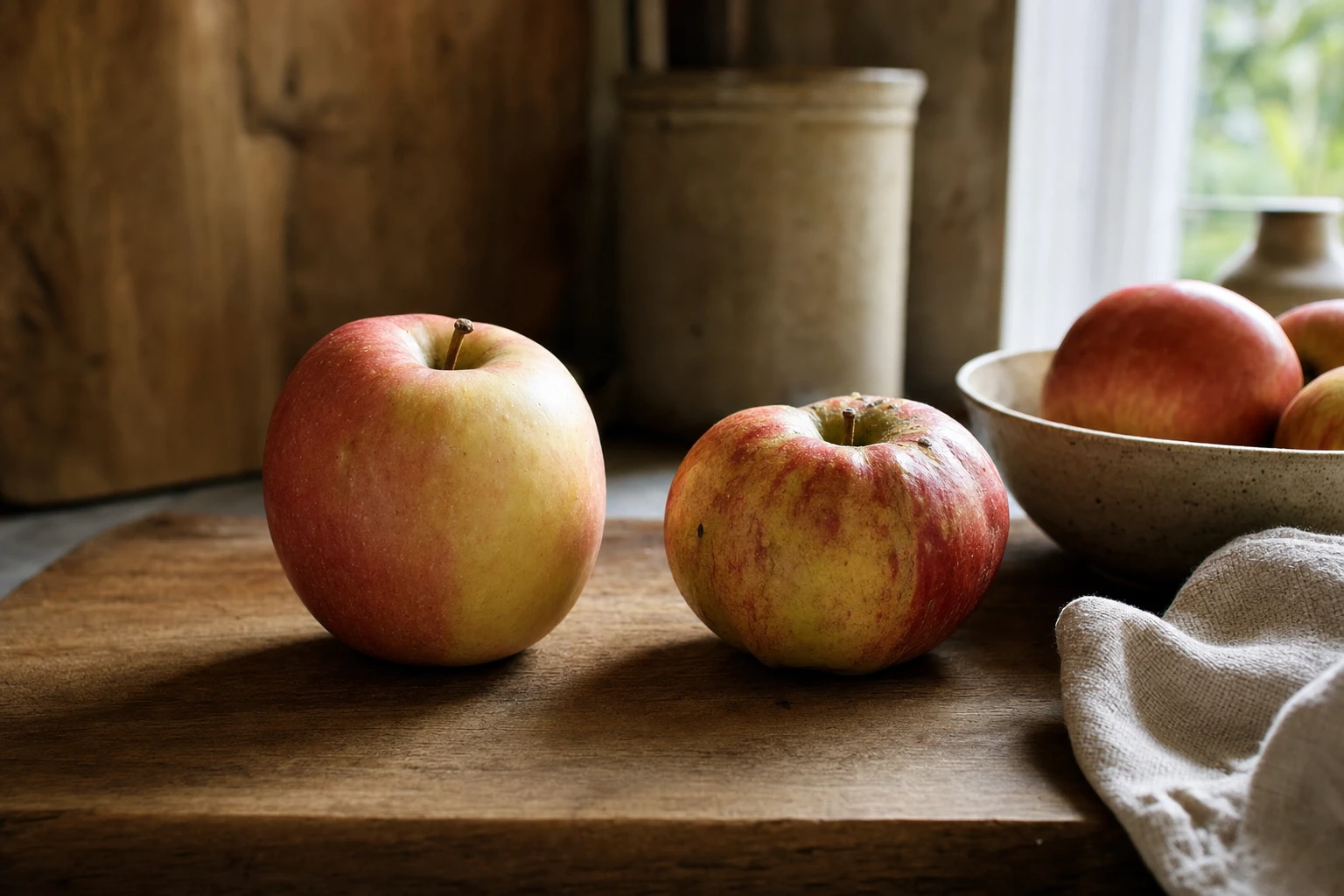
Heritage varieties are often more nutrient-dense. An old apple variety has more polyphenols, more fibre complexity, more mineral density. But it's smaller, it bruises more easily, it doesn't transport well. So supermarkets don't stock them. So farmers don't grow them. So they disappear.
The case of calcium and iron
Consider calcium. Fifty years ago, a serving of spinach contained roughly 150 milligrams of calcium. Today it contains roughly 80 milligrams. Your bones are paying the price.
Iron follows the same pattern. Red meat has become less iron-dense. Beans have declined. Leafy greens have declined. Your body needs iron for oxygen transport, energy production, immune function. The food still contains iron. But less of it.
The official response is to supplement. Take a calcium tablet. Take an iron supplement. But your body absorbs iron better from meat alongside copper and vitamin C. It absorbs calcium better from leafy greens alongside magnesium and vitamin K2. Isolated minerals in a tablet never work quite as well as minerals in food, alongside the cofactors that make them usable.
And yet, if modern food contains less of these minerals, supplementation becomes logical. Not because your body has changed. Because food has changed.
What's happening in agriculture
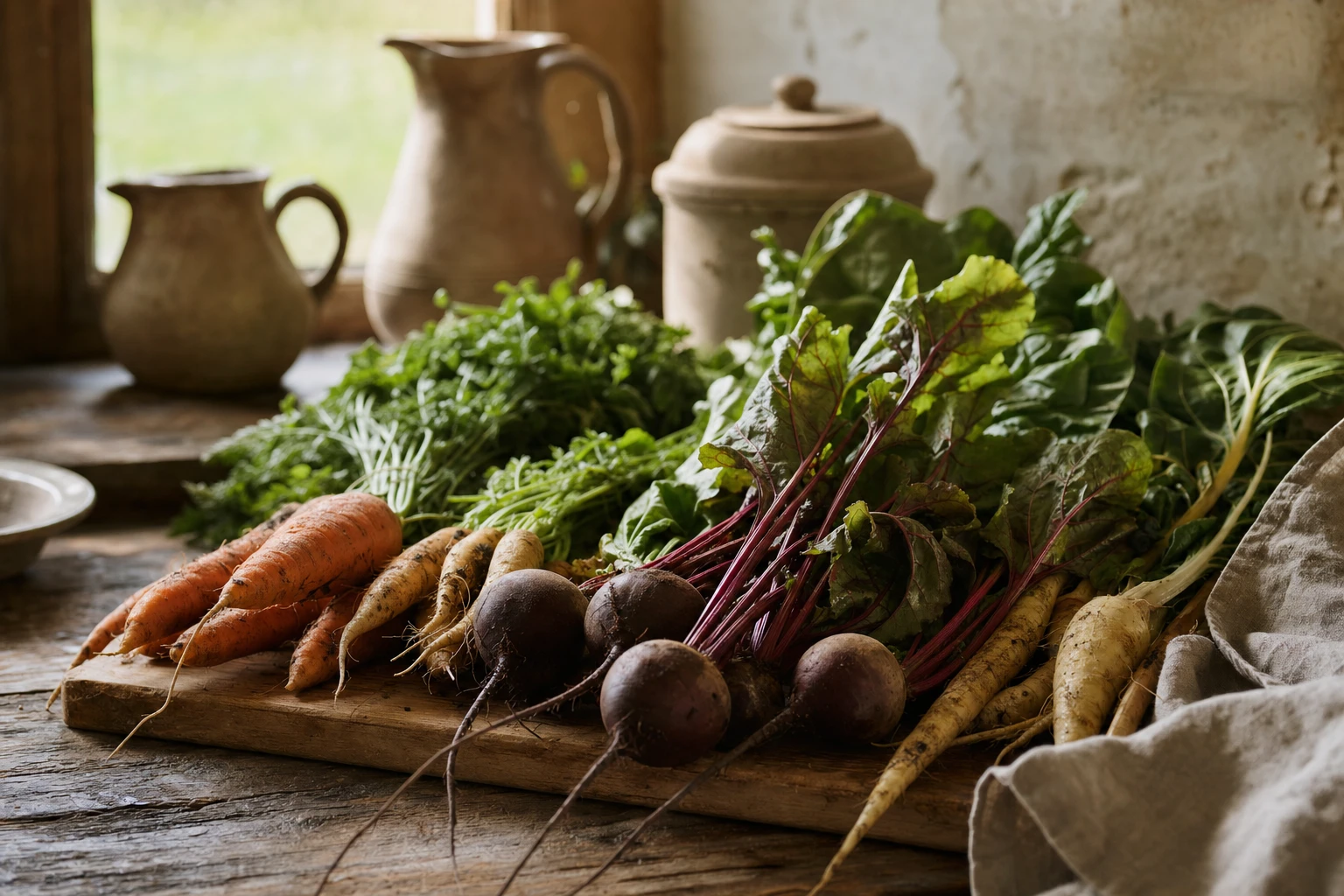
Modern agriculture is optimised for efficiency and profit, not nutrition. Three crops (wheat, rice, corn) now dominate global agriculture. We've removed crop diversity. We've removed grazing animals. We've simplified ecosystems down to their most economically extractable form.
The soil microbiome has collapsed. Mycorrhizal fungi that form symbiotic relationships with plant roots, helping them absorb minerals, have nearly disappeared in industrialised soil. Bacteria that break down organic matter and release minerals are gone. What's left is a substrate for chemistry, not biology.
Get ancestral nutrition guides, free
Two short reads a week on traditional ways of eating, examined with modern evidence.
By signing up you agree to receive emails from us. No spam, unsubscribe anytime.
The microbial ecosystem collapse
A handful of healthy soil contains more microorganisms than there are humans on earth. Bacteria, fungi, protozoa, nematodes, all working in concert. They break down organic matter. They form partnerships with plant roots. They release minerals in forms plants can absorb. They protect plants from pathogens. They regulate water retention.
Modern agriculture killed this ecosystem. Broad-spectrum herbicides don't just kill weeds. They sterilise the soil. Repeated fungicide applications eliminate the fungi. The result is a dead substrate that requires constant chemical supplementation to grow anything at all.
A plant growing in this dead soil doesn't have access to the mineral-releasing bacteria that would normally partner with its roots. The plant becomes dependent on whatever minerals the farmer dissolves and sprays on. It's nutritionally crippled.
Conventional agriculture produces calories efficiently. It fails at producing nutrients. And since your body is made of nutrients, not calories, this matters.
Organic farming sometimes does better, especially if it rebuilds soil. But organic certification doesn't guarantee nutrient density. A certified-organic tomato grown in depleted soil is still depleted. The system matters more than the label.
You can't out-supplement your way out of food that's been genetically selected and grown in soil that's been depleted of the nutrients you need.
How to get more nutrients now
You can't change agriculture by yourself. But you can change what you buy. Source your food more thoughtfully. Farmers markets often have heritage varieties and farmers who focus on soil health. Local food is more likely to have been grown in stable soil. Ask questions. Know who grows your food.
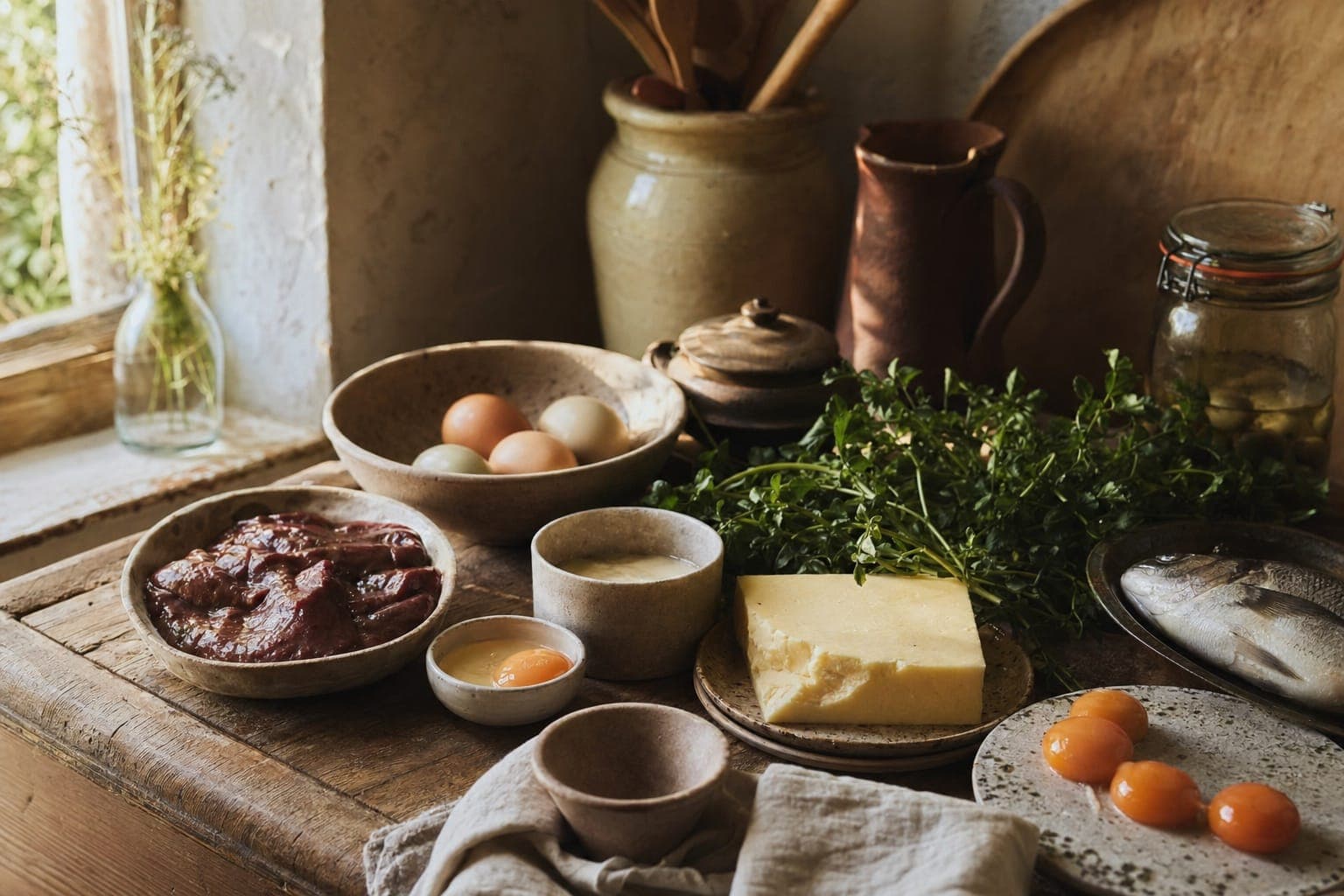
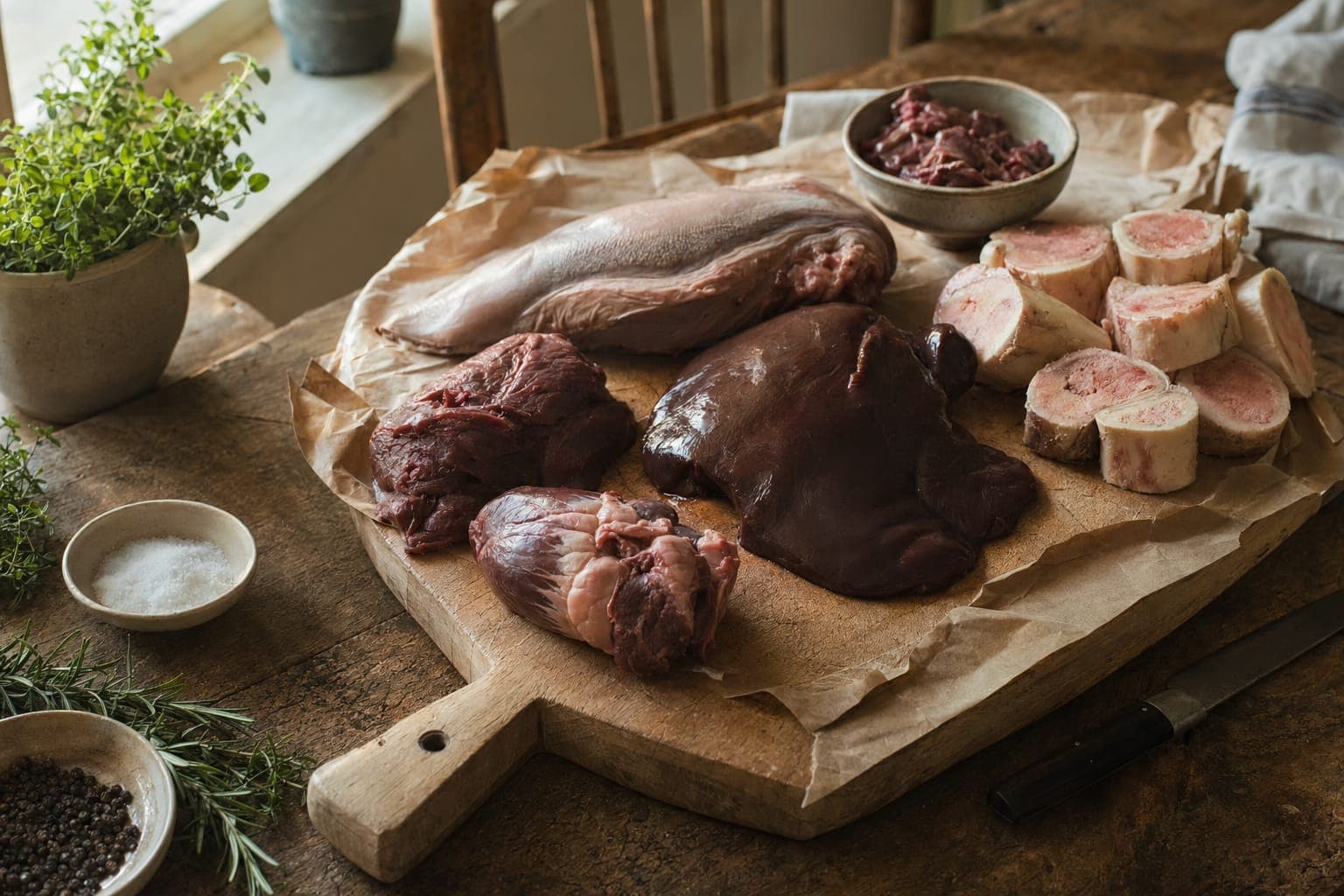
Organ meats are still nutrient-dense. Liver, kidneys, bone marrow. These haven't been selectively bred for yield. A beef liver today is as nutrient-rich as one fifty years ago. This is where you get the nutrients your depleted plants can no longer provide.
Bone broth, fermented foods, traditional preparation methods all concentrate nutrients or increase absorption. Your ancestors used these methods for a reason. They work.
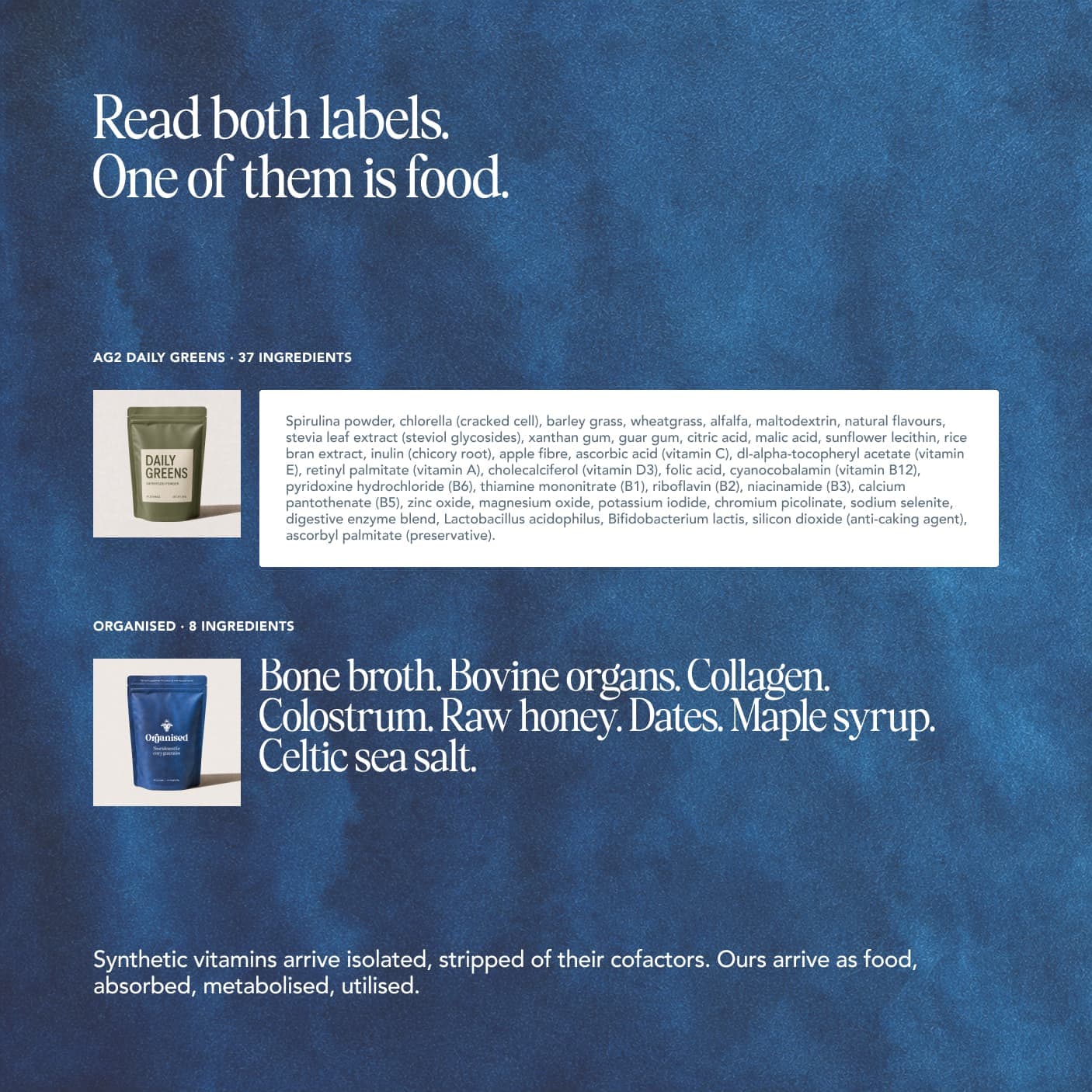
And yes, supplementation sometimes makes sense. Not as a replacement for food. As insurance against the nutrients that food should contain but increasingly doesn't.

1 of 9
Daily blend
100,000+ thriving families4.9 on Trustpilot
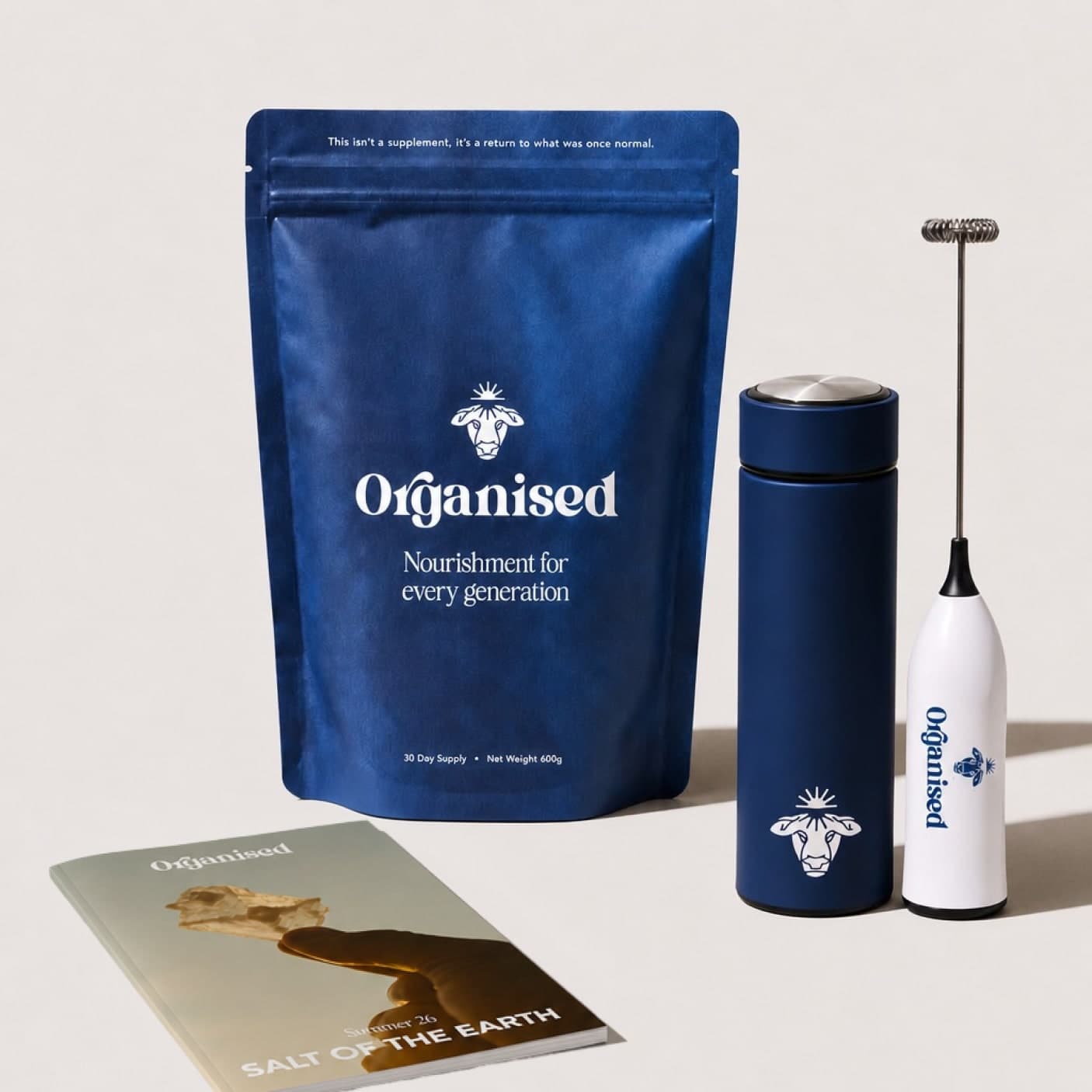
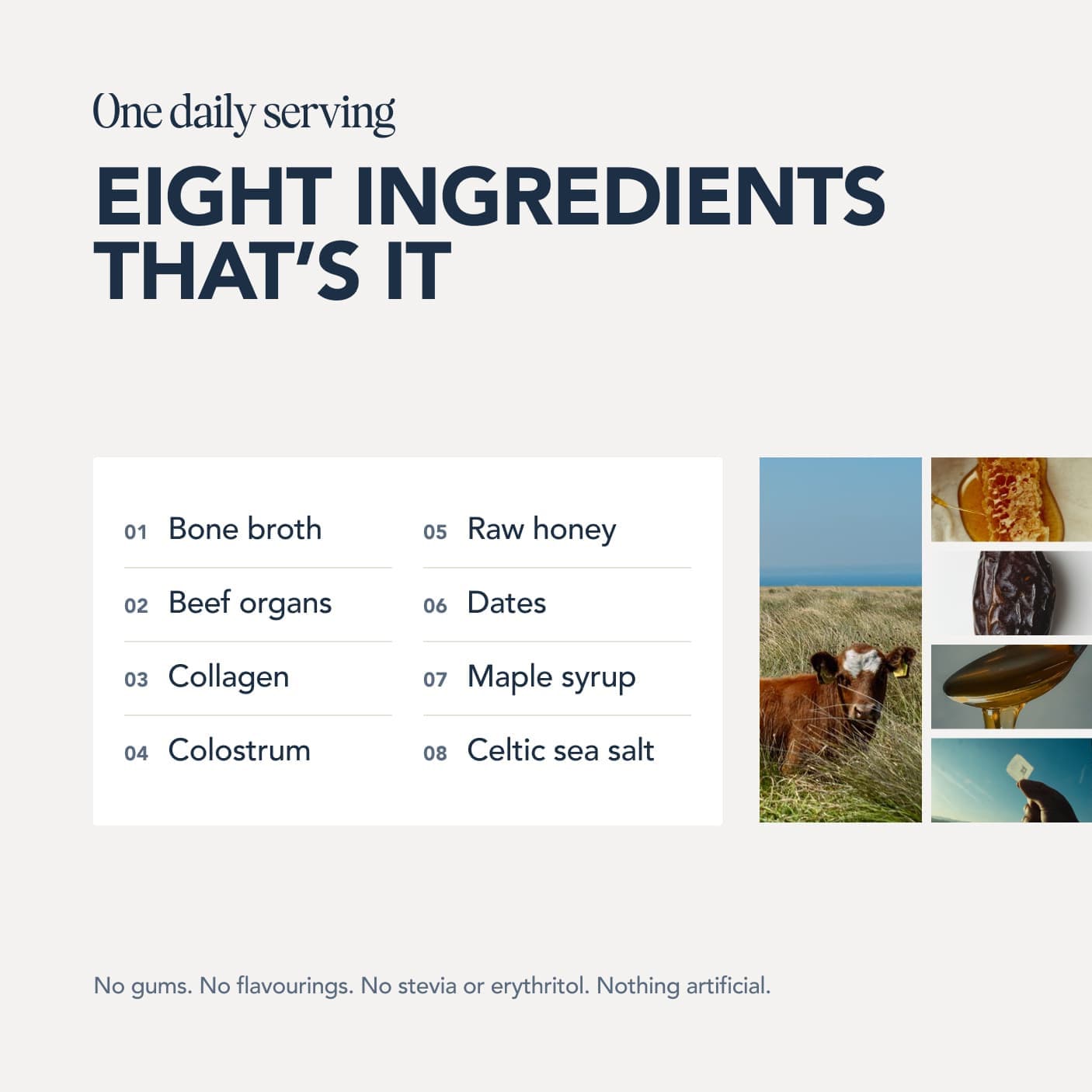
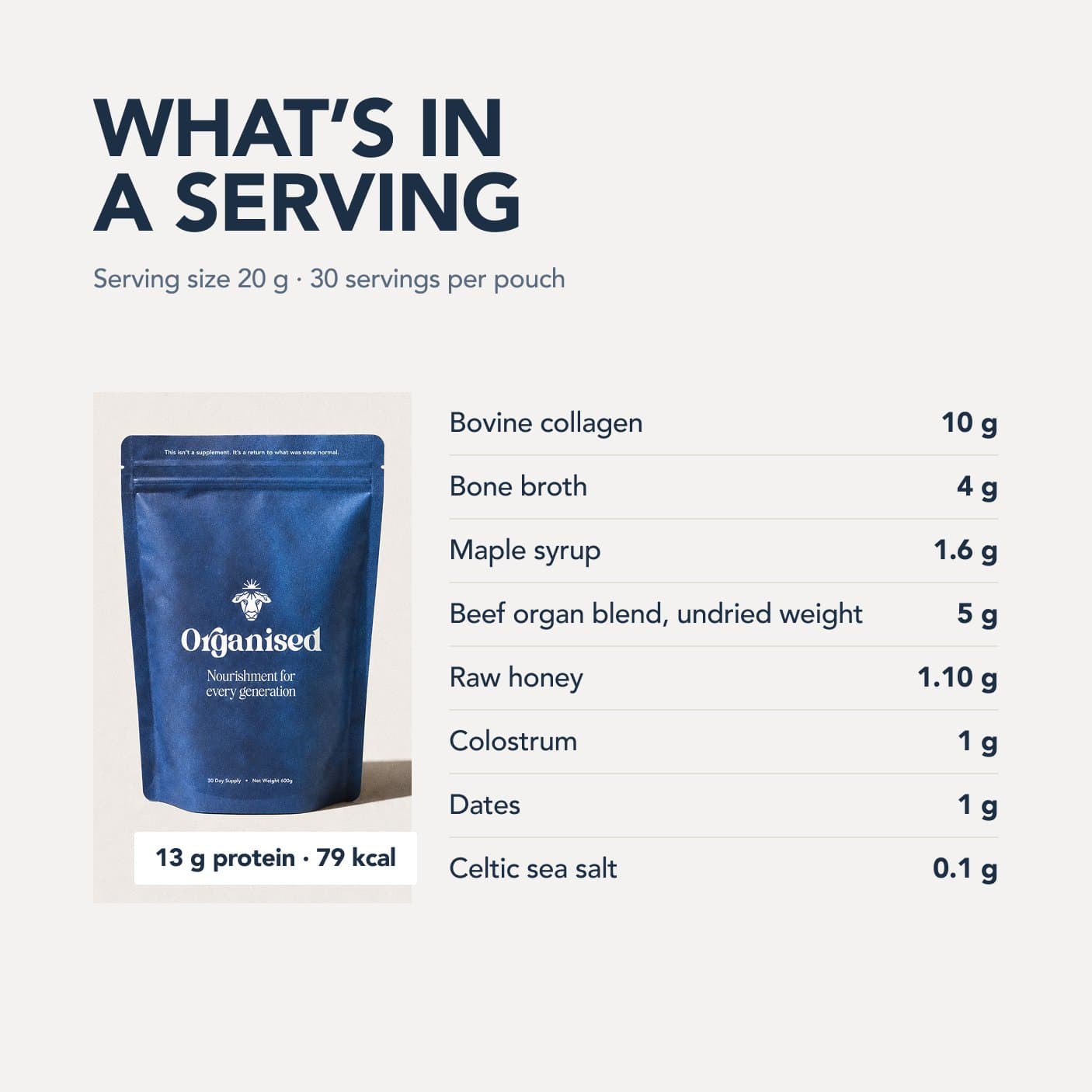
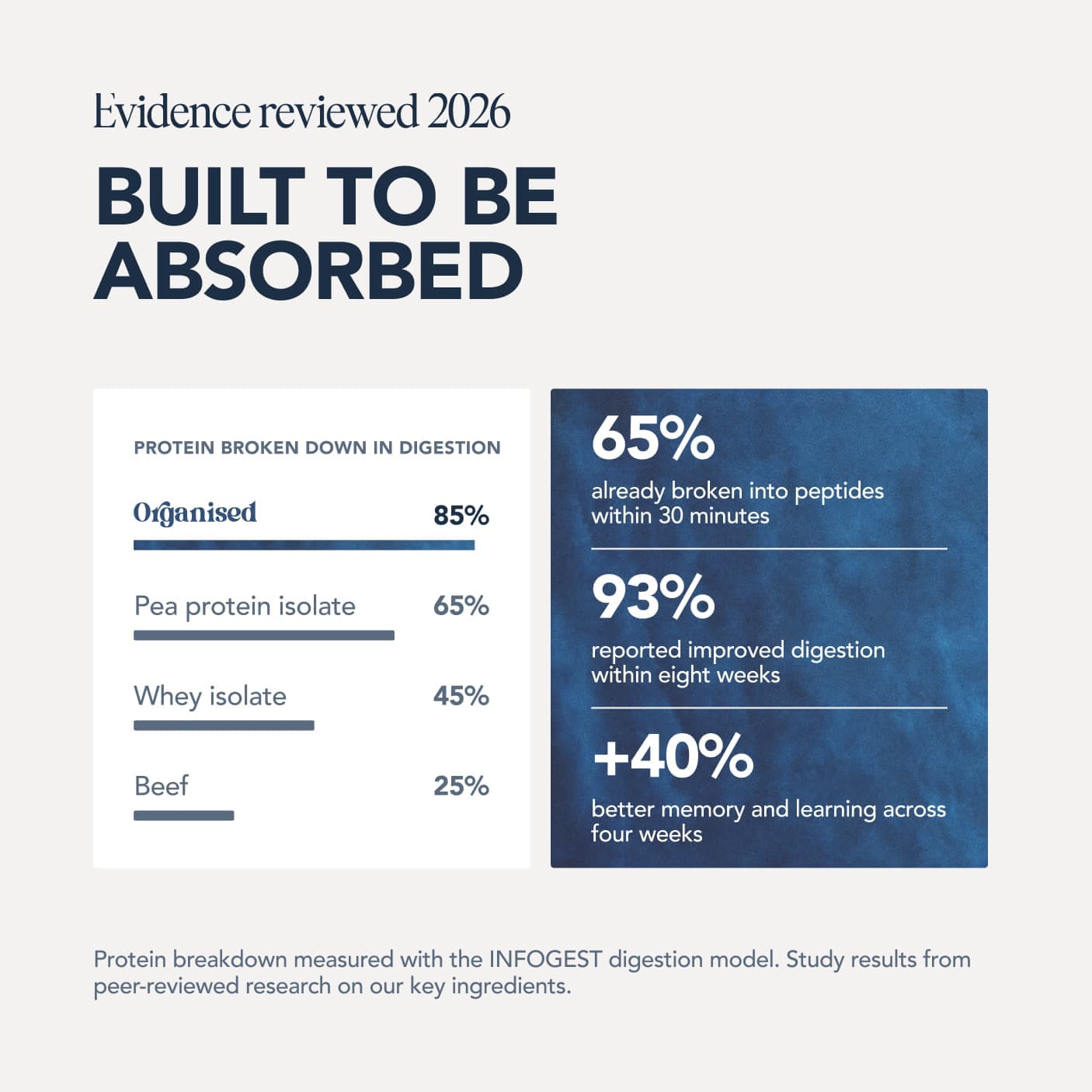
Eight real ingredients built around grass-fed beef organs, collagen and colostrum. Nothing synthetic added.
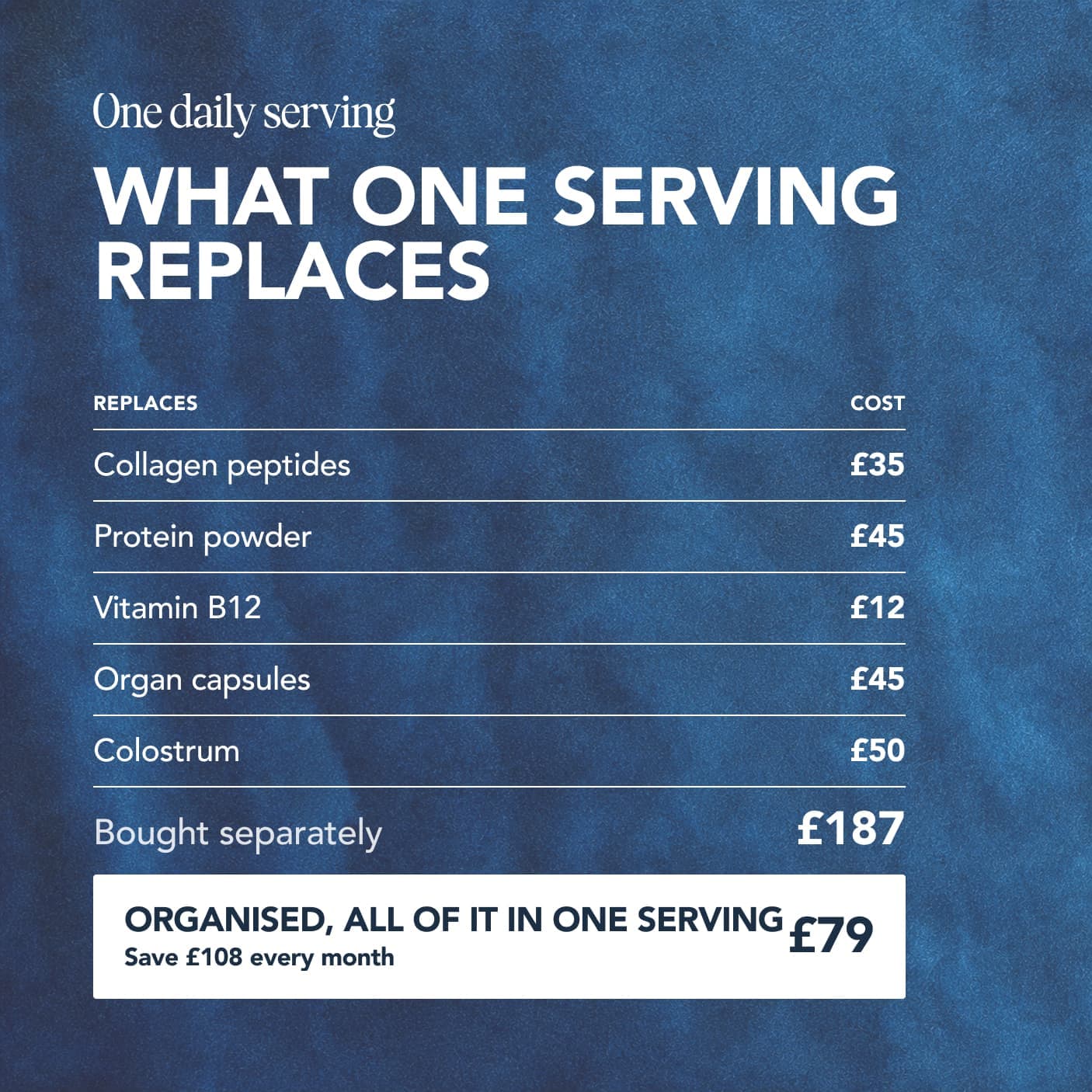
Free with your first order, worth £38. Plus £10 off the pouch with a subscription.

Free UK shipping · Made in England · 100 day money back guarantee on your first pouch · Skip, pause or cancel anytime
The economics of nutrient depletion
This isn't accidental. It's economically rational. A farmer maximising yield maximises profit. Nutrient density doesn't affect yield. It doesn't affect shelf life. It doesn't affect visual appearance. So it isn't optimised for.
Industrial agriculture is a system optimised for calories per acre, not nutrients per calorie. A wheat field producing 40 bushels per acre with lower mineral content is more profitable than a heritage field producing 25 bushels per acre with higher mineral content. The economic incentive points one direction. Nutrition points the other.
As a consumer, you can't fix this on your own. But understanding it means you can make smarter choices. You can source from farmers focused on soil health. You can prioritise organ meats, which bypass the agricultural system entirely. You can accept that supplementation is necessary precisely because agriculture has become nutritionally incomplete.
The bottom line
Modern food is measurably less nutritious than it was fifty years ago. Soil depletion and selective breeding for yield over nutrition are the main culprits. Your body is aware of this deficit.
You can't fix this by eating more. Eating more depleted food is just eating more calories you don't need. You can fix it by eating thoughtfully: sourcing better food where possible, returning to nose-to-tail eating, using traditional preparation methods, and accepting that some supplementation is now necessary to fill gaps that agriculture has created.
Your food isn't as nourishing as it was. But your need for nutrition hasn't changed. Knowing this, you can respond intelligently.
References
Every source below was checked on 27 August 2026. Each PubMed, PMC and DOI identifier was resolved against NCBI or Crossref, and what it opens is printed under the citation, so you can see the link goes where the citation says without leaving the page. Where a citation and its identifier disagreed, the citation was corrected to the record or the reference was deleted along with the sentence marker that pointed at it, and where the resolved paper turned out not to support the sentence, the sentence was cut back to what it does support. Borrowed authority is worse than none, because it looks like rigour.
- Davis DR, Epp MD, Riordan HD. Changes in USDA food composition data for 43 garden crops, 1950 to 1999. J Am Coll Nutr. 2004. PMID 15637215.Checked 27 August 2026: PMID 15637215 opens Davis DR, Epp MD, Riordan HD, Changes in USDA food composition data for 43 garden crops, 1950 to 1999. J Am Coll Nutr 2004;23(6):669-82. PubMed indexes it as: Comparative Study.
- Mayer A-MB, et al. Historical changes in the mineral content of fruit and vegetables in the UK from 1940 to 2019. Int J Food Sci Nutr. 2022. doi.org/10.1080/09637486.2021.1981831.Checked 27 August 2026: doi:10.1080/09637486.2021.1981831 opens Mayer AMB, Trenchard L, Rayns F, Historical changes in the mineral content of fruit and vegetables in the UK from 1940 to 2019: a concern for human nutrition and agriculture International Journal of Food Sciences and Nutrition 2021;73(3):315-326.
Corrections
What this page used to say, and why it no longer says it. Corrections are dated and are never removed, because deleting the record of an error is a second error. Every guide we have corrected is listed at our corrections log.
- 27 August 2026. A pull quote giving a 15 percent fall in broccoli calcium and a 20 percent fall in iron as “documented fact” was replaced. Those figures are not in the cited study and we could not source them.
- 27 August 2026. “Across the board, minerals like calcium, magnesium, iron, and copper had declined significantly” overstated the study it cites. Davis, Epp and Riordan report statistically reliable declines for six nutrients only (protein, calcium, phosphorus, iron, riboflavin and ascorbic acid) and no reliable change for the other seven, which is where magnesium and copper sit. The page now names the six, says the other seven did not move, and reports that about 28 percent of the individual ratios go up rather than down.
Who wrote and reviewed this guide
Niall Kiddle
Author · Founder, Organised
Niall is the founder of Organised. He started the company in 2024 after fixing his own health the slow way: in 2022 he swapped a cupboard of synthetic supplements for real food, raw milk, organ meats, bone broth and honey, and felt the difference within months.
Areas of expertise: Ancestral nutrition, Organ meats, Whole-food supplementation, Gut health, Regenerative sourcing
Read Niall's full profile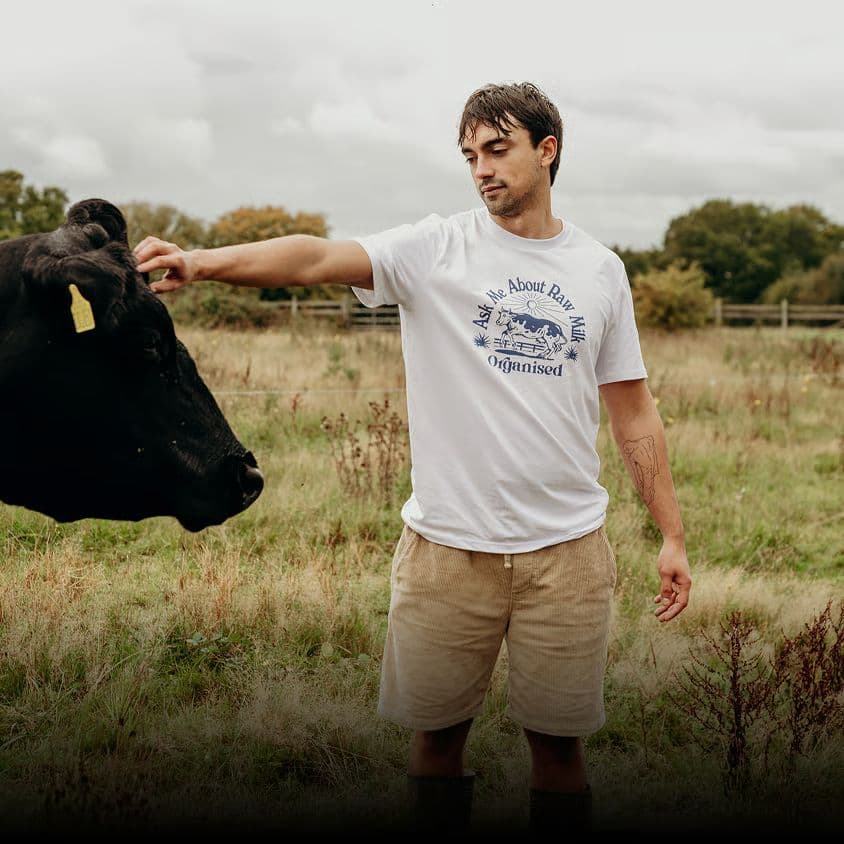
Pedro Rodrigues
Reviewer · Agronomist (farming and sourcing only)
Pedro is the agronomist Organised works with on farming and sourcing. His job on the guides is to keep the science honest: he reviews what we publish about soil health, regenerative agriculture, grazing and the way food is actually produced.
Areas of expertise: Regenerative agriculture, Agronomy, Soil health, Grass-fed farming, Food sourcing
Reviewed this guide on
Read Pedro's full profileMore on food quality
View allBrowse the guides library
All guidesKeep reading
Ancestral
The Problem with Synthetic Multivitamins
Synthetic multivitamins often lack cofactors, absorb poorly, and carry fillers. See why whole food nutrients suit your body better, and what to look for.
Ancestral
Nose-to-Tail for Beginners: Where to Start
New to nose-to-tail eating? Start with liver, then heart, in small amounts. Get simple freezing tips and easy ways to soften the taste as you build up.

Ancestral
What Your Irish Grandmother Knew About Nutrition
Discover the nutrient-dense wisdom of traditional Irish foodways. From raw dairy to root vegetables, what your Irish grandmother understood about real food.
Real food, made effortless
Bring it into my routineA few ways to use it
All recipes
Organ Bolognese: The Family Dinner That Heals
Practical organ meat recipe using fresh beef liver and heart. Family-friendly bolognese that bridges supplements to whole food.
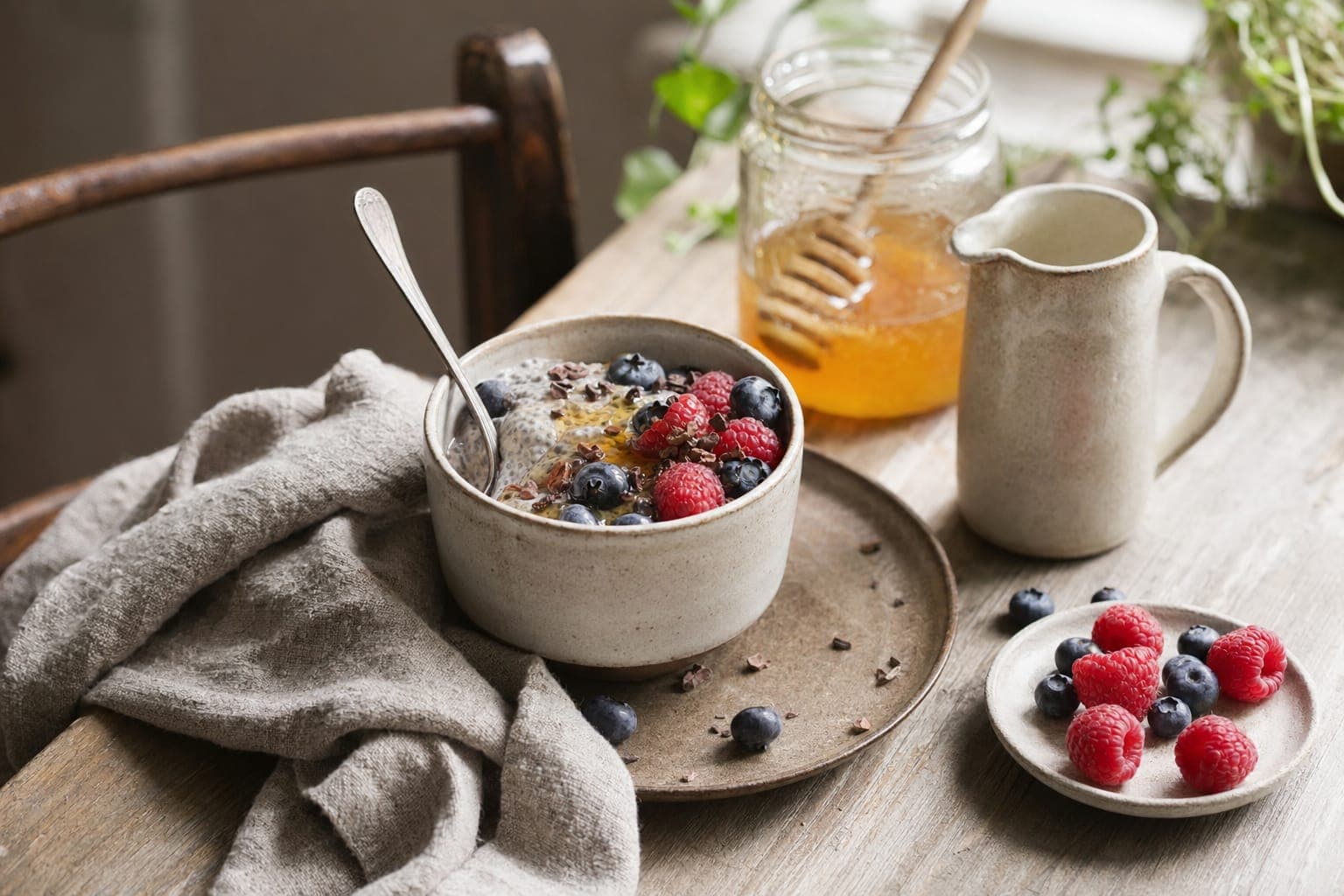
Organised Chia Pudding with Raw Honey and Berries
A no-cook chia seed pudding made with raw milk, collagen, berries, and raw honey. Prep it the night before and eat for breakfast.
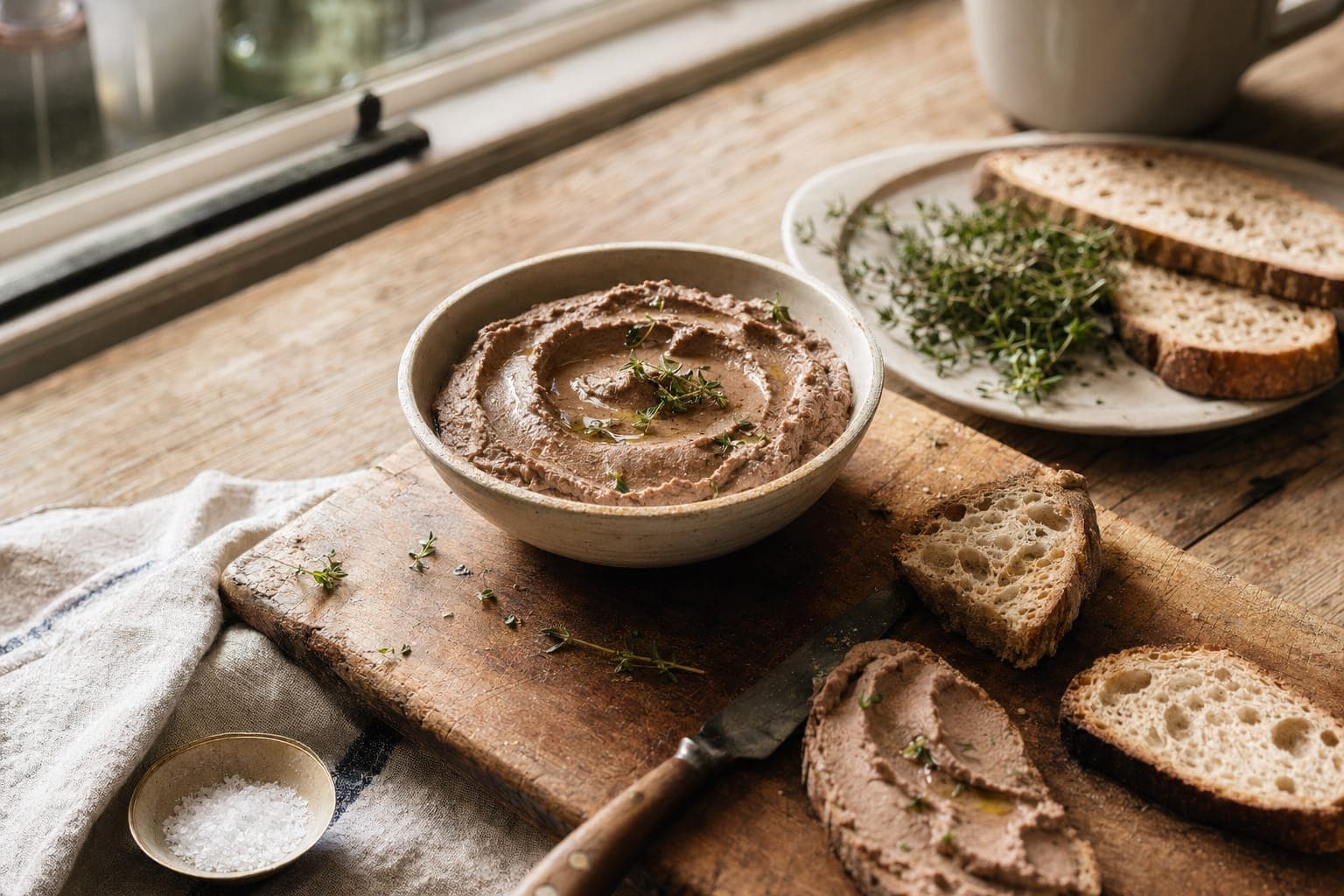
Liver Pate for Beginners: A Gentle Introduction to Organ Meats
Simple liver pate recipe to start eating organ meats. Chicken liver, butter, and herbs. Gentle introduction to nutrient-dense whole foods.


 Join over 100,000+ members
Build a better food system with us
The Organised community is thousands of people choosing real food and backing the farmers who grow it, all of us trying to leave the world a little better than we found it. If that is what you care about too, you belong here.