Why Breakfast Cereal Is the Worst Way to Start Your Day
Breakfast cereal was invented by people who wanted to sell grain that nobody wanted to eat. It worked. But not in the way they hoped.

By Niall Kiddle, Founder, Organised

Reviewed by Pedro Rodrigues, Agronomist (farming and sourcing only) ·
6 min read · Published · Updated · 2 cited sources
Makers of the Organised Daily blend, a grass-fed beef organ supplement from regenerative UK farms
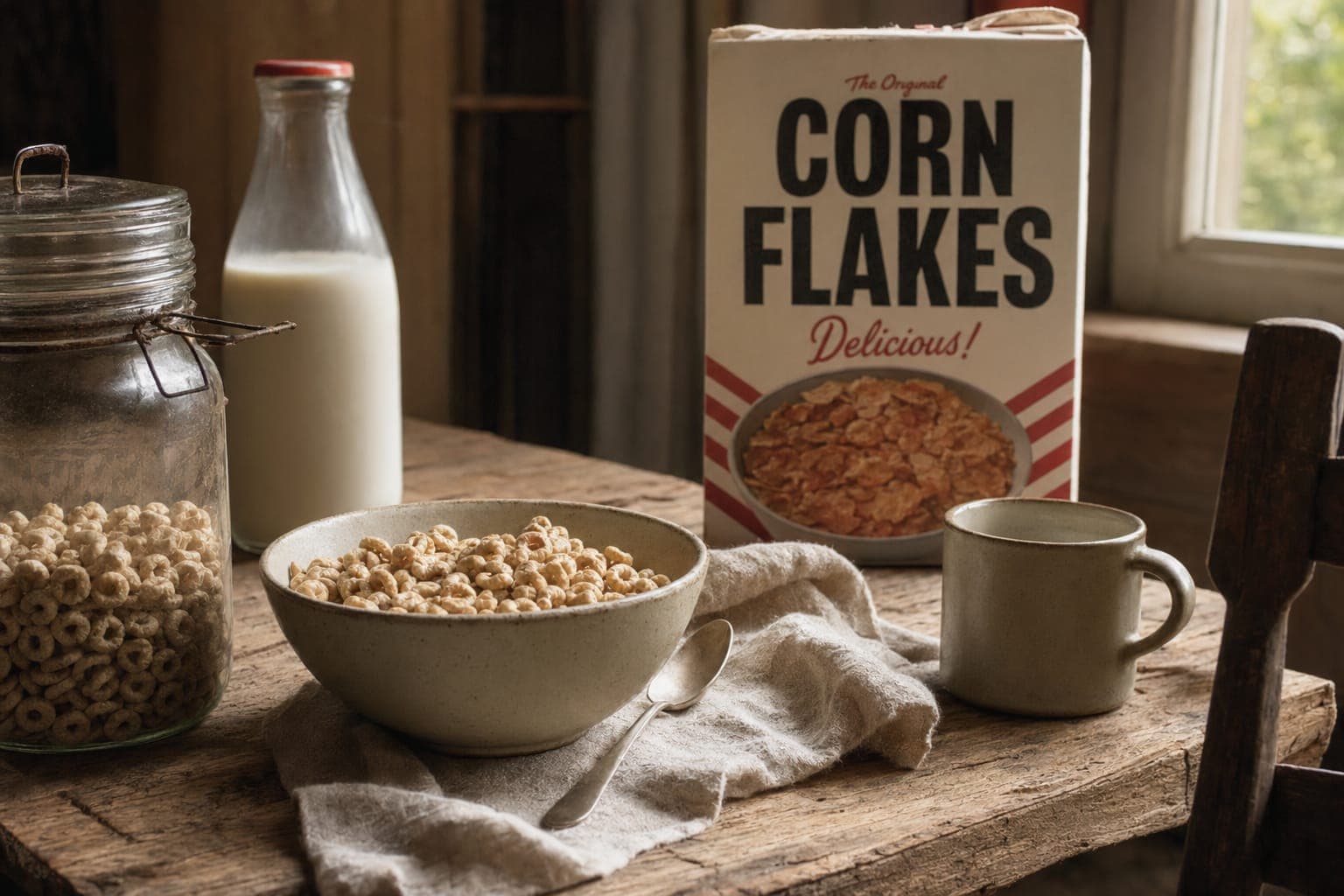
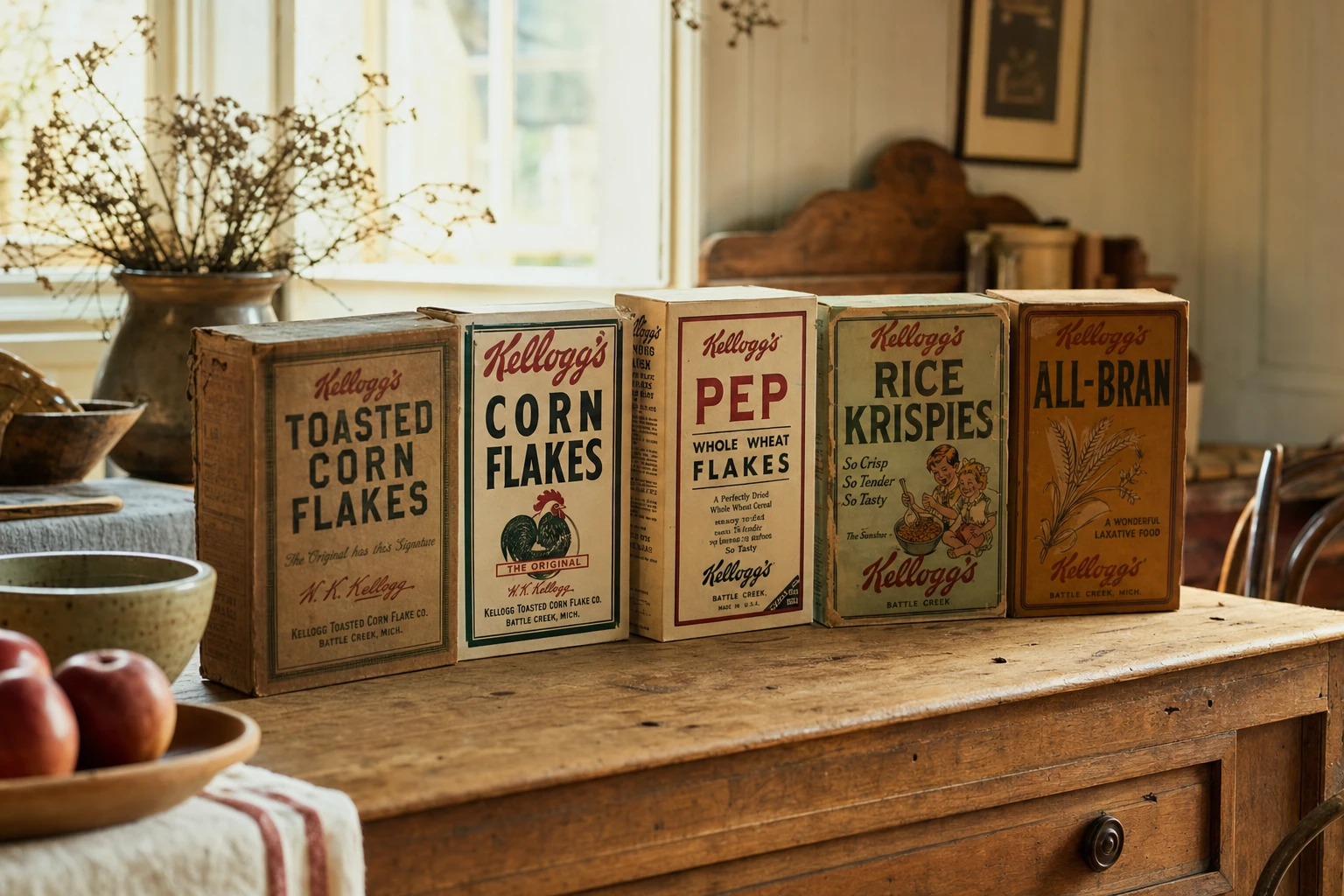
In the early 1900s, John Kellogg ran the Battle Creek Sanitarium in Michigan. It was a health retreat with a particular philosophy: vegetarianism and abstinence from stimulants like meat and coffee. The problem was that people wanted food that tasted good, and plain grains didn't meet that standard.
Kellogg invented cornflakes. He added sugar. He added salt. He created a product that was granular, crunchy, convenient, and addictive. It sold because it tasted good. Then he marketed it as healthy. It worked.
The sugar disguise
The deception starts with the name. Cornflakes. Not sugar flakes. Not refined carbohydrates flakes. Cornflakes. As if corn is the issue and sugar is incidental.
Look at the sugar content of a typical breakfast cereal. 4 grams per serving. Sometimes 8. Some children's cereals contain more sugar than dessert. A single bowl of cereal is equivalent to eating a candy bar. But the bowl is marketed as breakfast.
The sugar comes from multiple sources. Actual added sugar. High-fructose corn syrup. Honey (yes, honey marketed as natural). Dried fruit. The combination creates what researchers call a hyperpalatable food. It hits taste receptors in ways that food never naturally does.
Your brain recognises this. It triggers reward pathways. It triggers cravings. It triggers the desire to eat more. The food is designed to be eaten more than other foods. That's not an accident. That's engineering.
Breakfast cereal contains more sugar than most people should eat in a day. It delivers that sugar on an empty stomach, before eating anything else.
The milk you pour it into is assumed to somehow balance the sugar. It doesn't. Milk has lactose, which is a carbohydrate. Add the cereal sugar to the milk carbohydrate and you're looking at 50 grams of carbohydrate first thing in the morning.
What happens to your blood sugar
Here's the problem. Your blood sugar has rhythms. In the morning, it naturally rises gently. Your cortisol rises to support waking. Your body prepares for activity. This is normal.
Then you eat breakfast cereal. Refined carbohydrates hit your bloodstream within minutes. Your blood sugar spikes rapidly. It's a sudden, steep rise.
Your pancreas responds by releasing insulin. It's trying to bring blood sugar back down. It overshoots. Blood sugar crashes. You feel hungry again by mid-morning. Your energy drops. You reach for a snack.
This is the blood sugar roller coaster. One bite of cereal and you're on it for the entire morning. Your energy swings. Your mood swings. Your ability to concentrate swings.
Compare this to eating eggs, bacon, and vegetables for breakfast. These foods deliver protein and fat. They enter your bloodstream slowly. Your blood sugar rises gently. Insulin is released gradually. Blood sugar stays stable for hours. You don't get hungry until lunch.
The research is consistent: people who eat high-sugar breakfasts tend to have worse energy through the morning and more cravings.2 People who eat protein and fat have stable energy and stable mood.
Cereal creates a blood sugar crash by mid-morning. That crash creates hunger and cravings. The cycle repeats. You feel like you're failing. You're not. The food is just bad.

Morning cortisol and the cereal trap
Cortisol follows a rhythm. It naturally rises in the morning to wake you. It naturally falls throughout the day. This rhythm supports healthy sleep and wake cycles.1
Eating a high-sugar breakfast spikes cortisol further. Your body perceives the blood sugar spike as stress. It releases more cortisol to manage it. Your sympathetic nervous system activates.
You're now starting your day in a stress state. Your body thinks it's in survival mode. This suppresses parasympathetic function. Your digestion suffers. Your immune system suffers. Your mood suffers.
By 10 AM, your cortisol has fallen too far. You feel the crash. You feel tired. Anxious. Foggy. So you reach for coffee. Coffee spikes cortisol again. You're creating multiple spikes and crashes throughout the morning, all triggered by that initial breakfast cereal.
Someone who eats eggs and vegetables for breakfast maintains a stable cortisol rhythm. Their nervous system stays calm. Their digestion works well. Their immune system functions properly. Their energy is stable.
The cereal breakfast is not just bad nutrition. It's endocrine disruption. You're starting your day by destabilising your most important stress hormone.
Get ancestral nutrition guides, free
Two short reads a week on traditional ways of eating, examined with modern evidence.
By signing up you agree to receive emails from us. No spam, unsubscribe anytime.
The Kellogg's empire
John Kellogg's cereal was a business success because it was genius marketing, not because it was healthy. He created a product, claimed it was nutritious, and people believed him because he was a doctor and ran a sanitarium.
The reality was that he was selling processed grain and sugar while claiming he was promoting health. The breakfast cereal industry grew from this foundation. It's built on claiming that refined carbohydrates fortified with synthetic vitamins is a healthy breakfast.
The fortification is the sleight of hand. Because the grains are so refined, they've lost virtually all their nutrition. So manufacturers add synthetic vitamins back in. They call it fortified. They market it as nutritious. They've taken a depleted grain, added sugar, and added synthetic vitamins. And they call it breakfast.
Meanwhile, they've convinced generations that this is the normal way to start a day. Parents feed cereal to children because it's convenient and the marketing says it's healthy. Children grow up expecting cereal for breakfast. The cycle continues.
Breakfast cereal was invented by marketing genius and dietary negligence. It survives through the same forces today.

Synthetic fortification is not nutrition
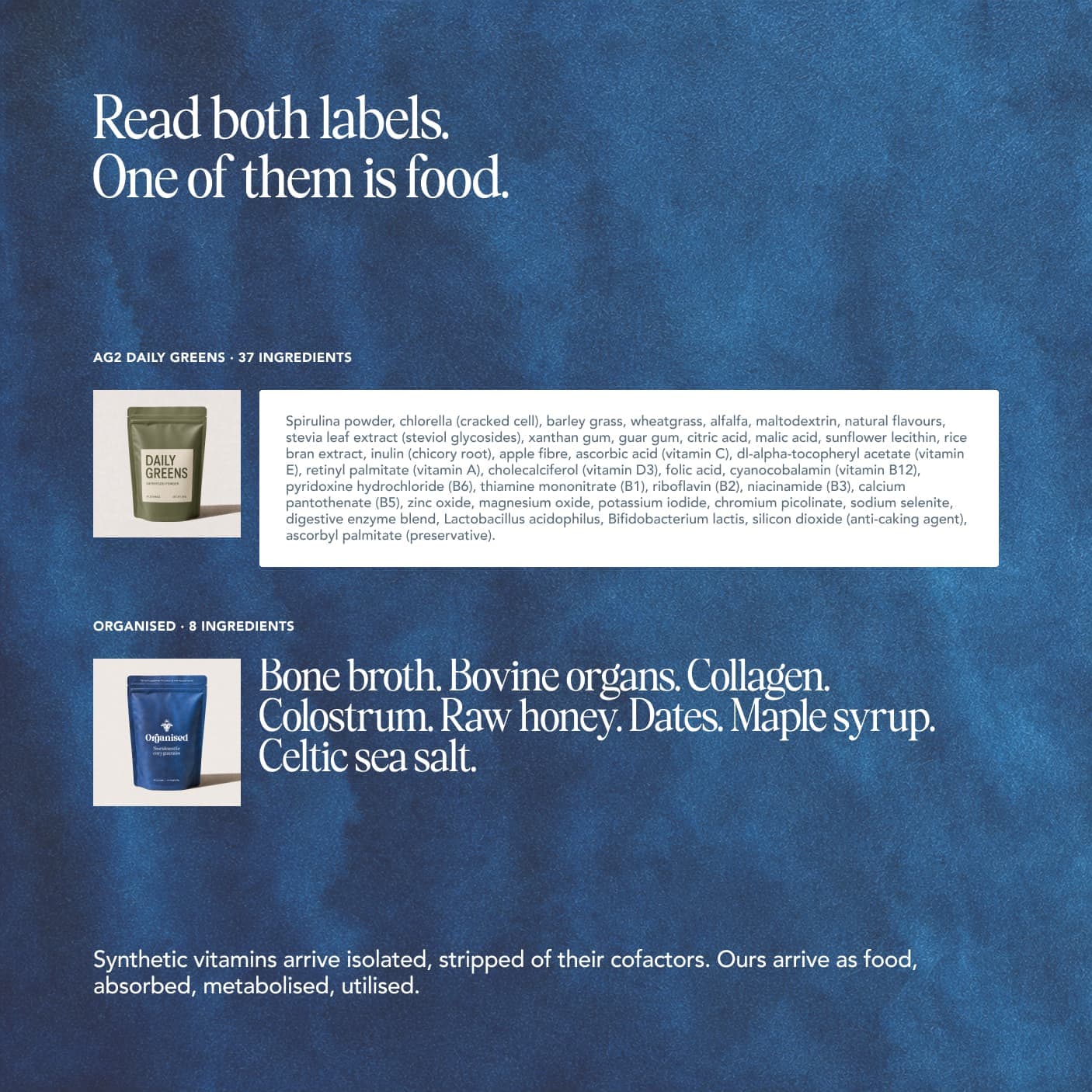
Fortified cereal contains vitamins. But they're synthetic vitamins, isolated from food. Your body doesn't recognise them as well as vitamins from food.
A bowl of cereal might contain synthetic B vitamins, synthetic vitamin D, synthetic iron. These are not the same as B vitamins from eggs, vitamin D from dairy, or iron from meat.
The synthetic vitamins have poor absorption. The cofactors required for metabolism are missing. Your body uses less of the vitamin than it would from food. And you've still consumed 40 grams of refined carbohydrates and 8 grams of sugar.
So you're getting poor-quality nutrition plus metabolic disruption. You're trading real food for fortified grain and calling it a win.
Fortified doesn't mean nutritious. It means depleted food with synthetic vitamins added back in. It's not the same as real food.
1 of 9
Daily blend
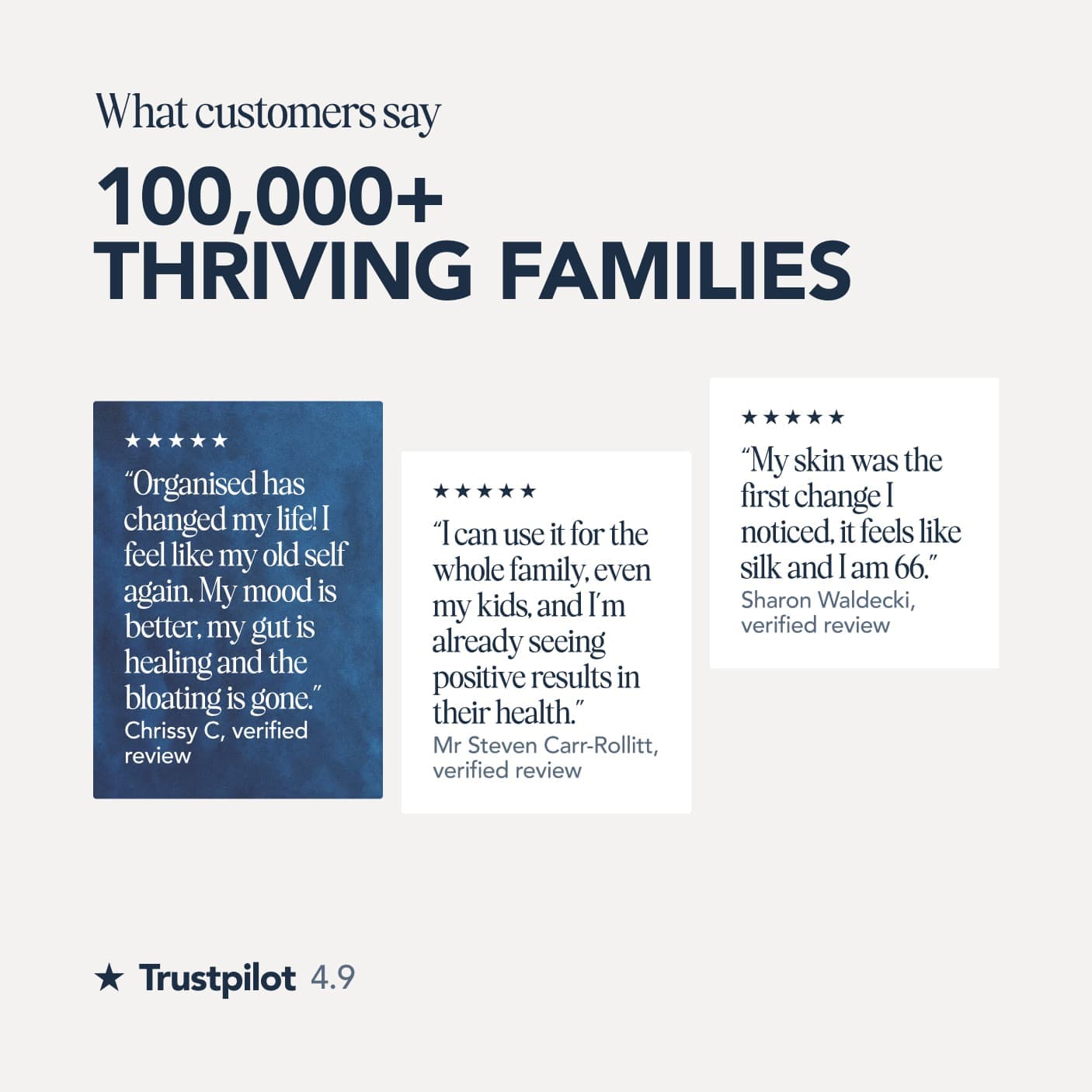
100,000+ thriving families4.9 on Trustpilot
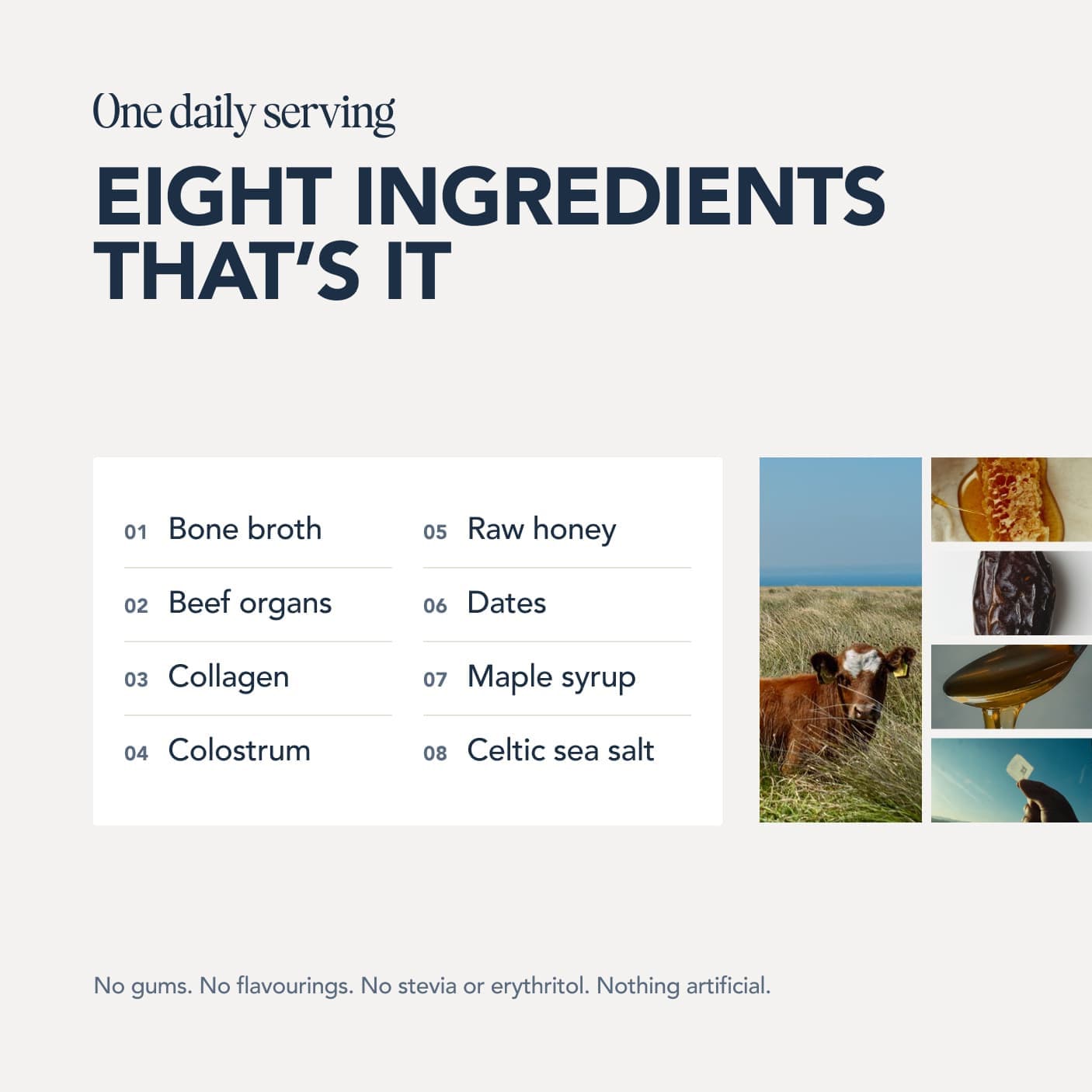
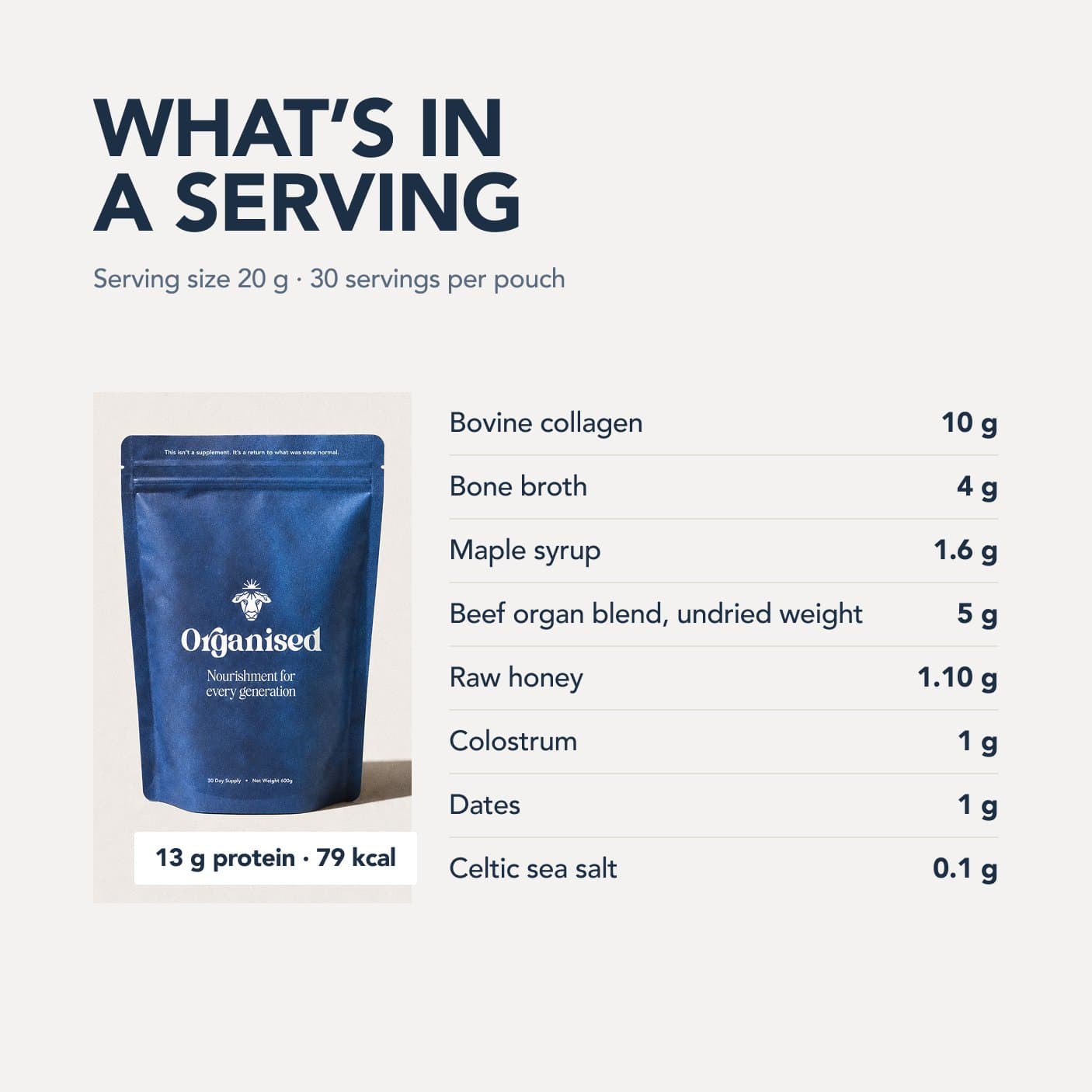
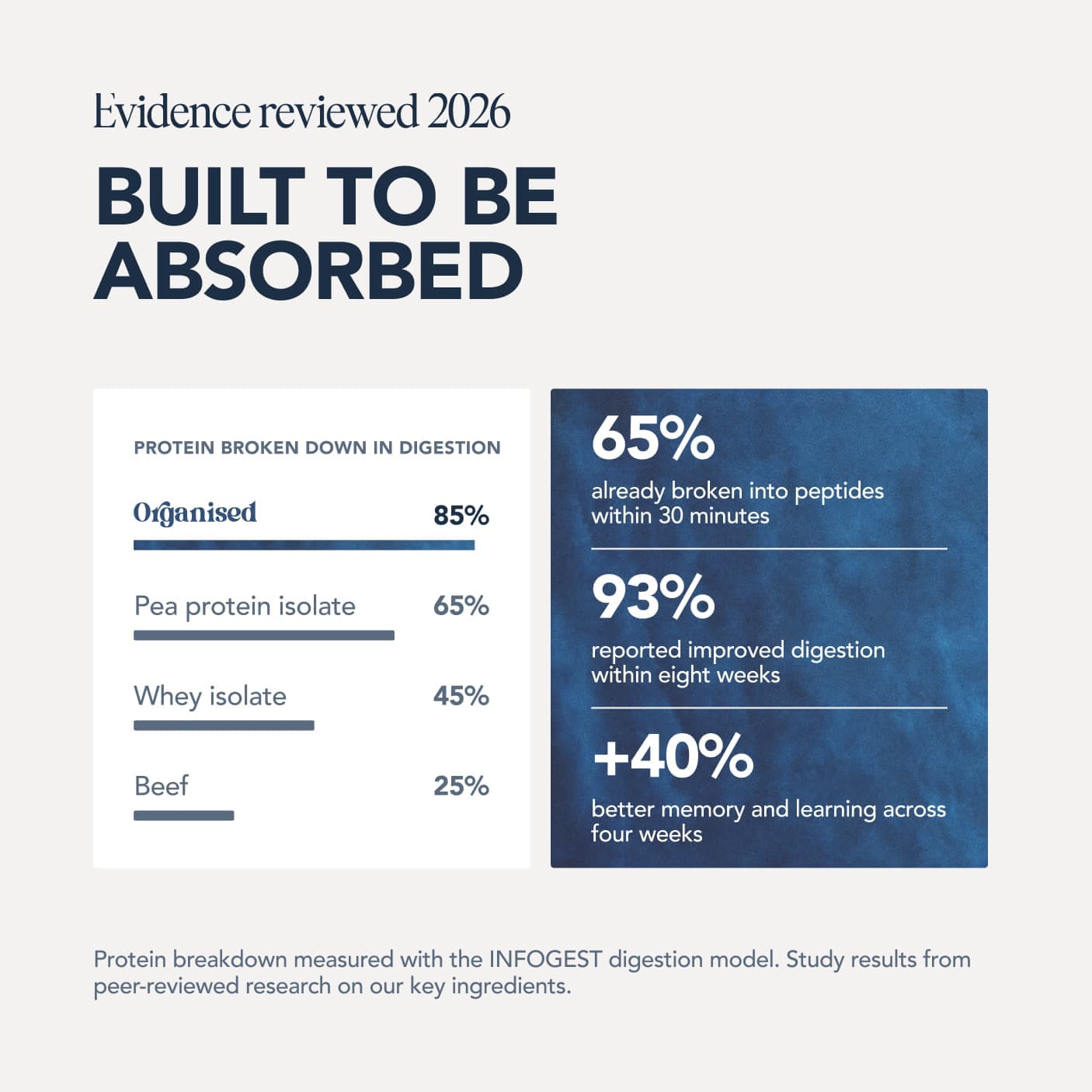
Eight real ingredients built around grass-fed beef organs, collagen and colostrum. Nothing synthetic added.
Free with your first order, worth £38. Plus £10 off the pouch with a subscription.

Free UK shipping · Made in England · 100 day money back guarantee on your first pouch · Skip, pause or cancel anytime
What to eat instead
Eggs with butter and salt. Bacon and vegetables. Smoked salmon and avocado. Bone broth with vegetables. Leftover roasted meat and sweet potato. Greek yoghurt with nuts and berries.
Any of these is infinitely superior to cereal. They contain real nutrition. They stabilise blood sugar. They stabilise cortisol. They keep you satisfied until lunch.
They take slightly longer to prepare than pouring cereal. Five minutes instead of two. That's the real cost. Not money. Not complexity. Five minutes of your morning.
If you must eat something quick, make overnight oats from whole oats, not processed cereal. Add eggs. Add cheese. Add meat. Make it real food.
The breakfast that serves your body is the one that takes five minutes to prepare. Not the one that takes two and costs your health.
The bottom line
Breakfast cereal is a processed food disguised as breakfast. It spikes your blood sugar. It destabilises your cortisol. It creates energy crashes and cravings. It's engineered to be addictive.
It was invented to sell grain. It's marketed as health because the marketing works. But it's not health. It's convenient nutrition disruption.
Start tomorrow with eggs instead. Notice how you feel. Notice your energy at 10 AM. Notice your afternoon mood. Notice whether you actually get hungry at lunch or whether you're still running on the morning meal.
One meal won't change everything. But it will show you what your body is capable of when it's not sabotaged by breakfast cereal.
References
Every source below was checked on 27 August 2026. Each PubMed, PMC and DOI identifier was resolved against NCBI or Crossref, and what it opens is printed under the citation, so you can see the link goes where the citation says without leaving the page. Where a citation and its identifier disagreed, the citation was corrected to the record or the reference was deleted along with the sentence marker that pointed at it, and where the resolved paper turned out not to support the sentence, the sentence was cut back to what it does support. Borrowed authority is worse than none, because it looks like rigour.
- Adam EK, Quinn ME, Tavernier R, et al. Diurnal cortisol slopes and mental and physical health outcomes: A systematic review and meta-analysis. Psychoneuroendocrinology. https://pmc.ncbi.nlm.nih.gov/articles/PMC5568897/ [accessed May 2026].Checked 27 August 2026: PMC5568897 opens Adam EK, Quinn ME, Tavernier R et al, Diurnal cortisol slopes and mental and physical health outcomes: A systematic review and meta-analysis. Psychoneuroendocrinology 2017;83:25-41. PubMed indexes it as: Meta-Analysis, Systematic Review.The authors' own declaration, from the record: Conflicts of Interest. The authors have no conflicts of interest to report.
- Wyatt P, Berry SE, Finlayson G, et al. Postprandial glycaemic dips predict appetite and energy intake in healthy individuals. Nat Metab. https://pubmed.ncbi.nlm.nih.gov/33846643/ [accessed May 2026].Checked 27 August 2026: PMID 33846643 opens Wyatt P, Berry SE, Finlayson G et al, Postprandial glycaemic dips predict appetite and energy intake in healthy individuals. Nat Metab 2021;3(4):523-529. PubMed indexes it as: Multicenter Study.The authors' own declaration, from the record: Conflict of interest statement: TD Spector, SE Berry, AM Valdes, PW Franks, A Chan are consultants to Zoe Global Ltd (“Zoe”). J Wolf, G Hadjigeorgiou, H Al Khatib, P Wyatt and I Linenberg are or have been employees of Zoe. JE Blundell is a member of Zoe Global scientific Advisory Board. Other authors have no conflict of interest to declare.
Who wrote and reviewed this guide
Niall Kiddle
Author · Founder, Organised
Niall is the founder of Organised. He started the company in 2024 after fixing his own health the slow way: in 2022 he swapped a cupboard of synthetic supplements for real food, raw milk, organ meats, bone broth and honey, and felt the difference within months.
Areas of expertise: Ancestral nutrition, Organ meats, Whole-food supplementation, Gut health, Regenerative sourcing
Read Niall's full profile
Pedro Rodrigues
Reviewer · Agronomist (farming and sourcing only)
Pedro is the agronomist Organised works with on farming and sourcing. His job on the guides is to keep the science honest: he reviews what we publish about soil health, regenerative agriculture, grazing and the way food is actually produced.
Areas of expertise: Regenerative agriculture, Agronomy, Soil health, Grass-fed farming, Food sourcing
Reviewed this guide on
Read Pedro's full profileMore on modern food
View allBrowse the guides library
All guidesKeep reading
Ancestral
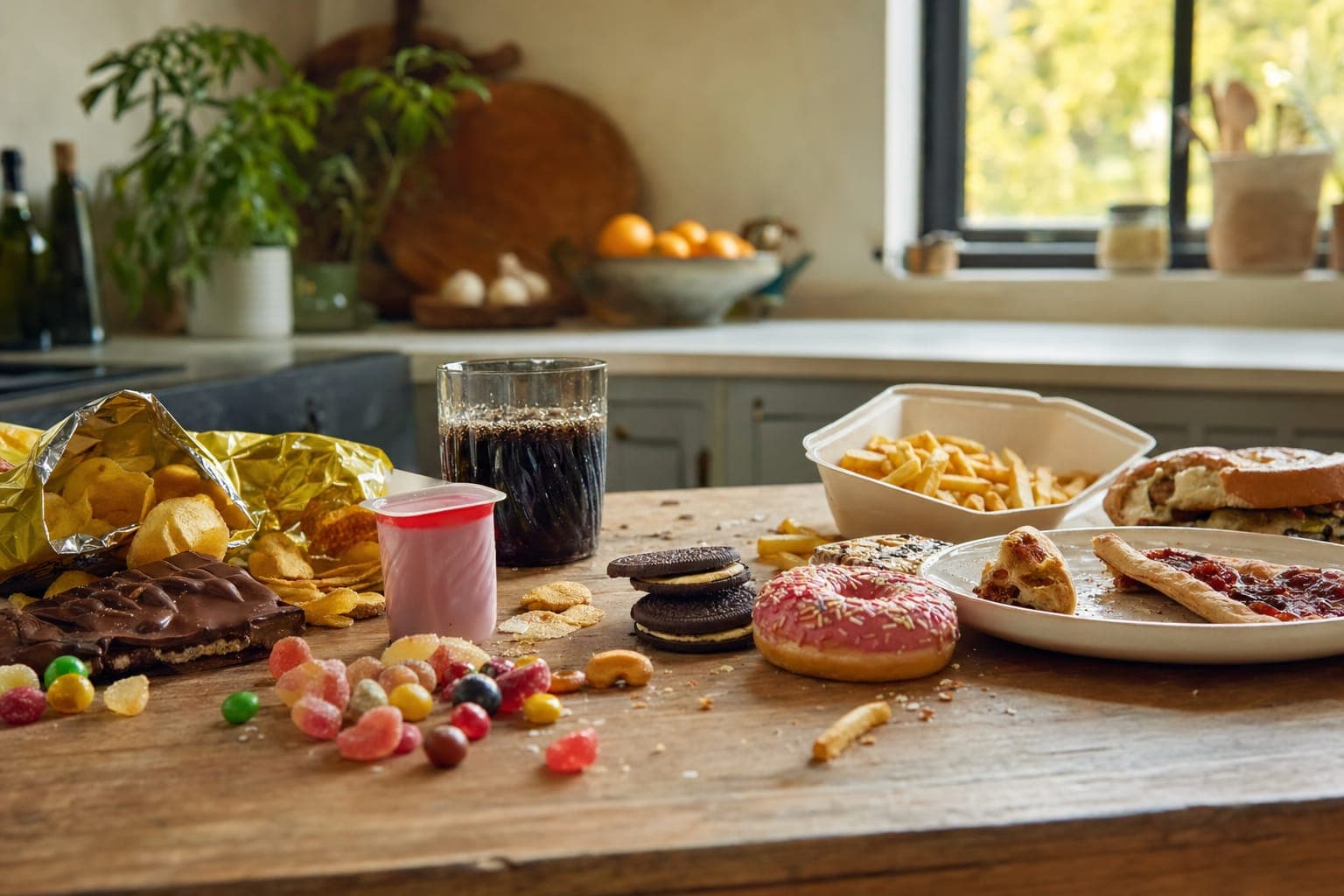
Ultra-Processed Food: What It Does to Your Body
What ultra-processed food actually does to your body. From appetite dysregulation to inflammation, here's why it matters.
Ancestral
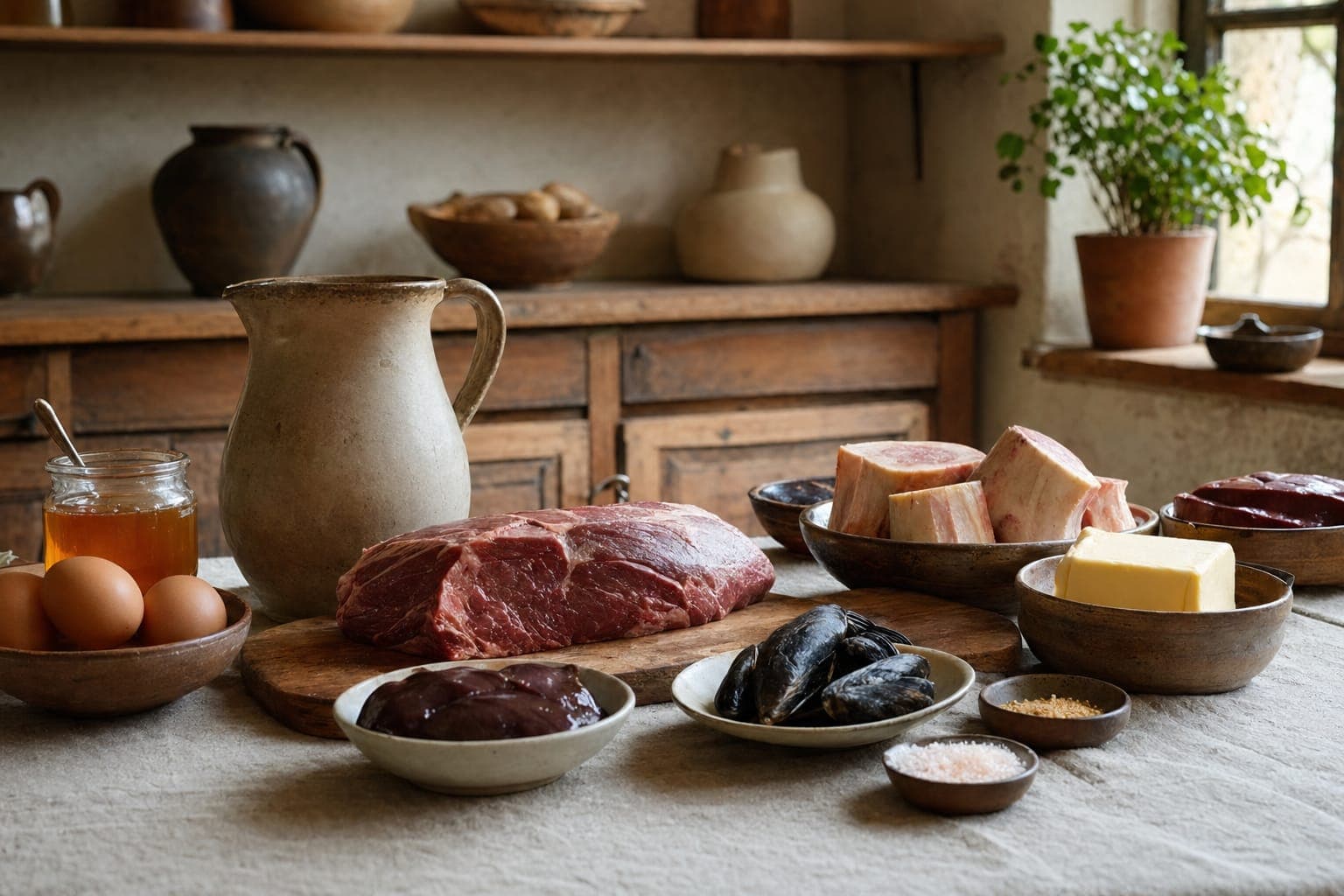
8 Ingredients. Nothing Else. The Organised Approach.
See why Organised is built from just 8 whole food ingredients, with no fillers, no synthetics and no compromise. A simpler approach to nutrition.
Ancestral
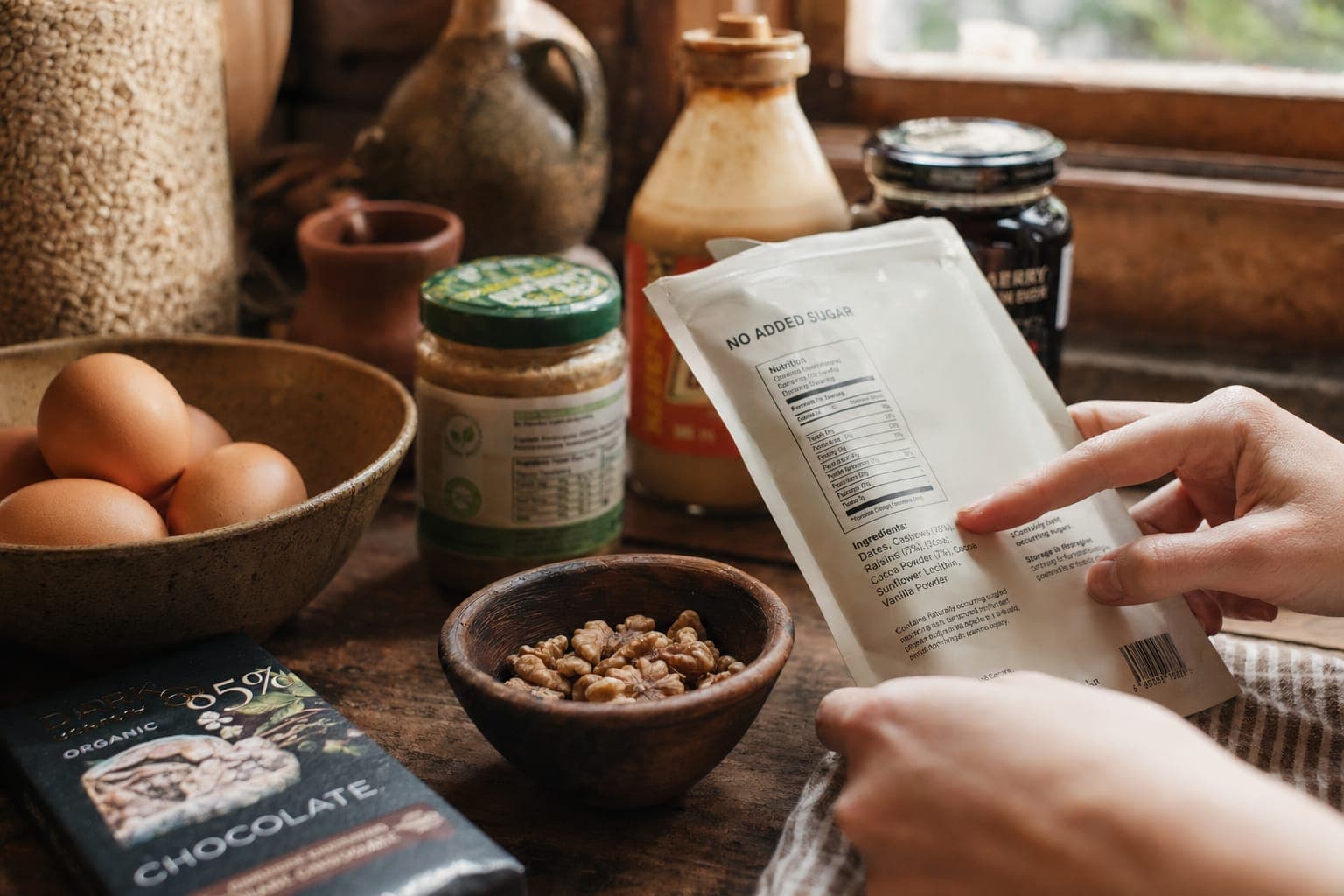
What 'No Added Sugar' Really Means on Food Labels
Decode the lies of food labels. 56 names for sugar, 'no added sugar' loopholes, and how to read ingredients to actually find real food.
Real food, made effortless
Bring it into my routineA few ways to use it
All recipes
Raw Milk Hot Chocolate with Collagen
A nourishing evening hot chocolate made with raw milk, grass-fed collagen, raw cacao, and honey. A nighttime ritual that supports sleep and gut health.

Energy Balls with Organised, Dates and Raw Honey
Make no-bake energy balls with Organised, dates, and raw honey. Perfect lunch box, pre-workout, or on-the-go snack. Simple recipe.
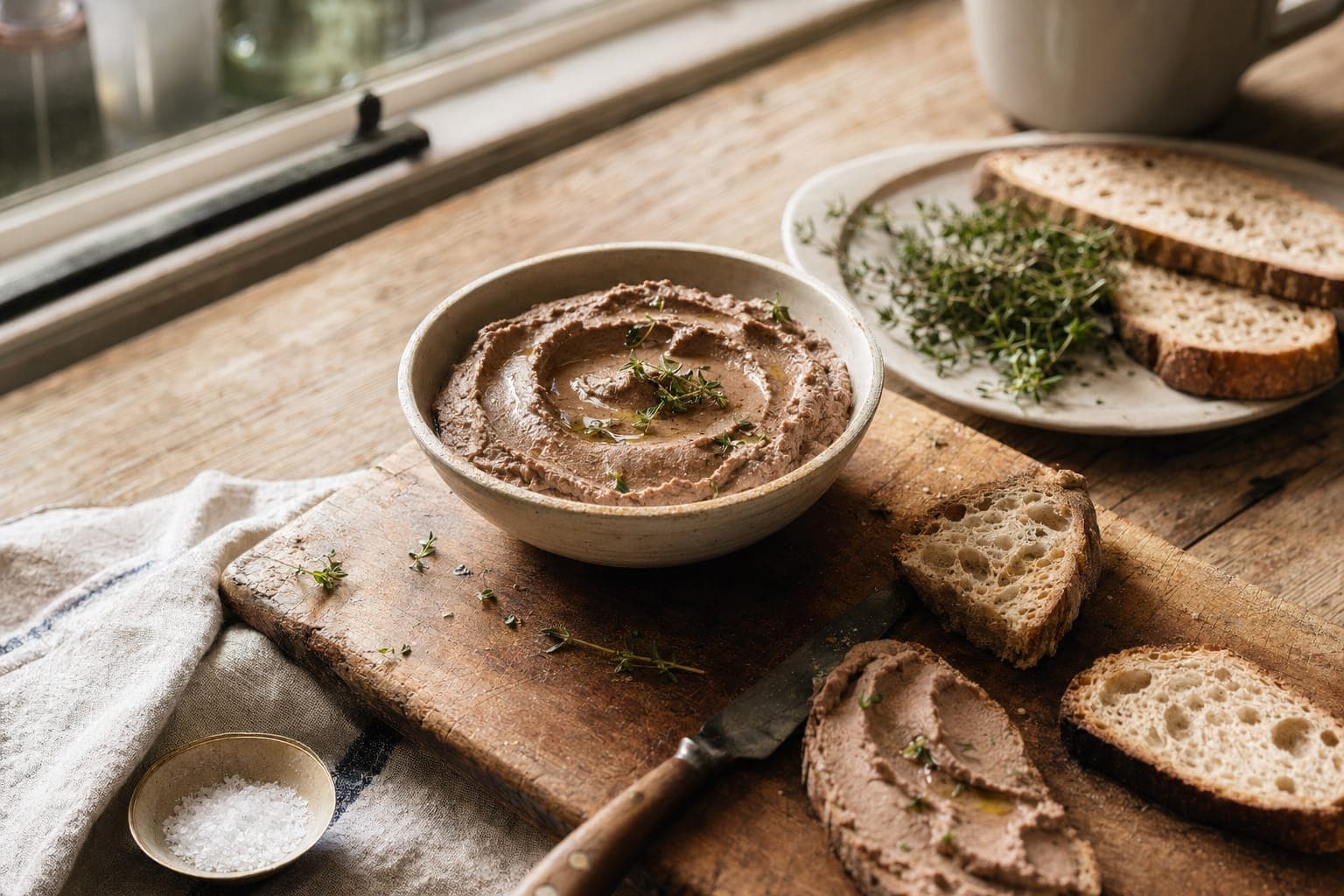
Liver Pate for Beginners: A Gentle Introduction to Organ Meats
Simple liver pate recipe to start eating organ meats. Chicken liver, butter, and herbs. Gentle introduction to nutrient-dense whole foods.


 Join over 100,000+ members
Build a better food system with us
The Organised community is thousands of people choosing real food and backing the farmers who grow it, all of us trying to leave the world a little better than we found it. If that is what you care about too, you belong here.