Why Butter Is Back (And Why It Never Should Have Left)
For 60 years, butter was the villain. Saturated fat would destroy your heart, everyone said. Margarine was modern, scientific, better. Your grandmother was wrong. So we replaced butter with seed oils and margarine. And rates of heart disease, obesity, and metabolic disease skyrocketed. It's time to admit we got it wrong.
By Niall Kiddle, Founder, Organised

Reviewed by Pedro Rodrigues, Agronomist (farming and sourcing only) ·
5 min read · Published · Updated · 3 cited sources
Makers of the Organised Daily blend, a grass-fed beef organ supplement from regenerative UK farms
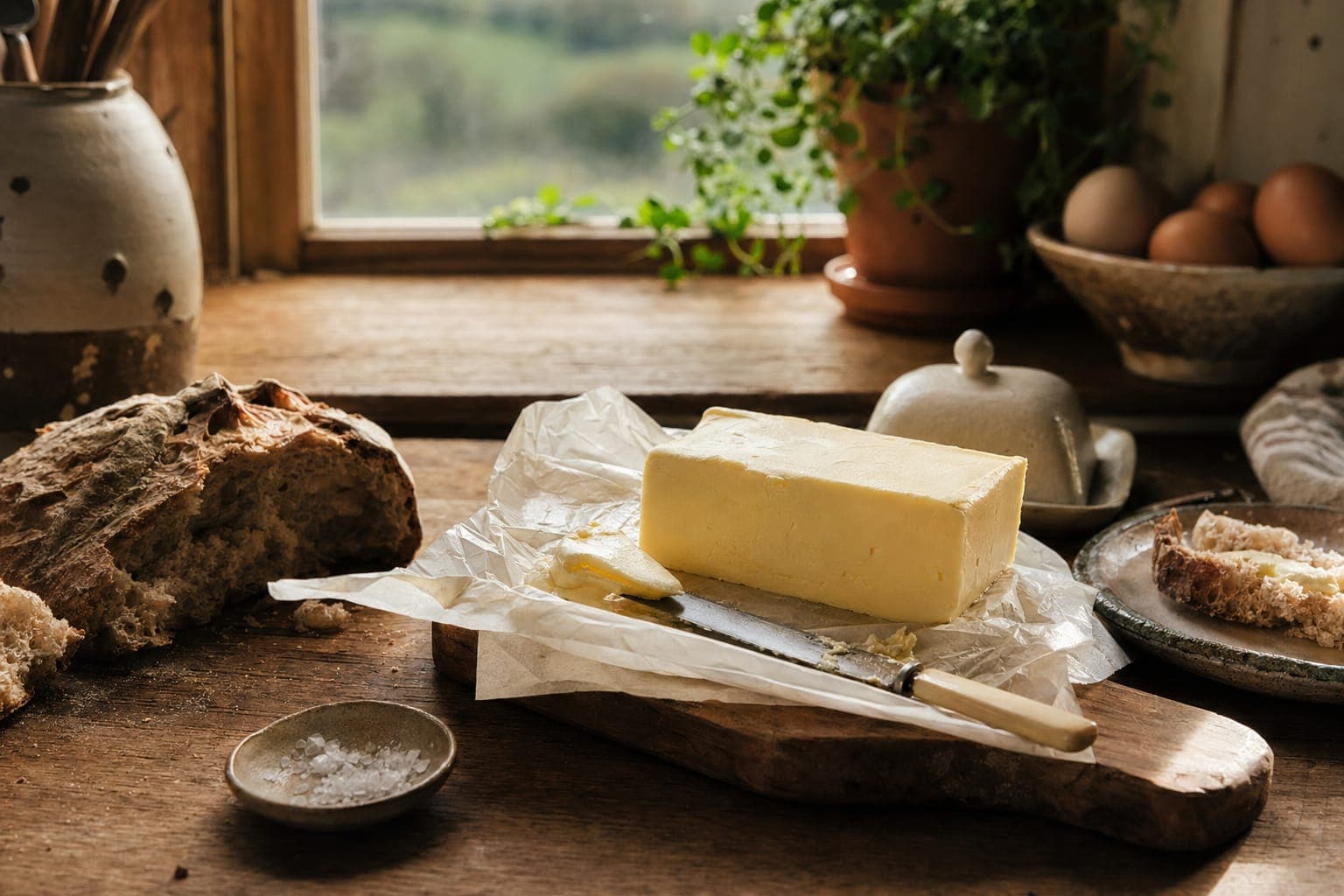
Butter didn't go anywhere. It was replaced. And everything that replaced it has turned out to be worse. This is one of the biggest nutritional mistakes of the modern era. And it's being quietly reversed now that the data is becoming impossible to ignore.
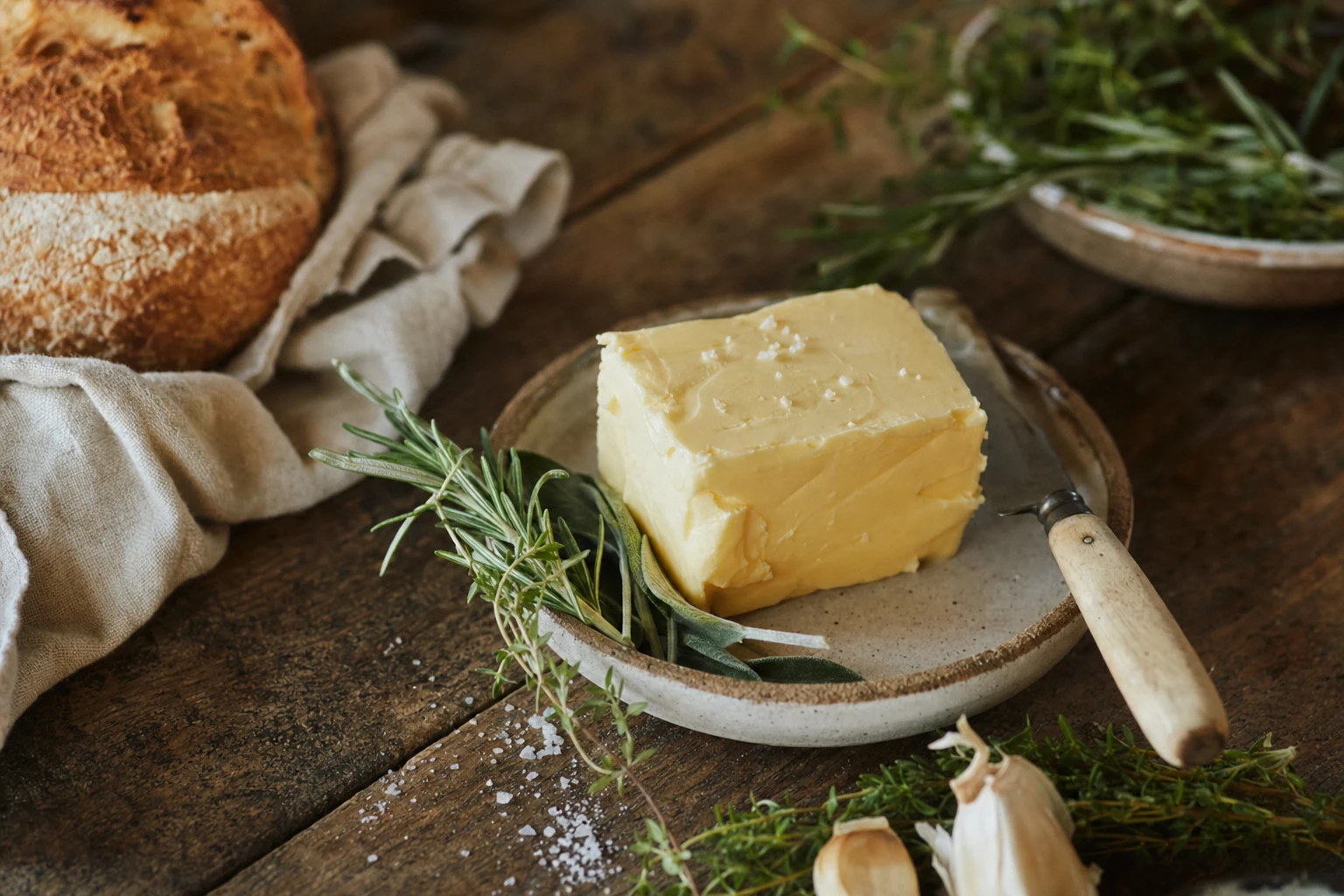
The margarine experiment that failed
Margarine was invented in the 1860s as a cheaper alternative to butter. But it sat on shelves, largely ignored, until the 1960s. Then the anti-fat narrative took hold. Saturated fat causes heart disease, the reasoning went. Margarine, made from vegetable oils, has no cholesterol and is mostly unsaturated fat. So margarine became health food. Butter became dangerous.
Recent meta-analyses have re-examined the saturated-fat-and-cardiovascular-disease hypothesis. A 2010 meta-analysis by Siri-Tarino and colleagues of 21 prospective cohort studies (347,747 participants) found no significant evidence for concluding that dietary saturated fat is associated with an increased risk of CHD or CVD.1
Margarine was pushed in schools, hospitals, and government nutrition guidelines. Generations grew up believing butter was bad and margarine was healthy. And during those decades, obesity rates tripled, diabetes exploded, and heart disease didn't decline the way the hypothesis predicted.
Margarine was never food. It was a processed product created in a factory by hydrogenating vegetable oils. We made it health food through marketing, not evidence.
What happened to butter consumption
In the 1950s, butter consumption was around 10-15 kilograms per person per year in most developed countries. By the 1990s, it had dropped to 3-5 kilograms. That butter had to be replaced with something. Seed oils and margarine filled the gap.
As butter consumption dropped, consumption of seed oils (soy, canola, sunflower) increased dramatically. By the 2000s, the average person was consuming 20-30 percent of their calories from seed oils, up from nearly nothing a century prior.
This wasn't because seed oils were better. It was because they were cheap, they were shelf-stable, and they fit the anti-fat narrative. Food manufacturers loved them because they were industrial and could be processed into any form.
Seed oils and the polyunsaturated fat problem
Seed oils are high in polyunsaturated fats, particularly omega-6 polyunsaturates. In modest amounts, polyunsaturated fats are fine. But in the quantities modern diets contain them, they create problems.
The issue is oxidation. Polyunsaturated fats are unstable. They oxidise easily, both during processing and cooking, and even in your body. This creates oxidised lipid metabolites and free radicals that trigger inflammation.
Additionally, the omega-6 to omega-3 ratio in seed oils is severely skewed. A ratio of 50:1 or higher, compared to the ancestral ratio of roughly 1:1. This chronic imbalance drives systemic inflammation.
Finally, seed oils are heavily processed with chemicals. Extraction uses solvents, refinement uses heat and bleaching agents, and storage uses antioxidant additives. The final product is as far from real food as you can get.
What butter actually contains
Butter is fat from milk, typically with water and milk solids removed. It's almost entirely fat: saturated, monounsaturated, and polyunsaturated in roughly equal proportions.
But butter also contains:
- Butyrate, a short-chain fatty acid that feeds your colonic cells and supports gut health
- Fat-soluble vitamins: A, D, E, K2, all bioavailable
- Conjugated linoleic acid (CLA), a fatty acid associated with improved metabolic health
- Phospholipids crucial for cell membranes and brain function
- Cholesterol, essential for hormone production and brain health
None of this is present in seed oils. And all of it is essential for human health. Butter isn't just fat. It's a whole food with a complex nutrient profile your body recognises and uses.
Get ancestral nutrition guides, free
Two short reads a week on traditional ways of eating, examined with modern evidence.
By signing up you agree to receive emails from us. No spam, unsubscribe anytime.
K2: the missing nutrient in modern diets
Vitamin K2 is produced by bacteria in the gut and found in fermented foods and the meat and dairy of grass-fed animals. It's essential for bone health, cardiovascular health, and proper calcium metabolism.
Vitamin K, including the menaquinone (K2) forms found in fermented foods and ruminant fat, is required for activation of bone- and vascular-related proteins. Observational studies have associated higher menaquinone intake with lower coronary heart disease mortality.3
Modern diets are chronically deficient in K2 because we switched from pastured animal products to industrial ones, and we eliminated fermented foods from the diet. The result is a population with poor bone health, cardiovascular calcification, and metabolic problems. K2 deficiency is part of the picture.
Butter from pastured cows isn't just fat. It's a K2 supplement. Your ancestors knew this. They just called it butter.
Pastured versus industrial butter
Not all butter is created equal. Butter from a cow grazing on grass is a different food from butter from a cow eating grain in a feedlot.
Pastured butter contains:
- Higher K2 content (up to 5 times higher)
- Better omega-6 to omega-3 ratio
- More CLA
- More fat-soluble vitamins
- Deeper yellow colour indicating higher carotenoid content
Brands like Kerrygold (widely available in UK supermarkets) produce butter from pastured cows. You can see the difference immediately: the colour is golden-yellow, not pale white. This colour is carotenoids and indicates higher nutrient density.
The comeback: why science is changing
The anti-fat narrative has been substantially revised. Recent research shows:2
- Saturated fat consumption isn't associated with increased heart disease in most populations
- Seed oil consumption is associated with increased inflammation and metabolic disease
- People who consume butter have no worse cardiovascular outcomes than those who consume margarine
- Low-fat diets don't produce better weight loss or health outcomes than higher-fat whole-food diets
None of this is shocking if you look at global populations. Populations eating high amounts of saturated fat (from pastured animals and coconut) have low rates of metabolic disease when they don't consume processed foods. The problem wasn't the saturated fat. It was the processed food and seed oils.
1 of 9
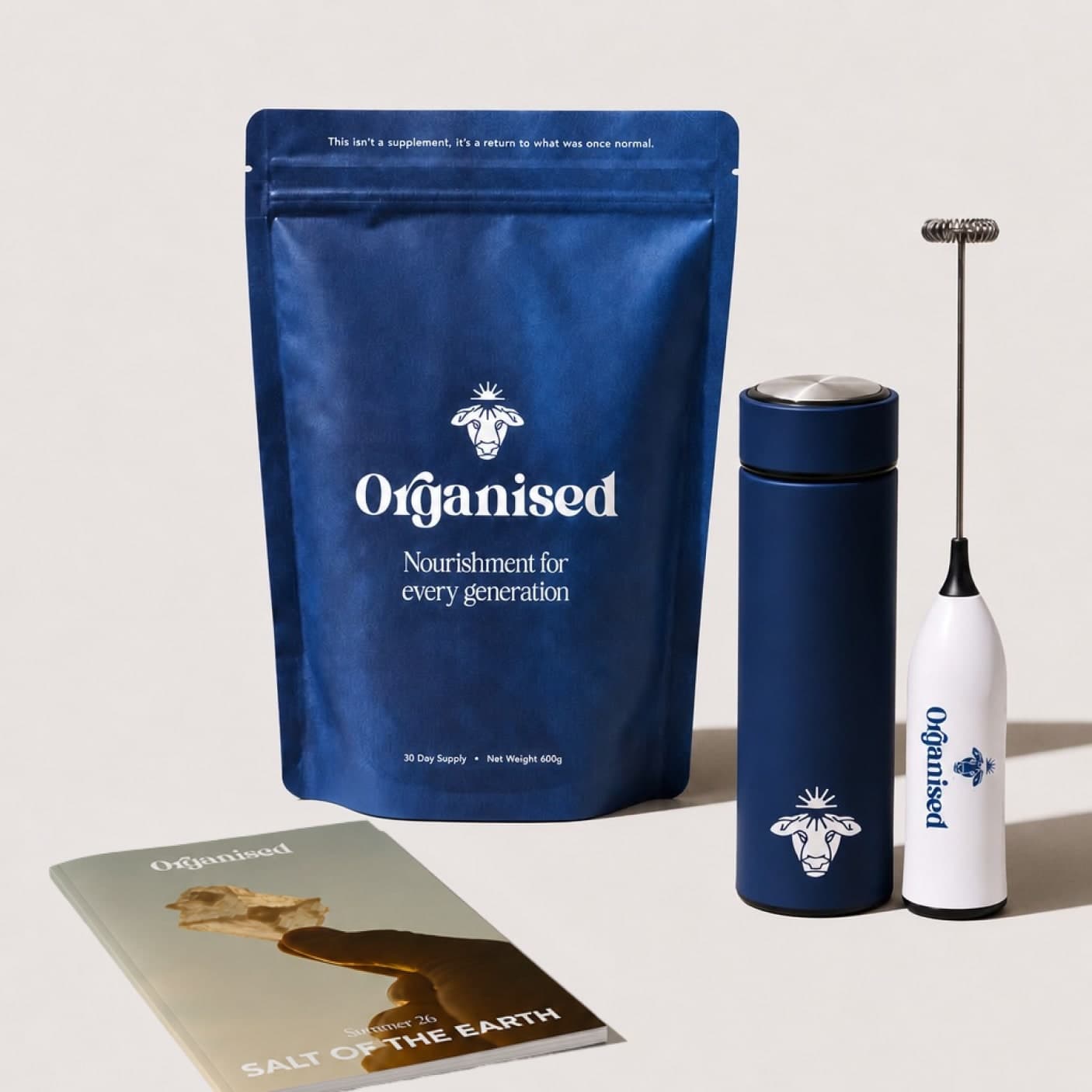
Daily blend
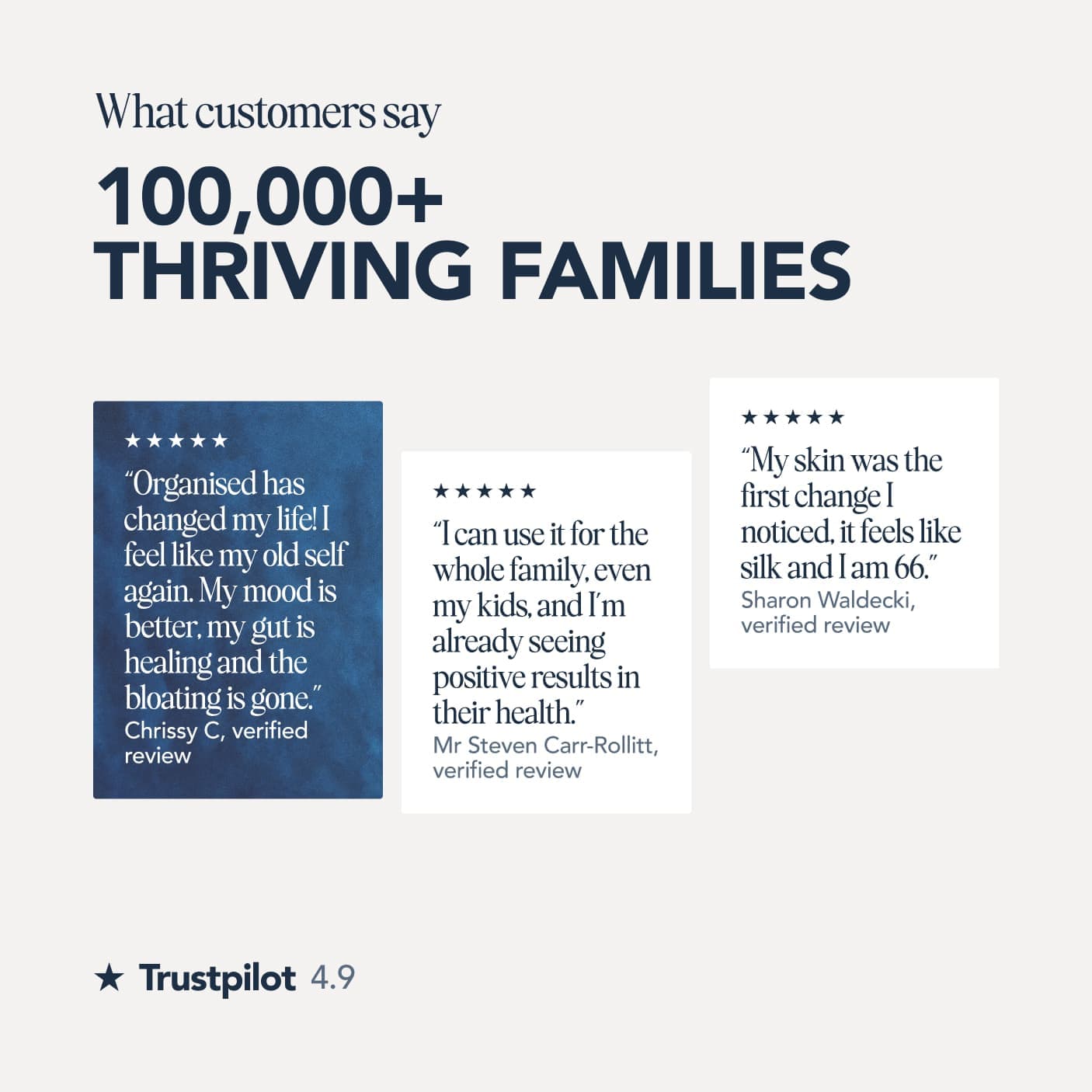
100,000+ thriving families4.9 on Trustpilot
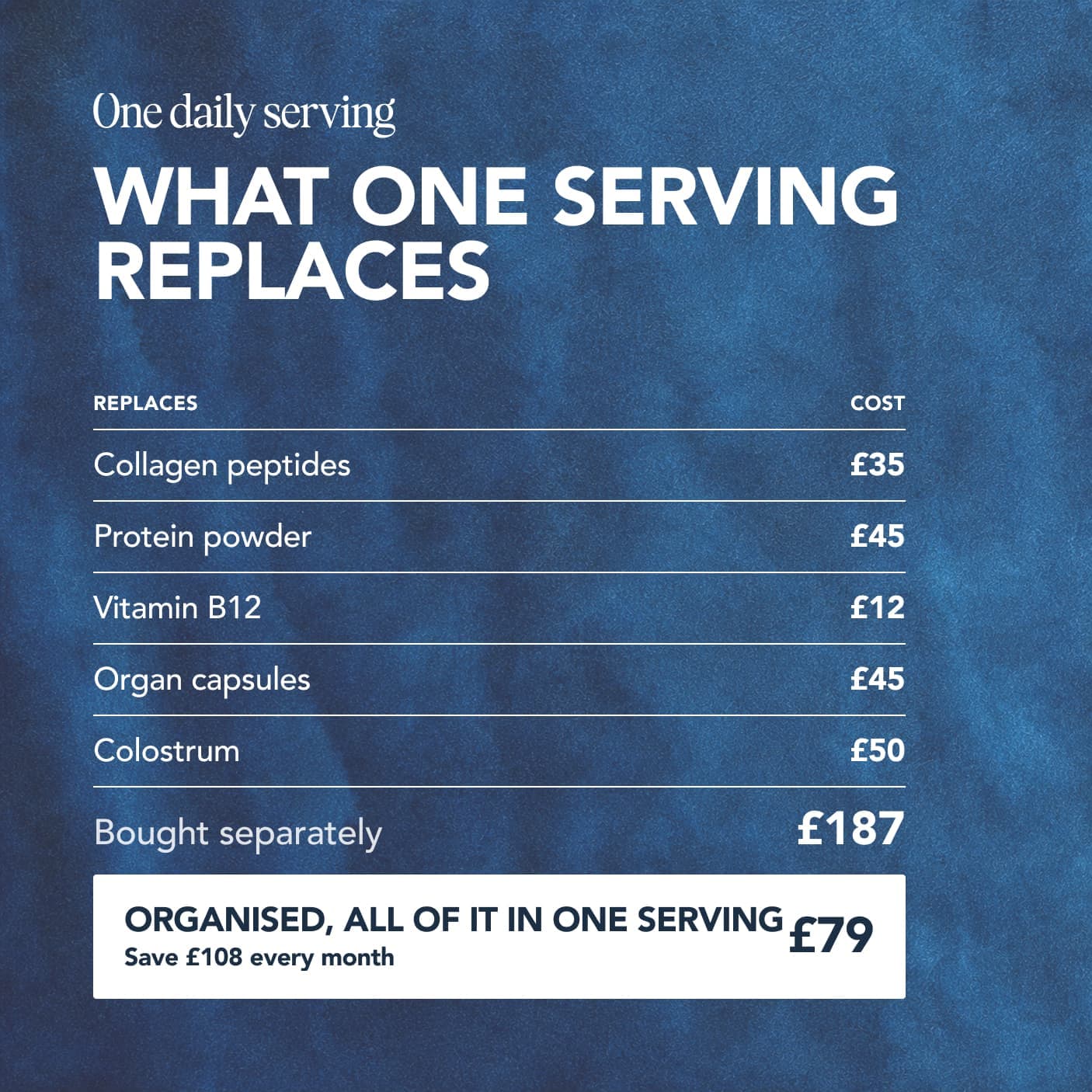
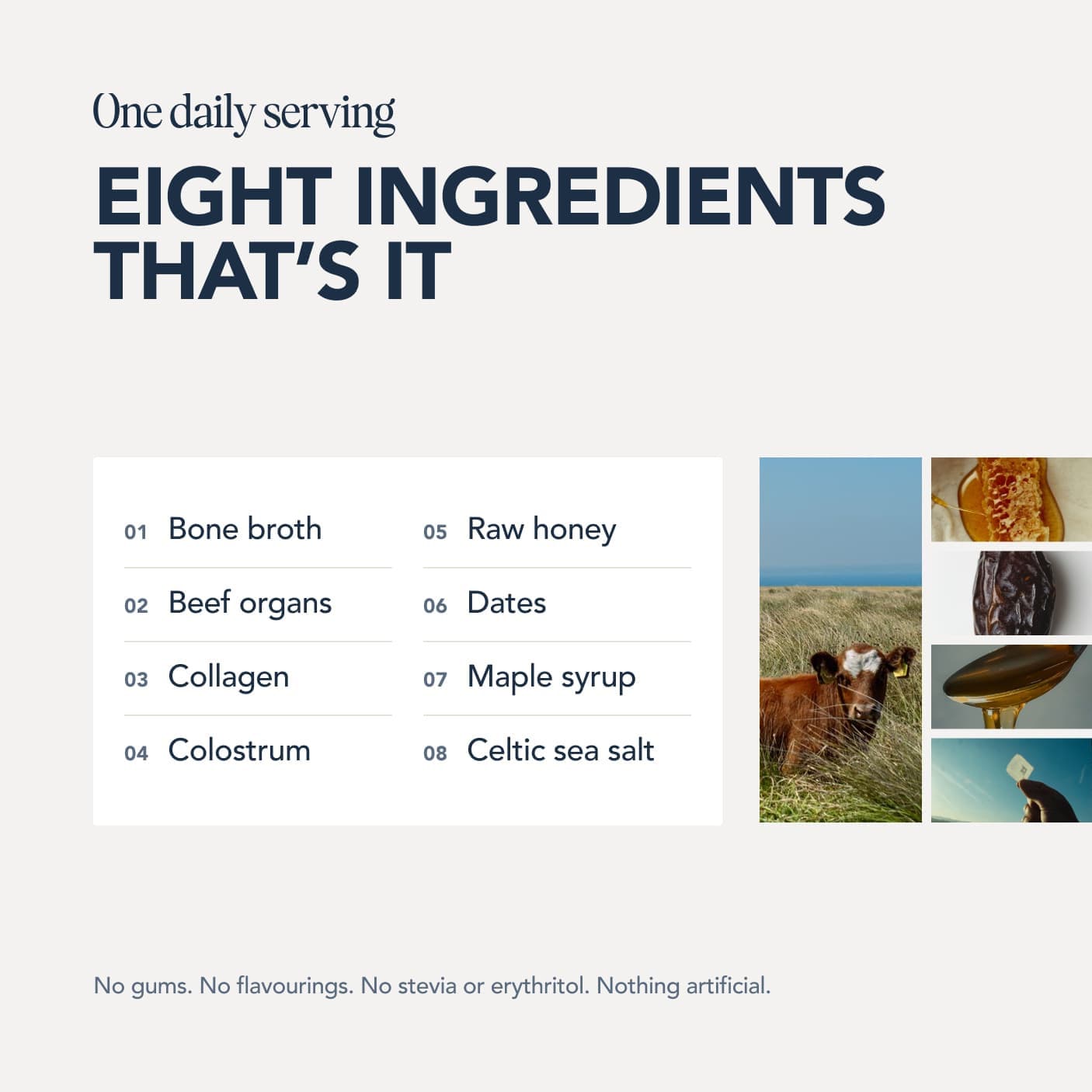
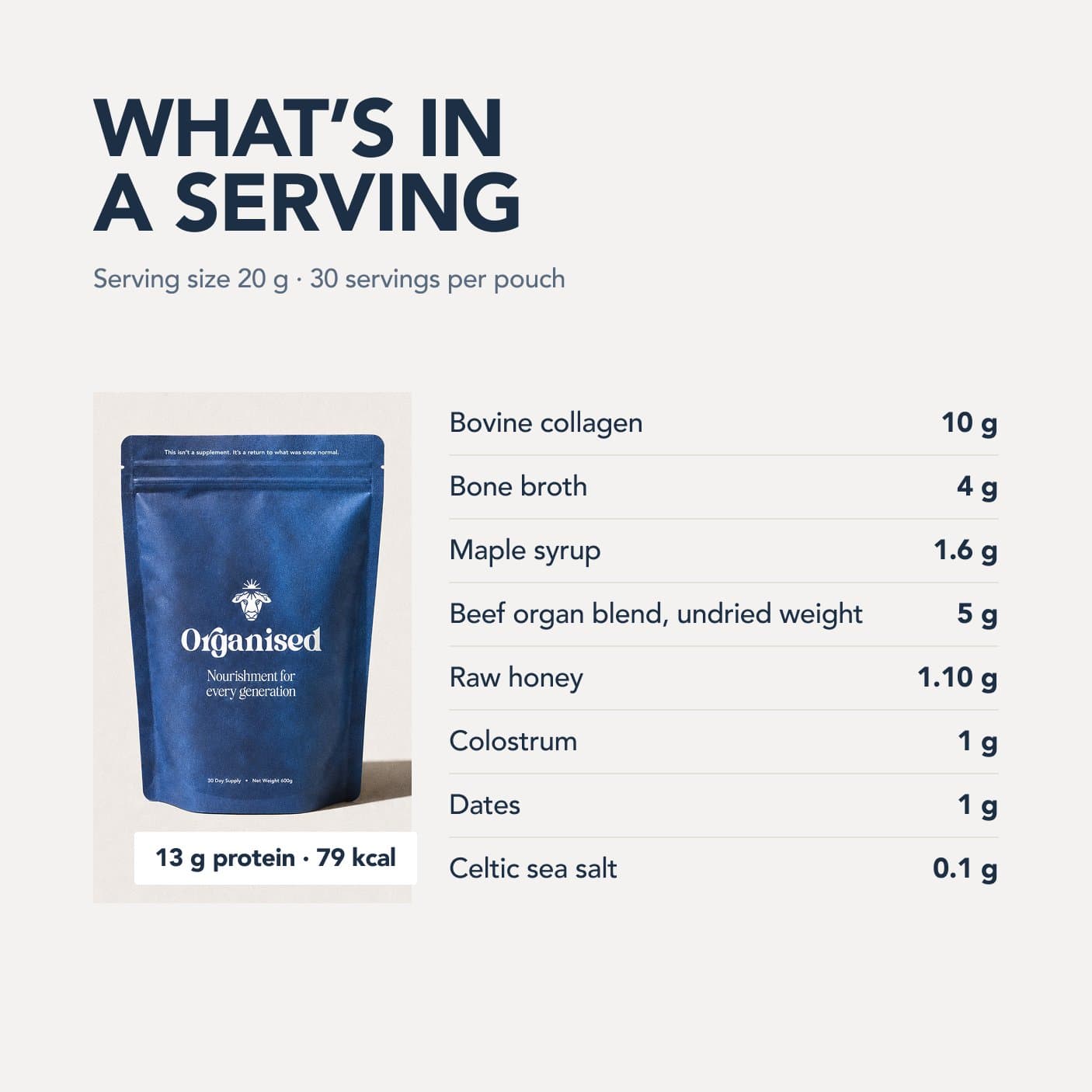
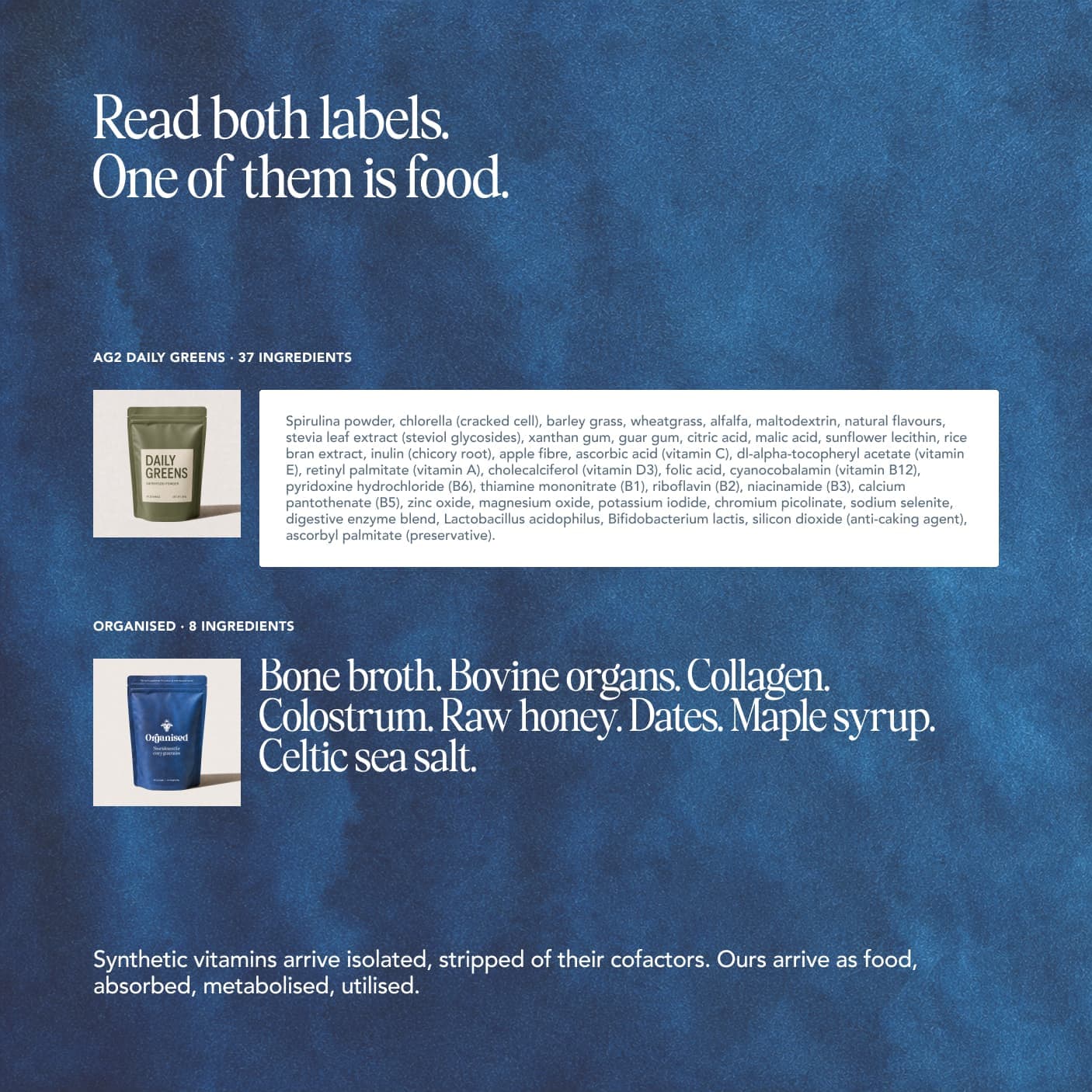
Eight real ingredients built around grass-fed beef organs, collagen and colostrum. Nothing synthetic added.
Free with your first order, worth £38. Plus £10 off the pouch with a subscription.
Free UK shipping · Made in England · 100 day money back guarantee on your first pouch · Skip, pause or cancel anytime
The bottom line
Butter is real food. Margarine is not. Seed oils are industrial products designed for manufacturing, not human health. Saturated fat is not a villain. And your grandmother was right.
Use butter. Choose pastured butter when you can, for the higher K2 and carotenoid content. Replace seed oils with butter, coconut oil, or olive oil. Stop apologising for eating fat. Your brain, your hormones, and your cardiovascular system all depend on it.
This isn't about eating high-fat diets indiscriminately. It's about understanding that dietary fat from real food is not the villain it was made out to be. Butter from pastured cows isn't the same as margarine. Olive oil is not the same as canola oil. Your body responds differently to these foods because they are actually different foods.
The shift away from butter was supposed to save lives. It didn't. It made things worse. The experiment is over. The result is clear. It's time to return to what your ancestors knew: butter is food, it's real, and it nourishes you in ways that processed seed oils never will.
References
Every source below was checked on 27 August 2026. Each PubMed, PMC and DOI identifier was resolved against NCBI or Crossref, and what it opens is printed under the citation, so you can see the link goes where the citation says without leaving the page. Where a citation and its identifier disagreed, the citation was corrected to the record or the reference was deleted along with the sentence marker that pointed at it, and where the resolved paper turned out not to support the sentence, the sentence was cut back to what it does support. Borrowed authority is worse than none, because it looks like rigour.
- Siri-Tarino PW, Sun Q, Hu FB, Krauss RM. Meta-analysis of prospective cohort studies evaluating the association of saturated fat with cardiovascular disease. Am J Clin Nutr. 2010. https://pubmed.ncbi.nlm.nih.gov/20071648/Checked 27 August 2026: PMID 20071648 opens Siri-Tarino PW, Sun Q, Hu FB et al, Meta-analysis of prospective cohort studies evaluating the association of saturated fat with cardiovascular disease. Am J Clin Nutr 2010;91(3):535-46. PubMed indexes it as: Meta-Analysis.
- Chowdhury R, et al. Association of dietary, circulating, and supplement fatty acids with coronary risk: a systematic review and meta-analysis. Ann Intern Med. 2014. https://pubmed.ncbi.nlm.nih.gov/24723079/Checked 27 August 2026: PMID 24723079 opens Chowdhury R, Warnakula S, Kunutsor S et al, Association of dietary, circulating, and supplement fatty acids with coronary risk: a systematic review and meta-analysis. Ann Intern Med 2014;160(6):398-406. PubMed indexes it as: Meta-Analysis, Systematic Review.
- National Institutes of Health, Office of Dietary Supplements. Vitamin K — Health Professional Fact Sheet. https://ods.od.nih.gov/factsheets/VitaminK-HealthProfessional/
Who wrote and reviewed this guide
Niall Kiddle
Author · Founder, Organised
Niall is the founder of Organised. He started the company in 2024 after fixing his own health the slow way: in 2022 he swapped a cupboard of synthetic supplements for real food, raw milk, organ meats, bone broth and honey, and felt the difference within months.
Areas of expertise: Ancestral nutrition, Organ meats, Whole-food supplementation, Gut health, Regenerative sourcing
Read Niall's full profile
Pedro Rodrigues
Reviewer · Agronomist (farming and sourcing only)
Pedro is the agronomist Organised works with on farming and sourcing. His job on the guides is to keep the science honest: he reviews what we publish about soil health, regenerative agriculture, grazing and the way food is actually produced.
Areas of expertise: Regenerative agriculture, Agronomy, Soil health, Grass-fed farming, Food sourcing
Reviewed this guide on
Read Pedro's full profileBrowse the guides library
All guidesKeep reading
Ancestral
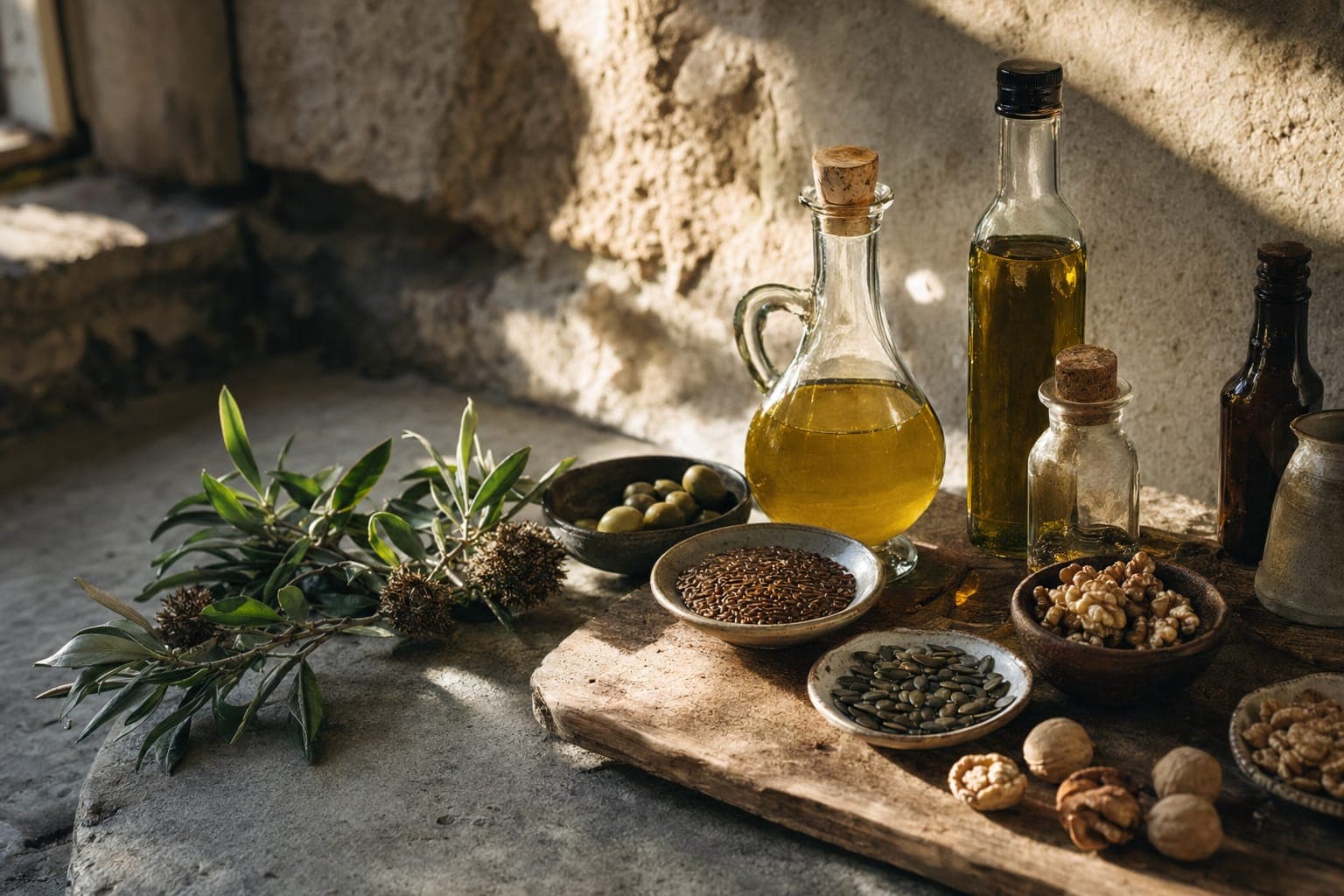
Seed Oils: A Fair and Evidence-Based Assessment
A fair, evidence-based look at seed oils and health: omega-6 ratios, oxidation, and why a growing body of research suggests a cautious approach is sensible.
Ancestral
Why We Will Never Add Artificial Sweeteners to Organised
Why Organised will never contain artificial sweeteners, and what the research shows about how sweeteners disrupt your gut bacteria and metabolism.
Ancestral
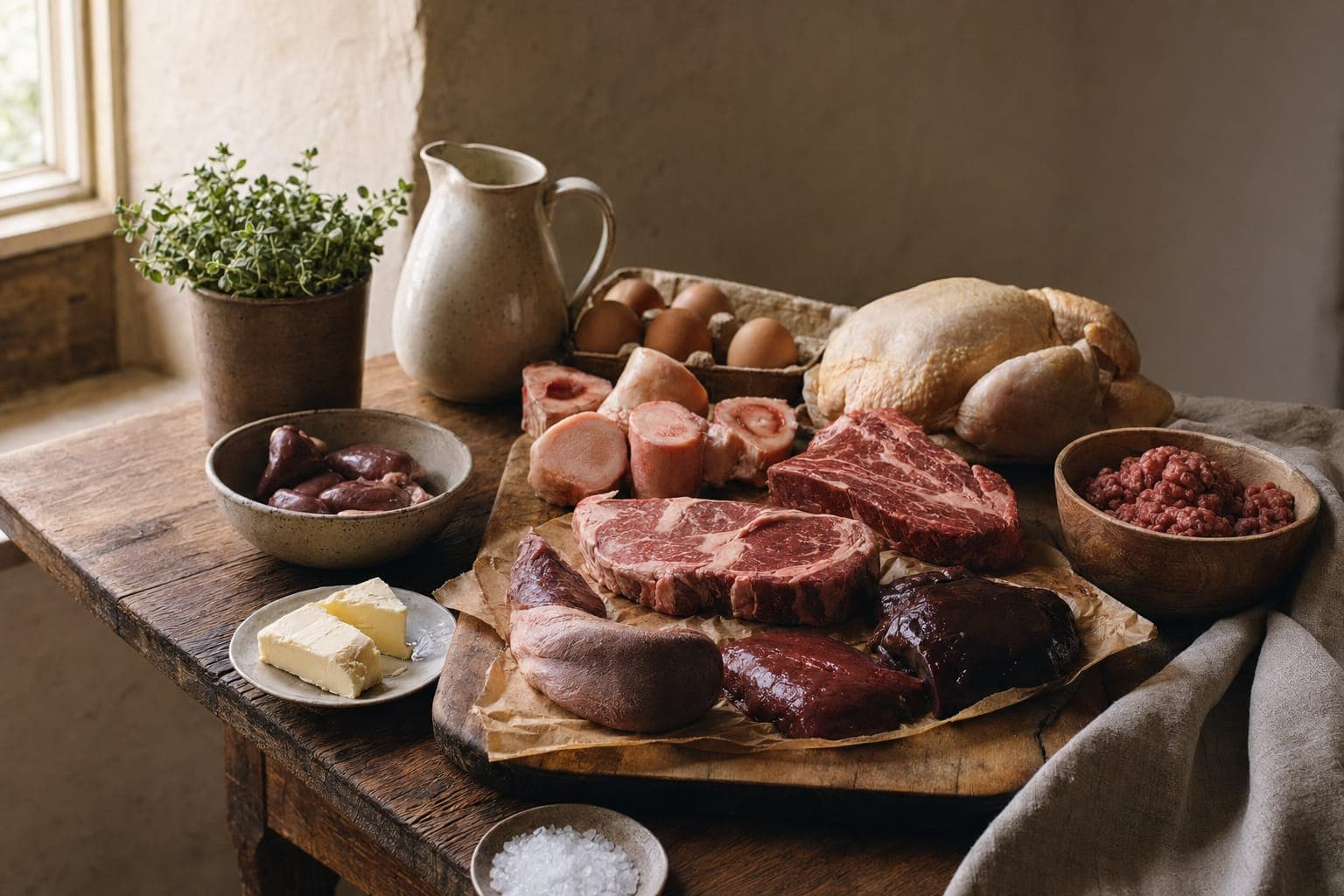
Animal-Based Eating: What It Is and Why It's Growing
What is animal-based eating? A guide to nose-to-tail nutrition, why it's gaining traction, and how it differs from pure carnivore.
Real food, made effortless
Bring it into my routineA few ways to use it
All recipes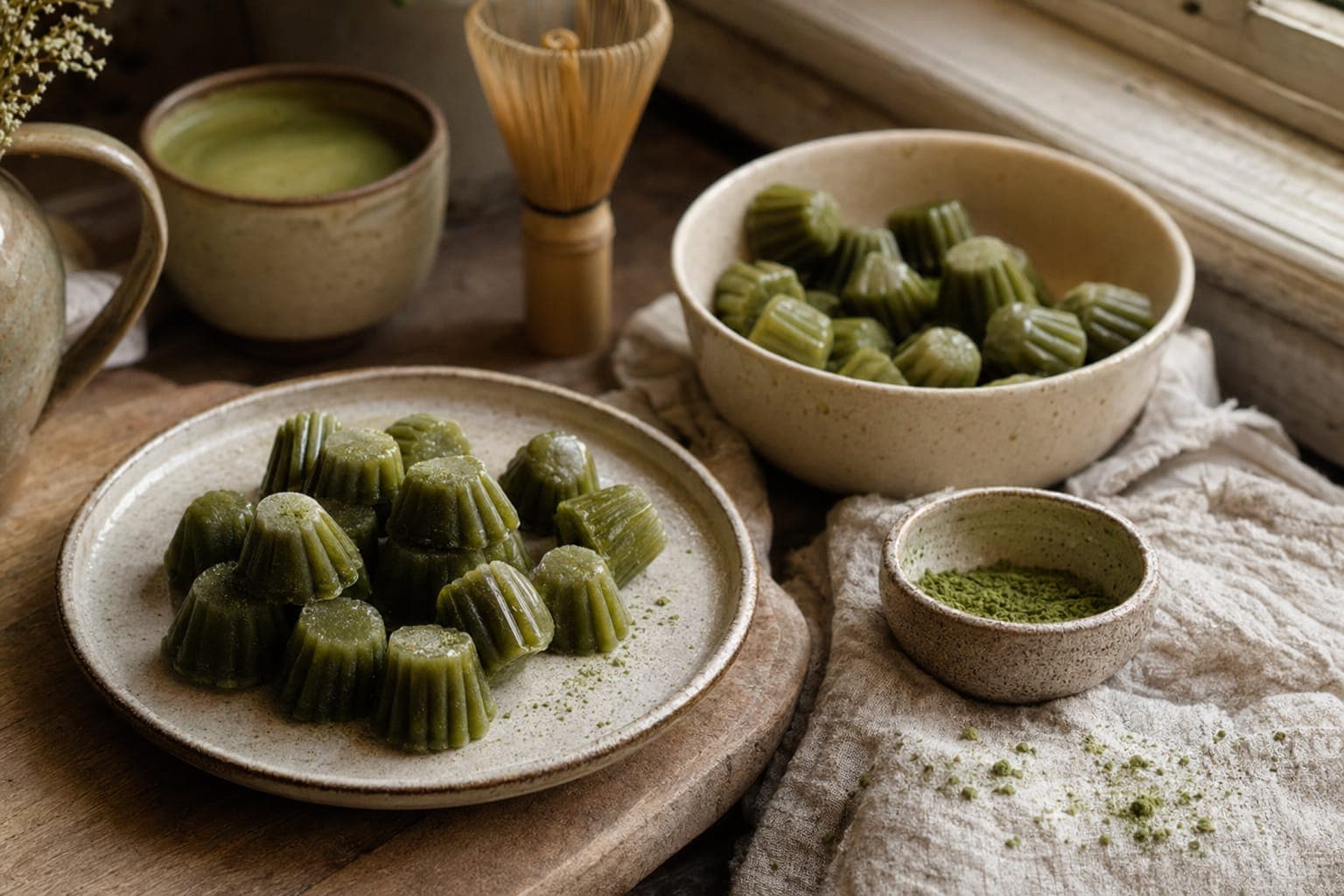
Matcha Latte Gummies with Collagen and Gelatine
Make visually stunning matcha latte gummies infused with collagen and gelatine. Simple recipe for gut-healing sweets you'll actually want to eat.
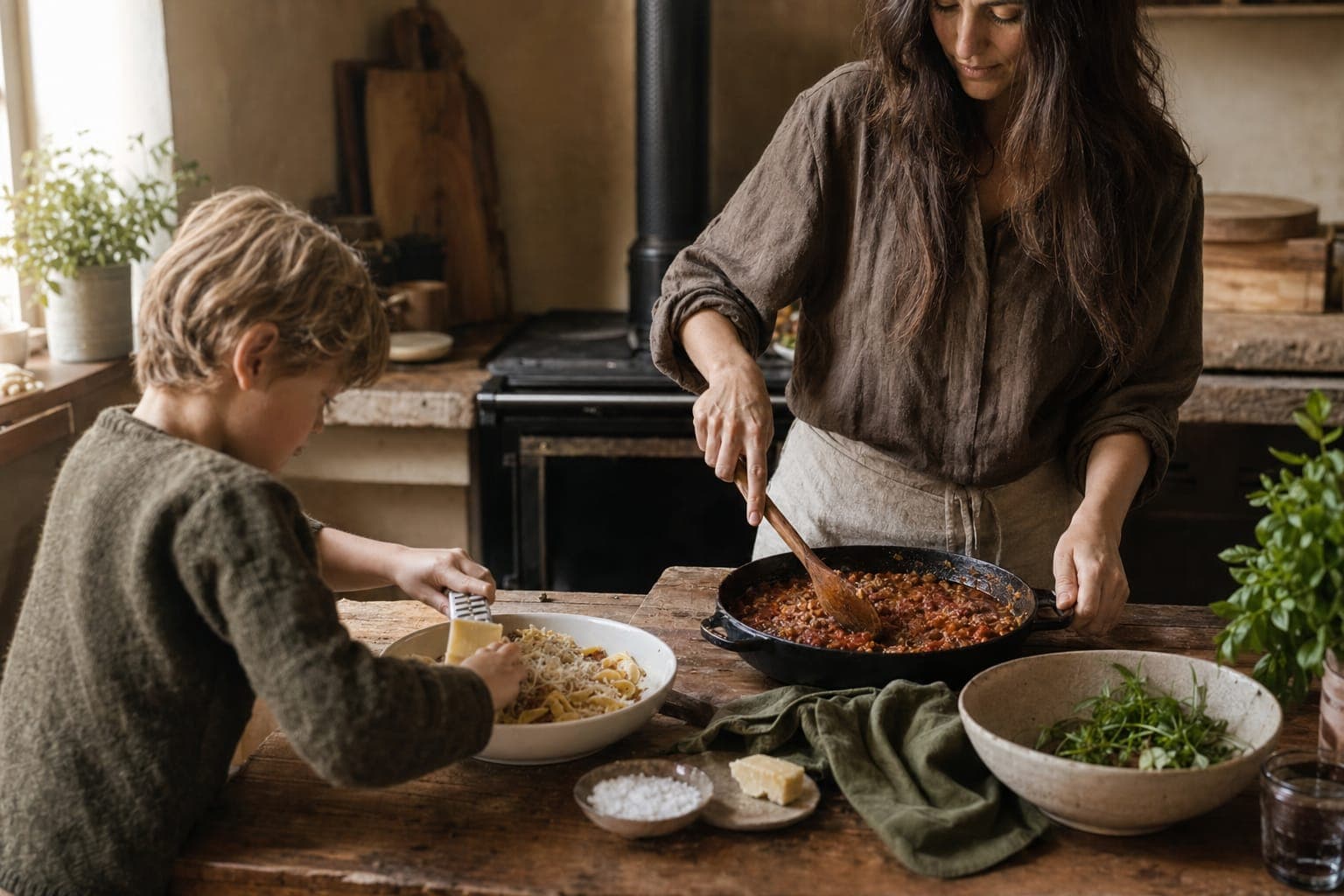
Organ Bolognese: The Family Dinner That Heals
Practical organ meat recipe using fresh beef liver and heart. Family-friendly bolognese that bridges supplements to whole food.
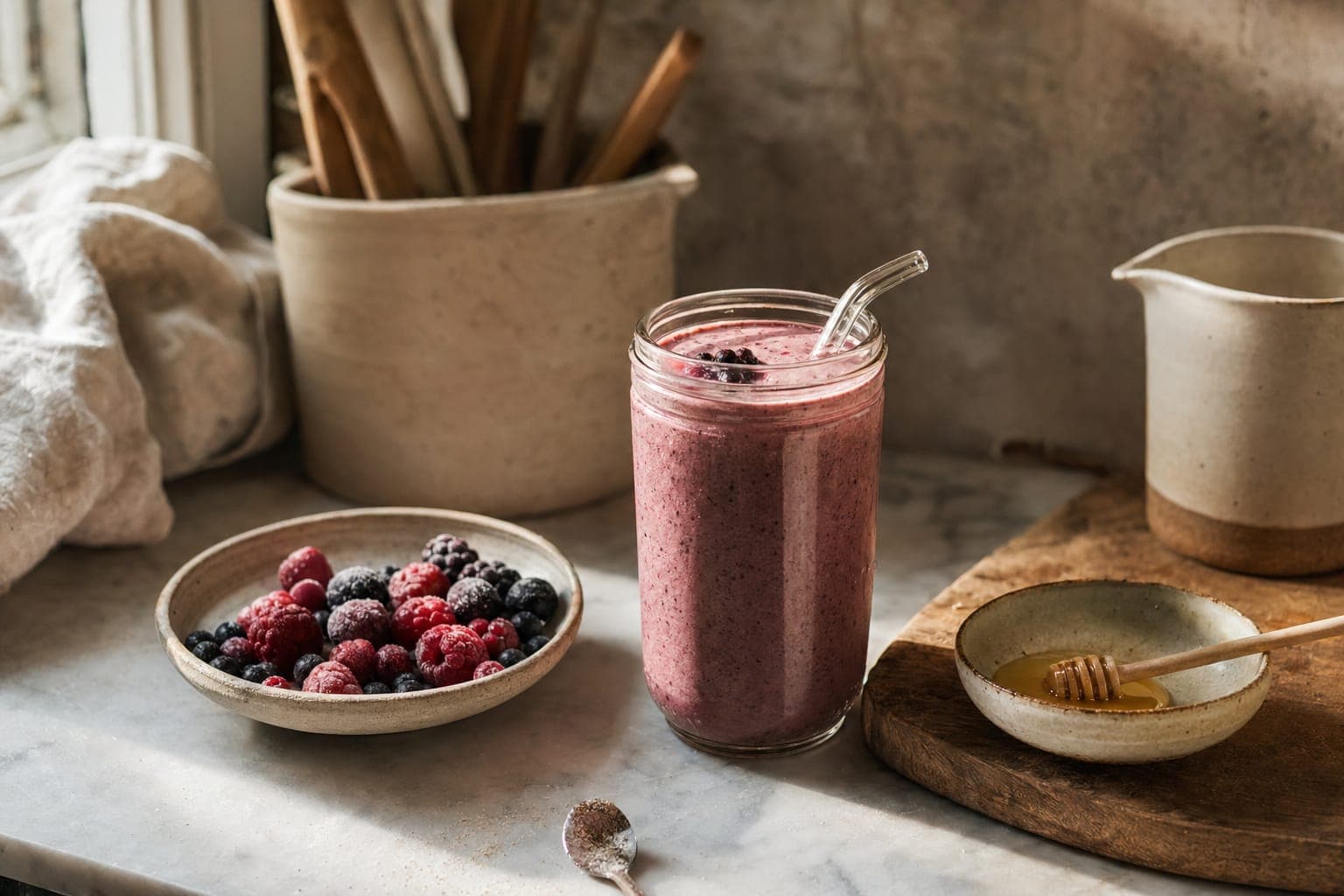
The Organised Recovery Smoothie for After Exercise
A recovery smoothie made with beef protein, raw milk, frozen berries, collagen, and honey. Optimal nutrition in the 30-minute window after exercise.


 Join over 100,000+ members
Build a better food system with us
The Organised community is thousands of people choosing real food and backing the farmers who grow it, all of us trying to leave the world a little better than we found it. If that is what you care about too, you belong here.