The Lost Tradition of Eating Seasonally
Open your supermarket in January and strawberries are waiting. Avocados from Peru. Asparagus from Mexico. Mangoes from Thailand. Everything is available all the time. Your great-grandmother would find this impossible. Your body is still struggling to adapt.
By Niall Kiddle, Founder, Organised

Reviewed by Pedro Rodrigues, Agronomist (farming and sourcing only) ·
6 min read · Published · Updated · 4 cited sources
Makers of the Organised Daily blend, a grass-fed beef organ supplement from regenerative UK farms
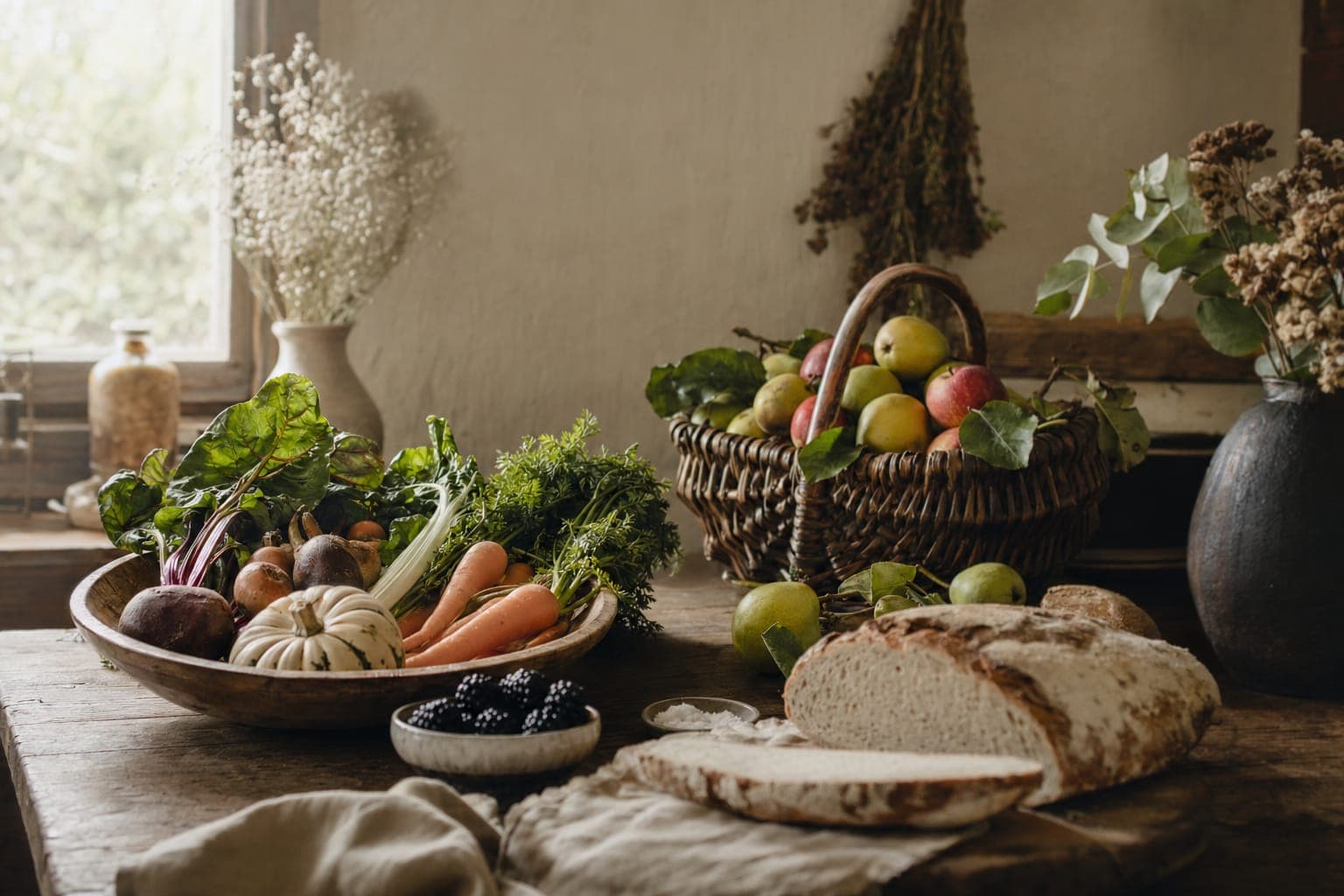
Eating seasonally isn't a trend. It's the way humans ate for almost the entire history of our species. And the shift away from it, which happened only in the last 70 years or so, has had consequences nobody talks about.
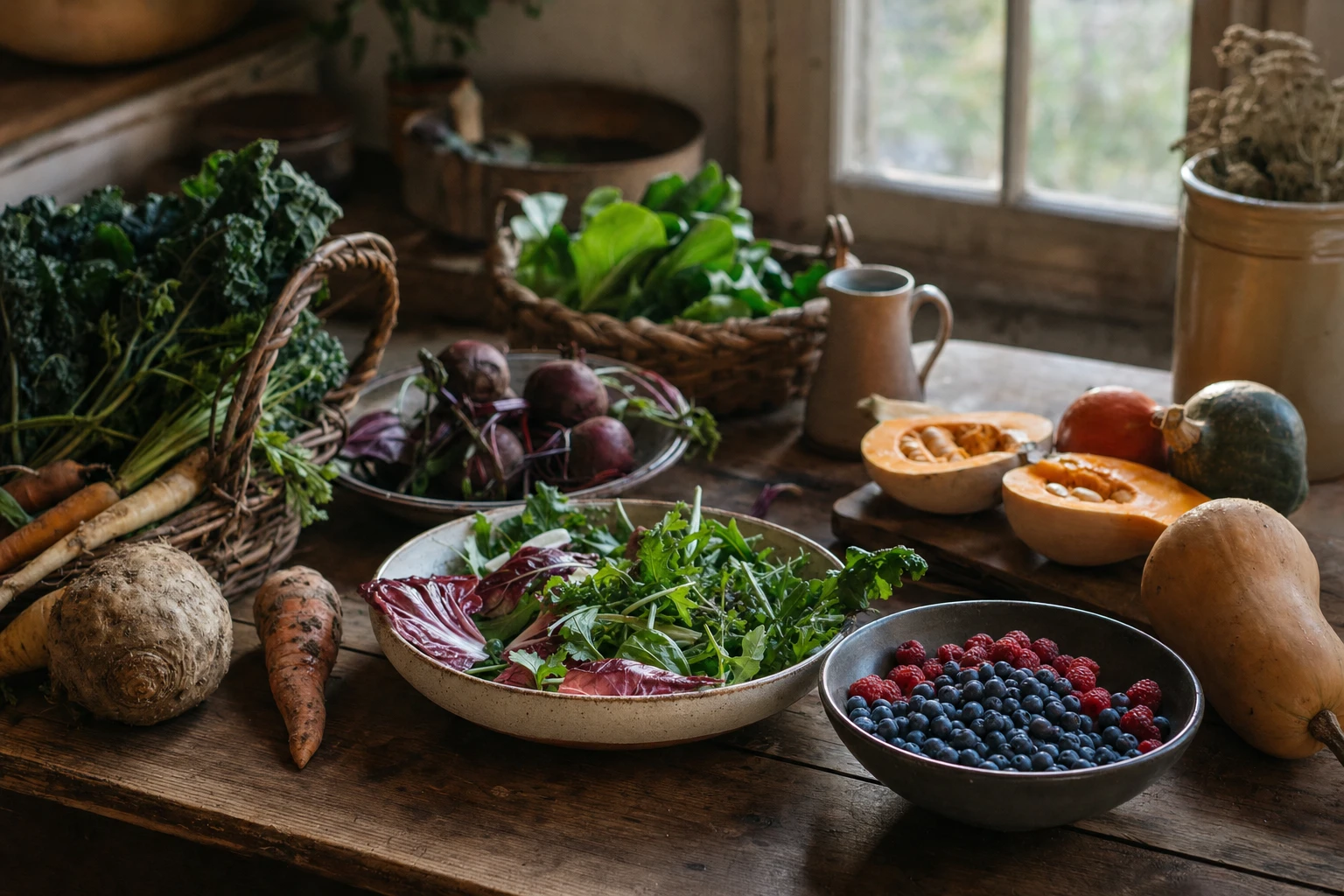
The illusion of abundance
Year-round food abundance isn't a blessing. It's a disruption. For thousands of years, humans ate what grew locally and in season. Winter meant preserved foods: cured meats, fermented vegetables, dried fruit, root vegetables stored in cool cellars. Spring meant fresh greens. Summer meant berries and abundance. Autumn meant preservation for the winter ahead.
This wasn't deprivation. It was rhythm. Your body evolved to respond to these seasonal shifts. Hormones, immune function, metabolic rate, reproductive patterns. All tuned to seasonal availability.
Modern food globalisation destroyed that rhythm. Now you can eat strawberries in December and asparagus in winter. Your body doesn't know what season it is. And the consequences are becoming clearer.
What your body expects seasonally
Your hormonal system evolved to track seasons. Daylight length, food availability, ambient temperature. These signals tell your body whether to store energy or release it, whether to stay alert or rest, whether to focus on reproduction or survival.
Winter seasonality would have triggered:
- Lower metabolic rate (conservation)
- Increased hunger and a drive to consume more calories
- Shift toward stored foods (fats, proteins, preserved foods)
- Reduced reproductive drive
- Heightened immune vigilance
- Increased melatonin production (more sleep)4
Spring would have meant:
- Increased physical activity (planting, hunting, gathering)
- Introduction of fresh green foods and their micronutrients
- Increased vitamin C and other nutrients from new growth
- Reset of the reproductive cycle
- Shift toward a more plant-forward diet
Summer and autumn each had their own metabolic demands. But the point is that these seasonal shifts were built into your biology. They still are.
You can't eat strawberries in December without your body noticing. The issue is that it doesn't know what to do with the signal.
Cortisol, immune function, and seasonal rhythm
When your body has access to berries year-round, it receives contradictory signals. Berries signal summer abundance. Summer signals reproduction and relaxation. But it's also winter, which signals scarcity and vigilance. Your nervous system gets confused.
This confusion manifests as chronically elevated cortisol. Your adrenal glands don't know whether to stay alert or relax. They end up staying alert all the time. Over weeks and months, this becomes the baseline. Chronically elevated cortisol disrupts sleep, increases inflammation, impairs immune function, and drives fat storage.1
Your immune system is similarly affected. In traditional seasonal eating, winter meant higher dietary cholesterol and fat (from preserved meats and fats), which supported immune production. Spring meant fresh vitamin C and antioxidants from greens. Summer meant vitamin D from sun and berries. Autumn meant preparation and storage.
Eating the same foods year-round means your immune system never gets the seasonal nutrient patterns it evolved to expect. Some nutrients are chronically low. Others are chronically excessive. The system never resets.
The problem with out-of-season food
Out-of-season food isn't just grown somewhere else. It's grown differently. Strawberries that arrive in your UK supermarket in January have been grown in heated greenhouses or shipped from thousands of miles away. Either way, they're harvested before full ripeness (so they survive transport), and they're stored for days or weeks.
A locally grown strawberry that ripens in your region in June is a different food. Higher nutrient density. More flavour. Better digestibility. A strawberry that travelled from Spain or Peru is a shadow of that.
But there's a deeper problem. When you eat out-of-season food, you're eating food that required enormous energy inputs to produce: heated growing environments, long-distance transport, refrigerated storage. You're also eating food that's been selected for transportability, not nutrition. A strawberry that survives 4,000 miles of transport is a strawberry bred to be tough and travel well, not to be nutritious and delicious.
And you're asking your digestive system to process it without the contextual environmental signals your body is receiving. Eating fresh, ripe, local food in its actual season gives your body the complete picture. Eating imported out-of-season food is a hack that confuses your biology.
Get ancestral nutrition guides, free
Two short reads a week on traditional ways of eating, examined with modern evidence.
By signing up you agree to receive emails from us. No spam, unsubscribe anytime.
Local and seasonal: a different nutritional profile
A carrot grown locally in autumn and stored through winter has different nutrient density than a carrot grown in a Spanish greenhouse and shipped to your supermarket. The locally grown carrot has deeper colour, indicating higher carotenoid content. It has more natural sugars because it ripened fully before harvest. It has a completely different bacterial ecology on its surface.
A spring lamb grazing on fresh grass has a different fat profile than a lamb raised on grain in a feedlot year-round. Grass-fed means higher omega-3 ratios, more CLA, more fat-soluble vitamins.3 The seasonal difference is significant.
When you eat seasonally, you're not just eating different foods. You're eating the same foods with different nutritional profiles. And your body responds.
How to preserve food like your ancestors did
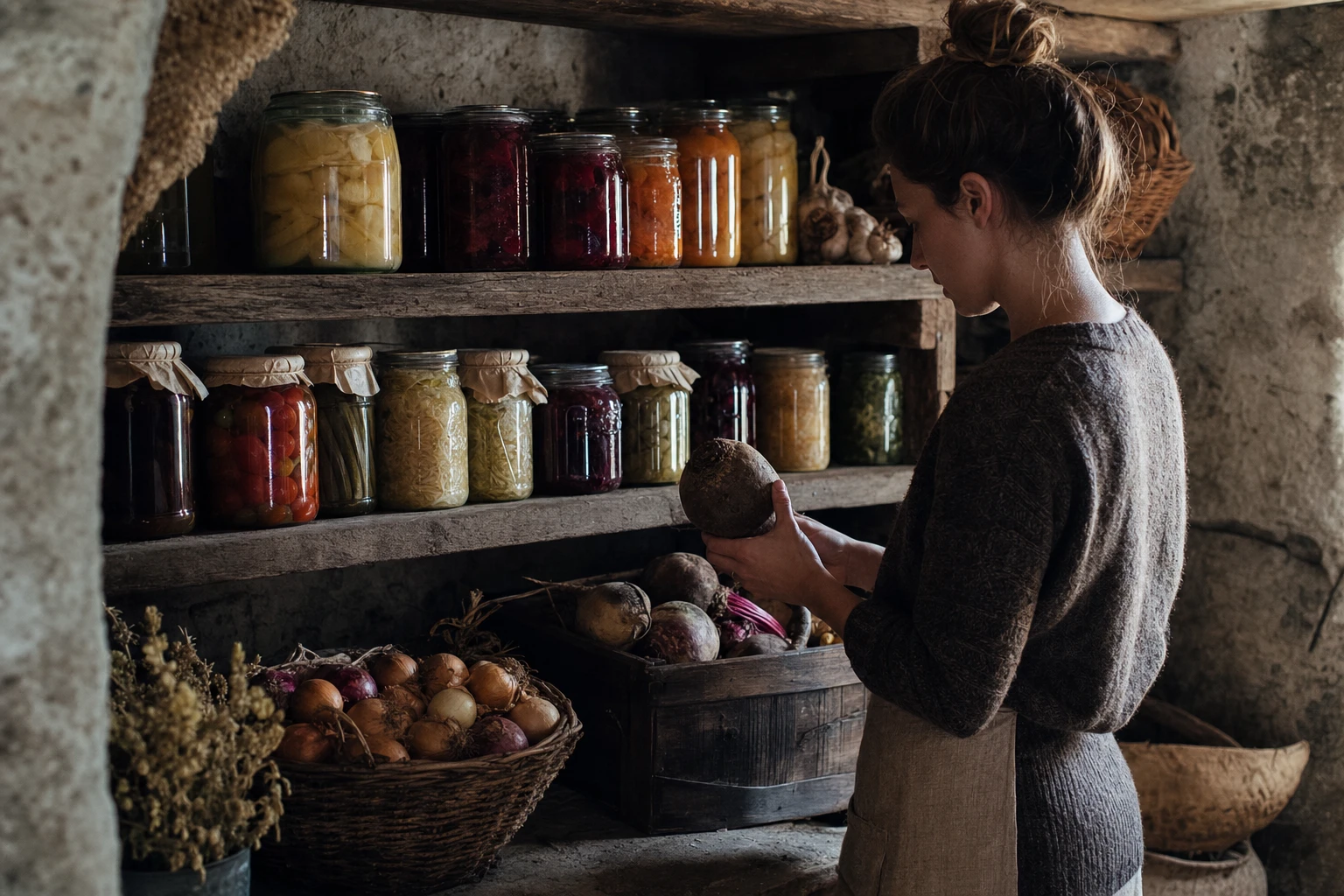
If seasonal eating means going without in winter, it's unrealistic. But your ancestors didn't go without. They preserved. And traditional preservation methods are still available.
- Fermentation: cabbage becomes sauerkraut, cucumbers become pickles, berries become fermented preserves. The fermentation process increases nutrient bioavailability and creates beneficial bacteria.2
- Curing: salt and smoke preserve meat through winter. A cured ham or salt pork provides protein and fat when fresh meat isn't available.
- Drying: fruit, herbs, mushrooms. Sun-dried tomatoes concentrate nutrients.
- Freezing: modern, but useful. Frozen berries picked at peak ripeness preserve more nutrition than fresh berries shipped across continents.
- Root cellaring: cool storage for squash, potatoes, apples, carrots. They keep for months without processing.
- Bottling and canning: vegetables, fruits, and sometimes meat preserved in jars.
If you have access to seasonal farmers markets or local farms that do CSA boxes, you can buy in bulk when food is abundant and cheap, then preserve it. Fermented vegetables take minutes to prepare and last months. Frozen berries cost a quarter of fresh imported ones.



1 of 9
Daily blend
100,000+ thriving families4.9 on Trustpilot
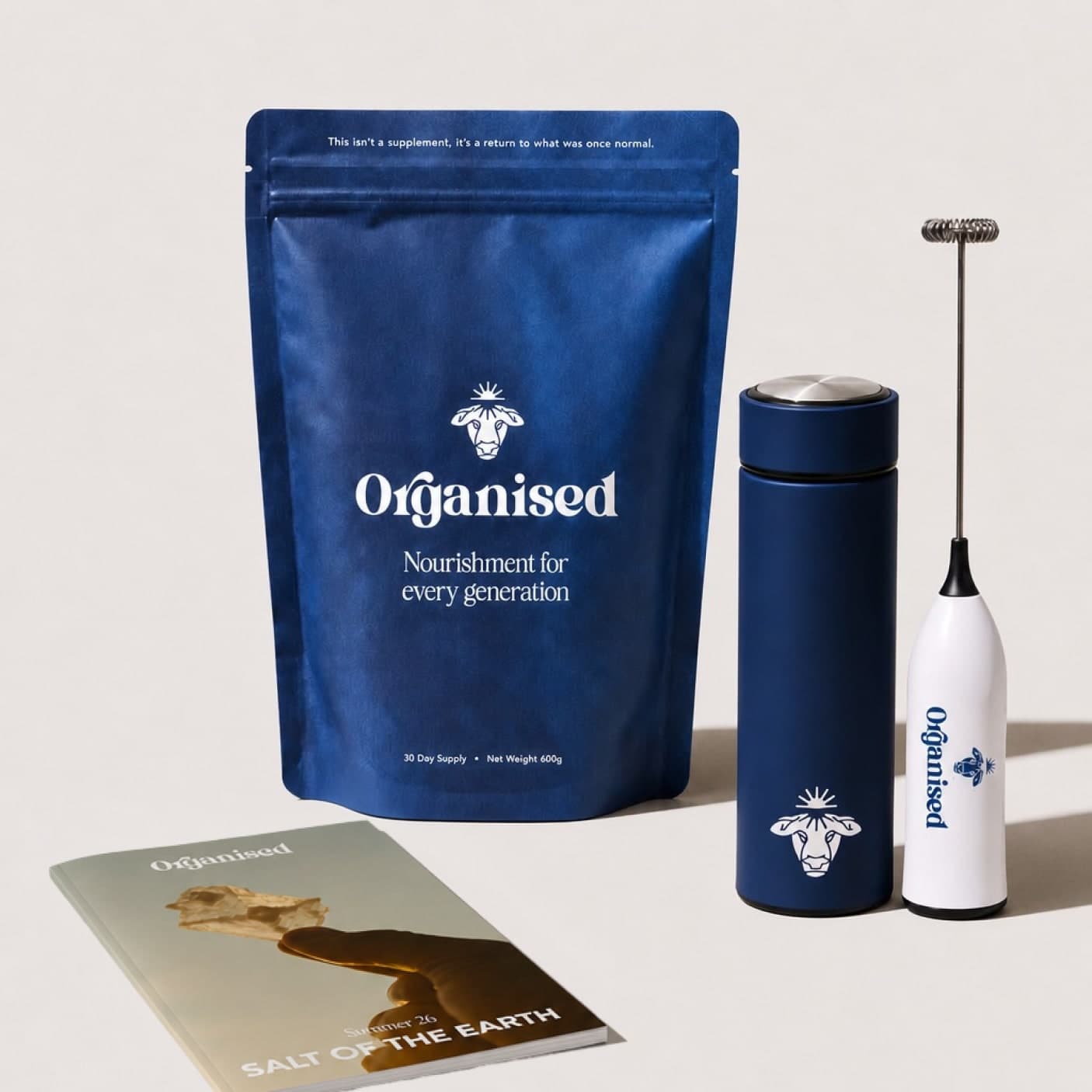
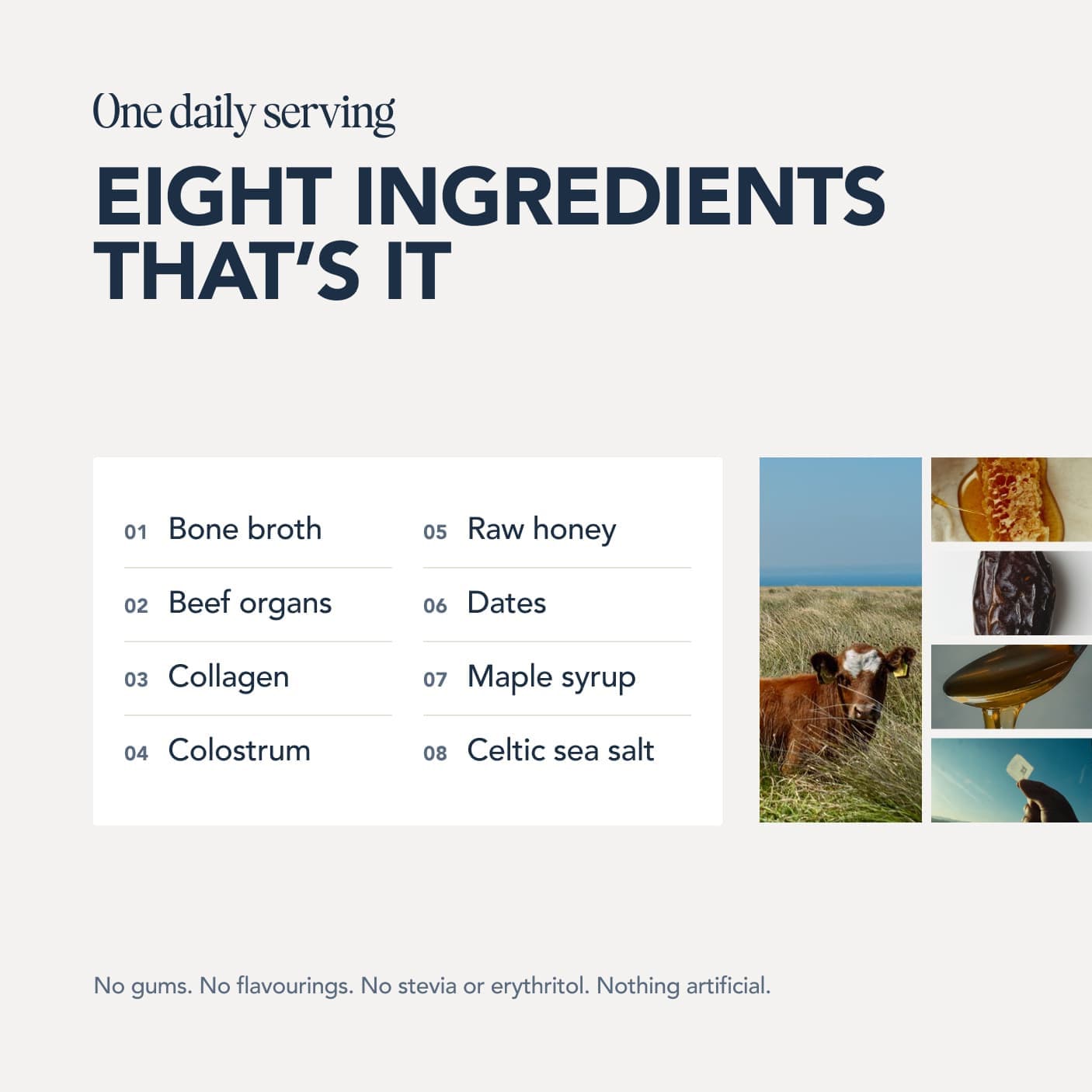
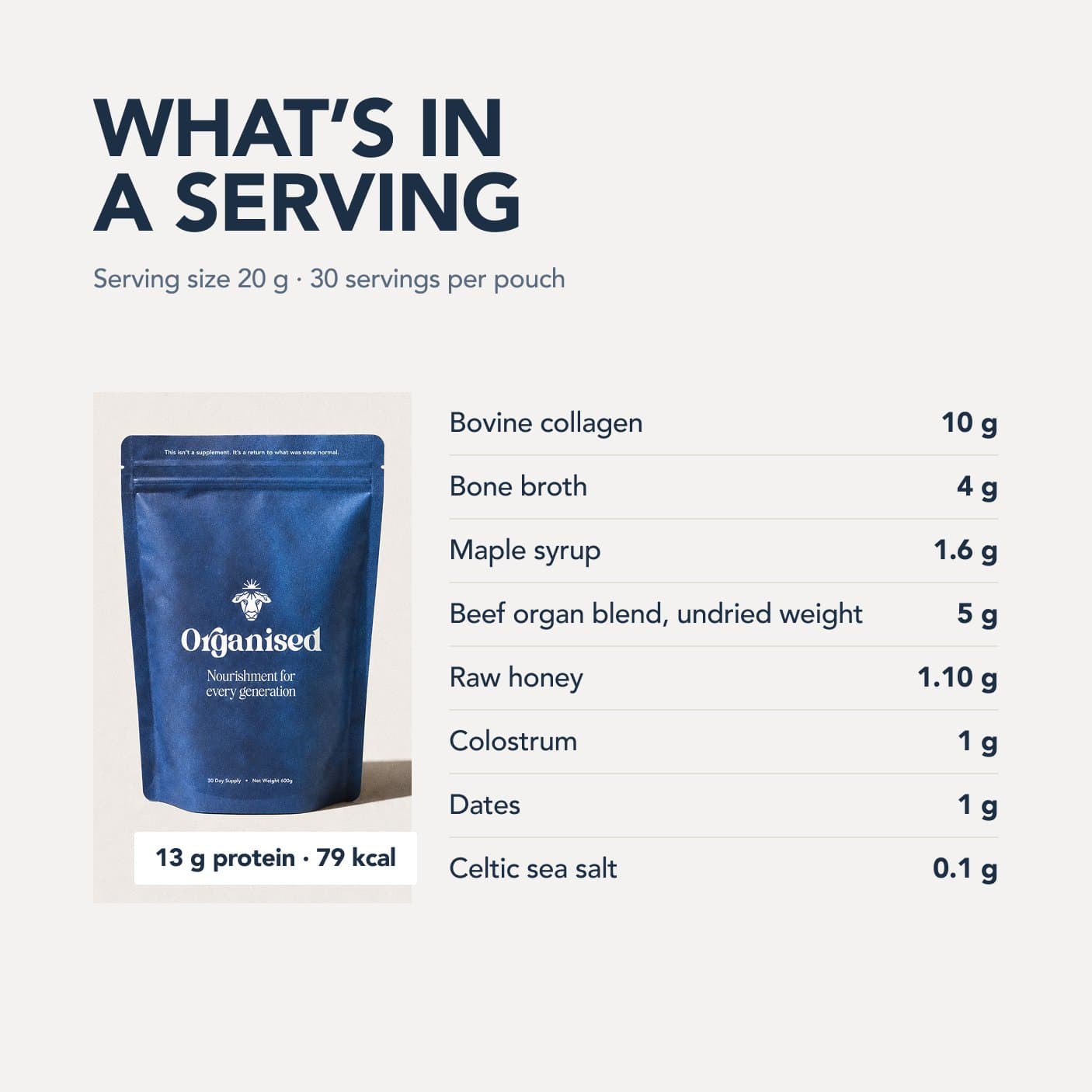
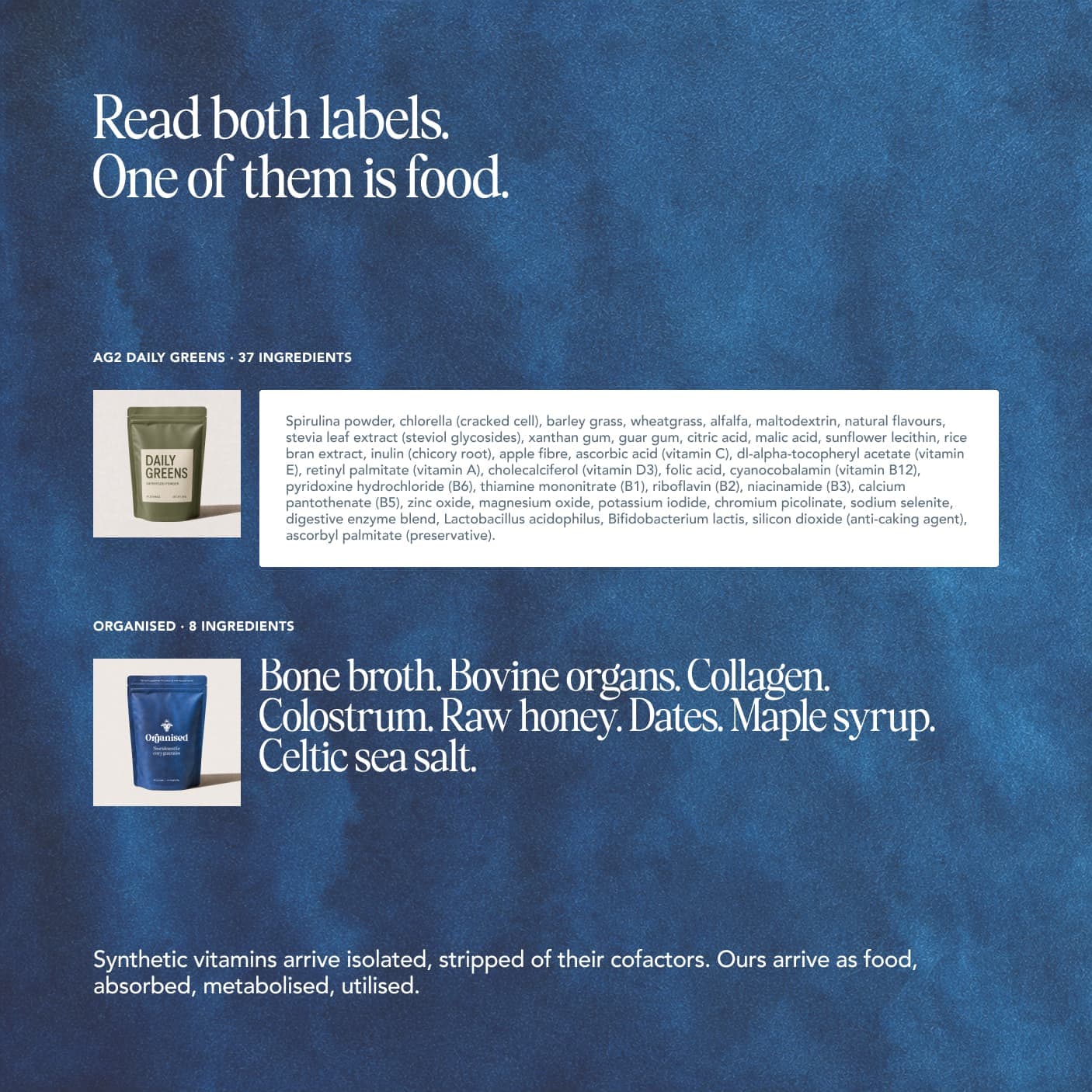
Eight real ingredients built around grass-fed beef organs, collagen and colostrum. Nothing synthetic added.
Free with your first order, worth £38. Plus £10 off the pouch with a subscription.

Free UK shipping · Made in England · 100 day money back guarantee on your first pouch · Skip, pause or cancel anytime
Building a seasonal eating rhythm
You don't have to be perfectly seasonal. But you can shift the balance. Winter: prioritise stored and preserved foods, warming meals, fats and proteins. Spring: add fresh greens and lighter foods. Summer: eat more raw foods, berries, and lighter meals. Autumn: transition to storage foods, prepare for winter.
Buy strawberries in June from a local farm and enjoy them. In January, eat apples from storage, fermented vegetables, and preserved fruit. Your body will recognise the rhythm. Your cortisol will settle. Your immune system will get the seasonal signals it's looking for.
This isn't deprivation. It's returning to a system that your biology actually understands.
The bottom line
Humans didn't evolve to eat strawberries in December or avocados year-round. Your great-grandmother couldn't have imagined it. And your body is still struggling to figure out what the constant false signal means.
Shift back toward seasonal eating. Buy local when you can. Preserve food when it's abundant. Eat what your region grows when it grows. Your cortisol, your immune function, and your overall health will thank you.
References
Every source below was checked on 27 August 2026. Each PubMed, PMC and DOI identifier was resolved against NCBI or Crossref, and what it opens is printed under the citation, so you can see the link goes where the citation says without leaving the page. Where a citation and its identifier disagreed, the citation was corrected to the record or the reference was deleted along with the sentence marker that pointed at it, and where the resolved paper turned out not to support the sentence, the sentence was cut back to what it does support. Borrowed authority is worse than none, because it looks like rigour.
- Hannibal KE, Bishop MD. Chronic stress, cortisol dysfunction, and pain: a psychoneuroendocrine rationale for stress management in pain rehabilitation. Phys Ther. PMC4263906.Checked 27 August 2026: PMC4263906 opens Hannibal KE, Bishop MD, Chronic stress, cortisol dysfunction, and pain: a psychoneuroendocrine rationale for stress management in pain rehabilitation. Phys Ther 2014;94(12):1816-25.
- Marco ML et al. Health benefits of fermented foods: microbiota and beyond. Curr Opin Biotechnol. PubMed PMID: 27998788.Checked 27 August 2026: PMID 27998788 opens Marco ML, Heeney D, Binda S et al, Health benefits of fermented foods: microbiota and beyond. Curr Opin Biotechnol 2017;44:94-102. PubMed indexes it as: Review.
- Daley CA et al. A review of fatty acid profiles and antioxidant content in grass-fed and grain-fed beef. Nutr J. PMC2846864.Checked 27 August 2026: PMC2846864 opens Daley CA, Abbott A, Doyle PS et al, A review of fatty acid profiles and antioxidant content in grass-fed and grain-fed beef. Nutr J 2010;9:10. PubMed indexes it as: Review.
- Wehr TA. Photoperiodism in humans and other primates: evidence and implications. J Biol Rhythms. PubMed PMID: 11506380.Checked 27 August 2026: PMID 11506380 opens Wehr TA, Photoperiodism in humans and other primates: evidence and implications. J Biol Rhythms 2001;16(4):348-64. PubMed indexes it as: Review.
Who wrote and reviewed this guide
Niall Kiddle
Author · Founder, Organised
Niall is the founder of Organised. He started the company in 2024 after fixing his own health the slow way: in 2022 he swapped a cupboard of synthetic supplements for real food, raw milk, organ meats, bone broth and honey, and felt the difference within months.
Areas of expertise: Ancestral nutrition, Organ meats, Whole-food supplementation, Gut health, Regenerative sourcing
Read Niall's full profile
Pedro Rodrigues
Reviewer · Agronomist (farming and sourcing only)
Pedro is the agronomist Organised works with on farming and sourcing. His job on the guides is to keep the science honest: he reviews what we publish about soil health, regenerative agriculture, grazing and the way food is actually produced.
Areas of expertise: Regenerative agriculture, Agronomy, Soil health, Grass-fed farming, Food sourcing
Reviewed this guide on
Read Pedro's full profileBrowse the guides library
All guidesKeep reading
Ancestral
Fermented Foods: A Tradition Worth Reviving
Discover the gut-healing power of fermented foods. Learn how sauerkraut, kefir, and kimchi support digestion, immunity, and ancestral health practices.
Ancestral
Cofactors: Why Isolated Nutrients Don't Work as Well
What are cofactors? How nutrients work together, why isolated supplements fail, and which foods provide the complete nutritional picture.
Ancestral
The Rise of Metabolic Disease and What's Really Causing It
Metabolic disease is endemic. Obesity, type 2 diabetes, fatty liver disease, and cardiovascular disease are all increasing. Here's exactly what's causing it.
Real food, made effortless
Bring it into my routineA few ways to use it
All recipes
Raw Milk Hot Chocolate with Collagen
A nourishing evening hot chocolate made with raw milk, grass-fed collagen, raw cacao, and honey. A nighttime ritual that supports sleep and gut health.
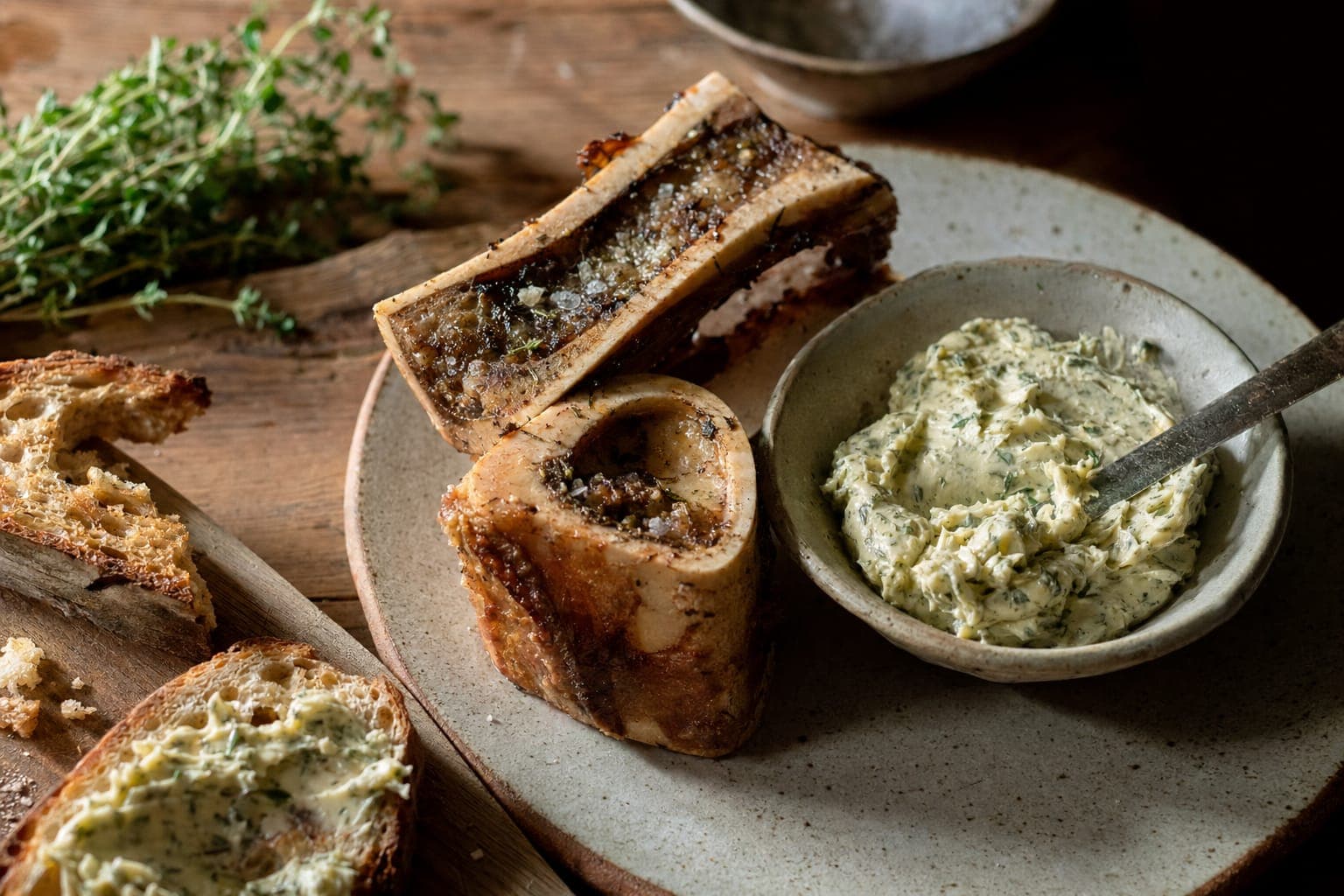
How to Make Bone Marrow Butter
Roast grass-fed marrow bones, scoop the marrow, and mix with butter and herbs. A nutrient-dense spread with fat-soluble vitamins.

Organ Bolognese: The Family Dinner That Heals
Practical organ meat recipe using fresh beef liver and heart. Family-friendly bolognese that bridges supplements to whole food.


 Join over 100,000+ members
Build a better food system with us
The Organised community is thousands of people choosing real food and backing the farmers who grow it, all of us trying to leave the world a little better than we found it. If that is what you care about too, you belong here.