Nose-to-Tail for Beginners: Where to Start
Your ancestors ate the whole animal. Liver, heart, kidneys, tongue, bone. Not because they were wild. Because every part kept them alive. You've been taught to see organs as waste.
By Niall Kiddle, Founder, Organised

Reviewed by Pedro Rodrigues, Agronomist (farming and sourcing only) ·
7 min read · Published · Updated · 3 cited sources
Makers of the Organised Daily blend, a grass-fed beef organ supplement from regenerative UK farms
They're the opposite.
Why organs matter
A beef liver contains more nutrients in a single 100-gram serving than a week of eating muscle meat and vegetables. Not slightly more. Dramatically more. Vitamin A, B vitamins, iron, copper, selenium, choline. The density is unmatched.1
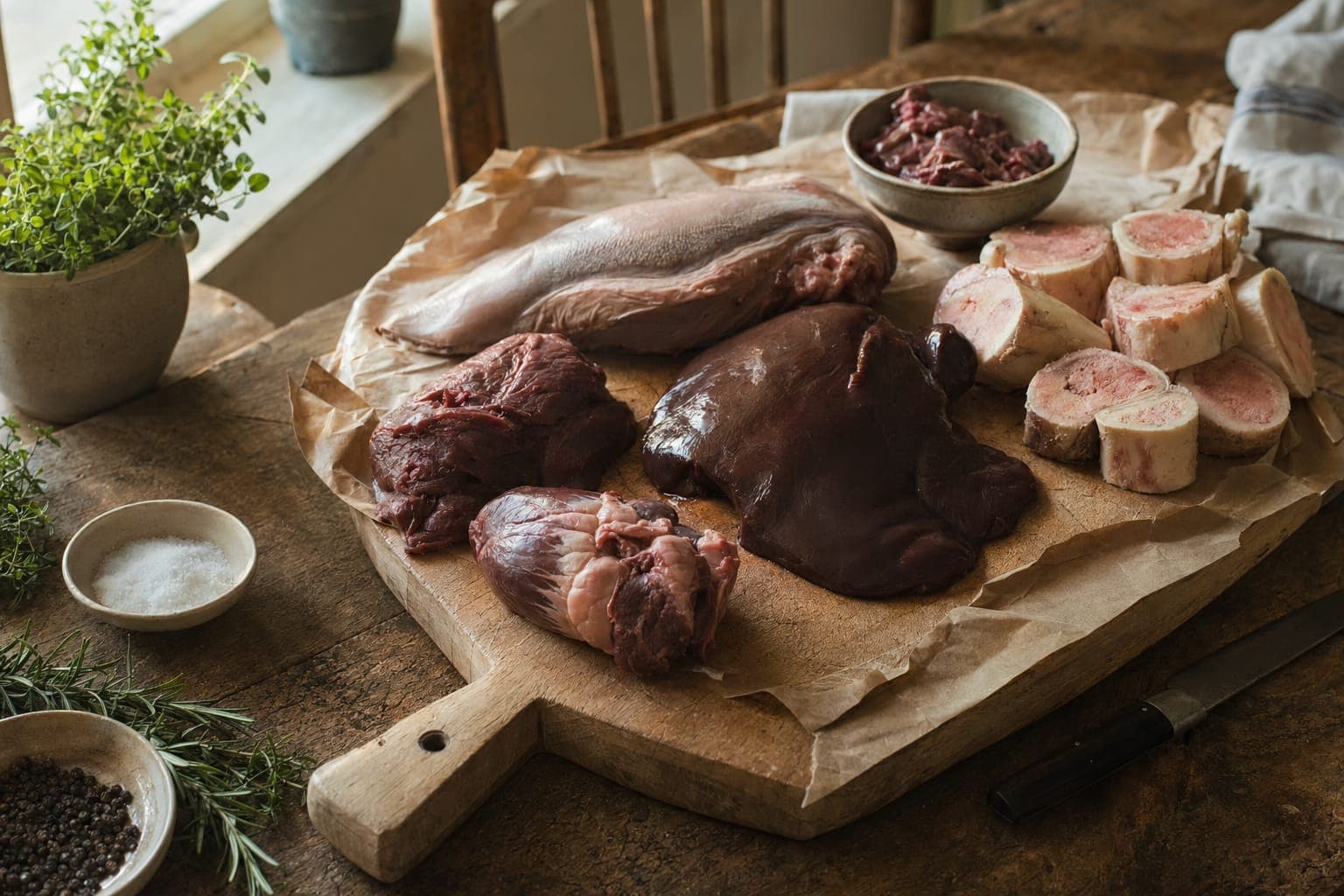
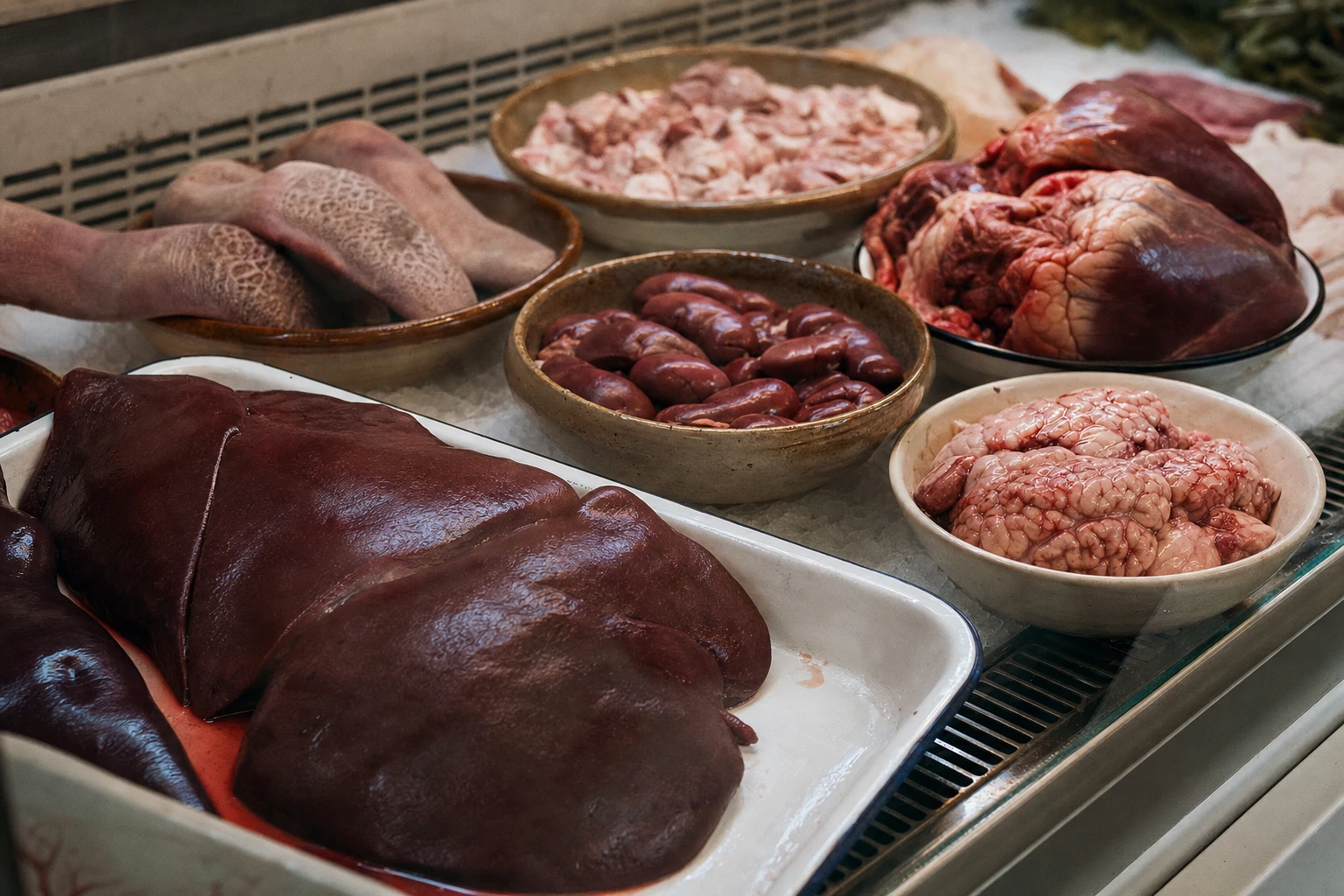
This isn't mysticism. It's biology. Organs are where the animal stores its most nutrient-dense compounds. The liver stores fat-soluble vitamins. The heart is muscle, but metabolically active muscle. The kidneys concentrate minerals. The tongue contains collagen and minerals.
When you eat only muscle meat, you're eating protein and some fat. Nutritious, yes. But you're ignoring the most nutrient-dense parts of the animal. You're leaving nutrition on the table.
A single serving of liver contains more micronutrients than most people get from food in a week.
1. Start with liver
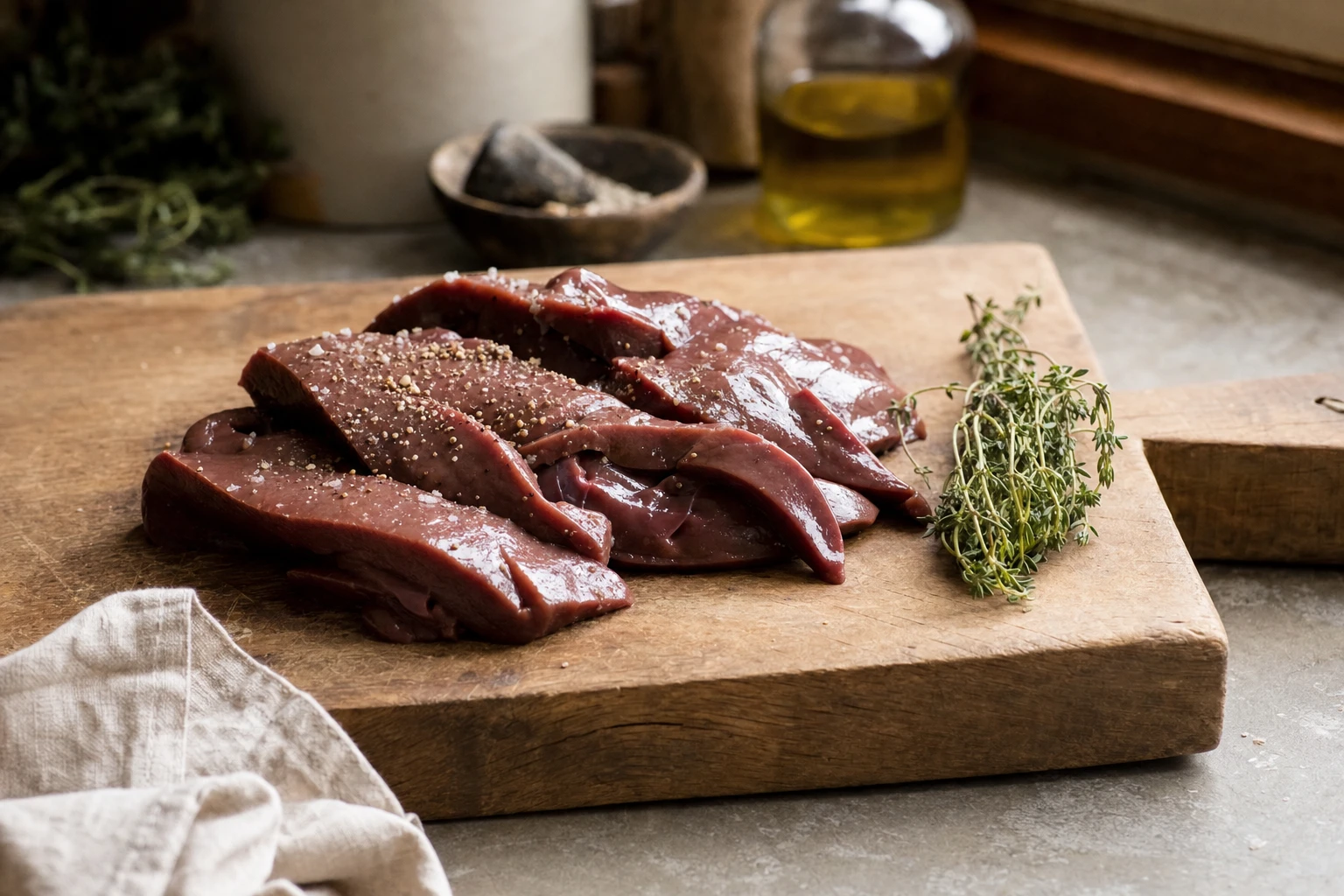
Liver is the easiest entry point. It's the strongest in flavour, which sounds like a deterrent, but it's also the most nutrient-dense. If you're going to eat organs, start here.
Beef liver is your best bet. It's milder than chicken liver, more readily available than lamb liver. A quality butcher can supply it fresh. If you can't find fresh, frozen works equally well (actually better, because freezing breaks down some of the mineral-binding compounds).
Start small. One 100-gram serving per week is enough. Your body doesn't need large amounts. The nutrient density is so high that small portions cover major gaps. If you suddenly start eating a steak-sized portion of liver, you might experience mild detoxification symptoms (headaches, fatigue, nausea) as your body starts processing nutrients it's been deficient in.
Cook it simply: pan-fried in butter, minimal seasoning, until it's cooked through but not grey and overcooked (which destroys nutrients and makes it tougher). If it's too strong, sauté it with caramelised onions, which mask the flavour and contain compounds that support liver function.
One 100-gram serving per week of liver can fill more nutritional gaps than a month of multivitamins.
2. Move to heart and tongue
Once liver feels normal, add heart. Beef heart is lean, mild, and contains more coenzyme Q10 than almost any other food. It supports heart and mitochondrial function.2
Heart tastes like a cross between liver and muscle meat. It's less challenging than liver. You can use it in stews, braise it, or slice it thin and pan-fry it. It takes longer to cook than liver, so don't expect it to be quick.
Tongue is often overlooked. It's tender, flavourful, and contains collagen and nutrients that support joint and gut health. It's less nutrient-dense than liver, but it's more palatable for people who find organ meats challenging. Simmer it until tender, then slice it thinly.
Add these gradually, in small amounts. The goal isn't to eat organs as a primary protein. It's to include small amounts alongside muscle meat. 100 grams of liver plus 150 grams of steak is a complete nutrient profile. 100 grams of heart plus a piece of fish is excellent.
3. Add kidneys and other organs
Kidneys are where this gets challenging for most people. They have a strong ammonia-like smell and taste. Soak them in milk for an hour before cooking (this reduces the smell). Slice them finely, cook them quickly at high heat, don't overcook (they become rubbery).
Kidneys are rich in selenium, B vitamins, and iron. Worth the effort, but not essential if you're already eating liver.3
Other organs to explore once you're comfortable: sweetbreads (thymus), tripe (stomach lining), oxtail (nutrient-rich bone and connective tissue), brain (high in omega-3 and choline). Each has unique nutrients and flavours. None are necessary. All are useful if you're interested in deepening your relationship with whole-animal eating.
The hierarchy is roughly: liver for maximum nutrient density, heart for balance and CoQ10, tongue for palatability and collagen, kidneys for selenium, everything else for interest and nutritional breadth.
Start with liver. Once that's normal, the rest is exploration, not obligation.
How to prepare organs
The simplest preparation is almost always best. Pan-fry liver in butter with sea salt and pepper. Braise heart with onions and water. Simmer tongue until tender, slice thinly, eat with something fatty.
Heavy sauces mask organs. Use them strategically. Caramelised onions with liver. Gravy with heart. Bone broth with tongue. But don't hide organs so completely that you never learn to enjoy them. Part of the point is returning to foods your body recognises and craves once it's been nourished.
Avoid cooking organs at very high temperatures. This oxidises the nutrients and creates compounds your body has to detoxify. Medium heat, gently, is better.
And respect the organs. They're not left-over scraps. They're the most nourishing parts of the animal. Your attitude toward food affects how well you digest it. Approaching organs with scepticism or disgust creates a physiological response that impairs digestion. Approaching them with curiosity and gratitude works better.
Storage and freezing
Fresh organs are best used within two days. Frozen organs keep for months. If your butcher sells fresh, buy extra and freeze immediately. Freezing actually improves bioavailability for some nutrients by breaking down cell walls.
Defrost in the fridge, not at room temperature. This prevents bacterial growth. You can also cook from frozen (add a few extra minutes).
Wrap organs tightly in paper before freezing to prevent freezer burn. Label them clearly. Nothing is worse than finding a mystery package and not remembering if it's kidney or something else.
Get ancestral nutrition guides, free
Two short reads a week on traditional ways of eating, examined with modern evidence.
By signing up you agree to receive emails from us. No spam, unsubscribe anytime.
How to make them palatable
If organs still taste too strong: pair them with assertive flavours. Liver with caramelised onions and balsamic vinegar. Heart with red wine and herbs. Tongue with horseradish or mustard.
Grate frozen liver finely and mix it into minced meat (a 10 to 90 ratio), then form into burgers. You get the nutrition and barely notice the flavour.
Add organs to bone broth and simmer until they dissolve. You won't taste them, but you'll absorb their nutrients.
Adaptation and taste
Taste is trainable. Your taste buds adapt to new foods within a few weeks of repeated exposure. Organs will seem strange the first time. Challenging the second. Normal by the fourth or fifth. Delicious within weeks once your body starts thriving on the nutrients.
This isn't placebo. It's your biology responding to nourishment. Your body recognises nutrient-dense food and begins to crave it once deficiencies start to resolve.
1 of 9
Daily blend
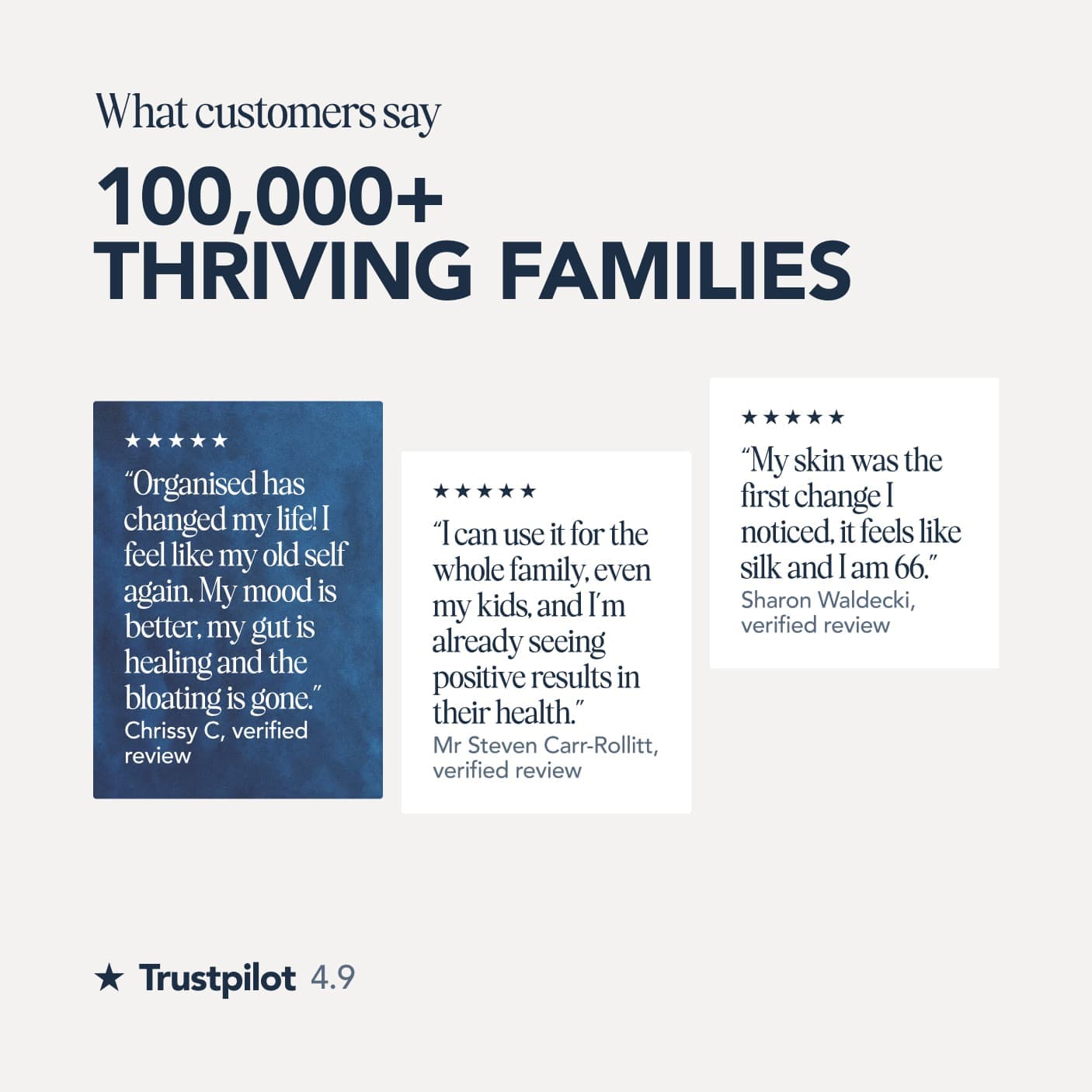
100,000+ thriving families4.9 on Trustpilot
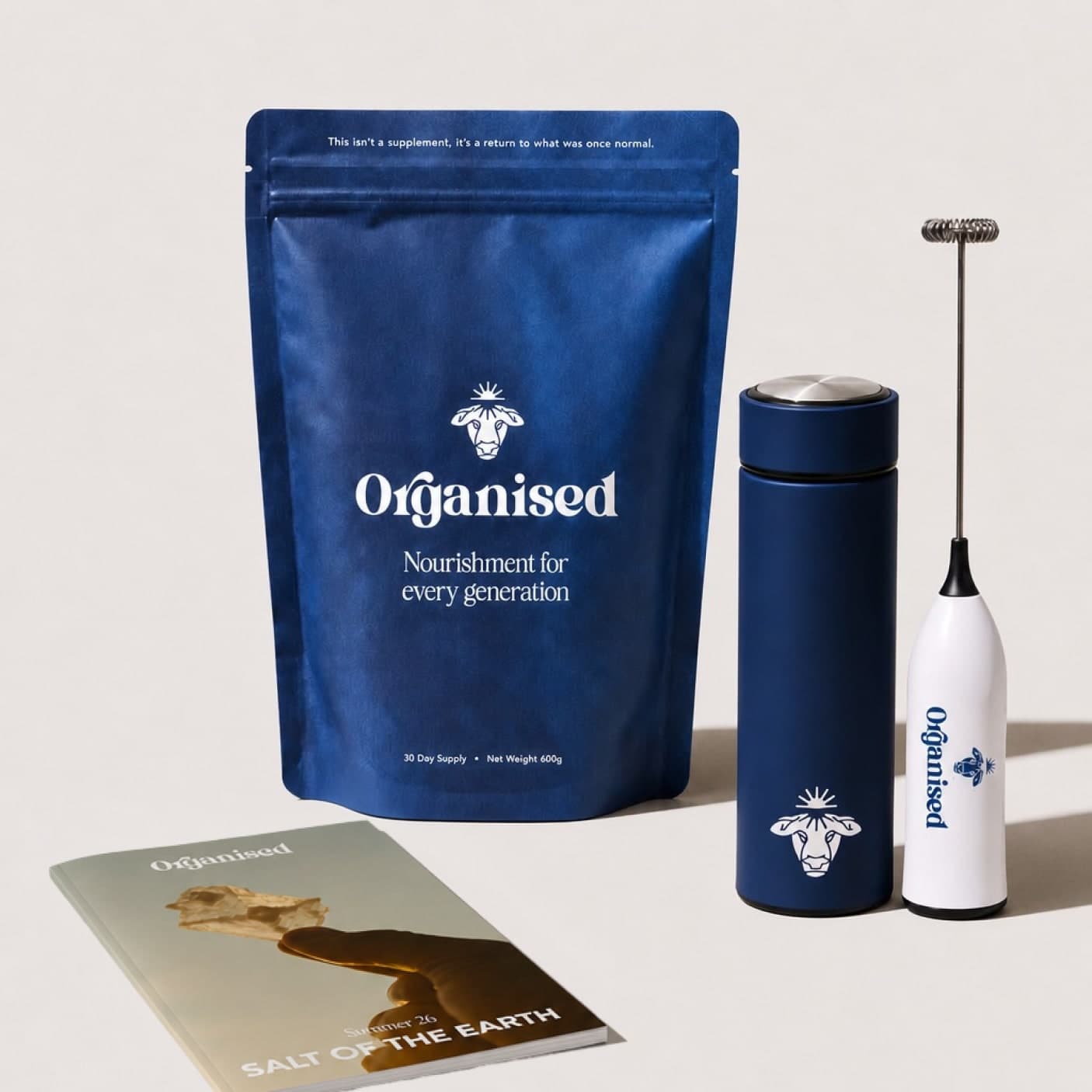
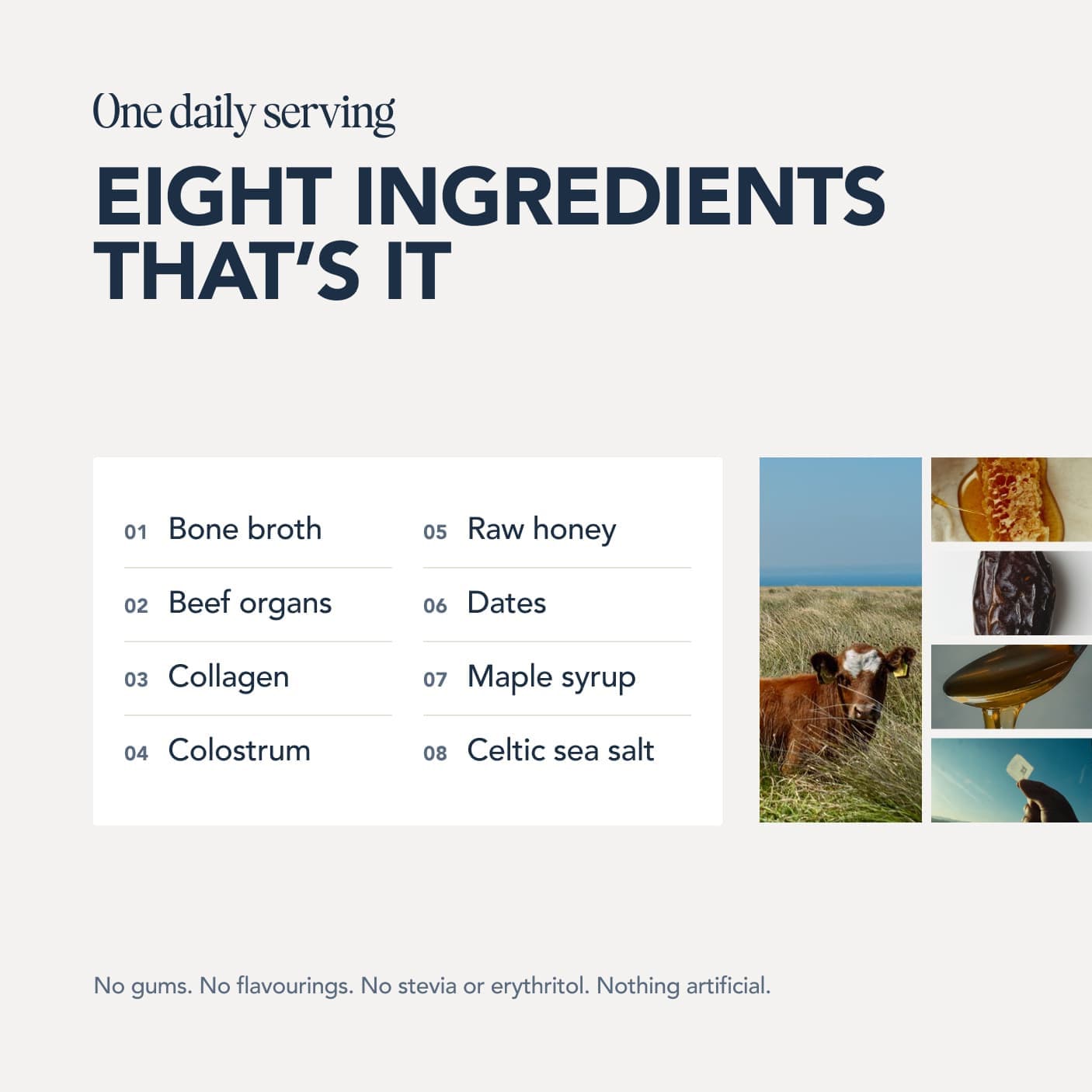
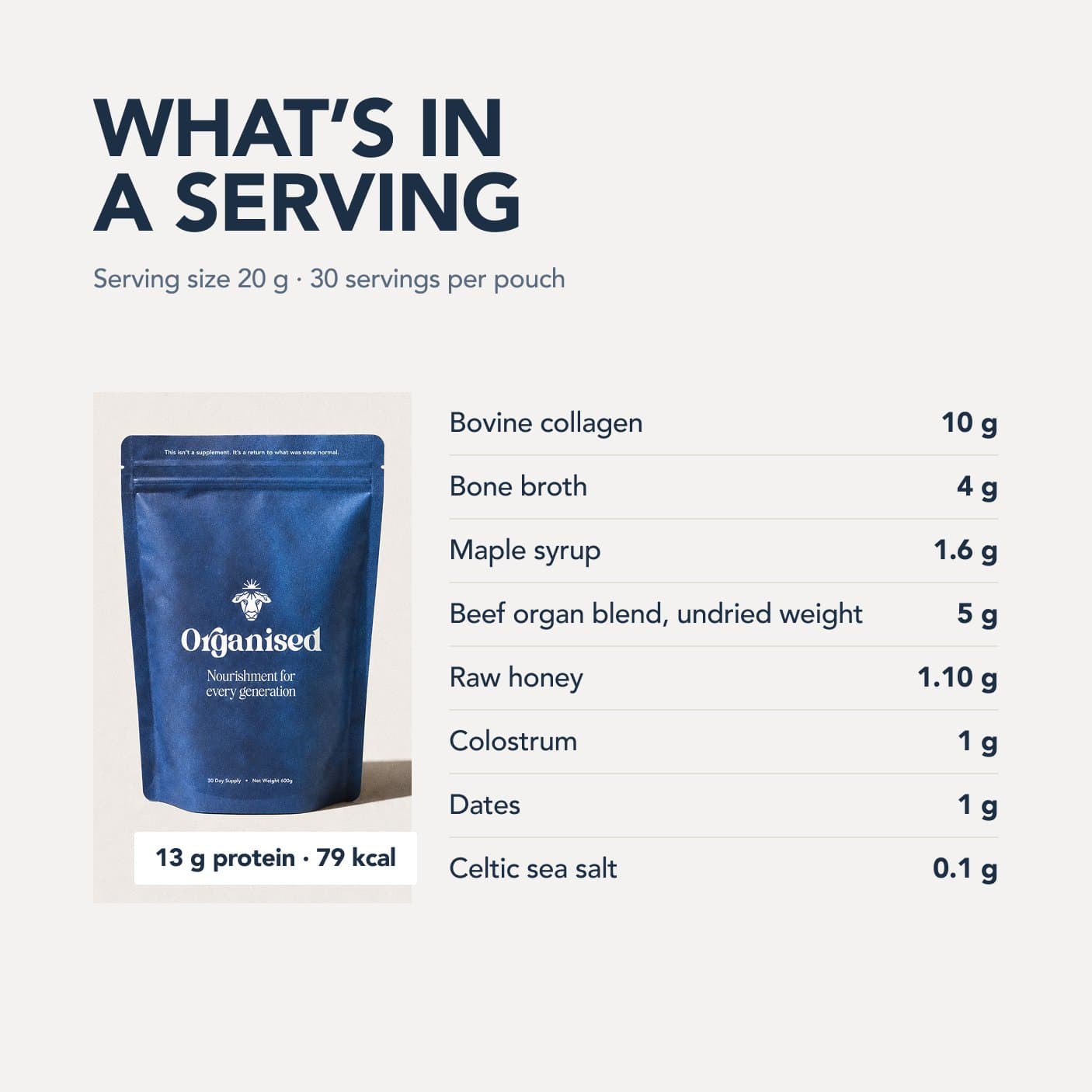
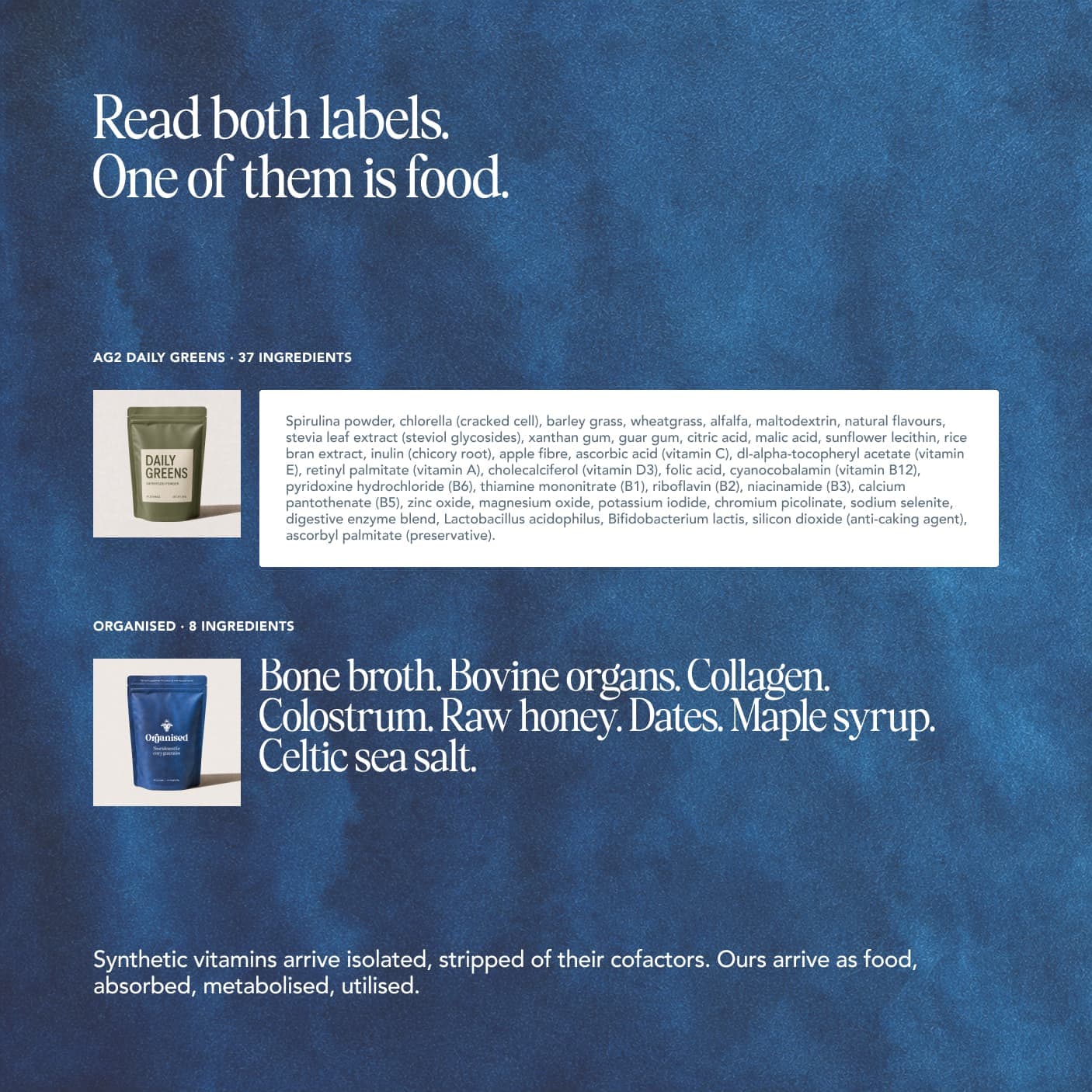
Eight real ingredients built around grass-fed beef organs, collagen and colostrum. Nothing synthetic added.
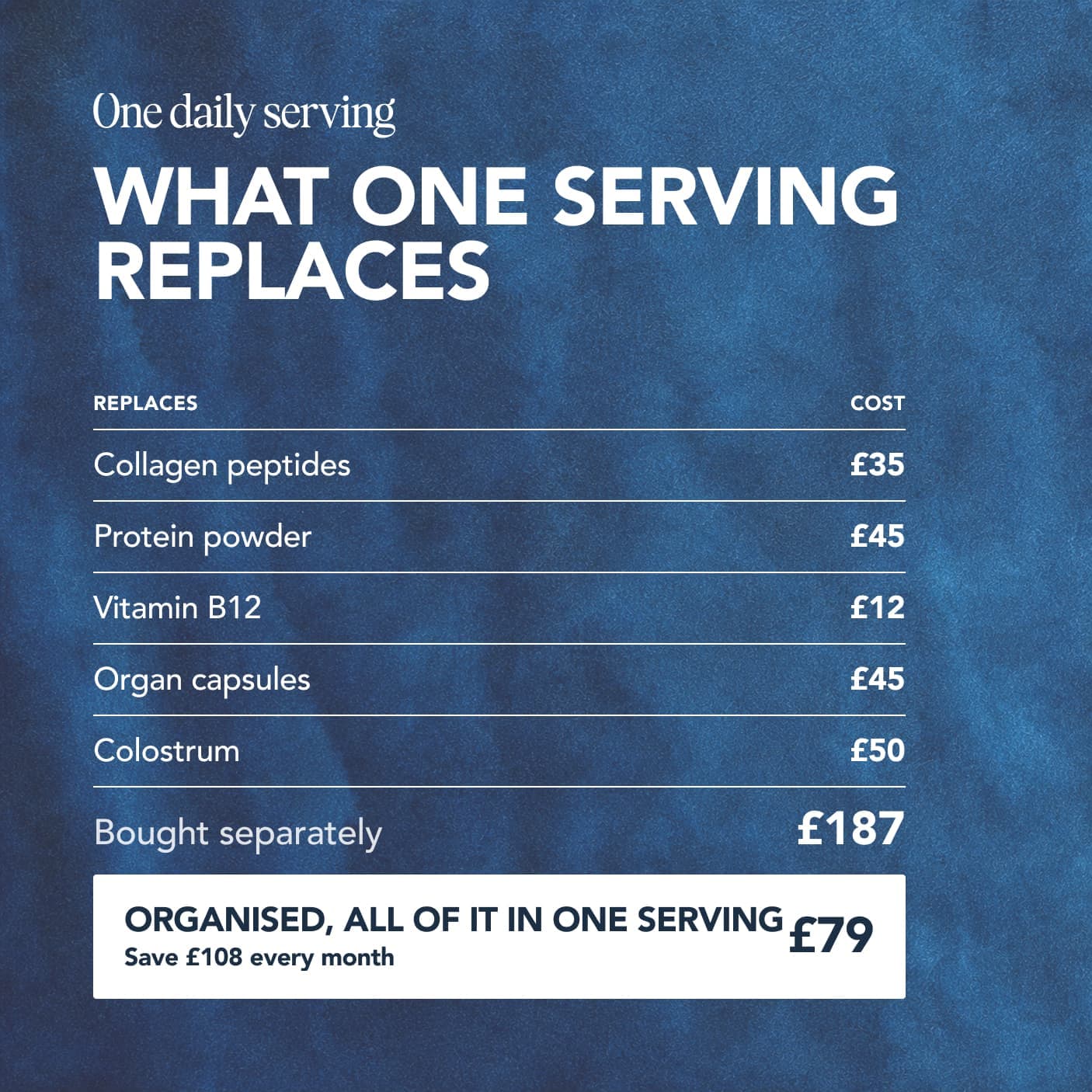
Free with your first order, worth £38. Plus £10 off the pouch with a subscription.

Free UK shipping · Made in England · 100 day money back guarantee on your first pouch · Skip, pause or cancel anytime
Why this matters now
Your modern diet is nutritionally incomplete. You're eating muscle meat and plants, but skipping the nutrient-dense organs that complete the nutritional picture. No amount of vegetables can compensate for this gap. A serving of broccoli contains perhaps 15 micrograms of selenium. A serving of beef kidney contains 60. The difference matters.
Your ancestors knew this intuitively. They didn't have nutritional science. They had experience. If you ate the whole animal, you thrived. If you ate only muscle meat, you sickened. The experience taught them.
Modern nutrition science has finally caught up to that ancestral wisdom. But by then, most people had forgotten how to cook organs. Knowledge was lost. Skills disappeared. Organs became taboo.
Returning to nose-to-tail eating isn't about being "ancestral" or "paleo" or fashionable. It's about addressing the specific nutritional gaps that modern agriculture creates. It's pragmatic. It's biological. Your body needs what organs provide.
The bottom line
Nose-to-tail eating isn't about being virtuous or "primitive." It's about accessing the most nutrient-dense foods available. Start with 100 grams of liver per week. Once that's normal, add heart, tongue, and other organs gradually.
Store them in the freezer. Prepare them simply. Don't hide them completely, but do pair them with flavours that make them enjoyable. And give yourself weeks for your taste buds to adapt. They will.
Your body will respond faster than you expect. Energy lifts. Cravings fade. You remember what it feels like to be deeply nourished. That's when you know you've done it right.
Quick answers to common questions
Isn't this gross?
Only because we've been trained to think so. Most people love nose-to-tail foods without realising it. Gelatin-rich slow-cooked meat, crispy chicken skin, rich gravy made from bones, pâté on toast. These are traditional comfort foods in disguise. Your palate is not fixed. It adapts fast when you feed it well.
Do I need to eat organs every day?
No. In fact, for some people, less is more. Organs are concentrated. A small amount can go a long way. A common beginner rhythm is once or twice per week, or small blended amounts more often.
(And if you have specific health conditions, or you're pregnant, you should talk to a qualified practitioner about what makes sense for you.)
Is nose-to-tail just for meat eaters?
Nose-to-tail is inherently animal-based, yes. But the deeper principle is respect and whole-food nourishment. Even if you are not ready to go fully nose-to-tail, you can still take steps toward less waste and more nutrient density: broth, better sourcing, fewer ultra-processed foods, and more traditional cooking methods.
References
Every source below was checked on 27 August 2026. Each PubMed, PMC and DOI identifier was resolved against NCBI or Crossref, and what it opens is printed under the citation, so you can see the link goes where the citation says without leaving the page. Where a citation and its identifier disagreed, the citation was corrected to the record or the reference was deleted along with the sentence marker that pointed at it, and where the resolved paper turned out not to support the sentence, the sentence was cut back to what it does support. Borrowed authority is worse than none, because it looks like rigour.
- USDA FoodData Central. Beef, variety meats and by-products, liver, cooked. https://fdc.nal.usda.gov/ [accessed May 2026].
- Pravst I, Zmitek K, Zmitek J. Coenzyme Q10 contents in foods and fortification strategies. Crit Rev Food Sci Nutr. https://pubmed.ncbi.nlm.nih.gov/20301015/ [accessed May 2026].Checked 27 August 2026: PMID 20301015 opens Pravst I, Zmitek K, Zmitek J, Coenzyme Q10 contents in foods and fortification strategies. Crit Rev Food Sci Nutr 2010;50(4):269-80. PubMed indexes it as: Review.
- National Institutes of Health, Office of Dietary Supplements. Selenium - Health Professional Fact Sheet. https://ods.od.nih.gov/factsheets/Selenium-HealthProfessional/ [accessed May 2026].
Who wrote and reviewed this guide
Niall Kiddle
Author · Founder, Organised
Niall is the founder of Organised. He started the company in 2024 after fixing his own health the slow way: in 2022 he swapped a cupboard of synthetic supplements for real food, raw milk, organ meats, bone broth and honey, and felt the difference within months.
Areas of expertise: Ancestral nutrition, Organ meats, Whole-food supplementation, Gut health, Regenerative sourcing
Read Niall's full profile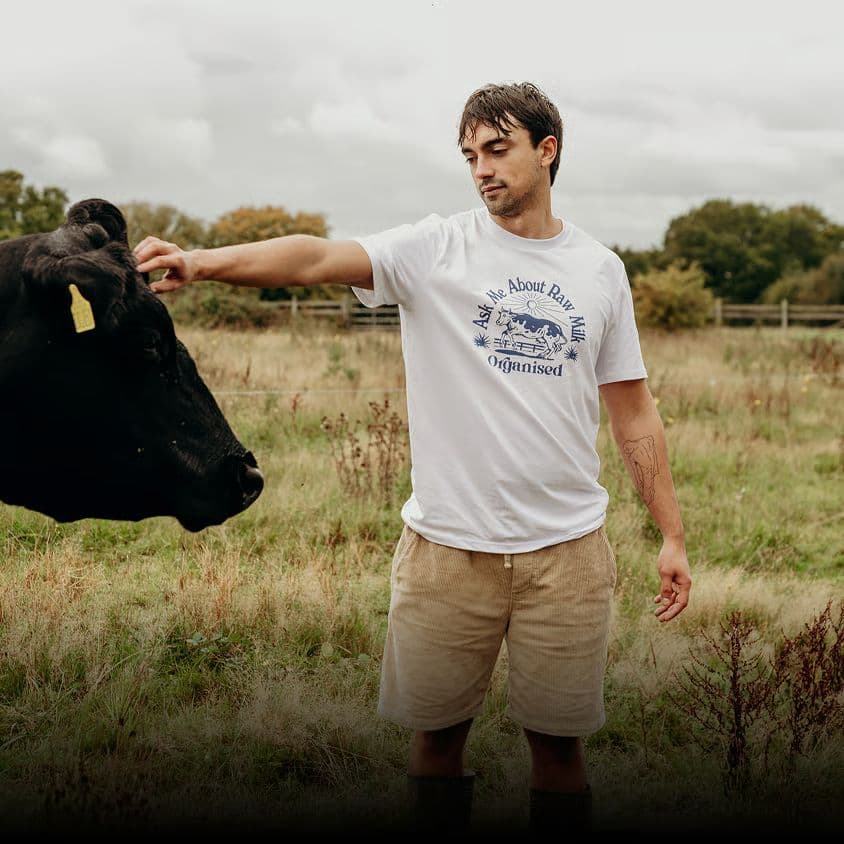
Pedro Rodrigues
Reviewer · Agronomist (farming and sourcing only)
Pedro is the agronomist Organised works with on farming and sourcing. His job on the guides is to keep the science honest: he reviews what we publish about soil health, regenerative agriculture, grazing and the way food is actually produced.
Areas of expertise: Regenerative agriculture, Agronomy, Soil health, Grass-fed farming, Food sourcing
Reviewed this guide on
Read Pedro's full profileBrowse the guides library
All guidesKeep reading
Ancestral
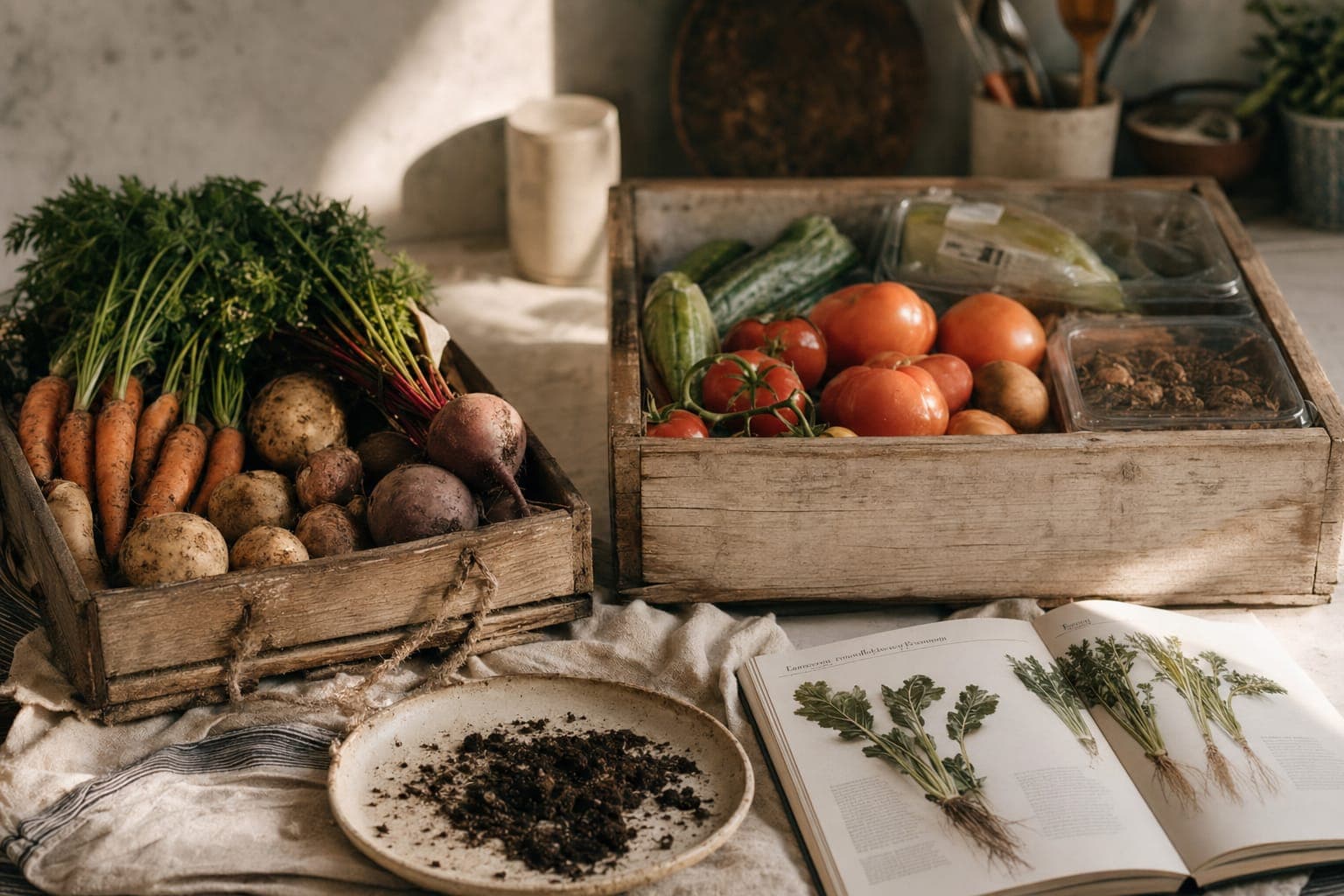
Why Modern Food Is Less Nutritious Than It Was 50 Years Ago
Soil depletion, selective breeding, and industrial agriculture have made modern produce less nutritious. Here's the evidence.
Ancestral
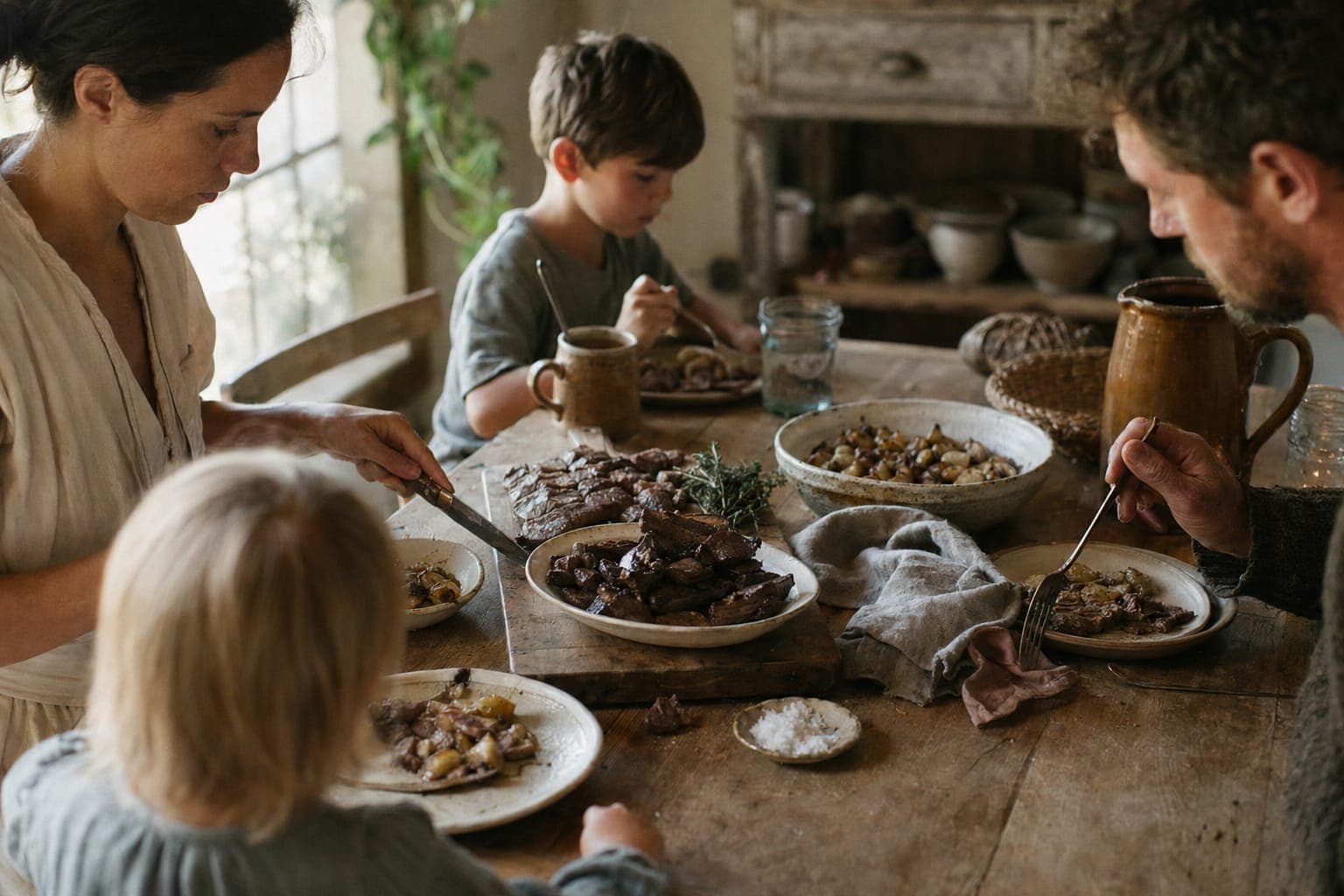
What Happened When We Stopped Eating Organs
Explore the history of organ meat: how the post-war shift to convenience foods and muscle meat sidelined nutrient-dense organs, and what that change cost us.
Ancestral
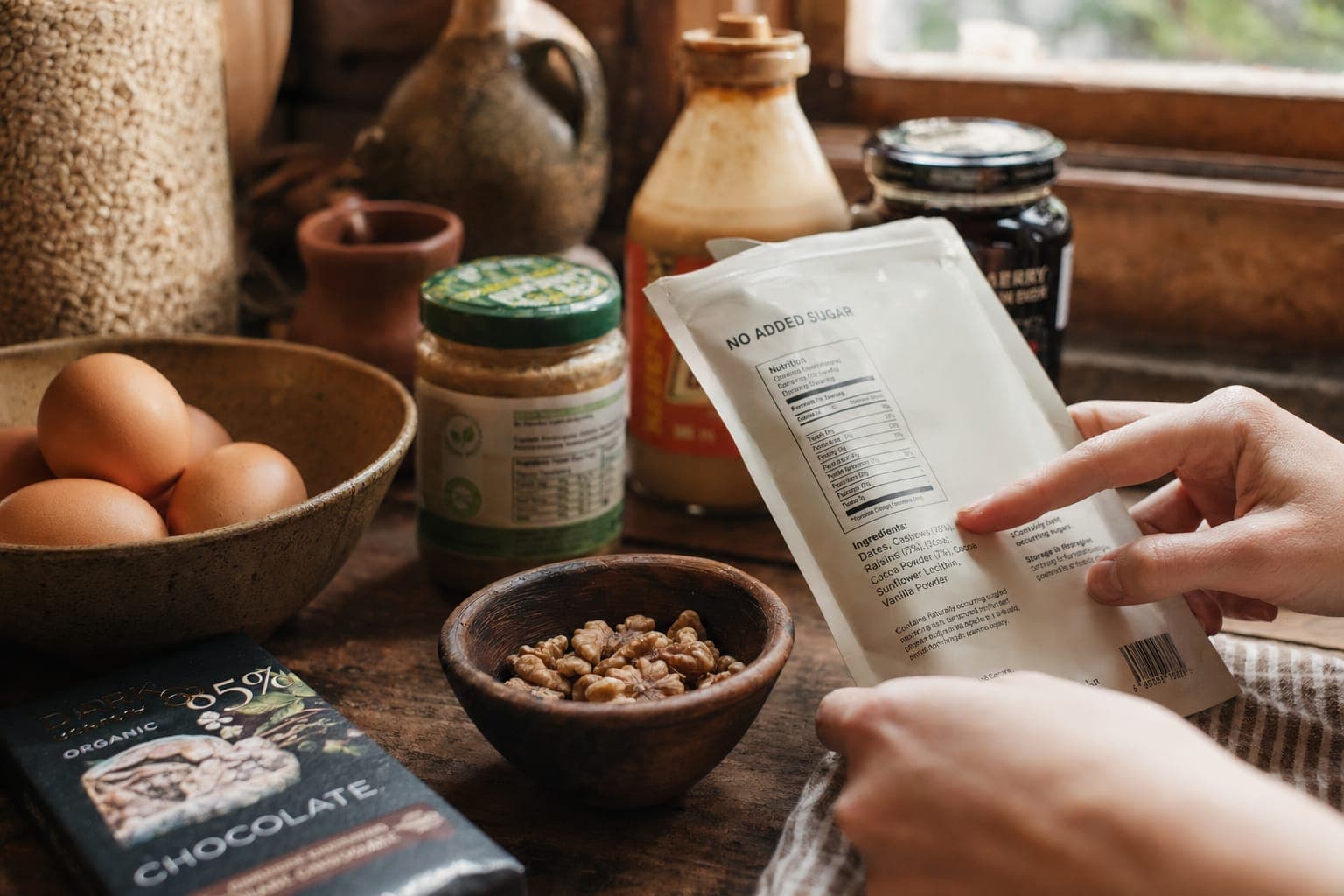
What 'No Added Sugar' Really Means on Food Labels
Decode the lies of food labels. 56 names for sugar, 'no added sugar' loopholes, and how to read ingredients to actually find real food.
Real food, made effortless
Bring it into my routineA few ways to use it
All recipes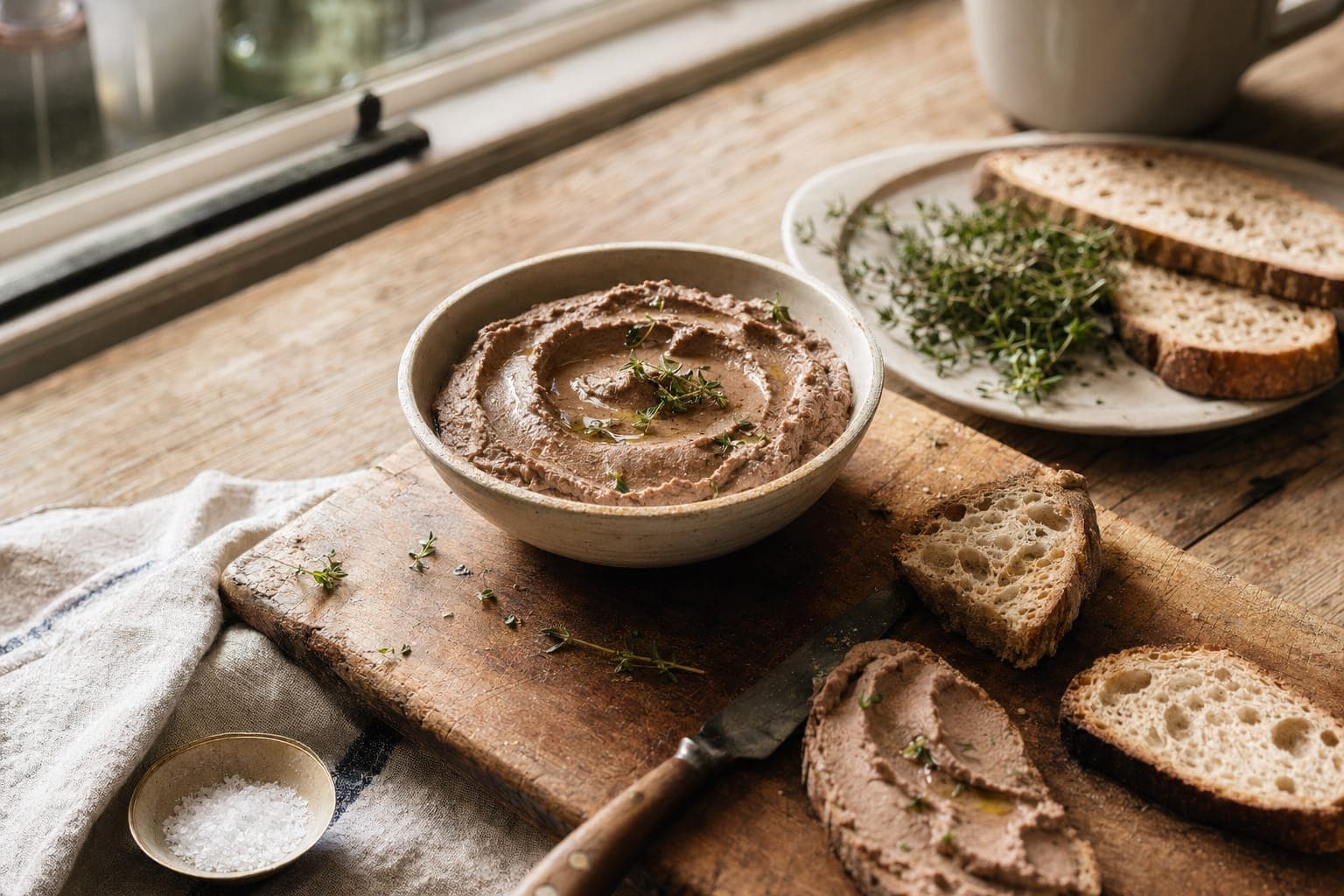
Liver Pate for Beginners: A Gentle Introduction to Organ Meats
Simple liver pate recipe to start eating organ meats. Chicken liver, butter, and herbs. Gentle introduction to nutrient-dense whole foods.
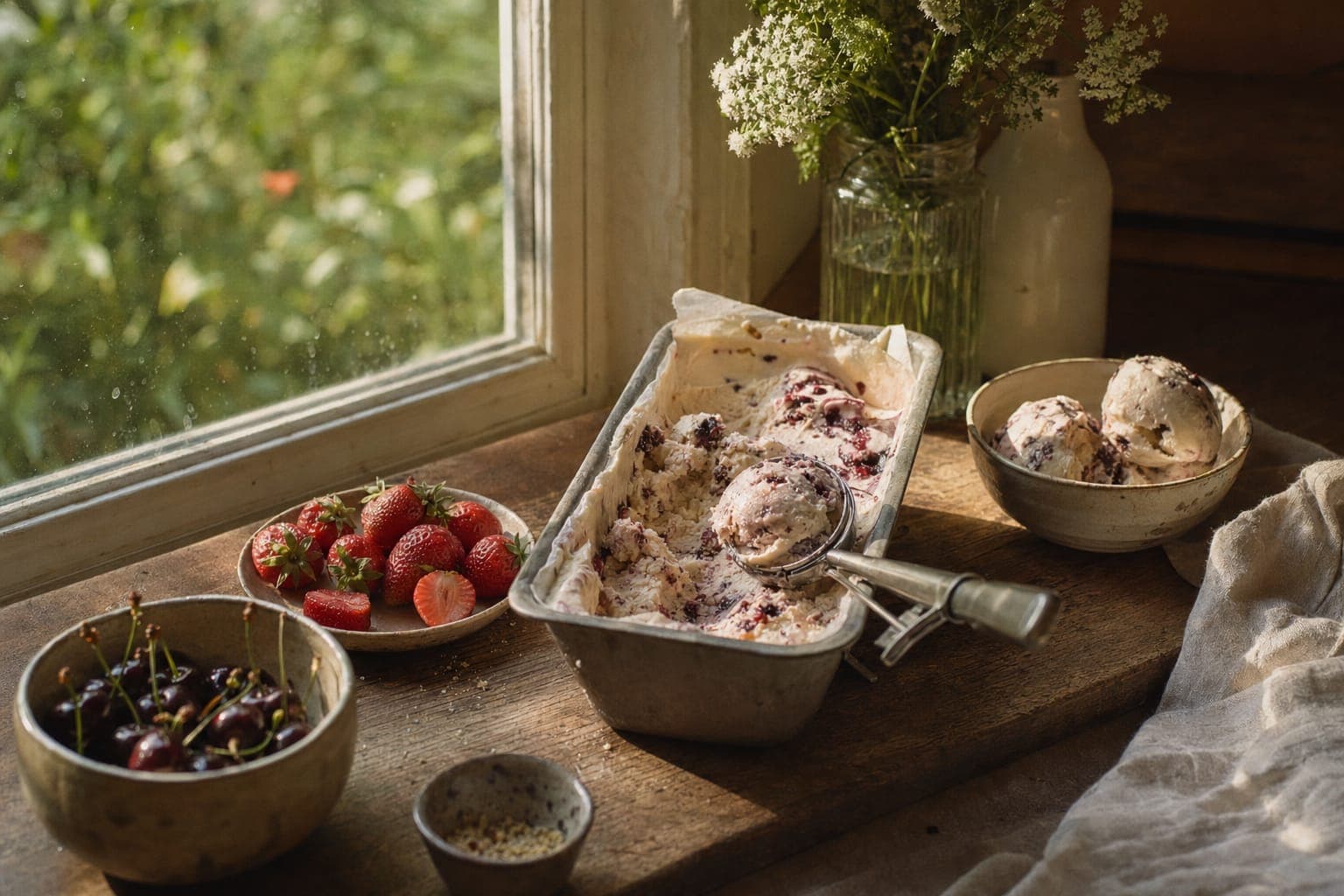
Raw Milk Ice Cream with Organised
Make raw milk ice cream at home with Organised for a seasonal, nutrient-dense treat. Three simple flavours to try whenever the craving strikes.
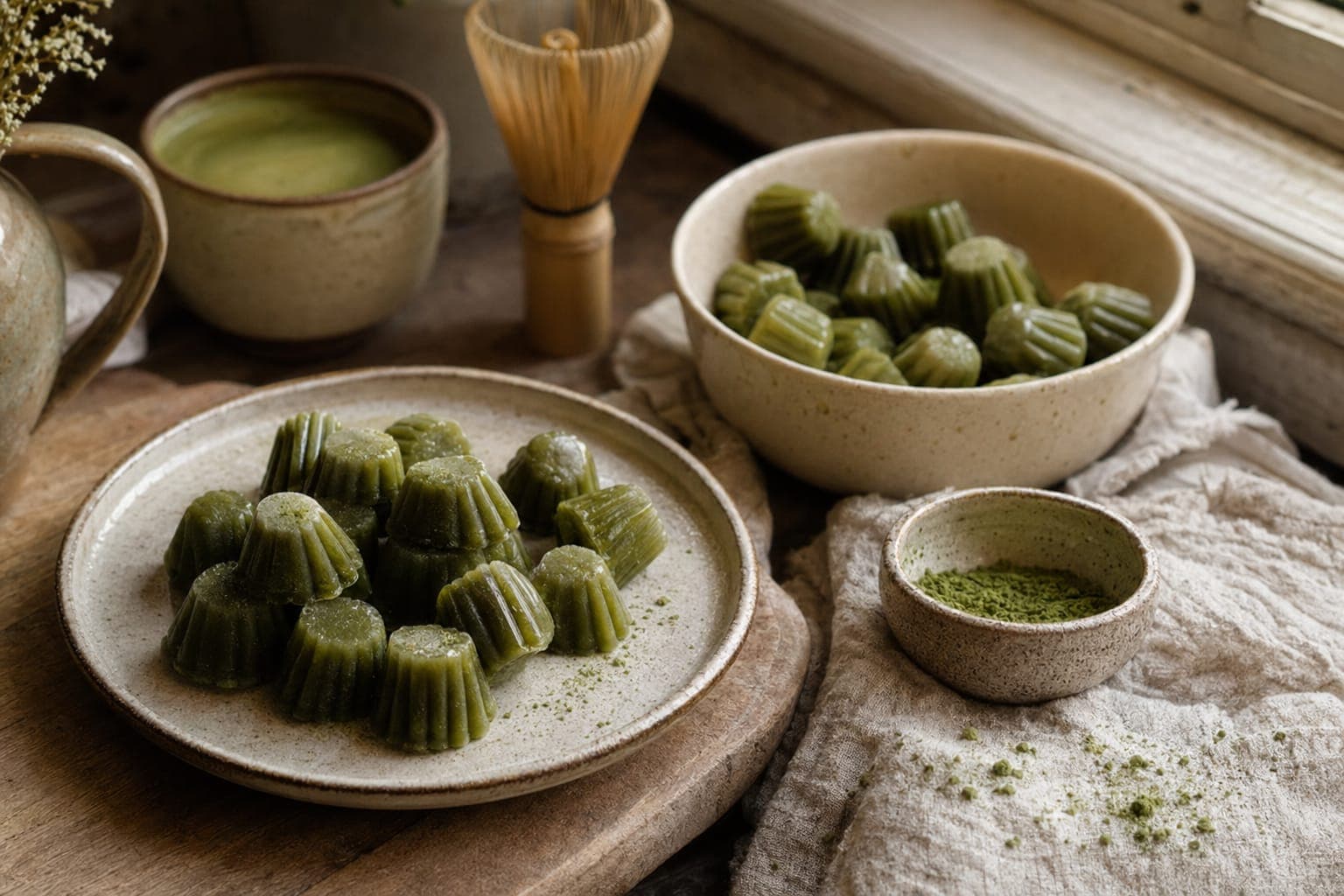
Matcha Latte Gummies with Collagen and Gelatine
Make visually stunning matcha latte gummies infused with collagen and gelatine. Simple recipe for gut-healing sweets you'll actually want to eat.


 Join over 100,000+ members
Build a better food system with us
The Organised community is thousands of people choosing real food and backing the farmers who grow it, all of us trying to leave the world a little better than we found it. If that is what you care about too, you belong here.