Soaking, Sprouting and Fermenting: Traditional Food Preparation
Your ancestors didn't just soak grains and legumes for fun. They didn't ferment vegetables as a preservation trend. These practices existed because they solved a real problem: plants contain compounds that block nutrient absorption. Traditional preparation methods remove those blocks. Modern processing skips this entirely. And your digestive system is paying the price.
By Niall Kiddle, Founder, Organised

Reviewed by Pedro Rodrigues, Agronomist (farming and sourcing only) ·
6 min read · Published · Updated · 2 cited sources
Makers of the Organised Daily blend, a grass-fed beef organ supplement from regenerative UK farms
The modern food industry has optimised for speed and cost. Quick cooking. Minimal processing. Get the food from field to table in days rather than weeks. The result is food that's technically edible but nutritionally compromised and often difficult to digest.
Why plants have anti-nutrients
Plants don't want to be eaten.2 They can't run away, so they've evolved chemical defences. Seeds, particularly, are investments in the next generation. Plants don't want you eating their seeds. So seeds are packed with compounds designed to prevent digestion.
This is why grains and legumes (which are seeds) are difficult to digest when eaten raw or when prepared without traditional methods. The plants are protecting their genetic material.
The compounds involved include:
- Phytic acid (phytates): binds to minerals like zinc, iron, magnesium, and calcium, preventing absorption
- Lectins: proteins that can bind to intestinal cells and trigger inflammation
- Saponins: compounds that can increase intestinal permeability
- Protease inhibitors: compounds that interfere with protein digestion
In small amounts, your body can handle these. But in large amounts, or when consumed regularly in processed foods, they become a problem.
Phytic acid and mineral absorption
Phytic acid is found in grains, legumes, nuts, and seeds. It's particularly high in wheat and oats. When phytic acid is present in your digestive system, it binds to minerals and prevents their absorption.
This becomes a real problem when you're eating processed grains multiple times daily. A breakfast of commercial cereal and milk (grain-based, unprepared). A lunch of bread (grain-based, unprepared). A dinner with rice (grain-based, unprepared). By the end of the day, you've consumed significant phytic acid, and your body has absorbed a fraction of the minerals you ate.
You can eat the most mineral-rich diet in the world, but if your grains aren't properly prepared, your body won't absorb those minerals. The food becomes nutritionally empty.
This is particularly problematic for zinc and iron absorption, both crucial for immune function and energy. Populations eating large amounts of prepared grains often develop deficiencies despite apparently adequate intake.
Lectins and intestinal damage
Lectins are proteins found in grains and legumes. They bind to carbohydrate receptors on intestinal cells and can trigger inflammation and increased intestinal permeability. In some people, this contributes to digestive symptoms, food sensitivities, and autoimmune responses.
Cooking reduces lectin content significantly. But traditional soaking and fermenting reduces it even more. And the combination of proper preparation plus cooking nearly eliminates it.
The problem is that modern food processing often skips the soaking and fermenting steps. You get the cooking but not the full preparation. The result is food that causes digestive symptoms in sensitive people and contributes to a leaky gut in everyone.
Soaking: the simplest method
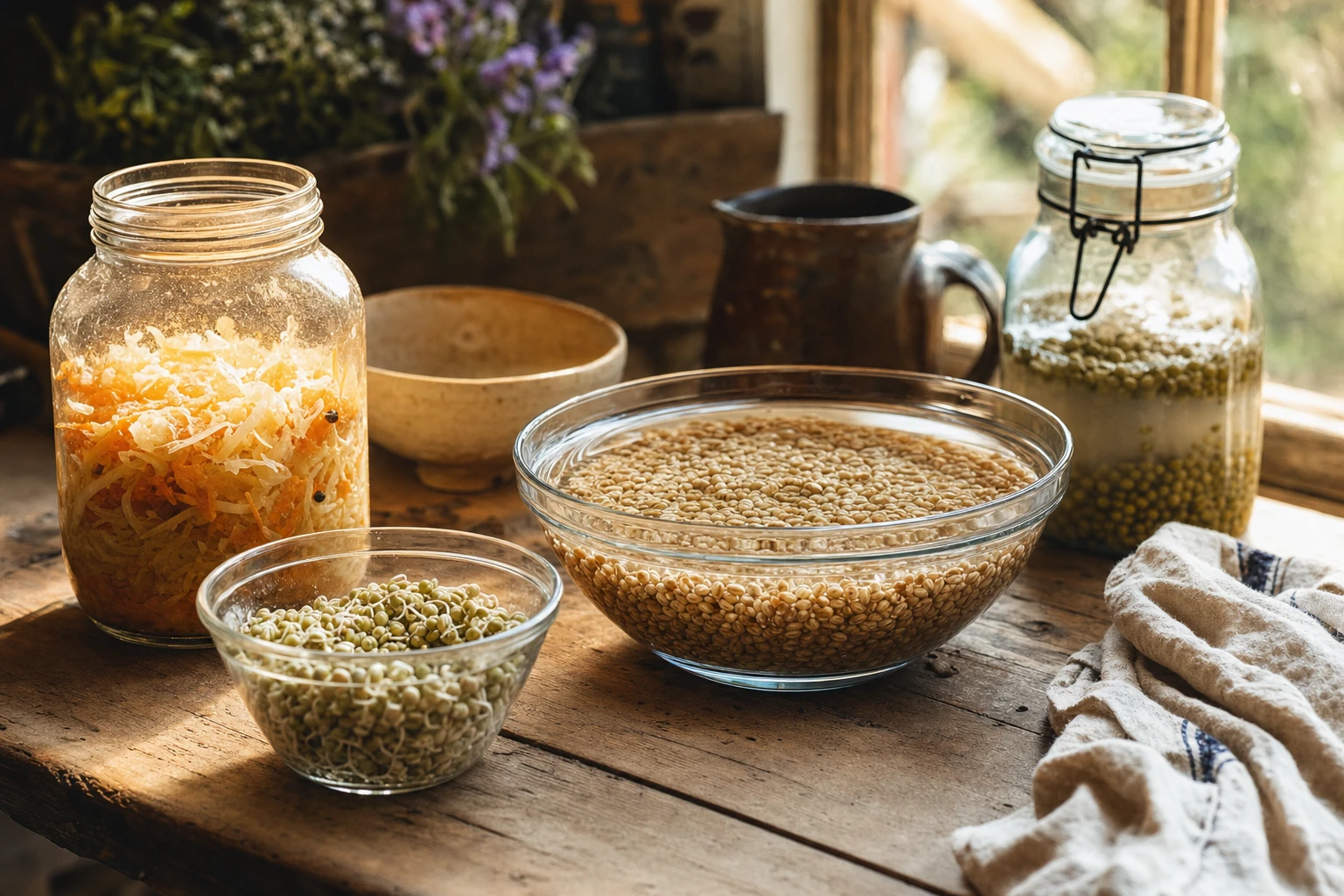
Soaking is the most basic traditional preparation. Cover grains or legumes with water, add a pinch of salt, and leave at room temperature overnight or for 12-24 hours. Then drain, rinse, and cook.
Soaking does several things:
- Reduces phytic acid content by 25-50 percent depending on grain type
- Reduces lectins
- Reduces saponins
- Activates enzymes in the seed that begin the sprouting process
- Makes the grain easier to cook and digest
It's not perfect. But it's a massive improvement over cooking unprepared grains. And it takes almost no effort: just soak overnight before cooking.
Water with a pinch of salt or a bit of acid (like lemon juice or apple cider vinegar) is most effective. The acid further reduces phytic acid. Longer soaking times (24-36 hours) are more effective than shorter ones (12 hours).
Sprouting: maximising nutrient density
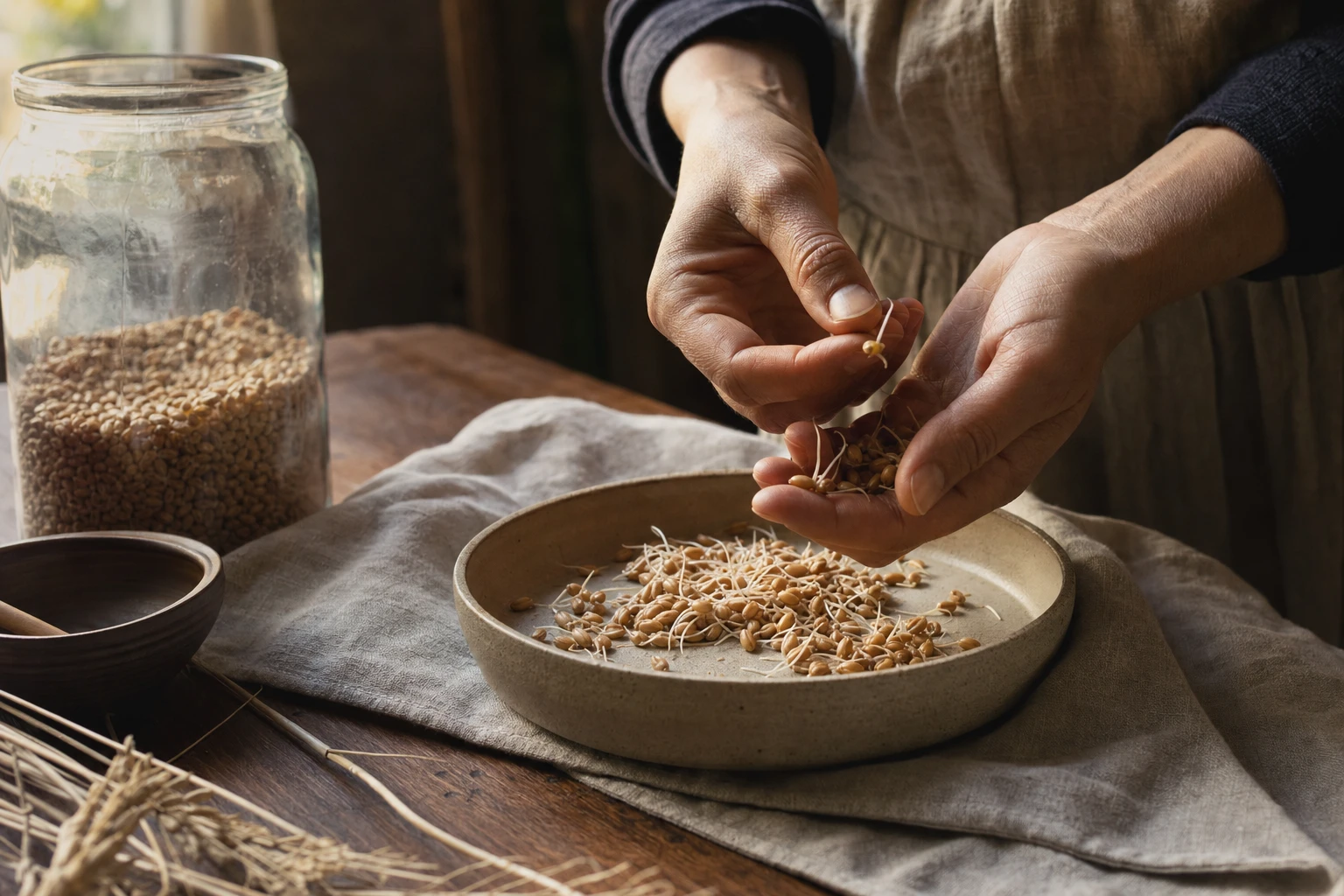
Sprouting is soaking taken further. After soaking, allow the grain or legume to sit in moist conditions until a small sprout emerges. Then dry it or cook it.
Sprouting:
- Reduces phytic acid content by 50-90 percent depending on grain and sprouting time
- Increases enzyme activity dramatically
- Converts some indigestible carbohydrates into digestible ones
- Increases certain vitamin content (particularly B vitamins)
- Makes the grain far easier to digest
Sprouted grains are genuinely different foods from unsprouted ones. Some people who can't digest regular wheat can eat sprouted wheat bread without problems. The digestive load has been reduced, and nutrient availability has increased.
Sprouted grain bread isn't a modern invention. It's an ancient preparation method that commercial breadmaking abandoned for speed and shelf-stability.
Get ancestral nutrition guides, free
Two short reads a week on traditional ways of eating, examined with modern evidence.
By signing up you agree to receive emails from us. No spam, unsubscribe anytime.
Fermenting: creating beneficial bacteria
Fermentation is the most complex traditional method. Grains, legumes, or vegetables are exposed to salt or whey (or allowed to ferment naturally) for days or weeks. Beneficial bacteria colonise the food and produce lactic acid.
Fermentation:
- Reduces phytic acid by 50-80 percent
- Reduces lectins and saponins significantly
- Produces beneficial lactobacillus bacteria
- Increases B vitamin content (particularly B6 and B12)
- Creates an enzymatic environment that further aids digestion
- Preserves food naturally without refrigeration
Fermented foods like sourdough bread, fermented grains, and fermented legumes have been staples of traditional cultures for thousands of years. Not because they were trendy. Because they solved the problem of making plant foods digestible.
The beneficial bacteria produced during fermentation colonise your gut and improve overall digestive health. This is a bonus beyond just nutrient availability.
How to prepare grains properly
For maximum nutritional benefit and minimum digestive issues:
- Step 1: Soak overnight (12-24 hours) in water with salt or acid
- Step 2: Drain and rinse thoroughly
- Step 3: Cook in fresh water until tender
Or for even better results: soak, allow to begin sprouting (just until a tiny sprout appears), then cook.
Or for maximum benefit: ferment. Buy or make sourdough starter, ferment grains with the starter for 12-24 hours, then cook.
Any of these methods improves digestibility dramatically. Soaking is the minimum. Fermenting is optimal.



1 of 9
Daily blend
100,000+ thriving families4.9 on Trustpilot
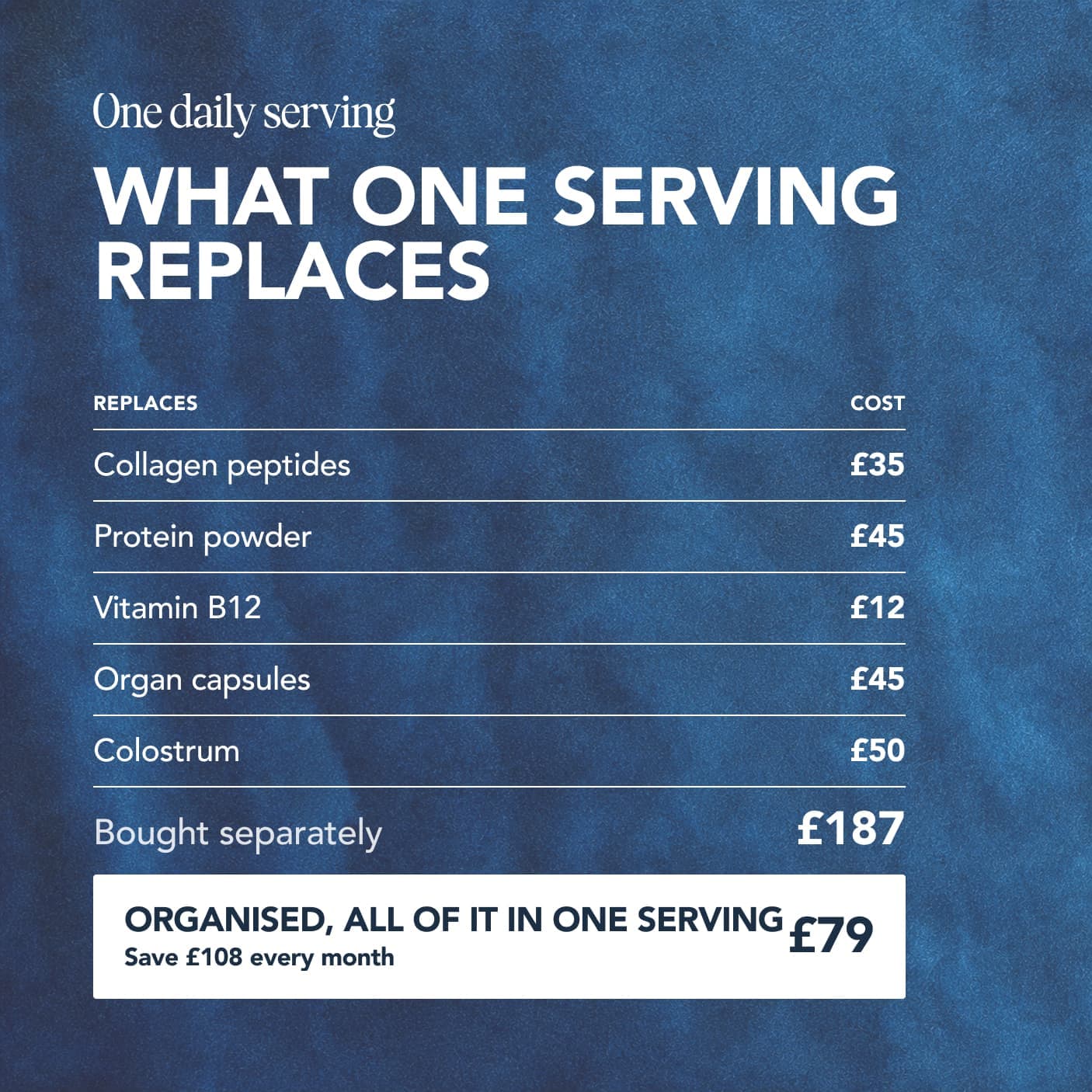
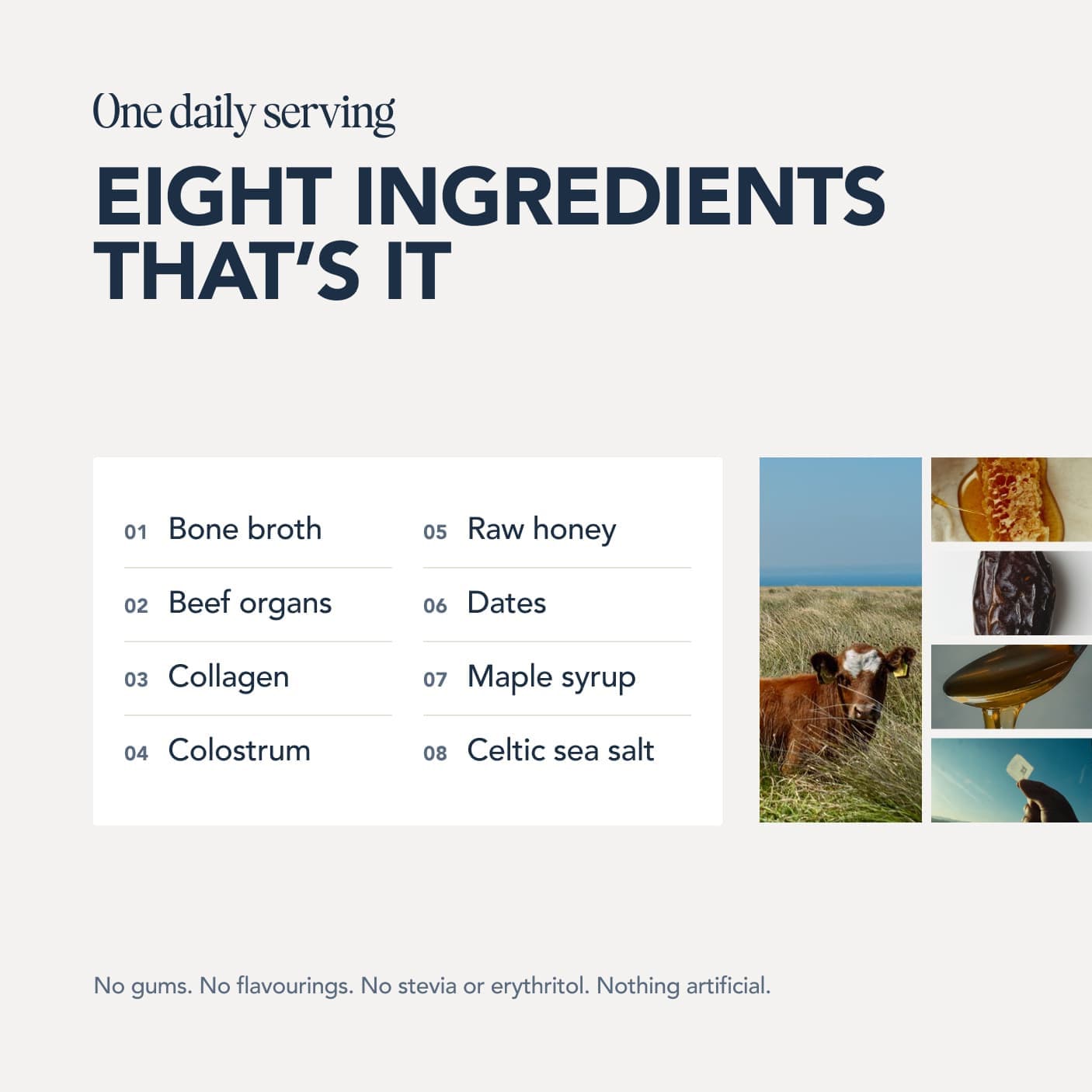
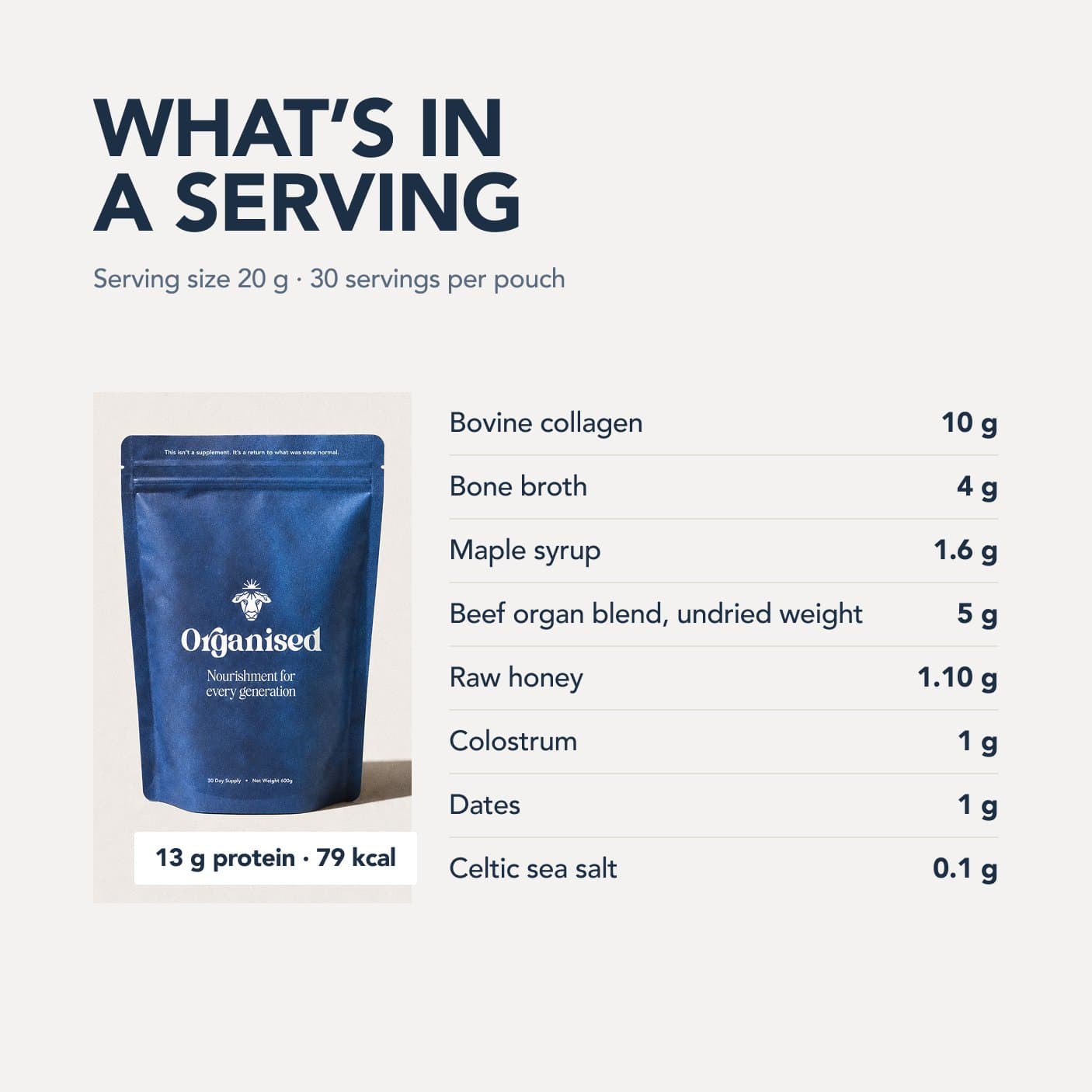
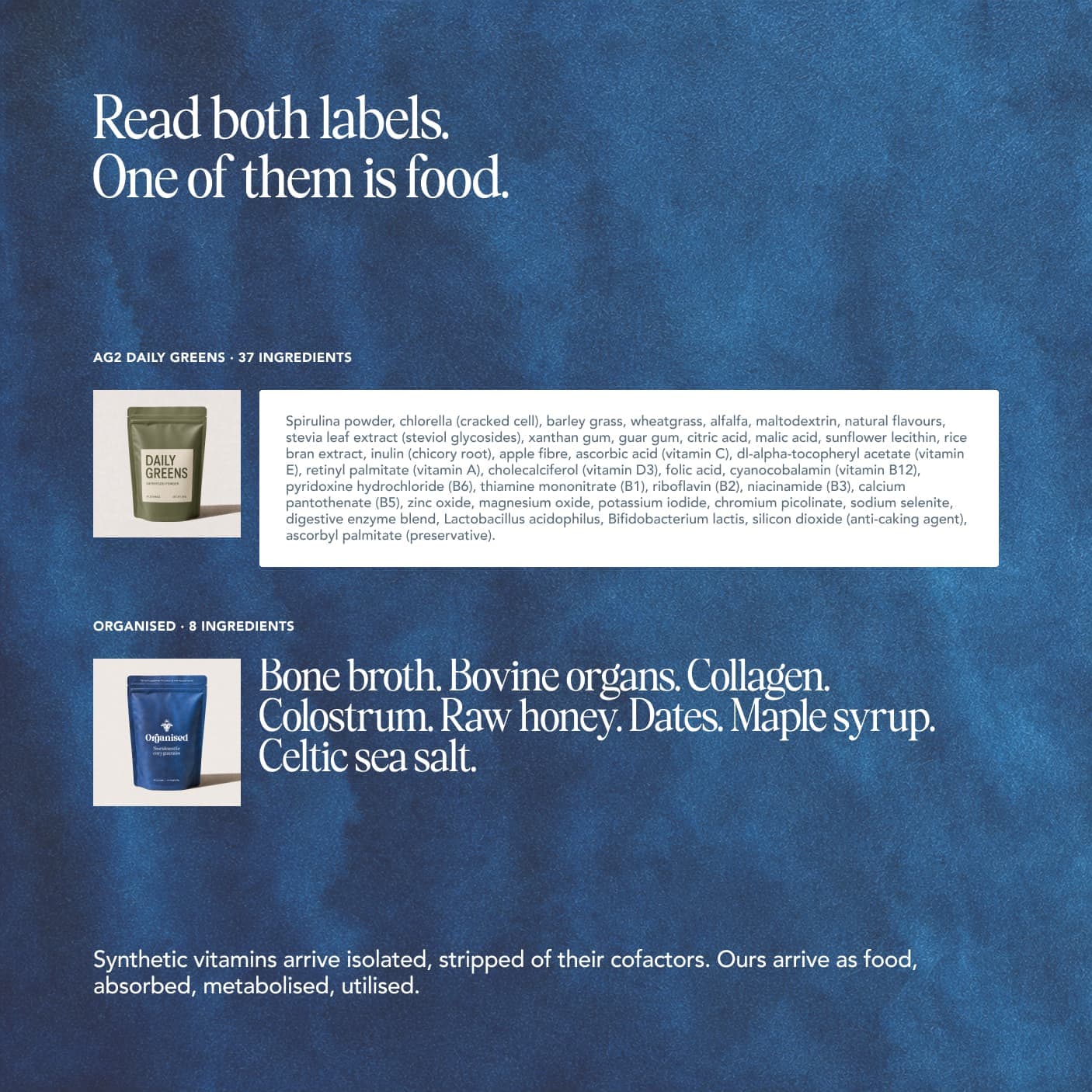
Eight real ingredients built around grass-fed beef organs, collagen and colostrum. Nothing synthetic added.
Free with your first order, worth £38. Plus £10 off the pouch with a subscription.



Free UK shipping · Made in England · 100 day money back guarantee on your first pouch · Skip, pause or cancel anytime
How to prepare legumes properly
Legumes (beans, lentils, chickpeas) contain high levels of lectins and phytic acid. They absolutely require proper preparation.
- Step 1: Soak overnight (12-24 hours) in water with salt
- Step 2: Drain the soaking water (this removes some phytic acid and lectins)
- Step 3: Add fresh water and cook thoroughly until completely soft
Do not skip the soaking step with legumes. If you're eating unsoaked beans regularly, your digestive system is working overtime and you're not absorbing minerals properly.
Some people ferment legumes as well, which further improves digestibility. But at minimum, soak them and drain the soaking water.
The bottom line
Modern food processing is fast and convenient. But it skips steps that your ancestors took for thousands of years. Those steps exist because they solve a real problem: making plant foods digestible and nutritious.
If you're eating grains and legumes, prepare them properly. Soak them. Sprout them if you can. Ferment them if you're ambitious. Your digestive system will thank you. And your mineral absorption will improve dramatically.
Traditional food preparation isn't outdated. It's essential.
If you're not preparing your grains and legumes traditionally, you're not just eating food. You're eating plant defences. You're consuming compounds designed to prevent absorption. Your digestive system notices. Your nutrient absorption is compromised. Your gut barrier suffers from chronic irritation.
Start small. Tomorrow, soak your rice or grain overnight before cooking. Notice how much softer and easier it is to digest. Next week, try soaking your beans. In a month, if you eat bread regularly, seek out a bakery that does proper sourdough fermentation. These small shifts compound. And your body will thank you.
References
Every source below was checked on 27 August 2026. Each PubMed, PMC and DOI identifier was resolved against NCBI or Crossref, and what it opens is printed under the citation, so you can see the link goes where the citation says without leaving the page. Where a citation and its identifier disagreed, the citation was corrected to the record or the reference was deleted along with the sentence marker that pointed at it, and where the resolved paper turned out not to support the sentence, the sentence was cut back to what it does support. Borrowed authority is worse than none, because it looks like rigour.
- Gupta RK, et al. Reduction of phytic acid and enhancement of bioavailable micronutrients in food grains. J Food Sci Technol. 2015. PMC4325021.Checked 27 August 2026: PMC4325021 opens Gupta RK, Gangoliya SS, Singh NK, Reduction of phytic acid and enhancement of bioavailable micronutrients in food grains. J Food Sci Technol 2015;52(2):676-84. PubMed indexes it as: Review.
- Samtiya M, et al. Plant food anti-nutritional factors and their reduction strategies: an overview. Food Production, Processing and Nutrition. 2020. fppn.biomedcentral.com.Checked 27 August 2026: doi:10.1186/s43014-020-0020-5 opens Samtiya M, Aluko RE, Dhewa T, Plant food anti-nutritional factors and their reduction strategies: an overview Food Production, Processing and Nutrition 2020;2(1).
Who wrote and reviewed this guide
Niall Kiddle
Author · Founder, Organised
Niall is the founder of Organised. He started the company in 2024 after fixing his own health the slow way: in 2022 he swapped a cupboard of synthetic supplements for real food, raw milk, organ meats, bone broth and honey, and felt the difference within months.
Areas of expertise: Ancestral nutrition, Organ meats, Whole-food supplementation, Gut health, Regenerative sourcing
Read Niall's full profile
Pedro Rodrigues
Reviewer · Agronomist (farming and sourcing only)
Pedro is the agronomist Organised works with on farming and sourcing. His job on the guides is to keep the science honest: he reviews what we publish about soil health, regenerative agriculture, grazing and the way food is actually produced.
Areas of expertise: Regenerative agriculture, Agronomy, Soil health, Grass-fed farming, Food sourcing
Reviewed this guide on
Read Pedro's full profileBrowse the guides library
All guidesKeep reading
Ancestral
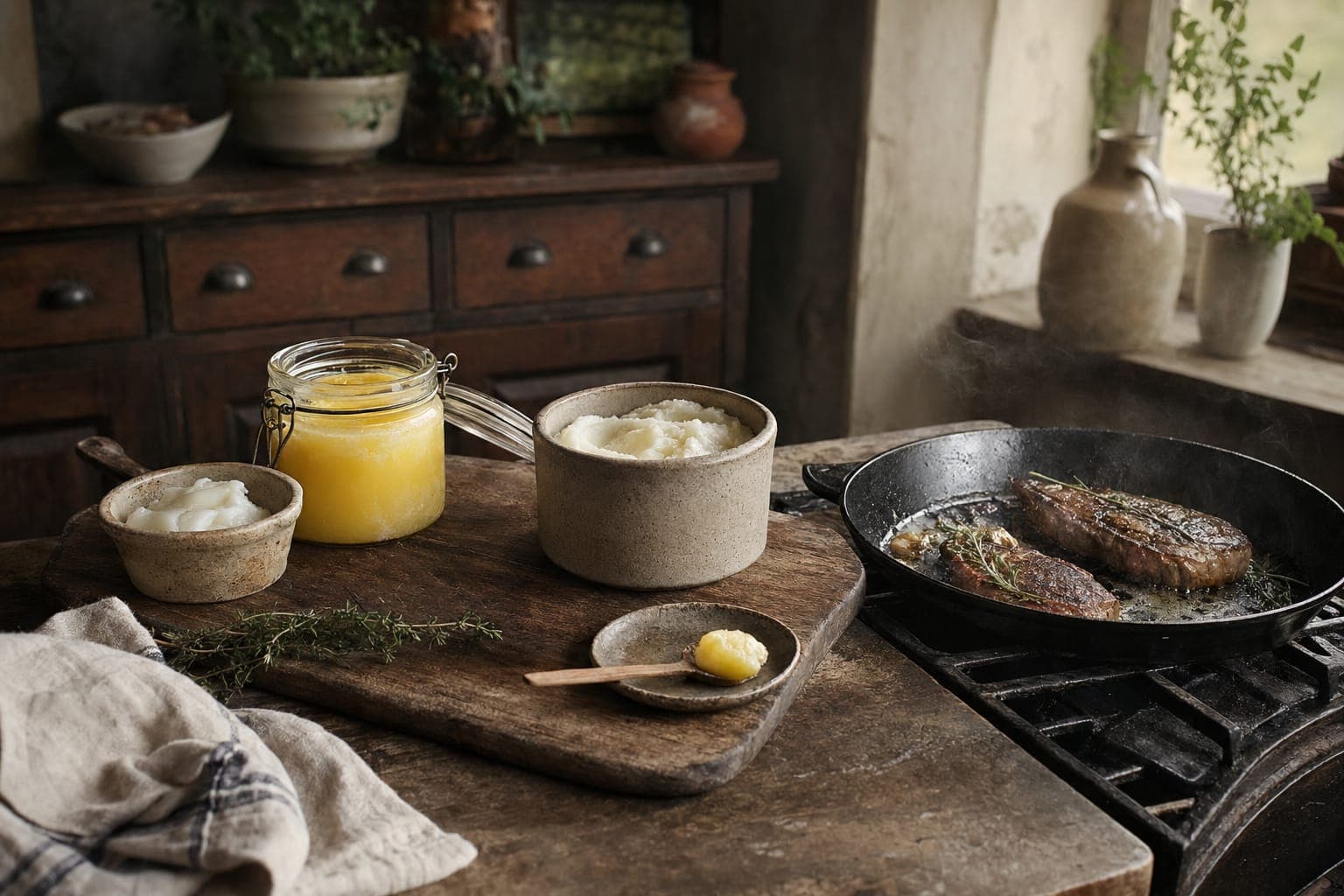
Ghee, Tallow and Lard: The Traditional Cooking Fats Making a Comeback
Ghee, tallow, and lard are making a comeback. Here's why traditional cooking fats outperform seed oils at high temperatures and support your health.

Ancestral
Ancestral Diet: The Simple, Seasonal, Nose-To Tail Way To Eat
Modern health culture can feel loud. Protein hacks, powders, trends with complicated rules. The ancestral diet is the opposite. It is quiet, simple, and
Ancestral
What Your Irish Grandmother Knew About Nutrition
Discover the nutrient-dense wisdom of traditional Irish foodways. From raw dairy to root vegetables, what your Irish grandmother understood about real food.
Real food, made effortless
Bring it into my routineA few ways to use it
All recipes
Collagen-Rich Beef Stew: Slow-Cooked Nourishment
Beef stew that delivers collagen from connective tissue and bone broth. Winter comfort food that actually nourishes. Simple slow cooker recipe.
Liver Pate for Beginners: A Gentle Introduction to Organ Meats
Simple liver pate recipe to start eating organ meats. Chicken liver, butter, and herbs. Gentle introduction to nutrient-dense whole foods.
Gut-Healing Marshmallows with Collagen and Raw Honey
Learn to make gut-healing marshmallows with collagen and raw honey. A shareable treat that sneaks nutrition into every bite. Easy recipe with video tips.


 Join over 100,000+ members
Build a better food system with us
The Organised community is thousands of people choosing real food and backing the farmers who grow it, all of us trying to leave the world a little better than we found it. If that is what you care about too, you belong here.