Emulsifiers, Gums and Thickeners: The Hidden Gut Disruptors
Look at the ingredient list of almost any processed food and you'll find them: carrageenan, guar gum, xanthan gum, polysorbate 80. They're used in yoghurt, salad dressings, baked goods, plant-based products, and even some supplements. They're invisible. Nobody thinks twice about them. And they're slowly dismantling your gut barrier.

By Niall Kiddle, Founder, Organised

Reviewed by Pedro Rodrigues, Agronomist (farming and sourcing only) ·
6 min read · Published · Updated · 3 cited sources
Makers of the Organised Daily blend, a grass-fed beef organ supplement from regenerative UK farms

The food industry uses these chemicals for one reason: they make food easier to manufacture and sell. They improve texture, extend shelf life, and reduce production costs. But what's convenient for factories is often damaging for human guts.

What emulsifiers, gums, and thickeners actually do
An emulsifier keeps oil and water from separating. A gum or thickener adds viscosity to food, making it feel more substantial or creamy without actually adding real food. They're used because they're cheap and they do the job that real food used to do. Instead of using actual cream, which is expensive and spoils quickly, manufacturers add xanthan gum or guar gum to create the sensation of creaminess. Instead of using proper stabilisation techniques, they add carrageenan or polysorbate 80 to keep products uniform on the shelf.
The problem is that your gut has no evolutionary experience with these chemicals. Your digestive system evolved over millions of years to process whole foods. It has defence mechanisms specifically designed to recognise and tolerate beneficial bacteria whilst keeping pathogens out. That defence is your gut barrier, and it relies on an intact mucus layer.
These additives are invisible to the average person eating processed food several times a week. They accumulate. They interact with your gut microbiome. And the research suggests they're making things worse.
Carrageenan and gut inflammation
Carrageenan comes from red seaweed. Sounds natural, right? It is derived from a natural source. But the extraction and processing removes it so far from its original context that calling it food is a stretch.
Carrageenan is used in almost every plant-based milk alternative, many yoghurts, processed ice creams, and baked goods. Studies have shown that carrageenan can trigger inflammatory responses in the gut, particularly in people with existing digestive sensitivity.1
Carrageenan interacts with the gut barrier in ways we're still understanding, but the mechanism appears to involve activation of inflammatory pathways and disruption of tight junctions in the intestinal wall.
What this means in plain terms: carrageenan can make your gut more permeable. It can increase intestinal inflammation. And it can trigger immune responses, particularly in people whose guts are already compromised by years of processed food, antibiotics, or dysbiosis.
The food industry uses tiny amounts and argues these amounts are safe based on animal studies from the 1970s. But safety testing doesn't account for cumulative exposure across multiple sources, or for individual variation in sensitivity. If you eat plant-based milk with carrageenan every morning, yoghurt with carrageenan as a mid-morning snack, and ice cream with carrageenan after dinner, you're not eating tiny amounts. You're dosing yourself regularly.
Polysorbate 80: the stealth disruptor
Polysorbate 80 is used as an emulsifier in salad dressings, baked goods, ice cream, and many supplements. It's one of a class of synthetic surfactants designed to keep oil and water mixed.
A 2015 study published in Nature found that polysorbate 80 (along with another similar emulsifier) altered the composition of gut bacteria and triggered low-grade inflammation and metabolic changes associated with obesity and metabolic syndrome.2
The study was done in mice, so people quickly point out that human studies are needed. But the mechanism is important: polysorbate 80 appears to alter bacterial composition directly, reducing beneficial bacteria and allowing pathogenic strains to proliferate. When your microbiome shifts, your entire immune and metabolic system responds.
This isn't a single meal problem. This is cumulative damage from regular exposure.
Xanthan gum and guar gum: hidden problems
Xanthan gum and guar gum are widely considered safe because they're not absorbed. Your body can't digest them, so they pass through. The food industry argues that what you don't absorb can't hurt you. But that's not how the gut works.
These gums interact with your microbiome. They change the bacterial environment. In some people, they can trigger excessive fermentation, causing bloating and gas. In others, they may alter the populations of beneficial bacteria that produce short-chain fatty acids, which are crucial for gut barrier health.
They also change the viscosity of your digestive contents in ways your body didn't evolve to handle. This can affect nutrient absorption. It can alter the rate at which food moves through your system. And over time, it can contribute to gut dysbiosis.
Get ancestral nutrition guides, free
Two short reads a week on traditional ways of eating, examined with modern evidence.
By signing up you agree to receive emails from us. No spam, unsubscribe anytime.
How these additives damage the mucus layer
Your gut barrier is protected by a mucus layer. This layer serves multiple functions: it provides a habitat for beneficial bacteria, it creates a physical barrier between your gut contents and your gut wall, and it contains antimicrobial peptides that keep pathogens in check.
The research suggests that emulsifiers and gums directly interact with this mucus layer.2 Some studies show they can reduce mucus thickness. Others show they alter the glycoprotein composition of mucus, making it less effective at its protective function.
When your mucus layer is compromised, bacteria and bacterial antigens can interact directly with your gut epithelial cells.3 This triggers immune activation. Over time, this can lead to increased intestinal permeability, food sensitivities, and chronic low-grade inflammation.
Your gut doesn't just process food. It's an immune organ. And emulsifiers appear to be actively disrupting it.
The research nobody talks about
There are dozens of studies examining how these additives affect the gut. Many are small or done in animal models, which critics use to dismiss them. But the pattern is consistent. Emulsifiers and gums alter microbiome composition, increase intestinal permeability, and trigger inflammatory pathways.
The food industry disputes this research and points to regulatory approval. But regulatory approval is based on outdated safety models that don't account for modern realities: cumulative exposure across multiple products, the fact that most people eat processed food multiple times daily, and the interaction between these additives and other modern stressors like antibiotics, chronic stress, and industrial seed oils.
The safety studies were done decades ago, often in populations that weren't chronically consuming multiple different additives simultaneously.


1 of 9
Daily blend
100,000+ thriving families4.9 on Trustpilot
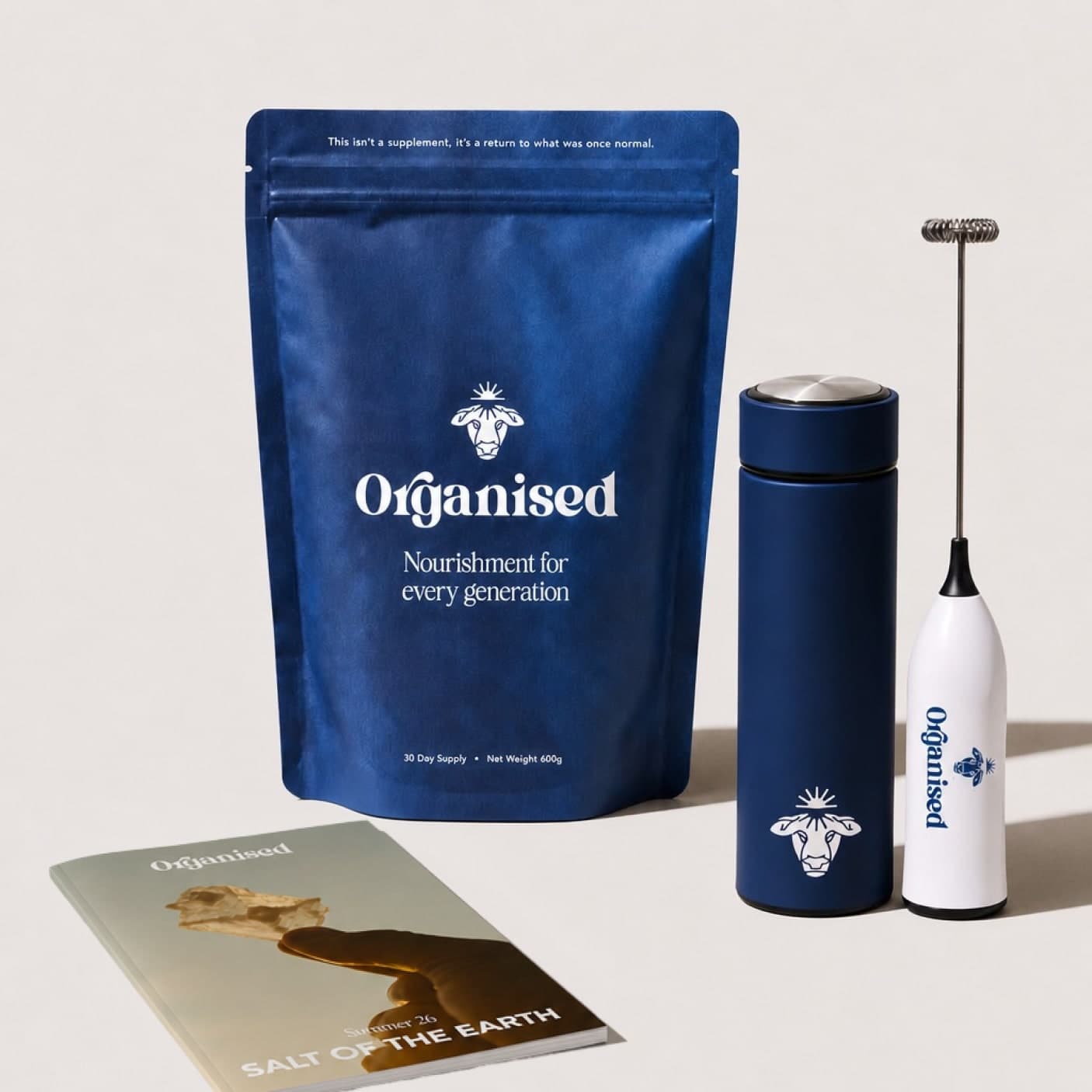
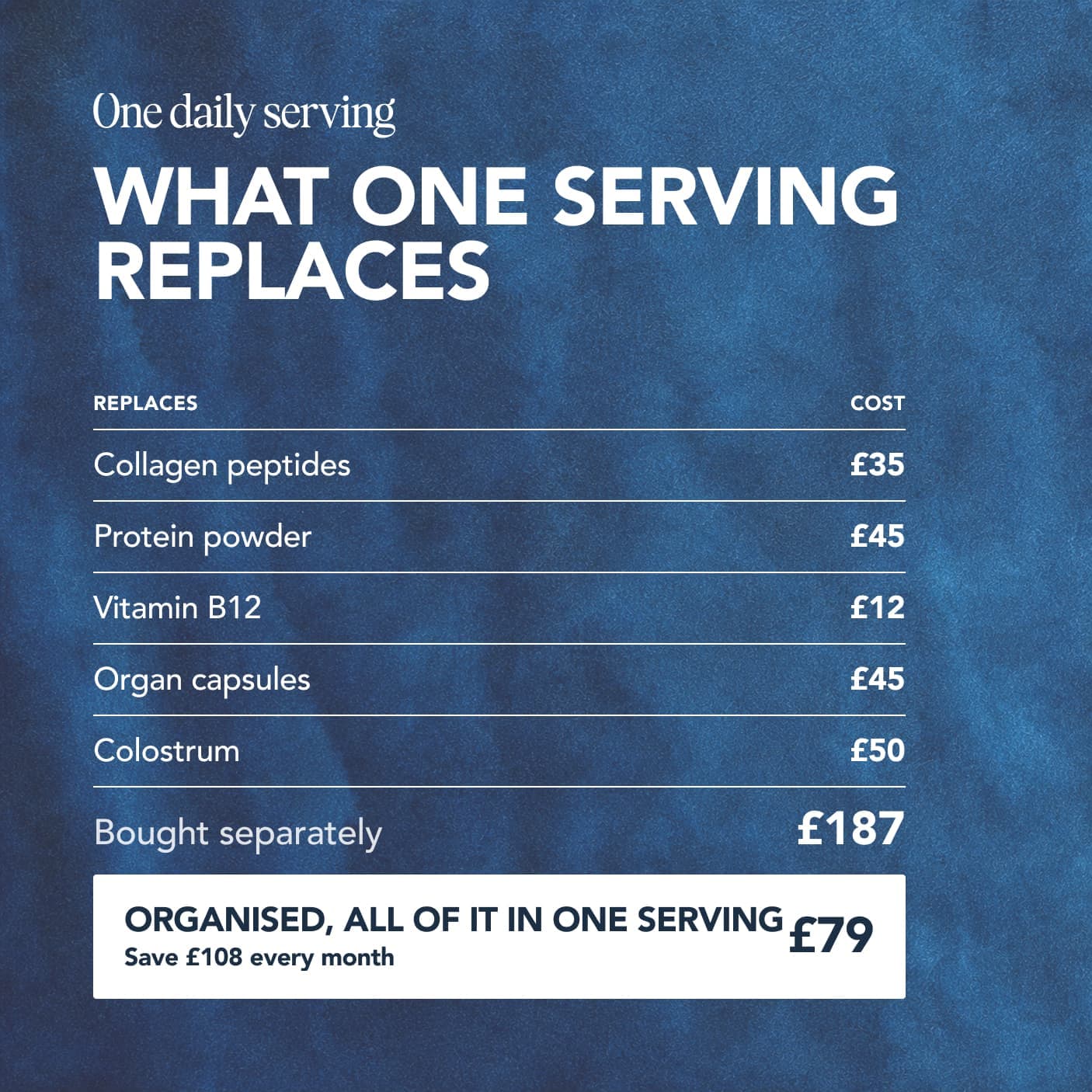
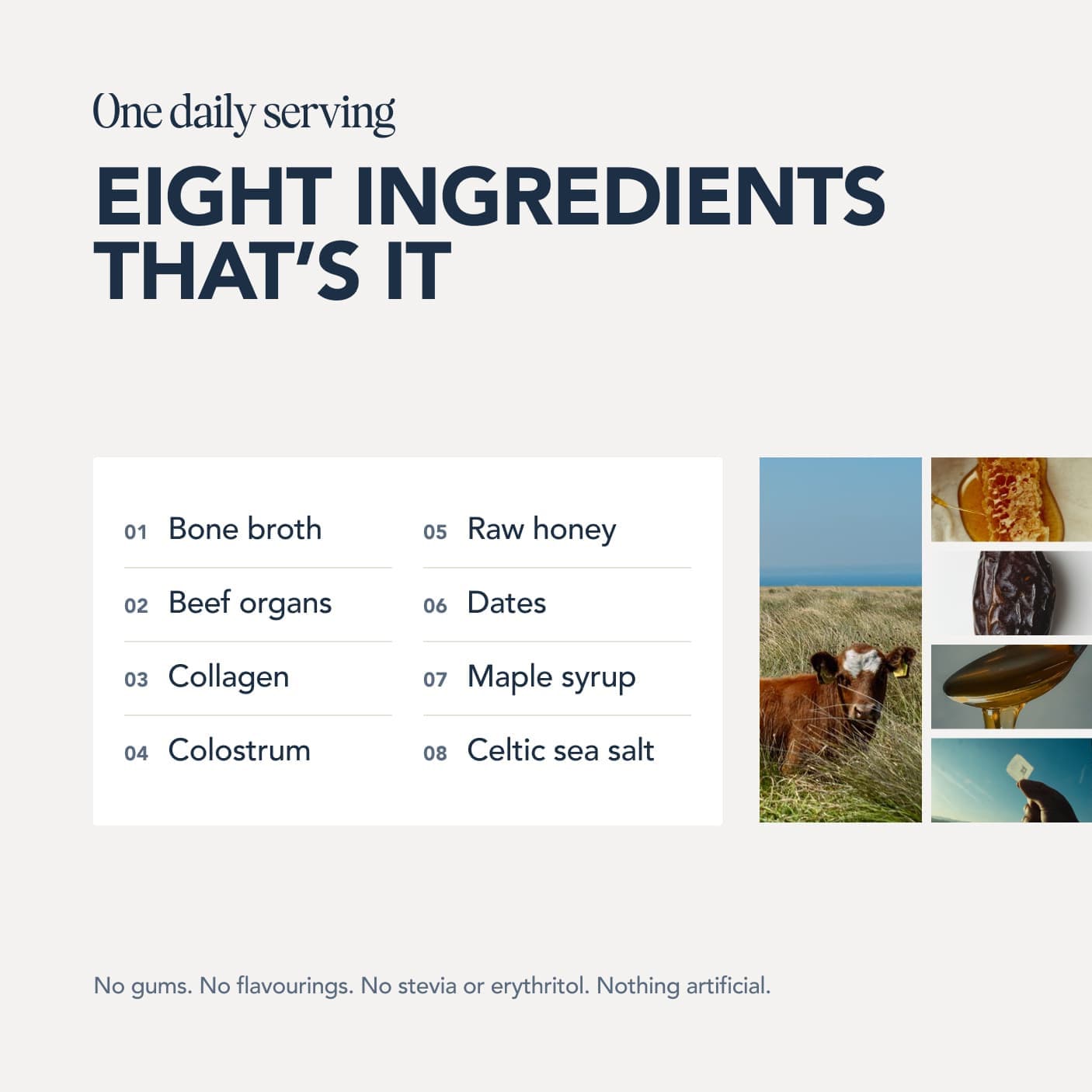
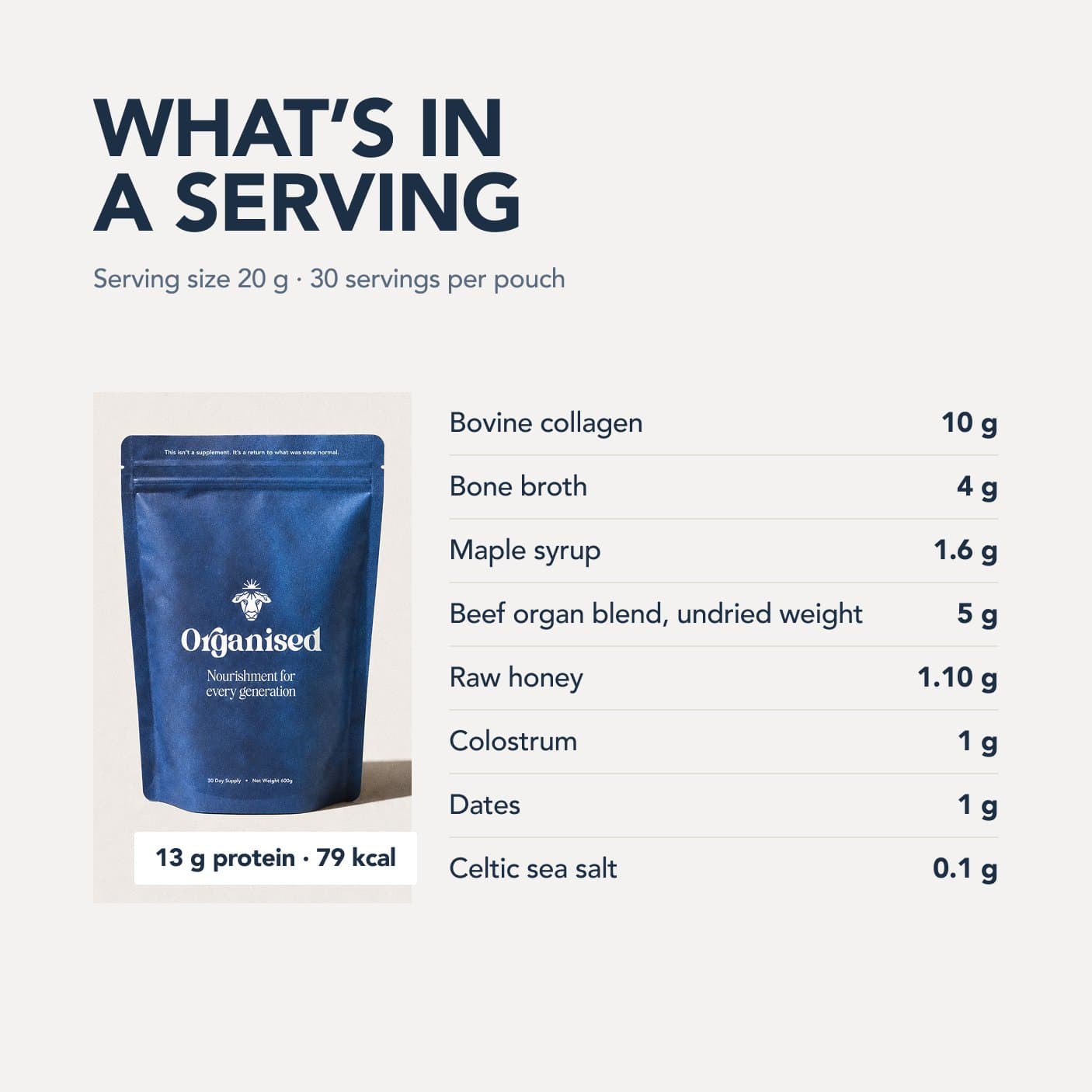
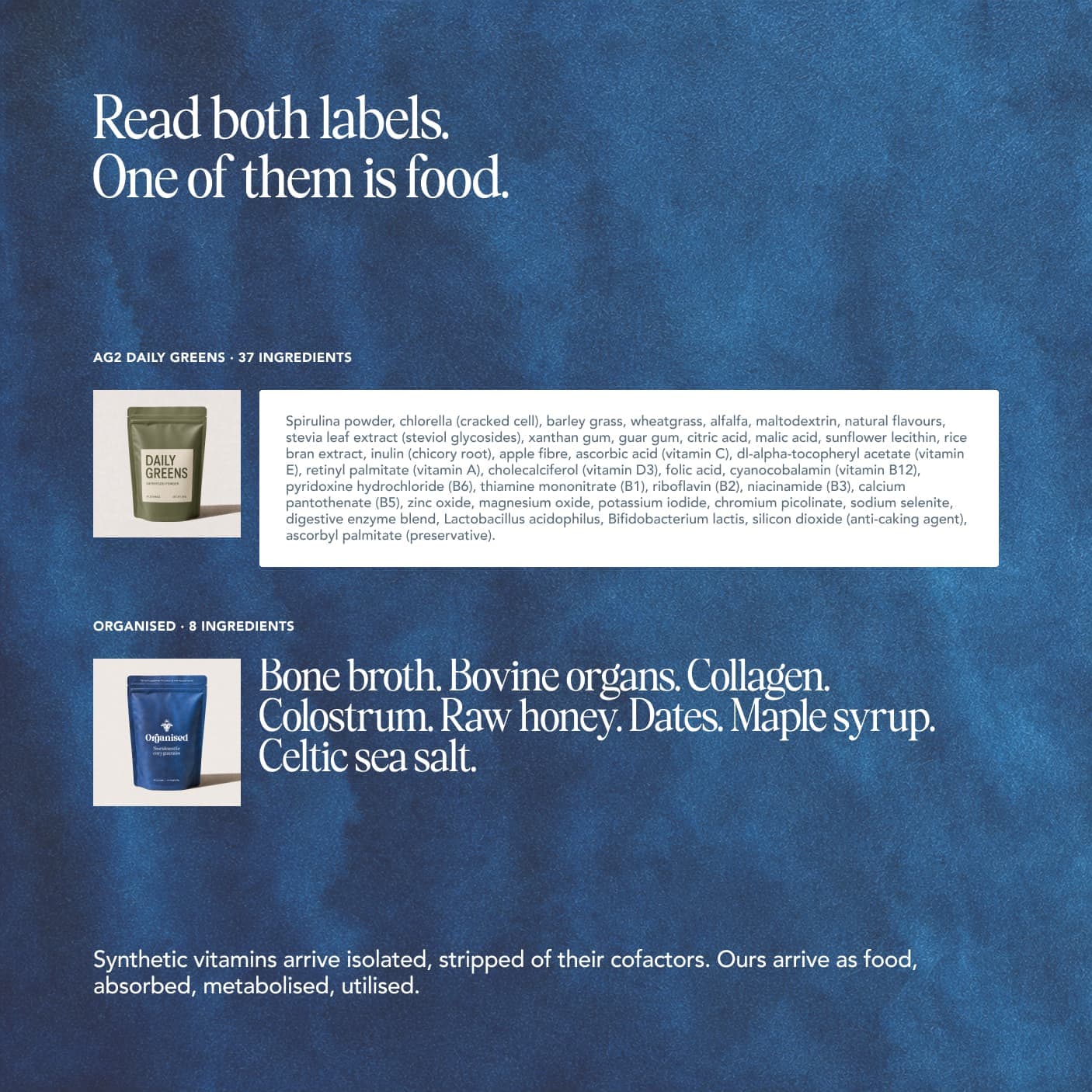
Eight real ingredients built around grass-fed beef organs, collagen and colostrum. Nothing synthetic added.
Free with your first order, worth £38. Plus £10 off the pouch with a subscription.
Free UK shipping · Made in England · 100 day money back guarantee on your first pouch · Skip, pause or cancel anytime
Spot them on labels
Here are the main culprits to look for:
- Carrageenan (E407) : plant-based milks, yoghurts, ice cream, processed meats
- Polysorbate 80 (E435) : salad dressings, baked goods, margarine, supplements
- Xanthan gum (E415) : gluten-free products, plant-based products, salad dressings
- Guar gum (E412) : ice cream, yoghurt, baked goods, salad dressings
- Gum arabic (E414) : soft drinks, sweets, supplements
- Sodium alginate (E401) : ice cream, yoghurt, processed foods
If you're eating processed food, you're getting these. And if you're eating processed food multiple times daily, you're accumulating exposure in ways your body never evolved to handle.
The bottom line
Emulsifiers and gums aren't poisonous in a single dose. But they're also not food. They're chemicals that alter your gut environment, disrupt your microbiome, and compromise your gut barrier when consumed regularly.
The simplest approach: stop eating processed food. Make your own salad dressings. Choose yoghurt without gums. Avoid plant-based milk alternatives with additives. If you're buying something with an unrecognisable ingredient that serves no function other than manufacturing convenience, you're probably better off without it.
Your gut barrier is one of the most important defences your body has. Stop letting the food industry quietly dismantle it with chemicals you can't pronounce.
References
Every source below was checked on 27 August 2026. Each PubMed, PMC and DOI identifier was resolved against NCBI or Crossref, and what it opens is printed under the citation, so you can see the link goes where the citation says without leaving the page. Where a citation and its identifier disagreed, the citation was corrected to the record or the reference was deleted along with the sentence marker that pointed at it, and where the resolved paper turned out not to support the sentence, the sentence was cut back to what it does support. Borrowed authority is worse than none, because it looks like rigour.
- Bhattacharyya S et al. Carrageenan-induced innate immune response is modified by enzymes that hydrolyze distinct galactosidic bonds. Journal of Nutritional Biochemistry, 2010. PMID 19864123.Checked 27 August 2026: PMID 19864123 opens Bhattacharyya S, Liu H, Zhang Z et al, Carrageenan-induced innate immune response is modified by enzymes that hydrolyze distinct galactosidic bonds. J Nutr Biochem 2010;21(10):906-13.
- Chassaing B et al. Dietary emulsifiers impact the mouse gut microbiota promoting colitis and metabolic syndrome. Nature, 2015. PMID 25731162.Checked 27 August 2026: PMID 25731162 opens Chassaing B, Koren O, Goodrich JK et al, Dietary emulsifiers impact the mouse gut microbiota promoting colitis and metabolic syndrome. Nature 2015;519(7541):92-6.
- Johansson MEV et al. The inner of the two Muc2 mucin-dependent mucus layers in colon is devoid of bacteria. PNAS, 2008. PMID 18806221.Checked 27 August 2026: PMID 18806221 opens Johansson ME, Phillipson M, Petersson J et al, The inner of the two Muc2 mucin-dependent mucus layers in colon is devoid of bacteria. Proc Natl Acad Sci U S A 2008;105(39):15064-9.The authors' own declaration, from the record: The authors declare no conflict of interest.
Who wrote and reviewed this guide
Niall Kiddle
Author · Founder, Organised
Niall is the founder of Organised. He started the company in 2024 after fixing his own health the slow way: in 2022 he swapped a cupboard of synthetic supplements for real food, raw milk, organ meats, bone broth and honey, and felt the difference within months.
Areas of expertise: Ancestral nutrition, Organ meats, Whole-food supplementation, Gut health, Regenerative sourcing
Read Niall's full profile
Pedro Rodrigues
Reviewer · Agronomist (farming and sourcing only)
Pedro is the agronomist Organised works with on farming and sourcing. His job on the guides is to keep the science honest: he reviews what we publish about soil health, regenerative agriculture, grazing and the way food is actually produced.
Areas of expertise: Regenerative agriculture, Agronomy, Soil health, Grass-fed farming, Food sourcing
Reviewed this guide on
Read Pedro's full profileBrowse the guides library
All guidesKeep reading
Ancestral
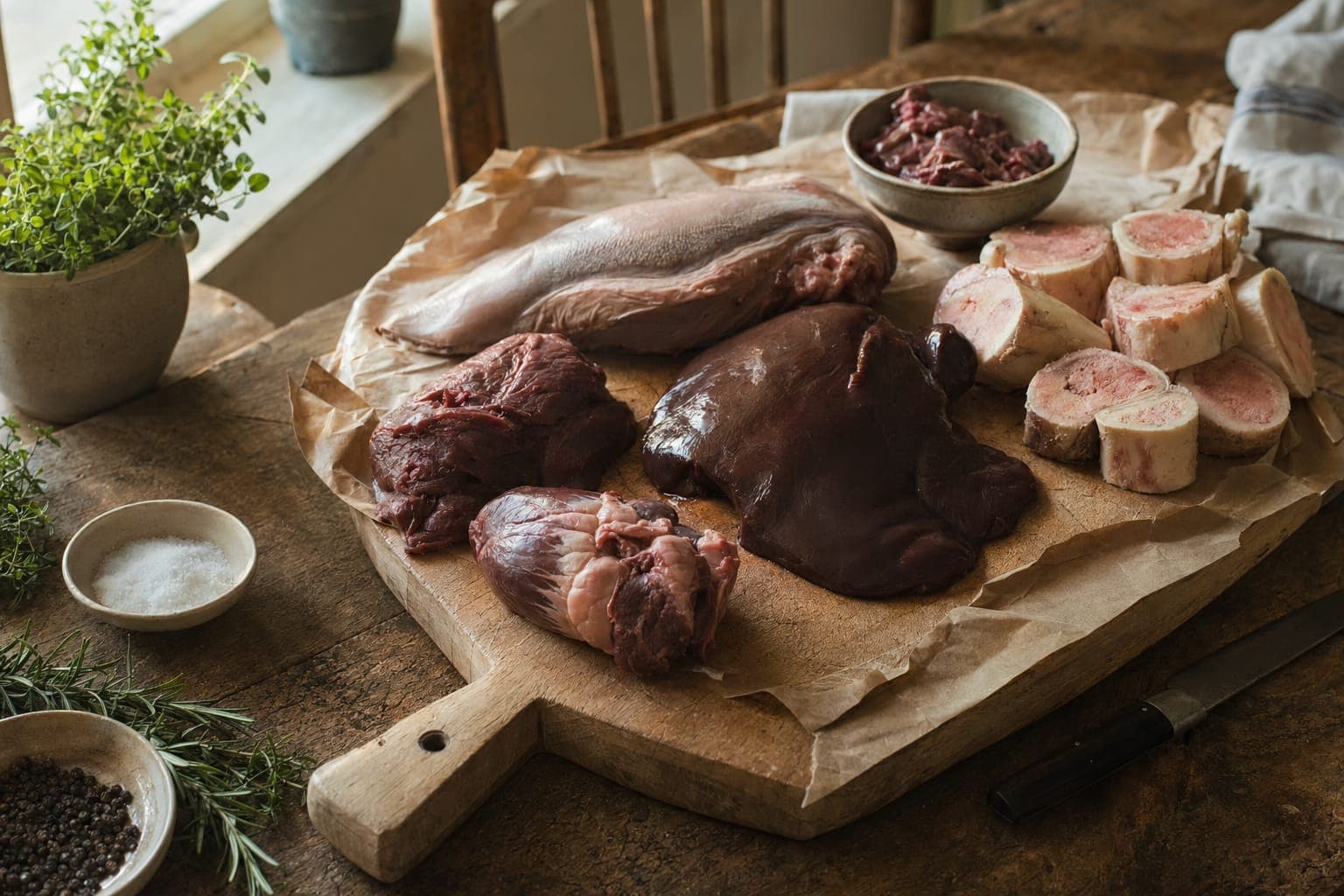
Nose-to-Tail for Beginners: Where to Start
New to nose-to-tail eating? Start with liver, then heart, in small amounts. Get simple freezing tips and easy ways to soften the taste as you build up.
Ancestral
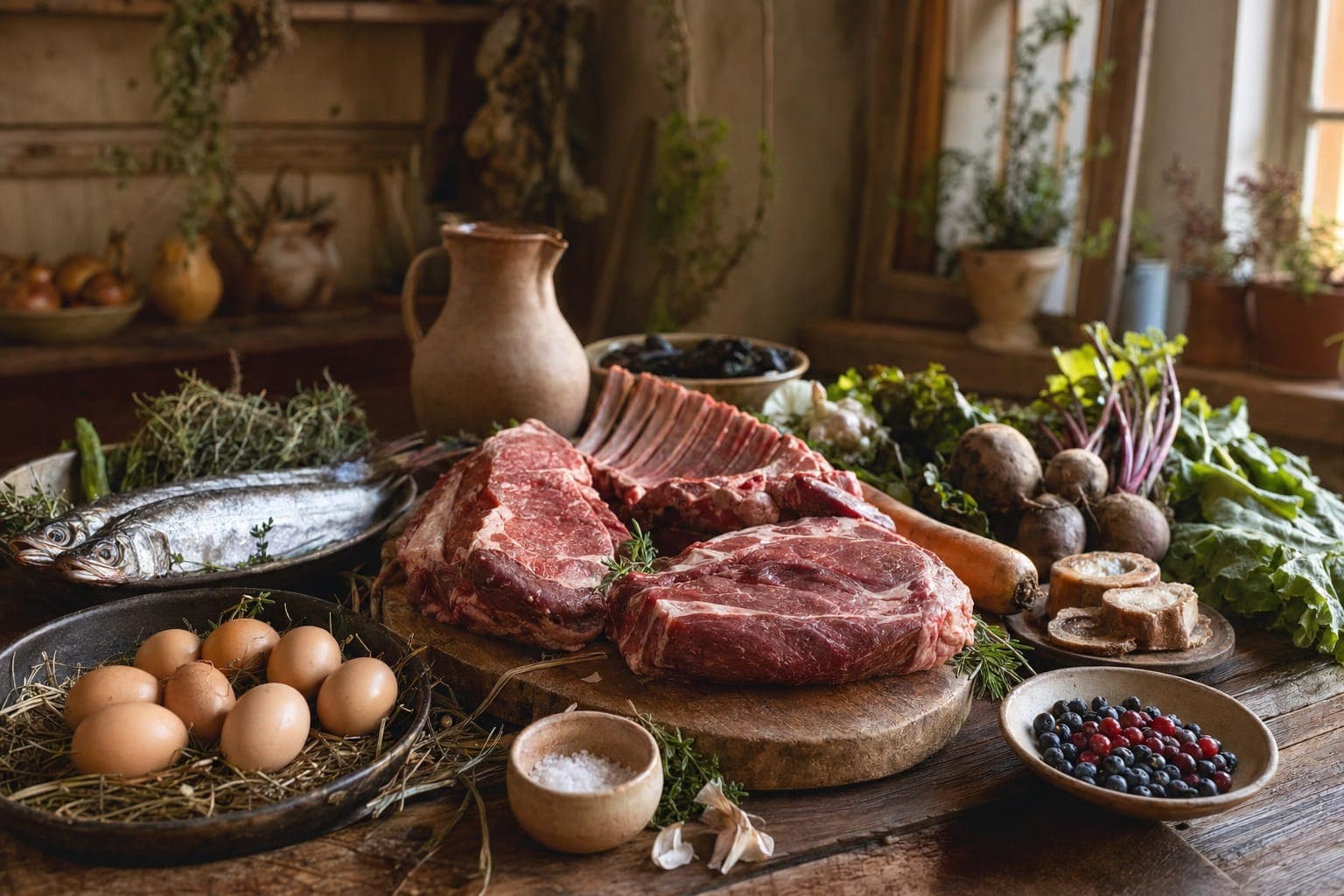
What Our Ancestors Actually Ate (And What We've Lost)
Discover what ancestral humans ate, why it worked, and what modern diets have lost. Based on archaeological and anthropological evidence.

Ancestral
Paleo, Primal, Carnivore, Animal-Based: What's the Difference?
What's the difference between paleo, primal, carnivore, and animal-based eating? A clear breakdown of each framework and when to use them.
Real food, made effortless
Bring it into my routineA few ways to use it
All recipes
Ancestral Breakfast Ideas from Around the World
Traditional breakfast recipes from cultures that got nutrition right. Japanese, Turkish, Scottish, and more. Whole-food breakfast inspiration.
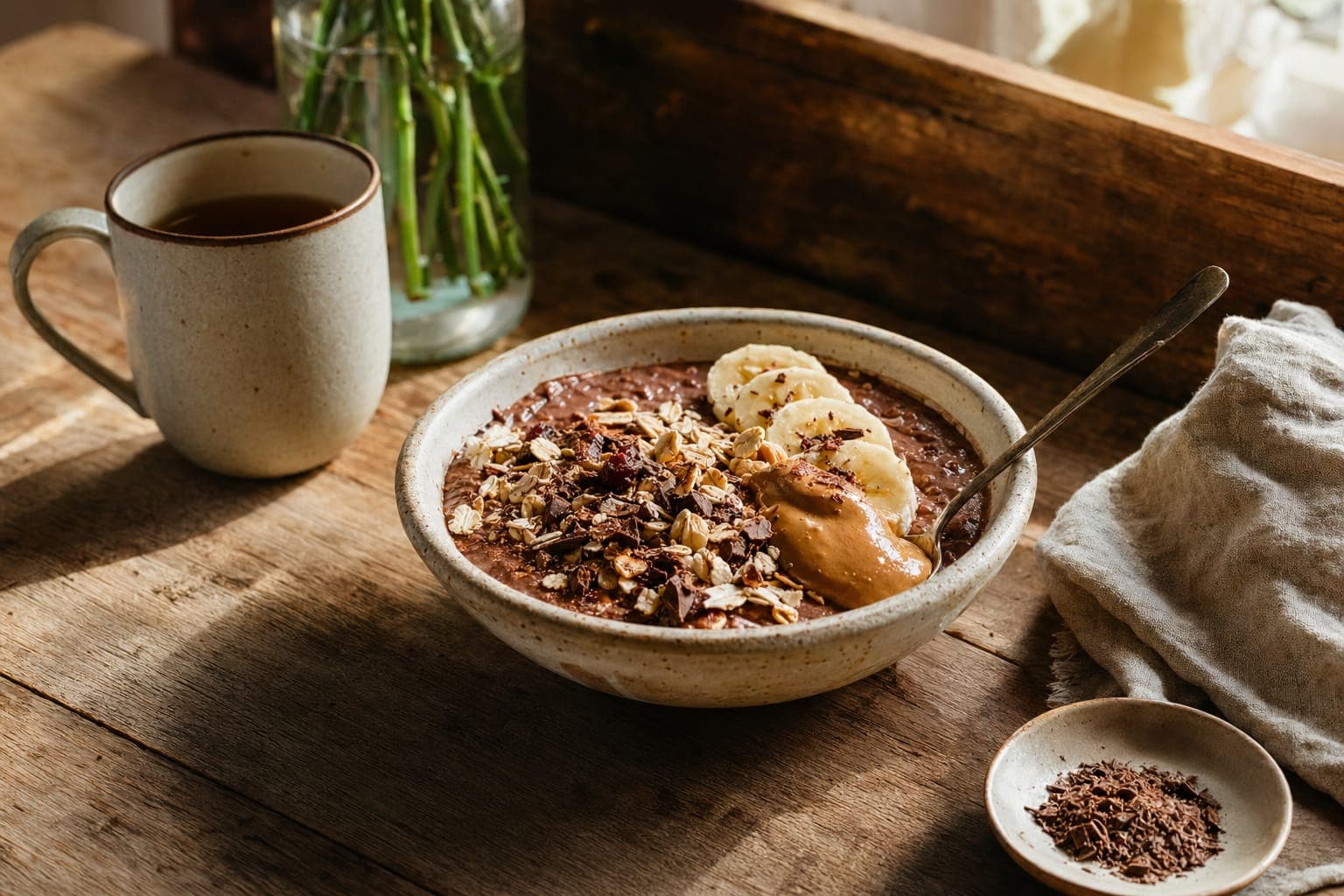
10 Ways to Use Organised That Aren't Just a Shake
Move beyond the basic shake. Discover 10 creative ways to use Organised in smoothie bowls, oats, yoghurt, baking, and more.
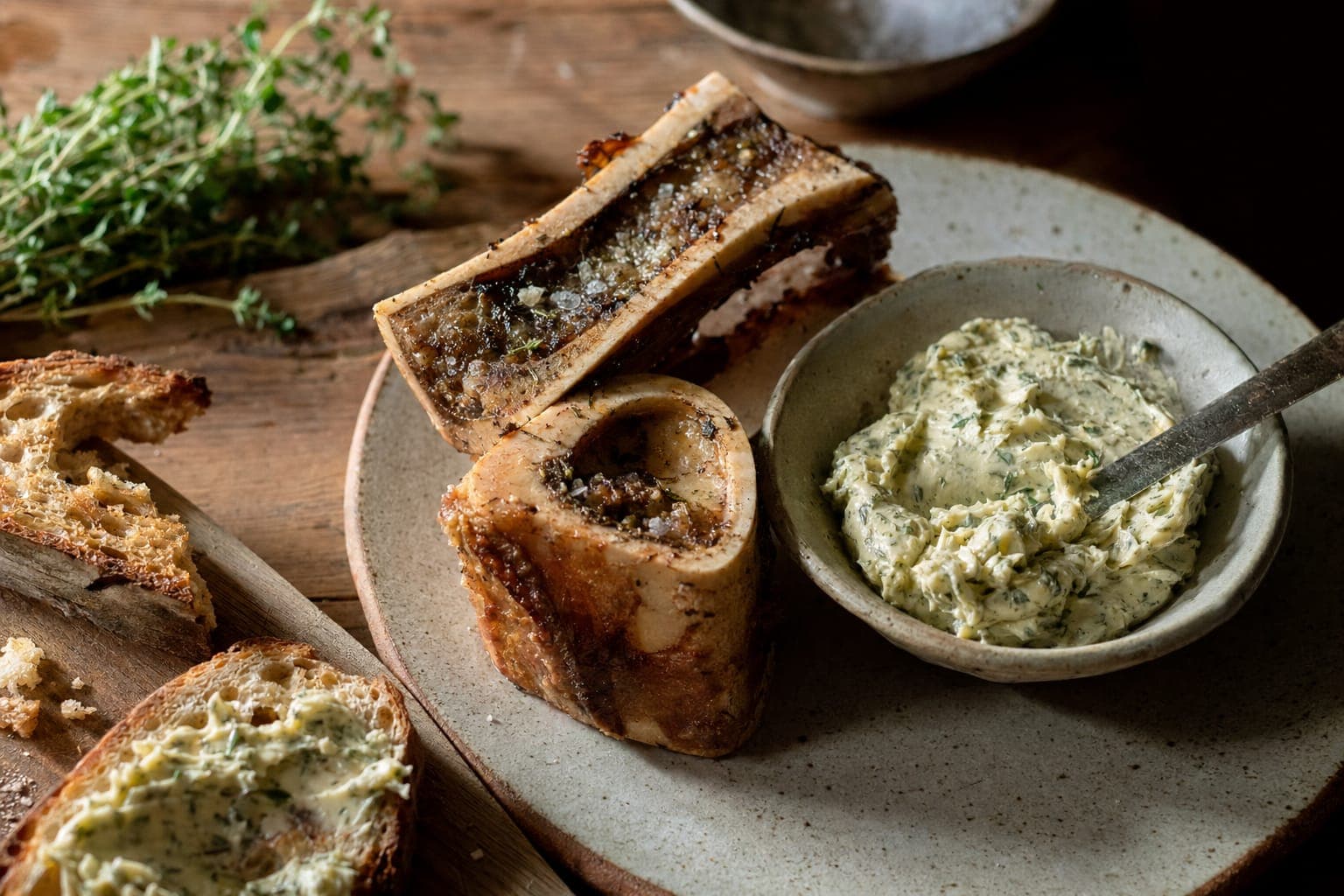
How to Make Bone Marrow Butter
Roast grass-fed marrow bones, scoop the marrow, and mix with butter and herbs. A nutrient-dense spread with fat-soluble vitamins.


 Join over 100,000+ members
Build a better food system with us
The Organised community is thousands of people choosing real food and backing the farmers who grow it, all of us trying to leave the world a little better than we found it. If that is what you care about too, you belong here.