What Our Ancestors Actually Ate (And What We've Lost)
Your ancestors didn't eat salads. They didn't count calories. They didn't have a choice about whether to eat organs. They ate what kept them alive. And they thrived.
By Niall Kiddle, Founder, Organised

Reviewed by Pedro Rodrigues, Agronomist (farming and sourcing only) ·
8 min read · Published · Updated · 2 cited sources
Makers of the Organised Daily blend, a grass-fed beef organ supplement from regenerative UK farms
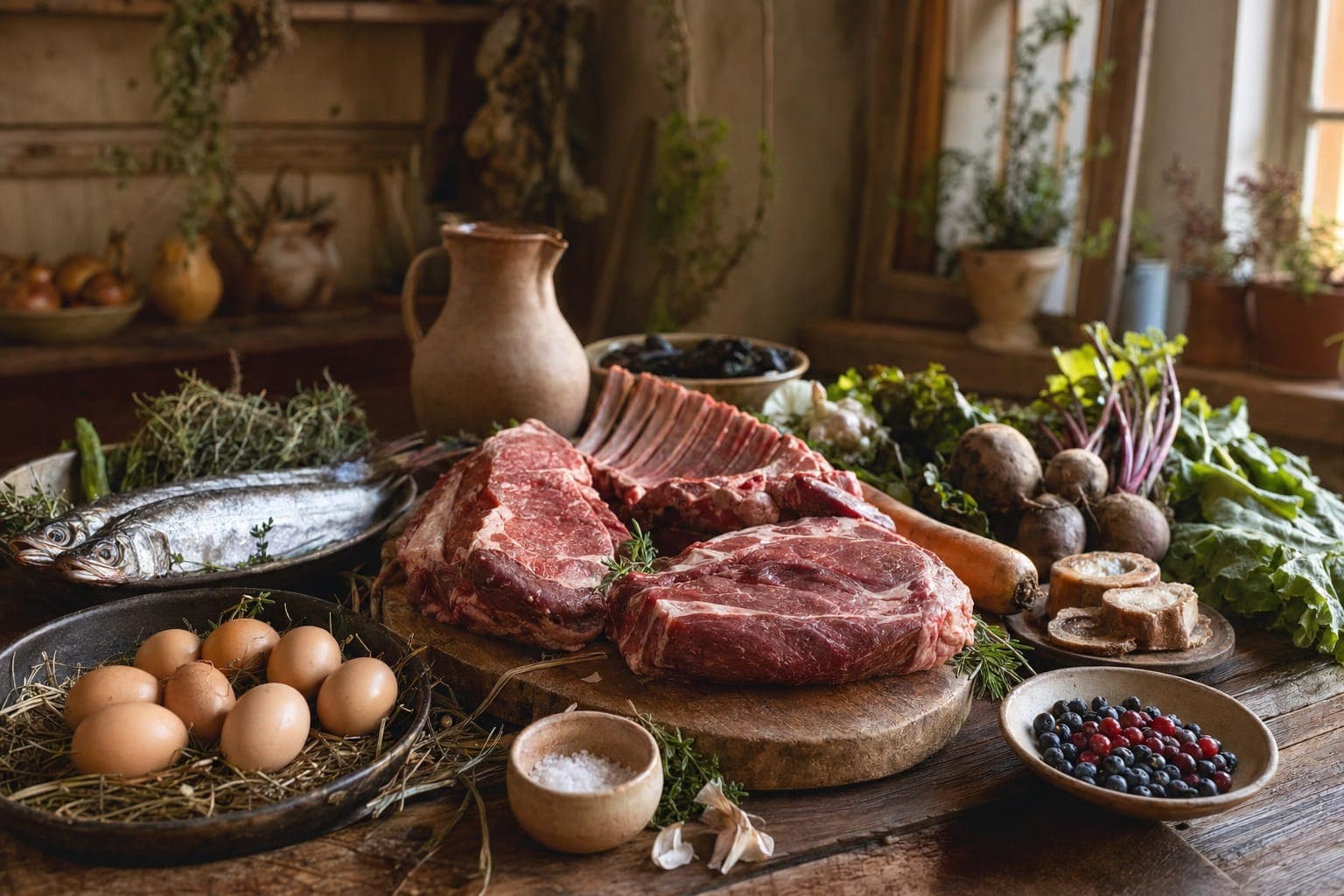
This isn't mythology. The archaeological record is clear. Traditional cultures across every climate, every continent, every latitude ate the same foods, in remarkably similar patterns. And those patterns have almost nothing to do with what modern medicine tells you to eat.
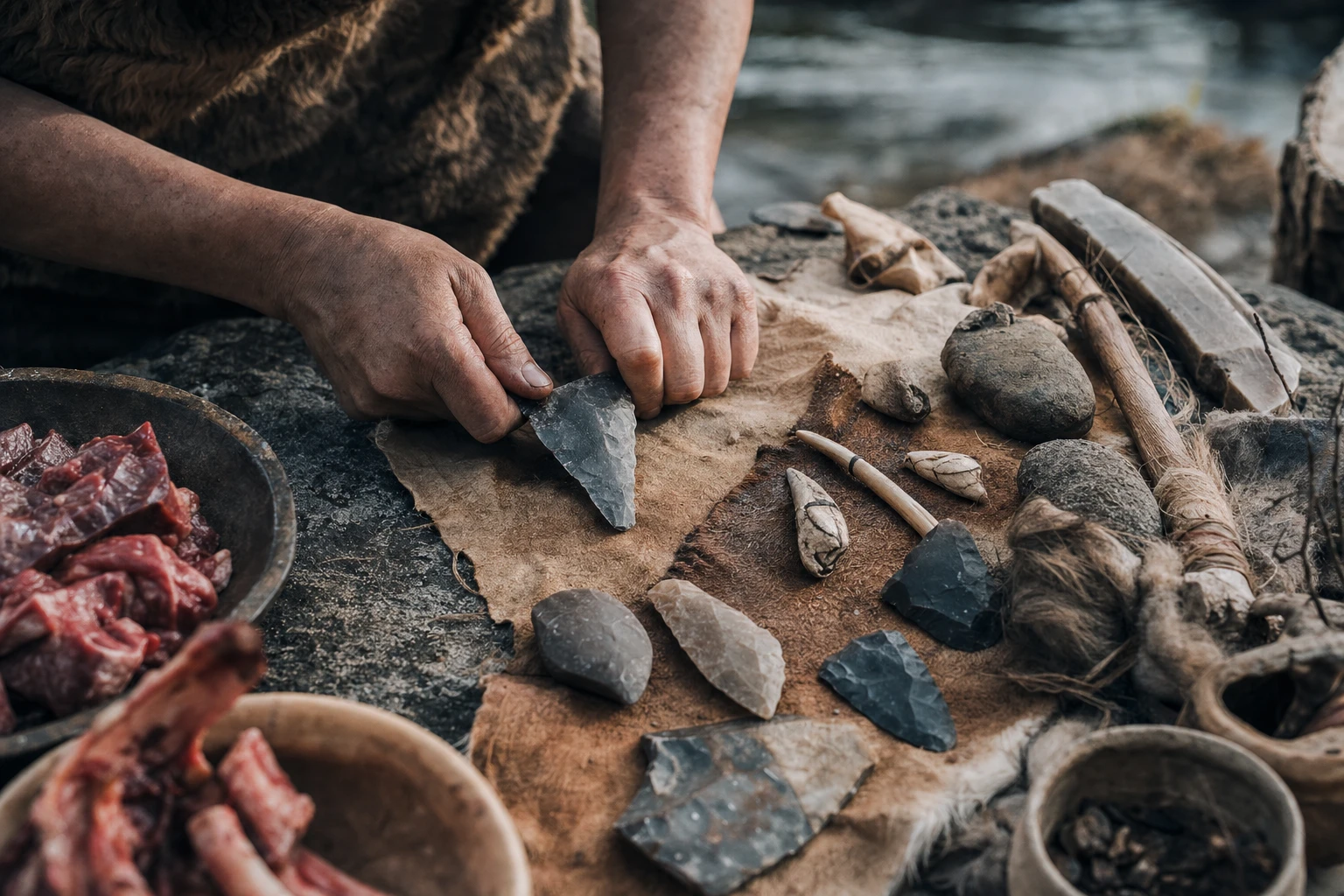
The archaeological record: what we actually know
When anthropologists and archaeologists examine the remains of ancestral human populations, the evidence is consistent. Humans ate animals. All of them. Every part.
Bone marrow was so prised that bones were cracked open with rocks specifically to access the marrow inside. The marks are visible on remains dating back hundreds of thousands of years.1 Marrow was not a last-resort food. It was a primary target.
Organs were prepared with deliberation. Liver leaves marks on bone when it's being removed. Researchers can identify these marks in remains tens of thousands of years old. Our ancestors weren't eating liver by accident. They were hunting it intentionally.
Seafood was a staple wherever humans lived near water. Shellfish, fish, sea mammals. The nutritional imprint of seafood consumption is visible in skeletal chemistry. Coastal populations show different nutrient ratios than inland ones because of consistent shellfish and fish consumption.
Plants were eaten seasonally. Evidence shows gathering of berries, roots, nuts, and greens. But the quantities were small and seasonal. They weren't the base of the diet. They were supplements to animal foods.
Every traditional population that survived and thrived centred their diet on animal foods, particularly organs, and supplemented with seasonal plants.
Fermented foods were made across cultures. Evidence of fermentation technology appears in archaeological sites across Europe, Asia, and Africa. Fermented foods keep and provide probiotics. They were not a luxury. They were essential to surviving winter.
Weston A. Price and the studies that changed everything
In the 1930s, a dentist named Weston A. Price did something radical. He travelled the world visiting isolated, traditional populations and studied what they ate and how healthy they were. His mission was simple: understand the relationship between traditional nutrition and physical health.2
He found the Swiss living on raw milk, raw cheese, and organ meats from grass-fed cattle. He found the Masai living almost exclusively on meat, organs, and blood from grass-fed cattle, with remarkable athletic strength and bone density. He found the Inuit consuming seal, whale, and fish organs with almost no plant foods, displaying exceptional health on diets that violated every modern nutritional guideline. He found the Polynesians eating coconut, fish, and seafood with small amounts of tropical fruit and root vegetables, living without metabolic disease.
What struck Price most was the consistency. Every isolated, traditional population he studied had perfect teeth. No cavities. No crowding. No tooth decay. The moment these populations began eating modern foods, refined carbohydrates, and processed oils, their teeth began to decay and their children showed crowding and malformation. The change happened within a single generation. Children born to parents eating traditional foods had perfect teeth. Their siblings born after the family shifted to modern foods had cavities and crowding.
Price's research became the foundation for understanding ancestral nutrition. His photographs are startling. You see robust, strong people with perfect teeth eating diets that modern nutritionists would call unbalanced and dangerous. The irony is visible on every page.
The nutritional analysis Price conducted showed something else. The traditional diets contained vastly higher quantities of the fat-soluble vitamins A, D, and K2 than modern diets. He measured these using cutting-edge nutritional analysis of his time. Traditional populations eating nose-to-tail were getting ten times more vitamin A than the recommended daily amount.2 They were getting vitamin K2 in quantities that modern diets provide in barely detectable amounts.
Price concluded that these traditional diets were not just adequate. They were nutritionally perfect. The moment populations shifted to modern foods, disease appeared.
Price's work was controversial then and remains controversial now. But his evidence is visible and reproducible. Any researcher visiting traditional populations finds the same pattern: perfect health until modern processed foods arrive. His books remain in print because the pattern he documented is still occurring. Every population that abandons ancestral food for modern convenience experiences a predictable health decline.
The organs first, the nose-to-tail principle
What's remarkable across cultures is consistency in hierarchy. The organs were always prised most highly. The meat was secondary.
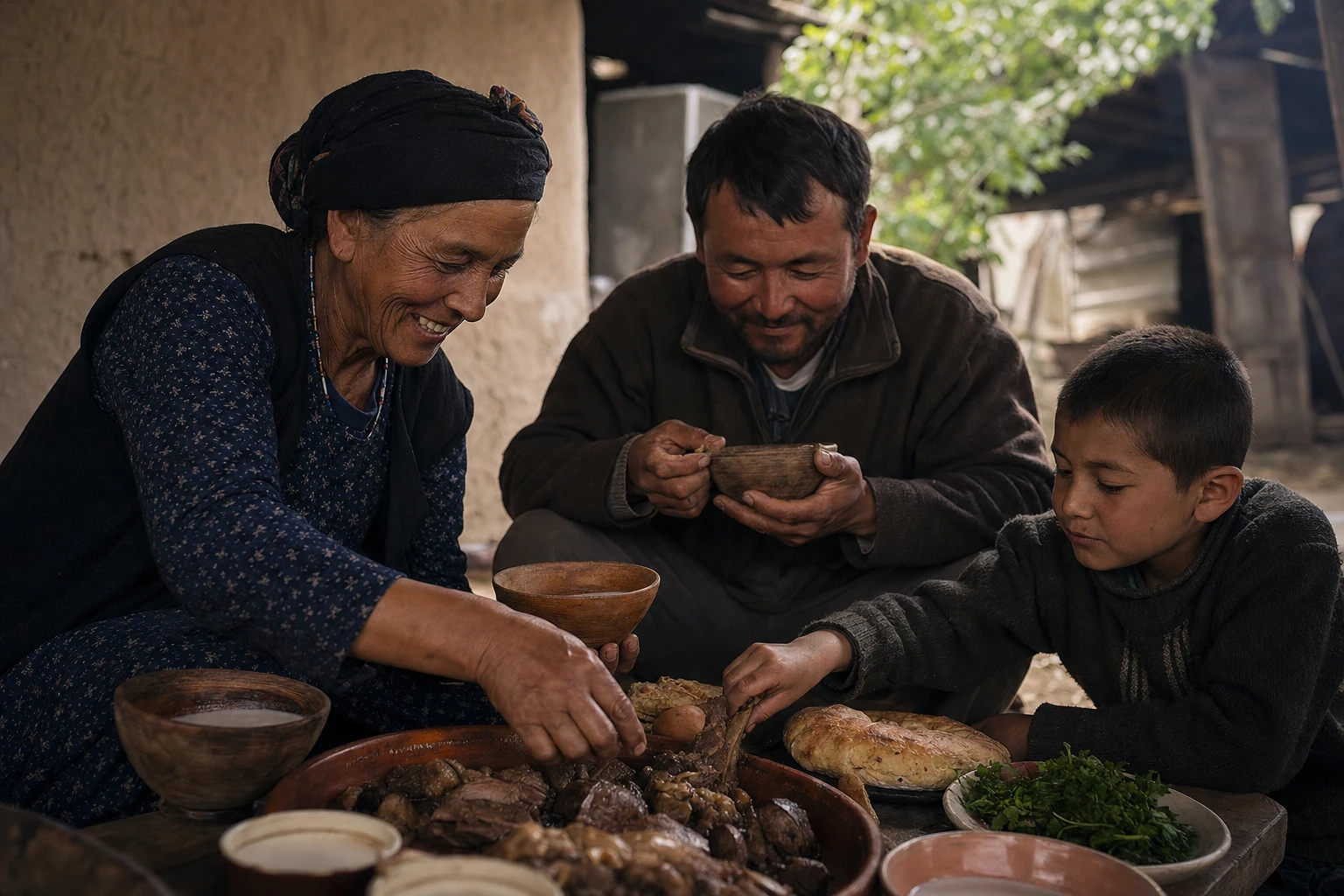
The Inuit ate the liver and organs first. The meat was often given to dogs. The brain was consumed raw. The organs contained the nutrients they needed to survive in an environment with almost no plant foods.
The Masai practised nose-to-tail eating with cattle. They drank the blood, ate the organs, consumed the meat, and made bone broth. Nothing was wasted because everything had value.
The Aboriginal peoples of Australia hunted kangaroo and other game. The organs were the prize. The offal carried the nutrients that kept populations healthy across a harsh landscape.
This pattern repeats everywhere. Organs first. Whole animal. Nothing wasted. And populations that followed this pattern had no chronic disease.
The reason is simple biochemistry. Organs are where nutrients concentrate. The liver stores fat-soluble vitamins. The heart carries CoQ10. The kidneys concentrate minerals. The bone carries minerals and marrow. The brain provides cholesterol and fat-soluble vitamins.
When you eat nose-to-tail, you're not trying to supplement a diet with isolated nutrients. You're eating the way humans evolved to eat. Your body recognises these foods as whole.
Traditional populations didn't understand vitamin A. They just knew that liver made you strong and your eyes sharp. They ate accordingly.
Get ancestral nutrition guides, free
Two short reads a week on traditional ways of eating, examined with modern evidence.
By signing up you agree to receive emails from us. No spam, unsubscribe anytime.
Seasonal eating as survival
Ancestral humans didn't have year-round access to the same foods. They ate seasonally, which meant eating very differently across the year.
Summer and autumn, when animals were fat from feeding on fresh grass and clover, provided rich organ meats and calorie-dense animal foods. Populations would also gather berries, leafy greens, and roots when available. The diet was abundant.
Winter meant relying on stored foods: dried meat, fermented vegetables, rendered fats, bone broth, and preserved fish. The diet shifted. More fat, less fresh plant matter, reliance on what had been preserved or stored.
Spring brought fresh greens and new animal foods. Populations hunted fresh game as animals emerged from winter. Gathered plants became available again.
This pattern created natural carbohydrate cycling. Summer and autumn had higher carbohydrate intake from fruit and roots. Winter had lower carbohydrate intake. The body adapted. No modern person developed metabolic disease because of this cycling. It worked.
The intermittent feasting and fasting was natural. Successful hunts were followed by abundance. Failed hunts were followed by restriction. The nervous system adapted to this rhythm. Periods of plenty allowed recovery and building of body tissues. Periods of scarcity triggered adaptive stress responses.
Seasonal eating wasn't a principle traditional populations consciously followed. It was the only option. And it kept them healthy.

1 of 9
Daily blend
100,000+ thriving families4.9 on Trustpilot
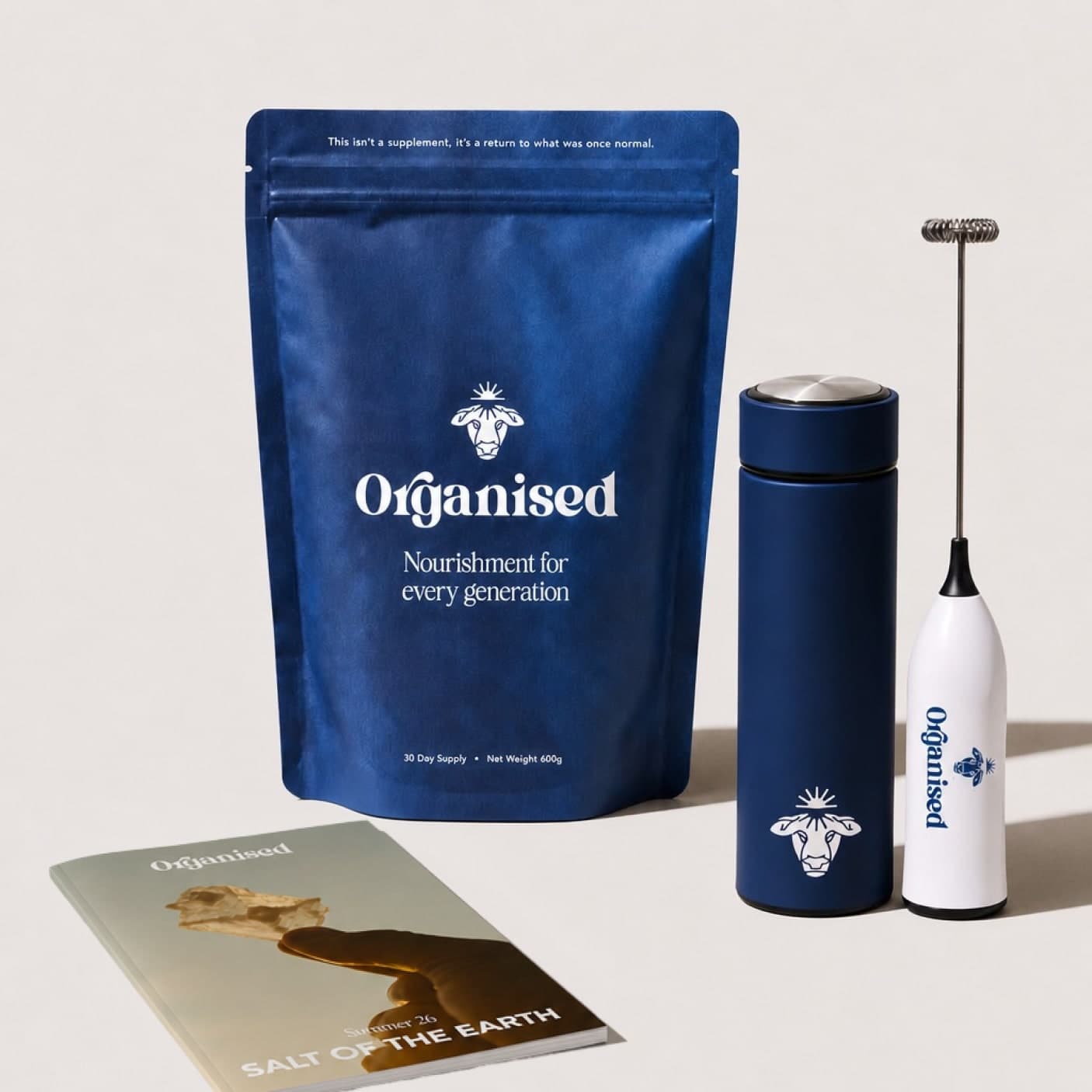
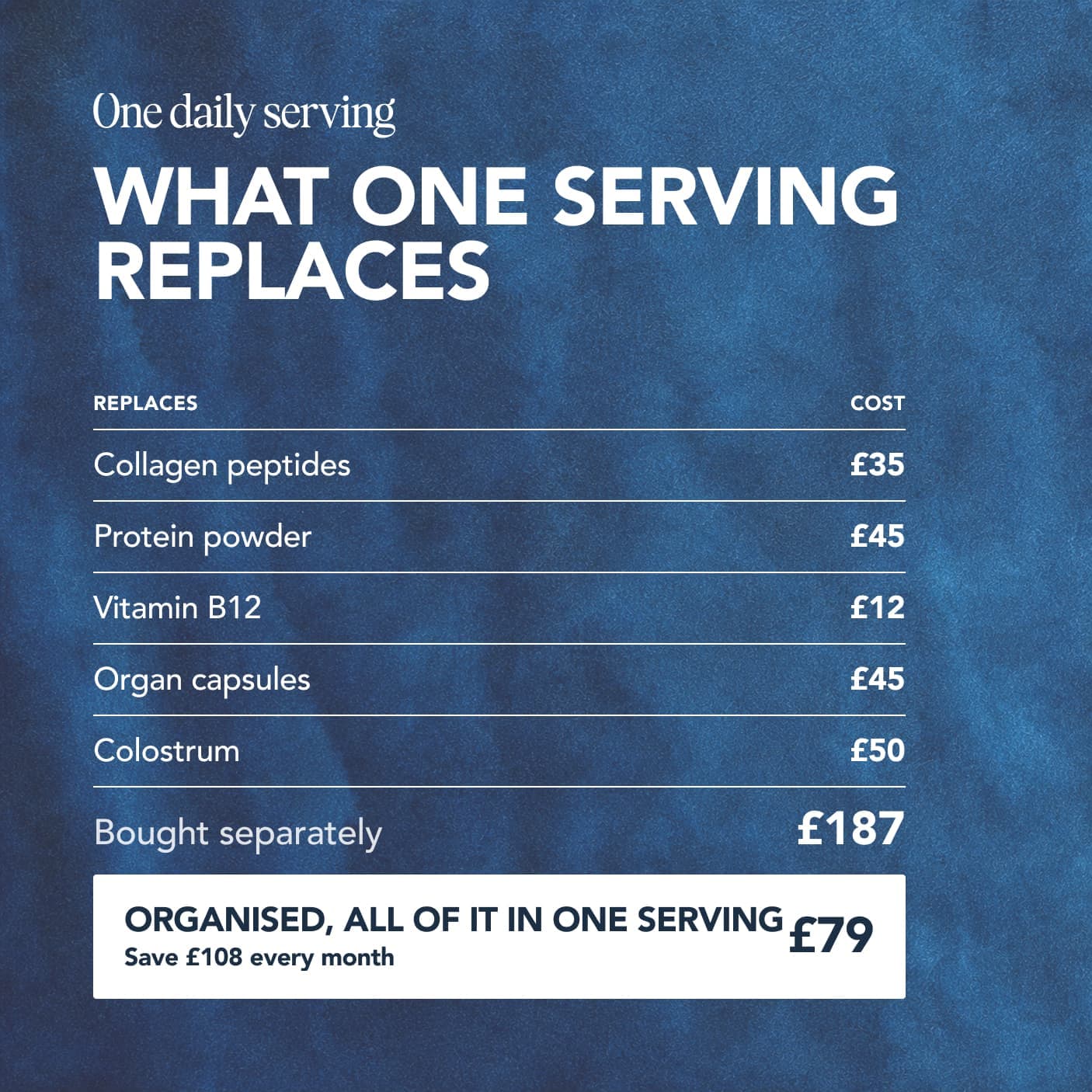
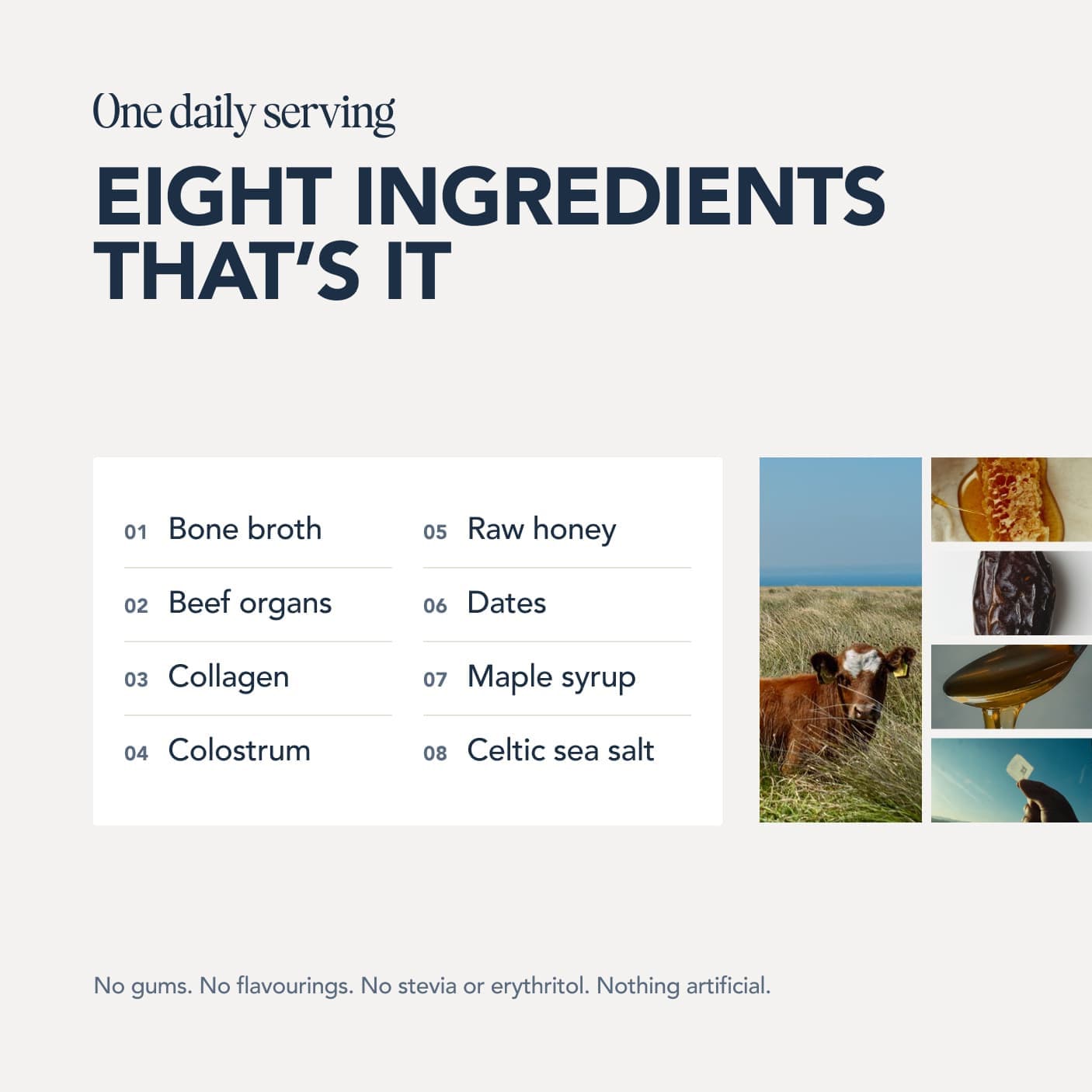
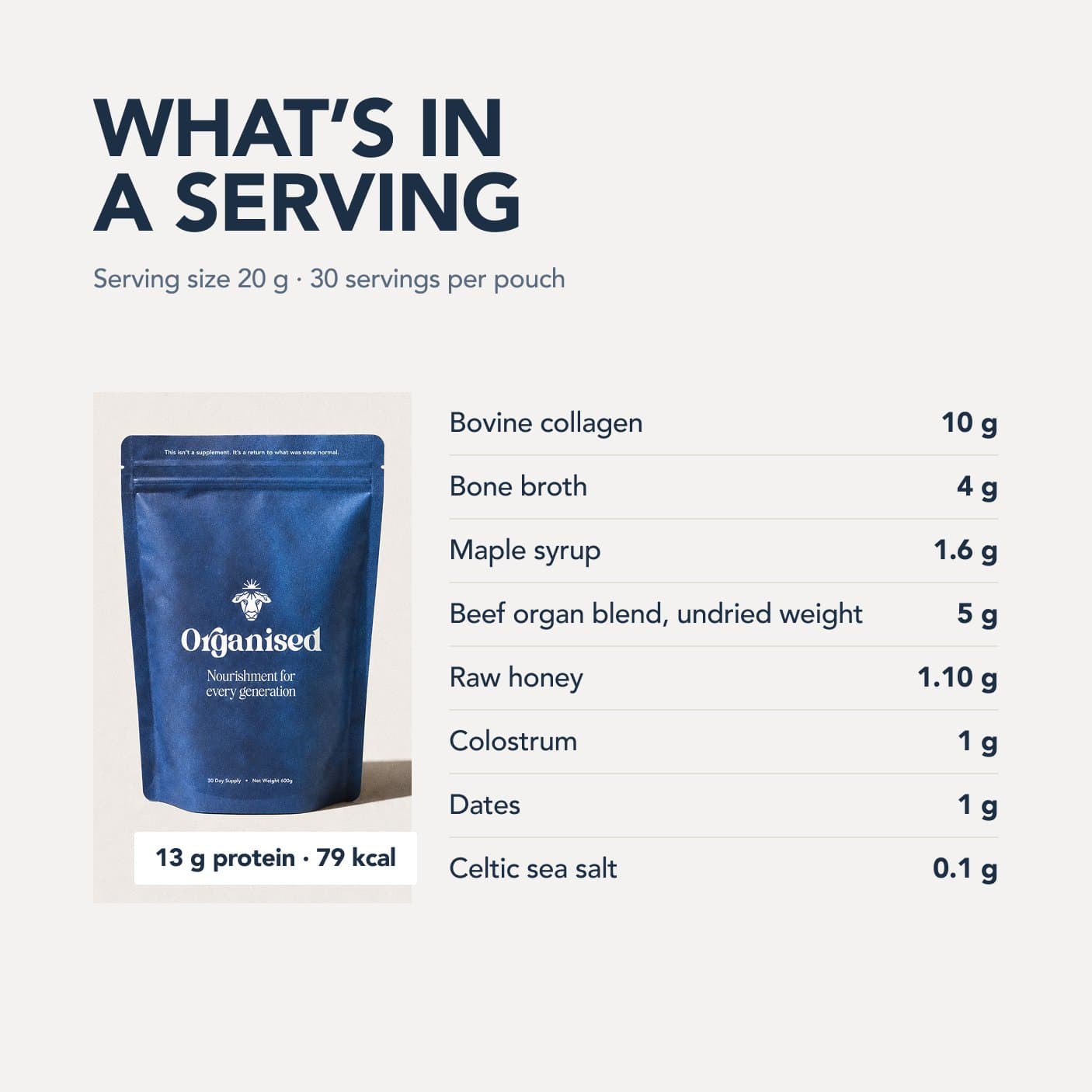
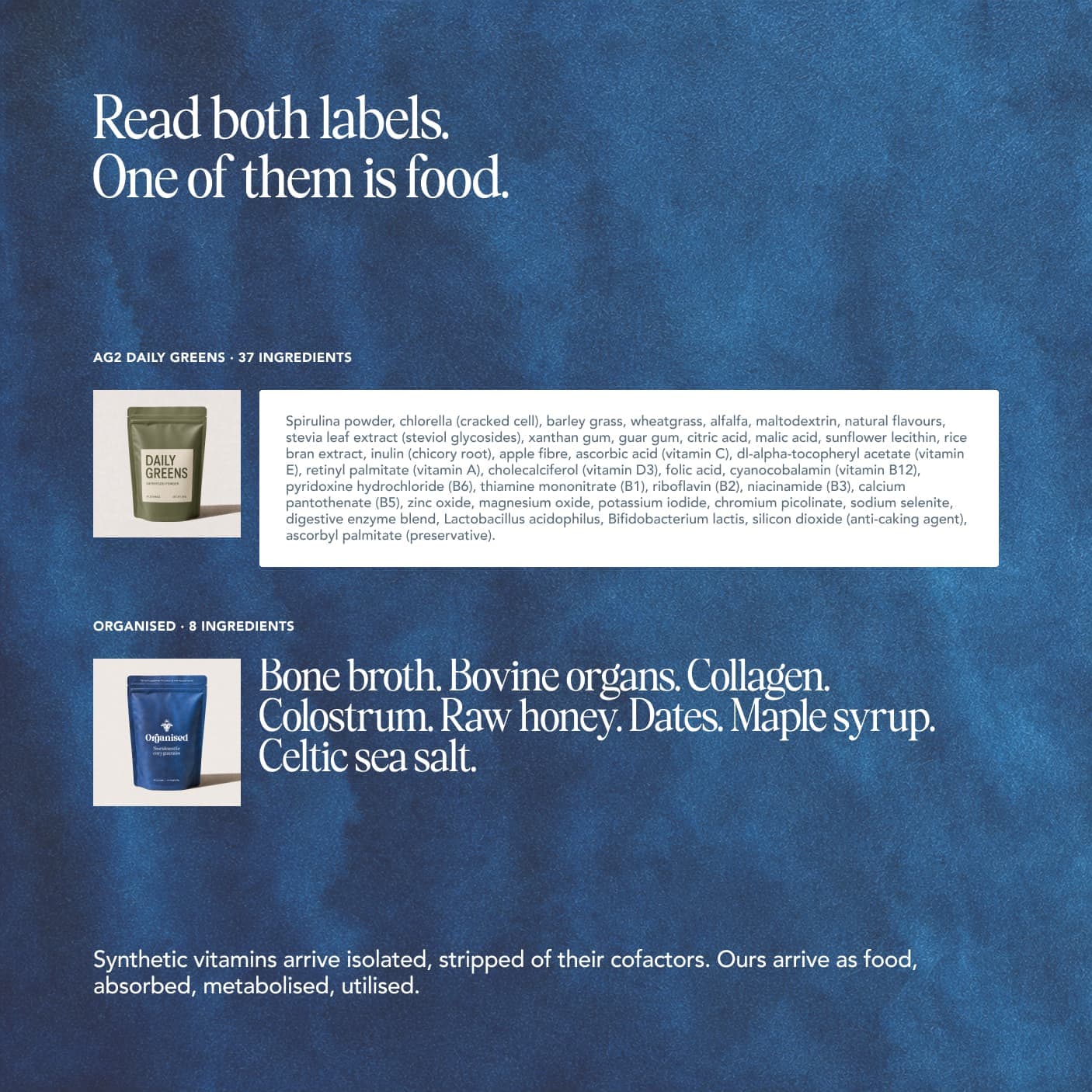
Eight real ingredients built around grass-fed beef organs, collagen and colostrum. Nothing synthetic added.
Free with your first order, worth £38. Plus £10 off the pouch with a subscription.


Free UK shipping · Made in England · 100 day money back guarantee on your first pouch · Skip, pause or cancel anytime
The patterns that worked everywhere
What's striking about ancestral diets is less what they contained than what they didn't. No refined carbohydrates. No seed oils. No ultra-processed foods. No synthetic ingredients. No artificial sweeteners. No vegetable oils. The absence is as important as the presence.
What they all contained: animal foods, particularly organs. Traditional fats like butter, ghee, tallow, and lard. Seasonal whole plant foods, preserved and fermented where needed. Salt. Water. That's the pattern. It doesn't matter whether the population was Inuit, Masai, Polynesian, or Swiss. The foundational foods remained consistent.
The macro ratios varied significantly. The Inuit ate very high fat and very high protein with minimal carbohydrates. The Polynesians ate high carbohydrate and moderate fat and protein. The Swiss ate moderate amounts of all three with emphasis on fat from grass-fed animals. Yet all remained healthy. The variation suggests that the human body is adaptable to different ratios, as long as the foods themselves are whole and real.
What didn't vary was food quality. Everything was whole. Everything was real. Nothing was industrially processed. The body thrived on this variety because variety meant complete nutrient coverage. A diverse diet of whole foods provides all the nutrients needed. A restricted diet of ultra-processed foods provides none, regardless of synthetic fortification.
Nutritional deficiencies were rare. You cannot easily become deficient in vitamin A if you're eating liver weekly. You cannot become deficient in vitamin D if you're eating organs and seafood. You cannot become deficient in minerals if you're eating bone broth and salt. The system is self-correcting. The foods themselves contain the nutrients needed to process those foods.
Modern disease appeared only after modern foods did. Diabetes, heart disease, cancer, autoimmune conditions, anxiety, depression, infertility. None of these were widespread in populations eating ancestral foods. The moment refined sugar, seed oils, and processed foods arrived, disease followed within a generation. This is not correlation. This is causation visible in real time.
What we've traded away
In the last 80 years, we've systematically removed the most nutrient-dense foods from our diet. Organs went from prised to discarded. Animal fats went from kitchen staples to toxic. Whole foods went from normal to alternative.
We've replaced them with seeds oils that oxidise easily and damage cells. With refined carbohydrates that spike blood sugar and damage the pancreas. With synthetic nutrients that our bodies don't recognise. With ultra-processed foods that aren't food at all.
The result is visible. Modern populations are overfed and undernourished. We get enough calories but not enough nutrition. We're heavier, sicker, weaker, and more anxious than any human populations that came before us.
Your ancestors ate in a way that generated perfect health. The evidence is there, visible in bones and teeth and archaeological remains. The question isn't whether ancestral diets worked. The question is why we've abandoned them.
The diet that kept human populations healthy for hundreds of thousands of years is still available. We've just forgotten how to eat it.
The bottom line
You don't need to become an archaeologist or travel to remote villages to understand ancestral nutrition. The evidence is clear. The pattern is consistent. Nose-to-tail eating, seasonal whole foods, traditional fats, fermented foods, and nothing processed kept humans resilient and healthy.
Your body hasn't changed genetically in the last 100 years. It still wants the foods it evolved eating. And it still responds to those foods the way it has for millennia. Well. Your digestive system is still designed to break down organ meats and extract their nutrients. Your teeth are still designed to chew bone. Your microbiome still thrives on fermented foods. Your hormones still respond to seasonal eating.
The question is not whether ancestral eating works. The question is whether you're ready to remember.
References
Every source below was checked on 27 August 2026. Each PubMed, PMC and DOI identifier was resolved against NCBI or Crossref, and what it opens is printed under the citation, so you can see the link goes where the citation says without leaving the page. Where a citation and its identifier disagreed, the citation was corrected to the record or the reference was deleted along with the sentence marker that pointed at it, and where the resolved paper turned out not to support the sentence, the sentence was cut back to what it does support. Borrowed authority is worse than none, because it looks like rigour.
- Blasco R, Rosell J, Arilla M, et al. Bone marrow storage and delayed consumption at Middle Pleistocene Qesem Cave, Israel (420 to 200 ka). Science Advances. 2019;5(10):eaav9822. https://pmc.ncbi.nlm.nih.gov/articles/PMC6785254/ See also Sahnouni M et al. and the broader literature on Paleolithic percussion marks and marrow extraction.Checked 27 August 2026: PMC6785254 opens Blasco R, Rosell J, Arilla M et al, Bone marrow storage and delayed consumption at Middle Pleistocene Qesem Cave, Israel (420 to 200 ka). Sci Adv 2019;5(10):eaav9822. PubMed indexes it as: Historical Article.
- Price WA. Nutrition and Physical Degeneration. New York: Hoeber; 1939. (Reprinted by the Price-Pottenger Nutrition Foundation; full text via Project Gutenberg Australia: https://gutenberg.net.au/ebooks02/0200251h.html). Cited for the comparative dental and dietary observations across Swiss alpine, Inuit, Maasai, Polynesian, Aboriginal Australian, and other traditional populations, and for the analysis showing traditional diets contained 4-10x the fat-soluble vitamin content of contemporaneous Western diets.
Who wrote and reviewed this guide
Niall Kiddle
Author · Founder, Organised
Niall is the founder of Organised. He started the company in 2024 after fixing his own health the slow way: in 2022 he swapped a cupboard of synthetic supplements for real food, raw milk, organ meats, bone broth and honey, and felt the difference within months.
Areas of expertise: Ancestral nutrition, Organ meats, Whole-food supplementation, Gut health, Regenerative sourcing
Read Niall's full profile
Pedro Rodrigues
Reviewer · Agronomist (farming and sourcing only)
Pedro is the agronomist Organised works with on farming and sourcing. His job on the guides is to keep the science honest: he reviews what we publish about soil health, regenerative agriculture, grazing and the way food is actually produced.
Areas of expertise: Regenerative agriculture, Agronomy, Soil health, Grass-fed farming, Food sourcing
Reviewed this guide on
Read Pedro's full profileMore on ancestral diets
View allBrowse the guides library
All guidesKeep reading
Ancestral
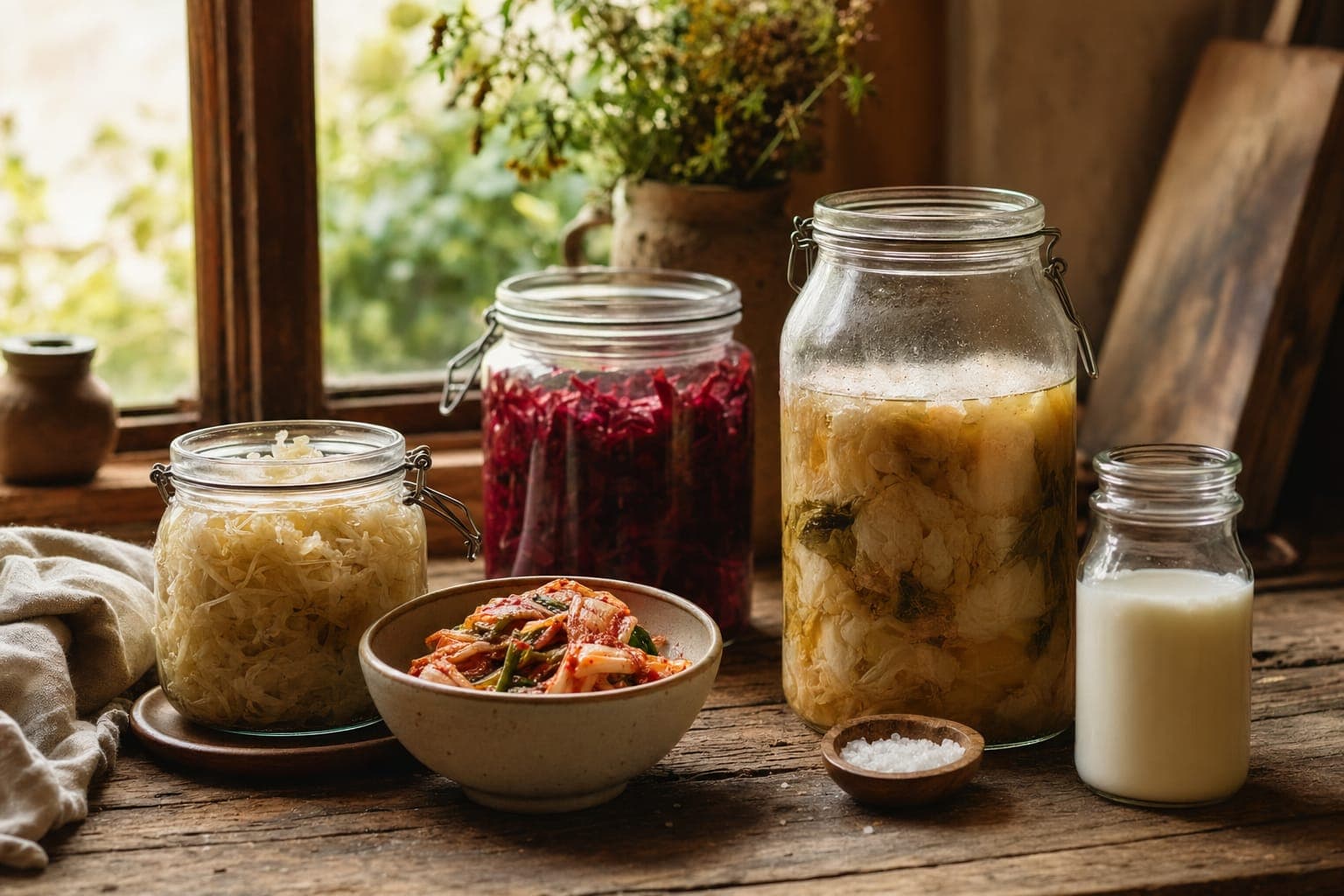
Fermented Foods: A Tradition Worth Reviving
Discover the gut-healing power of fermented foods. Learn how sauerkraut, kefir, and kimchi support digestion, immunity, and ancestral health practices.

Ancestral
The Forgotten Art of Tallow: Nature's Skincare
Learn why beef tallow works as a natural skin balm. We cover its fatty acid profile, its long history in skincare, and how to render it at home with ease.
Ancestral
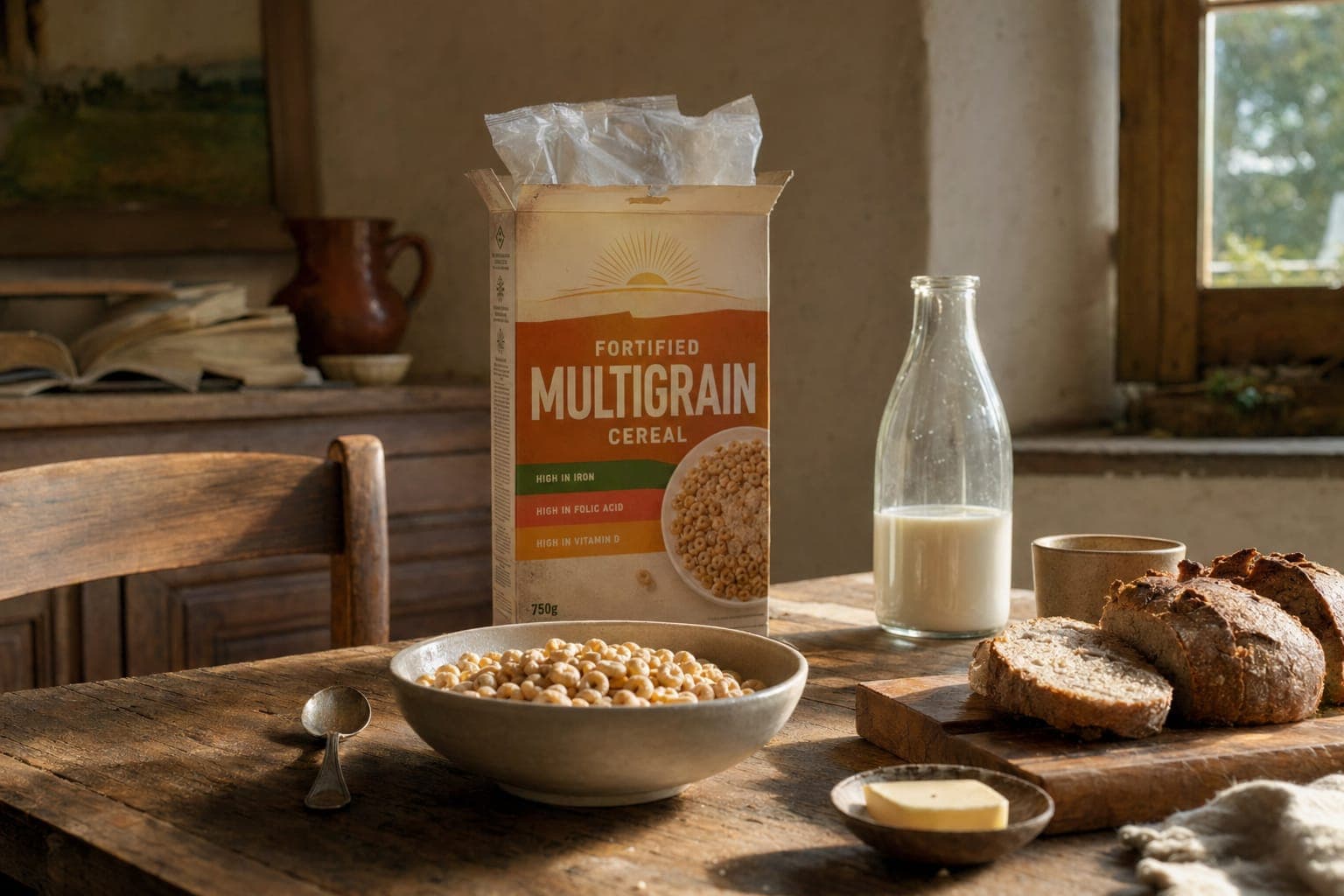
Why 'Fortified' Doesn't Mean Nutritious
Fortified foods are often low-quality cereals dosed with synthetic vitamins. Folic acid is not folate. Learn what fortification really means for you.
Real food, made effortless
Bring it into my routineA few ways to use it
All recipes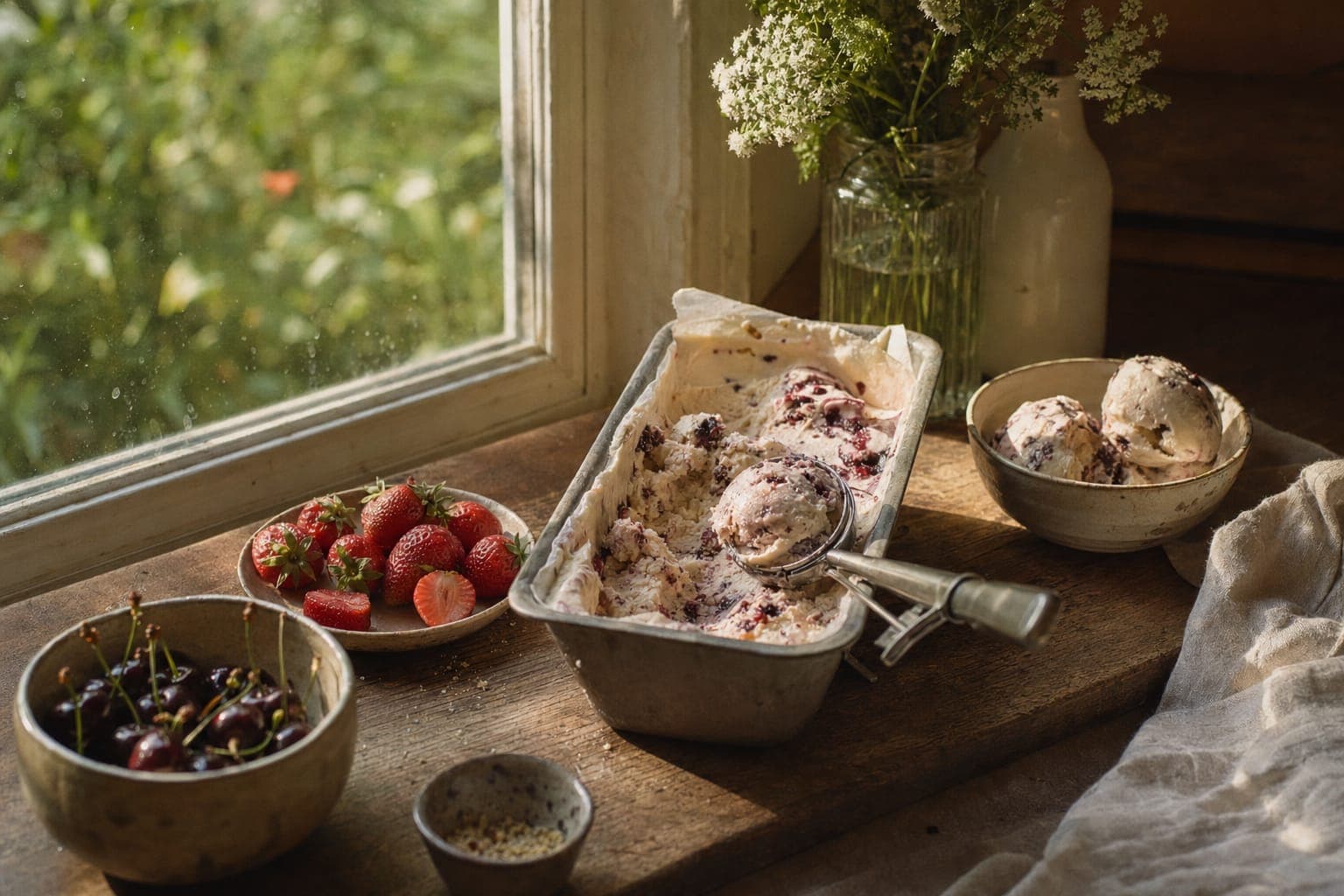
Raw Milk Ice Cream with Organised
Make raw milk ice cream at home with Organised for a seasonal, nutrient-dense treat. Three simple flavours to try whenever the craving strikes.
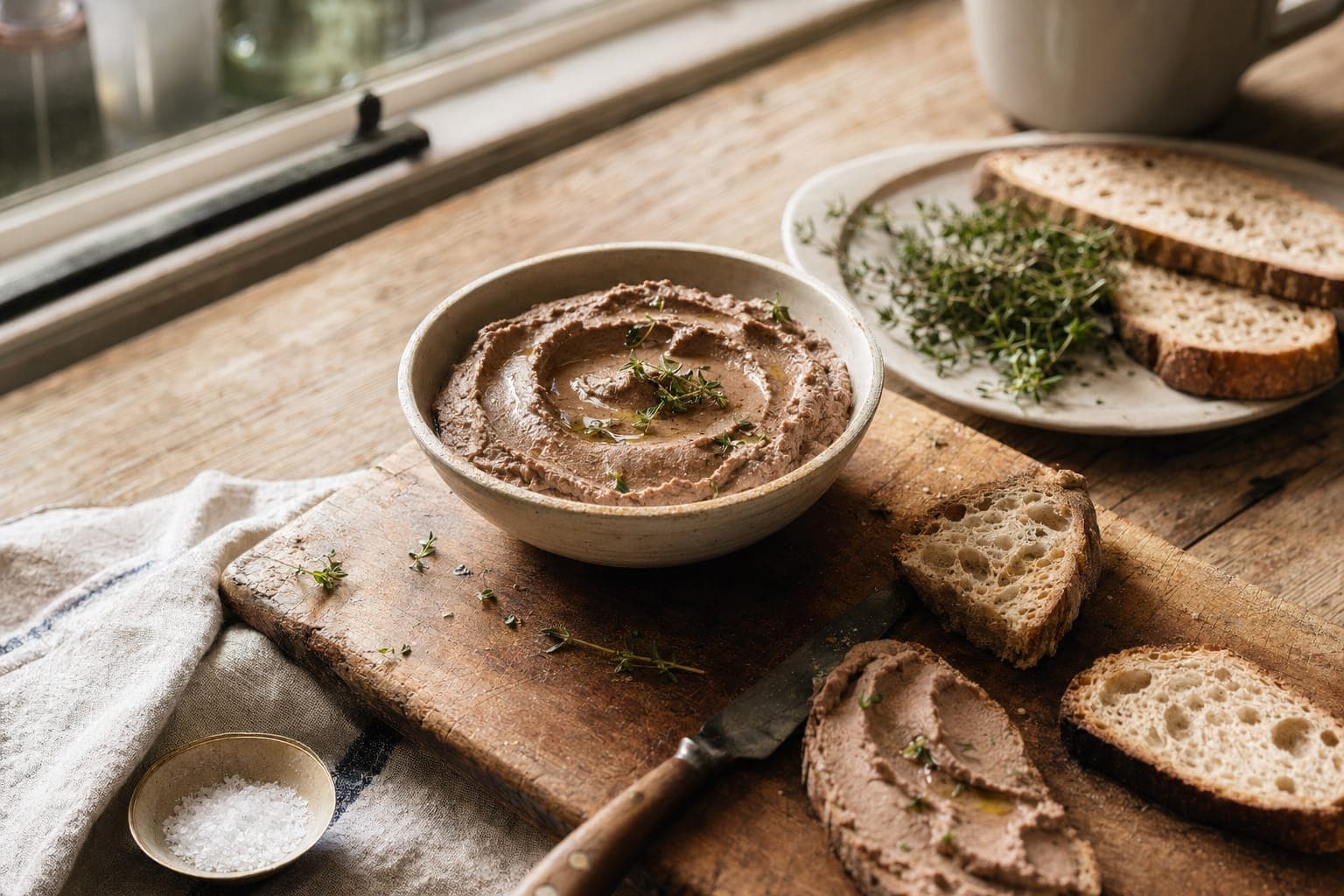
Liver Pate for Beginners: A Gentle Introduction to Organ Meats
Simple liver pate recipe to start eating organ meats. Chicken liver, butter, and herbs. Gentle introduction to nutrient-dense whole foods.
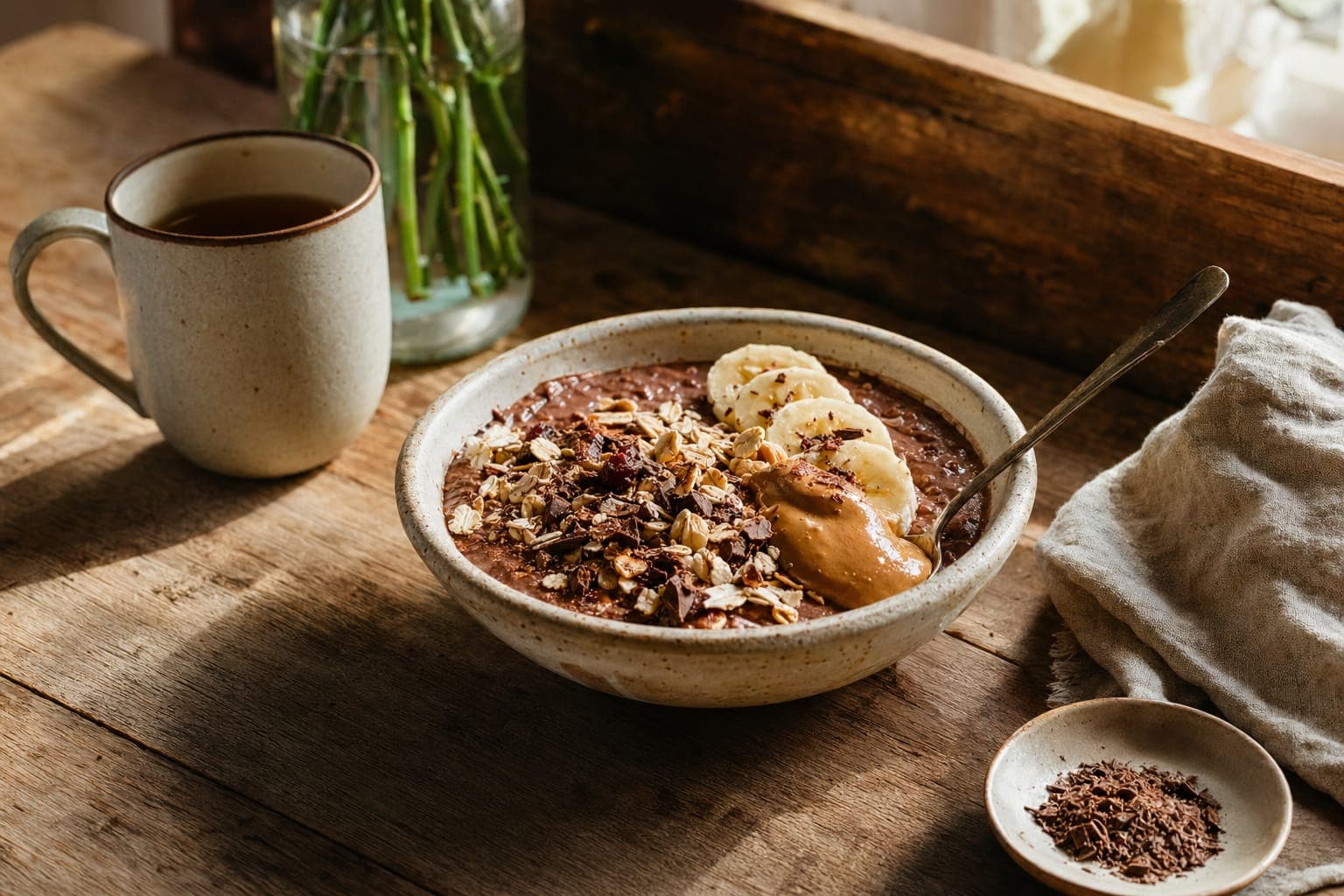
10 Ways to Use Organised That Aren't Just a Shake
Move beyond the basic shake. Discover 10 creative ways to use Organised in smoothie bowls, oats, yoghurt, baking, and more.


 Join over 100,000+ members
Build a better food system with us
The Organised community is thousands of people choosing real food and backing the farmers who grow it, all of us trying to leave the world a little better than we found it. If that is what you care about too, you belong here.