Fermented Foods: A Tradition Worth Reviving
In every traditional culture that thrived without modern medicine, fermented food was present at nearly every meal. Not as a health trend. As a necessity. Your ancestors understood that the gut determines everything, and fermented foods were how they kept it strong.
By Niall Kiddle, Founder, Organised

Reviewed by Pedro Rodrigues, Agronomist (farming and sourcing only) ·
5 min read · Published · Updated · 2 cited sources
Makers of the Organised Daily blend, a grass-fed beef organ supplement from regenerative UK farms
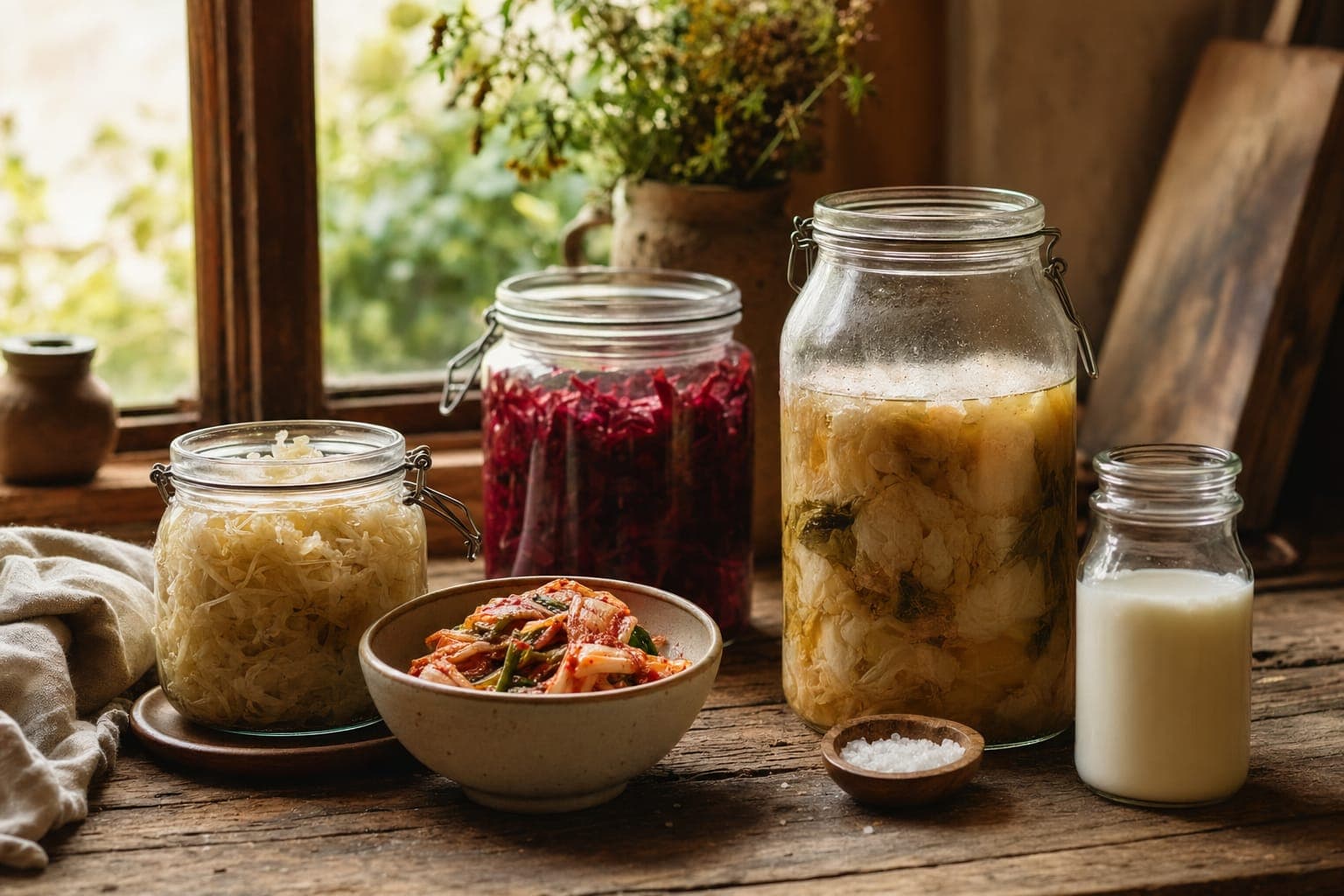
Modern food culture is only just realising what they knew.
What fermentation actually does
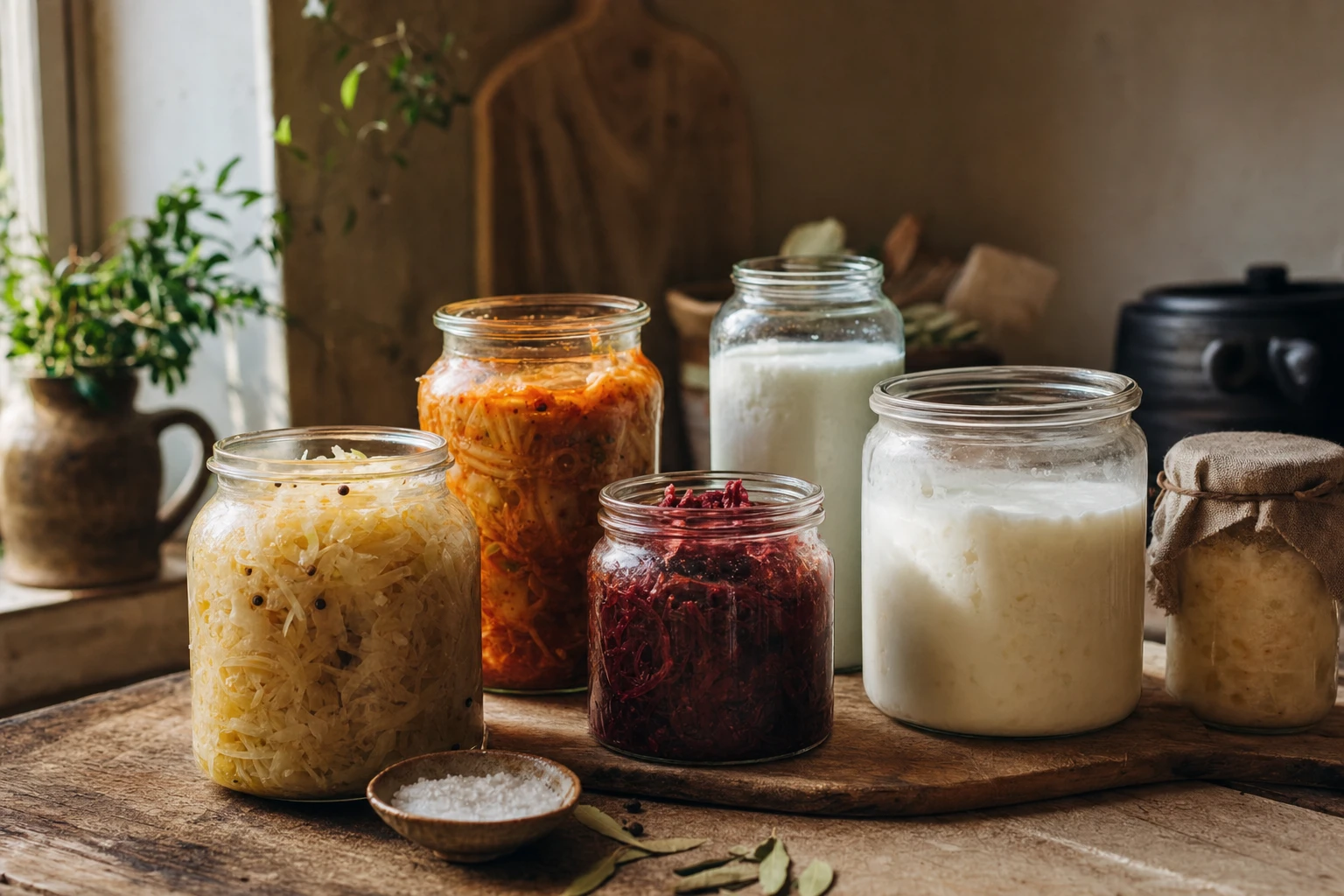
Fermentation is the process of using beneficial bacteria and sometimes yeast to break down food in the absence of oxygen. When you submerge vegetables in salt and let them sit, lactobacillus naturally present on the plant begins to multiply, consuming the sugars in the vegetable and producing lactic acid as a byproduct.
That process transforms the food in ways that cooking cannot. The vegetables become more digestible. Their mineral content becomes more bioavailable. New compounds are created that didn't exist in the raw vegetable. Living beneficial bacteria colonise the food.
The result is a food that's more nourishing, more bioavailable, and more beneficial to your gut than the raw or cooked version could ever be.
Fermentation isn't preservation by accident. It's nutritional enhancement by design. Your ancestors fermented vegetables because they knew it made them healthier, not just longer-lasting.
The three pillars of fermented food cultures
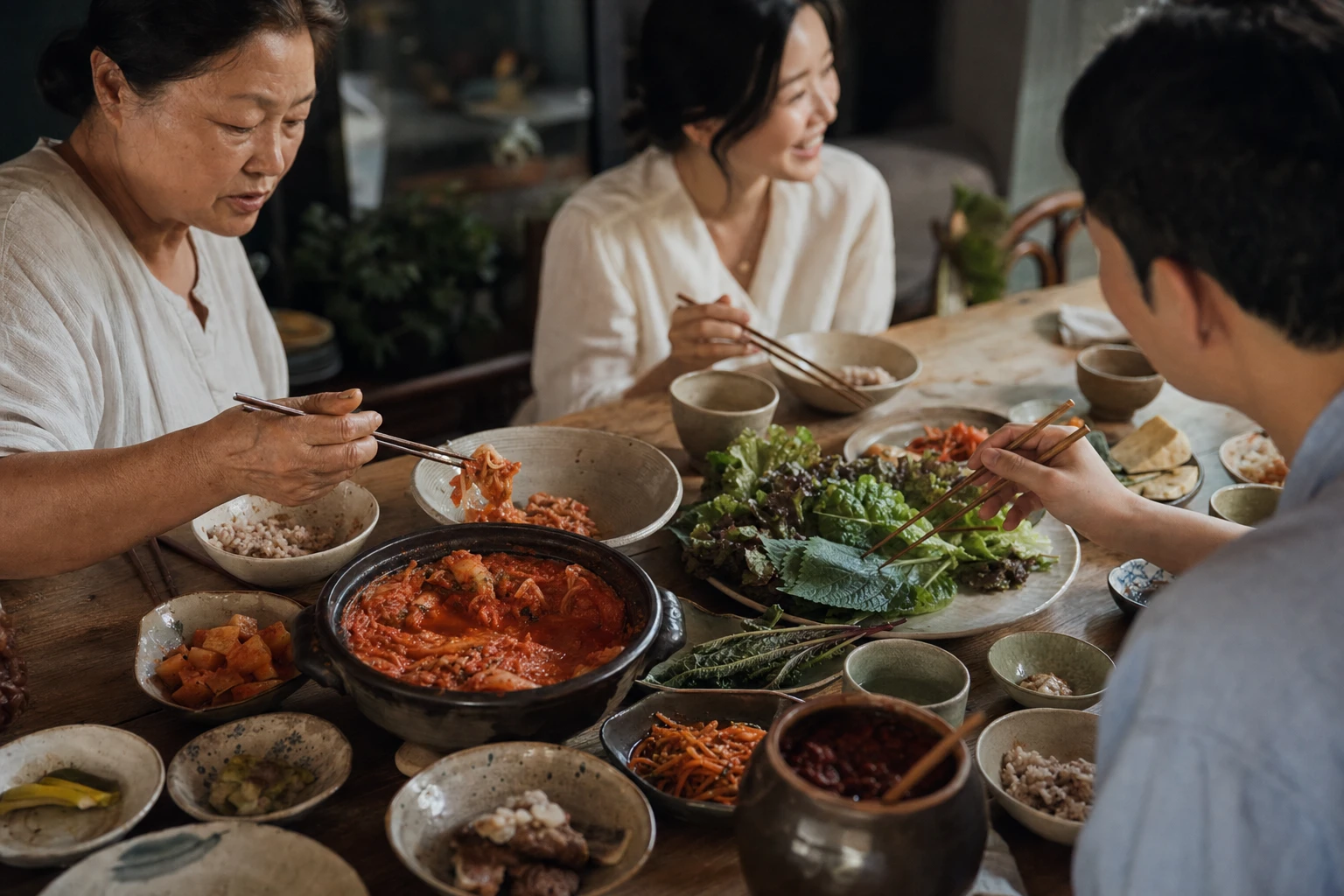
Fermented vegetables. Sauerkraut in German and Eastern European traditions. Kimchi in Korean cuisine. Pickled vegetables in Japanese diets. Curtido in Central America. These aren't condiments. They're foundational foods. A small serving with every meal provides live bacteria, digestive enzymes, and organic acids that support the entire digestive system.
Fermented dairy. Kefir, yoghurt, buttermilk, and aged cheeses all rely on fermentation. The process breaks down lactose, making the dairy more digestible. It multiplies beneficial bacteria like lactobacillus and bifidus. It creates compounds like butyric acid that actually heal the gut lining. Traditional peoples consumed fermented dairy daily, not as a supplement, but as food.
Fermented grains and legumes. In many traditional cultures, grains and beans were fermented before cooking. Sourdough bread in European traditions. Miso and tempeh in Japanese and Indonesian cuisines. This fermentation breaks down phytic acid, making minerals more bioavailable and the food easier to digest. It also pre-digests some of the carbohydrate content, making the grain less inflammatory.
A traditional diet that included sauerkraut at breakfast, kefir at lunch, and miso in the evening broth delivered a constant inoculation of beneficial bacteria and the organic acids they produce. Your gut was never depleted of the bacteria it needs to function.
How fermentation changes the food
Raw sauerkraut is not the same as cooked sauerkraut. The heat kills the bacteria. If you're eating fermented vegetables, you need them raw or at most gently warmed, never cooked until steaming.
When you ferment cabbage, lactic acid bacteria multiply substantially; a single millilitre of sauerkraut brine has been measured at 107–109 colony-forming units of lactic acid bacteria during active fermentation.2
Fermentation also creates organic acids like lactic acid and acetic acid. These acids lower the pH of the food, making it more acidic, which is the correct pH for your stomach and supports better digestion and nutrient absorption. The acids also act as a preservative, which is why fermented foods last for months without refrigeration.
Additionally, fermentation produces B vitamins that weren't present in the original vegetable. It creates compounds like histamine and GABA that support nervous system function. It breaks down some of the fibre into more digestible forms. In every measure, the fermented version is more nutritionally complete than the fresh version.
If you're only eating raw vegetables, you're missing out on the gut-healing power that fermentation creates. Add fermented vegetables to your diet and you'll begin to feel the difference within days.
Get ancestral nutrition guides, free
Two short reads a week on traditional ways of eating, examined with modern evidence.
By signing up you agree to receive emails from us. No spam, unsubscribe anytime.
The living probiotics your body craves
The supplement industry has convinced people that they need expensive probiotic capsules. But those supplements are a poor shadow of what fermented food provides.
A single jar of naturally fermented sauerkraut contains more live beneficial bacteria than a bottle of probiotic pills. The bacteria in fermented food are adapted to survive your stomach acid and colonise your gut. They come packaged with the organic acids and other compounds that help them flourish. They arrive in a form your gut recognises.
Supplement bacteria are single strains, isolated and concentrated. Food bacteria are diverse. They're mixed with the food matrix. They're real organisms doing what they evolved to do, which is colonise and protect your digestive system.
Your ancestors didn't take probiotics. They ate fermented food. Daily. And their gut microbiota thrived.
Modern research is catching up. A 2021 Stanford study by Wastyk and colleagues showed that a 10-week diet high in fermented foods increased gut microbiota diversity and reduced markers of inflammation in healthy adults.1
Why supplements can't replicate fermented food
The supplement industry has tried for decades to capture the benefits of fermented food in pill form. Probiotic supplements, spore-based probiotics, soil-based organisms. They're all attempting to do what a simple jar of sauerkraut does naturally.
The problem is that fermented food is a system. The bacteria come with their metabolites. The organic acids come with the food matrix. The enzymes come alongside the microorganisms. A probiotic pill is a single strain, isolated and concentrated, attempting to survive your stomach acid and colonise your gut without any of the supporting factors that make it work.
Your body has evolved to accept bacteria and microorganisms from food. It recognises them. It knows what to do with them. A fermented vegetable arrives in a form your gut has been expecting for thousands of years. A probiotic supplement is a pharmaceutical attempt to replicate something that nature already perfected.

1 of 9
Daily blend
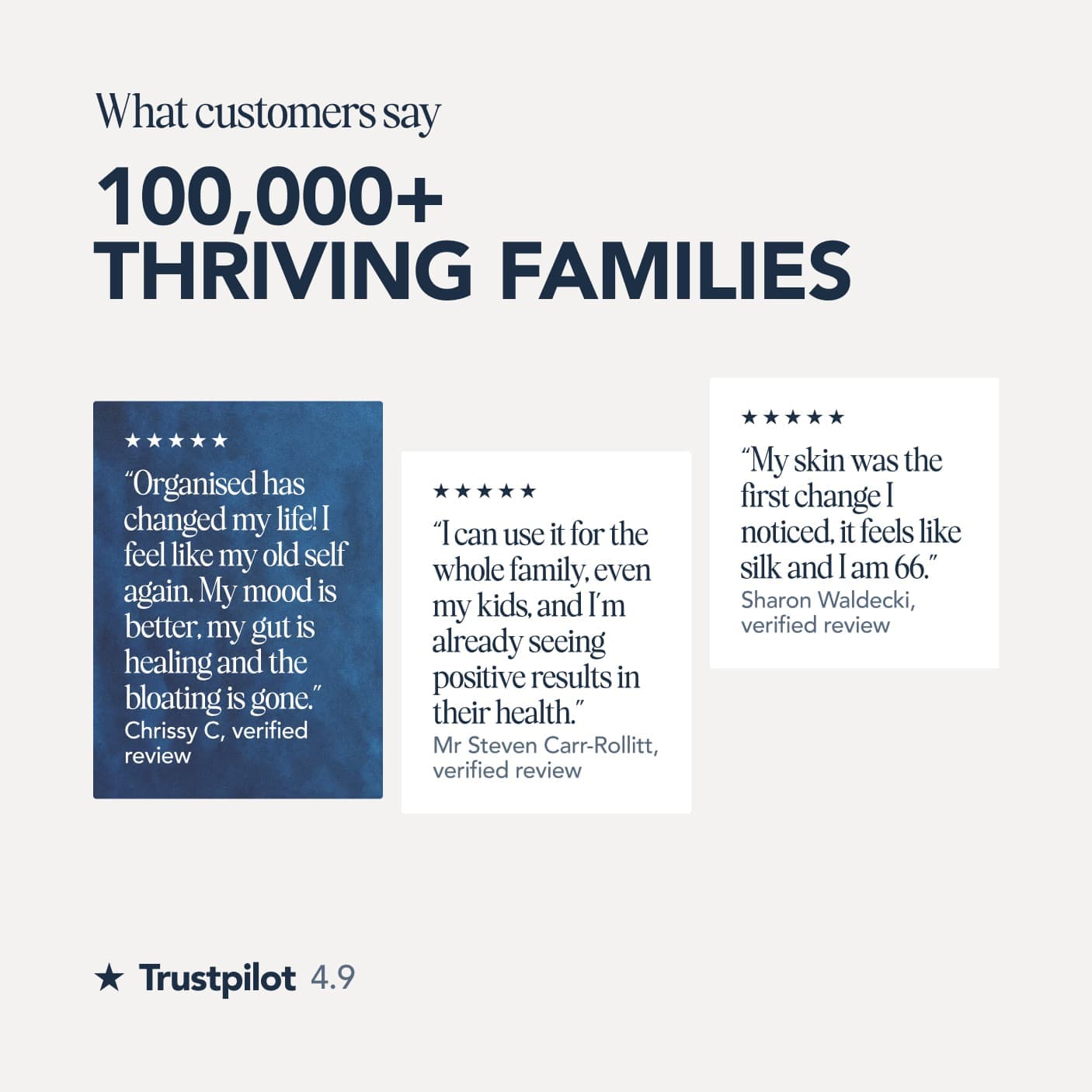
100,000+ thriving families4.9 on Trustpilot
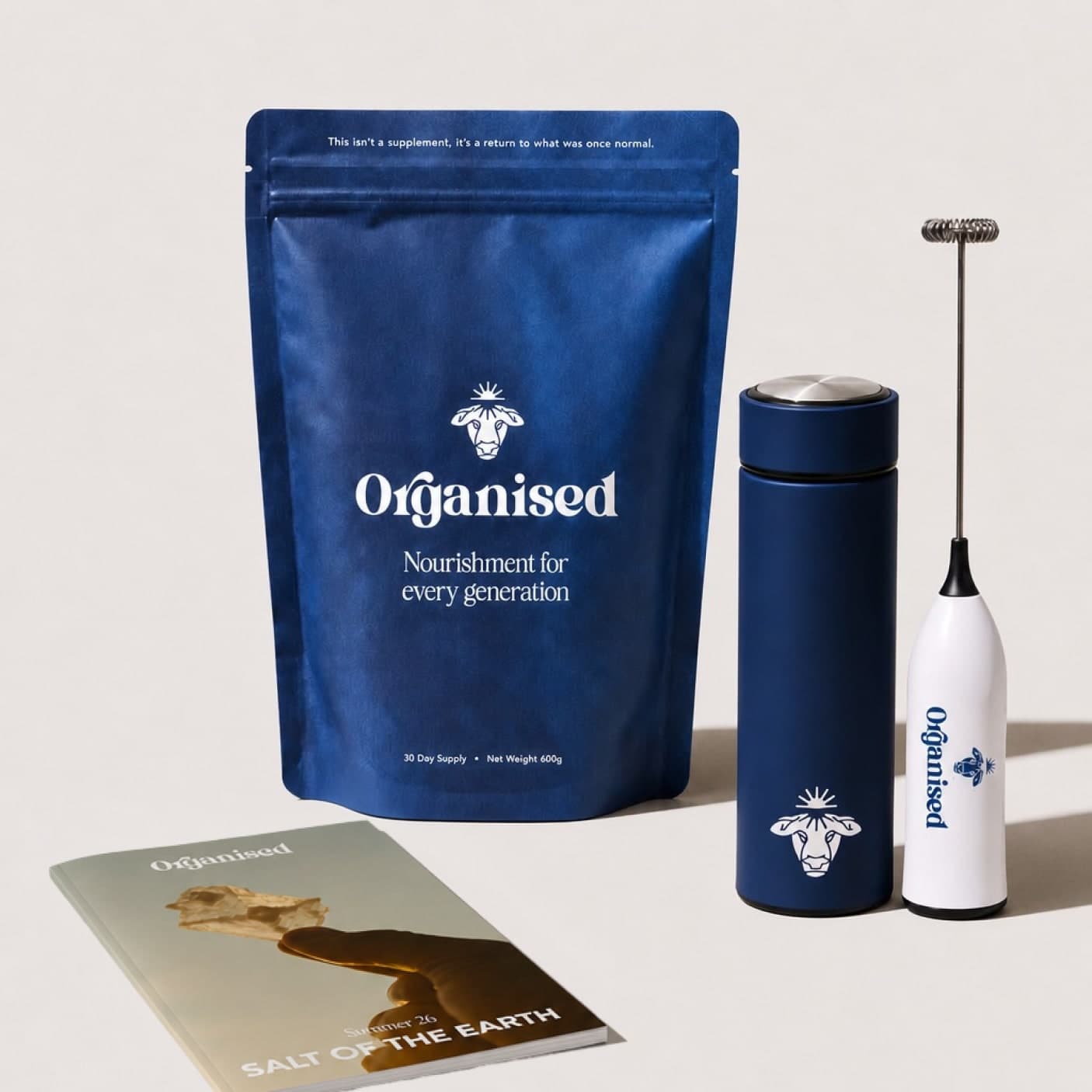
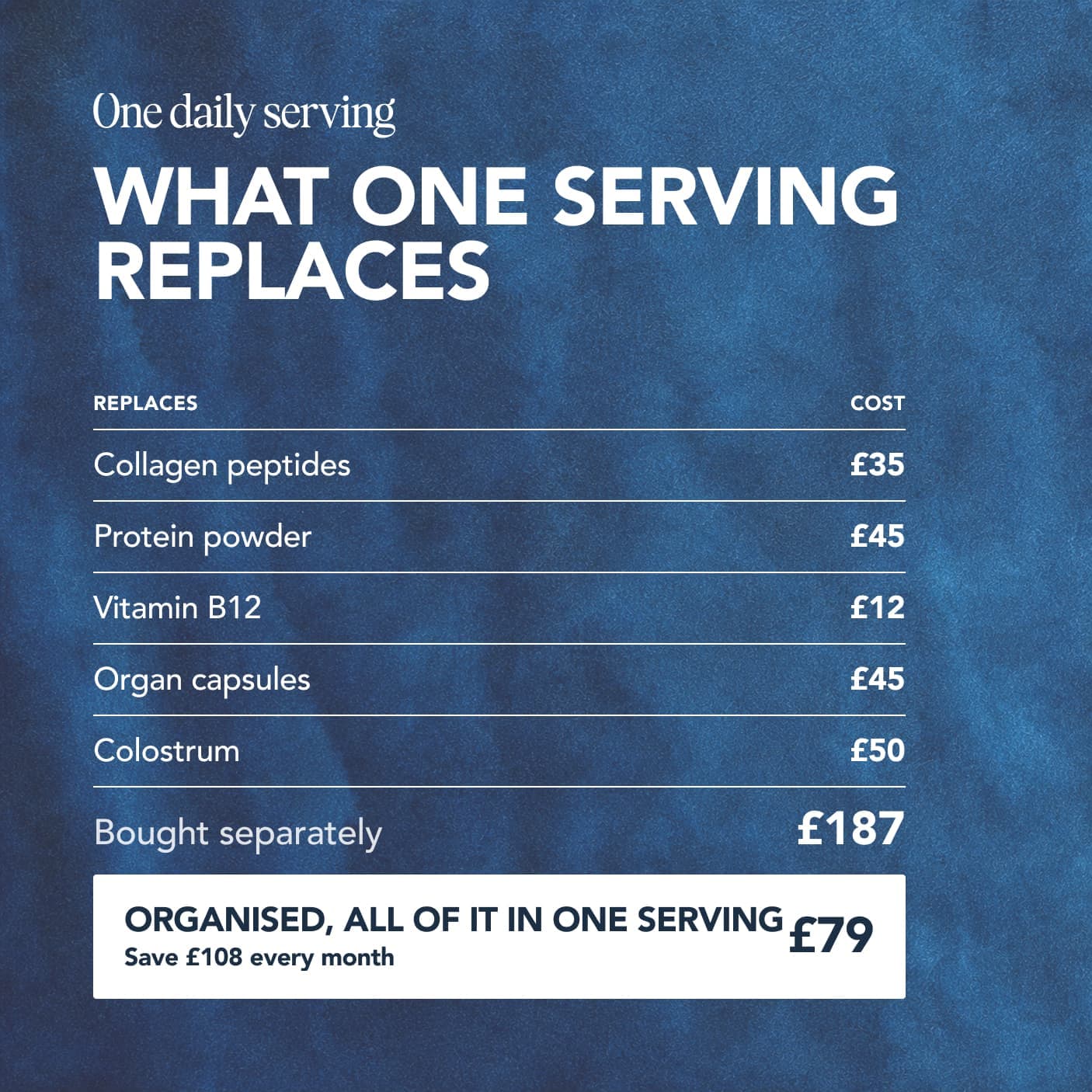
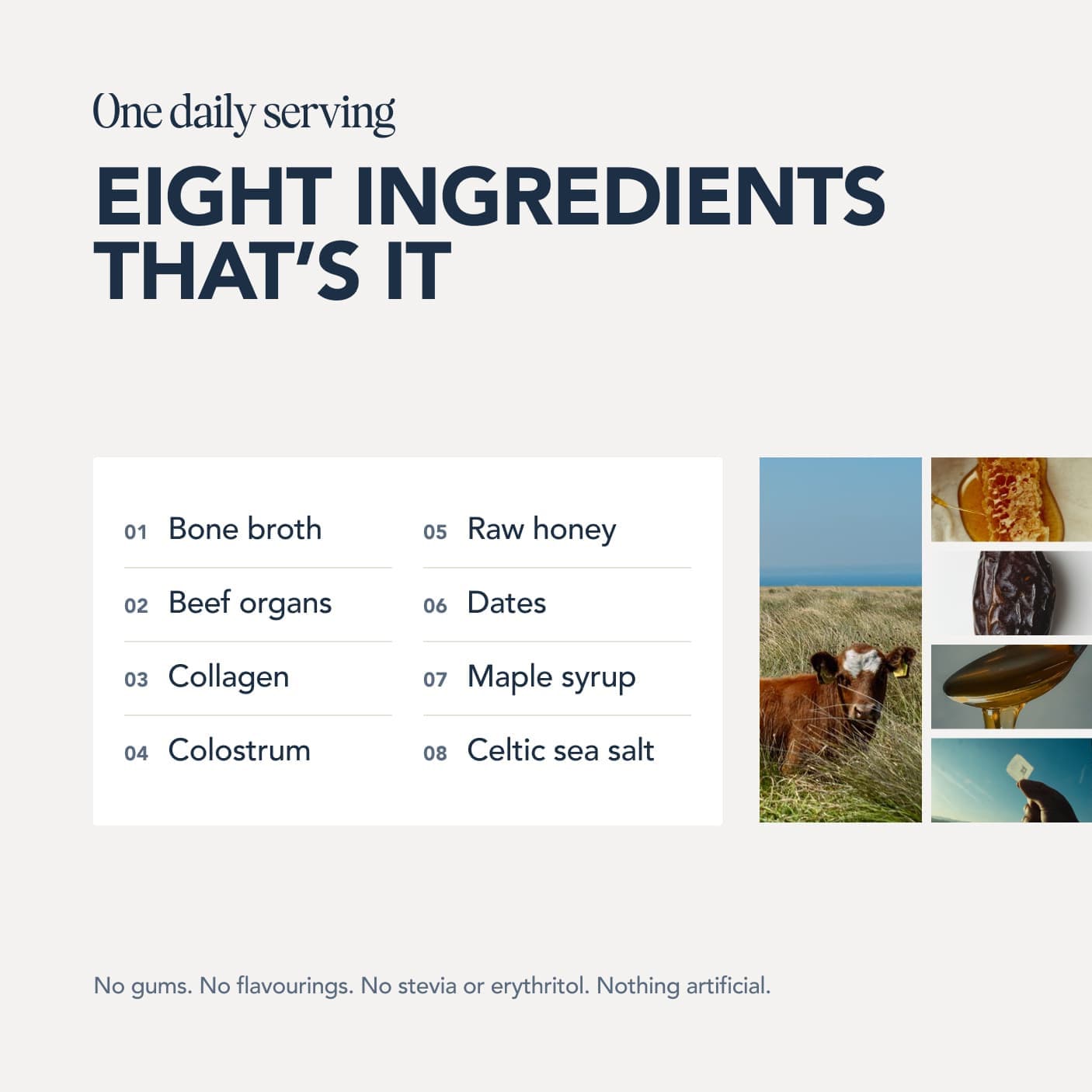
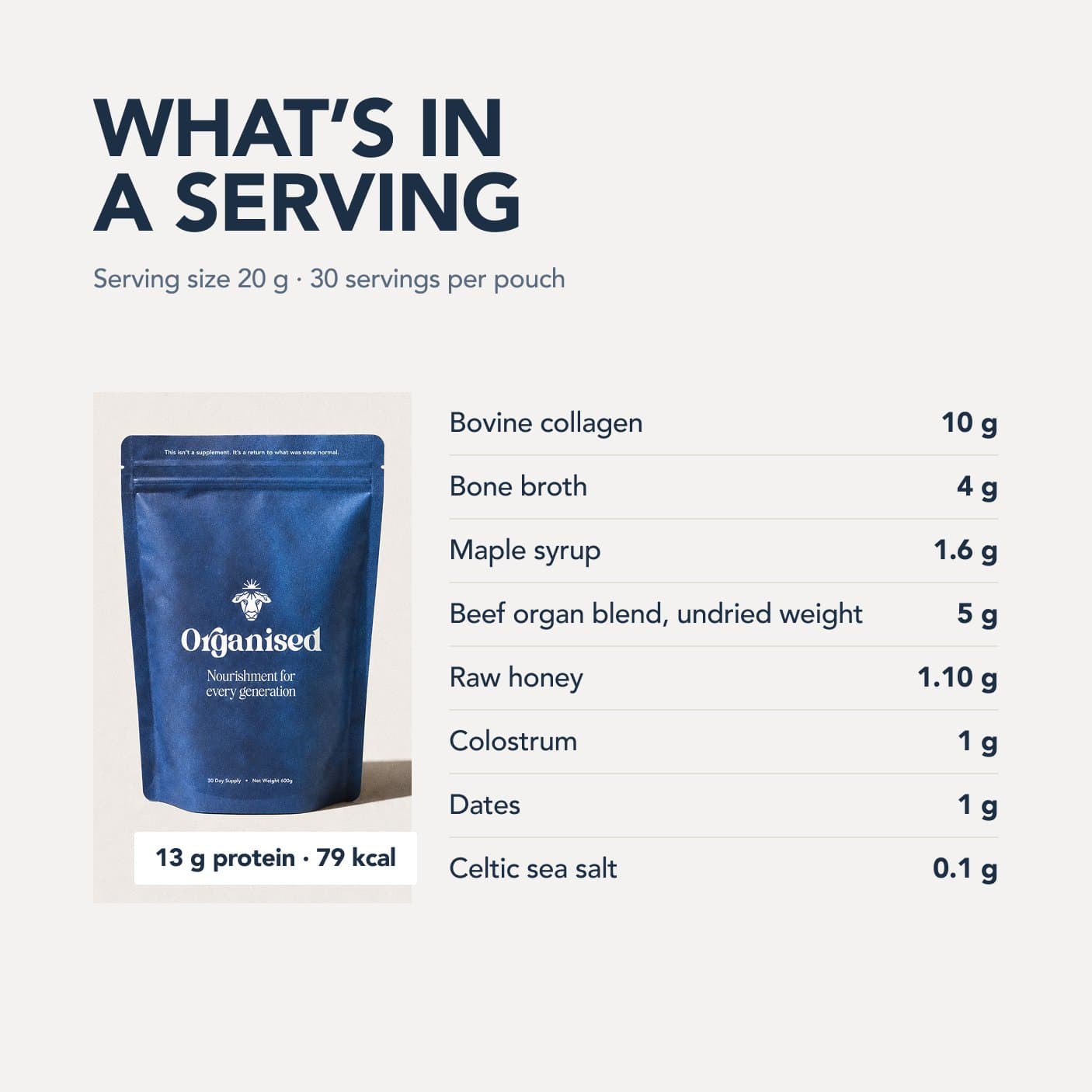
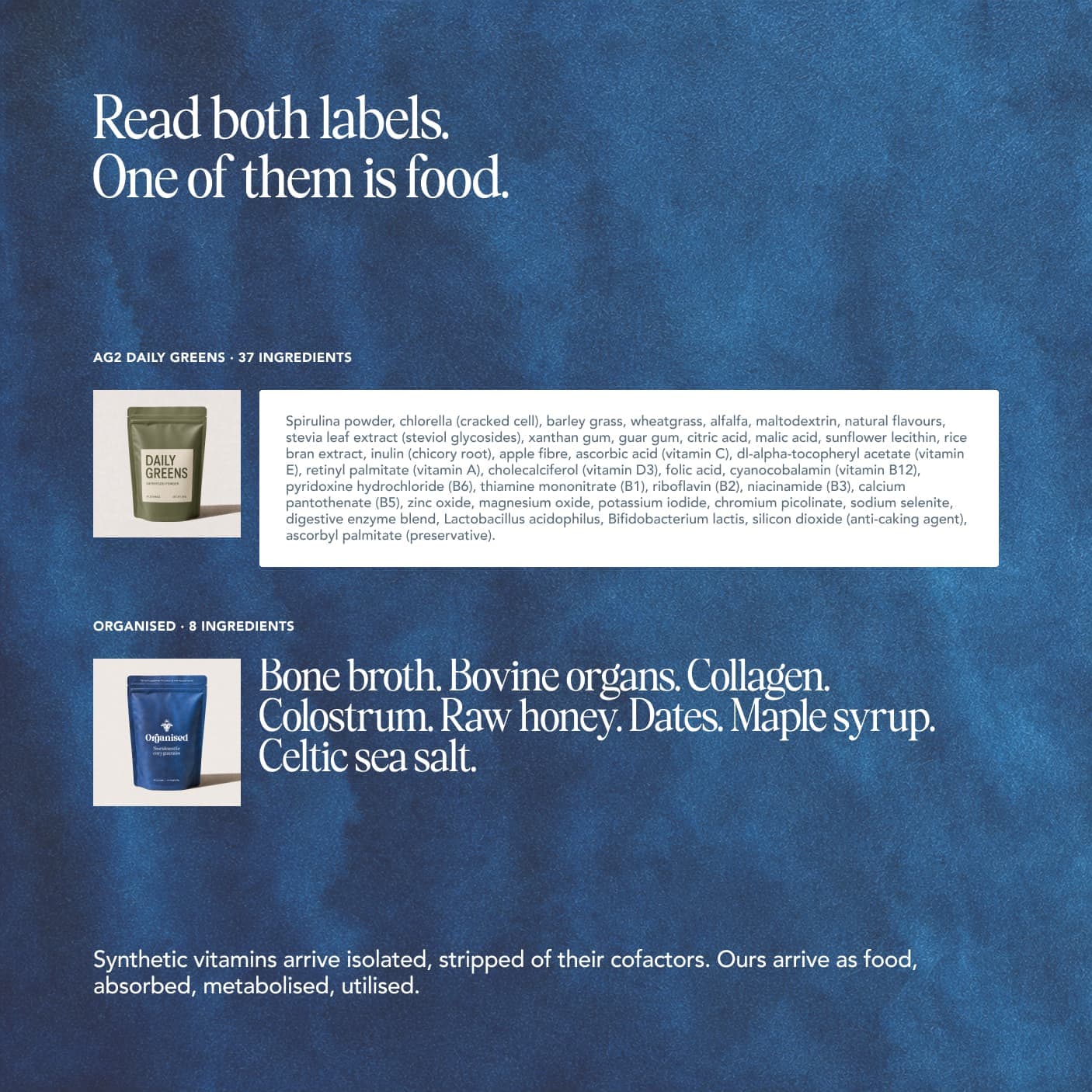
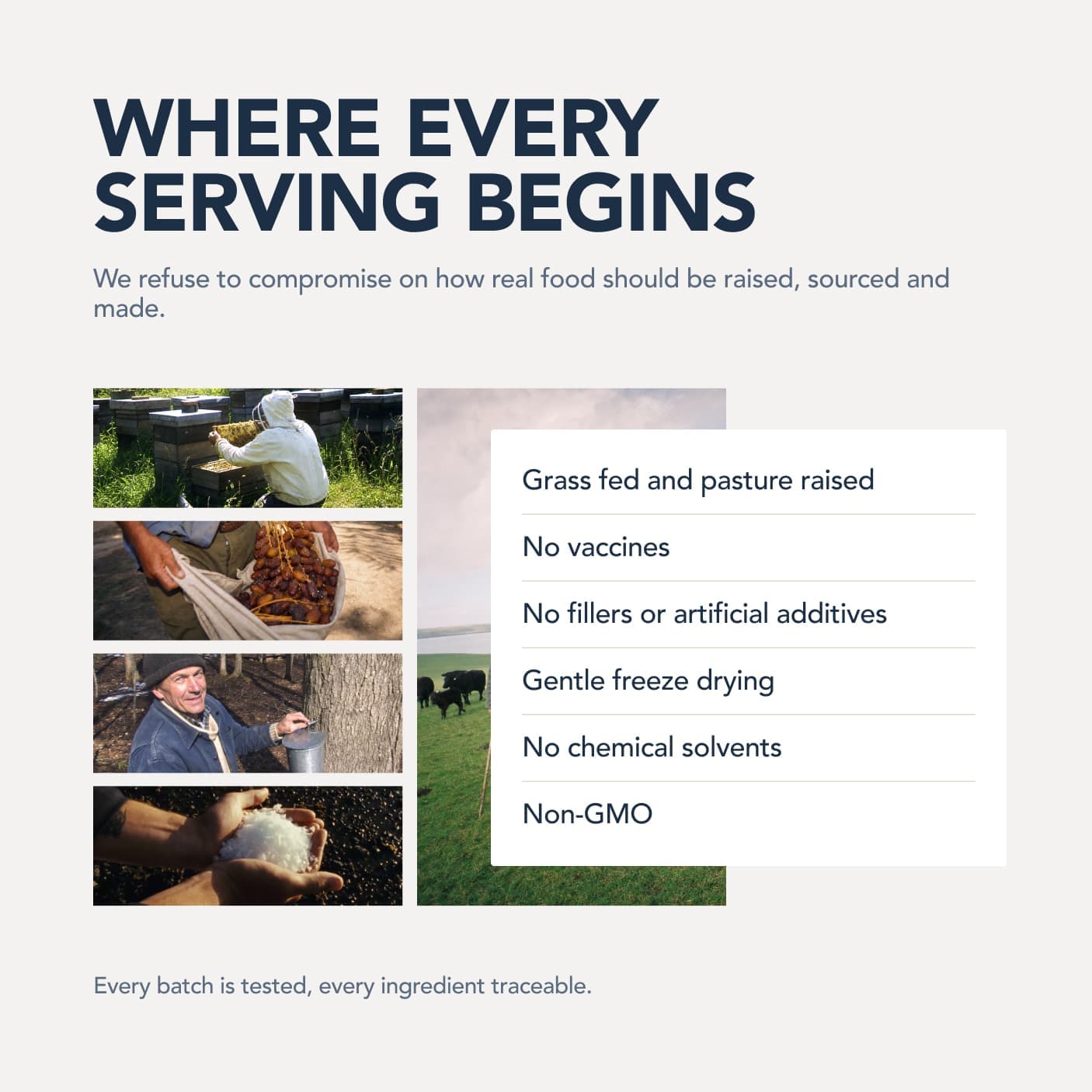
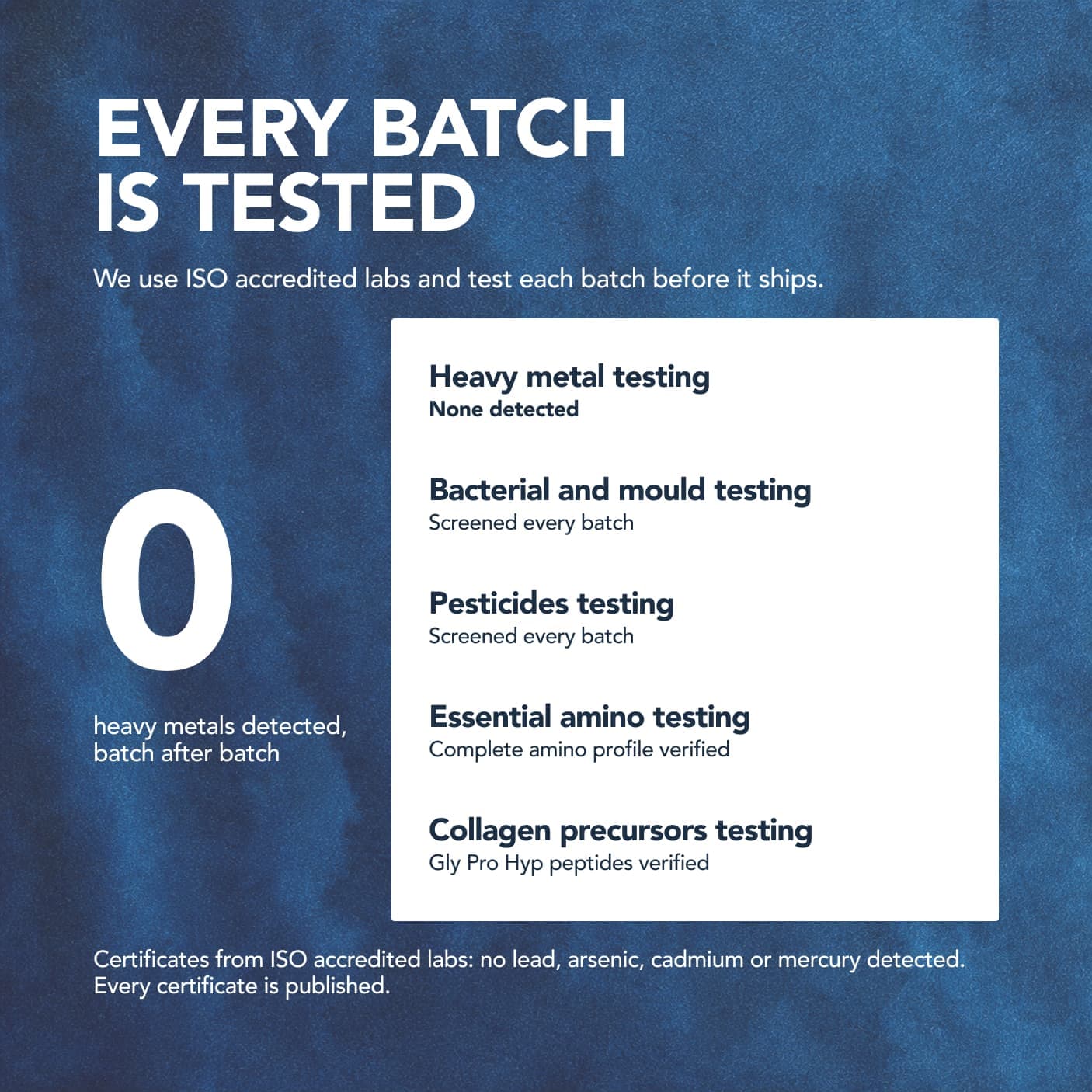
Eight real ingredients built around grass-fed beef organs, collagen and colostrum. Nothing synthetic added.
Free with your first order, worth £38. Plus £10 off the pouch with a subscription.

Free UK shipping · Made in England · 100 day money back guarantee on your first pouch · Skip, pause or cancel anytime
Where to start if you've never eaten fermented food
Buy real sauerkraut. Not the pasteurised jar in the supermarket shelf. The refrigerated kind without preservatives. Look for brands that list only cabbage, salt, and maybe some caraway. That's the real thing. Start with a small serving, a tablespoon with your lunch. Your digestive system might feel different as your microbiota begins to shift. That's normal. Continue.
Add kefir to your diet. If you can access raw kefir or at least unpasteurised, all the better. Start small. A few ounces daily. Your gut will adapt. Within a week, your digestion should feel noticeably different.
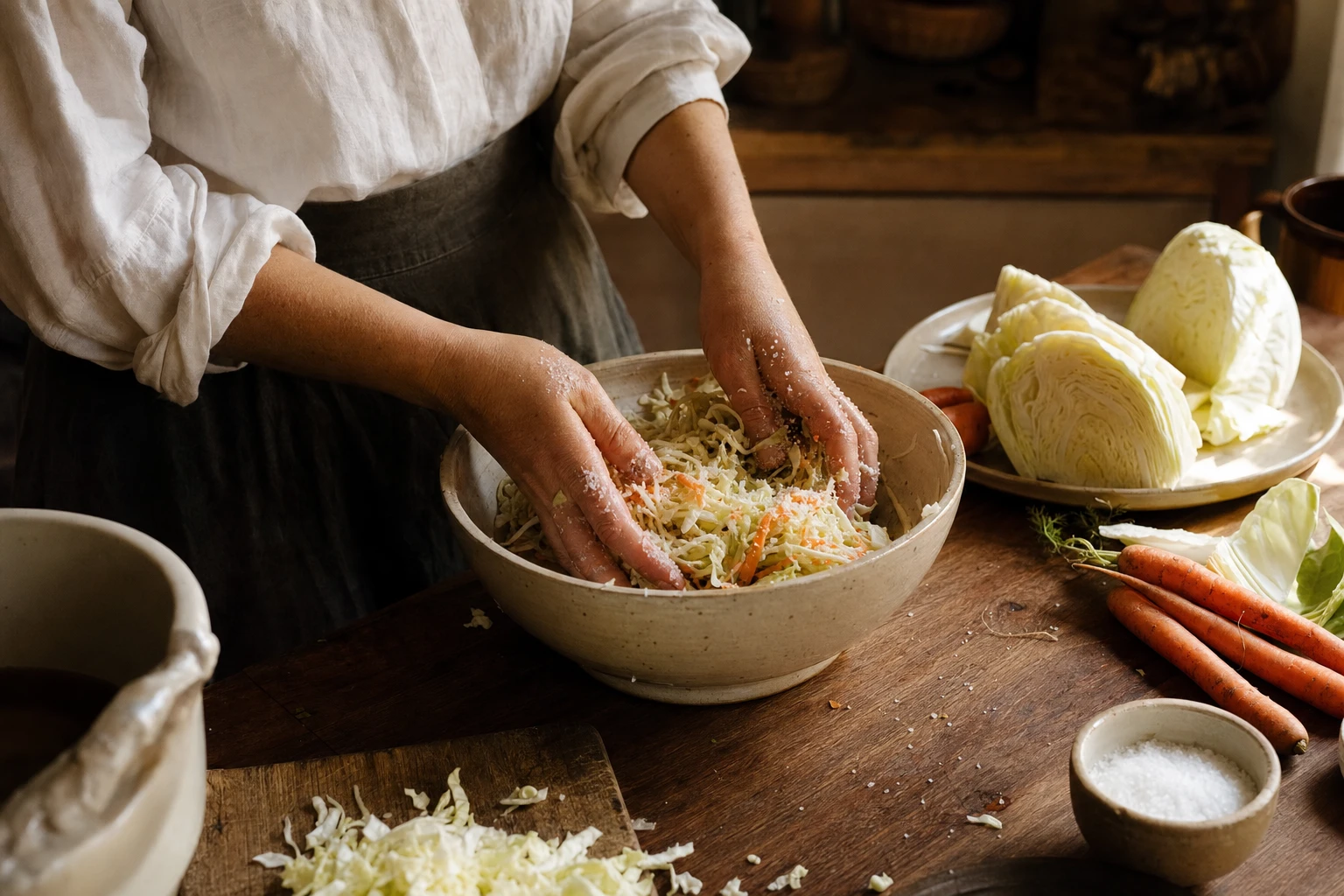
Make your own. You don't need special equipment. Shred a head of cabbage, mix it with sea salt (roughly 2 per cent by weight), pack it tightly into a jar, and let it sit at room temperature for at least a week. The cabbage will ferment on its own. Taste it as it goes. When it tastes pleasantly sour, it's ready. Store it in the fridge. A tablespoon daily is enough to notice a difference.
Start with one fermented food and make it a daily habit. Within weeks you'll notice better digestion, more stable energy, clearer skin, and a general sense of feeling more settled in your body. That's what your gut does when it's healthy.
Your ancestors understood that a healthy gut means a healthy person. Fermented foods are how they kept their guts thriving. You have access to the same foods, the same practices, and the same nutrition. All that's missing is the habit of consuming them.
References
Every source below was checked on 27 August 2026. Each PubMed, PMC and DOI identifier was resolved against NCBI or Crossref, and what it opens is printed under the citation, so you can see the link goes where the citation says without leaving the page. Where a citation and its identifier disagreed, the citation was corrected to the record or the reference was deleted along with the sentence marker that pointed at it, and where the resolved paper turned out not to support the sentence, the sentence was cut back to what it does support. Borrowed authority is worse than none, because it looks like rigour.
- Wastyk HC, et al. Gut-microbiota-targeted diets modulate human immune status. Cell. 2021. https://pubmed.ncbi.nlm.nih.gov/34256014/Checked 27 August 2026: PMID 34256014 opens Wastyk HC, Fragiadakis GK, Perelman D et al, Gut-microbiota-targeted diets modulate human immune status. Cell 2021;184(16):4137-4153.e14. PubMed indexes it as: Randomized Controlled Trial.The authors' own declaration, from the record: Declaration of interests H.C.W. is a founder and shareholder of Interface Biosciences. W.V.T. is a founder and shareholder of Interface Biosciences. J.L.S. is a founder, shareholder, and on the scientific advisory board of January AI and Novome Biotechnologies.
- Touret T, Oliveira M, Semedo-Lemsaddek T. Putative probiotic lactic acid bacteria isolated from sauerkraut fermentations. PLoS One. 2018. https://pmc.ncbi.nlm.nih.gov/articles/PMC6128568/Checked 27 August 2026: PMC6128568 opens Touret T, Oliveira M, Semedo-Lemsaddek T, Putative probiotic lactic acid bacteria isolated from sauerkraut fermentations. PLoS One 2018;13(9):e0203501.The authors' own declaration, from the record: The authors have declared that no competing interests exist.
Who wrote and reviewed this guide
Niall Kiddle
Author · Founder, Organised
Niall is the founder of Organised. He started the company in 2024 after fixing his own health the slow way: in 2022 he swapped a cupboard of synthetic supplements for real food, raw milk, organ meats, bone broth and honey, and felt the difference within months.
Areas of expertise: Ancestral nutrition, Organ meats, Whole-food supplementation, Gut health, Regenerative sourcing
Read Niall's full profile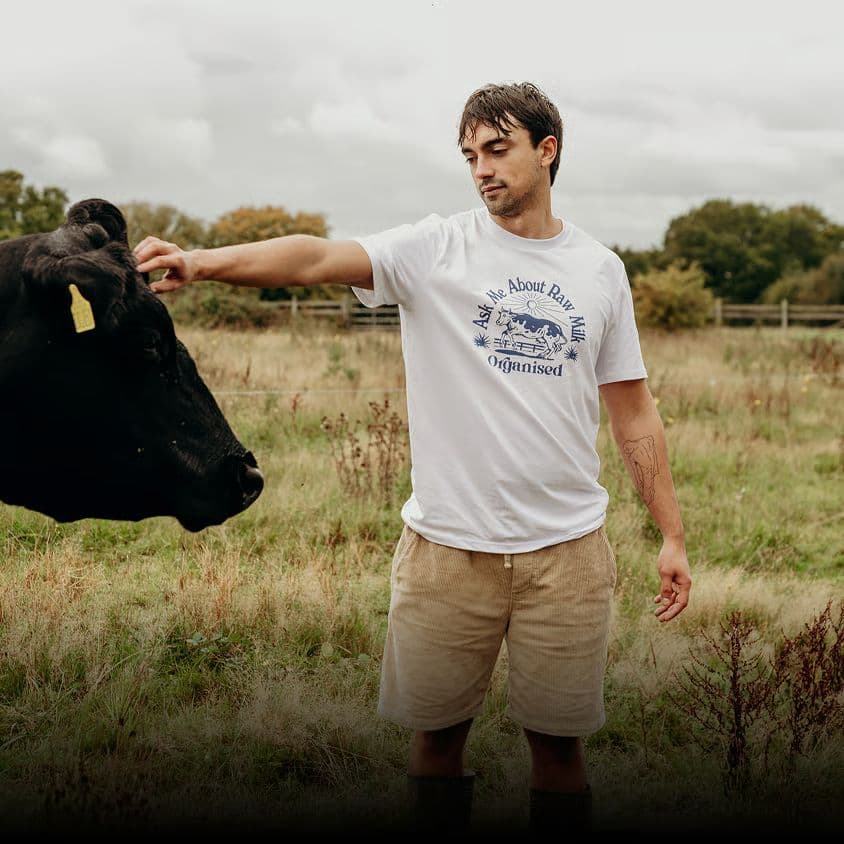
Pedro Rodrigues
Reviewer · Agronomist (farming and sourcing only)
Pedro is the agronomist Organised works with on farming and sourcing. His job on the guides is to keep the science honest: he reviews what we publish about soil health, regenerative agriculture, grazing and the way food is actually produced.
Areas of expertise: Regenerative agriculture, Agronomy, Soil health, Grass-fed farming, Food sourcing
Reviewed this guide on
Read Pedro's full profileMore on ancestral wisdom
View all- Bone Broth: The Original Superfood
- Ghee, Tallow and Lard: The Traditional Cooking Fats Making a Comeback
- How Fat Became the Enemy (And Why That Was Wrong)
- How Traditional Cultures Prepared for Winter
- Raw Milk: What It Is, Why It Matters, and Where to Find It
- What Your Irish Grandmother Knew About Nutrition
Browse the guides library
All guidesKeep reading
Ancestral
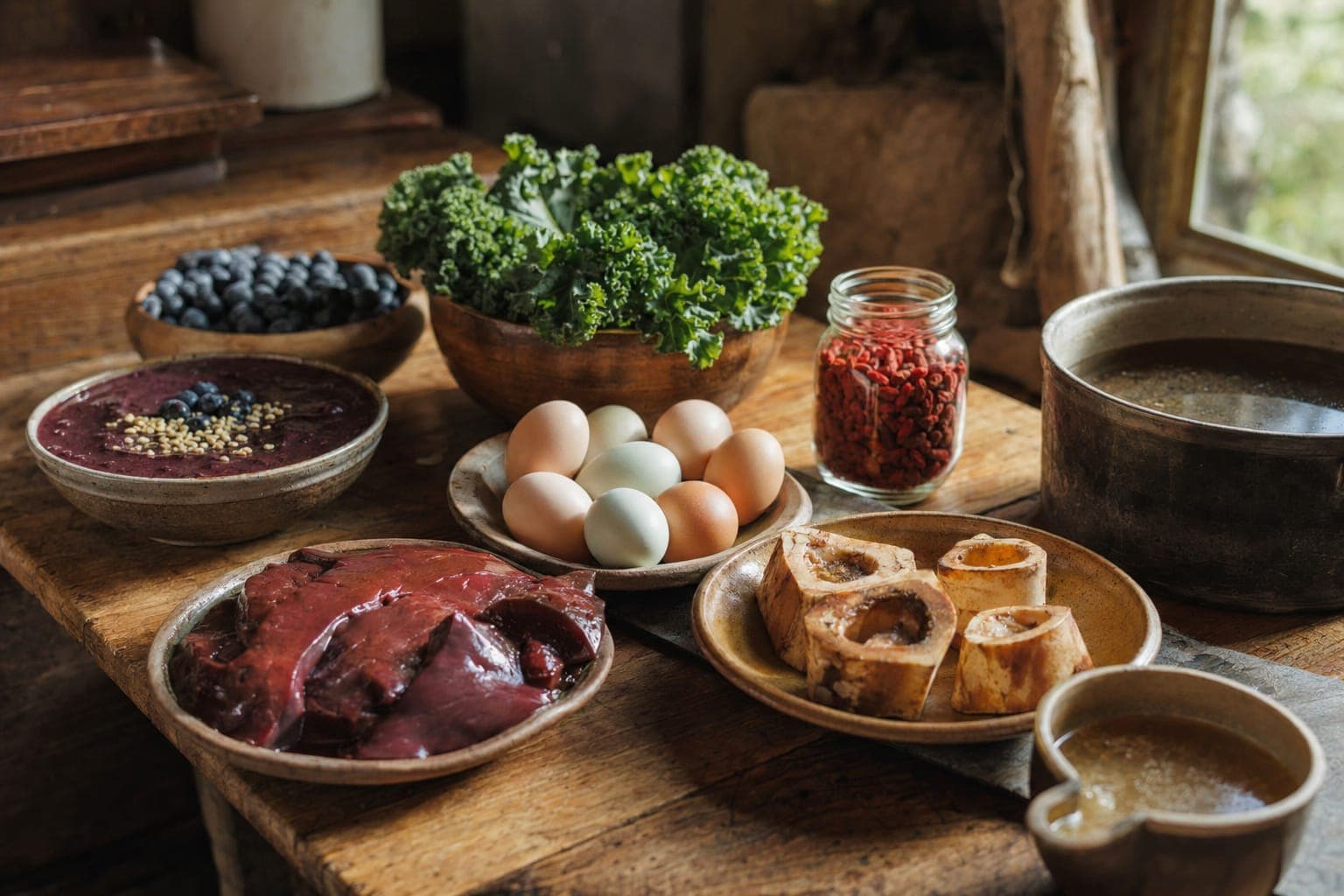
Are 'Superfoods' Just Marketing? A Nutrient Density Reality Check
Acai, goji and kale dominate wellness marketing, but how do nutrient-dense superfoods compare to liver, eggs and bone broth? See what the data shows.
Ancestral
8 Ingredients. Nothing Else. The Organised Approach.
See why Organised is built from just 8 whole food ingredients, with no fillers, no synthetics and no compromise. A simpler approach to nutrition.
Ancestral
What Is an Animal Based Diet? Definition, Benefits, Food List, and How to Source Well
If you have been hearing “animal based” everywhere lately, you are not alone. It is one of the fastest-growing nutrition movements online, and it sits
Real food, made effortless
Bring it into my routineA few ways to use it
All recipes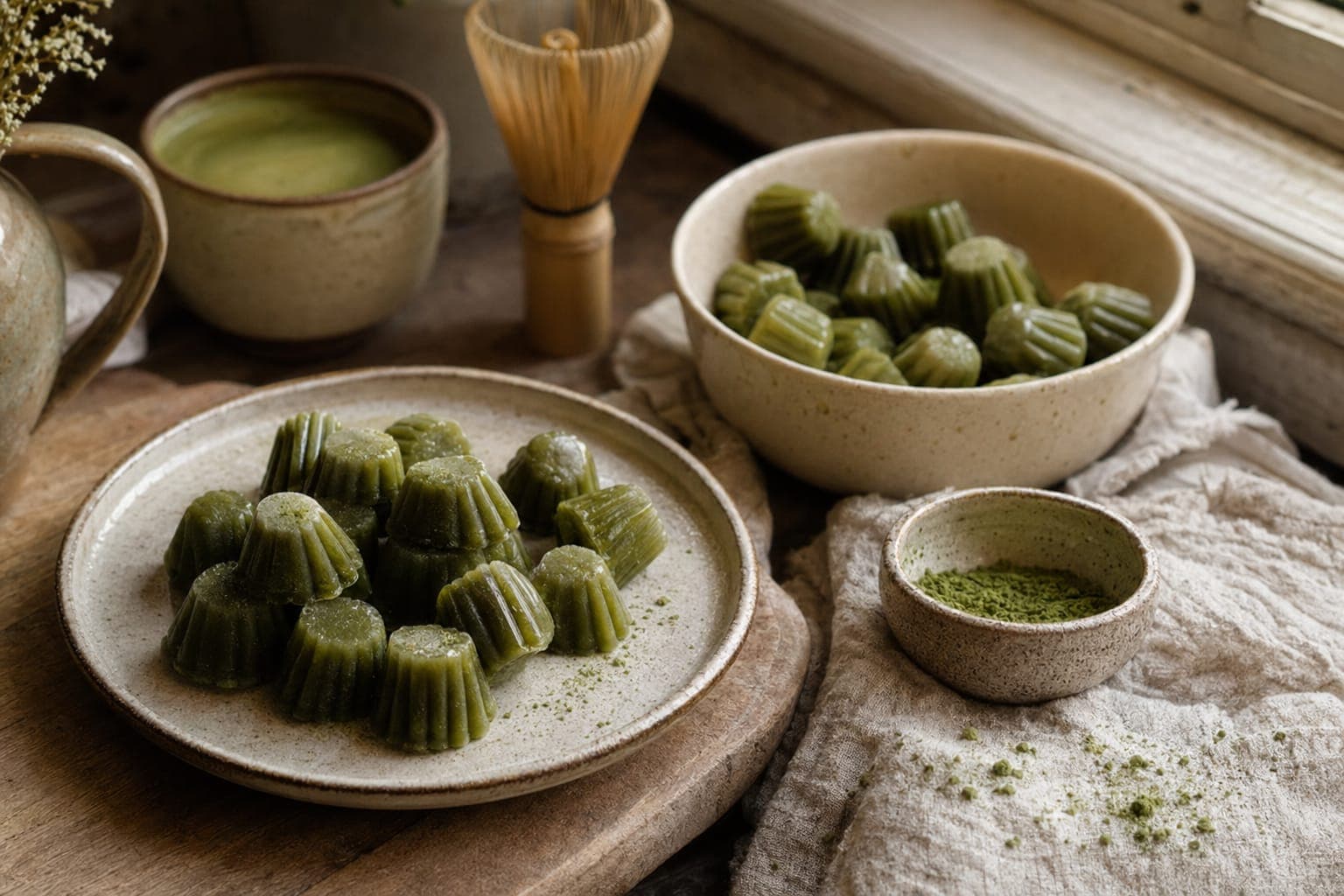
Matcha Latte Gummies with Collagen and Gelatine
Make visually stunning matcha latte gummies infused with collagen and gelatine. Simple recipe for gut-healing sweets you'll actually want to eat.
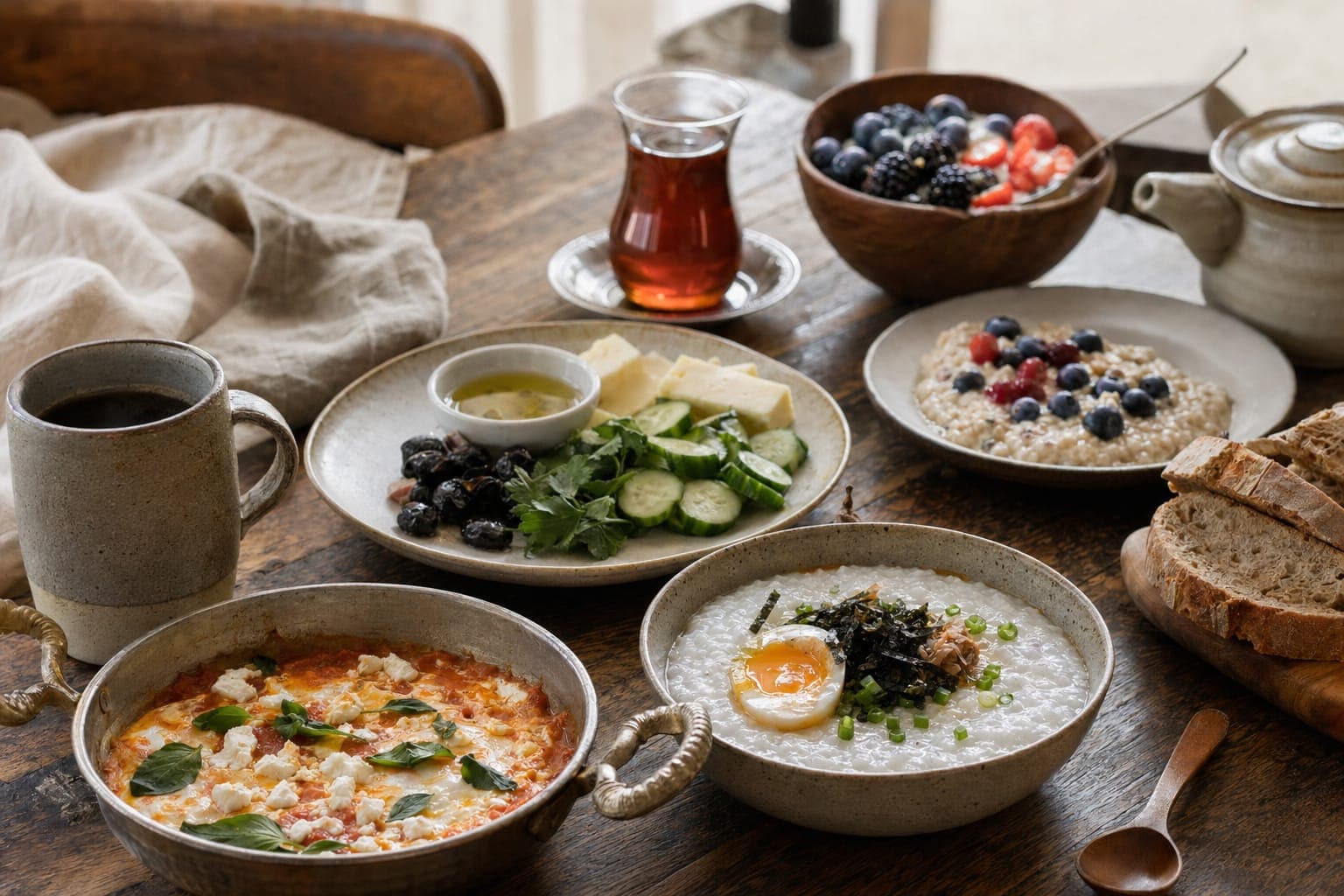
Ancestral Breakfast Ideas from Around the World
Traditional breakfast recipes from cultures that got nutrition right. Japanese, Turkish, Scottish, and more. Whole-food breakfast inspiration.
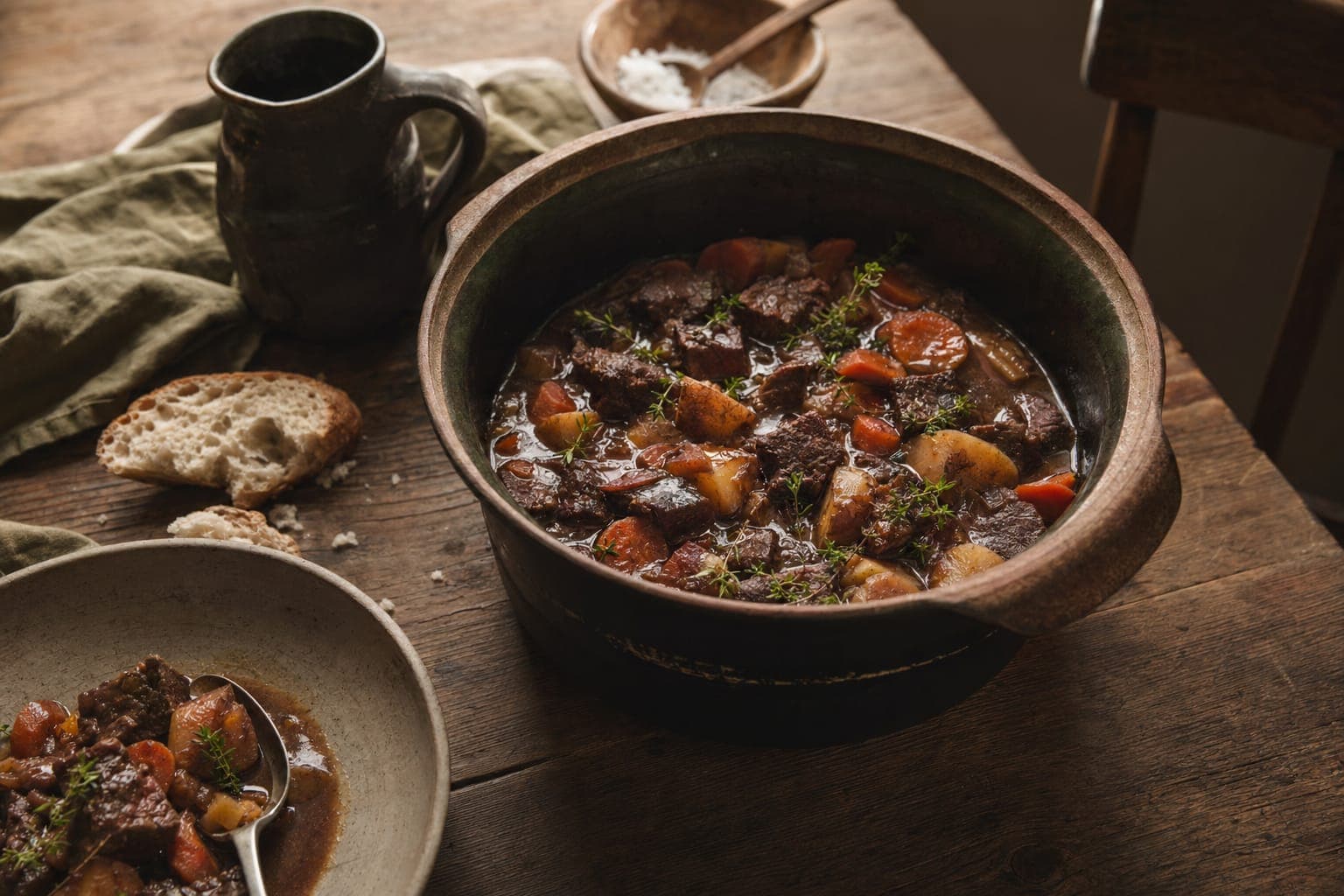
Collagen-Rich Beef Stew: Slow-Cooked Nourishment
Beef stew that delivers collagen from connective tissue and bone broth. Winter comfort food that actually nourishes. Simple slow cooker recipe.


 Join over 100,000+ members
Build a better food system with us
The Organised community is thousands of people choosing real food and backing the farmers who grow it, all of us trying to leave the world a little better than we found it. If that is what you care about too, you belong here.