Food Additives You Should Actually Worry About
Not all food additives are equally harmful. This matters because some scare-mongering online has made people paranoid about trivial things whilst ignoring additives that are genuinely problematic. Here's what actually deserves your attention.

By Niall Kiddle, Founder, Organised

Reviewed by Pedro Rodrigues, Agronomist (farming and sourcing only) ·
6 min read · Published · Updated · 5 cited sources
Makers of the Organised Daily blend, a grass-fed beef organ supplement from regenerative UK farms
Why we need to be specific
There are thousands of food additives approved for use. Most of them are genuinely harmless. Guar gum. Xanthan gum. Citric acid. These aren't threats. They're used to create texture or preserve food without altering your body.
But some additives do damage. They interfere with your gut barrier. They disrupt your microbiota. They promote inflammation. They're endocrine disruptors. These deserve your attention and your concern.
The problem is that food companies and regulatory bodies have deliberately blurred the line between safe and harmful, so consumers either dismiss all additives as trivial or become so paranoid that they can't function at a supermarket. We need precision.
Not all fear is irrational, and not all reassurance is justified. You need to know which additives actually matter.

Emulsifiers: polysorbate 80 and carboxymethyl cellulose
Emulsifiers are used to blend ingredients that wouldn't normally mix (oil and water). They're everywhere. Ice cream, salad dressing, yoghurt, peanut butter, protein bars. Polysorbate 80 (P80) and carboxymethyl cellulose (CMC) are the most common.
Research in the past ten years has shown that both P80 and CMC disrupt your intestinal barrier. They alter your gut microbiota composition. They promote low-grade inflammation, sometimes called metabolic endotoxaemia.1 This inflammation is linked to obesity, insulin resistance, and metabolic dysfunction.
If you eat ultra-processed foods daily, you're consuming these emulsifiers constantly. Your gut barrier is being quietly stressed. Your microbiota is slowly being disrupted. The effect is subtle but cumulative.
Some emulsifiers (like lecithin from sunflower or soy) are less problematic than P80 or CMC, but the safest approach is to minimise all of them. Avoid them where you can.
Your gut barrier is the wall between your food and your bloodstream. Polysorbate 80 thins that wall.
Artificial colourings: the real data
Artificial colours like tartrazine (yellow 5), sunset yellow (yellow 6), and allura red (red 40) are used primarily in ultra-processed foods marketed to children. The research is clear and troubling.
These dyes are azo dyes, meaning they break down in the gut into aromatic amines, compounds that can cross the intestinal barrier and cause systemic inflammation. They've been linked to hyperactivity in children, particularly in those with ADHD or genetic sensitivities.2
Some countries have banned these dyes. Many European manufacturers have removed them or switched to natural colours. In the US and UK, they remain legal. The reason is regulatory inertia, not safety data. The safety data is actually quite concerning.
If you're buying anything brightly coloured (sweets, drinks, cereals marketed to children), check the colour source. If it says artificial colour or an azo dye, consider a different product.
Artificial colours exist to make cheap ingredients look more appealing. Your child's behaviour is the cost.

Titanium dioxide and nano-particles
Titanium dioxide is used as a whitening agent in foods, cosmetics, and pharmaceuticals. It's in many white or light-coloured processed foods, including some supplements. The safety concern is that newer versions are nano-particles, meaning they're small enough to cross the intestinal barrier.
Once across that barrier, nano-titanium dioxide can trigger inflammatory responses in the gut and systemically. It accumulates in organs over time. The long-term effects are still being researched, but the signals are worrying.
The EU has banned titanium dioxide as a food additive.3 The US and UK still allow it. Again, this is not because it's proven safe. It's because removing it would be inconvenient for manufacturers.
If you see titanium dioxide on an ingredient list, consider it a red flag. It's an additive used purely for aesthetic reasons, not for nutritional benefit. There's no reason to consume it.
Titanium dioxide makes food look whiter. It makes your gut work harder. The trade-off is not in your favour.
Partially hydrogenated oils: the worst offender
Partially hydrogenated oils (PHO) are transfats created by partially hydrogenating vegetable oils. They're banned in many countries now, but they still exist in older products and some industrial ingredients.
Transfats are genuinely toxic. They have no redeeming nutritional quality. They increase inflammation, raise LDL cholesterol, lower HDL cholesterol, and promote metabolic dysfunction.4 There is no safe level of transfat consumption.
The reason PHO was created in the first place was to replace saturated fat (which was demonised unfairly). We replaced one ingredient with something worse. Now we're trying to get rid of it, but the process is slow.
Check old ingredient lists carefully. Even though PHO is supposedly banned, loopholes still exist. If you see 'hydrogenated' or 'partially hydrogenated' on a label, the product was made with transfat. Do not eat it.
Transfat is the one additive where the concern is not exaggerated. Avoid it completely.
Get ancestral nutrition guides, free
Two short reads a week on traditional ways of eating, examined with modern evidence.
By signing up you agree to receive emails from us. No spam, unsubscribe anytime.
BHA and BHT: preservatives to avoid
Butylated hydroxyanisole (BHA) and butylated hydroxytoluene (BHT) are antioxidant preservatives used to prevent oils from going rancid. They're in many processed foods, particularly those with fats and oils.
Both are endocrine disruptors. They mimic oestrogen in the body, triggering oestrogenic responses in tissues that aren't expecting them.5 They're linked to reproductive issues, developmental problems in children, and potentially cancer risk.
Some countries have banned them. Some have restricted them. The US and UK allow them, though they're increasingly being phased out by manufacturers who recognise the reputational risk.
BHA and BHT serve no nutritional purpose. They exist purely to extend shelf-life of products that shouldn't exist in the first place (highly processed foods with industrial oils). Avoid them.
BHA and BHT are preservatives for products that shouldn't be preserved. If the base product is junky, no preservative makes it good.

Individual sensitivity and the elimination challenge
Some people are more sensitive to additives than others. If you have digestive issues, skin problems, mood disturbances, or inflammatory conditions, you might be reacting to additives without realising it.
An elimination challenge is worth trying. Remove obvious sources of additives for two weeks: no processed foods, no ultra-processed snacks, no artificially coloured items. Eat whole foods. Keep a symptom diary. Notice what improves.
Then, slowly reintroduce processed foods one at a time. Notice which ones trigger symptoms. If you react to a product, check the ingredient list and identify the likely culprit. Then avoid products with that additive.
Many people discover that their persistent bloating, fatigue, or skin issues resolve when they cut out polysorbate 80 and CMC. Others find that artificial colours trigger hyperactivity or mood changes. The sensitivity is individual, but the pattern is consistent: fewer additives, fewer problems.
You don't need to be additive-free. You need to be intentional about which ones you consume.
How to read a label without spiralling
You can't avoid every additive. Supermarkets are full of ultra-processed food, and some additives are in nearly everything. The goal is not perfection. The goal is to reduce exposure to the additives that actually harm you.
Start by eliminating the big ones: polysorbate 80, carboxymethyl cellulose, artificial colours, titanium dioxide, partially hydrogenated oils, BHA, and BHT. If you accomplish nothing else, removing these from your diet is a genuine win.
Don't panic about guar gum or xanthan gum or citric acid. These aren't problems. The food industry has successfully convinced us that all additives are equivalent threats. They're not.
When you have a choice between a product with P80 and CMC and one without, choose the one without. When you have a choice between artificial and natural colours, choose natural. These are the battles worth fighting.
Perfect is the enemy of good. Do better where you can, and don't shame yourself for what you can't avoid.

1 of 9
Daily blend
100,000+ thriving families4.9 on Trustpilot
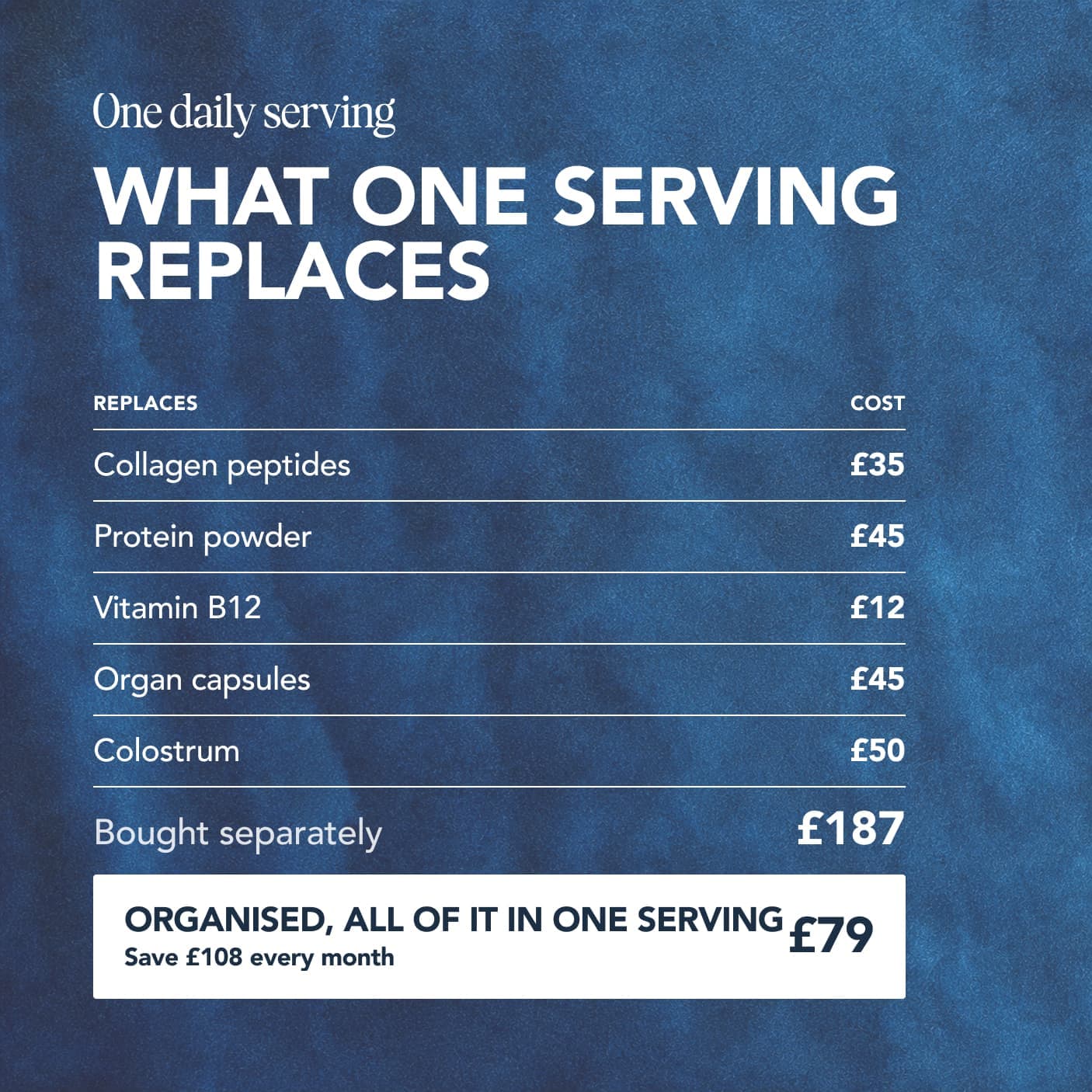
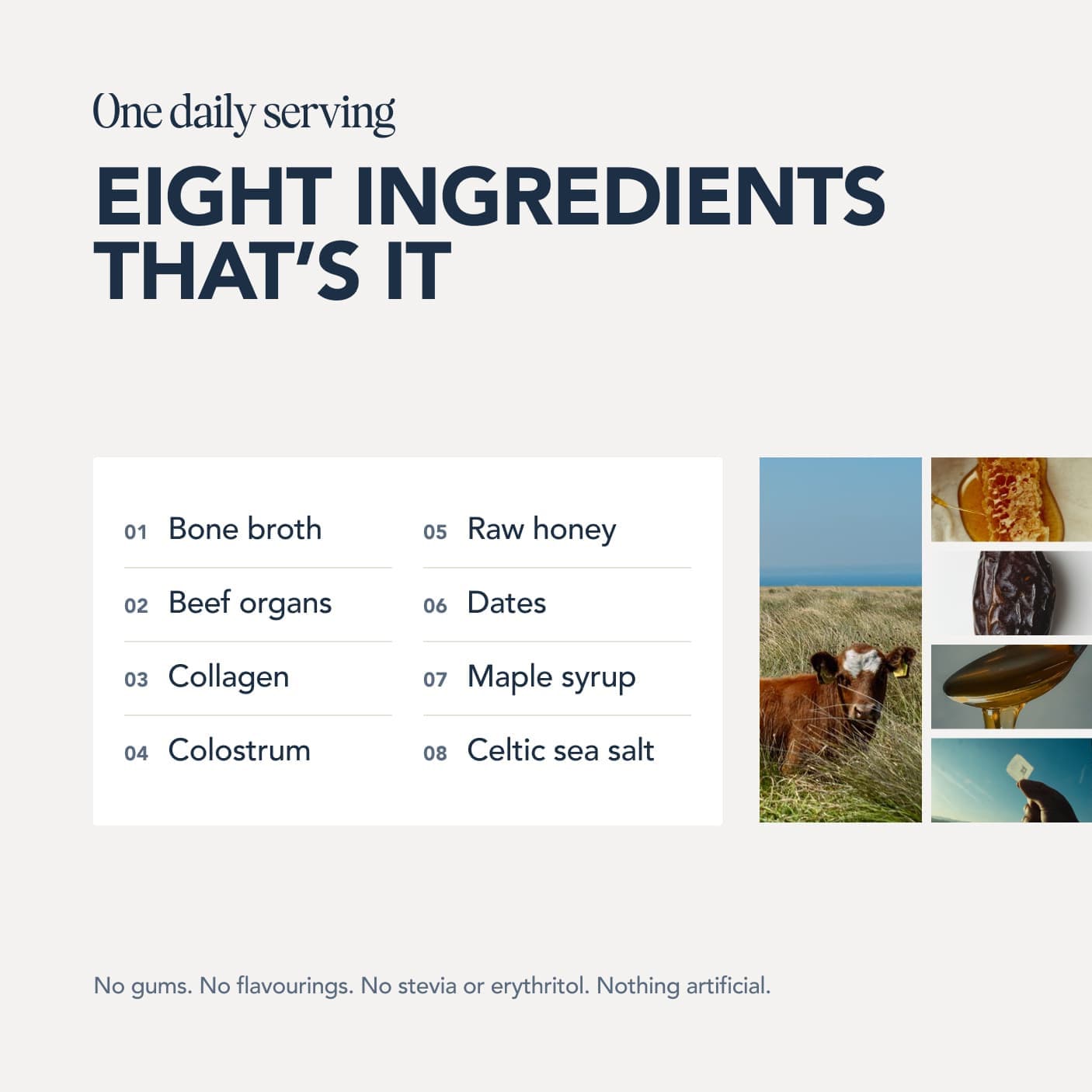
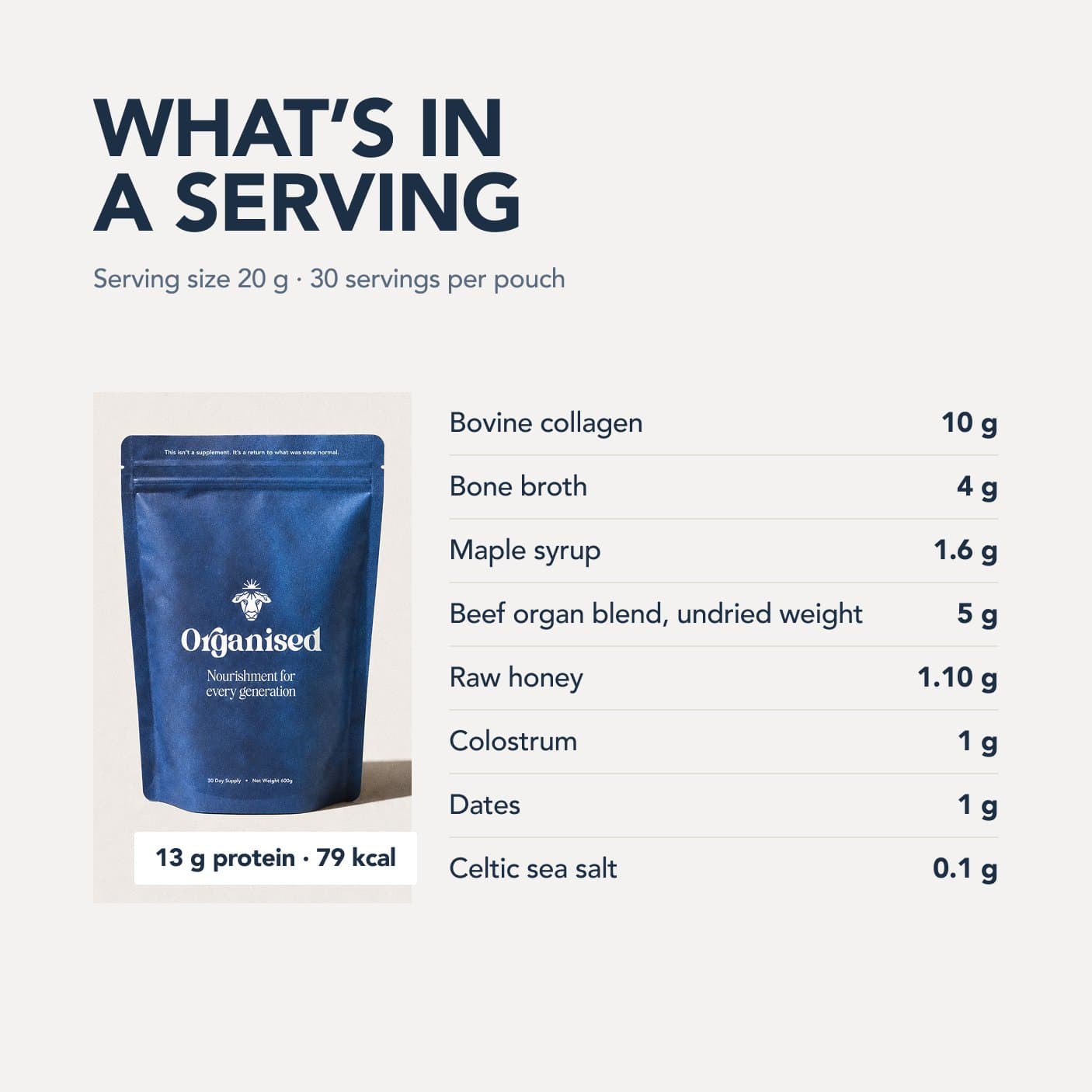
Eight real ingredients built around grass-fed beef organs, collagen and colostrum. Nothing synthetic added.
Free with your first order, worth £38. Plus £10 off the pouch with a subscription.

Free UK shipping · Made in England · 100 day money back guarantee on your first pouch · Skip, pause or cancel anytime
The bottom line
Some food additives are genuinely harmful. Some are genuinely harmless. The food industry and regulators have deliberately muddied the water to make you either paranoid or complacent. Be specific. Focus on the additives that actually damage your gut, disrupt your hormones, and promote inflammation. Ignore the rest, and you'll make better choices without losing your mind.
References
Every source below was checked on 27 August 2026. Each PubMed, PMC and DOI identifier was resolved against NCBI or Crossref, and what it opens is printed under the citation, so you can see the link goes where the citation says without leaving the page. Where a citation and its identifier disagreed, the citation was corrected to the record or the reference was deleted along with the sentence marker that pointed at it, and where the resolved paper turned out not to support the sentence, the sentence was cut back to what it does support. Borrowed authority is worse than none, because it looks like rigour.
- Chassaing B, Koren O, Goodrich JK, et al. Dietary emulsifiers impact the mouse gut microbiota promoting colitis and metabolic syndrome. Nature. 2015;519(7541):92-96. https://pubmed.ncbi.nlm.nih.gov/25731162/ See also Chassaing B, Compher C, Bonhomme B, et al. Randomized controlled-feeding study of dietary emulsifier carboxymethylcellulose reveals detrimental impacts on the gut microbiota and metabolome. Gastroenterology. 2022;162(3):743-756. https://pubmed.ncbi.nlm.nih.gov/34774538/Checked 27 August 2026: PMID 25731162 opens Chassaing B, Koren O, Goodrich JK et al, Dietary emulsifiers impact the mouse gut microbiota promoting colitis and metabolic syndrome. Nature 2015;519(7541):92-6. PMID 34774538 opens Chassaing B, Compher C, Bonhomme B et al, Randomized Controlled-Feeding Study of Dietary Emulsifier Carboxymethylcellulose Reveals Detrimental Impacts on the Gut Microbiota and Metabolome. Gastroenterology 2022;162(3):743-756. PubMed indexes it as: Randomized Controlled Trial.The authors' own declaration, from the record: Conflict of interest. Dr Lewis consulted or served on an advisory board for Eli Lilly and Company, Samsung Bioepis, UCB, Bristol-Myers Squibb, Nestle Health Science, Merck, Celgene, Janssen Pharmaceuticals, Bridge Biotherapeutics, Entasis Therapeutics, AbbVie, Pfizer, Gilead, Arena Pharmaceuticals, Protagonist Therapeutics, Amgen, and Scipher Medicine. He has had research funding from Nestle Health Science, Takeda, … (abridged; the full declaration is on the record)
- McCann D, Barrett A, Cooper A, et al. Food additives and hyperactive behaviour in 3-year-old and 8/9-year-old children in the community: a randomised, double-blinded, placebo-controlled trial. Lancet. 2007;370(9598):1560-1567. https://pubmed.ncbi.nlm.nih.gov/17825405/Checked 27 August 2026: PMID 17825405 opens McCann D, Barrett A, Cooper A et al, Food additives and hyperactive behaviour in 3-year-old and 8/9-year-old children in the community: a randomised, double-blinded, placebo-controlled trial. Lancet 2007;370(9598):1560-7. PubMed indexes it as: Randomized Controlled Trial.
- European Food Safety Authority (EFSA). Safety assessment of titanium dioxide (E171) as a food additive. EFSA Journal. 2021;19(5):6585. https://www.efsa.europa.eu/en/efsajournal/pub/6585
- Mozaffarian D, Katan MB, Ascherio A, Stampfer MJ, Willett WC. Trans fatty acids and cardiovascular disease. New England Journal of Medicine. 2006;354(15):1601-1613. https://pubmed.ncbi.nlm.nih.gov/16611951/Checked 27 August 2026: PMID 16611951 opens Mozaffarian D, Katan MB, Ascherio A et al, Trans fatty acids and cardiovascular disease. N Engl J Med 2006;354(15):1601-13. PubMed indexes it as: Review.
- Pop A, Kiss B, Loghin F. Endocrine disrupting effects of butylated hydroxyanisole (BHA - E320). Clujul Medical. 2013;86(1):16-20. https://pmc.ncbi.nlm.nih.gov/articles/PMC4462476/Checked 27 August 2026: PMC4462476 opens Pop A, Kiss B, Loghin F, Endocrine disrupting effects of butylated hydroxyanisole (BHA - E320). Clujul Med 2013;86(1):16-20. PubMed indexes it as: Review.
Who wrote and reviewed this guide
Niall Kiddle
Author · Founder, Organised
Niall is the founder of Organised. He started the company in 2024 after fixing his own health the slow way: in 2022 he swapped a cupboard of synthetic supplements for real food, raw milk, organ meats, bone broth and honey, and felt the difference within months.
Areas of expertise: Ancestral nutrition, Organ meats, Whole-food supplementation, Gut health, Regenerative sourcing
Read Niall's full profile
Pedro Rodrigues
Reviewer · Agronomist (farming and sourcing only)
Pedro is the agronomist Organised works with on farming and sourcing. His job on the guides is to keep the science honest: he reviews what we publish about soil health, regenerative agriculture, grazing and the way food is actually produced.
Areas of expertise: Regenerative agriculture, Agronomy, Soil health, Grass-fed farming, Food sourcing
Reviewed this guide on
Read Pedro's full profileMore on food quality
View allBrowse the guides library
All guidesKeep reading
Ancestral
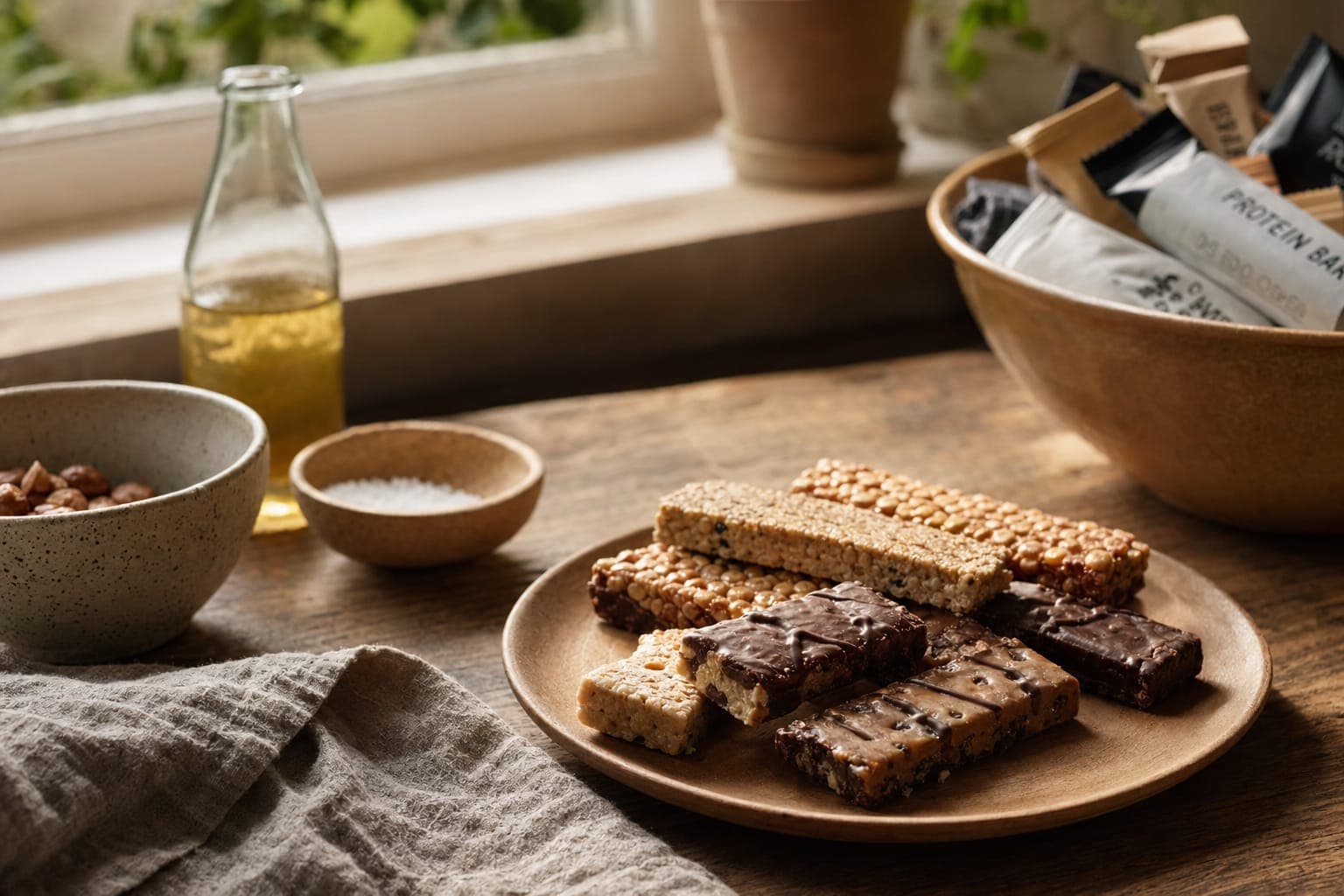
The Hidden Ingredients in Your 'Healthy' Protein Bar
Protein bars marketed as healthy hide seed oils, sugar alcohols, and processed isolates. Here's what's actually in them and why they're not real food.
Ancestral
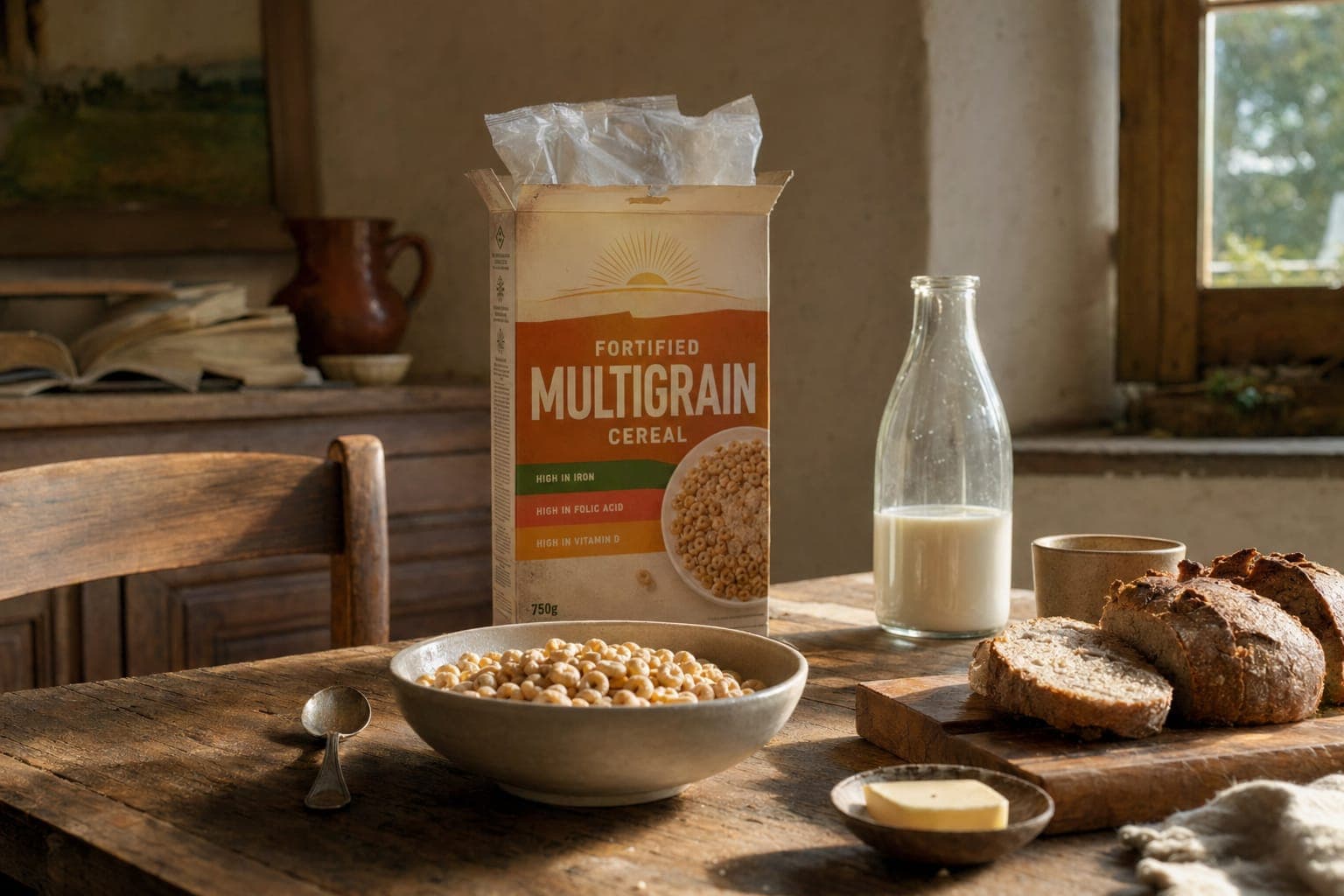
Why 'Fortified' Doesn't Mean Nutritious
Fortified foods are often low-quality cereals dosed with synthetic vitamins. Folic acid is not folate. Learn what fortification really means for you.

Ancestral
The Carnivore Diet: An Honest Assessment
An unbiased look at the carnivore diet. What works, what doesn't, who might benefit, and why fibre remains a conversation worth having.
Real food, made effortless
Bring it into my routineA few ways to use it
All recipes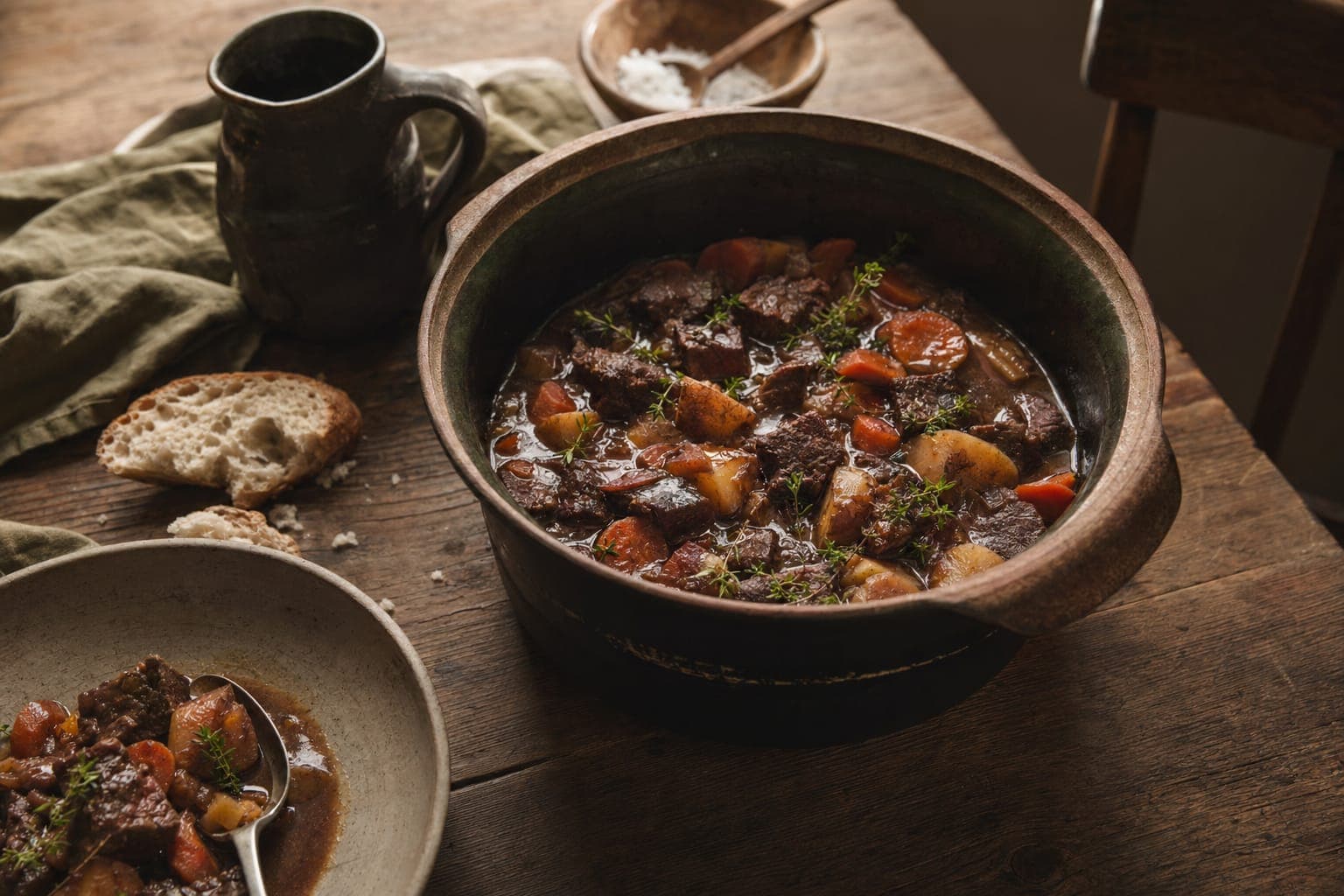
Collagen-Rich Beef Stew: Slow-Cooked Nourishment
Beef stew that delivers collagen from connective tissue and bone broth. Winter comfort food that actually nourishes. Simple slow cooker recipe.
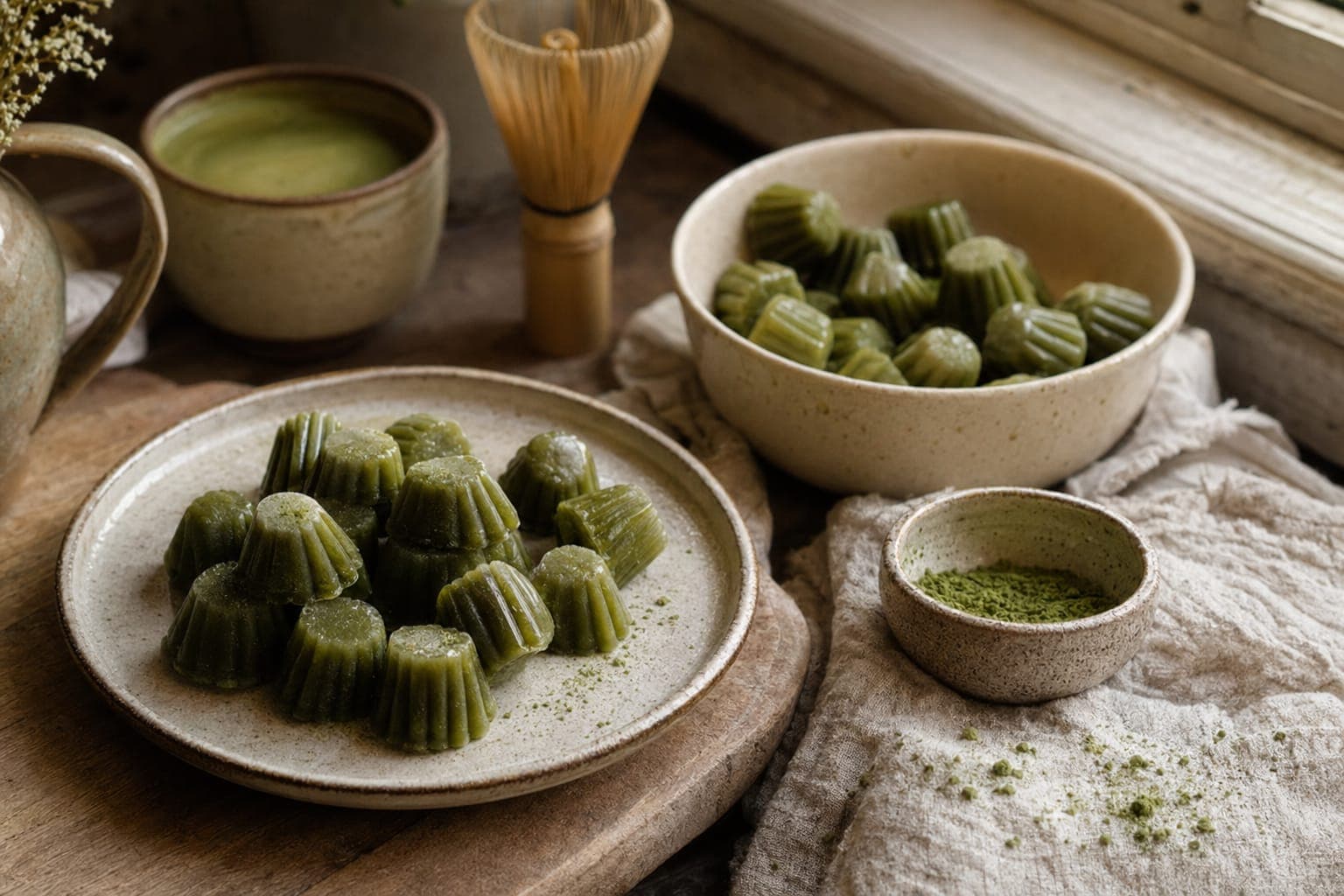
Matcha Latte Gummies with Collagen and Gelatine
Make visually stunning matcha latte gummies infused with collagen and gelatine. Simple recipe for gut-healing sweets you'll actually want to eat.

Organ Bolognese: The Family Dinner That Heals
Practical organ meat recipe using fresh beef liver and heart. Family-friendly bolognese that bridges supplements to whole food.


 Join over 100,000+ members
Build a better food system with us
The Organised community is thousands of people choosing real food and backing the farmers who grow it, all of us trying to leave the world a little better than we found it. If that is what you care about too, you belong here.