How Traditional Cultures Prepared for Winter
Winter was the great test of ancestral cultures. The harvest had peaked. The calendar turned. Food preservation wasn't a hobby or a wellness trend. It was survival. The difference between thriving and starving often came down to what was done in autumn, stored carefully, and rationed through the cold months.
By Niall Kiddle, Founder, Organised

Reviewed by Pedro Rodrigues, Agronomist (farming and sourcing only) ·
6 min read · Published · Updated · 3 cited sources
Makers of the Organised Daily blend, a grass-fed beef organ supplement from regenerative UK farms
If you've ever wondered why cultures around the world developed such distinct food preservation techniques, the answer is simple. They were solving the same problem, thousands of miles apart, and they landed on solutions that worked because they aligned with human physiology.
The ancestral challenge: making abundance last
Your ancestors had no winter break from their food supply. No supermarkets stocked year-round. No air freight from the Southern Hemisphere. What existed in abundance in autumn had to sustain the entire household for months.
This forced a particular kind of ingenuity. Methods had to preserve calories and nutrients without refrigeration. They had to prevent spoilage. And they had to be robust enough that a failed harvest in one season didn't mean starvation.
The foods that survived winter were the foods that cultures invested the most care in preserving. This is where tradition meets biology.
Fermentation: preserving food and building gut strength
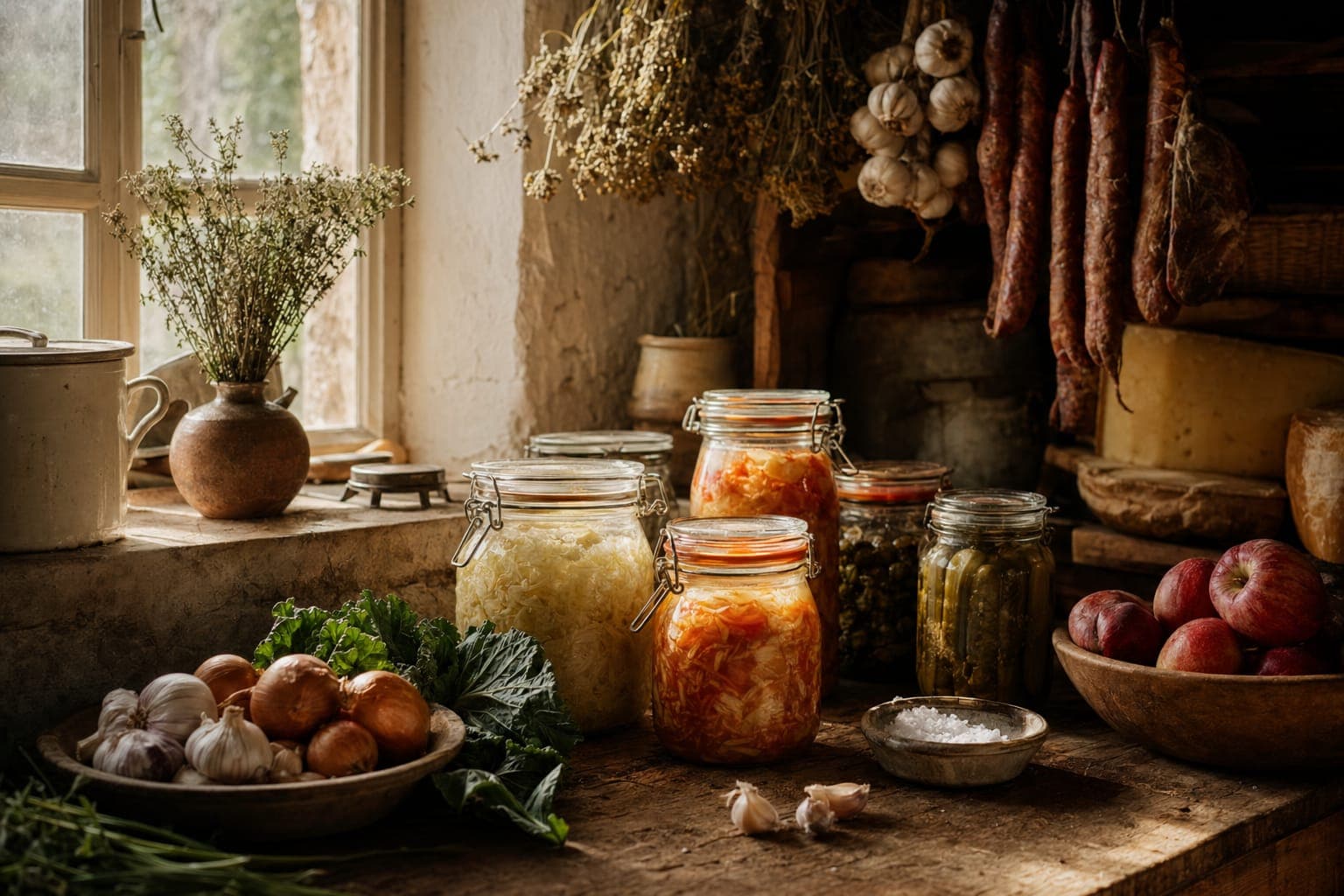
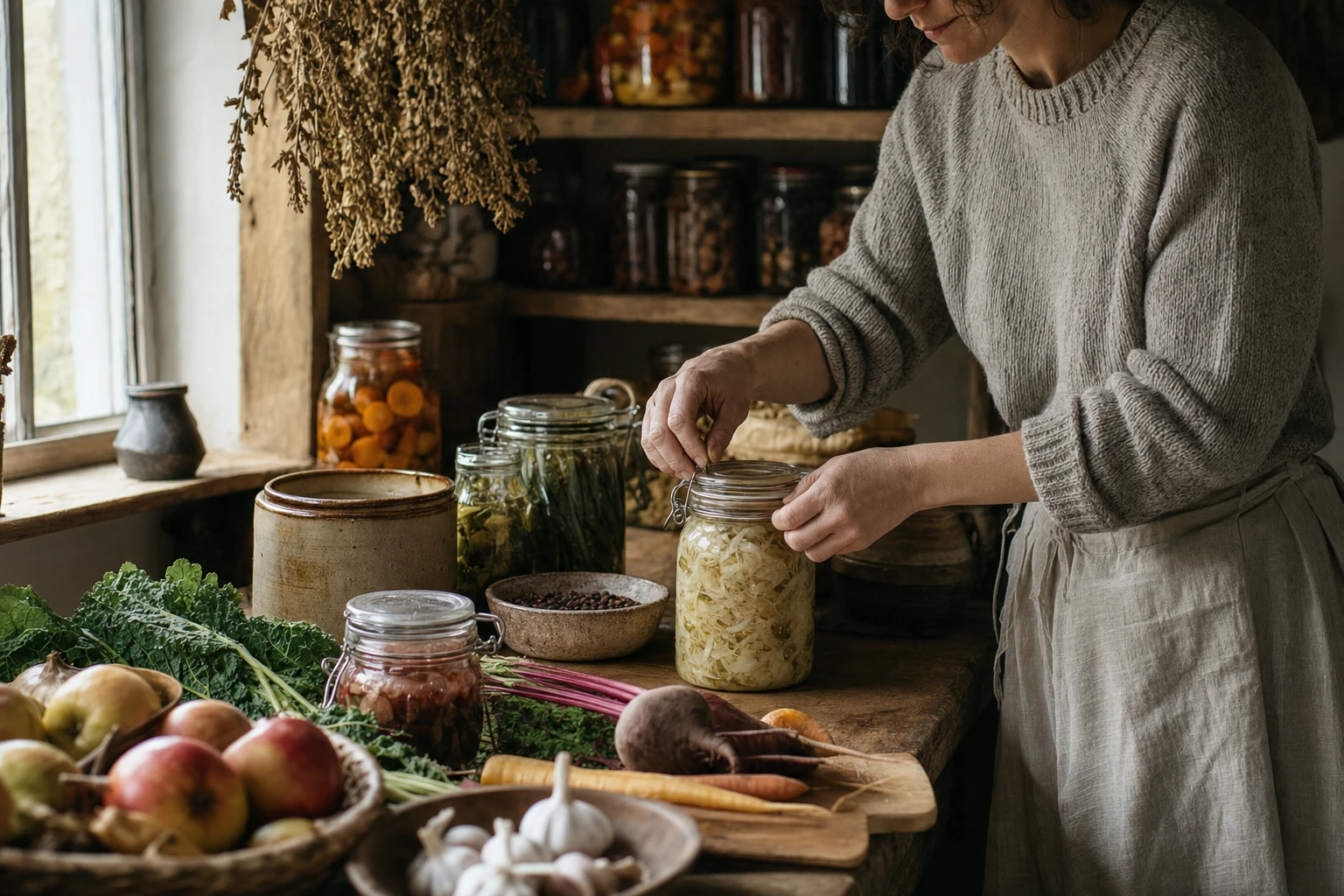
Fermentation is perhaps the most widespread winter preservation technique across cultures. Chinese miso and soy sauce. Korean kimchi. German sauerkraut. Japanese miso and tsukemono. Scandinavian preserved herring. Russian kvassDuration all emerged from the same driving need: keep vegetables and protein safe through winter.
What's interesting is that fermentation doesn't just preserve food. It transforms it. Lactobacillus and other beneficial bacteria colonise vegetables and preserve them through lactic acid fermentation.1 This creates an environment so acidic that pathogenic bacteria cannot survive.
In the process, these cultures produce B vitamins, especially folate and B12 in some cases. They create short-chain fatty acids like butyrate, which feed your gut lining.1 They partially pre-digest vegetables, making nutrients more bioavailable. Your ancestors ate fermented foods for months on end.
A jar of sauerkraut kept in a cool storage area could last an entire winter. A household might ferment dozens of jars in autumn specifically for this purpose. The result was a consistently acidic, enzyme-rich, bacterial-rich food that your gut had been shaped by evolution to thrive on.
Fermented foods were medicine and survival wrapped together. The gut bacteria you inherited came partly from generations eating these foods daily.
Smoking and drying: concentration through time
Smoking and drying operate on the same principle. Remove water, preserve calories, concentrate nutrients. Fish and game were smoked heavily in autumn to create shelf-stable, calorie-dense foods that could feed a family through lean months.
Smoke acts as a preservative in multiple ways. The compounds in wood smoke (phenols, aldehydes) have antimicrobial properties.2 Heat drives off moisture that bacteria need to grow. Cold smoking, used particularly for fish, preserved the structure of the protein whilst rendering it resistant to spoilage.
Dried foods weren't just preserved meat and fish. Herbs, berries, mushrooms, and certain vegetables were dried in the sun. Dried berries provided vitamin C in winter. Dried mushrooms provided umami, minerals, and beta-glucans that supported immune function. A single dried mushroom could flavour a whole pot of broth.
Fat preservation: tallow, lard, and deep nutrition
Animal fat was perhaps the most prized preservation medium and nutrient source. When a pig or cow was slaughtered in autumn, rendering the fat into lard or tallow wasn't waste. It was securing the highest-calorie, most nutrient-dense nutrient for months ahead.
Rendered fat acts as a preservative because bacteria cannot survive in an oxygen-free, high-fat environment. You could store cooked meat submerged in fat, creating what the French called confit. A duck leg preserved in its own rendered fat would keep for months in a cool cellar.
But the real gift of rendered fat was the calories and the fat-soluble vitamins. Vitamin A, D, K2, and E are stored in animal fat.3 Lard from pastured pigs contains conjugated linoleic acid. Tallow contains butyric acid and stearic acid, which have specific roles in immune function and brain health.
A single jar of rendered fat could be rationed through winter, used for cooking, as a preservative, and as a source of deep nutrition. This is why cultures that valued animal fat thrived where those that didn't often didn't.
Root vegetables and underground storage
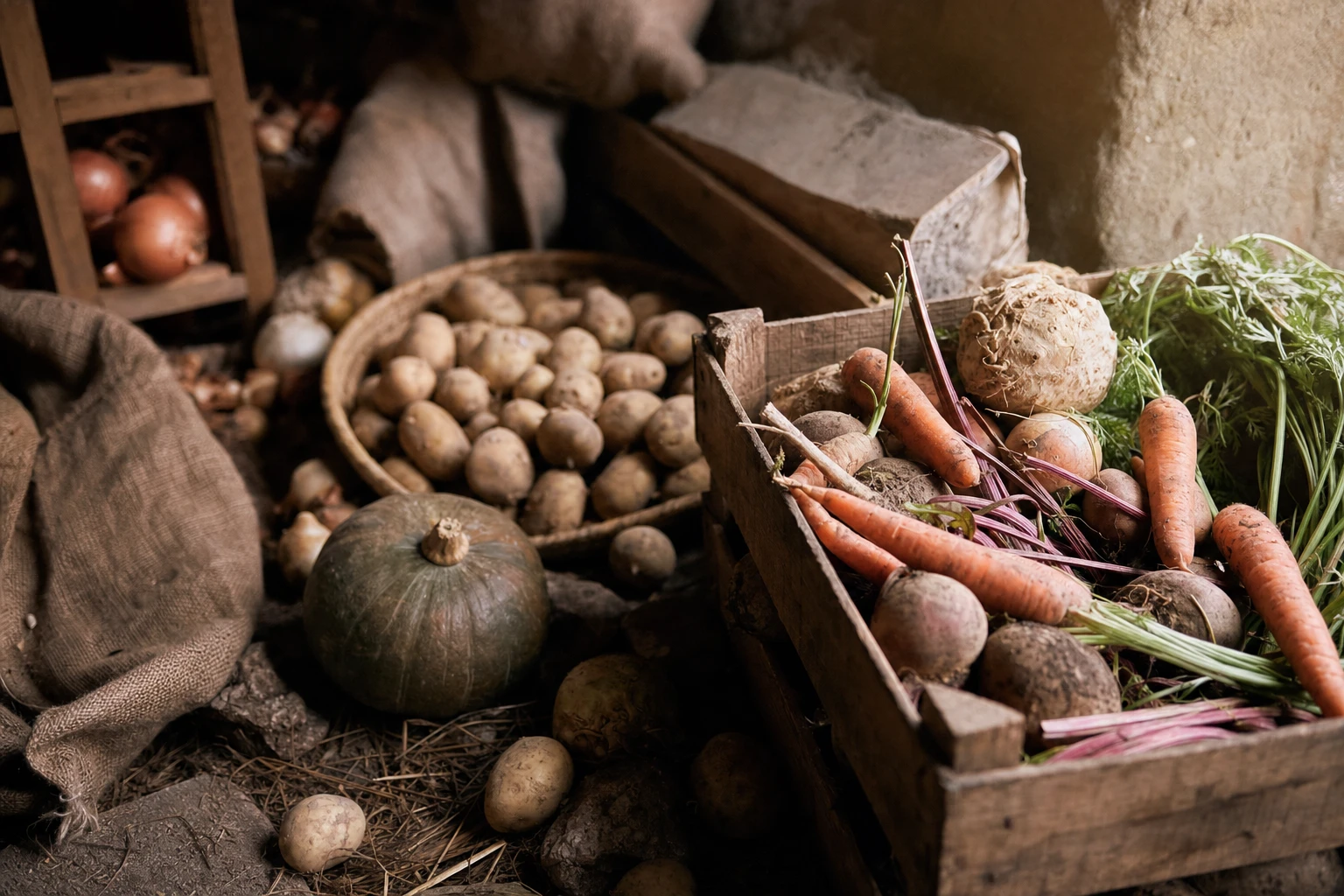
Carrots, turnips, parsnips, beets, onions, garlic, and potatoes store naturally underground. Your ancestors didn't need fermentation or smoking for these. They needed a cool, dark, dry space: a root cellar.
Root cellars maintained temperatures just above freezing and stayed consistently cool through winter. These spaces became nature's refrigerators. A properly stored root vegetable could last months without any processing.
What's striking is the nutrient profile. Root vegetables are dense in minerals, fibre, and slow-release carbohydrates. They contain compounds like inulin that feed beneficial gut bacteria. Eaten daily alongside fermented foods and fat-preserved meat, they provided the carbohydrate, mineral, and fibre backbone that made ancestral winter diets work.
Winter eating was slower, more repetitive, and more mineral-dense than modern food cycles. This repetition allowed your digestive system to specialise.
Get ancestral nutrition guides, free
Two short reads a week on traditional ways of eating, examined with modern evidence.
By signing up you agree to receive emails from us. No spam, unsubscribe anytime.
The calendar shifts when food supply shifts
What's often overlooked is that these preservation techniques didn't just extend food supply. They shaped the rhythm of eating itself. Cultures didn't eat the same in winter as in summer.
Summer meant fresh foods, lighter meals, higher carbohydrate intake from grains and vegetables. Winter meant fermented foods, preserved fats, long-simmered broths, root vegetables, and reduced meal frequency. This natural shift in nutrition made metabolic sense.
Winter cold increases energy expenditure. Your body needs more calories. The preserved, calorie-dense foods of winter (fats, fermented foods with beneficial bacteria, mineral-rich broths) aligned with that need. Summer's lighter foods aligned with lower energy expenditure and higher activity.
Your ancestors didn't fast intermittently through winter out of virtue. They did it because food was scarce and because their bodies signalled different needs. This cyclical relationship between season and nutrition shaped the metabolic flexibility that modern diets have eroded.
The bottom line
Traditional cultures developed food preservation techniques because they needed them. That necessity created methods so effective and so aligned with human biology that we're only now beginning to understand their depth. Fermented foods rebuilt gut bacteria. Smoked and dried foods concentrated nutrients. Rendered fats provided essential vitamins and calories. Root vegetables supplied minerals and fibre. Together, they built a winter food system that kept people alive, healthy, and resilient through months when food was scarce. The techniques themselves are still available to us. The wisdom is still there. The real question is whether we'll use it.




1 of 9
Daily blend
100,000+ thriving families4.9 on Trustpilot
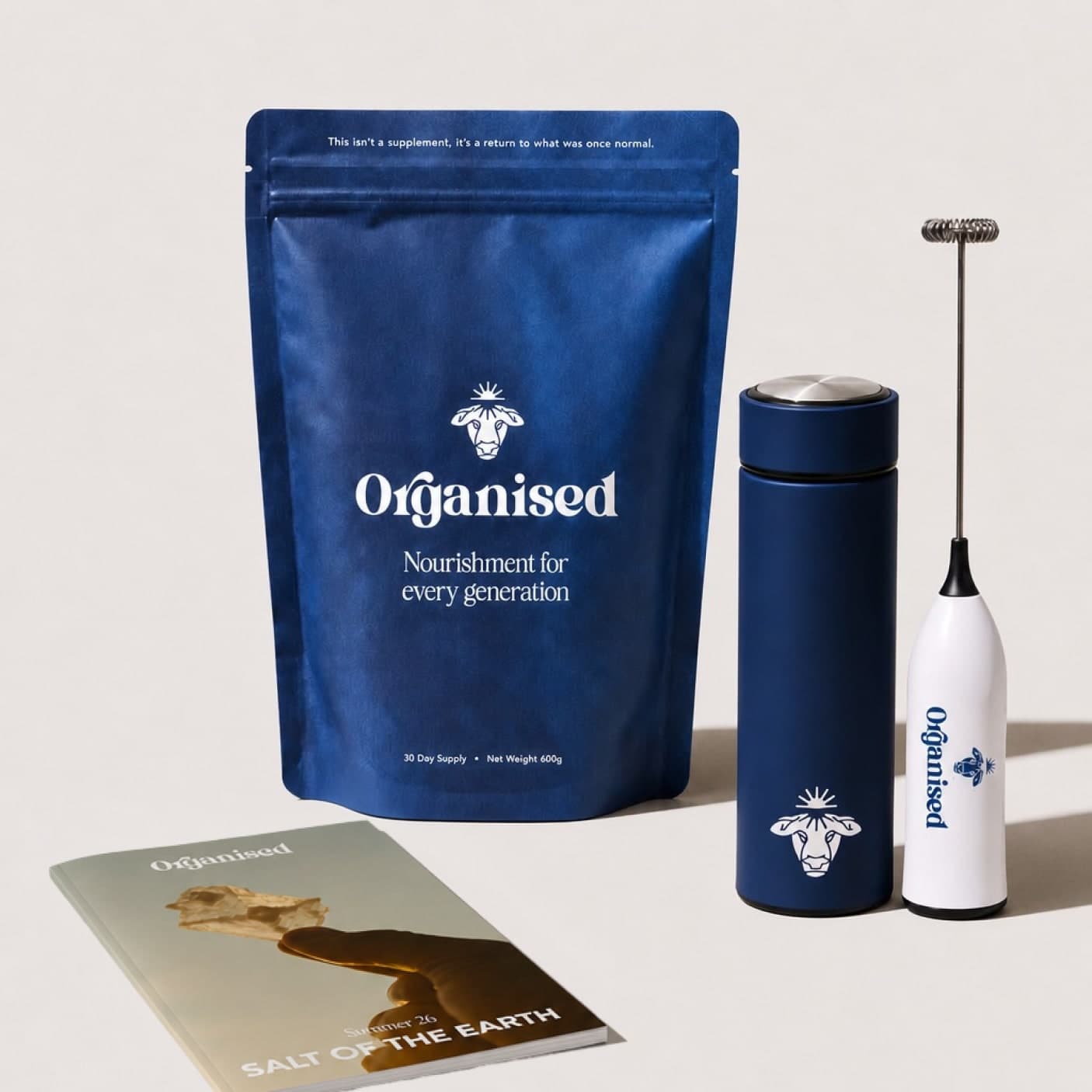
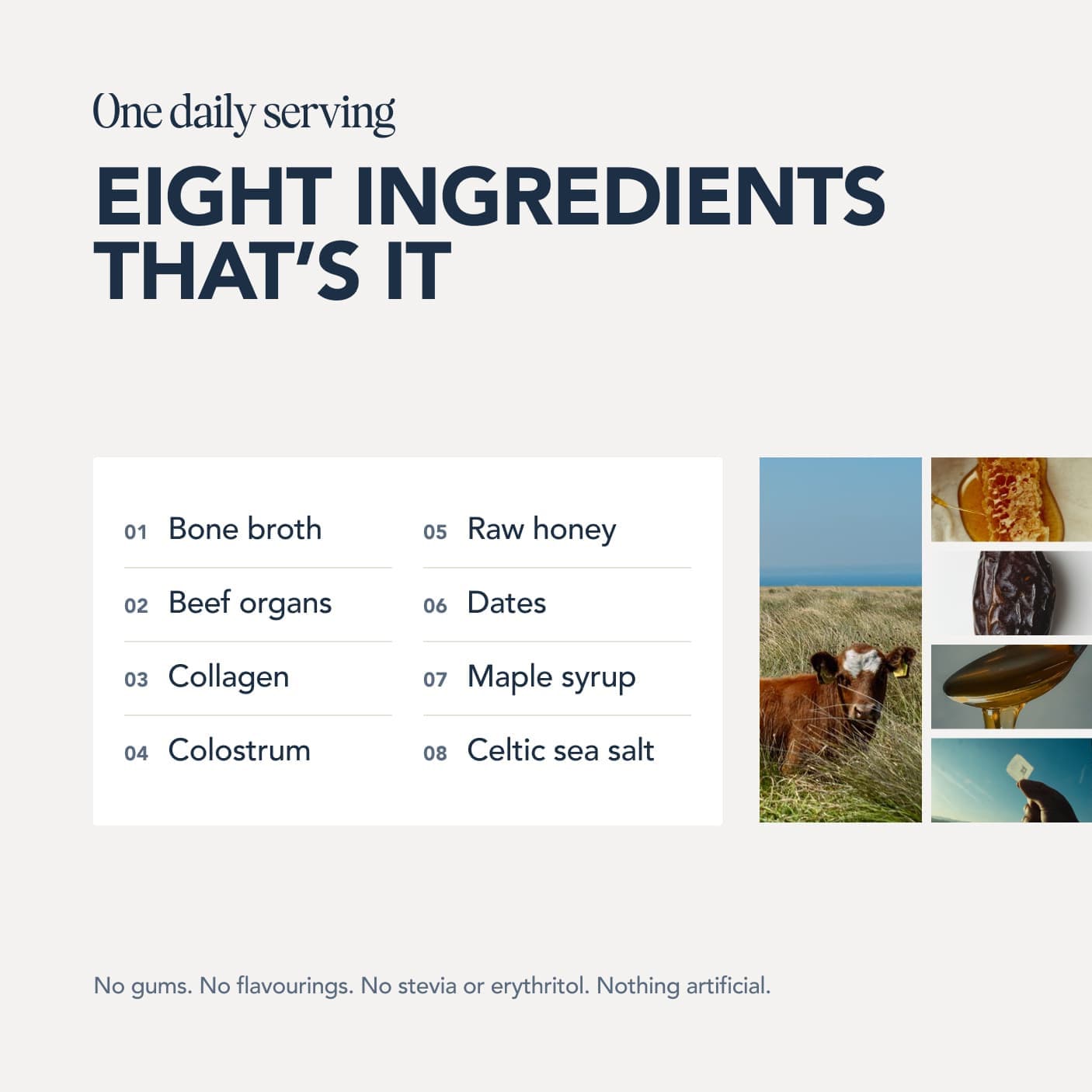
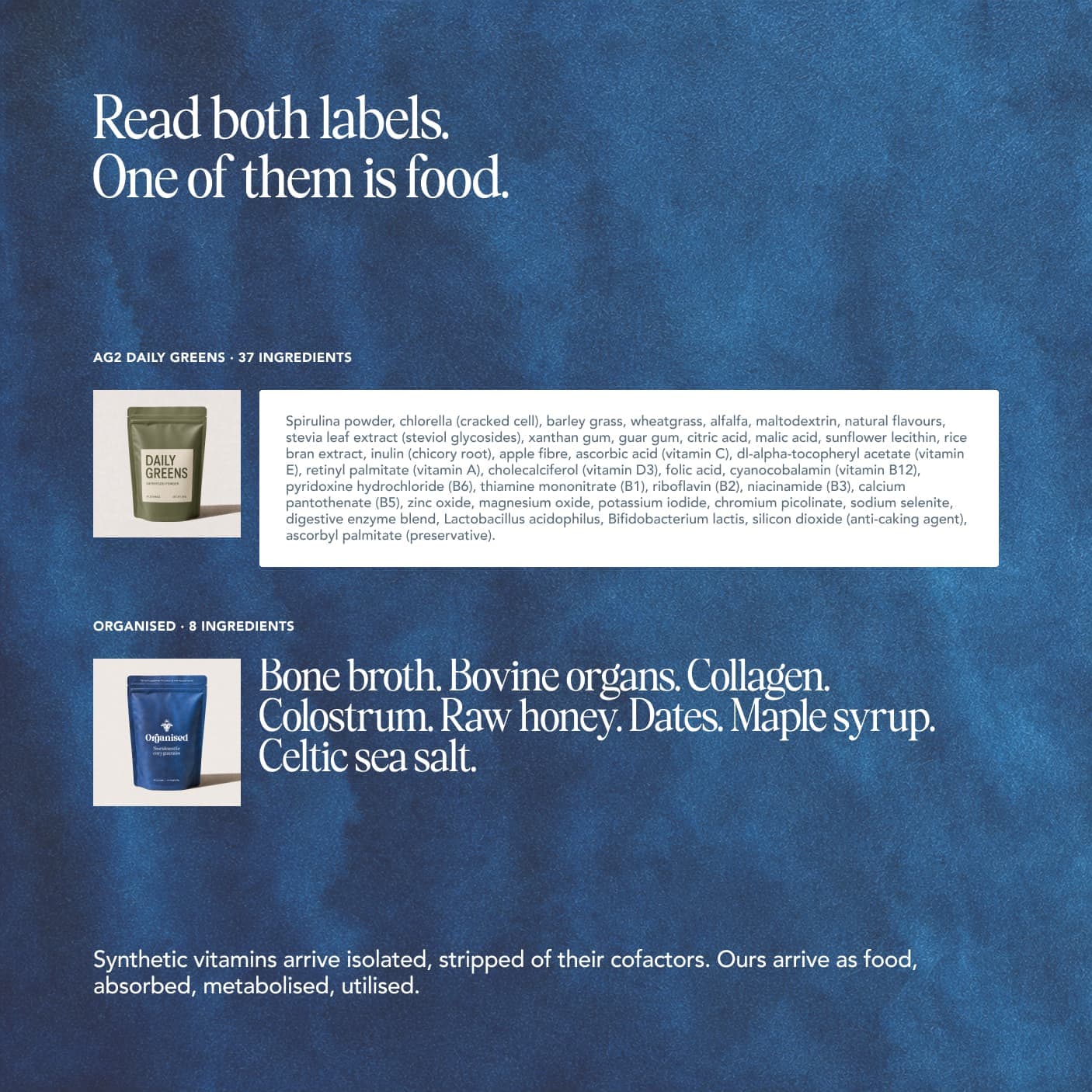
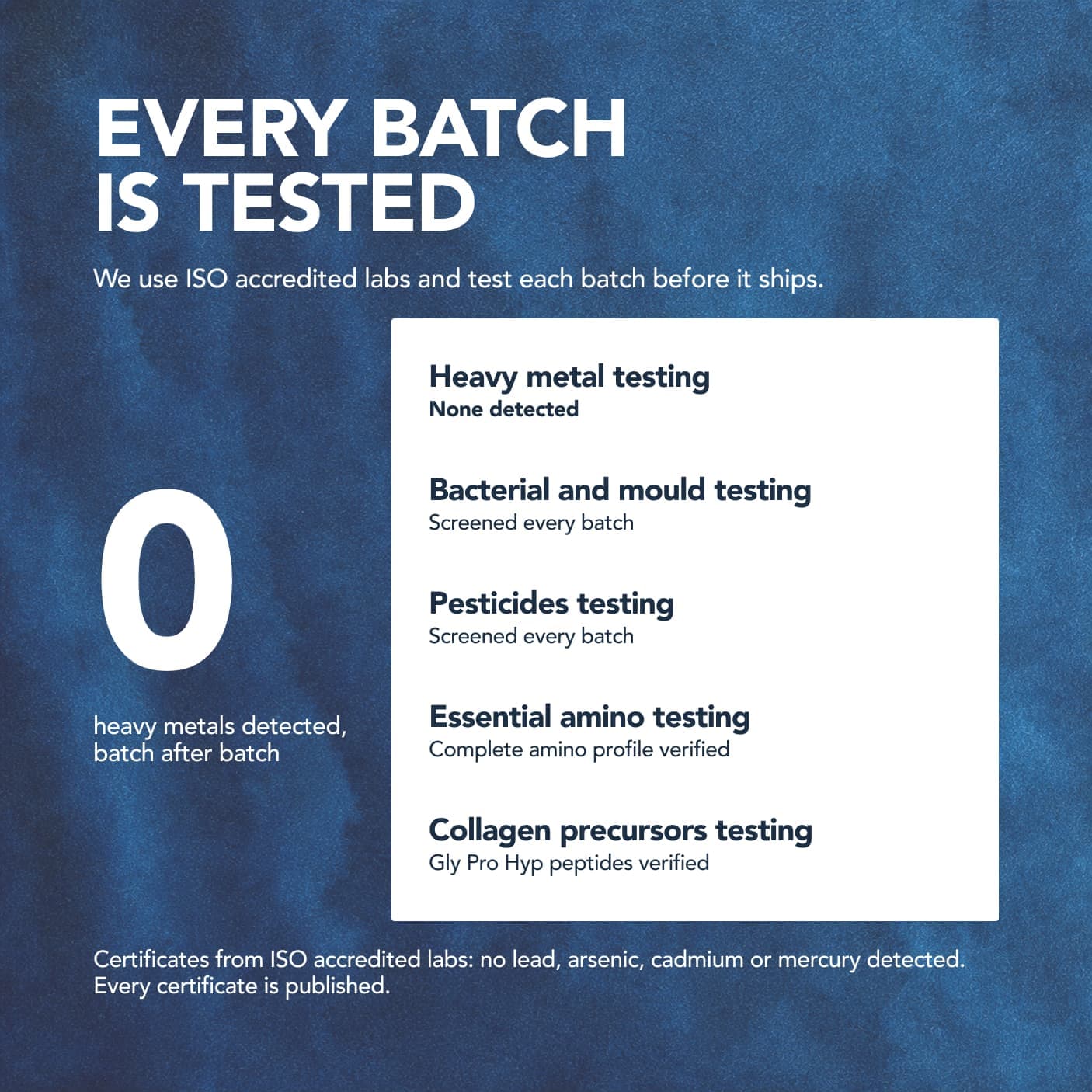
Eight real ingredients built around grass-fed beef organs, collagen and colostrum. Nothing synthetic added.
Free with your first order, worth £38. Plus £10 off the pouch with a subscription.



Free UK shipping · Made in England · 100 day money back guarantee on your first pouch · Skip, pause or cancel anytime
The fermentation revolution
Nearly every cold-climate culture used fermentation to preserve food and enhance nutrition. Sauerkraut, kimchi, miso, kvass, sourdough, these aren't trendy. They're ancient. And they're effective both for preservation and for nutrient bioavailability. The fermentation process breaks down plant compounds, making minerals more available, and creates beneficial bacteria that support digestion.
Fermented foods also provide probiotics naturally. Before we had supplements, cultures with access to fermented foods had more robust digestive systems and stronger immune function. The evidence is thousands of years of human survival on these foods.
Fermentation wasn't invented by modern wellness. It was invented by people who needed to eat well through the winter and figured out how.
Fat storage as survival
Every traditional winter preparation involved fat. Rendered animal fat, stored vegetables preserved in fat, fat added to every protein. This wasn't taste preference, it was survival. Fat is the most energy-dense macronutrient. Calories matter when food is scarce. But also, fat-soluble vitamins (A, D, E, K) are critical for immune function. A winter diet high in fat kept people healthy.
This is why winter diets instinctively higher in fat aren't wrong. Your body knows the seasons. Winter on a low-fat diet is fighting your physiology. Winter eating more fat is aligned with what your body actually needs.
Modern winter nutrition
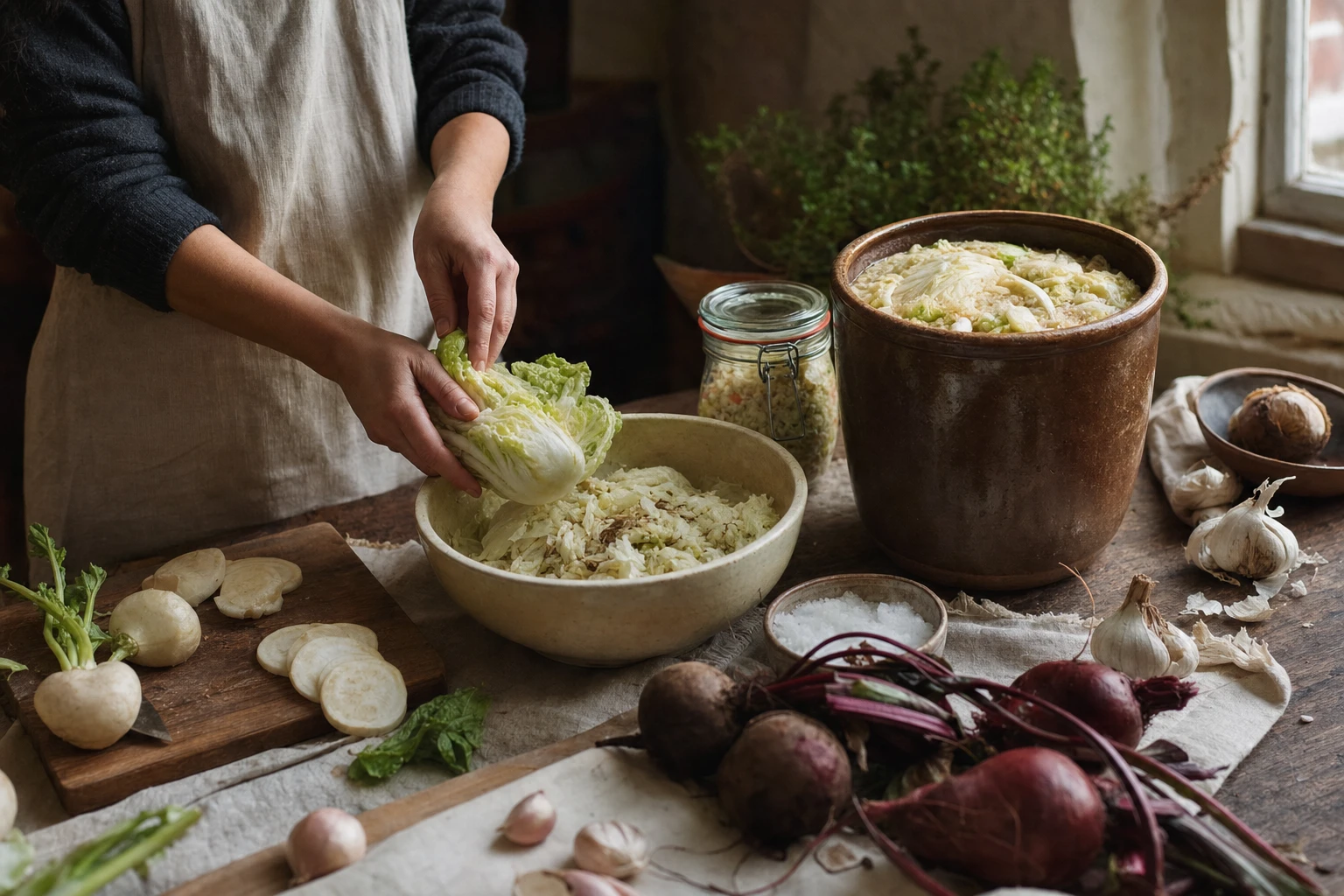
We don't need to preserve food for winter anymore. But we can apply the principles. Build fat and nutrient reserves in autumn. Include fermented foods year-round. Eat more preserved foods (properly preserved: bone broth, cultured butter, aged cheese, fermented vegetables) in winter. Your energy and health will reflect this alignment with seasonal patterns.
References
Every source below was checked on 27 August 2026. Each PubMed, PMC and DOI identifier was resolved against NCBI or Crossref, and what it opens is printed under the citation, so you can see the link goes where the citation says without leaving the page. Where a citation and its identifier disagreed, the citation was corrected to the record or the reference was deleted along with the sentence marker that pointed at it, and where the resolved paper turned out not to support the sentence, the sentence was cut back to what it does support. Borrowed authority is worse than none, because it looks like rigour.
- Marco ML et al. Health benefits of fermented foods: microbiota and beyond. Curr Opin Biotechnol. PubMed PMID: 27998788.Checked 27 August 2026: PMID 27998788 opens Marco ML, Heeney D, Binda S et al, Health benefits of fermented foods: microbiota and beyond. Curr Opin Biotechnol 2017;44:94-102. PubMed indexes it as: Review.
- Lingbeck JM et al. Functionality of liquid smoke as an all-natural antimicrobial in food preservation. Meat Sci. PubMed PMID: 24583328.Checked 27 August 2026: PMID 24583328 opens Lingbeck JM, Cordero P, O'Bryan CA et al, Functionality of liquid smoke as an all-natural antimicrobial in food preservation. Meat Sci 2014;97(2):197-206. PubMed indexes it as: Review.
- National Institutes of Health Office of Dietary Supplements. Vitamin K - Health Professional Fact Sheet. NIH ODS Vitamin K.
Who wrote and reviewed this guide
Niall Kiddle
Author · Founder, Organised
Niall is the founder of Organised. He started the company in 2024 after fixing his own health the slow way: in 2022 he swapped a cupboard of synthetic supplements for real food, raw milk, organ meats, bone broth and honey, and felt the difference within months.
Areas of expertise: Ancestral nutrition, Organ meats, Whole-food supplementation, Gut health, Regenerative sourcing
Read Niall's full profile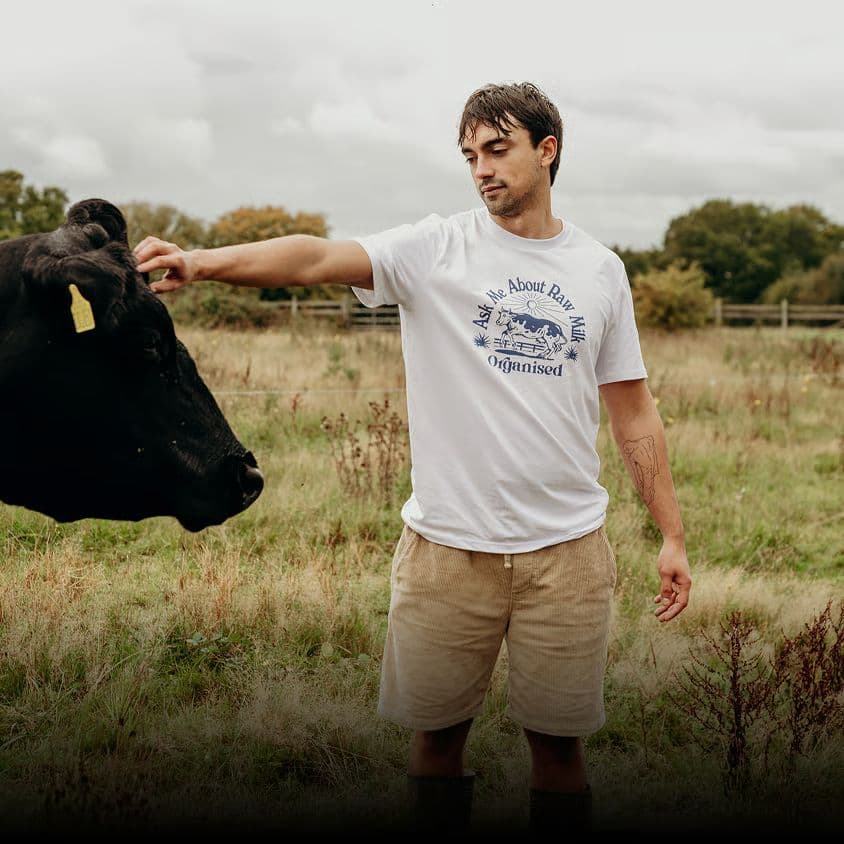
Pedro Rodrigues
Reviewer · Agronomist (farming and sourcing only)
Pedro is the agronomist Organised works with on farming and sourcing. His job on the guides is to keep the science honest: he reviews what we publish about soil health, regenerative agriculture, grazing and the way food is actually produced.
Areas of expertise: Regenerative agriculture, Agronomy, Soil health, Grass-fed farming, Food sourcing
Reviewed this guide on
Read Pedro's full profileMore on ancestral wisdom
View all- Bone Broth: The Original Superfood
- Fermented Foods: A Tradition Worth Reviving
- Ghee, Tallow and Lard: The Traditional Cooking Fats Making a Comeback
- How Fat Became the Enemy (And Why That Was Wrong)
- Raw Milk: What It Is, Why It Matters, and Where to Find It
- What Your Irish Grandmother Knew About Nutrition
Browse the guides library
All guidesKeep reading
Ancestral
What Our Ancestors Actually Ate (And What We've Lost)
Discover what ancestral humans ate, why it worked, and what modern diets have lost. Based on archaeological and anthropological evidence.

Ancestral
Organ Meat Supplements on Reddit: Are They Actually Worth It?
Desiccated liver and beef organ pills spark constant Reddit debate. Here is the honest community consensus, checked against the nutrition evidence.
Ancestral
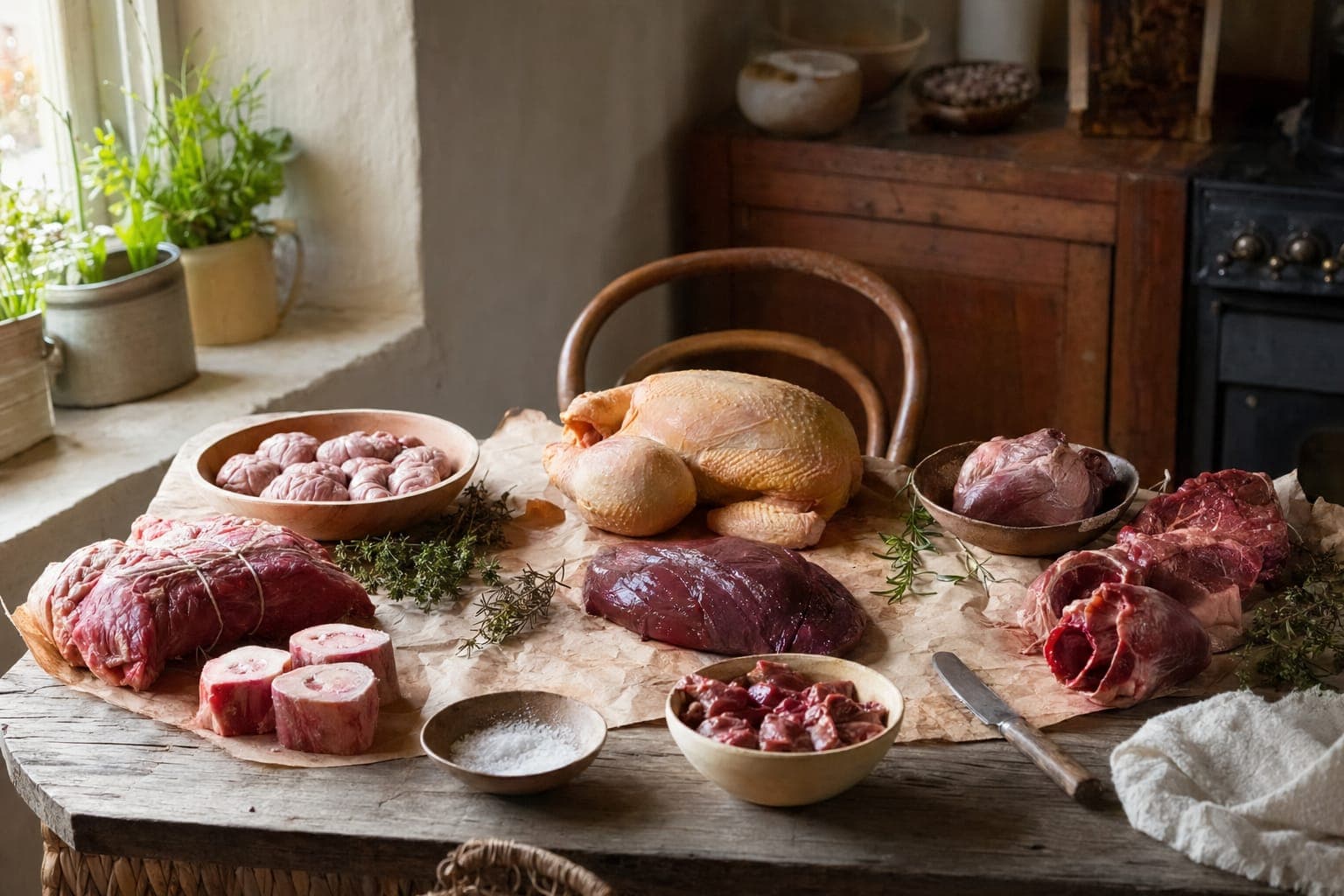
How Nose-to-Tail Eating Reduces Food Waste
How eating the whole animal eliminates waste, supports regenerative farming, and makes nutrition more sustainable and affordable.
Real food, made effortless
Bring it into my routineA few ways to use it
All recipes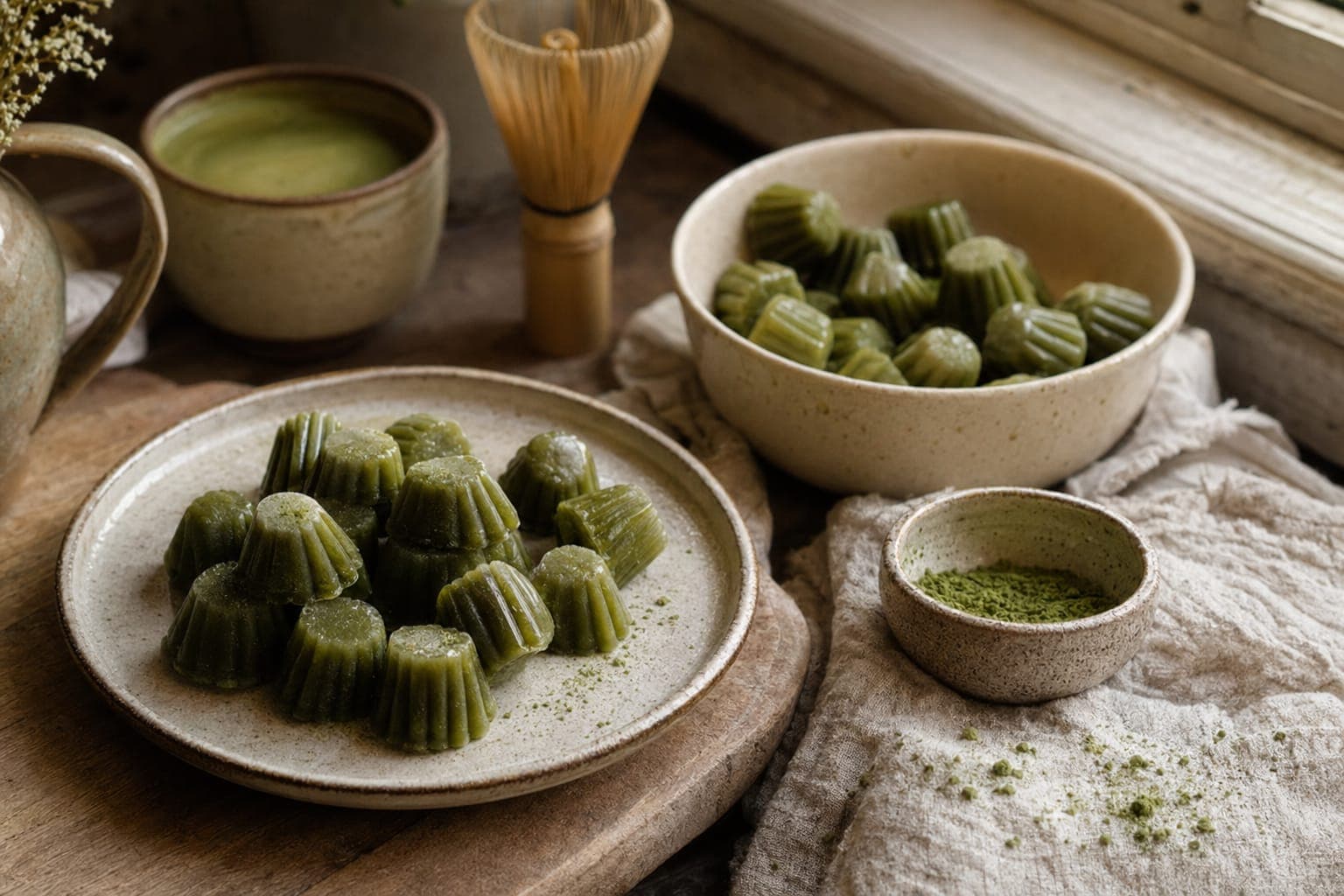
Matcha Latte Gummies with Collagen and Gelatine
Make visually stunning matcha latte gummies infused with collagen and gelatine. Simple recipe for gut-healing sweets you'll actually want to eat.
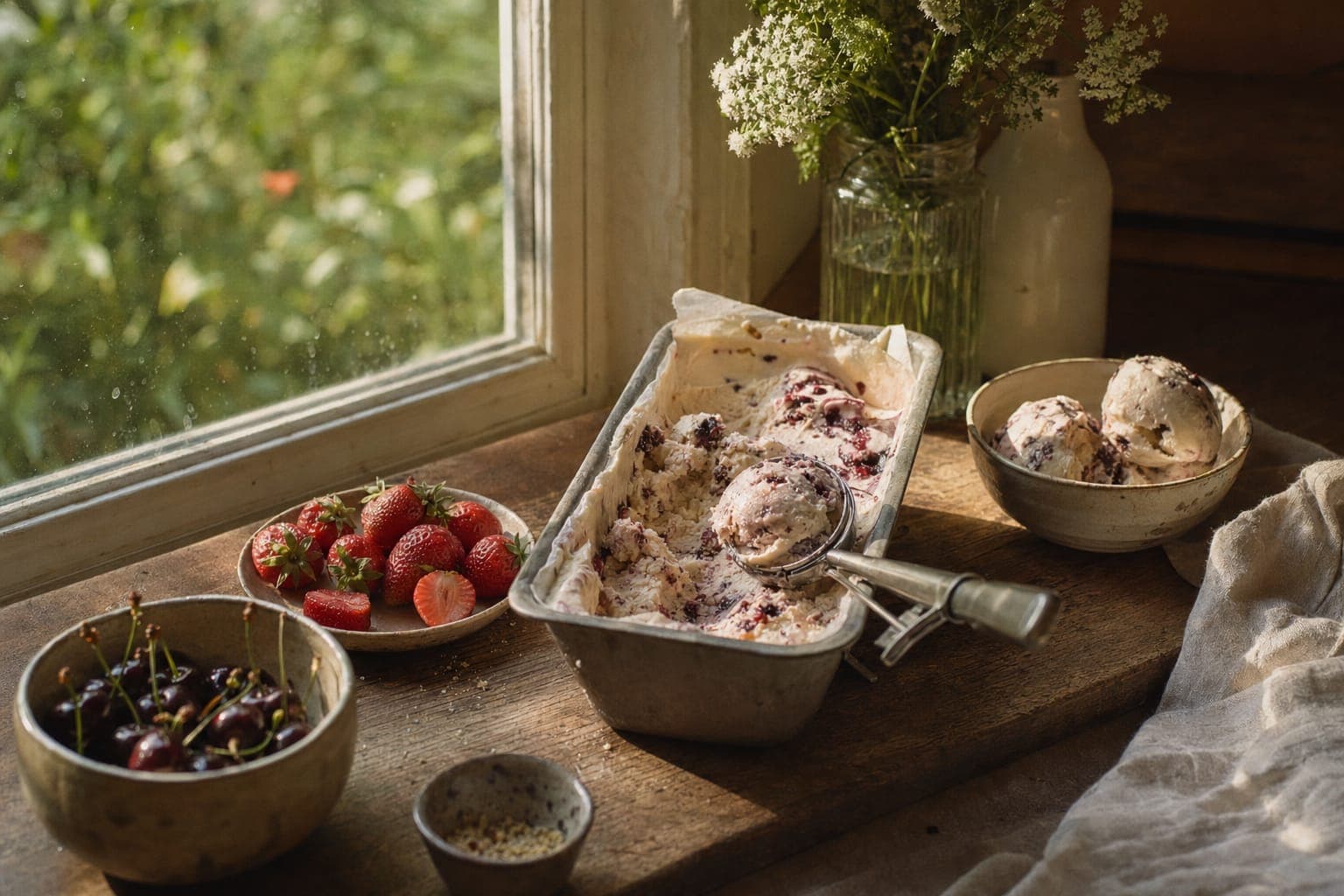
Raw Milk Ice Cream with Organised
Make raw milk ice cream at home with Organised for a seasonal, nutrient-dense treat. Three simple flavours to try whenever the craving strikes.
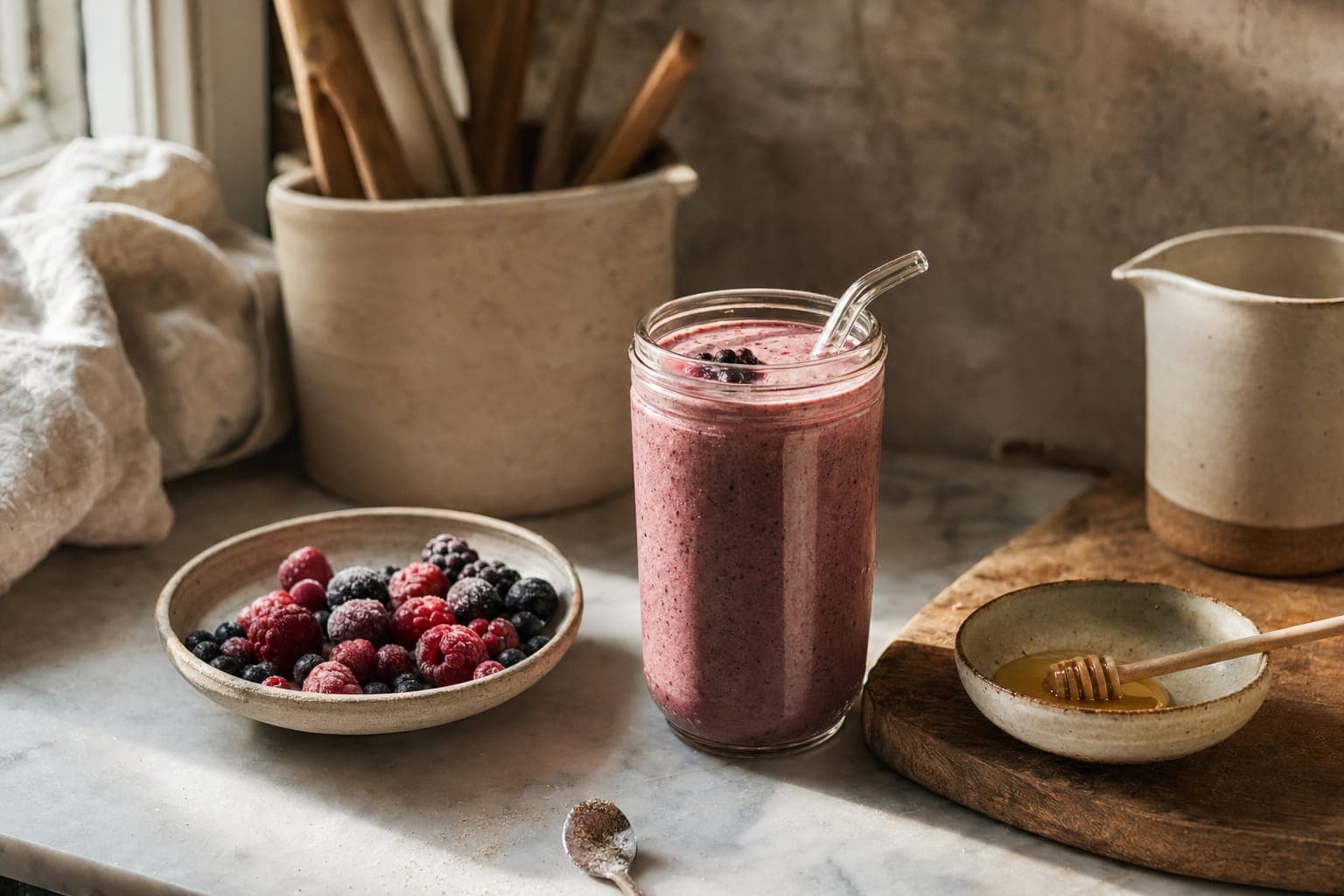
The Organised Recovery Smoothie for After Exercise
A recovery smoothie made with beef protein, raw milk, frozen berries, collagen, and honey. Optimal nutrition in the 30-minute window after exercise.


 Join over 100,000+ members
Build a better food system with us
The Organised community is thousands of people choosing real food and backing the farmers who grow it, all of us trying to leave the world a little better than we found it. If that is what you care about too, you belong here.