How Nose-to-Tail Eating Reduces Food Waste
The industrial food system throws away the most nutritious parts of every animal. Then it throws away land trying to grow crops that don't feed people. It's broken.
By Niall Kiddle, Founder, Organised

Reviewed by Pedro Rodrigues, Agronomist (farming and sourcing only) ·
6 min read · Published · Updated · 3 cited sources
Makers of the Organised Daily blend, a grass-fed beef organ supplement from regenerative UK farms
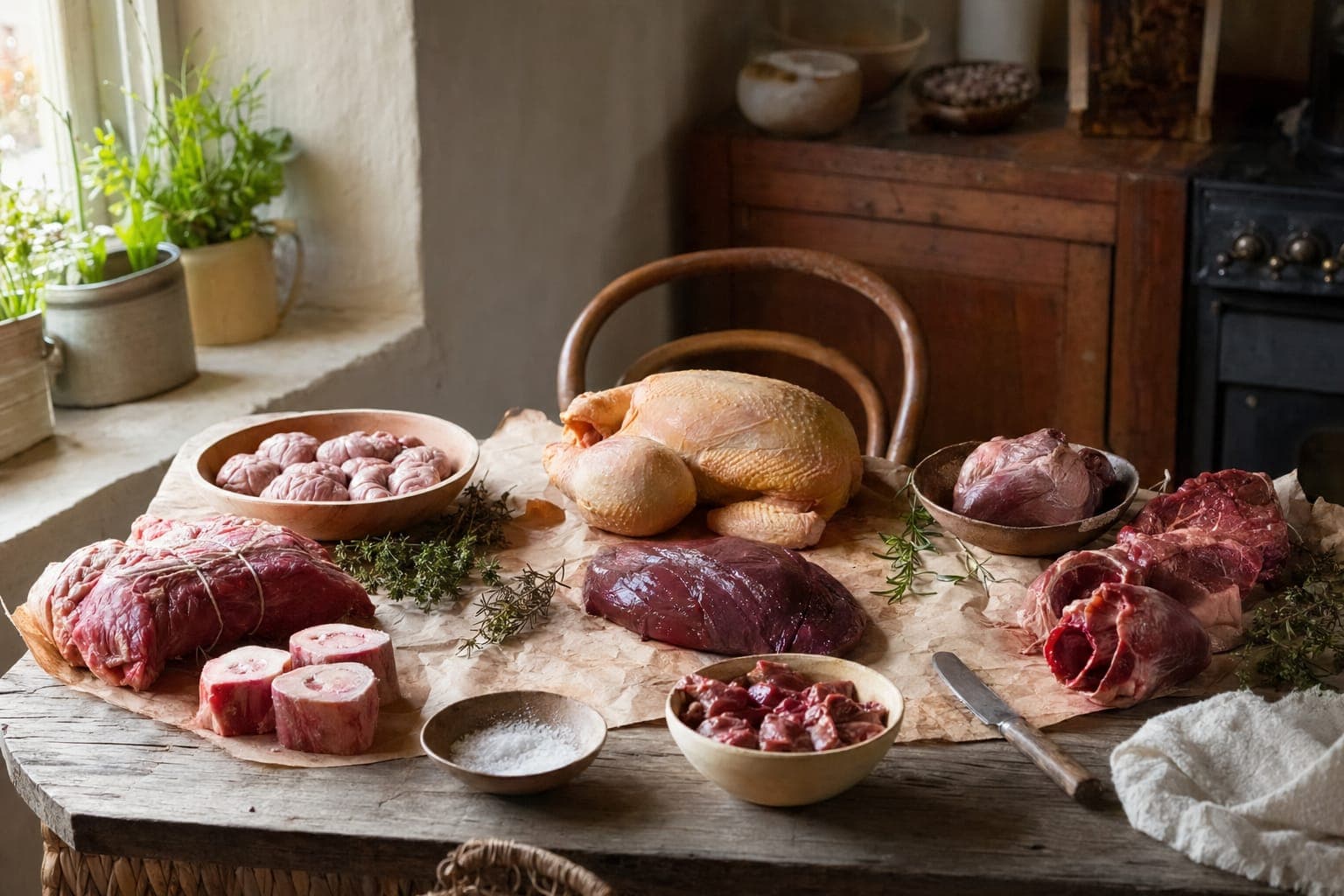
When an animal goes to a modern slaughterhouse, the processor cuts out the muscle meat the supermarket wants. Everything else is considered waste. The liver, the heart, the kidneys, the tongue, the bones, the organs. The things your ancestors prised most highly are treated as byproducts.
Some organs get ground up and rendered into pet food. Some are sold to other countries where nose-to-tail eating is still normal. Some are simply disposed of. A kilogram of liver, more nutritious than kilograms of beef steak, is treated as waste.
The hidden waste of modern meat
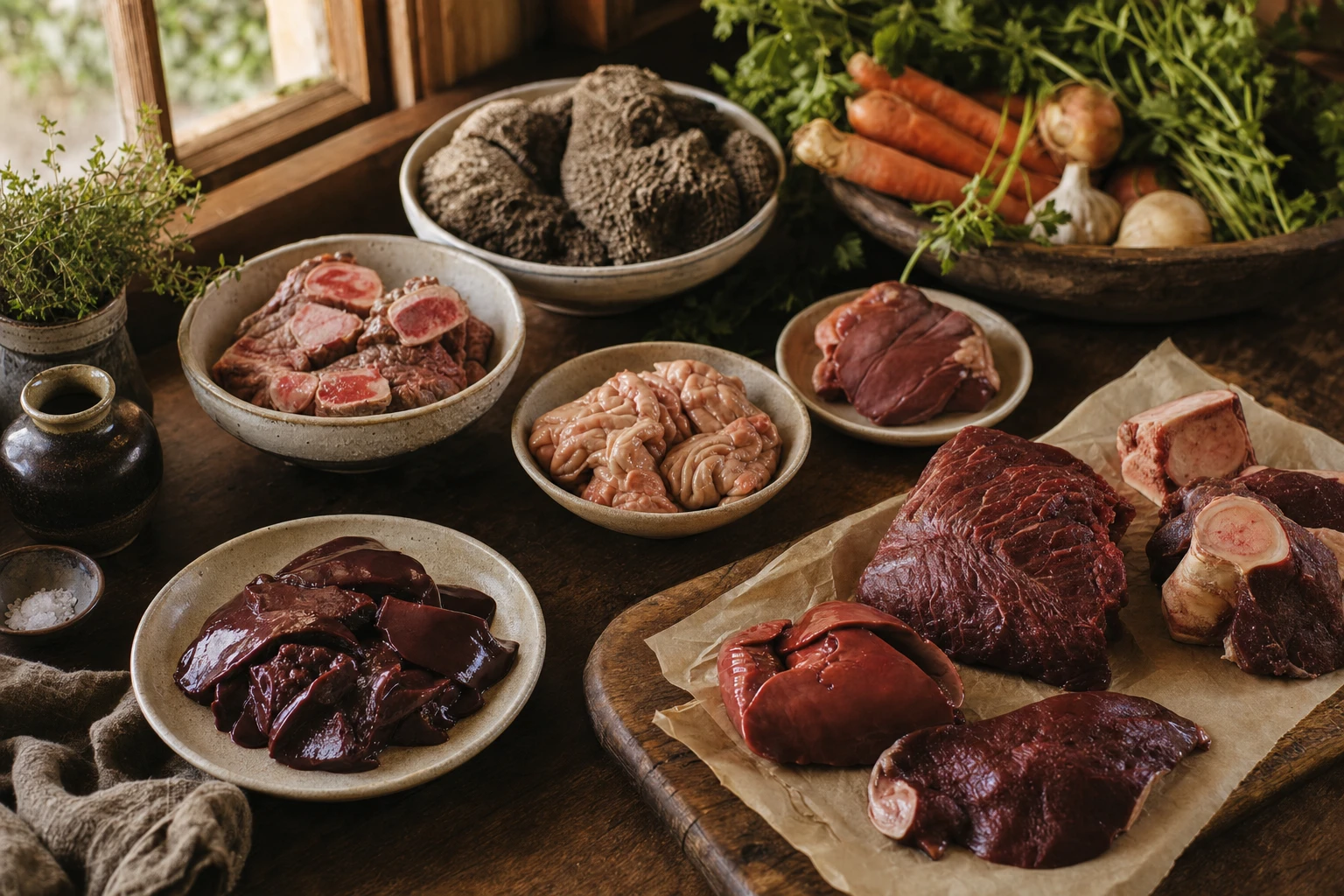
When you buy a steak, you're seeing only a fraction of the cow. That steak is approximately 10% of the animal's total usable food. The remaining 90% is being wasted, transformed, or treated as waste.1
The bones are ground up and made into gelatin for industrial food. Bones that should be simmered for broth are treated as industrial inputs. The potential for nutrient-dense nutrition is lost.
The organs are either rendered into anonymous products or discarded. A cow's liver could feed a family. Instead, it's treated as waste and disposed of. Multiply that by millions of cattle annually.
The feet, the tongue, the heart, the kidneys, the spleen, the thymus, the pancreas. Every one of these has nutritional value. Every one is wasted in the modern system.
Then, to feed the population that that wasted nutrition might have served, agriculture has to expand. More land is cleared. More grain is grown. More water is used. More pollution is created. All to compensate for the waste of 90% of every animal.
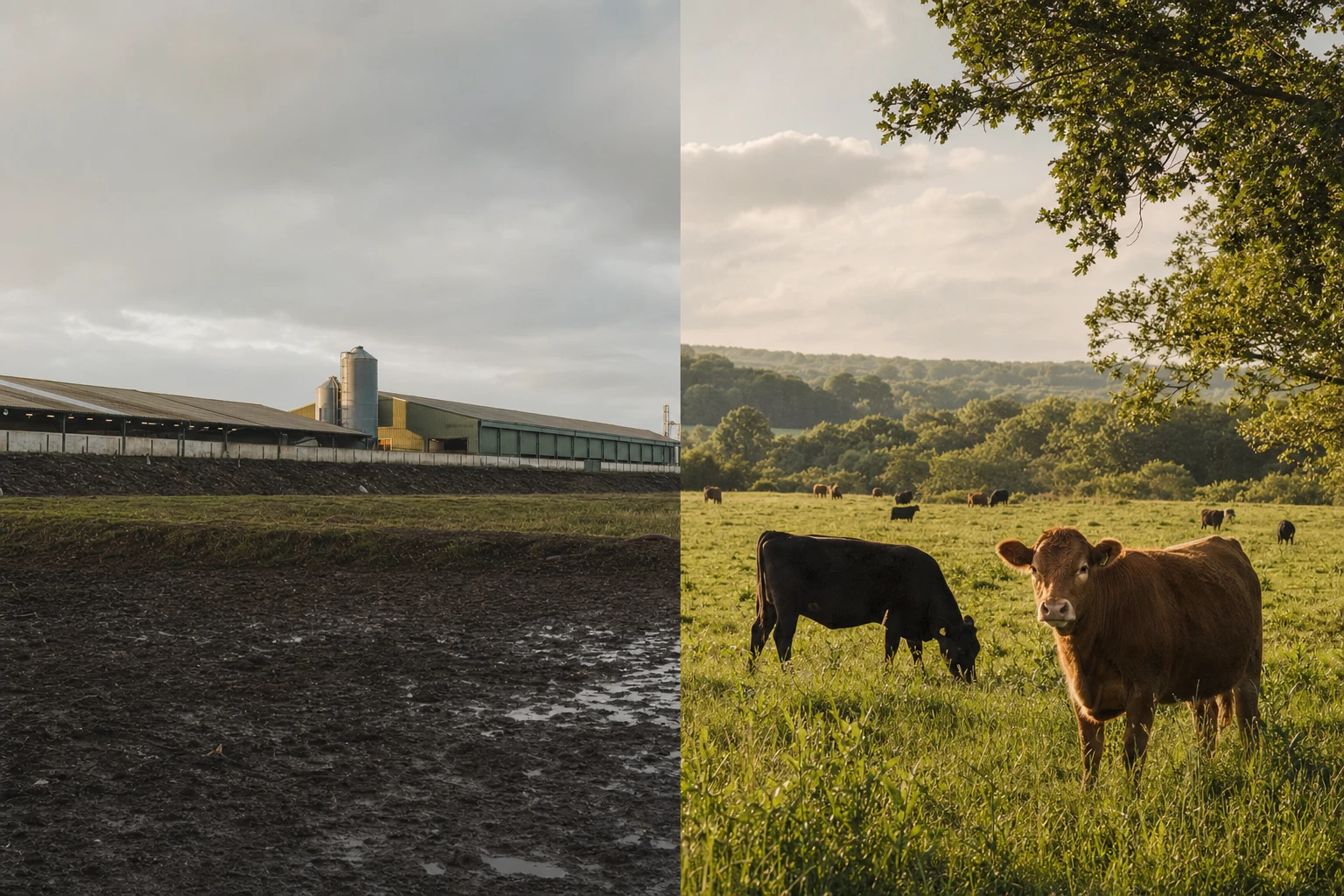
Industrial agriculture wastes the most nutrient-dense foods, then requires more land to replace the nutrients. It's waste compounded on waste.
Regenerative agriculture, on the other hand, is built on the principle that animals are part of the system, not external to it. Animals eat grass. They fertilise land. They improve soil health. Then they're eaten entirely, waste to none.
What happens to organs in industrial agriculture
In developing countries and in many non-Western cultures, the organs are still valued. They're still food. This creates an odd situation where the most nutritious parts of Western-raised animals are exported to countries that still understand their value.
Beef liver from cattle raised in America is shipped to countries like South Korea, Taiwan, and parts of Europe where nose-to-tail eating is still normal.2 The organs are not being wasted, but they're being separated from the communities that raised them.
This is profitable for exporters but it's also wasteful. The liver could feed the community that raised the cow. Instead, it's shipped overseas and replaced by crops grown on land that could be regenerative pasture.
When organs are rendered or used for pet food, they're being downgraded. Rendered liver loses much of its nutritional value in the process. The potential for human nutrition is foregone.
The bones are ground into bone meal or gelatin. Ground bones are useful but they're not the same as bone broth made in someone's kitchen. The gelatin production process damages some of the collagen. The synergy of minerals and collagen is lost.
Organs from grass-fed cattle are more valuable than the muscle meat. Treating them as waste is throwing away the most efficient nutrition possible.
The regenerative connection
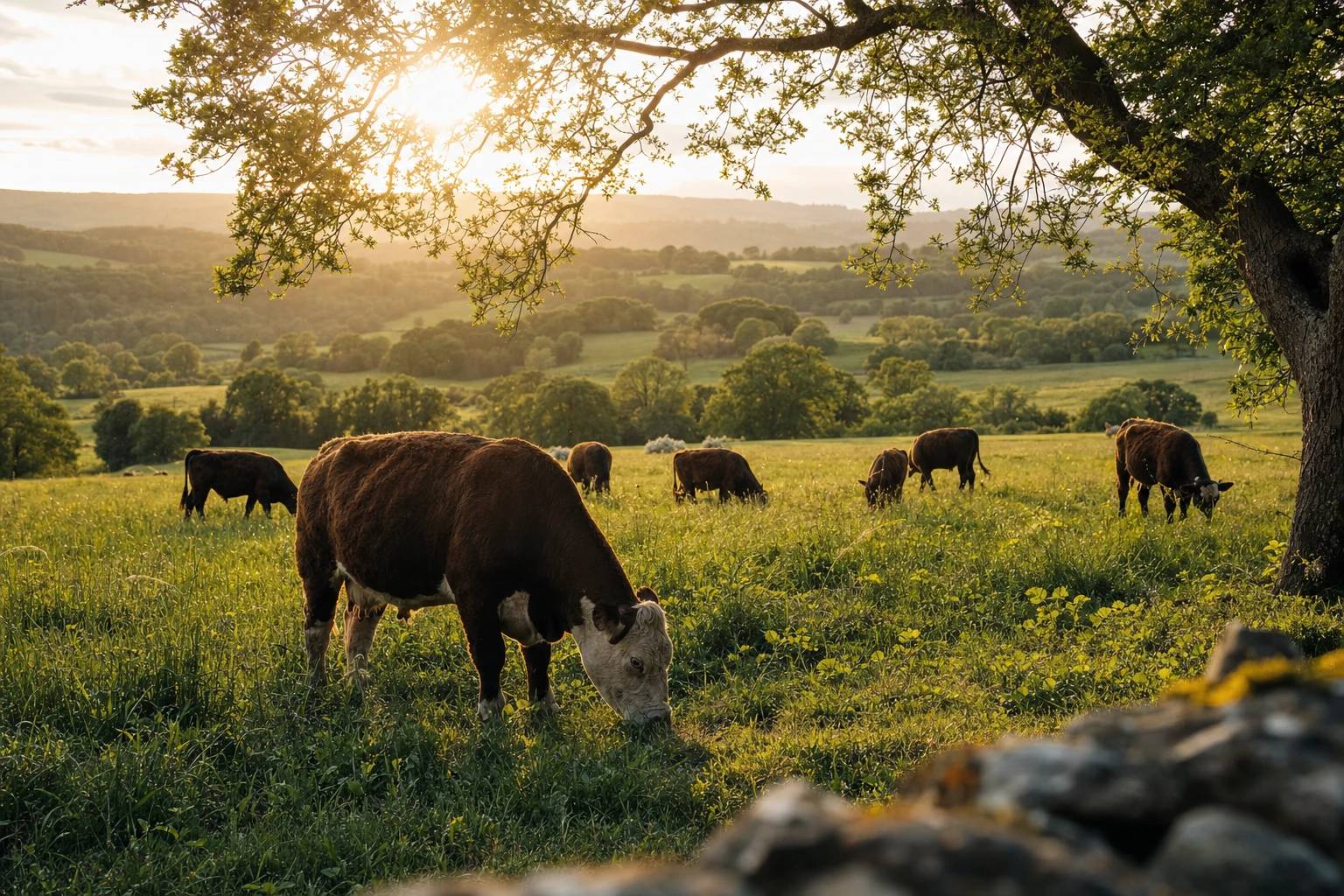
Regenerative farms work by grazing animals on pasture. The animals eat the grass. Their manure fertilises the soil. The soil becomes richer, darker, more fertile. Over time, degraded land recovers.3
Regenerative farmers don't see animals as separate from the land. They're the mechanism by which soil heals. The animals are the point. The meat is the harvest.
When every part of the animal is used, the value equation changes. A cow that produces only muscle meat is a crop. A cow that produces muscle meat, organs, bones, and hides is a complete system.
The organs are nutrient factories. They support human health directly. The bones make broth that feeds generations. The hide becomes leather. The bones become buttons and handles. Nothing is wasted because nothing is excessive.
When nose-to-tail eating becomes normal, the economics shift. Farmers get paid for the whole animal. This supports regenerative farming because it makes regenerative farming profitable. Grazing land becomes valuable. Land recovers instead of degrading.
Compare this to a system where only muscle meat is valued. Farmers must produce as much muscle meat as possible. Genetic selection creates cattle that are massive in the chest and shoulders. They're less healthy. They require more grain. They require more management. And the organs are still wasted.
Nose-to-tail eating creates economic incentives for regenerative farming. It makes wasting land unprofitable. It heals the system.
Get ancestral nutrition guides, free
Two short reads a week on traditional ways of eating, examined with modern evidence.
By signing up you agree to receive emails from us. No spam, unsubscribe anytime.
Economics of nose-to-tail
From a personal economics standpoint, nose-to-tail eating is cheaper than eating only muscle meat. A kilogram of liver costs 8 pounds. A kilogram of steak costs 15 pounds. The liver is more nutrient-dense. The economics are obvious.
Buying organs directly from farms is even cheaper. Many farmers will provide organs at a fraction of the cost of retail prices because organs aren't normally sold retail. The farmer is grateful to have them used instead of rendered or discarded.
Building relationships with farmers changes the economics completely. A customer who buys the whole animal gets a price break. A customer who wants only steak pays premium prices. The incentives shift. Whole-animal eating becomes the economical choice.
At scale, this means less land is needed. The same land supports more nutrition because nothing is wasted. More nutrition from less land means lower prices for everyone. It becomes impossible to argue that nose-to-tail eating is expensive.
Nose-to-tail eating is cheaper than muscle-meat-only eating. The initial perception of expense comes from supermarket pricing of organs. Go direct to farms and the cost becomes obvious.
1 of 9
Daily blend
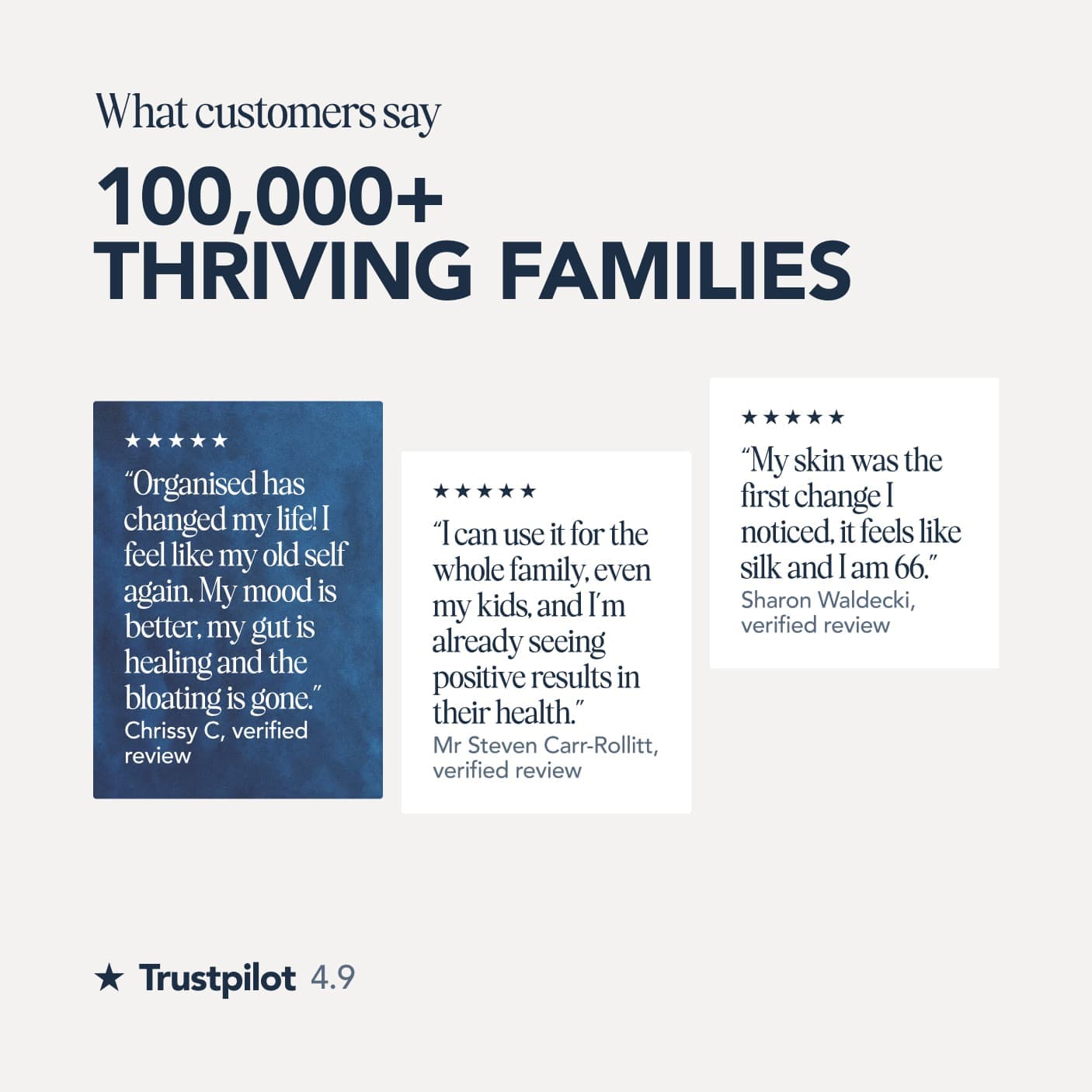
100,000+ thriving families4.9 on Trustpilot
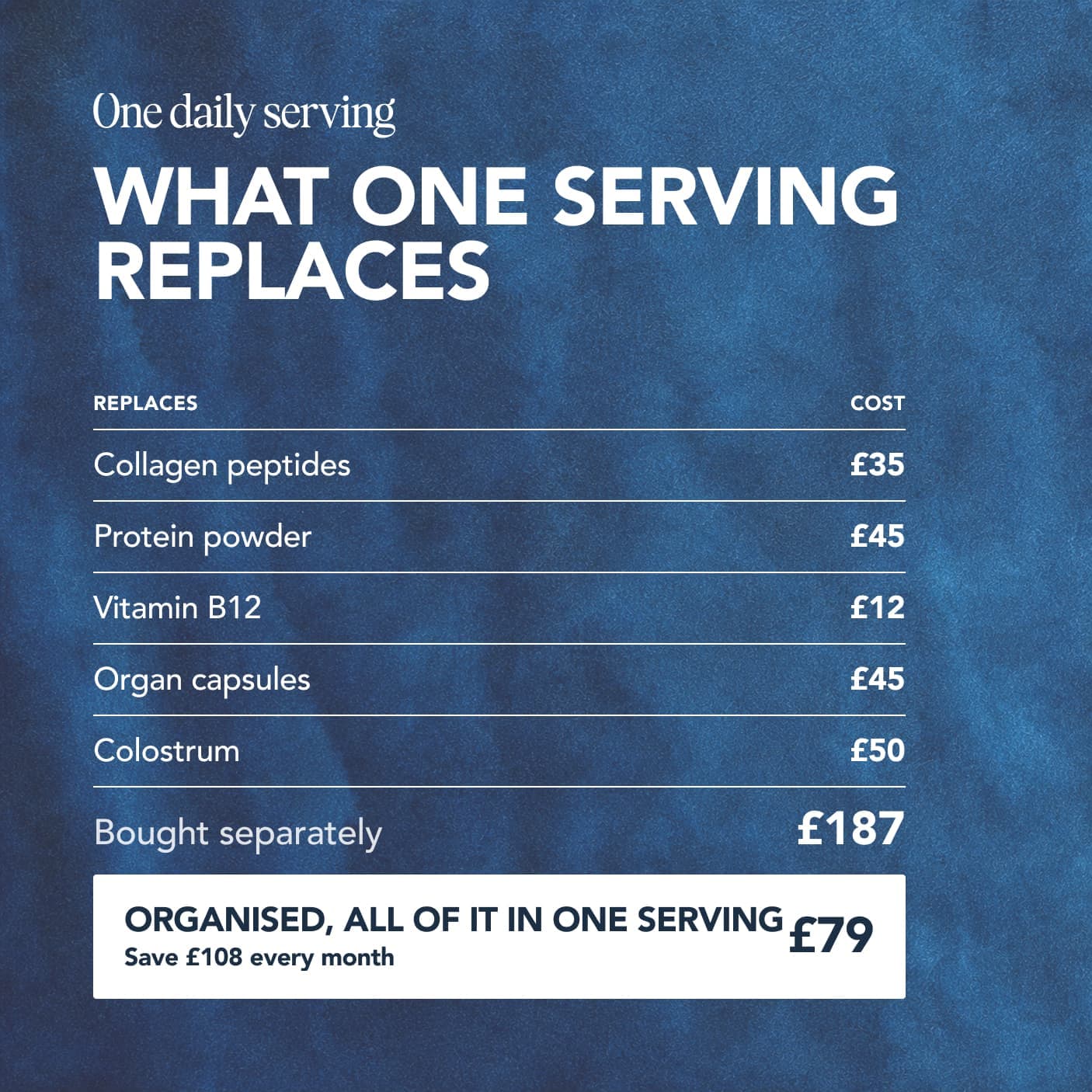
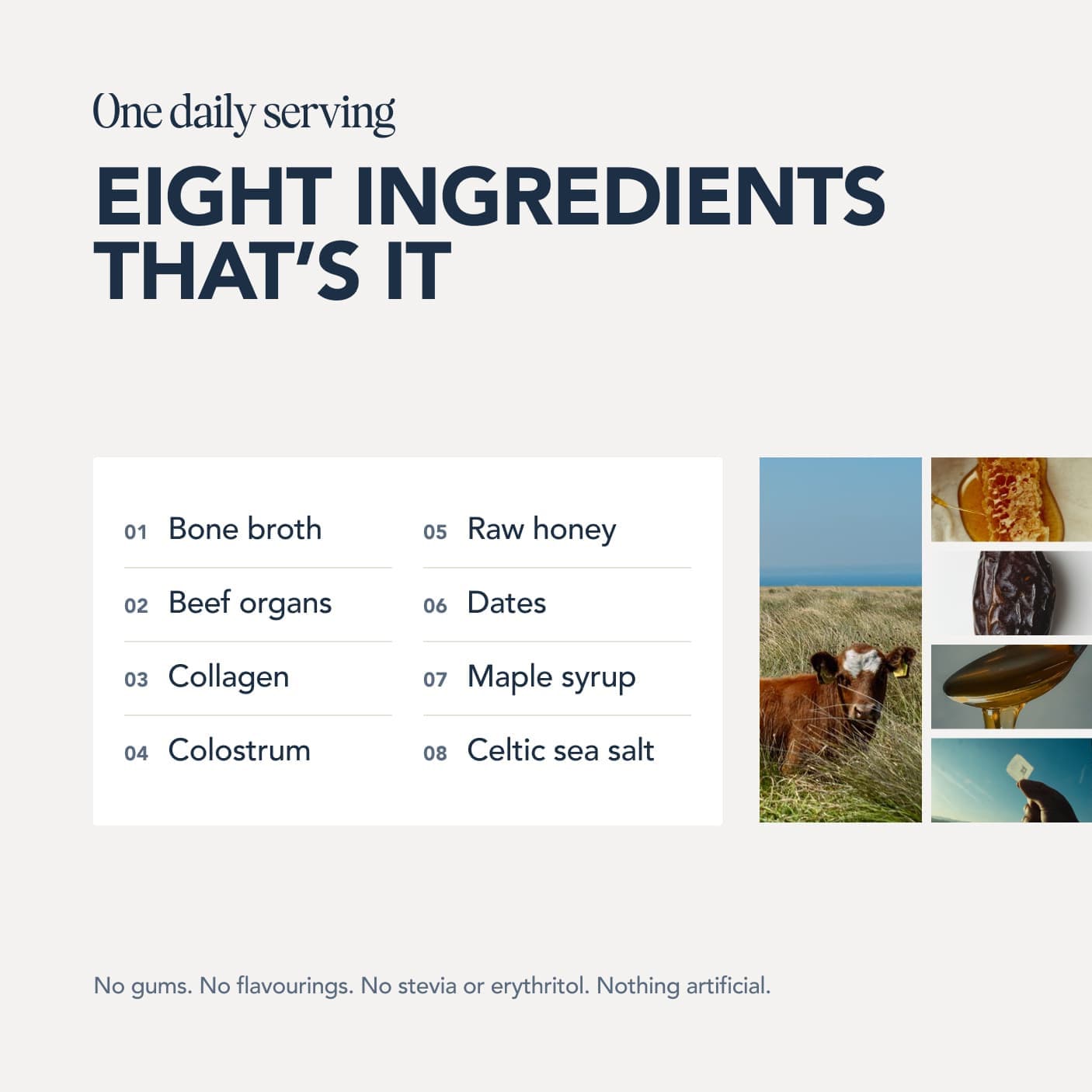
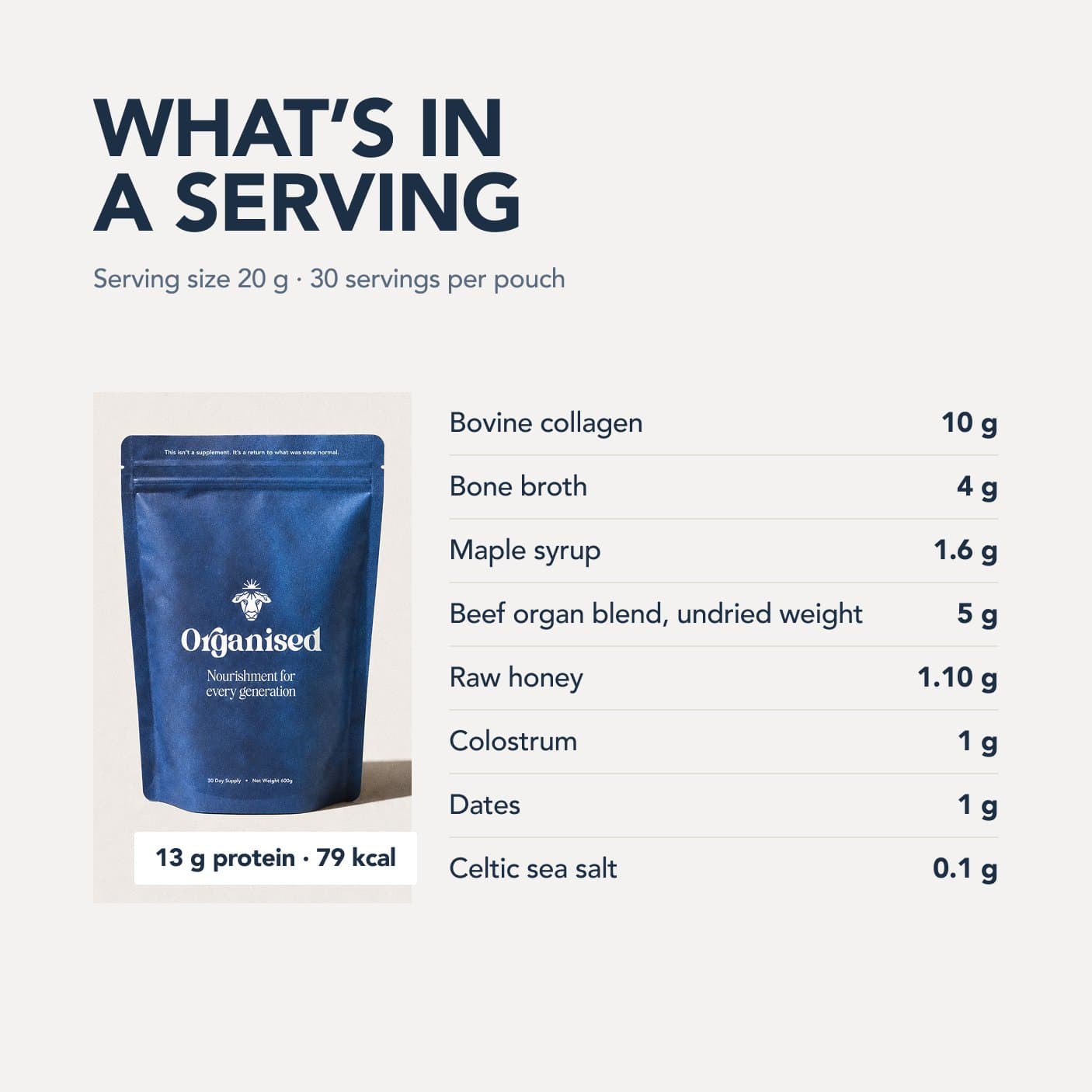
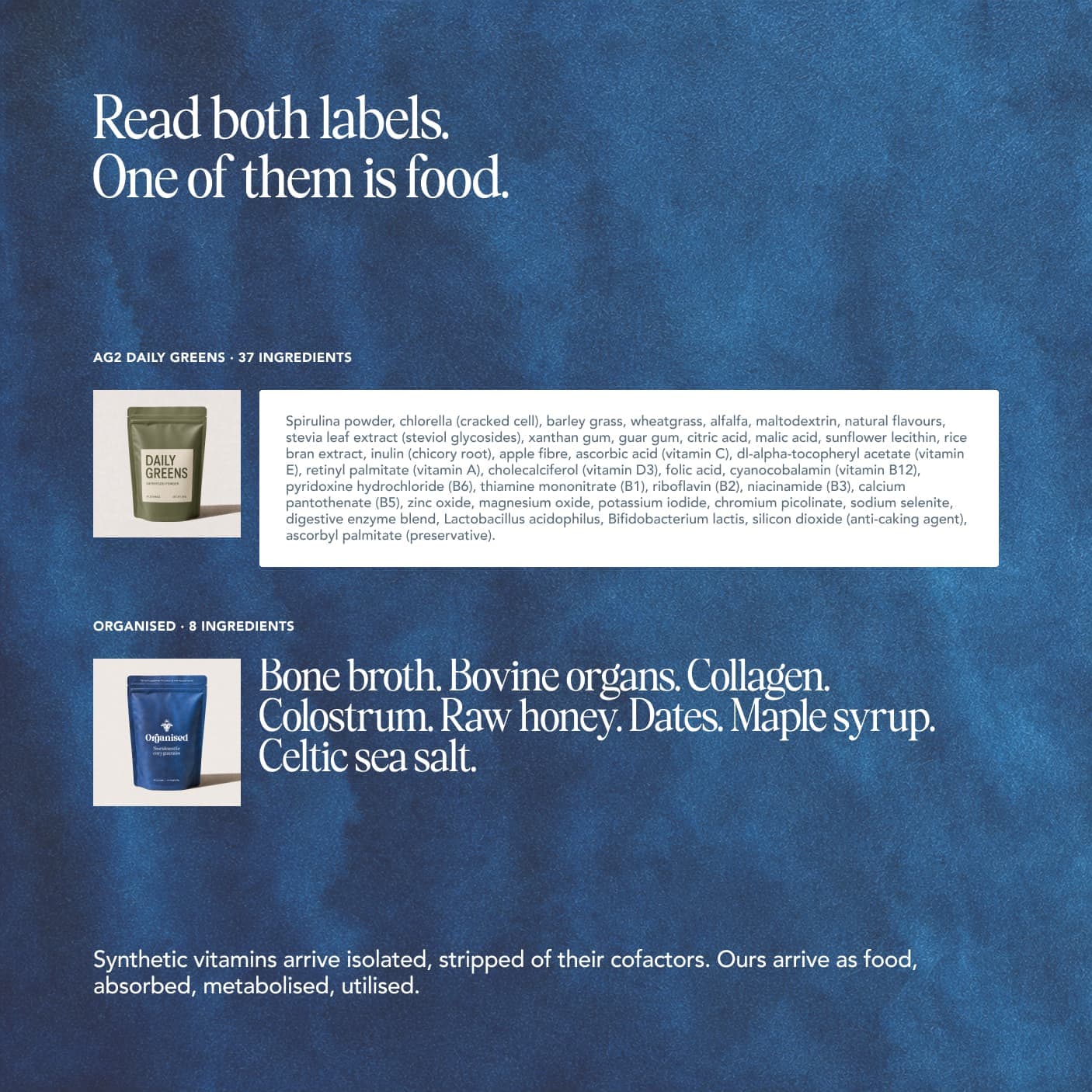
Eight real ingredients built around grass-fed beef organs, collagen and colostrum. Nothing synthetic added.
Free with your first order, worth £38. Plus £10 off the pouch with a subscription.
Free UK shipping · Made in England · 100 day money back guarantee on your first pouch · Skip, pause or cancel anytime
Reversing the waste equation
When you buy organs from a farmer, you're creating demand. The farmer knows someone will buy the liver. Someone will buy the heart. Someone will want the bones for broth. This knowledge changes farming decisions.
Instead of raising cattle designed for maximum muscle, farmers raise cattle designed for health and balance. The organs are part of the value. The whole animal matters.
This shifts nutrition production. The same amount of land now produces more nutrient-dense food. Fewer animals are needed. Less feed is required. Soil health improves. The environmental load decreases.
Multiply this across the population. If 10% of UK households started buying organs and whole animals instead of supermarket muscle meat, the pressure on regenerative farming would shift completely. Land would recover. Waste would disappear.
This isn't a utopian vision. It's what used to be normal. It's what still happens in countries that haven't industrialised agriculture. It's proven.
Reversing food waste requires reversing the waste of animals. Nose-to-tail eating does that immediately.
The bottom line
Nose-to-tail eating is not just more nutritious. It's more efficient. It wastes less. It regenerates rather than degrades. It makes economic sense and environmental sense.
Every organ you eat is nutrition that didn't require extra land. Every bone you use for broth is nutrition that wouldn't otherwise exist. Every relationship you build with a farmer regenerates one more piece of land.
The waste in the industrial food system is staggering. The solution is simple: eat the whole animal. Use every part. Build relationships with farmers who understand that value.
References
Every source below was checked on 27 August 2026. Each PubMed, PMC and DOI identifier was resolved against NCBI or Crossref, and what it opens is printed under the citation, so you can see the link goes where the citation says without leaving the page. Where a citation and its identifier disagreed, the citation was corrected to the record or the reference was deleted along with the sentence marker that pointed at it, and where the resolved paper turned out not to support the sentence, the sentence was cut back to what it does support. Borrowed authority is worse than none, because it looks like rigour.
- Marti DL, Johnson RJ, Mathews KH. Where's the (not) meat? Byproducts from beef and pork production. USDA Economic Research Service. LDP-M-209-01. 2011.
- Smil V. Eating meat: evolution, patterns, and consequences. Population and Development Review. 2002;28(4):599-639.Checked 27 August 2026: doi:10.1111/j.1728-4457.2002.00599.x opens Smil V, Eating Meat: Evolution, Patterns, and Consequences Population and Development Review 2002;28(4):599-639.
- Teague WR et al. The role of ruminants in reducing agriculture's carbon footprint in North America. J Soil Water Conserv. 2016;71(2):156-164.Checked 27 August 2026: PMID 27091963 opens Qian G, Rao CR, Sun X et al, Boosting association rule mining in large datasets via Gibbs sampling. Proc Natl Acad Sci U S A 2016;113(18):4958-63.The authors' own declaration, from the record: The authors declare no conflict of interest.
Who wrote and reviewed this guide
Niall Kiddle
Author · Founder, Organised
Niall is the founder of Organised. He started the company in 2024 after fixing his own health the slow way: in 2022 he swapped a cupboard of synthetic supplements for real food, raw milk, organ meats, bone broth and honey, and felt the difference within months.
Areas of expertise: Ancestral nutrition, Organ meats, Whole-food supplementation, Gut health, Regenerative sourcing
Read Niall's full profile
Pedro Rodrigues
Reviewer · Agronomist (farming and sourcing only)
Pedro is the agronomist Organised works with on farming and sourcing. His job on the guides is to keep the science honest: he reviews what we publish about soil health, regenerative agriculture, grazing and the way food is actually produced.
Areas of expertise: Regenerative agriculture, Agronomy, Soil health, Grass-fed farming, Food sourcing
Reviewed this guide on
Read Pedro's full profileBrowse the guides library
All guidesKeep reading
Ancestral
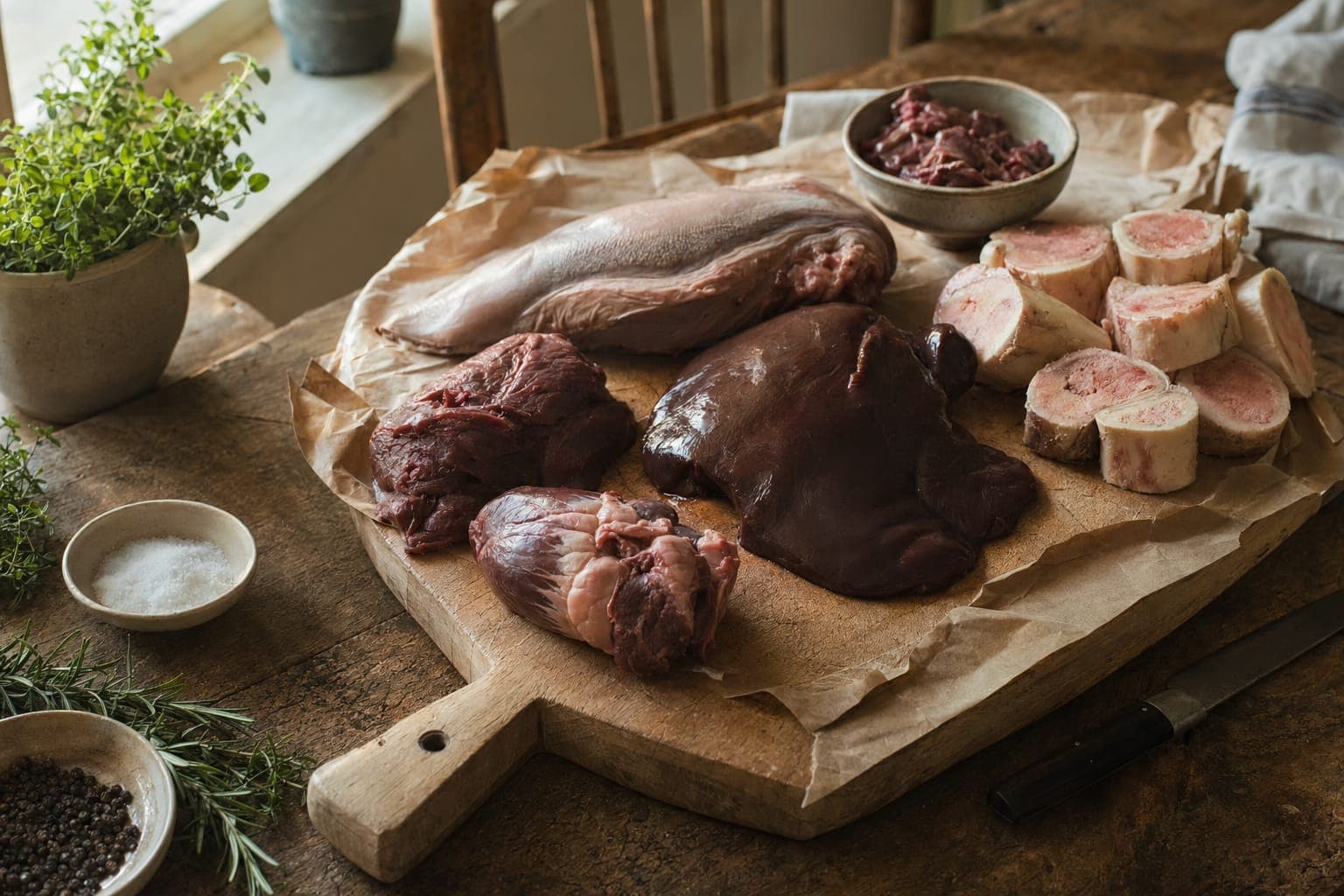
Nose-to-Tail for Beginners: Where to Start
New to nose-to-tail eating? Start with liver, then heart, in small amounts. Get simple freezing tips and easy ways to soften the taste as you build up.
Ancestral
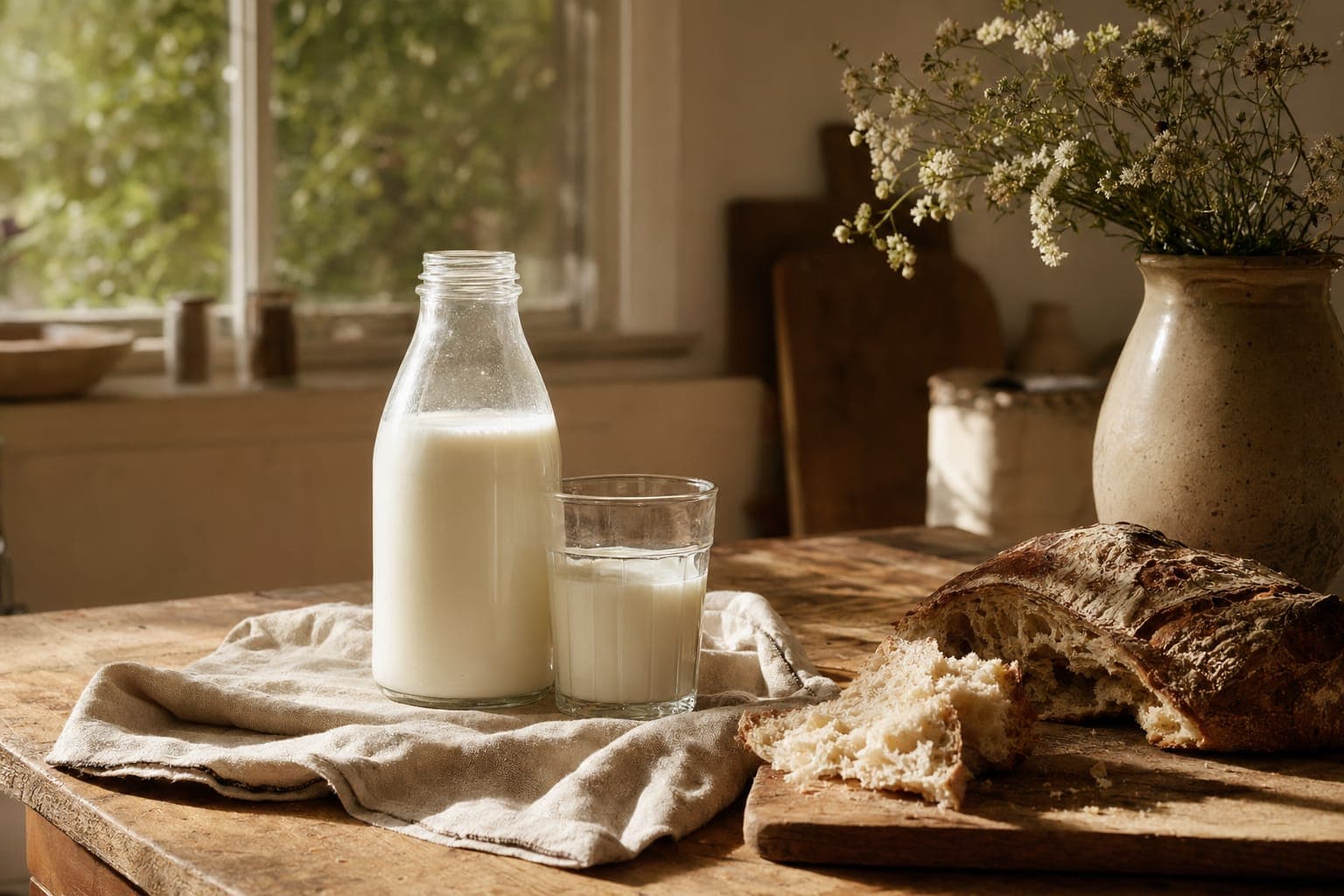
Raw Milk: What It Is, Why It Matters, and Where to Find It
Raw milk nutrition, why enzymes matter, UK legal status, and where to source unpasteurised milk from registered farms safely.
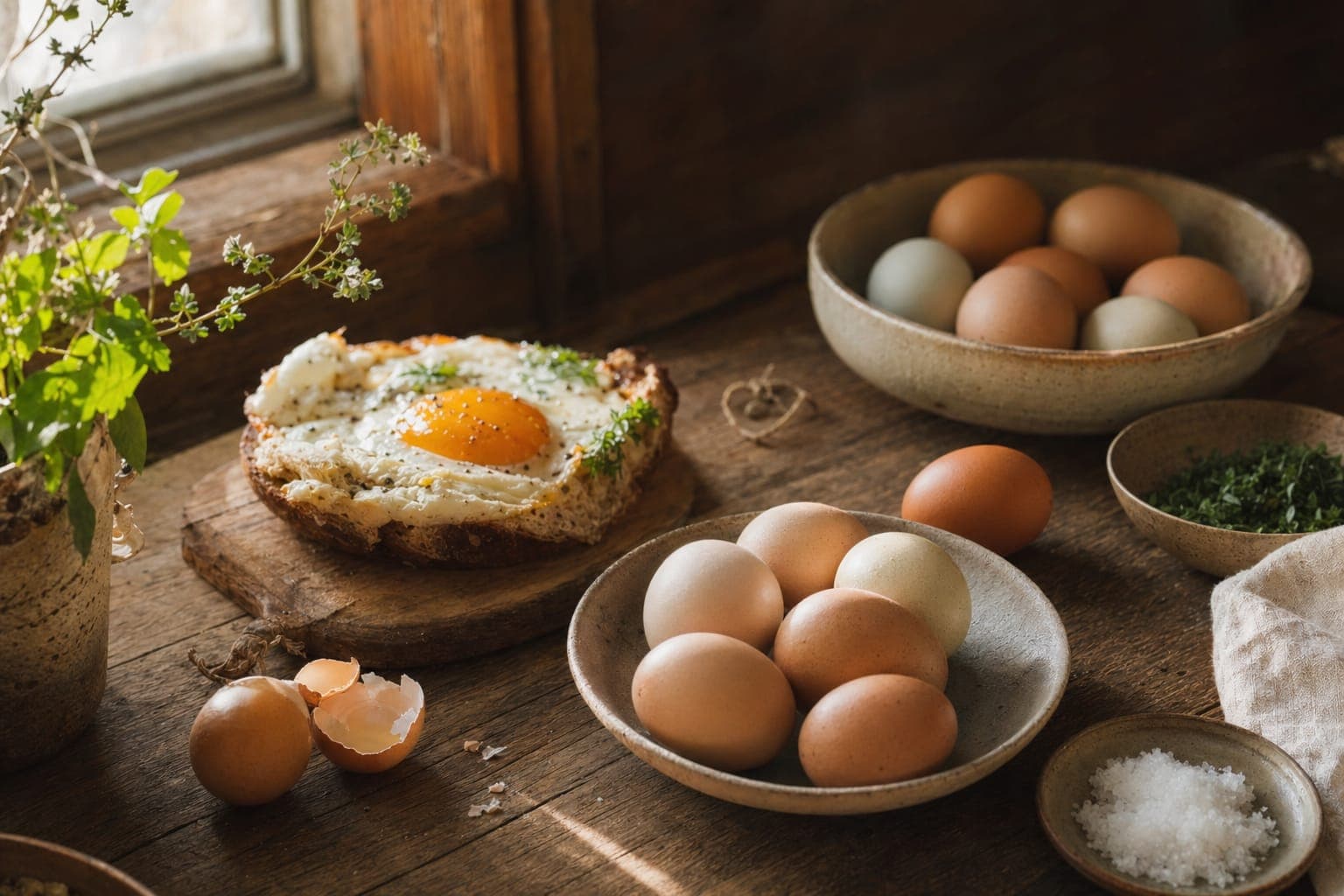
Ancestral
The Case for Eating Eggs Every Day
Eggs contain choline, B12, lutein, and complete protein. One egg has everything your body needs. Here's why the cholesterol myth should've died decades ago.
Real food, made effortless
Bring it into my routineA few ways to use it
All recipes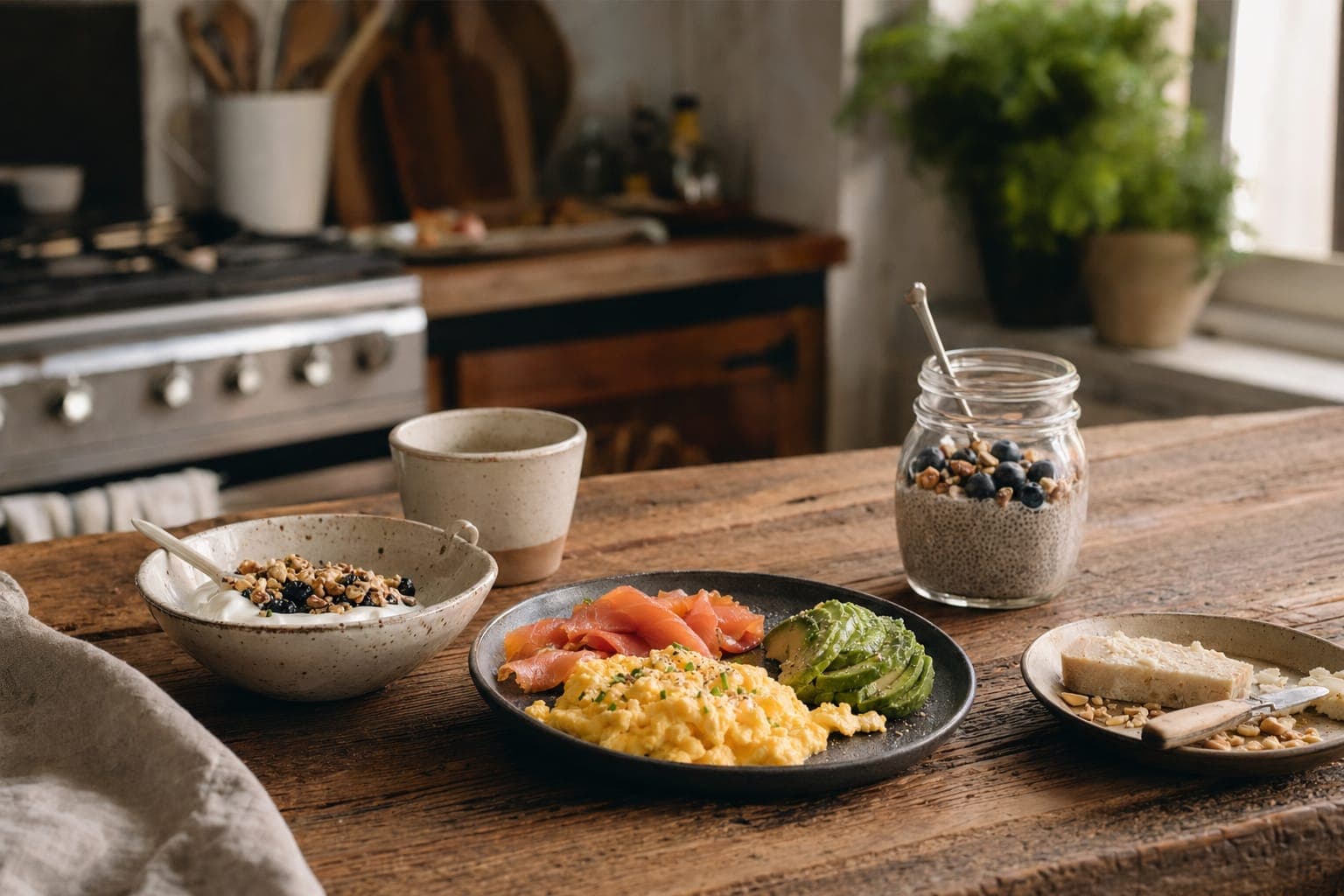
5-Minute High-Protein Breakfasts Using Organised
Quick, high-protein breakfast ideas using Organised. Five recipes you can make in minutes with real food. No fussing around.
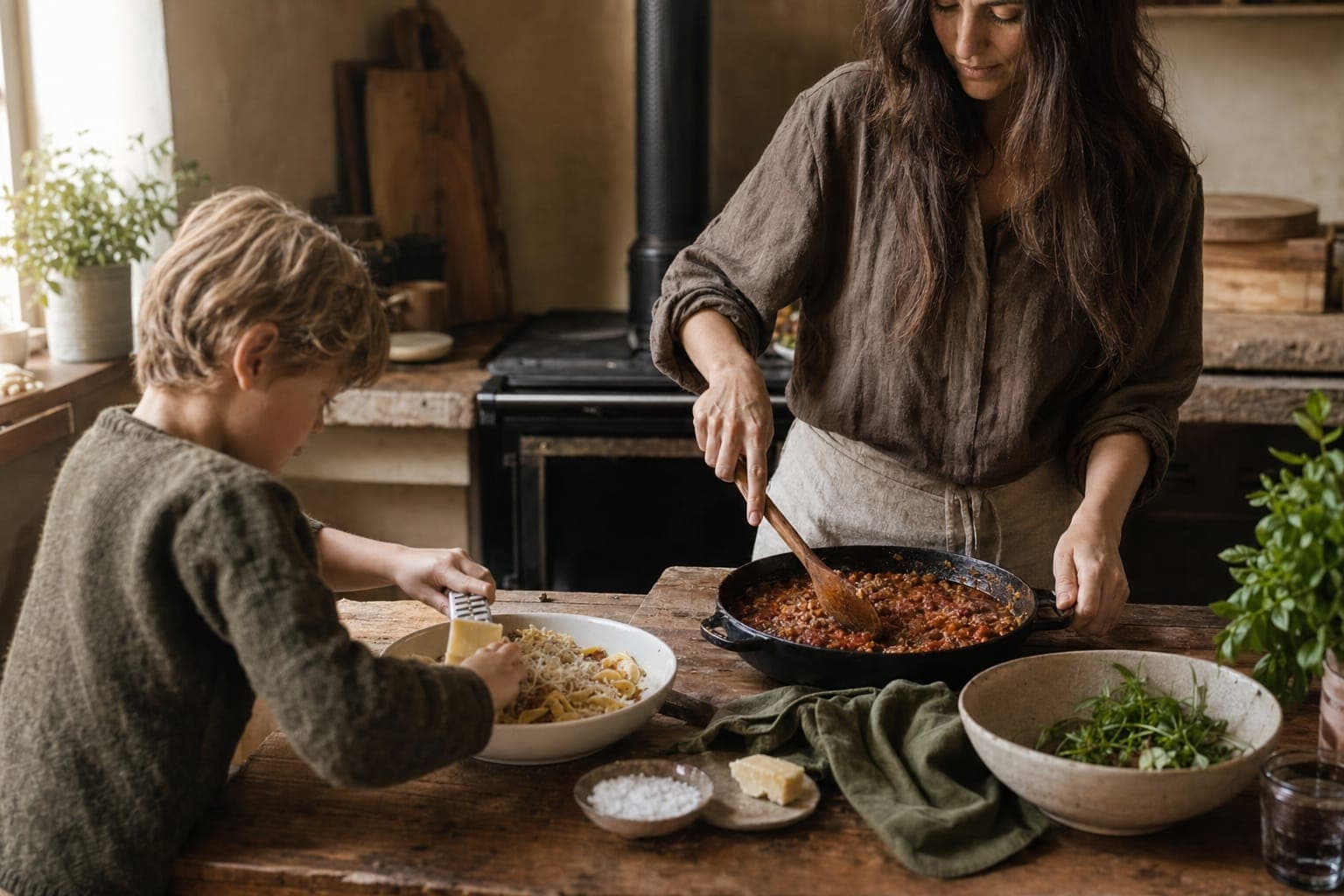
Organ Bolognese: The Family Dinner That Heals
Practical organ meat recipe using fresh beef liver and heart. Family-friendly bolognese that bridges supplements to whole food.
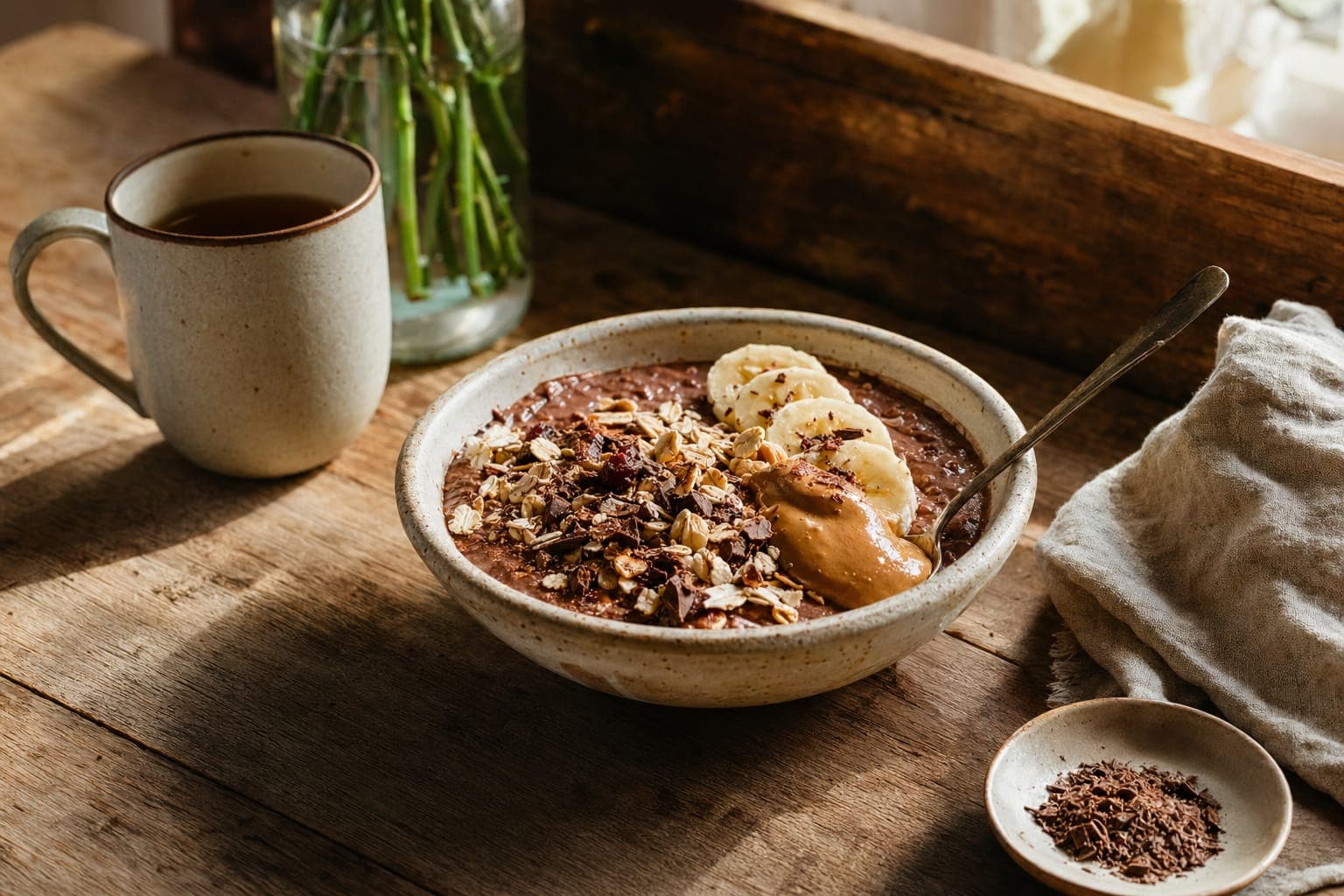
10 Ways to Use Organised That Aren't Just a Shake
Move beyond the basic shake. Discover 10 creative ways to use Organised in smoothie bowls, oats, yoghurt, baking, and more.


 Join over 100,000+ members
Build a better food system with us
The Organised community is thousands of people choosing real food and backing the farmers who grow it, all of us trying to leave the world a little better than we found it. If that is what you care about too, you belong here.