What Your Irish Grandmother Knew About Nutrition
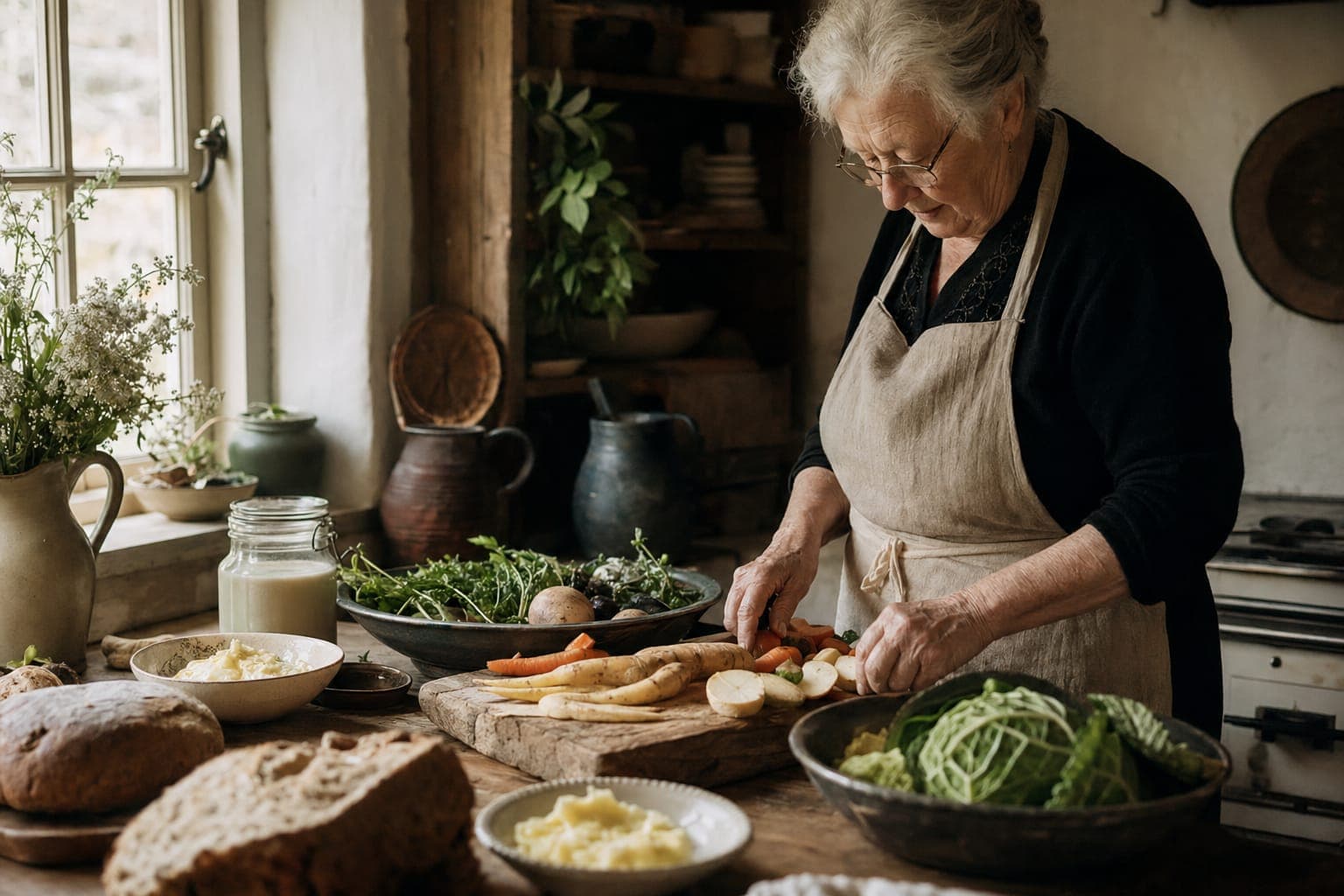
There's something Niall's grandmother understood about feeding a family on a raw dairy farm that modern nutrition science is only now catching up with. She wasn't counting calories or worrying about macros. She was simply feeding people with what the land offered, and somehow everyone thrived.
By Niall Kiddle, Founder, Organised

Reviewed by Pedro Rodrigues, Agronomist (farming and sourcing only) ·
7 min read · Published · Updated · 4 cited sources
Makers of the Organised Daily blend, a grass-fed beef organ supplement from regenerative UK farms
That's not nostalgia talking. That's nutrient density.
What real food looked like on an Irish farm
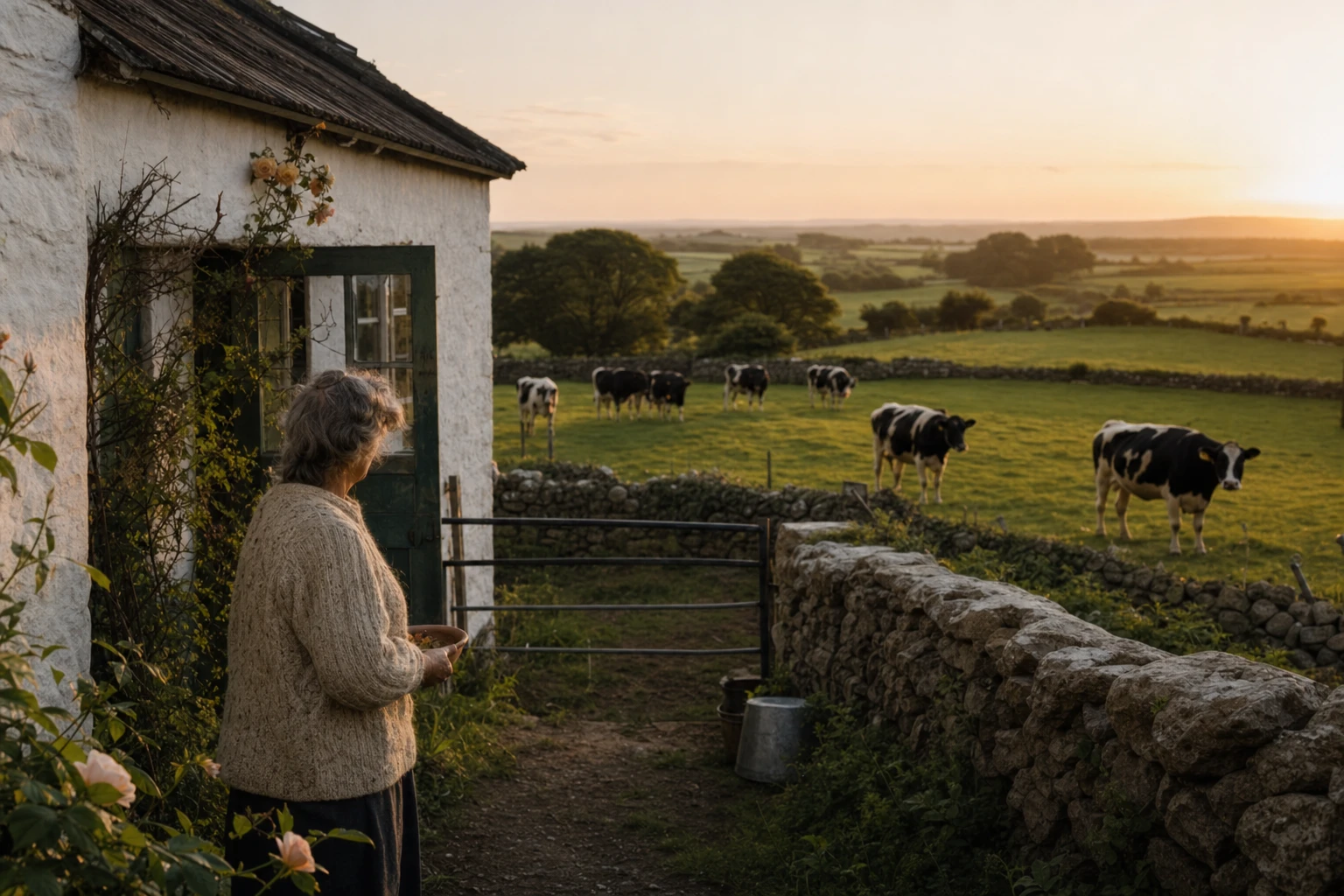
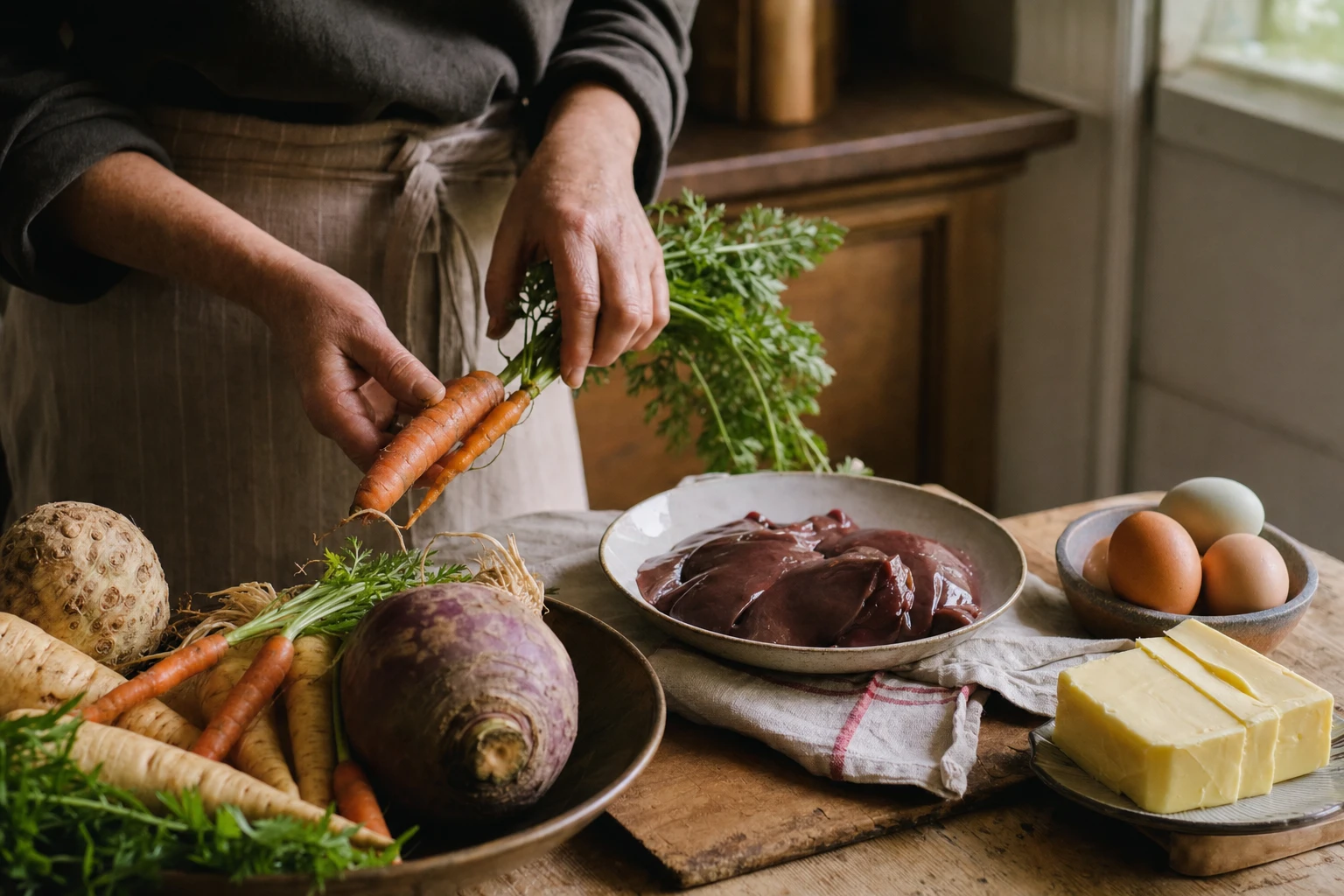
The traditional Irish diet wasn't fancy. It was built on what a small farm could produce: milk, butter, eggs, potatoes, root vegetables, foraged plants, and meat when resources allowed. What made it work nutritionally was that almost nothing was processed.
Your Irish grandmother didn't have a choice to eat ultra-processed food. The food she fed her children came from the soil, the animals, or the sea. It was whole. It was real. And because of that, every bite delivered something the body actually needed.
When you look at what a traditional Irish family ate, the nutrient profile is striking. Potatoes weren't the villain they've been made out to be. A traditional Irish potato, particularly the older varieties with deeper colour, carries significant amounts of vitamin C, potassium, manganese, and resistant starch when cooked and cooled.4 Pair that with full-fat butter or the richness of bone marrow and you have a meal that sustains both energy and tissue repair.
Real Irish foodways weren't about perfection. They were about what worked. What kept people strong enough to work the land, healthy enough to raise large families, resilient enough to survive harsh winters.
The power of raw dairy
Raw milk wasn't a health trend on an Irish farm. It was daily nutrition.
Raw dairy from grass-fed cows carries fat-soluble vitamins (A, D, K2) in forms your body recognises and uses immediately.1 It contains living enzymes that support digestion, beneficial bacteria that build a strong gut, and bioavailable calcium and magnesium. When milk is raw, the casein structure remains intact, making it digestible for people whose bodies react poorly to pasteurised milk.
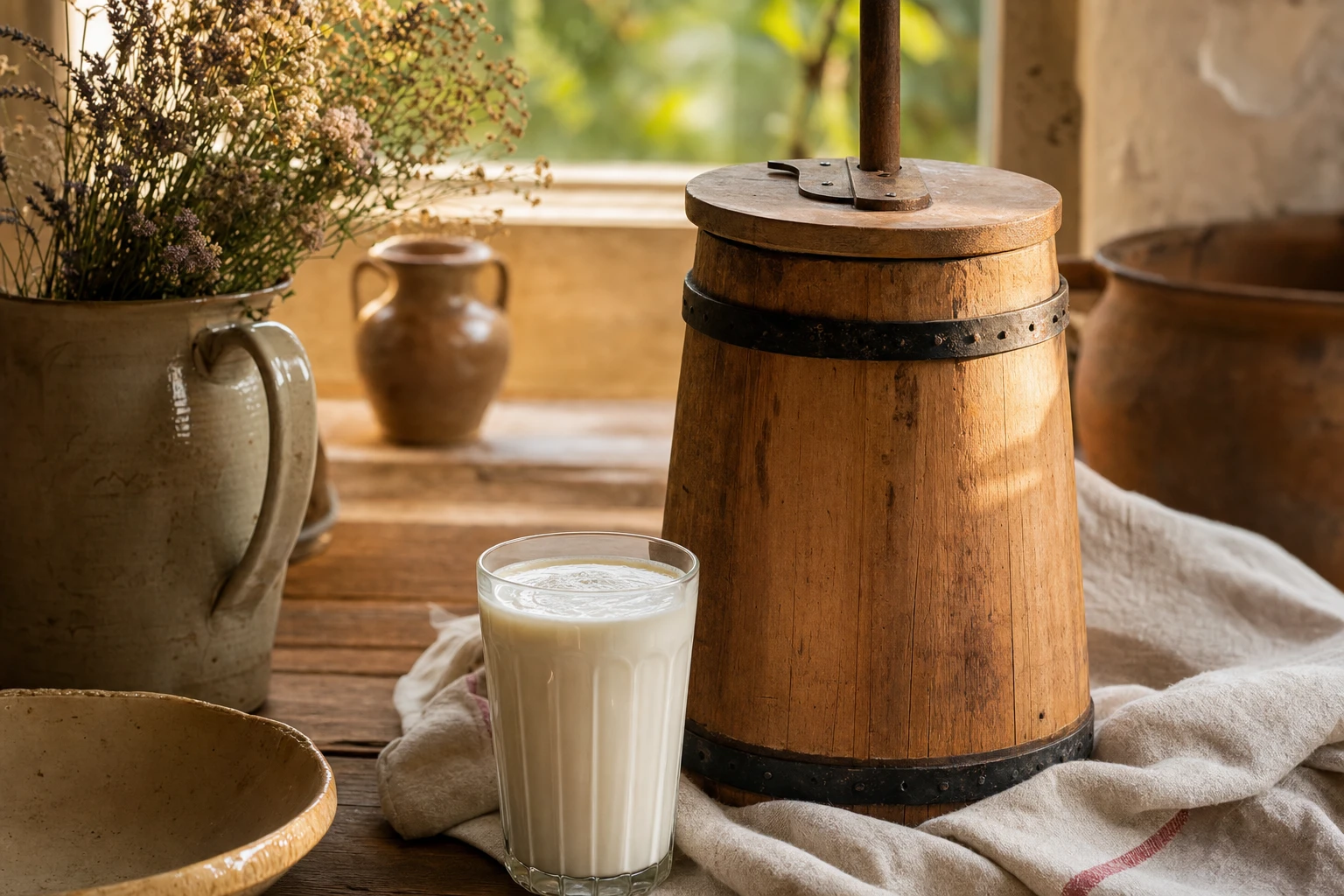
Your grandmother drank it at breakfast. She used it to make butter, which was stored through the winter. She made cheese. She turned excess into buttermilk. Nothing was wasted, and every part of that milk fed the family in different ways.
Pasteurisation changed that. When you heat milk to kill pathogens, you also destroy the enzymes that make it digestible, damage the protein structures, and kill the beneficial bacteria.2 The resulting milk is technically safer in a large-scale distribution system, but nutritionally it's a shadow of what it was.
If you can access raw milk or high-quality full-fat pasteurised milk from grass-fed cows, you're getting something your modern supermarket milk simply doesn't offer. The difference is visceral.
Root vegetables and the long winter
Potatoes, turnips, parsnips, carrots, beets. These weren't exciting vegetables. They were survival vegetables. They grew in Irish soil. They stored through winter. And they carried nutrients your body needed to get through months with limited fresh food.
Root vegetables are packed with prebiotic fibre that feeds your beneficial gut bacteria. They carry minerals like manganese and potassium. When eaten with fat, they deliver carotenoids and other fat-soluble compounds more effectively than raw vegetables ever could.
A traditional Irish meal during winter would be a bowl of colcannon (mashed potato and cabbage with butter), or coddle (a Dublin stew of sausage, bacon, potato, and onion), or a simple baked potato split open with salted butter. It sounds ordinary. But nutritionally, it's sophisticated. Starch and fat together slow glucose absorption, support satiety, and deliver the minerals and fat-soluble vitamins your body needs.
Your grandmother knew that feeding people well through a long winter meant stored vegetables, animal fat, and dairy. She couldn't have articulated the biochemistry. She simply knew it worked.
Organ meats and everything else
On a small farm, nothing was wasted. When an animal was killed, every part was used. The liver became dinner, rich with preformed vitamin A and iron. The heart was stewed. The bones were simmered for broth. The fat was rendered for cooking and storage.
Liver is perhaps the most nutrient-dense food on the planet. A small portion contains more bioavailable nutrients than kilos of modern protein powder. It carries choline for brain health, copper for energy production, selenium for immune function, and B vitamins that modern bodies are desperately deficient in.3
Your Irish grandmother didn't serve liver because it was trendy. She served it because a small piece could nourish an entire family. That's what ancestral people understood about food. Not the marketing story. The actual nutrition.
If you're not eating organ meats, you're leaving behind the most nutrient-dense nutrition available to you. Your ancestors understood this. Modern food culture has forgotten it.
Get ancestral nutrition guides, free
Two short reads a week on traditional ways of eating, examined with modern evidence.
By signing up you agree to receive emails from us. No spam, unsubscribe anytime.
What we've forgotten, and why it matters
The traditional Irish diet wasn't sophisticated. It wasn't based on nutritional science. It was based on necessity and land. But somehow that combination created bodies that were resilient, energetic, and capable of surviving and thriving in a challenging climate.
Then everything changed. Processed food arrived. Factory farming replaced small-scale agriculture. Raw dairy became illegal in most places. Organ meats became shameful. And suddenly the diseases of modern life became normal.
Your Irish grandmother didn't think about inflammation or insulin sensitivity or nutrient bioavailability. She just fed her family real food. And by doing that, she prevented the metabolic disease that's now killing thousands of people every year in the UK alone.
That's not luck. That's the difference between food and nutrition.
The wisdom wasn't complicated. Eat meat and organs from animals fed on grass. Drink raw milk from those same animals. Eat root vegetables and potatoes prepared with fat. Keep your food whole. Keep it real. Let the land and the animals do what they were designed to do.
Why pasteurisation changed everything
The moment milk became centralised and processed at scale, Irish families lost access to their primary nutrient source. Raw milk from a small herd on a family farm carries immune factors, beneficial bacteria, and enzymes that no modern processing can replicate. A traditional Irish child drank milk from animals they knew, fed on grass they could see. That milk was alive.
Pasteurisation was sold as safety, and in a large-scale industrial system, it was necessary. But the trade-off was catastrophic. You gained food safety for the masses. You lost actual nutrition. A generation raised on pasteurised milk never developed the same robust health their grandparents had.
Niall's great-grandmother would have found it incomprehensible that you could produce milk but somehow make it less nourishing in the process. But that's what happened. And it happened to every traditional food culture when they were forced into the industrial food system.
1 of 9
Daily blend
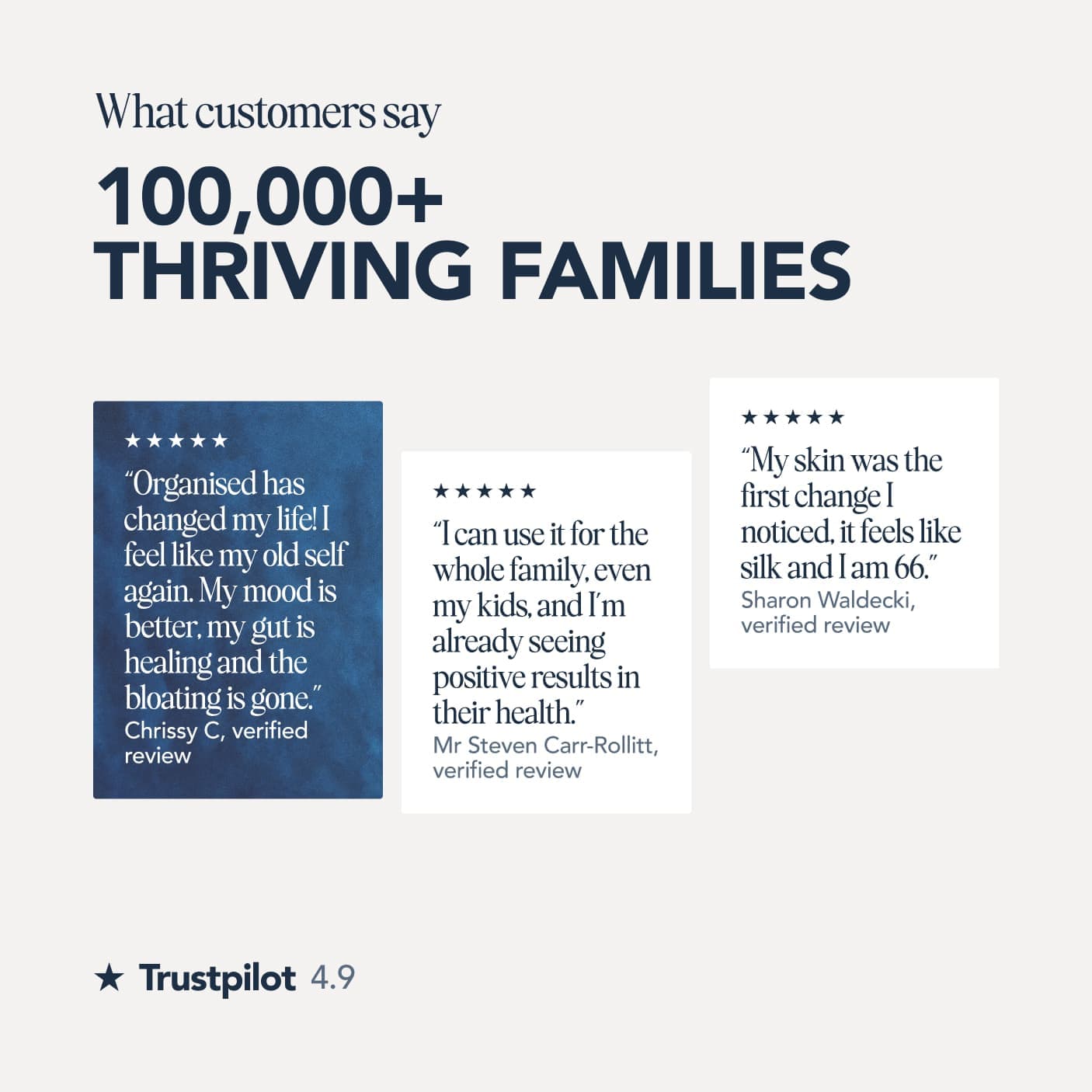
100,000+ thriving families4.9 on Trustpilot
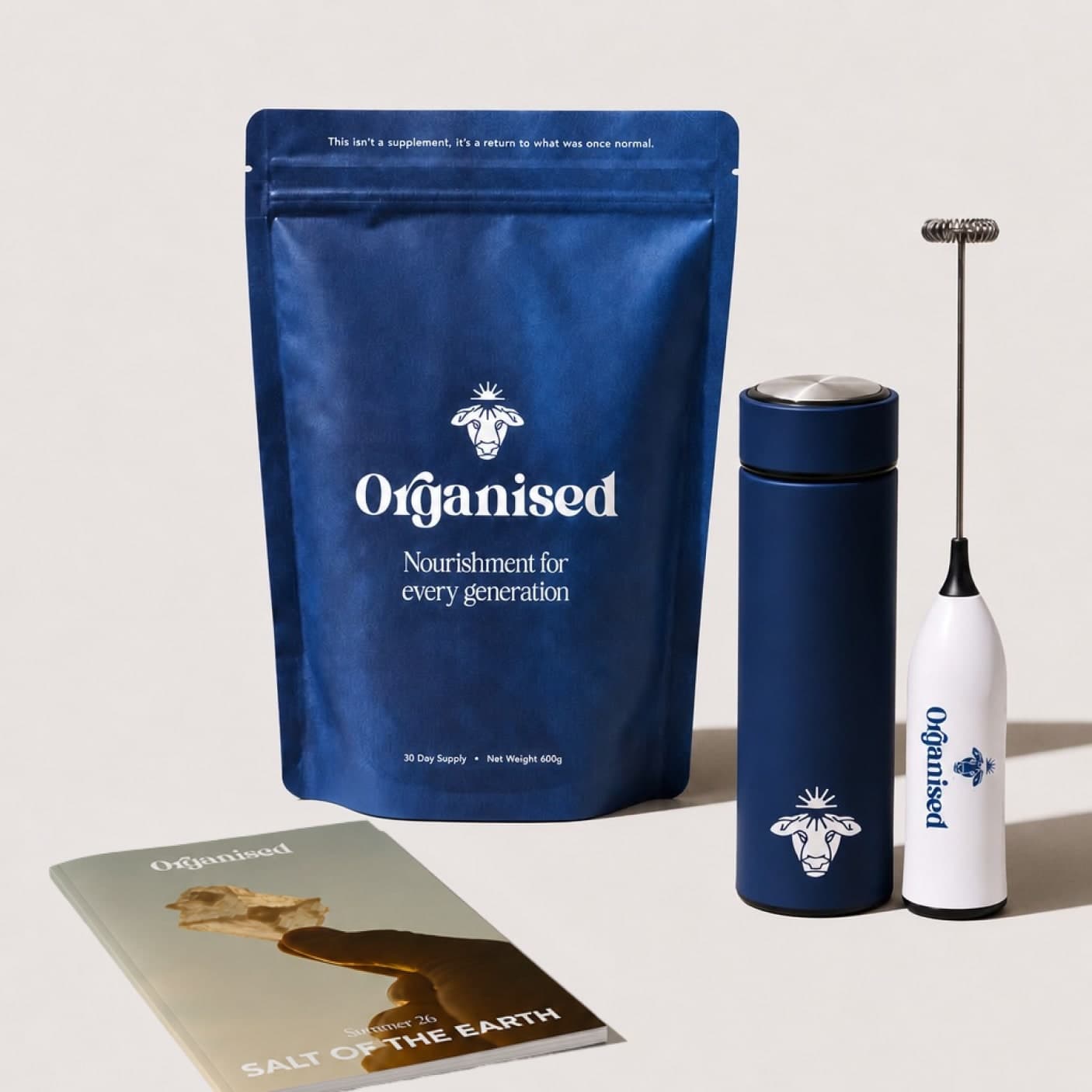
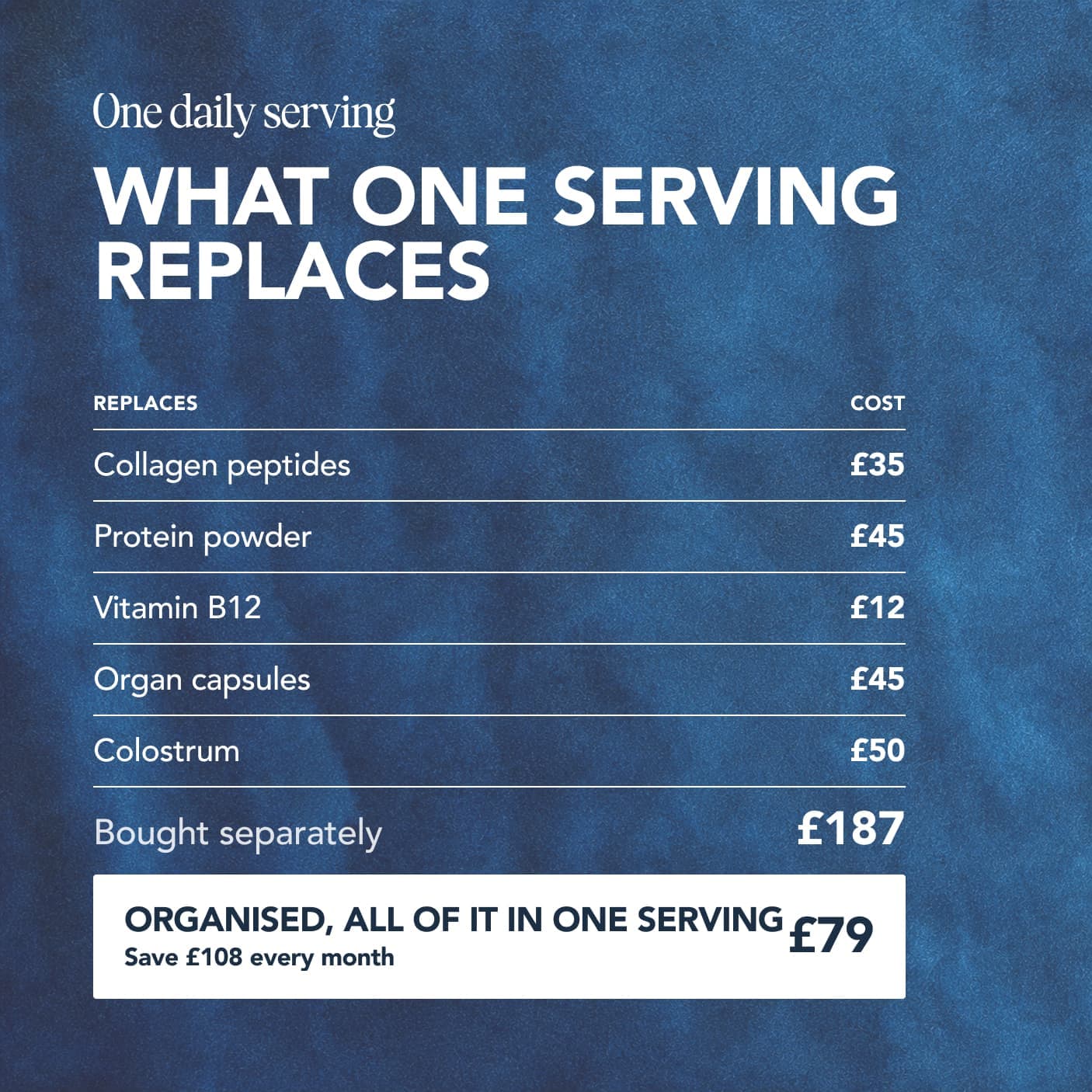
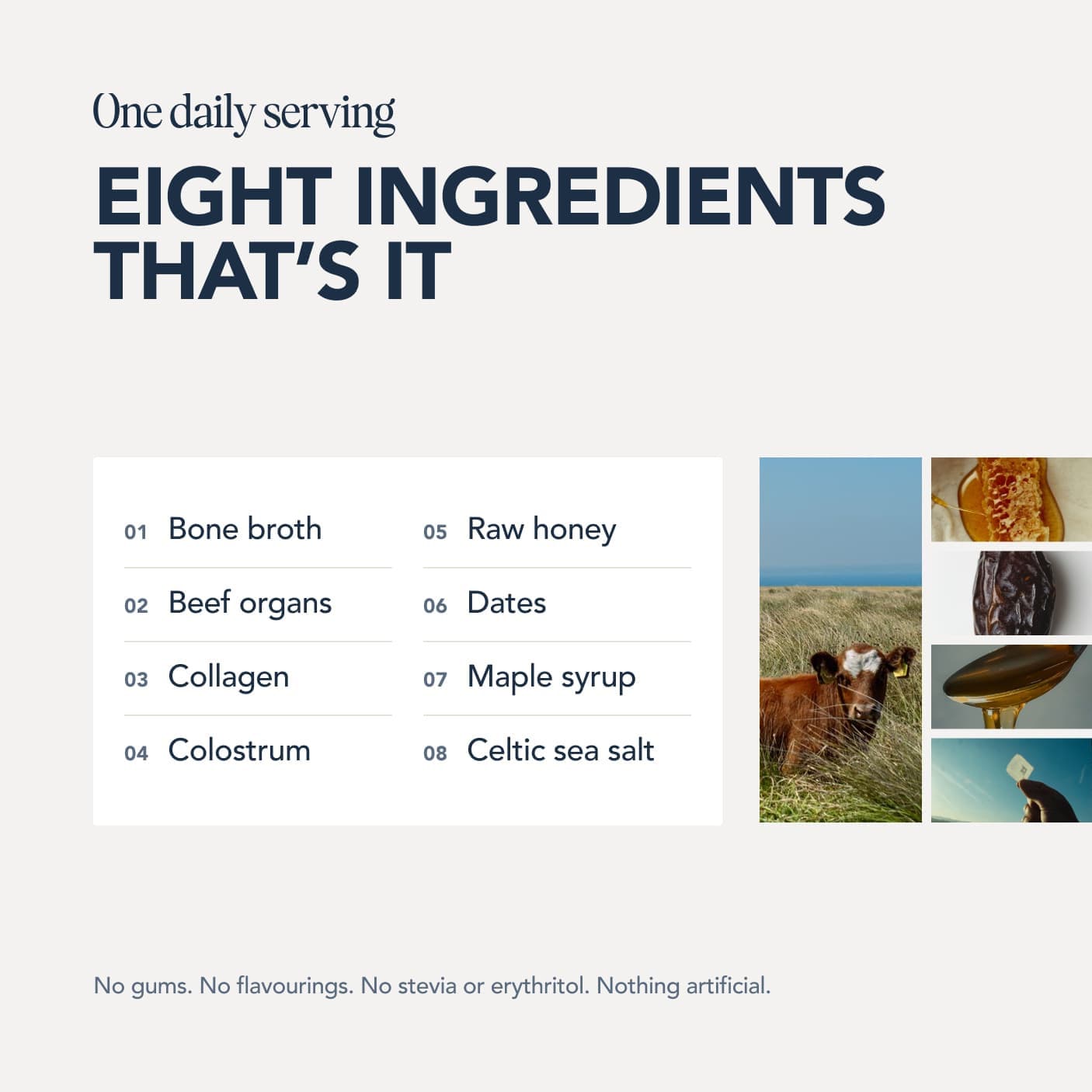
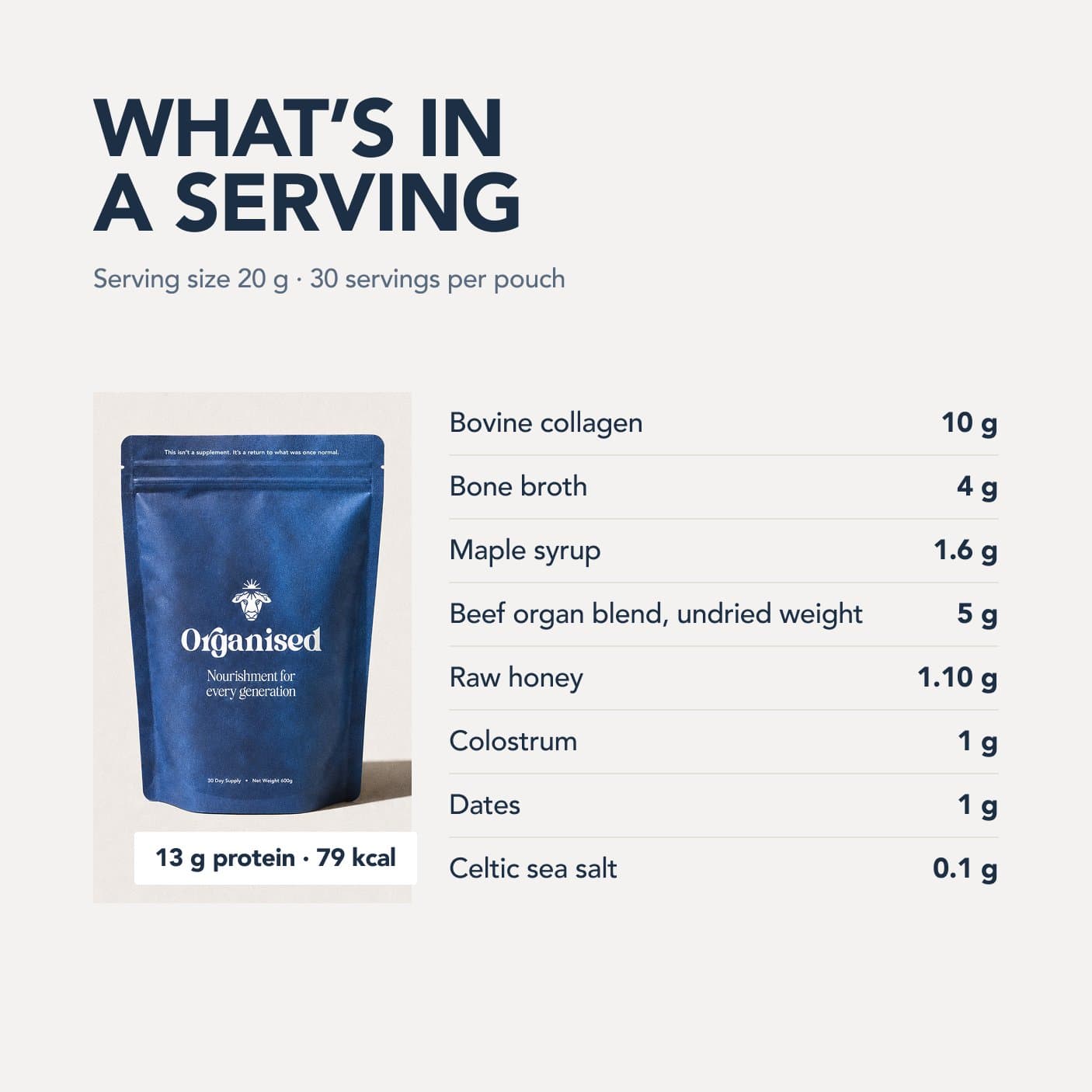
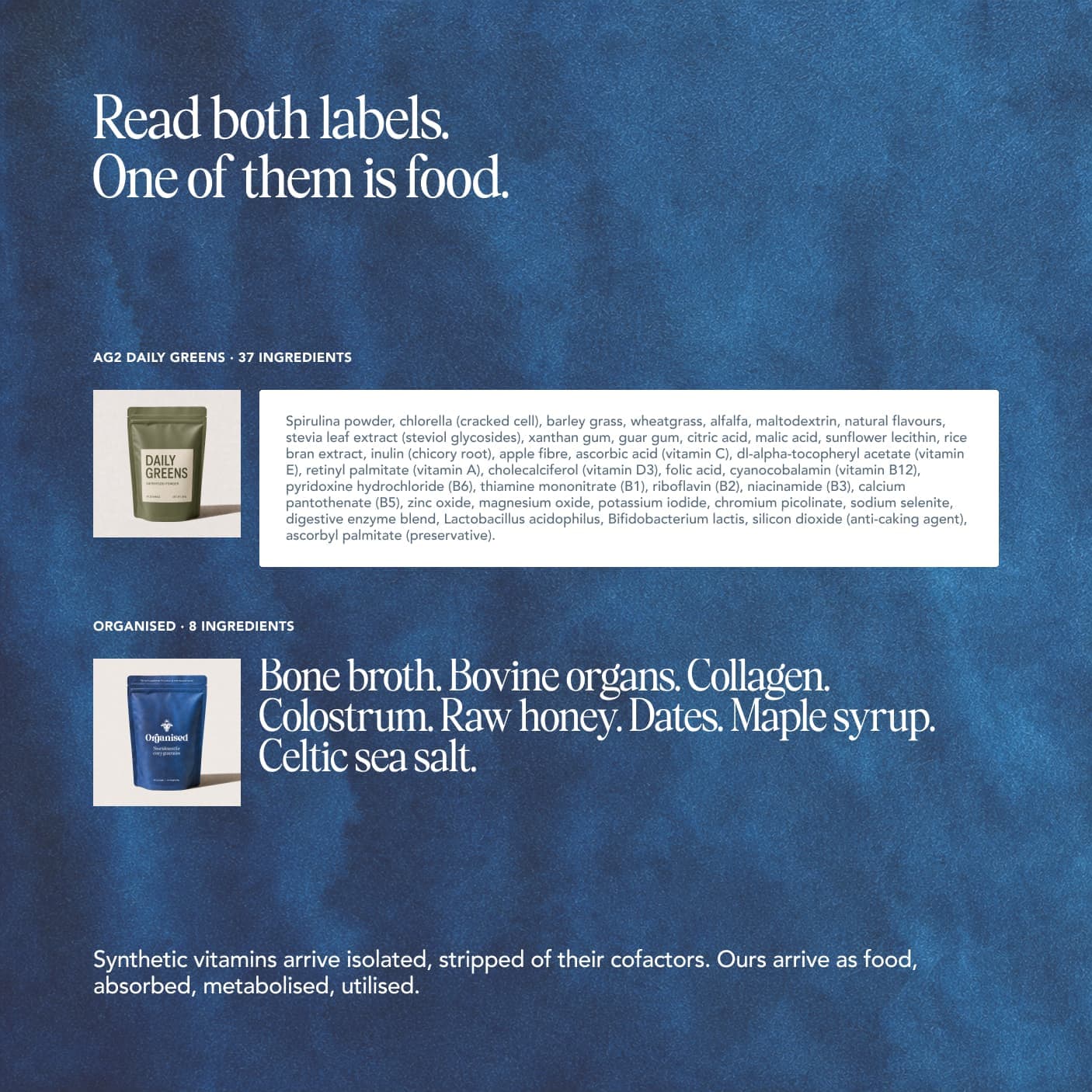
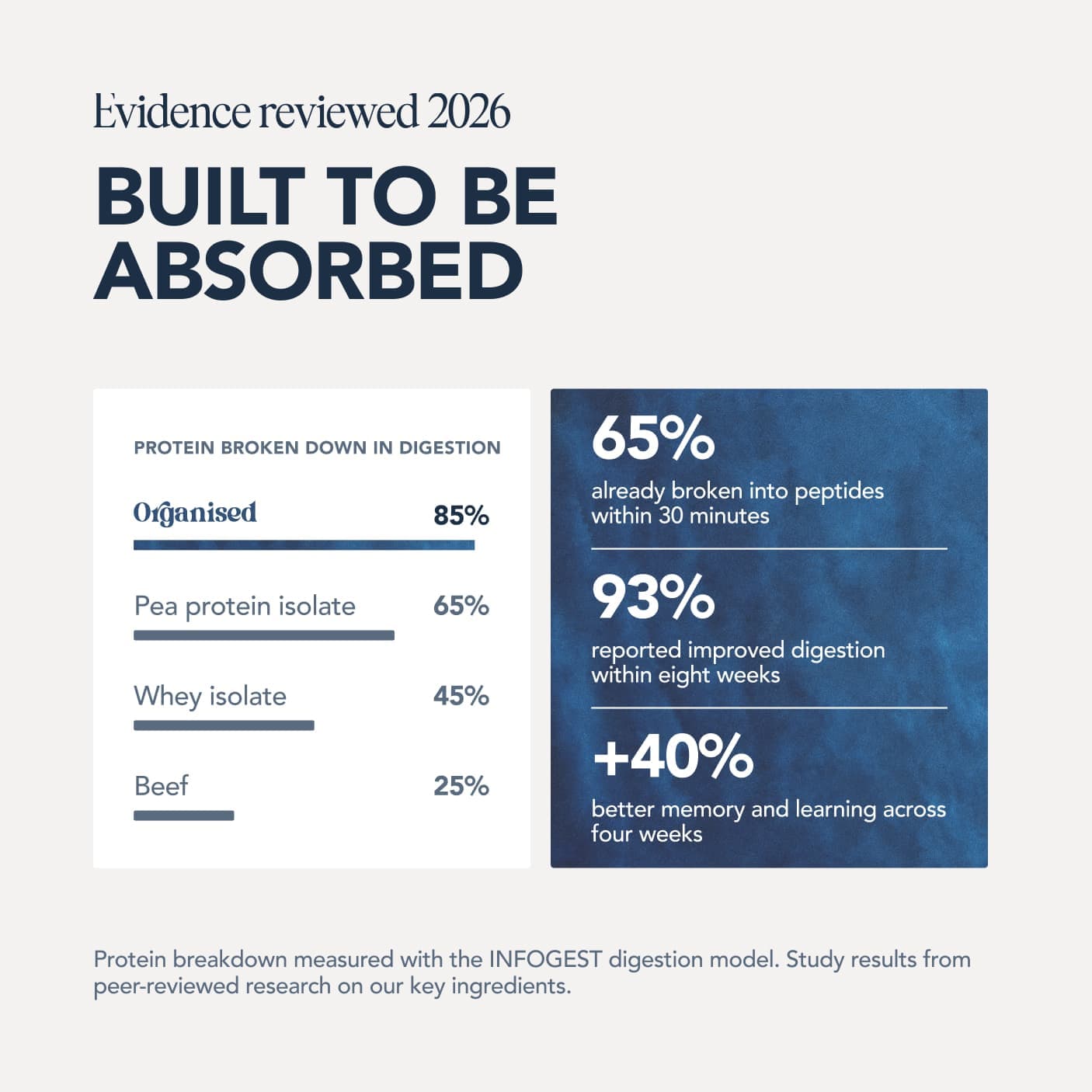
Eight real ingredients built around grass-fed beef organs, collagen and colostrum. Nothing synthetic added.
Free with your first order, worth £38. Plus £10 off the pouch with a subscription.

Free UK shipping · Made in England · 100 day money back guarantee on your first pouch · Skip, pause or cancel anytime
From the land to the supermarket
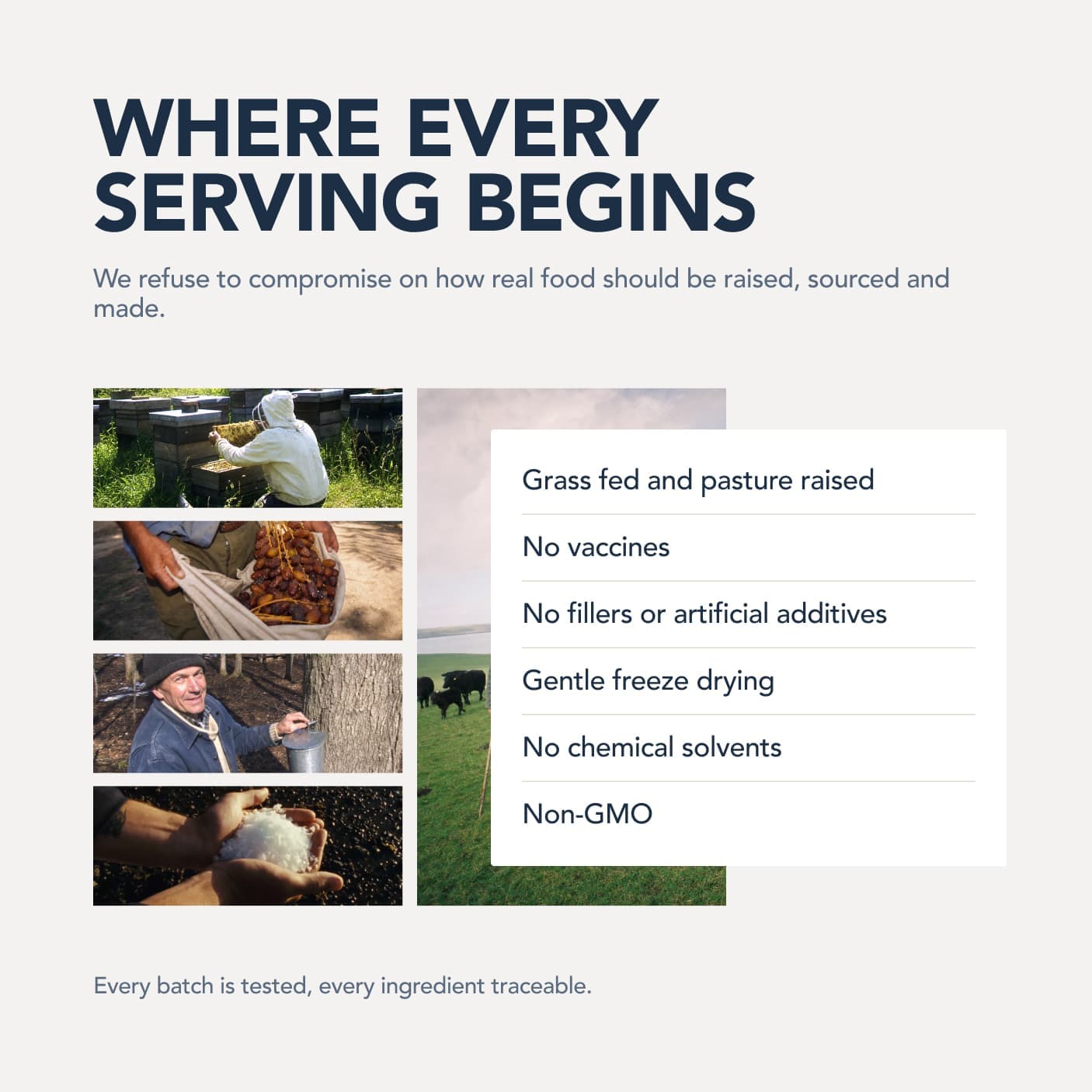
A traditional Irish diet worked because the food came from a known source. Your grandmother knew the farmer. She knew which cows produced the best milk. She knew which parts of the animal were most nutritious. She made decisions based on actual knowledge.
The modern supermarket stripped away all of that. Now you have no idea where anything came from. The milk might be from a thousand cows from a dozen farms. The meat has been processed, packaged, and shipped from a factory you've never seen. The vegetables were picked green and ripened in warehouses.
That disconnection is the problem. When your food comes from a place you don't know, made by people you've never met, from animals you've never seen, you lose the relationship between food and health. You stop understanding that what you eat directly determines how you feel and perform.
Your Irish grandmother understood implicitly what modern nutrition science is only now confirming: the source matters. The method matters. The freshness and the living quality of the food matters. Not because it's trendy. Because it determines whether the food actually nourishes you.
Bringing it back
You can't go back to a farm in 1950s Ireland, and you wouldn't want to. But you can recover the principles that made traditional Irish nutrition work. Buy from farmers when possible. Buy milk that hasn't been ultra-pasteurised. Buy butter from grass-fed cows. Buy meat from animals raised on pasture. Buy organs along with muscle meat. Eat potatoes and root vegetables prepared with fat. Make bone broth from the bones.
These aren't expensive, exotic superfoods. They're the foods your great-grandmother ate. They're accessible. They're real. And they work.
The wisdom wasn't complicated. Eat meat and organs from animals fed on grass. Drink the best milk you can access. Eat root vegetables and potatoes prepared with fat. Keep your food whole. Keep it real. The land and the animals are still there, ready to do what they were designed to do.
It's the diet that built nations. And it's still there, waiting for you to remember it.
References
Every source below was checked on 27 August 2026. Each PubMed, PMC and DOI identifier was resolved against NCBI or Crossref, and what it opens is printed under the citation, so you can see the link goes where the citation says without leaving the page. Where a citation and its identifier disagreed, the citation was corrected to the record or the reference was deleted along with the sentence marker that pointed at it, and where the resolved paper turned out not to support the sentence, the sentence was cut back to what it does support. Borrowed authority is worse than none, because it looks like rigour.
- National Institutes of Health Office of Dietary Supplements. Vitamin K - Health Professional Fact Sheet. NIH ODS Vitamin K.
- Macdonald LE et al. A systematic review and meta-analysis of the effects of pasteurization on milk vitamins, and evidence for raw milk consumption and other health-related outcomes. J Food Prot. PubMed PMID: 22054181.Checked 27 August 2026: PMID 22054181 opens Macdonald LE, Brett J, Kelton D et al, A systematic review and meta-analysis of the effects of pasteurization on milk vitamins, and evidence for raw milk consumption and other health-related outcomes. J Food Prot 2011;74(11):1814-32. PubMed indexes it as: Meta-Analysis, Systematic Review.
- National Institutes of Health Office of Dietary Supplements. Choline - Health Professional Fact Sheet. NIH ODS Choline.
- Birt DF et al. Resistant starch: promise for improving human health. Adv Nutr. PMC3823506.Checked 27 August 2026: PMC3823506 opens Birt DF, Boylston T, Hendrich S et al, Resistant starch: promise for improving human health. Adv Nutr 2013;4(6):587-601. PubMed indexes it as: Review.The authors' own declaration, from the record: Author disclosures: D. F. Birt, T. Boylston, S. Hendrich, J.-L. Jane, J. Hollis, L. Li, J. McClelland, S. Moore, G. J. Phillips, M. Rowling, K. Schalinske, M. P. Scott, and E. M. Whitley, no conflicts of interest.
Who wrote and reviewed this guide
Niall Kiddle
Author · Founder, Organised
Niall is the founder of Organised. He started the company in 2024 after fixing his own health the slow way: in 2022 he swapped a cupboard of synthetic supplements for real food, raw milk, organ meats, bone broth and honey, and felt the difference within months.
Areas of expertise: Ancestral nutrition, Organ meats, Whole-food supplementation, Gut health, Regenerative sourcing
Read Niall's full profile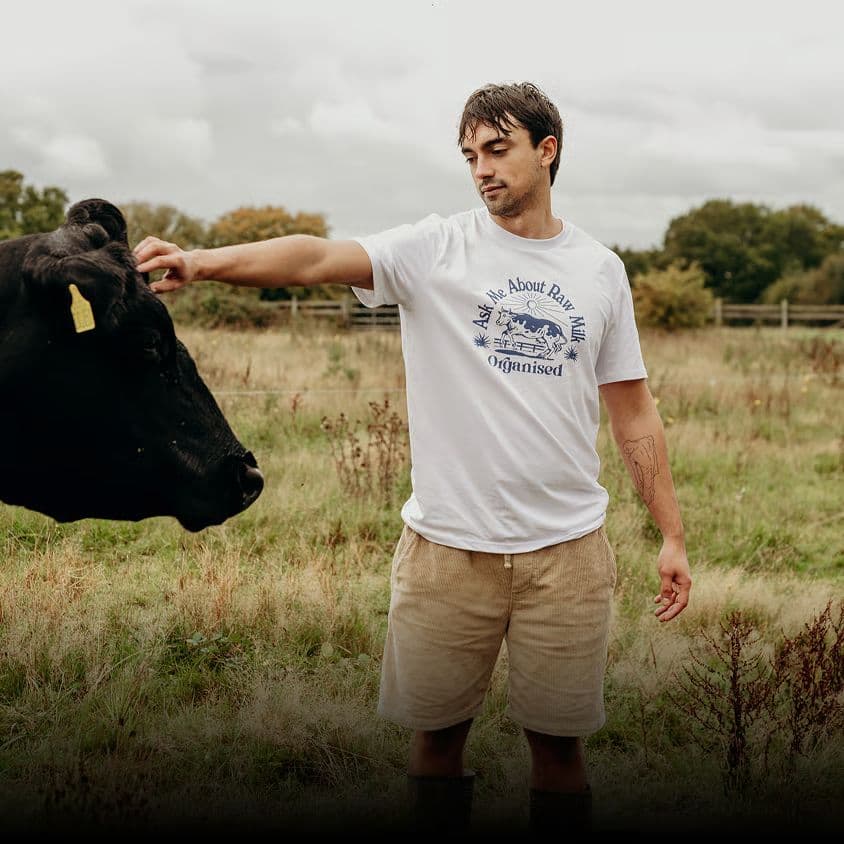
Pedro Rodrigues
Reviewer · Agronomist (farming and sourcing only)
Pedro is the agronomist Organised works with on farming and sourcing. His job on the guides is to keep the science honest: he reviews what we publish about soil health, regenerative agriculture, grazing and the way food is actually produced.
Areas of expertise: Regenerative agriculture, Agronomy, Soil health, Grass-fed farming, Food sourcing
Reviewed this guide on
Read Pedro's full profileMore on ancestral wisdom
View allBrowse the guides library
All guidesKeep reading
Ancestral
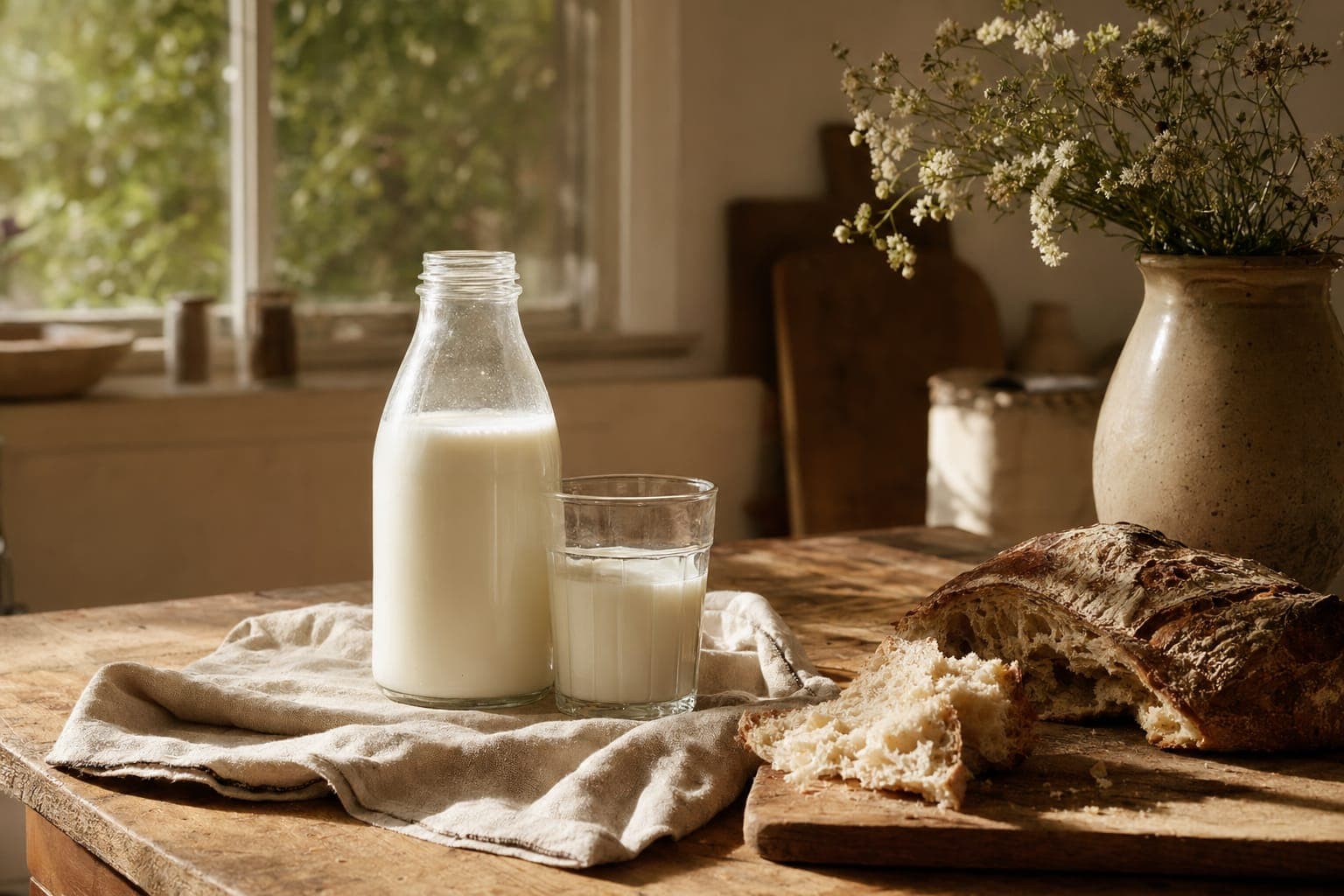
Raw Milk: What It Is, Why It Matters, and Where to Find It
Raw milk nutrition, why enzymes matter, UK legal status, and where to source unpasteurised milk from registered farms safely.
Ancestral
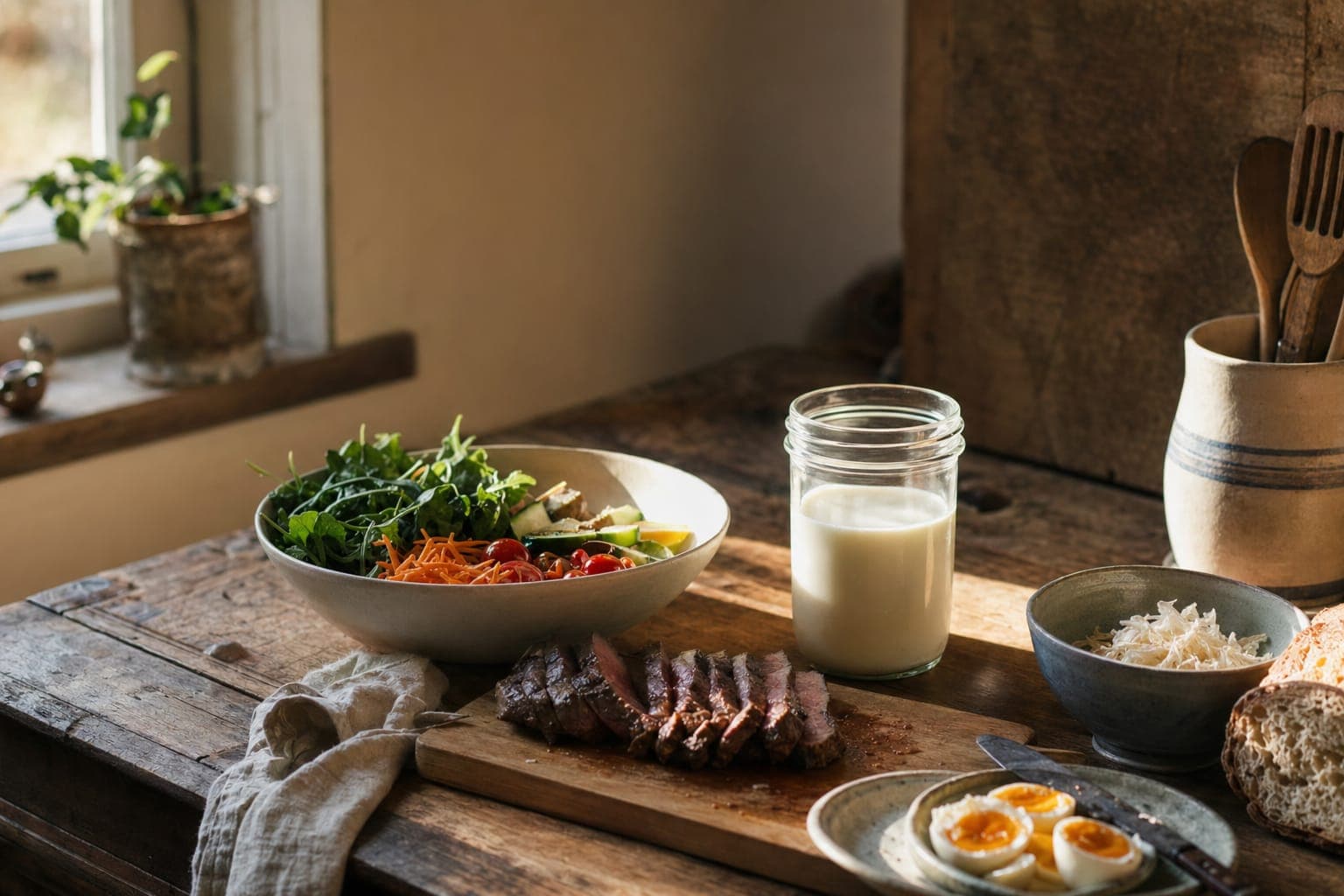
The Problem with Meal Replacement Shakes
Meal replacement shakes like Huel and Soylent are ultra-processed and miss the food matrix your gut needs. Here is why whole meals still matter for health.
Ancestral
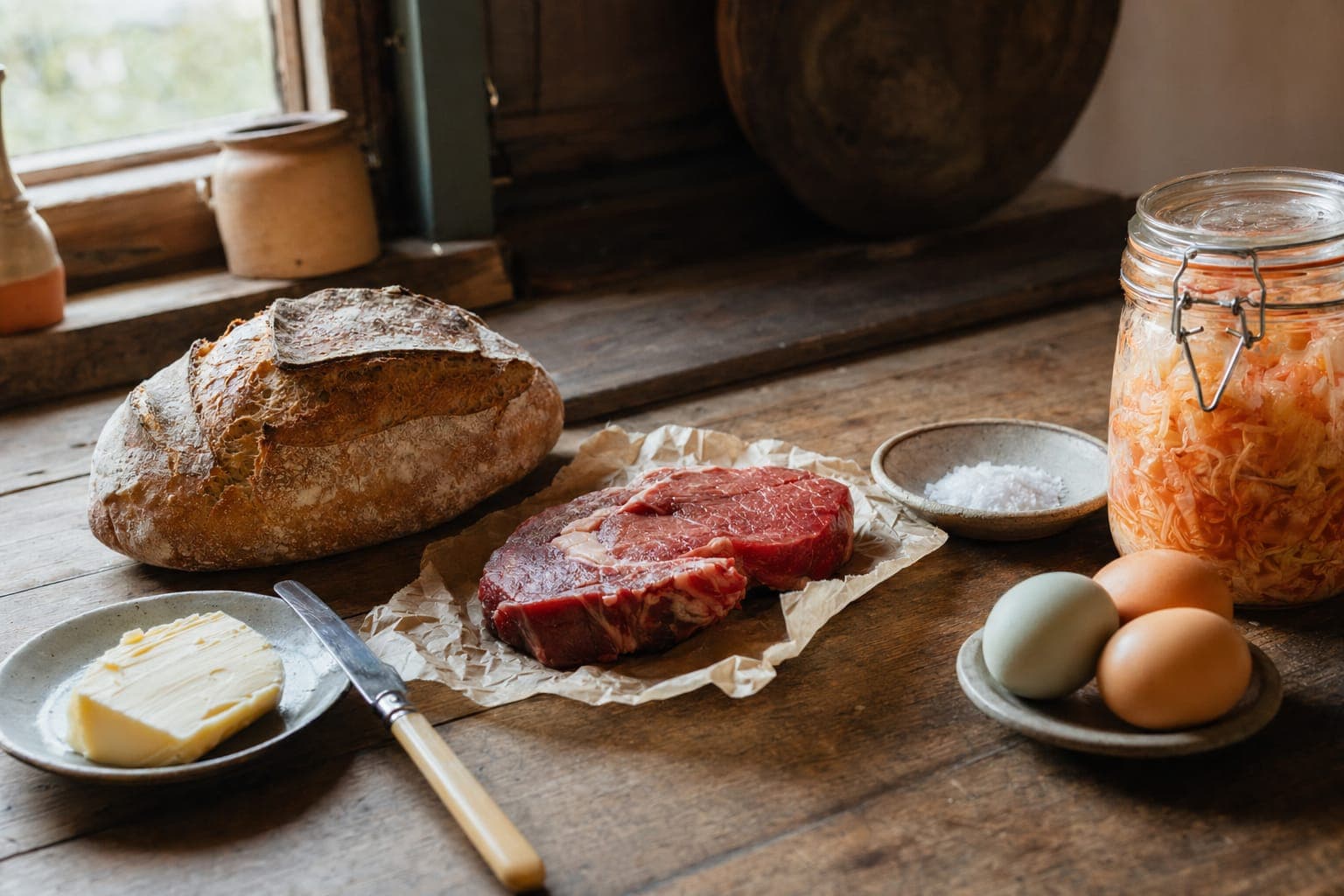
The 8 Ingredients Philosophy: Less Is More
Great meals don't need ten ingredients. Sourdough, butter, salt, meat, eggs, fermented food, and the discipline to keep it simple is where nutrition begins.
Real food, made effortless
Bring it into my routineA few ways to use it
All recipes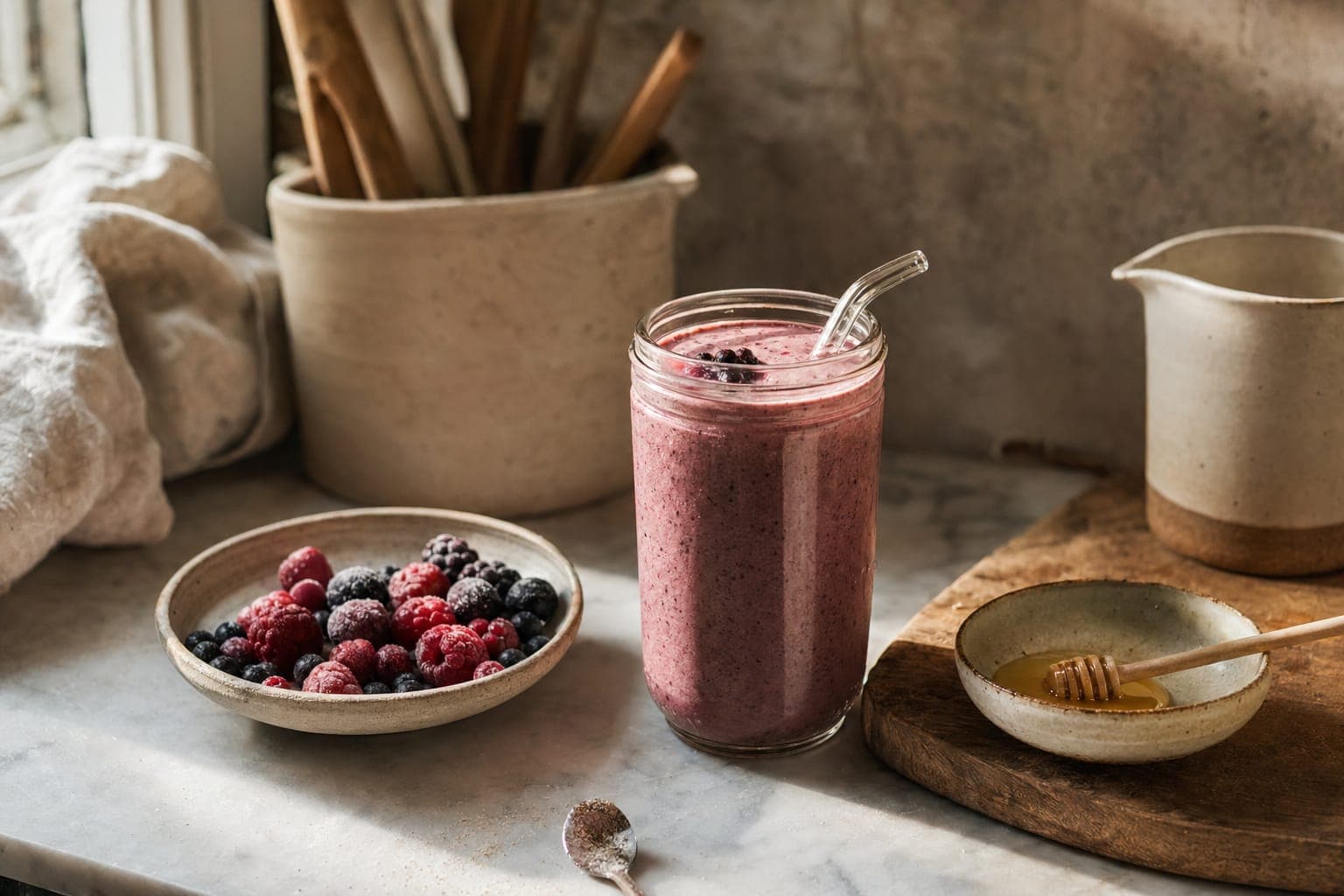
The Organised Recovery Smoothie for After Exercise
A recovery smoothie made with beef protein, raw milk, frozen berries, collagen, and honey. Optimal nutrition in the 30-minute window after exercise.
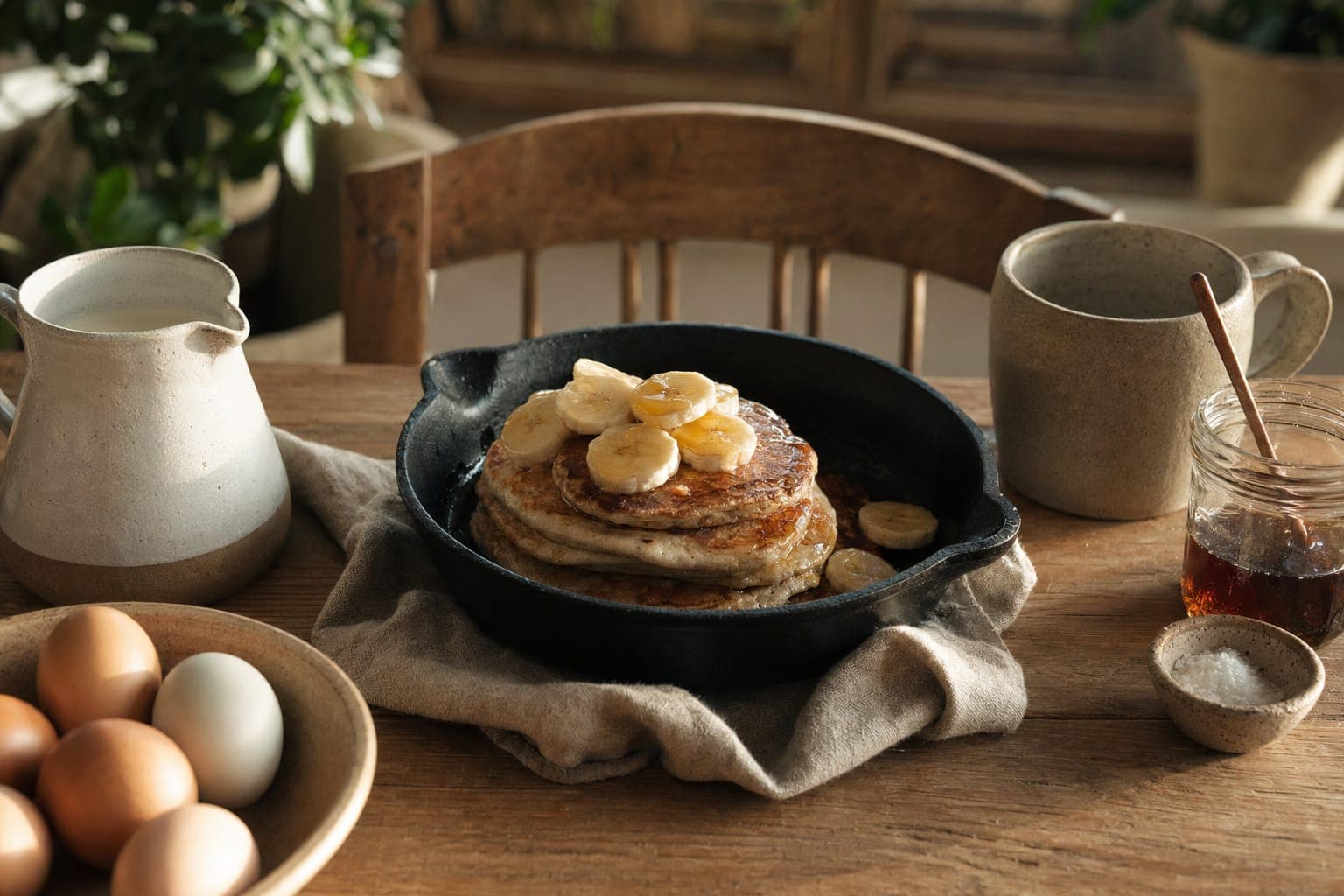
Organised Protein Pancakes: A Weekend Favourite
A high-protein pancake recipe using beef protein, eggs, and raw milk. Cooked in cast iron, naturally sweetened with banana and honey. Real food breakfast.
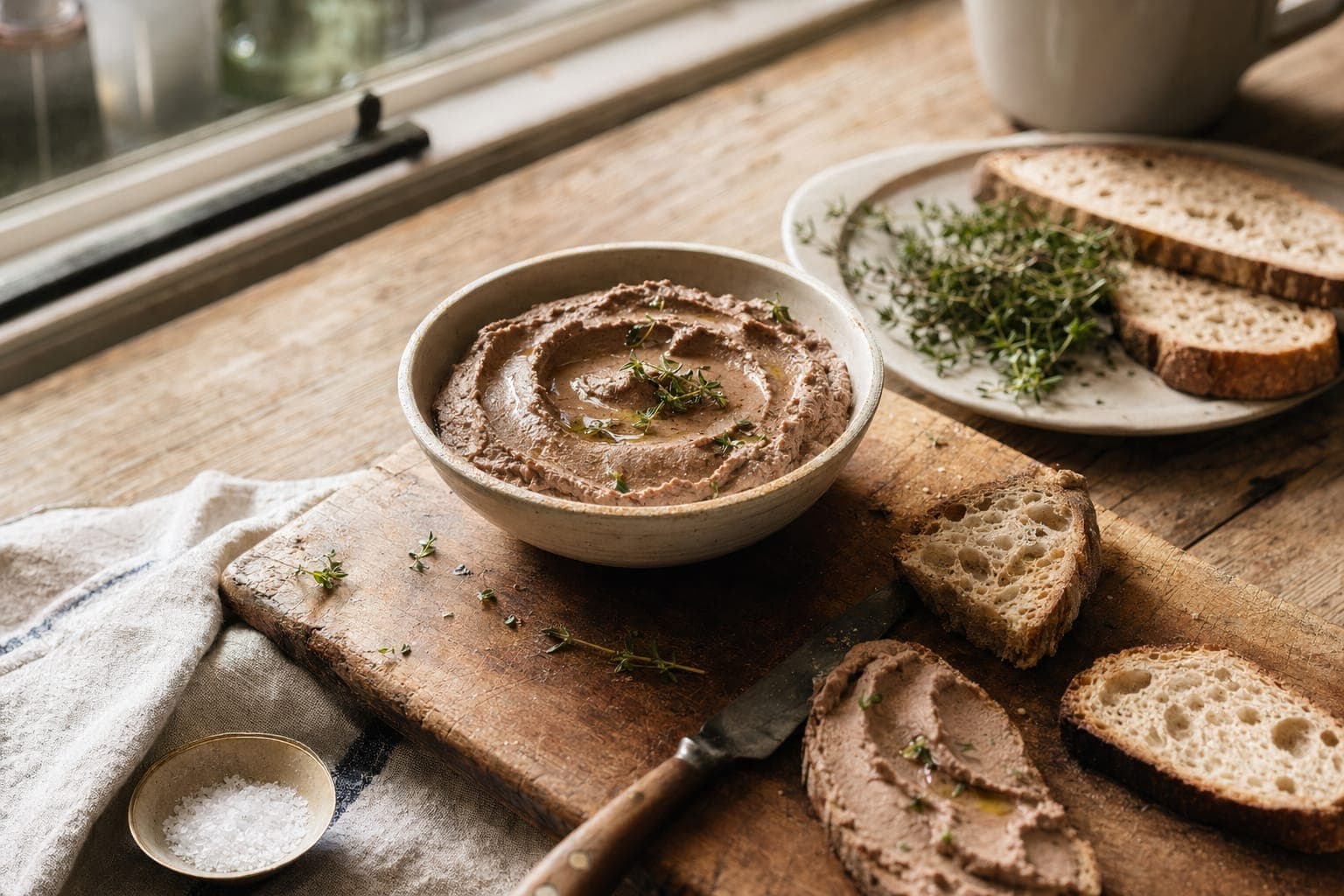
Liver Pate for Beginners: A Gentle Introduction to Organ Meats
Simple liver pate recipe to start eating organ meats. Chicken liver, butter, and herbs. Gentle introduction to nutrient-dense whole foods.


 Join over 100,000+ members
Build a better food system with us
The Organised community is thousands of people choosing real food and backing the farmers who grow it, all of us trying to leave the world a little better than we found it. If that is what you care about too, you belong here.