Why Every Traditional Culture Prised Organ Meats
Every traditional culture on Earth did the same thing with organ meats. They reserved them. For hunters, for pregnant women, for children, for the ones who needed to be strongest.
By Niall Kiddle, Founder, Organised

Reviewed by Pedro Rodrigues, Agronomist (farming and sourcing only) ·
7 min read · Published · Updated · 2 cited sources
Makers of the Organised Daily blend, a grass-fed beef organ supplement from regenerative UK farms
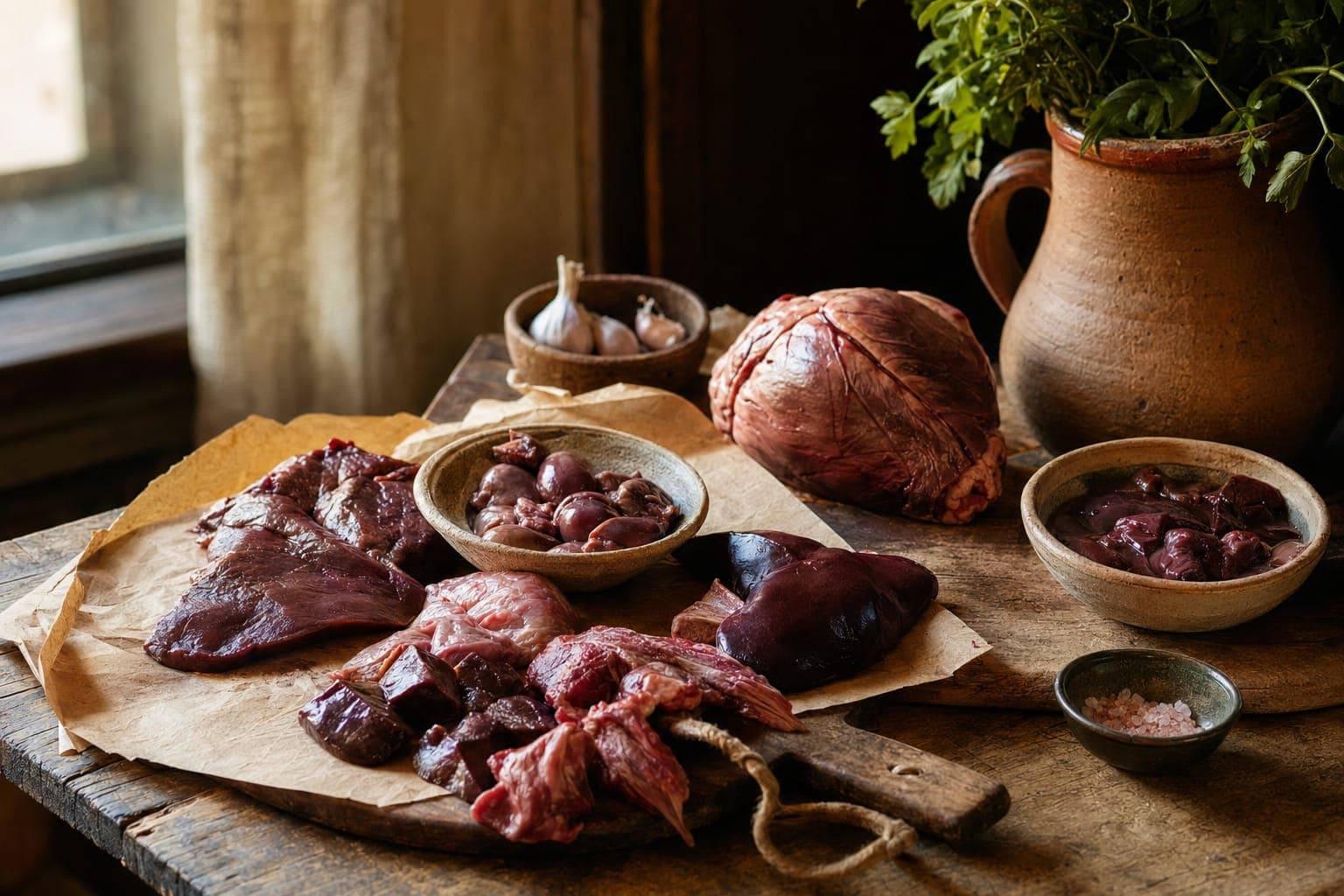
When a hunter returned with game in a traditional Inuit community, the distribution followed strict rules. The muscle meat went to feed the extended family. The organs went to the hunter himself, to the nursing mothers, to the children. This wasn't random generosity. It was nutritional wisdom encoded into culture.
Walk into a modern supermarket and you'll see something entirely different. Pristine muscle cuts are displayed at premium prices. Offal is relegated to the back, often discounted, often considered waste. We've done something extraordinary. We've inverted the nutritional hierarchy that every ancestral culture understood.
The pattern every ancestral culture shared
From the Arctic to the savannas of Africa to the forests of North America, the pattern repeats with remarkable consistency. In cultures separated by thousands of miles and thousands of years, organ meats were treated as nutritional currency. They were reserved. Protected. Given to those who needed them most.
The Inuit didn't do this because they liked the taste of liver. The Maasai didn't prioritise organs out of sentiment. The pattern exists because organ meats are nutritionally exceptional in ways that muscle meat simply isn't. When food scarcity is real, when the difference between thriving and declining is measured in micronutrients, culture evolves around the most nutrient-dense foods available.
No traditional culture treated organs as inferior or as something only the poor ate. Universally, organs were the most valued part of the animal. This wasn't accident. This was accumulated nutritional wisdom.
Inuit and Yupik traditions
The Inuit hunt seals and whales. In the harsh Arctic environment, every calorie and every nutrient matters. The strategy was refined through millennia of survival.
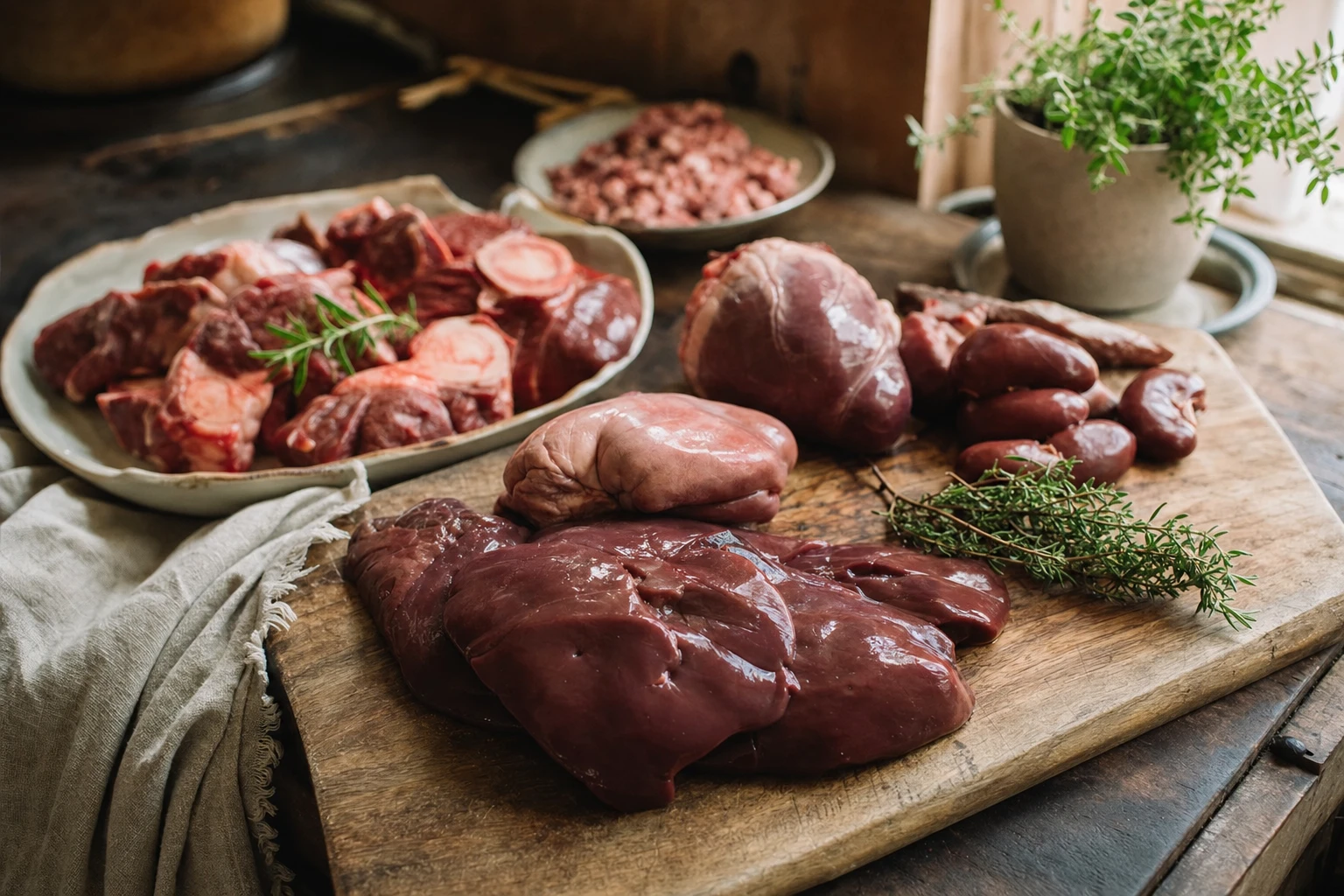
When a seal was caught, the hunters and the most active community members received the liver and organs. The seal's liver is extraordinary. A single seal liver contains more vitamin A than a year's worth of modern multivitamins. It contains CoQ10, taurine, B vitamins including B12 at concentrations a thousand times higher than muscle meat, and a profile of minerals that muscle meat cannot match.
The organs were often eaten raw or frozen, a practice that seemed strange to early Western explorers until they realised something: raw organ meats from wild animals are sterile and stable if properly stored. The Inuit weren't making a cultural choice. They were optimising for nutrient preservation and bioavailability.
The fat from the seal, particularly from certain organs, was reserved separately. It contained vitamin D, vitamin A, and other fat-soluble nutrients essential in an environment where sunlight barely penetrates in winter. This wasn't superstition. This was precision nutrition, refined across generations.
Maasai and African pastoralist wisdom
In East Africa, the Maasai and other pastoralist groups survived on cattle, milk, blood, and meat. The hierarchical distribution was explicit and enforced.
Pregnant women and nursing mothers received organs, particularly the liver. Hunters and warriors received organs as their primary protein source. Elders received organs when their health began to decline. Children received what remained after these groups. The message was cultural and nutritional: if you needed to be at your best, you ate organs.
The liver in particular was understood to contain something essential for fertility and for the development of children. Maasai midwives and healers knew, without understanding the science, that giving organs to pregnant women resulted in healthier births and fewer complications. This knowledge was transmitted through women in the community, passed down because the outcomes were visibly superior.
When the Maasai began to shift toward modern foods and stopped eating organs with the same frequency, the health outcomes shifted. Dental health declined. Birth complications increased. These changes were observable within a single generation, yet the connection to nutritional abandonment went largely unexamined by Western medicine.
Native American reverence
Across North America, hunting cultures demonstrated remarkable sophistication in their use of game animals. Nothing was wasted, but everything wasn't treated equally. Organs were singled out as nutritionally critical.
Organs were often prepared in ways that enhanced their nutritional availability. They were cooked with bone broth, creating a nutrient synergy. They were dried and preserved, concentrated into travel food. They were shared with specific protocols, ensuring that those who needed them most received them first.
The reverence for organs extended beyond practical nutrition. Many hunting cultures held ceremonies around the taking of game and the distribution of organs. This wasn't separate from nutrition. The ceremony encoded the principle: these foods are sacred because they carry nutrients essential for human flourishing.
When a culture treats something as sacred, there's usually a reason that goes deeper than metaphor. The sacredness of organs in ancestral cultures was rooted in their capacity to prevent and reverse deficiency.
Get ancestral nutrition guides, free
Two short reads a week on traditional ways of eating, examined with modern evidence.
By signing up you agree to receive emails from us. No spam, unsubscribe anytime.
What organs contain that muscle doesn't
Beef liver contains many times more vitamin A per gram than muscle meat does, with USDA data showing several thousand mcg RAE per 100g of liver compared to negligible vitamin A in muscle cuts.1 That's not a small difference. That's not even in the same category.
Liver is one of the most micronutrient-dense foods on the planet. It contains vitamin A, all the B vitamins including B12 in exceptional amounts, folate, choline, iron, copper, zinc, and selenium.1 It's a concentrated nutrient depot, the storage organ where the animal hoards its micronutrient reserves.
Kidneys are rich in CoQ10, selenium, and B vitamins. Heart muscle is rich in taurine, carnitine, and CoQ10 compared with skeletal muscle.2 Bone marrow contains fat-soluble vitamins and minerals in forms that are exceptionally bioavailable. Brain tissue contains choline and DHA, nutrients critical for neurological development.
Muscle meat is protein. Organs are pharmacy. From a nutritional density perspective, there's no comparison. If your goal is to support health, organs are superior. If your goal is simply to add calories and protein, muscle is cheaper and takes up less shelf space in a supermarket.
Modern humans exist in a state of nutritional abundance compared to our ancestors, and yet micronutrient deficiency is rampant. We eat calorie excess whilst being nutrient poor. Traditional cultures ate for nutrient density. This is why they protected organs for those whose needs were greatest.

1 of 9
Daily blend
100,000+ thriving families4.9 on Trustpilot
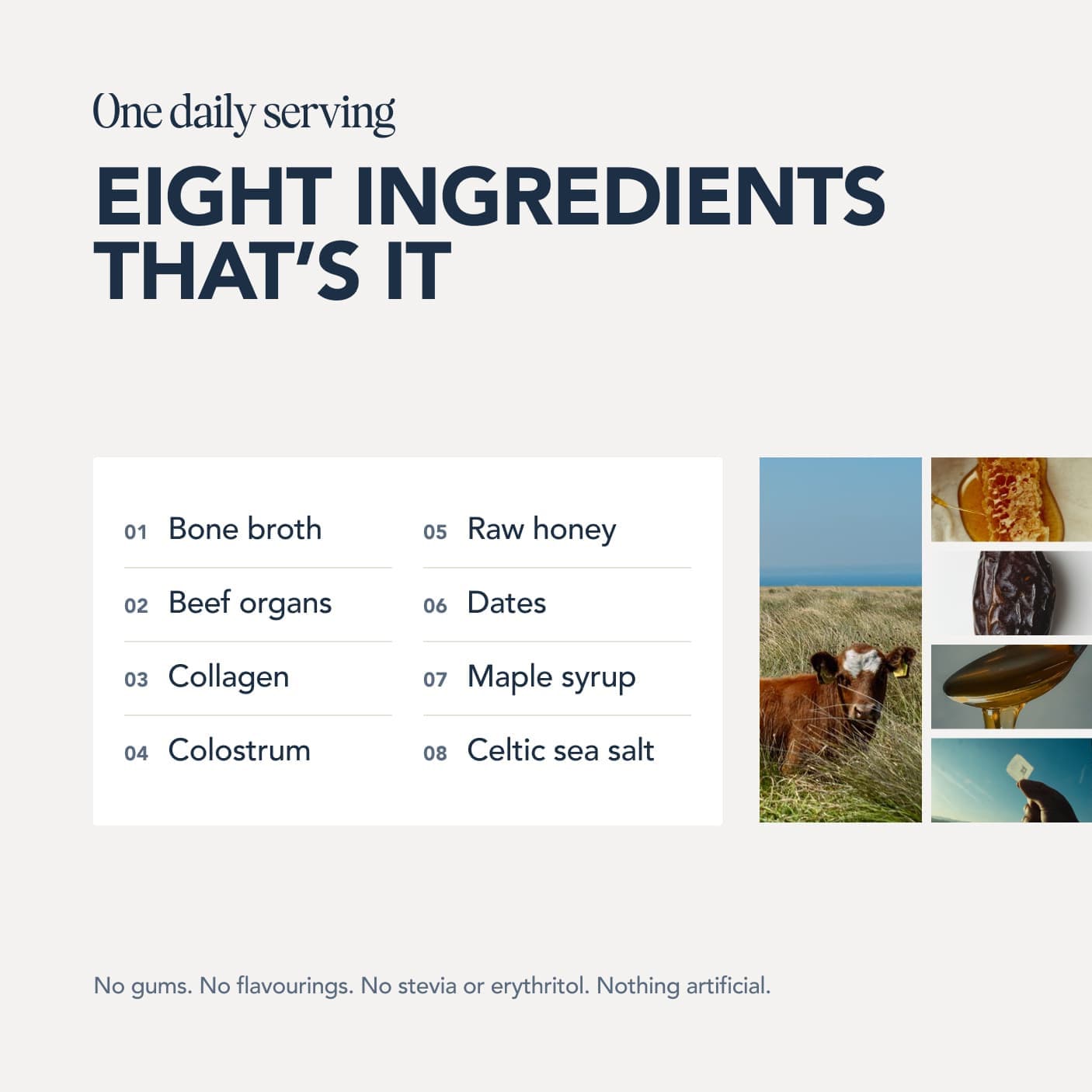
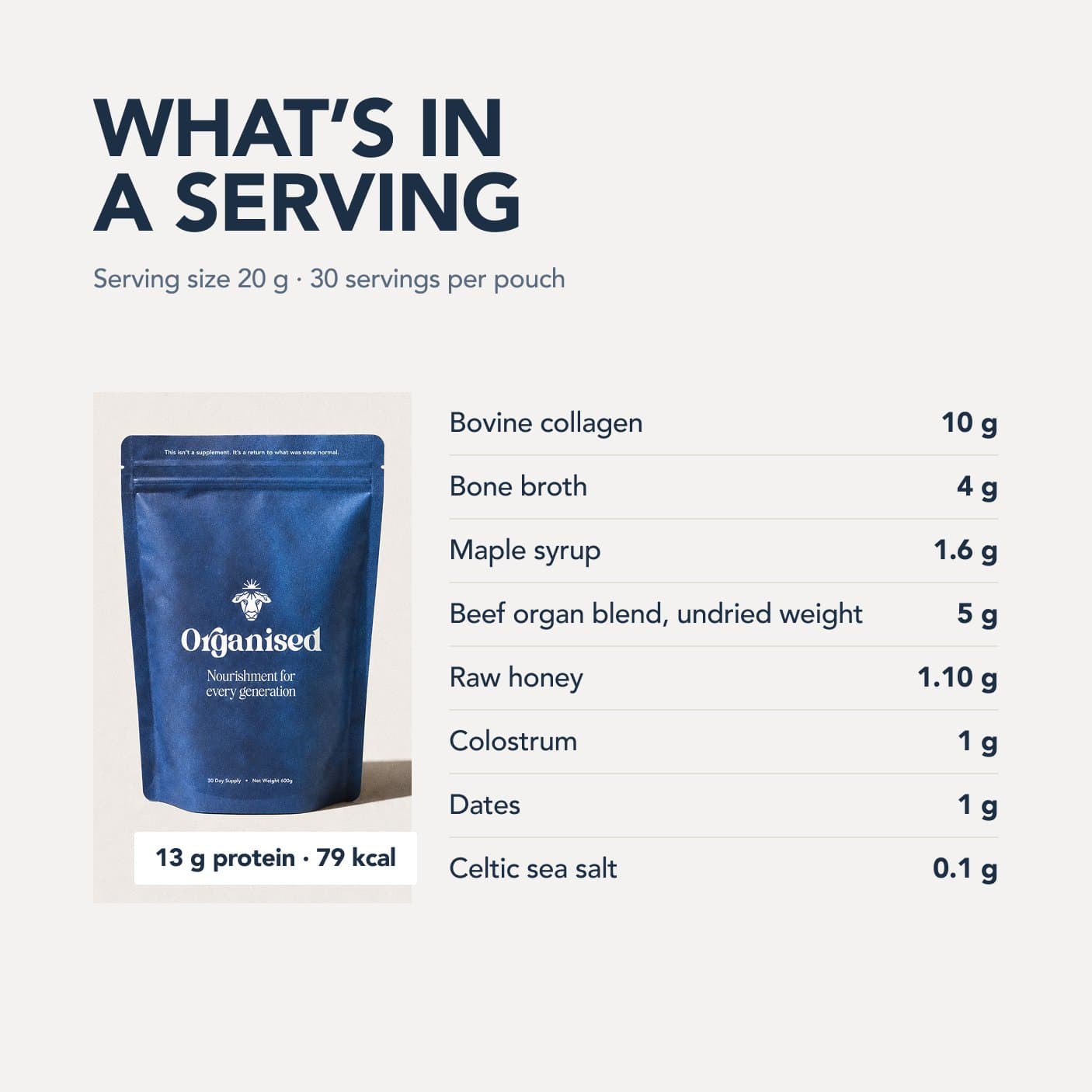
Eight real ingredients built around grass-fed beef organs, collagen and colostrum. Nothing synthetic added.
Free with your first order, worth £38. Plus £10 off the pouch with a subscription.
Free UK shipping · Made in England · 100 day money back guarantee on your first pouch · Skip, pause or cancel anytime
The nutrient density comparison
Let's compare three meals, each providing 300 calories and 25 grammes of protein:
- Two chicken breasts (muscle meat): vitamins and minerals present, but at levels requiring larger portions or supplementation to reach optimal intake
- 150 grammes of liver: vitamin A, B12, folate, iron, copper, selenium at levels that cover or exceed daily requirements
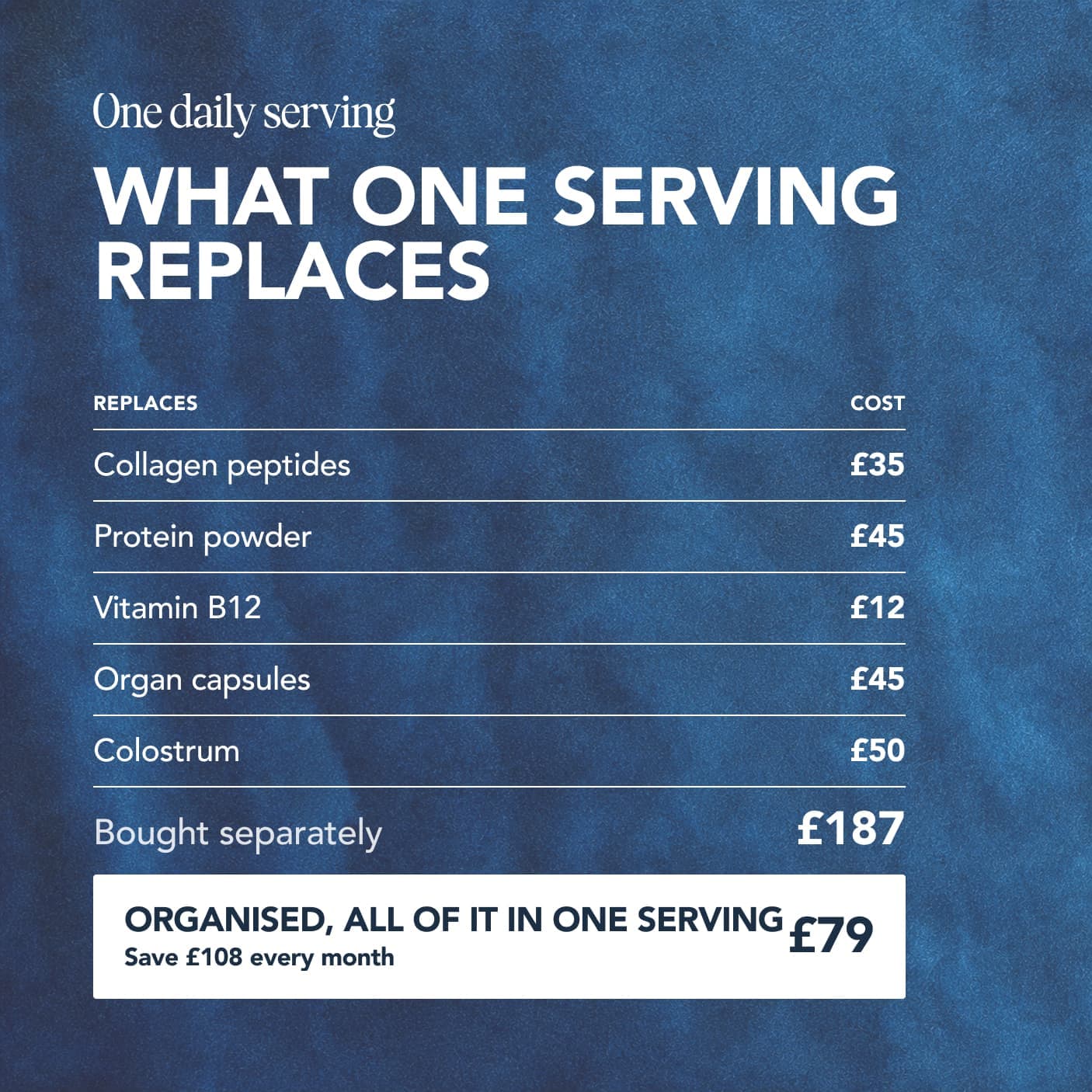
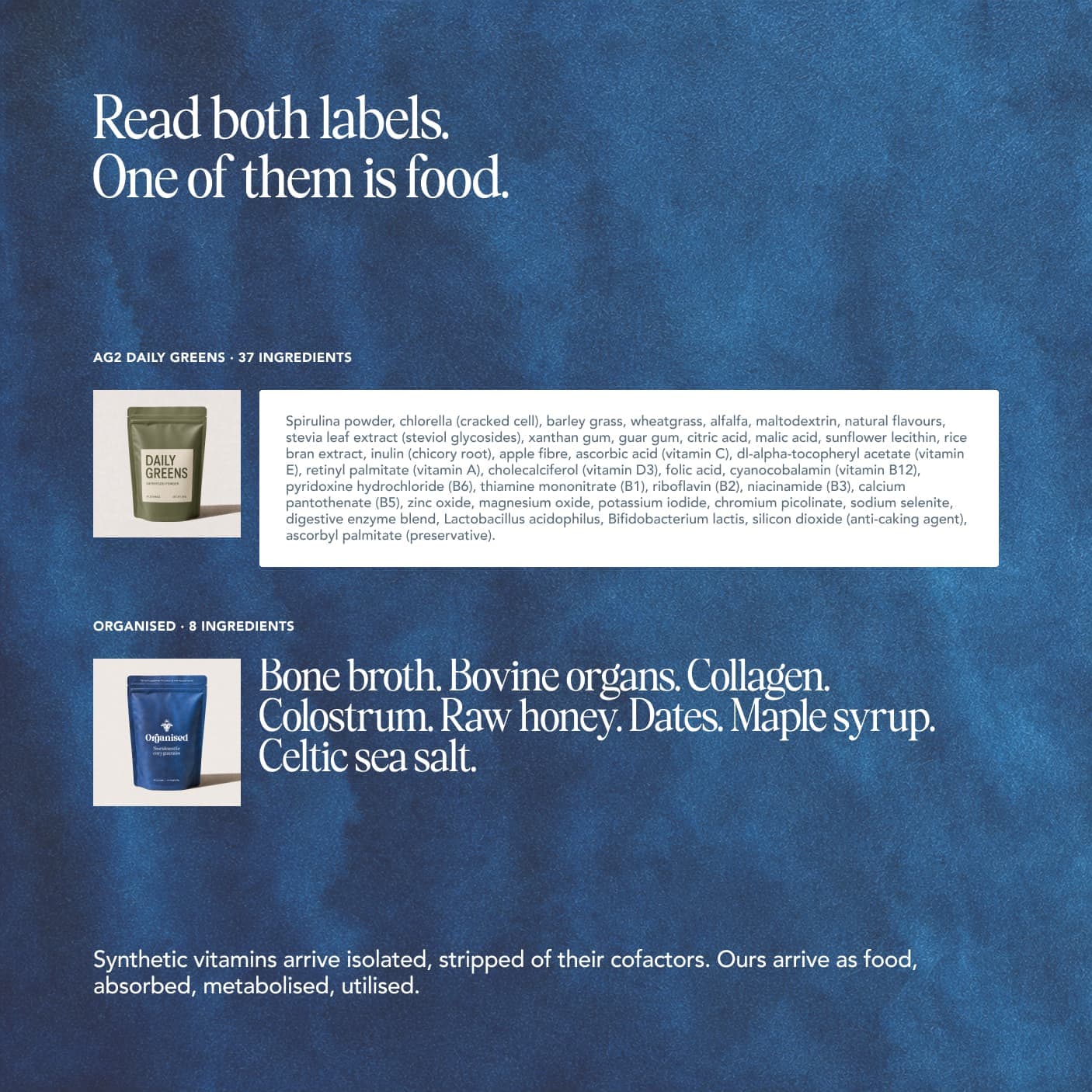
- A tin of multivitamins: isolated nutrients, poor bioavailability, missing cofactors
The liver meal delivers more micronutrients in a smaller portion. Your body absorbs them more completely because they arrive in a food matrix with cofactors. Your cost per calorie is comparable. Your nutrient return is exponentially higher.
When food is scarce or energy for food preparation is precious, maximising nutrient density per calorie becomes essential. This is why traditional cultures developed such sophistication around organs. It wasn't ideological. It was pragmatic.
Why modern culture abandoned them
The shift away from organ meats happened rapidly, in less than a century. It wasn't driven by nutritional science, which still hasn't caught up to what ancestral cultures knew. It was driven by industrialisation and aesthetics.
Modern meat production created standardised supply chains. Muscle meat is easier to transport, easier to store, easier to market. Organs are perishable, require more careful handling, and look less appealing on a supermarket shelf. The industrial food system optimised for economic efficiency, not for nutritional value.
There was also a cultural element. As Western culture became more affluent, the association of organ meats with poverty, with peasants and hunters, made them unfashionable. Organs became something your grandmother ate because she had no choice, not something a modern person would eat by preference.
This cultural rejection happened despite the fact that high-end restaurants never actually abandoned organs. They're still on fine dining menus, served as pâtés and terrines, marketed as delicacy. The disconnect between what the wealthy eat and what the general population is told to eat is remarkable. Organs became cuisine when they were expensive and rare, but a sign of poverty when they were affordable and available.
Every ancestral culture treated organs as the most nutritionally valuable part of the animal. Modern culture treats them as waste. This shift cost us nothing but the understanding of our own nutrition.
Rebuilding the culture of organs
The good news is that organs are returning. Not because of marketing, but because the people paying attention to nutritional science are realising what ancestral cultures already knew. Organs are extraordinarily nutrient-dense. They're among the most bioavailable food sources available. They're not expensive if you source them properly.
You don't need to eat organs daily. You don't need to eat them raw. A small portion of liver, once or twice weekly, delivered via any preparation method, moves the needle on your micronutrient status more than weeks of muscle meat could.
The traditional cultures that prised organs understood something modern nutrition has forgotten and is only now beginning to relearn. When you're trying to build health, when you're trying to recover from deficiency, when you're trying to support the most critical phases of development, nutrition matters. And the foods that deliver the most nutrition, per calorie, per portion, are the ones every ancestral culture protected.
References
Every source below was checked on 27 August 2026. Each link was requested and read. Where a citation and its identifier disagreed, the citation was corrected to the record or the reference was deleted along with the sentence marker that pointed at it, and where the resolved paper turned out not to support the sentence, the sentence was cut back to what it does support. Borrowed authority is worse than none, because it looks like rigour.
- USDA FoodData Central. Beef, variety meats and by-products, liver, cooked. FoodData Central
- National Institutes of Health, Office of Dietary Supplements. Carnitine - Health Professional Fact Sheet. ods.od.nih.gov
Who wrote and reviewed this guide
Niall Kiddle
Author · Founder, Organised
Niall is the founder of Organised. He started the company in 2024 after fixing his own health the slow way: in 2022 he swapped a cupboard of synthetic supplements for real food, raw milk, organ meats, bone broth and honey, and felt the difference within months.
Areas of expertise: Ancestral nutrition, Organ meats, Whole-food supplementation, Gut health, Regenerative sourcing
Read Niall's full profile
Pedro Rodrigues
Reviewer · Agronomist (farming and sourcing only)
Pedro is the agronomist Organised works with on farming and sourcing. His job on the guides is to keep the science honest: he reviews what we publish about soil health, regenerative agriculture, grazing and the way food is actually produced.
Areas of expertise: Regenerative agriculture, Agronomy, Soil health, Grass-fed farming, Food sourcing
Reviewed this guide on
Read Pedro's full profileMore on whole foods
View allBrowse the guides library
All guidesKeep reading
Ancestral
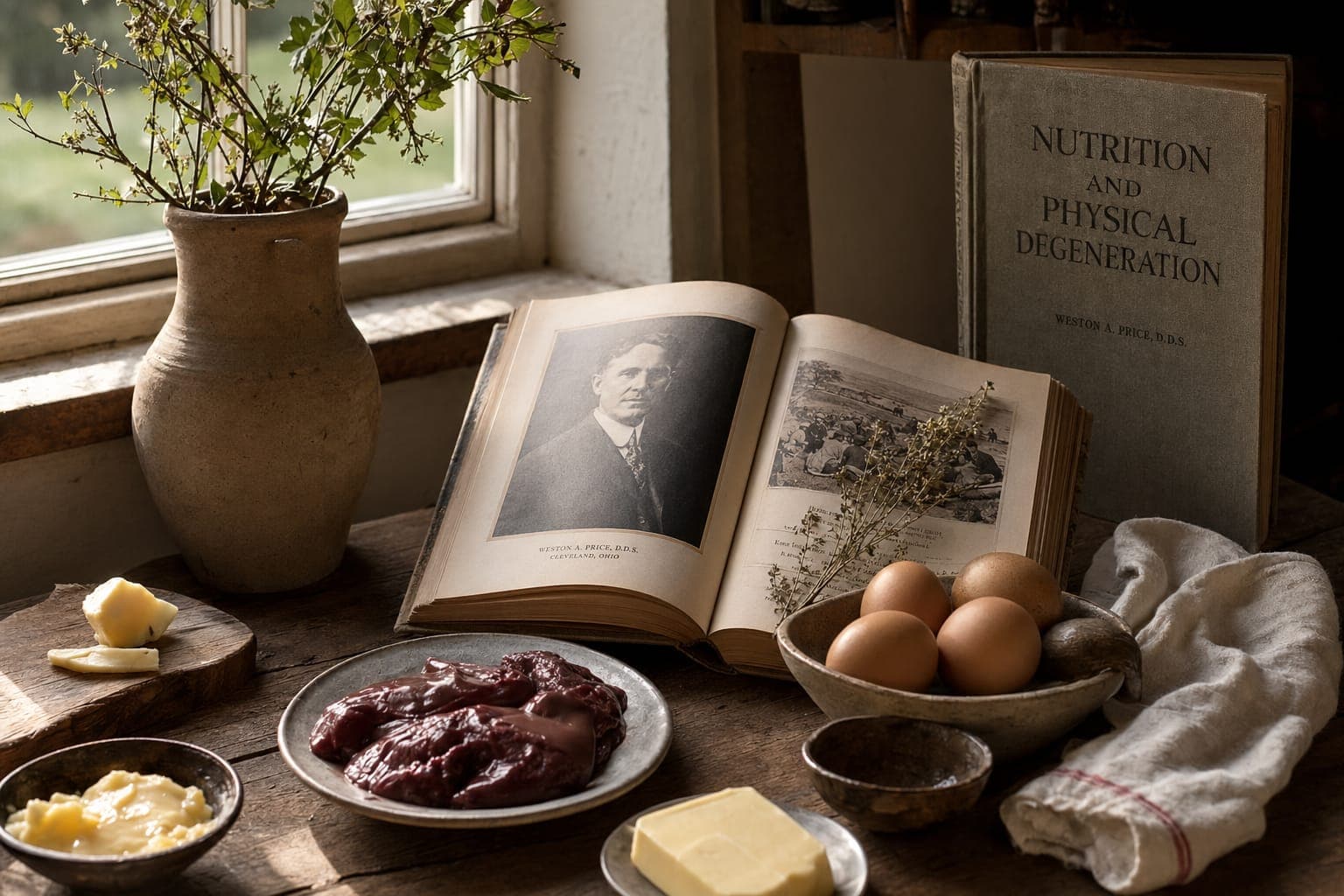
The Weston A. Price Legacy: What He Discovered About Traditional Diets
Discover what dentist Weston A. Price learned from 14 indigenous cultures about nutrition, ancestral diets, and the fat-soluble vitamins your body needs.
Ancestral
Paleo, Primal, Carnivore, Animal-Based: What's the Difference?
What's the difference between paleo, primal, carnivore, and animal-based eating? A clear breakdown of each framework and when to use them.
Ancestral
This Is Not a Supplement. It's Whole Food Nutrition.
Why whole foods work better than supplements. Understanding food matrix, nutrient synergy, and why isolated nutrients fall short.
Real food, made effortless
Bring it into my routineA few ways to use it
All recipes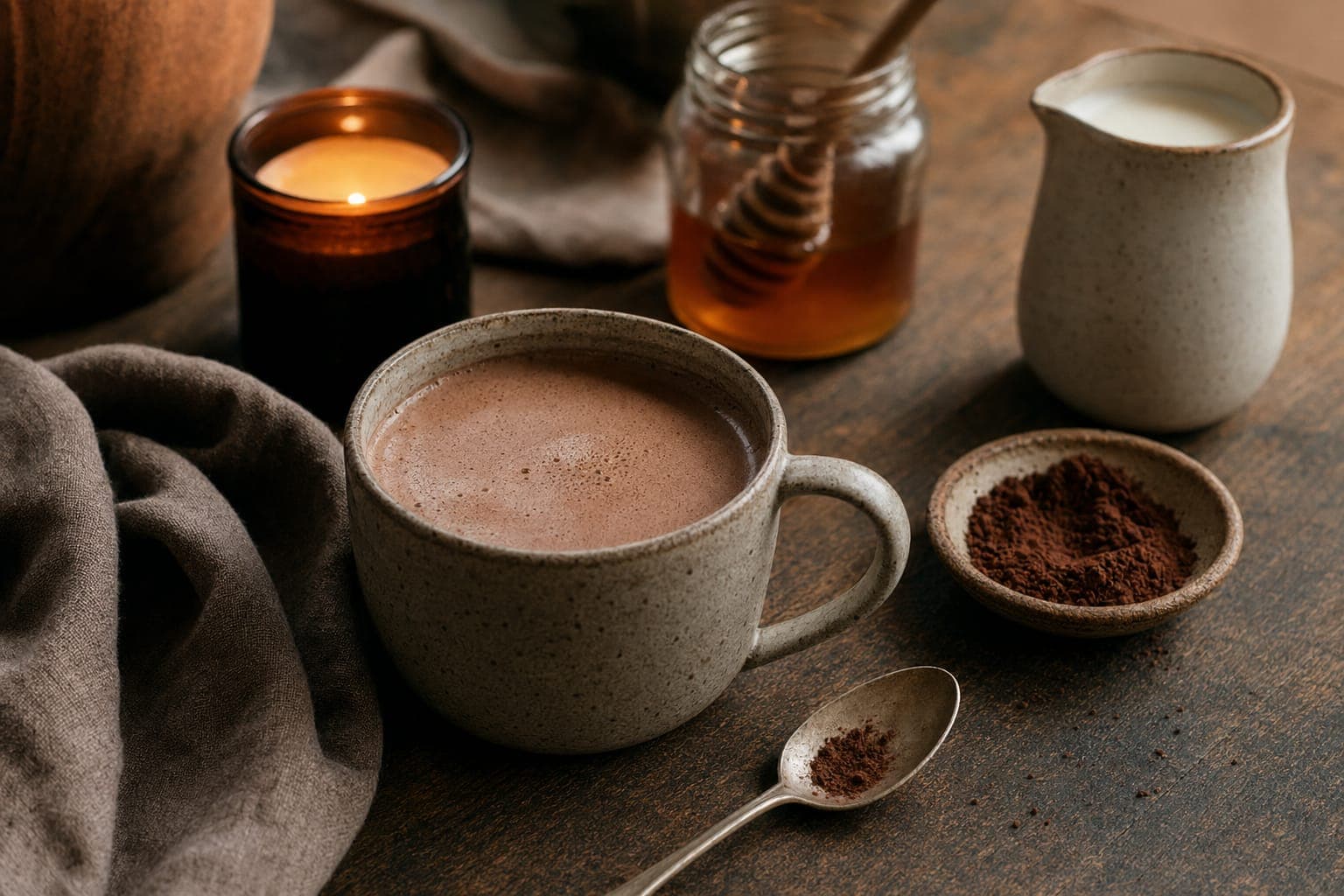
Raw Milk Hot Chocolate with Collagen
A nourishing evening hot chocolate made with raw milk, grass-fed collagen, raw cacao, and honey. A nighttime ritual that supports sleep and gut health.
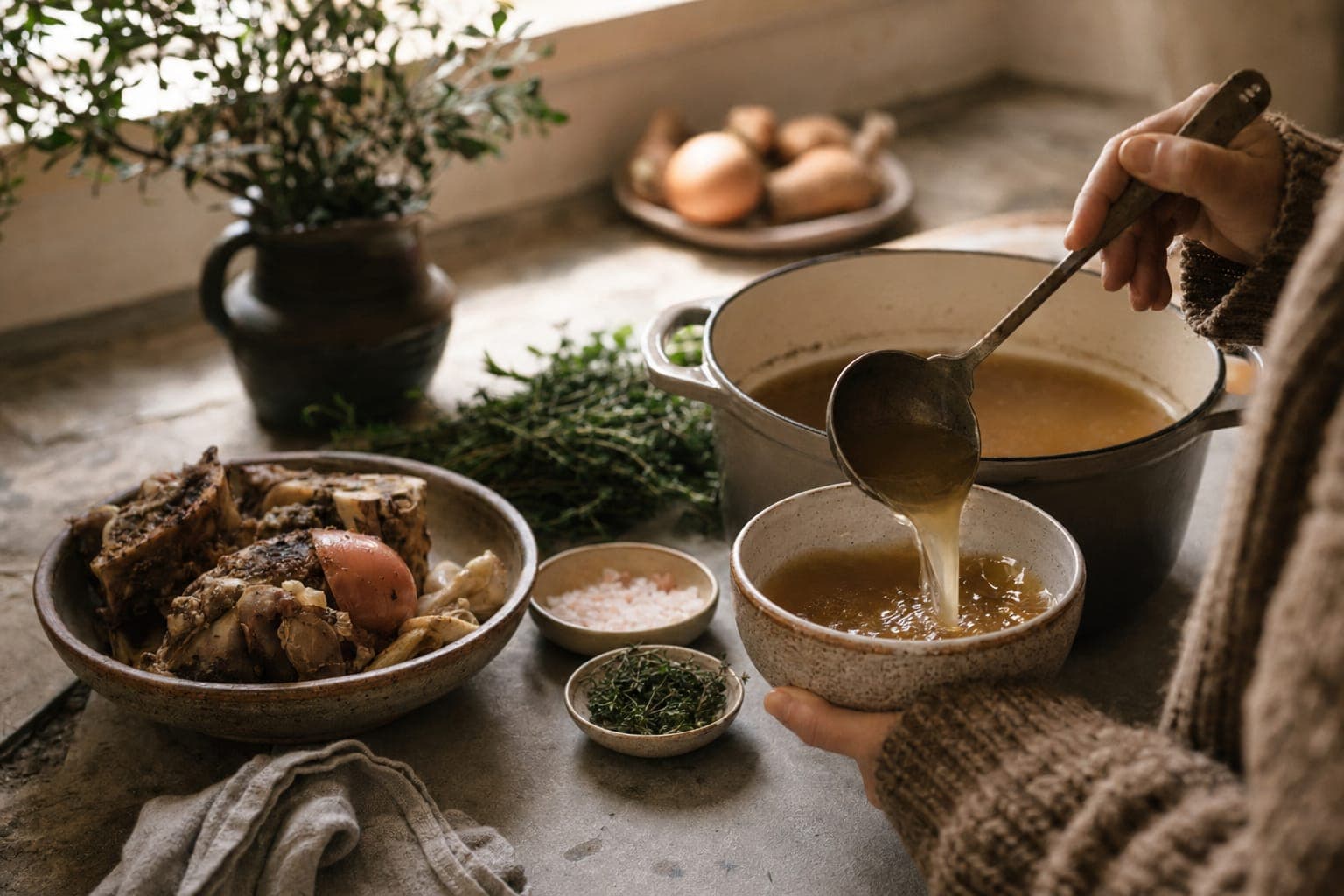
Bone Broth from Scratch: A Step-by-Step Guide
Step-by-step guide to making bone broth at home. Stovetop, slow cooker, and Instant Pot methods. Rich in collagen and gut-healing minerals.
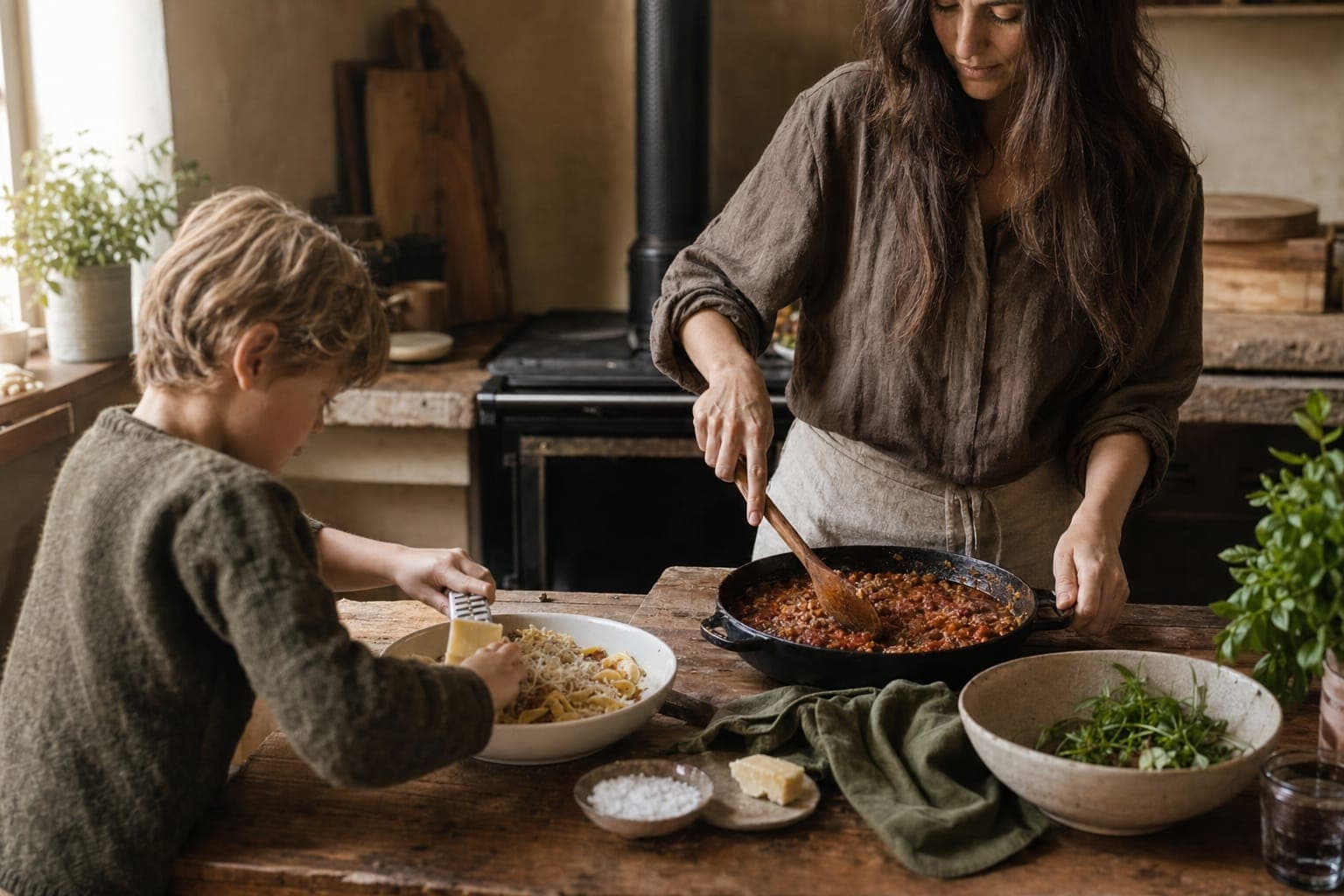
Organ Bolognese: The Family Dinner That Heals
Practical organ meat recipe using fresh beef liver and heart. Family-friendly bolognese that bridges supplements to whole food.


 Join over 100,000+ members
Build a better food system with us
The Organised community is thousands of people choosing real food and backing the farmers who grow it, all of us trying to leave the world a little better than we found it. If that is what you care about too, you belong here.