Raw Milk: What It Is, Why It Matters, and Where to Find It
Your great-grandmother drank raw milk. She didn't get sick. She got strong. Everything you've been told about raw milk is incomplete.
By Niall Kiddle, Founder, Organised

Reviewed by Pedro Rodrigues, Agronomist (farming and sourcing only) ·
8 min read · Published · Updated · 5 cited sources
Makers of the Organised Daily blend, a grass-fed beef organ supplement from regenerative UK farms
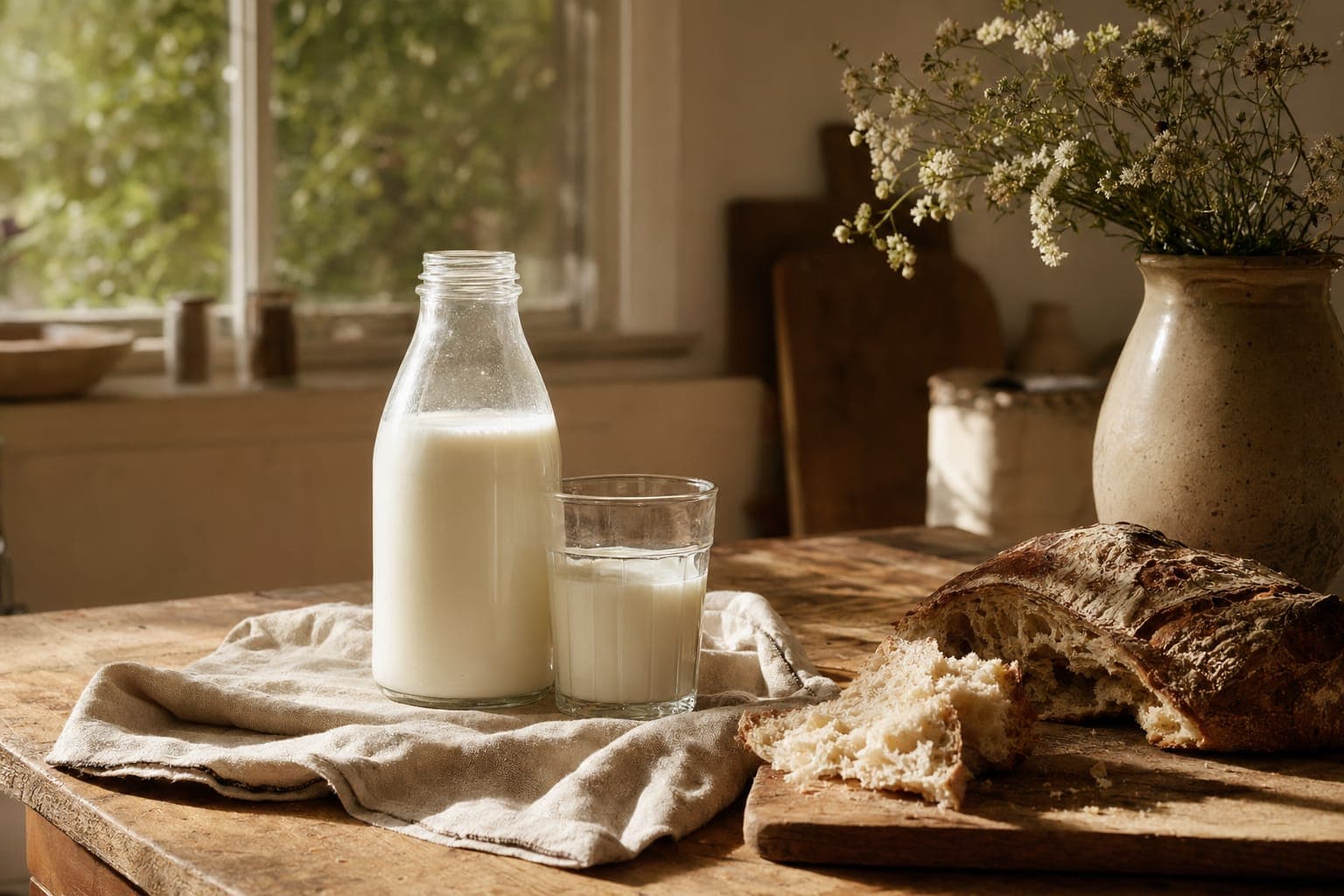
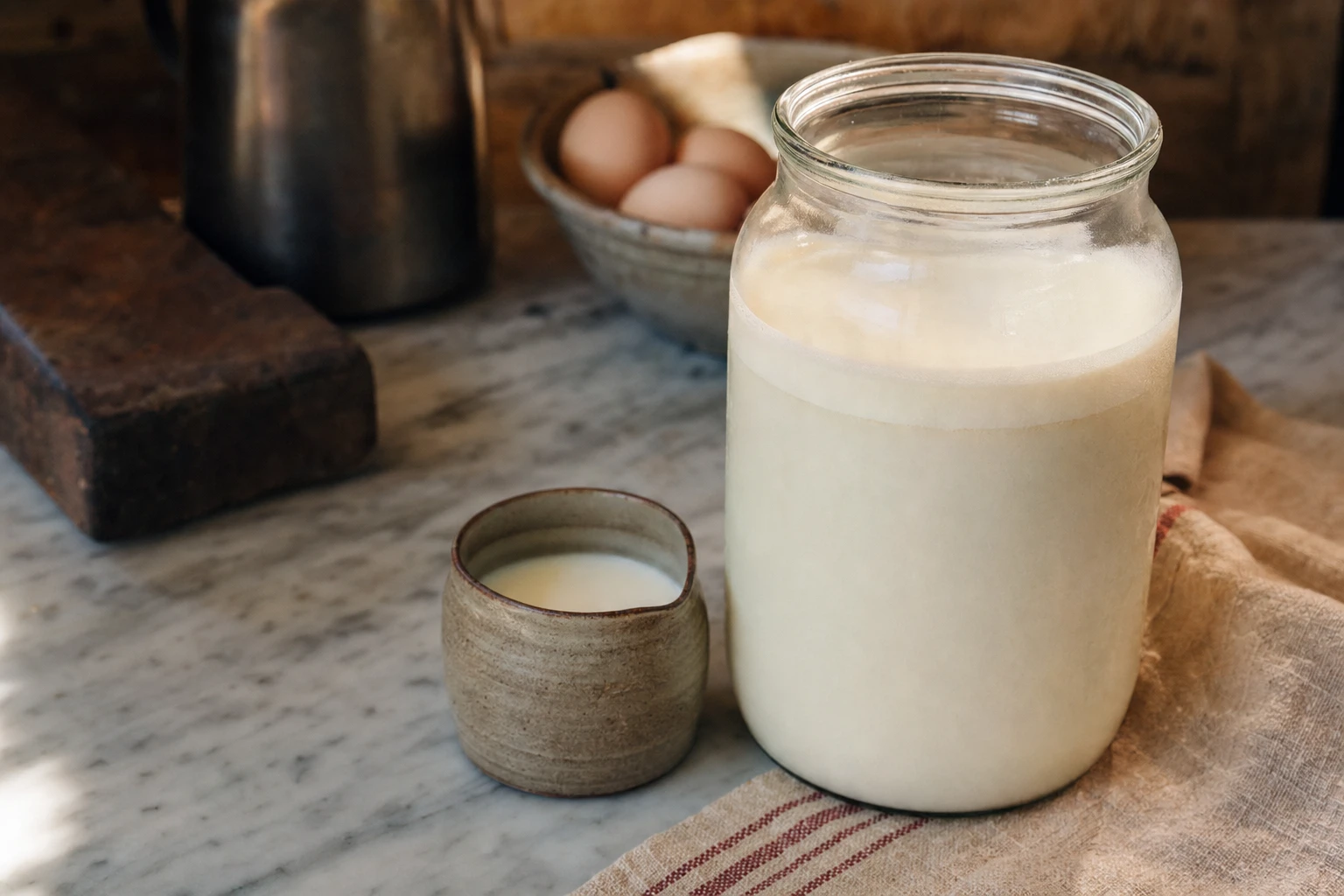
Raw milk is milk that hasn't been heat-treated. It's milk as it comes from a healthy cow on pasture. It contains enzymes, beneficial bacteria, and nutritional factors that pasteurisation destroys. For thousands of years, every human who drank milk drank raw milk.
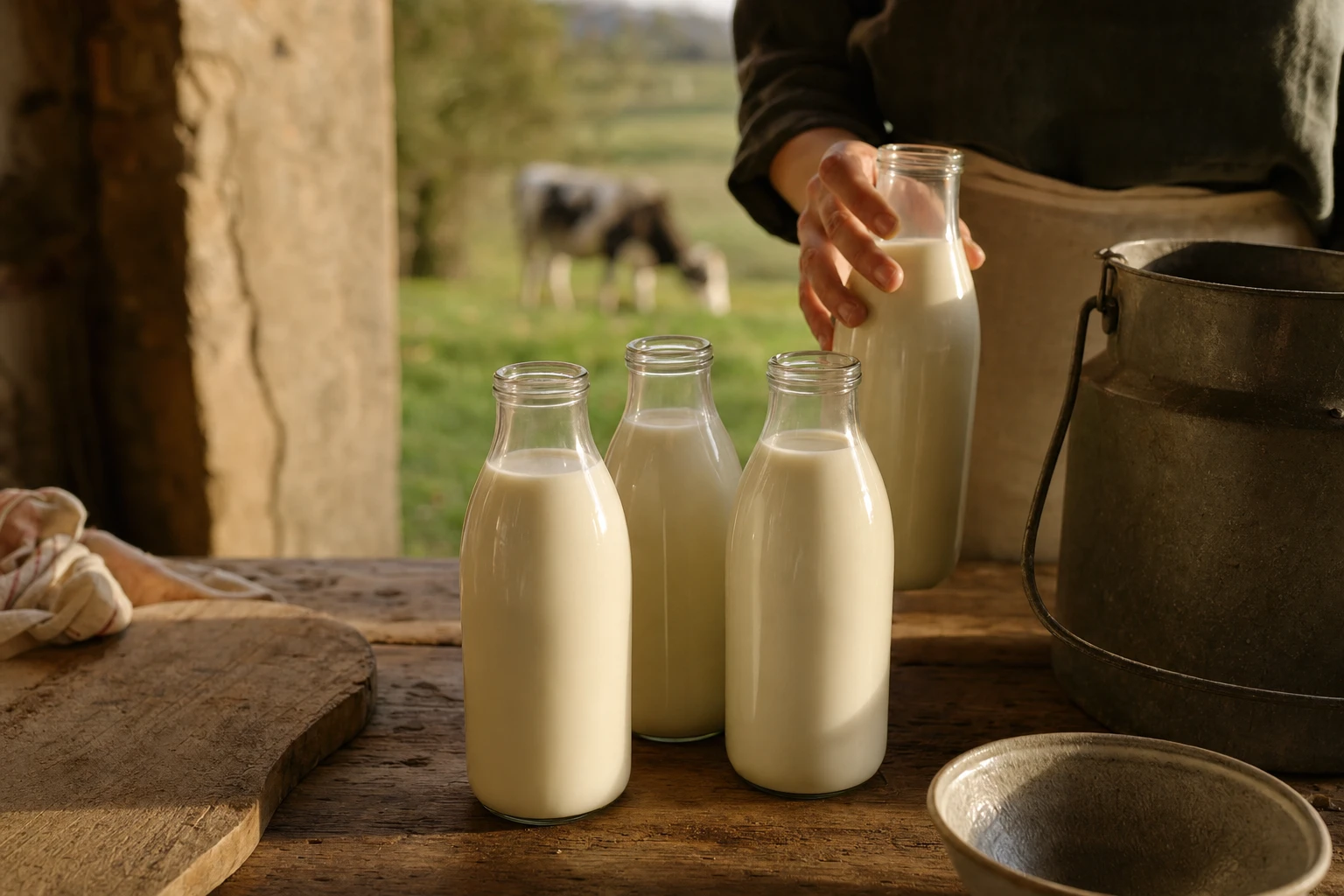
What raw milk actually is
Raw milk is not mysterious. It's not dangerous. It's the normal state of milk before industrial food processing arrived.
The milk from a grass-fed dairy cow contains lactase, the enzyme required to digest lactose. It contains lipase, which breaks down fats. It contains protease, which breaks down protein. These enzymes are present in such quantities that they begin breaking down the milk itself, which is why raw milk naturally becomes more digestible over time.
Raw milk from grass-fed cows contains A2 beta-casein, a protein that many people digest more easily than the A1 variant found in industrial dairy. It contains butyrate, a short-chain fatty acid that supports gut health. It contains immunoglobulins, antibodies that support immune function. It contains naturally occurring beneficial bacteria that support the microbiome.
This is why people who cannot tolerate pasteurised milk often tolerate raw milk. Their bodies recognise it as food. Their bodies digest it efficiently.
From a practical standpoint, raw milk tastes better. It's richer. It's creamier. The fat hasn't been homogenised. The milk hasn't been stripped. When people taste raw milk after years of pasteurised, they often won't go back.
Raw milk from a healthy, grass-fed cow is not a risk. It's nutrition. Your ancestors understood this without needing studies to prove it.
What pasteurisation does, and what it costs
Pasteurisation is heat treatment designed to kill pathogenic bacteria. It was invented in the 19th century to address sanitation problems in industrial dairy farming. Cows kept in filthy conditions produced milk contaminated with dangerous bacteria. Heat treatment solved the contamination problem.
But heat doesn't discriminate. It kills pathogenic bacteria and beneficial bacteria equally. It denatures enzymes. It damages delicate vitamins. It damages the protein structure of the milk.
Ultrapasteurisation goes further, heating milk to higher temperatures, further damaging the nutritional structure. Ultra high temperature treatment (UHT) essentially turns milk into a shelf-stable product that barely qualifies as food.
The nutritional cost is significant. Lactase is destroyed. Lipase is destroyed. Naturally occurring bacteria that support digestion are destroyed. Some of the B vitamins are damaged. The calcium becomes less bioavailable because the naturally occurring cofactors that support absorption have been damaged.
Pasteurised milk is still milk. It's still nutritious. But it's not the same milk your ancestors drank. The enzymes are gone. The beneficial bacteria are gone. Your body has to work harder to digest it.
This is why people with lactose intolerance often tolerate raw milk. The lactase enzyme is still there. Their bodies can digest the lactose. Pasteurised milk removes lactase, so people cannot digest the lactose, and they blame the milk instead of the processing.
Pasteurisation was invented to fix a sanitation problem. It's been used for 150 years as if it improves milk. It doesn't. It destroys nutrition to prevent disease.
The enzyme advantage
Raw milk contains enzymes in such abundance that it's essentially pre-digested. The lactase breaks down lactose automatically. The lipase breaks down fats. The protease breaks down proteins. Your digestive system does less work. The milk is already partially processed by the time it enters your stomach.
This has profound implications for digestive health. Your digestive system doesn't have to produce as many enzymes. It can rest. It can heal if it's been damaged. The workload is lower. For someone with compromised digestion, this is transformative.1
Compare this to pasteurised milk. Every enzyme has been destroyed by heat. Your digestive system has to produce all the enzymes from scratch. Lactase must be produced in sufficient quantities to break down the lactose. If your digestive system is stressed, if you're low on enzyme production, the work becomes overwhelming. This is why people with lactose intolerance can tolerate raw milk. The lactase is already there, waiting to do the work.
The butyrate in raw milk supports the intestinal lining. It feeds beneficial bacteria. It supports the mucosal immune system. It's a short-chain fatty acid that is essentially a nutrient for the cells that line your gut. Pasteurisation doesn't destroy butyrate, but it does destroy the conditions that allow butyrate to be beneficial. The naturally occurring bacteria that produce additional butyrate are killed by the heating process.
For people with damaged guts, leaky gut, or dysbiosis, raw milk is more therapeutic than pasteurised milk. The enzymes support healing by reducing digestive demand. The beneficial bacteria support recovery by recolonising the microbiome. The butyrate supports mucosal regeneration by feeding the intestinal lining directly. It's a three-part healing system that pasteurisation dismantles.
The enzymes in raw milk do the digestive work before the milk enters your stomach. This is why people who can't digest pasteurised milk often thrive on raw.
Get ancestral nutrition guides, free
Two short reads a week on traditional ways of eating, examined with modern evidence.
By signing up you agree to receive emails from us. No spam, unsubscribe anytime.
Immune function and raw milk
Raw milk contains immunoglobulins, the antibodies that support immune function. It contains lactoferrin, an iron-binding protein with antimicrobial properties that directly prevents pathogenic bacteria from thriving. It contains lysozyme, an enzyme that breaks down bacterial cell walls.2 It contains probiotic bacteria that colonise the gut and support immune resilience. It's essentially liquid immune support.
The question isn't whether raw milk could theoretically harbour dangerous bacteria. Of course it could. Any food could. The question is whether milk from a healthy cow in clean conditions actually does. And the evidence from centuries of human consumption answers that clearly: it doesn't, not with any greater frequency than other foods.
The evidence is clear from both history and modern testing. Milk from grass-fed cows in clean conditions is safe. The naturally occurring bacteria compete with pathogens. The acidic environment and naturally occurring antimicrobial compounds prevent pathogenic bacteria from thriving. The milk's own immune system, essentially, protects it.
For centuries, raw milk was the staple drink of children. Rickets were rare in populations with access to raw milk. Tooth decay was rare. Infections were less common. The immune benefits of raw milk are real and observable. Modern populations without raw milk have higher rates of infection, weaker bone development, and more dental disease. These aren't coincidences.34
This doesn't mean raw milk can never cause illness. Any food can cause illness if contaminated or if it comes from an unhealthy animal. But raw milk from a healthy, grass-fed cow, kept in clean conditions, is not inherently dangerous. It's inherently nutritious. The risk-benefit calculation is obvious when you look at actual data.
The immune factors in raw milk are destroyed by pasteurisation. That's not a theory. That's verifiable chemistry. Your immune system loses real nutrition when you drink pasteurised milk.
UK sourcing and legal status
In the UK, raw milk is legal. It's legal in England, Wales, and Northern Ireland when sold directly from registered farms. Scotland bans the sale of raw milk5, so farmers in Scotland can produce it but cannot sell it. This is a regulatory distinction worth understanding if you're in Scotland.
The legal requirement is that the farm be registered with local authorities. The cows must test negative for tuberculosis and brucellosis. The milk must meet hygiene standards. These requirements are sensible and reasonable. They ensure the milk comes from healthy animals kept in clean conditions. They're protective, not arbitrary.
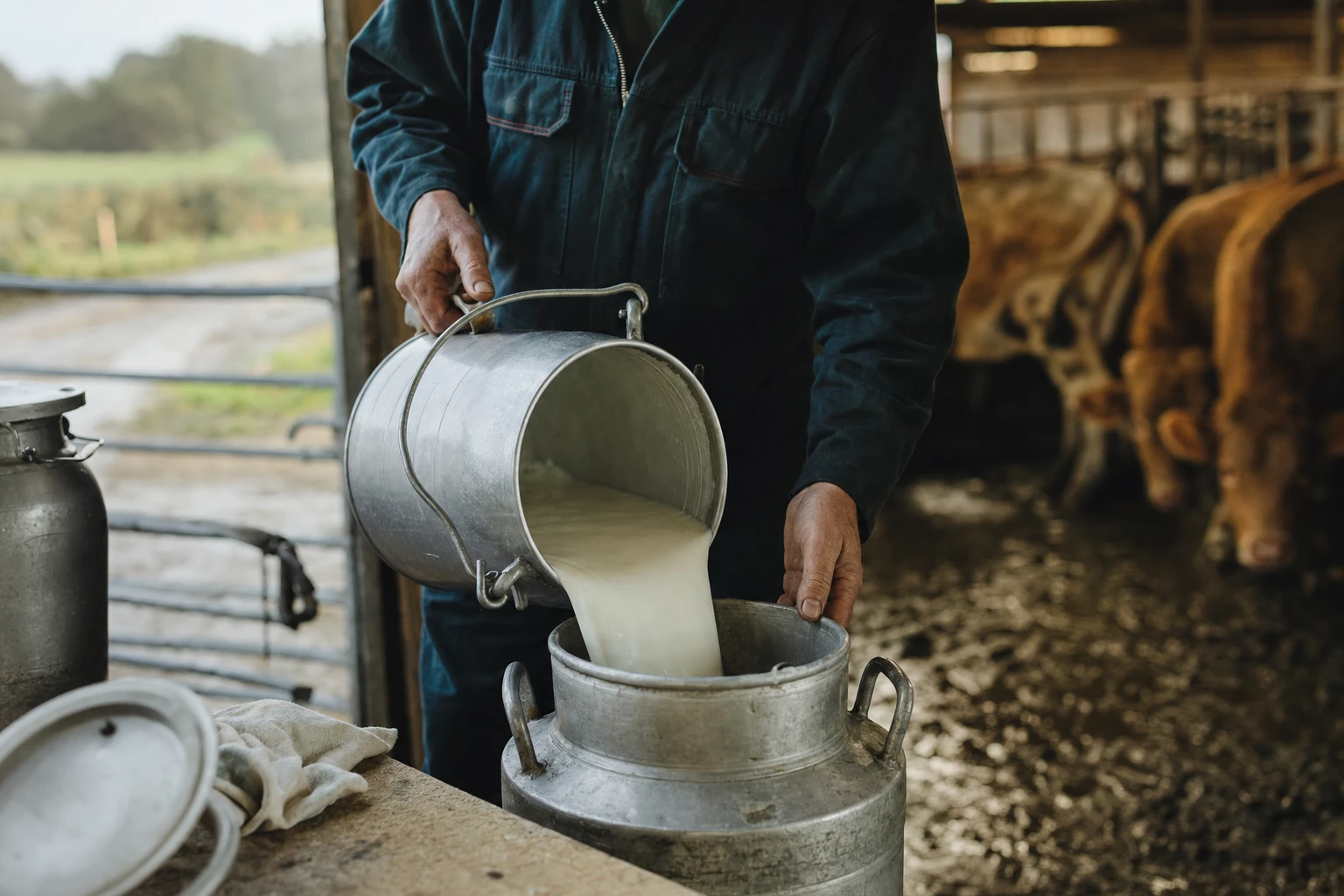
Finding raw milk requires knowing where to look. Supermarkets don't stock it. Commercial distribution is minimal. Farmers markets sometimes stock it, though not reliably. Direct from farms, you can buy raw milk. Many farms now operate as buying clubs where customers collect milk directly from the farm. This direct relationship is actually ideal because you can see the farm, meet the farmer, and understand exactly where your milk comes from.
The Weston A. Price Foundation maintains a directory of raw milk sources in the UK, searchable by postcode. Local food groups and food clubs often know of sources. Local agricultural networks have members who produce raw milk. Many farms will sell raw milk to local customers even if they don't widely advertise it. A simple conversation with a farmer can open doors.
What matters is buying from a farm you trust. Visit if you can. Most raw milk producers welcome visits and are proud to show their operation. Ask about the cows' diet (grass-fed is superior). Ask about hygiene standards and cleaning protocols. Ask about testing regimens and results. A good farm will be transparent about all of this. A good farm knows their customers and cares about their reputation. A bad farm hides information. It's obvious which is which.
Raw milk sourced from a trustworthy, registered farm in the UK is legal, safe, and nutritionally superior to anything from a supermarket.
1 of 9
Daily blend
100,000+ thriving families4.9 on Trustpilot
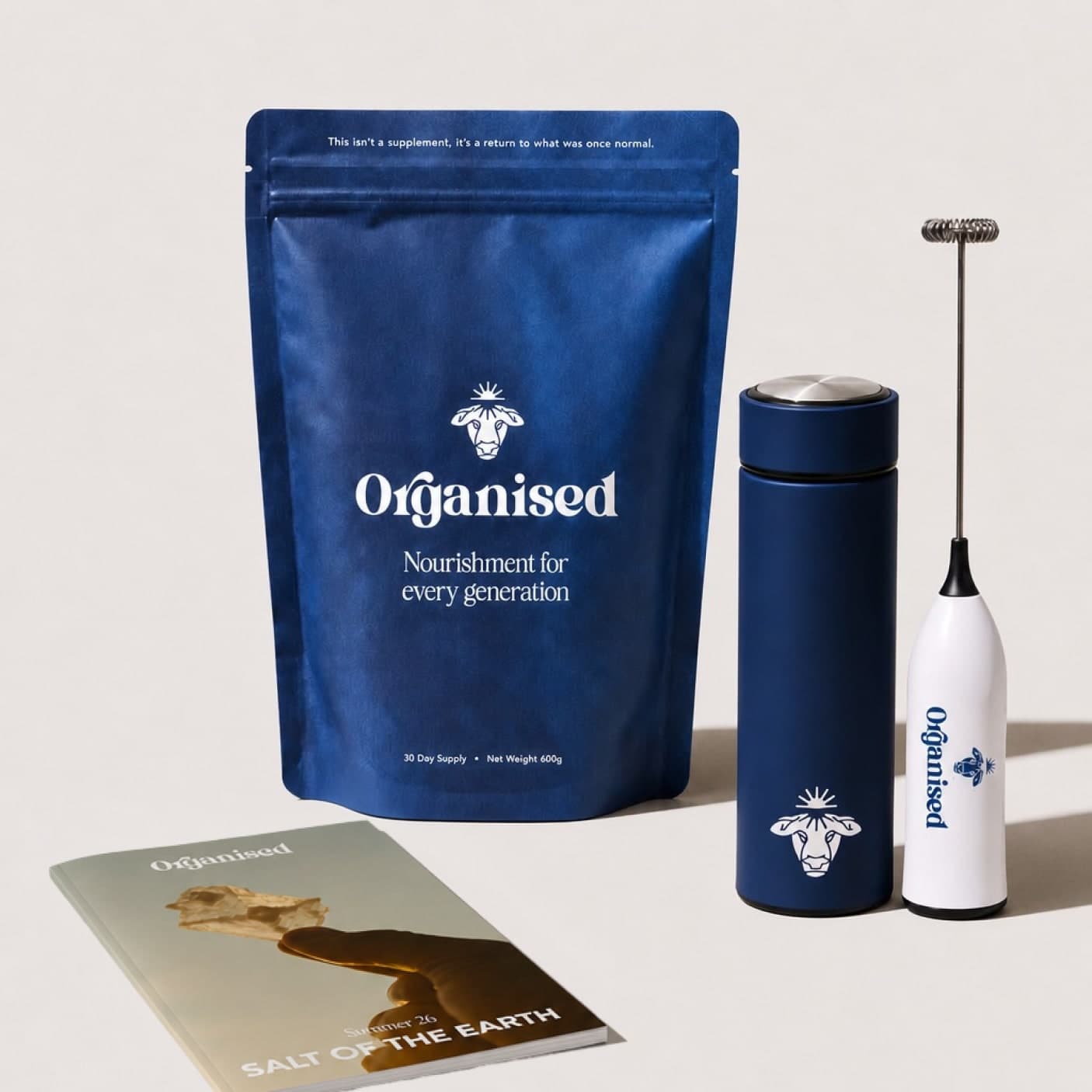
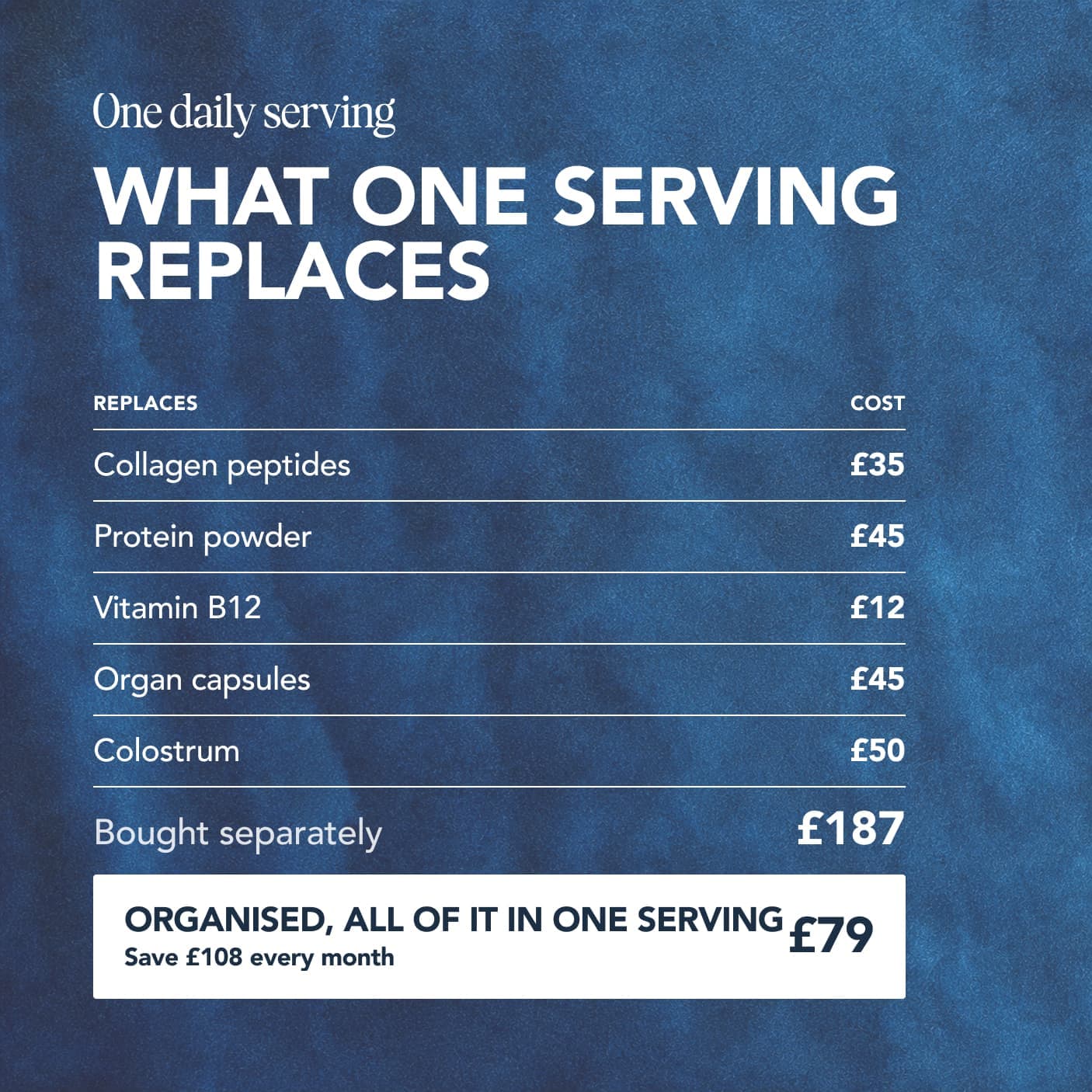
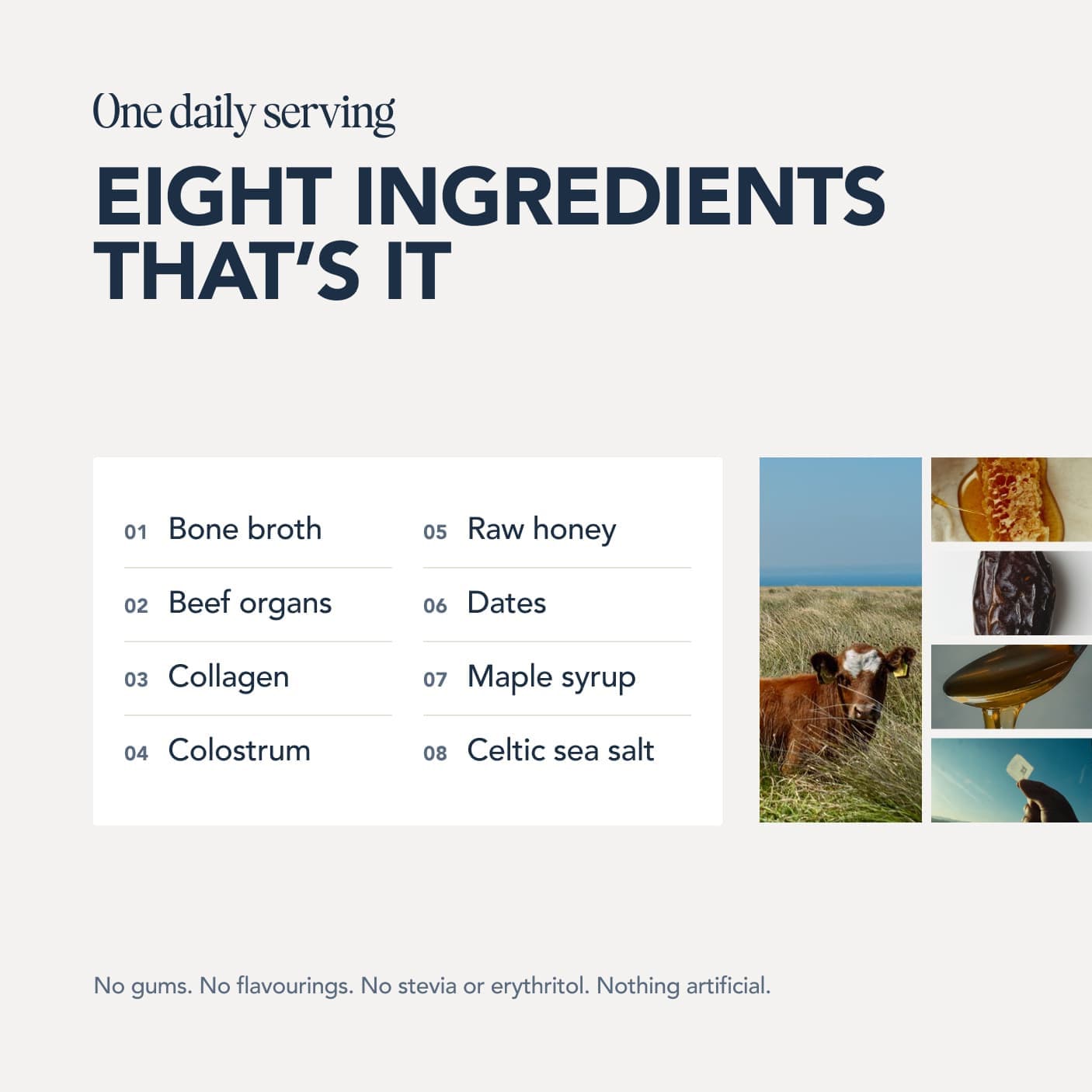
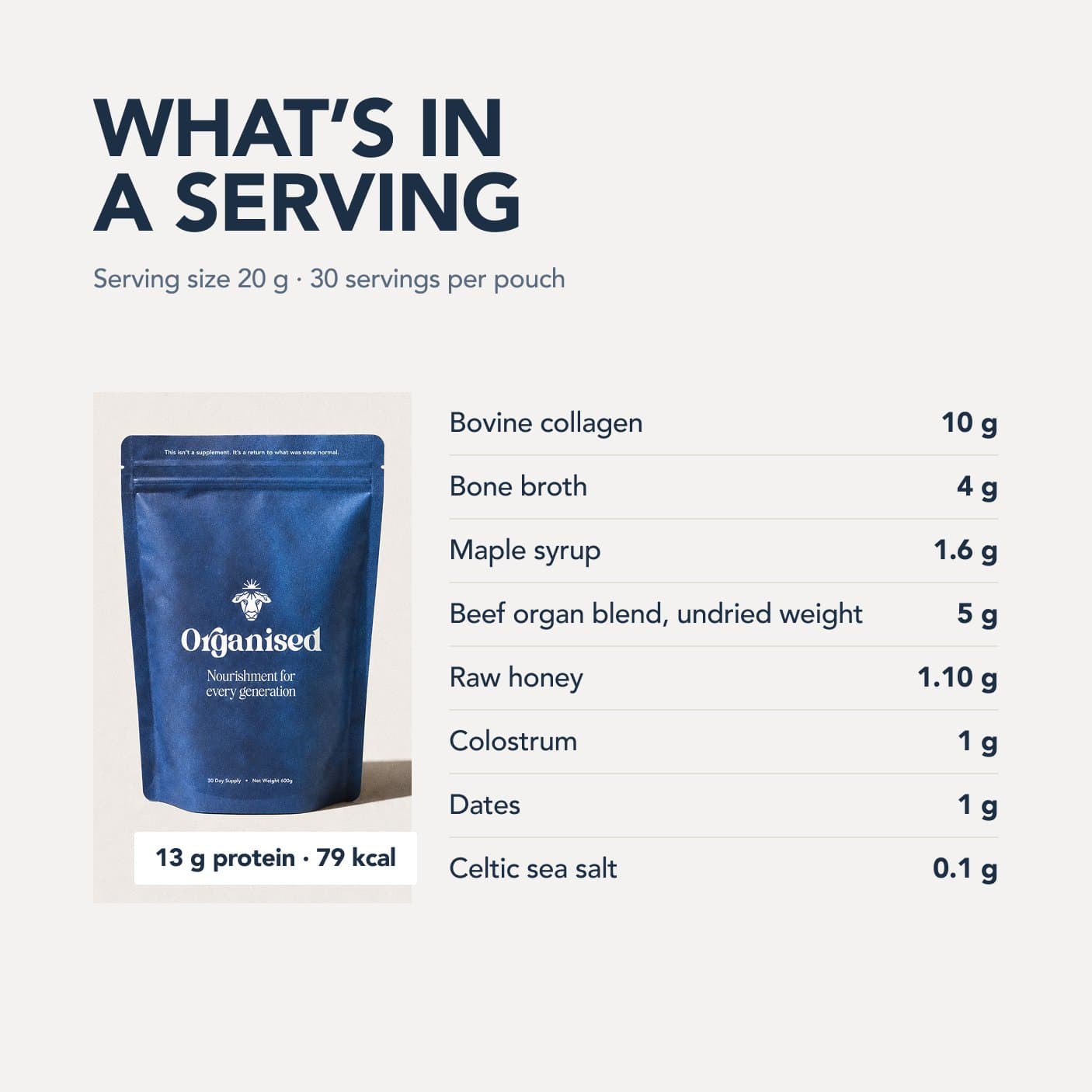
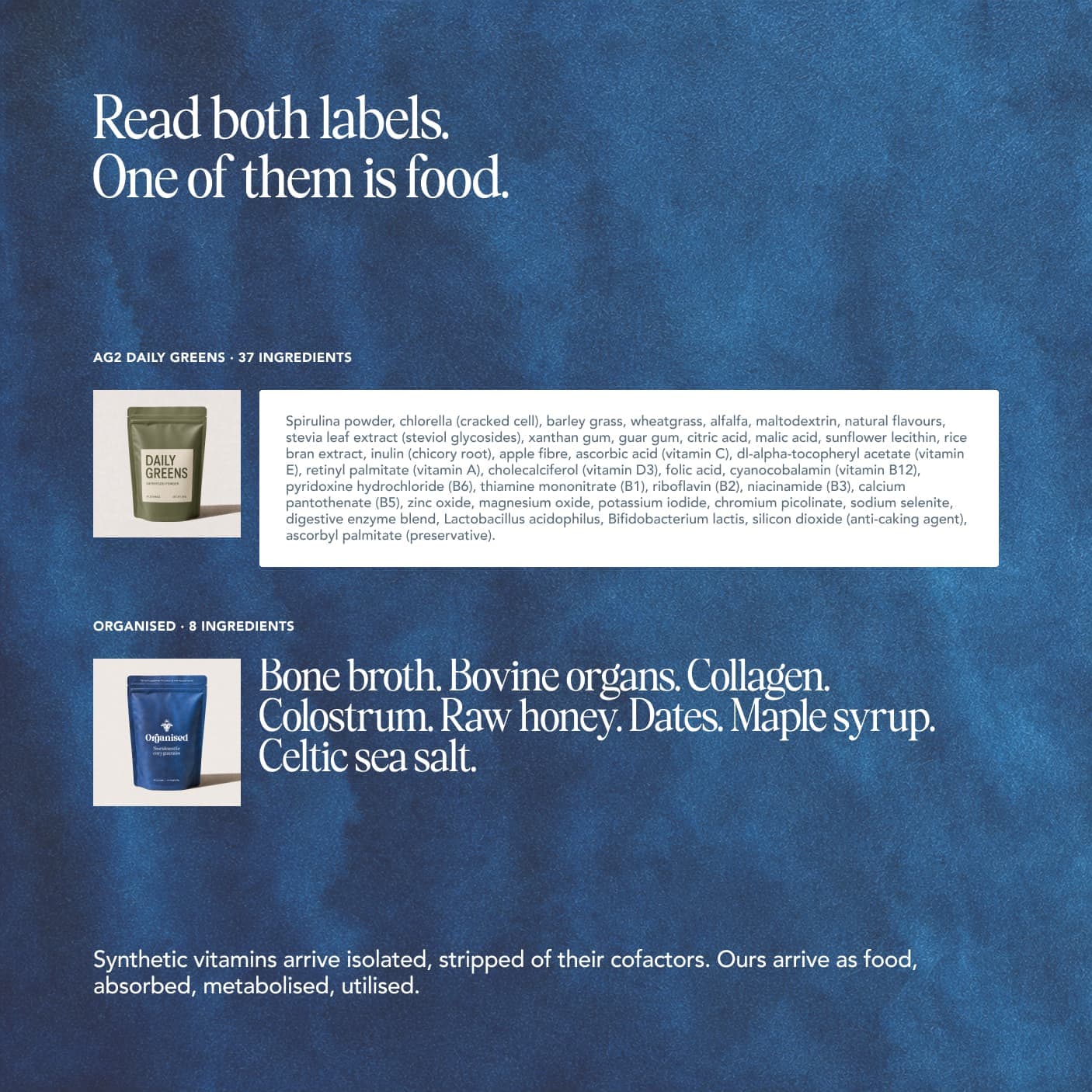
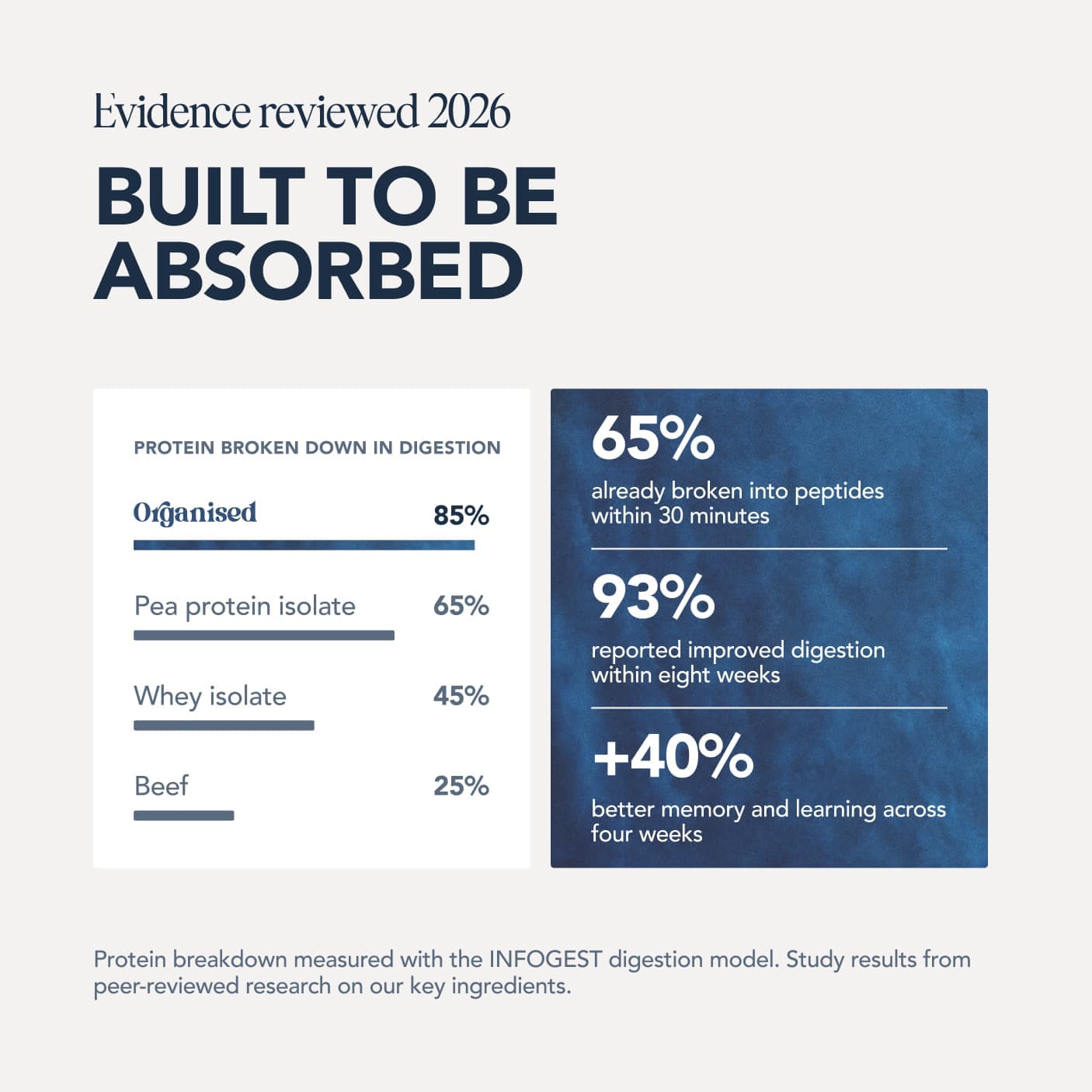
Eight real ingredients built around grass-fed beef organs, collagen and colostrum. Nothing synthetic added.
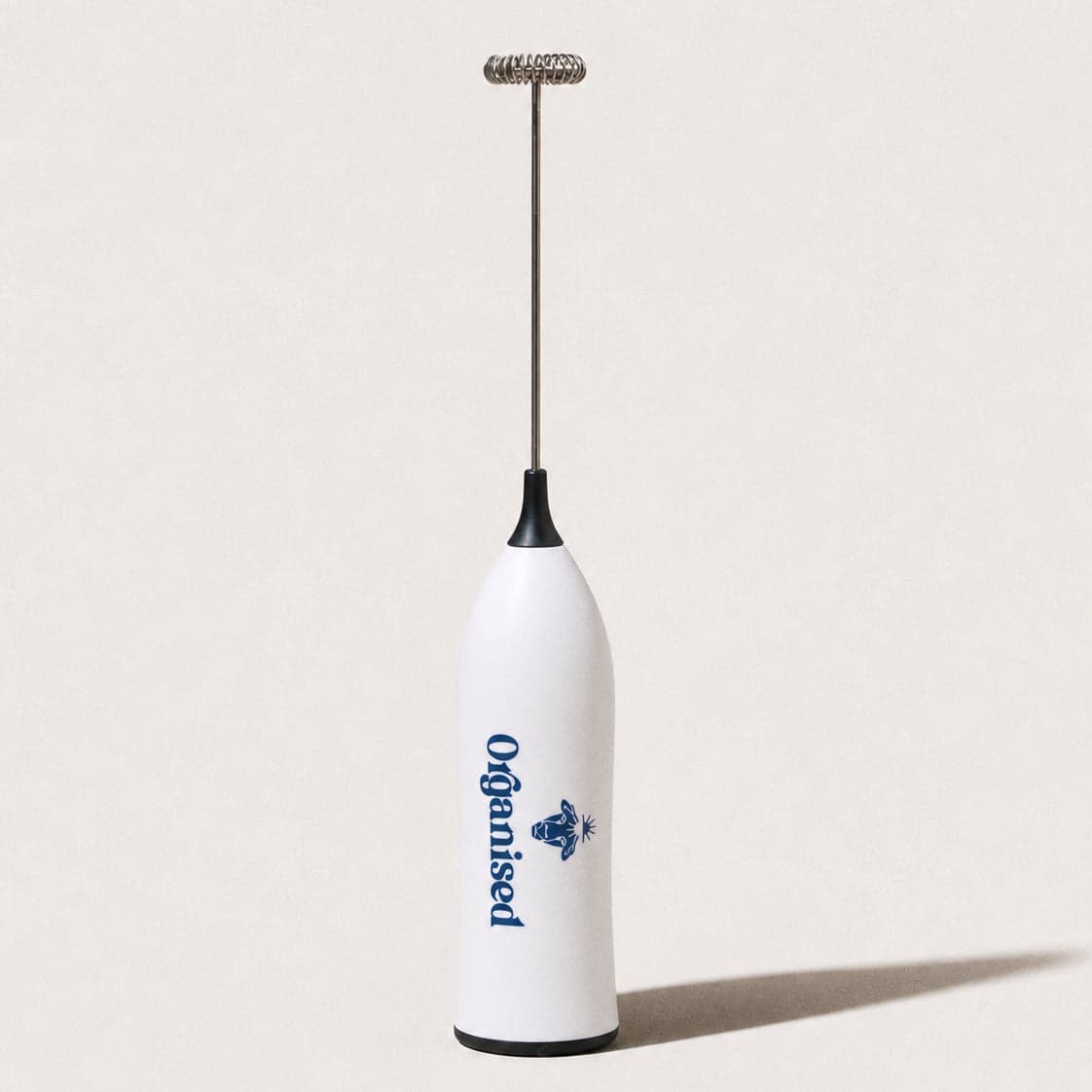
Free with your first order, worth £38. Plus £10 off the pouch with a subscription.
Free UK shipping · Made in England · 100 day money back guarantee on your first pouch · Skip, pause or cancel anytime
The bottom line
Raw milk is not a risk you're taking. It's a nutrient you're getting. It's milk as it existed for thousands of years. It's what your ancestors drank. It's what made them strong.
Pasteurisation is a useful tool. It solved specific contamination problems in industrial dairy. But treating pasteurised milk as superior to raw milk is backwards. Raw milk is nutritionally superior. It's more digestible. It's more supportive of immune function and gut health.
If you have access to raw milk from a healthy farm, use it. Drink it. Make cheese and kefir from it. Feed it to your children. Your ancestors did. Your body remembers.
References
Every source below was checked on 27 August 2026. Each PubMed, PMC and DOI identifier was resolved against NCBI or Crossref, and what it opens is printed under the citation, so you can see the link goes where the citation says without leaving the page. Where a citation and its identifier disagreed, the citation was corrected to the record or the reference was deleted along with the sentence marker that pointed at it, and where the resolved paper turned out not to support the sentence, the sentence was cut back to what it does support. Borrowed authority is worse than none, because it looks like rigour.
- Macdonald LE et al. A systematic review and meta-analysis of the effects of pasteurization on milk vitamins, and evidence for raw milk consumption and other health-related outcomes. J Food Prot. 2011;74(11):1814-32. PMID: 22054181.Checked 27 August 2026: PMID 22054181 opens Macdonald LE, Brett J, Kelton D et al, A systematic review and meta-analysis of the effects of pasteurization on milk vitamins, and evidence for raw milk consumption and other health-related outcomes. J Food Prot 2011;74(11):1814-32. PubMed indexes it as: Meta-Analysis, Systematic Review.
- Séverin S, Wenshui X. Milk biologically active components as nutraceuticals: review. Crit Rev Food Sci Nutr. 2005;45(7-8):645-56. PMID: 16371332.Checked 27 August 2026: PMID 16371332 opens Séverin S, Wenshui X, Milk biologically active components as nutraceuticals: review. Crit Rev Food Sci Nutr 2005;45(7-8):645-56. PubMed indexes it as: Review.
- Loss G et al. The protective effect of farm milk consumption on childhood asthma and atopy: the GABRIELA study. J Allergy Clin Immunol. 2011;128(4):766-773. PMID: 21875744.Checked 27 August 2026: PMID 21875744 opens Loss G, Apprich S, Waser M et al, The protective effect of farm milk consumption on childhood asthma and atopy: the GABRIELA study. J Allergy Clin Immunol 2011;128(4):766-773.e4. PubMed indexes it as: Clinical Trial, Multicenter Study.
- Waser M et al. Inverse association of farm milk consumption with asthma and allergy in rural and suburban populations across Europe. Clin Exp Allergy. 2007;37(5):661-70. PMID: 17456213.Checked 27 August 2026: PMID 17456213 opens Waser M, Michels KB, Bieli C et al, Inverse association of farm milk consumption with asthma and allergy in rural and suburban populations across Europe. Clin Exp Allergy 2007;37(5):661-70. PubMed indexes it as: Multicenter Study.
- UK Food Standards Agency. Raw drinking milk.
Who wrote and reviewed this guide
Niall Kiddle
Author · Founder, Organised
Niall is the founder of Organised. He started the company in 2024 after fixing his own health the slow way: in 2022 he swapped a cupboard of synthetic supplements for real food, raw milk, organ meats, bone broth and honey, and felt the difference within months.
Areas of expertise: Ancestral nutrition, Organ meats, Whole-food supplementation, Gut health, Regenerative sourcing
Read Niall's full profile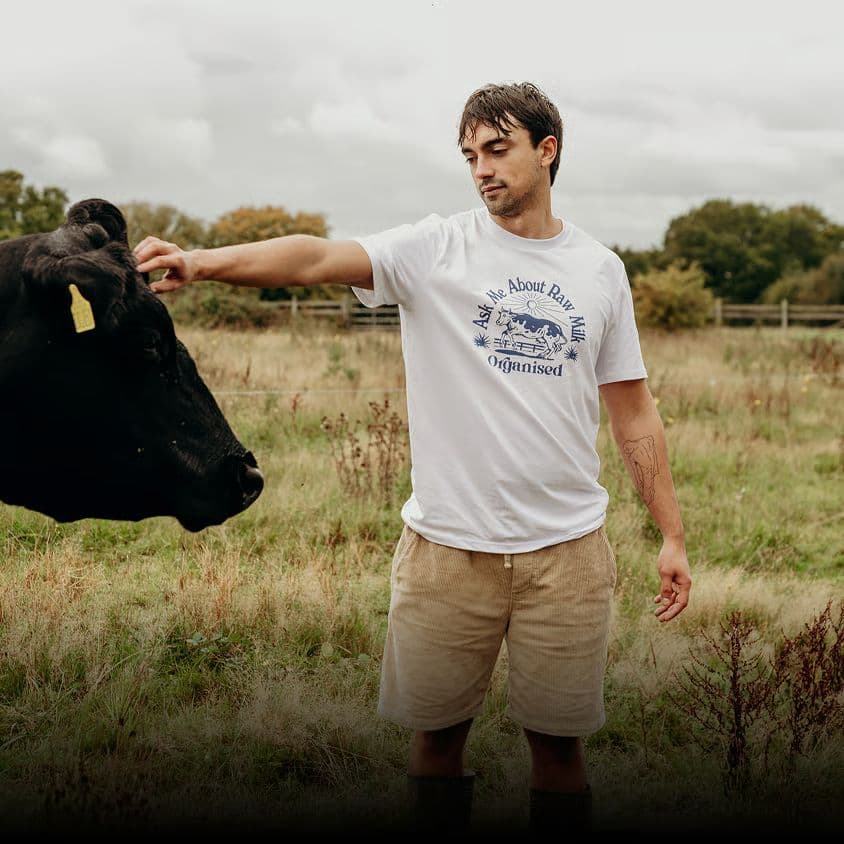
Pedro Rodrigues
Reviewer · Agronomist (farming and sourcing only)
Pedro is the agronomist Organised works with on farming and sourcing. His job on the guides is to keep the science honest: he reviews what we publish about soil health, regenerative agriculture, grazing and the way food is actually produced.
Areas of expertise: Regenerative agriculture, Agronomy, Soil health, Grass-fed farming, Food sourcing
Reviewed this guide on
Read Pedro's full profileMore on ancestral wisdom
View allBrowse the guides library
All guidesKeep reading
Ancestral
What Our Ancestors Actually Ate (And What We've Lost)
Discover what ancestral humans ate, why it worked, and what modern diets have lost. Based on archaeological and anthropological evidence.
Ancestral
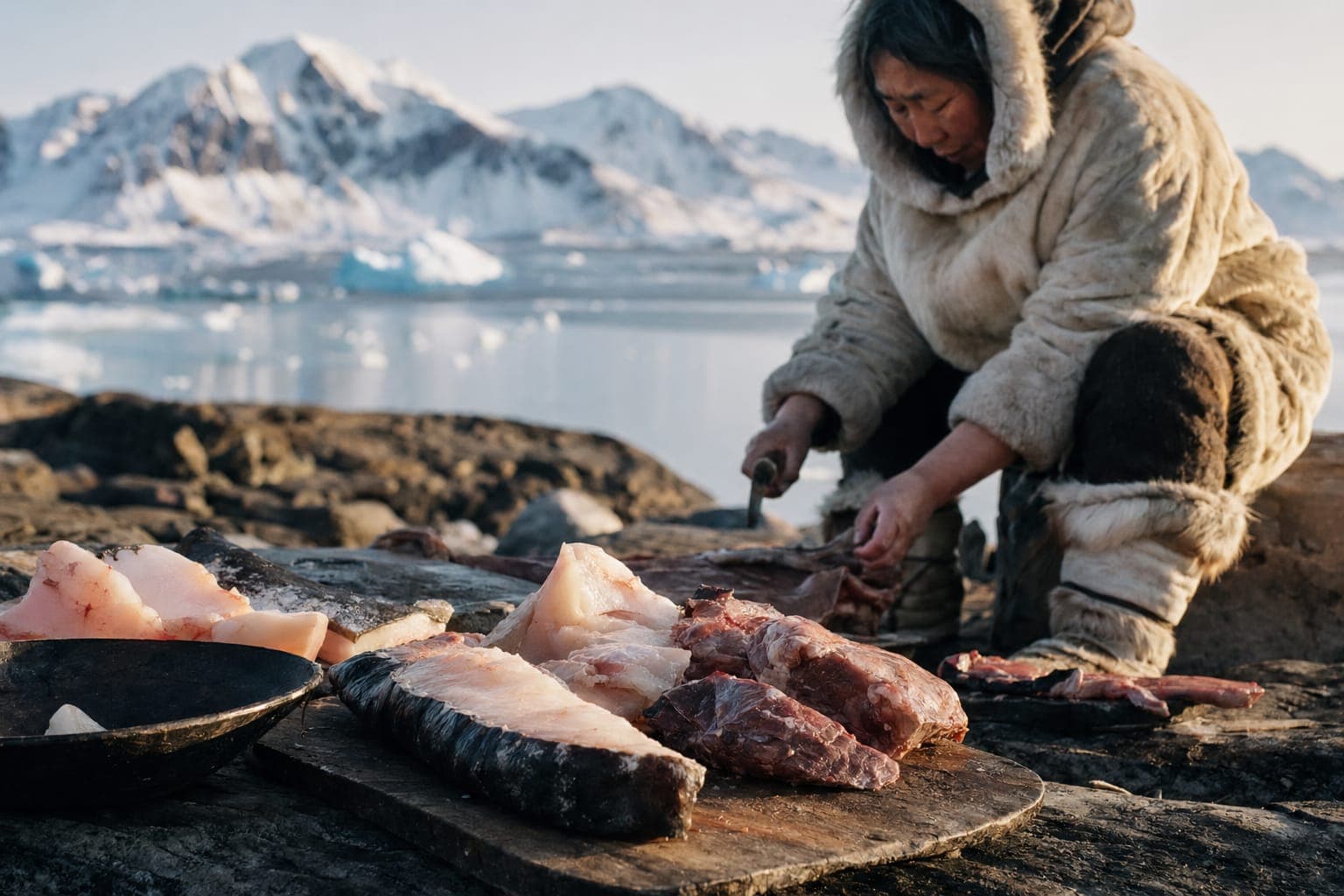
What the Inuit Diet Teaches Us About Fat and Health
The Inuit ate almost zero carbohydrates and high saturated fat with virtually no cardiovascular disease. Here's what that tells us about dietary dogma.
Ancestral
The Microplastics Problem: How It Affects Your Health
Microplastics are in our food, water, and air. Here's where they come from, how they affect your health, and what you can actually do about it.
Real food, made effortless
Bring it into my routineA few ways to use it
All recipes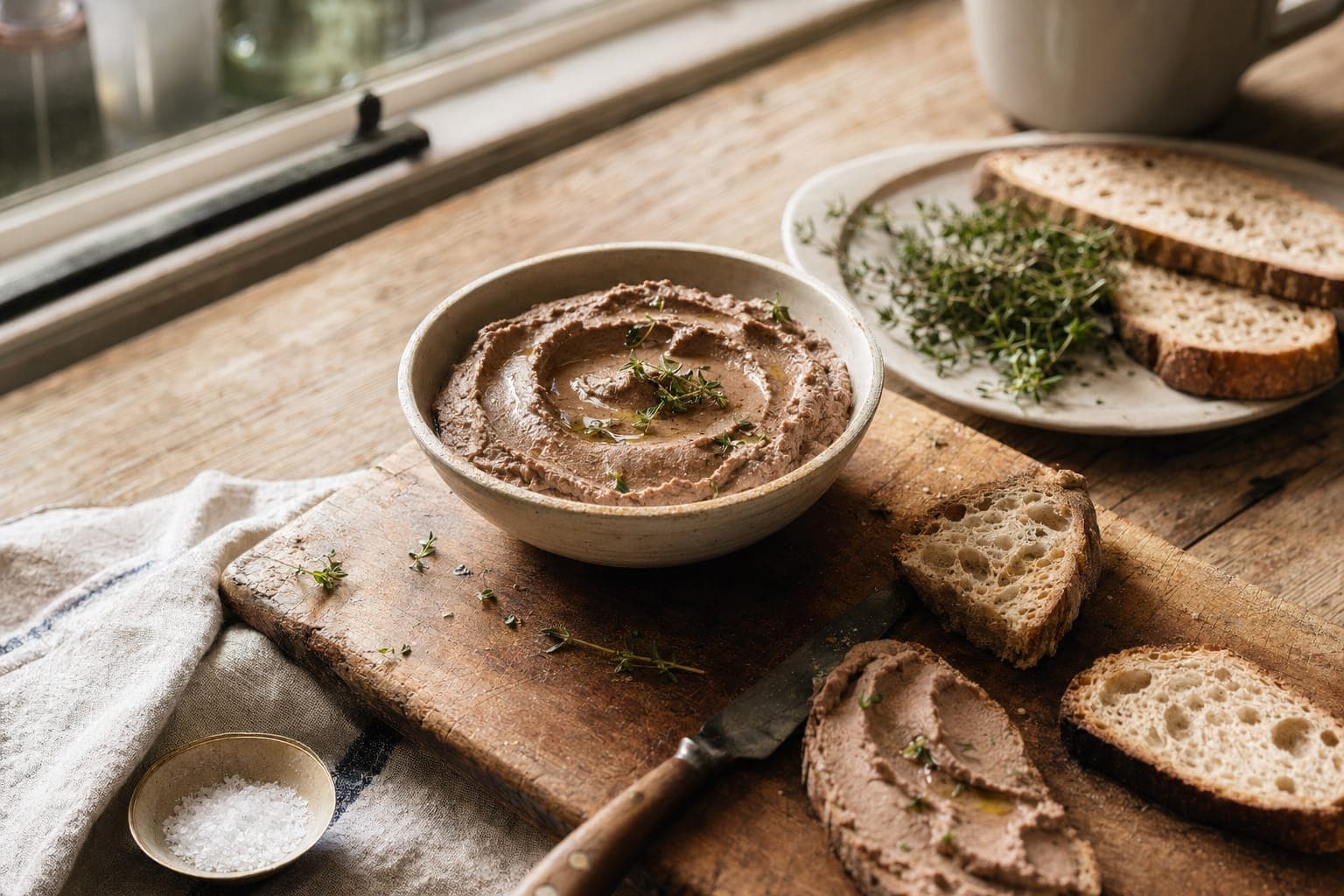
Liver Pate for Beginners: A Gentle Introduction to Organ Meats
Simple liver pate recipe to start eating organ meats. Chicken liver, butter, and herbs. Gentle introduction to nutrient-dense whole foods.
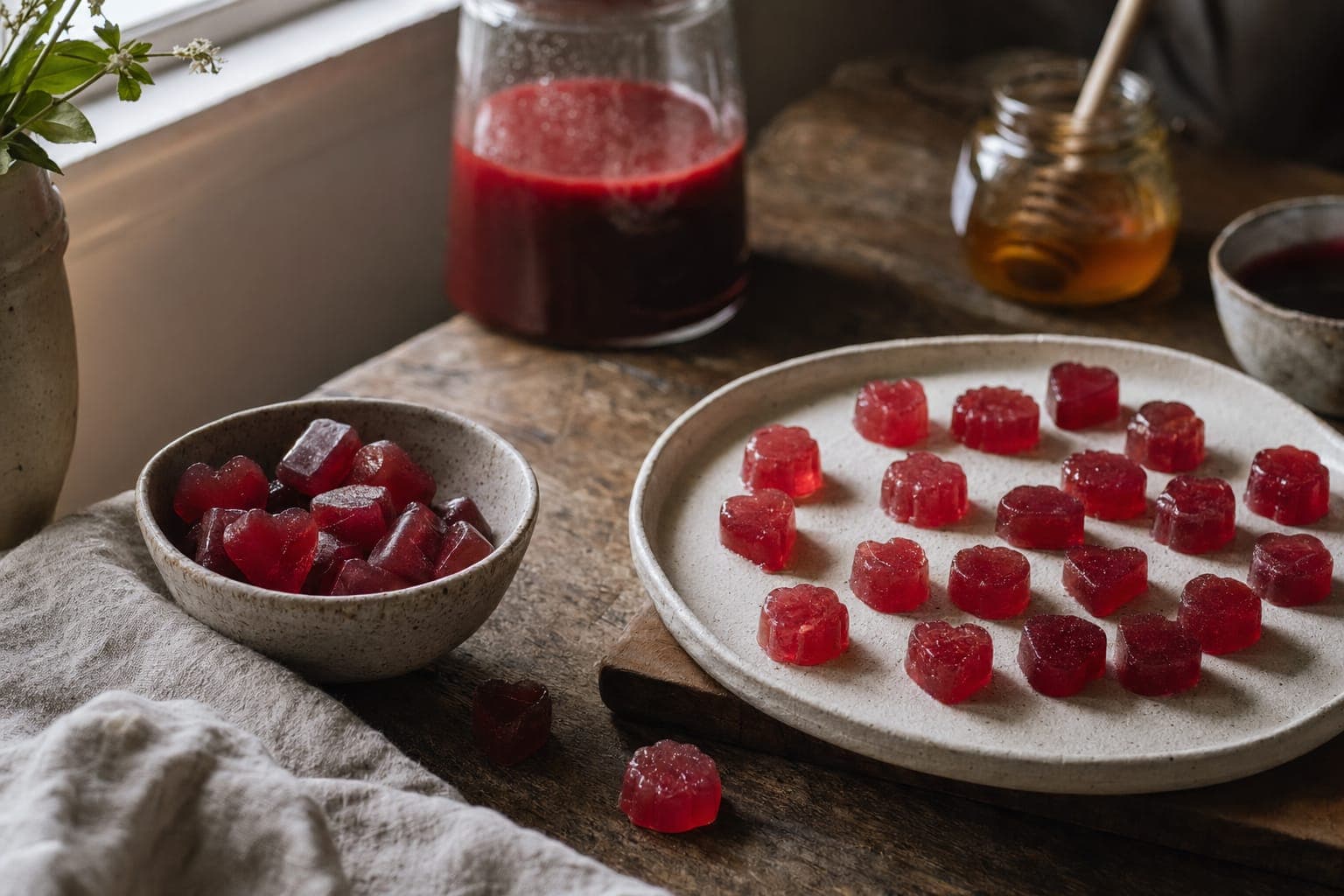
How to Make Your Own Gelatine Gummies
A simple recipe for homemade gelatine gummies using grass-fed gelatine, fresh juice, and raw honey. Better than shop-bought, kids love them.
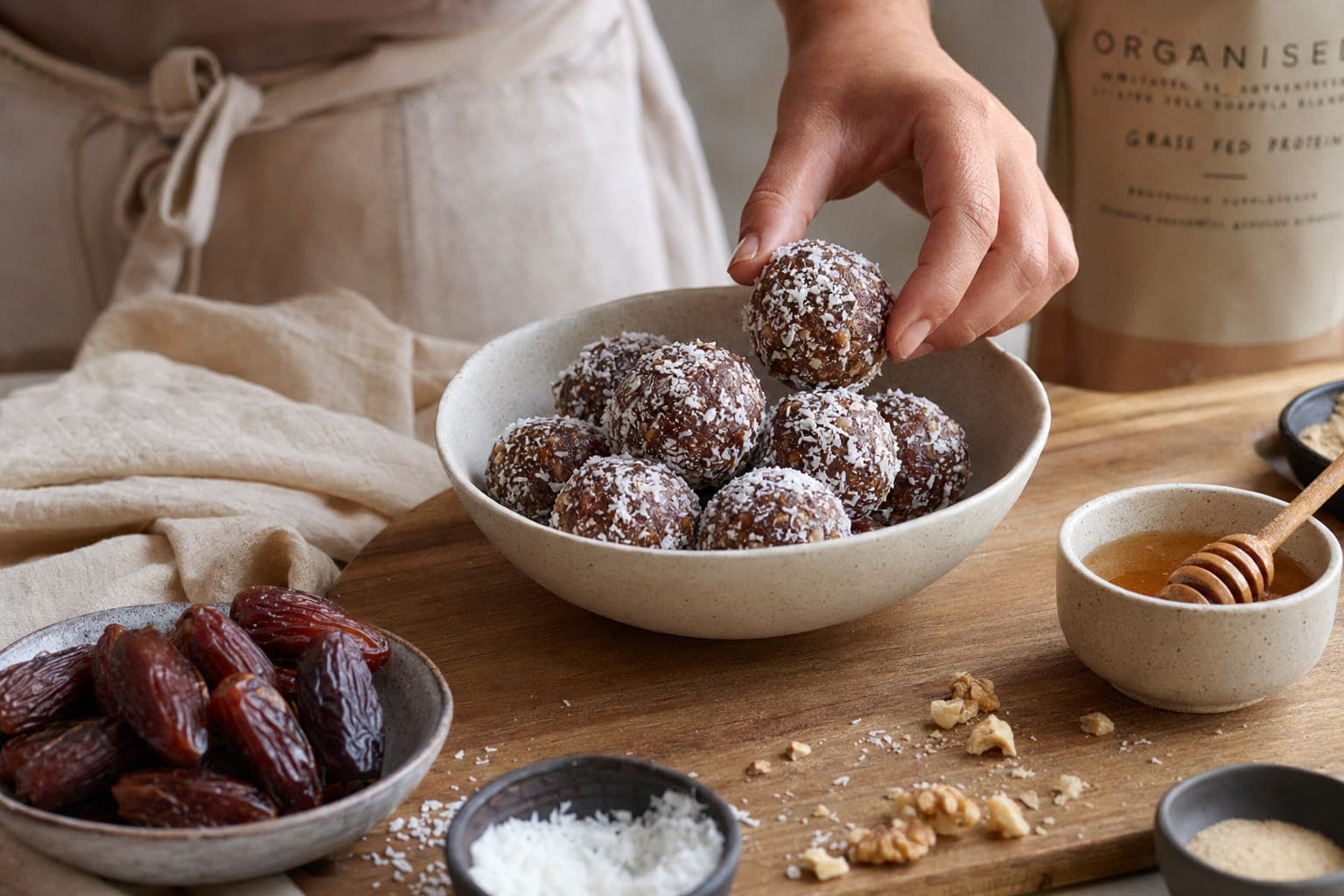
Energy Balls with Organised, Dates and Raw Honey
Make no-bake energy balls with Organised, dates, and raw honey. Perfect lunch box, pre-workout, or on-the-go snack. Simple recipe.


 Join over 100,000+ members
Build a better food system with us
The Organised community is thousands of people choosing real food and backing the farmers who grow it, all of us trying to leave the world a little better than we found it. If that is what you care about too, you belong here.