What the Inuit Diet Teaches Us About Fat and Health
For thousands of years, the Inuit lived in the Arctic on a diet that would horrify a modern nutritionist. Almost zero vegetables. Almost zero carbohydrates. Seventy to eighty percent of calories from fat. Raw blubber. Organ meats. And they had virtually no cardiovascular disease. This is not coincidence.
By Niall Kiddle, Founder, Organised

Reviewed by Pedro Rodrigues, Agronomist (farming and sourcing only) ·
5 min read · Published · Updated · 4 cited sources
Makers of the Organised Daily blend, a grass-fed beef organ supplement from regenerative UK farms
The diet that contradicts everything
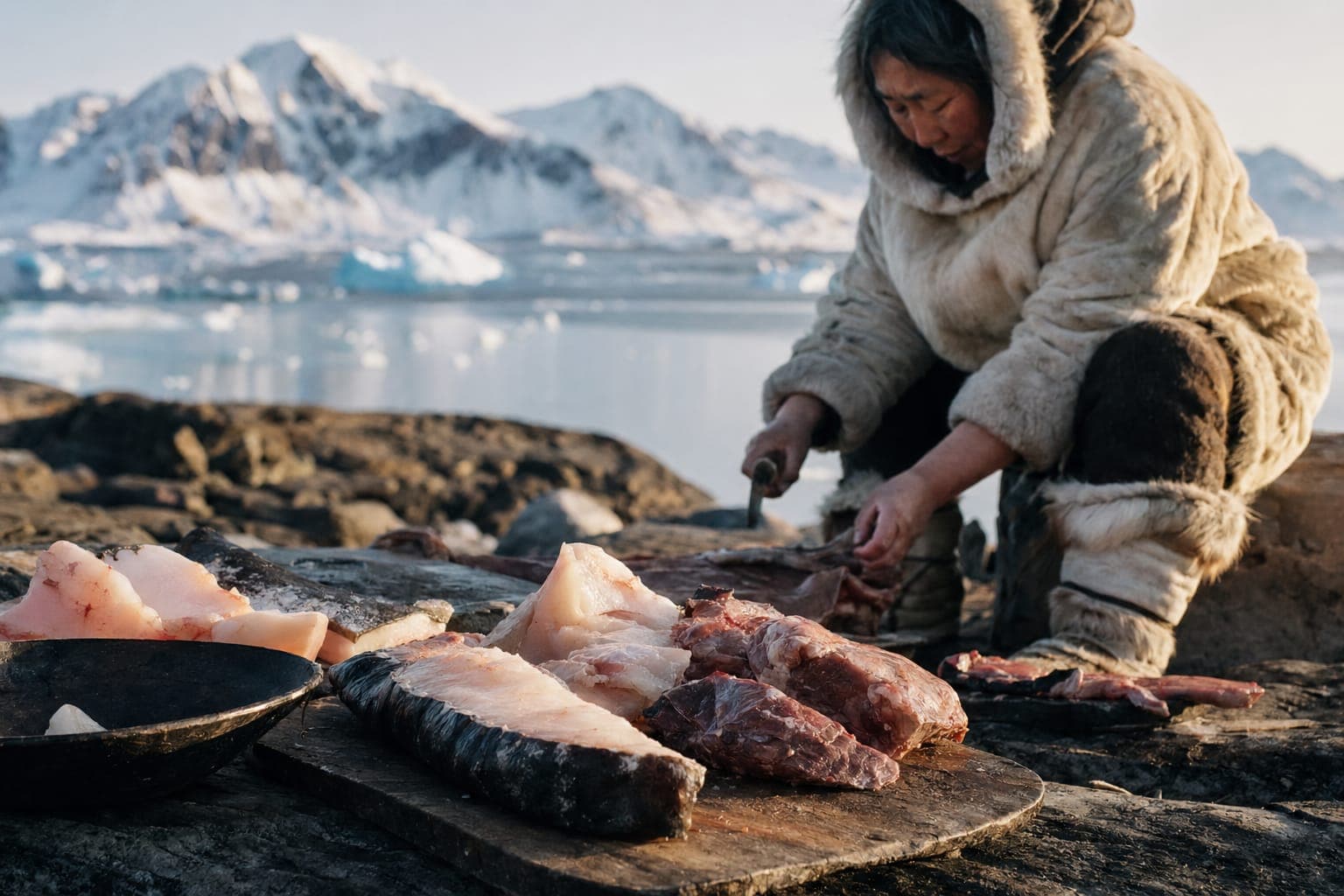
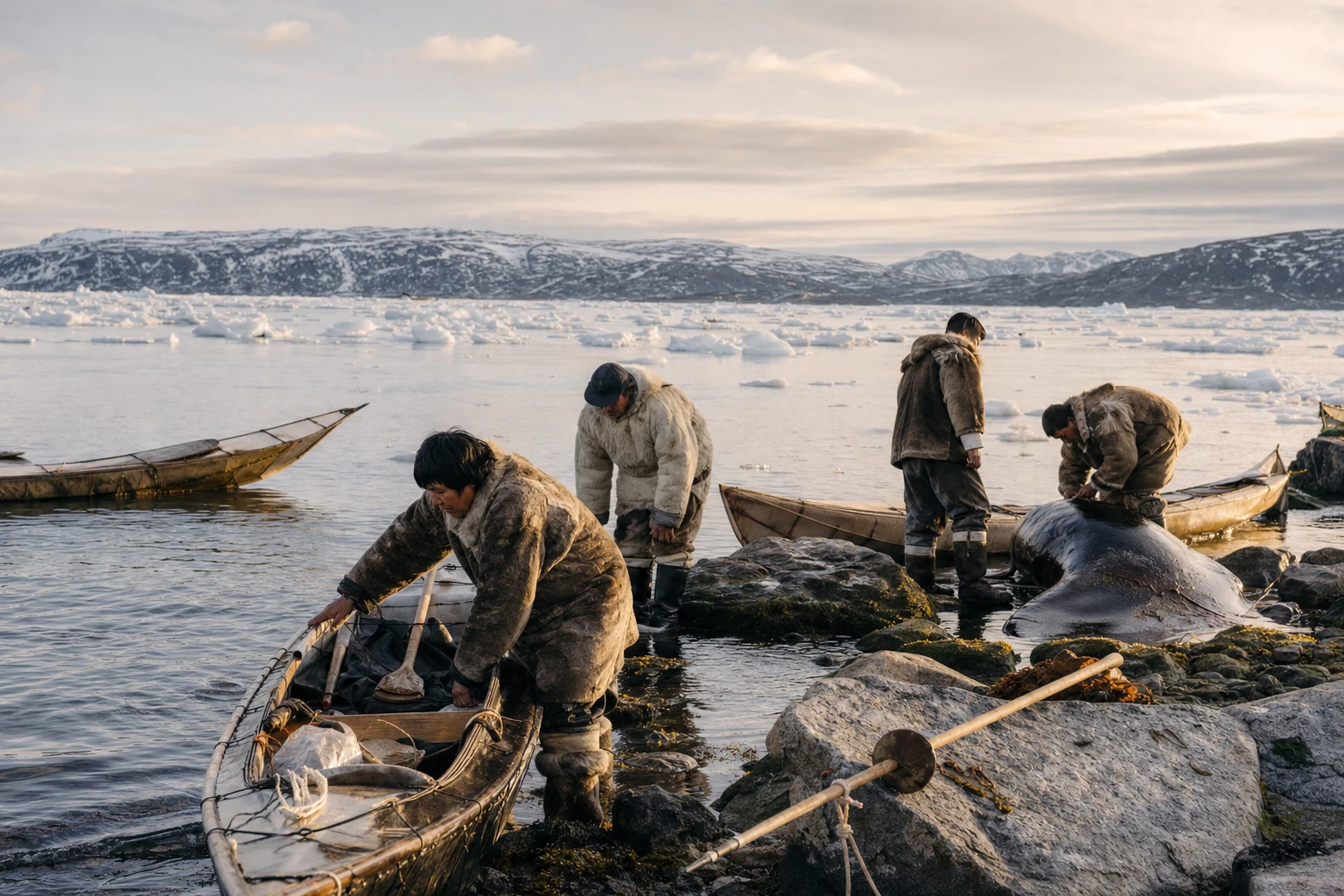
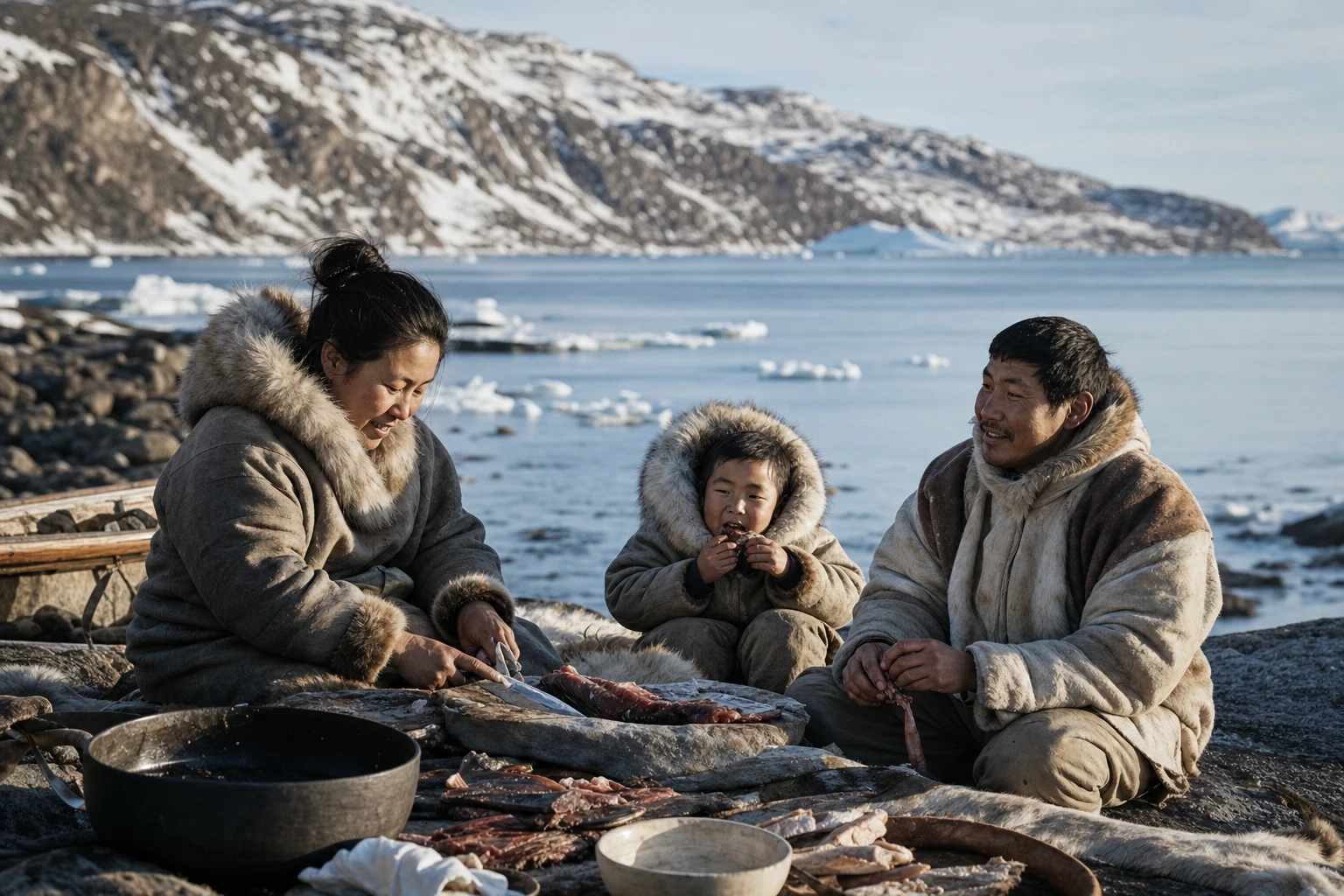
The traditional Inuit diet is the ultimate contrarian case study. In the early twentieth century, before processed foods reached the Arctic, Inuit people ate almost exclusively meat and fat. Seal, whale, fish, and occasionally musk ox or caribou. No grains. No legumes. No refined carbohydrates.
Their saturated fat intake was stratospheric by modern standards. Whale blubber is over ninety percent fat, much of it saturated. They were consuming upwards of two hundred grams of saturated fat daily, from a diet that was almost three-quarters fat calories.
And yet, cardiovascular disease was virtually absent. High blood pressure was rare. Autoimmune disease was uncommon. Cancer rates were low. They thrived on a diet that directly contradicts every major public health recommendation of the past seventy years.
If saturated fat caused heart disease in a simple linear way, the Inuit should have been the sickest population on Earth. They weren't.4
Almost zero carbohydrates, almost complete health
The Inuit consumed perhaps two to three percent of their calories from carbohydrates. In contrast, the average modern person consumes forty to fifty percent of calories from carbs. This isn't a lower-carb diet. This is a zero-carb adaptation.
Their bodies evolved, over thousands of years, to run entirely on fat and protein metabolism. They produced ketones as a primary fuel source. Their metabolisms were efficient, stable, and resistant to the blood sugar swings that plague modern people.
They didn't have diabetes. They didn't have metabolic syndrome. They didn't suffer the fatigue, mood disruption, and cognitive fog that come from blood sugar dysregulation. Their bodies were in metabolic alignment with their food supply.
The absence of plant foods meant the absence of certain antinutrients and inflammatory compounds. No phytic acid. No lectins. No seed oils. No refined sugars. Their immune systems were calm. Their inflammatory markers were low. This was baseline.
The Inuit achieved what modern medicine spends billions trying to create with medication: metabolic health, stable blood sugar, and chronic disease prevention. They did it with fat.
Blubber and its nutritional properties
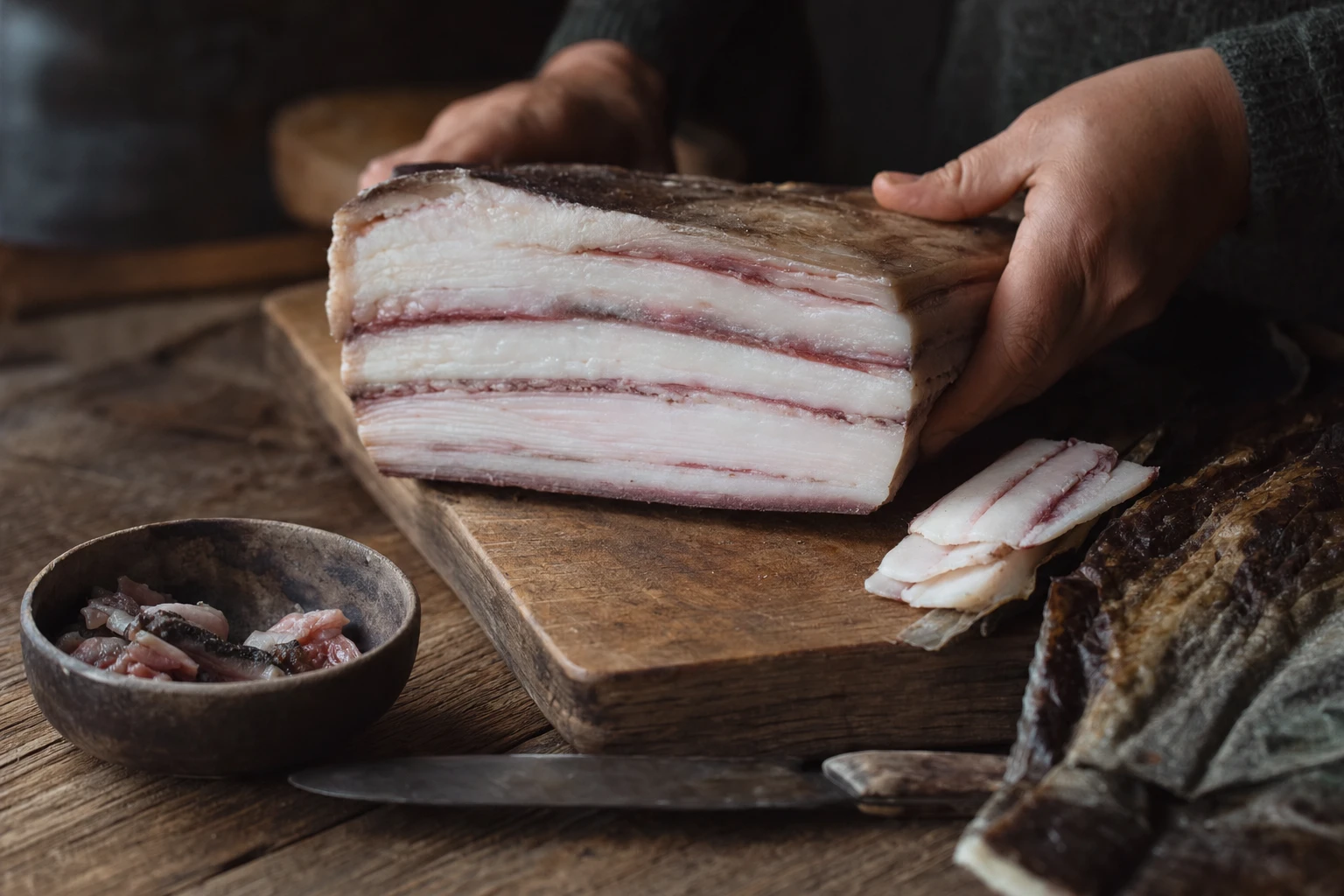
Modern people recoil at the word blubber, but whale and seal blubber is one of the most nutrient-dense foods on the planet. It contains high levels of omega-3 fatty acids, fat-soluble vitamins A and D, and a unique profile of fat that the Inuit body was perfectly adapted to metabolise.
Blubber from marine mammals is not the same as fat from grain-fed land animals. The ratio of omega-3 to omega-6 is far more favourable. The presence of DHA and EPA (the long-chain omega-3s most important for brain and cardiovascular health) is substantial. This was not just calories. This was medicine.
The fat-soluble vitamins in blubber were also critical. Vitamin A, which most people derive from plant sources (in the form of beta-carotene, which requires conversion), was directly available in its most active form. Vitamin D, nearly impossible to obtain from food in the Arctic's sunless winters, was abundant in the blubber and the liver of fish.
These vitamins don't just exist in the food. They exist in a fat-soluble matrix that allows absorption and utilisation in ways that isolated supplements can't match.
The raw liver tradition
The Inuit ate organ meats raw, particularly liver. Liver is the most nutrient-dense food available to humans. It's packed with vitamin A, folate, B12, iron, copper, and dozens of other micronutrients in bioavailable forms.
Raw liver preserved all these nutrients intact. Cooking would have damaged many of them. The Inuit understood, without knowing the biochemistry, that raw liver was a complete multivitamin. It was medicine. It was insurance against nutritional deficiency in an environment where plant foods didn't exist.
They also ate fish liver, which provided omega-3s and vitamin D in overwhelming abundance. A diet built on meat, fat, and organ meats was not a diet of nutritional insufficiency. It was a diet of nutritional completeness, built from entirely different food sources than a plant-based system would use.
The Inuit didn't need supplements because they were eating the foods that supplements try to replicate.
Get ancestral nutrition guides, free
Two short reads a week on traditional ways of eating, examined with modern evidence.
By signing up you agree to receive emails from us. No spam, unsubscribe anytime.
What the evidence actually shows
In the 1920s and 1930s, explorer Vilhjalmur Stefansson lived amongst the Inuit and adopted their diet. He and a colleague were subsequently monitored on an all-meat diet for a year under medical supervision in New York.2 He thrived. His health markers improved.
Autopsy studies of historical Inuit populations showed remarkably clean arteries despite saturated fat consumption that would alarm a modern cardiologist. Their blood vessels showed none of the atherosclerotic plaques seen in modern Western populations.
Their teeth were strong. Their bones were dense. Their immune systems were robust. By every measurable marker of health, despite a diet that violates modern nutritional dogma, they were exceptional.
You cannot claim that saturated fat causes cardiovascular disease when an entire population thrived on it for millennia without disease.
Why we got the story wrong
The war on saturated fat began in the 1950s with Keys' Seven Countries Study, which selectively reported data to support the lipid hypothesis. Countries where saturated fat consumption didn't correlate with heart disease were excluded. The narrative was built on incomplete evidence.
The Inuit were never included in this narrative, or if they were, they were dismissed as a genetic anomaly. The assumption was that they were protected by something else, not by their diet. But there is no evidence of genetic protection. When Inuit populations adopted Western diets, rates of diabetes, obesity, and cardiovascular disease rose significantly.3
The factor wasn't genetics. It was food. Remove the fat-soluble vitamin-dense ancestral foods and replace them with refined carbohydrates and seed oils, and health collapses. This is the experiment the Inuit have unwillingly participated in, with devastating results.
The Inuit didn't get sick when they ate traditional food. They got sick when they stopped.

1 of 9
Daily blend
100,000+ thriving families4.9 on Trustpilot
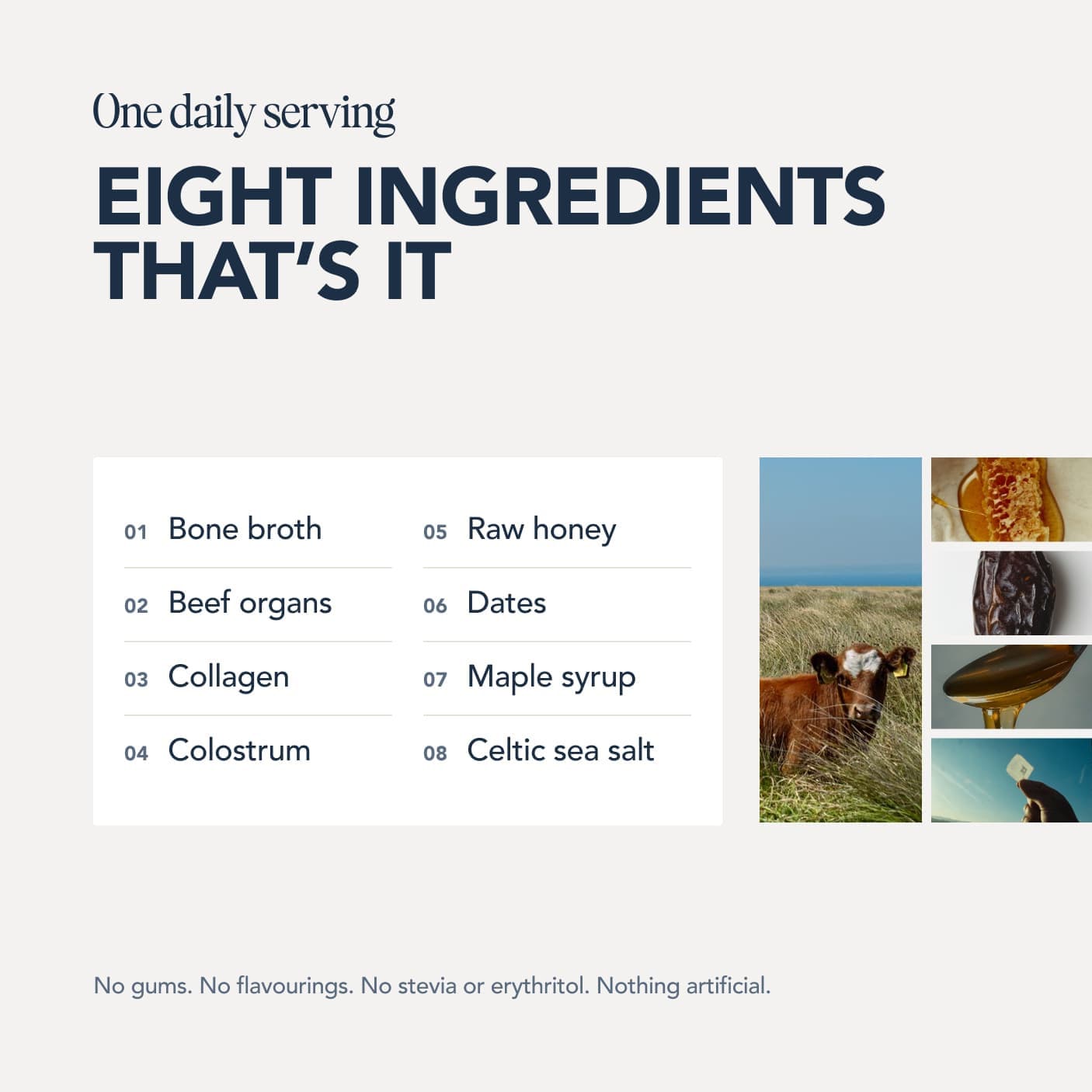
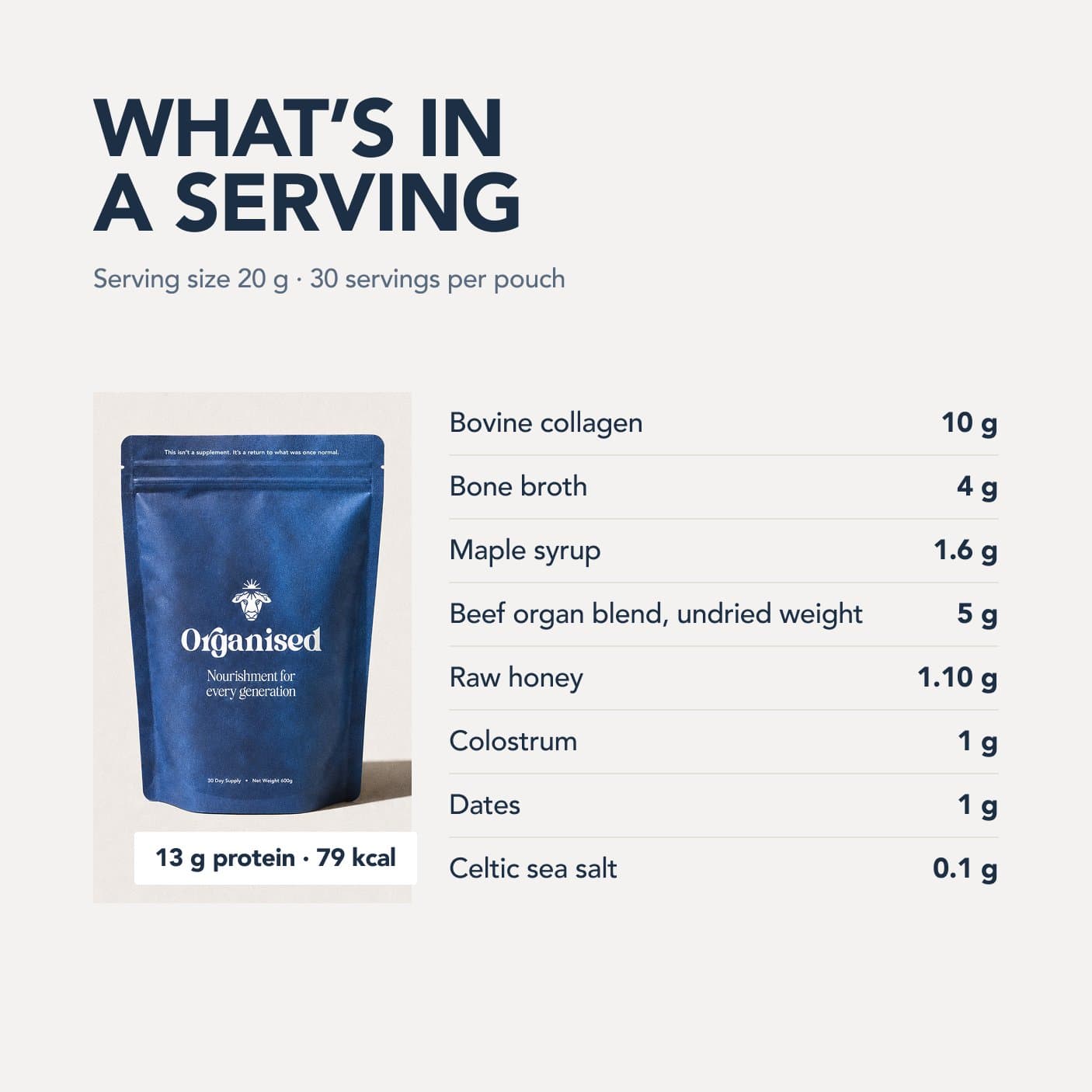
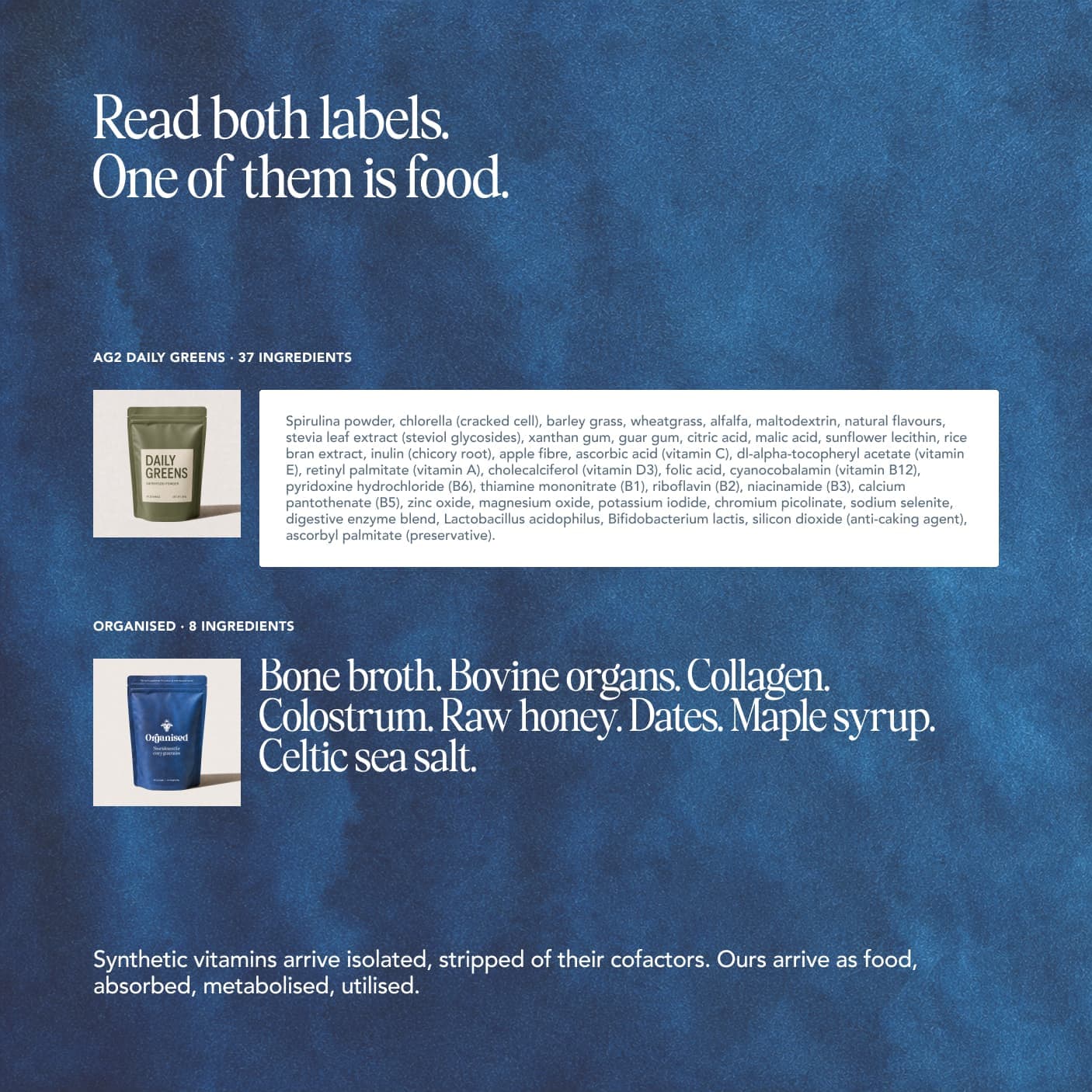
Eight real ingredients built around grass-fed beef organs, collagen and colostrum. Nothing synthetic added.
Free with your first order, worth £38. Plus £10 off the pouch with a subscription.


Free UK shipping · Made in England · 100 day money back guarantee on your first pouch · Skip, pause or cancel anytime
The bottom line
The Inuit diet is not a diet you need to replicate exactly. You have access to plant foods and different animal sources. But it's a powerful case study in what human health looks like when decoupled from refined carbohydrates and seed oils, and built entirely on nutrient-dense animal foods and fat.
It proves that saturated fat doesn't cause disease. It proves that zero-carb adaptation is metabolically possible. And it proves that when we dismiss a dietary pattern because it doesn't fit our current narrative, we're often dismissing evidence we should be paying attention to.
References
Every source below was checked on 27 August 2026. Each PubMed, PMC and DOI identifier was resolved against NCBI or Crossref, and what it opens is printed under the citation, so you can see the link goes where the citation says without leaving the page. Where a citation and its identifier disagreed, the citation was corrected to the record or the reference was deleted along with the sentence marker that pointed at it, and where the resolved paper turned out not to support the sentence, the sentence was cut back to what it does support. Borrowed authority is worse than none, because it looks like rigour.
- Bang HO, Dyerberg J, Sinclair HM. The composition of the Eskimo food in north western Greenland. Am J Clin Nutr. 1980;33(12):2657-61. PMID: 7435433.Checked 27 August 2026: PMID 7435433 opens Bang HO, Dyerberg J, Sinclair HM, The composition of the Eskimo food in north western Greenland. Am J Clin Nutr 1980;33(12):2657-61. PubMed indexes it as: Comparative Study.
- McClellan WS, Du Bois EF. Clinical calorimetry. XLV. Prolonged meat diets with a study of kidney function and ketosis. J Biol Chem. 1930;87:651-668.
- Bjerregaard P, Young TK, Hegele RA. Low incidence of cardiovascular disease among the Inuit — what is the evidence? Atherosclerosis. 2003;166(2):351-7. PMID: 12535749.Checked 27 August 2026: PMID 12535749 opens Bjerregaard P, Young TK, Hegele RA, Low incidence of cardiovascular disease among the Inuit--what is the evidence? Atherosclerosis 2003;166(2):351-7. PubMed indexes it as: Comparative Study.
- Siri-Tarino PW et al. Meta-analysis of prospective cohort studies evaluating the association of saturated fat with cardiovascular disease. Am J Clin Nutr. 2010;91(3):535-46. PMID: 20071648.Checked 27 August 2026: PMID 20071648 opens Siri-Tarino PW, Sun Q, Hu FB et al, Meta-analysis of prospective cohort studies evaluating the association of saturated fat with cardiovascular disease. Am J Clin Nutr 2010;91(3):535-46. PubMed indexes it as: Meta-Analysis.
Who wrote and reviewed this guide
Niall Kiddle
Author · Founder, Organised
Niall is the founder of Organised. He started the company in 2024 after fixing his own health the slow way: in 2022 he swapped a cupboard of synthetic supplements for real food, raw milk, organ meats, bone broth and honey, and felt the difference within months.
Areas of expertise: Ancestral nutrition, Organ meats, Whole-food supplementation, Gut health, Regenerative sourcing
Read Niall's full profile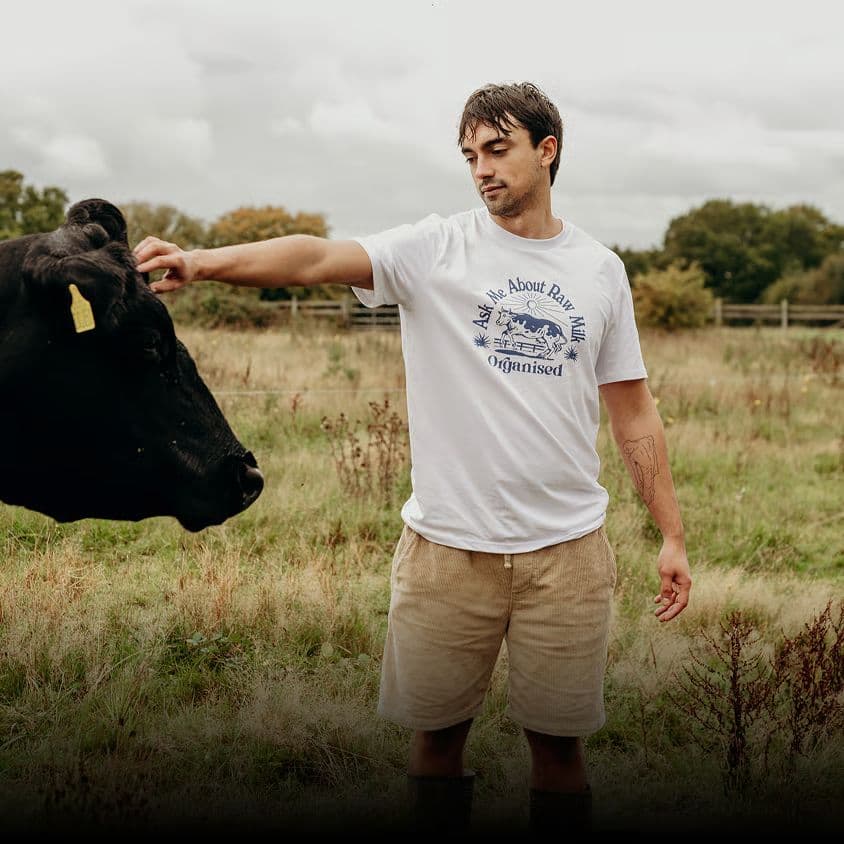
Pedro Rodrigues
Reviewer · Agronomist (farming and sourcing only)
Pedro is the agronomist Organised works with on farming and sourcing. His job on the guides is to keep the science honest: he reviews what we publish about soil health, regenerative agriculture, grazing and the way food is actually produced.
Areas of expertise: Regenerative agriculture, Agronomy, Soil health, Grass-fed farming, Food sourcing
Reviewed this guide on
Read Pedro's full profileMore on ancestral diets
View allBrowse the guides library
All guidesKeep reading
Ancestral
What 'Clean Eating' Gets Right and Wrong
Clean eating has merit, but it can also fuel orthorexia, privilege, and dogma. Here's what actually works about the movement, and what doesn't.
Ancestral
The French Paradox: Real Food, Real Health
Explore the French paradox: high saturated fat, low heart disease and long lives. It is not just the wine, but the food, the meals and the eating culture.
Ancestral
Bone Broth: The Original Superfood
Discover why bone broth has been called nature's most nutrient-dense food across cultures. Learn the science, the history, and how to make it yourself.
Real food, made effortless
Bring it into my routineA few ways to use it
All recipes
Energy Balls with Organised, Dates and Raw Honey
Make no-bake energy balls with Organised, dates, and raw honey. Perfect lunch box, pre-workout, or on-the-go snack. Simple recipe.
The Perfect Organised Morning Shake: Our Favourite Recipe
Our signature morning shake: Organised, raw milk, banana, honey. Simple, nourishing, and optimised for an empty stomach.
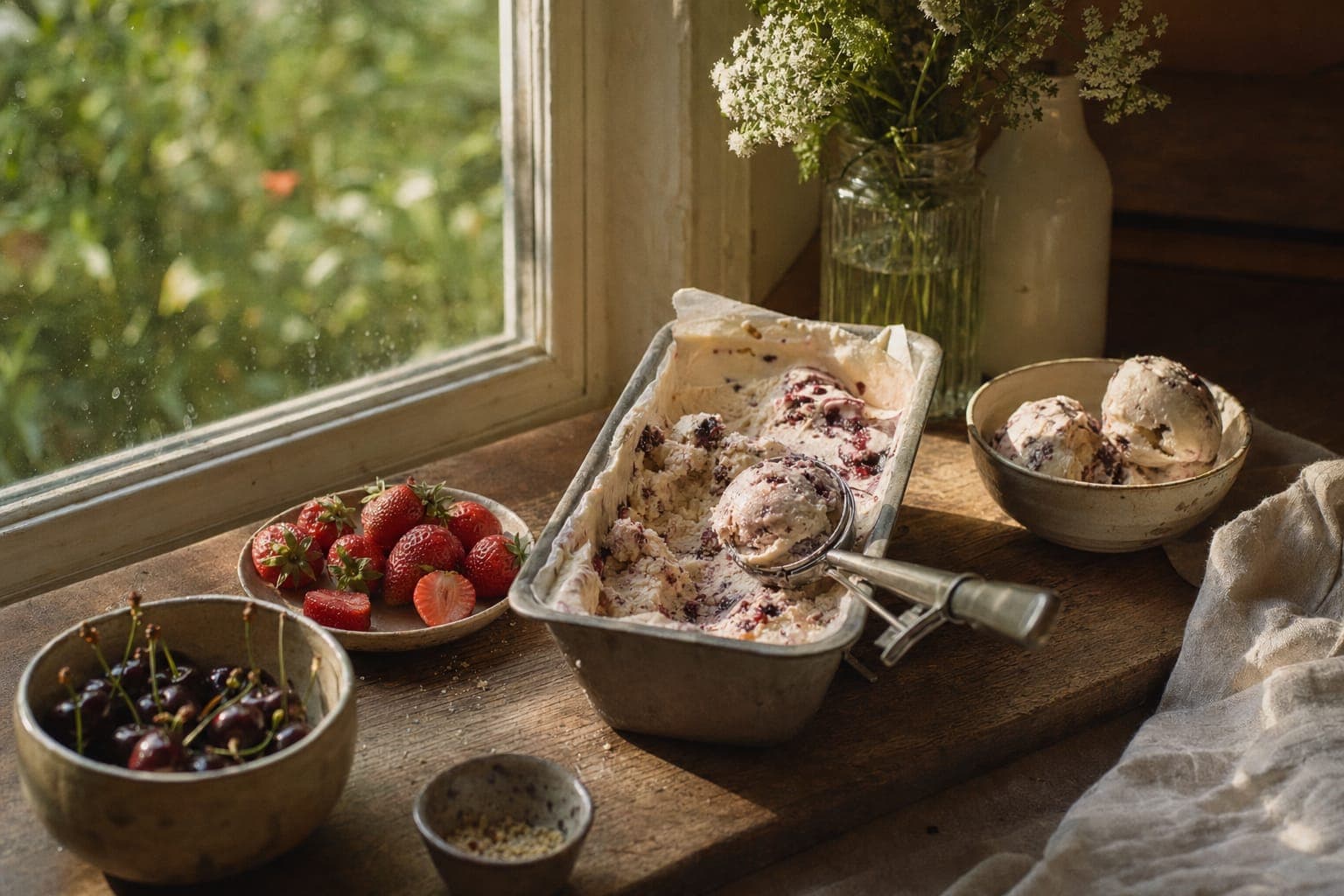
Raw Milk Ice Cream with Organised
Make raw milk ice cream at home with Organised for a seasonal, nutrient-dense treat. Three simple flavours to try whenever the craving strikes.


 Join over 100,000+ members
Build a better food system with us
The Organised community is thousands of people choosing real food and backing the farmers who grow it, all of us trying to leave the world a little better than we found it. If that is what you care about too, you belong here.