Seed Oils: A Fair and Evidence-Based Assessment
Every kitchen cupboard in Britain probably has a bottle of vegetable oil. It sits so quietly you forget it's there. But there's growing evidence that this staple might not be as neutral as we've been told.

By Niall Kiddle, Founder, Organised

Reviewed by Pedro Rodrigues, Agronomist (farming and sourcing only) ·
7 min read · Published · Updated · 3 cited sources
Makers of the Organised Daily blend, a grass-fed beef organ supplement from regenerative UK farms
This is the single most consequential dietary change of the last century, and it happened with almost no informed consent from the people doing the eating.
What seed oils are
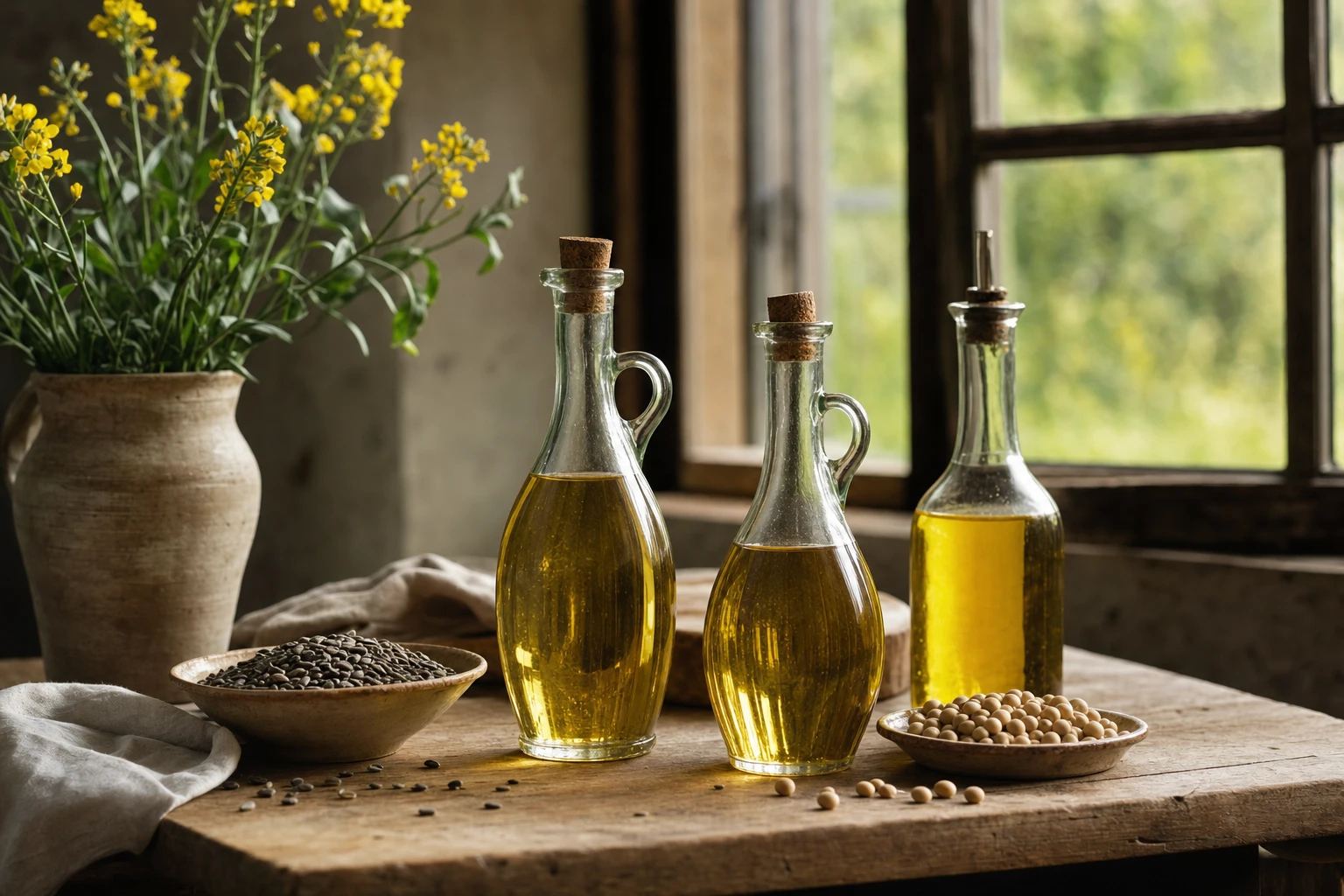
Seed oils are extracted from seeds: sunflower, soya, canola, rapeseed, safflower, cotton. They're high in polyunsaturated fats, low in saturated fat, and cheap to produce at scale. For the last fifty years, they've been marketed as the healthier alternative to butter and lard.
The argument was simple: saturated fat raises cholesterol, seed oils don't, therefore seed oils are better. But nutrition science doesn't work that way. A single nutrient doesn't tell the whole story.
Industrial seed oils are not food in any ancestral sense. Their composition, the way they're extracted, and how they behave under heat all matter, and all point in the same direction. Linoleic acid accumulates in tissue. It oxidises. It takes years to clear, with a half-life in adipose tissue measured in years rather than days.
The case that seed oils are healthier than traditional fats was never just oversimplified. It was wrong.
The omega-6 to omega-3 imbalance
Both omega-6 and omega-3 polyunsaturated fats are essential. The omega-6 to omega-3 ratio in modern Western diets is estimated at 15–20:1, far higher than the roughly 1:1 to 4:1 reconstructed for ancestral diets.1
Seed oils are omega-6 dominant. Sunflower oil is about 65% linoleic acid (omega-6). Soya oil is about 50%. Meanwhile, foods rich in omega-3 (fish, grass-fed beef, pastured eggs, flax seeds) are either scarce in modern diets or actively replaced by processed alternatives.
The mechanistic concern is that linoleic acid is metabolised to arachidonic acid, which is the precursor for pro-inflammatory eicosanoids; advocates of the "oxidised linoleic acid hypothesis" argue this contributes to chronic disease, although mainstream randomised trials of inflammatory markers in healthy adults are mixed.2
Inflammation isn't the enemy. It's necessary for healing. But chronic inflammation, running silently in the background, damages your arteries, ages your skin, inflames your joints, and disrupts your hormones.
Seed oils didn't cause this alone. But replacing traditional fats with seed oils and removing fish and organ meat from the diet created a metabolic landscape that favours inflammation. The growing evidence on this is compelling and increasingly difficult to dismiss.
Your body needs omega-6, but the ratio to omega-3 is what determines whether it becomes inflammatory.
Oxidation and high-heat cooking
Polyunsaturated fats contain multiple carbon–carbon double bonds, which makes them more susceptible to oxidation than saturated or monounsaturated fats. This is established lipid chemistry.3
When you heat seed oil to high temperatures, those double bonds break. The molecules rearrange. New compounds form, including oxidised linoleic acid metabolites and trans fats. Your body doesn't recognise these as food. Your immune system sees them as foreign.
This matters because seed oils are often used for deep frying, roasting, and cooking at temperatures that maximise oxidation. The very uses the food industry champions are the ones that create the most damage. Industrial restaurants and food manufacturers rely on seed oils precisely because they're cheap and functional at high heat. But functional doesn't mean healthy.
Saturated fats like butter and coconut oil have only single bonds. They're stable at high heat. Your body recognises them. They don't oxidise easily. This isn't a coincidence that ancestral cultures used these fats for cooking. It's chemistry working in their favour.

Industrial processing concerns
Modern seed oils aren't simply pressed from seeds like olive oil. They're extracted using industrial solvents (often hexane), bleached, and deodorised at high temperatures to remove the smell of rancidity. This process itself creates oxidised compounds.
When you buy a bottle of sunflower oil, you're buying a product that's already been oxidised once during production, then oxidises again every time you heat it. The cumulative damage is non-trivial.
Olive oil is cold-pressed. Coconut oil is mechanical-pressed. Butter is churned. Seed oils are chemically extracted using industrial solvents. The difference in processing affects the final product's stability and how your body processes it. Residual solvent traces may be removed, but the oxidative damage from processing is permanent.
The food industry argues this process is safe because any solvent residues are removed. Maybe. But that doesn't make oxidised compounds disappear. Once they're there, they're there.
The production method matters as much as the source material.
What the research shows
The evidence on seed oils isn't unanimous, and honest science requires acknowledging that. Some studies show neutral effects on heart health. Others show increased inflammation markers. Some show both, depending on dosage and population.
What's become clearer over the last decade is that the original case for seed oils was oversimplified. The argument "cholesterol goes down, so they must be healthy" ignored oxidation, inflammation, and omega-6 dominance. It also ignored that raising cholesterol isn't actually bad if the cholesterol is protective (HDL) versus harmful (oxidised LDL).
The growing consensus among researchers studying inflammation and metabolic health is cautious. Seed oils probably aren't harmless. Small amounts occasionally are likely fine. But regular consumption as a primary cooking fat, combined with low omega-3 intake, creates an environment where inflammation thrives.
Get ancestral nutrition guides, free
Two short reads a week on traditional ways of eating, examined with modern evidence.
By signing up you agree to receive emails from us. No spam, unsubscribe anytime.
The metabolic effects over time
The effects of seed oil consumption aren't immediate or obvious. You don't eat a meal fried in seed oil and feel inflammation. You eat it regularly for weeks and months. Your body gradually adapts. Inflammatory markers rise incrementally. Your triglycerides creep up. Your HDL falls. Your waist circumference increases. Energy declines. Sleep suffers.
Many of these changes are attributed to aging or stress. In reality, they're partially a response to cumulative oxidised fat consumption and chronic omega-6 dominance. This isn't saying seed oils are solely responsible. It's saying they're a significant contributing factor in a system that's already pushing toward inflammation.
This isn't the same as saying seed oils cause disease. It's saying they're a contributing factor in a system that's already pushing toward chronic inflammation.
How seed oil dominance developed
The shift to seed oils wasn't driven by superior nutrition. It was driven by economics. In the 1950s, industrial agriculture produced enormous quantities of soya and sunflower seeds as byproducts of animal feed production. Oil extraction from these seeds was cheap and scalable.
The food industry needed to sell this oil profitably. So marketing campaigns began. Butter and lard were reframed as unhealthy. Seed oils were positioned as modern, scientific, heart-healthy. Universities received funding to research seed oils. Public health organisations recommended them. Doctors prescribed low-fat diets, which meant seed oil-based diets.
This wasn't based on solid evidence. It was based on economic incentive aligned with public health messaging. The irony is that the messaging succeeded so completely that we still believe it decades later, despite accumulating evidence suggesting it was oversimplified.
Your grandparents didn't eat seed oils. They ate butter, lard, and occasionally olive oil. They had lower rates of heart disease, lower rates of inflammation, healthier metabolic profiles. Not because they were younger or less stressed. Because their fat sources didn't create the inflammatory environment that seed oil dominance creates.



1 of 9
Daily blend
100,000+ thriving families4.9 on Trustpilot
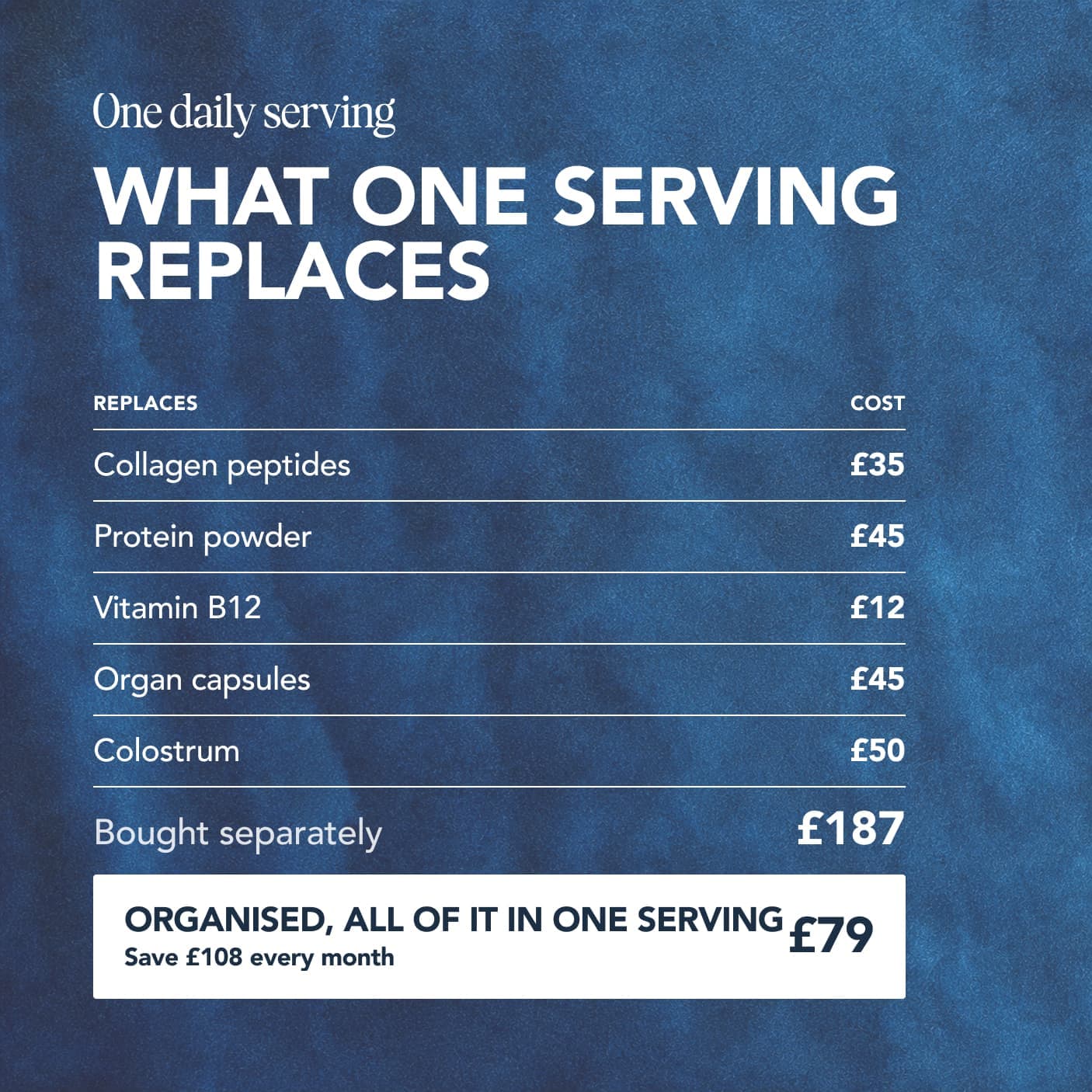
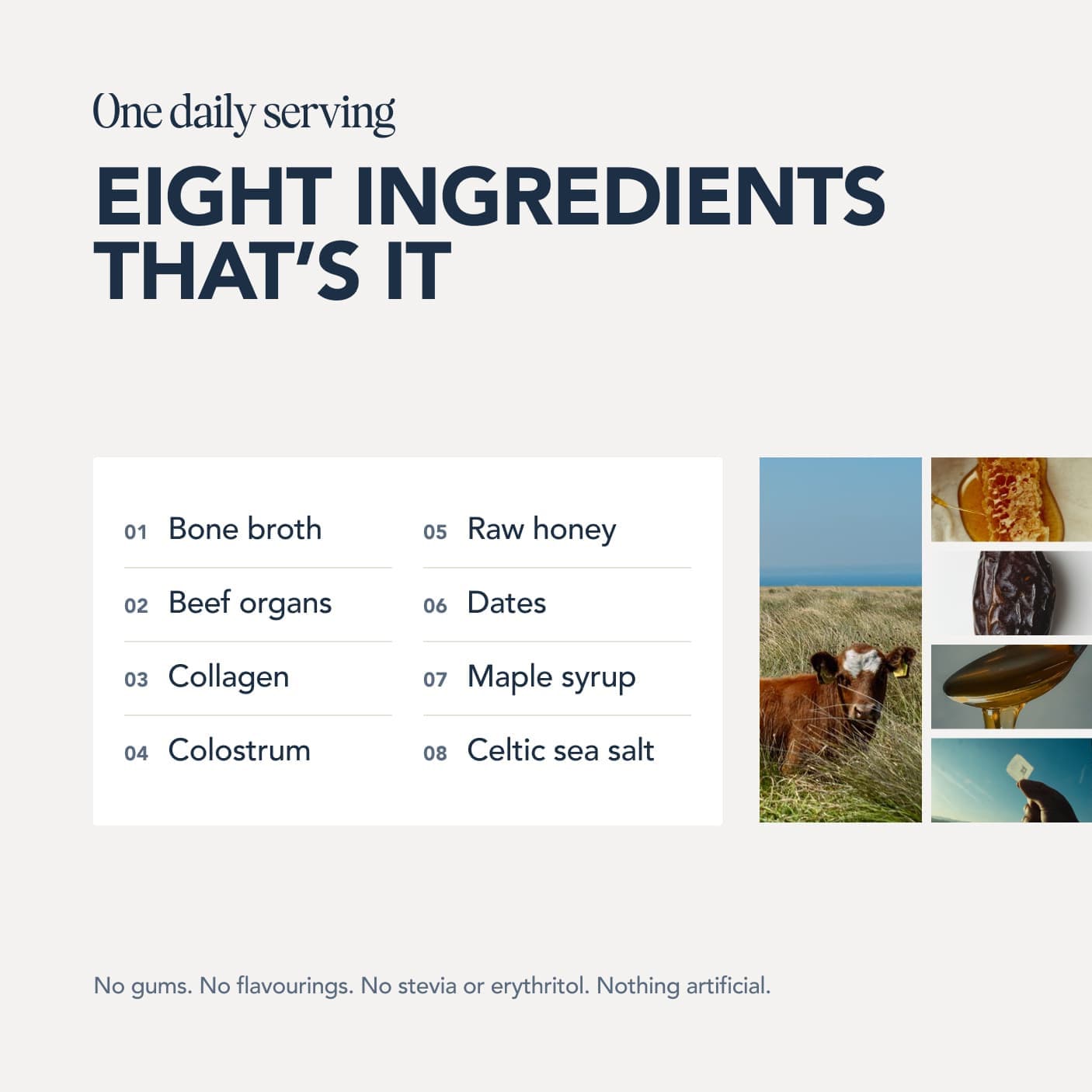
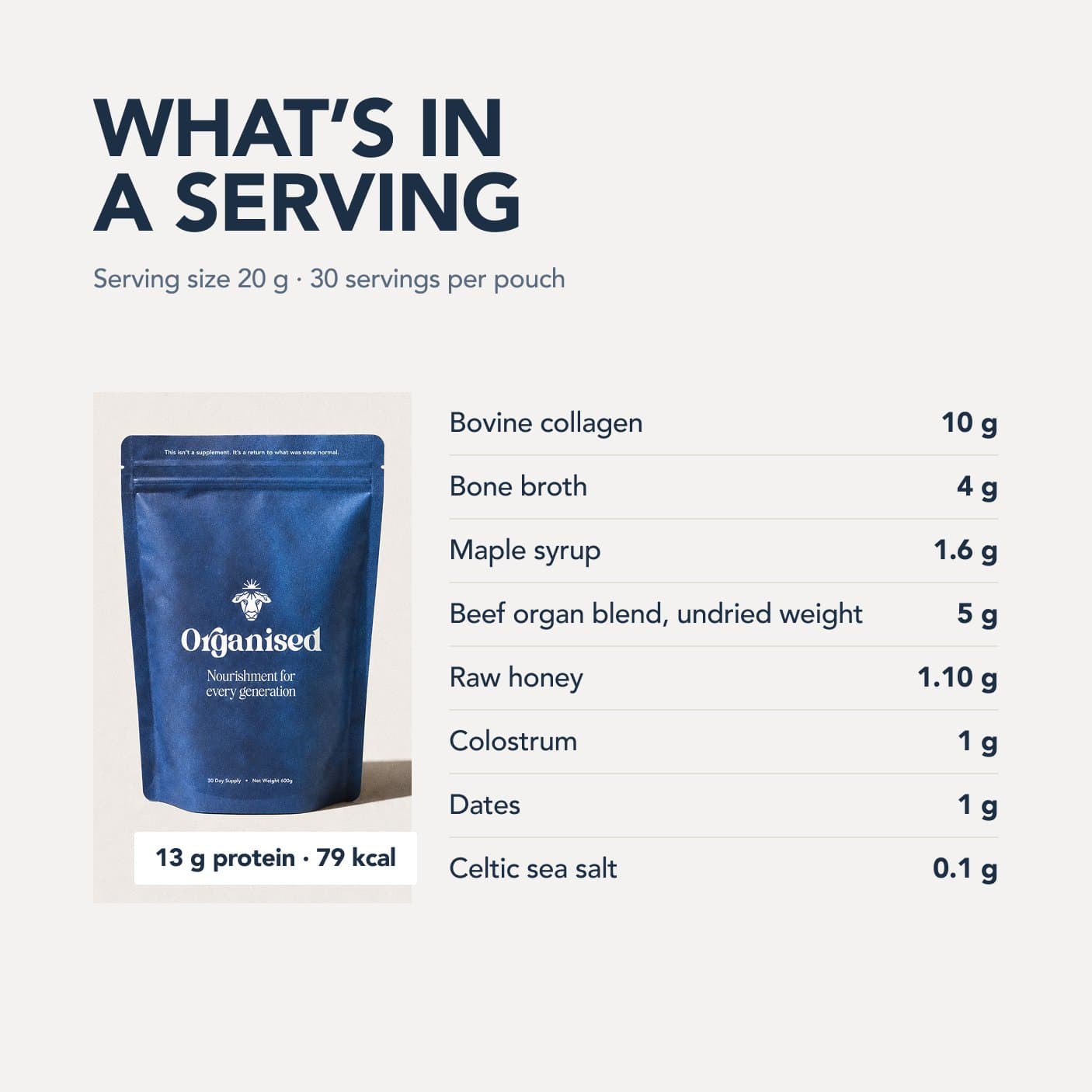
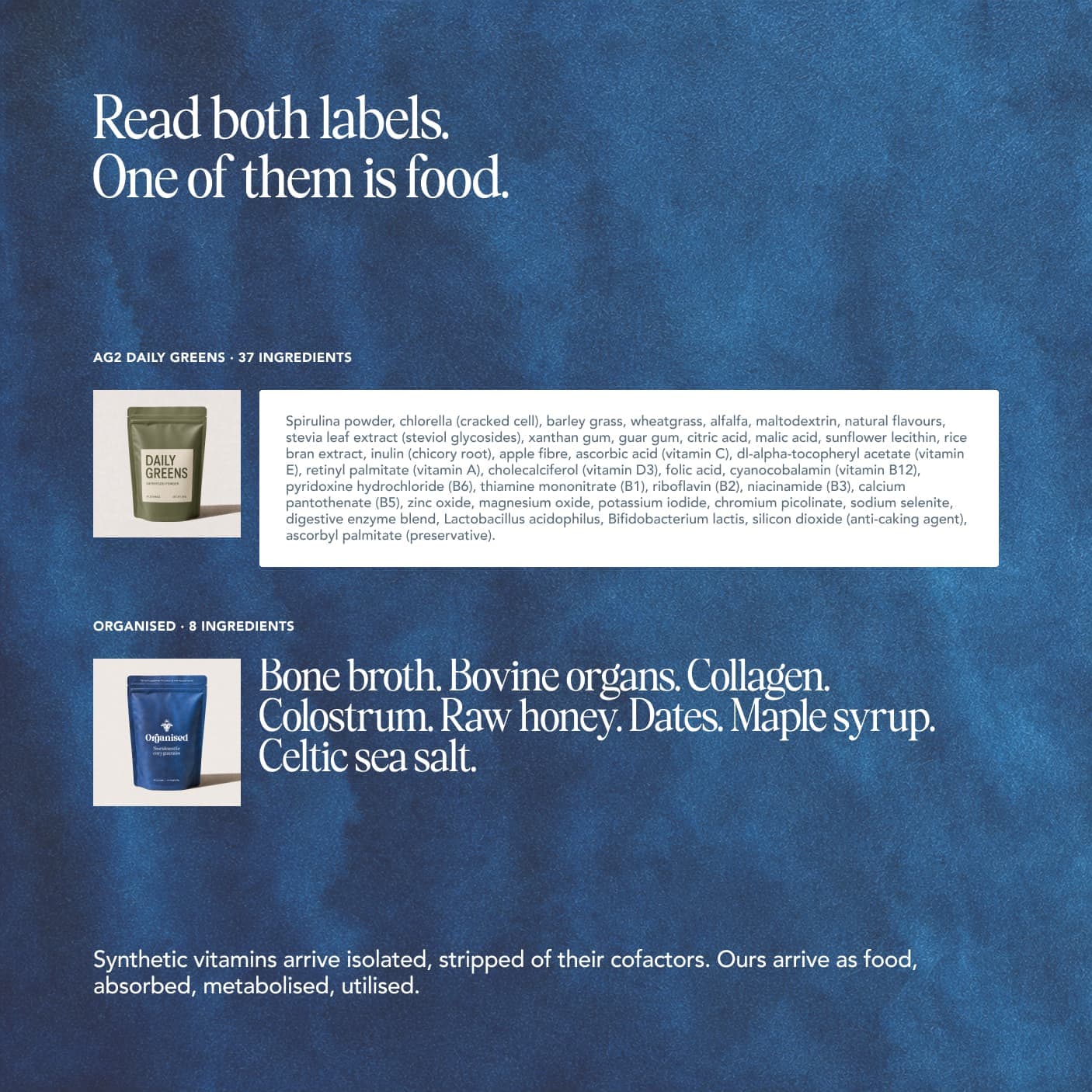
Eight real ingredients built around grass-fed beef organs, collagen and colostrum. Nothing synthetic added.
Free with your first order, worth £38. Plus £10 off the pouch with a subscription.

Free UK shipping · Made in England · 100 day money back guarantee on your first pouch · Skip, pause or cancel anytime
A practical, honest approach
Get them out completely where you can. Linoleic acid stored in tissue takes roughly two to four years to substantially clear, and every meal cooked in seed oil is another meal that delays the detox. Cook in butter, ghee, beef tallow, or coconut oil. These are stable at heat, your body recognises them, and they have been on human plates for as long as cooking has existed.
For cold uses like drizzling on salads, extra virgin olive oil is fine. The point is not to be perfect. The point is to stop volunteering for the inflammatory load every time you eat.
Restaurant food is the harder problem, because almost every kitchen now defaults to seed oils. You will not always control this. Reduce the frequency where you can, ask when it makes sense to ask, and accept that the home kitchen is where the real change happens.
The goal isn't purity. It's getting industrial seed oils out of the home kitchen and back to fats your body actually recognises as food.
The bottom line
Industrial seed oils are not the heart-healthy upgrade they were sold as. They are an industrial fat humans had no significant exposure to before the twentieth century, they oxidise inside you and into the tissue you live with for years, and they sit underneath a measurable share of the chronic inflammatory disease the modern world treats as normal ageing.
Swap them out at home for butter, ghee, beef tallow, or coconut oil. Reduce restaurant food where you can. Move toward fats your ancestors used for thousands of years. The body has no ancestral experience metabolising these oils in the quantities the modern food supply delivers, and there is no good reason to keep volunteering for the experiment.
References
Every source below was checked on 27 August 2026. Each PubMed, PMC and DOI identifier was resolved against NCBI or Crossref, and what it opens is printed under the citation, so you can see the link goes where the citation says without leaving the page. Where a citation and its identifier disagreed, the citation was corrected to the record or the reference was deleted along with the sentence marker that pointed at it, and where the resolved paper turned out not to support the sentence, the sentence was cut back to what it does support. Borrowed authority is worse than none, because it looks like rigour.
- Simopoulos AP. The importance of the ratio of omega-6/omega-3 essential fatty acids. Biomed Pharmacother. 2002. https://pubmed.ncbi.nlm.nih.gov/12442909/Checked 27 August 2026: PMID 12442909 opens Simopoulos AP, The importance of the ratio of omega-6/omega-3 essential fatty acids. Biomed Pharmacother 2002;56(8):365-79. PubMed indexes it as: Comparative Study, Review.
- DiNicolantonio JJ, O'Keefe JH. Omega-6 vegetable oils as a driver of coronary heart disease: the oxidized linoleic acid hypothesis. Open Heart. 2018. https://pmc.ncbi.nlm.nih.gov/articles/PMC6196963/Checked 27 August 2026: PMC6196963 opens DiNicolantonio JJ, O'Keefe JH, Omega-6 vegetable oils as a driver of coronary heart disease: the oxidized linoleic acid hypothesis. Open Heart 2018;5(2):e000898.The authors' own declaration, from the record: Competing interests: JD is the author of The Salt Fix and Superfuel and operates the website thesaltfix.com. JHO has an ownership interest in CardioTabs, a nutraceutical company.
- National Institutes of Health, Office of Dietary Supplements. Omega-3 Fatty Acids — Health Professional Fact Sheet. https://ods.od.nih.gov/factsheets/Omega3FattyAcids-HealthProfessional/
Who wrote and reviewed this guide
Niall Kiddle
Author · Founder, Organised
Niall is the founder of Organised. He started the company in 2024 after fixing his own health the slow way: in 2022 he swapped a cupboard of synthetic supplements for real food, raw milk, organ meats, bone broth and honey, and felt the difference within months.
Areas of expertise: Ancestral nutrition, Organ meats, Whole-food supplementation, Gut health, Regenerative sourcing
Read Niall's full profile
Pedro Rodrigues
Reviewer · Agronomist (farming and sourcing only)
Pedro is the agronomist Organised works with on farming and sourcing. His job on the guides is to keep the science honest: he reviews what we publish about soil health, regenerative agriculture, grazing and the way food is actually produced.
Areas of expertise: Regenerative agriculture, Agronomy, Soil health, Grass-fed farming, Food sourcing
Reviewed this guide on
Read Pedro's full profileBrowse the guides library
All guidesKeep reading
Ancestral
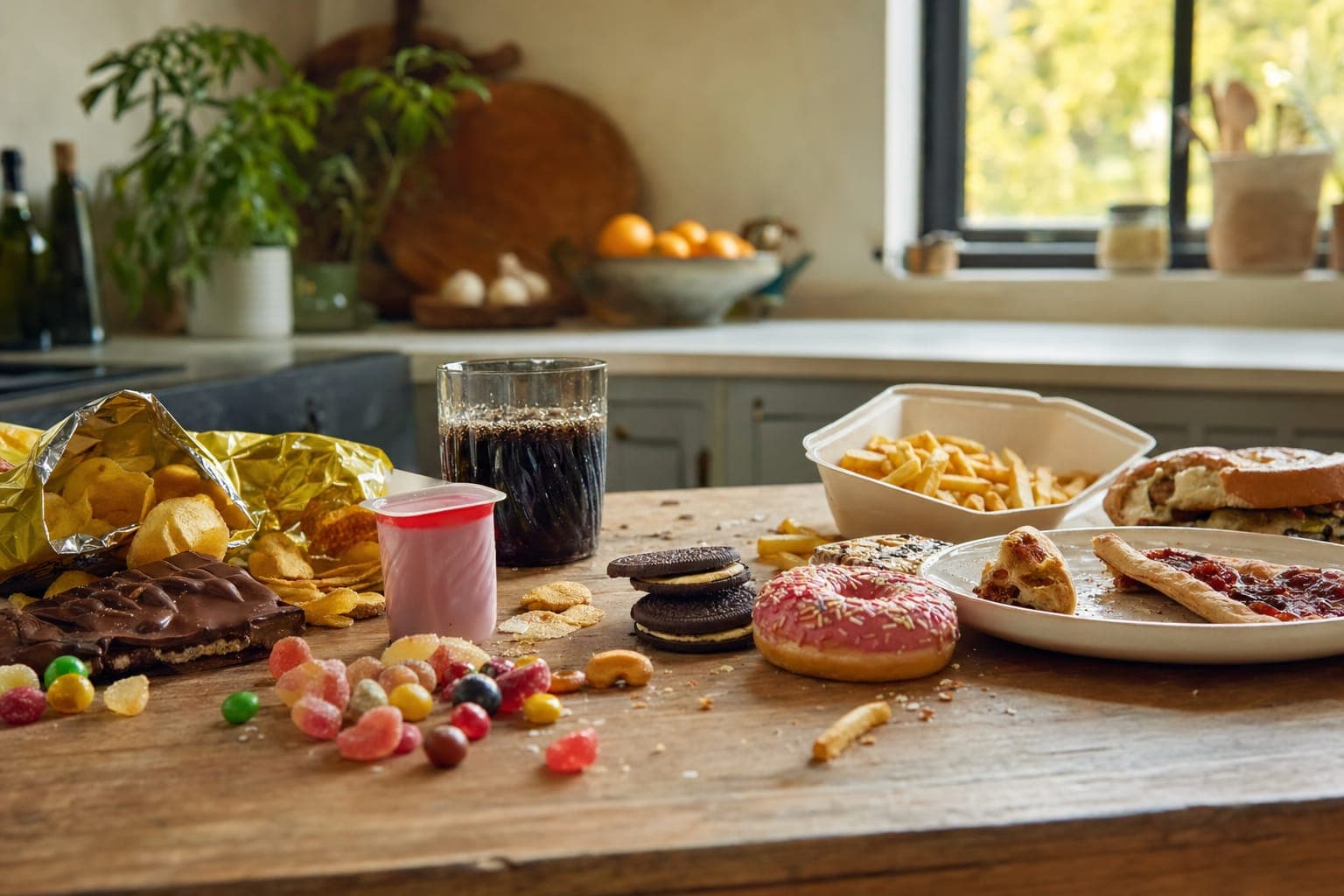
Ultra-Processed Food: What It Does to Your Body
What ultra-processed food actually does to your body. From appetite dysregulation to inflammation, here's why it matters.
Ancestral
The 8 Ingredients Philosophy: Less Is More
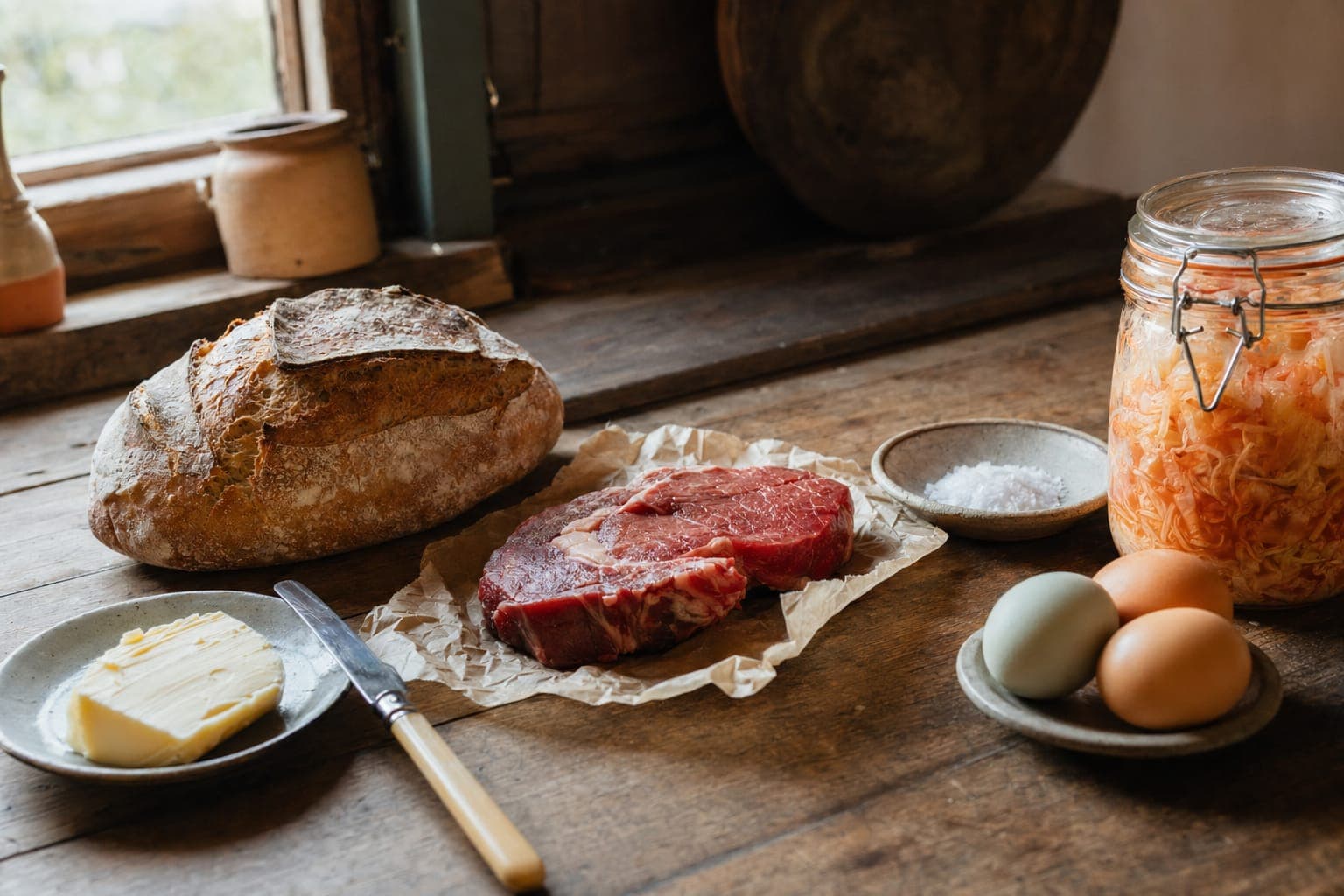
Great meals don't need ten ingredients. Sourdough, butter, salt, meat, eggs, fermented food, and the discipline to keep it simple is where nutrition begins.

Ancestral
What Happened When We Stopped Eating Organs
Explore the history of organ meat: how the post-war shift to convenience foods and muscle meat sidelined nutrient-dense organs, and what that change cost us.
Real food, made effortless
Bring it into my routineA few ways to use it
All recipes
Raw Milk Hot Chocolate with Collagen
A nourishing evening hot chocolate made with raw milk, grass-fed collagen, raw cacao, and honey. A nighttime ritual that supports sleep and gut health.

Organised Chia Pudding with Raw Honey and Berries
A no-cook chia seed pudding made with raw milk, collagen, berries, and raw honey. Prep it the night before and eat for breakfast.

Organ Bolognese: The Family Dinner That Heals
Practical organ meat recipe using fresh beef liver and heart. Family-friendly bolognese that bridges supplements to whole food.


 Join over 100,000+ members
Build a better food system with us
The Organised community is thousands of people choosing real food and backing the farmers who grow it, all of us trying to leave the world a little better than we found it. If that is what you care about too, you belong here.