The Forgotten Art of Tallow: Nature's Skincare
For thousands of years, your ancestors rubbed rendered animal fat on their skin and it worked brilliantly. Then marketing convinced you that you needed unpronounceable chemicals instead. You didn't.
By Niall Kiddle, Founder, Organised

Reviewed by Pedro Rodrigues, Agronomist (farming and sourcing only) ·
5 min read · Published · Updated · 2 cited sources
Makers of the Organised Daily blend, a grass-fed beef organ supplement from regenerative UK farms
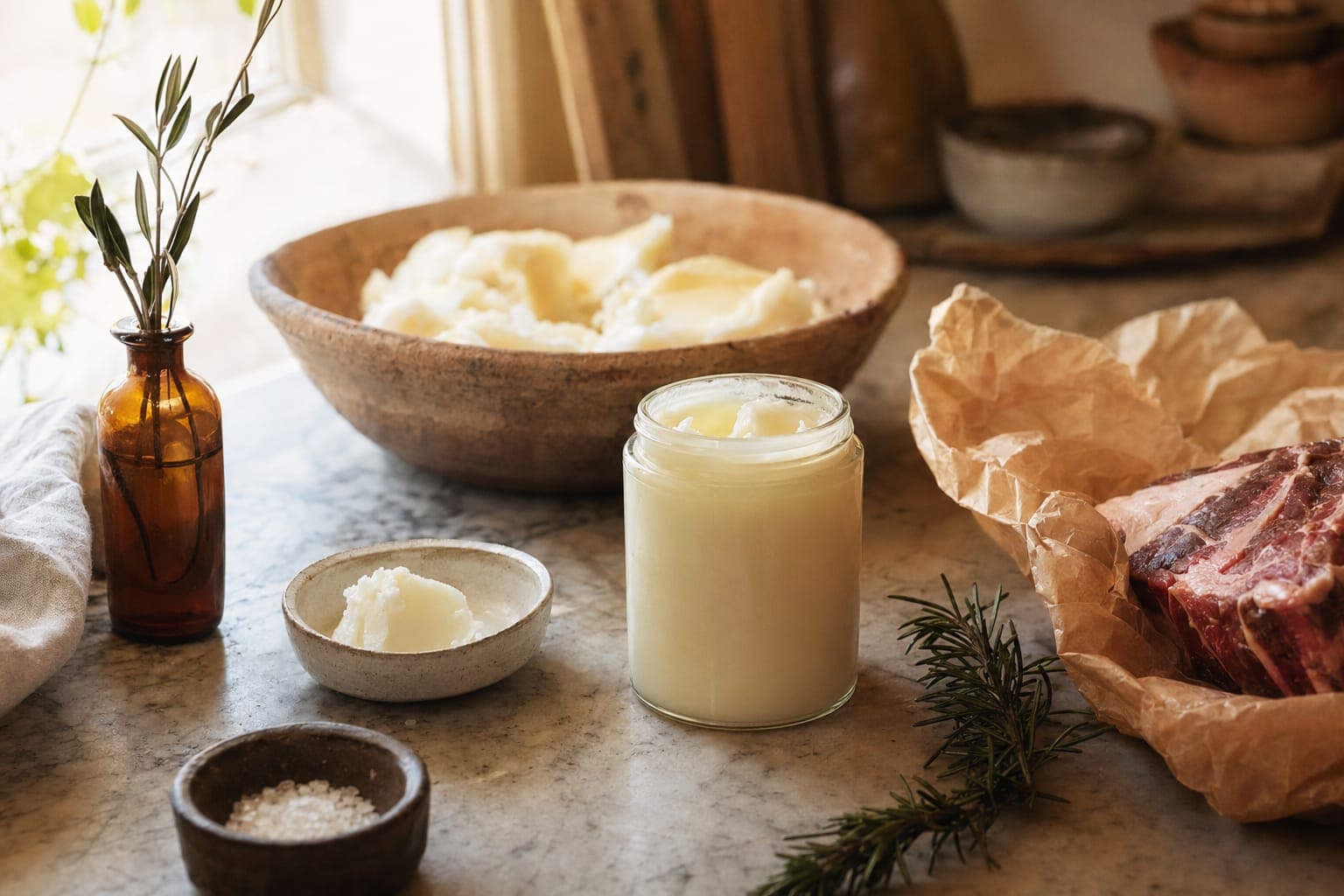
Beef tallow is back. And your skin remembers.
What tallow is and why it matters
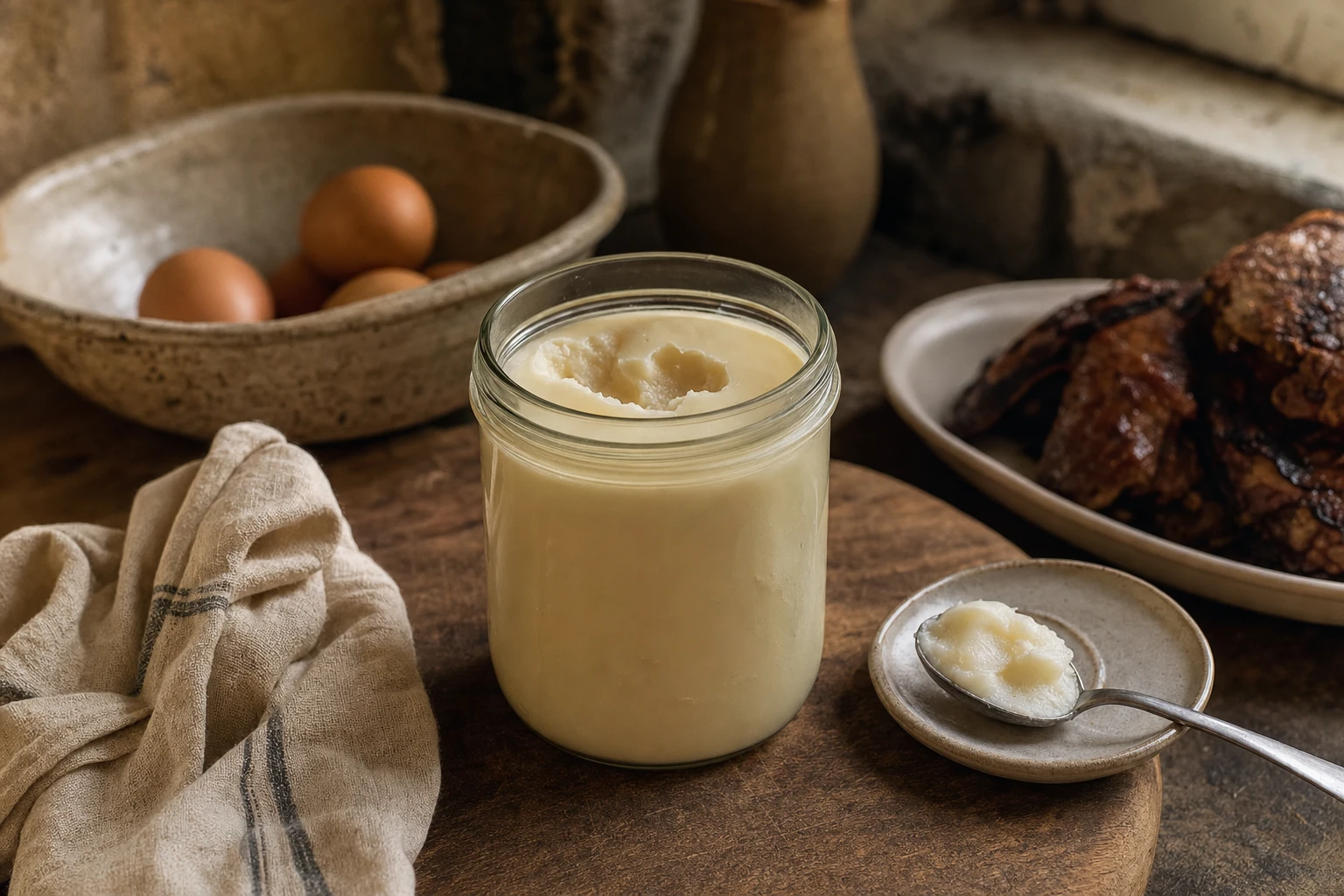
Tallow is rendered beef fat. You take the fatty trimmings from a butcher, melt them gently, strain out the solids, and what remains is tallow: a stable, shelf-stable fat that's virtually identical in composition to the fats in your skin.
This is the point people miss. Your skin isn't made of plant oils. It's made of animal fats. Specifically, fats that contain palmitic acid, stearic acid, and oleic acid in roughly the same ratios as beef tallow. When you apply tallow to your skin, you're applying something chemically similar to your skin's own lipids. Your skin recognises it immediately.
Compare this to coconut oil, which is much higher in lauric acid and doesn't match your skin's composition. Or argan oil, which is rich in plant-specific compounds your skin can use, but isn't an exact match for skin lipids.
Tallow is the match. It's not a substitute. It's the original.
Your skin isn't a plant. It shouldn't need plant oils to be healthy. It needs fats that match its own chemistry.
The fatty acid profile of beef tallow
Beef tallow is roughly 50% saturated fat, 40-45% monounsaturated fat, and a small percentage polyunsaturated fat.1 It's stable (high in saturated fat) but not rigid. It's rich in oleic acid (the same monounsaturated fat that makes olive oil excellent for health).
It also contains: palmitic acid (critical for skin barrier function), stearic acid (a saturated fat that's anti-inflammatory), and smaller amounts of conjugated linoleic acid (CLA), which has anti-inflammatory and potentially anti-cancer properties.
Tallow contains some fat-soluble vitamins (A, D, E, K), particularly when sourced from grass-fed beef, but concentrations vary widely.1 These vitamins are powerful skin healers. Vitamin A supports skin cell turnover. Vitamin D is anti-inflammatory. Vitamin E is a potent antioxidant. Vitamin K supports skin healing.
You can buy these vitamins in creams. But you're buying them separated from the fat matrix that carries them to your skin cells. In tallow, they're embedded in the fat, which means they actually penetrate and get used.
How tallow works on skin
Your skin barrier is a lipid layer. When that barrier is compromised, water escapes, irritants get in, and you get inflammation, sensitivity, and acne. Most people respond by adding more products. What they actually need is to repair the lipid barrier.
When you apply tallow, you're directly feeding the lipid layer compounds it's made of. Your skin absorbs it readily because it's chemically familiar. The barrier repairs. Water stops escaping. Irritants stop penetrating. Inflammation falls.
Tallow doesn't sit on top of your skin like mineral oil. It absorbs. It integrates. Your skin barrier becomes stronger and more resilient.
It also has natural antimicrobial properties. Not through chemical additives. Through fat chemistry. Some medium- and long-chain fatty acids and monoglycerides have demonstrated antimicrobial activity in vitro.2 They inhibit bacterial growth without being harsh. This helps with acne, which is partly a bacterial proliferation problem.
Tallow repairs your skin's lipid barrier because it's made of the same compounds your skin barrier is made of.
The history of tallow in skin care
Until about seventy years ago, tallow was the primary skincare ingredient across Europe and the Middle East. Queen Victoria used tallow-based balms. Traditional European herbalists combined tallow with plant compounds to create healing salves. Indigenous peoples used animal fats as the base for all skin preparations.
It worked then. People had fewer skin complaints, less acne, less sensitivity, less need for complicated routines.
Then the petrochemical industry invented mineral oil and synthetic emulsifiers. These were cheap, shelf-stable, and easy to market. Marketing followed: "modern science," "breakthrough formula," "laboratory tested." Tallow was positioned as old-fashioned, unsophisticated, unhygienic.
But chemistry doesn't care about marketing. Tallow's chemistry is superior for skin. It always was. We just had a 70-year detour into petroleum-derived skincare that never worked quite as well and left people confused about what their skin actually needed.
Get ancestral nutrition guides, free
Two short reads a week on traditional ways of eating, examined with modern evidence.
By signing up you agree to receive emails from us. No spam, unsubscribe anytime.
Why it fell out of favour
Partly marketing, as mentioned. Partly convenience. Tallow has a smell. It's not offensive, but it's distinctly meaty. Modern consumers wanted fragrant, lightweight, "luxurious" products. Tallow felt agricultural.
Partly because the food industry needed to dispose of fat byproducts. When you render a cow into muscle meat, you have enormous amounts of fat. Industrial agriculture's solution was to render it, sometimes bleach it and deodorise it, then sell it to fragrance companies for industrial use. This tallow was over-processed, oxidised, and poor quality.
A jar of poor-quality tallow smells bad and performs worse. So people concluded tallow was bad. But they were using degraded tallow, not quality tallow rendered gently from good fat.
Quality matters. This is true for everything. It's especially true for tallow.
How to render tallow
Find a good butcher. Ask for beef fat trimmings. They're usually free or very cheap (they'd otherwise throw them away).
Chop the fat roughly. Place it in a heavy-bottomed pot on very low heat. The fat will slowly render. Don't rush. Don't use high heat. This oxidises the fat and ruins it.
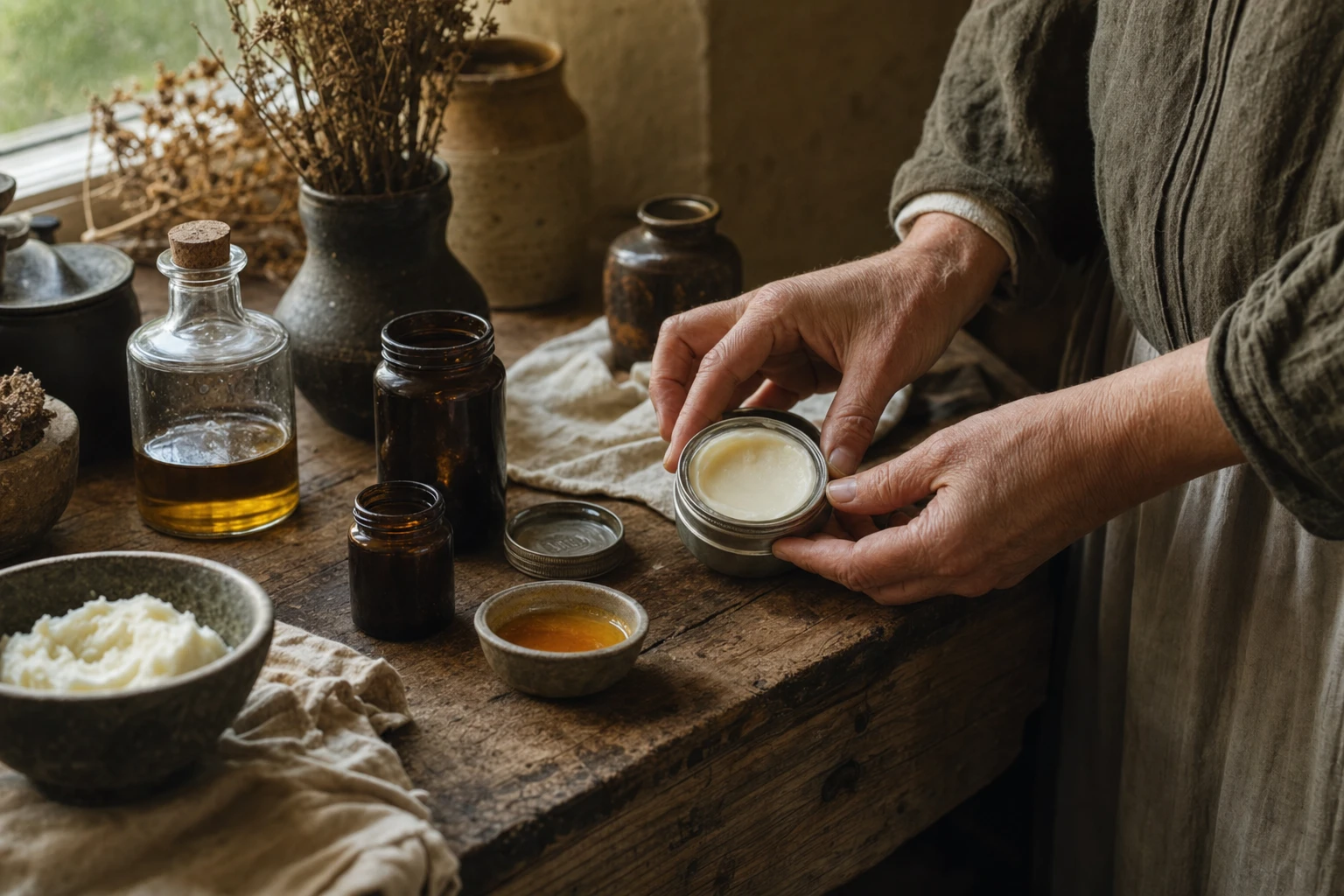
After an hour or two, strain through cheesecloth into glass jars. It will solidify as it cools, turning pale and creamy. You now have tallow.
Grass-fed tallow is slightly yellow and has more vitamin content. Grain-fed tallow is whiter and more stable but lower in vitamins. The difference matters if you're using it for health, less if you're just using it for cooking.
Rendered tallow keeps for months at room temperature, indefinitely in the fridge. It's extraordinarily stable. No preservatives needed.
Quality tallow smells clean and faintly meaty. Poor-quality tallow smells rancid. The difference is chemistry.


1 of 9
Daily blend
100,000+ thriving families4.9 on Trustpilot
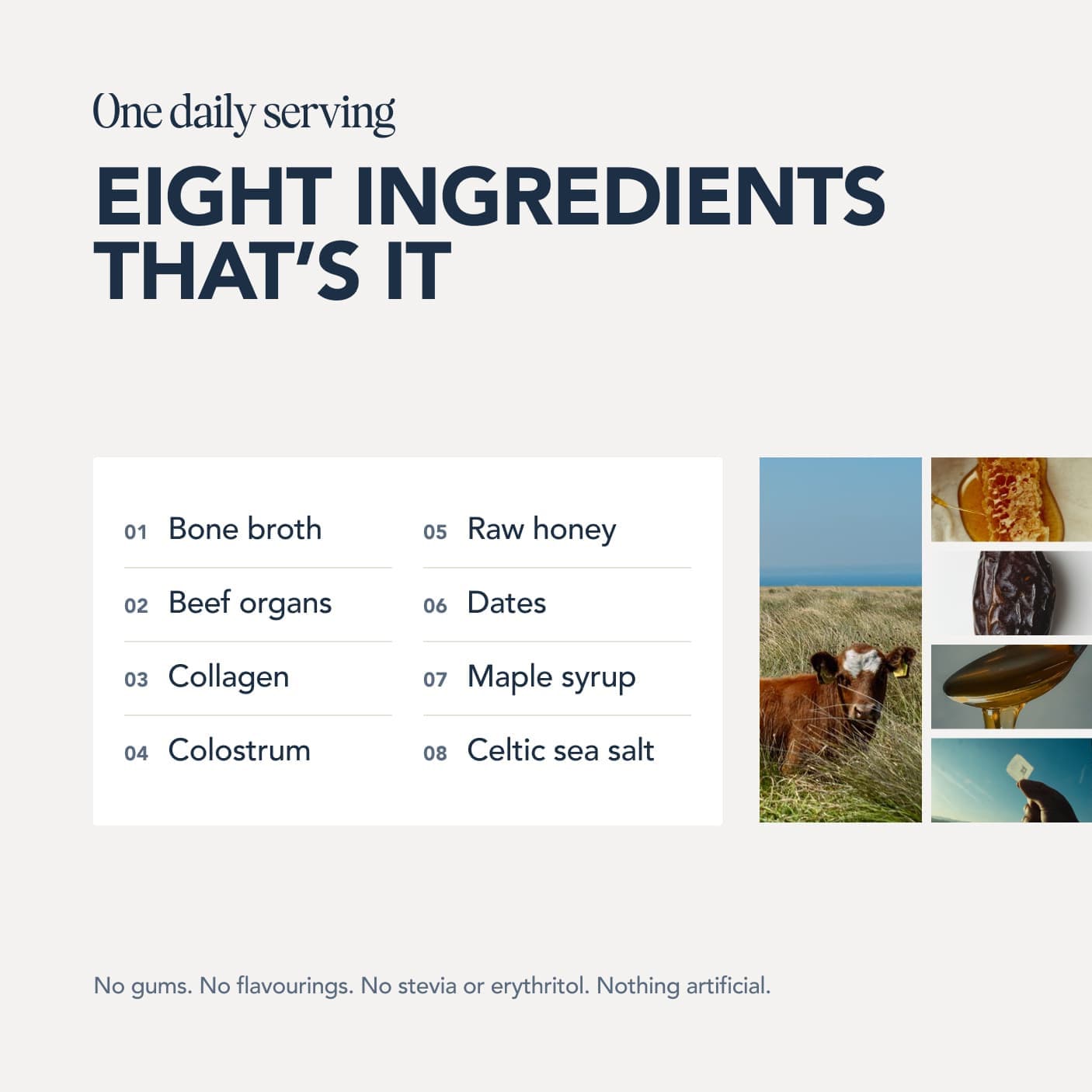
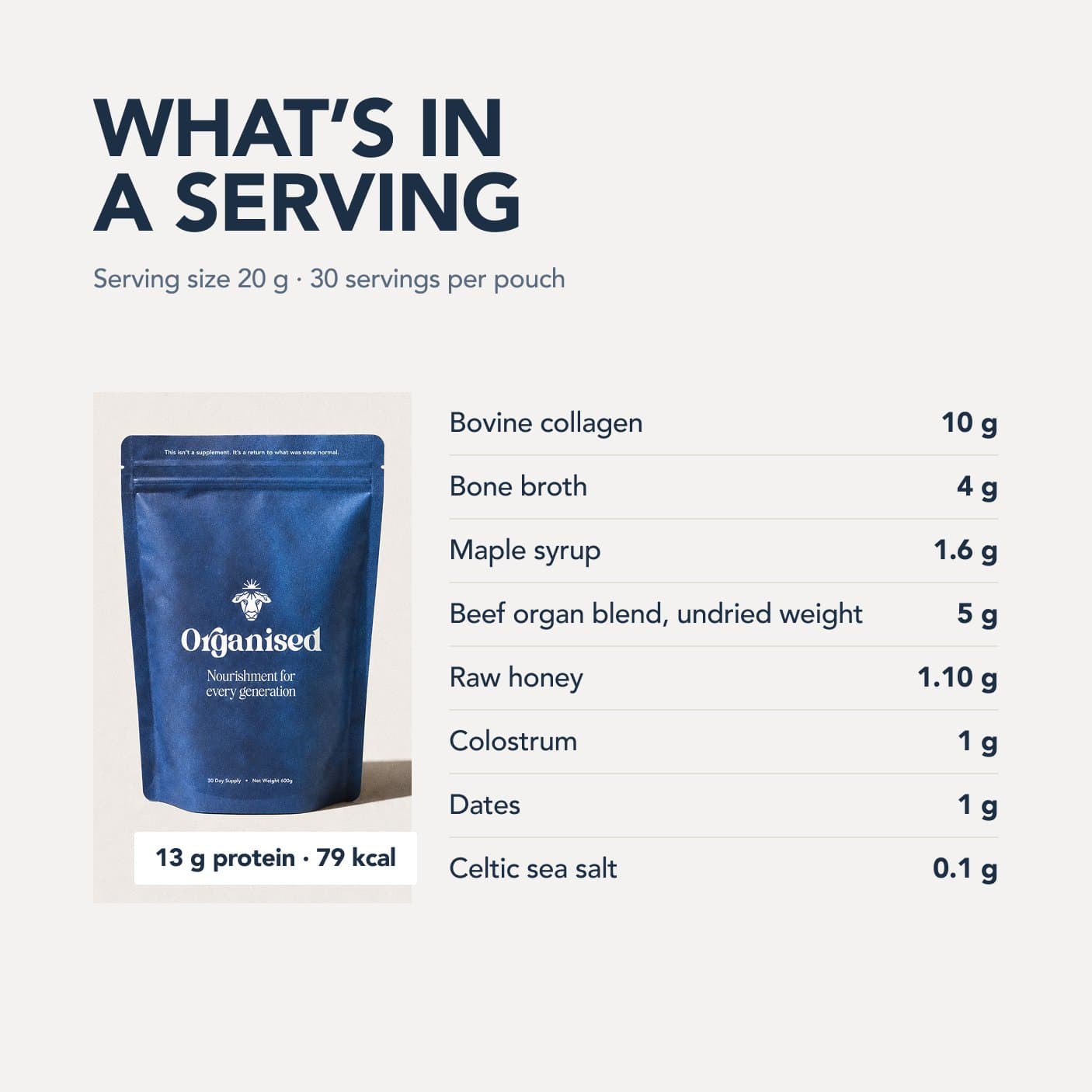
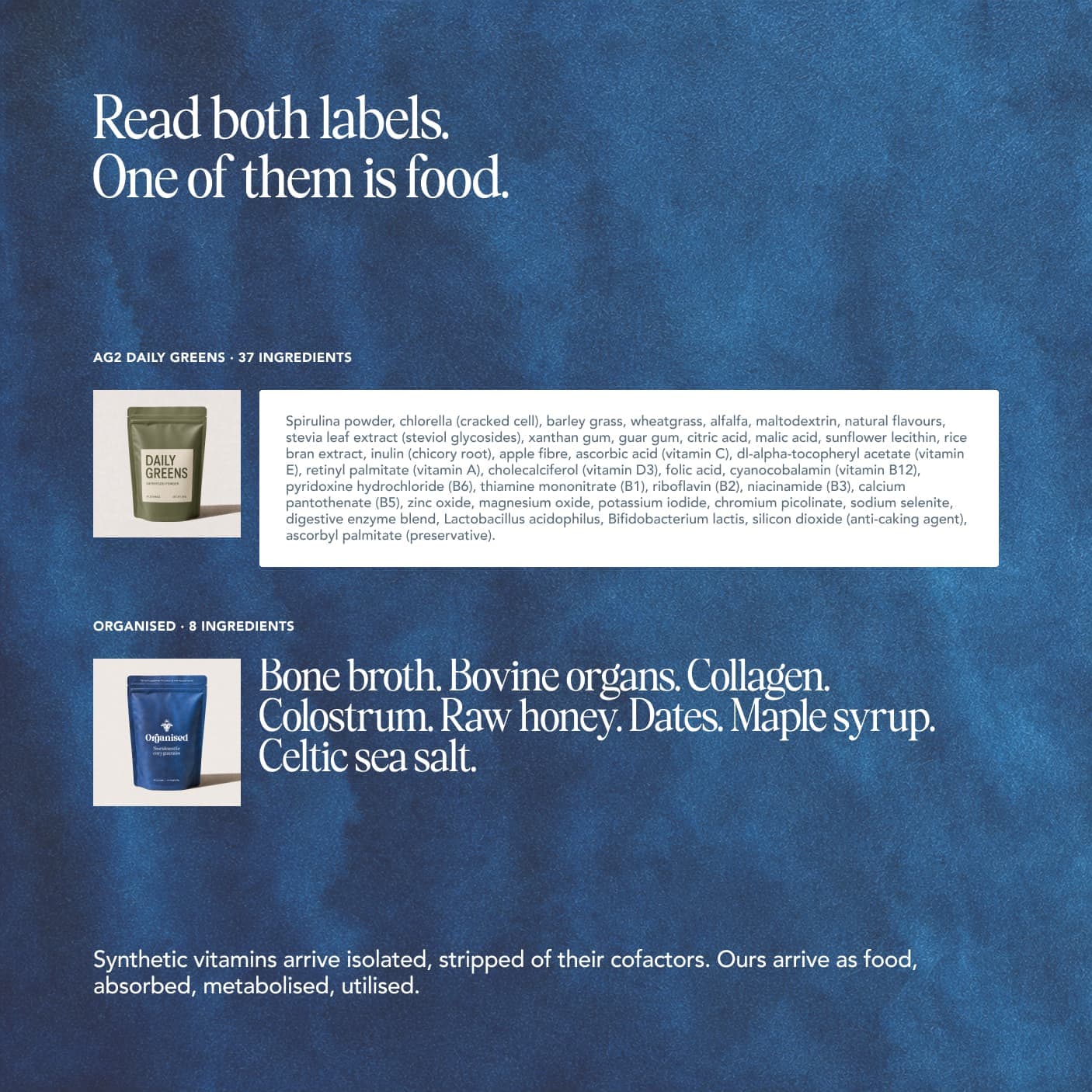
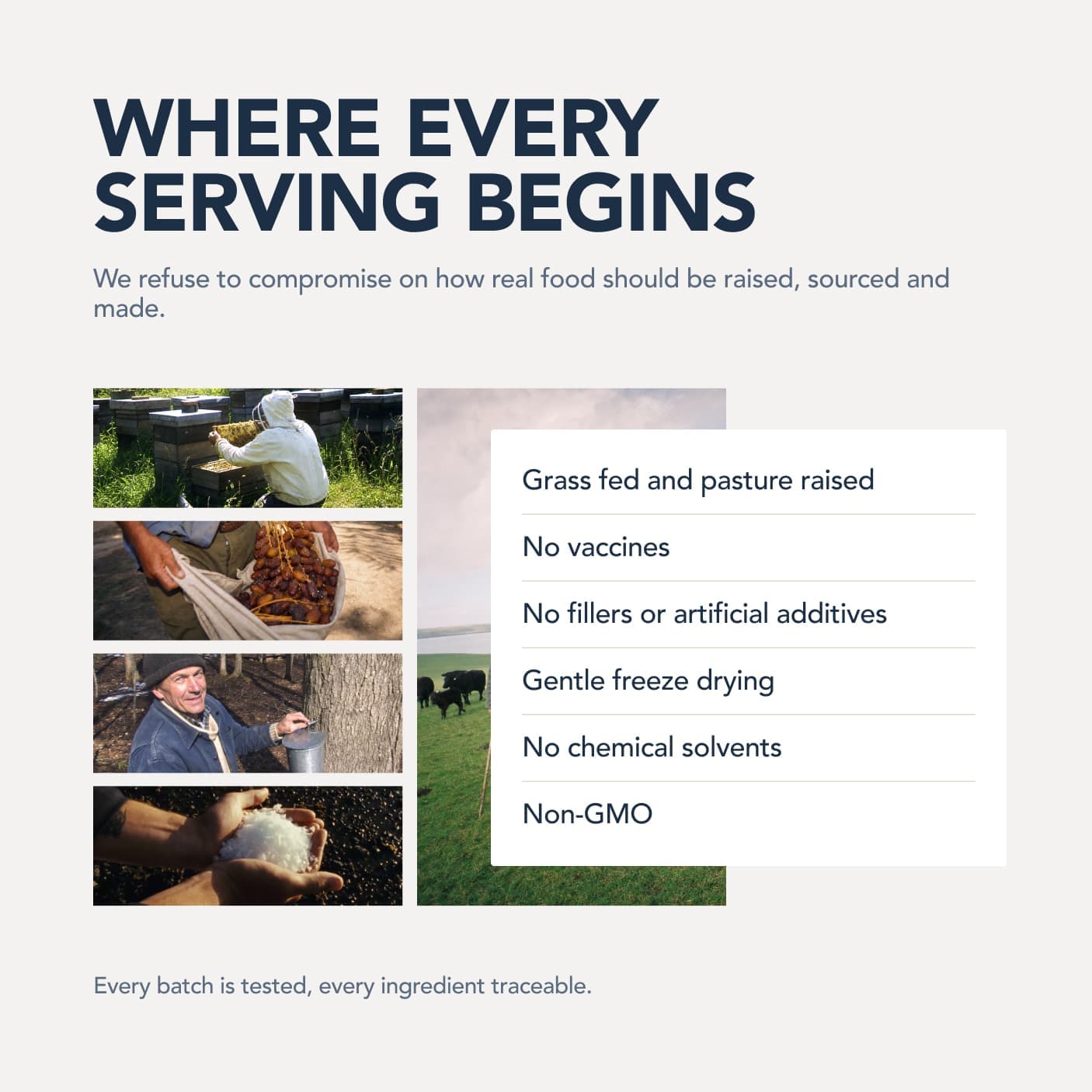
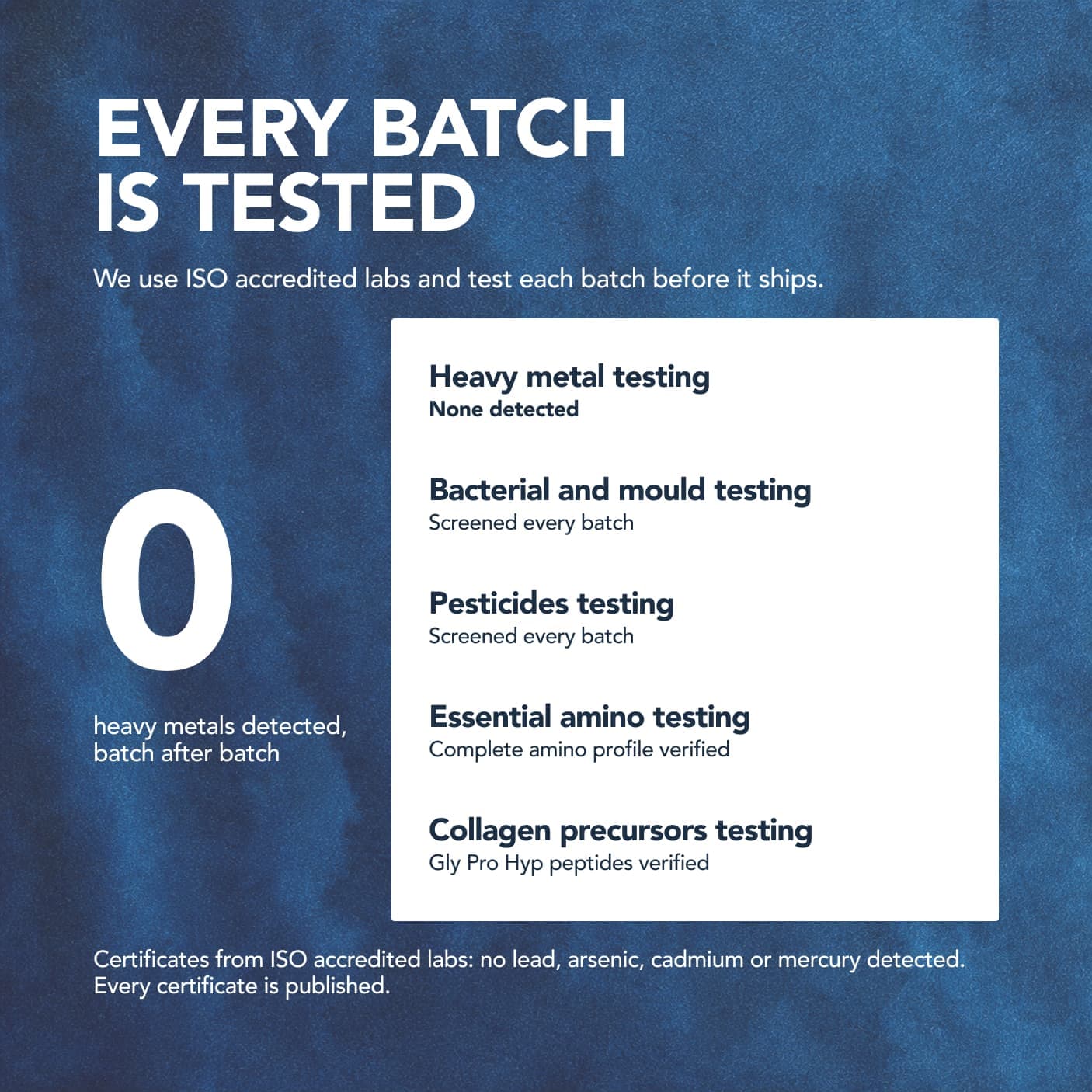
Eight real ingredients built around grass-fed beef organs, collagen and colostrum. Nothing synthetic added.
Free with your first order, worth £38. Plus £10 off the pouch with a subscription.
Free UK shipping · Made in England · 100 day money back guarantee on your first pouch · Skip, pause or cancel anytime
Using tallow on your skin
A small amount goes a long way. Warm a pea-sized amount between your fingers and apply to damp skin (or damp skin after a shower). It absorbs within minutes.
You can use it on your face, hands, anywhere your skin is dry or irritated. You can combine it with plant compounds: infuse it with chamomile, add essential oils, blend it with other natural fats like ghee.
If you're prone to acne, start with a small amount on problem areas at night. Your skin may undergo a brief period of adjustment as the lipid barrier repairs and bacteria populations normalise. But after a week or two, most people see improvement.
This isn't complicated. This is the skincare routine your grandmother's grandmother used. It works because your skin is the same as it was then. Your needs haven't changed. Your products did.
The bottom line
Beef tallow is a traditional skincare ingredient that fell out of favour due to marketing and industrial convenience, not because it stopped working. It works now, as well as it always did.
Your skin is made of fat. Specifically, animal fat. Tallow is chemically similar to your skin's own lipids, so it absorbs readily and repairs the lipid barrier that keeps your skin healthy.
Render it at home from beef fat trimmings, apply small amounts to damp skin, and watch what happens. Your skin will remember what real nourishment feels like.
References
Every source below was checked on 27 August 2026. Each PubMed, PMC and DOI identifier was resolved against NCBI or Crossref, and what it opens is printed under the citation, so you can see the link goes where the citation says without leaving the page. Where a citation and its identifier disagreed, the citation was corrected to the record or the reference was deleted along with the sentence marker that pointed at it, and where the resolved paper turned out not to support the sentence, the sentence was cut back to what it does support. Borrowed authority is worse than none, because it looks like rigour.
- USDA FoodData Central. Beef tallow. FoodData Central
- Desbois AP, Smith VJ. Antibacterial free fatty acids: activities, mechanisms of action and biotechnological potential. Appl Microbiol Biotechnol. 2010;85(6):1629-42. PMID 19956944Checked 27 August 2026: PMID 19956944 opens Desbois AP, Smith VJ, Antibacterial free fatty acids: activities, mechanisms of action and biotechnological potential. Appl Microbiol Biotechnol 2010;85(6):1629-42. PubMed indexes it as: Review.
Who wrote and reviewed this guide
Niall Kiddle
Author · Founder, Organised
Niall is the founder of Organised. He started the company in 2024 after fixing his own health the slow way: in 2022 he swapped a cupboard of synthetic supplements for real food, raw milk, organ meats, bone broth and honey, and felt the difference within months.
Areas of expertise: Ancestral nutrition, Organ meats, Whole-food supplementation, Gut health, Regenerative sourcing
Read Niall's full profile
Pedro Rodrigues
Reviewer · Agronomist (farming and sourcing only)
Pedro is the agronomist Organised works with on farming and sourcing. His job on the guides is to keep the science honest: he reviews what we publish about soil health, regenerative agriculture, grazing and the way food is actually produced.
Areas of expertise: Regenerative agriculture, Agronomy, Soil health, Grass-fed farming, Food sourcing
Reviewed this guide on
Read Pedro's full profileBrowse the guides library
All guidesKeep reading
Ancestral
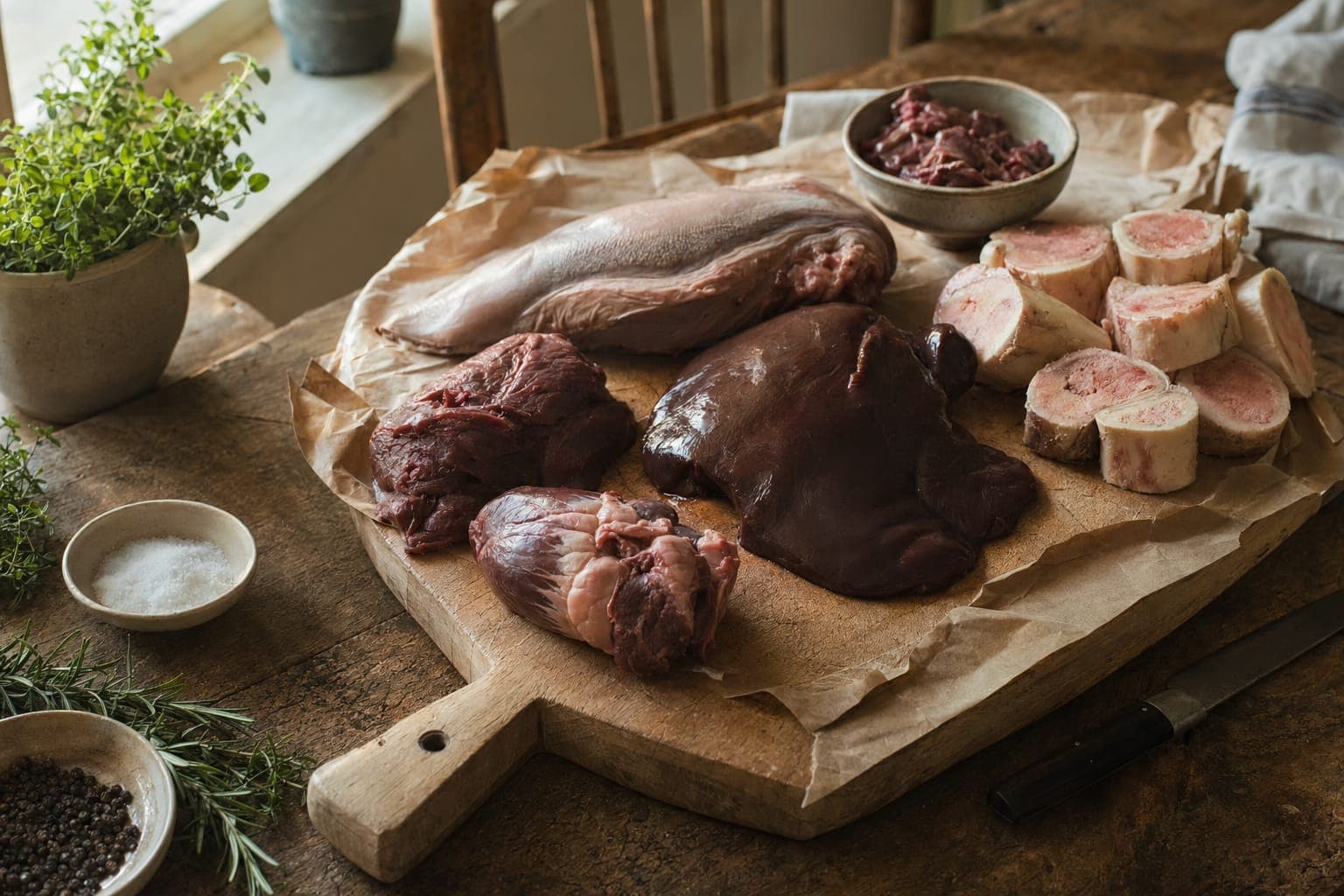
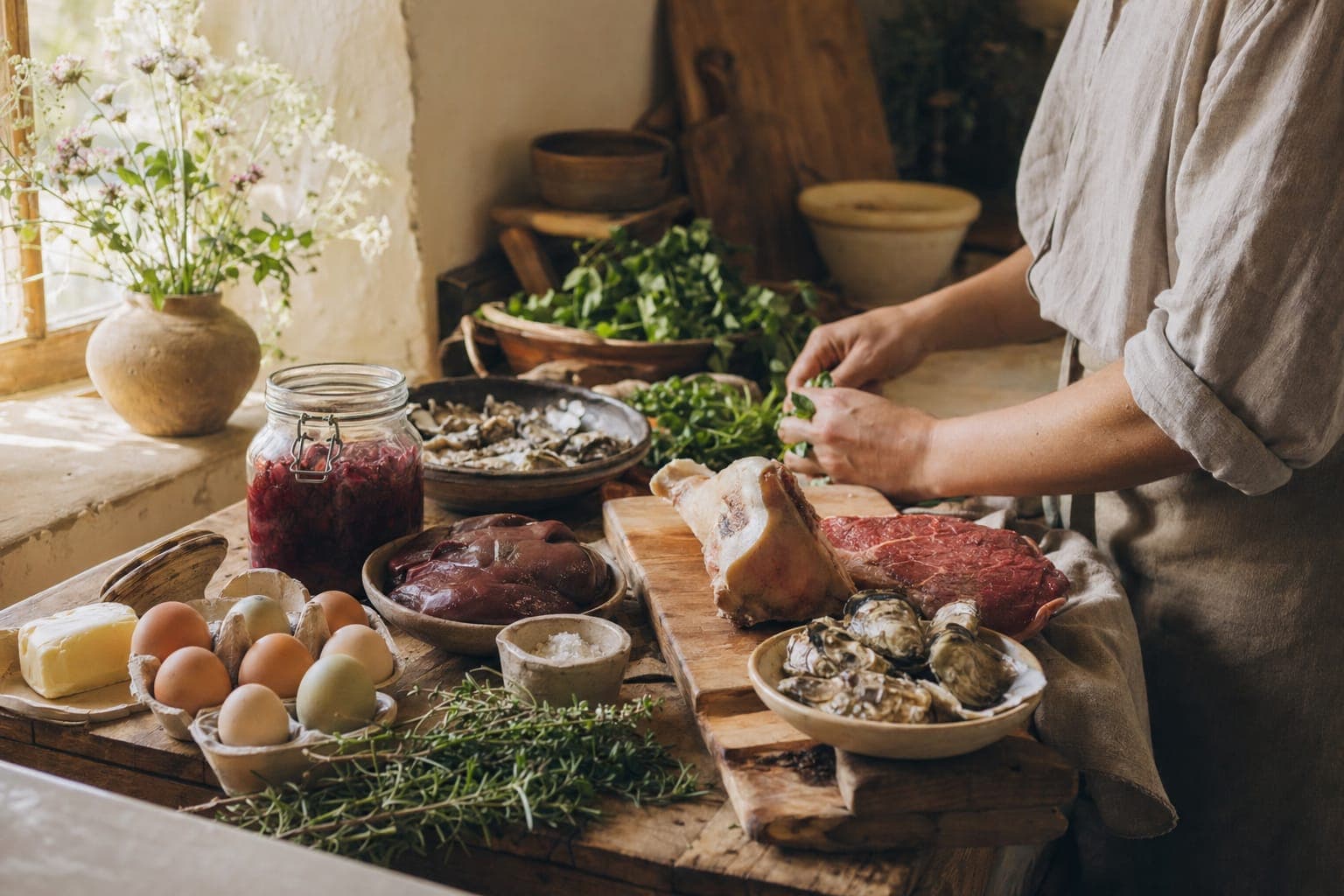
Nose-to-Tail for Beginners: Where to Start
New to nose-to-tail eating? Start with liver, then heart, in small amounts. Get simple freezing tips and easy ways to soften the taste as you build up.
Ancestral
What Does 'Bioavailable' Actually Mean?
What does bioavailable really mean? How your body absorbs nutrients, what interferes with absorption, and why some foods deliver more nutrition than others.
Ancestral
Cod Liver Oil: What Your Great-Grandmother Got Right
Cod liver oil prevented rickets. It provided vitamin A and D when food was scarce. Modern versions miss the point. Here's what actually matters.
Real food, made effortless
Bring it into my routineA few ways to use it
All recipes
Organ Bolognese: The Family Dinner That Heals
Practical organ meat recipe using fresh beef liver and heart. Family-friendly bolognese that bridges supplements to whole food.
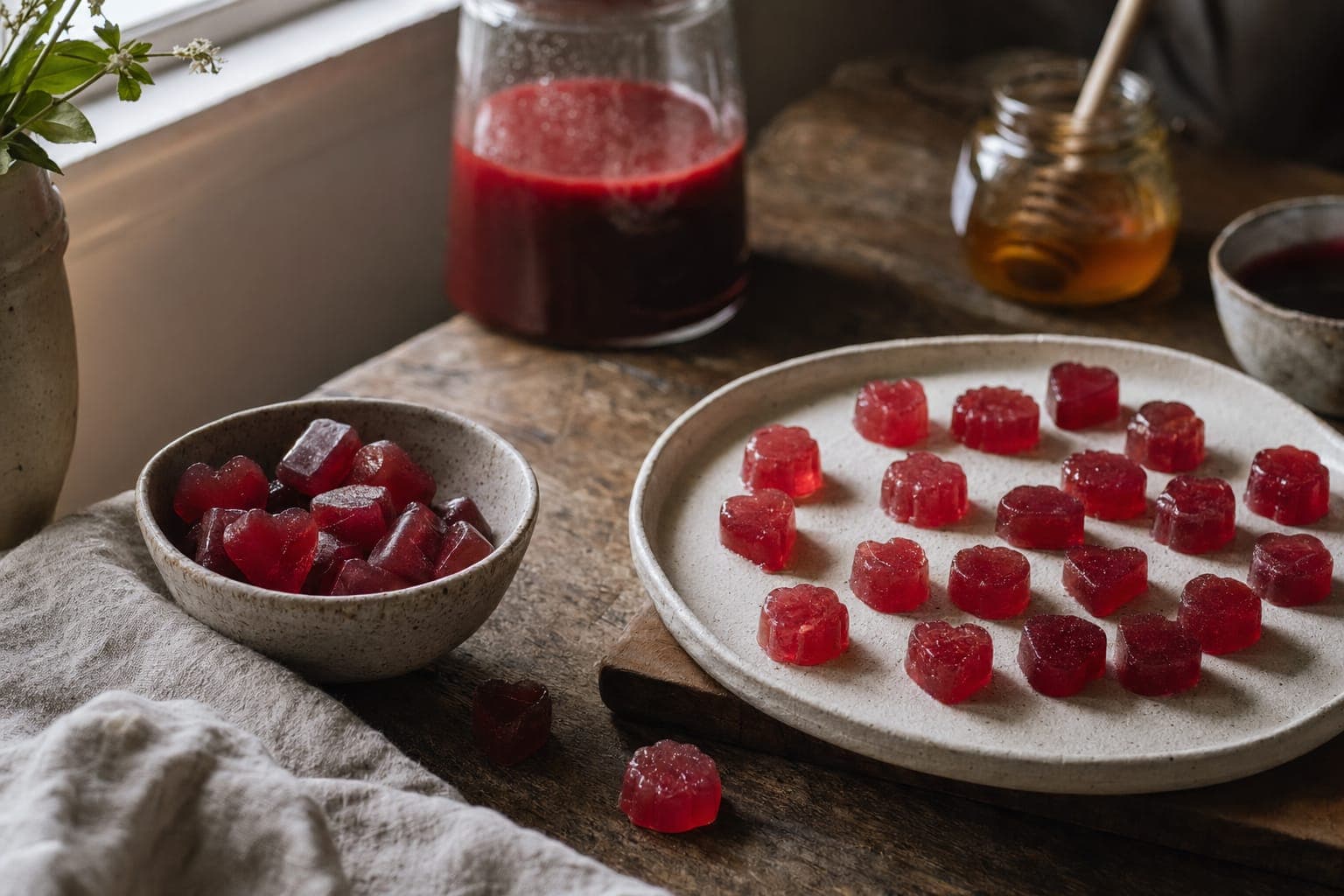
How to Make Your Own Gelatine Gummies
A simple recipe for homemade gelatine gummies using grass-fed gelatine, fresh juice, and raw honey. Better than shop-bought, kids love them.
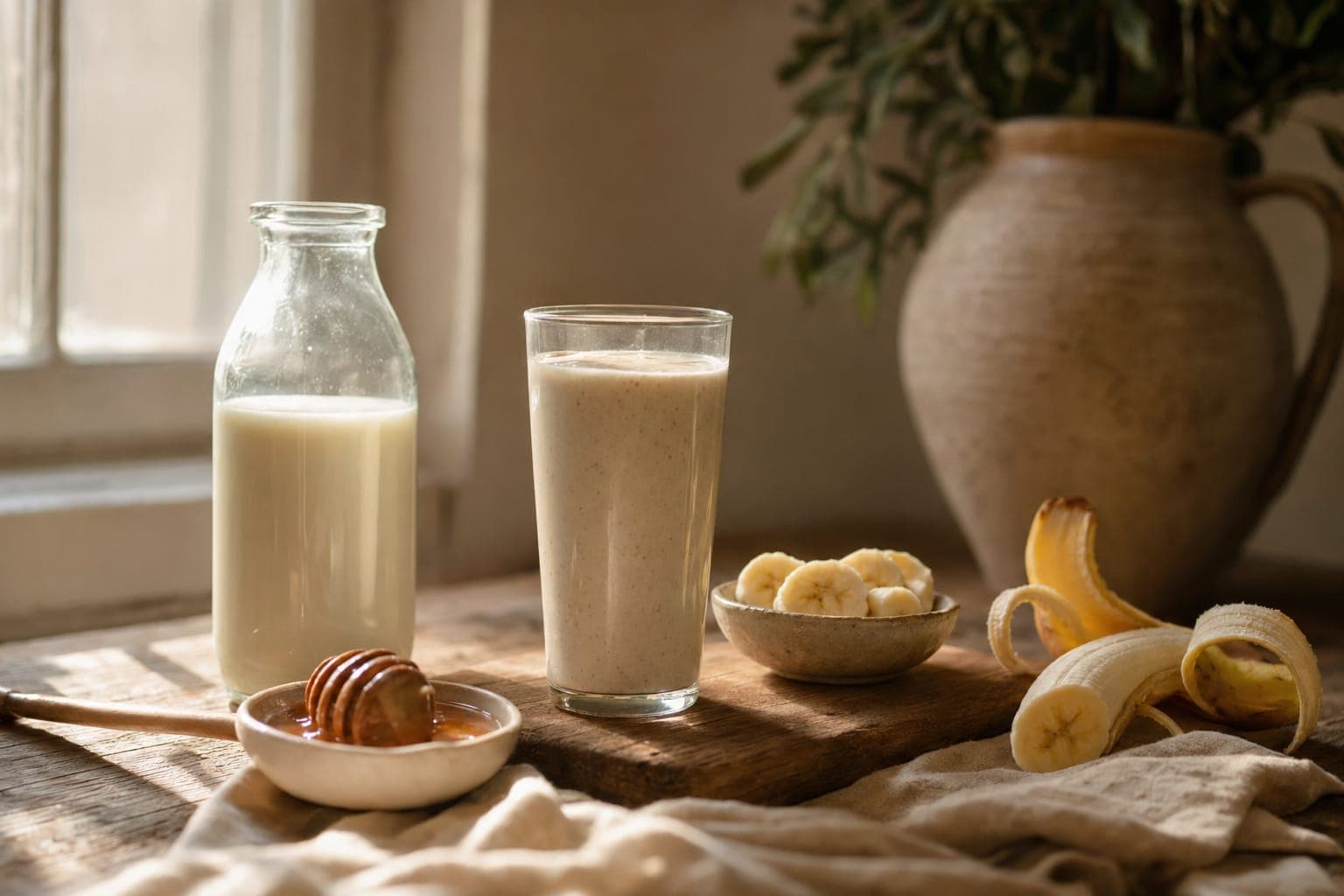
The Perfect Organised Morning Shake: Our Favourite Recipe
Our signature morning shake: Organised, raw milk, banana, honey. Simple, nourishing, and optimised for an empty stomach.


 Join over 100,000+ members
Build a better food system with us
The Organised community is thousands of people choosing real food and backing the farmers who grow it, all of us trying to leave the world a little better than we found it. If that is what you care about too, you belong here.