The French Paradox: Real Food, Real Health
The French eat butter. They eat cream. They eat cheese. They eat bread. Their saturated fat intake is among the highest in Europe. And yet they have some of the lowest rates of cardiovascular disease and the longest life expectancy. This is the French Paradox, and the answer has nothing to do with wine.
By Niall Kiddle, Founder, Organised

Reviewed by Pedro Rodrigues, Agronomist (farming and sourcing only) ·
6 min read · Published · Updated · 4 cited sources
Makers of the Organised Daily blend, a grass-fed beef organ supplement from regenerative UK farms
The paradox that isn't
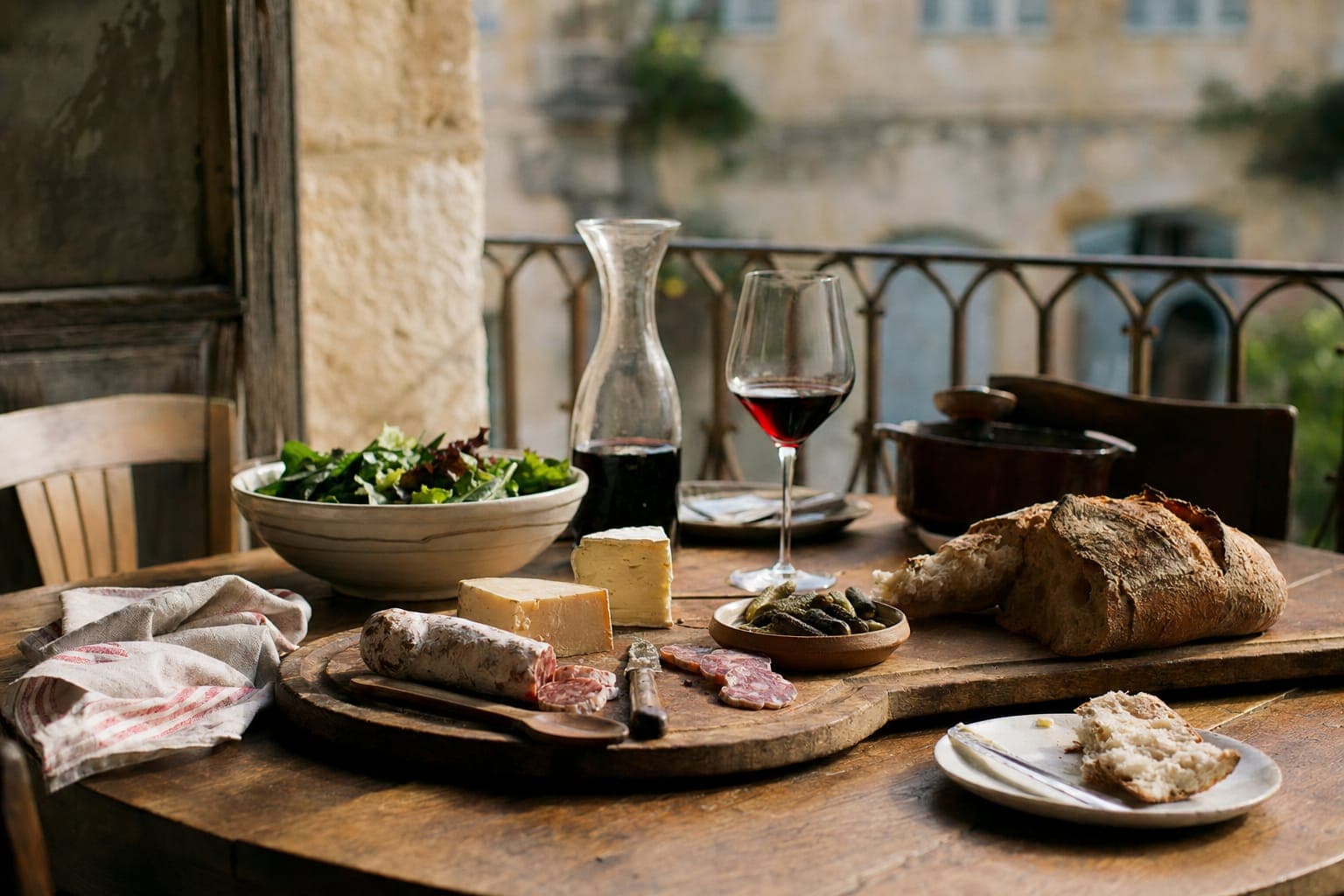
The French Paradox describes the observation, popularised in the 1990s, that France has high saturated fat consumption yet relatively low rates of coronary heart disease.1 Scientists scratched their heads for decades. The lipid hypothesis said high saturated fat meant high heart disease. France contradicted this. The only explanation, some suggested, was red wine and its resveratrol content.
But this is looking at the wrong thing entirely. The paradox disappears the moment you stop focusing on saturated fat as the variable and start looking at what the French actually eat.
The French don't eat low-fat industrial food. They don't eat seed oils. They don't eat ultra-processed snacks. They don't eat high-fructose corn syrup. They eat real food, prepared from whole ingredients, in a structured meal context. The saturated fat is not the problem. The absence of inflammatory seed oils and refined carbohydrates is the answer.
The French Paradox isn't a paradox at all. It's what human health looks like when you eat real food.
Real food as foundation
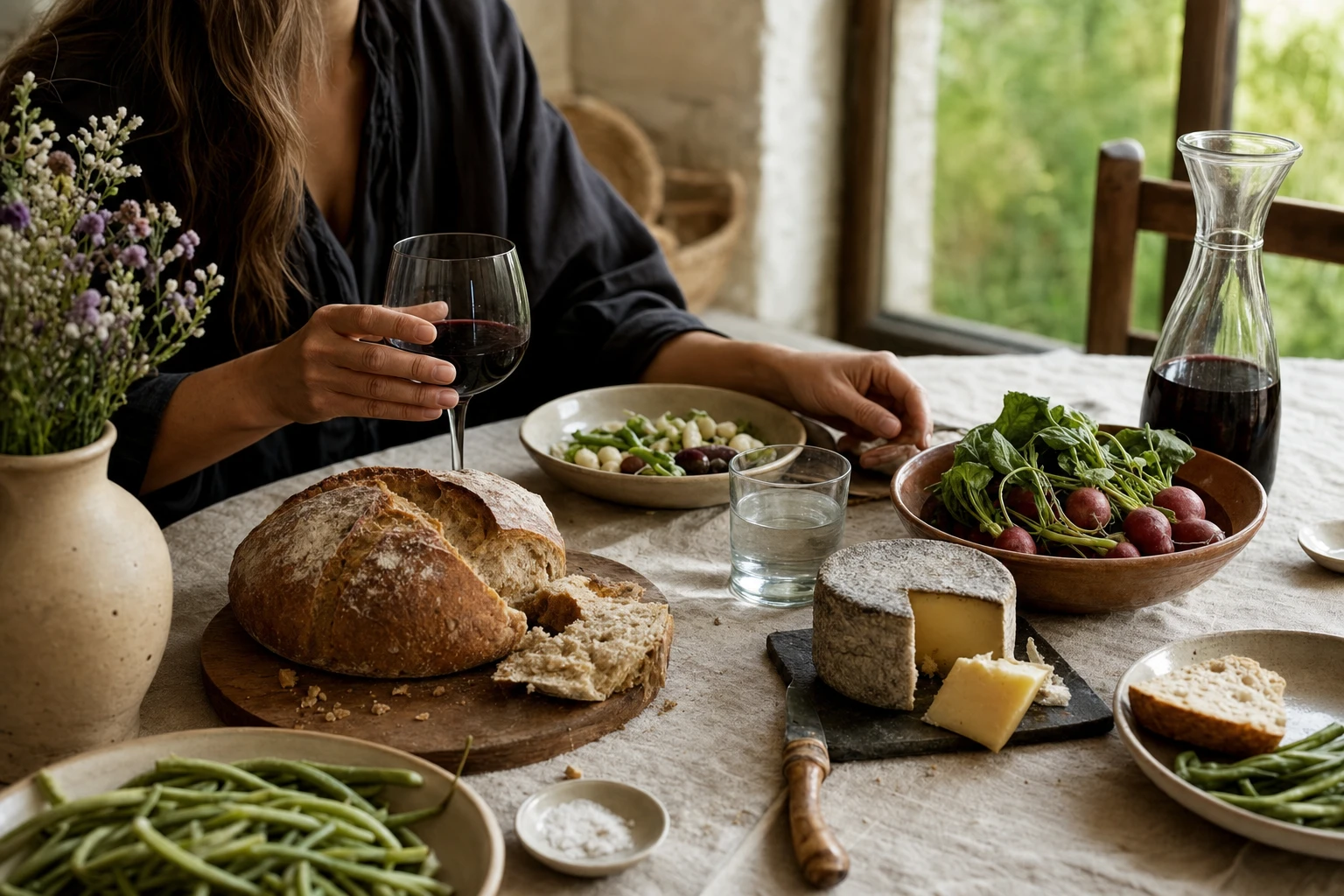
French cuisine is built on real ingredients. When a French person eats butter, it's butter. Not vegetable oil masquerading as butter. Not margarine. Actual butter, often from pastured cows, rich in fat-soluble vitamins and butyric acid.
When they eat cream, it's cream. Not a cream-flavoured emulsion of seed oils and stabilisers. Real cream, with naturally occurring bacteria that aid digestion, not industrial cream that sits in your gut inert.
Cheese is fermented milk, a source of calcium, vitamin K2, and probiotic cultures. Bread is often slow-fermented sourdough, which reduces gluten, pre-digests carbohydrates, and creates a different glycemic profile than modern yeasted bread.
Every element of a French meal is whole food. There is no separation between the ingredient and the meal. This is the opposite of the ultra-processed approach of most modern Western diet.
The French don't count macros. They eat real food in reasonable quantities and move on with their lives.
Dairy and health
France consumes more dairy per capita than almost any other nation. Full-fat dairy. Fermented dairy. Cultured butter. Aged cheeses. And yet, the nations with the lowest dairy consumption often have higher rates of cardiovascular disease.
Full-fat dairy is not the problem. Recent meta-analyses suggest that full-fat dairy consumption is not associated with increased cardiovascular risk and may be associated with neutral or favourable cardiometabolic outcomes.2 The fat-soluble vitamins (A, D, K2) are only found in the fat portion. Remove the fat and you remove the nutrients that are actually cardioprotective.
Fermented dairy, particularly aged cheese, is a notable source of long-chain menaquinones (vitamin K2) which support carboxylation of vitamin K-dependent proteins in bone and vasculature.3 This vitamin, virtually absent in modern diets and nearly impossible to supplement effectively, is one of the most important nutrients for arterial health.
The French approach, eating full-fat, fermented, whole dairy from grass-fed animals when possible, delivers nutrition that low-fat dairy can never replicate.
The countries with the highest full-fat dairy consumption have the lowest heart disease. This is not accidental.
The meal structure
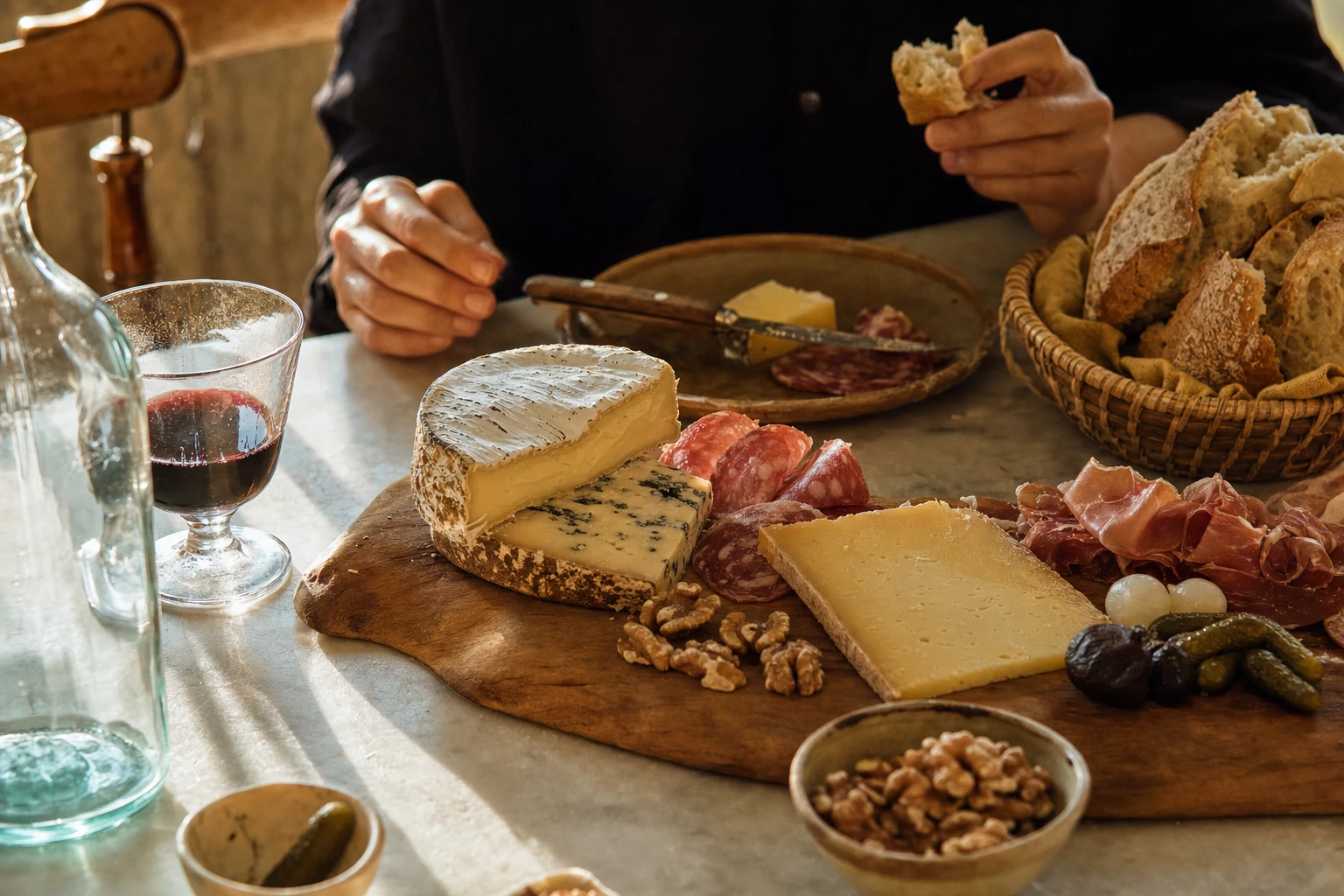
French eating is structured. Breakfast is small. Lunch is substantial and often leisurely. Dinner is moderate. There are no snacks between meals. No constant grazing. No food from a car window.
This structure allows complete digestion. Your stomach acid produces, does its job, and resets. Your blood sugar rises and falls in a controlled pattern. Your insulin system isn't constantly being triggered and exhausted.
The French also drink water with meals, not sugary drinks or excessive liquid that dilutes stomach acid. They eat slowly. They talk. They create the nervous system state (parasympathetic) that allows proper digestion.
This meal structure is not obvious to modern people because we've normalised constant eating, snacking, and the state of chronic digestive demand. Our bodies are always trying to digest something. The French approach lets digestion complete.
When digestion is complete and efficient, nutrient absorption improves. Inflammatory markers drop. The cardiovascular system has the resources it needs to repair and maintain itself.
Get ancestral nutrition guides, free
Two short reads a week on traditional ways of eating, examined with modern evidence.
By signing up you agree to receive emails from us. No spam, unsubscribe anytime.
Wine and culture
Wine is part of French meals, but not separate from them. It's not a supplement or a medicine. It's a cultural element of eating real food with other people. And yes, moderate wine consumption, particularly red wine with its polyphenol content, is protective. But wine is not the hero of the story.
The real hero is the context. The French person eating cheese and bread and wine with friends, in a calm state, with a structured meal, is not just getting resveratrol. They're getting parasympathetic activation. They're getting social connection. They're getting the message that eating is important and deserves time.
A person eating the same cheese and wine whilst stressed, watching a screen, in a car, at random times, won't get the same benefit. The food is identical. The context is everything.
Wine is medicine only when it's part of a life built around real food and time.

The three practical changes from French eating
You don't need to move to France. You don't need to become obsessive about sourcing. Three changes will shift your food system dramatically.
First, structure your meals. Breakfast small. Lunch substantial. Dinner moderate. No snacking. One or two eating windows, not grazing throughout the day. Your digestive system will improve dramatically within weeks.
Second, choose real butter, real cheese, real cream, real food. Stop eating low-fat versions. Stop eating seed oil. Stop eating margarine. If you're eating fat, let it be actual fat, from real sources. Your body will respond with better satiety, better blood sugar stability, and better hormone function.
Third, spend more on food and less on everything else. Not extreme. Not obsessive. Just prioritise. When you're at the supermarket and you're choosing between cheap processed bread and proper sourdough, choose sourdough. When you're choosing between factory eggs and farm eggs, choose farm. This isn't about status. It's about biochemistry.
These three changes, implemented simultaneously, will shift your health markers within eight weeks. Your weight will stabilise. Your energy will improve. Your cardiovascular markers will improve. Not because you're eating less. Because you're eating better.
Food quality and the difference it makes
French food culture demands quality. If butter is going into the diet, it's good butter. If eggs are part of breakfast, they're from a reliable source. Meat is from known butchers. Vegetables are seasonal and fresh. This isn't romantic or fussy. This is normal.
When food is your priority, you're willing to spend more on fewer ingredients. The French spend a higher percentage of their income on food than Americans, but they eat out less and cook more. They choose quality over quantity.
The difference between butter from pastured cows and butter from grain-fed cows is real. The difference between factory-farmed eggs and farm eggs is measurable. The difference between imported olive oil and extracted seed oil is biochemical. The French, perhaps intuitively, have organised their food system around these differences.
Better food costs more. A France that prioritises food is a France that is healthier. This equation is simple.



1 of 9
Daily blend
100,000+ thriving families4.9 on Trustpilot
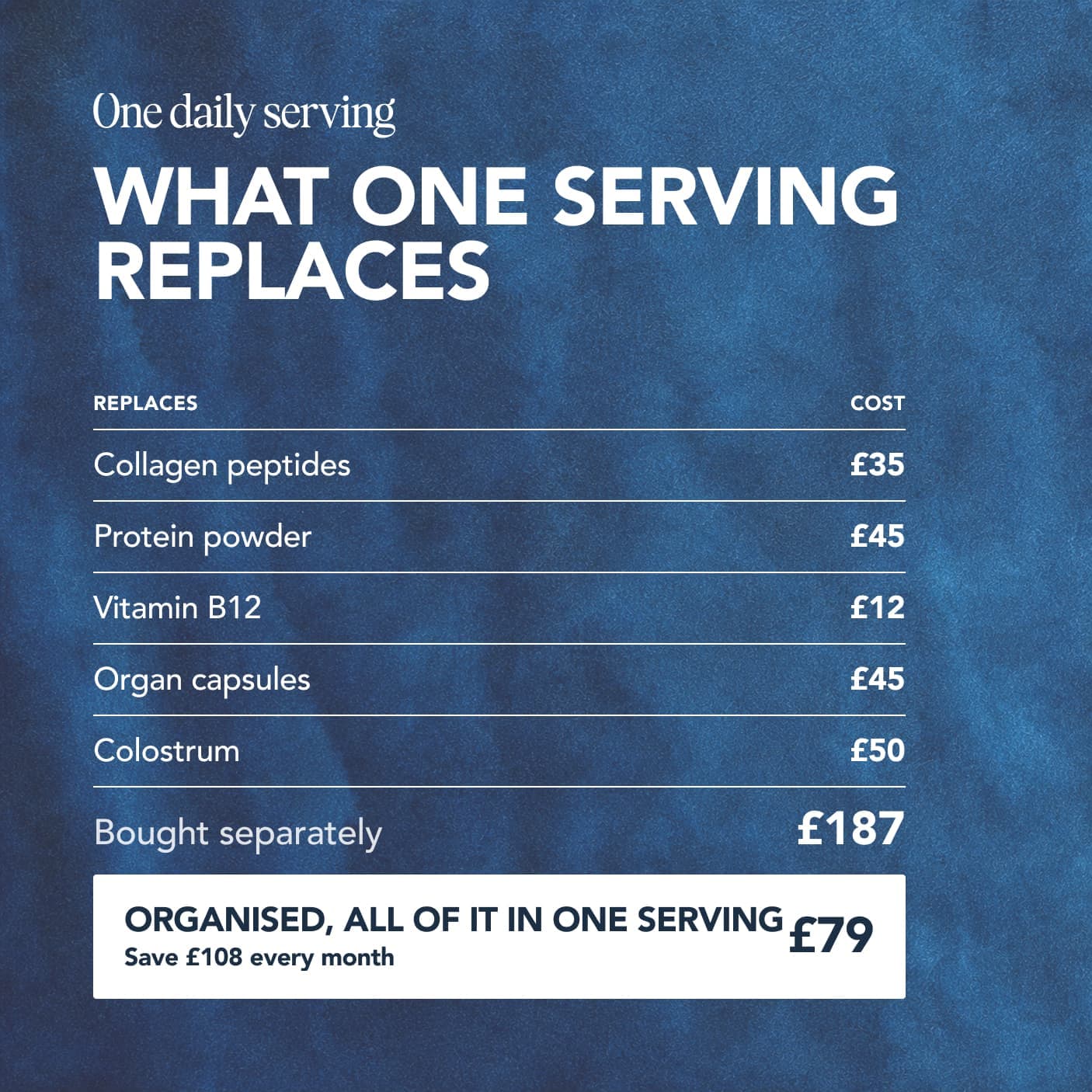
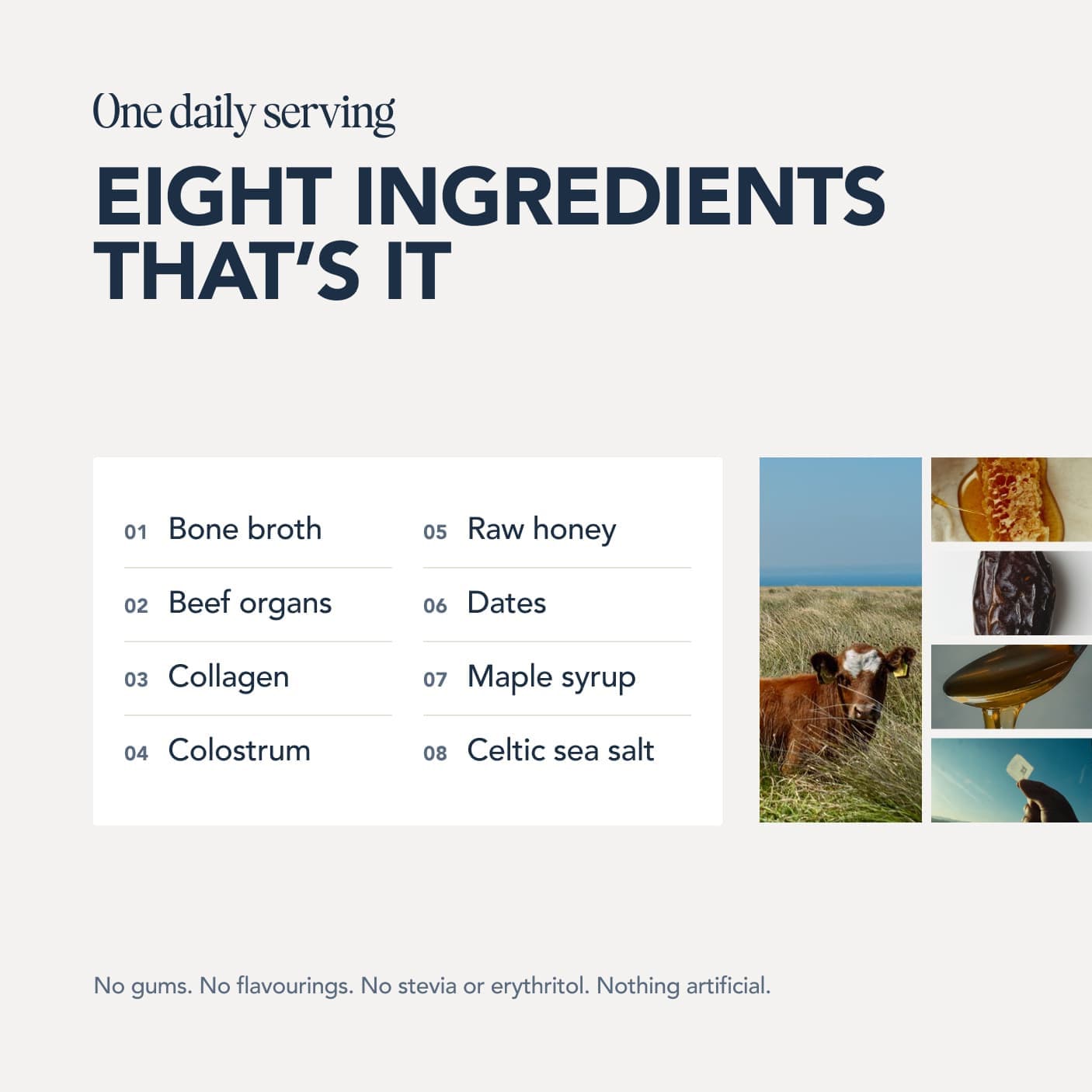
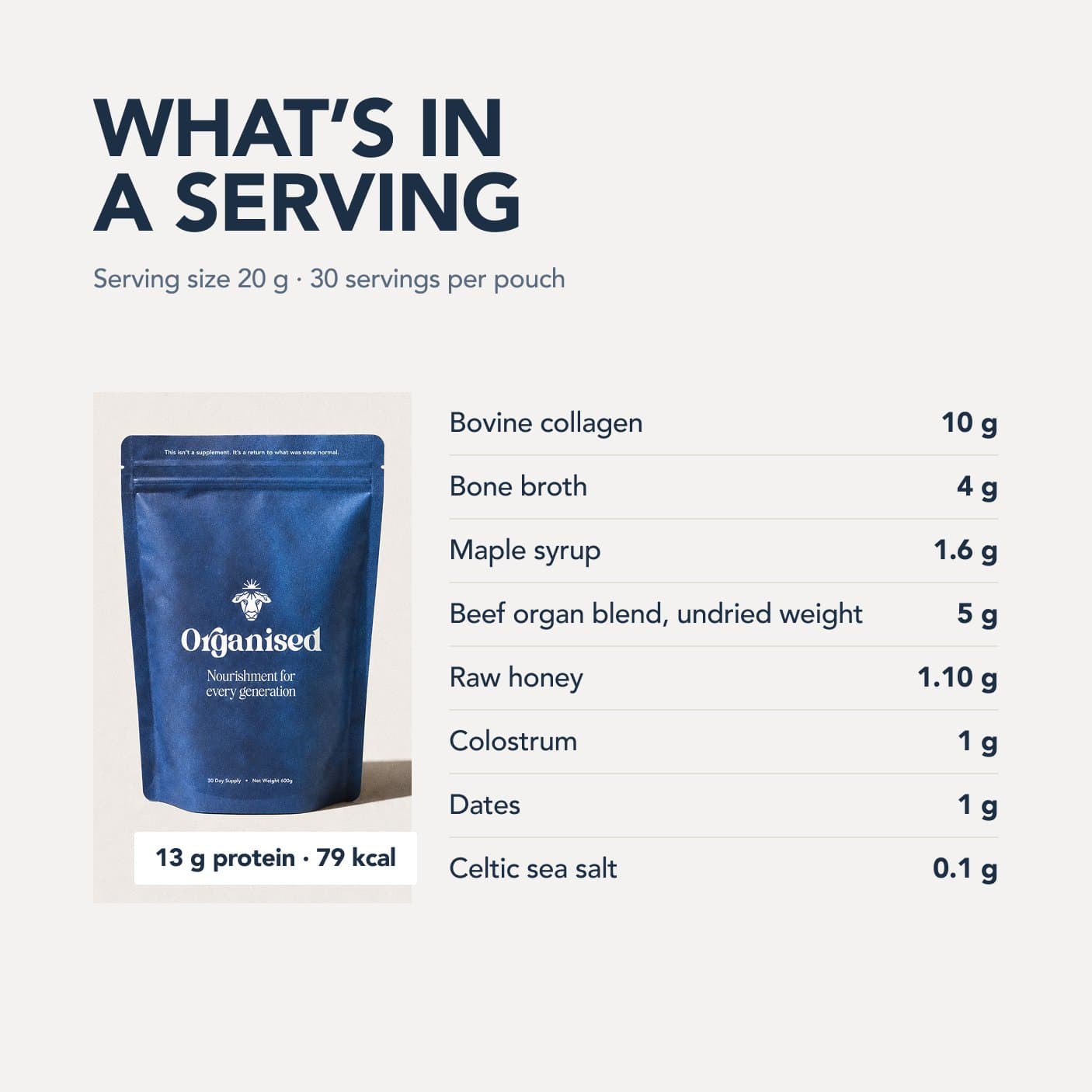
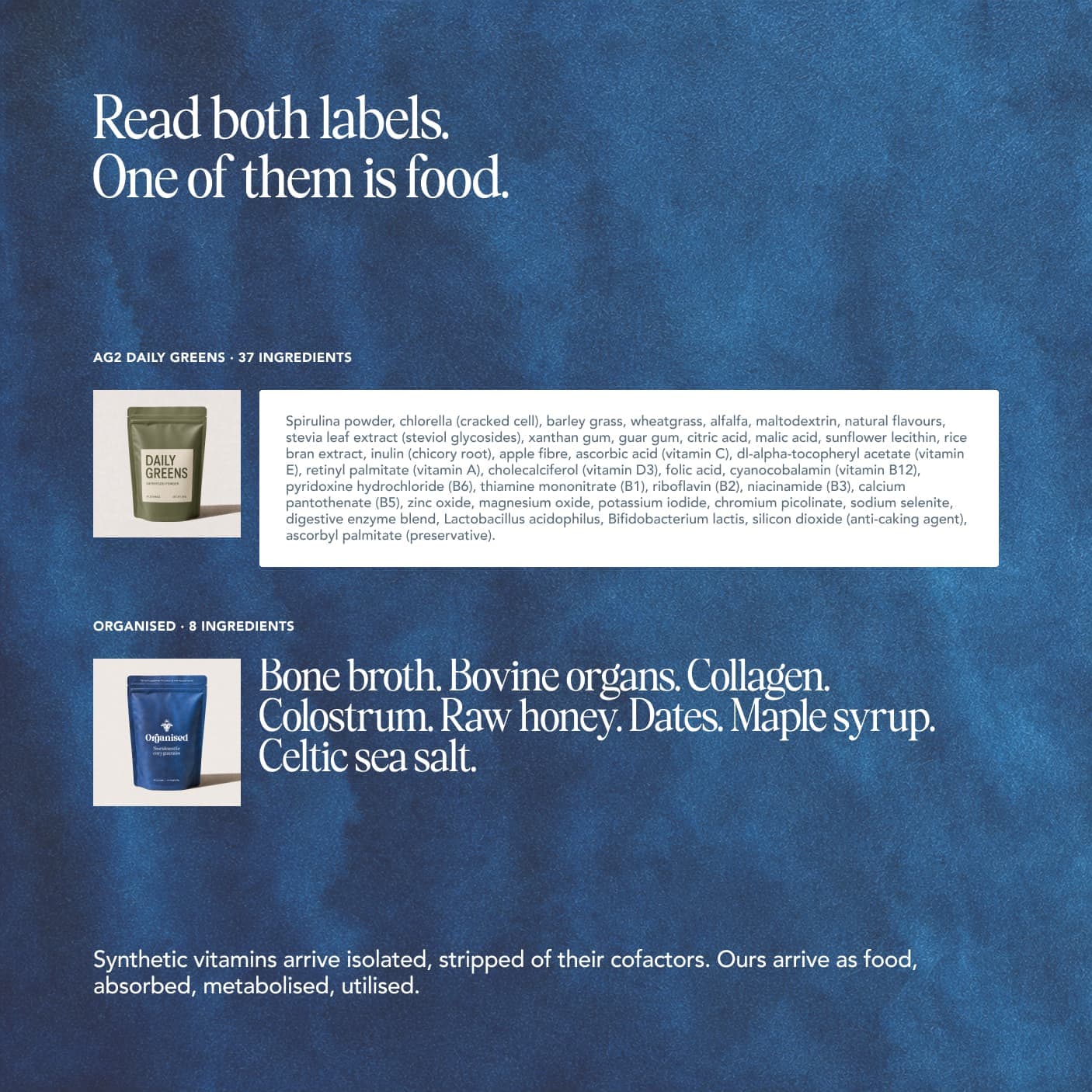
Eight real ingredients built around grass-fed beef organs, collagen and colostrum. Nothing synthetic added.
Free with your first order, worth £38. Plus £10 off the pouch with a subscription.


Free UK shipping · Made in England · 100 day money back guarantee on your first pouch · Skip, pause or cancel anytime
The bottom line
The French Paradox isn't about wine or luck or genetic advantage. It's about choosing real food, eating in a structured way, prioritising quality, and organising life around meals rather than around work or screens. Recent meta-analyses of saturated fat intake (Siri-Tarino 2010, Chowdhury 2014) have not found a clear association between dietary saturated fat and cardiovascular disease, prompting reassessment of older diet-heart guidance.4 And the French, by accident or design, have built a food culture that minimises inflammation and maximises nutrition.
The question isn't how to replicate France exactly. The question is: what's stopping you from doing this in your own life?
References
Every source below was checked on 27 August 2026. Each PubMed, PMC and DOI identifier was resolved against NCBI or Crossref, and what it opens is printed under the citation, so you can see the link goes where the citation says without leaving the page. Where a citation and its identifier disagreed, the citation was corrected to the record or the reference was deleted along with the sentence marker that pointed at it, and where the resolved paper turned out not to support the sentence, the sentence was cut back to what it does support. Borrowed authority is worse than none, because it looks like rigour.
- Renaud S, de Lorgeril M. Wine, alcohol, platelets, and the French paradox for coronary heart disease. Lancet. 1992;339(8808):1523-6. PMID 1351198Checked 27 August 2026: PMID 1351198 opens Renaud S, de Lorgeril M, Wine, alcohol, platelets, and the French paradox for coronary heart disease. Lancet 1992;339(8808):1523-6.
- Mozaffarian D, Wu JHY. Flavonoids, Dairy Foods, and Cardiovascular and Metabolic Health: A Review of Emerging Biologic Pathways. Circ Res. 2018. See also Dehghan M, et al. Lancet. 2018. PMID 30217460Checked 27 August 2026: PMID 30217460 opens Dehghan M, Mente A, Rangarajan S et al, Association of dairy intake with cardiovascular disease and mortality in 21 countries from five continents (PURE): a prospective cohort study. Lancet 2018;392(10161):2288-2297.
- Schurgers LJ, et al. Vitamin K-containing dietary supplements: comparison of synthetic vitamin K1 and natto-derived menaquinone-7. Blood. 2007. PMID 17158229Checked 27 August 2026: PMID 17158229 opens Schurgers LJ, Teunissen KJ, Hamulyák K et al, Vitamin K-containing dietary supplements: comparison of synthetic vitamin K1 and natto-derived menaquinone-7. Blood 2007;109(8):3279-83. PubMed indexes it as: Clinical Trial, Comparative Study, Multicenter Study.
- Siri-Tarino PW, et al. Meta-analysis of prospective cohort studies evaluating the association of saturated fat with cardiovascular disease. Am J Clin Nutr. 2010;91(3):535-46. PMID 20071648. Chowdhury R, et al. Association of dietary, circulating, and supplement fatty acids with coronary risk. Ann Intern Med. 2014. PMID 24723079Checked 27 August 2026: PMID 20071648 opens Siri-Tarino PW, Sun Q, Hu FB et al, Meta-analysis of prospective cohort studies evaluating the association of saturated fat with cardiovascular disease. Am J Clin Nutr 2010;91(3):535-46. PubMed indexes it as: Meta-Analysis. PMID 24723079 opens Chowdhury R, Warnakula S, Kunutsor S et al, Association of dietary, circulating, and supplement fatty acids with coronary risk: a systematic review and meta-analysis. Ann Intern Med 2014;160(6):398-406. PubMed indexes it as: Meta-Analysis, Systematic Review.
Who wrote and reviewed this guide
Niall Kiddle
Author · Founder, Organised
Niall is the founder of Organised. He started the company in 2024 after fixing his own health the slow way: in 2022 he swapped a cupboard of synthetic supplements for real food, raw milk, organ meats, bone broth and honey, and felt the difference within months.
Areas of expertise: Ancestral nutrition, Organ meats, Whole-food supplementation, Gut health, Regenerative sourcing
Read Niall's full profile
Pedro Rodrigues
Reviewer · Agronomist (farming and sourcing only)
Pedro is the agronomist Organised works with on farming and sourcing. His job on the guides is to keep the science honest: he reviews what we publish about soil health, regenerative agriculture, grazing and the way food is actually produced.
Areas of expertise: Regenerative agriculture, Agronomy, Soil health, Grass-fed farming, Food sourcing
Reviewed this guide on
Read Pedro's full profileMore on ancestral diets
View allBrowse the guides library
All guidesKeep reading
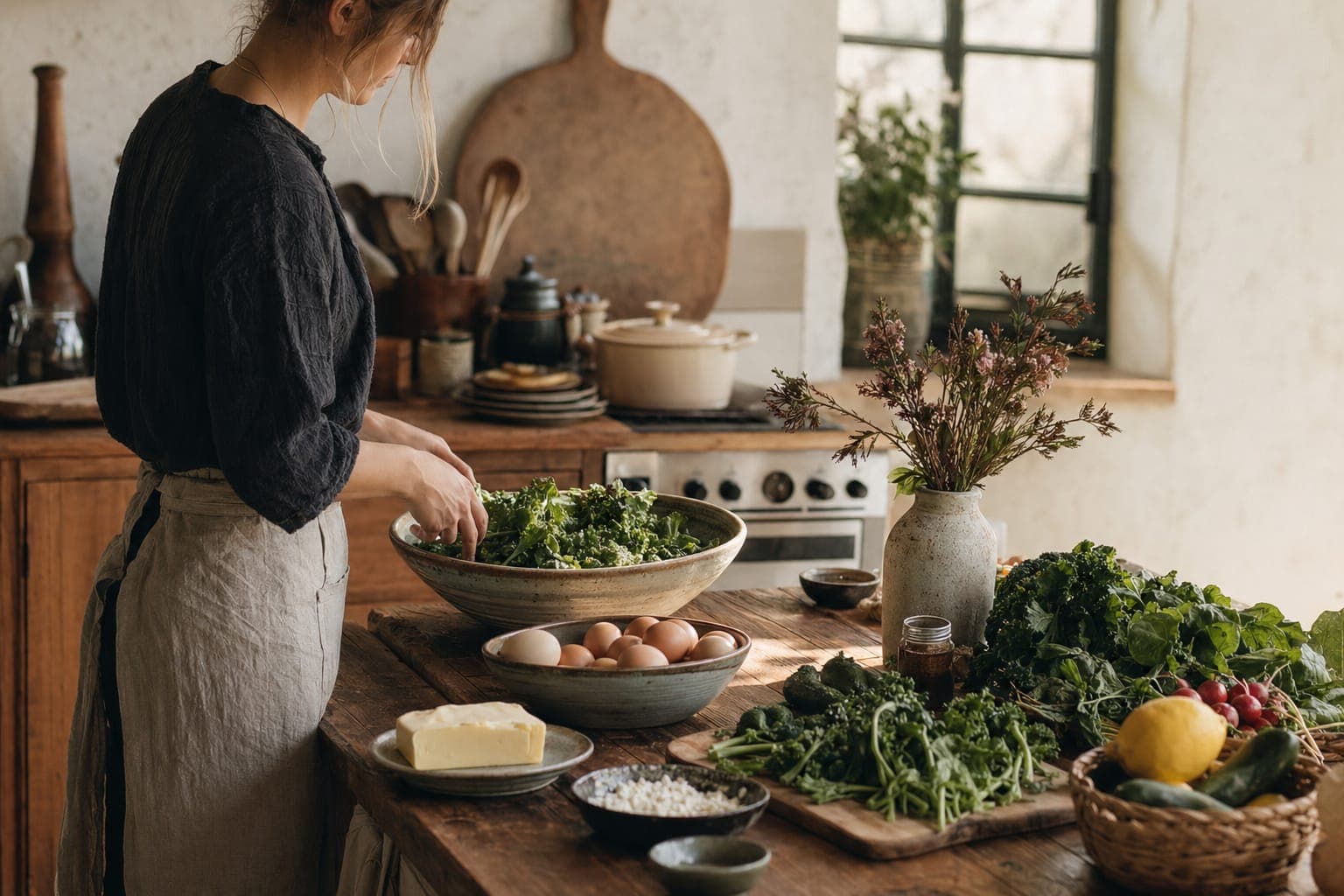
Ancestral
What 'Clean Eating' Gets Right and Wrong
Clean eating has merit, but it can also fuel orthorexia, privilege, and dogma. Here's what actually works about the movement, and what doesn't.

Ancestral
What the Inuit Diet Teaches Us About Fat and Health
The Inuit ate almost zero carbohydrates and high saturated fat with virtually no cardiovascular disease. Here's what that tells us about dietary dogma.
Ancestral
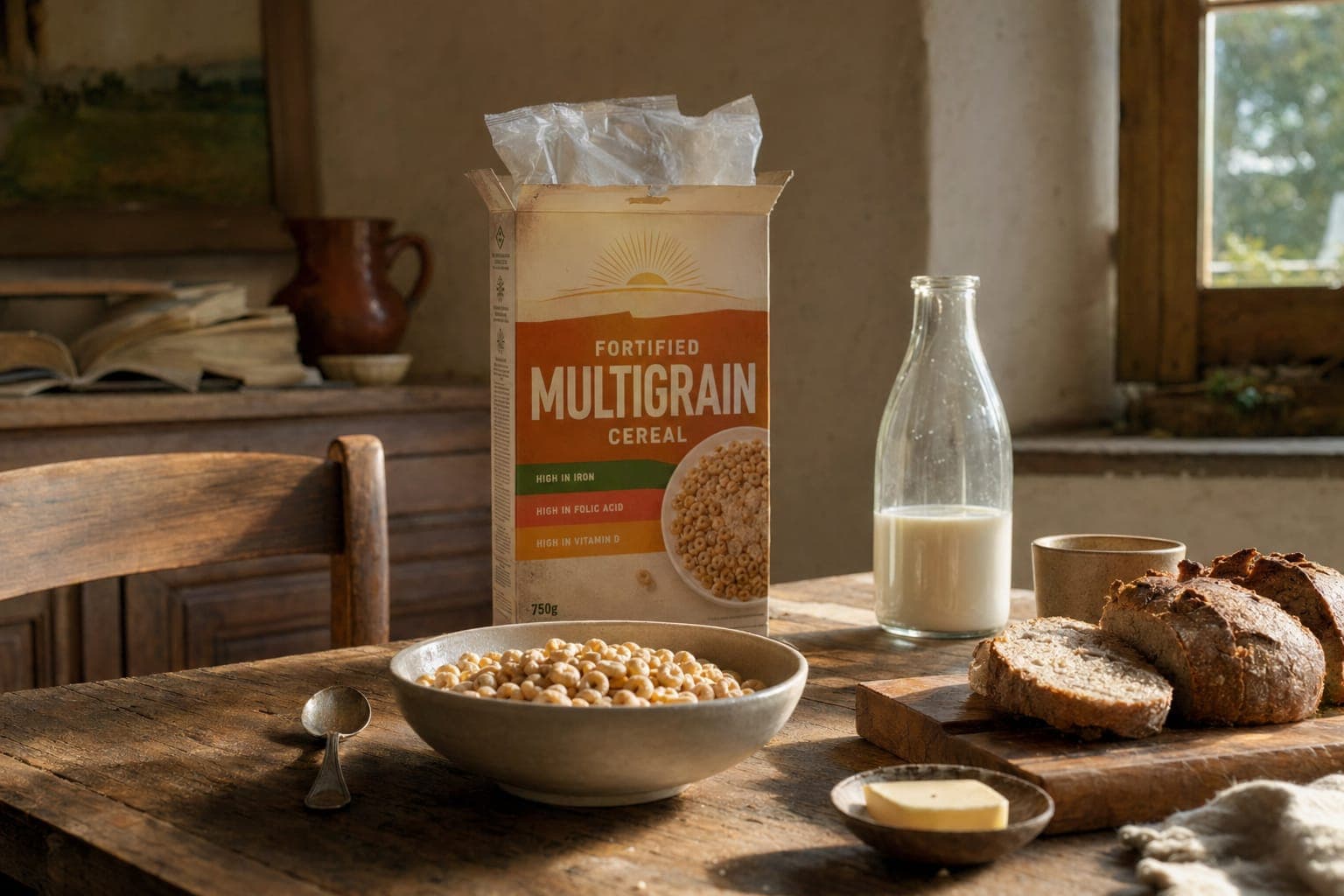
Why 'Fortified' Doesn't Mean Nutritious
Fortified foods are often low-quality cereals dosed with synthetic vitamins. Folic acid is not folate. Learn what fortification really means for you.
Real food, made effortless
Bring it into my routineA few ways to use it
All recipes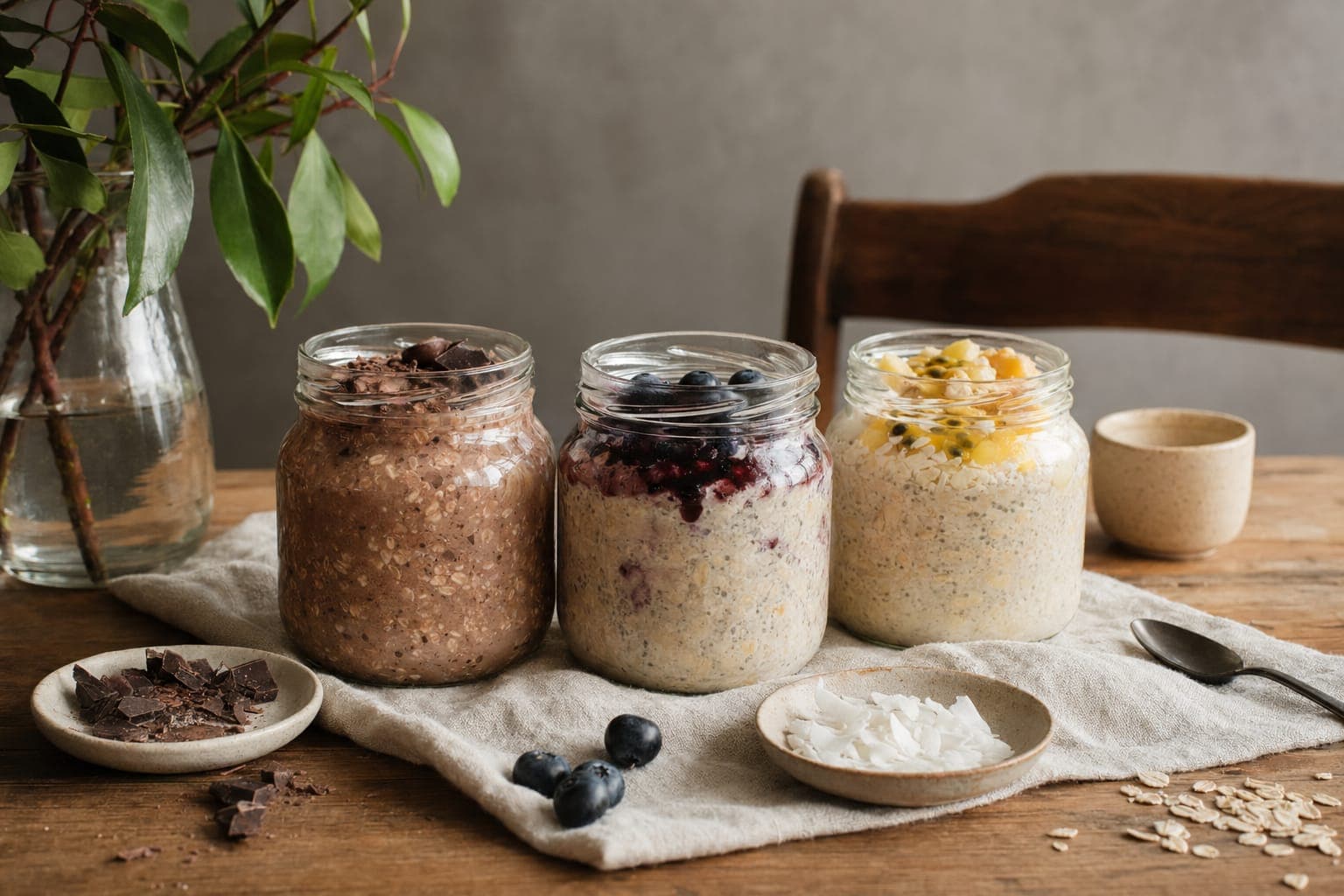
Organised Overnight Oats: 3 Variations
Three delicious overnight oats variations with Organised. Chocolate, berry, tropical flavours. Make them Sunday, eat them all week.
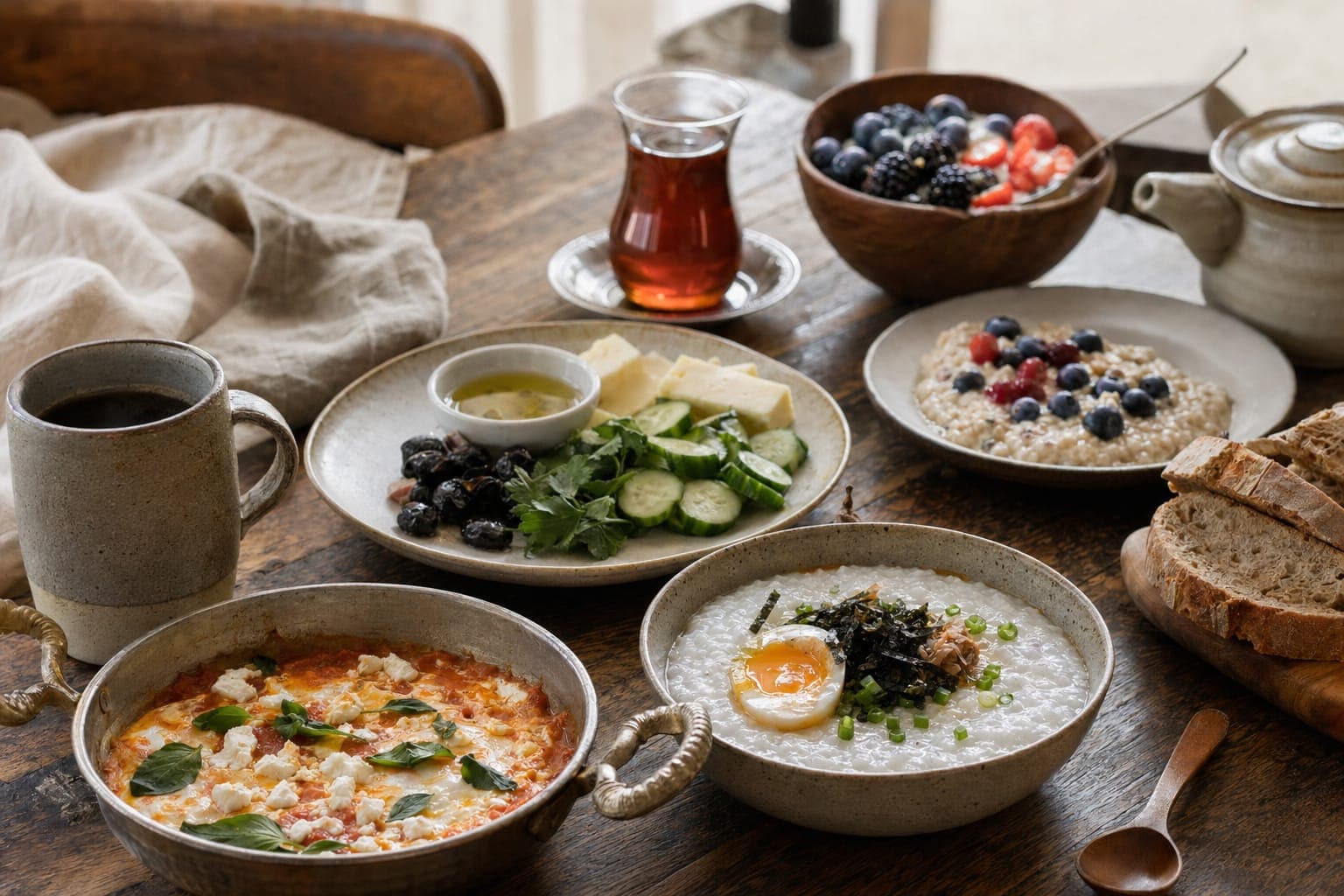
Ancestral Breakfast Ideas from Around the World
Traditional breakfast recipes from cultures that got nutrition right. Japanese, Turkish, Scottish, and more. Whole-food breakfast inspiration.
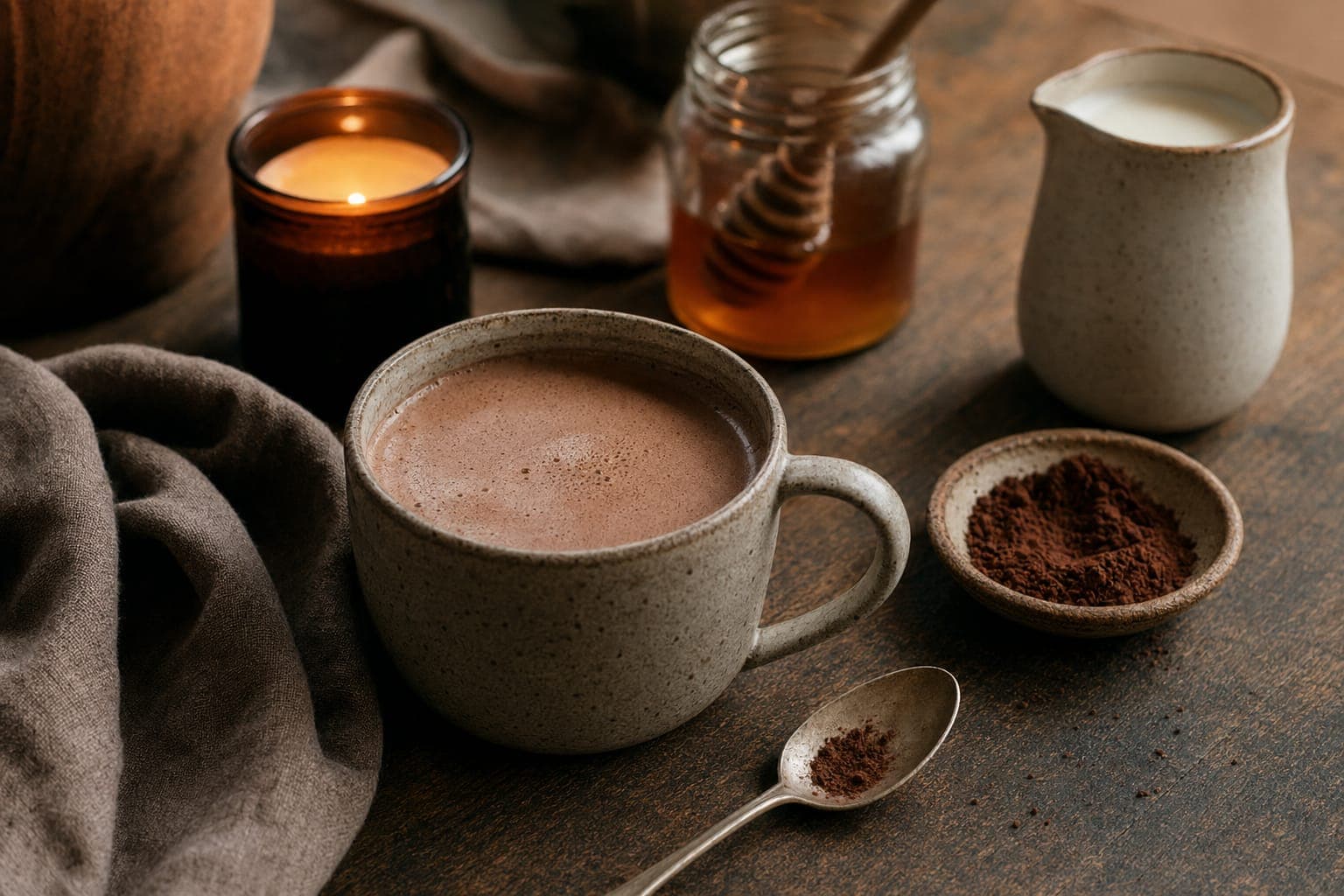
Raw Milk Hot Chocolate with Collagen
A nourishing evening hot chocolate made with raw milk, grass-fed collagen, raw cacao, and honey. A nighttime ritual that supports sleep and gut health.


 Join over 100,000+ members
Build a better food system with us
The Organised community is thousands of people choosing real food and backing the farmers who grow it, all of us trying to leave the world a little better than we found it. If that is what you care about too, you belong here.