The Problem with Meal Replacement Shakes
You're busy. You don't have time for lunch. You grab a meal replacement shake instead. Balanced nutrition. All you need. One step closer to optimising your life. But there's a problem with trying to replace food with a formula. Your gut knows the difference.

By Niall Kiddle, Founder, Organised

Reviewed by Pedro Rodrigues, Agronomist (farming and sourcing only) ·
6 min read · Published · Updated · 4 cited sources
Makers of the Organised Daily blend, a grass-fed beef organ supplement from regenerative UK farms

The appeal and the promise
Meal replacement shakes like Huel and Soylent promise convenience without compromise. Complete nutrition in a glass. No thinking. No cooking. No waste. Just pour, shake, drink, move on. For someone caught between ambition and exhaustion, it's tempting.
The marketing is slick. You'll see images of busy professionals opting out of lunch, choosing optimisation instead. The branding suggests you're too important to waste time eating. Your body runs on fuel, like a machine. Feed it the formula and keep moving.
This is a very seductive lie, and it starts with the premise that eating is inefficient. It isn't. Eating is biological.
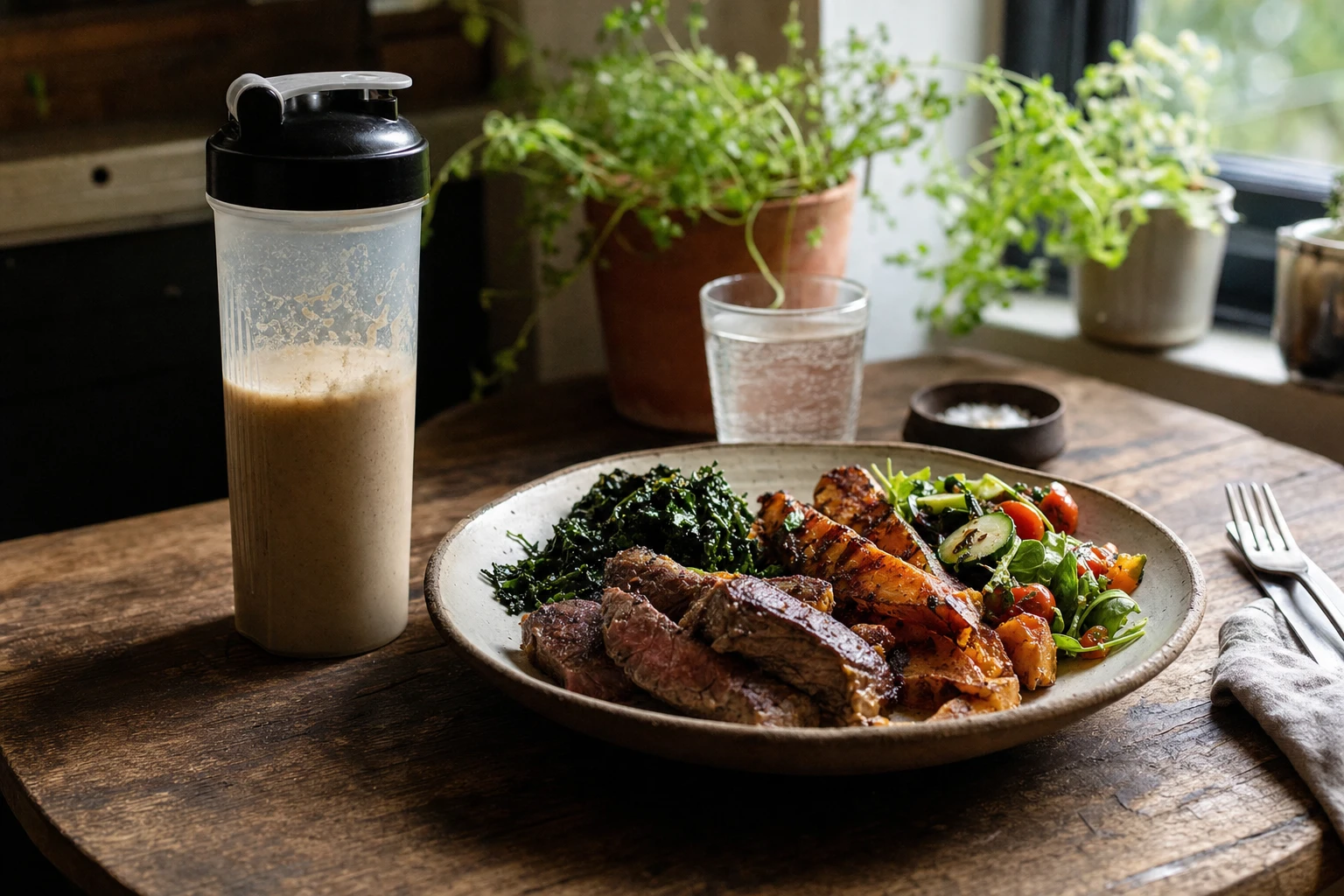
Ultra-processed is still ultra-processed
Let's start with what these shakes are. They're powders or liquids made from refined ingredients: isolated soy protein, oat powder, canola oil, maltodextrin, synthetic vitamins, and fibre added back in. Not a single ingredient exists in that form in nature.
When you process food this aggressively, you're not just changing the form. You're changing what your body can do with it.1 Your digestive system evolved to eat whole food. It has no experience processing meal-replacement formula.
And yet the marketing suggests they're the future of nutrition. Optimised. Scientific. Better than actual food. This is the ultimate expression of the mechanistic view of nutrition: the body is a machine, food is fuel, and that fuel can be engineered.
Your gut is not a machine. It's an ecosystem. Feeding it formula is like expecting a forest to thrive on synthetic water.
Anti-nutrients hiding in the formula
Huel and Soylent both contain oat flour and sometimes soy. Oats contain phytic acid, a compound that binds to minerals (calcium, iron, zinc, magnesium) and prevents absorption.2 Whole oats contain enough phytase (the enzyme that breaks down phytic acid) to partially offset this, but oat powder doesn't.
Soy protein (especially soy protein isolate) comes with isoflavones and trypsin inhibitors, compounds that interfere with protein digestion and thyroid function.3 In a whole soybean, fermented, the quantities are manageable. In concentrated powder form, they're problematic.
These anti-nutrients are present in tiny amounts individually, but a meal replacement shake is being consumed as a substantial portion of your calories. You're taking a compound that's fine in trace amounts and consuming it in quantities your body can't handle.
The formula was optimised for shelf-life and cost, not for biological function.
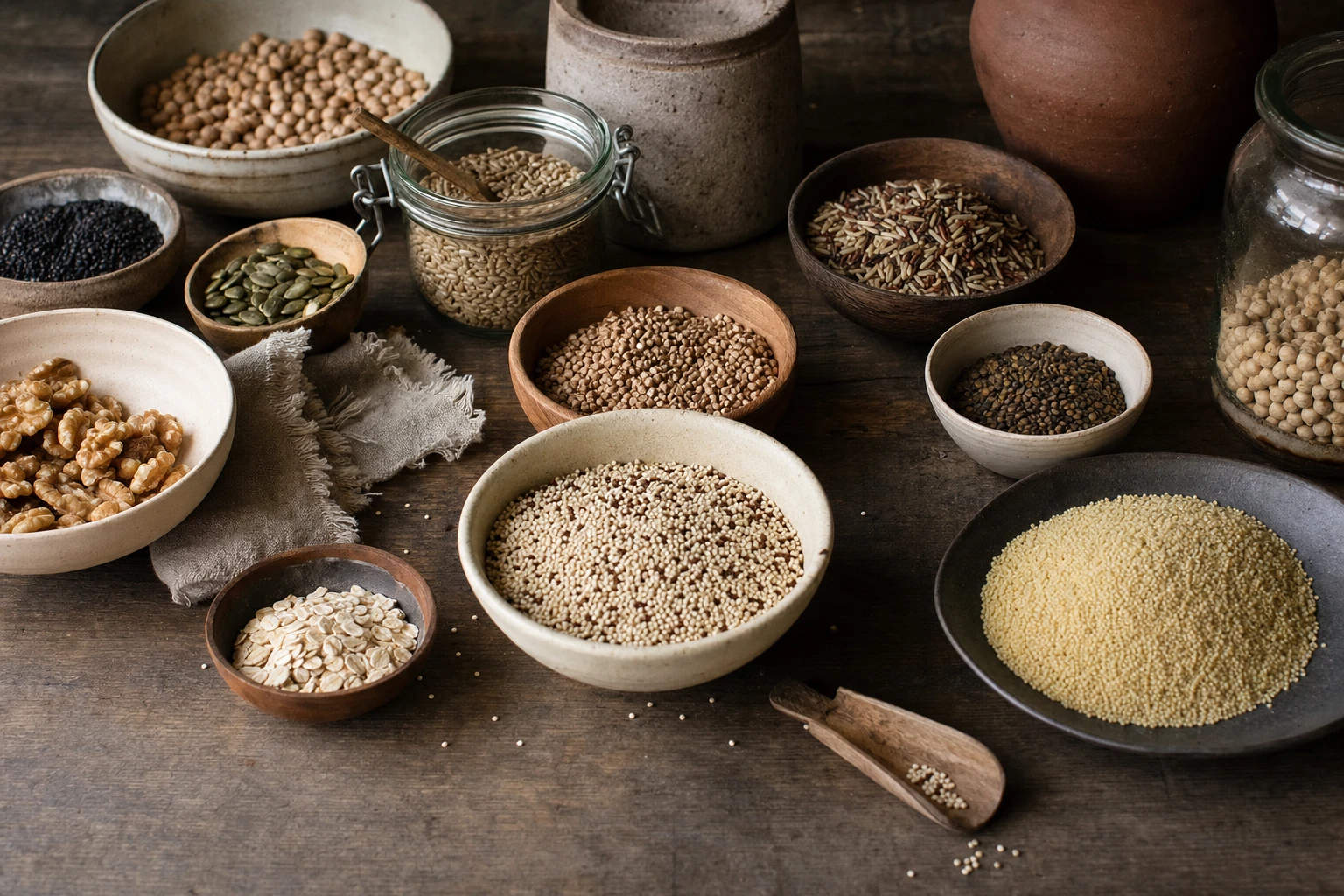
The missing food matrix
This is the critical part. Food is not a collection of isolated nutrients. It's a matrix. When you eat an egg, you're not eating protein, fat, and choline separately. You're eating them in a structure that your body recognises and can process efficiently.
The nutrients in whole foods exist alongside enzymes, cofactors, and compounds that facilitate absorption. Eating an apple gives you fibre, but also the pectin in the apple matrix, which slows sugar absorption and feeds your microbiome in a specific way.
A meal replacement formula tries to recreate this by adding back fibre (inulin, usually), but it's the wrong fibre, in the wrong quantities, divorced from the original matrix. Your gut has to do more work to extract less value.
When you eat a real meal, your digestive system goes to work. Stomach acid, bile, enzymes, and your microbiota all coordinate to break down and absorb nutrients. A shake requires much less of this system, which means the system weakens. Over time, chronic meal replacement consumption is linked to digestive dysfunction.

What actually happens in your body
You drink the shake. Your blood sugar spikes slightly (maltodextrin and other refined carbs).4 Insulin responds. The processed protein requires additional digestive work, but since the matrix is broken, absorption is incomplete. You don't get full in the way whole food makes you full.
Two hours later, you're hungry again. You grab another shake, or you finally eat real food because your body is demanding it. And so you stay in this oscillation between formula and desperation.
Meanwhile, your gut microbiota is starving. The fibre added to the formula isn't the same fibre the microbes evolved to eat. Your digestive enzymes aren't being exercised. Your stomach acid sits, underutilised. You're optimising yourself into digestive dysfunction.
The convenience of meal replacement is being paid for by the health of your gut.
Get ancestral nutrition guides, free
Two short reads a week on traditional ways of eating, examined with modern evidence.
By signing up you agree to receive emails from us. No spam, unsubscribe anytime.
Why whole meals are non-negotiable
A proper meal takes maybe thirty minutes to prepare and eat. Yes, that's time. But it's also recovery. It's parasympathetic activation. It's the ritual that signals to your body that it's safe to rest and digest. Drinking a shake whilst working sends the opposite signal entirely.
Whole meals also teach your body. Eating a steak with vegetables and butter teaches your digestive system to handle complex matrices. It exercises your microbiota. It builds resilience. Over time, people who eat real food develop stronger digestion than people who've been replacing meals.
If convenience is the barrier, consider this: boiling eggs takes ten minutes. Making a salad takes five. Buying a rotisserie chicken and greens takes less time than preparing a meal replacement routine.
Real food isn't slower. The perception of speed is based on not having to stay present whilst eating.

The microbiome cost of convenience
Your gut bacteria are living organisms. They evolved to ferment specific types of fibre, to break down whole food matrices, to produce short-chain fatty acids that your colon cells depend on. When you feed them meal replacement shake, you're not feeding them food. You're feeding them industrial by-products.
Over time, the microbes that thrive on whole food starve. The microbes that thrive on processed carbohydrates and inulin proliferate. You're creating dysbiosis through dietary choice.
The symptoms appear slowly. Bloating becomes normal. Your energy dips mid-afternoon. Your immune system weakens slightly. You assume this is just how life is. You don't connect it to the liquid meals you've been drinking for months.
The gut microbiota takes months to shift, both in the dysbiotic direction and back towards health. If you've been using meal replacements regularly, expect six to twelve months of eating whole food before your microbiome fully recovers and your energy stabilises.
The convenience of a shake today is paid for by months of digestive dysfunction tomorrow.
Fast meal prep: actually faster than the formula
The marketing promise of meal replacement is time savings. But consider actual meal prep. A rotisserie chicken from a supermarket, some bagged salad, a tin of beans, and some olive oil. Fifteen minutes of actual eating time, zero preparation required. That's faster than opening a bottle and drinking a shake.
If you meal prep on Sunday for the week, ten minutes of chopping and an hour of cooking yields five days of lunches. That's twelve minutes per day of actual labour, yielding meals vastly superior to any formula.
Eggs boiled in advance. Meat cooked and portioned. Vegetables roasted. These take time once, then they're grab-and-go for days. The formula requires no prep, yes, but it also requires perpetual consumption because it doesn't actually satisfy.
The real time cost of meal replacement isn't the drinking. It's managing the hunger that follows, managing the microbiome damage, managing the digestive dysfunction that emerges.

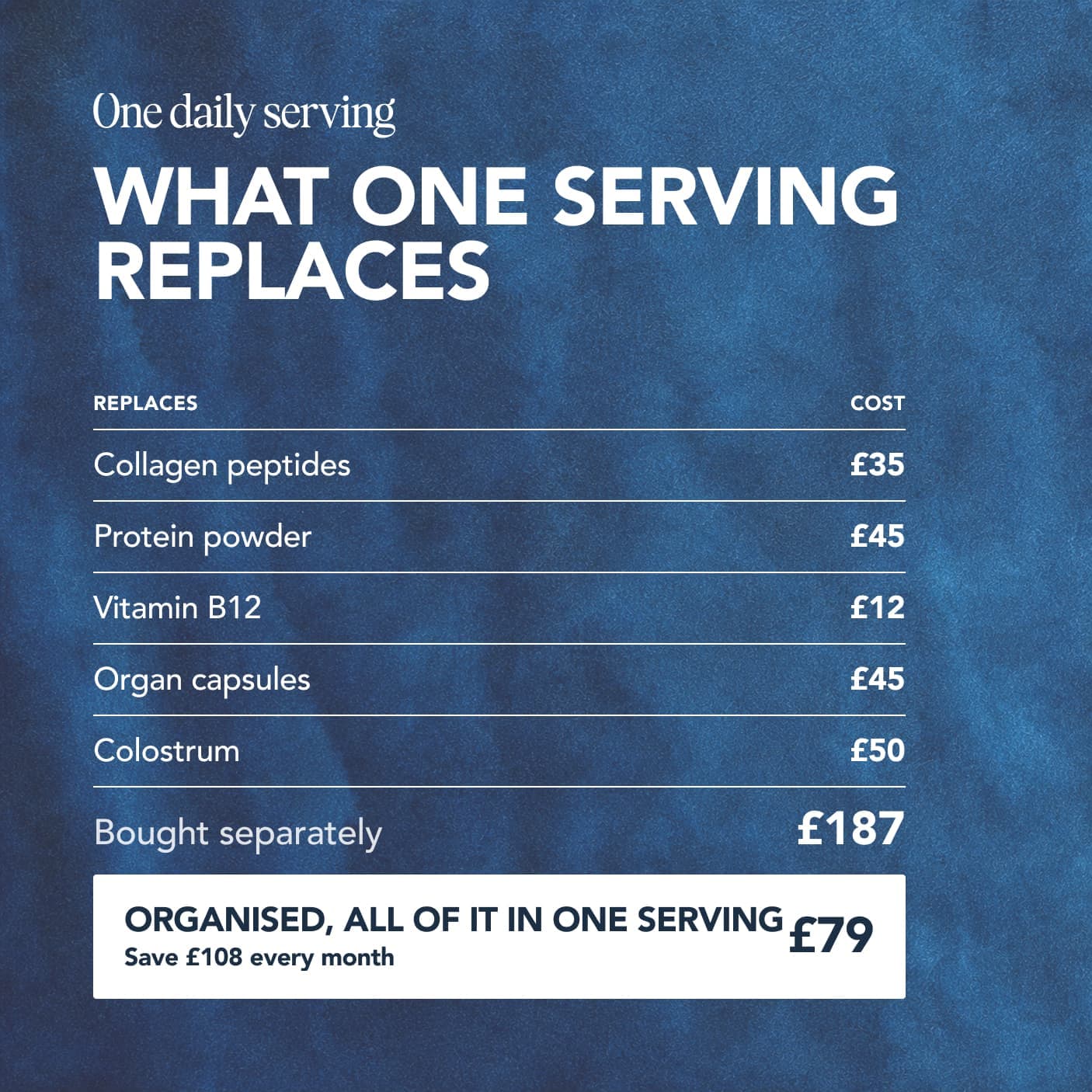

1 of 9
Daily blend
100,000+ thriving families4.9 on Trustpilot
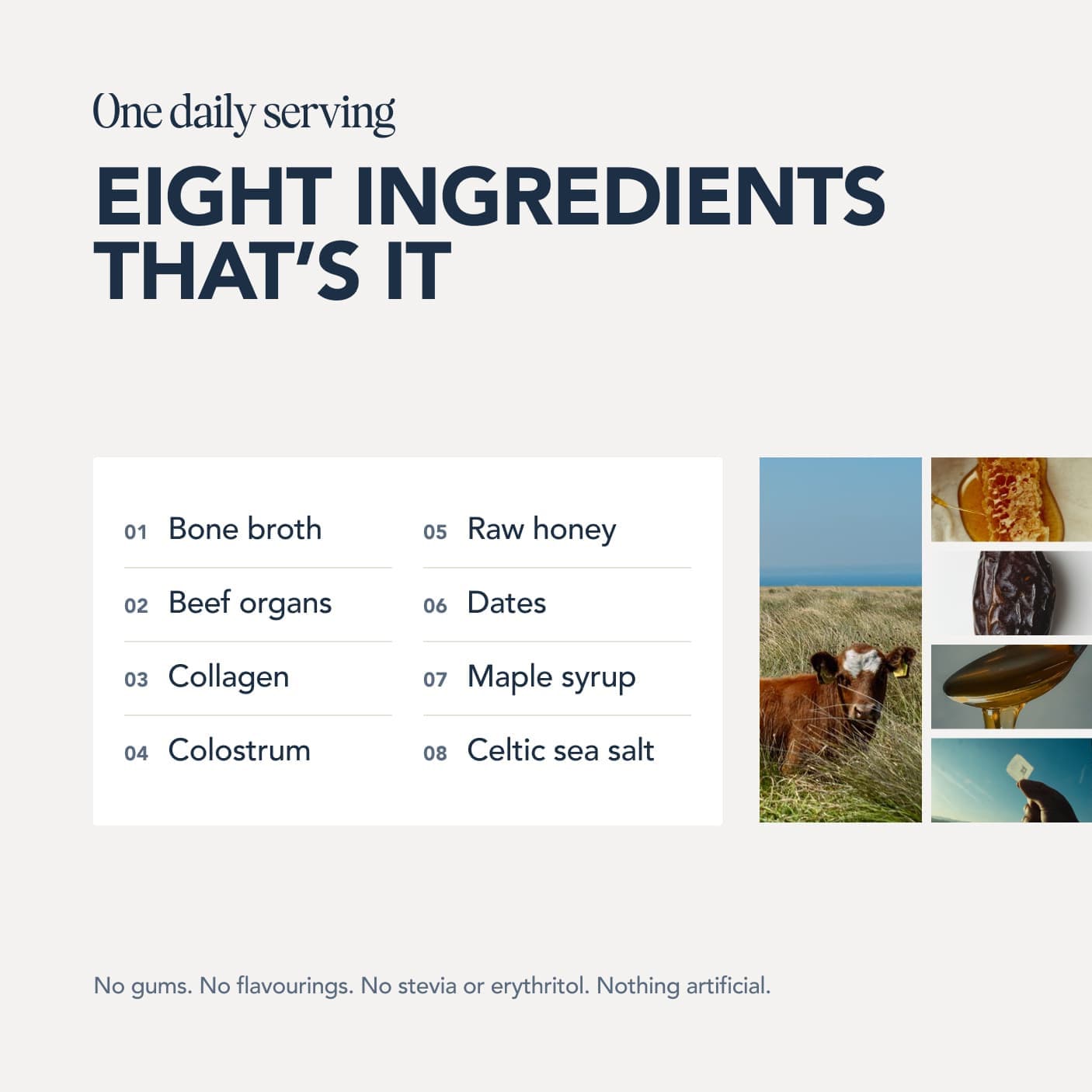
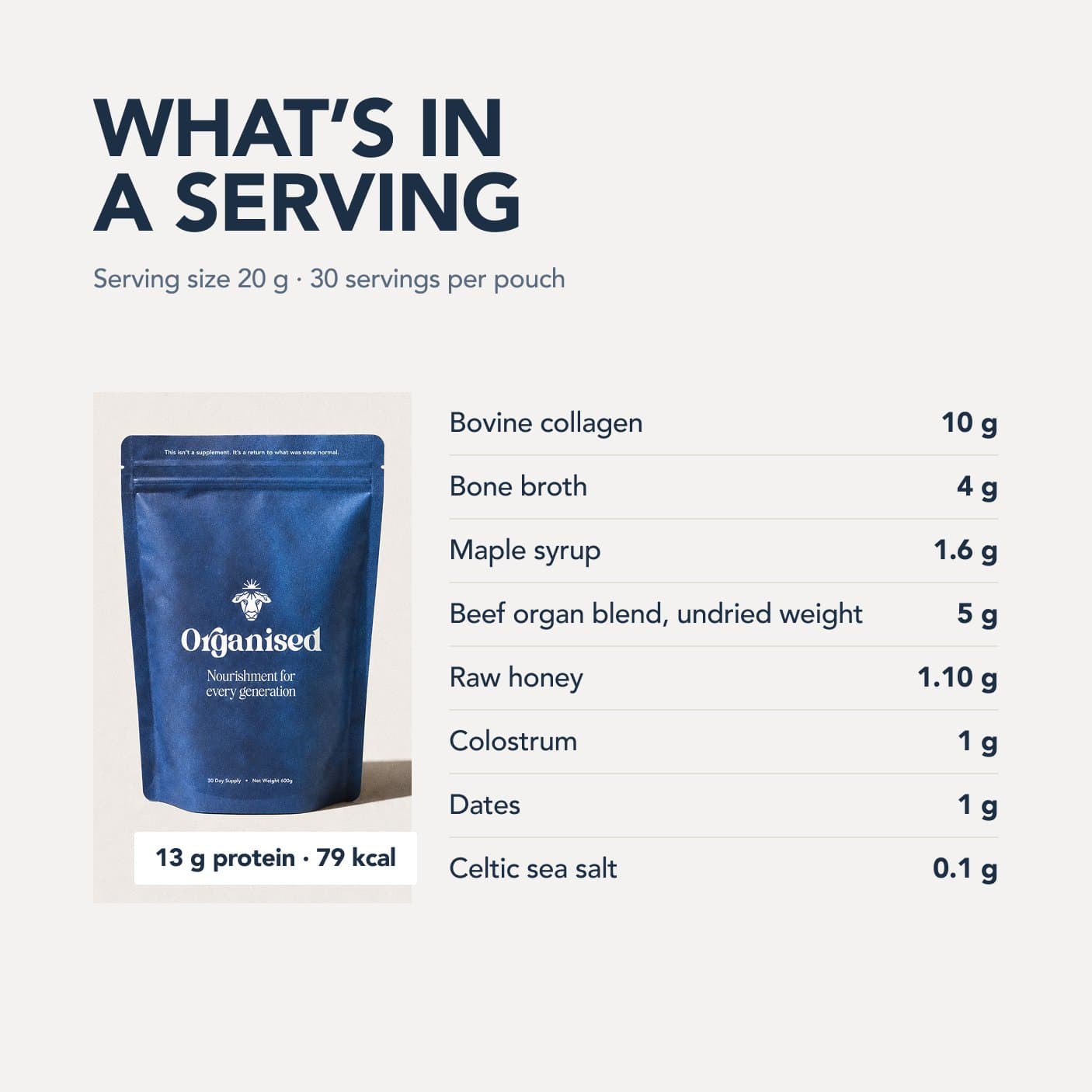
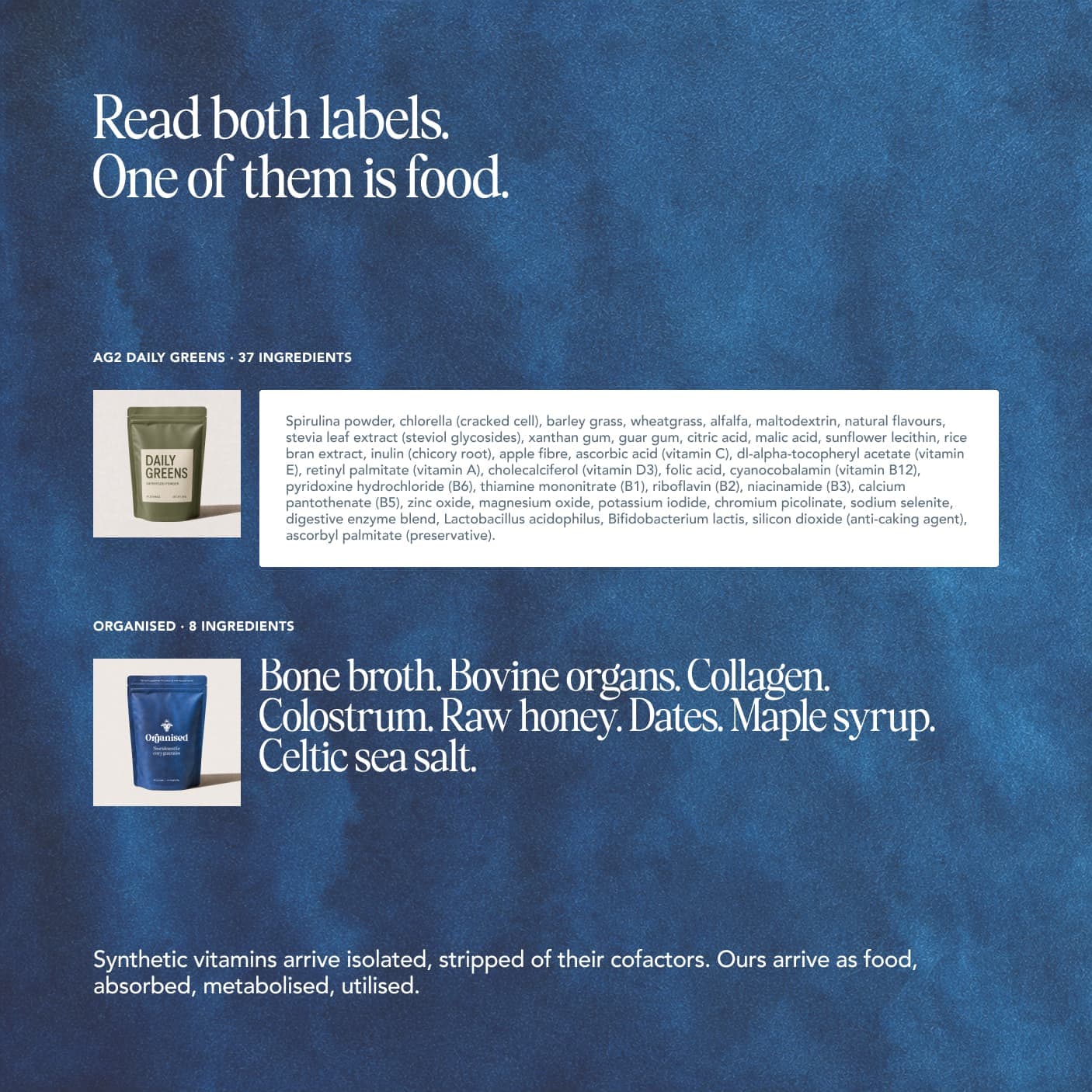
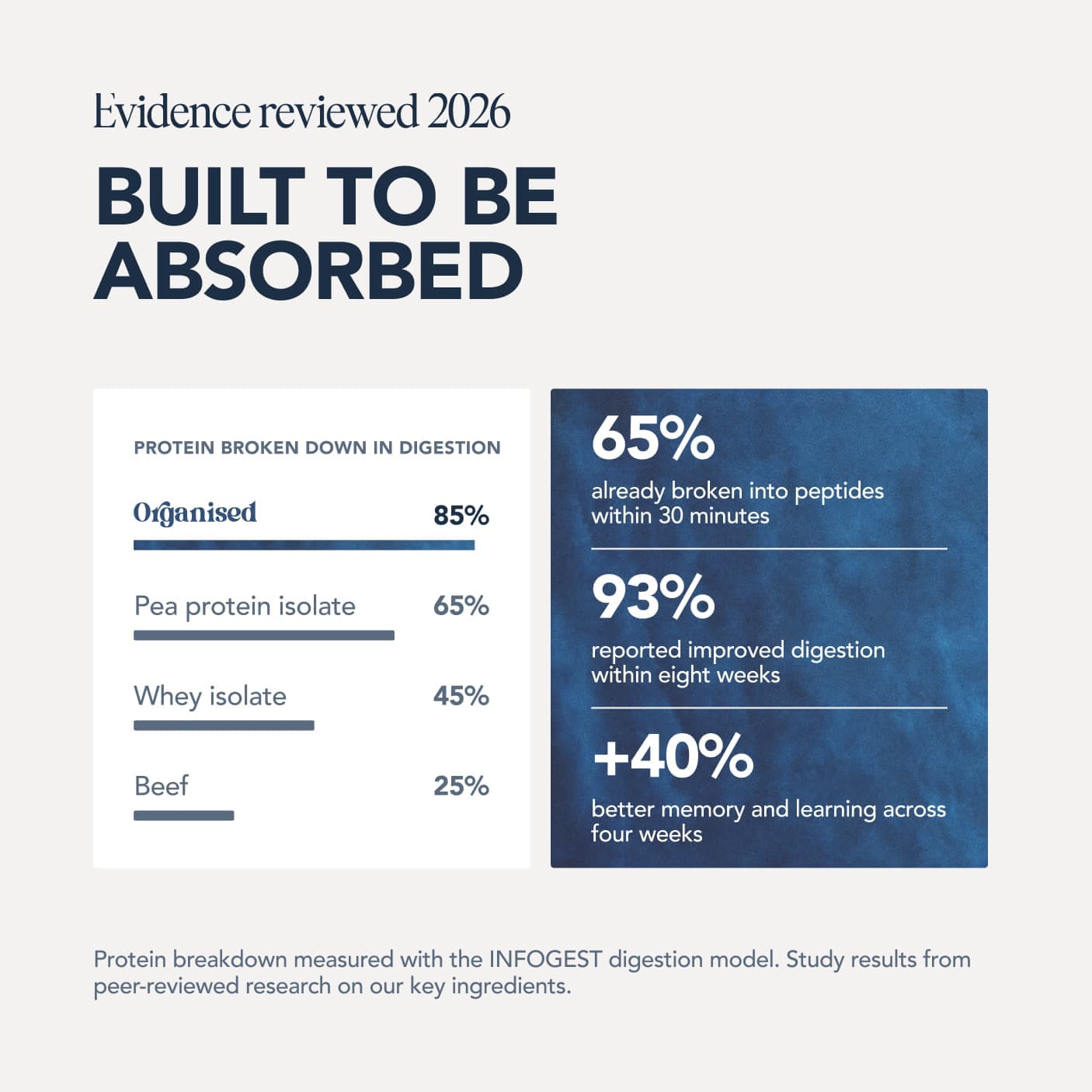
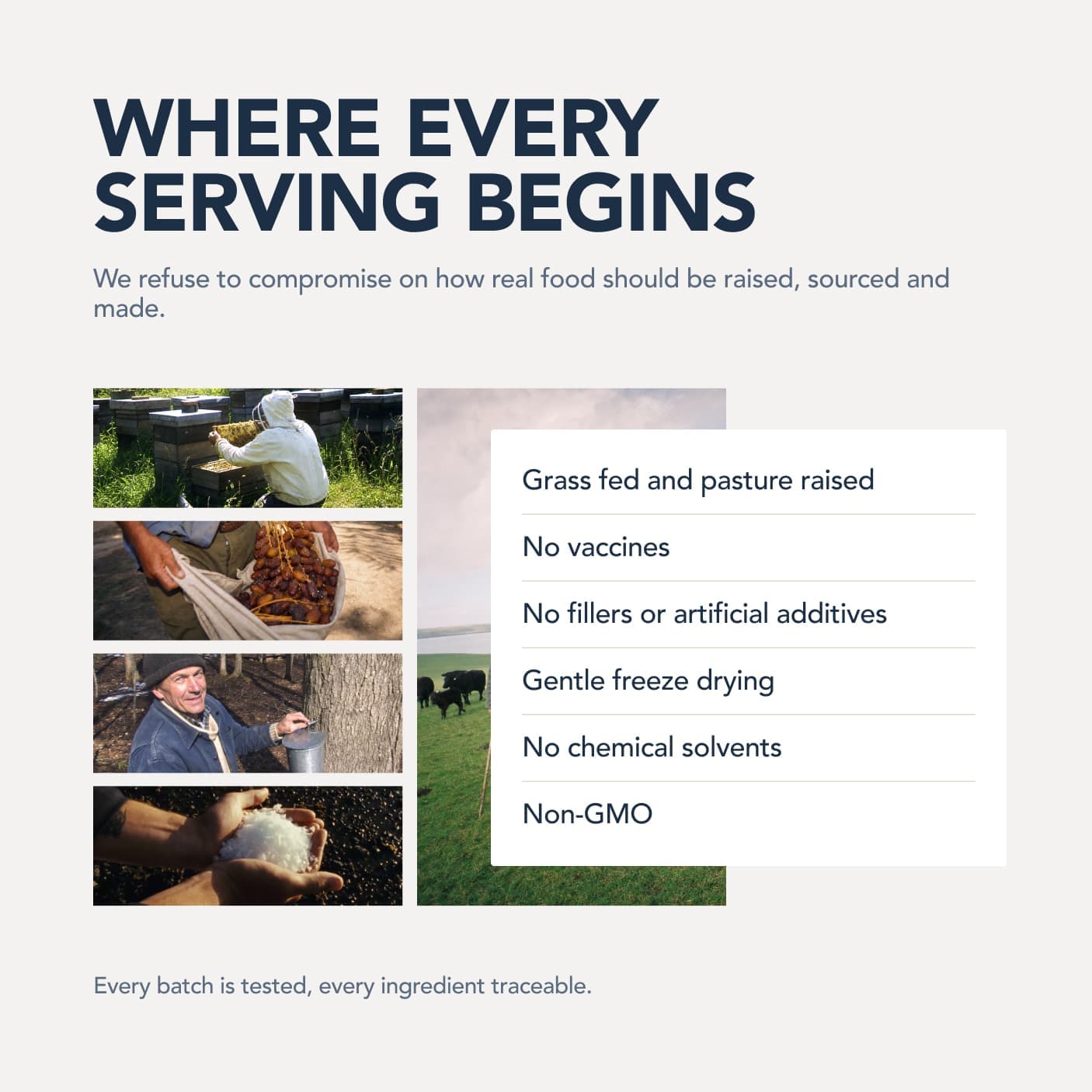
Eight real ingredients built around grass-fed beef organs, collagen and colostrum. Nothing synthetic added.
Free with your first order, worth £38. Plus £10 off the pouch with a subscription.



Free UK shipping · Made in England · 100 day money back guarantee on your first pouch · Skip, pause or cancel anytime
The bottom line
Meal replacement shakes are ultra-processed foods marketed as optimisation. They contain anti-nutrients, lack the food matrix your gut needs, and they weaken your digestive system over time. The convenience of the shake is being paid for with the long-term health of your gut.
Eat real food. Yes, it takes time. That time is health being built, not time being wasted. Your body will tell you the difference.
References
Every source below was checked on 27 August 2026. Each PubMed, PMC and DOI identifier was resolved against NCBI or Crossref, and what it opens is printed under the citation, so you can see the link goes where the citation says without leaving the page. Where a citation and its identifier disagreed, the citation was corrected to the record or the reference was deleted along with the sentence marker that pointed at it, and where the resolved paper turned out not to support the sentence, the sentence was cut back to what it does support. Borrowed authority is worse than none, because it looks like rigour.
- Monteiro CA et al. Ultra-processed foods: what they are and how to identify them. Public Health Nutr. PubMed PMID: 30744710.Checked 27 August 2026: PMID 30744710 opens Monteiro CA, Cannon G, Levy RB et al, Ultra-processed foods: what they are and how to identify them. Public Health Nutr 2019;22(5):936-941.
- Gibson RS et al. A review of phytate, iron, zinc, and calcium concentrations in plant-based complementary foods. Food Nutr Bull. PubMed PMID: 20715598.Checked 27 August 2026: PMID 20715598 opens Gibson RS, Bailey KB, Gibbs M et al, A review of phytate, iron, zinc, and calcium concentrations in plant-based complementary foods used in low-income countries and implications for bioavailability. Food Nutr Bull 2010;31(2 Suppl):S134-46. PubMed indexes it as: Review.
- Messina M, Redmond G. Effects of soy protein and soybean isoflavones on thyroid function in healthy adults and hypothyroid patients: a review of the relevant literature. Thyroid. PubMed PMID: 16571087.Checked 27 August 2026: PMID 16571087 opens Messina M, Redmond G, Effects of soy protein and soybean isoflavones on thyroid function in healthy adults and hypothyroid patients: a review of the relevant literature. Thyroid 2006;16(3):249-58. PubMed indexes it as: Review.
- Hall KD et al. Ultra-Processed Diets Cause Excess Calorie Intake and Weight Gain. Cell Metab. PMC7946062.Checked 27 August 2026: PMC7946062 opens Hall KD, Ayuketah A, Brychta R et al, Ultra-Processed Diets Cause Excess Calorie Intake and Weight Gain: An Inpatient Randomized Controlled Trial of Ad Libitum Food Intake. Cell Metab 2019;30(1):67-77.e3. PubMed indexes it as: Randomized Controlled Trial.The authors' own declaration, from the record: Declaration of Interests. CG Forde has received reimbursement for speaking at conferences sponsored by companies selling nutritional products, serves on the scientific advisory council for Kerry Taste and Nutrition, and is part of an academic consortium that has received research funding from Abbott Nutrition, Nestec, and Danone. The other authors have no conflicts of interest.
Who wrote and reviewed this guide
Niall Kiddle
Author · Founder, Organised
Niall is the founder of Organised. He started the company in 2024 after fixing his own health the slow way: in 2022 he swapped a cupboard of synthetic supplements for real food, raw milk, organ meats, bone broth and honey, and felt the difference within months.
Areas of expertise: Ancestral nutrition, Organ meats, Whole-food supplementation, Gut health, Regenerative sourcing
Read Niall's full profile
Pedro Rodrigues
Reviewer · Agronomist (farming and sourcing only)
Pedro is the agronomist Organised works with on farming and sourcing. His job on the guides is to keep the science honest: he reviews what we publish about soil health, regenerative agriculture, grazing and the way food is actually produced.
Areas of expertise: Regenerative agriculture, Agronomy, Soil health, Grass-fed farming, Food sourcing
Reviewed this guide on
Read Pedro's full profileBrowse the guides library
All guidesKeep reading
Ancestral
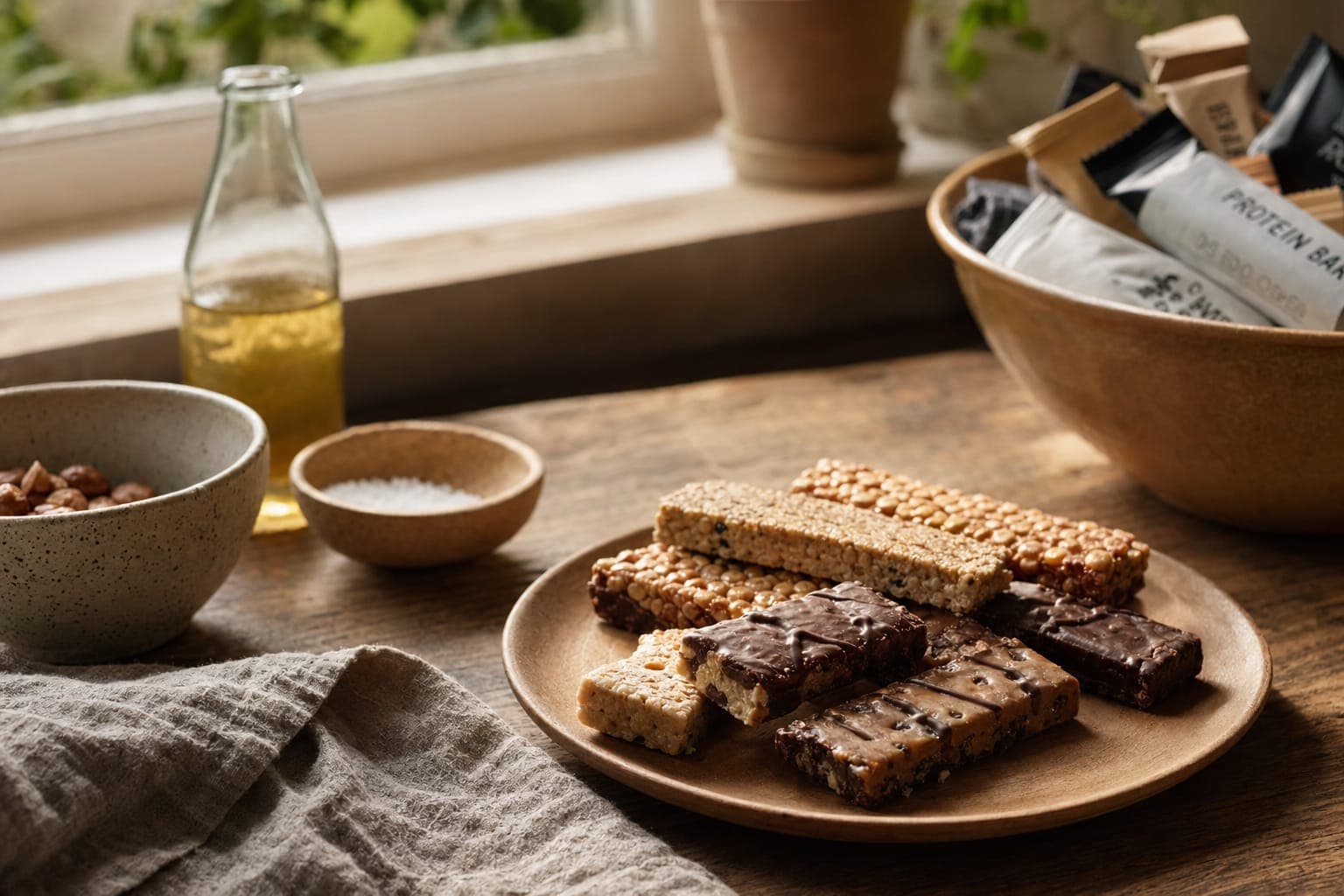
The Hidden Ingredients in Your 'Healthy' Protein Bar
Protein bars marketed as healthy hide seed oils, sugar alcohols, and processed isolates. Here's what's actually in them and why they're not real food.

Ancestral
The French Paradox: Real Food, Real Health
Explore the French paradox: high saturated fat, low heart disease and long lives. It is not just the wine, but the food, the meals and the eating culture.

Ancestral
Stevia, Erythritol and the Gut Microbiome
How artificial sweeteners disrupt the microbiome, insulin response, and metabolic health. Why this pillar avoids them entirely.
Real food, made effortless
Bring it into my routineA few ways to use it
All recipes
5-Minute High-Protein Breakfasts Using Organised
Quick, high-protein breakfast ideas using Organised. Five recipes you can make in minutes with real food. No fussing around.

Liver Pate for Beginners: A Gentle Introduction to Organ Meats
Simple liver pate recipe to start eating organ meats. Chicken liver, butter, and herbs. Gentle introduction to nutrient-dense whole foods.

Gut-Healing Marshmallows with Collagen and Raw Honey
Learn to make gut-healing marshmallows with collagen and raw honey. A shareable treat that sneaks nutrition into every bite. Easy recipe with video tips.


 Join over 100,000+ members
Build a better food system with us
The Organised community is thousands of people choosing real food and backing the farmers who grow it, all of us trying to leave the world a little better than we found it. If that is what you care about too, you belong here.