Why We Believe Whole Food Is the Future of Nutrition
The supplement industry is built on a lie. The lie is that you can extract a nutrient from food, isolate it, and have it work the same way. You can't.

By Niall Kiddle, Founder, Organised

Reviewed by Pedro Rodrigues, Agronomist (farming and sourcing only) ·
7 min read · Published · Updated · 5 cited sources
Makers of the Organised Daily blend, a grass-fed beef organ supplement from regenerative UK farms
That's not an opinion. It's biochemistry. And it's the reason whole food will always outperform any supplement you can buy in a bottle. Not because supplements are inherently bad. But because the way your body processes a nutrient depends entirely on context.
The extraction problem
When researchers isolate a nutrient from food, they're making a fundamental choice. They're saying this one nutrient is valuable and everything else is noise. A radish contains vitamin C, but it also contains polyphenols, fibre, sulphur compounds, and hundreds of other phytonutrients. The moment you extract just the vitamin C, you've removed everything else. You've removed context. You've removed the system that evolved to work synergistically.
Your body doesn't experience nutrients in isolation. It experiences them as part of a symphony. Vitamin C in an orange doesn't arrive alone. It arrives with hesperidin, a bioflavonoid that helps your body absorb the vitamin C. With fibre that slows absorption. With other antioxidants that work synergistically.1
The supplement gives you vitamin C. Just vitamin C. Pure crystalline vitamin C. Your body absorbs it differently because it doesn't recognise this form as the real thing. It metabolises it differently. It's not more efficient. It's less efficient. Your body is trying to make sense of something it's never encountered before in evolutionary time.
This is true for every nutrient. Iron from meat arrives with copper, which is required for iron metabolism.2 Iron from a supplement arrives alone. Your body can still absorb it, but without copper, the absorption is incomplete and the metabolism is inefficient.
Vitamin D from cod liver oil arrives with vitamin A and other fat-soluble vitamins. Vitamin D in a supplement arrives alone. Your body still absorbs it, but the synergistic effect is gone.
A nutrient in isolation is not the same nutrient in food. The form matters. The context matters. Your body knows the difference.
Researchers studying supplementation repeatedly find this. Give people a synthetic supplement of a nutrient and follow-up studies show minimal health improvement. Give people the food and the improvements are dramatic. It's not placebo. It's biochemistry.
Bioidentical is not the same as identical
The supplement industry loves the word bioidentical. It means the supplement is molecularly identical to the nutrient found in food. On paper, this sounds compelling. In practice, it's a marketing claim that ignores everything about how your body actually works.
Bioidentical means the molecule is the same shape. It doesn't mean your body treats it the same way. Because your body is context-sensitive. It recognises not just the molecule but the delivery system.
Vitamin A from carrots arrives as beta-carotene, which your body converts to retinol. The conversion process is actually protective. You can only convert as much vitamin A as you need. Excess beta-carotene is not toxic.3
Vitamin A from a supplement arrives as retinol. Your body has no way to regulate this. If you take too much, you accumulate excess in your liver and body tissues. Vitamin A toxicity is a real risk from supplements.3 It's essentially impossible from food.
Vitamin B12 in food arrives as cobalamin, bound to proteins. Your stomach acid releases it. Your body absorbs it through a specific transport mechanism that evolved to recognise B12 in this form.4 B12 in supplements is often methylcobalamin or cyanocobalamin, different chemical forms that your body processes differently and less efficiently.
Calcium from milk arrives with casein, lactose, phosphorus, and magnesium. These cofactors enable absorption and metabolism.5 Calcium in a supplement arrives alone and your body absorbs far less of it. Studies show this consistently. Supplement calcium has a much lower absorption rate than food calcium.
Bioidentical molecules are not biobioidentical systems. The difference is everything.
The cofactor advantage
Every nutrient in your body works as part of a system. Zinc requires copper. Iron requires copper and vitamin C. Vitamin D requires magnesium and calcium. Vitamin K2 requires fat for absorption.
These aren't accidents. They're evolutionary optimization. Your body needs zinc and copper in the right ratio. Give your body zinc alone through a supplement and you create a copper deficiency relative to zinc. You've broken the system.
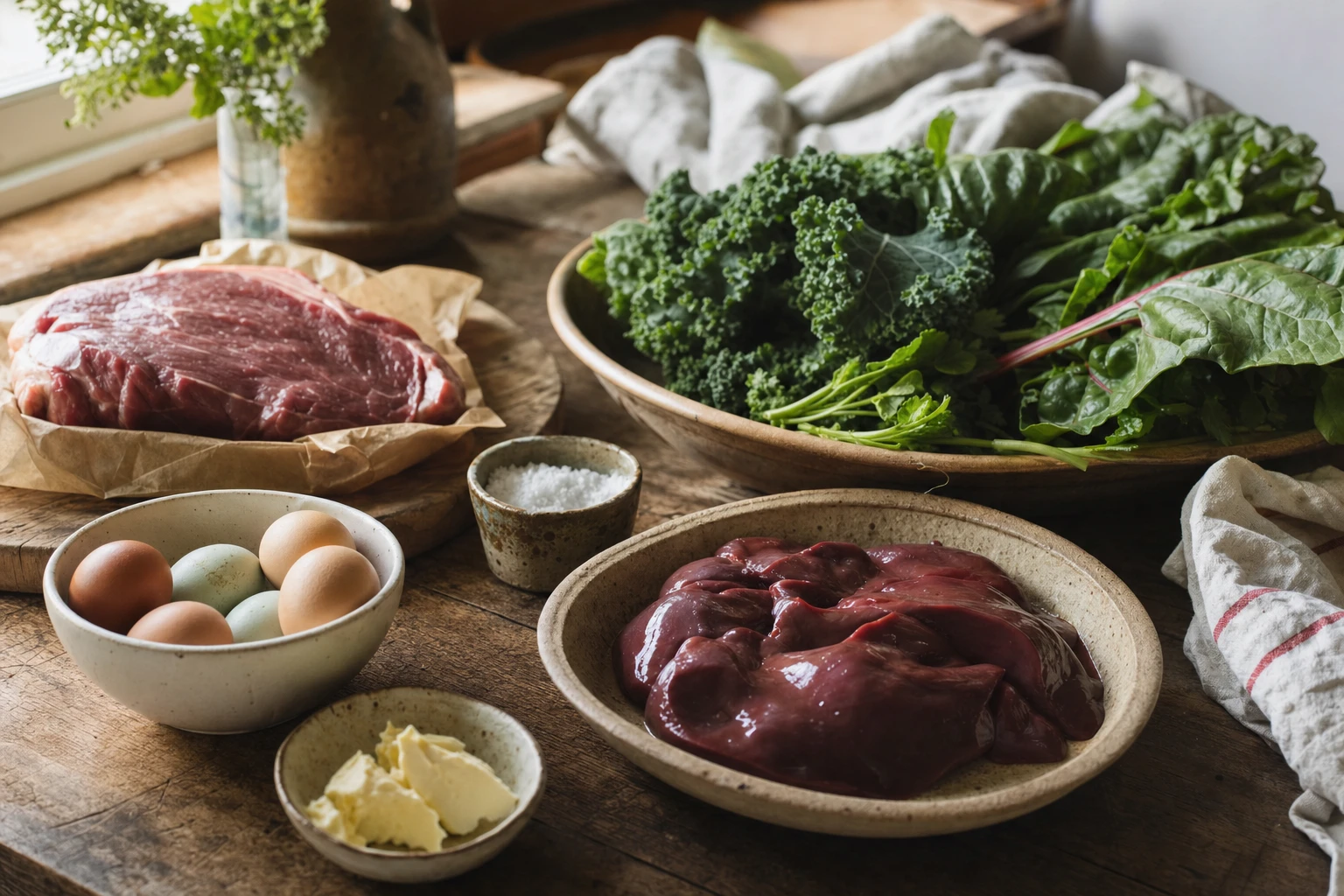
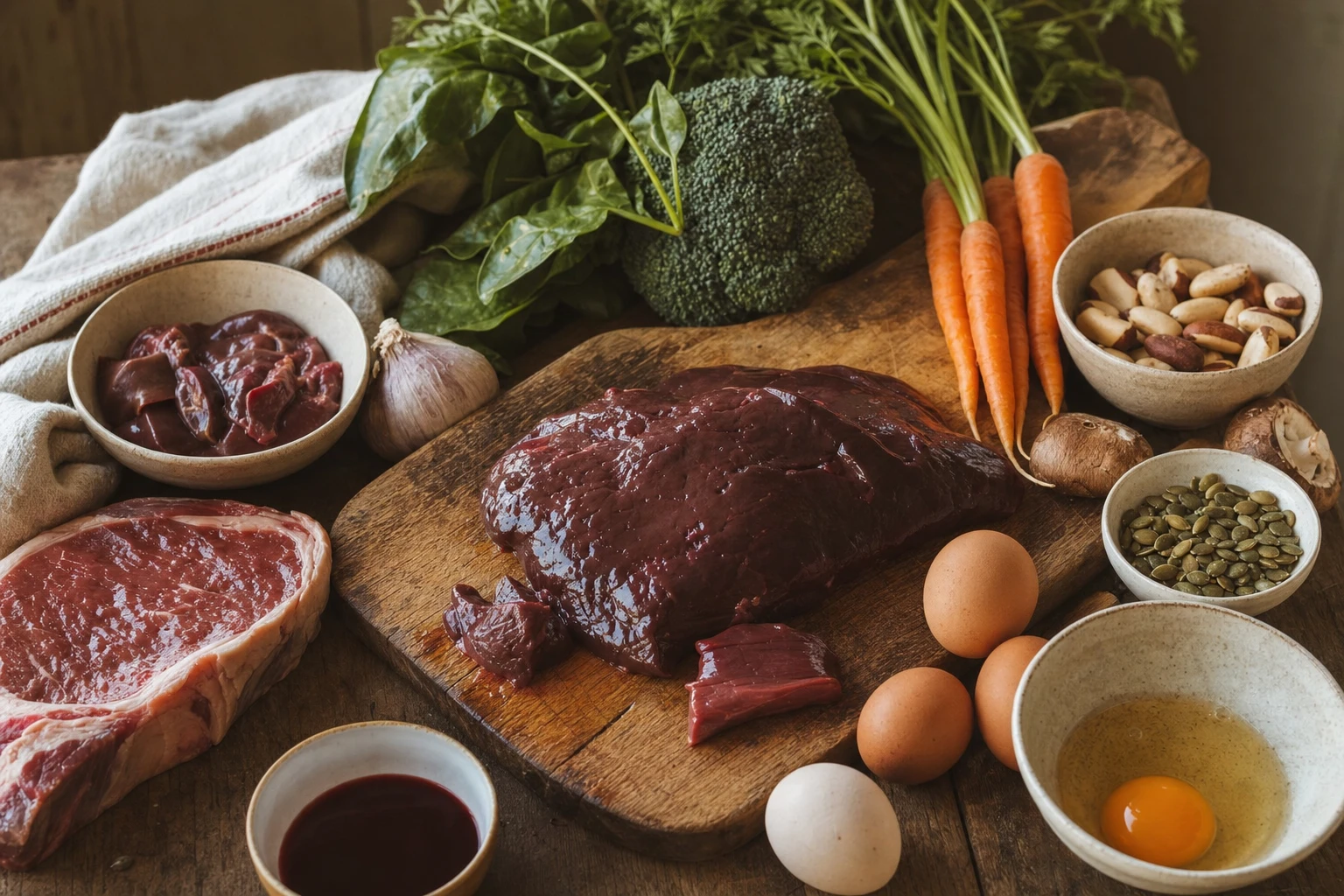
Whole foods come with their cofactors packaged. Beef liver contains iron, copper, B6, and folate in ratios your body recognises. Your body absorbs and uses all of them because they arrive together. The system works.
Bone broth contains collagen and minerals. The collagen provides glycine, which is required for mineral absorption. The minerals arrive with the glycine that helps your body use them. The system works.
An oyster contains zinc, selenium, copper, and other minerals in the ratios needed for thyroid health and immune function. Eat an oyster and your body gets all of them working together. Take a zinc supplement and you get zinc alone.
This is why whole food multivitamins fail but whole foods succeed. You cannot package cofactors into a pill. The moment you try, you've broken the system.
Nature designed nutrient delivery systems. We're just beginning to understand them. Trying to improve on that design with supplements is hubris.
Get ancestral nutrition guides, free
Two short reads a week on traditional ways of eating, examined with modern evidence.
By signing up you agree to receive emails from us. No spam, unsubscribe anytime.
Why your body knows the difference
Your digestive system evolved over hundreds of thousands of years. It's exquisitely sensitive to the form and composition of food. It can tell the difference between nutrients that arrive as whole food and nutrients that arrive as supplements. This isn't mystical. It's biochemistry.
When you eat whole food, your digestive system releases specific enzymes and acids based on what it detects. If you eat liver, your stomach recognises the proteins and fats and releases appropriate enzymes. Your intestines recognise the mineral and vitamin content and prepare specific absorption mechanisms. Your gut bacteria recognise the compounds in the food and prepare to metabolise them.
When you take a supplement, your body has less information. It's trying to absorb isolated nutrients without the context that evolution designed into food. So it improvises. Sometimes this works. Often it doesn't work as well. The body is forced to make do with incomplete information.
The gut microbiome also responds differently to whole food versus supplements. Whole food feeds your beneficial bacteria. It contains fibre and polyphenols that nurture the microbiome. Supplements often pass through without feeding anything. Some actually damage the microbiome because they're not recognised as food. You're feeding your microbiome refined carbohydrates in supplements instead of feeding it the complex compounds in whole food.
Your liver processes whole food and supplements differently. Whole food nutrients go through metabolic pathways that have been optimised over millions of years. Supplements go through pathways that are less specific. Some of the supplement gets stored or excreted unused because your body doesn't recognise it as essential nutrition. You're wasting money on nutrients your body doesn't fully use.
You literally pee out much of what you take as a supplement. Studies show that much of the synthetic vitamin D, synthetic B vitamins, and synthetic minerals in supplements are excreted unused. Eat the same nutrient in food and your body absorbs and uses nearly all of it. Which is a better investment?
1 of 9
Daily blend
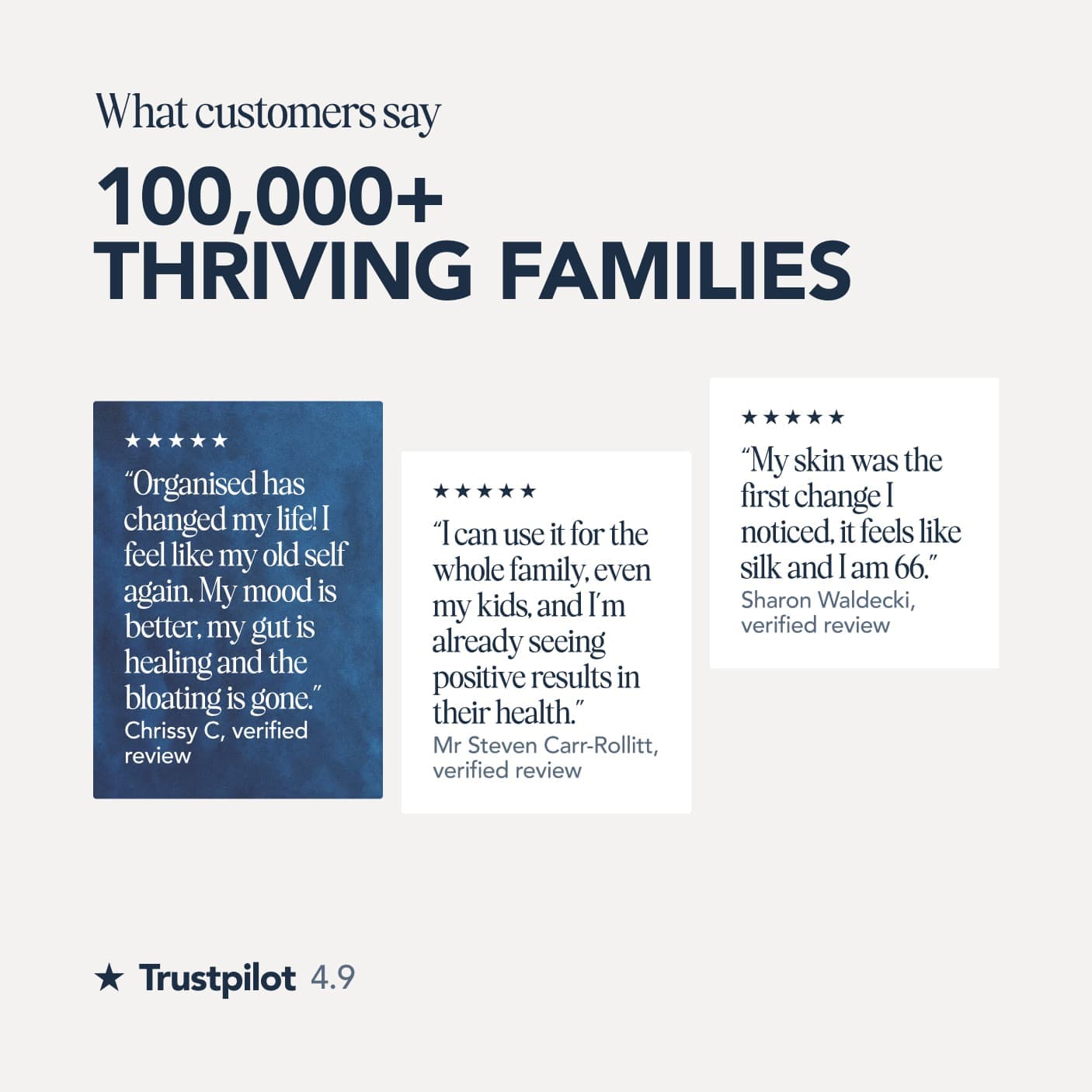
100,000+ thriving families4.9 on Trustpilot
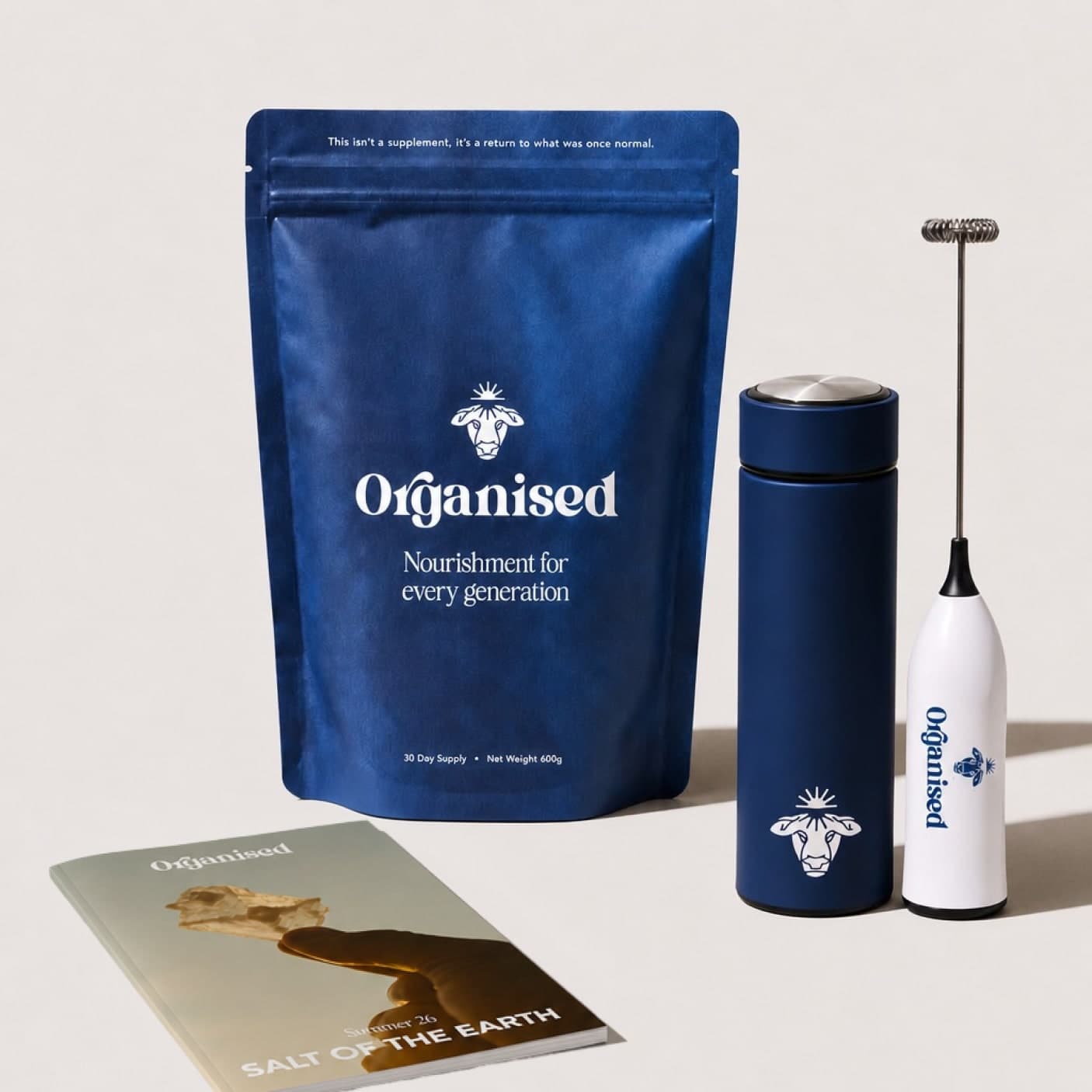
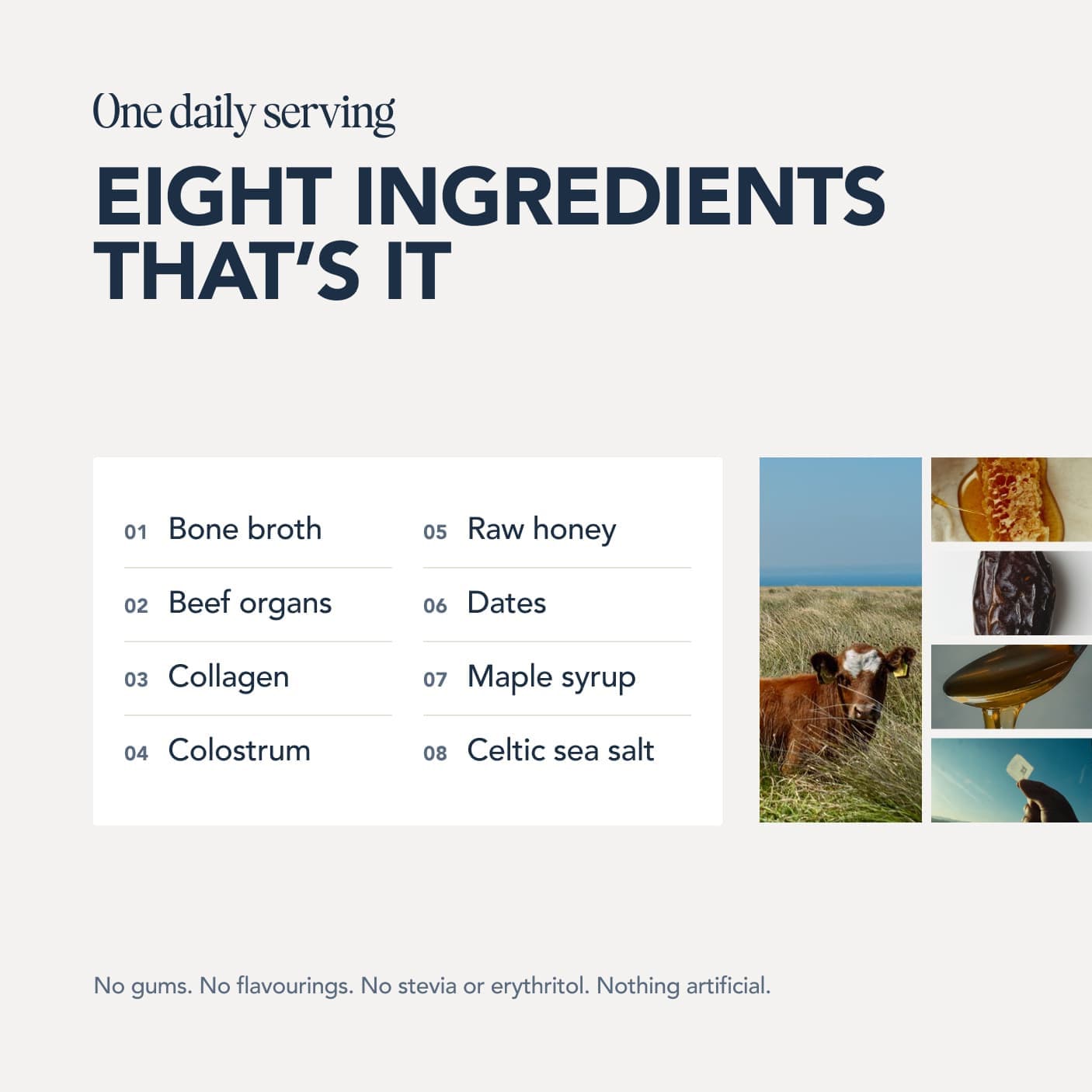
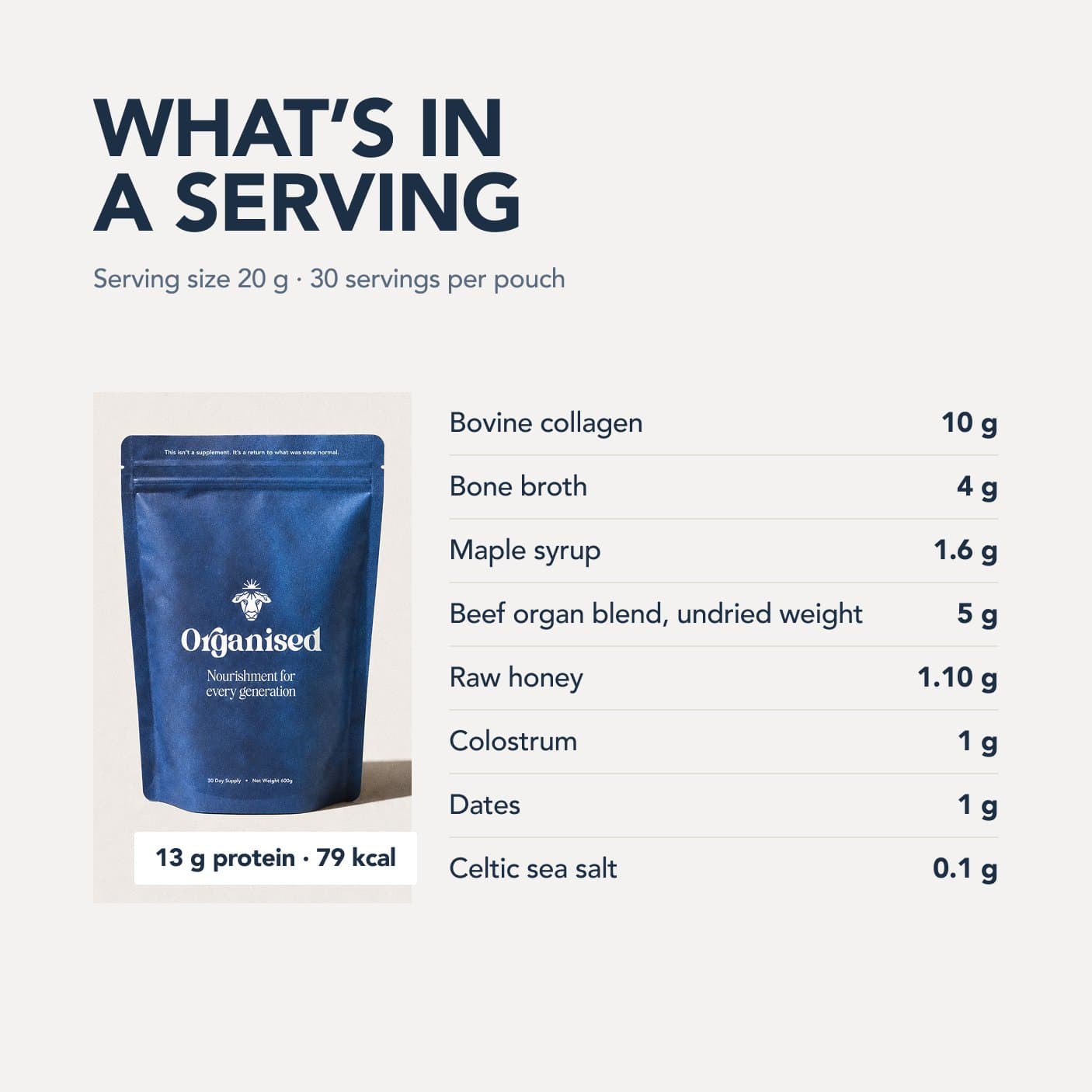
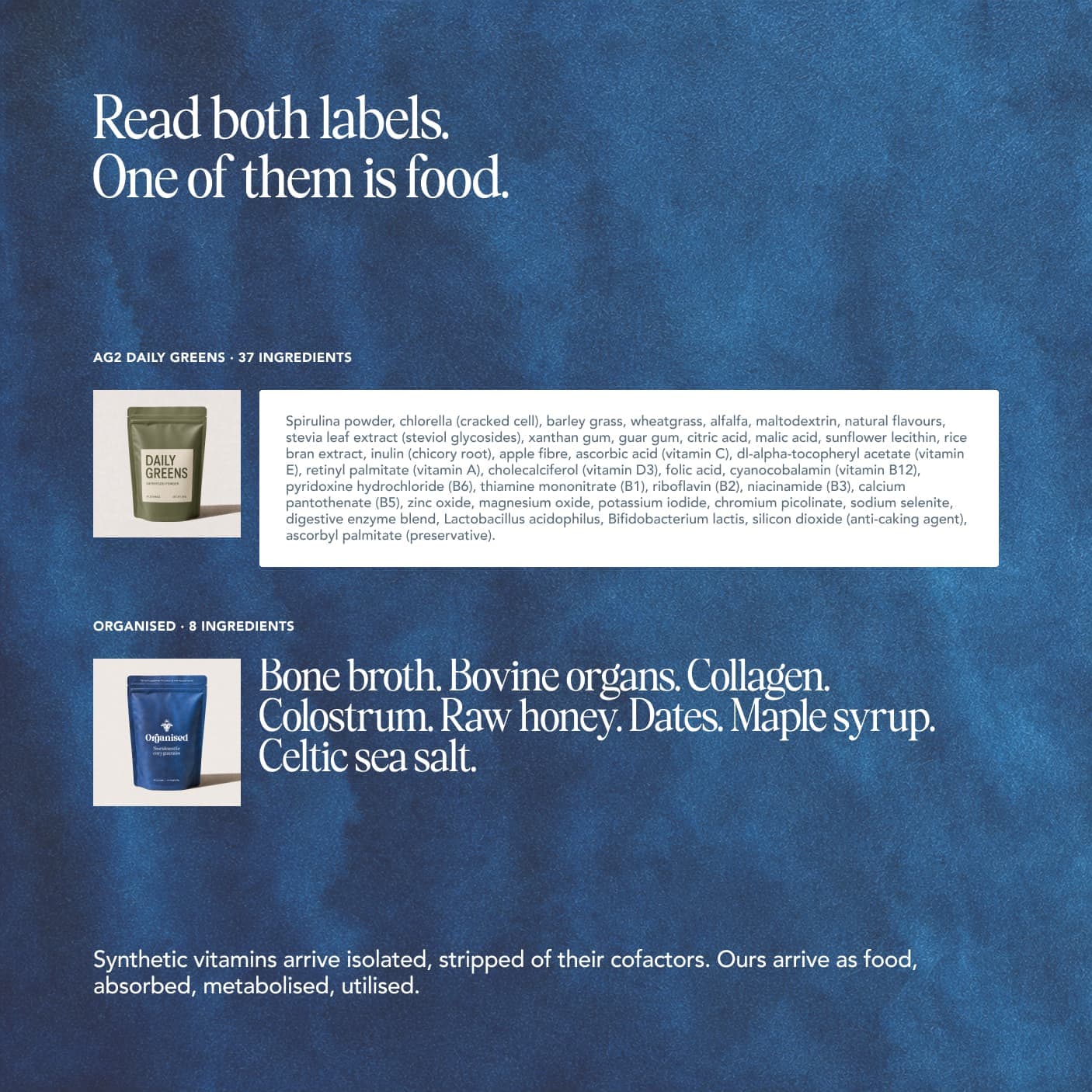
Eight real ingredients built around grass-fed beef organs, collagen and colostrum. Nothing synthetic added.
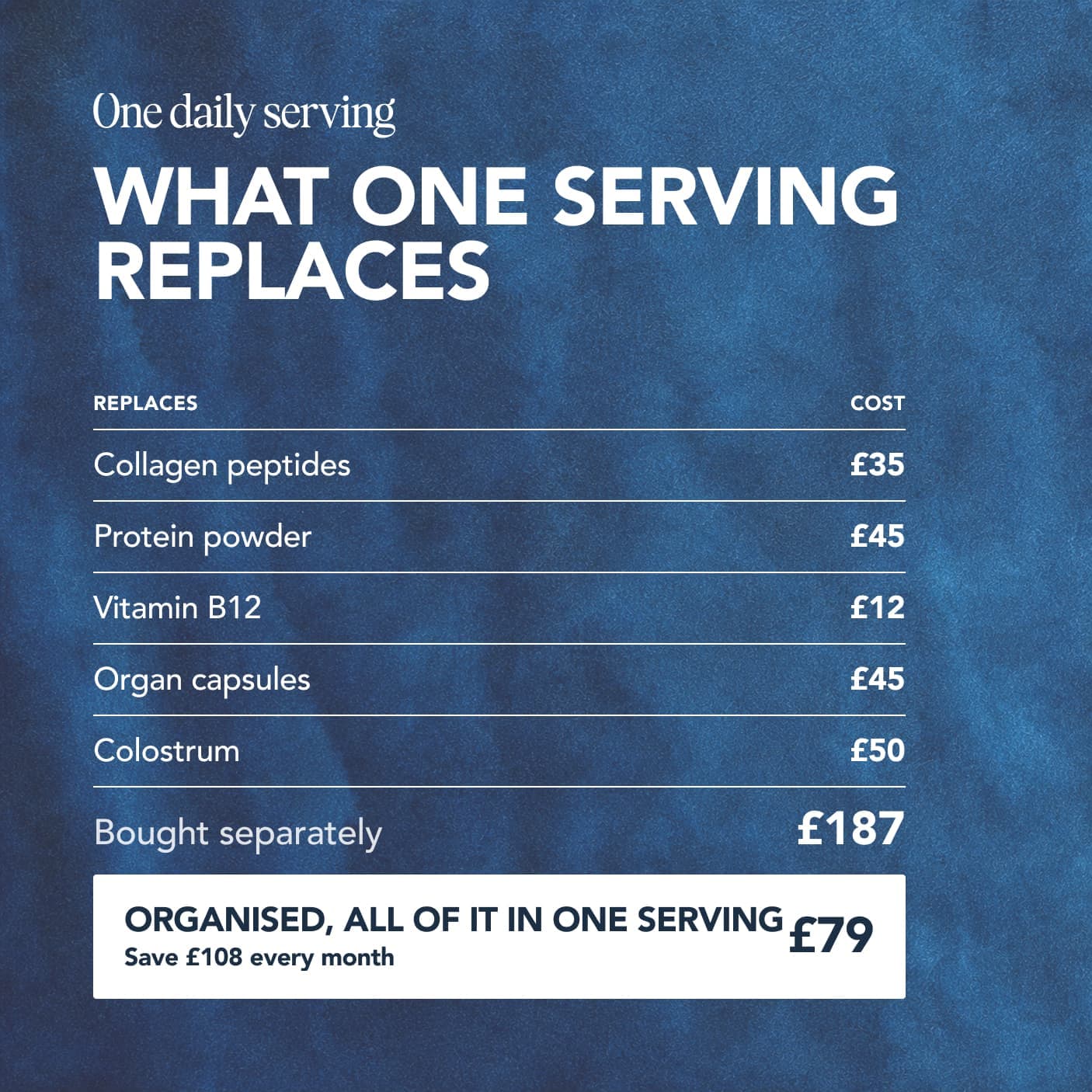
Free with your first order, worth £38. Plus £10 off the pouch with a subscription.

Free UK shipping · Made in England · 100 day money back guarantee on your first pouch · Skip, pause or cancel anytime
The cost of whole food versus supplements
This is where the argument gets practical. Many people assume supplements are cheaper than whole food. They're wrong.
A bottle of multivitamins costs 15 pounds. It might last a month. That's 15 pounds for suboptimal, isolated nutrients your body barely absorbs.
A kilogram of grass-fed beef liver costs 8 pounds. A 100-gram serving gives you more usable nutrition than a month of multivitamins. At that serving size, the cost is 80 pence for complete nutrition. For real absorption. For cofactors and synergy.
An egg costs 50 pence. It contains more choline, B vitamins, and fat-soluble vitamins than most supplements. Eat two eggs daily and you're spending 7 pounds monthly on exceptional nutrition.
Whole food is not expensive. It's the supplement industry that's expensive. And inefficient.
Whole food doesn't just cost less. It works better. That's not a trade-off. It's just common sense.
The bottom line
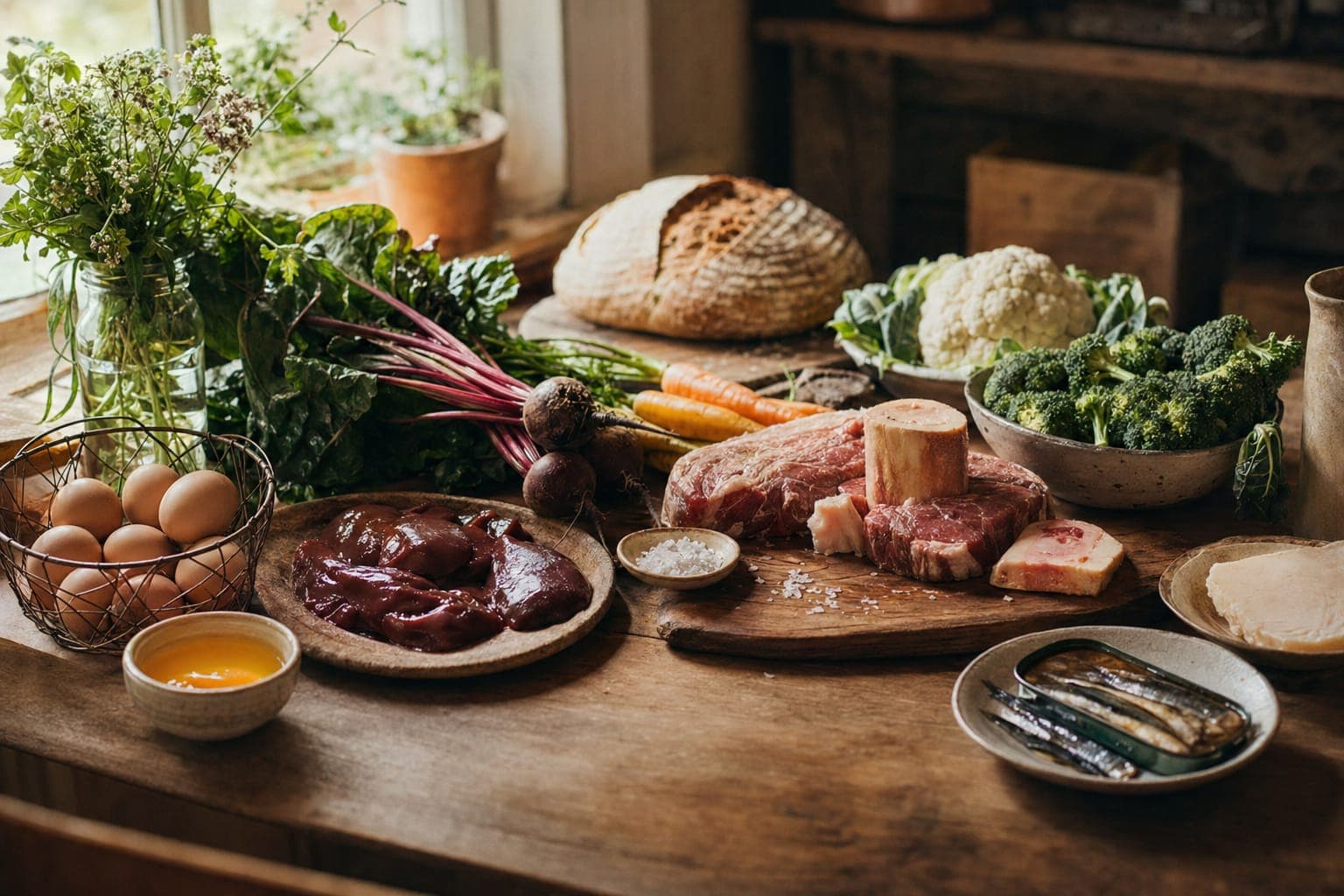
The future of nutrition isn't more supplements. It's whole food. Real food. Food that your body evolved eating. Food that contains nutrients in context, with cofactors, with synergy.
Supplements have a place. If you're deficient and you know it because you've tested, a high-quality supplement can help. But supplements are not food. They're not nutrition. They're medication. And like all medication, they work best in concert with optimal diet, not as a replacement for it.
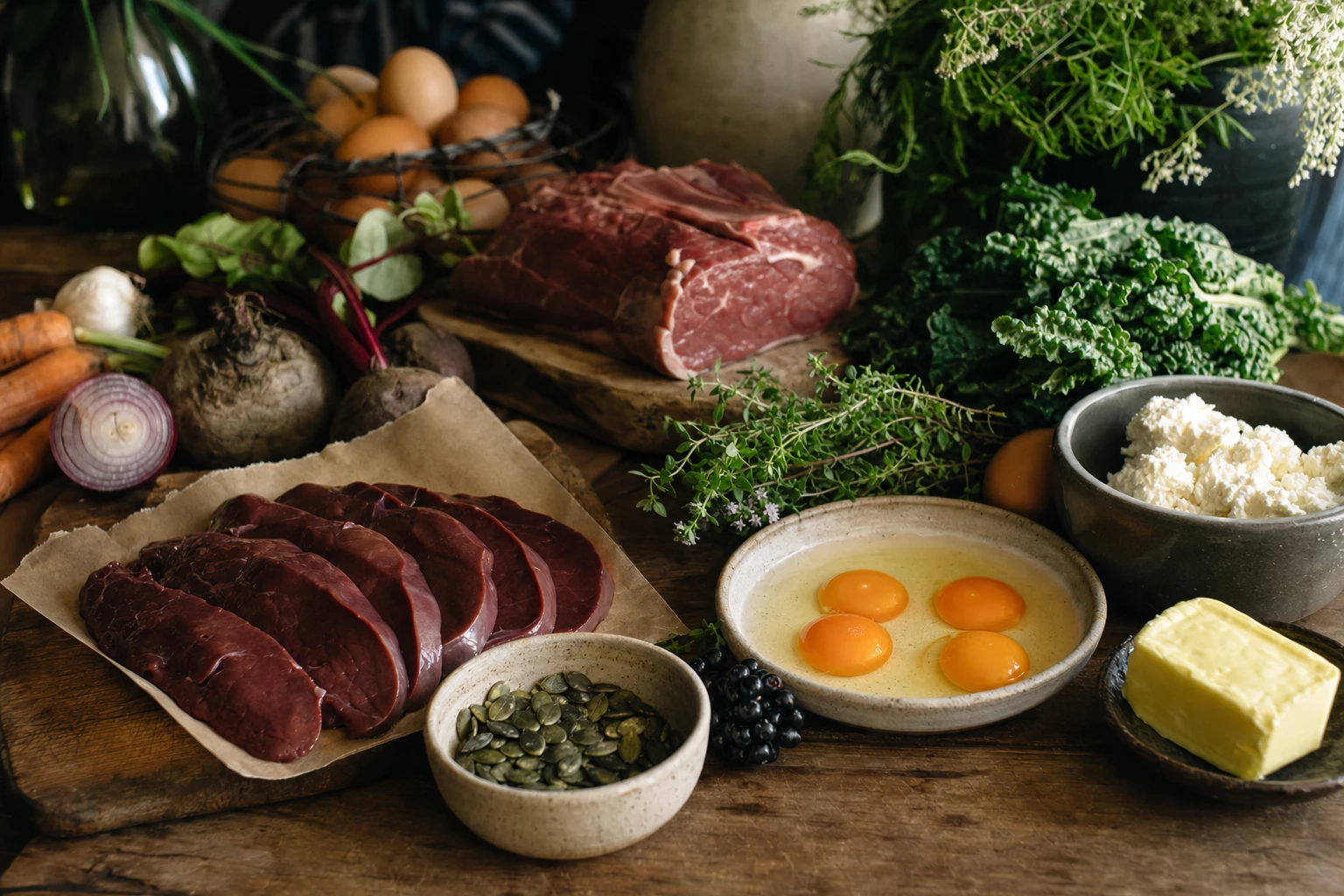
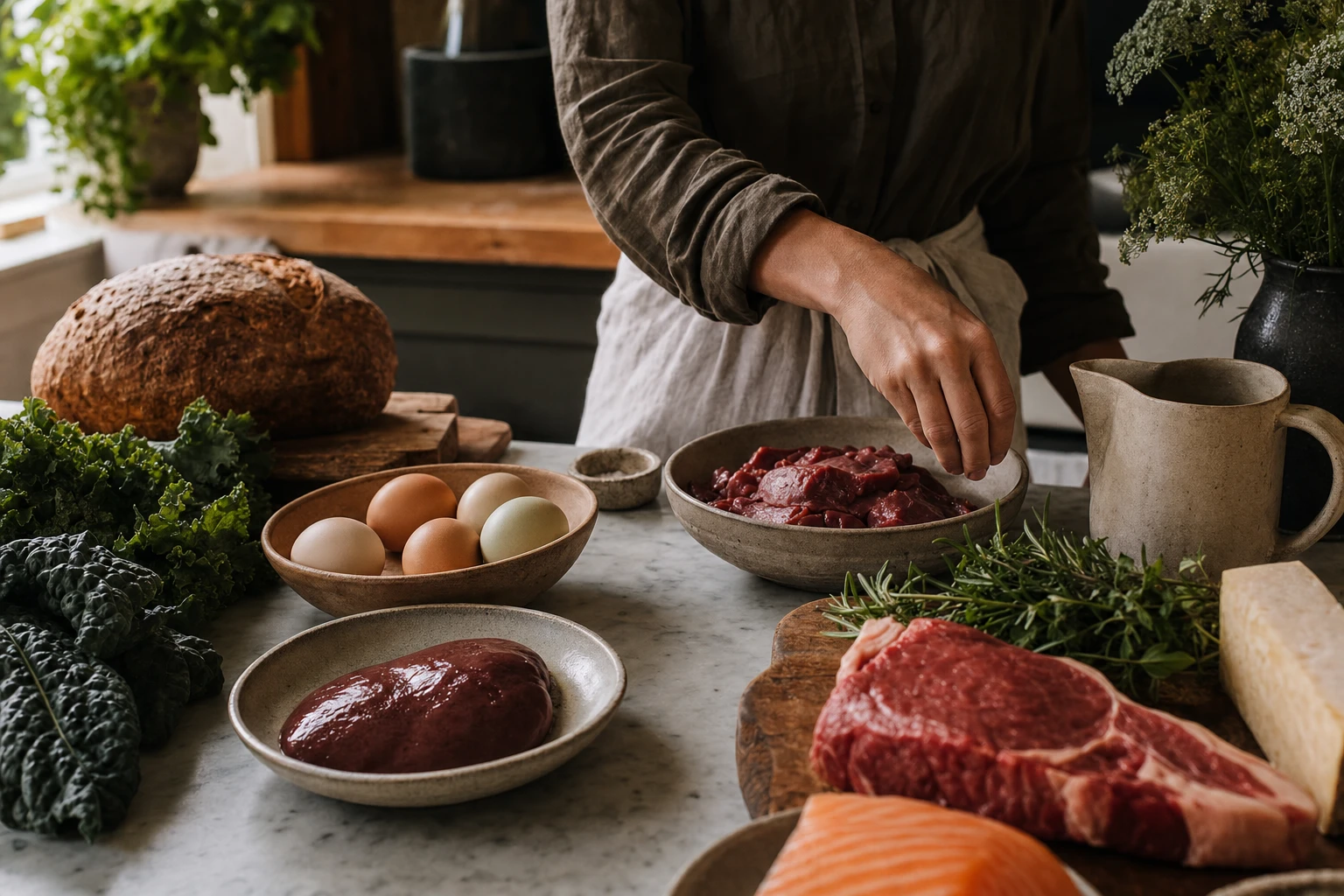
Nutrition is liver. Nutrition is eggs. Nutrition is bone broth. Nutrition is fish. Nutrition is seasonal vegetables and whole grains prepared properly. Nutrition is butter and salt and fermented foods. These are not just foods. They're the information your body uses to repair itself, to regulate hormones, to maintain immune function.
The companies selling supplements want you to believe that food is inadequate and that pills are the answer. It's a lie. Your body doesn't need pills. It needs food. Real food. That's what makes humans resilient. A culture eating butter and liver and fermented vegetables doesn't need a pharmaceutical industry. A culture eating seed oils and refined carbohydrates and ultra-processed foods needs constant intervention. Choose what you want to support.
References
Every source below was checked on 27 August 2026. Each link was requested and read. Where a citation and its identifier disagreed, the citation was corrected to the record or the reference was deleted along with the sentence marker that pointed at it, and where the resolved paper turned out not to support the sentence, the sentence was cut back to what it does support. Borrowed authority is worse than none, because it looks like rigour.
- National Institutes of Health, Office of Dietary Supplements. Vitamin C: Fact Sheet for Health Professionals. https://ods.od.nih.gov/factsheets/VitaminC-HealthProfessional/ [accessed May 2026].
- National Institutes of Health, Office of Dietary Supplements. Iron: Fact Sheet for Health Professionals. https://ods.od.nih.gov/factsheets/Iron-HealthProfessional/ See also Copper fact sheet: https://ods.od.nih.gov/factsheets/Copper-HealthProfessional/
- National Institutes of Health, Office of Dietary Supplements. Vitamin A and Carotenoids: Fact Sheet for Health Professionals. https://ods.od.nih.gov/factsheets/VitaminA-HealthProfessional/ [accessed May 2026].
- National Institutes of Health, Office of Dietary Supplements. Vitamin B12: Fact Sheet for Health Professionals. https://ods.od.nih.gov/factsheets/VitaminB12-HealthProfessional/ [accessed May 2026].
- National Institutes of Health, Office of Dietary Supplements. Calcium: Fact Sheet for Health Professionals. https://ods.od.nih.gov/factsheets/Calcium-HealthProfessional/ [accessed May 2026].
Who wrote and reviewed this guide
Niall Kiddle
Author · Founder, Organised
Niall is the founder of Organised. He started the company in 2024 after fixing his own health the slow way: in 2022 he swapped a cupboard of synthetic supplements for real food, raw milk, organ meats, bone broth and honey, and felt the difference within months.
Areas of expertise: Ancestral nutrition, Organ meats, Whole-food supplementation, Gut health, Regenerative sourcing
Read Niall's full profile
Pedro Rodrigues
Reviewer · Agronomist (farming and sourcing only)
Pedro is the agronomist Organised works with on farming and sourcing. His job on the guides is to keep the science honest: he reviews what we publish about soil health, regenerative agriculture, grazing and the way food is actually produced.
Areas of expertise: Regenerative agriculture, Agronomy, Soil health, Grass-fed farming, Food sourcing
Reviewed this guide on
Read Pedro's full profileMore on whole food philosophy
View allBrowse the guides library
All guidesKeep reading

Ancestral
The Forgotten Art of Tallow: Nature's Skincare
Learn why beef tallow works as a natural skin balm. We cover its fatty acid profile, its long history in skincare, and how to render it at home with ease.

Ancestral
The Ethics of Nose-to-Tail: Honouring the Whole Animal
Why using every part of an animal is the most respectful, sustainable, and nutritious approach to eating meat. A philosophy for ethical eaters.
Ancestral
Why Breakfast Cereal Is the Worst Way to Start Your Day
How breakfast cereal spikes blood sugar and cortisol. The history of breakfast cereal marketing and real alternatives to start your day.
Real food, made effortless
Bring it into my routineA few ways to use it
All recipes
Collagen-Rich Beef Stew: Slow-Cooked Nourishment
Beef stew that delivers collagen from connective tissue and bone broth. Winter comfort food that actually nourishes. Simple slow cooker recipe.
Matcha Latte Gummies with Collagen and Gelatine
Make visually stunning matcha latte gummies infused with collagen and gelatine. Simple recipe for gut-healing sweets you'll actually want to eat.

Whole Food Snacks for Busy Days
Practical whole food snacks that travel well and sustain energy. No refined carbs, no seed oils. Real food options for when you're busy.


 Join over 100,000+ members
Build a better food system with us
The Organised community is thousands of people choosing real food and backing the farmers who grow it, all of us trying to leave the world a little better than we found it. If that is what you care about too, you belong here.