A Day on a Regenerative Farm
The alarm goes off at 4:30 AM. Not because James loves waking early, but because the cows have been waiting since dusk. This is what regenerative farming actually looks like when nobody's watching.
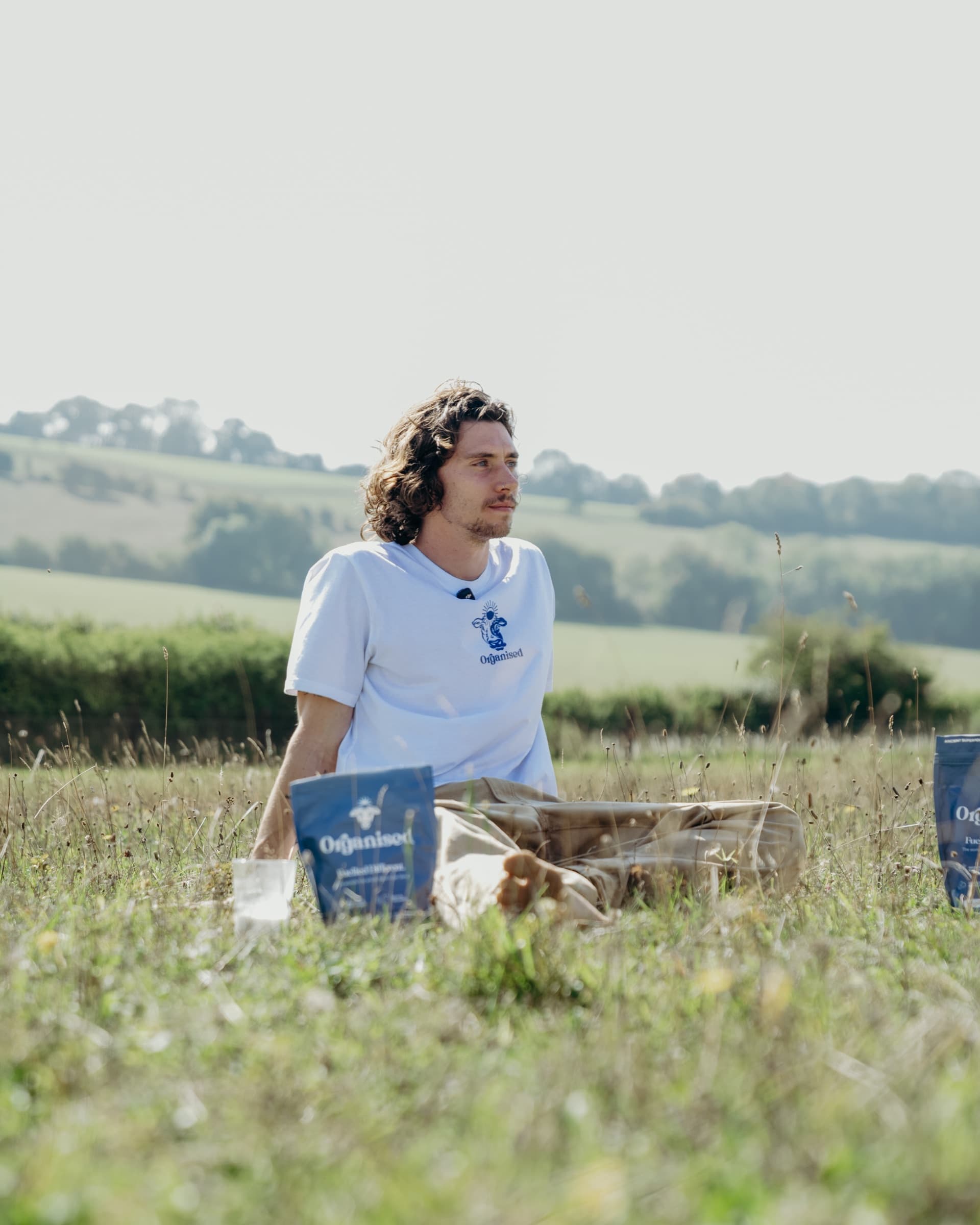
By Niall Kiddle, Founder, Organised

Reviewed by Pedro Rodrigues, Agronomist (farming and sourcing only) ·
5 min read · Published · Updated · 2 cited sources
Makers of the Organised Daily blend, a grass-fed beef organ supplement from regenerative UK farms
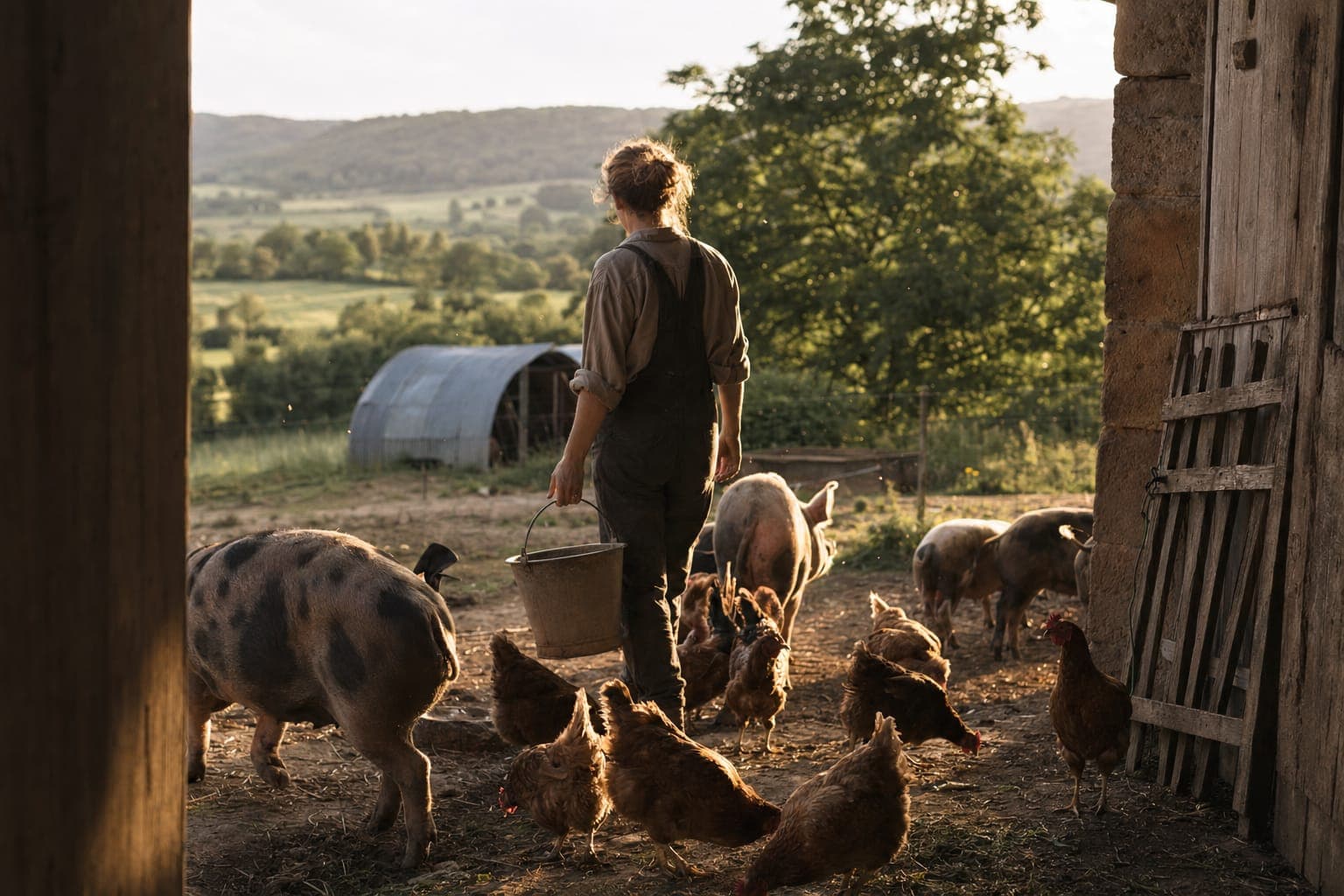
This is what regenerative farming actually looks like when nobody's watching. Not the polished farm photos you see online. Not a manifesto. Just the quiet, unglamorous work of moving animals across land in a way that heals it.
Before sunrise
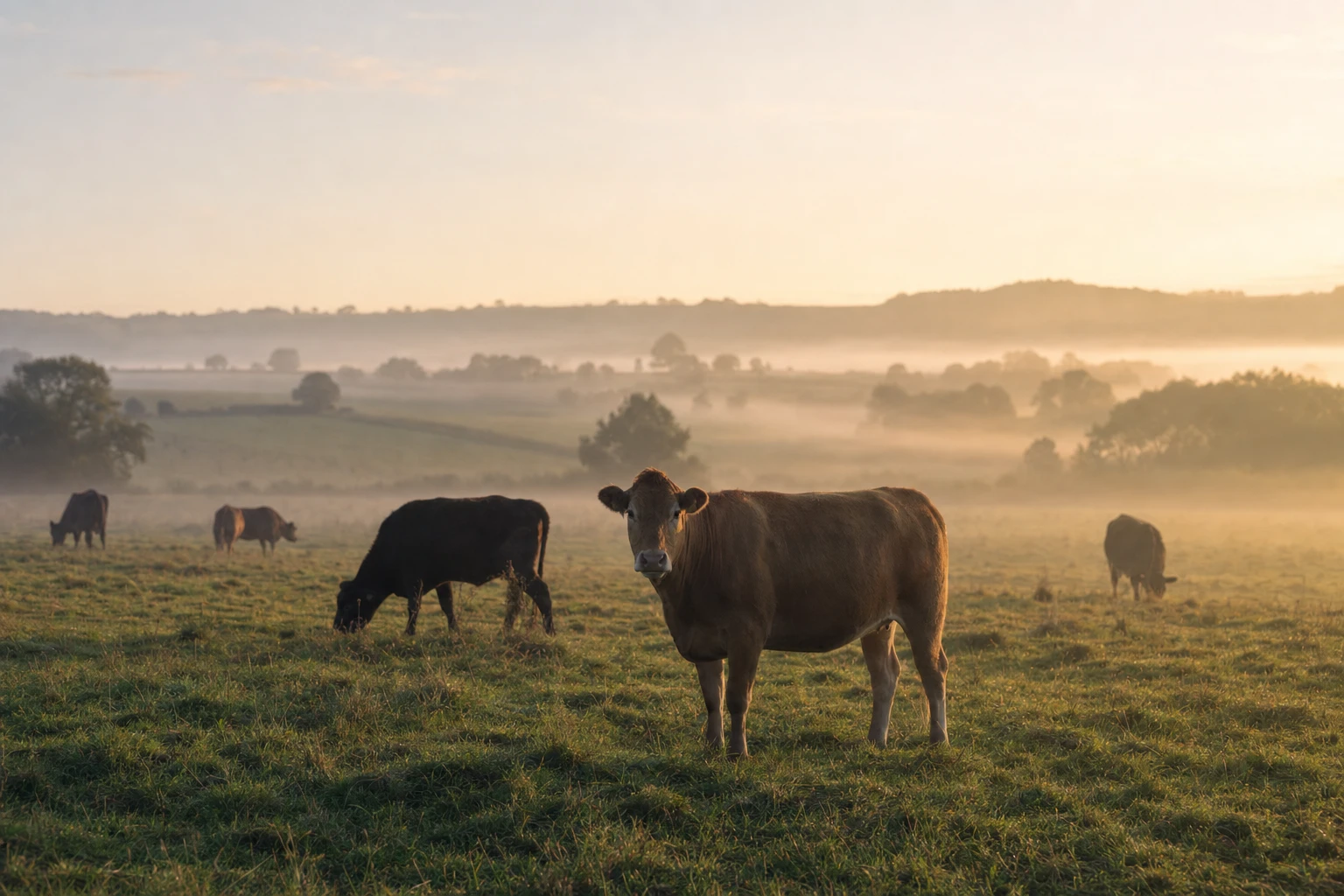
By 5 AM, James is in the fields. He walks the perimeter of yesterday's grazing area, checking for water quality, compaction, and dung beetle activity. These small things tell him everything. The dung beetles mean the soil ecosystem is working. Earthworms visible near the surface mean microbial life is thriving. Wet patches where they shouldn't be mean drainage issues are developing.
His notebook fills with observations that won't make it into any marketing material. The grass in the southeast corner is recovering slower than he'd like. A patch near the stream where the soil turned grey three years ago is finally darkening again. The clover is establishing better than last season.
Regenerative farming isn't about one perfect day. It's about years of small, correct decisions accumulating into land that gets healthier every season.
The morning pasture rotation
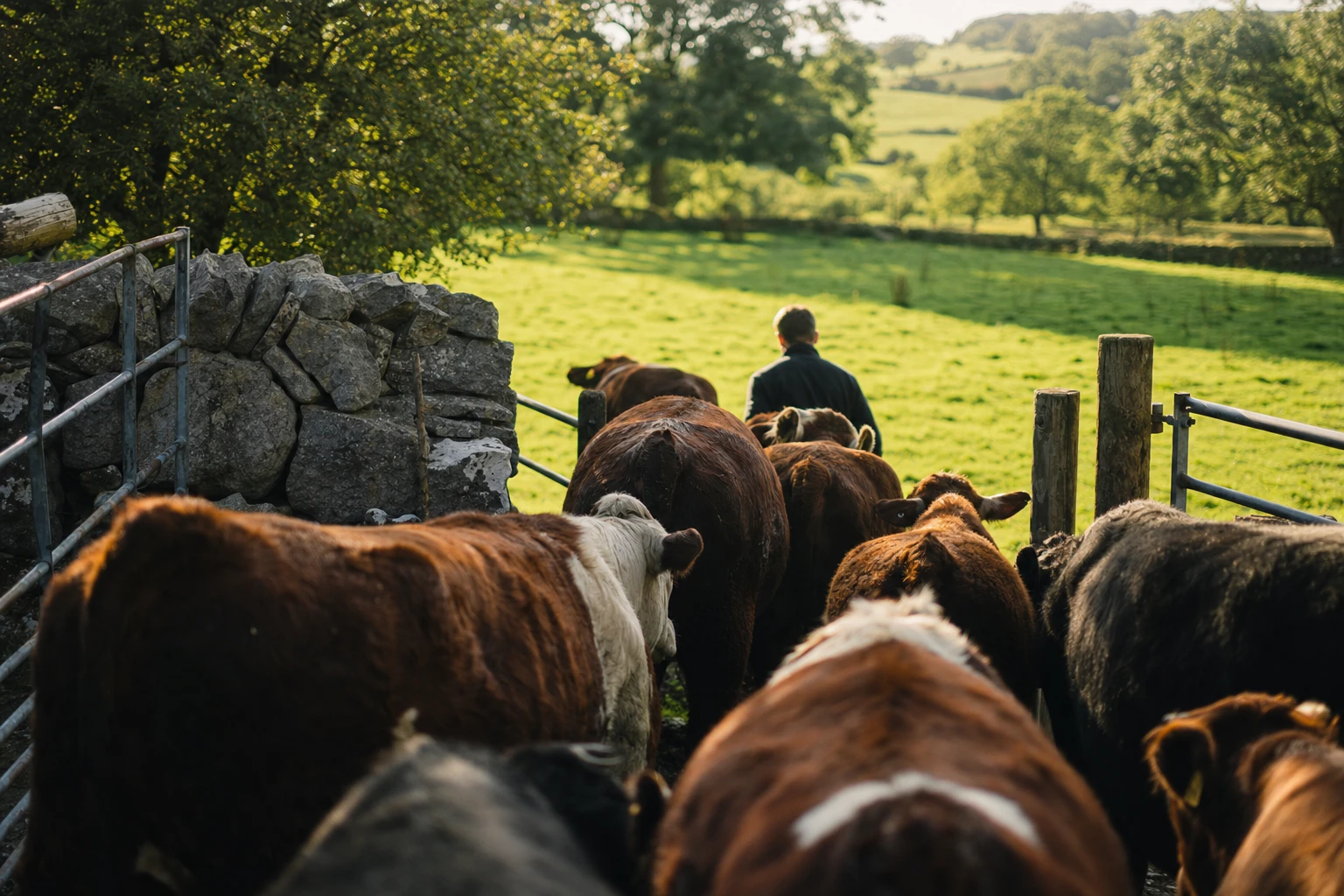
By 6 AM, the cows are moved to fresh pasture. This isn't random. Every decision is based on a multi-year plan. How long the grass has been growing in that paddock. What was grazed there last year. How much recovery time the land needs. Whether the soil is firm enough to avoid compaction damage.
James uses a single-strand electric fence. The cows have learned to respect it. They know exactly what the flash means. This morning, moving 80 head from one paddock to the next takes about fifteen minutes. The animals flow through the gate like they've done it a thousand times. They have.
There's zero stress here. The cows are calm because their routine is predictable. They graze for roughly 12 hours, then move to fresh grass. In industrial systems, cows live in permanent anxiety. Here, they live in rhythm.
Reading the land
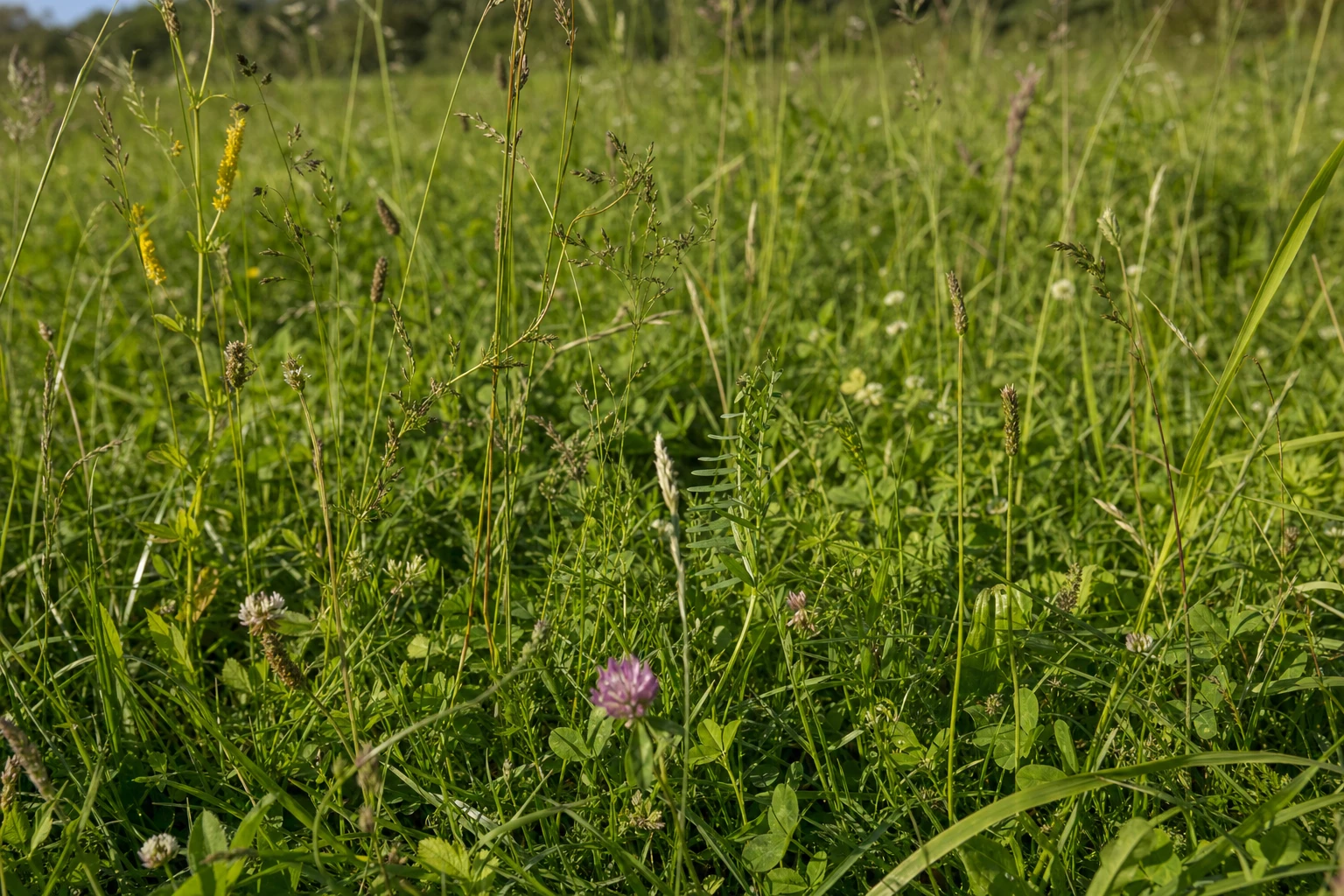
By mid-morning, James walks the perimeter of the grazing area again. He's checking recovery in paddocks from weeks earlier. The grass that was heavily grazed in May is now thick again. The diversity is notable. Not just ryegrass and clover, but plantain, chicory, dandelion, bird's foot trefoil. Each plant serves a function he knows intimately.
Some of these plants are "weeds" only in industrial agriculture. Here, they're mineral accumulators. Dandelion roots go 18 inches deep, pulling minerals from deep soil layers and making them available to shallower-rooting forage.1 It costs him nothing to let them grow. And the cows prefer mixed forage to monoculture grass anyway.
He stops to dig a soil pit in one of the permanent grazing areas. The colour change is visible even to an untrained eye. Three inches down, it shifts from dark to lighter. That boundary marks the depth that heavy machinery reached when this land was conventionally farmed, ten years ago. Below that line, soil biology is recovering. Above it, the dark rich soil he's rebuilt through years of correct grazing management.
You cannot see regenerative farming working in a single season. You see it across years. The cumulative effect of not destroying the soil structure, not running it over with machinery, not poisoning it.
Get farming and sourcing guides, free
Two short reads a week on regenerative farming and where real food comes from.
By signing up you agree to receive emails from us. No spam, unsubscribe anytime.
The animals know first
Afternoon brings another check. The cows are grazing peacefully in their paddock. James watches them for maybe fifteen minutes. Their body language tells him what no blood test could. They're calm. Alert. Moving steadily through the forage. Not stressed, not bored, not in that dull industrial haze you see in feedlots.
The herd health speaks for itself.2 Minimal intervention. One calf was born a few weeks ago with a minor infection. James's approach was colostrum supplementation and observation, not antibiotics as a precaution. The calf recovered. This is normal on regenerative farms because the baseline health of the herd is simply higher. They're outdoors. Their immune systems are developing against real challenges. They're eating the diet they evolved to eat.
One cow is not moving normally. James notices immediately. She's favouring her front left leg. By evening, he'll check that foot for a stone or abscess. This is what daily presence means. Industrial operations might not notice until the injury is severe. Here, issues are caught at the whisper stage.
Why this matters
By sunset, the day's work is visible in small ways. The paddock they grazed this morning already shows signs of recovery. The grass is stressed downward, but it will spring back within days. The trampled areas where the cows bunched will be mineral-rich from their dung. Nothing is wasted. Everything feeds the next cycle.
This work doesn't scale to industrial volumes without compromising the principles. You cannot regenerate 500 acres with 2,000 cattle the way you can with 80 head. The knowledge required is proportional to the land. Every paddock has a personality. Every season requires adjustment. Every animal is known.
When you eat meat from this system, you're not eating the product of abstractions and optimisation. You're eating the result of someone waking at 4:30 AM, paying attention, and making small daily decisions toward healthier land. The nutrient density of the meat reflects that. The taste reflects that. The absence of stress hormones in the animal's tissues reflects that.
Regenerative farming is not a marketing story. It's a daily practice. It costs more because it requires more attention. It's worth every penny because the land, the animals, and you are all getting healthier in the process.
This rhythm, repeated across thousands of UK farms practising regenerative management, is the foundation of soil health and sustainable food production.


1 of 9
Daily blend
100,000+ thriving families4.9 on Trustpilot
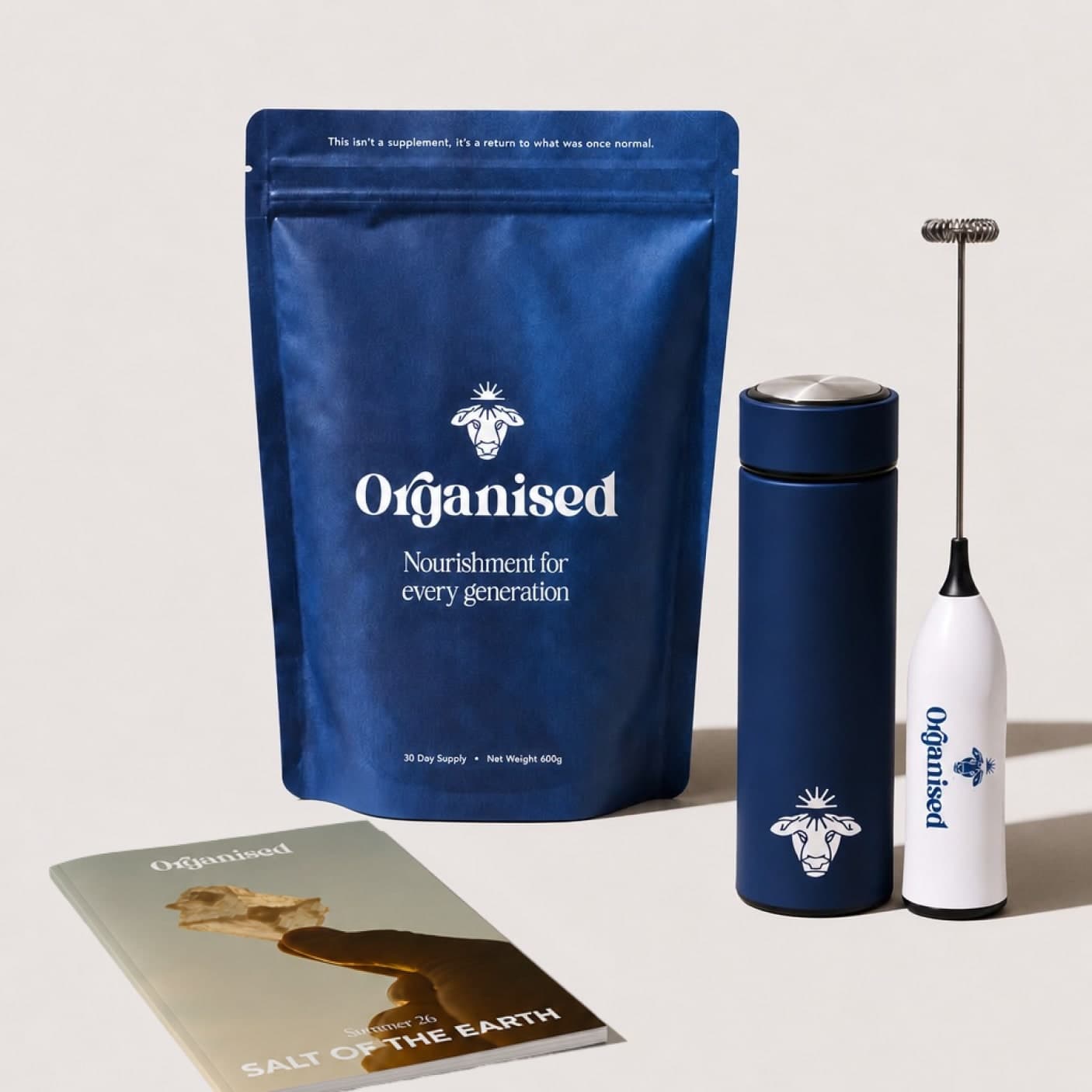
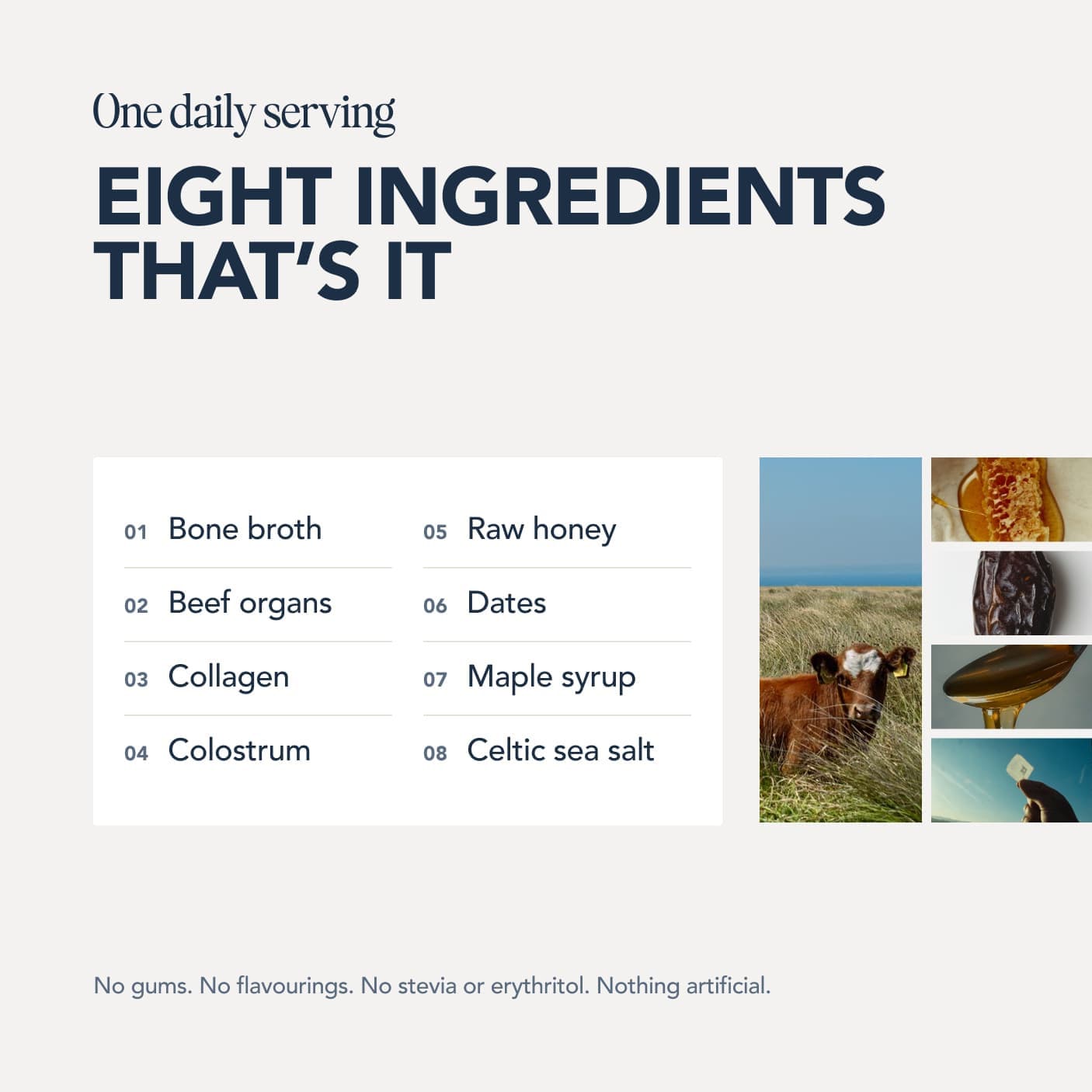
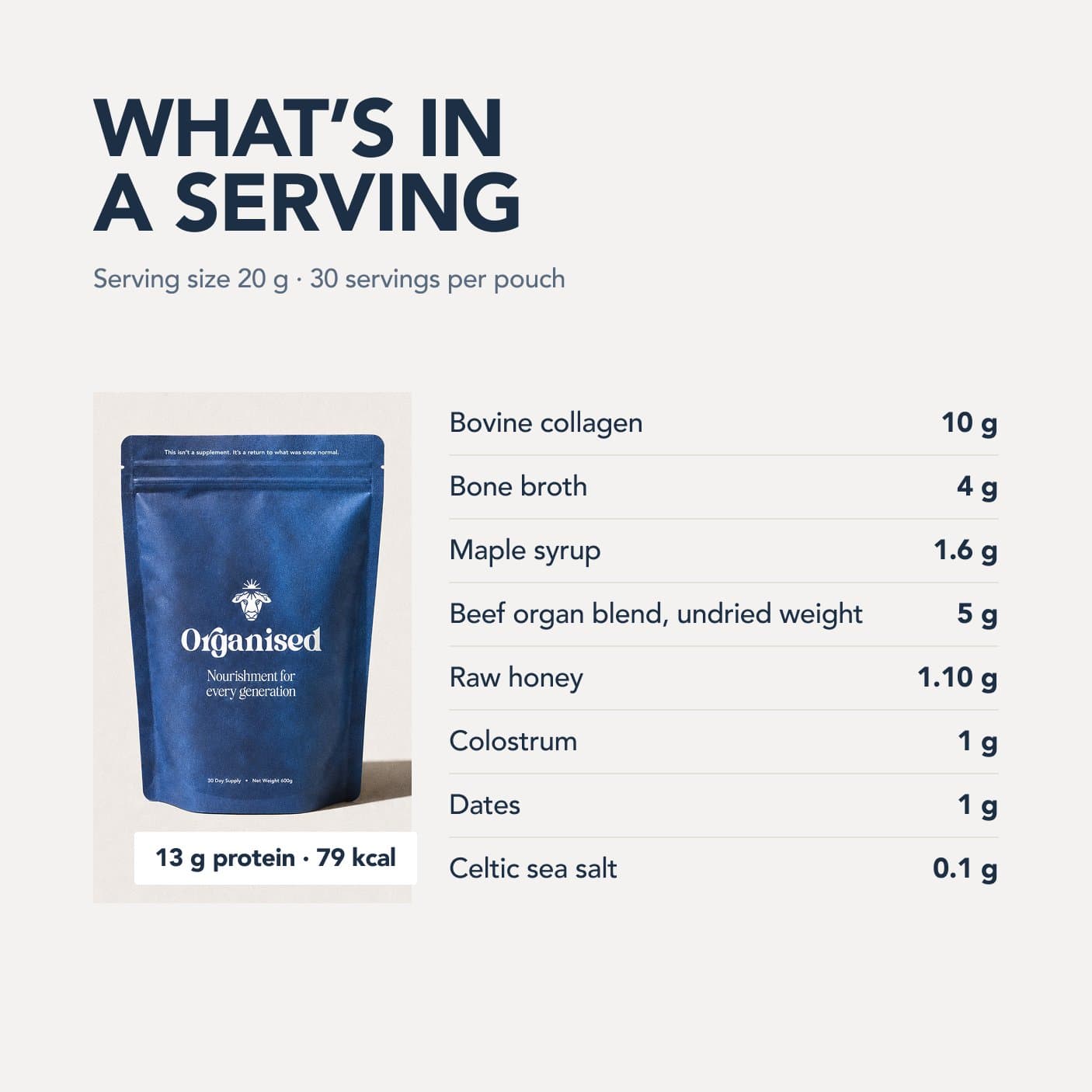
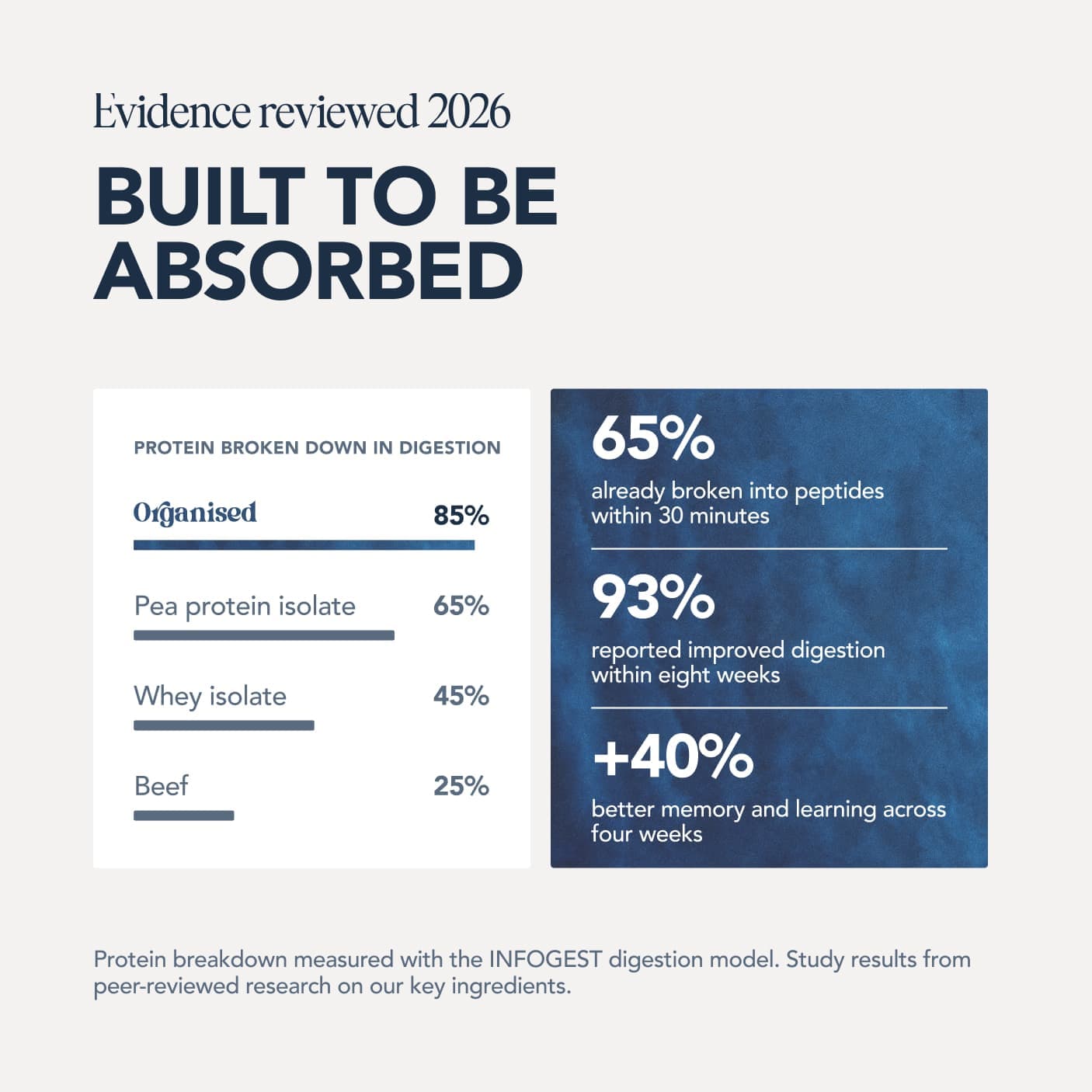
Eight real ingredients built around grass-fed beef organs, collagen and colostrum. Nothing synthetic added.
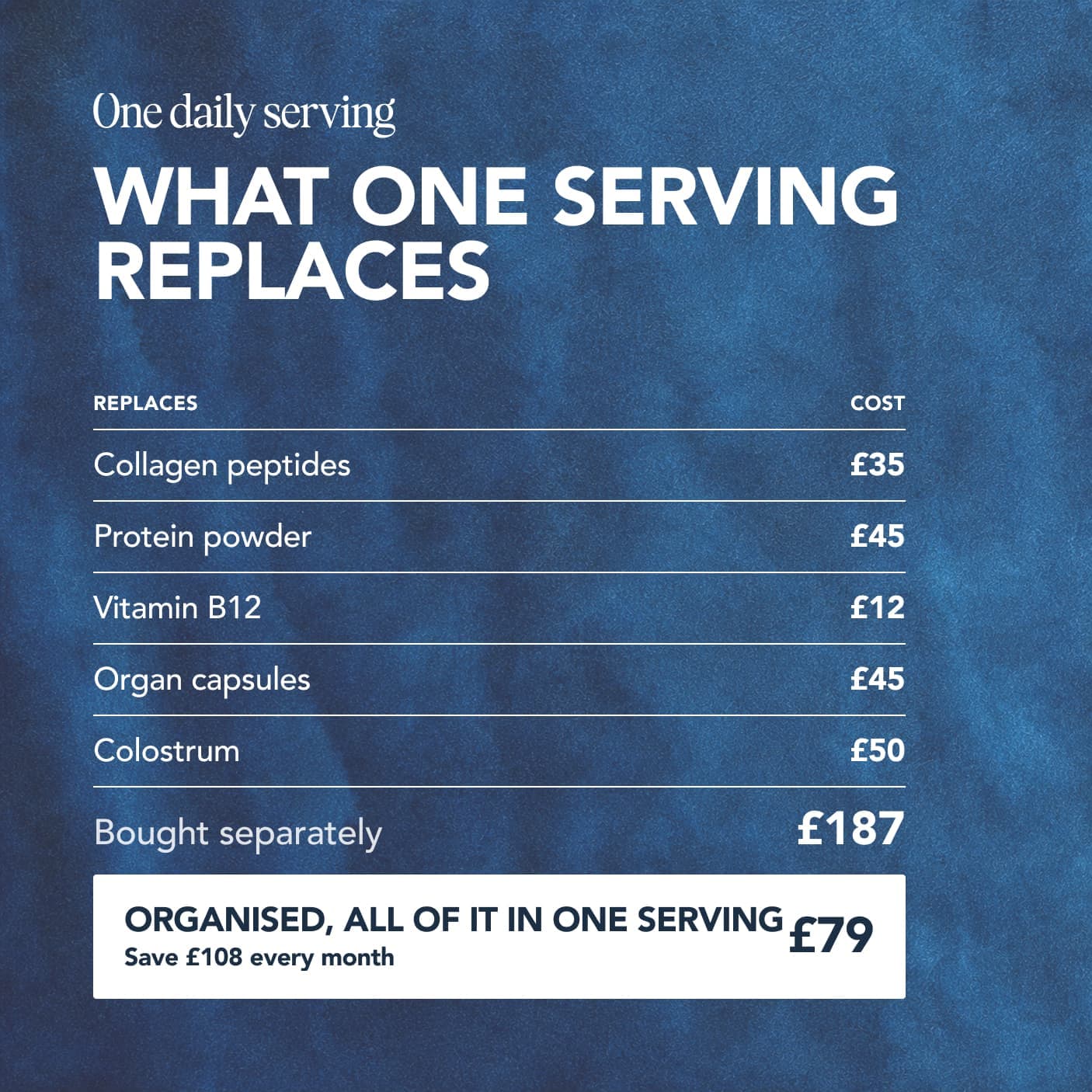
Free with your first order, worth £38. Plus £10 off the pouch with a subscription.



Free UK shipping · Made in England · 100 day money back guarantee on your first pouch · Skip, pause or cancel anytime
The bottom line
A regenerative farm doesn't look revolutionary. It looks quiet. Methodical. Boring if you're expecting drama. But the invisible work, the attention to detail, the rejection of industrial shortcuts, is where the magic lives. The soil gets darker. The microbial ecosystem recovers. The animals thrive. And your body recognises the difference in every bite.
References
Every source below was checked on 27 August 2026. Each PubMed, PMC and DOI identifier was resolved against NCBI or Crossref, and what it opens is printed under the citation, so you can see the link goes where the citation says without leaving the page. Where a citation and its identifier disagreed, the citation was corrected to the record or the reference was deleted along with the sentence marker that pointed at it, and where the resolved paper turned out not to support the sentence, the sentence was cut back to what it does support. Borrowed authority is worse than none, because it looks like rigour.
- Sanderson MA, Stout R, Brink G. Productivity, botanical composition, and nutritive value of commercial pasture mixtures. Agron J. https://acsess.onlinelibrary.wiley.com/doi/10.2134/agronj15.0259 [accessed May 2026].Checked 27 August 2026: doi:10.2134/agronj15.0259 opens Sanderson MA, Stout R, Brink G, Productivity, Botanical Composition, and Nutritive Value of Commercial Pasture Mixtures Agronomy Journal 2016;108(1):93-100.
- Soil Association. Pasture for Life standards and rotational grazing benefits. https://www.soilassociation.org/ [accessed May 2026].
Corrections
What this page used to say, and why it no longer says it. Corrections are dated and are never removed, because deleting the record of an error is a second error. Every guide we have corrected is listed at our corrections log.
- 27 August 2026. Reference 1 printed DOI 10.2134/agronj14.0335 for the Sanderson pasture mixtures study. That DOI resolves to a study of corn under nitrogen and irrigation. The correct DOI, 10.2134/agronj15.0259, replaces it.
Who wrote and reviewed this guide
Niall Kiddle
Author · Founder, Organised
Niall is the founder of Organised. He started the company in 2024 after fixing his own health the slow way: in 2022 he swapped a cupboard of synthetic supplements for real food, raw milk, organ meats, bone broth and honey, and felt the difference within months.
Areas of expertise: Ancestral nutrition, Organ meats, Whole-food supplementation, Gut health, Regenerative sourcing
Read Niall's full profile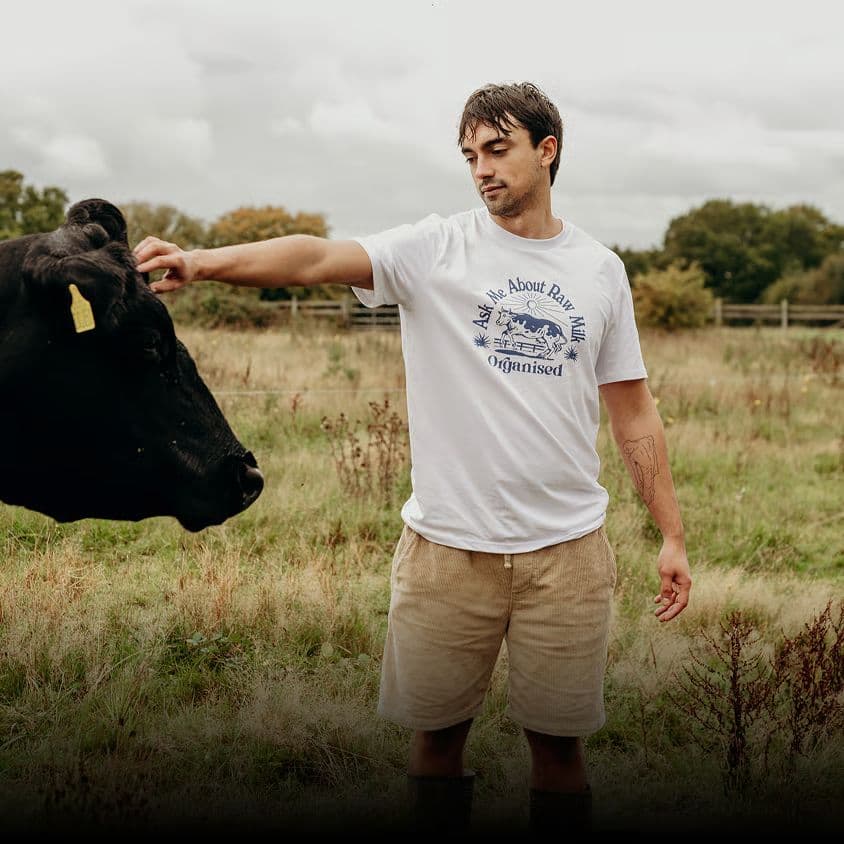
Pedro Rodrigues
Reviewer · Agronomist (farming and sourcing only)
Pedro is the agronomist Organised works with on farming and sourcing. His job on the guides is to keep the science honest: he reviews what we publish about soil health, regenerative agriculture, grazing and the way food is actually produced.
Areas of expertise: Regenerative agriculture, Agronomy, Soil health, Grass-fed farming, Food sourcing
Reviewed this guide on
Read Pedro's full profileMore on regenerative farming
View allBrowse the guides library
All guidesKeep reading
Farming
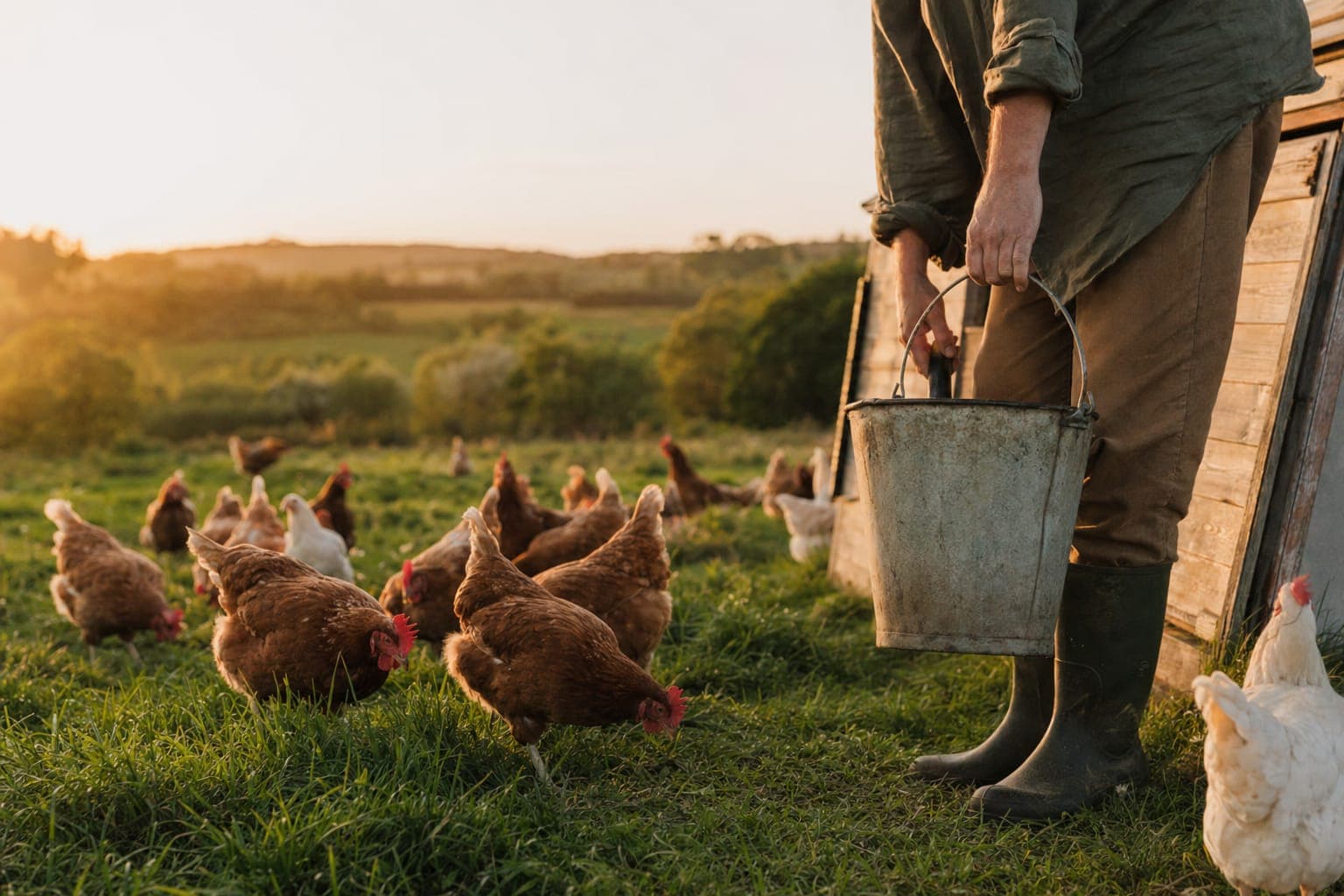
What 'Pasture-Raised' Really Means for Animal Welfare
Wondering what pasture-raised really means? Learn what the label actually guarantees for animal welfare in the UK and US, and how to spot meaningful claims.
Farming
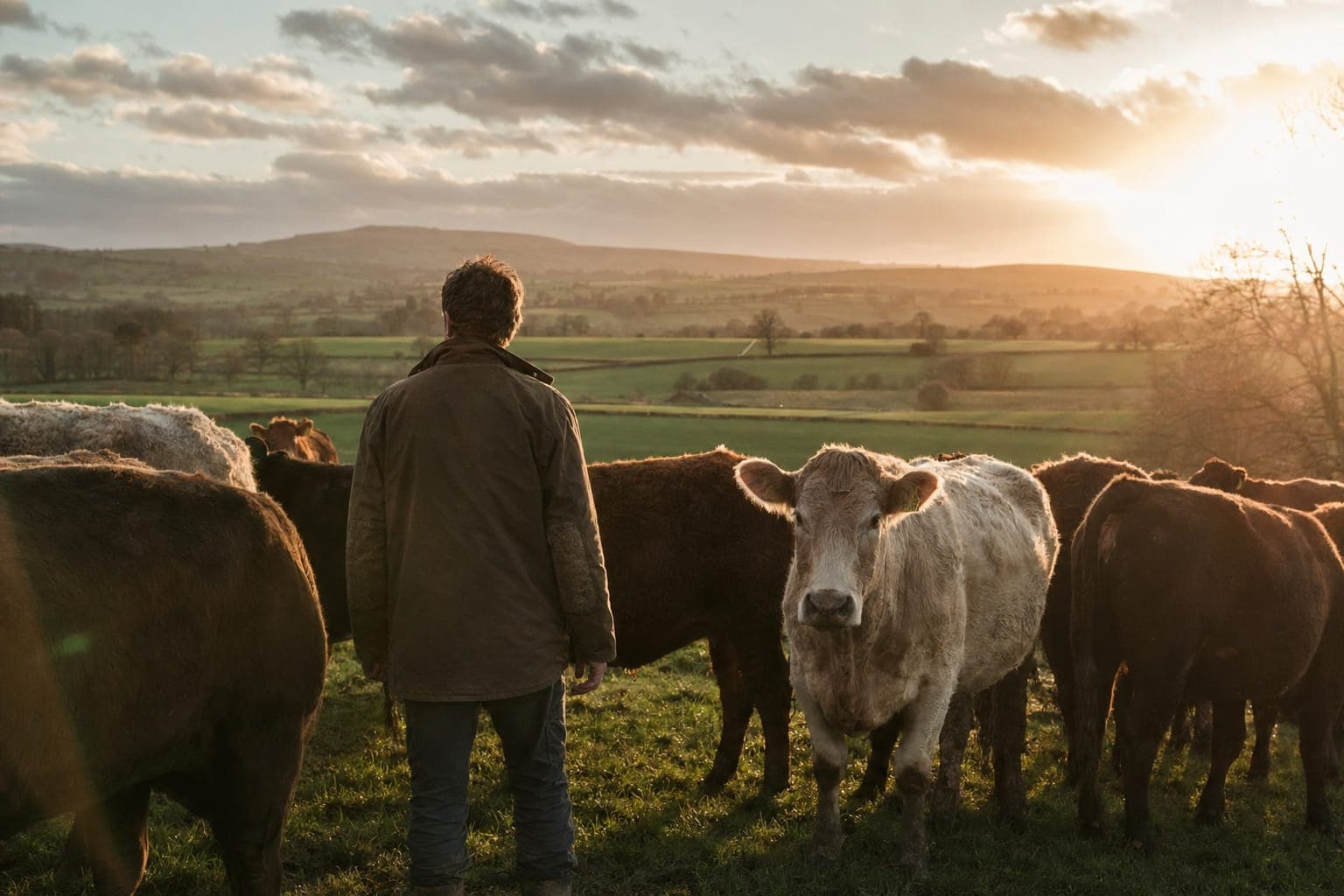
The State of British Beef Farming in 2026
UK beef farming is under pressure. Here are the real challenges facing British farmers and why whole-animal use matters.
Farming
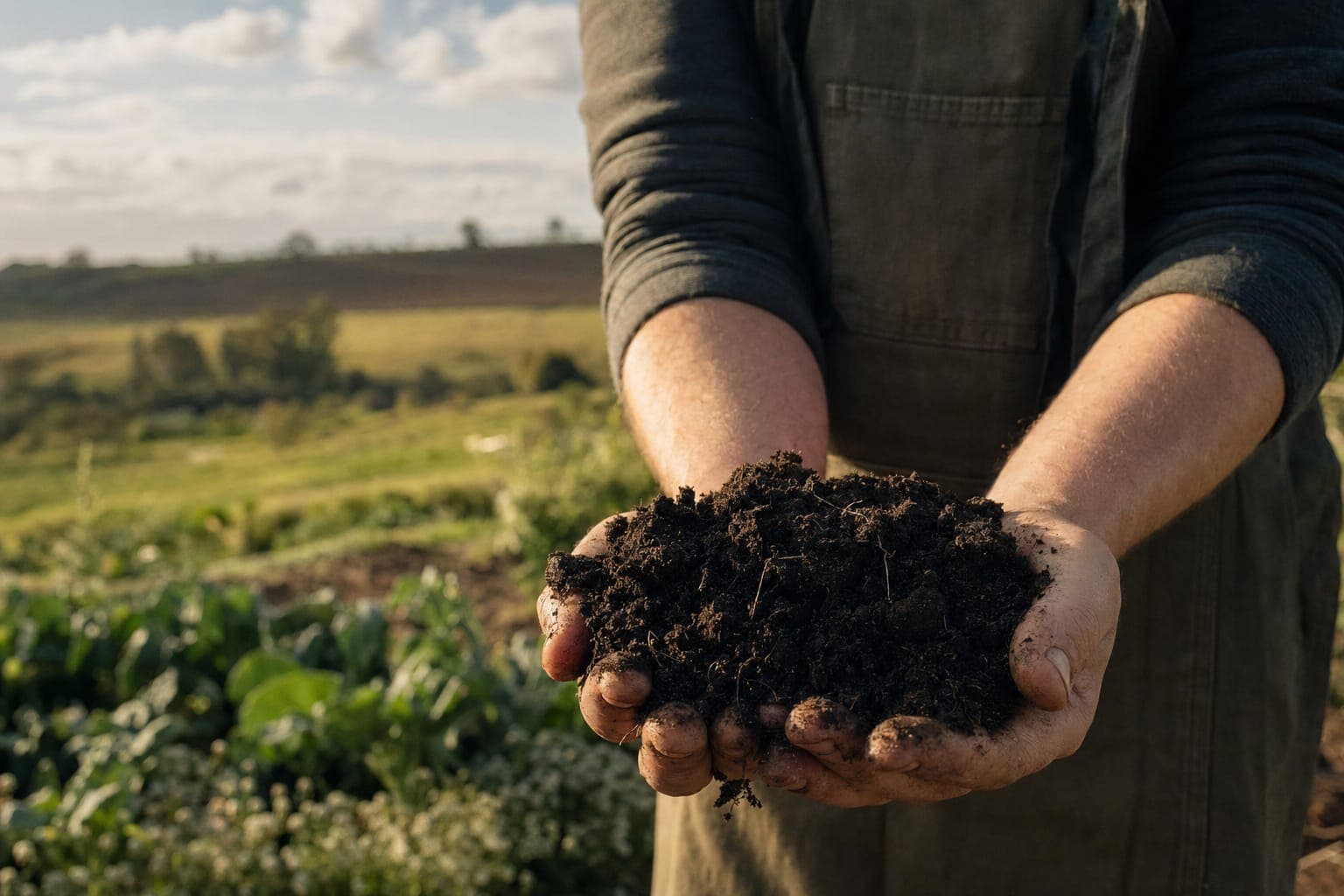
Soil Health: Why It Matters for Your Health Too
Depleted soil grows mineral-depleted food, which shapes what ends up on your plate. See how soil health directly affects your nutrition and your wellbeing.
Real food, made effortless
Shop the blendA few ways to use it
All recipes
Gut-Healing Marshmallows with Collagen and Raw Honey
Learn to make gut-healing marshmallows with collagen and raw honey. A shareable treat that sneaks nutrition into every bite. Easy recipe with video tips.
Collagen-Rich Beef Stew: Slow-Cooked Nourishment
Beef stew that delivers collagen from connective tissue and bone broth. Winter comfort food that actually nourishes. Simple slow cooker recipe.

Liver Pate for Beginners: A Gentle Introduction to Organ Meats
Simple liver pate recipe to start eating organ meats. Chicken liver, butter, and herbs. Gentle introduction to nutrient-dense whole foods.


 Join over 100,000+ members
Build a better food system with us
The Organised community is thousands of people choosing real food and backing the farmers who grow it, all of us trying to leave the world a little better than we found it. If that is what you care about too, you belong here.