Guides
Farming
How food is farmed and why it matters: regenerative agriculture, sourcing standards, batch testing, and what labels do not tell you.
42 guides across these topics.
Farming & Transparency
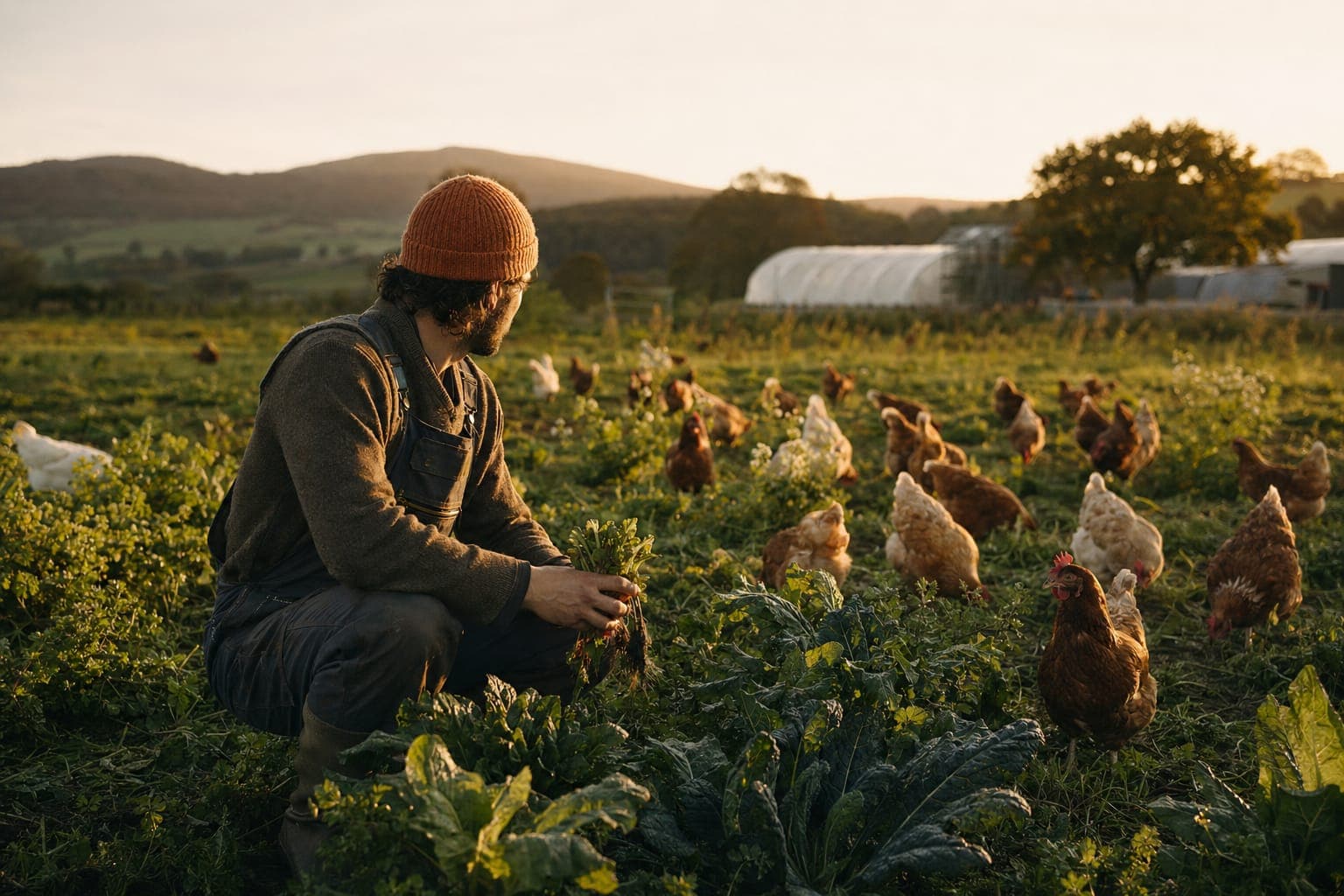
Biodynamic Farming: What It Means and Why It Matters
Biodynamic farming goes beyond organic. Learn what Demeter certification means and why closed-loop regenerative systems matter for food quality.
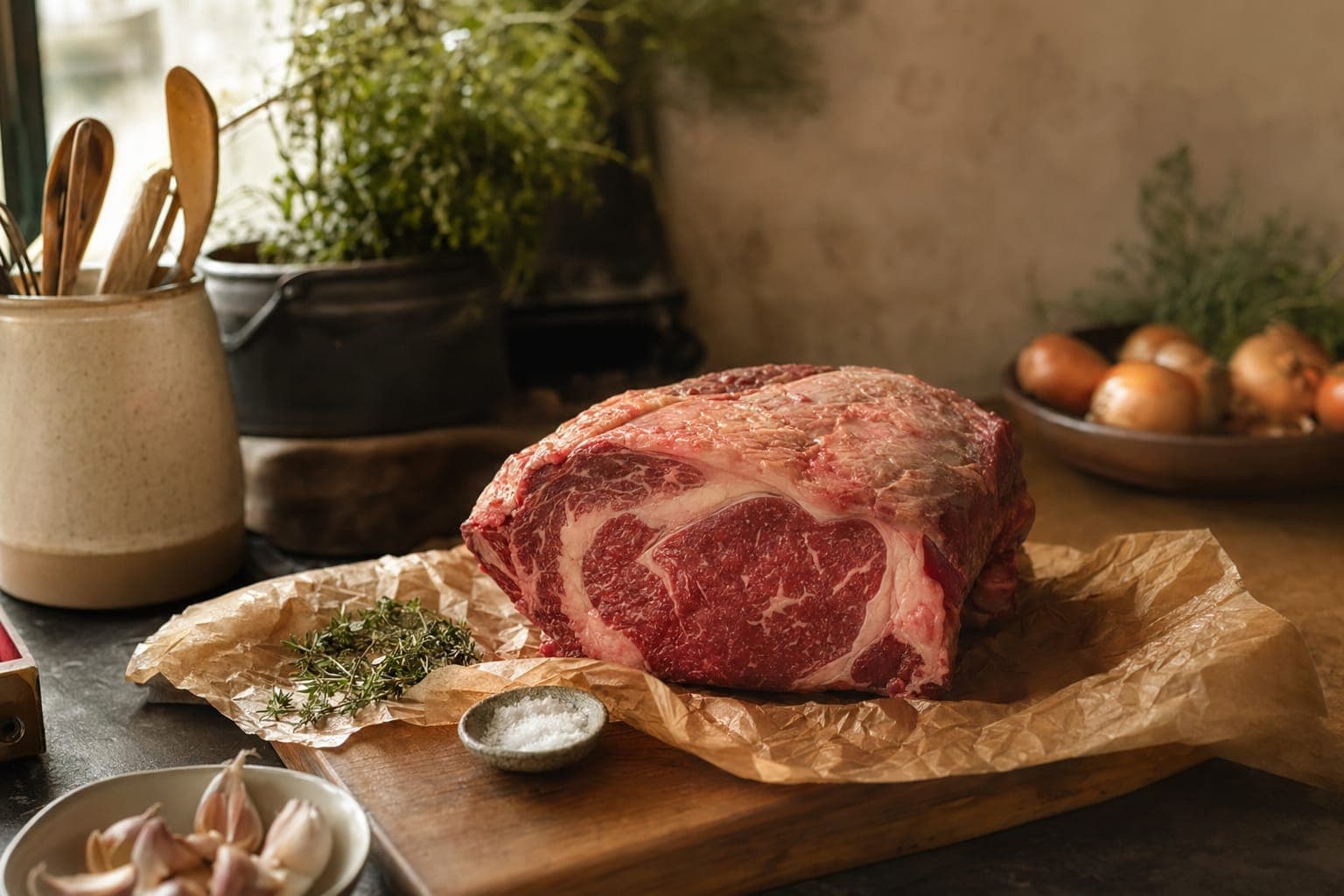
British Beef: Why Quality Matters More Than Origin Alone
British beef has a good climate for grass-fed cattle, but the label itself isn't a quality guarantee. Learn what to actually look for.
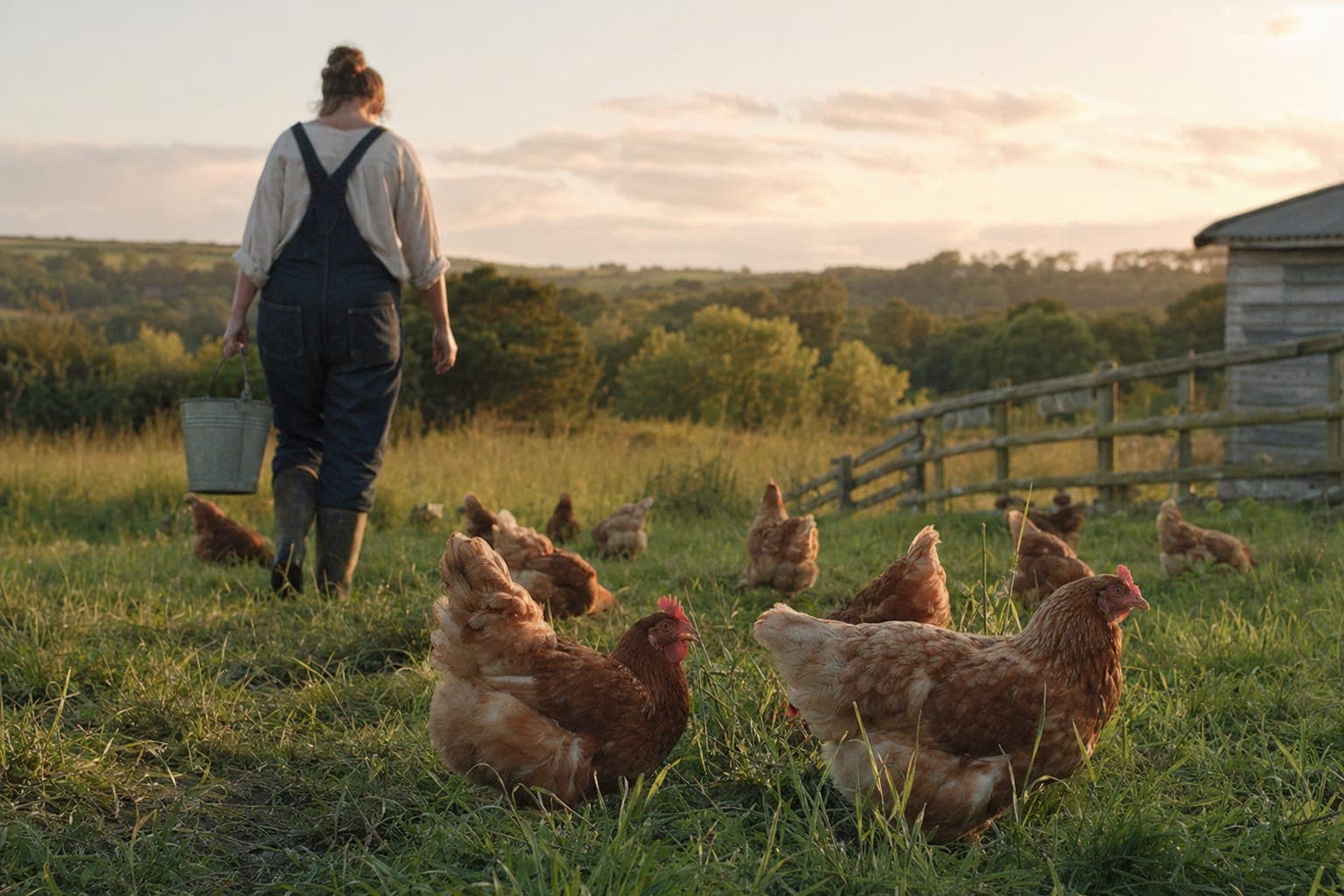
Free Range, Organic, Pasture-Raised: A Quick Reference Guide
UK food labels are confusing. Here's what free range, organic, and pasture-raised actually guarantee. A practical decoding guide.
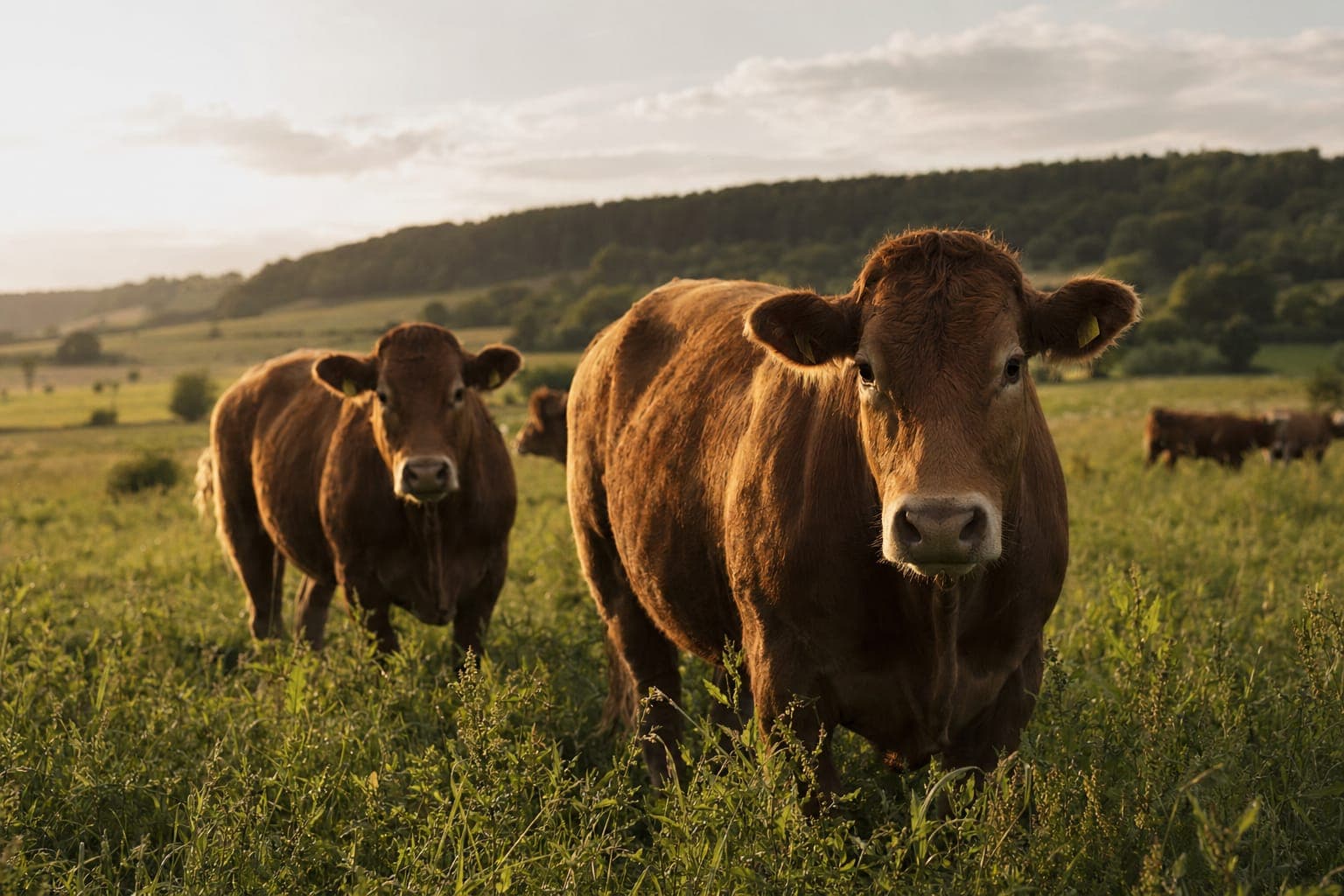
How Stress in Cattle Affects the Quality of Their Organs
Stressed cattle produce lower-quality organs and meat. Learn how animal welfare directly impacts the nutritional value of what you eat.
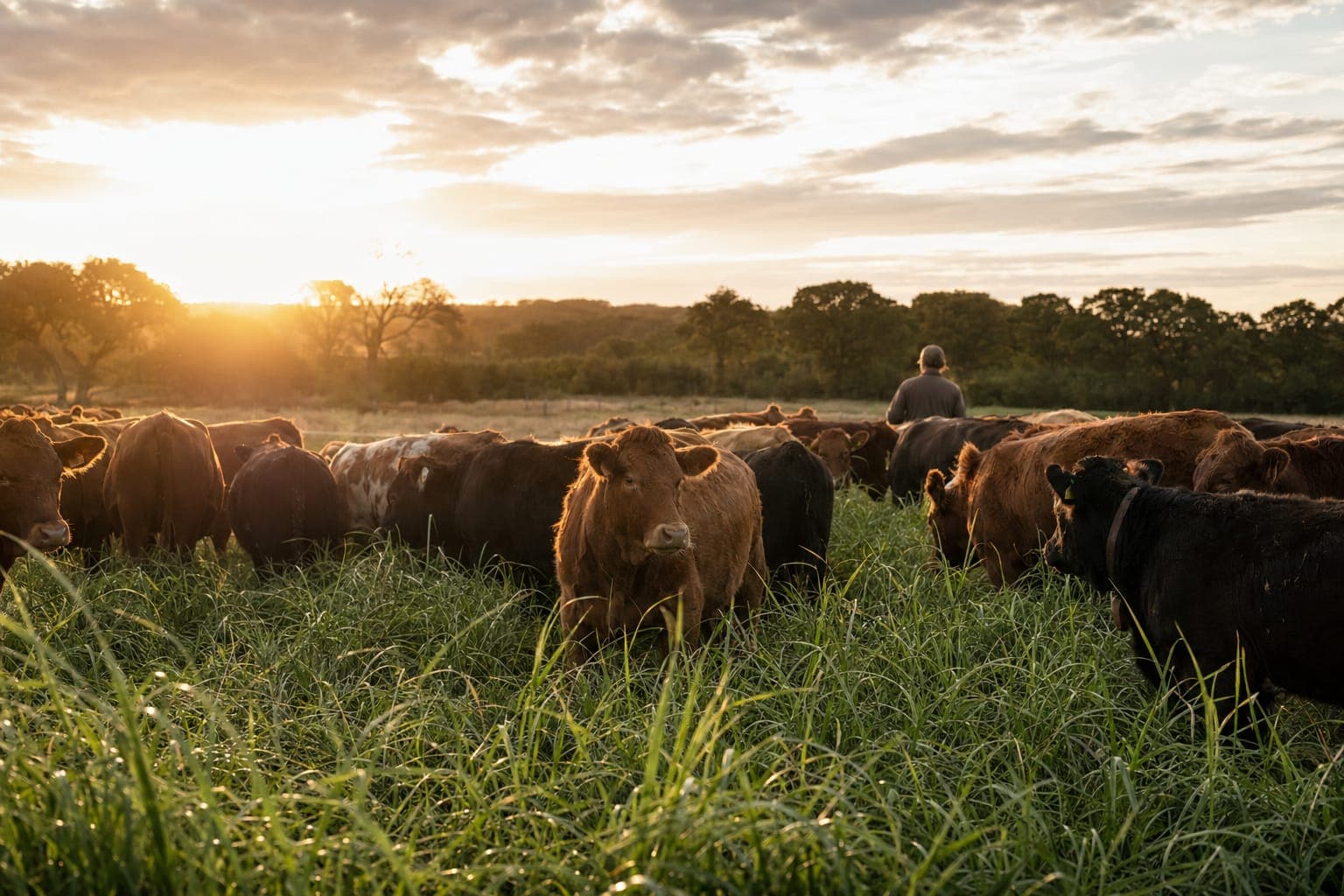
What Is Mob Grazing and How Does It Help the Soil?
Mob grazing mimics natural herd behaviour and rebuilds soil. Learn how high-density, short-duration grazing regenerates the land your food comes from.

What Is Third-Party Testing and Why Should You Care?
Third-party testing verifies that supplements and foods are what companies claim. Learn why independent lab testing is your only real safeguard.
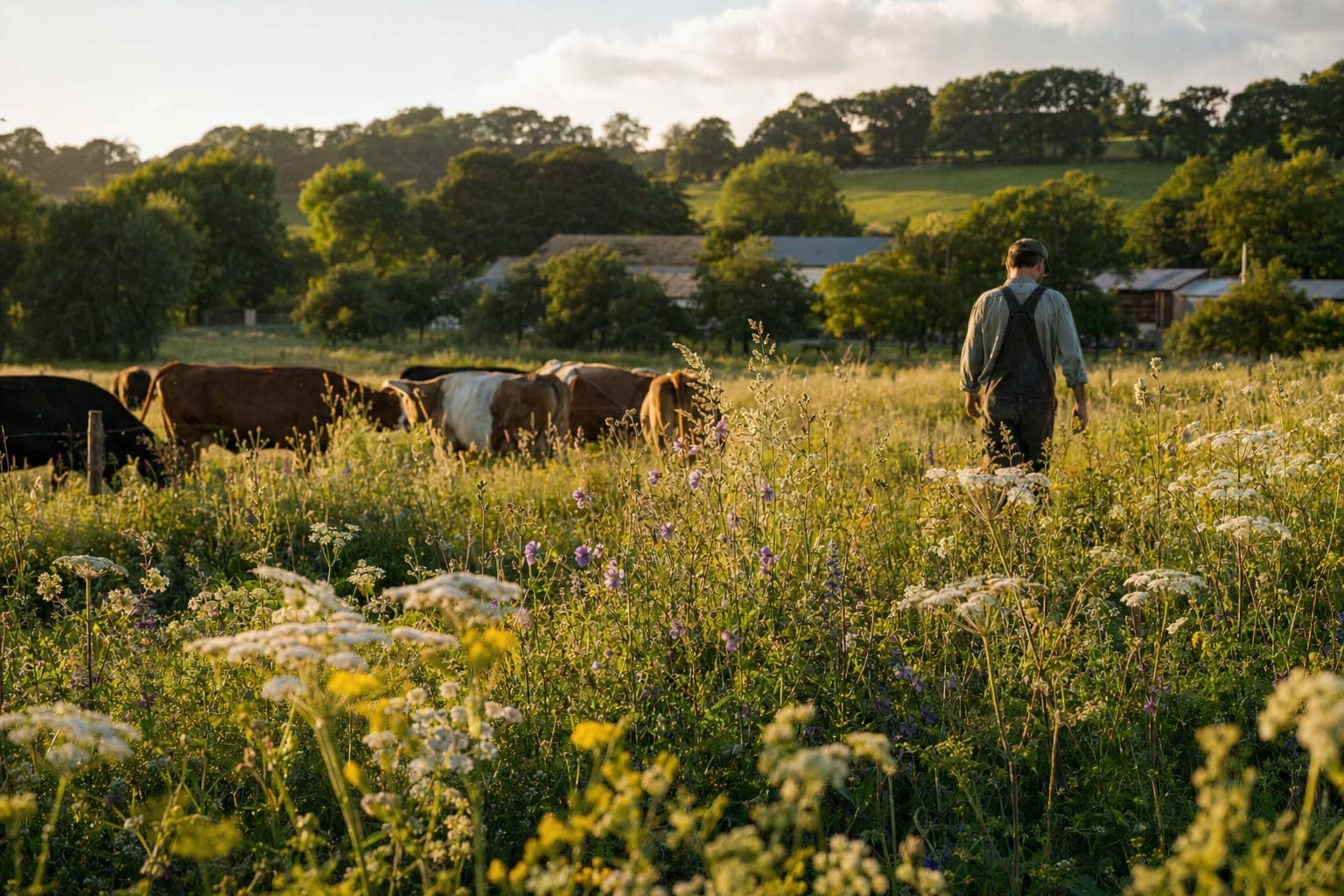
Why Biodiversity on Farms Matters for Your Food
Diverse farms produce more nutrient-dense food. Learn how native grasses, fungi, and insects directly impact the nutritional value of what you eat.
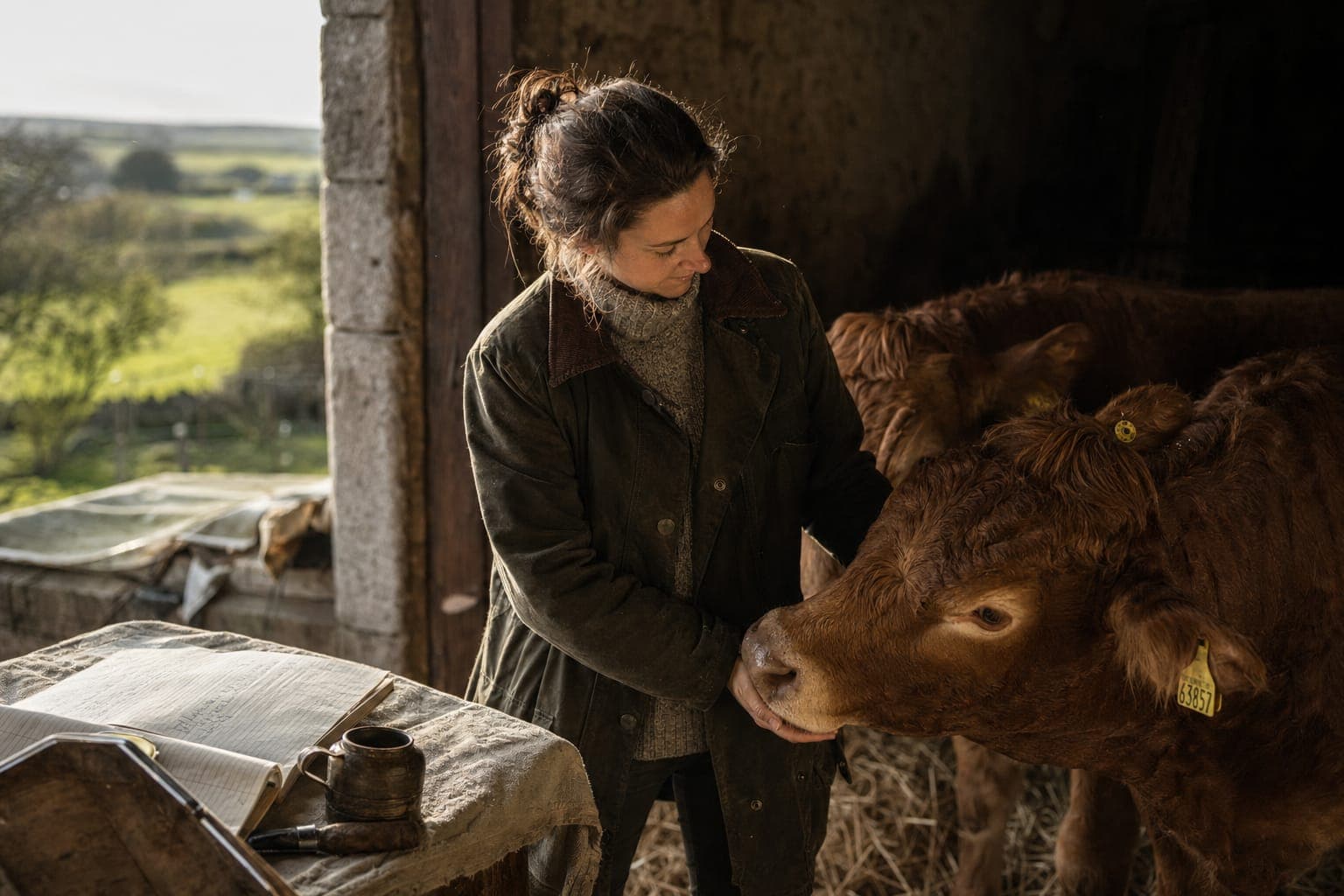
Why Ingredient Traceability Matters More Than Marketing Claims
Natural claims mean nothing. Real traceability, batch numbers, and testing data prove what's in the product. Here's how to verify.
Transparency

Heavy Metals in Supplements: What You Need to Know
What heavy metals are in supplements, where they come from, and how to avoid them. Plus how strict testing protects you.

How to Read a Supplement Label (And Spot the Red Flags)
Learn how to read a supplement label with confidence: what to look for, what to avoid, and the red flags hiding in plain sight on the back of the pack.

How We Test Every Batch: Our Quality Assurance Process
Our batch testing process explained. Heavy metals, mould, pesticides and mycotoxins, tested every batch, with the results published.

Our Blend Changelog: Why We Publish Every Formula Update
See why we publish every supplement formula update in our blend changelog. Few brands do this, and here is what real transparency means for what you take.
Supplement Industry Secrets: What Most Brands Don't Tell You
What the supplement industry doesn't want you to know. Proprietary blends, sourcing obscurity, testing gaps, and marketing deception.
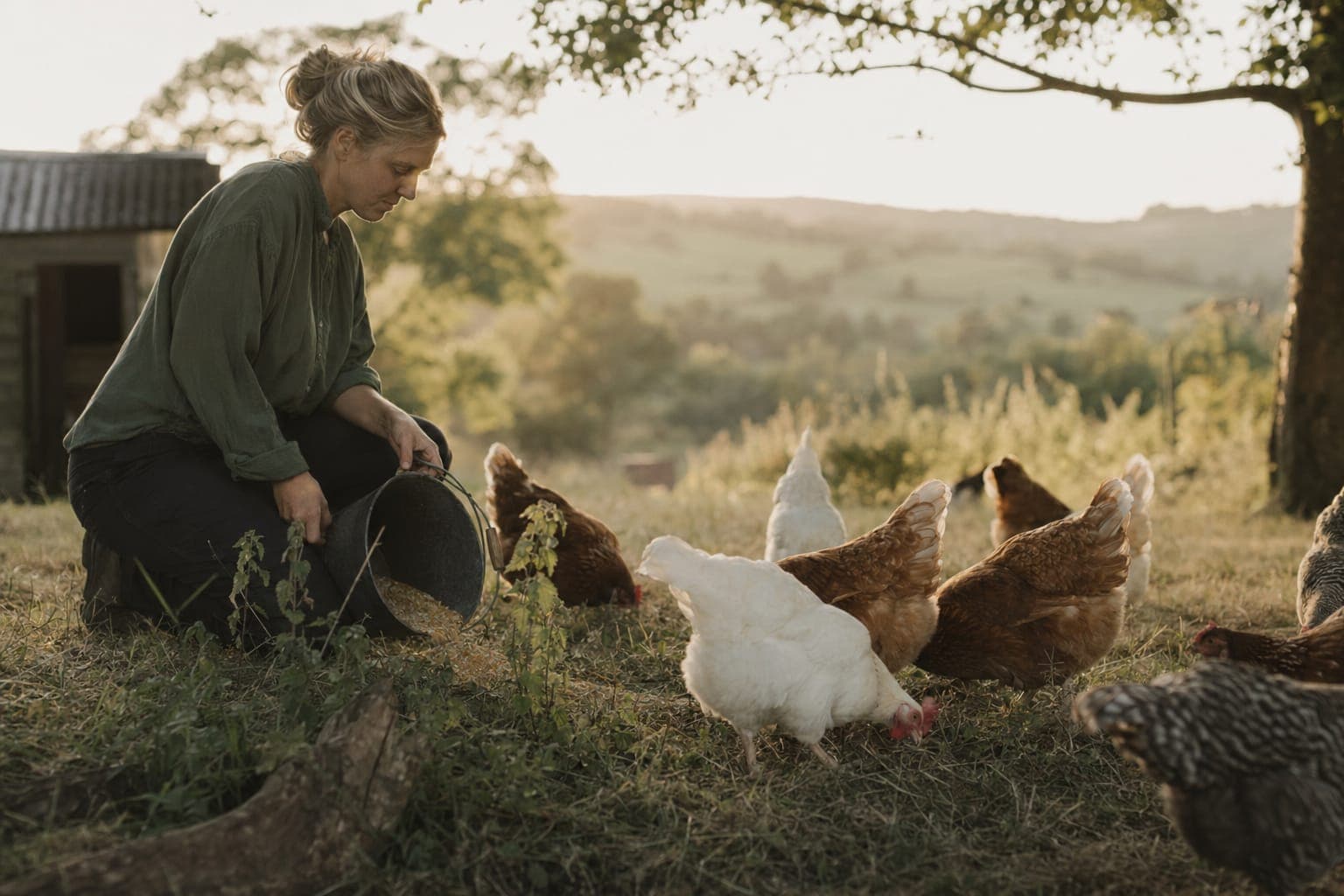
The Organised Code: Our Non-Negotiable Standards
Discover Organised's non-negotiable standards for sourcing, quality, and transparency. How we decide what makes it into the pouch.

Why We Don't Use Proprietary Blends
Proprietary blends hide how much of each ingredient you get. See why we publish exact amounts and why this transparency matters for what you take.
Regenerative Farming
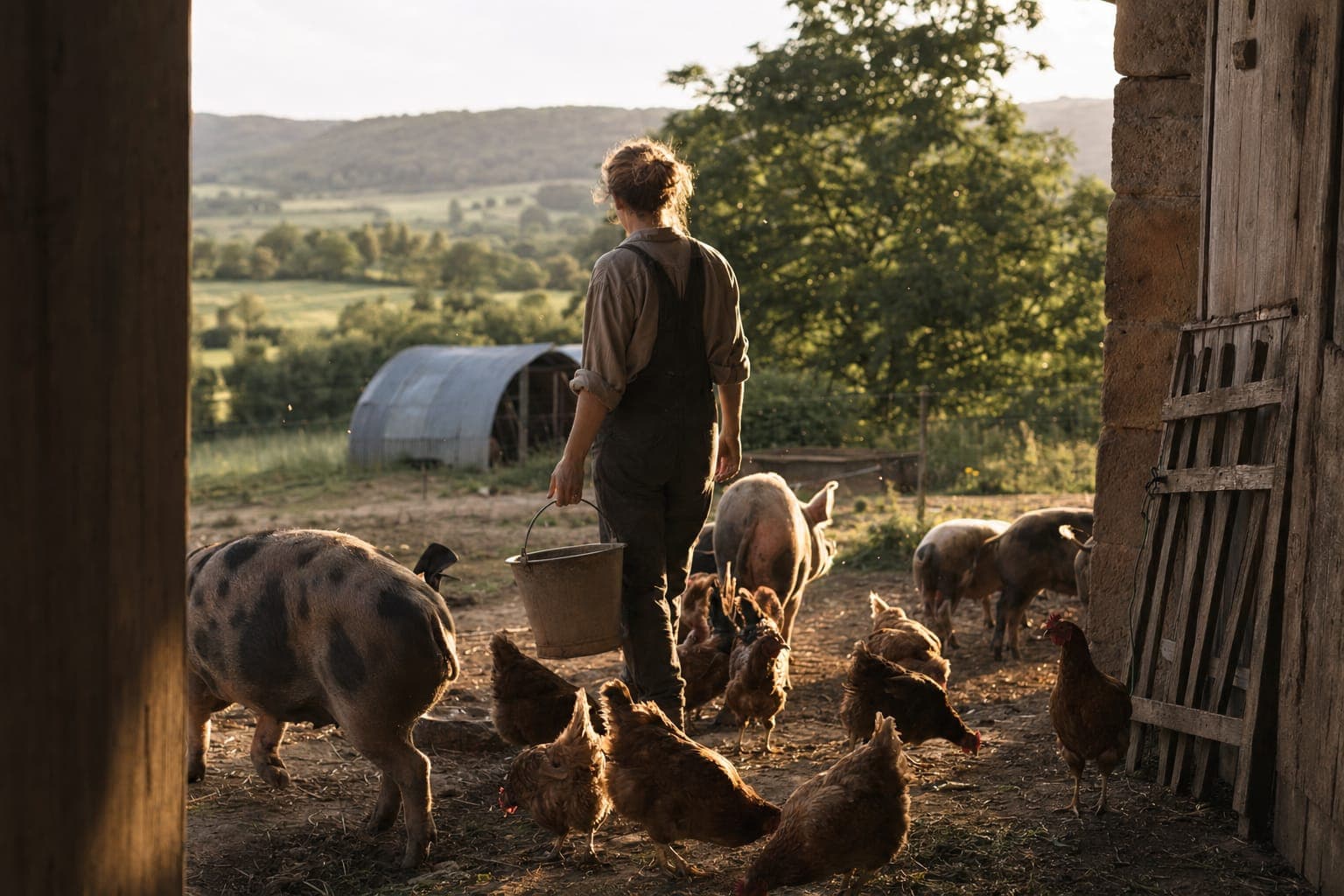
A Day on a Regenerative Farm
Step inside a regenerative farm and discover what actually happens daily. Meet the farmers and animals behind your food.
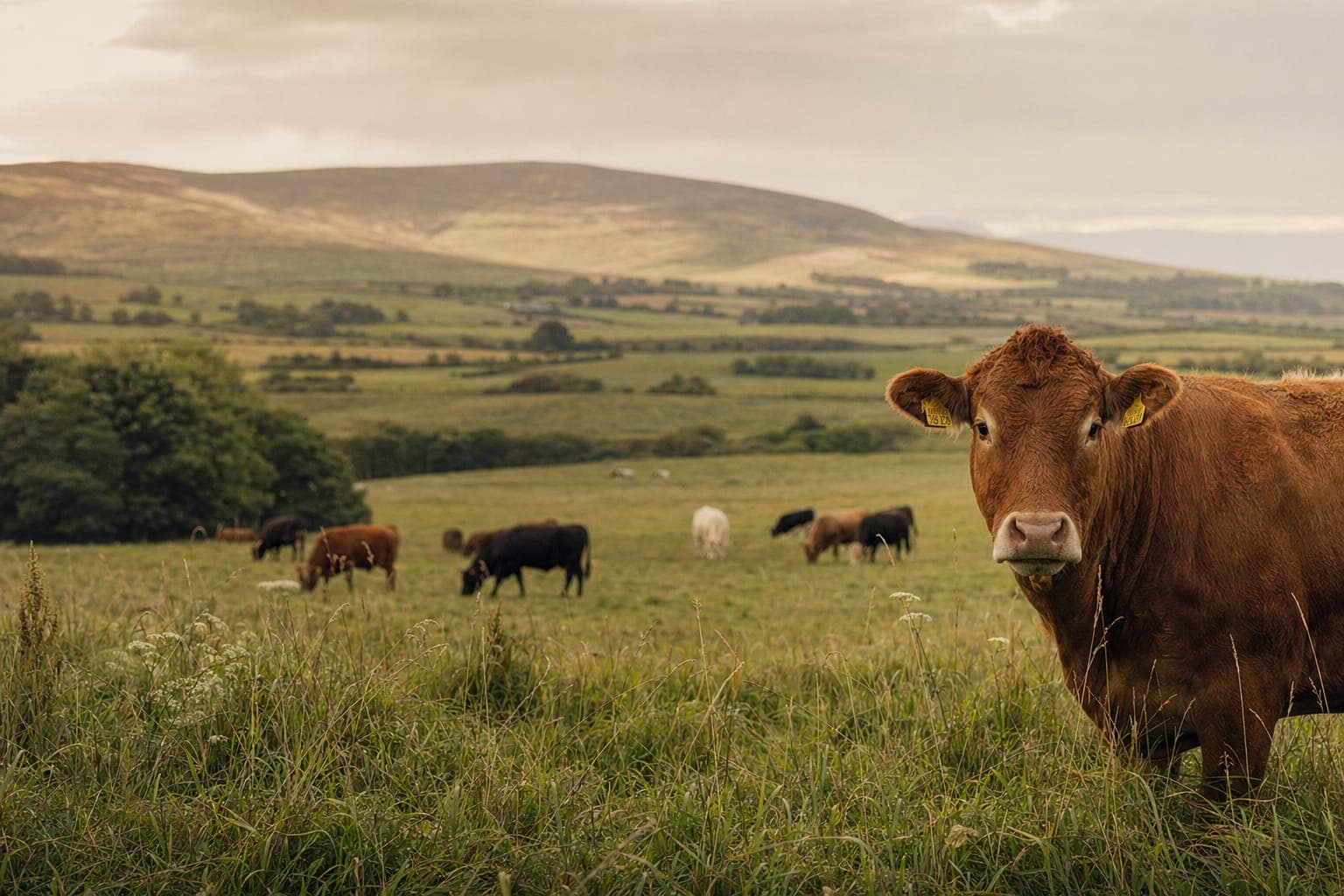
How Cattle Help Sequester Carbon
Properly managed cattle can actually sequester carbon in soil. Here's how holistic planned grazing rebuilds ecosystems and stores carbon for generations.
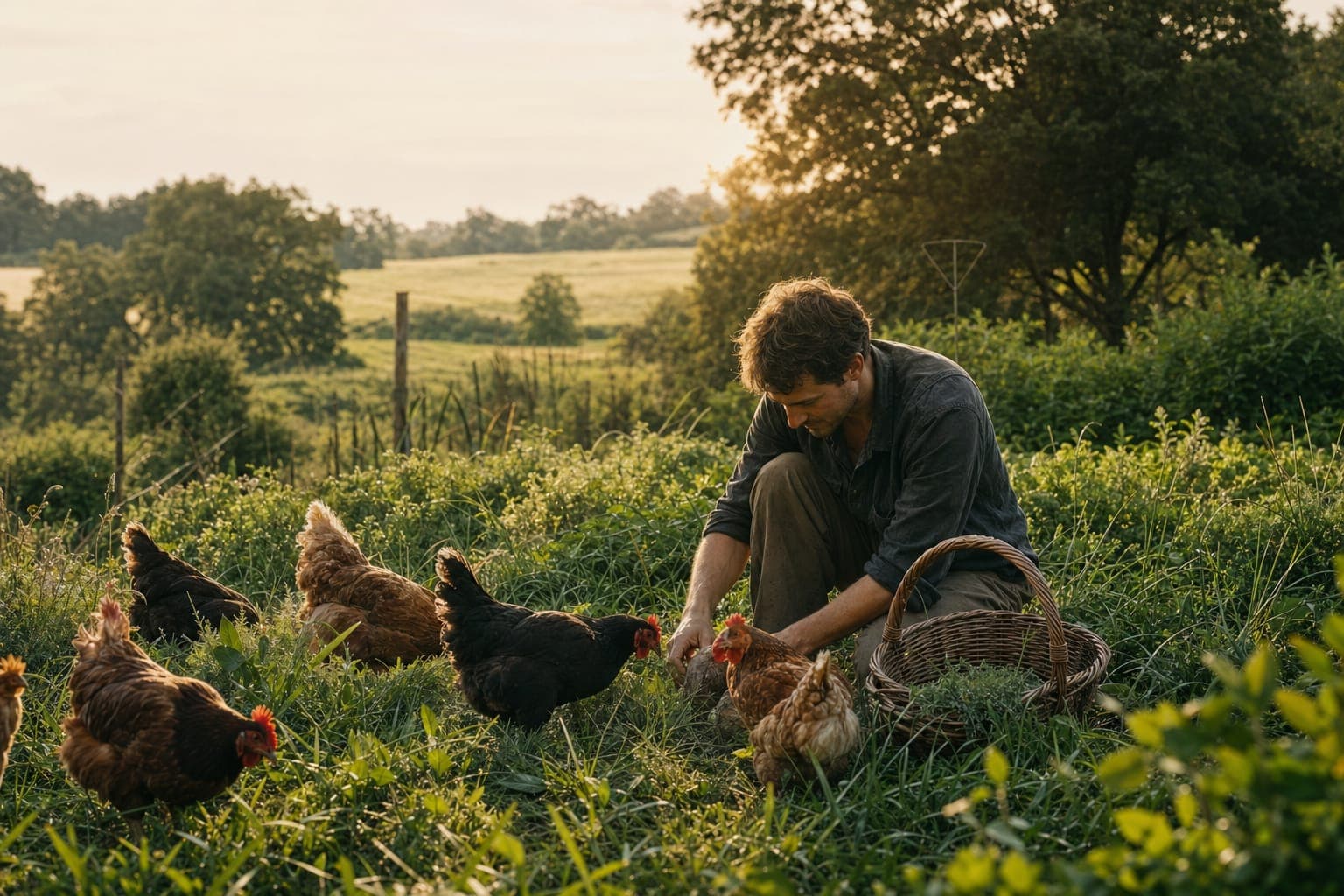
How Regenerative Farming Produces More Nutrient-Dense Food
How regenerative practices link to nutrient-dense food. Soil health, mineral uptake, and the farm-to-body chain explained.
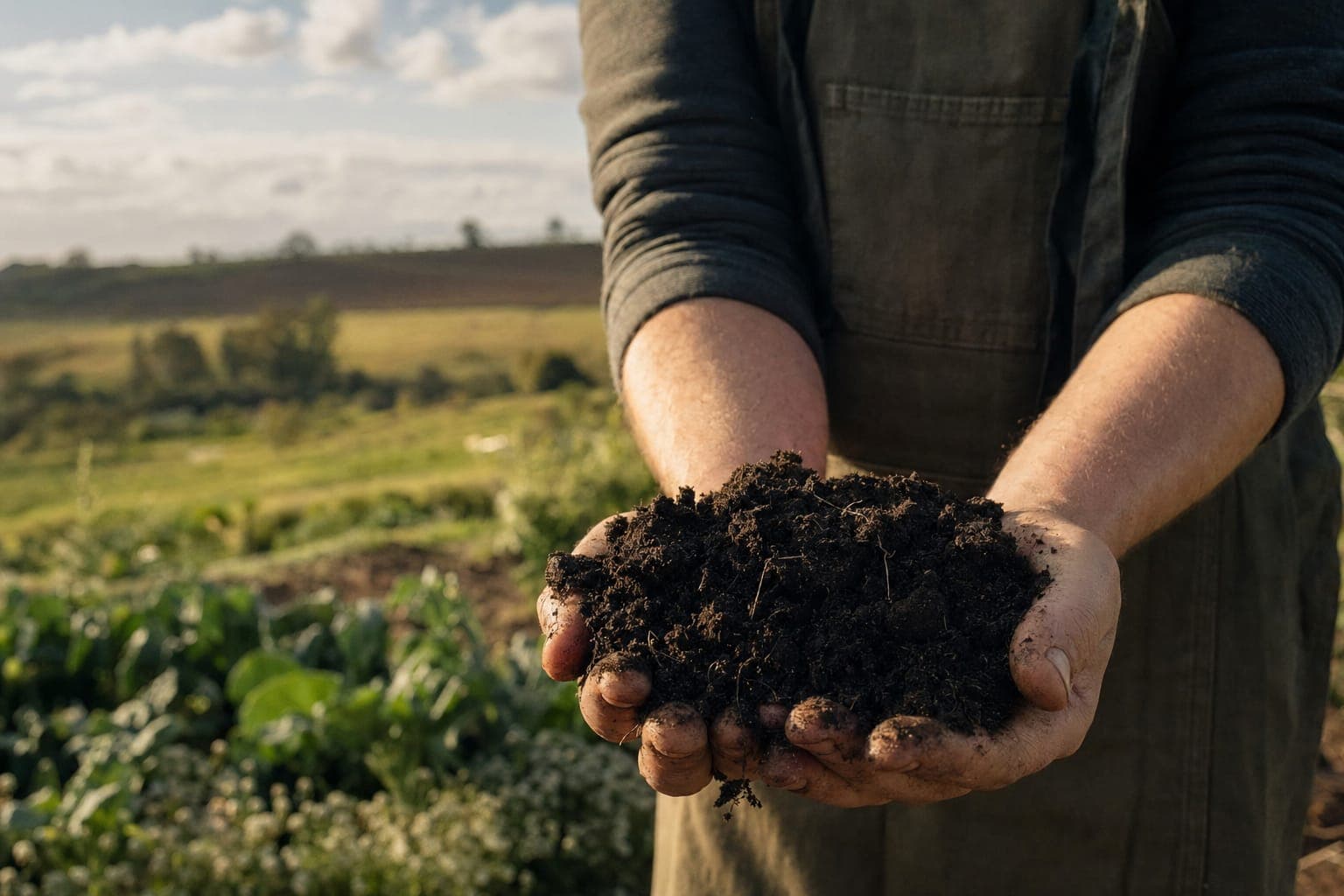
Soil Health: Why It Matters for Your Health Too
Depleted soil grows mineral-depleted food, which shapes what ends up on your plate. See how soil health directly affects your nutrition and your wellbeing.
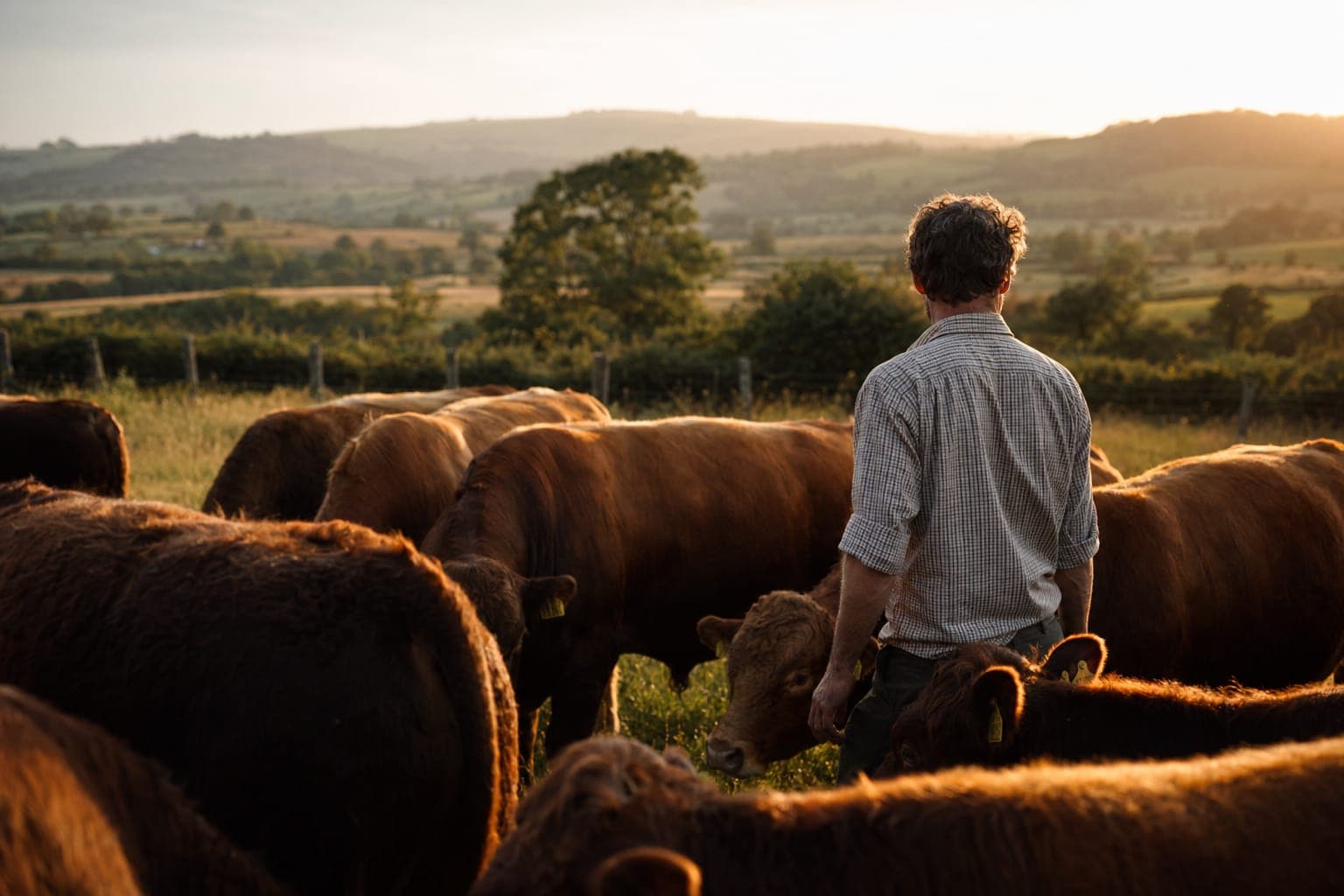
Why We Partner with Regenerative Farms
Our sourcing criteria explained. Why we chose regenerative farms, our selection process, and how traceability works from farm to pouch.
Animal Welfare
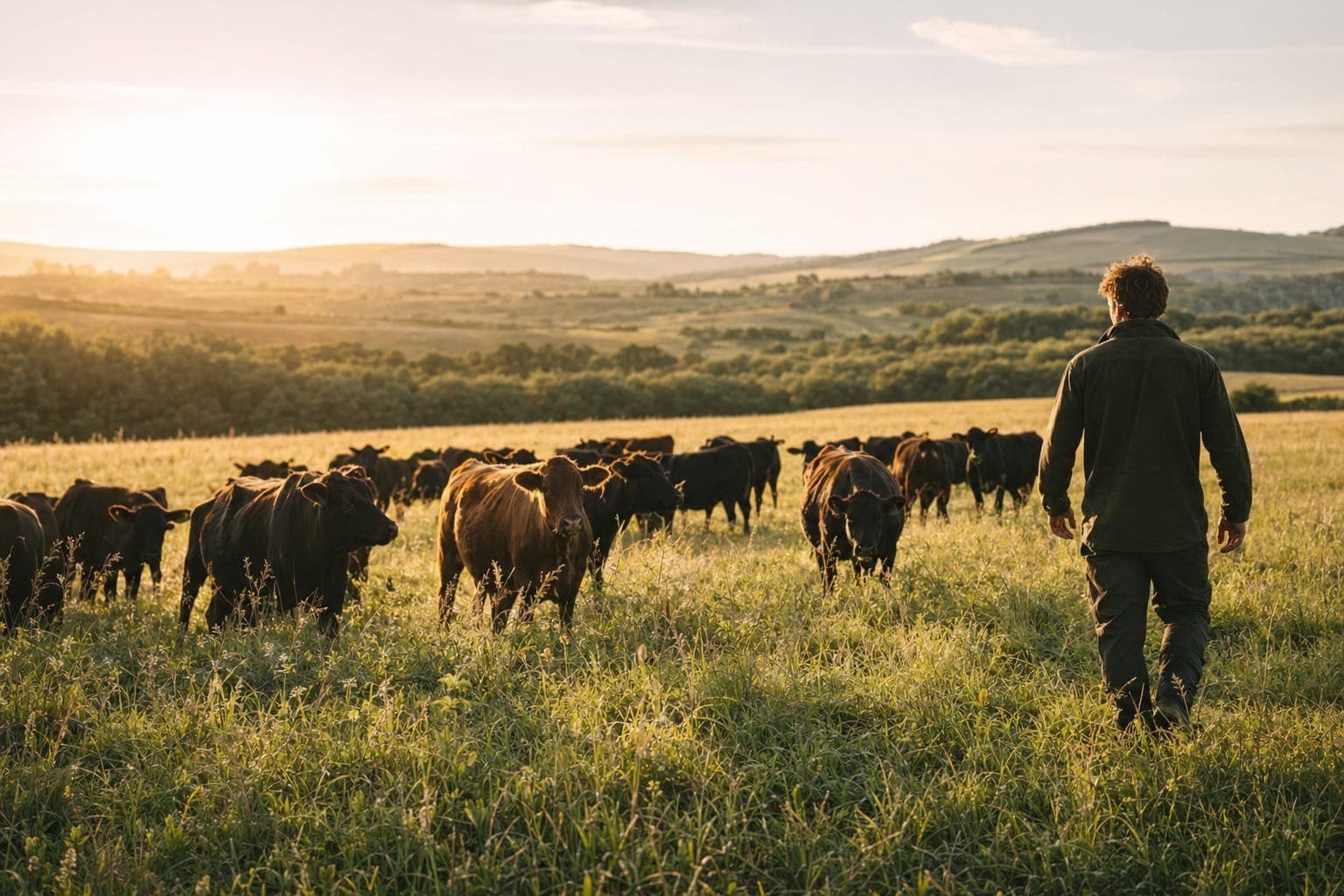
No mRNA Vaccines, No Bovaer, No Hormones: Our Sourcing Standards
We exclude mRNA vaccines, Bovaer, and hormones from our cattle sourcing. Here is our reasoning and what we choose instead.
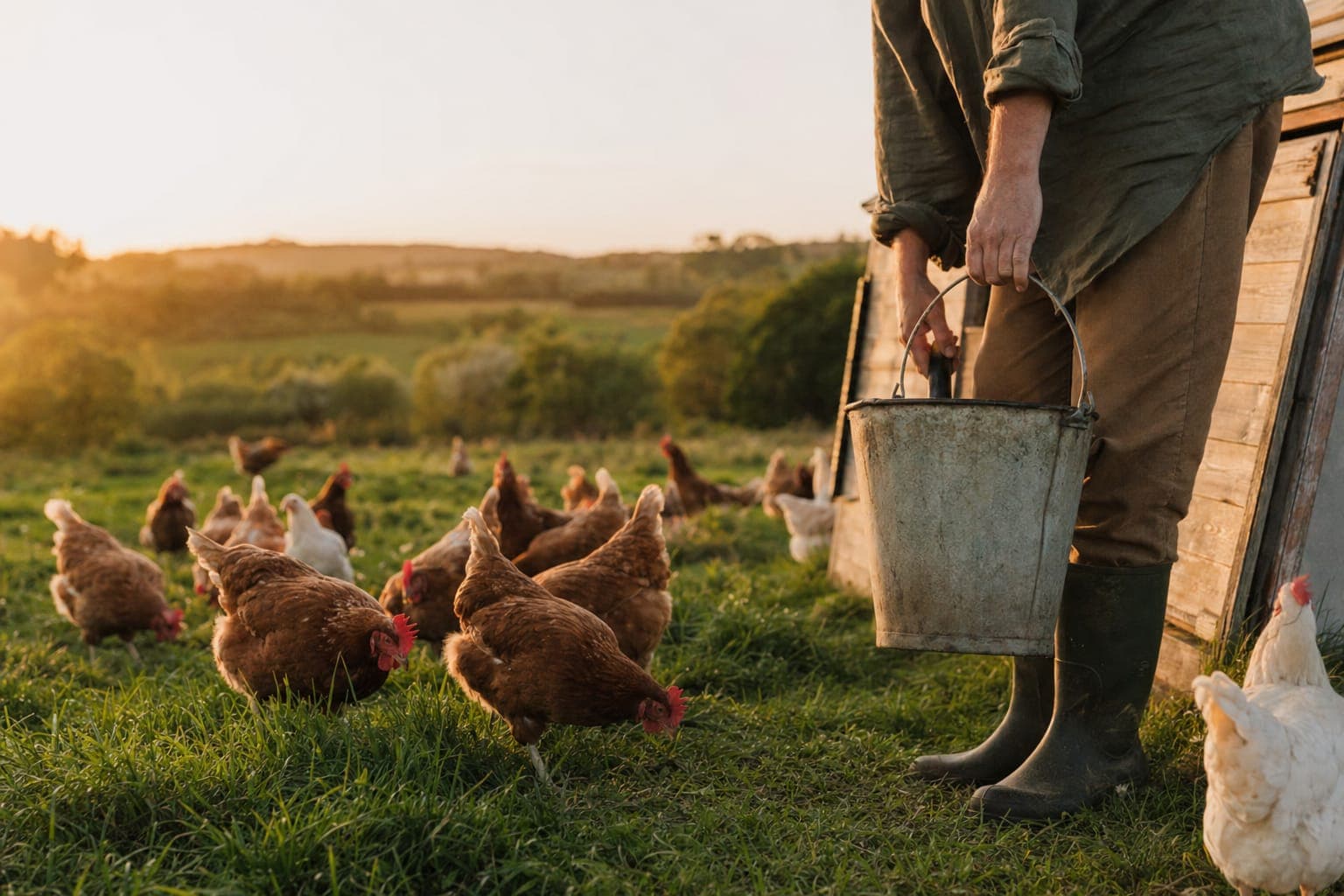
What 'Pasture-Raised' Really Means for Animal Welfare
Wondering what pasture-raised really means? Learn what the label actually guarantees for animal welfare in the UK and US, and how to spot meaningful claims.
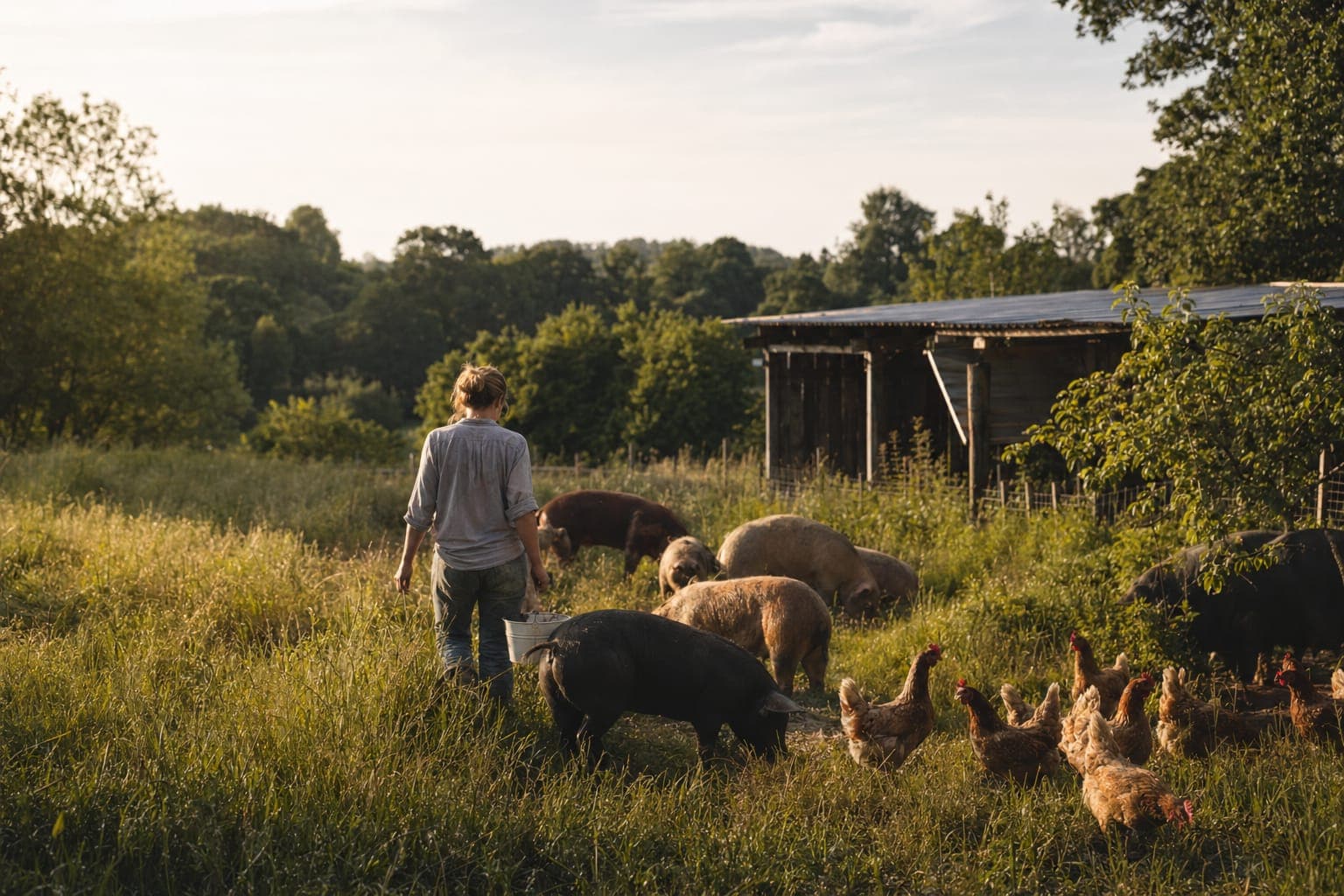
Why Animal Welfare Matters for the Quality of Your Food
Understand the link between animal welfare and food quality, and how stress and cortisol in animals can shape the meat you eat. The connection explained.
UK Sourcing
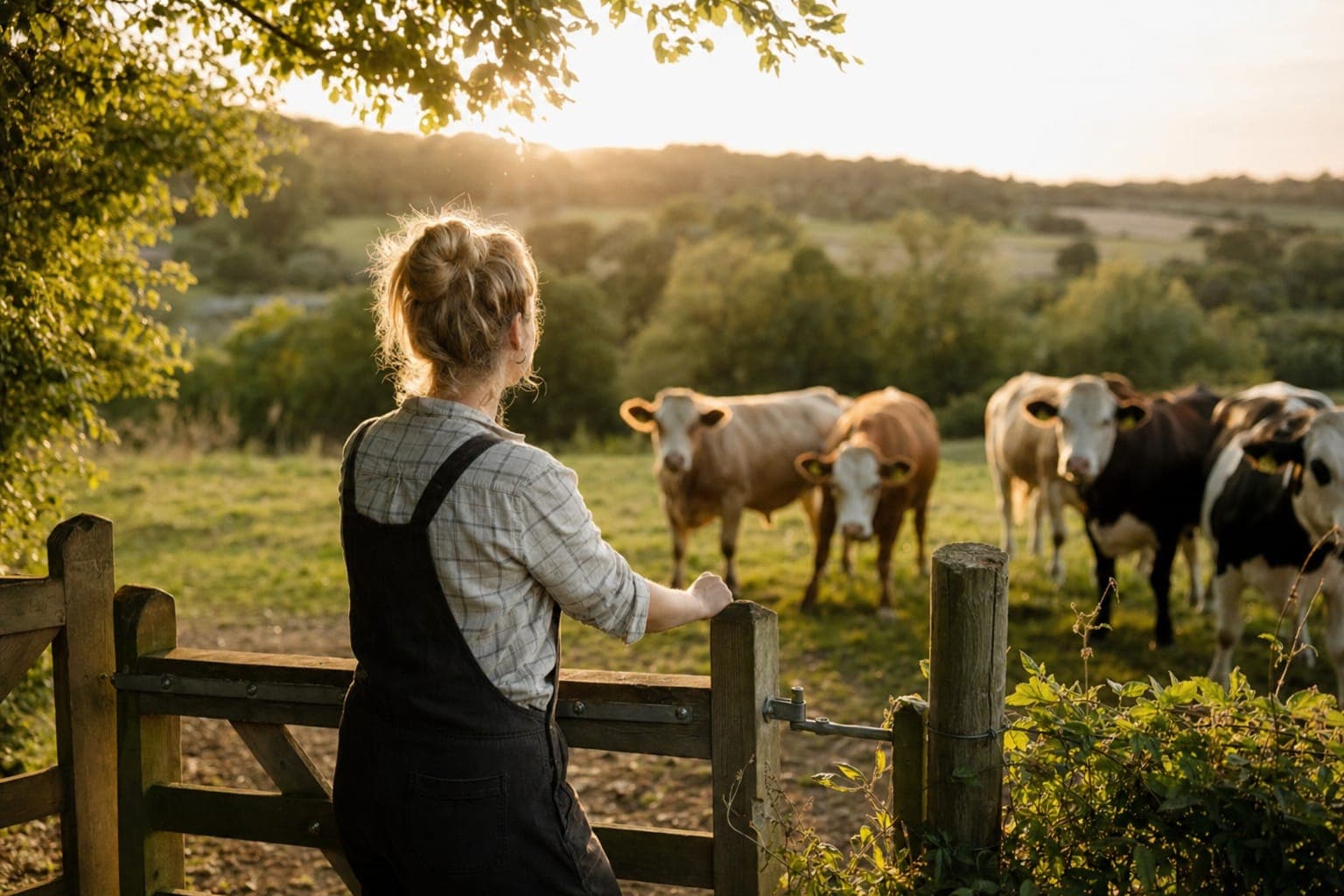
Supporting British Farmers: Why Local Sourcing Matters
UK farming is under pressure. Here's why sourcing local matters, and how your food choices can support British farmers directly.
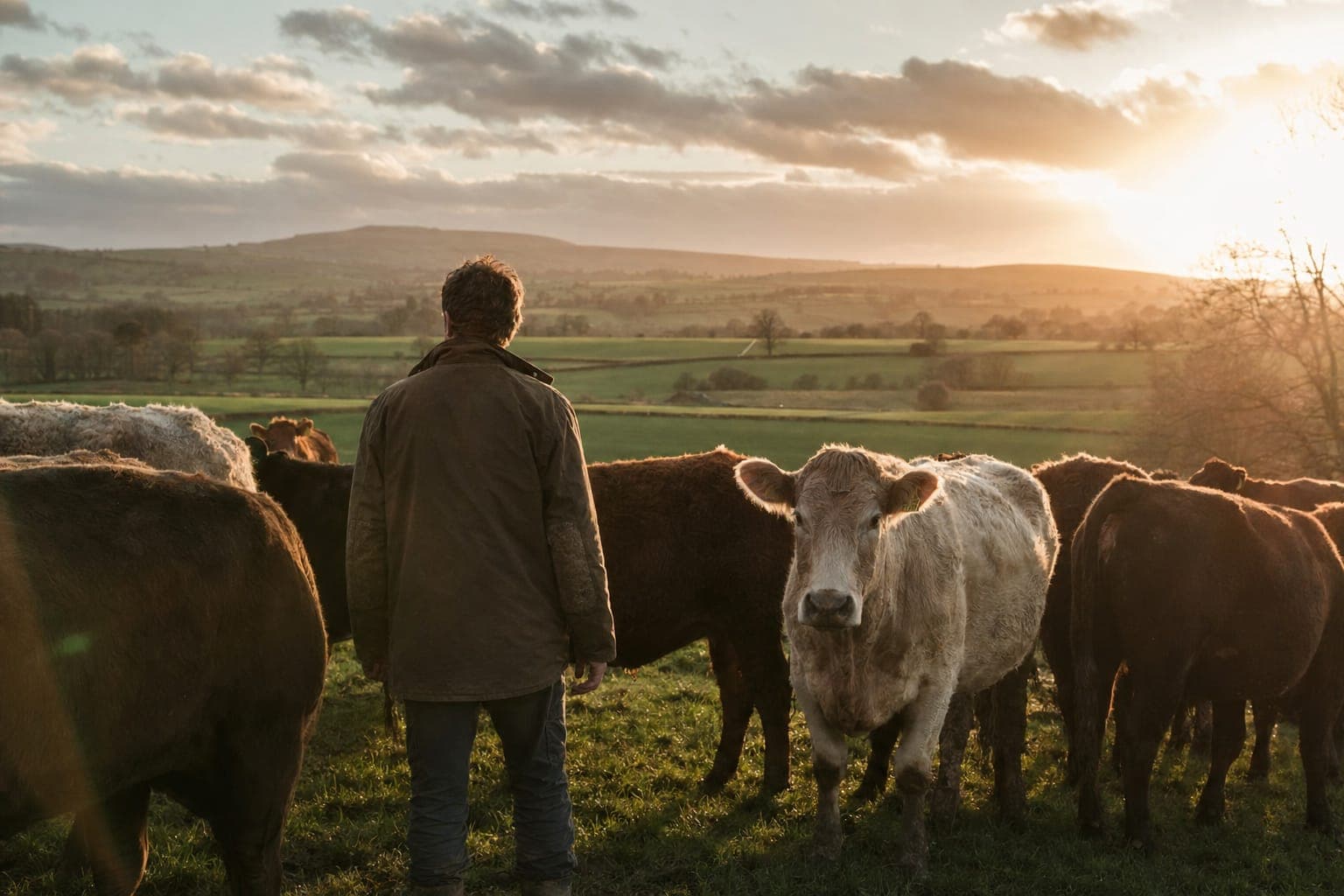
The State of British Beef Farming in 2026
UK beef farming is under pressure. Here are the real challenges facing British farmers and why whole-animal use matters.
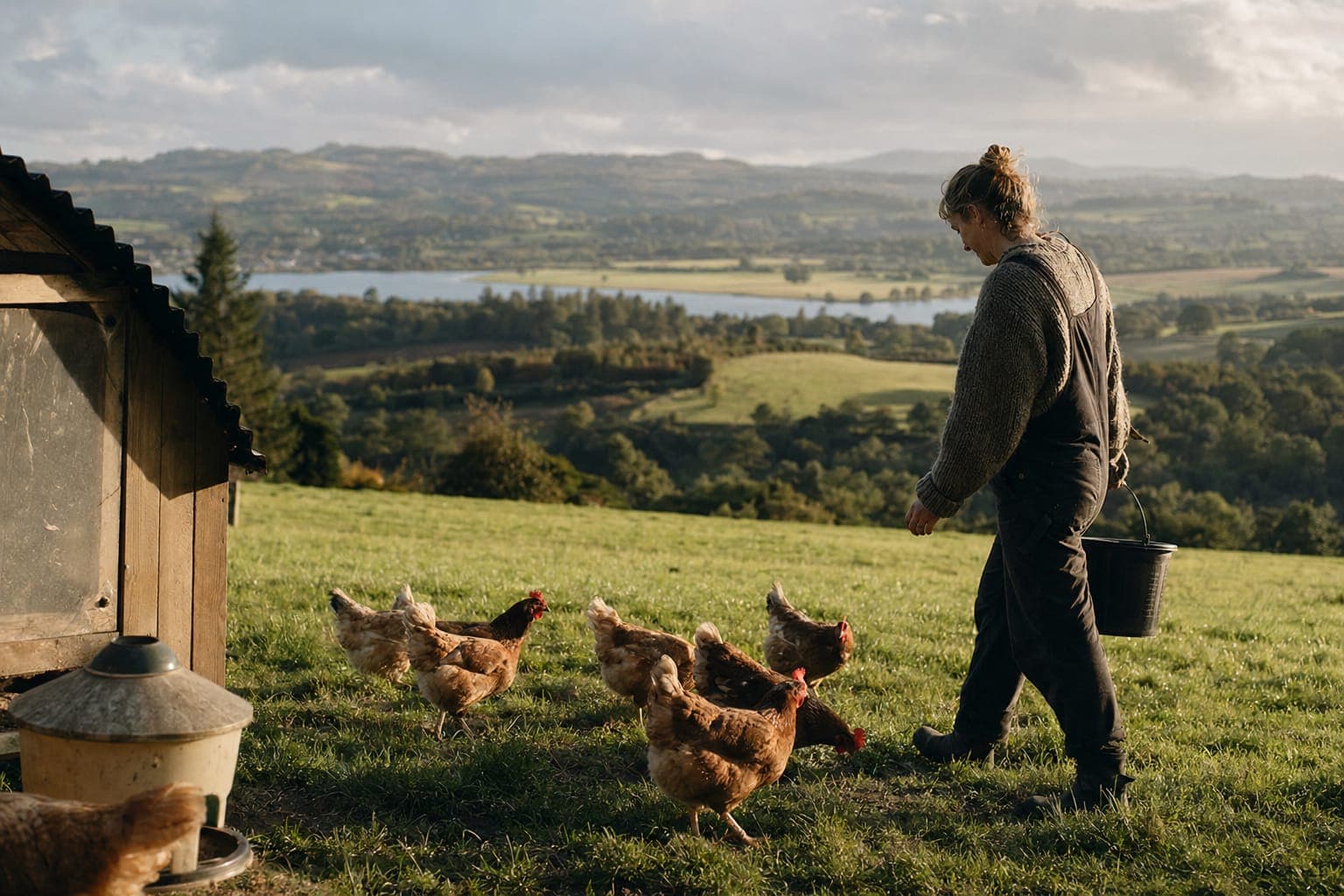
Why We Source Our Organs from UK Farms
We source all our organ products from UK farms. Here's why traceability, welfare, and local sourcing matter for ancestral nutrition.
Beef Labels & Standards
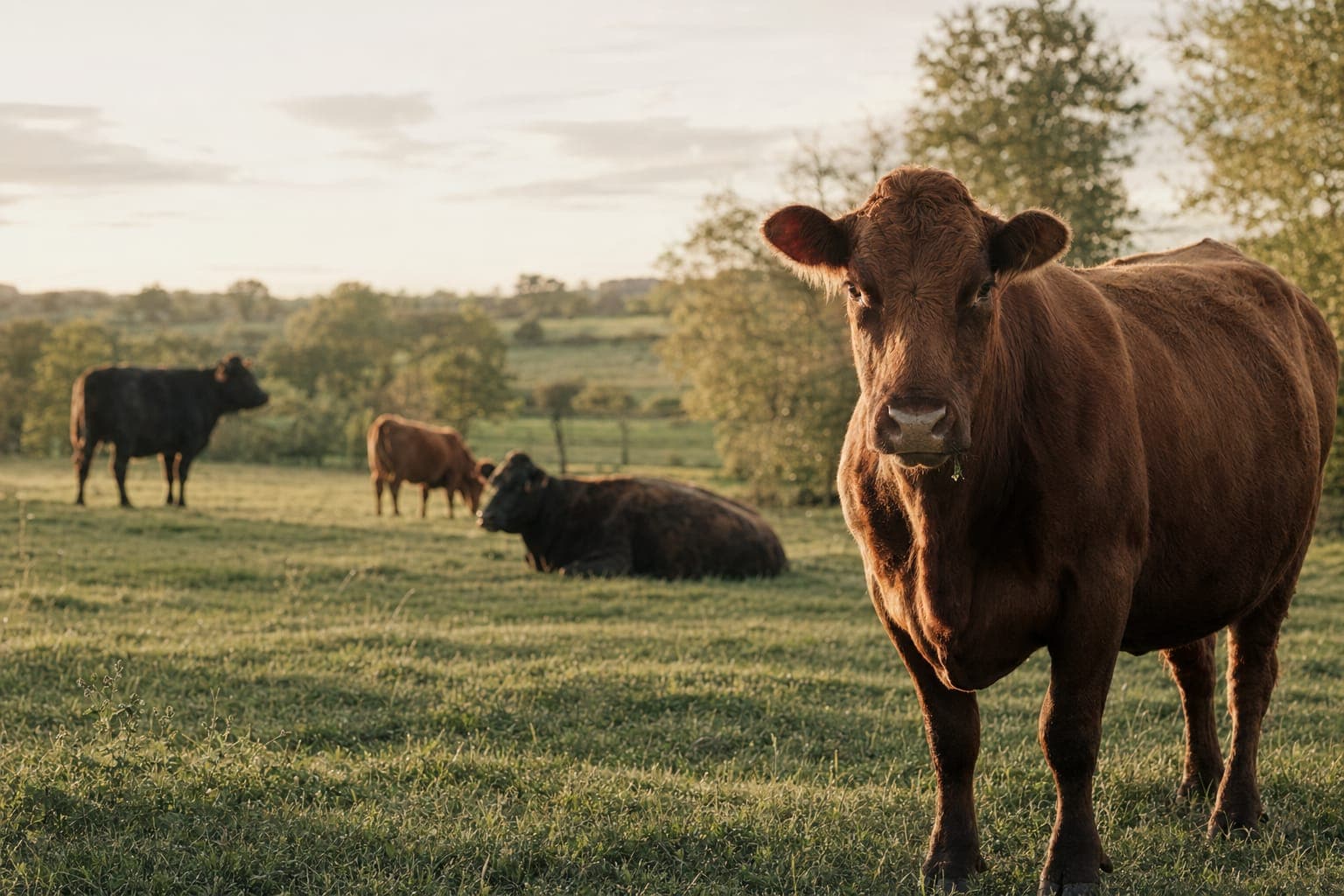
Grass-Fed vs Grass-Finished: Why the Distinction Matters
Grass-fed vs grass-finished beef is not the same. Learn what each term means, why most grass-fed cattle are grain-finished, and how it affects nutrients.
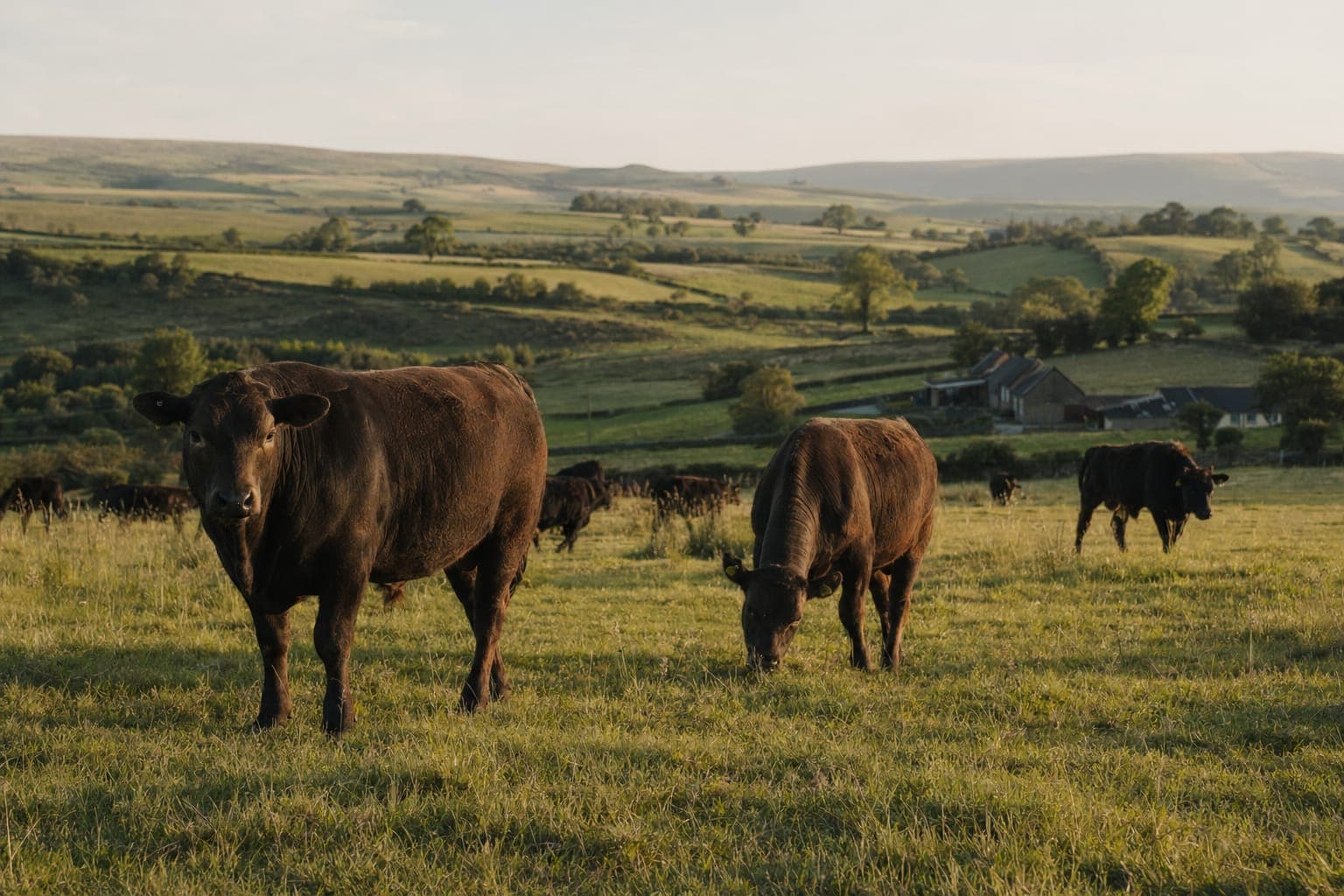
What 'Grass-Fed' Actually Means (And What It Doesn't)
Grass-fed has vague definitions. Some cattle are grass-fed then grain-finished. Learn UK vs US standards, Pasture for Life, and what labels actually promise.
Beef Sources & Quality
Hub
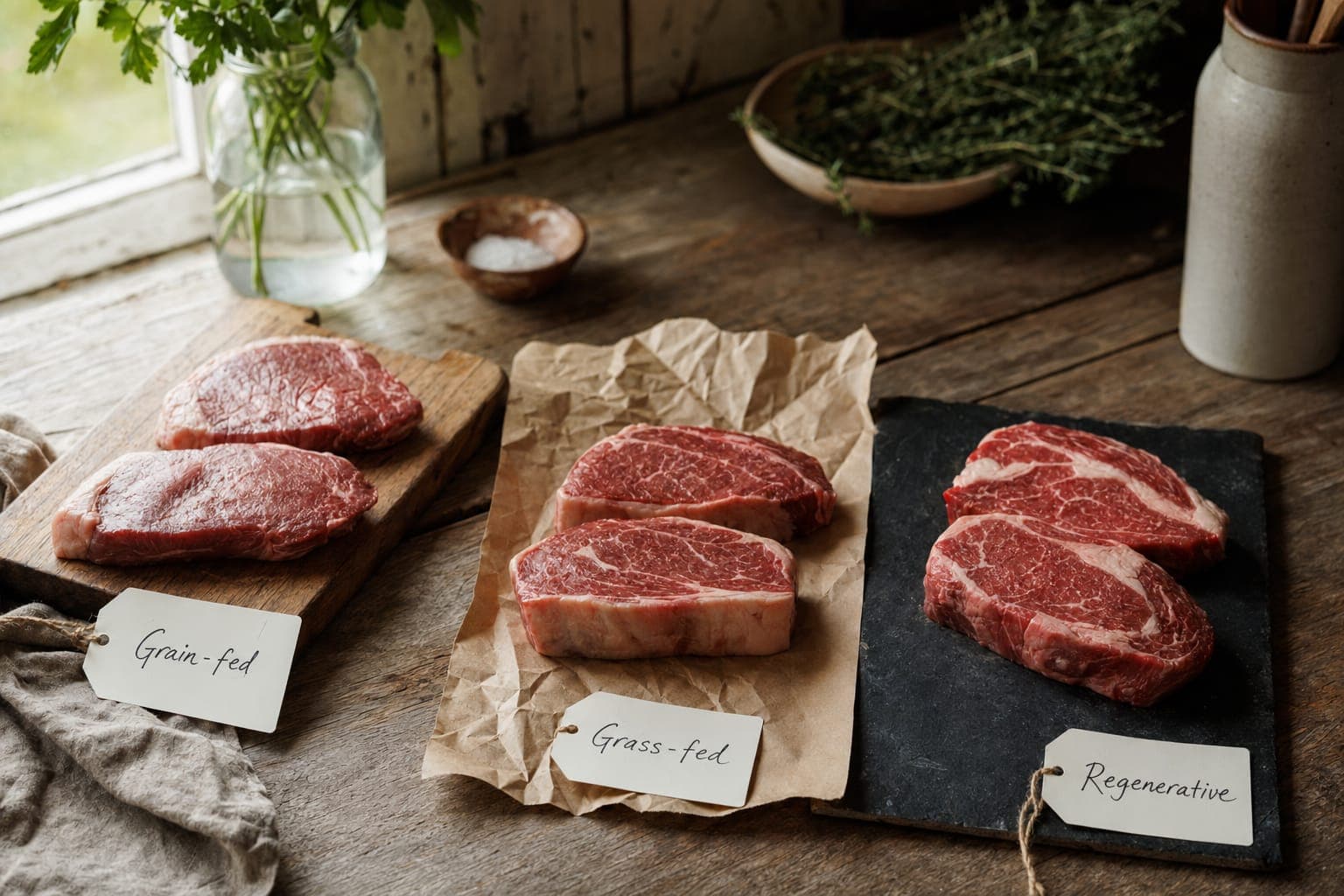
The Truth About Beef: Grain-Fed vs Grass-Fed vs Regenerative
Compare grass-fed vs grain-fed and regenerative beef on nutrition, welfare and environment. See how CLA, omega ratios and vitamins shift with how cattle live.
Is Grass-Fed Beef Worth It? What Reddit Actually Thinks
Reddit argues endlessly about grass-fed vs grain-fed beef. Here is the real consensus on taste, nutrition, price and whether it is worth it.
Freeze Drying
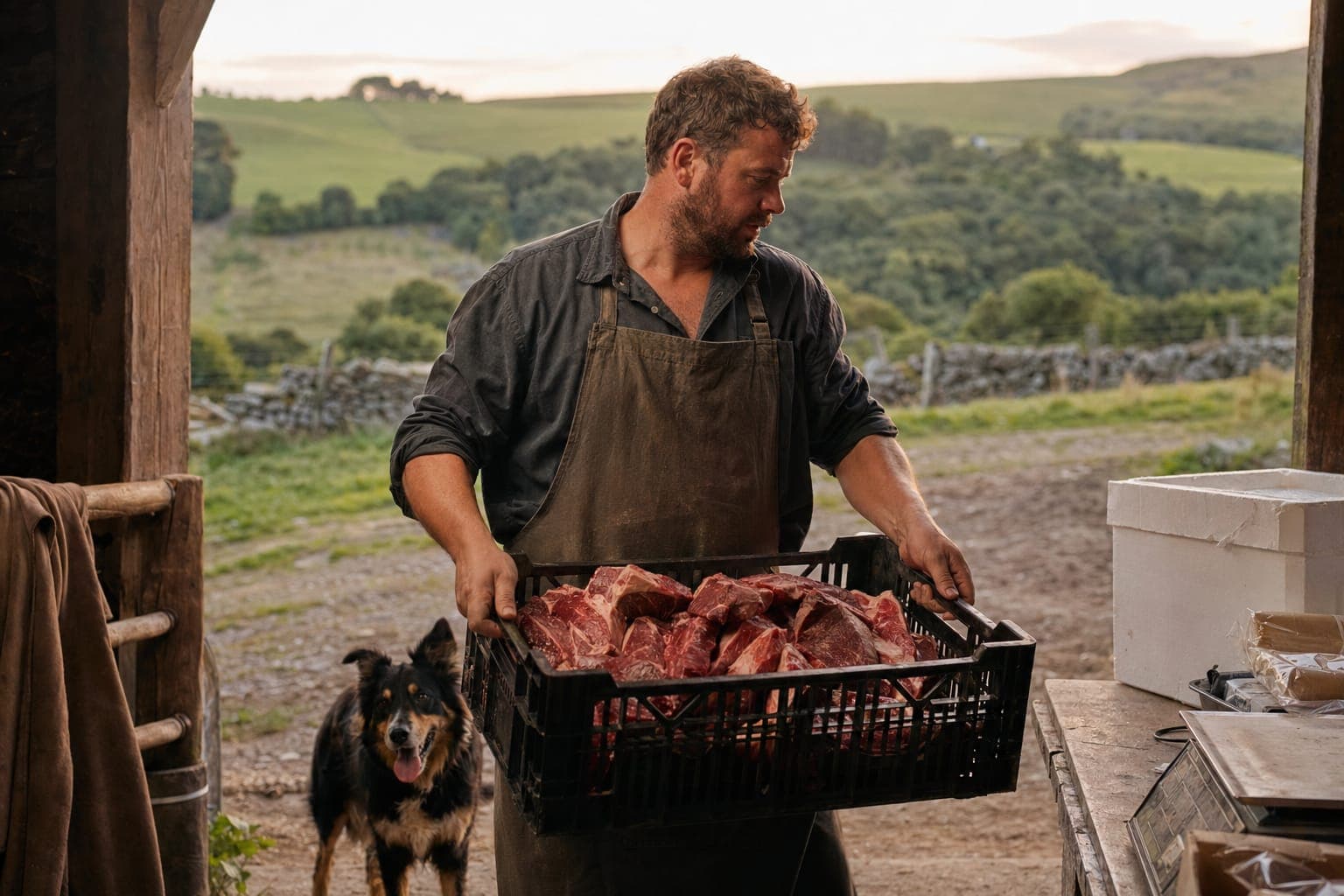
How Organised Is Made: From Farm to Pouch
See how Organised is made, from farm to pouch. We walk through sourcing, freezing, testing, and freeze-drying so you know exactly what you are eating.
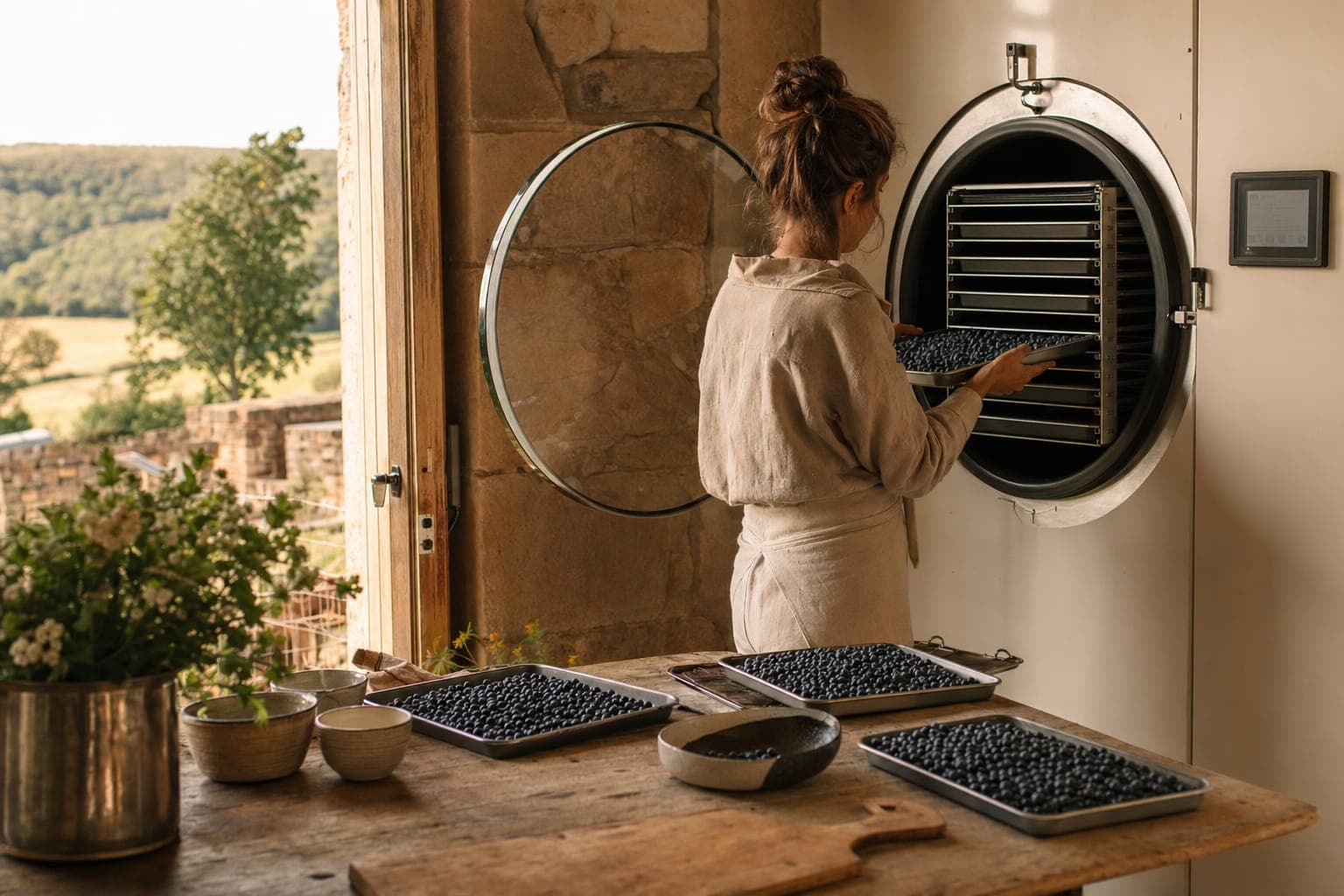
Why Freeze-Drying Preserves More Nutrients Than Other Methods
Learn why freeze-drying preserves vitamin and enzyme content better than spray-drying, heat-drying, or other processing methods used in supplements.
Label Decoding
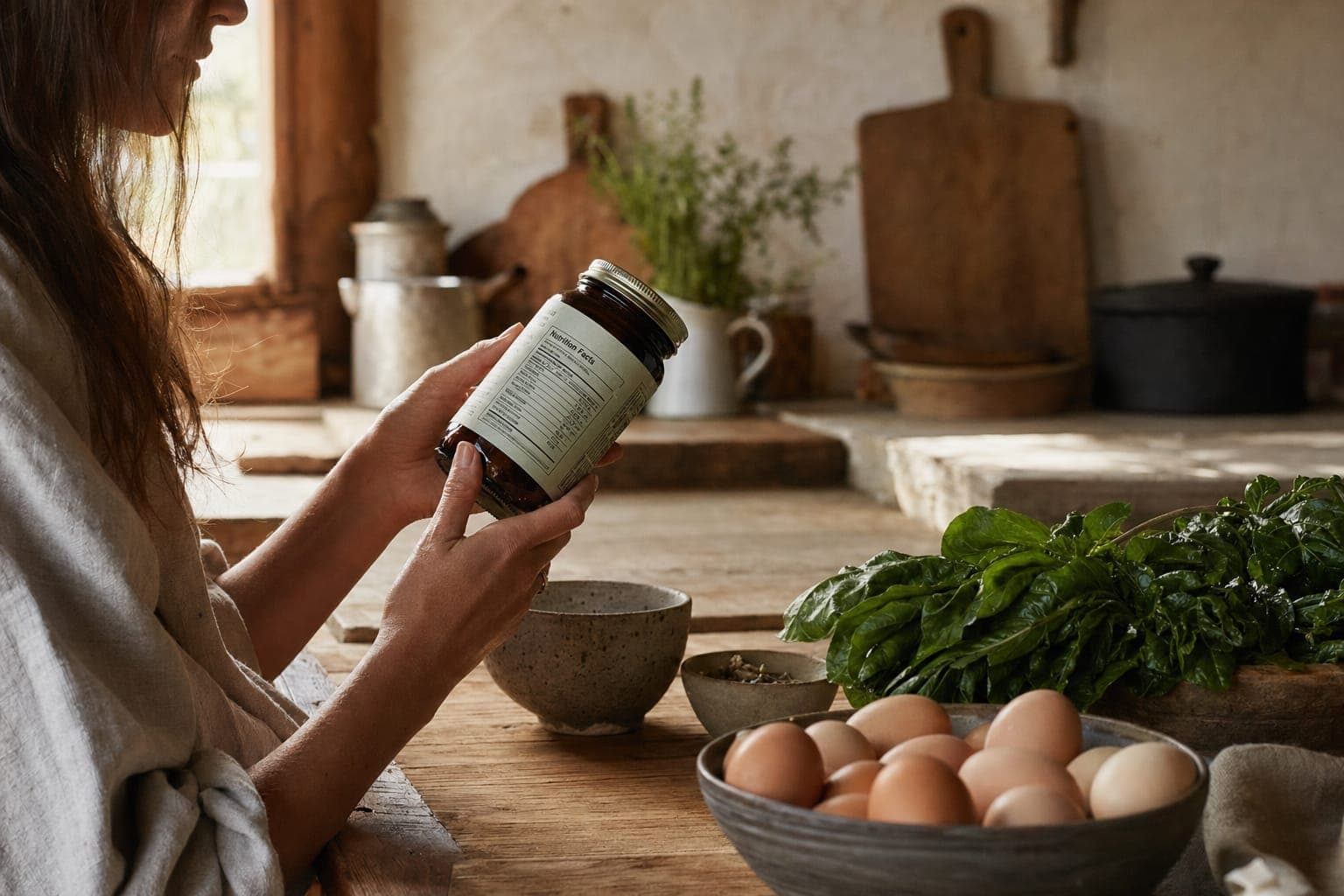
The Difference Between 'Natural' and 'Whole Food'
The terms 'natural' and 'whole food' mean very different things. Here's how to decode supplement labels and understand what you're actually buying.
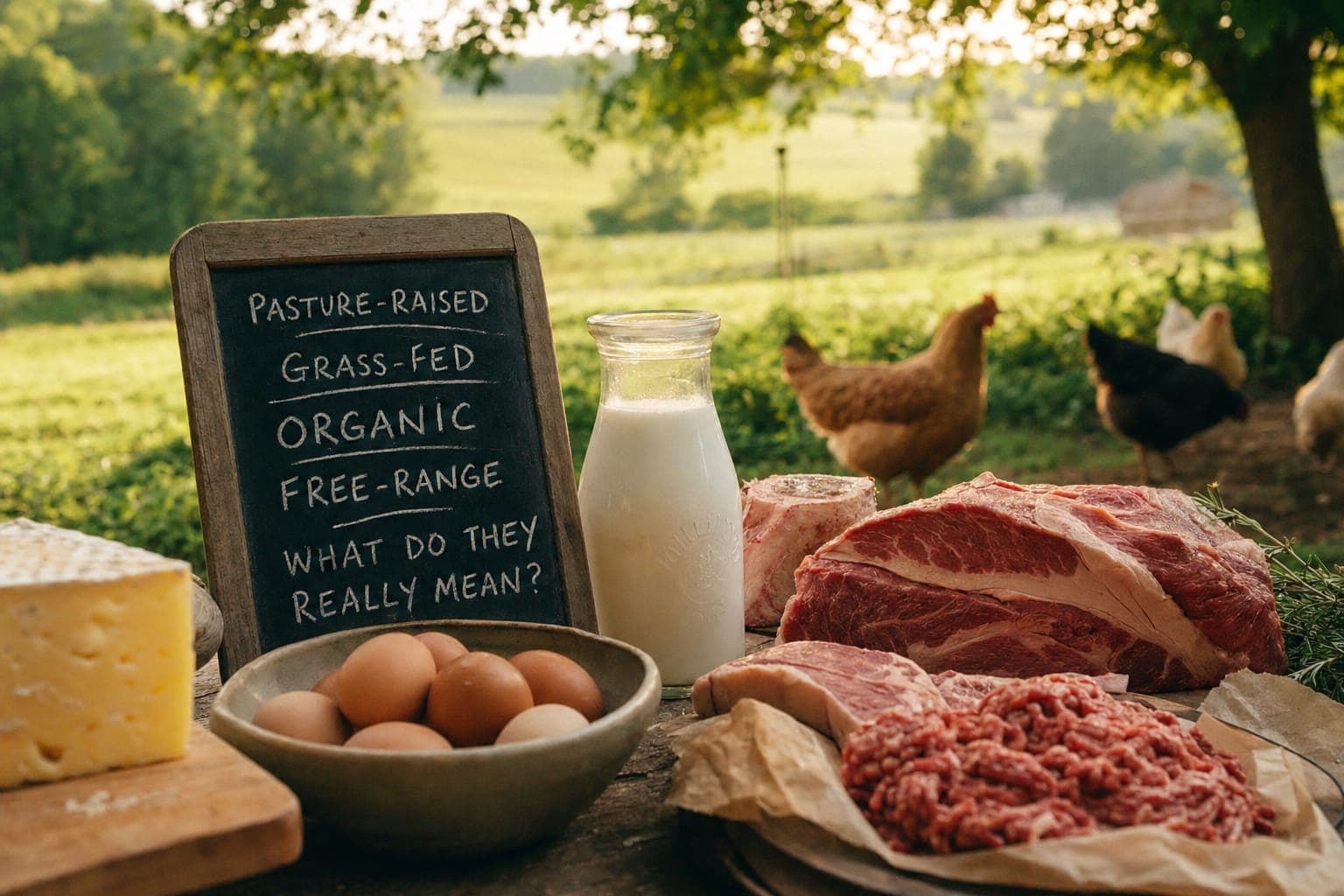
What the Labels Don't Tell You: Pasture-Raised, Grass-Fed and More
What pasture-raised, grass-fed, organic, and free-range actually mean. Find the real story behind the labels on your meat and dairy.
Nutritional Differences
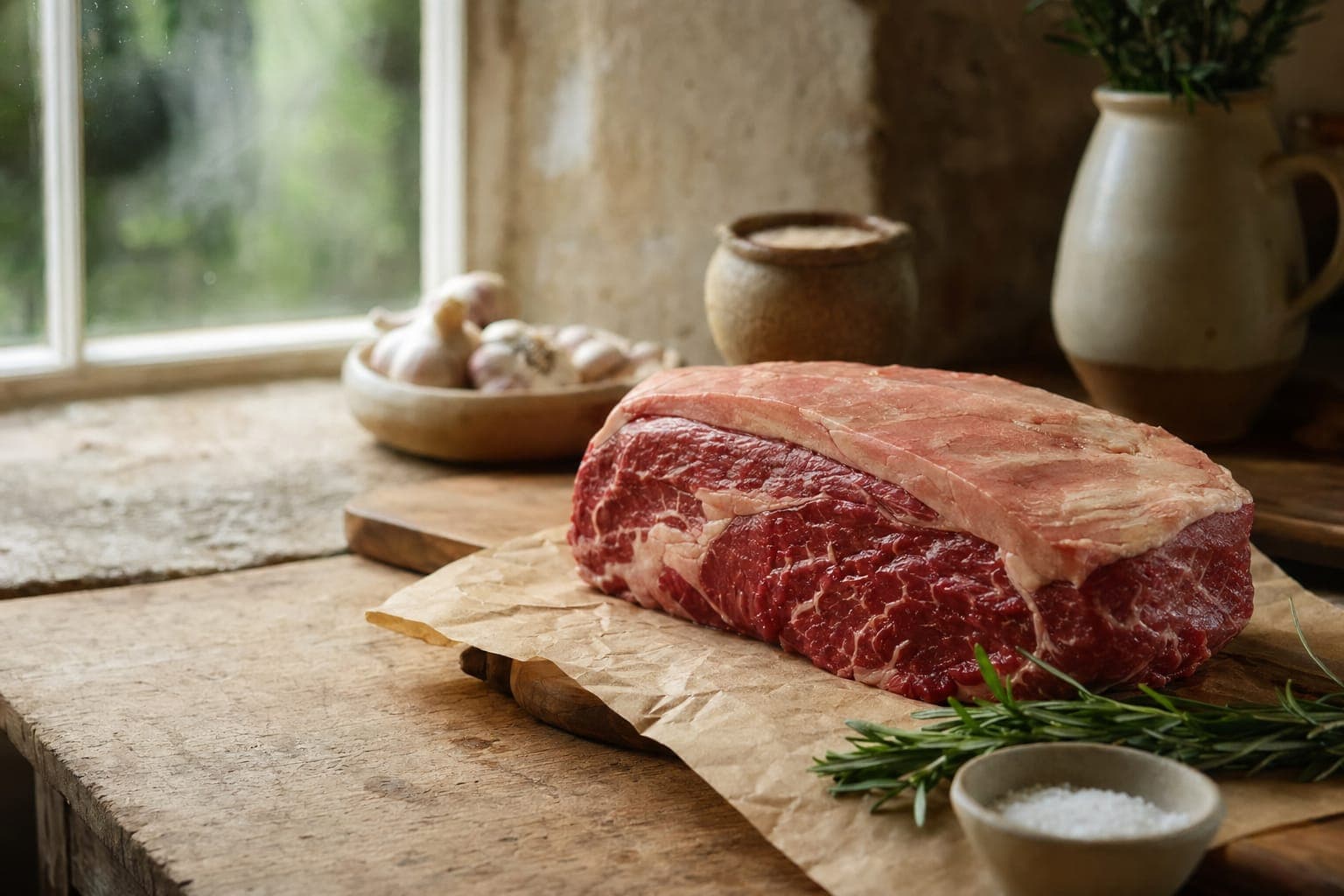
Omega-3 to Omega-6 Ratio: Why Grass-Fed Matters
Grass-fed beef has a 1:2 omega-3 to omega-6 ratio vs grain-fed's 1:15. This matters for inflammation, cardiovascular health, and metabolic resilience.
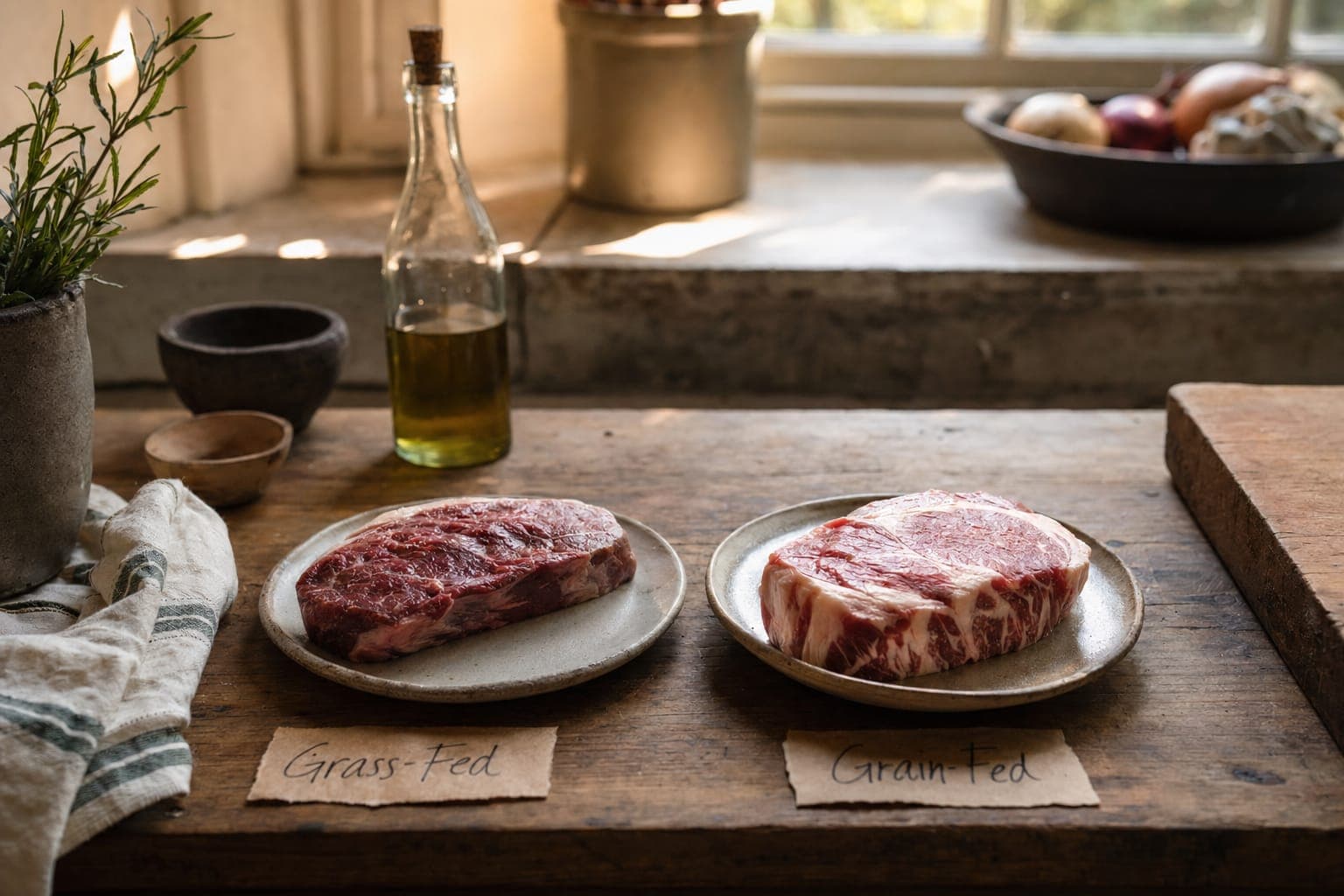
The Nutritional Difference Between Grass-Fed and Grain-Fed Beef
Grass-fed beef has 2-5x more CLA, 3x vitamin E, higher K2, and better omega-3 ratio. Here's the complete nutrient-by-nutrient comparison.
Regenerative Agriculture
Hub
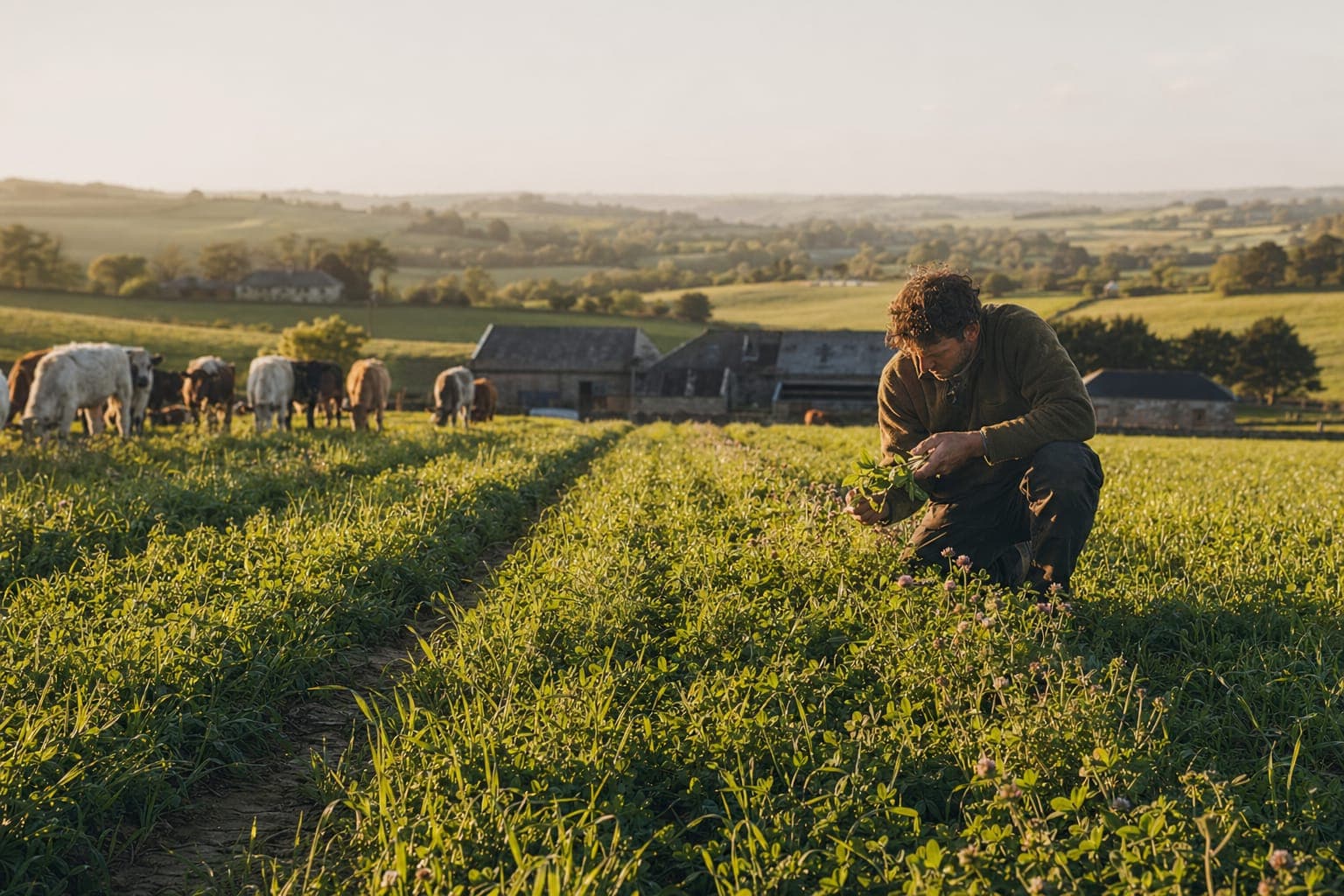
What Is Regenerative Agriculture? A Complete Guide
What is regenerative agriculture? Explore the five core principles, practices like cover crops and no-till, plus soil health and carbon, all explained simply.
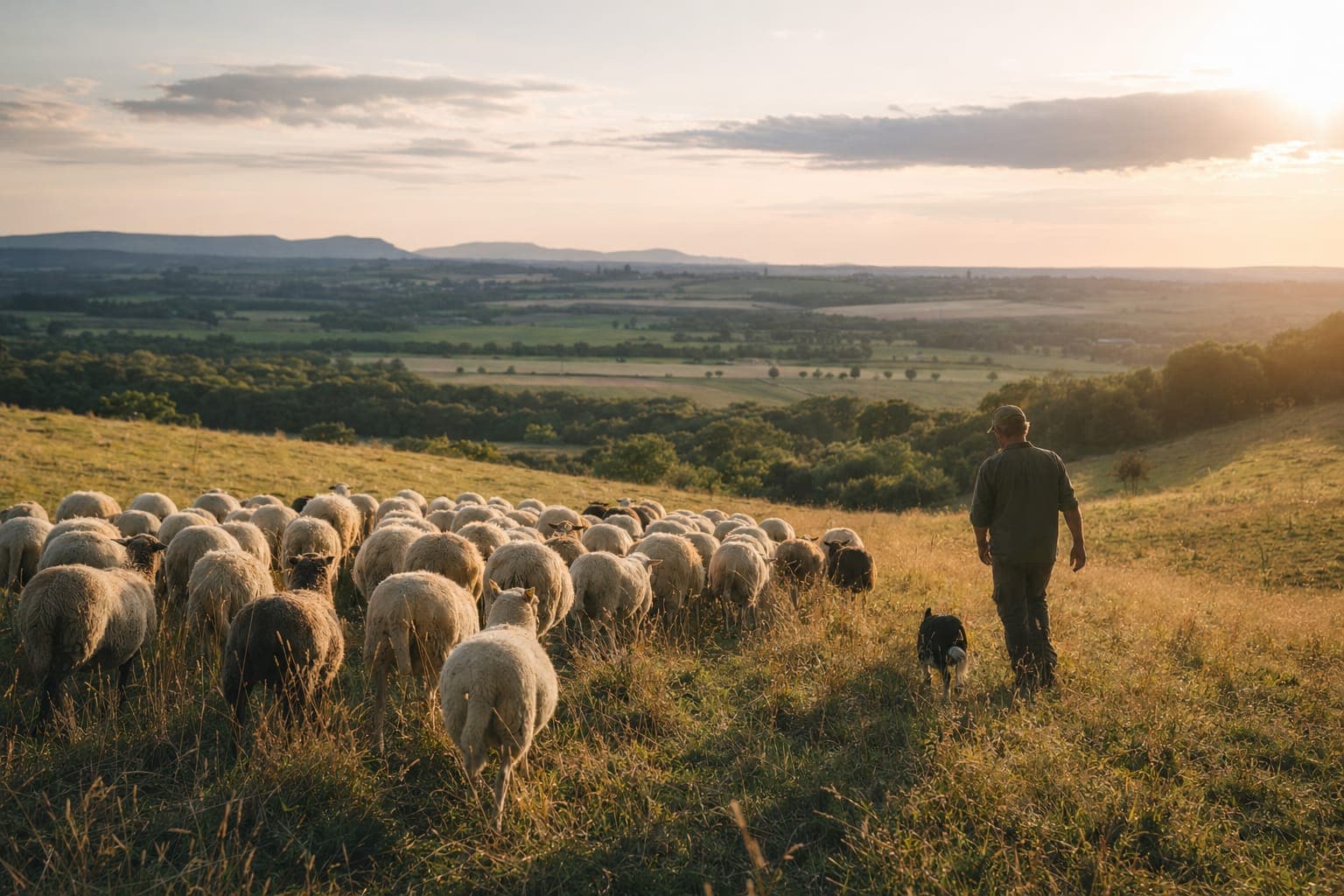
Can Regenerative Agriculture Feed the World?
Explores whether regenerative farming can scale to feed global populations. Examines yield data, Savory Institute research, and White Oak Pastures case study.
More guides
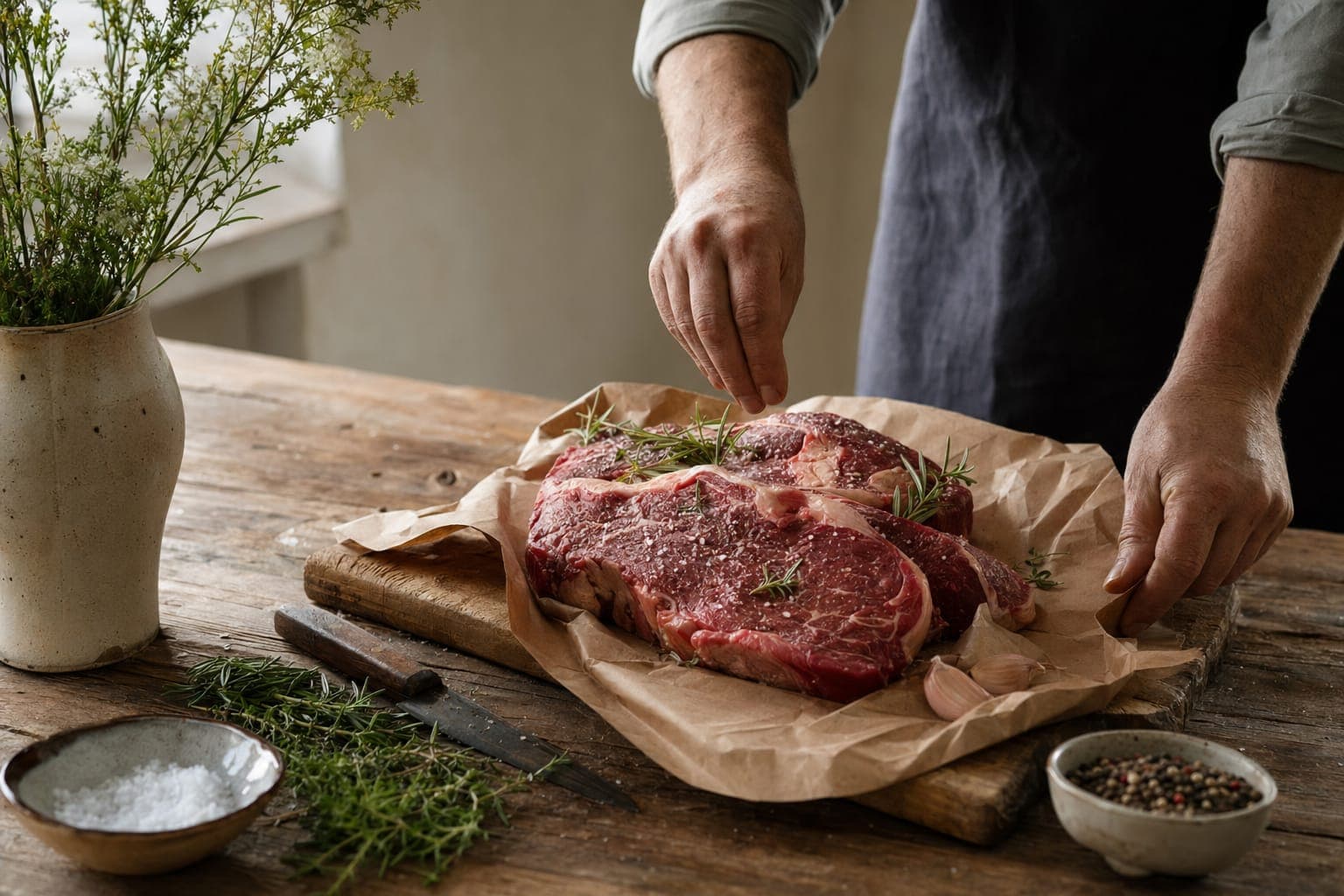
CLA in Grass-Fed Beef: What Is It and Why Does It Matter?
Conjugated linoleic acid (CLA) is a unique fat found in grass-fed beef. Here's what it is, why it matters, and how much you need.
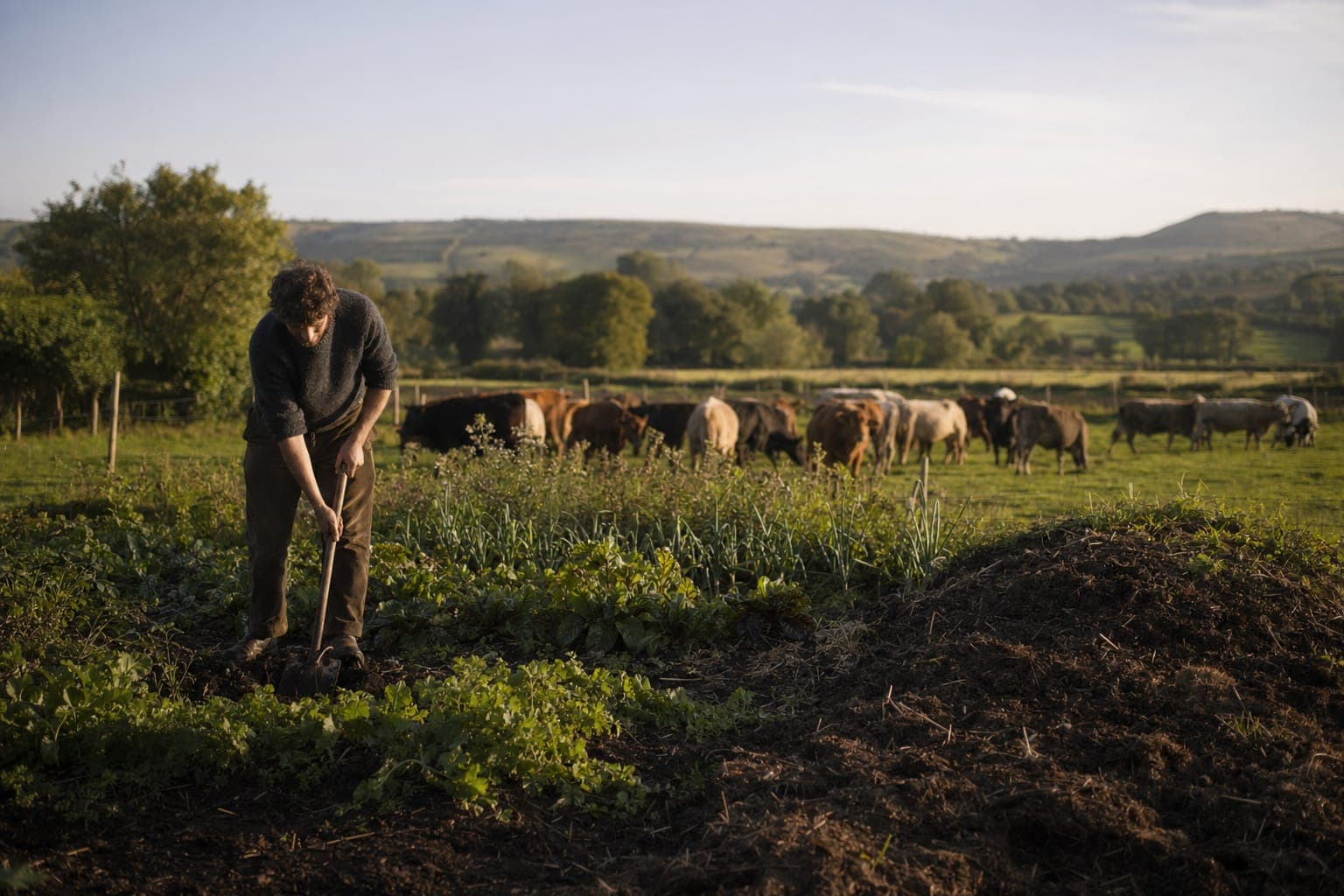
The Difference Between Organic and Regenerative Farming
Understand organic vs regenerative farming clearly. Organic excludes chemicals while regenerative rebuilds soil health. See where they overlap and differ.
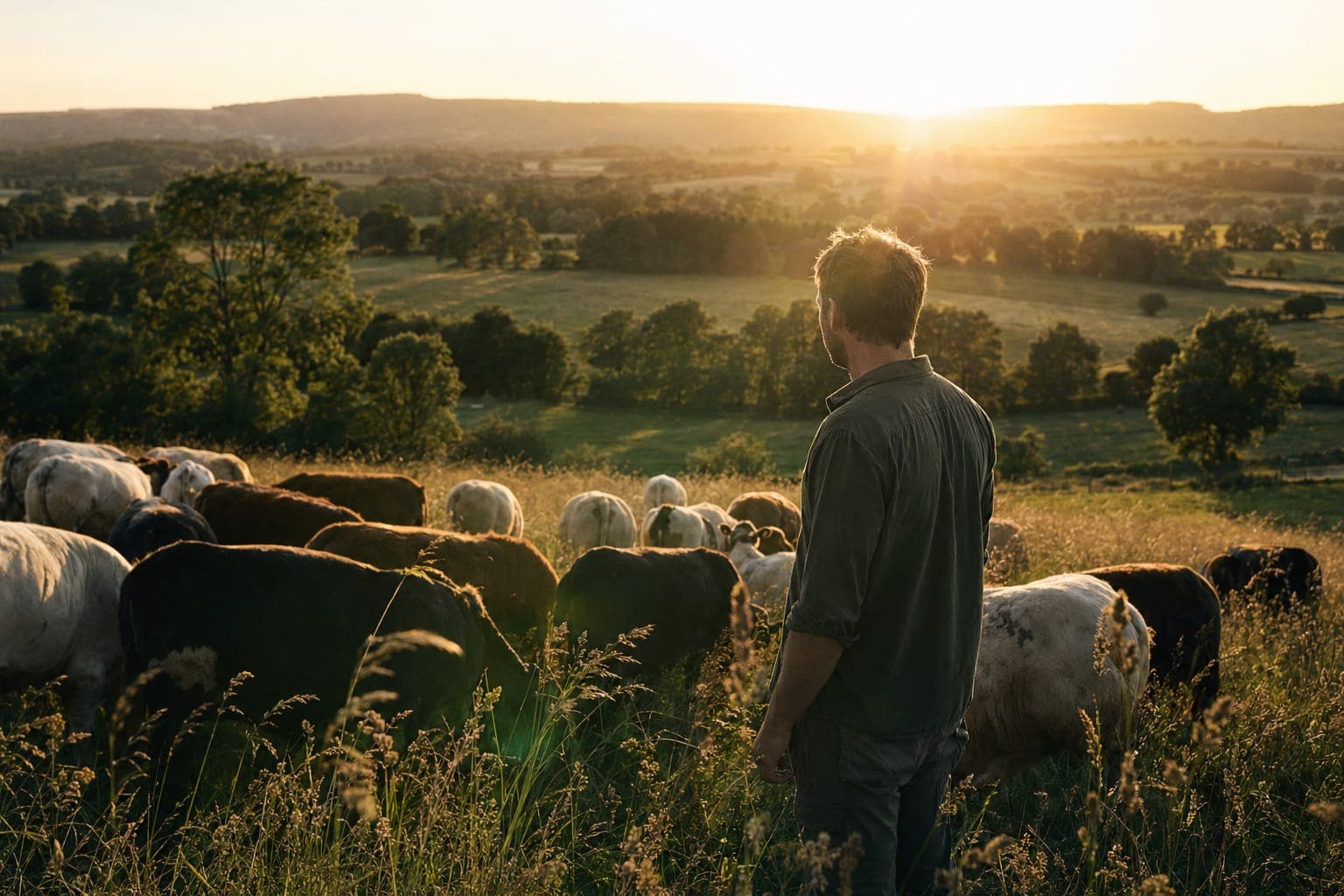
The Future of Food: Why Regenerative, Not Lab-Grown, Is the Answer
Lab-grown meat offers a technological fix. Regenerative farming offers a system overhaul. Here's why the latter actually matters.
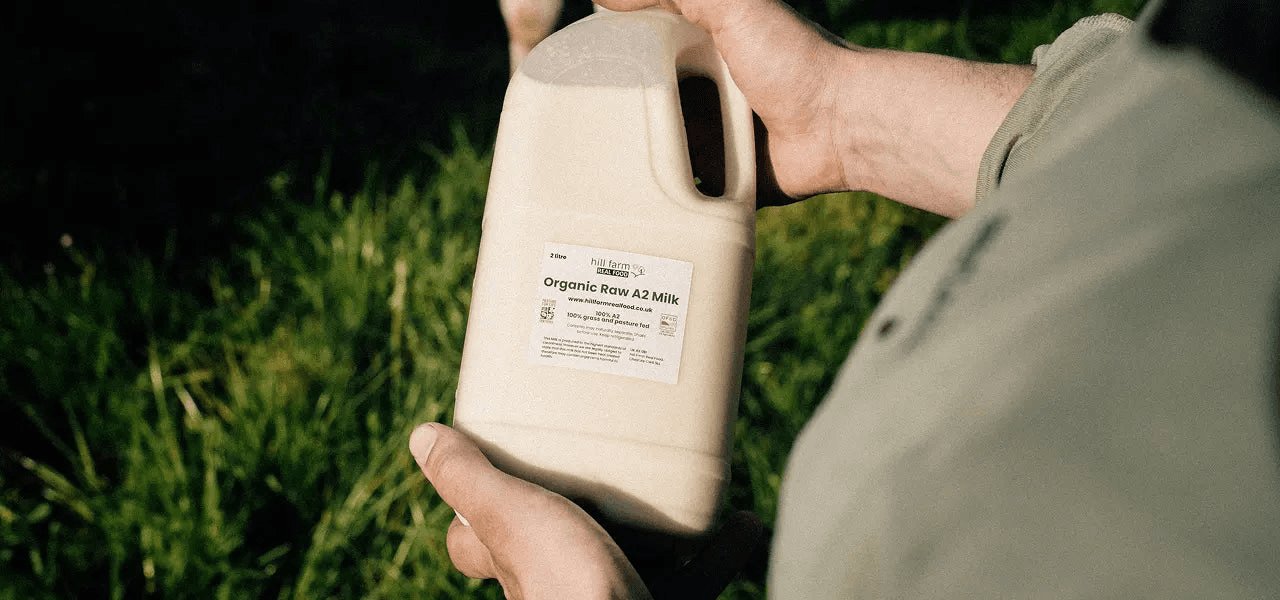
Where to Find Raw Milk: A Guide to Sourcing, Farms and Quality
Finding raw milk can feel like spotting a hidden door in the modern food system. Here is a practical guide to sourcing it, vetting farms and judging quality.