Soil Health: Why It Matters for Your Health Too
The carrot you eat is only as nutritious as the soil it was grown in. Modern agriculture has been systematically depleting that soil for seventy years. And your body is experiencing the consequences.
By Niall Kiddle, Founder, Organised

Reviewed by Pedro Rodrigues, Agronomist (farming and sourcing only) ·
6 min read · Published · Updated · 3 cited sources
Makers of the Organised Daily blend, a grass-fed beef organ supplement from regenerative UK farms
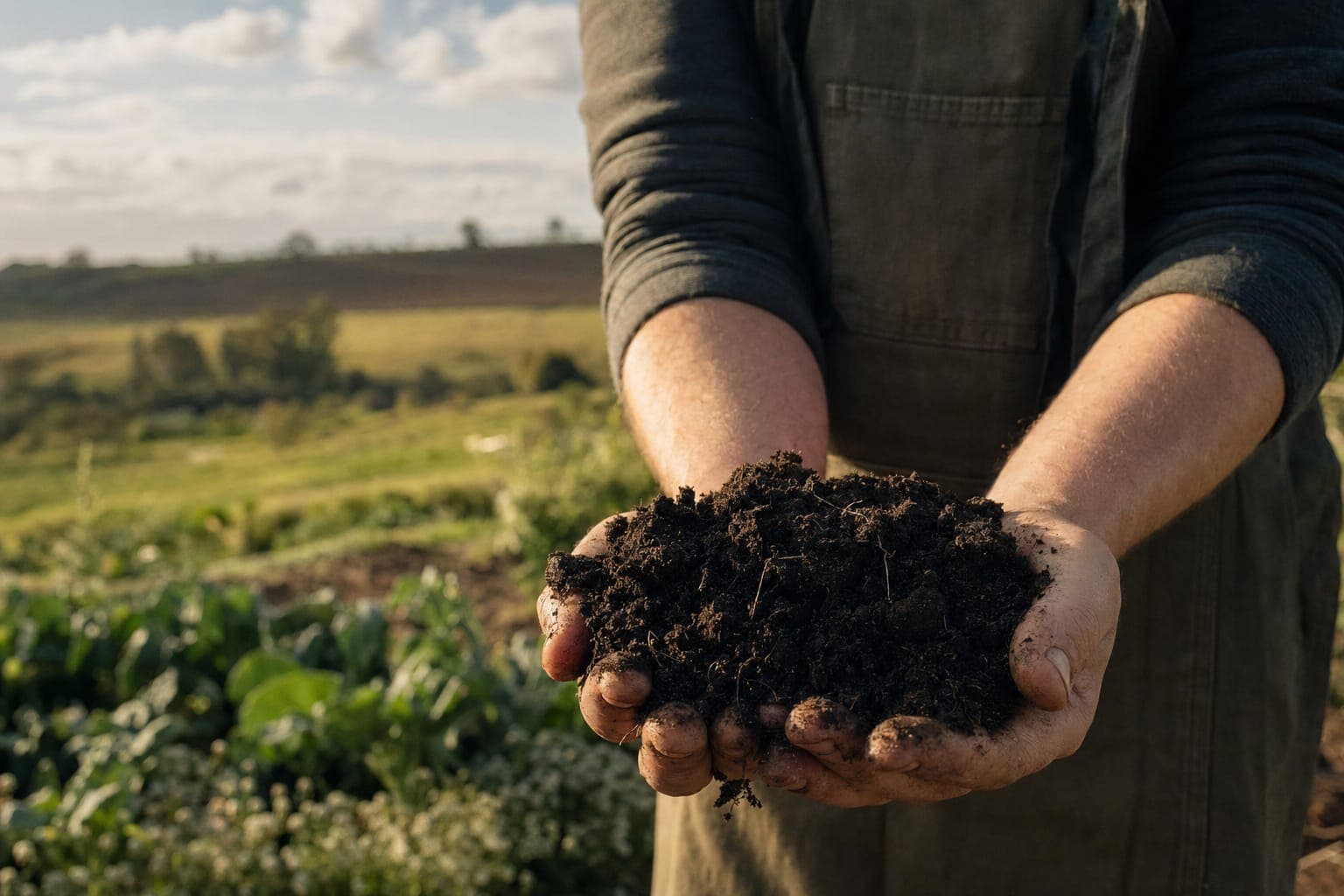
You can eat the exact same food that your grandmother ate, in the same quantities, and get a fraction of the minerals. Not because the food has changed shape. But because the soil that produced it is fundamentally different.
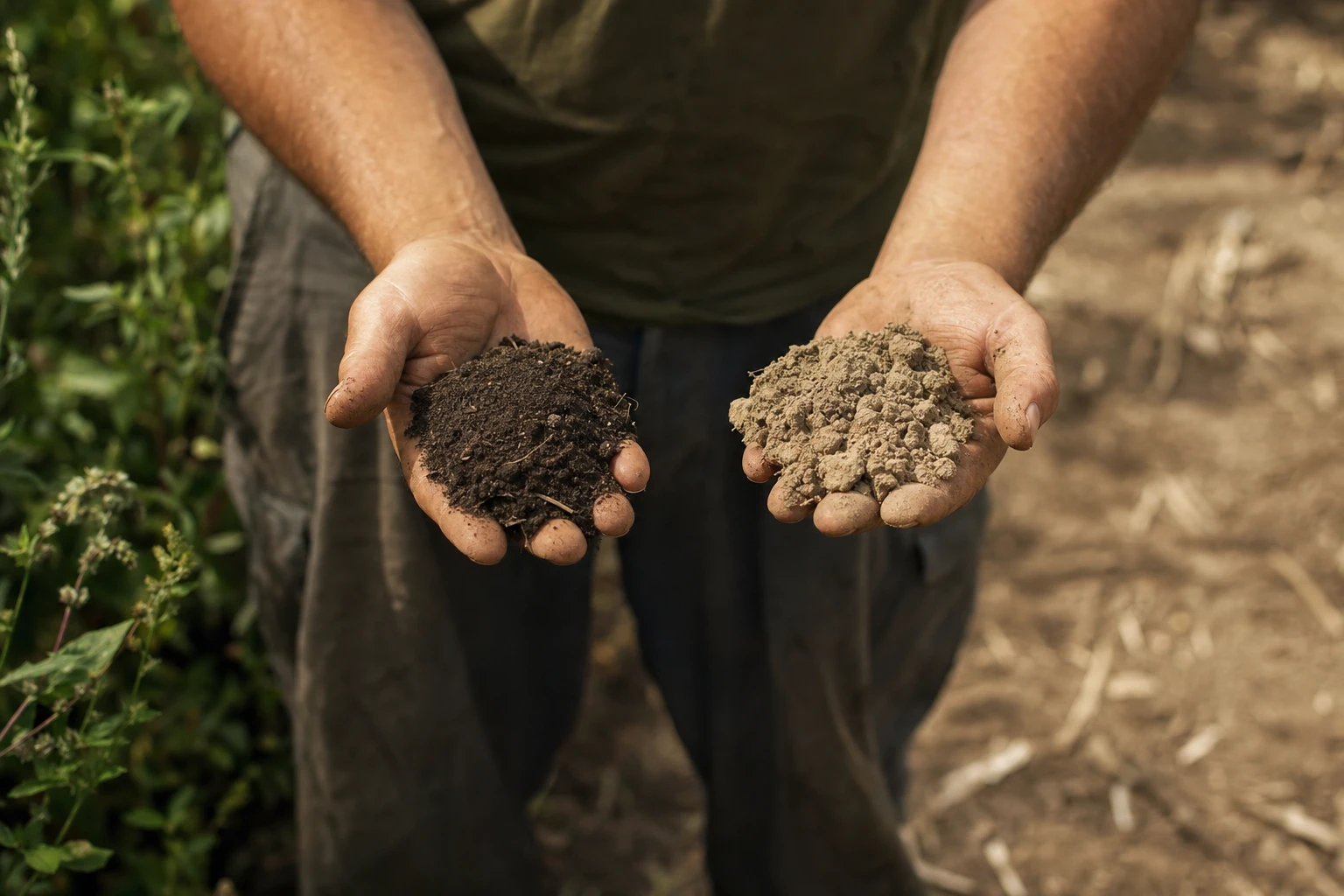
Soil is not inert
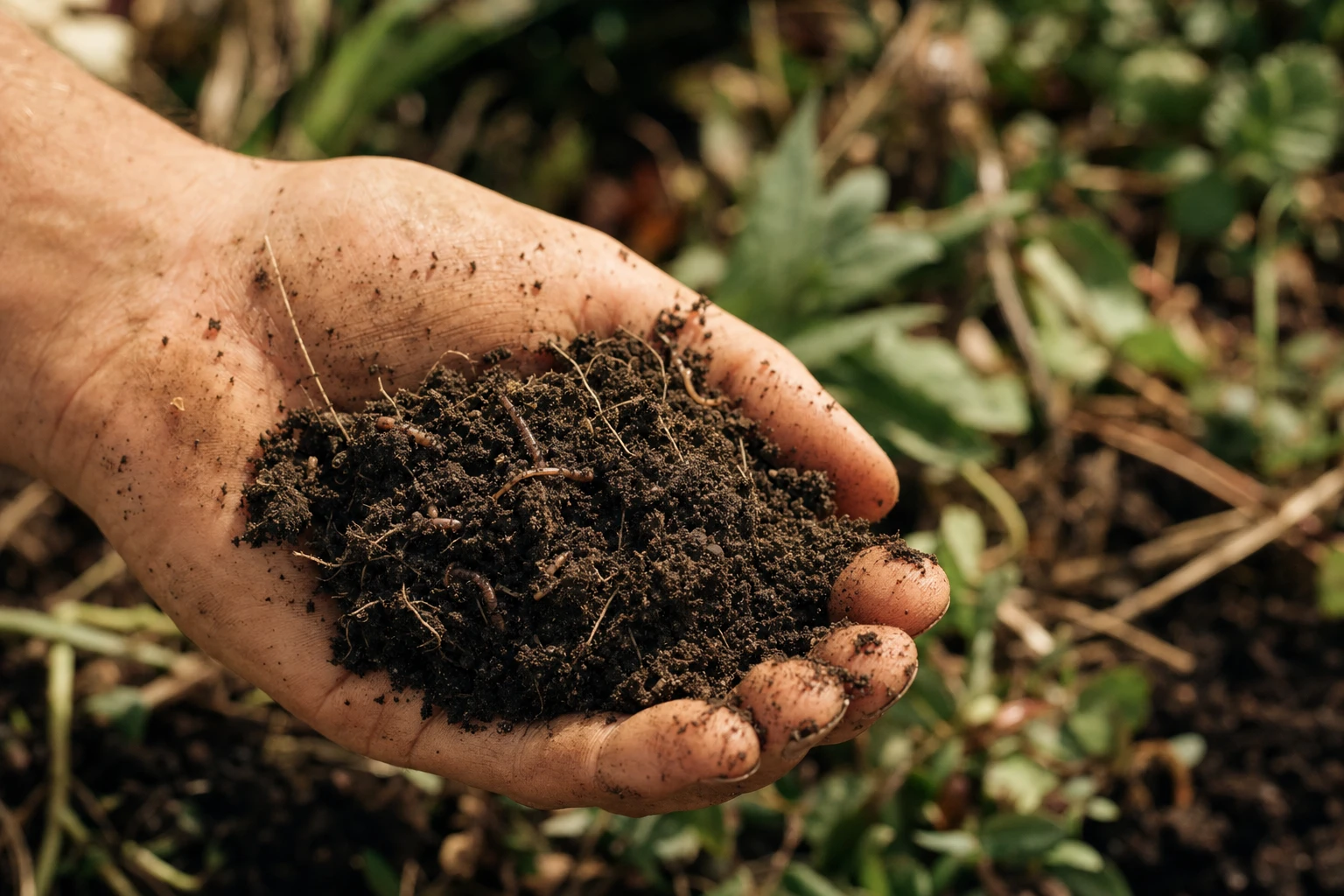
Soil is a living ecosystem. It's not a growth medium. It's a complex community of microorganisms, fungi, bacteria, protozoa, and nematodes. A single gram of healthy soil can contain billions of microbial cells representing thousands of species.1
These organisms do specific work. Bacteria break down organic matter and release minerals into a form plants can absorb. Mycorrhizal fungi form symbiotic relationships with most plant roots, extending the effective root surface area and improving access to phosphorus and other minerals.3 Earthworms churn organic material and aerate the soil. Everything has a function.
Modern industrial agriculture has systematically destroyed this ecosystem. Chemical fertilisers kill the organisms that make minerals available. Pesticides kill the bacteria that break down organic matter. Monoculture and mono-season cropping starve the soil of the organic material that feeds the microbial community. The result is dead soil that plants have to be artificially fed through chemical inputs.
A plant growing in dead soil can absorb only what you spray on it. It cannot access deep minerals because the fungi that normally do that work are gone. It cannot process organic matter because the bacteria are dead. It's a shallow, brittle system dependent on constant chemical inputs.
Healthy soil is alive. Industrial soil is a growing medium. The difference reaches every carrot, every potato, every lettuce leaf, and ultimately, every person who eats them.
How minerals end up in food
Plants are mineral accumulators. They pull minerals from the soil and concentrate them into edible parts. A plant growing in mineral-rich soil will be mineral-rich. A plant in mineral-poor soil will be mineral-poor, no matter how much water it gets or how bright the sunshine.
The plant doesn't manufacture minerals. It can't create magnesium from photosynthesis. It can only move what's already in the soil into its tissues. If the soil is depleted, the plant is depleted.
The mechanism is straightforward. Soil minerals exist in forms plants cannot directly use. Bacterial activity, fungal networks, and chemical weathering convert those minerals into soluble forms. Plant roots absorb them. The minerals concentrate in the leaves, fruits, and seeds.
In healthy soil, this process is robust. A plant can access a wide spectrum of minerals even in low-nutrient conditions because the soil microbiology is working to make them available. In dead soil, the plant can only access what happens to be soluble from chemical fertiliser applications.
Add to that the fact that industrial agriculture prioritises growth rate and yield over nutrient density. A carrot bred to grow fast might grow weak in mineral accumulation. A carrot bred for size might be less nutrient-dense than a smaller heirloom variety. And the depleted soil ensures the plant never reaches optimal density anyway.
Seven decades of depletion
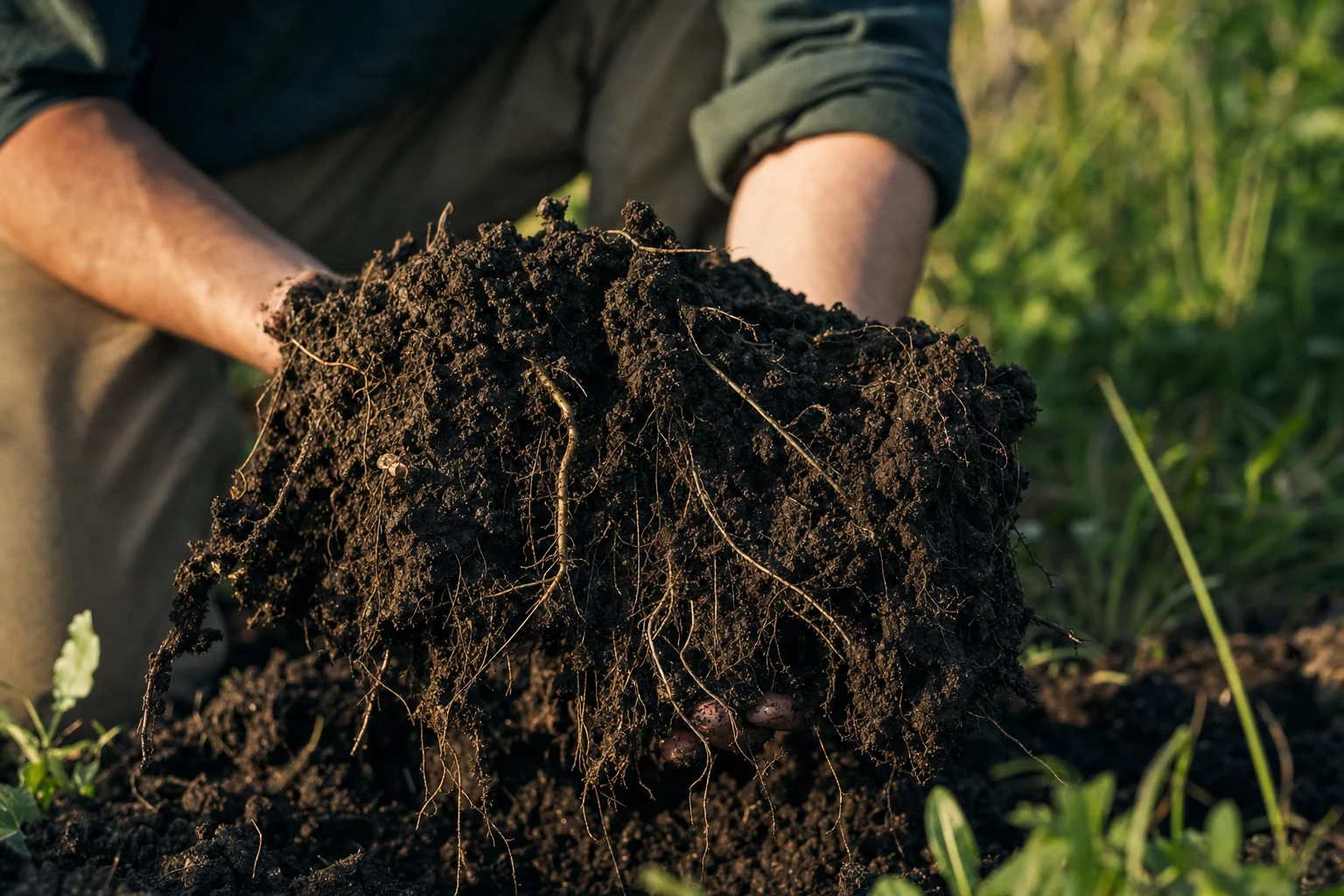
The US government conducts mineral analysis on crops dating back to the 1930s. Davis 2004 and follow-up analyses of USDA composition data have reported declines in several minerals in selected fruits and vegetables over the past 50-70 years, though specific percentages vary by crop and reference period.2
Those aren't estimates. Those are documented measurements from the same USDA datasets. The nutritional profile of a tomato has genuinely declined over the span of a human lifetime.
This is almost entirely due to soil depletion. Seventy years of synthetic fertiliser use, monoculture cropping, and the destruction of soil biology has left agricultural soils across the developed world nutritionally hollow. Farmers have been compensating by adding more chemical fertiliser. But that cannot replace the mineral diversity of healthy soil.
The depletion is worse in some regions than others. Industrial monoculture areas have the most severe mineral loss. Regenerative or organic farms maintaining soil biology show considerably less decline. And truly regenerative farms, with rotational grazing and diversity and years of organic matter rebuilding, are often seeing mineral recovery.
This is why regenerative farming is not about virtue. It's about basic nutrition. A carrot from regenerative soil is measurably more mineral-dense than a carrot from depleted soil. You're not paying more for a feeling. You're paying for actual calories and mineral density.
Your minerals come from soil. Industrial soil is starving. So are industrial crops. So is anyone eating them.
Get farming and sourcing guides, free
Two short reads a week on regenerative farming and where real food comes from.
By signing up you agree to receive emails from us. No spam, unsubscribe anytime.
What deficiency actually looks like
Chronic mineral deficiency doesn't announce itself. It accumulates slowly. Low magnesium doesn't cause a dramatic symptom. It causes muscle tension, sleep disruption, a subtle sense of anxiety. Low iron causes fatigue that you've learned to live with. Low zinc causes dulled taste and slow wound healing you assume is normal.
These symptoms are so common in modern populations that they've become normalised. You're told you're stressed, you're not sleeping enough, you're getting older. The actual mineralnutritional underfuelling is invisible because it's so widespread.
Blood tests won't catch it. Standard nutrient testing looks at severe deficiency, the kind that causes obvious disease. Subclinical deficiency, the state where your tissues are low in a nutrient but you don't technically have a defined disease, is essentially invisible in mainstream medicine.
But it's where most chronic disease begins. Magnesium deficiency underfunds hundreds of enzymatic reactions. Iron deficiency starves your energy production. Zinc deficiency compromises immune function. B vitamins, selenium, copper, manganese. The list of minerals depleted in industrial crops is the same list your body most desperately needs.
The irony is that you can eat continuously and still be undernourished if the food you're eating is mineral-poor. You feel full. You're not experiencing starvation symptoms. But your cells are running on reserve generators.
The microbial bridge
The bacterial communities in your gut are partly shaped by the bacterial communities in the soil of your food. Healthy soil microbes reach your digestive system and influence your microbial ecology. They're part of the information your body receives about food quality.
This is speculative territory, but the research direction is interesting. Soil microbes in food signal to your gut that the food is from diverse, healthy ecology. They may prime your immune system differently than food from depleted soil. They may help your body more efficiently absorb the minerals that are present.
What's not speculative is that industrial food, grown in depleted soil and stripped of microbial diversity, arrives in your gut as almost pure macronutrients and calories, with minimal mineral density and minimal microbial signalling. Your body has to work harder to extract nutrition, and it has less to extract from.
A vegetable from healthy soil arrives with a richer microbial profile, more minerals, more micronutrient cofactors. Your digestion recognises the signal. Your absorption is more efficient. The difference isn't just about minerals. It's about the information your body receives about what it's consuming.
The minerals in food are the conversation between soil and body. Depleted soil means a broken conversation.


1 of 9
Daily blend
100,000+ thriving families4.9 on Trustpilot
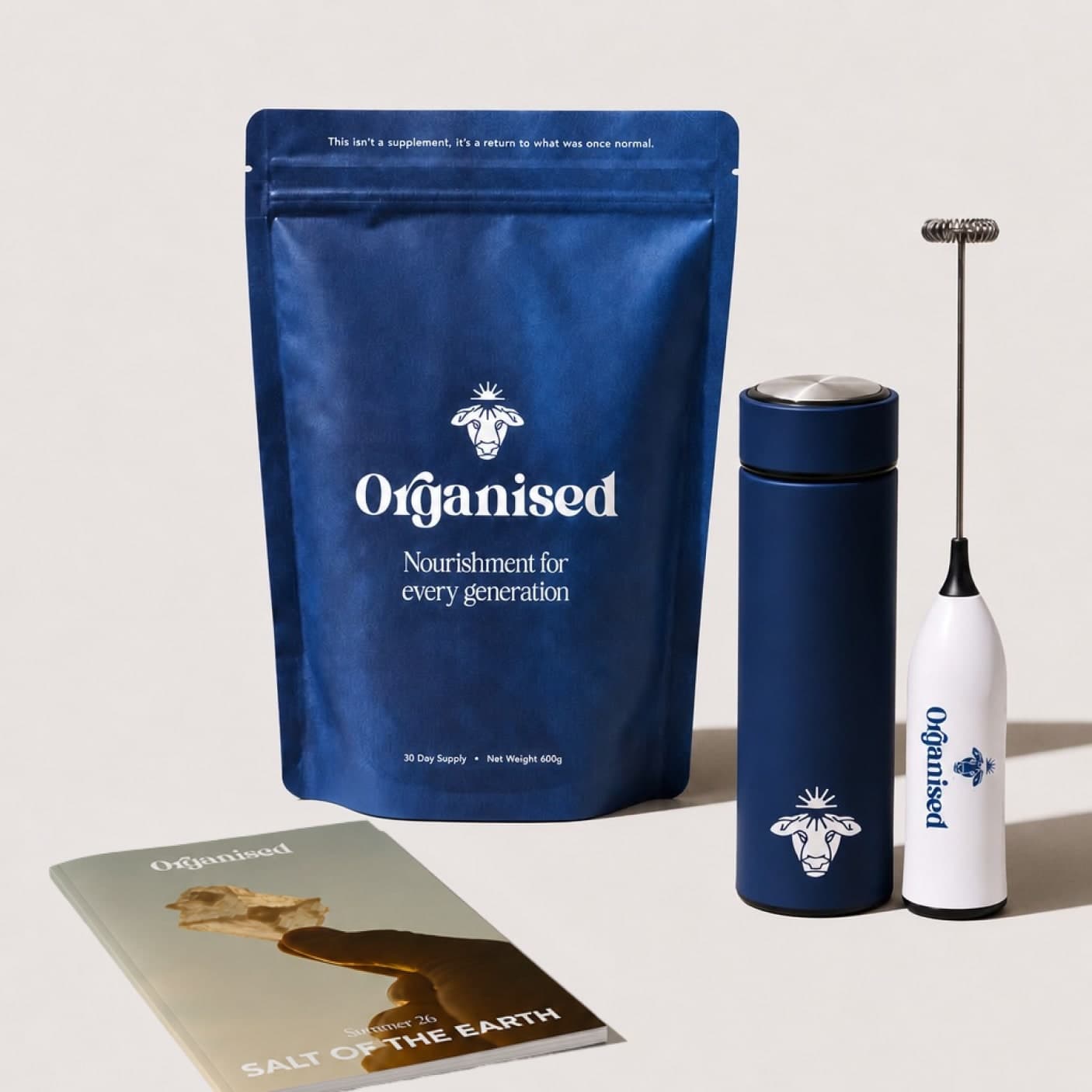
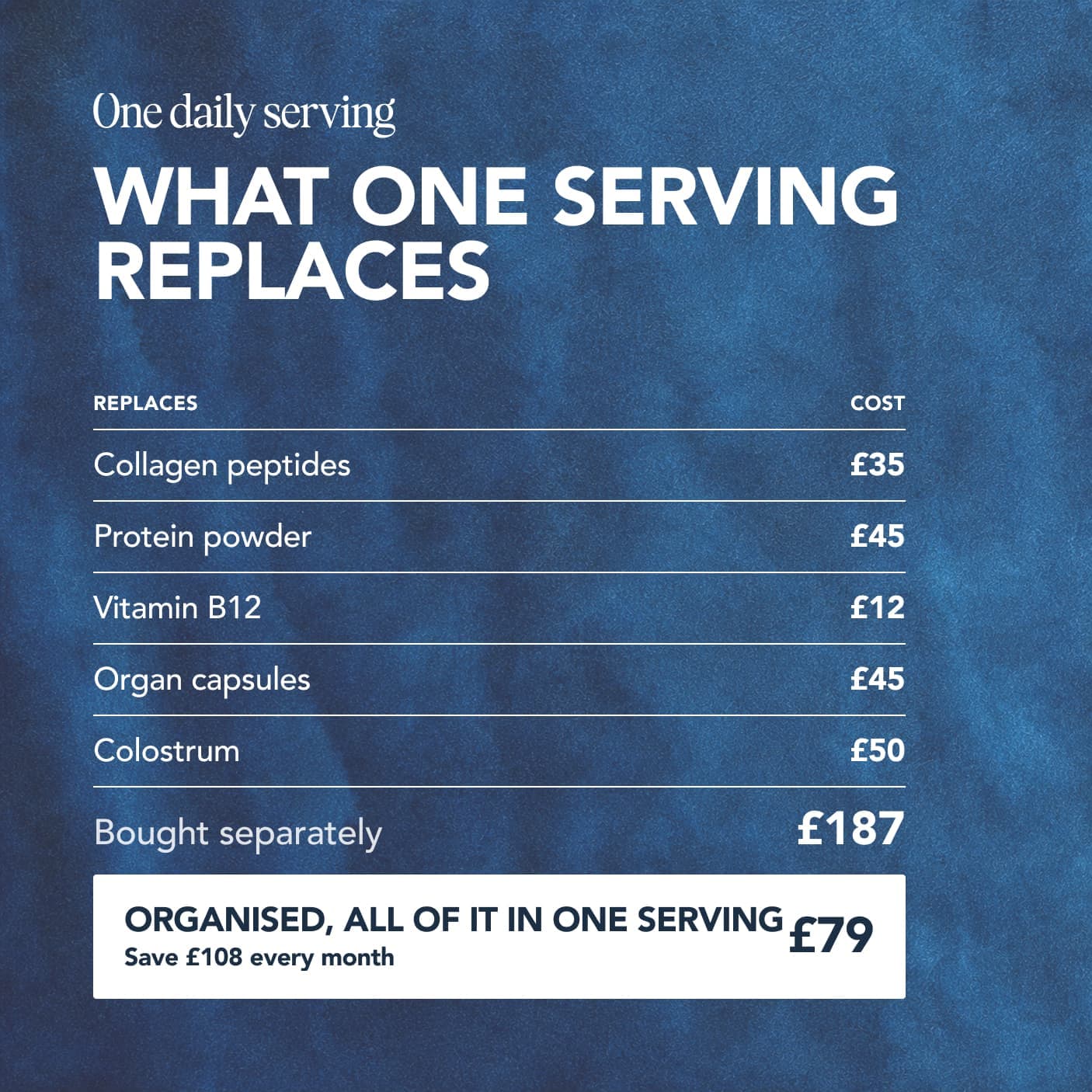
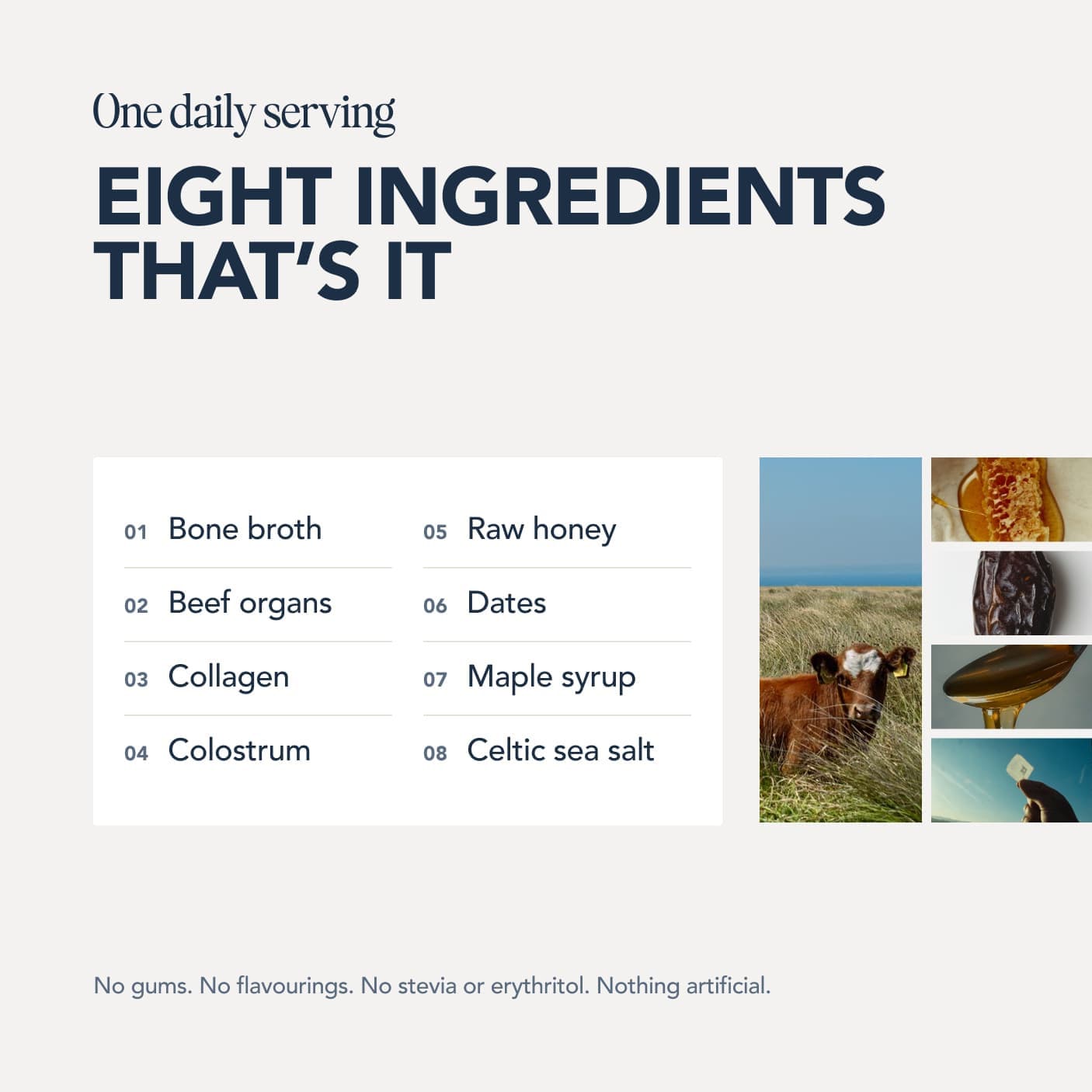
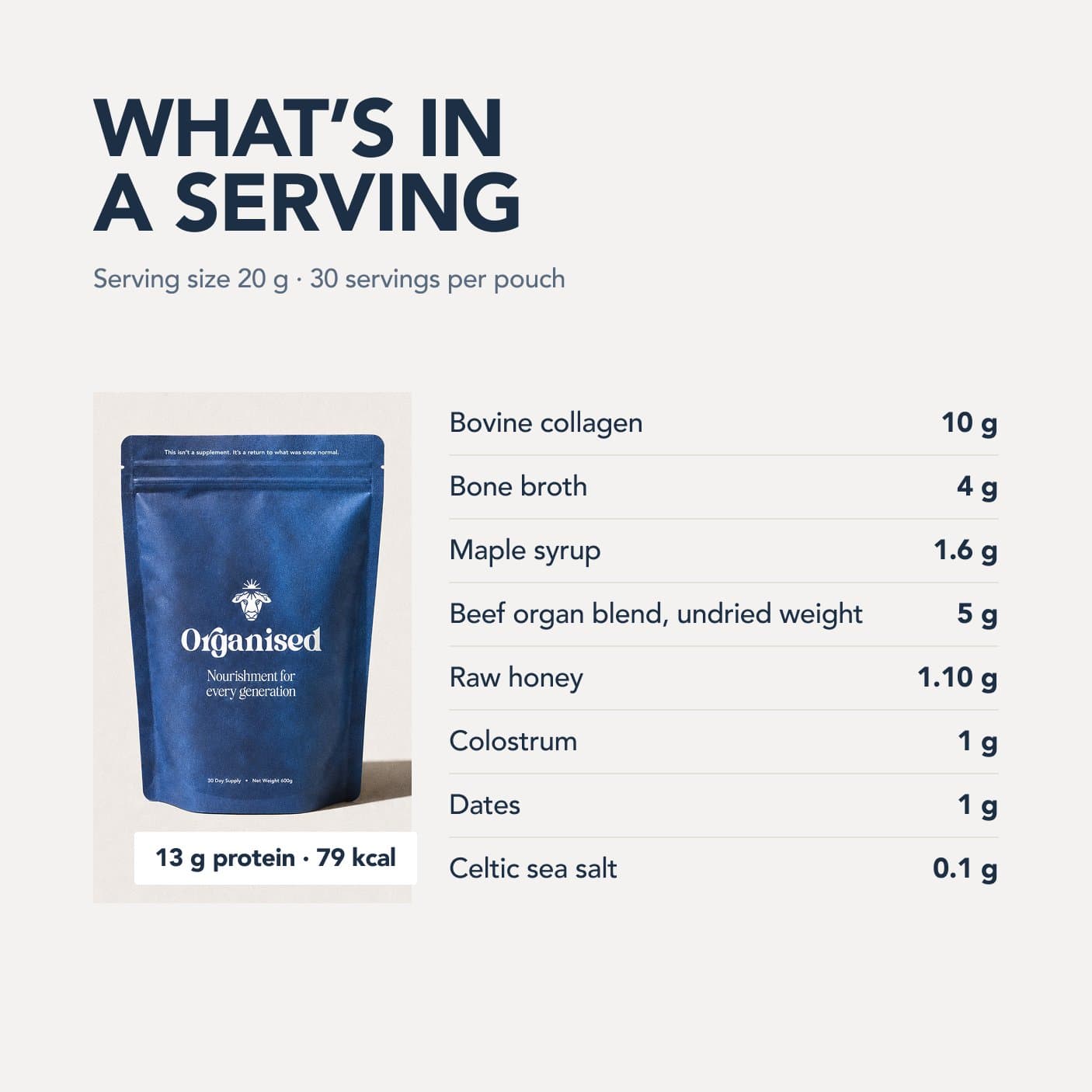
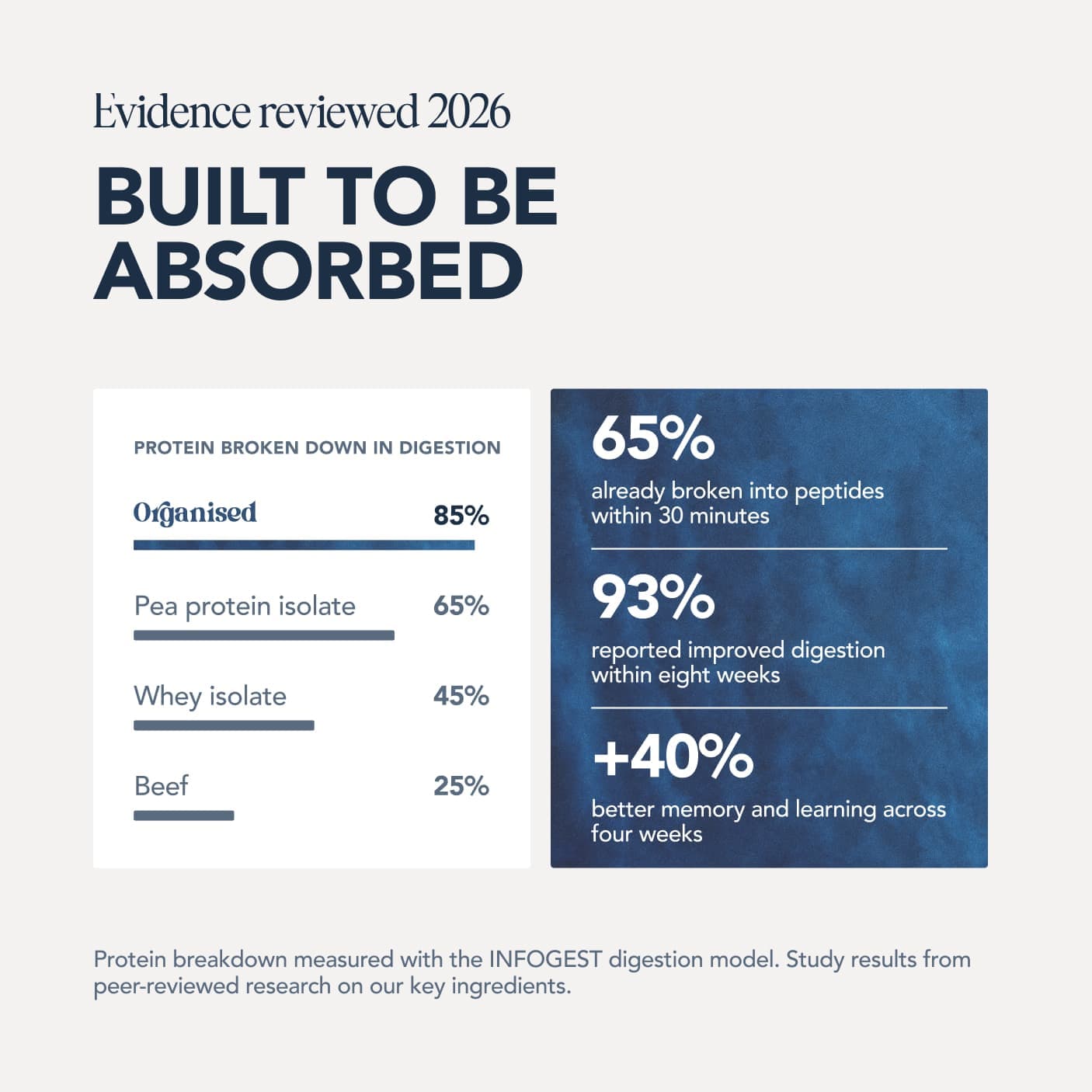
Eight real ingredients built around grass-fed beef organs, collagen and colostrum. Nothing synthetic added.
Free with your first order, worth £38. Plus £10 off the pouch with a subscription.

Free UK shipping · Made in England · 100 day money back guarantee on your first pouch · Skip, pause or cancel anytime
Why this matters for you
You cannot optimise your health through supplementation if your baseline food is mineral-depleted. A supplement can correct an acute deficiency. It cannot replicate the complexity of mineral balance from whole food.
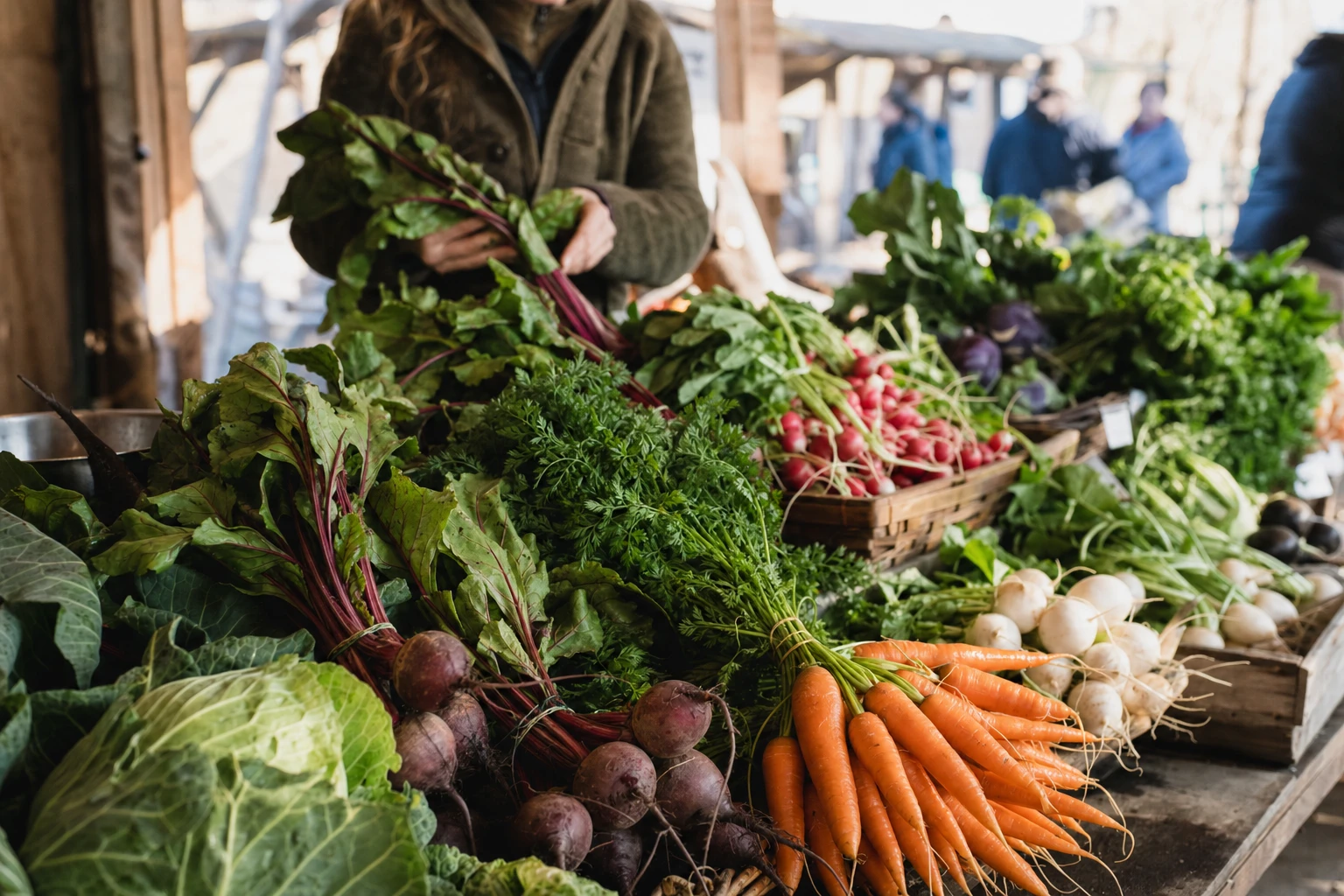
The most powerful intervention available is choosing food from soil that's alive. Regenerative produce, grass-fed meat from pasture-raised animals, eggs from hens eating forage. These cost more partly because they're fresher and more nutrient-dense, and partly because the farmer is doing the work of maintaining soil health instead of depleting it and moving on.
You can't eat your way to perfect health if the soil your food grows in is dead. But you can improve mineral status significantly by choosing food from regenerative systems. The carrot from healthy soil will contain more minerals. The beef from pasture-raised cattle will contain more minerals. Your body will notice the difference.
The bottom line
Soil health and human health are not separate concepts. They're the same concept at different scales. Depleted soil produces depleted nutrition. Industrial agriculture has been running this experiment for seventy years, and your body is the subject.
The path back isn't through more supplements or more optimisation. It's through food from soil that's alive. That means supporting farmers maintaining soil biology. That means accepting that food from regenerative systems costs more. And that means understanding that price premium is you investing in the mineral density of what you eat.
References
Every source below was checked on 27 August 2026. Each PubMed, PMC and DOI identifier was resolved against NCBI or Crossref, and what it opens is printed under the citation, so you can see the link goes where the citation says without leaving the page. Where a citation and its identifier disagreed, the citation was corrected to the record or the reference was deleted along with the sentence marker that pointed at it, and where the resolved paper turned out not to support the sentence, the sentence was cut back to what it does support. Borrowed authority is worse than none, because it looks like rigour.
- Fierer N. Embracing the unknown: disentangling the complexities of the soil microbiome. Nat Rev Microbiol. 2017;15(10):579-590. PMID 28824177Checked 27 August 2026: PMID 28824177 opens Fierer N, Embracing the unknown: disentangling the complexities of the soil microbiome. Nat Rev Microbiol 2017;15(10):579-590. PubMed indexes it as: Review.
- Davis DR, Epp MD, Riordan HD. Changes in USDA food composition data for 43 garden crops, 1950 to 1999. J Am Coll Nutr. 2004;23(6):669-82. PMID 15637215Checked 27 August 2026: PMID 15637215 opens Davis DR, Epp MD, Riordan HD, Changes in USDA food composition data for 43 garden crops, 1950 to 1999. J Am Coll Nutr 2004;23(6):669-82. PubMed indexes it as: Comparative Study.
- Smith SE, Read DJ. Mycorrhizal Symbiosis. 3rd ed. Academic Press; 2008. See also Bonfante P, Genre A. Nat Commun. 2010;1:48. PMID 20975705Checked 27 August 2026: PMID 20975705 opens Bonfante P, Genre A, Mechanisms underlying beneficial plant-fungus interactions in mycorrhizal symbiosis. Nat Commun 2010;1:48. PubMed indexes it as: Review.
Corrections
What this page used to say, and why it no longer says it. Corrections are dated and are never removed, because deleting the record of an error is a second error. Every guide we have corrected is listed at our corrections log.
- 27 August 2026. Reference 3 led with a textbook and linked a journal paper. The linked paper now leads the entry.
Who wrote and reviewed this guide
Niall Kiddle
Author · Founder, Organised
Niall is the founder of Organised. He started the company in 2024 after fixing his own health the slow way: in 2022 he swapped a cupboard of synthetic supplements for real food, raw milk, organ meats, bone broth and honey, and felt the difference within months.
Areas of expertise: Ancestral nutrition, Organ meats, Whole-food supplementation, Gut health, Regenerative sourcing
Read Niall's full profile
Pedro Rodrigues
Reviewer · Agronomist (farming and sourcing only)
Pedro is the agronomist Organised works with on farming and sourcing. His job on the guides is to keep the science honest: he reviews what we publish about soil health, regenerative agriculture, grazing and the way food is actually produced.
Areas of expertise: Regenerative agriculture, Agronomy, Soil health, Grass-fed farming, Food sourcing
Reviewed this guide on
Read Pedro's full profileMore on regenerative farming
View allBrowse the guides library
All guidesKeep reading
Farming
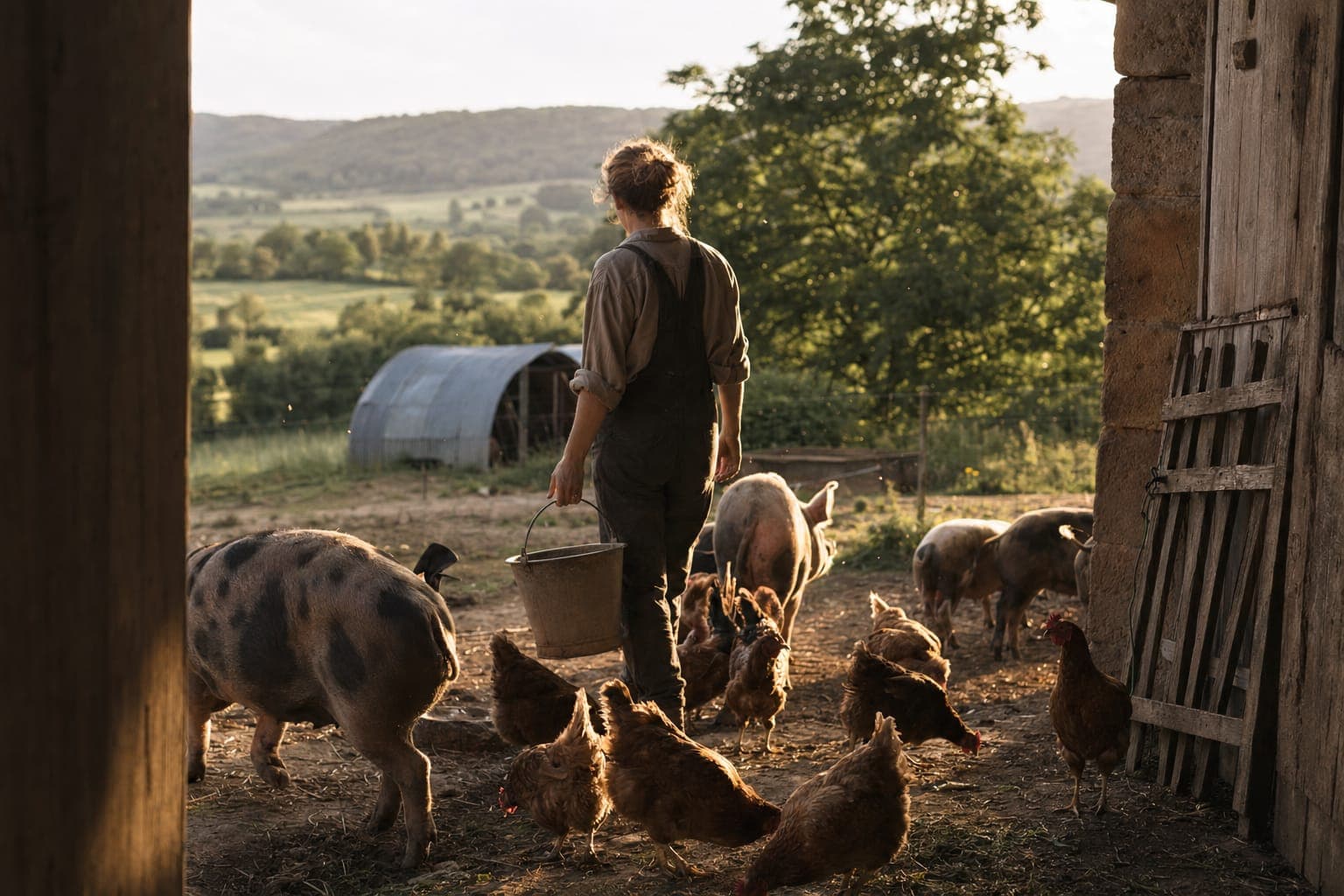
A Day on a Regenerative Farm
Step inside a regenerative farm and discover what actually happens daily. Meet the farmers and animals behind your food.

Farming
The State of British Beef Farming in 2026
UK beef farming is under pressure. Here are the real challenges facing British farmers and why whole-animal use matters.

Farming
The Future of Food: Why Regenerative, Not Lab-Grown, Is the Answer
Lab-grown meat offers a technological fix. Regenerative farming offers a system overhaul. Here's why the latter actually matters.
Real food, made effortless
Shop the blendA few ways to use it
All recipes
Organised Protein Pancakes: A Weekend Favourite
A high-protein pancake recipe using beef protein, eggs, and raw milk. Cooked in cast iron, naturally sweetened with banana and honey. Real food breakfast.

How to Make Your Own Gelatine Gummies
A simple recipe for homemade gelatine gummies using grass-fed gelatine, fresh juice, and raw honey. Better than shop-bought, kids love them.
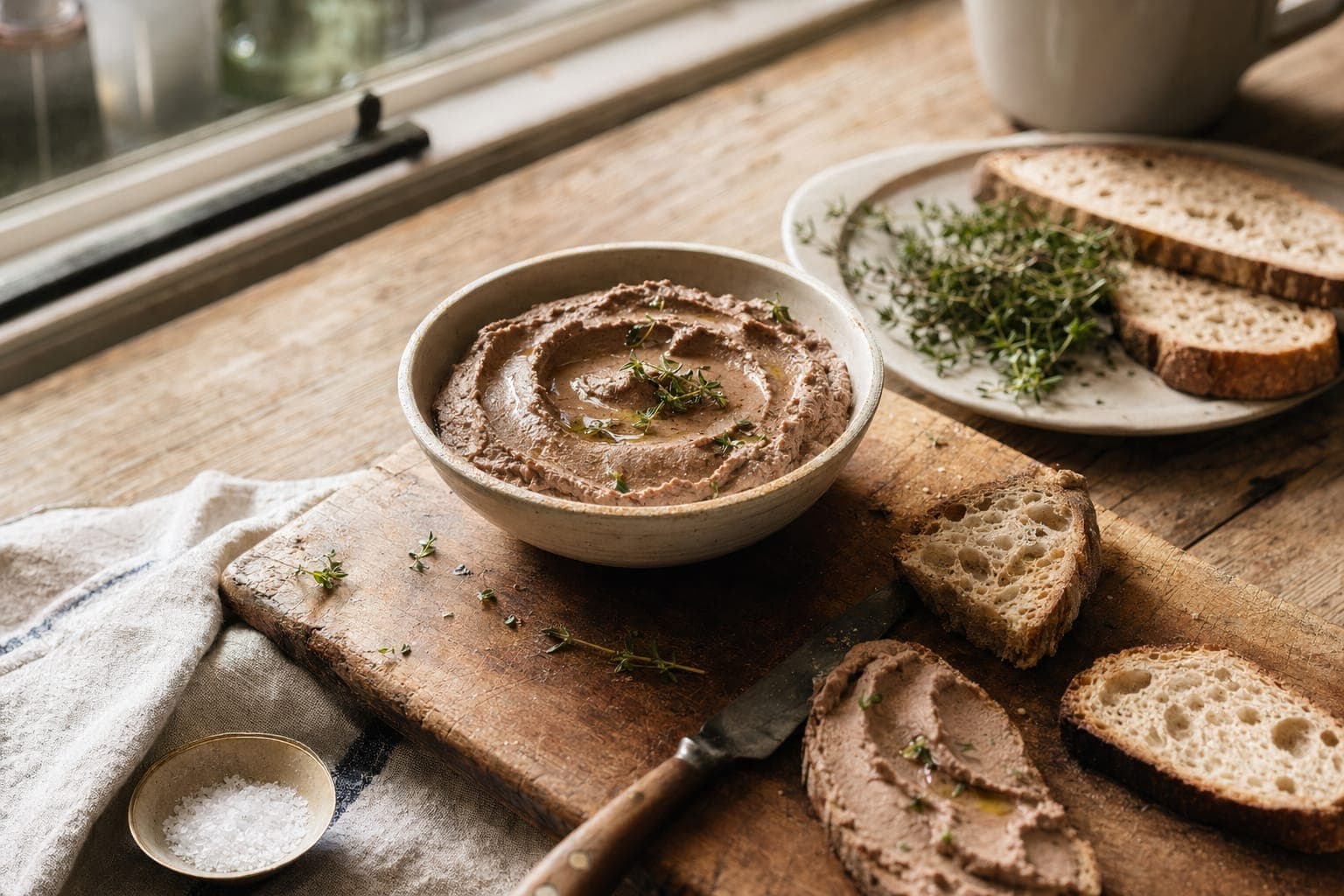
Liver Pate for Beginners: A Gentle Introduction to Organ Meats
Simple liver pate recipe to start eating organ meats. Chicken liver, butter, and herbs. Gentle introduction to nutrient-dense whole foods.


 Join over 100,000+ members
Build a better food system with us
The Organised community is thousands of people choosing real food and backing the farmers who grow it, all of us trying to leave the world a little better than we found it. If that is what you care about too, you belong here.