Why Animal Welfare Matters for the Quality of Your Food
A stressed animal produces different meat than a calm one. The difference is hormonal, cellular, and measurable.
By Niall Kiddle, Founder, Organised

Reviewed by Pedro Rodrigues, Agronomist (farming and sourcing only) ·
6 min read · Published · Updated · 4 cited sources
Makers of the Organised Daily blend, a grass-fed beef organ supplement from regenerative UK farms
This isn't sentimental. It's biochemistry.
The stress-cortisol connection
Cortisol is the stress hormone. When an animal is chronically stressed (crowded housing, poor welfare, transport, loud environments), cortisol stays elevated. High cortisol has systemic effects that change what the animal's tissue contains.
It suppresses immune function. It triggers breakdown of muscle tissue. It increases inflammation throughout the body. It depletes micronutrient stores (particularly magnesium and zinc). These effects accumulate over the animal's life.
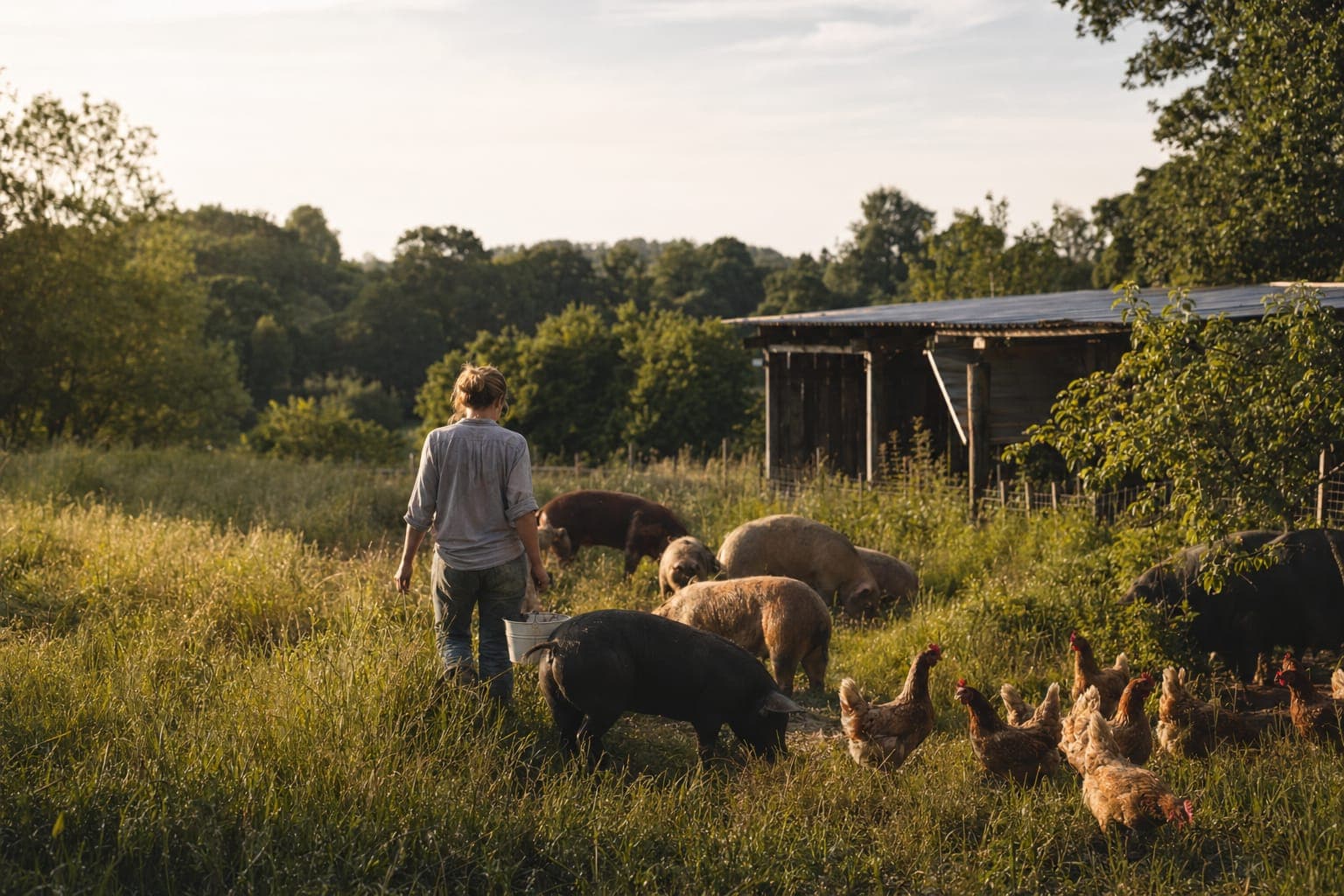
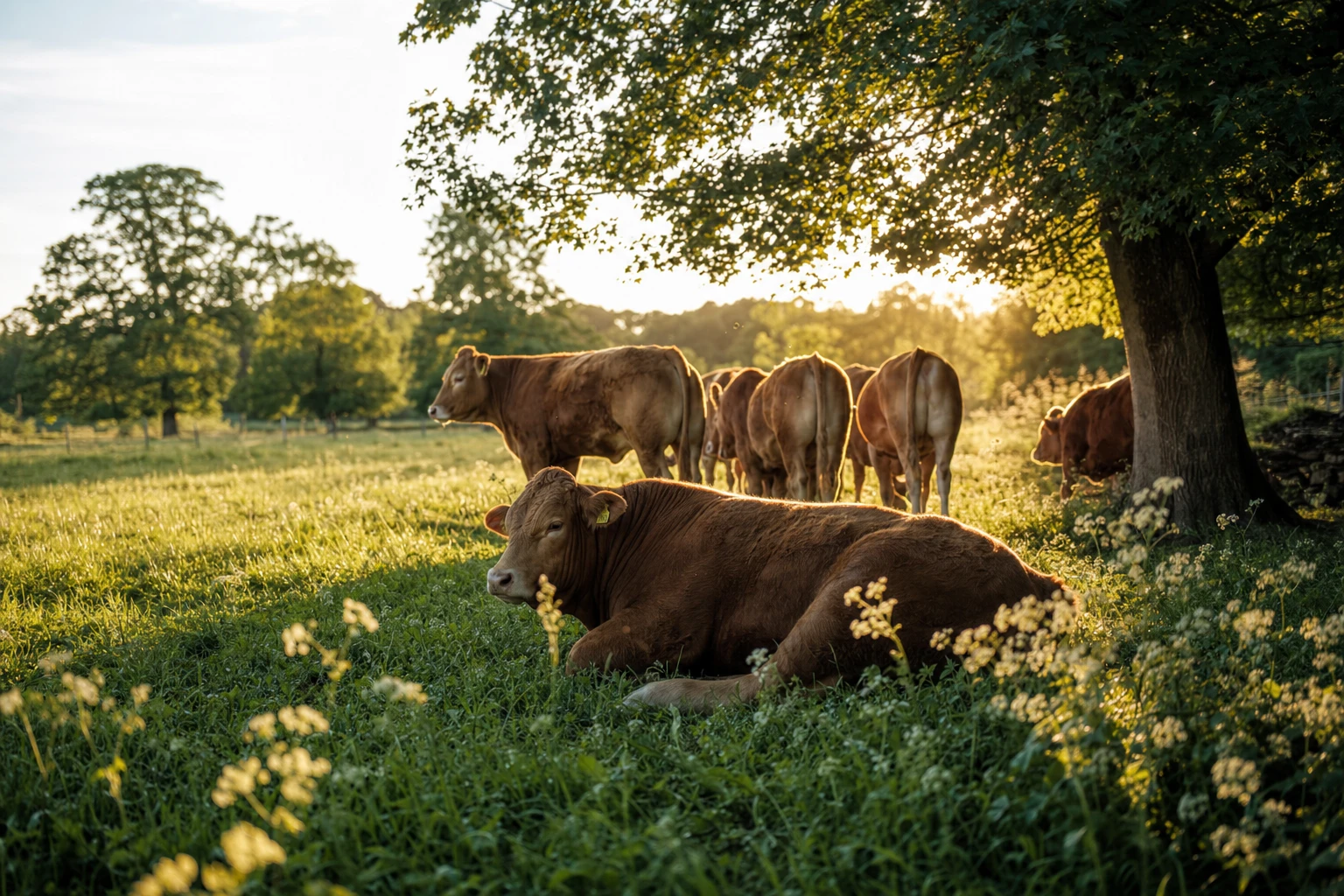
An animal raised on pasture with low stress has low baseline cortisol. Stress hormones are used for acute challenges (predator alertness, temporary changes), not constantly elevated. The tissue reflects this: high immune markers, intact muscle, low inflammation, preserved minerals.
The difference isn't hypothetical. Studies measuring cortisol levels in feedlot cattle versus pasture-raised cattle show feedlot animals with cortisol levels three to five times higher.2 That's chronic stress physiology. The body is in constant fight-or-flight mode.
Cortisol doesn't just affect the animal's welfare. It changes what the animal contains.
How cortisol affects tissue composition
High cortisol drives breakdown of muscle protein. The amino acid profile of meat from stressed animals is different: lower in amino acids directly, but also with altered ratios (more broken-down forms, fewer intact proteins).
Muscle tissue in stressed animals has more myoglobin depletion (oxygen-carrying protein), making the meat paler and lower in iron bioavailability. Liver from stressed animals has depleted B vitamin stores (cortisol increases B vitamin breakdown). Kidney function is compromised, affecting selenium and other mineral concentrations.
The tissue literally reflects the stress. It's measurable in amino acid profiles, vitamin content, and mineral density. A pastured beef liver will have higher copper, selenium, and B vitamin content than a feedlot liver from the same breed and age. The difference is stress-driven degradation.
Oxidative stress markers are also elevated in stressed animals. The meat from a stressed animal has higher levels of oxidation products (rancid fats, damaged proteins). You're consuming tissue that's been damaged by chronic inflammation.
pH and meat quality
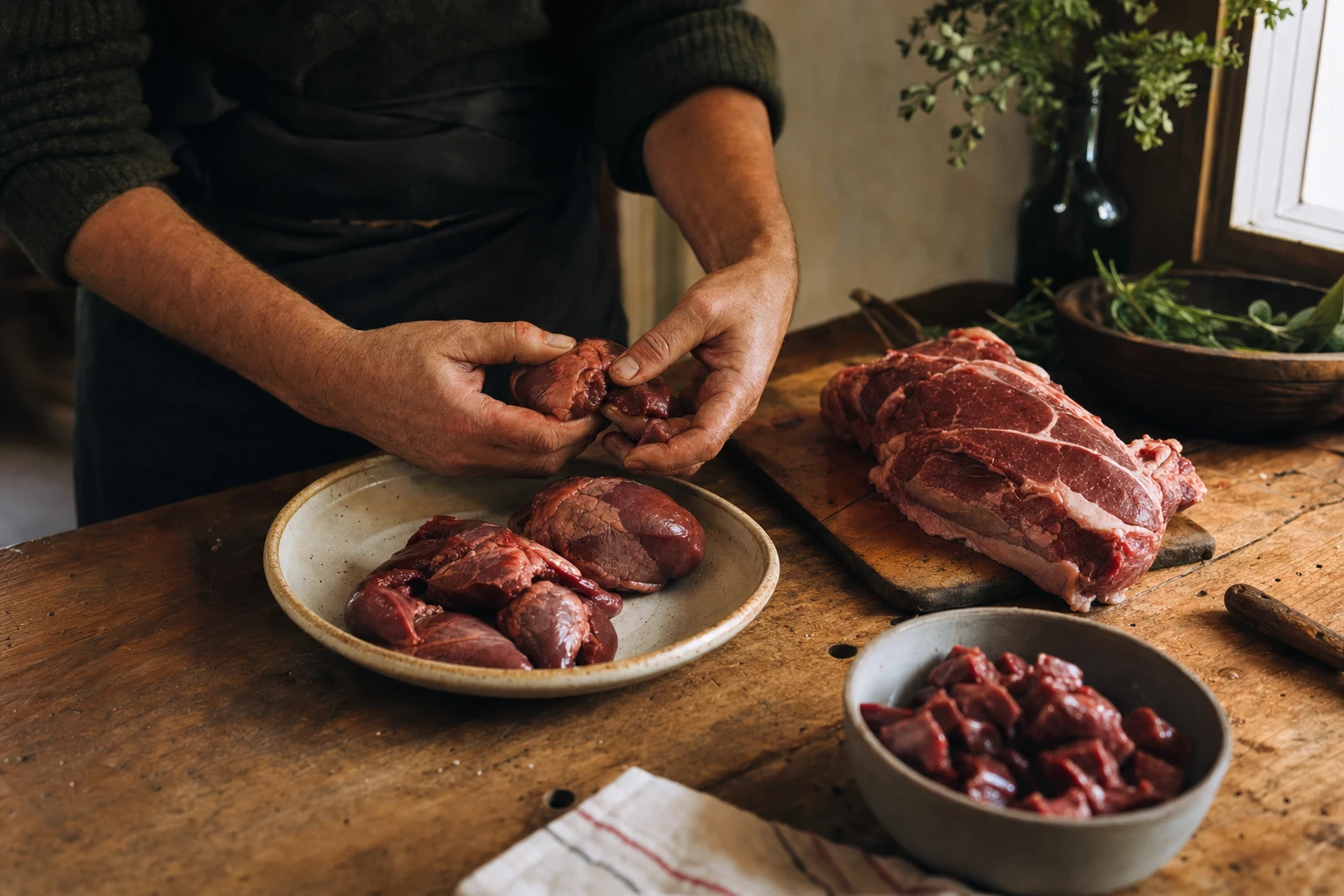
After slaughter, meat pH is an indicator of stress. Calm animals have normal post-mortem pH drop. Stressed animals have abnormal pH (either too high or too low), which affects bacterial growth, shelf life, and taste.1
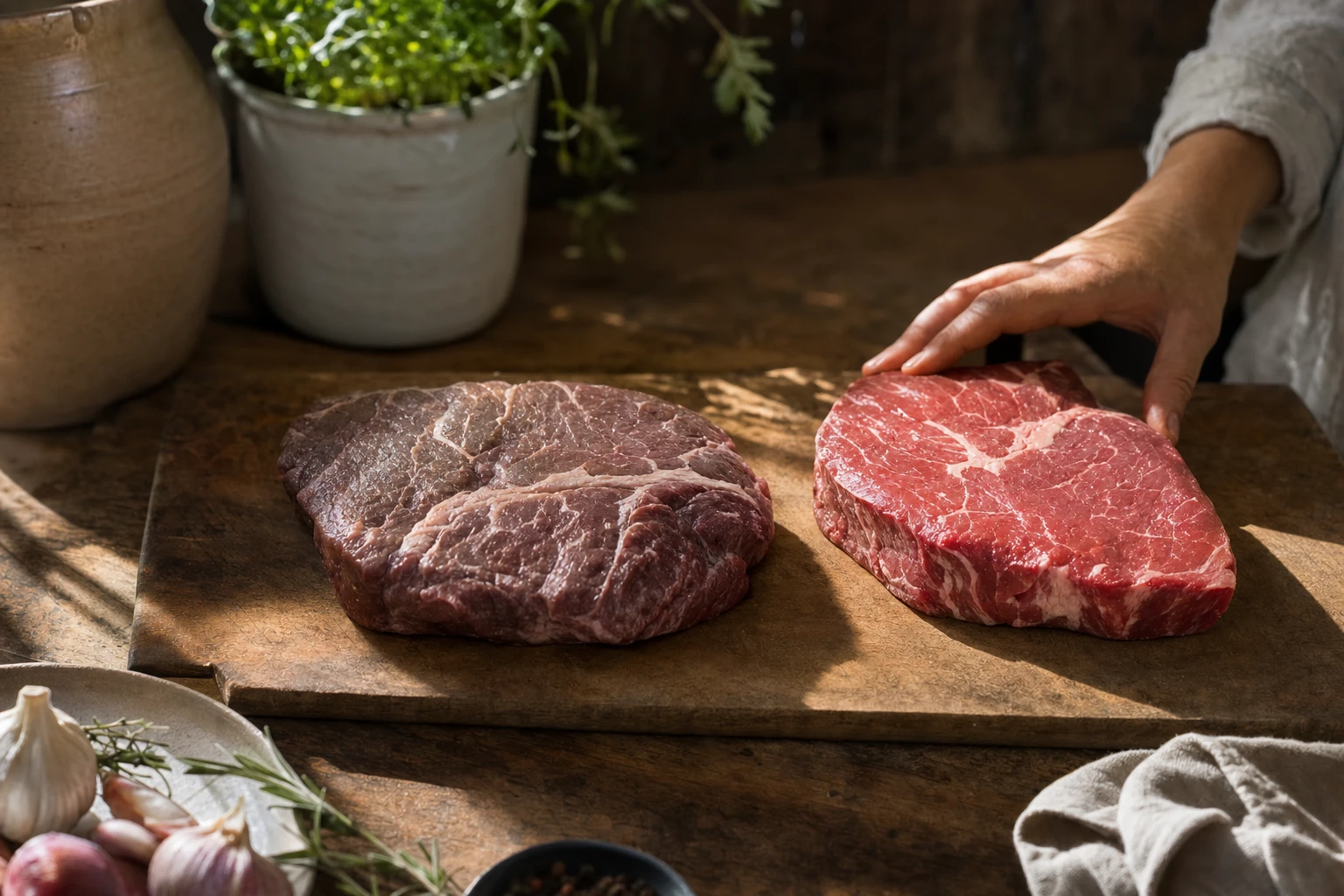
High-stress slaughter produces "dark, firm, dry" meat or "pale, soft, exudative" meat. Neither is optimal. Dark, firm, dry meat is from animals stressed before slaughter (cortisol depletes glycogen).1 Pale, soft, exudative meat is from extremely stressed animals (muscle breakdown and moisture loss). Low-stress animals produce normal pH meat that's superior in every measure: colour, texture, shelf life, taste.
UK abattoirs are regulated on welfare at slaughter. But the stress begins on the farm. Transport stress is a major factor. An animal that's been moved multiple times, loaded and unloaded, travels hours in a lorry before slaughter arrives at the abattoir already chronically elevated in cortisol. That physiological stress affects the meat.
Immune function and nutrient profile
A well-treated animal has a strong immune system. The tissue is rich in immune markers: immunoglobulins, complement proteins, natural killer cells. These are protective compounds you consume.
A stressed animal has immune suppression. Chronic cortisol shuts down the adaptive immune system (antibody production, T-cell function). The tissue is depleted of these protective factors. If the animal gets sick (which stressed animals are more prone to), it's treated with antibiotics, further altering the tissue's micronutrient profile.
The nutrient density reflects the animal's immune status when it was alive. A pasture-raised animal with strong immunity and low stress has tissue rich in protective compounds and intact nutrients. A feedlot animal with suppressed immunity and high stress has tissue depleted of protective compounds and damaged nutrients.
Welfare shows up in the nutrient profile. It's not an opinion. It's biochemistry.
Practical welfare standards for UK farming
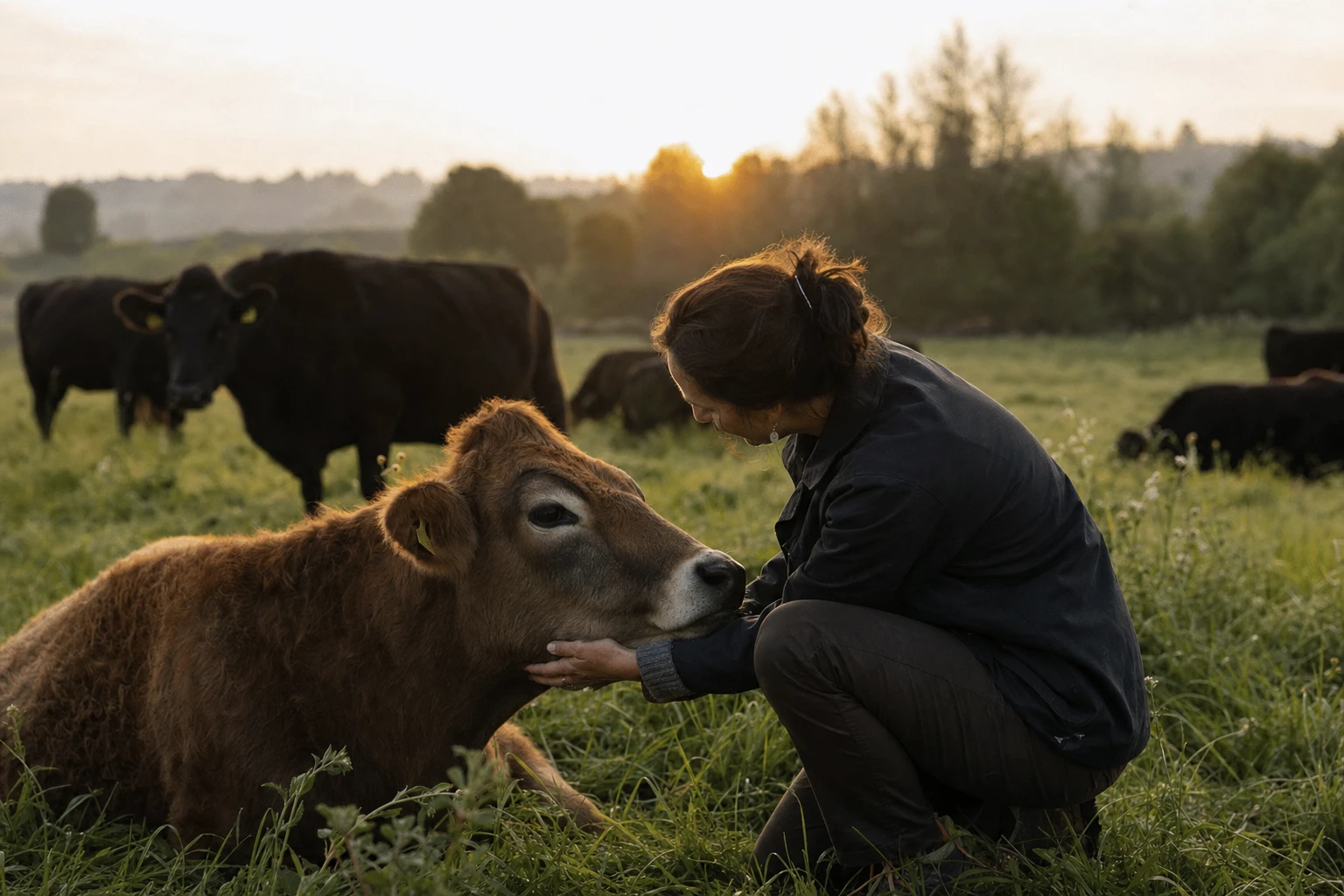
UK animal welfare regulations set minimums (RSPCA standards, Red Tractor certification). But minimums often reflect poor outcomes. Red Tractor allows confined housing if space minimums are met. Pasture for Life requires outdoor grazing. The difference in animal welfare (and therefore meat quality) is substantial.
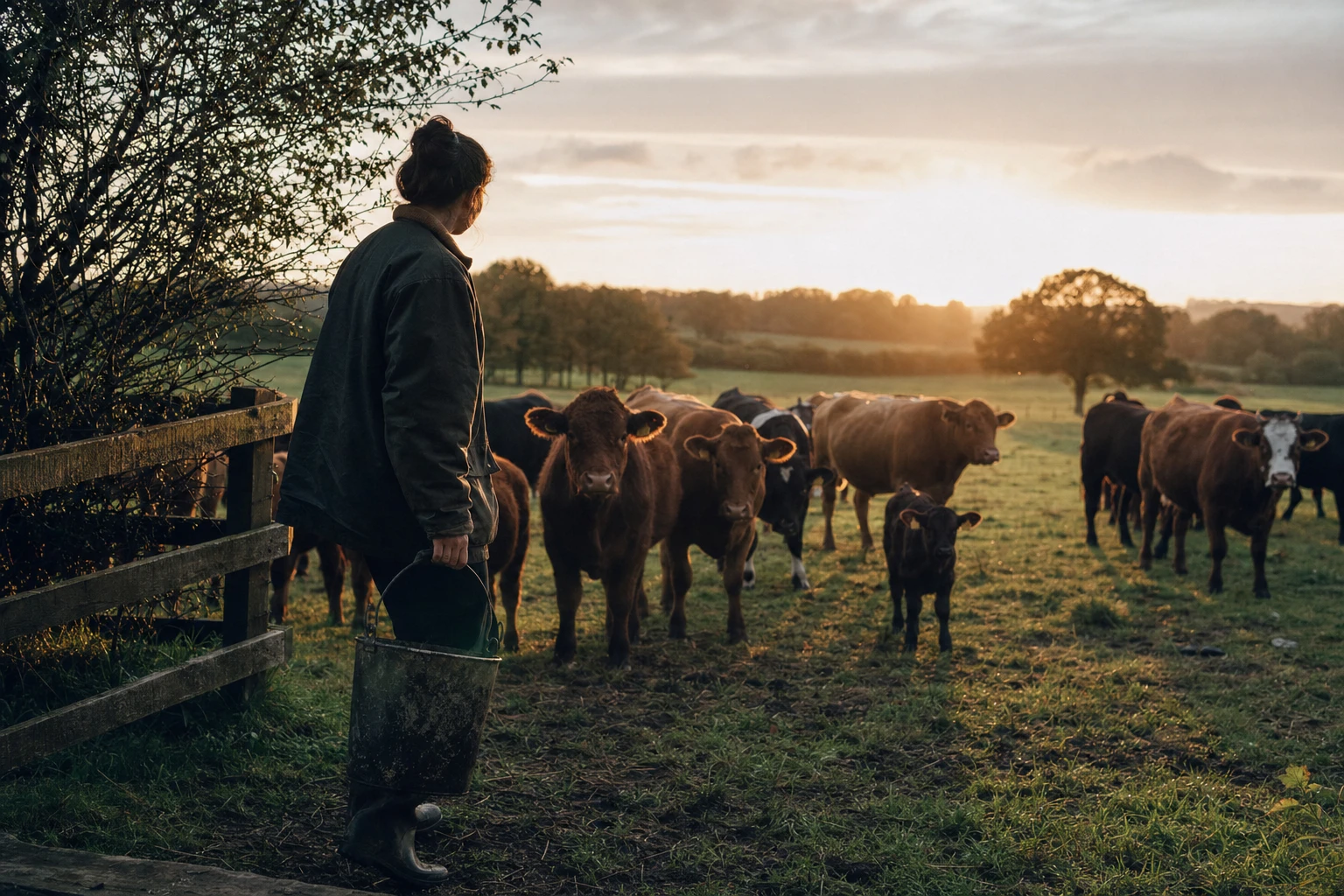
Regenerative farms often exceed welfare minimums because high-welfare practices are integral to the system. Mob grazing (moving animals daily or frequently) reduces stress by preventing overgrazing and allowing natural grazing behaviour. Diverse forage reduces stress by providing food security. Lower stocking density reduces stress from crowding. The cumulative effect: low-stress animals, high-quality meat.
Get farming and sourcing guides, free
Two short reads a week on regenerative farming and where real food comes from.
By signing up you agree to receive emails from us. No spam, unsubscribe anytime.
Practical implications
This is why regenerative farm animals produce better meat. The welfare is high. Stress is low. The tissue is nutrient-dense. You're not just eating muscle; you're eating the expression of an animal that lived well.
Conversely, feedlot animals are stressed continuously. Crowding, handling, transport, uncertainty. The cortisol is chronically elevated. The tissue reflects this deficit.
You can taste the difference sometimes. Pasture-raised meat often has better flavour. That flavour is partly the mineral and amino acid profile, which stress disrupts. But it's also the phytonutrients from diverse forage and the resilience of an immune-competent animal.
The specific mechanisms of stress damage
Chronic stress in cattle triggers a cascade of physiological changes that degrade tissue quality. Cortisol suppresses the immune system by reducing thyroid hormone production and impairing T-cell function. B-cells stop producing antibodies effectively. The animal becomes more susceptible to infection.
Cortisol simultaneously drives catabolism (breakdown) of muscle protein.3 Amino acids are diverted from muscle maintenance to gluconeogenesis (making glucose in the liver for energy). The net result: muscle tissue becomes thinner and weaker. The meat is less substantial.
Oxidative stress markers increase in stressed animals. Cortisol triggers the production of free radicals in mitochondria. The animal's antioxidant systems (glutathione, superoxide dismutase) become depleted trying to manage this. The tissue becomes oxidatively damaged. The fats become rancid. You're consuming damaged tissue.

1 of 9
Daily blend
100,000+ thriving families4.9 on Trustpilot
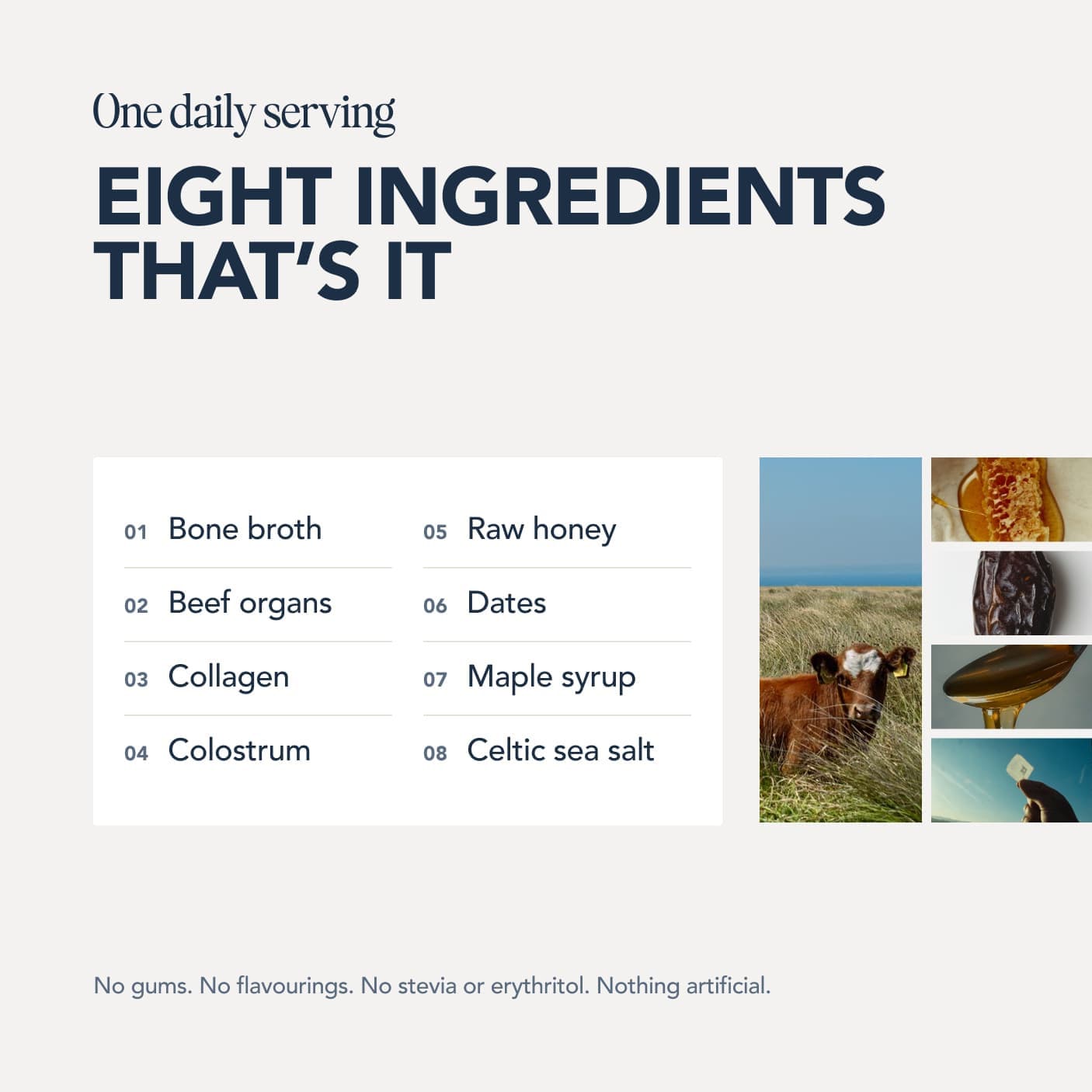
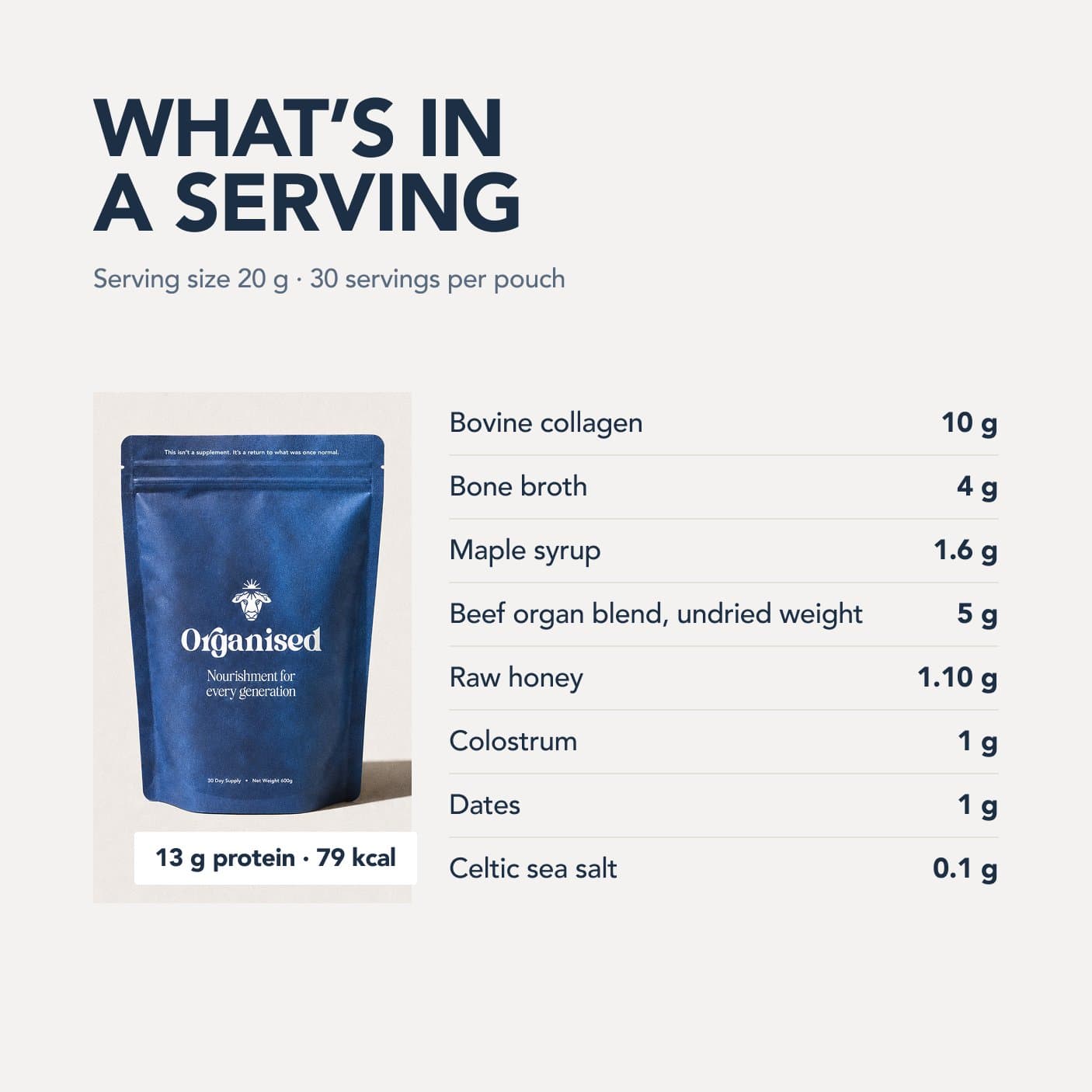
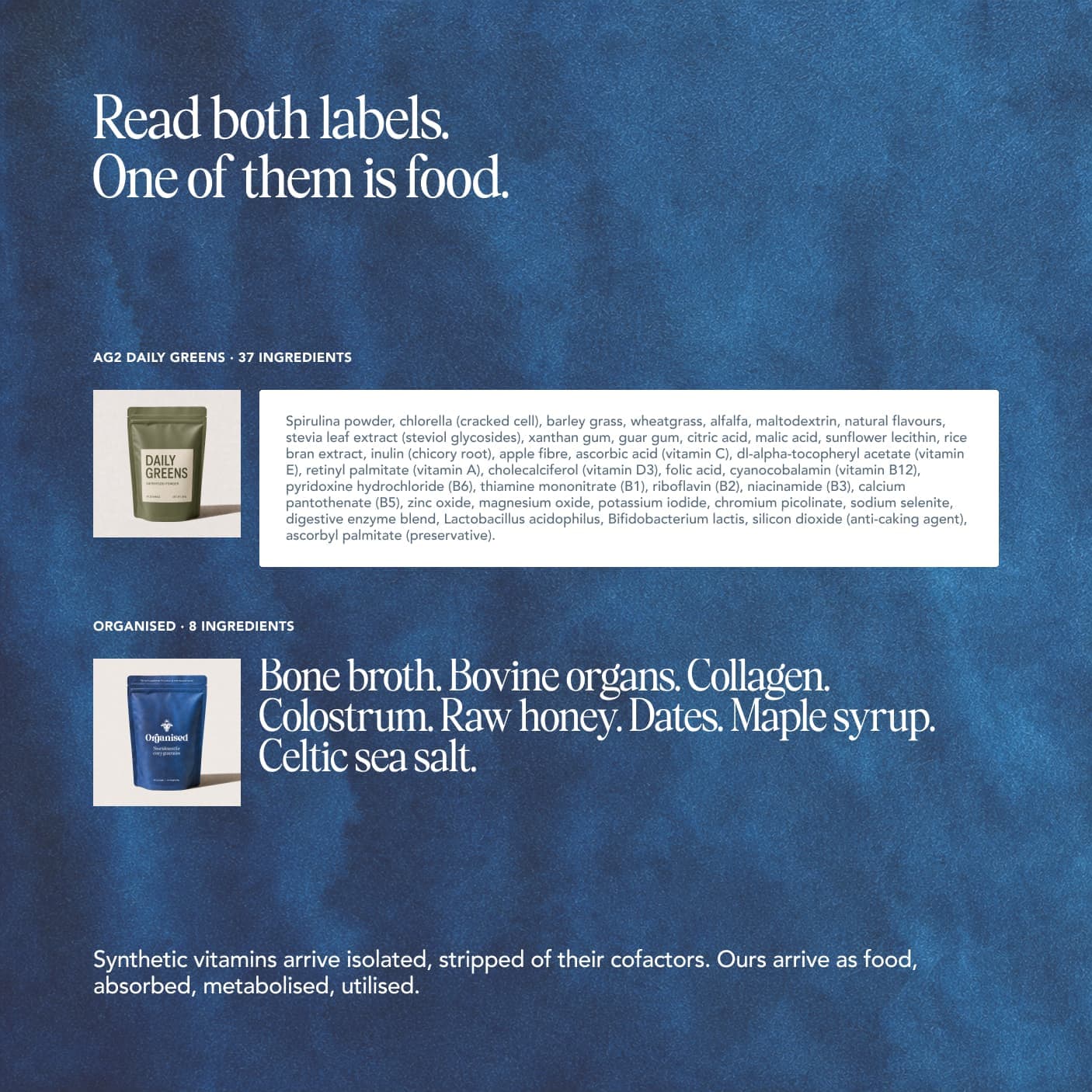
Eight real ingredients built around grass-fed beef organs, collagen and colostrum. Nothing synthetic added.
Free with your first order, worth £38. Plus £10 off the pouch with a subscription.
Free UK shipping · Made in England · 100 day money back guarantee on your first pouch · Skip, pause or cancel anytime
Comparison: pasture vs feedlot physiology
A pasture-raised animal has cortisol spikes only in response to actual threats (predators, weather changes). Between events, cortisol drops. The baseline is low. Tissue repair and immune function happen in the calm periods.
A feedlot animal lives in a state of continuous mild threat (crowding, handling, noise, uncertainty). Baseline cortisol is always elevated. The sympathetic nervous system is always active. The parasympathetic (rest and digest) system never fully engages. Tissue repair is minimal. Immune suppression is chronic. The result: degraded tissue.
This is measurable in the meat itself. Pasture meat has higher levels of CLA (conjugated linoleic acid), omega-3 fatty acids, and vitamins A and E.4 Feedlot meat has lower levels of everything beneficial and higher levels of inflammatory oxidation products.
The welfare-quality economics
Higher welfare costs more to produce (more space, more management, less density). The retail price reflects this. But the tissue quality also reflects this. You're not paying more for a label. You're paying more because the production was genuinely better and the result is genuinely superior.
This is why cheap beef is cheap. It comes from stressed animals in crowded conditions. The savings get passed to you as lower price. The cost is in the tissue quality you're consuming.
The bottom line
Animal welfare matters for food quality because stress changes what the animal contains. A well-treated animal produces more nutrient-dense tissue. A stressed animal produces depleted tissue with elevated oxidation products and reduced protective compounds.
This is basic biology, not marketing. When you buy meat, you're not just buying protein and fat. You're buying the expression of the animal's health and stress levels. Choose accordingly. Pasture-raised, low-stress animals are worth the price difference because the meat is genuinely better.
References
Every source below was checked on 27 August 2026. Each PubMed, PMC and DOI identifier was resolved against NCBI or Crossref, and what it opens is printed under the citation, so you can see the link goes where the citation says without leaving the page. Where a citation and its identifier disagreed, the citation was corrected to the record or the reference was deleted along with the sentence marker that pointed at it, and where the resolved paper turned out not to support the sentence, the sentence was cut back to what it does support. Borrowed authority is worse than none, because it looks like rigour.
- Adzitey F. Pre and post-slaughter factors affecting meat quality: A mini review. PMC7463084.Checked 27 August 2026: PMC7463084 opens Carrasco-García AA, Pardío-Sedas VT, León-Banda GG et al, Effect of stress during slaughter on carcass characteristics and meat quality in tropical beef cattle. Asian-Australas J Anim Sci 2020;33(10):1656-1665.The authors' own declaration, from the record: CONFLICT OF INTEREST . We certify that there is no conflict of interest with any financial organization regarding the material discussed in the manuscript.
- Probst JK et al. Gentle touching in early life reduces avoidance distance and slaughter stress in beef cattle. PubMed PMID: 22709589.Checked 27 August 2026: PMID 22709589 opens Mueller M, Reichardt W, Koerner J et al, Coencapsulation of tumor lysate and CpG-ODN in PLGA-microspheres enables successful immunotherapy of prostate carcinoma in TRAMP mice. J Control Release 2012;162(1):159-66.
- Hannibal KE, Bishop MD. Chronic stress, cortisol dysfunction, and pain. Phys Ther. PMC4263906.Checked 27 August 2026: PMC4263906 opens Hannibal KE, Bishop MD, Chronic stress, cortisol dysfunction, and pain: a psychoneuroendocrine rationale for stress management in pain rehabilitation. Phys Ther 2014;94(12):1816-25.
- Daley CA et al. A review of fatty acid profiles and antioxidant content in grass-fed and grain-fed beef. Nutr J. PMC2846864.Checked 27 August 2026: PMC2846864 opens Daley CA, Abbott A, Doyle PS et al, A review of fatty acid profiles and antioxidant content in grass-fed and grain-fed beef. Nutr J 2010;9:10. PubMed indexes it as: Review.
Who wrote and reviewed this guide
Niall Kiddle
Author · Founder, Organised
Niall is the founder of Organised. He started the company in 2024 after fixing his own health the slow way: in 2022 he swapped a cupboard of synthetic supplements for real food, raw milk, organ meats, bone broth and honey, and felt the difference within months.
Areas of expertise: Ancestral nutrition, Organ meats, Whole-food supplementation, Gut health, Regenerative sourcing
Read Niall's full profile
Pedro Rodrigues
Reviewer · Agronomist (farming and sourcing only)
Pedro is the agronomist Organised works with on farming and sourcing. His job on the guides is to keep the science honest: he reviews what we publish about soil health, regenerative agriculture, grazing and the way food is actually produced.
Areas of expertise: Regenerative agriculture, Agronomy, Soil health, Grass-fed farming, Food sourcing
Reviewed this guide on
Read Pedro's full profileMore on animal welfare
View allBrowse the guides library
All guidesKeep reading
Farming
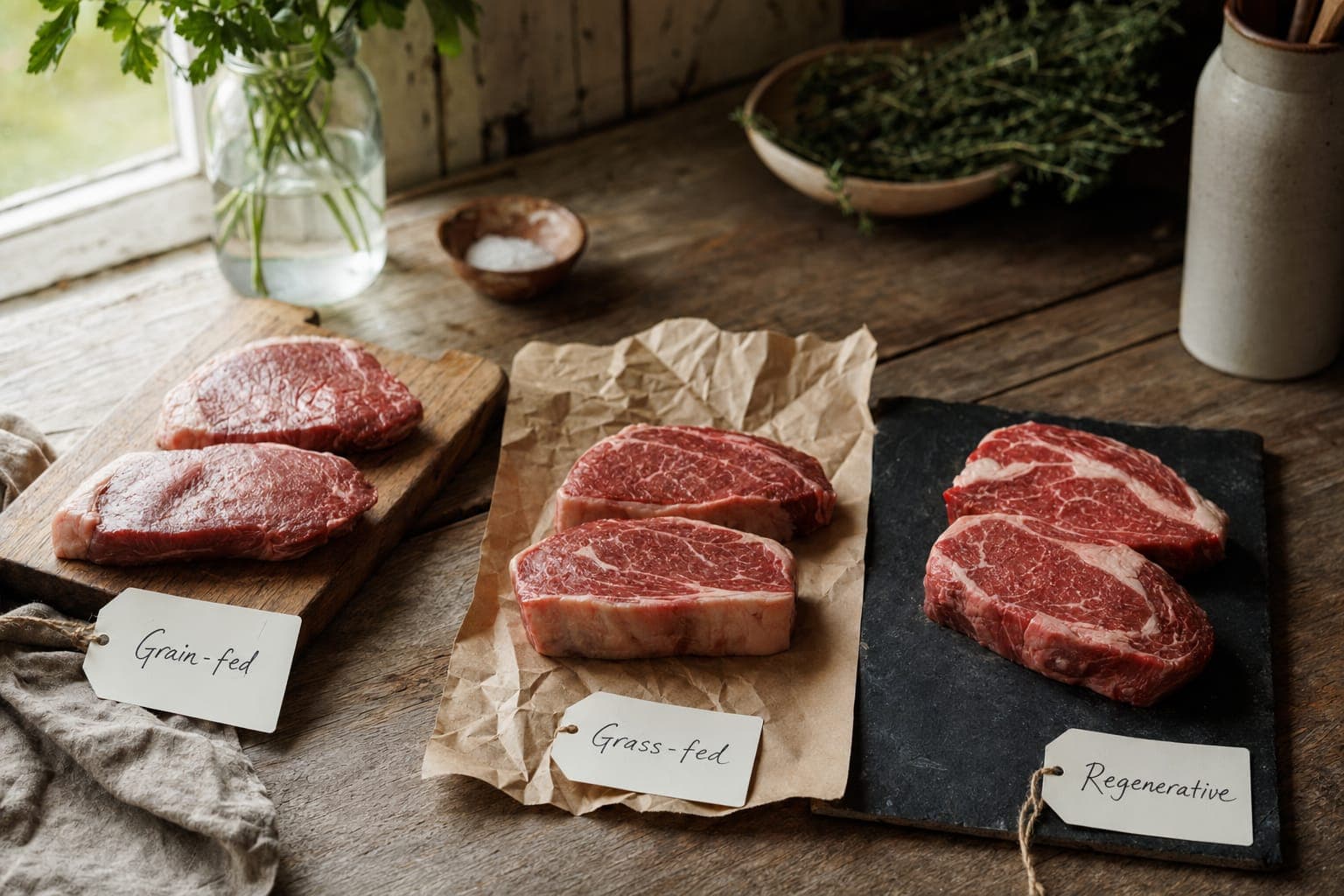
The Truth About Beef: Grain-Fed vs Grass-Fed vs Regenerative
Compare grass-fed vs grain-fed and regenerative beef on nutrition, welfare and environment. See how CLA, omega ratios and vitamins shift with how cattle live.
Farming
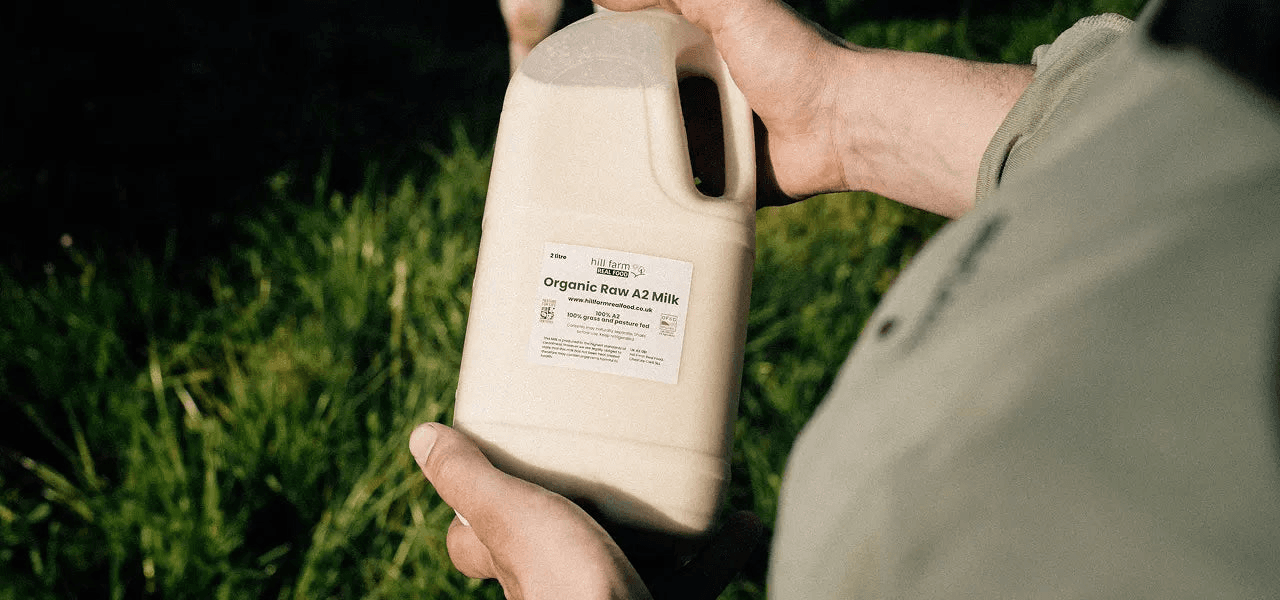
Where to Find Raw Milk: A Guide to Sourcing, Farms and Quality
Finding raw milk can feel like spotting a hidden door in the modern food system. Here is a practical guide to sourcing it, vetting farms and judging quality.
Farming
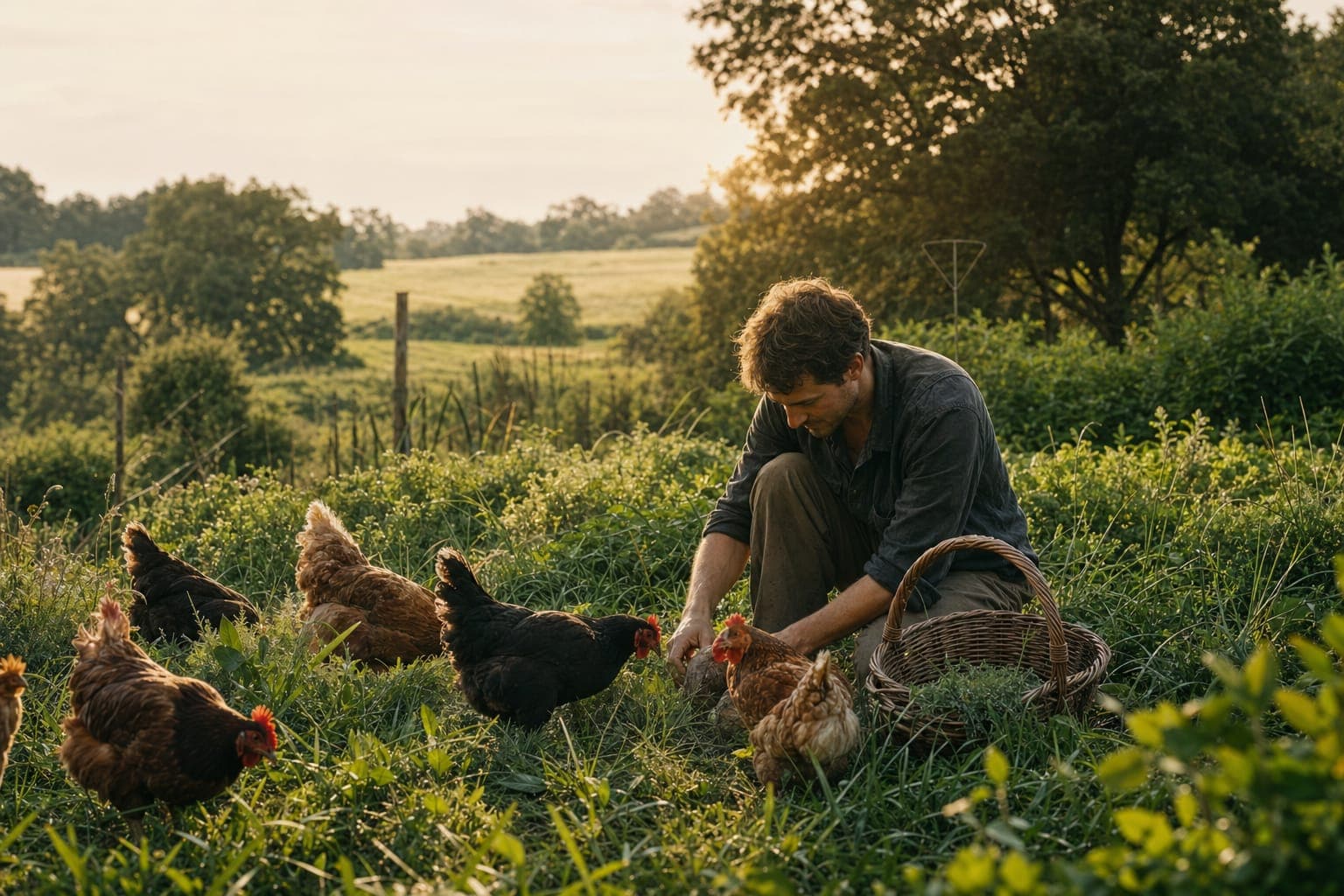
How Regenerative Farming Produces More Nutrient-Dense Food
How regenerative practices link to nutrient-dense food. Soil health, mineral uptake, and the farm-to-body chain explained.
Real food, made effortless
Shop the blendA few ways to use it
All recipes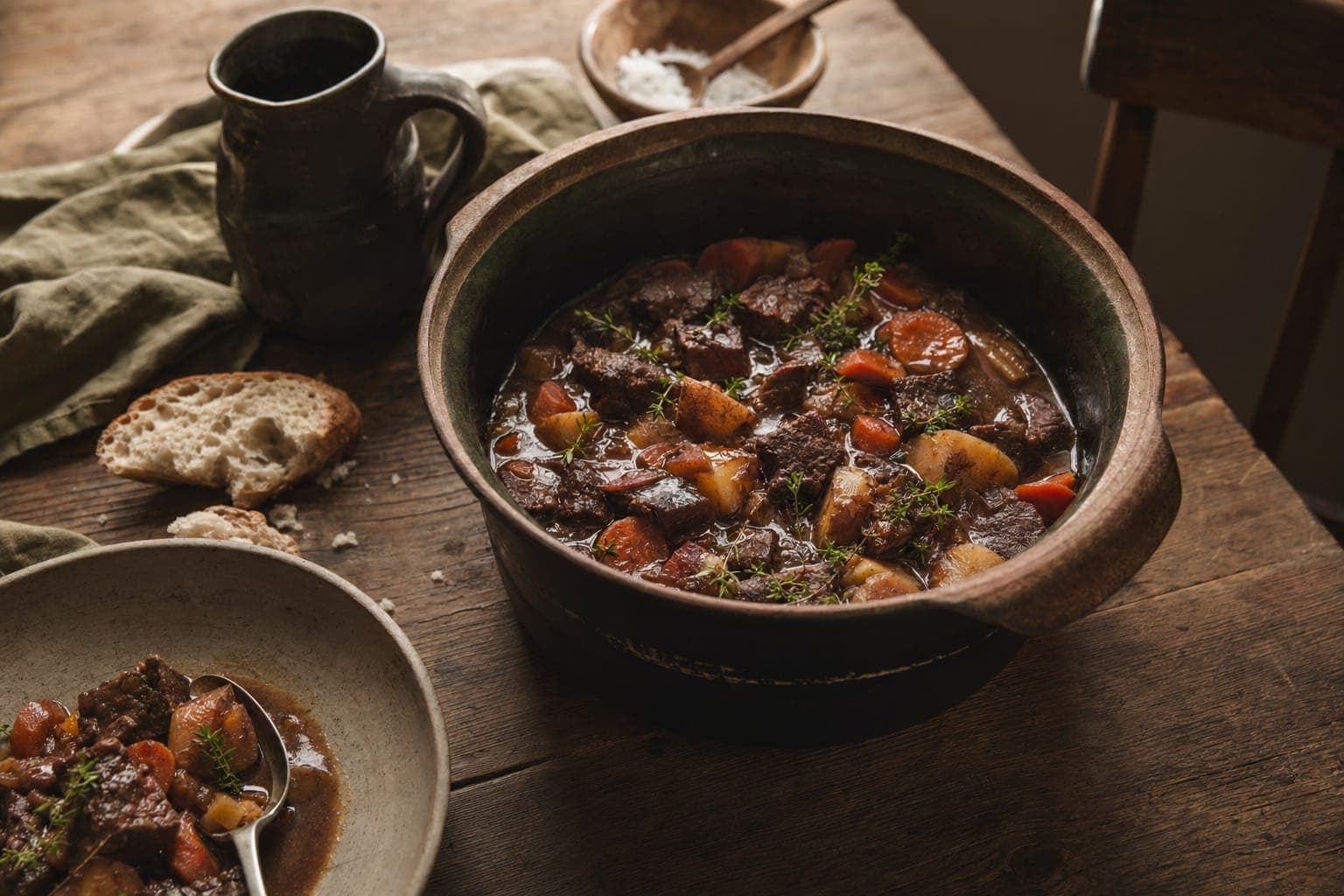
Collagen-Rich Beef Stew: Slow-Cooked Nourishment
Beef stew that delivers collagen from connective tissue and bone broth. Winter comfort food that actually nourishes. Simple slow cooker recipe.
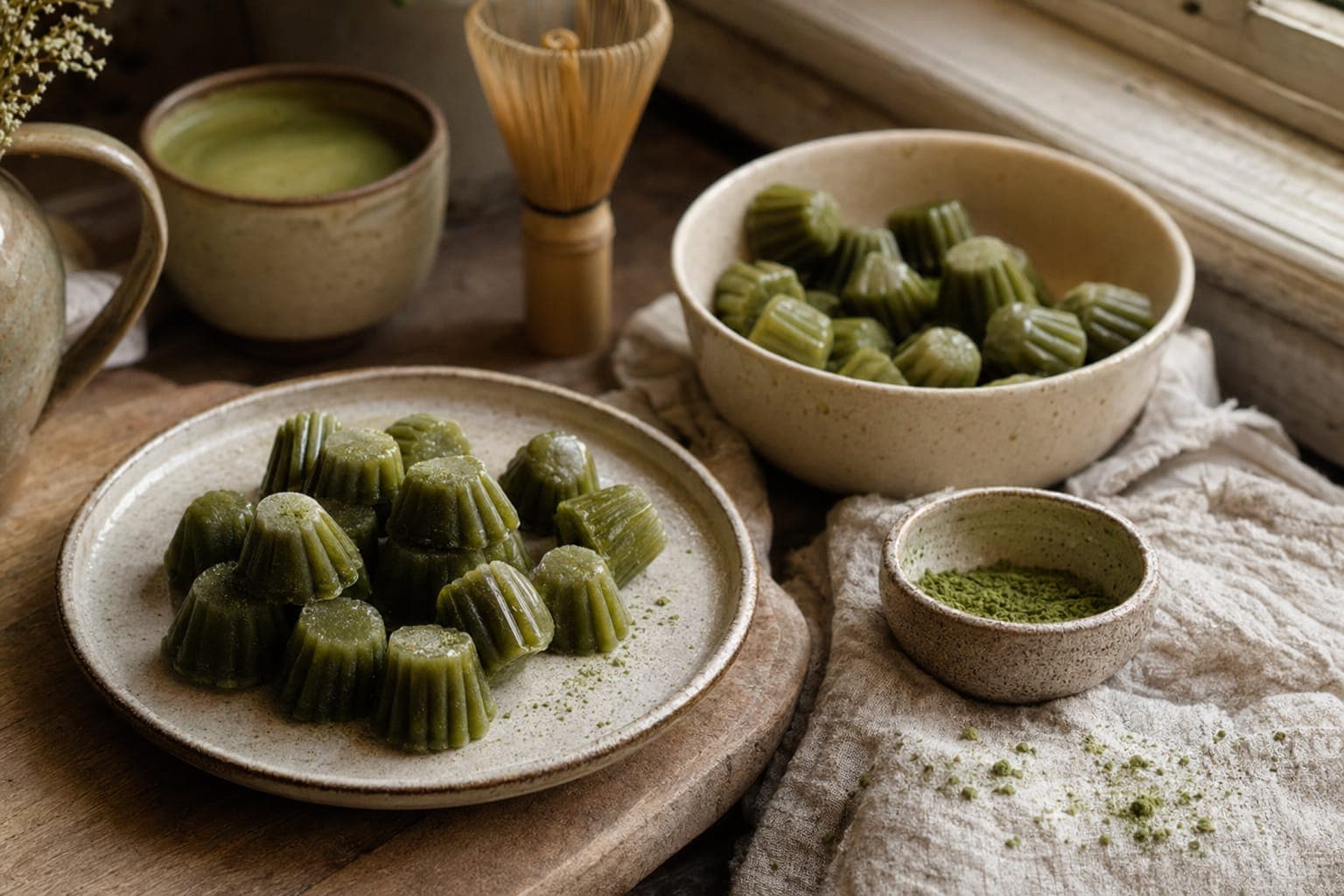
Matcha Latte Gummies with Collagen and Gelatine
Make visually stunning matcha latte gummies infused with collagen and gelatine. Simple recipe for gut-healing sweets you'll actually want to eat.
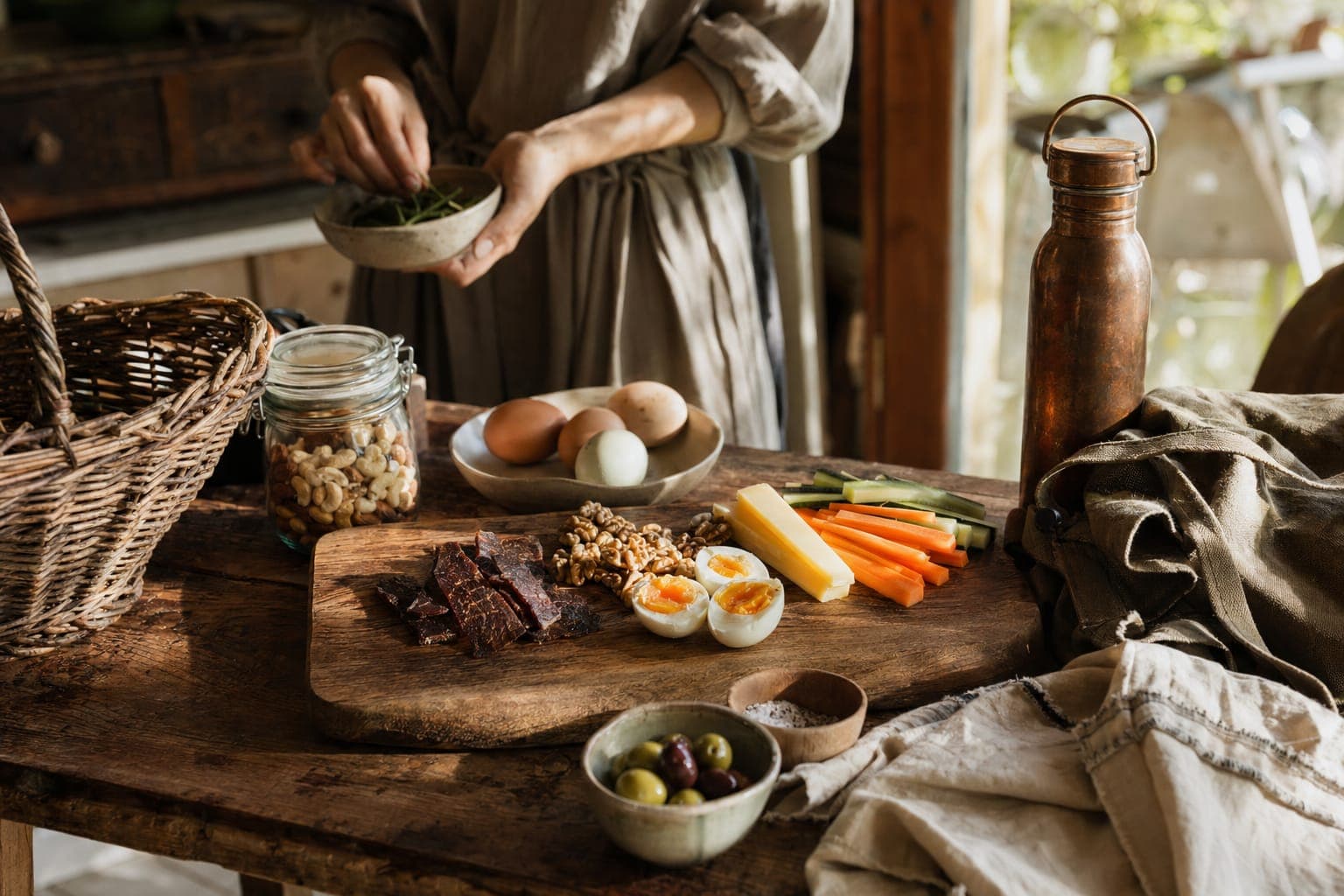
Whole Food Snacks for Busy Days
Practical whole food snacks that travel well and sustain energy. No refined carbs, no seed oils. Real food options for when you're busy.


 Join over 100,000+ members
Build a better food system with us
The Organised community is thousands of people choosing real food and backing the farmers who grow it, all of us trying to leave the world a little better than we found it. If that is what you care about too, you belong here.