Why Biodiversity on Farms Matters for Your Food
You know that the soil matters. You've heard about micronutrients. But here's the piece most people miss: the nutritional value of your food is directly downstream of the biological diversity of the farm it came from.
By Niall Kiddle, Founder, Organised

Reviewed by Pedro Rodrigues, Agronomist (farming and sourcing only) ·
5 min read · Published · Updated · 3 cited sources
Makers of the Organised Daily blend, a grass-fed beef organ supplement from regenerative UK farms
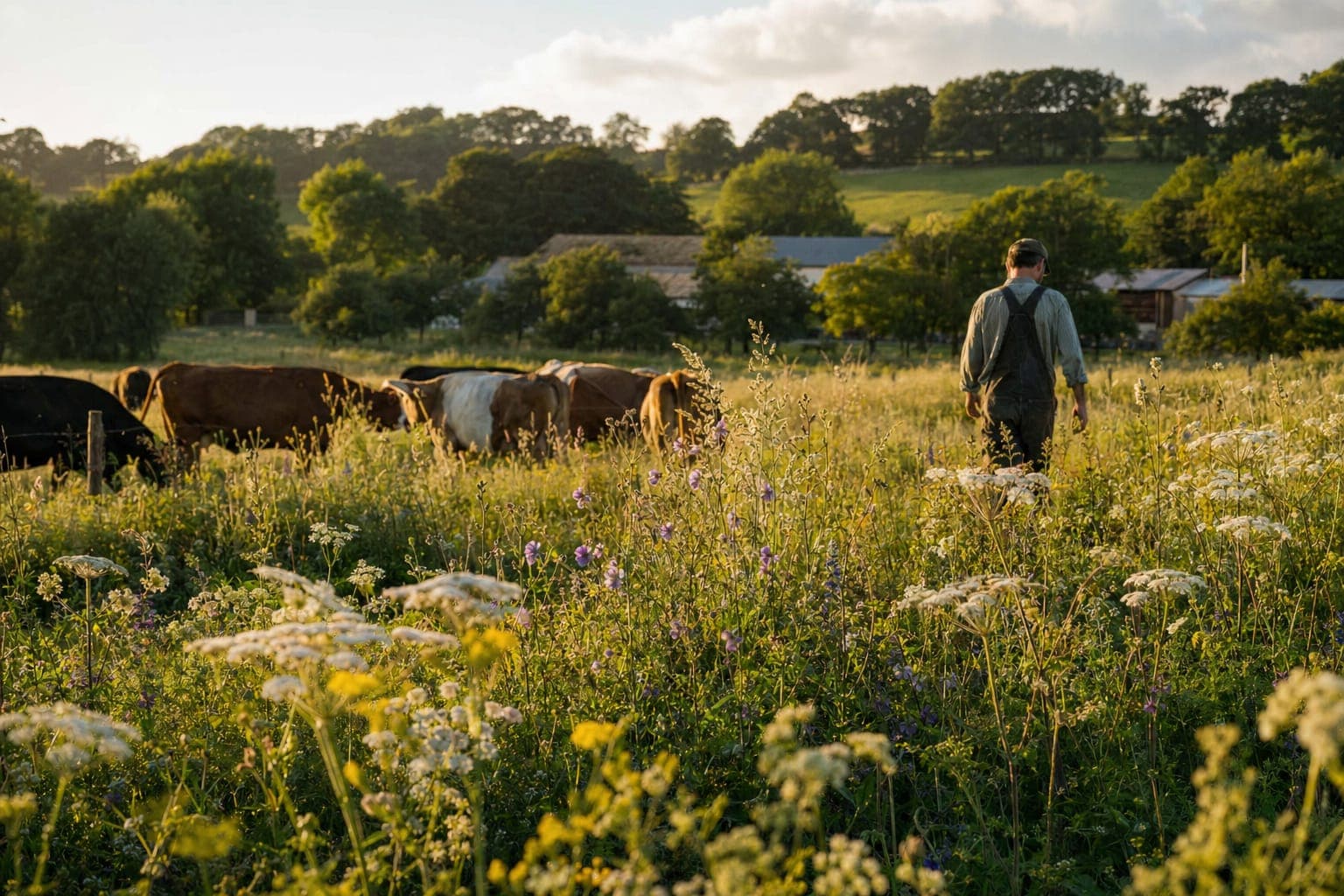
A monoculture field of ryegrass looks green and productive. But it's biologically impoverished. A diverse pasture with a dozen species of plants looks messier. It's actually a nutrient factory.
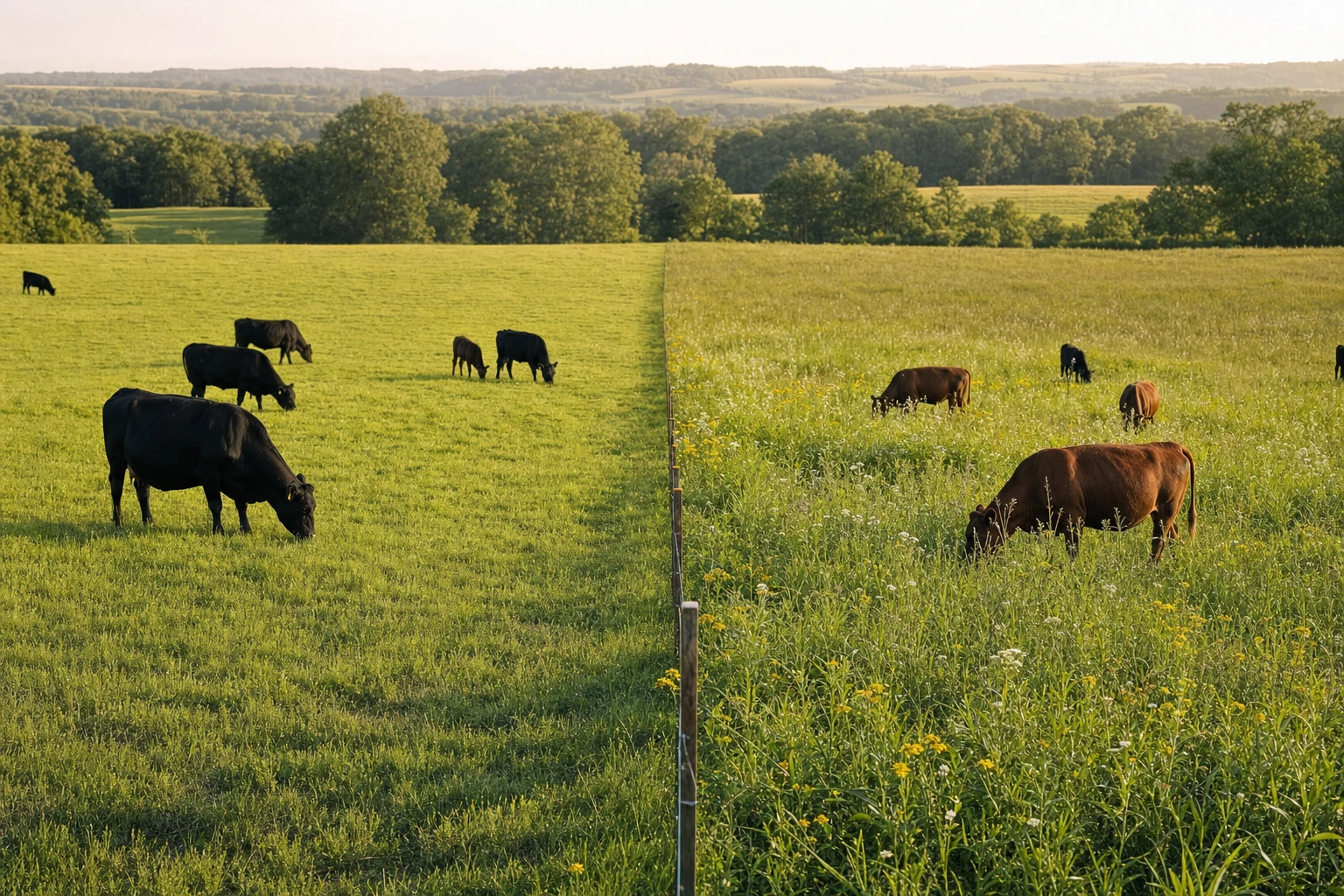
Monoculture silently depletes
Industrial agriculture chose simplicity. One crop. One variety. Easy to manage. Easy to harvest. Easy to sell. But biological simplicity means nutritional depletion.
A pasture planted with a single grass species is missing the complex ecosystem that would naturally establish. No herbs. No clover. No deep-rooted plants pulling minerals from far below the surface. No diversity means the soil can only provide what's in the top few inches.
And the soil itself, without biological diversity, begins to die. Without fungi, without the insect populations that would normally inhabit a diverse system, without the microbial networks that thrive in heterogeneous ecosystems, the soil becomes a lifeless medium. It can hold nutrients, but it can't actively cycle them, can't make them available to plants, can't support the biological processes that create nutrient density.
A cow eating monoculture grass is eating a nutritionally compromised diet. This translates directly to milk and meat that are also compromised. The animal can only provide what it received.
A monoculture cannot be nutrient-dense. Diversity is the foundation of nutrition.
What diversity actually does
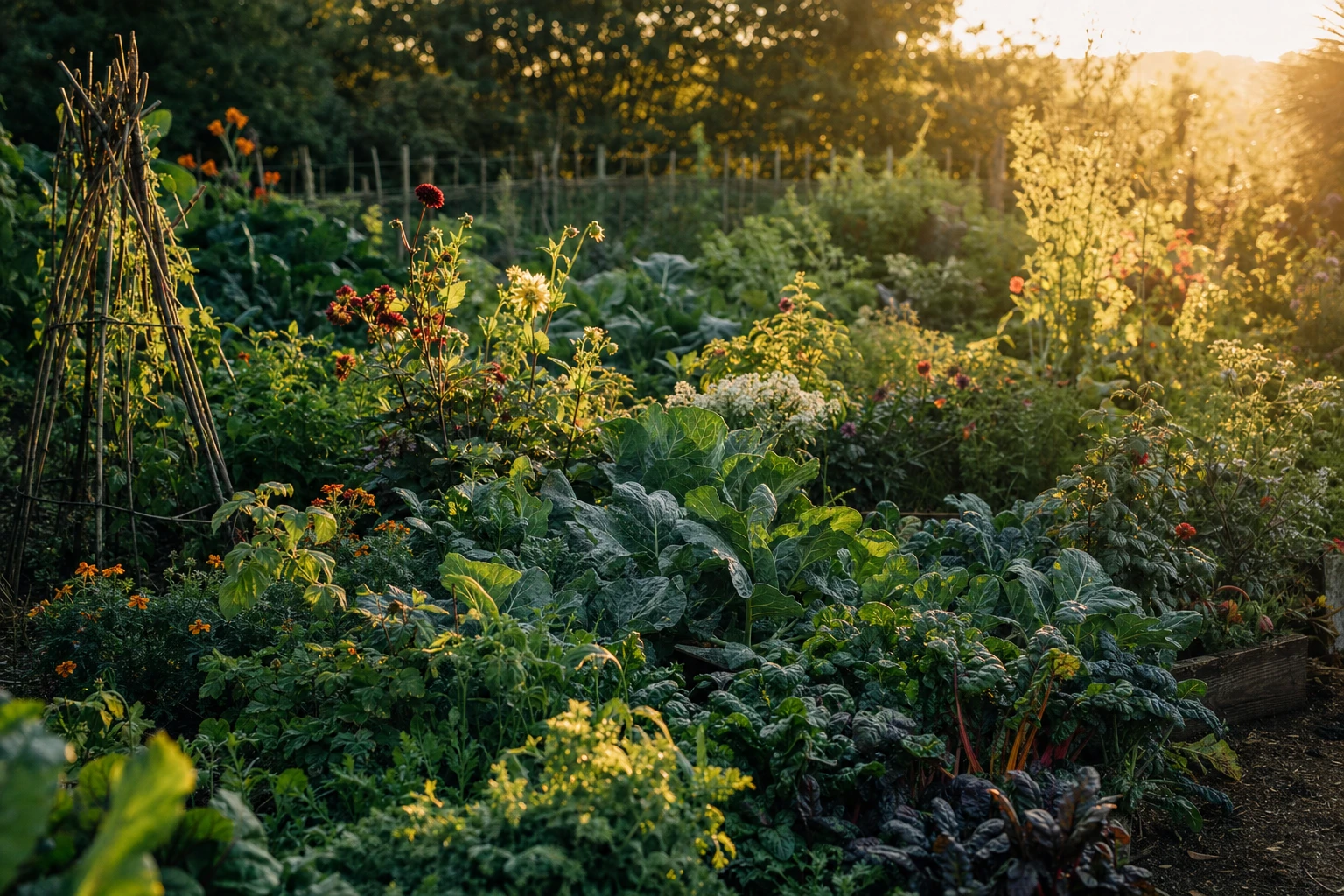
A biodiverse farm is a complex system where everything feeds everything else. Different plants have different root depths. Some are legumes that fix nitrogen. Some are deep-rooted forbs that mine minerals far below the surface. Some are native grasses with root systems that extend metres into the earth.
This diversity means the soil is being accessed at every depth. Minerals that would otherwise stay locked in deep soil are being brought to the surface by deep-rooting plants. Nitrogen is being fixed by legumes. Organic matter is being cycled at different rates and different scales.
The result is a soil that is actively nourishing the plants growing in it, not just passively holding them up. The plants that grow in biodiverse soil are more nutrient-dense because the soil is actively providing what they need.
Native grasses and mineral content
Native grasses have evolved over thousands of years to thrive in their specific soil. They've developed root systems that go deep. They've evolved to extract and concentrate minerals that modern monoculture grasses never learned to find.
A traditional British pasture might include native red fescue, meadow foxtail, crested dogtail.3 These aren't as high-yielding as modern ryegrass. But they're accessing minerals that ryegrass misses. They're more nutrient-dense because they're adapted to extract and concentrate what their soil naturally provides.
An animal grazing a pasture rich in native grasses is eating a diet that includes minerals it wouldn't get from monoculture. Selenium, copper, manganese, cobalt. These trace minerals are critical for health, but they're depleted in monoculture. They're present in biodiverse pasture.
This is why grass-fed beef from a biodiverse farm tastes different. It is different. The mineral and vitamin profile is richer because the animal ate plants that were extracting from richer soil.
Fungi are the real miners
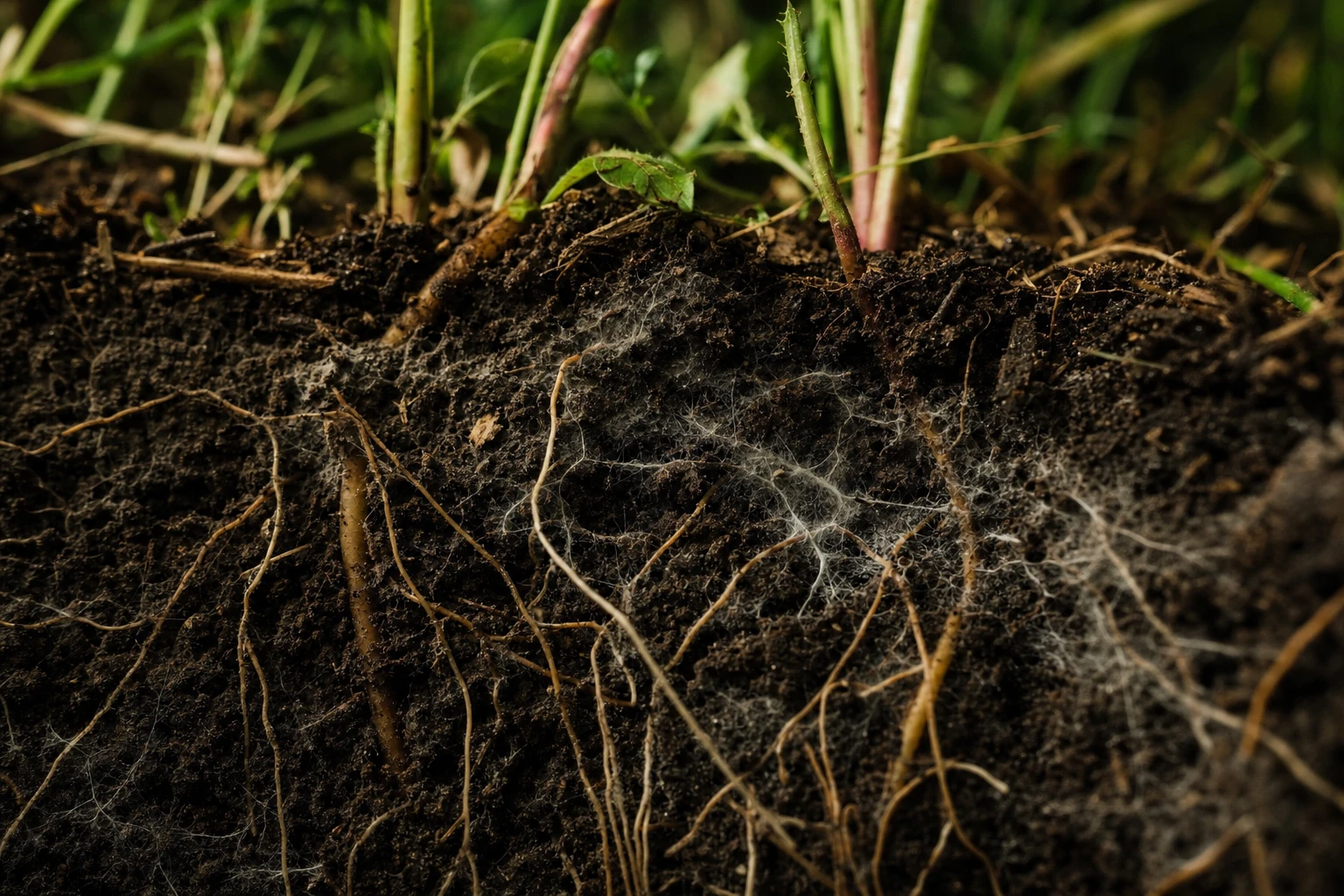
Soil fungi are not an afterthought. They're the primary nutrient miners of the ecosystem. Mycorrhizal fungi, in particular, form relationships with plant roots and exchange minerals for sugars.1
A fungal network can extend for metres through the soil, far beyond where the plant root itself reaches. The fungus finds minerals, brings them back to the plant, and in return gets carbohydrates from photosynthesis. It's a trade.
Monoculture soils typically have impoverished fungal networks. The same fungal species dominate, if they're present at all. The plant-fungus relationships are weak. Nutrient cycling is poor.
Biodiverse soils support diverse fungal communities. Different plants have different fungal partners. The network becomes complex and resilient. Minerals are being actively extracted and delivered to plants. The food becomes richer as a result.
You cannot see the fungi. But you can taste their effect in food raised on biodiverse land.
Get farming and sourcing guides, free
Two short reads a week on regenerative farming and where real food comes from.
By signing up you agree to receive emails from us. No spam, unsubscribe anytime.
Insects as indicators
Walk through a monoculture field and you'll notice the silence. Few birds. Few insects. The ecosystem is simplified to the point of collapse.
Walk through a biodiverse pasture and you'll hear it. Insects everywhere. Birds moving through. The sound of an active ecosystem.
Insects matter because they're part of the nutrient cycle. They aerate soil. They break down dead matter. They feed birds that feed other animals. They're part of the system that makes soil alive.
More importantly, the presence of a rich insect population indicates a biodiverse system. If insects are thriving, the plants and fungi and microbes that support them are thriving too. The soil is alive. The food produced from that soil will be more nutritious.

1 of 9
Daily blend
100,000+ thriving families4.9 on Trustpilot
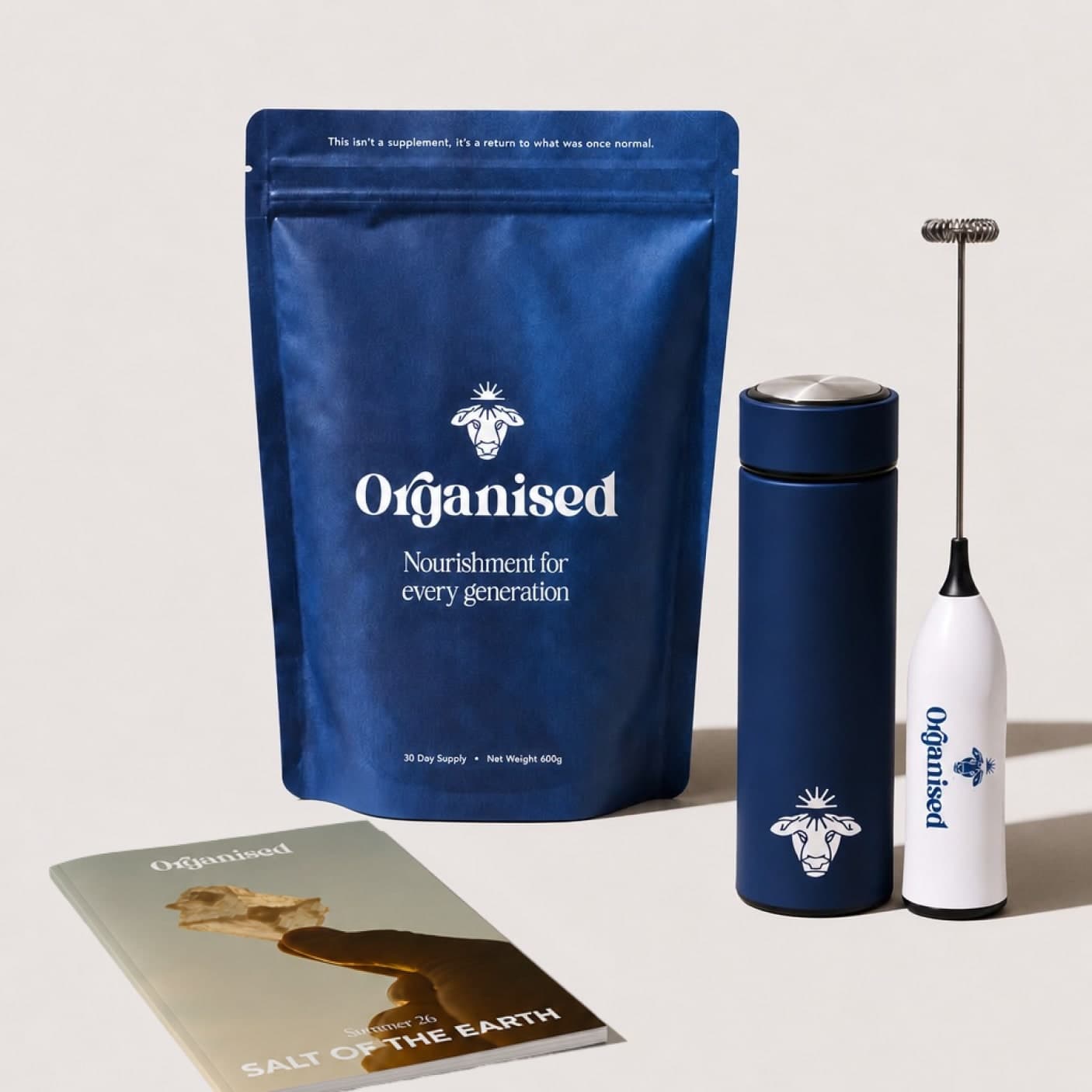
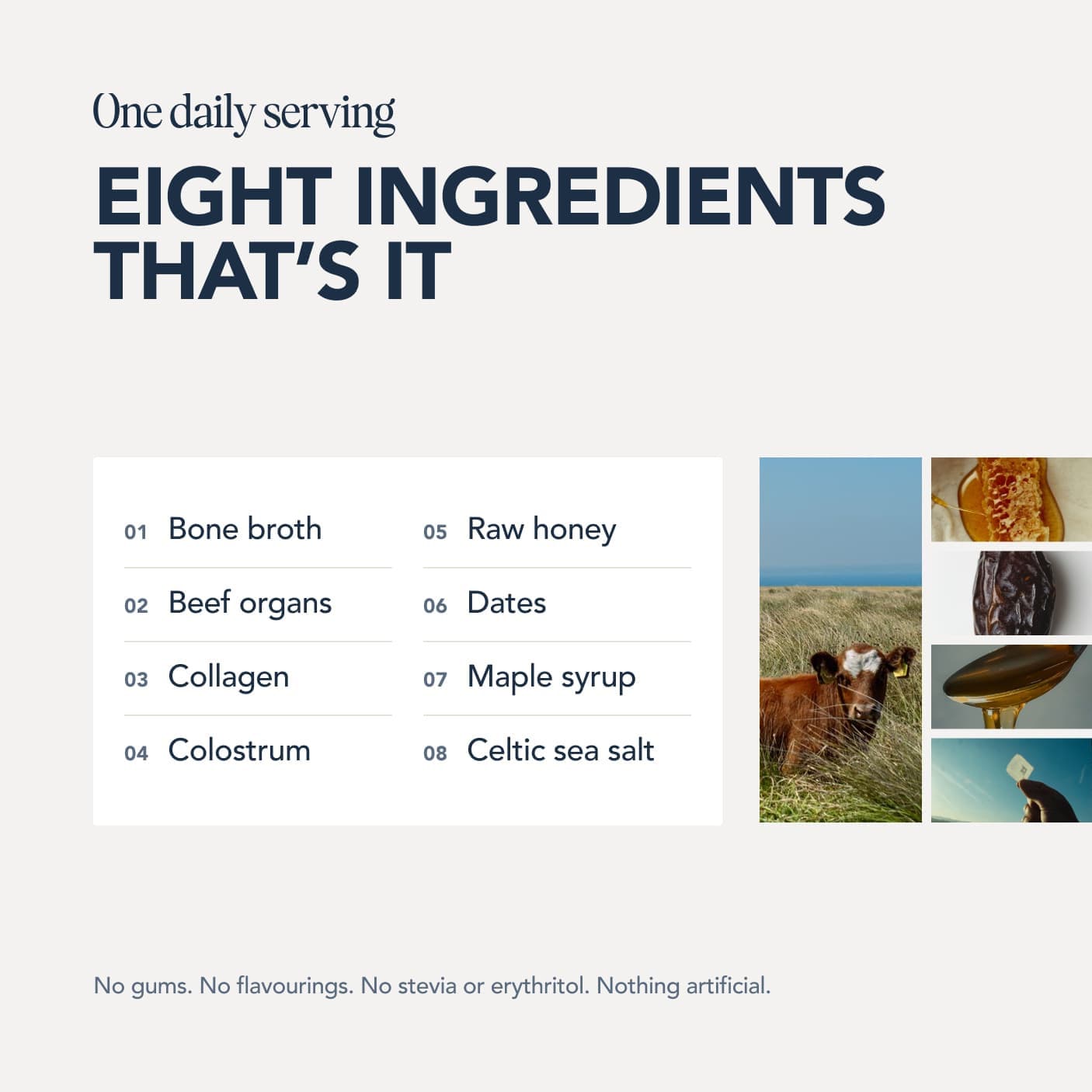
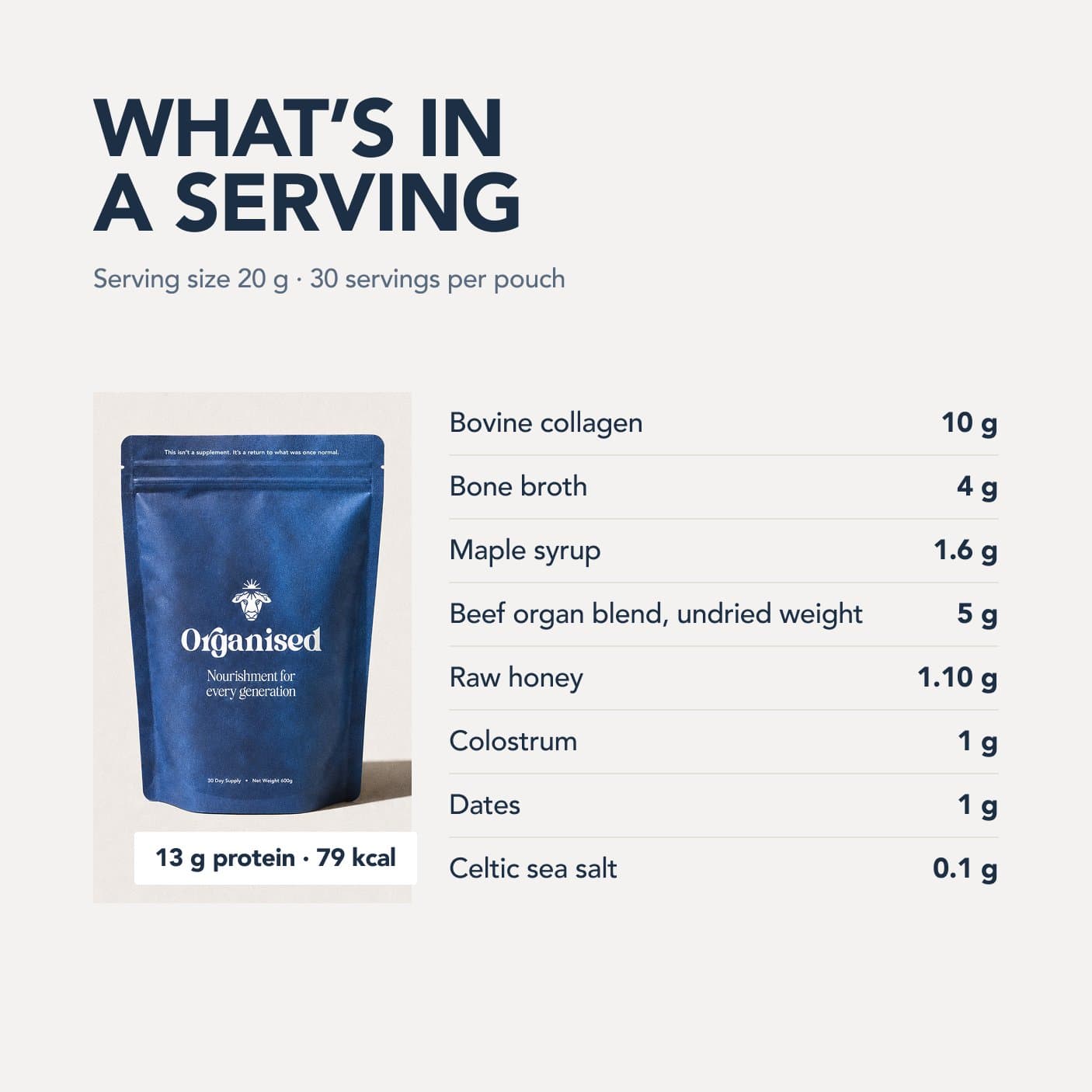
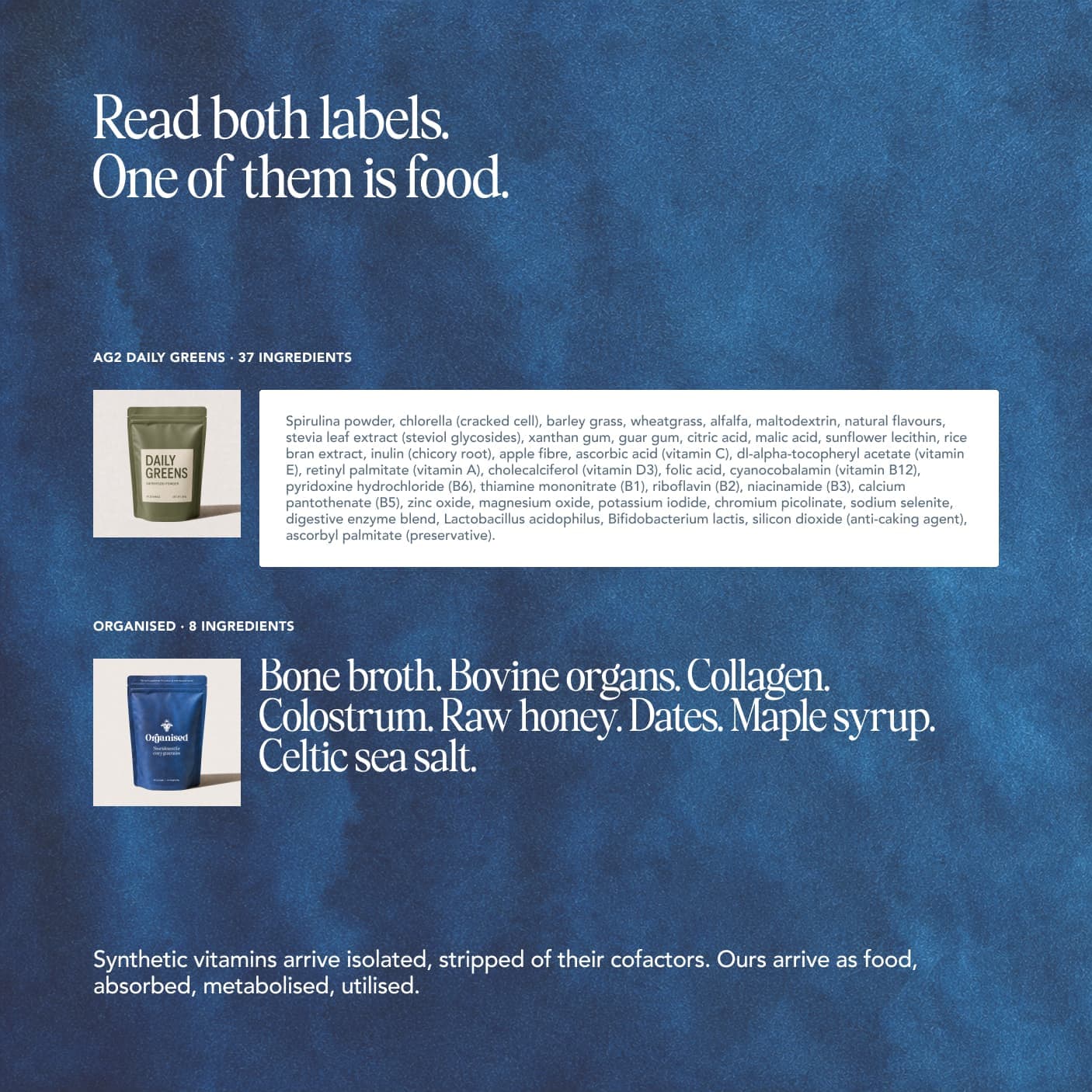
Eight real ingredients built around grass-fed beef organs, collagen and colostrum. Nothing synthetic added.
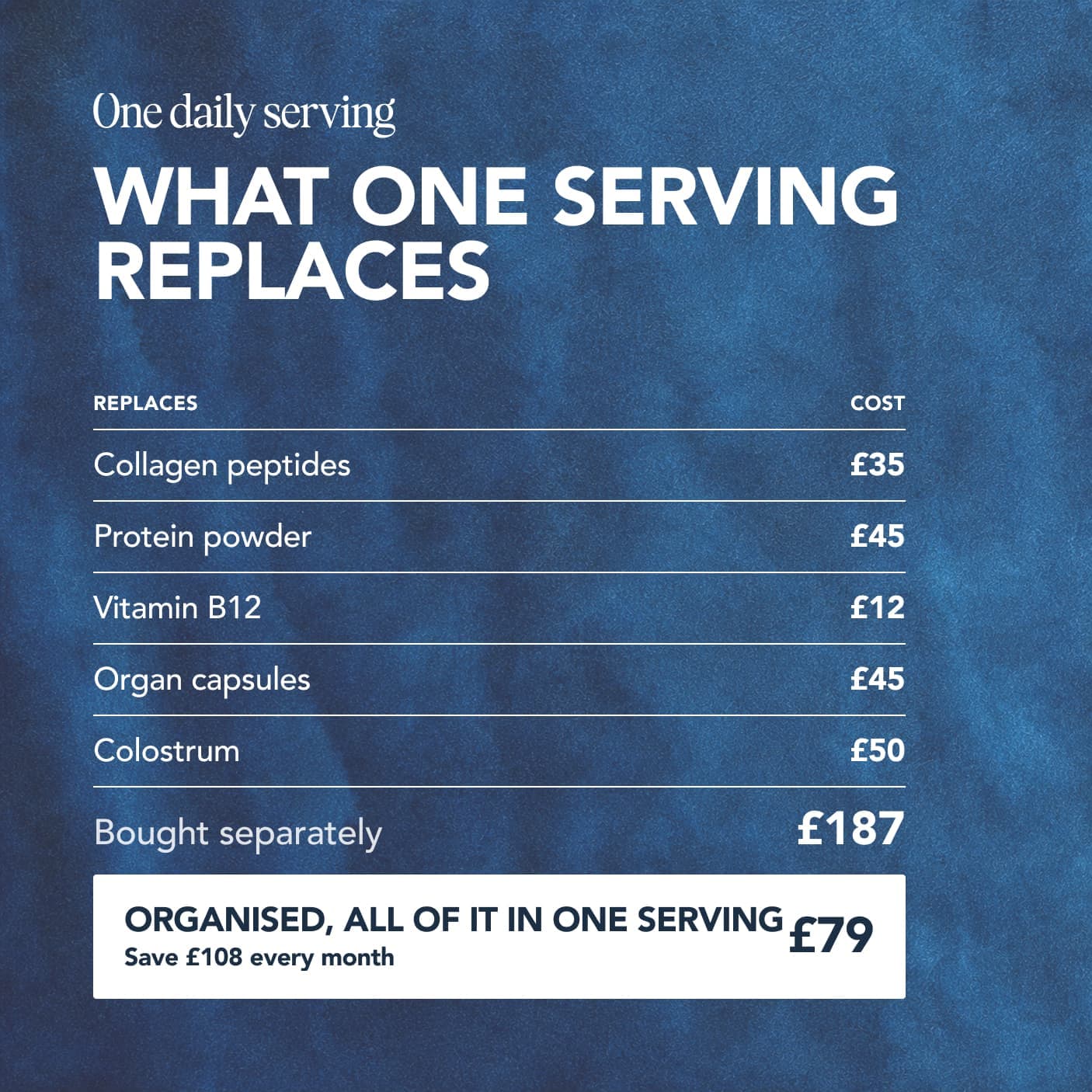
Free with your first order, worth £38. Plus £10 off the pouch with a subscription.


Free UK shipping · Made in England · 100 day money back guarantee on your first pouch · Skip, pause or cancel anytime
How diversity creates nutrient density
A plant growing in monoculture soil can accumulate only the nutrients present in that impoverished system. Even with supplementation, even with fertiliser, the nutrient profile is limited.
A plant growing in biodiverse soil has access to a wider range of minerals. The deep-rooted plants are pulling minerals from layers of soil the shallow-rooted monoculture crop never touches. The fungi are bringing minerals to the roots. The biological activity is constant and diverse.
The plant responds by being more nutrient-dense. Not just in major nutrients like potassium and phosphorus, but in trace minerals. Selenium, copper, zinc, iron. These are the nutrients that determine whether the person eating the food will thrive or decline.
This is why a tomato from a biodiverse garden tastes more like a tomato. More mineral flavour. More complexity. It's not marketing. It's measurable. Studies of biodiverse versus monoculture produce show significant differences in micronutrient content.2
The taste test nobody talks about
Before nutrition, there was taste. Humans have tasted their food for millennia. We've evolved to prefer the taste of nutrient-dense food because flavour compounds are often indicators of mineral and phytochemical content.
A carrot from biodiverse soil tastes like a carrot. A carrot from monoculture soil tastes like water with colour. The difference is partly real taste, partly the expectation that the biodiverse version is richer, but it's also neurologically real. Your taste system is detecting the mineral and phytochemical difference.
This is why farmers' market produce from small, diverse operations tastes different. It's not nostalgia. The food is actually more flavourful because it's actually more nutrient-dense.
The bottom line
If you want genuinely nutrient-dense food, trace it back to the farm. Ask about diversity. Ask if they grow multiple crops or multiple varieties. Ask about the pasture mix. Ask if they encourage native plants or if they're monoculture purists.
The producers worth buying from are the ones who see biodiversity not as a bug but as a feature. Not as a nuisance that makes harvesting harder, but as the foundation of nutrition. When you buy from a biodiverse farm, you're buying food that's actually richer. Your body will feel the difference.
References
Every source below was checked on 27 August 2026. Each link was requested and read. Where a citation and its identifier disagreed, the citation was corrected to the record or the reference was deleted along with the sentence marker that pointed at it, and where the resolved paper turned out not to support the sentence, the sentence was cut back to what it does support. Borrowed authority is worse than none, because it looks like rigour.
- Smith SE, Read DJ. Mycorrhizal Symbiosis (3rd edition). Academic Press, 2008. Standard reference text. ScienceDirect.
- Davis DR. Declining fruit and vegetable nutrient composition: What is the evidence? HortScience, 2009. HortScience.
- Plantlife. Meadow and grassland action plan (UK native pasture species).
Who wrote and reviewed this guide
Niall Kiddle
Author · Founder, Organised
Niall is the founder of Organised. He started the company in 2024 after fixing his own health the slow way: in 2022 he swapped a cupboard of synthetic supplements for real food, raw milk, organ meats, bone broth and honey, and felt the difference within months.
Areas of expertise: Ancestral nutrition, Organ meats, Whole-food supplementation, Gut health, Regenerative sourcing
Read Niall's full profile
Pedro Rodrigues
Reviewer · Agronomist (farming and sourcing only)
Pedro is the agronomist Organised works with on farming and sourcing. His job on the guides is to keep the science honest: he reviews what we publish about soil health, regenerative agriculture, grazing and the way food is actually produced.
Areas of expertise: Regenerative agriculture, Agronomy, Soil health, Grass-fed farming, Food sourcing
Reviewed this guide on
Read Pedro's full profileMore on farming & transparency
View all- Biodynamic Farming: What It Means and Why It Matters
- British Beef: Why Quality Matters More Than Origin Alone
- Free Range, Organic, Pasture-Raised: A Quick Reference Guide
- How Stress in Cattle Affects the Quality of Their Organs
- What Is Mob Grazing and How Does It Help the Soil?
- What Is Third-Party Testing and Why Should You Care?
- Why Ingredient Traceability Matters More Than Marketing Claims
Browse the guides library
All guidesKeep reading
Farming
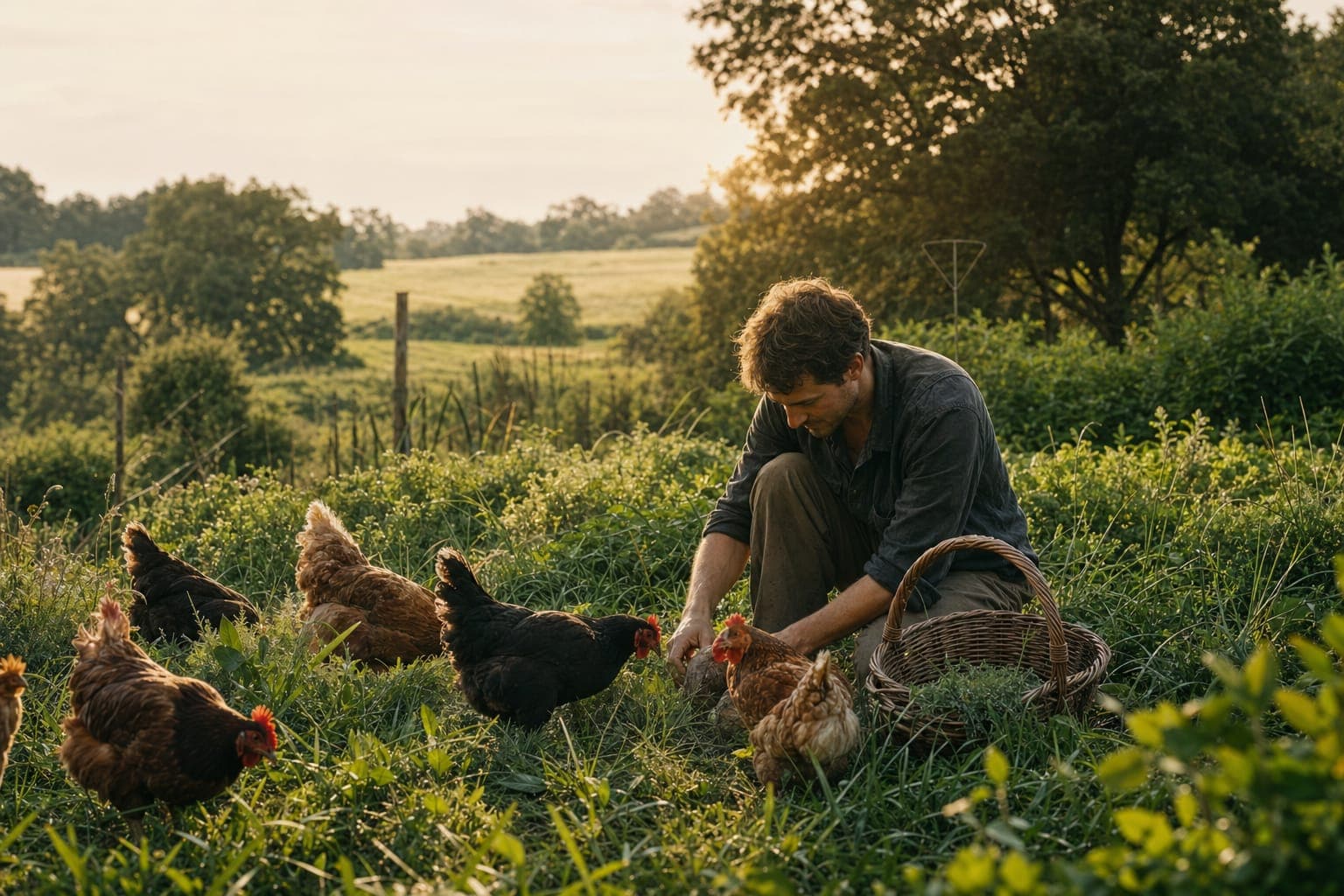
What Is Mob Grazing and How Does It Help the Soil?
Mob grazing mimics natural herd behaviour and rebuilds soil. Learn how high-density, short-duration grazing regenerates the land your food comes from.
Farming
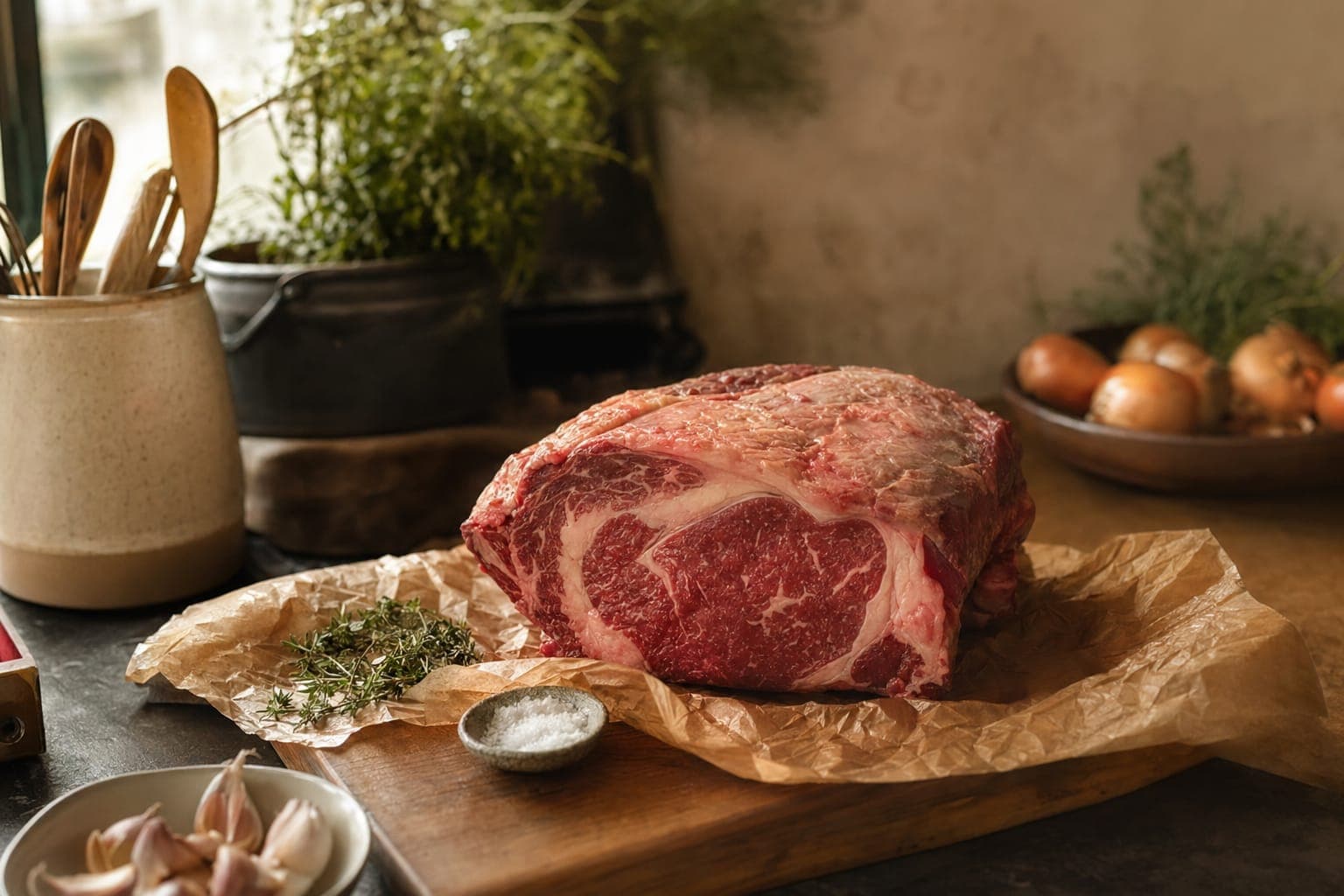
British Beef: Why Quality Matters More Than Origin Alone
British beef has a good climate for grass-fed cattle, but the label itself isn't a quality guarantee. Learn what to actually look for.
Farming
How Regenerative Farming Produces More Nutrient-Dense Food
How regenerative practices link to nutrient-dense food. Soil health, mineral uptake, and the farm-to-body chain explained.
Real food, made effortless
Shop the blendA few ways to use it
All recipes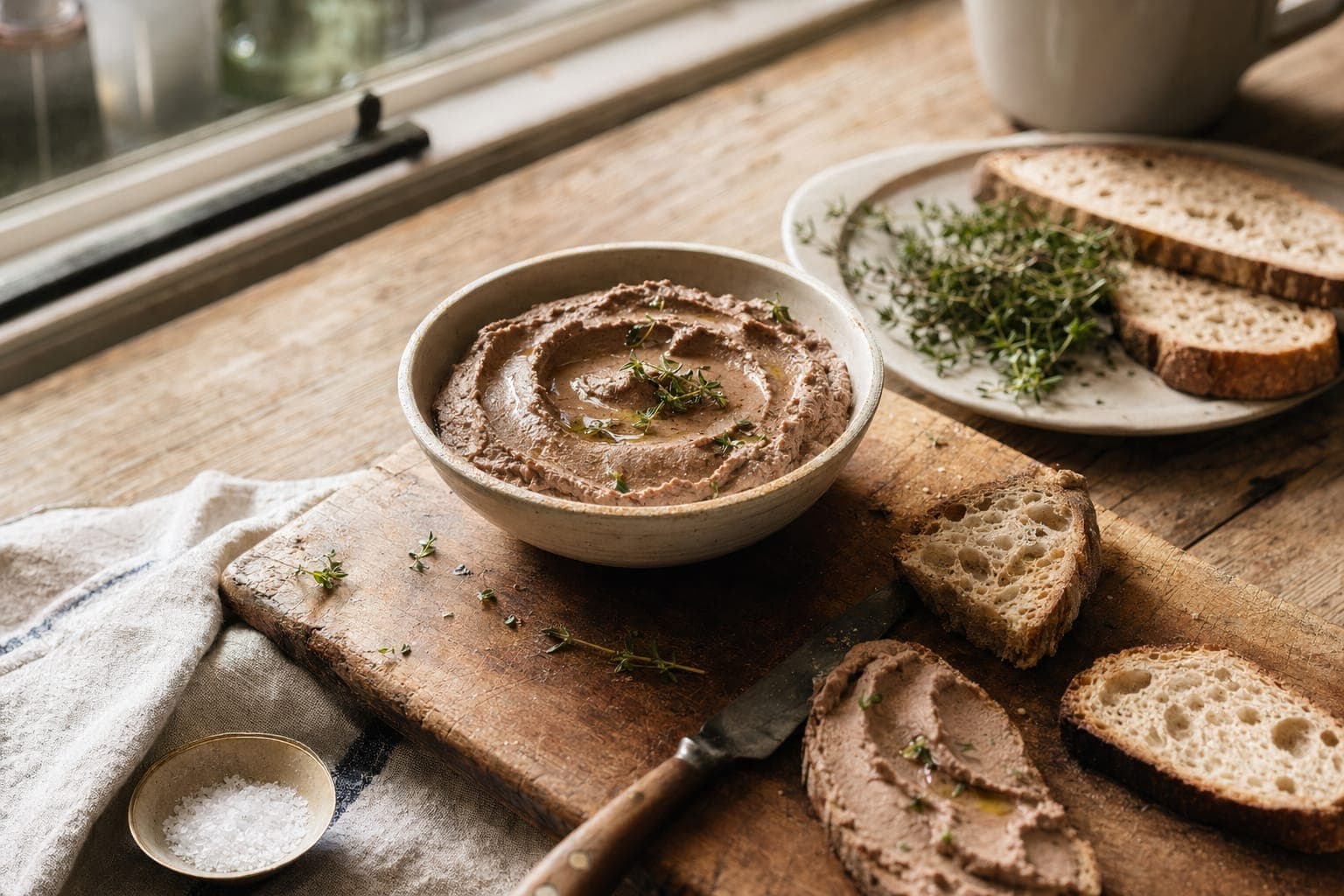
Liver Pate for Beginners: A Gentle Introduction to Organ Meats
Simple liver pate recipe to start eating organ meats. Chicken liver, butter, and herbs. Gentle introduction to nutrient-dense whole foods.
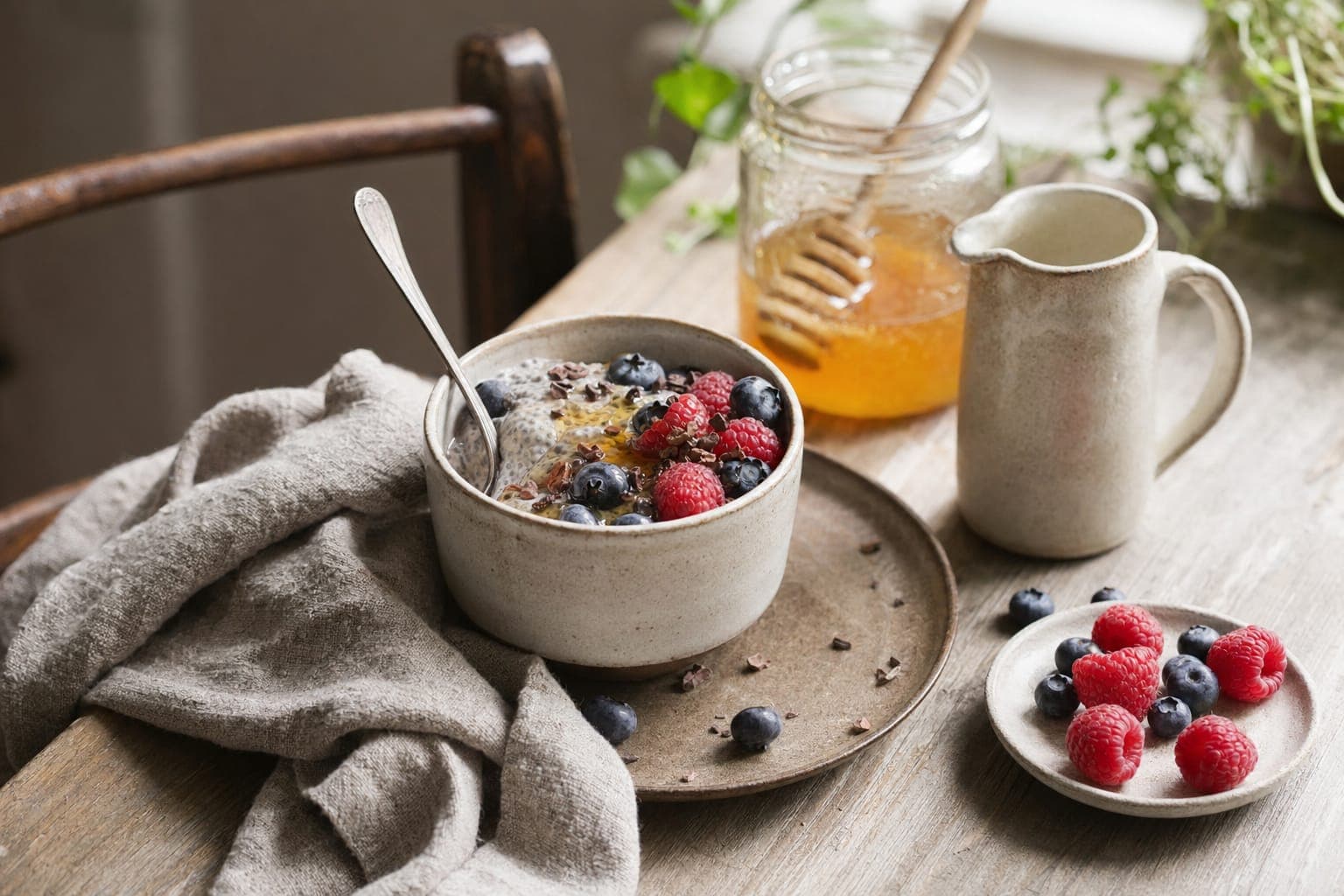
Organised Chia Pudding with Raw Honey and Berries
A no-cook chia seed pudding made with raw milk, collagen, berries, and raw honey. Prep it the night before and eat for breakfast.
10 Ways to Use Organised That Aren't Just a Shake
Move beyond the basic shake. Discover 10 creative ways to use Organised in smoothie bowls, oats, yoghurt, baking, and more.


 Join over 100,000+ members
Build a better food system with us
The Organised community is thousands of people choosing real food and backing the farmers who grow it, all of us trying to leave the world a little better than we found it. If that is what you care about too, you belong here.