Biodynamic Farming: What It Means and Why It Matters
You've heard the term biodynamic. There's a mystique around it, partly because it sounds a bit strange, partly because nobody really explains what it is. Here's the honest version: biodynamic farming is one of the most rigorous approaches to food production on the planet.
By Niall Kiddle, Founder, Organised

Reviewed by Pedro Rodrigues, Agronomist (farming and sourcing only) ·
5 min read · Published · Updated · 2 cited sources
Makers of the Organised Daily blend, a grass-fed beef organ supplement from regenerative UK farms
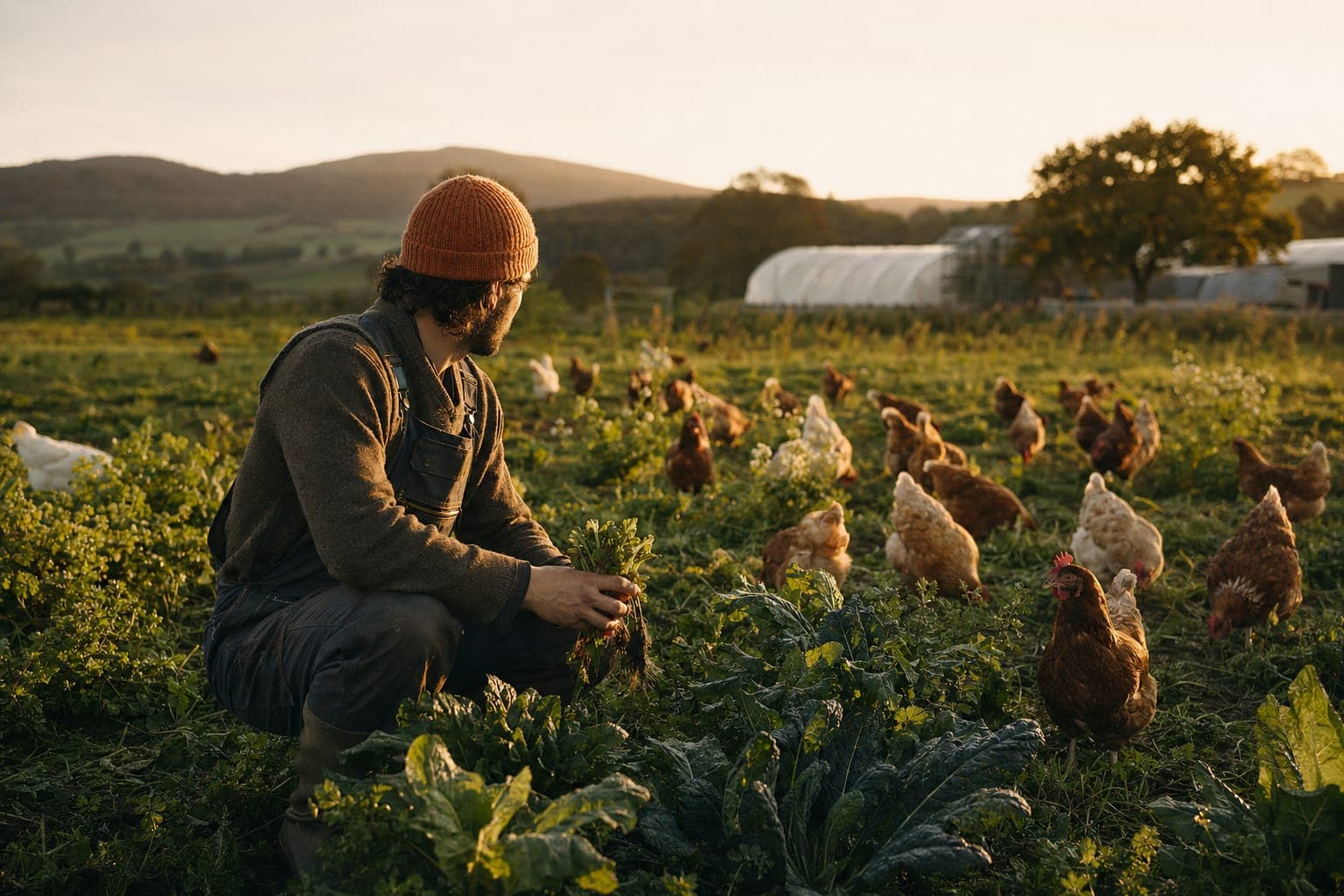
It's not magic. It's a system that treats the farm as a living organism, closed-loop, self-sufficient, regenerative by design. It's also stricter than organic certification, which is why biodynamic products cost more. And they should.
What biodynamic actually means
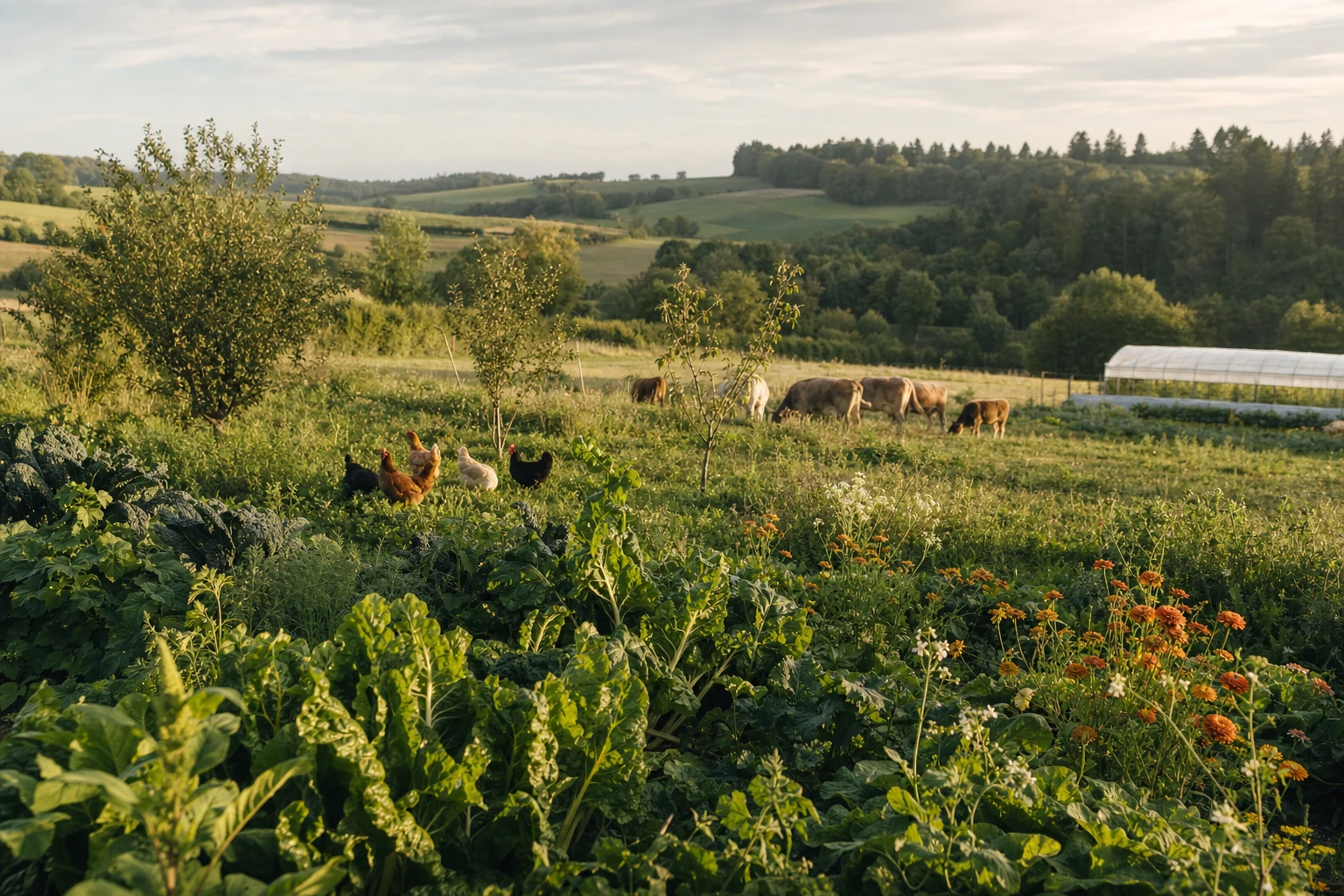
Biodynamic farming views the farm as a single, integrated living system. Not a collection of fields and animals, but an organism. The soil, the plants, the animals, the farmer, the forest margins, the water systems, all feeding and strengthening each other.
This sounds poetic, but it translates into specific practices. Crop rotation. Integrated pest management without synthetic chemicals. On-farm composting that cycles nutrients back to the soil. Animals that are part of the system, not separate inputs. Hedgerows and wild areas that support beneficial insects and birds.
The goal is a farm that can sustain itself. Minimal external inputs. Everything the farm needs is produced on the farm. Manure from livestock feeds the soil. Legumes fix nitrogen. The system builds resilience and fertility over time.
A biodynamic farm is trying to heal the land, not extract from it.
Rudolf Steiner and the first farmers
Biodynamic farming began in 1924 with a series of lectures by Rudolf Steiner, an Austrian philosopher and educator.1 A group of farmers came to him concerned that their soil was depleting, that crops were losing vitality, that farming was moving in the wrong direction.
Steiner developed a system based on observation and what he called anthroposophy, a spiritual-scientific approach to understanding living systems. Critics dismiss the spiritual components. Fair enough. But the practical systems Steiner outlined, when tested, actually work.
The core ideas, stripped of the philosophical framing: treat the soil as a living system, not a medium for chemical absorption. Close the nutrient loops on the farm. Observe seasonal and lunar patterns in plant growth. Support biodiversity. This is good farming, whether you believe in the spiritual dimensions or not.
Beyond organic
Organic certification means no synthetic pesticides, no synthetic fertilisers. It's a baseline. A farm can be organic and still be monoculture, still bring in external inputs, still be depleting the soil in subtle ways.
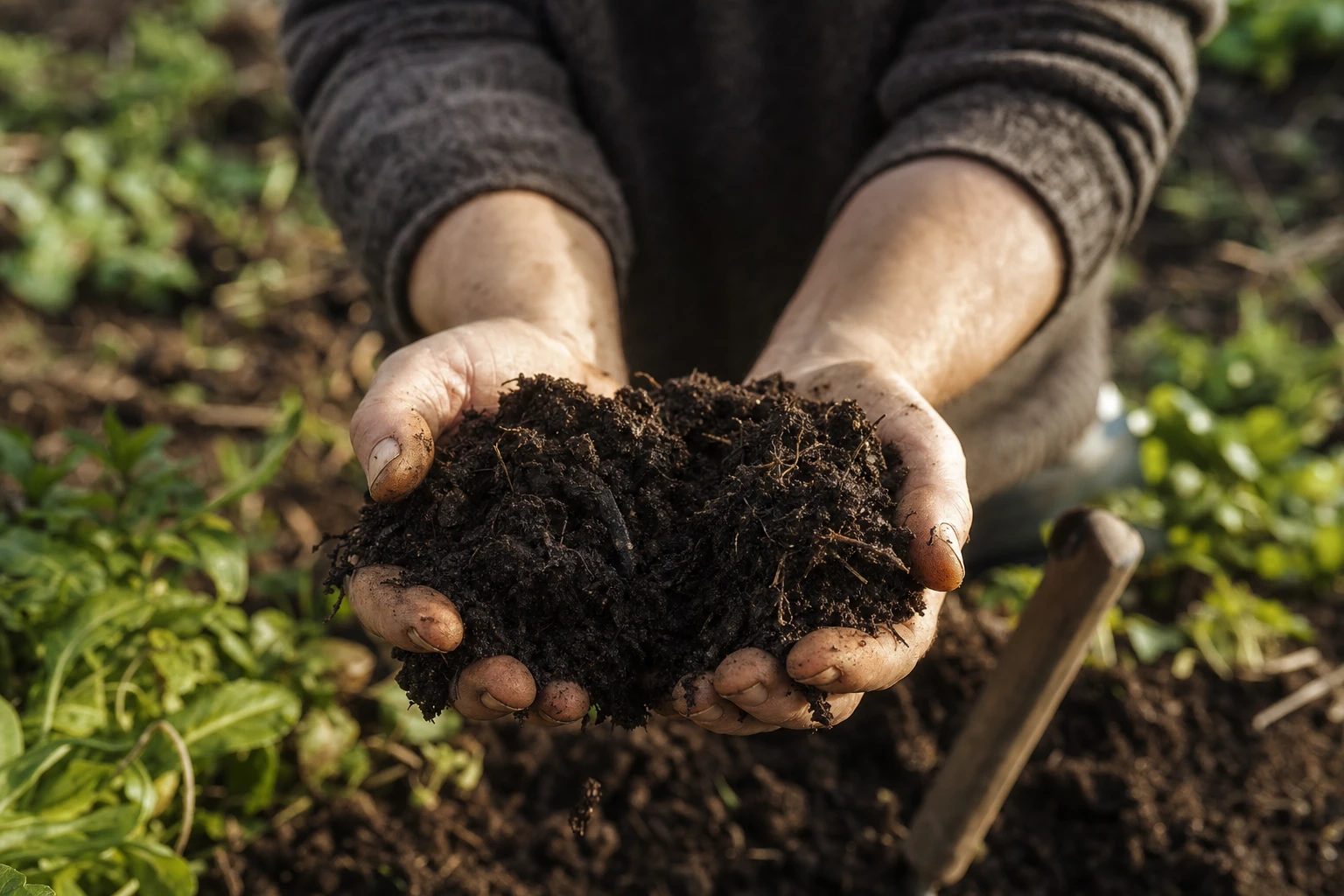
Biodynamic is organic, but it goes further. It requires a closed-loop system. It requires crop rotation. It requires integration of livestock and plants. It requires actively building soil fertility, not just avoiding chemicals.
An organic farm can be conventional farming without synthetic inputs. A biodynamic farm has to be regenerative. It has to be improving the land, not just maintaining it.
The closed-loop system
A closed-loop system means the farm produces what it needs. Compost comes from crop waste and animal manure, not imported potting soil. Fertiliser is made on-farm from legumes and composted material. Pest management comes from beneficial insects, crop rotation, and integrated practices, not external sprays.
This is harder to manage than conventional farming. It requires knowledge, observation, planning. It requires accepting lower yields in some areas in exchange for sustainability and long-term fertility.
But here's what happens: over time, a biodynamic farm becomes more productive, not less. The soil builds carbon and microbial life. Crops become more resilient. Animals are healthier. The entire system becomes more resilient to drought, to pests, to disease.
The initial transition is hard. But a farm that's been biodynamically managed for ten years is usually producing food of higher quality and reliability than a farm that's been chemically managed for fifty years.
Lunar cycles and planting
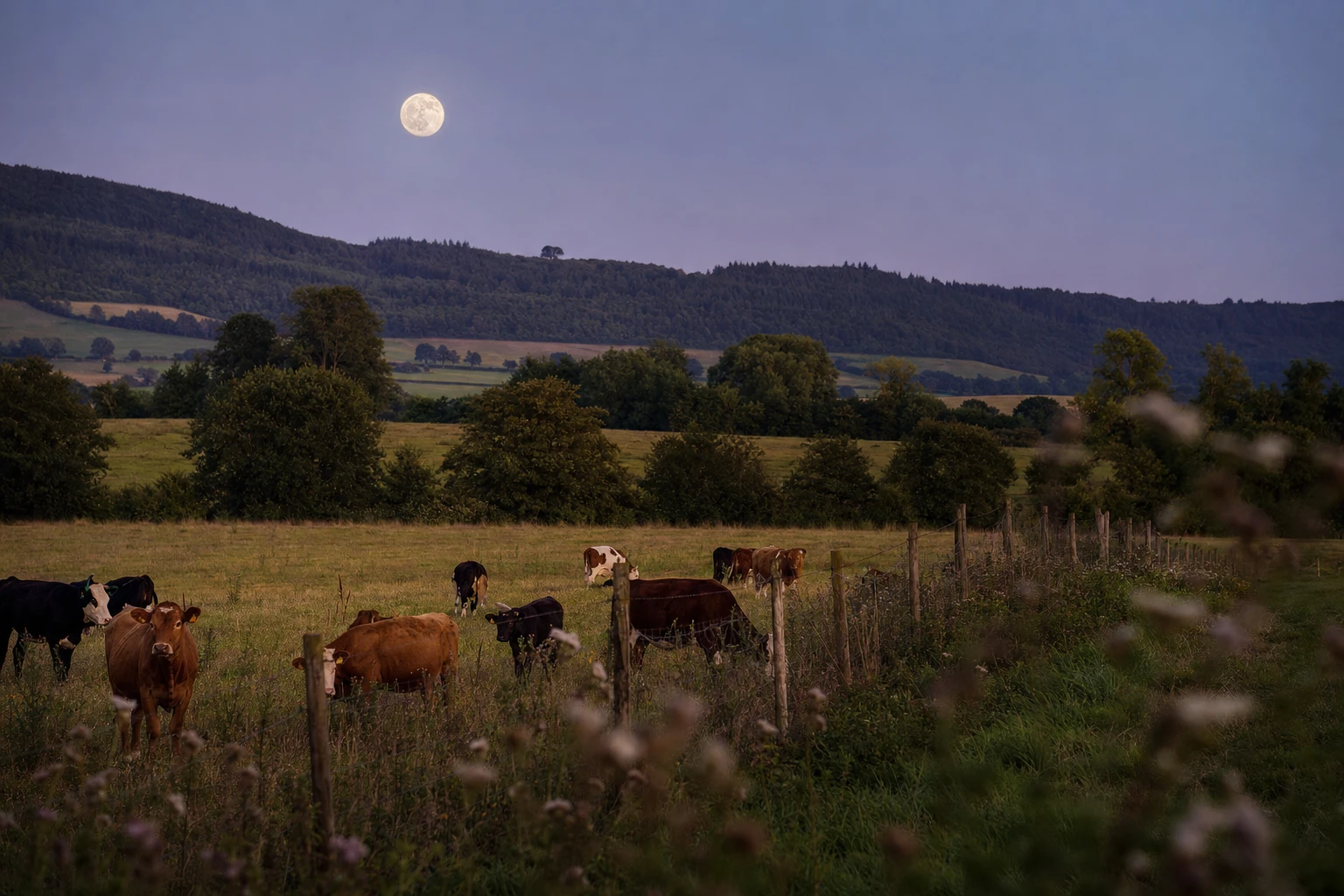
One of the things that makes biodynamic sound strange is the attention to lunar cycles. Biodynamic farmers track moon phases and plant or harvest based on them. Root crops during certain moon phases, leafy crops during others.
Is there scientific evidence that lunar cycles affect plant growth? The research is mixed. Some studies show effects, others don't. It's not definitively proven. But here's the thing: if it's not proven harmful, and if the farmers who use it are producing excellent food, it's a practice worth respecting even if we don't fully understand it.
More importantly, attention to lunar cycles is a proxy for attention to natural rhythms and seasonality. A farmer tracking the moon is thinking about the seasons, about natural patterns, about working with nature rather than against it. The actual mechanism matters less than the philosophy it represents.
Get farming and sourcing guides, free
Two short reads a week on regenerative farming and where real food comes from.
By signing up you agree to receive emails from us. No spam, unsubscribe anytime.
Why the mystique exists
Some biodynamic practices sound odd to modern ears. There are sprays made from fermented herbs. There are composts made with specific plant materials added at specific times. There are practices that sound more like alchemy than agriculture.
Part of this is because Steiner's philosophy involves spiritual dimensions that don't translate well to the modern scientific worldview. Part of it is because biodynamic farming operates on a different timescale and with a different sophistication than industrial agriculture.
But the mystique also exists because the results are real. Biodynamic food tastes better. It's more nutrient-dense. The soil improves. The land heals. When you're getting genuine results that conventional farming can't match, of course there's going to be mystique around it.
1 of 9
Daily blend
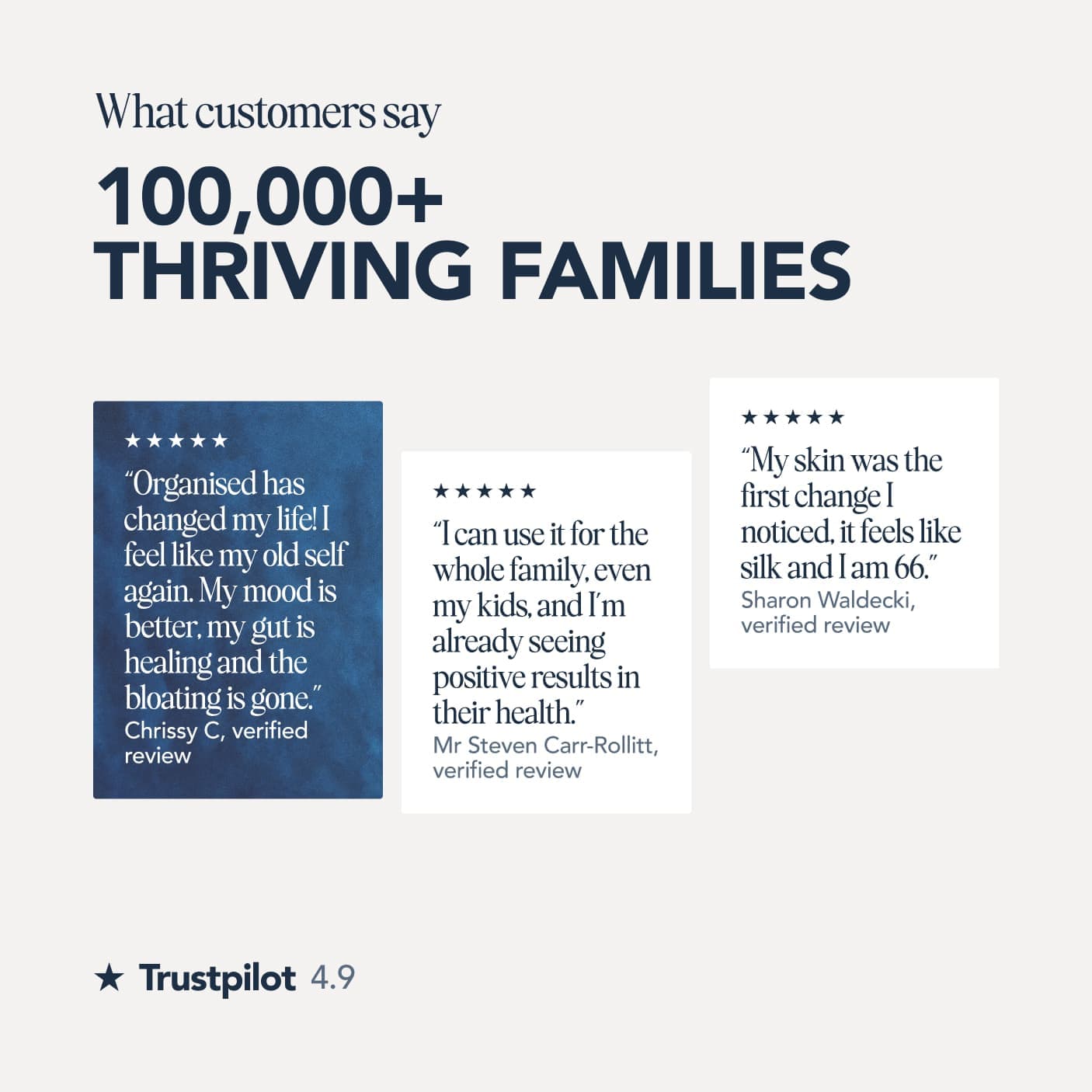
100,000+ thriving families4.9 on Trustpilot
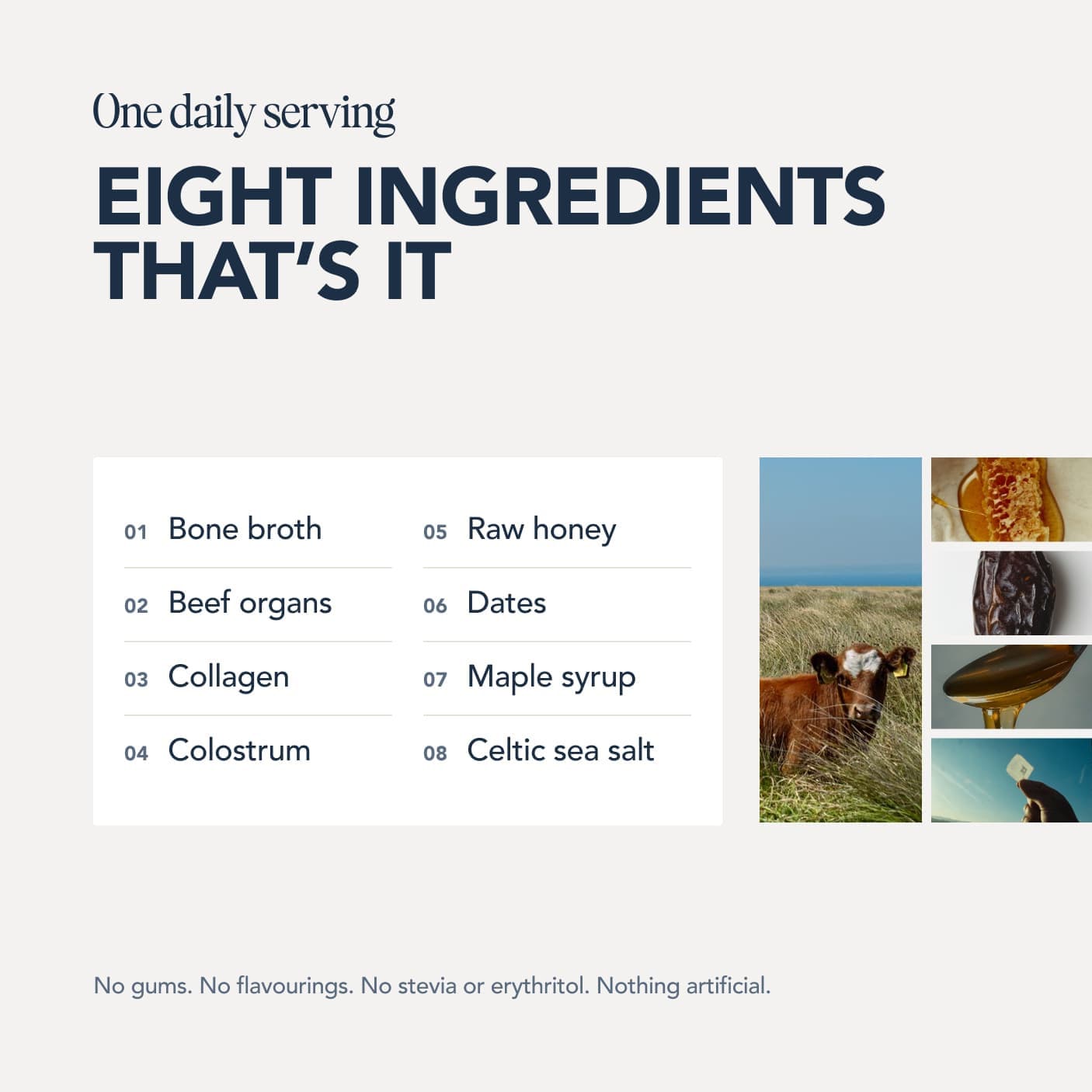
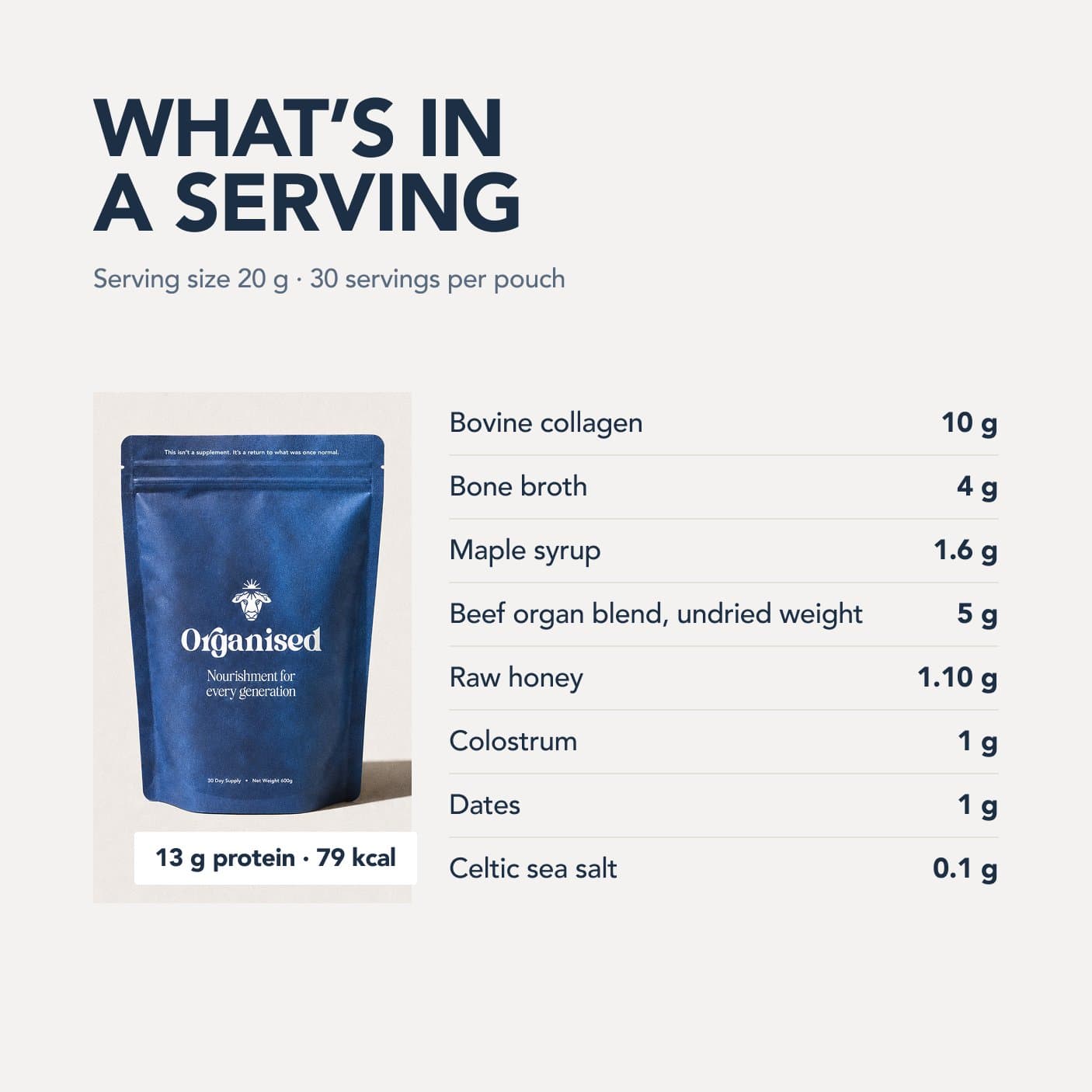
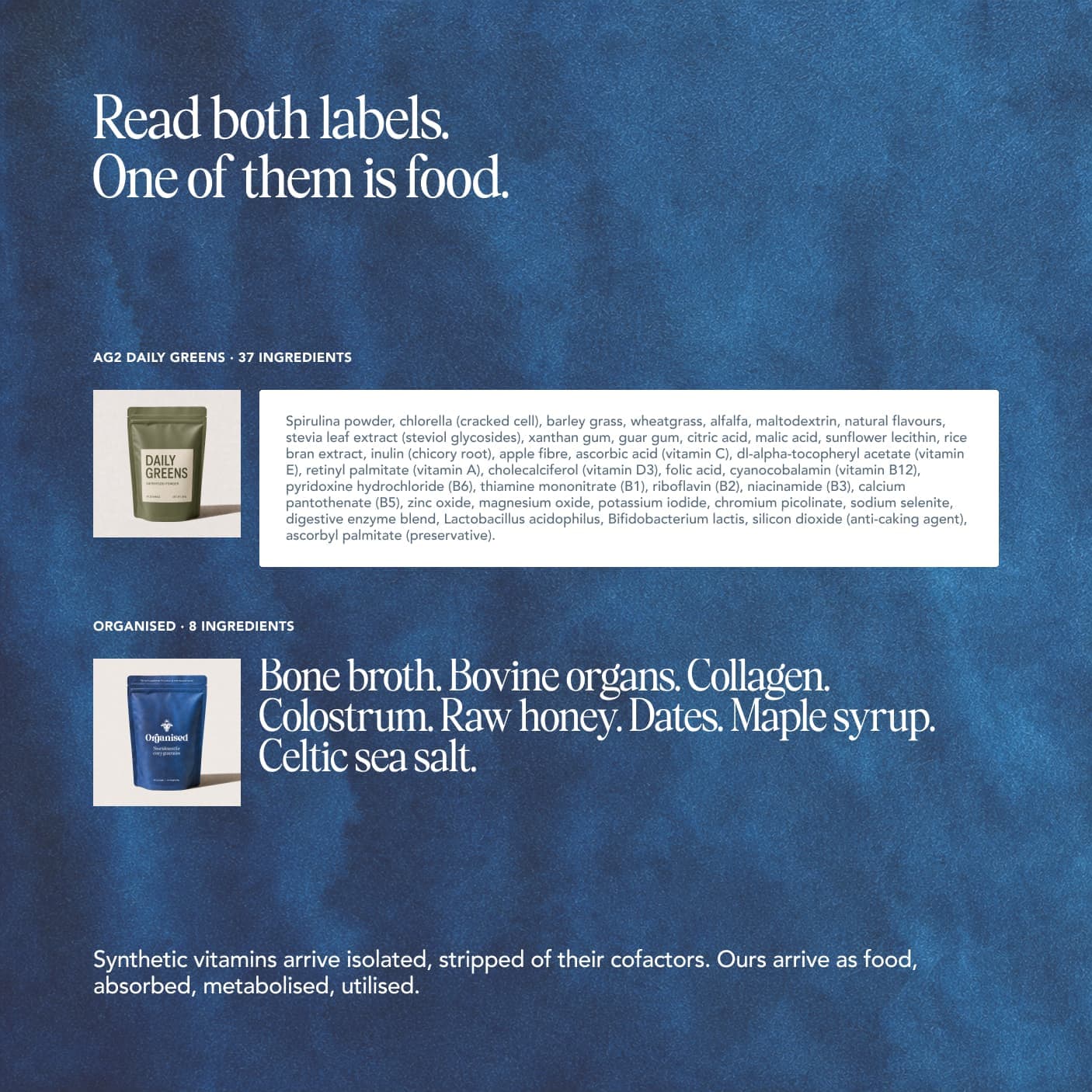
Eight real ingredients built around grass-fed beef organs, collagen and colostrum. Nothing synthetic added.
Free with your first order, worth £38. Plus £10 off the pouch with a subscription.

Free UK shipping · Made in England · 100 day money back guarantee on your first pouch · Skip, pause or cancel anytime
What Demeter certification guarantees
Demeter is the international biodynamic certification scheme.2 It's stricter than organic certification. To be Demeter certified, a farm must meet strict biodynamic standards and be audited annually.
Demeter certified means the farm is genuinely closed-loop, integrating crops and livestock, building soil fertility, minimising external inputs. It means crop rotation is practised. It means the farmer understands the philosophy even if they're not spiritual about it.
Demeter certified is a real signal of quality. If you see Demeter on a product, especially on produce or dairy, you're buying from a farm that is thoughtfully and carefully managing the land to improve it, not just extract from it.
Demeter certification means you're buying food from land that's actually healing under the farmer's stewardship.
The bottom line
Biodynamic farming is not a trend or a marketing term. It's a philosophy and a set of practices designed to heal the land while producing excellent food. It works. It's been proven to work for over a hundred years, on thousands of farms across Europe, North America, and beyond.
If you find biodynamic products, they'll be more expensive than conventional food. But you're paying for food from a farm that's genuinely improving the land it grows from. You're paying for higher nutrient density, better flavour, and the confidence that the system that produced it is sustainable for generations.
It's not the only good way to farm. Regenerative farms that aren't formally biodynamic are doing excellent work too. But biodynamic is a proven system. If you can access it, it's worth the extra cost.
References
Every source below was checked on 27 August 2026. Each link was requested and read. Where a citation and its identifier disagreed, the citation was corrected to the record or the reference was deleted along with the sentence marker that pointed at it, and where the resolved paper turned out not to support the sentence, the sentence was cut back to what it does support. Borrowed authority is worse than none, because it looks like rigour.
- Steiner R. Agriculture: A Course of Eight Lectures (1924).
- Demeter International. Demeter biodynamic certification standards.
Who wrote and reviewed this guide
Niall Kiddle
Author · Founder, Organised
Niall is the founder of Organised. He started the company in 2024 after fixing his own health the slow way: in 2022 he swapped a cupboard of synthetic supplements for real food, raw milk, organ meats, bone broth and honey, and felt the difference within months.
Areas of expertise: Ancestral nutrition, Organ meats, Whole-food supplementation, Gut health, Regenerative sourcing
Read Niall's full profile
Pedro Rodrigues
Reviewer · Agronomist (farming and sourcing only)
Pedro is the agronomist Organised works with on farming and sourcing. His job on the guides is to keep the science honest: he reviews what we publish about soil health, regenerative agriculture, grazing and the way food is actually produced.
Areas of expertise: Regenerative agriculture, Agronomy, Soil health, Grass-fed farming, Food sourcing
Reviewed this guide on
Read Pedro's full profileMore on farming & transparency
View all- British Beef: Why Quality Matters More Than Origin Alone
- Free Range, Organic, Pasture-Raised: A Quick Reference Guide
- How Stress in Cattle Affects the Quality of Their Organs
- What Is Mob Grazing and How Does It Help the Soil?
- What Is Third-Party Testing and Why Should You Care?
- Why Biodiversity on Farms Matters for Your Food
- Why Ingredient Traceability Matters More Than Marketing Claims
Browse the guides library
All guidesKeep reading
Farming
Why Biodiversity on Farms Matters for Your Food
Diverse farms produce more nutrient-dense food. Learn how native grasses, fungi, and insects directly impact the nutritional value of what you eat.
Farming
What Is Mob Grazing and How Does It Help the Soil?
Mob grazing mimics natural herd behaviour and rebuilds soil. Learn how high-density, short-duration grazing regenerates the land your food comes from.
Farming
How Cattle Help Sequester Carbon
Properly managed cattle can actually sequester carbon in soil. Here's how holistic planned grazing rebuilds ecosystems and stores carbon for generations.
Real food, made effortless
Shop the blendA few ways to use it
All recipes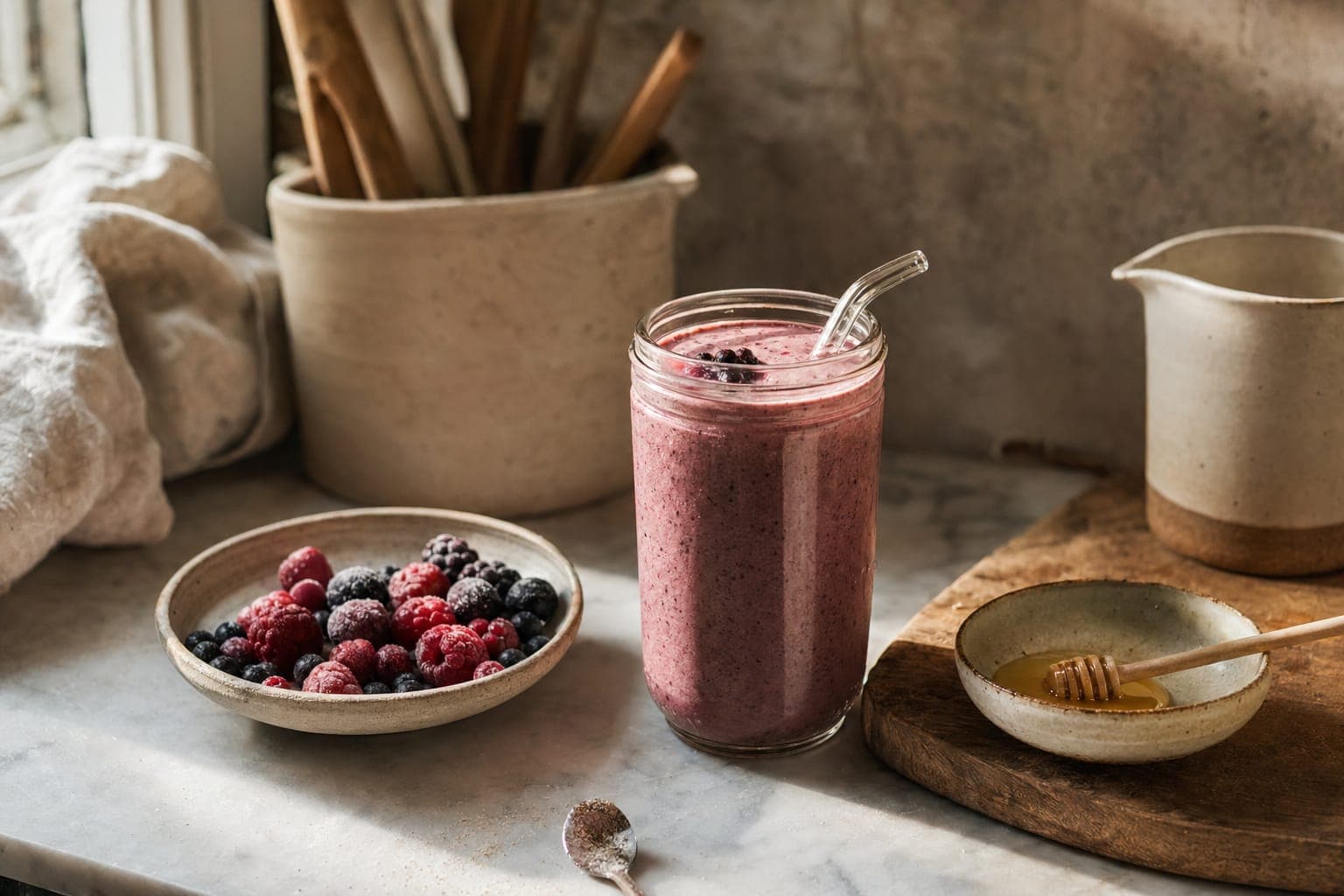
The Organised Recovery Smoothie for After Exercise
A recovery smoothie made with beef protein, raw milk, frozen berries, collagen, and honey. Optimal nutrition in the 30-minute window after exercise.
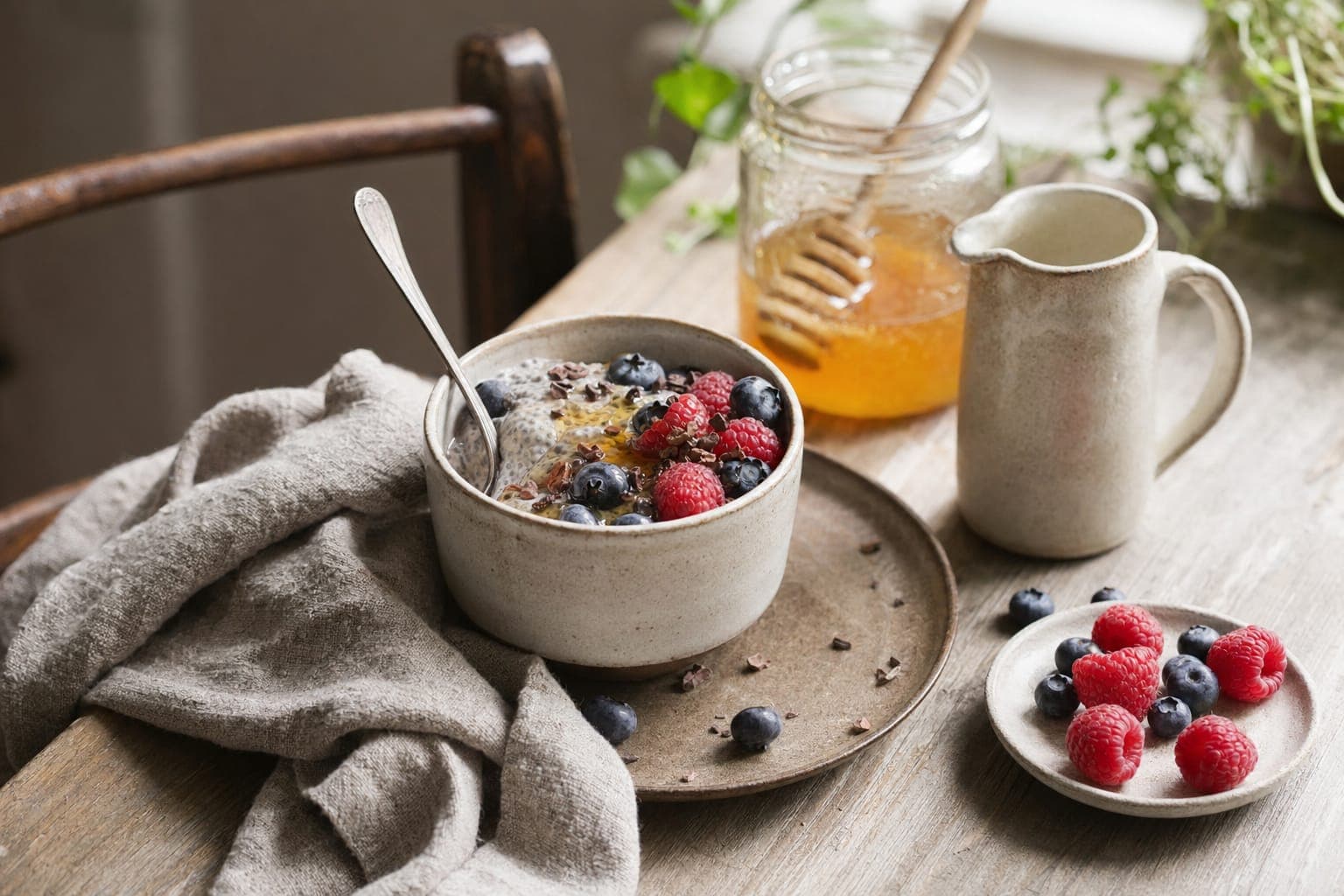
Organised Chia Pudding with Raw Honey and Berries
A no-cook chia seed pudding made with raw milk, collagen, berries, and raw honey. Prep it the night before and eat for breakfast.
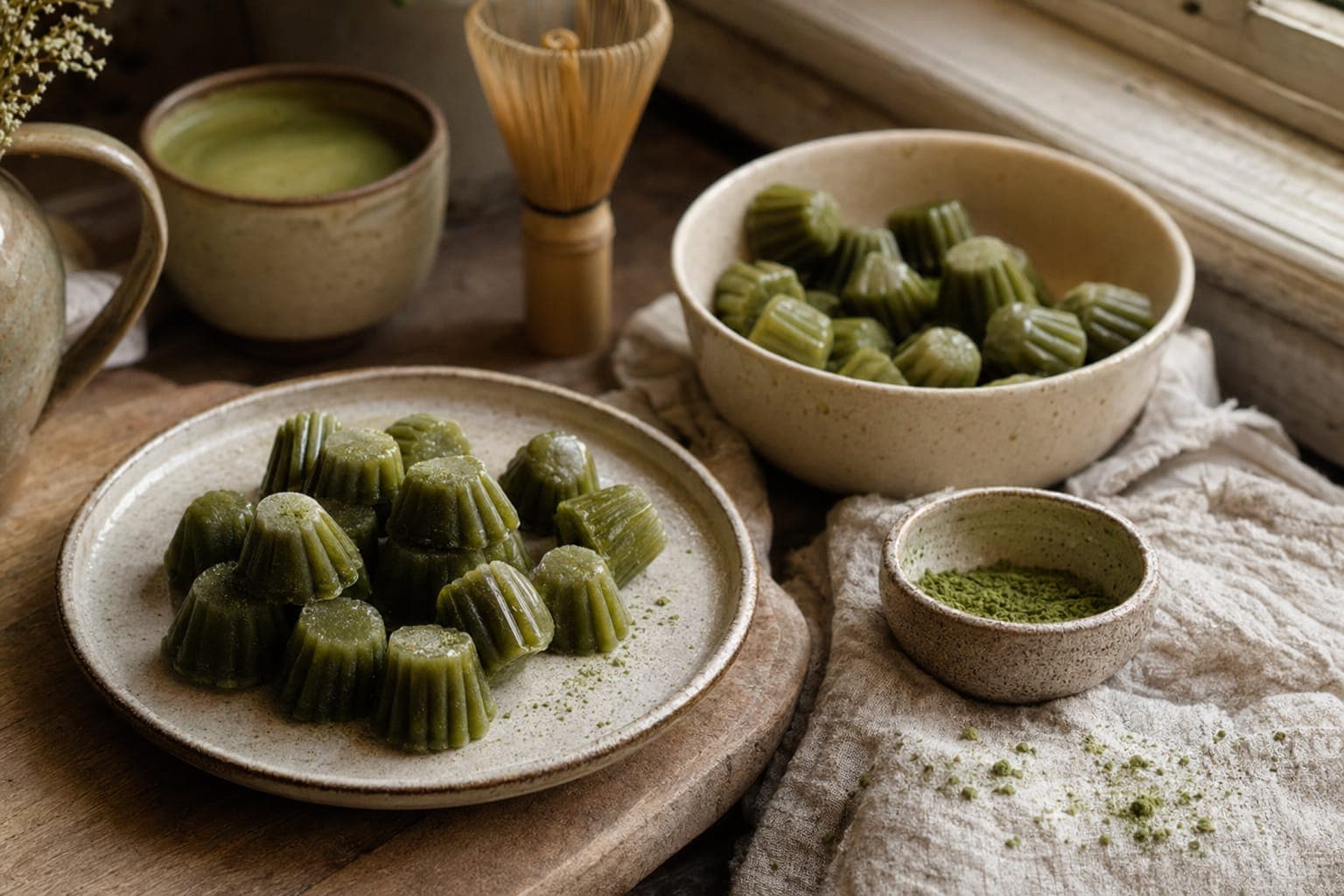
Matcha Latte Gummies with Collagen and Gelatine
Make visually stunning matcha latte gummies infused with collagen and gelatine. Simple recipe for gut-healing sweets you'll actually want to eat.

 Join over 100,000+ members
Build a better food system with us
The Organised community is thousands of people choosing real food and backing the farmers who grow it, all of us trying to leave the world a little better than we found it. If that is what you care about too, you belong here.