Why Freeze-Drying Preserves More Nutrients Than Other Methods
The way a whole food is preserved fundamentally changes what nutrients you actually consume. Freeze-drying preserves what's there. Most other methods destroy it. Here's the biochemistry, and why it matters.
By Niall Kiddle, Founder, Organised

Reviewed by Pedro Rodrigues, Agronomist (farming and sourcing only) ·
6 min read · Published · Updated · 2 cited sources
Makers of the Organised Daily blend, a grass-fed beef organ supplement from regenerative UK farms
When you buy a supplement claiming to contain whole-food nutrients, what matters isn't what was in the original food. What matters is what made it into the capsule. Processing choices determine that completely.
How freeze-drying works
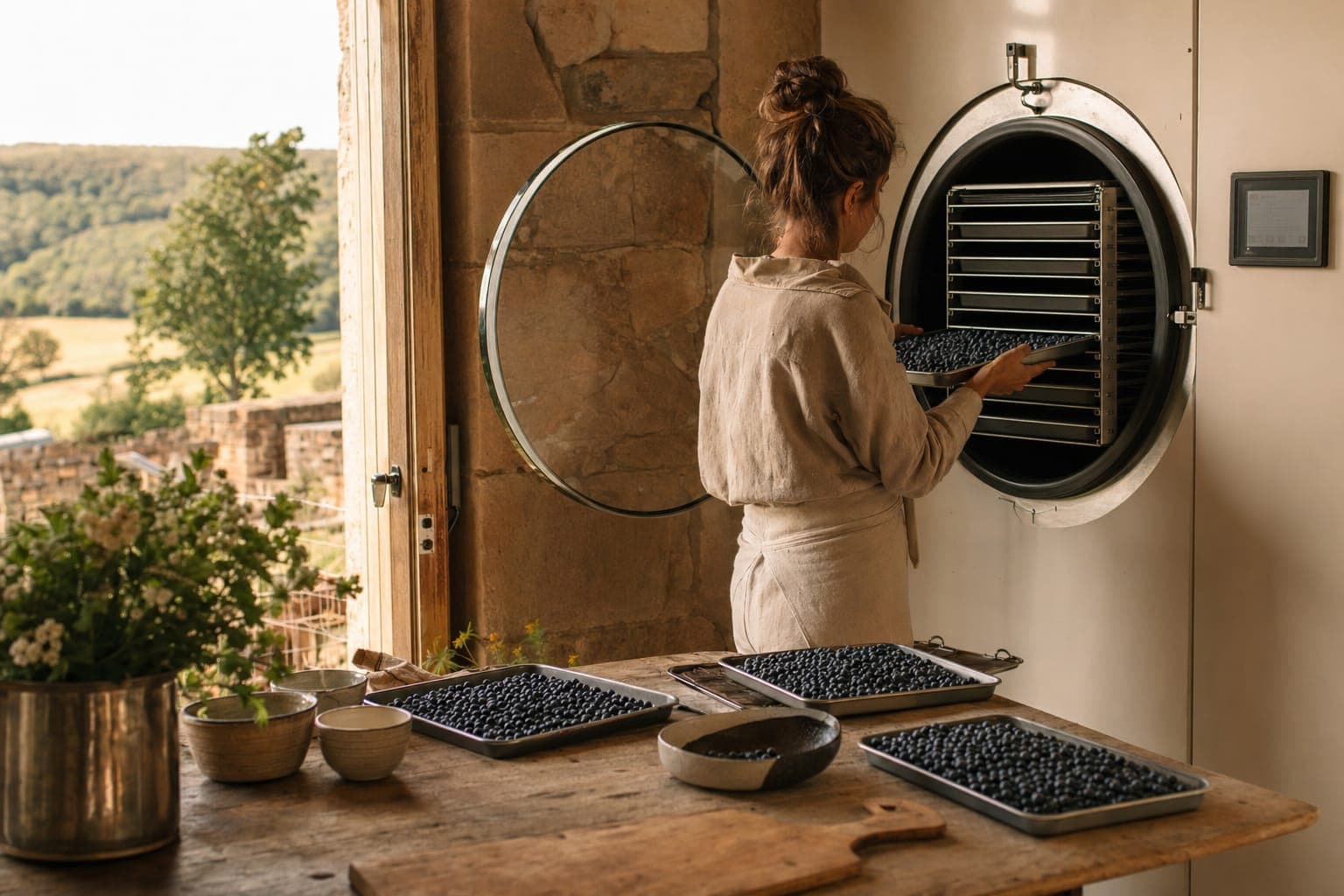
Freeze-drying, also called lyophilisation, works in three stages.1 First, the food is frozen solid at temperatures below minus 40 degrees Celsius. Second, the frozen product is placed in a vacuum chamber where the ice sublimes directly to water vapour without passing through a liquid stage. Third, the remaining moisture is removed through a final drying phase. The end result is a shelf-stable powder with most of the original food's structure intact.
The process removes water but leaves the food matrix relatively untouched. Enzymes remain structurally intact, though inactive due to the absence of water. Vitamins and minerals sit within the cellular matrix where they naturally occur, not isolated or concentrated.
What makes freeze-drying unique is the temperature control. Because the ice sublimates (transitions directly from solid to gas) at low temperatures, the food never experiences heat damage. Nothing is cooked. Nothing is oxidised from high temperatures. The cellular structure is preserved as though the clock has been paused.
Freeze-drying preserves the food by removing the one component that enables decay: water. Everything else stays as it was.
What freeze-drying preserves
Vitamin content is preserved remarkably well. Studies show freeze-dried foods retain a high percentage of their original vitamin content compared to other drying methods.1 Fat-soluble vitamins, which are vulnerable to oxidation, are protected by the freeze-dried matrix. Water-soluble vitamins like B vitamins survive the vacuum-drying process with minimal loss.
Enzyme activity is largely preserved in freeze-dried products. Whilst the enzyme remains catalytically inactive in the dry powder, the protein structure of the enzyme is undamaged. When rehydrated, the enzyme can resume activity. This matters because enzymes aren't just nutrients in the traditional sense. They're biological catalysts that your body uses to break down and utilise the other nutrients in the food.
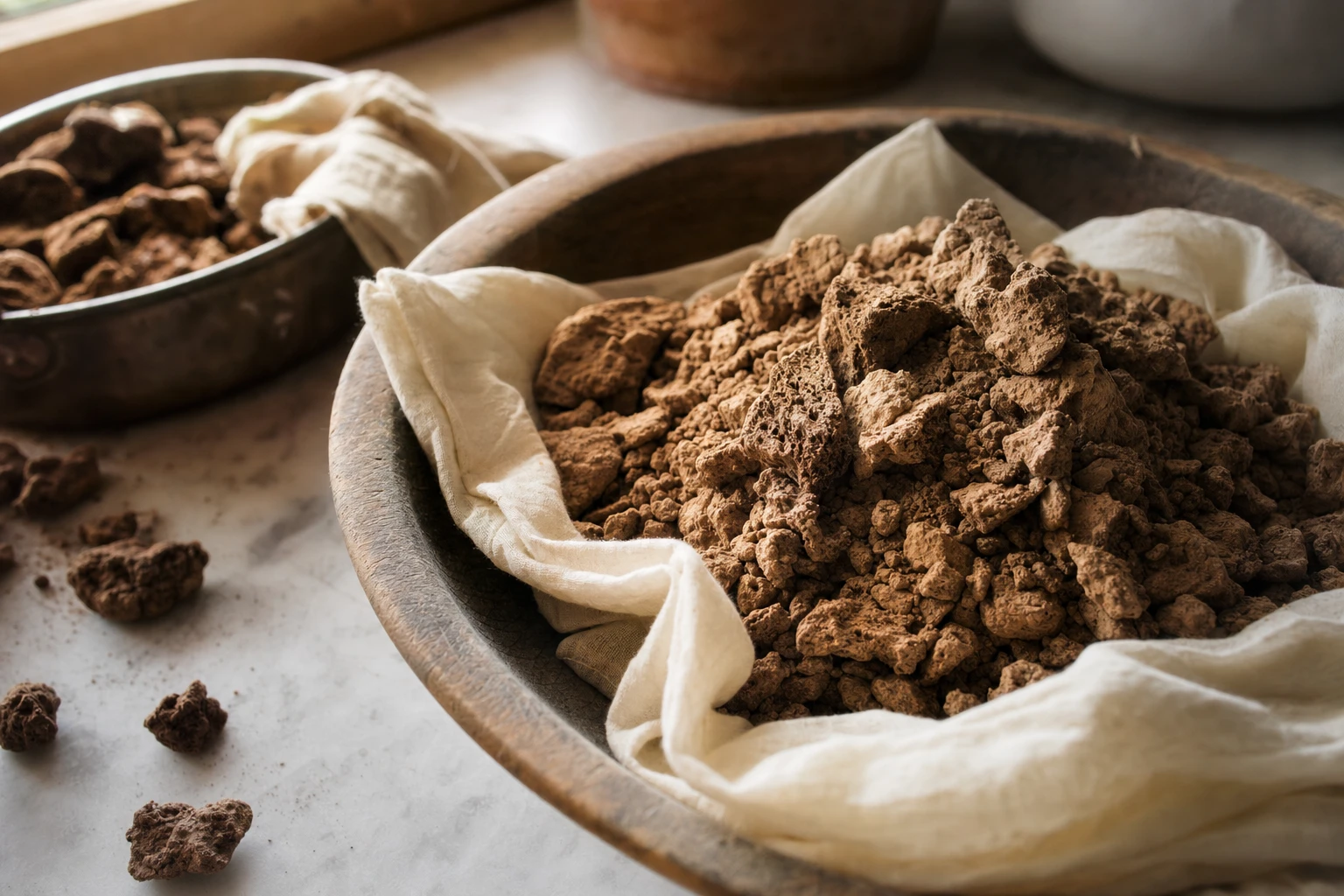
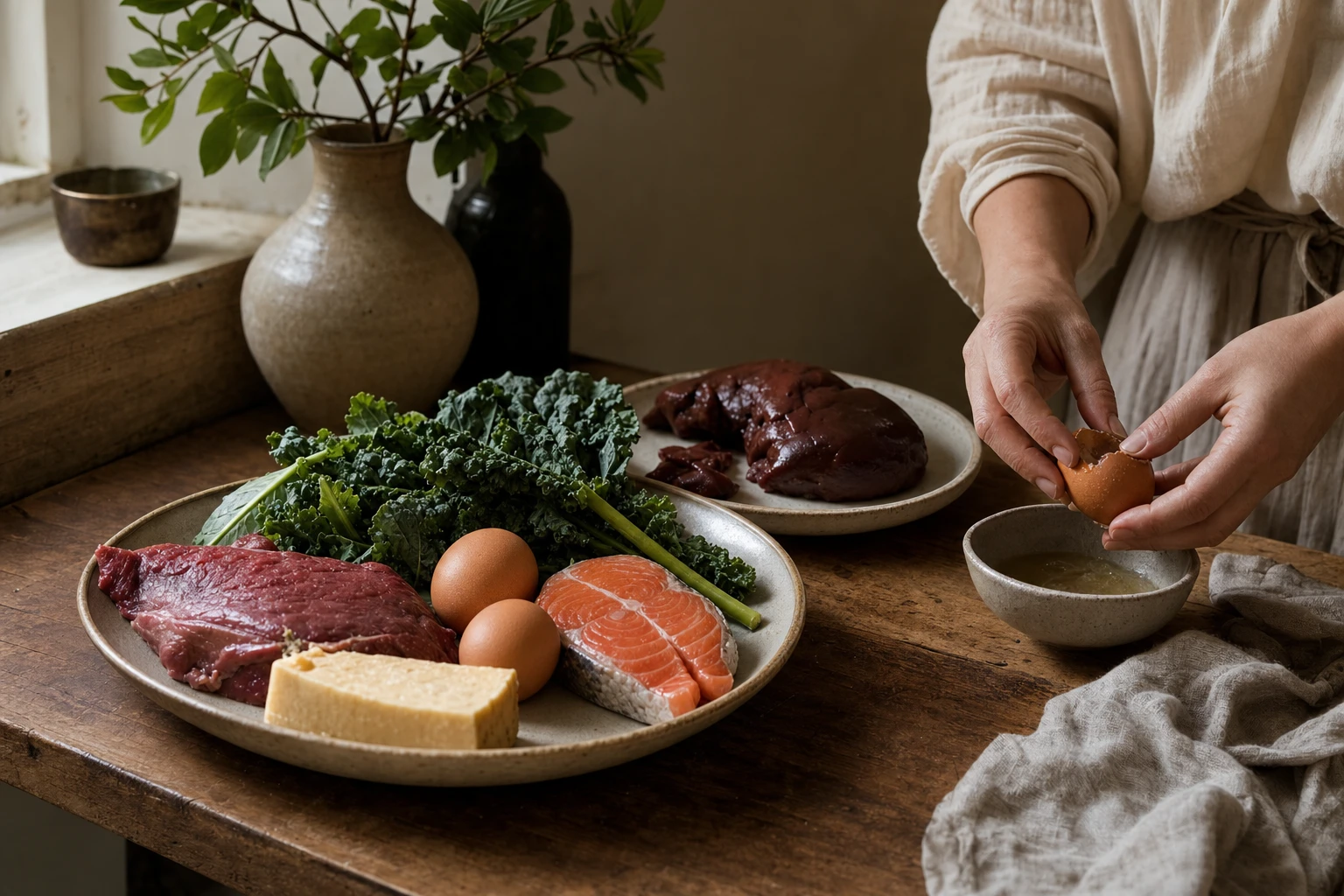
The cofactors and supporting compounds that naturally accompany nutrients remain in place. When you consume freeze-dried beef liver, you're getting the B12 alongside the intrinsic factor and other compounds that facilitate its absorption. You're getting the iron alongside the copper and zinc and selenium that your body needs to process it. The food matrix is intact.
Spray-drying and heat damage
Spray-drying works by atomising the liquid food product into a hot chamber, where the moisture instantly evaporates. The powder falls to the bottom and is collected. This method is fast and scalable. It's also damaging.
The temperature in spray-drying chambers typically reaches 150 to 200 degrees Celsius.2 At those temperatures, heat-sensitive nutrients begin to degrade. Vitamin C is particularly vulnerable, with losses common in spray-dried products. B vitamins, especially folate and B6, can lose a substantial fraction.2 The intense heat also triggers oxidation of fats and oils.
If the food is rich in omega-3 fatty acids or fat-soluble vitamins like vitamin D, those compounds become oxidised during spray-drying. Oxidised fats are inflammatory and potentially toxic. A spray-dried fish oil or grass-fed beef product has lost both nutrient content and gained inflammatory oxidation products. You're getting less of what you want and more of what you don't.
The economics are straightforward: spray-drying is cheaper and faster than freeze-drying. A spray-dryer costs less to operate. Product moves through in hours, not days. But the cost savings are paid in nutrient loss, which the marketing will ignore.
Spray-drying is the cheap preservation method. The speed saves money. The nutrient loss is just a cost of doing business cheaply.
Heat-drying and oxidation
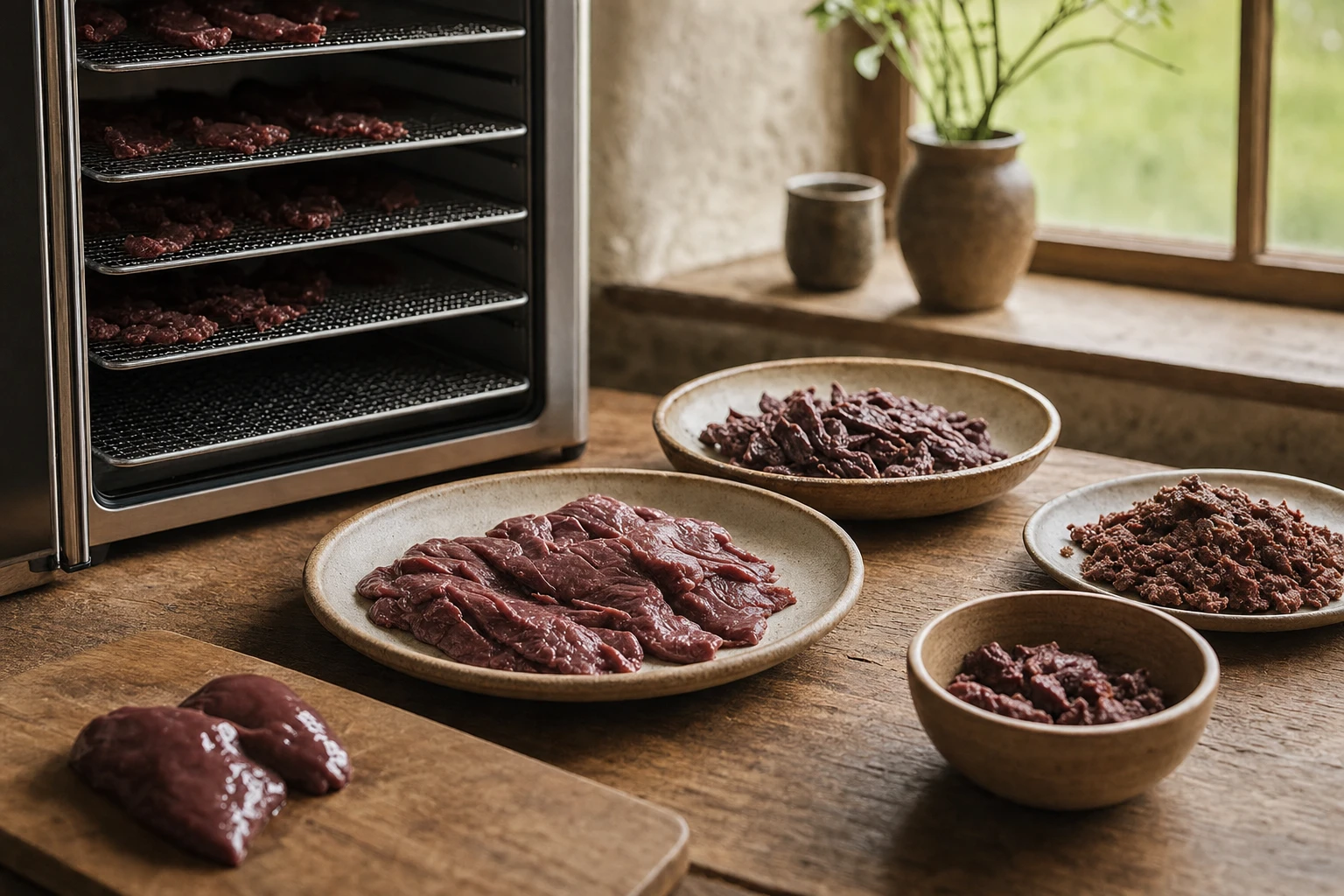
Traditional heat-drying, where whole food is placed in an oven or dehydrator, is gentler than spray-drying but still damaging. Typical temperatures are 50 to 80 degrees Celsius, applied over hours. Vitamin losses are moderate but real. Vitamin C losses can reach 30 per cent. Fat oxidation occurs gradually over the drying process.
The longer duration of heat-drying also means longer exposure to oxygen. Air exposure during drying accelerates oxidation of polyunsaturated fats. A heat-dried beef liver loses more of its beneficial lipid profile than a freeze-dried one, even if the drying temperature is relatively modest.
Heat-drying works fine for hardy vegetables or herbs. For nutrient-dense foods like organs, where the nutrient density is partly dependent on intact fats and fragile vitamins, heat-drying is suboptimal. The nutrients survive, but weakened.
Get farming and sourcing guides, free
Two short reads a week on regenerative farming and where real food comes from.
By signing up you agree to receive emails from us. No spam, unsubscribe anytime.
Extraction and concentration methods
Some supplement companies extract specific nutrients from food sources then concentrate them. This might involve alcohol extraction, water extraction, or solvent-based methods. The extraction isolates the nutrient from the food matrix. The concentration increases its potency. But the food as food is destroyed in the process.
A concentrated vitamin extract may contain significantly more of a single nutrient than freeze-dried whole food. But it's missing the cofactors, minerals, and supporting compounds that enable absorption and utilisation. The bioavailability is typically lower despite the higher concentration, because the biological context has been removed.
Consider beef liver. Freeze-dried liver contains B12 alongside the intrinsic factor and other compounds that facilitate its absorption. It contains iron alongside copper, zinc, and selenium, which your body needs to utilise the iron efficiently. A B12 extract contains only B12, isolated in a lab. Your body has to work harder to use it. The vitamin is purer, but the biological context is gone.
Extraction isolates the nutrient but destroys the food. A whole food supplement preserves the nutrient alongside everything that helps your body use it.
Why the source matters, but processing matters more
This is a critical distinction many people miss. A mediocre food source preserved perfectly is better than an excellent food source processed destructively.
Example: Liver from a grain-fed cow that's been freeze-dried will have a superior nutrient profile to liver from a regenerative farm that's been spray-dried at 180 degrees Celsius. The difference in processing is so significant that it outweighs the sourcing difference. The grass-fed liver loses perhaps 30 per cent of its B vitamins to heat damage. The grain-fed liver keeps 95 per cent of its already-lower baseline B vitamins. The freeze-dried grain-fed version ends up better.
This is why serious supplement companies insist on both excellent sourcing and excellent processing. You need both. A company that's excellent at one and poor at the other is still selling you a compromised product.

1 of 9
Daily blend
100,000+ thriving families4.9 on Trustpilot
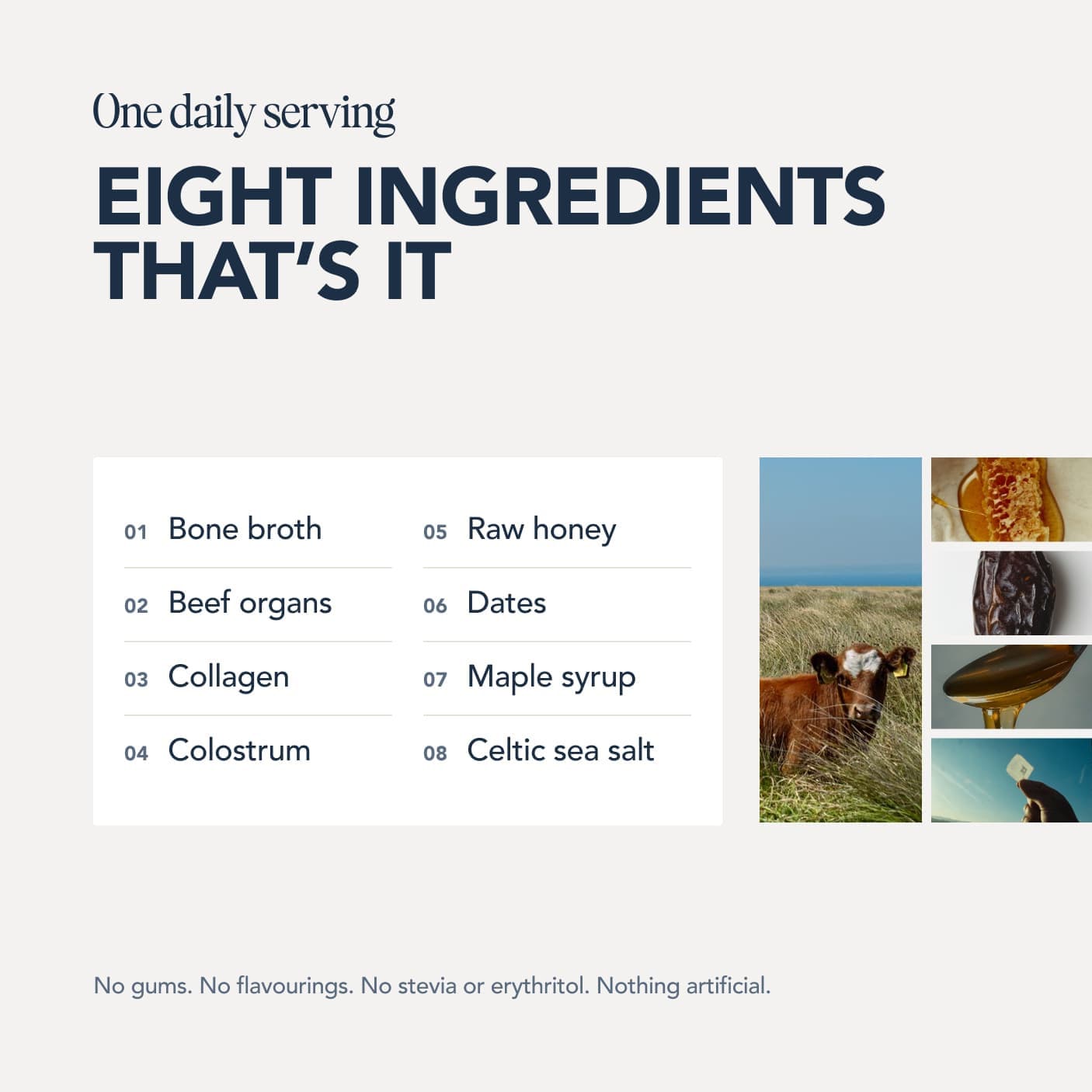
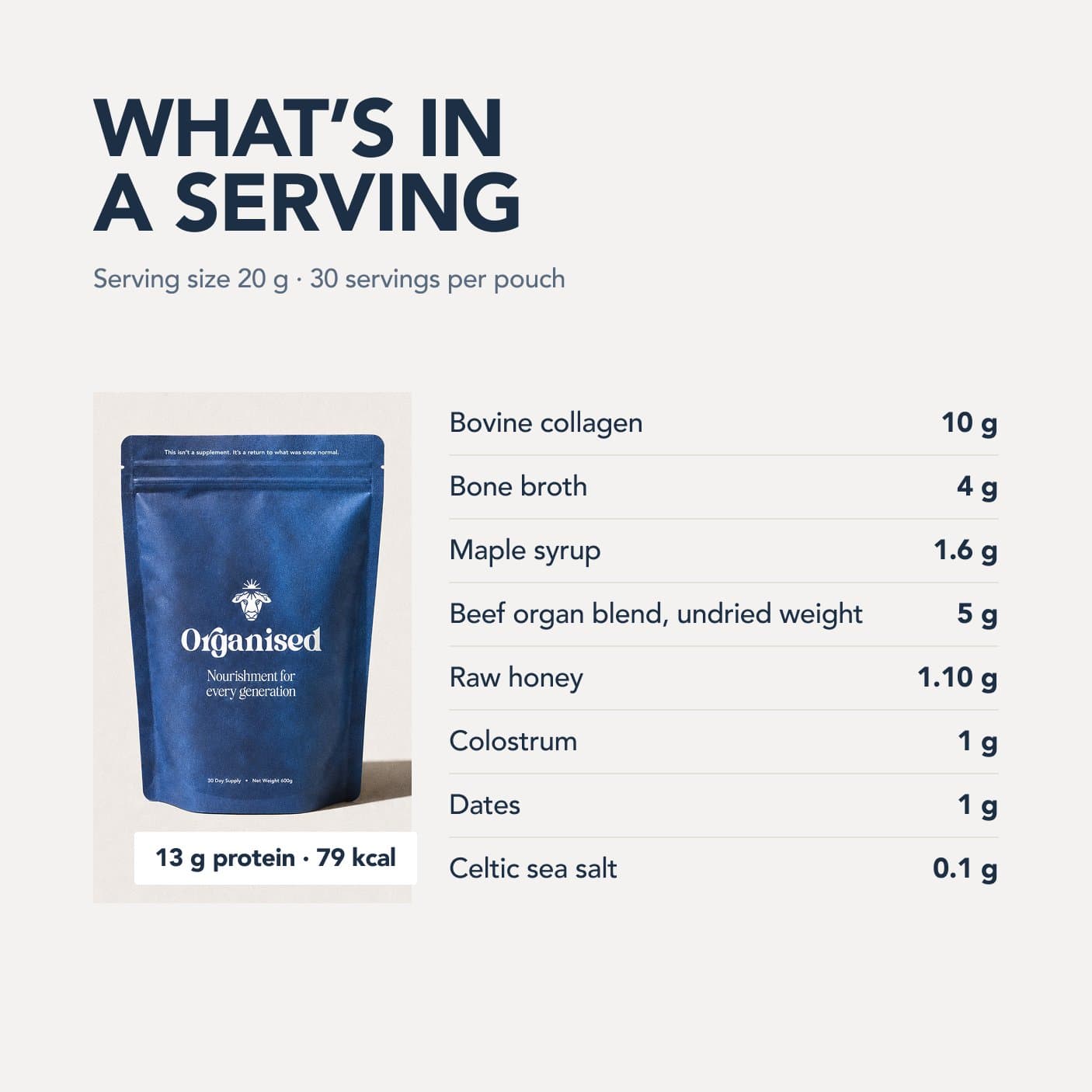
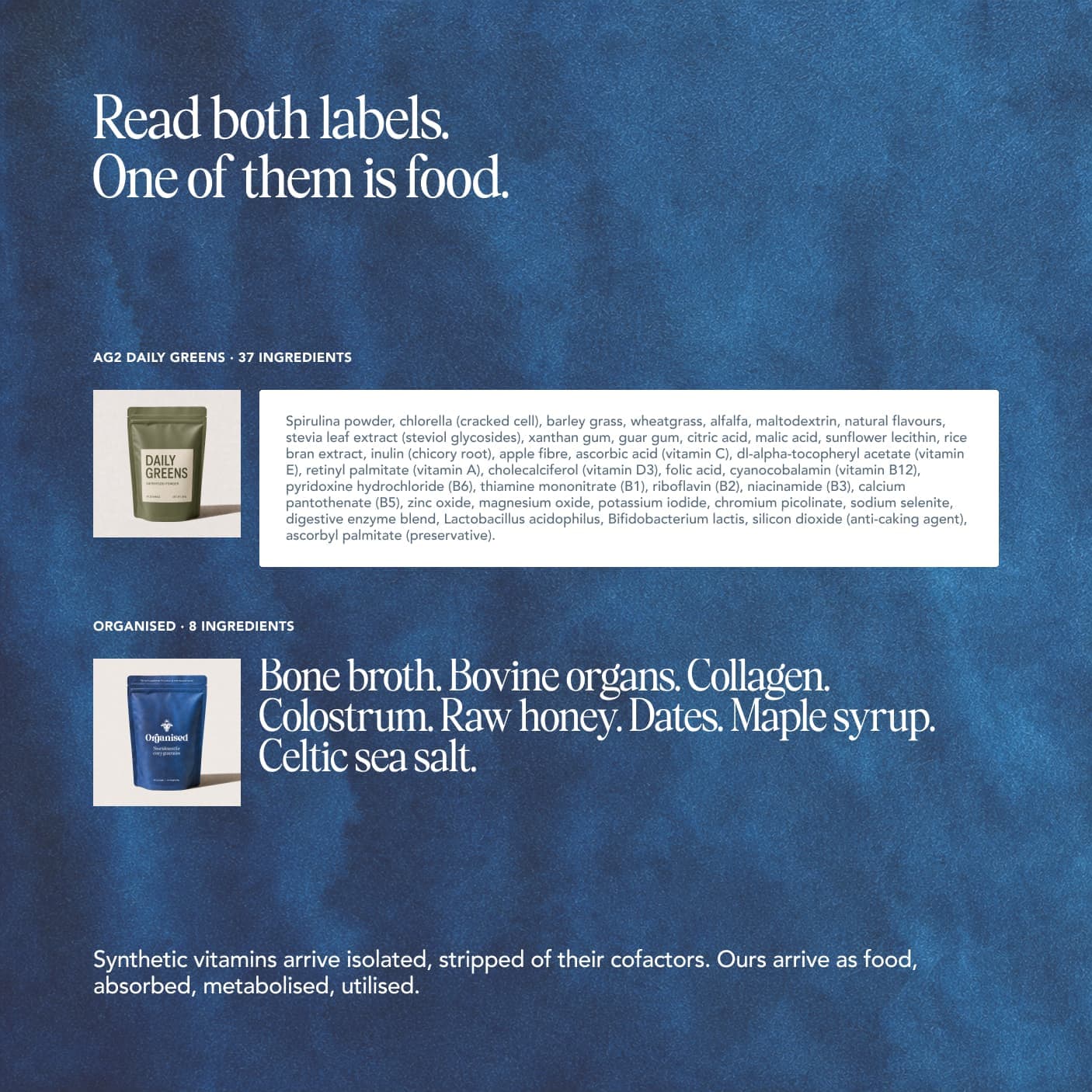
Eight real ingredients built around grass-fed beef organs, collagen and colostrum. Nothing synthetic added.
Free with your first order, worth £38. Plus £10 off the pouch with a subscription.
Free UK shipping · Made in England · 100 day money back guarantee on your first pouch · Skip, pause or cancel anytime
Practical implications for choosing supplements
When you're buying an organ supplement, ask the manufacturer two questions. First: where do the organs come from? Second: how are they processed? Both matter equally.
A supplement made from grass-fed beef liver that's been spray-dried is worse than you might think. The heat damage is substantial. A supplement made from conventionally-raised beef liver that's been freeze-dried is better than marketing suggests. The processing preserves what's there.
If a company won't answer either question clearly, that's a red flag. A genuinely good supplement company can tell you the farm or region, the animal's diet and living conditions, the processing method, and the reasoning behind each choice. They'll have nothing to hide because they've optimised both sourcing and processing.
The bottom line on processing
If the goal is to preserve the nutritional integrity of a whole food in shelf-stable form, freeze-drying is the superior method. It removes water, preserves structure, and protects vitamins and enzymes. Spray-drying trades speed and cost for nutrient loss and oxidation damage. Heat-drying is a middle ground, acceptable but inferior. Extraction and concentration destroy the food matrix entirely.
When you're evaluating a supplement that claims to be whole-food derived, the processing method is as important as the source. A freeze-dried beef liver from a poorly managed farm might be superior to a spray-dried organ from the best farm in the world. Processing determines what you actually consume. Choose based on both sourcing and processing, and don't let marketing claims about origin overshadow the practical importance of how the food was preserved.
References
Every source below was checked on 27 August 2026. Each PubMed, PMC and DOI identifier was resolved against NCBI or Crossref, and what it opens is printed under the citation, so you can see the link goes where the citation says without leaving the page. Where a citation and its identifier disagreed, the citation was corrected to the record or the reference was deleted along with the sentence marker that pointed at it, and where the resolved paper turned out not to support the sentence, the sentence was cut back to what it does support. Borrowed authority is worse than none, because it looks like rigour.
- Nowak D, Jakubczyk E. The freeze-drying of foods — the characteristic of the process course and the effect of its parameters on the physical properties of food materials. Foods. 2020;9(10):1488. PMID: 33080983.Checked 27 August 2026: PMID 33080983 opens Nowak D, Jakubczyk E, The Freeze-Drying of Foods-The Characteristic of the Process Course and the Effect of Its Parameters on the Physical Properties of Food Materials. Foods 2020;9(10). PubMed indexes it as: Review.The authors' own declaration, from the record: The authors declare no conflict of interest.
- Anandharamakrishnan C et al. Effects of process variables on the denaturation of whey proteins during spray drying. Drying Technology. 2007;25(5):799-807.Checked 27 August 2026: PMID 17645507 opens Nagle CM, Bain CJ, Green AC et al, The influence of reproductive and hormonal factors on ovarian cancer survival. Int J Gynecol Cancer 2008;18(3):407-13. PubMed indexes it as: Systematic Review.
Who wrote and reviewed this guide
Niall Kiddle
Author · Founder, Organised
Niall is the founder of Organised. He started the company in 2024 after fixing his own health the slow way: in 2022 he swapped a cupboard of synthetic supplements for real food, raw milk, organ meats, bone broth and honey, and felt the difference within months.
Areas of expertise: Ancestral nutrition, Organ meats, Whole-food supplementation, Gut health, Regenerative sourcing
Read Niall's full profile
Pedro Rodrigues
Reviewer · Agronomist (farming and sourcing only)
Pedro is the agronomist Organised works with on farming and sourcing. His job on the guides is to keep the science honest: he reviews what we publish about soil health, regenerative agriculture, grazing and the way food is actually produced.
Areas of expertise: Regenerative agriculture, Agronomy, Soil health, Grass-fed farming, Food sourcing
Reviewed this guide on
Read Pedro's full profileBrowse the guides library
All guidesKeep reading
Farming
The Difference Between 'Natural' and 'Whole Food'
The terms 'natural' and 'whole food' mean very different things. Here's how to decode supplement labels and understand what you're actually buying.
Farming
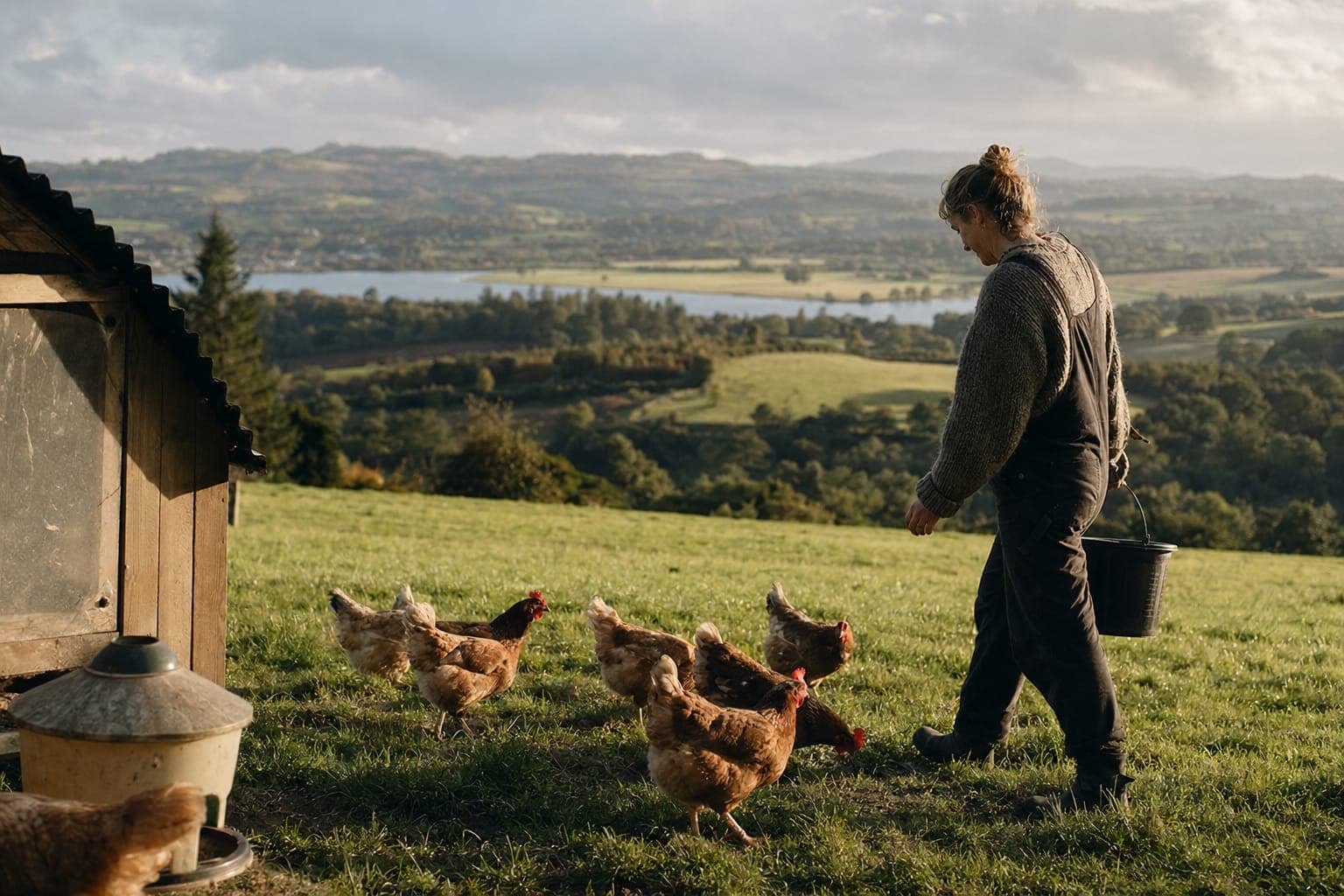
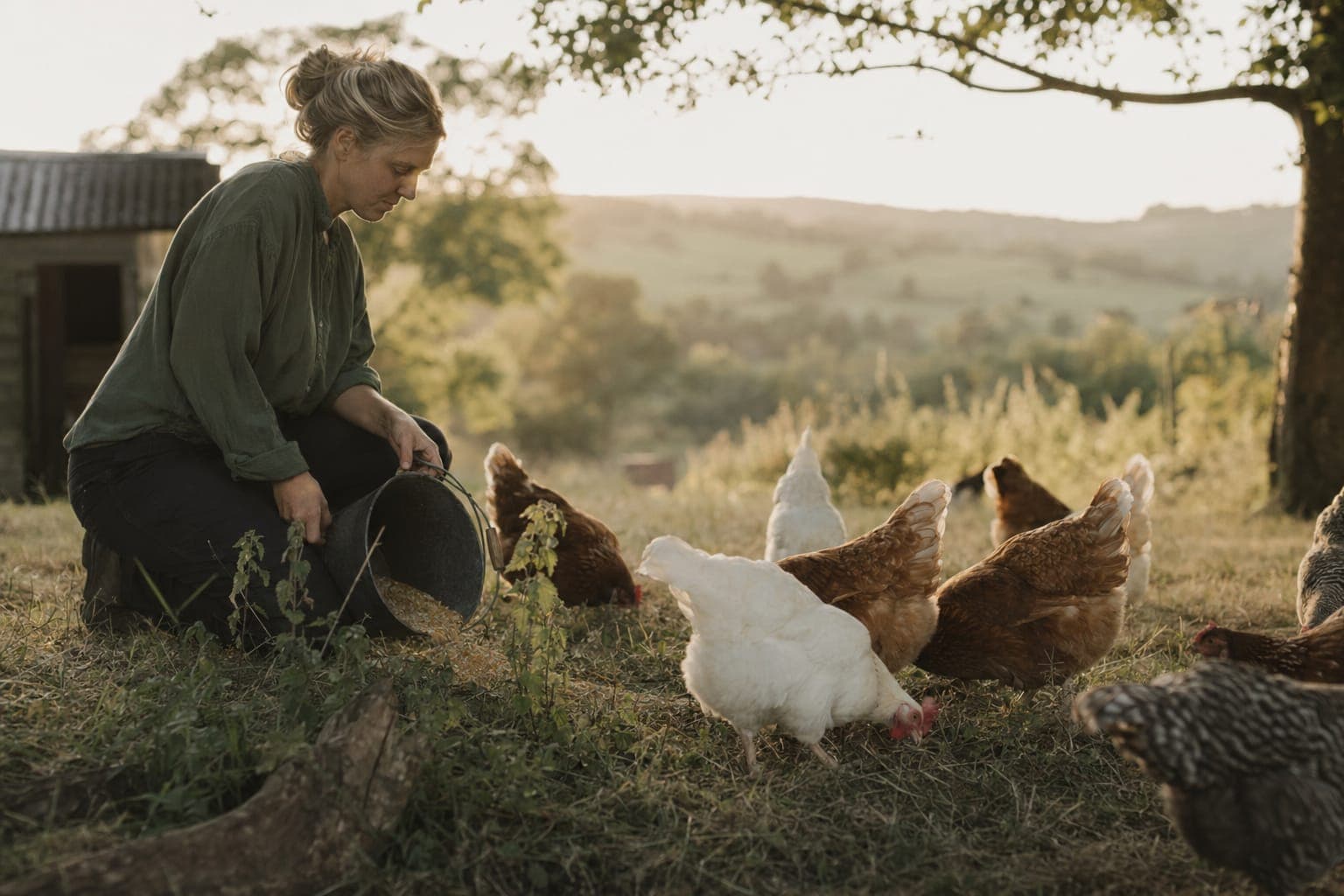
Why We Source Our Organs from UK Farms
We source all our organ products from UK farms. Here's why traceability, welfare, and local sourcing matter for ancestral nutrition.
Farming
The Organised Code: Our Non-Negotiable Standards
Discover Organised's non-negotiable standards for sourcing, quality, and transparency. How we decide what makes it into the pouch.
Real food, made effortless
Shop the blendA few ways to use it
All recipes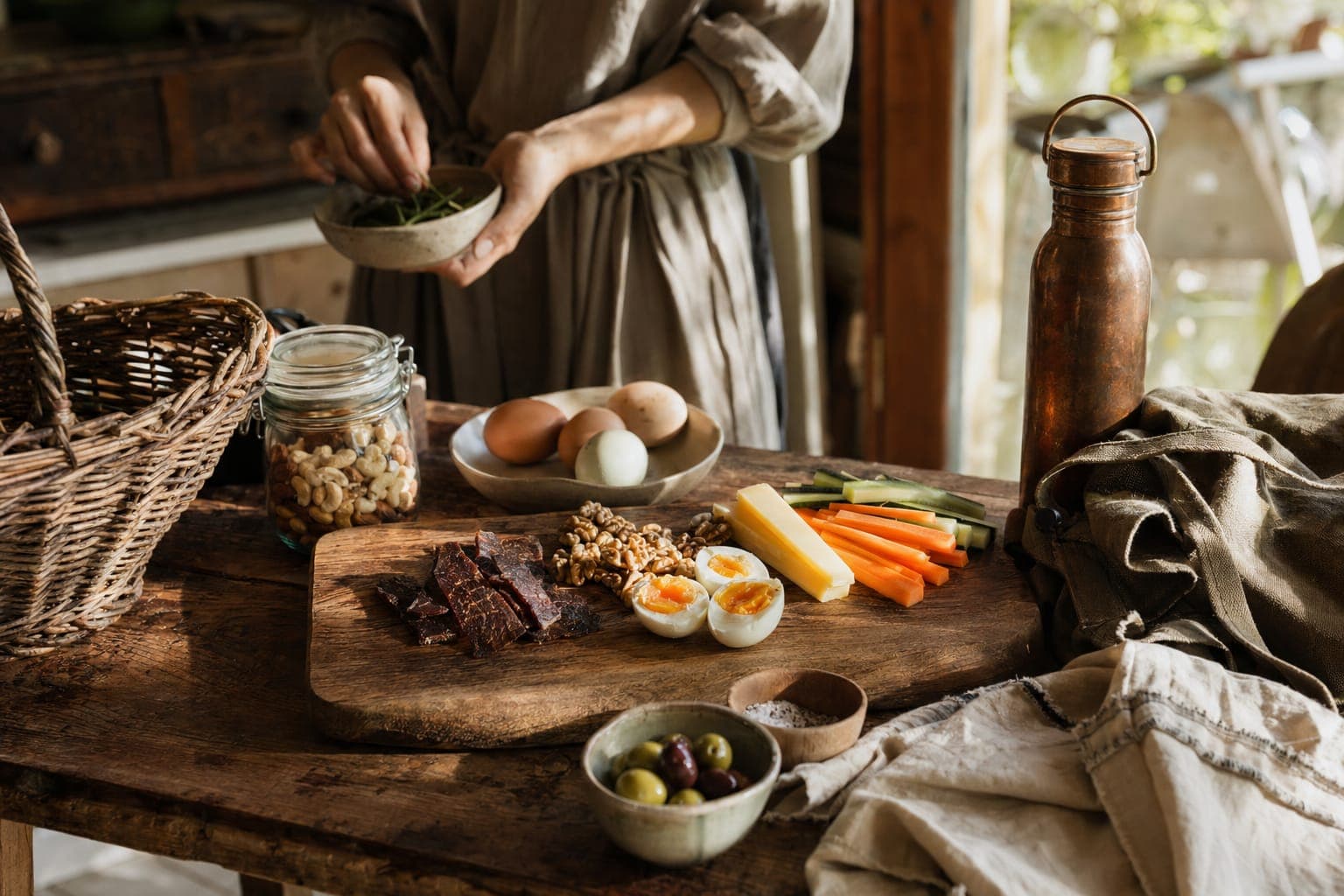
Whole Food Snacks for Busy Days
Practical whole food snacks that travel well and sustain energy. No refined carbs, no seed oils. Real food options for when you're busy.
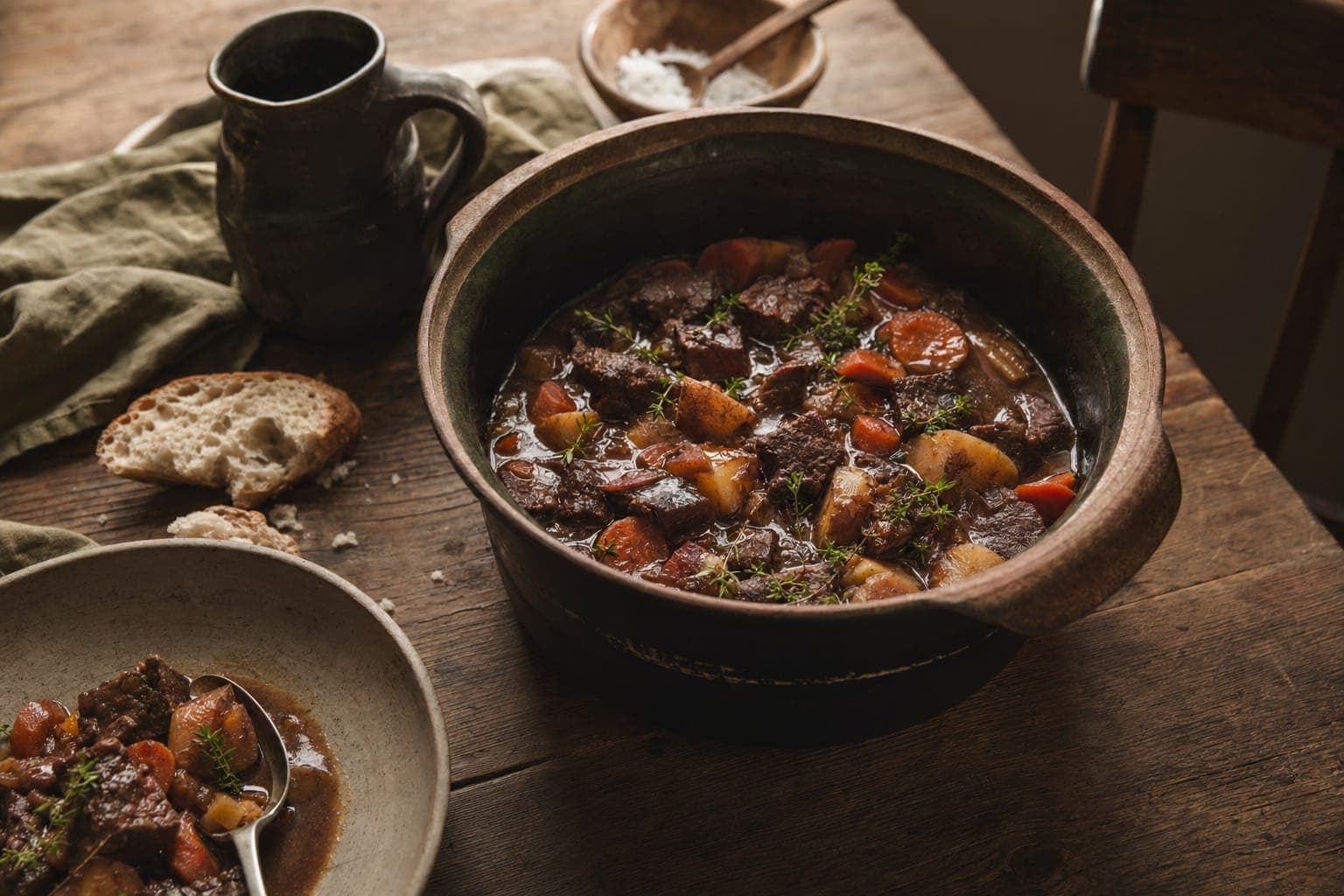
Collagen-Rich Beef Stew: Slow-Cooked Nourishment
Beef stew that delivers collagen from connective tissue and bone broth. Winter comfort food that actually nourishes. Simple slow cooker recipe.
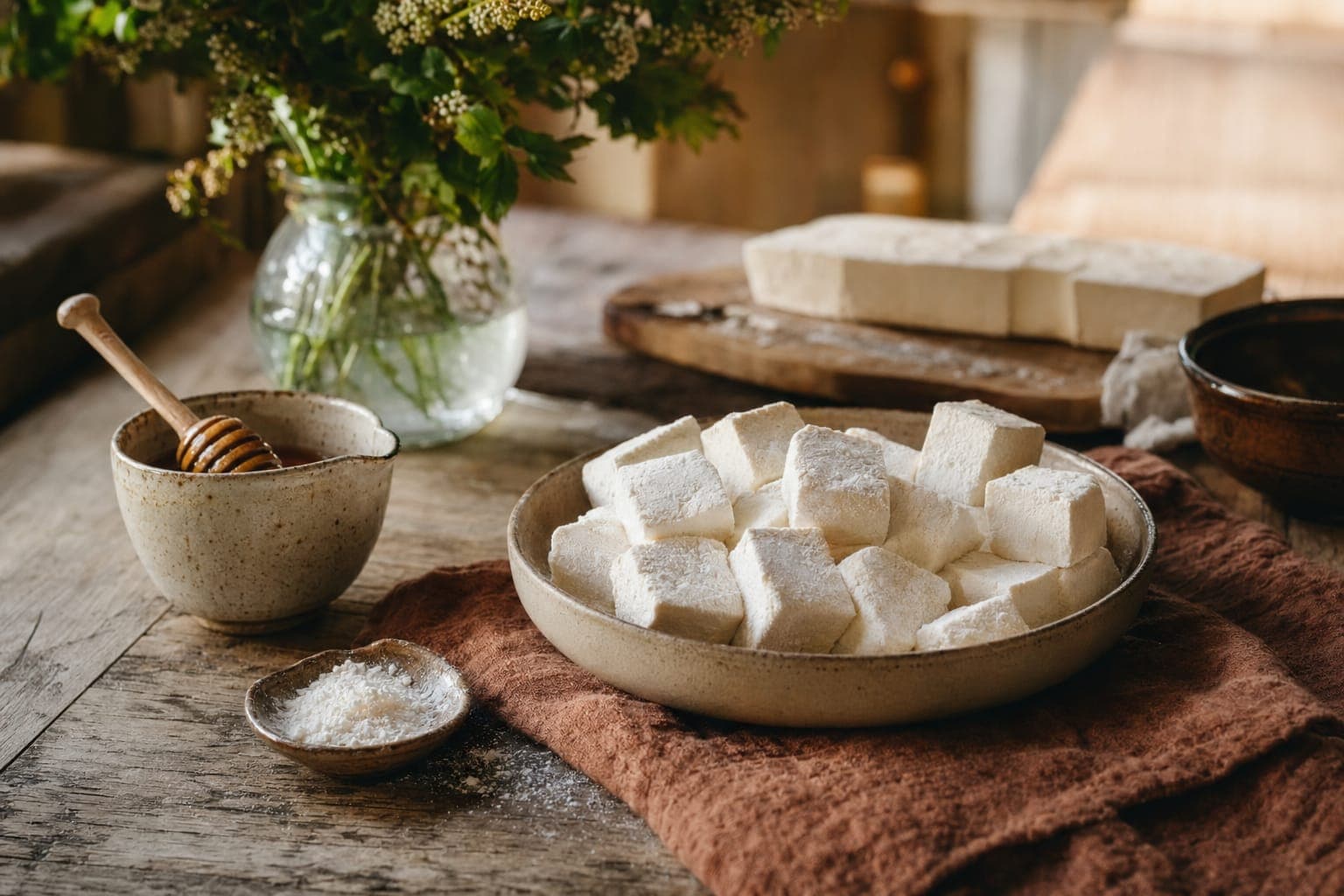
Gut-Healing Marshmallows with Collagen and Raw Honey
Learn to make gut-healing marshmallows with collagen and raw honey. A shareable treat that sneaks nutrition into every bite. Easy recipe with video tips.


 Join over 100,000+ members
Build a better food system with us
The Organised community is thousands of people choosing real food and backing the farmers who grow it, all of us trying to leave the world a little better than we found it. If that is what you care about too, you belong here.