CLA in Grass-Fed Beef: What Is It and Why Does It Matter?
There's a fat in grass-fed beef that doesn't exist in grain-fed beef. It's called CLA. It's one reason grass-fed beef isn't just tastier, it's genuinely more nutritious. Here's the science.

By Niall Kiddle, Founder, Organised

Reviewed by Pedro Rodrigues, Agronomist (farming and sourcing only) ·
5 min read · Published · Updated · 2 cited sources
Makers of the Organised Daily blend, a grass-fed beef organ supplement from regenerative UK farms
What CLA actually is
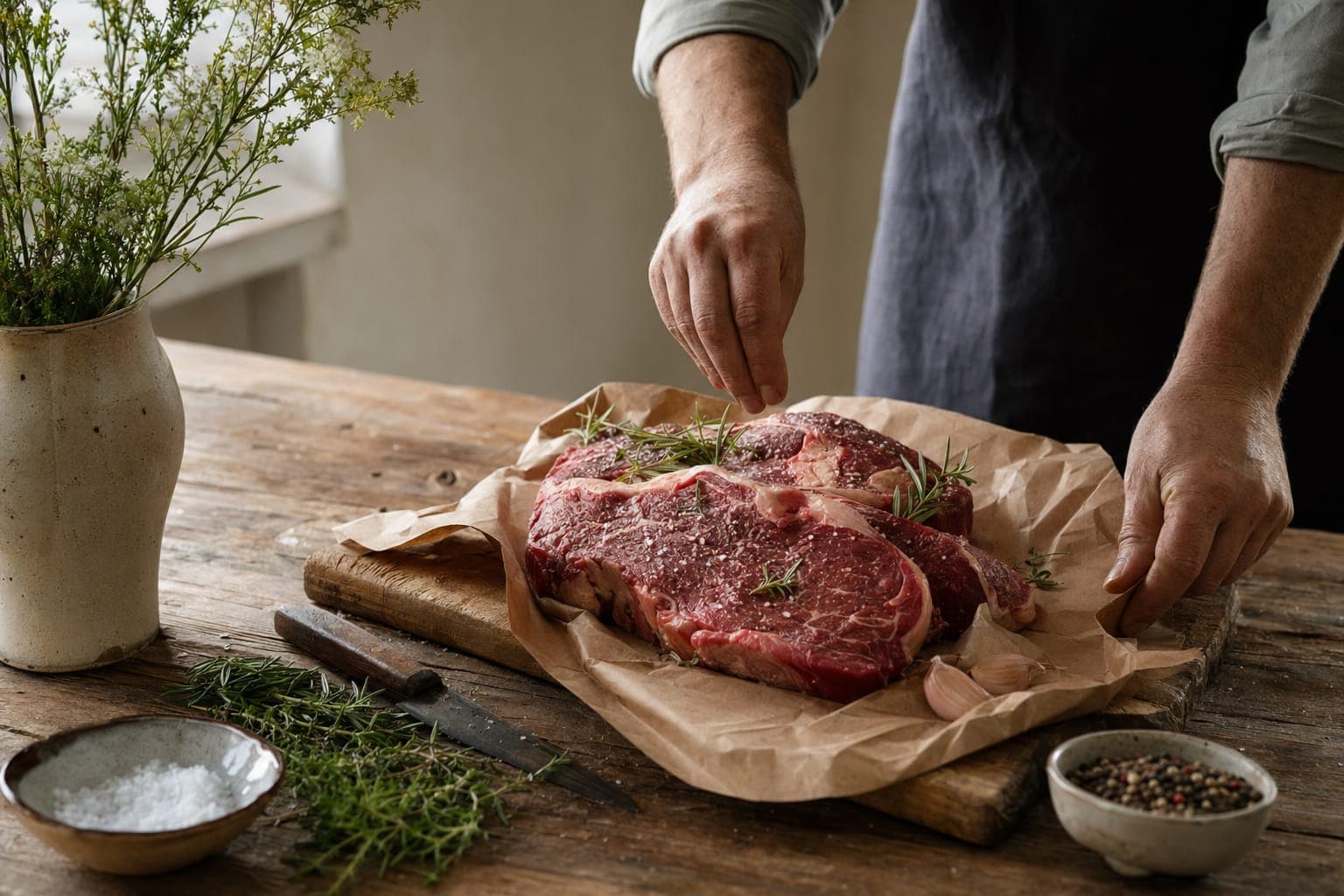
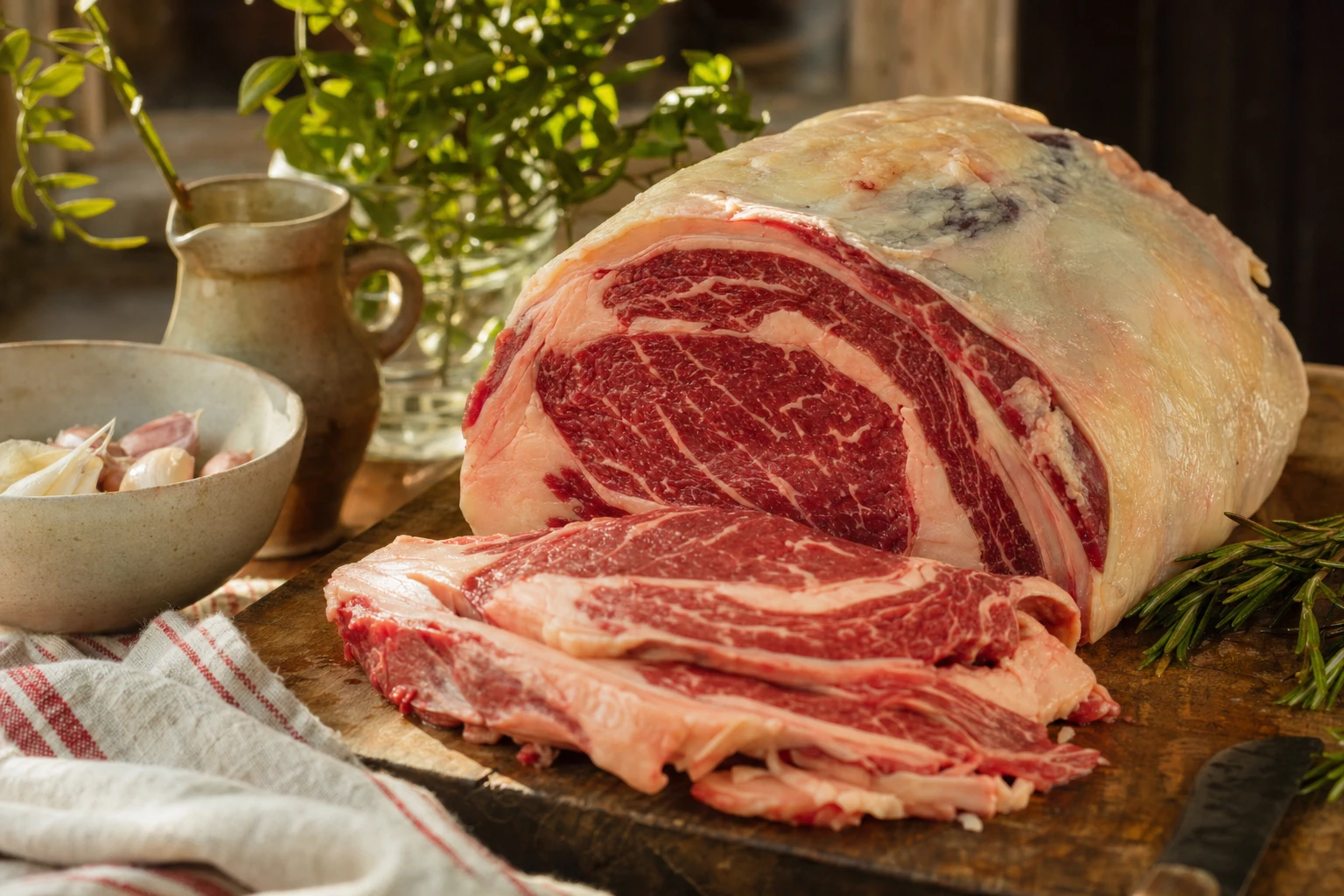
CLA stands for conjugated linoleic acid. It's a naturally occurring fatty acid found in ruminant meat and dairy. The chemical structure is unique: it's a polyunsaturated fat with a specific conjugated double-bond configuration. That structure is what makes it biologically active in a way other fats aren't.
The human body can't synthesise CLA. We can only obtain it from food. The primary sources are ruminant meats and dairy from grass-fed animals. Grain-fed beef contains significantly less CLA because the bacterial populations in the rumen of grain-fed cattle are different, and they produce less of this compound.
CLA is a fat your body cannot make, found almost exclusively in grass-fed beef, and it has genuine anti-inflammatory properties.
Where CLA comes from
CLA is produced by bacteria in the rumen of cattle. The specific bacteria that produce CLA thrive when cattle are fed grass and forage. When cattle are switched to a grain-based diet, the bacterial populations shift. Different bacteria dominate. CLA production drops by 50 to 80 per cent compared to grass-fed cattle.
The bacterial shift happens relatively quickly. Studies show that even a few weeks of grain-feeding begins to reduce CLA production. By the time a grass-fed calf has spent six months in a feedlot on grain, its milk and meat CLA content has dropped substantially. This is why grass-finished matters. It's a meaningful difference in the final nutrient composition of the meat.
The rumen is essentially a fermentation vessel. The bacteria that live there are in symbiosis with the cow. They break down the plant matter the cow eats. The bacterial species composition determines what nutrients are produced. Grass supports one set of bacteria (CLA-producing ones). Grain supports a different set. The cow doesn't choose this. The feed does.

How much CLA is in grass-fed beef
Grass-finished beef contains roughly 2–3 times more CLA than grain-fed beef per gram of fat, depending on the cut and grazing system. Absolute amounts vary widely by analysis method and animal diet.1
Grass-fed dairy products also contain significant CLA. A cup of whole milk from grass-fed cattle contains approximately 200 milligrams. Cheese concentrates it further. Butter from grass-fed cattle can contain 400 to 500 milligrams per 100 grams.
The variation within grass-fed beef is worth noting. A cow that's been grass-fed its entire life in a diverse pasture system will have higher CLA than one that was grain-fed early then grass-finished late. The timing and duration of grass-feeding both matter. A regenerative farm using rotational grazing will produce higher CLA meat than a conventional pasture farm using continuous grazing, because the diverse forage creates more diverse rumen bacteria.
The anti-inflammatory research
CLA has been studied extensively for its metabolic effects. The research is genuinely compelling. CLA acts on peroxisome proliferator-activated receptors (PPARs), which regulate inflammatory responses and metabolic function. Multiple studies show CLA reduces systemic inflammatory markers in both animal and human studies.
Reviews of CLA supplementation report mixed effects on inflammatory markers, with some trials showing reductions in CRP and pro-inflammatory cytokines and others showing no significant effect. Effect sizes for body composition are typically modest in human trials.2
CLA appears to reduce systemic inflammation through a mechanism distinct from other anti-inflammatory compounds. It's a metabolic shift through PPAR activation.
Get farming and sourcing guides, free
Two short reads a week on regenerative farming and where real food comes from.
By signing up you agree to receive emails from us. No spam, unsubscribe anytime.
CLA and metabolic health
Beyond inflammation, CLA influences metabolic signalling pathways associated with insulin sensitivity, glucose tolerance, and fat oxidation. Research suggests CLA may improve insulin sensitivity, though the human data is less robust than the inflammation data. Animal studies show CLA reduces fat accumulation and increases lean mass, though these effects are less pronounced in humans.
The metabolic effects of CLA are relatively modest compared to other nutritional interventions. But the anti-inflammatory effect is consistent and measurable. For someone with elevated systemic inflammation, the shift from grain-fed to grass-fed beef is a meaningful nutritional upgrade.
How much do you actually need
The research suggesting anti-inflammatory benefits typically involves intakes of 1,500 to 3,000 milligrams daily. That's achievable through diet: one 200-gram grass-fed steak, plus a serving of grass-fed dairy, plus butter or cheese. You'd hit 1,500 milligrams with no supplementation.
If you're grain-fed heavy, you could eat the same amount and consume only 300 to 400 milligrams of CLA daily, an amount that research suggests won't produce measurable anti-inflammatory effects. This is why the grass-fed versus grain-fed distinction matters nutritionally. It's not that grain-fed beef is bad. It's that grass-fed beef delivers a compound you genuinely can't get elsewhere, in amounts sufficient to produce biological effects.
The practical implication: if you're going to eat beef, choosing grass-fed captures a nutritional benefit you literally cannot get from the grain-fed version. The difference isn't trivial. It's a compound that affects systemic inflammation through a documented mechanism with consistent research support.



1 of 9
Daily blend
100,000+ thriving families4.9 on Trustpilot
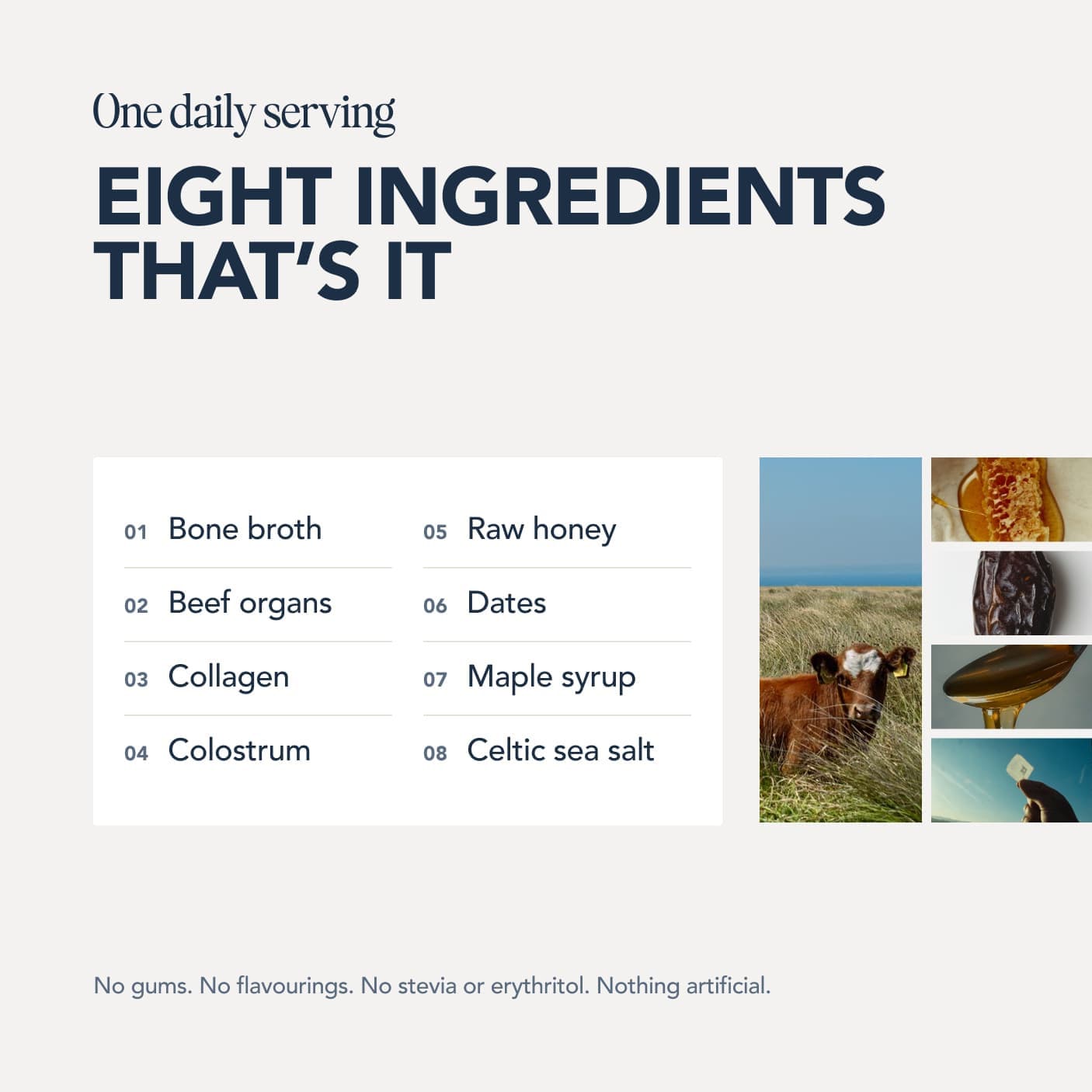
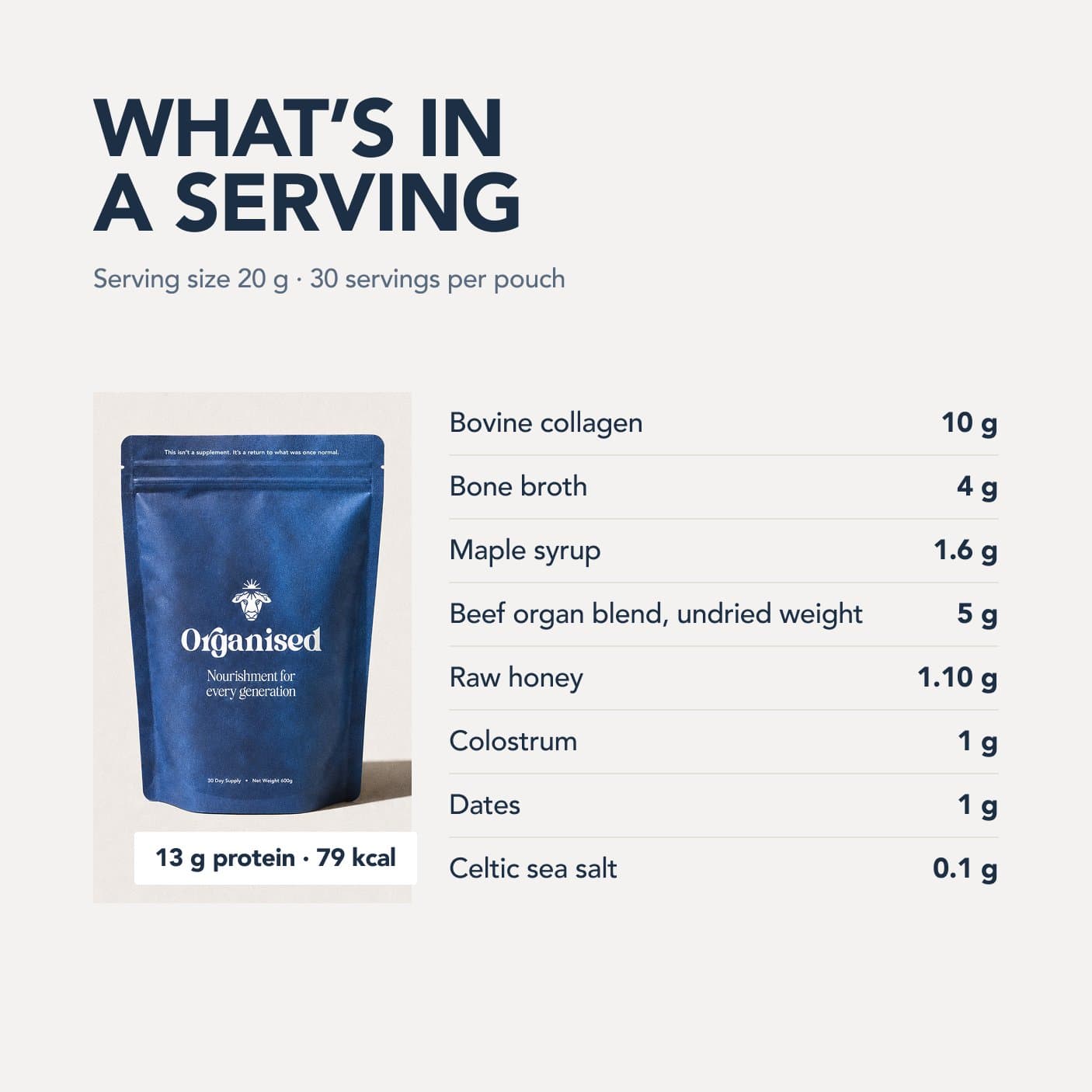
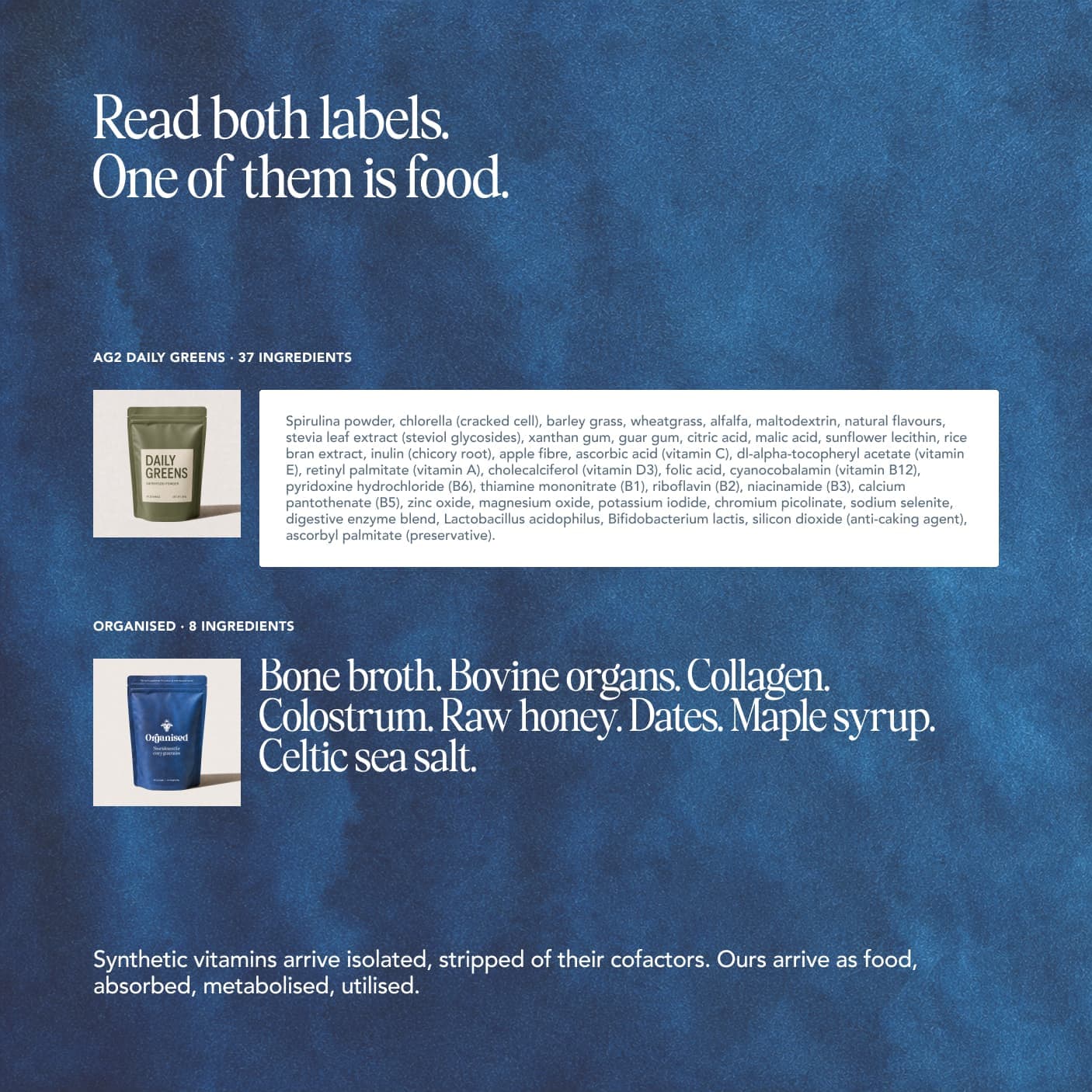
Eight real ingredients built around grass-fed beef organs, collagen and colostrum. Nothing synthetic added.
Free with your first order, worth £38. Plus £10 off the pouch with a subscription.
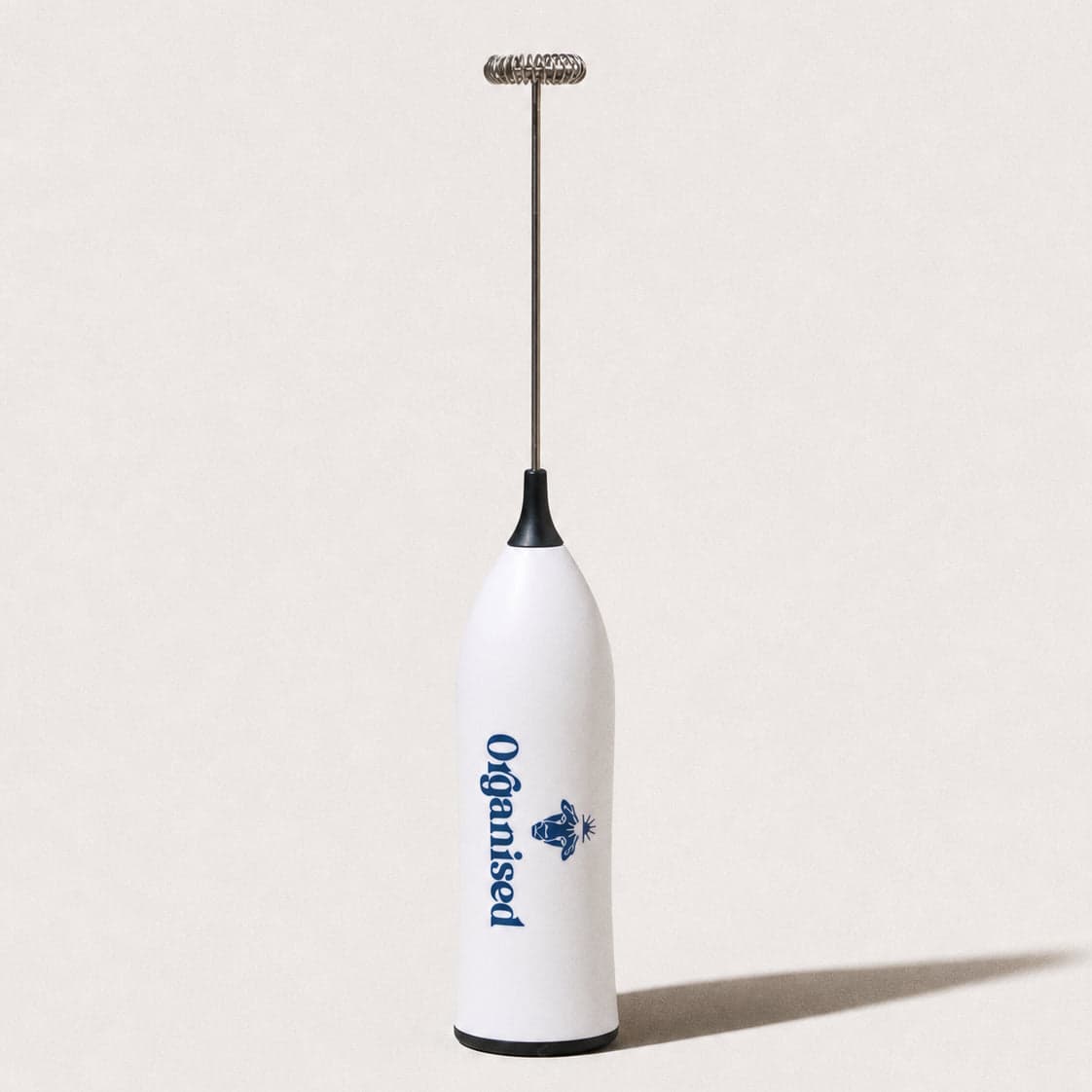


Free UK shipping · Made in England · 100 day money back guarantee on your first pouch · Skip, pause or cancel anytime
Practical sourcing for CLA content
If you want meaningful CLA intake, source beef that's been grass-fed from birth to finish (Pasture for Life certified is the UK gold standard). One grass-fed steak per day plus some grass-fed dairy hits the research-supported range of 1,500 to 3,000 milligrams daily.
Grain-finishing (even brief) reduces CLA by 30 to 50 per cent. So timing matters. A grass-fed animal grain-finished for the last 3 months has lower CLA than one grass-finished completely.
The bottom line
CLA is a naturally occurring fatty acid found almost exclusively in grass-fed ruminant meat and dairy. It has genuine anti-inflammatory properties, supported by solid research. The amounts in grass-fed beef are sufficient to produce measurable biological effects. The amounts in grain-fed beef are not.
If you're eating beef, choosing grass-fed captures a nutritional benefit you literally cannot get from the grain-fed version. For anyone managing inflammation, recovering from intense exercise, or concerned about metabolic health, the grass-fed choice is the stronger signal nutritionally.
References
Every source below was checked on 27 August 2026. Each PubMed, PMC and DOI identifier was resolved against NCBI or Crossref, and what it opens is printed under the citation, so you can see the link goes where the citation says without leaving the page. Where a citation and its identifier disagreed, the citation was corrected to the record or the reference was deleted along with the sentence marker that pointed at it, and where the resolved paper turned out not to support the sentence, the sentence was cut back to what it does support. Borrowed authority is worse than none, because it looks like rigour.
- Daley CA, Abbott A, Doyle PS, Nader GA, Larson S. A review of fatty acid profiles and antioxidant content in grass-fed and grain-fed beef. Nutrition Journal. 2010. https://pmc.ncbi.nlm.nih.gov/articles/PMC2846864/Checked 27 August 2026: PMC2846864 opens Daley CA, Abbott A, Doyle PS et al, A review of fatty acid profiles and antioxidant content in grass-fed and grain-fed beef. Nutr J 2010;9:10. PubMed indexes it as: Review.
- Den Hartigh LJ. Conjugated Linoleic Acid Effects on Cancer, Obesity, and Atherosclerosis: A Review of Pre-Clinical and Human Trials with Current Perspectives. Nutrients. 2019. https://pmc.ncbi.nlm.nih.gov/articles/PMC6413010/Checked 27 August 2026: PMC6413010 opens den Hartigh LJ, Conjugated Linoleic Acid Effects on Cancer, Obesity, and Atherosclerosis: A Review of Pre-Clinical and Human Trials with Current Perspectives. Nutrients 2019;11(2). PubMed indexes it as: Review.The authors' own declaration, from the record: The author has no conflicts of interest to disclose.
Who wrote and reviewed this guide
Niall Kiddle
Author · Founder, Organised
Niall is the founder of Organised. He started the company in 2024 after fixing his own health the slow way: in 2022 he swapped a cupboard of synthetic supplements for real food, raw milk, organ meats, bone broth and honey, and felt the difference within months.
Areas of expertise: Ancestral nutrition, Organ meats, Whole-food supplementation, Gut health, Regenerative sourcing
Read Niall's full profile
Pedro Rodrigues
Reviewer · Agronomist (farming and sourcing only)
Pedro is the agronomist Organised works with on farming and sourcing. His job on the guides is to keep the science honest: he reviews what we publish about soil health, regenerative agriculture, grazing and the way food is actually produced.
Areas of expertise: Regenerative agriculture, Agronomy, Soil health, Grass-fed farming, Food sourcing
Reviewed this guide on
Read Pedro's full profileBrowse the guides library
All guidesKeep reading

Farming
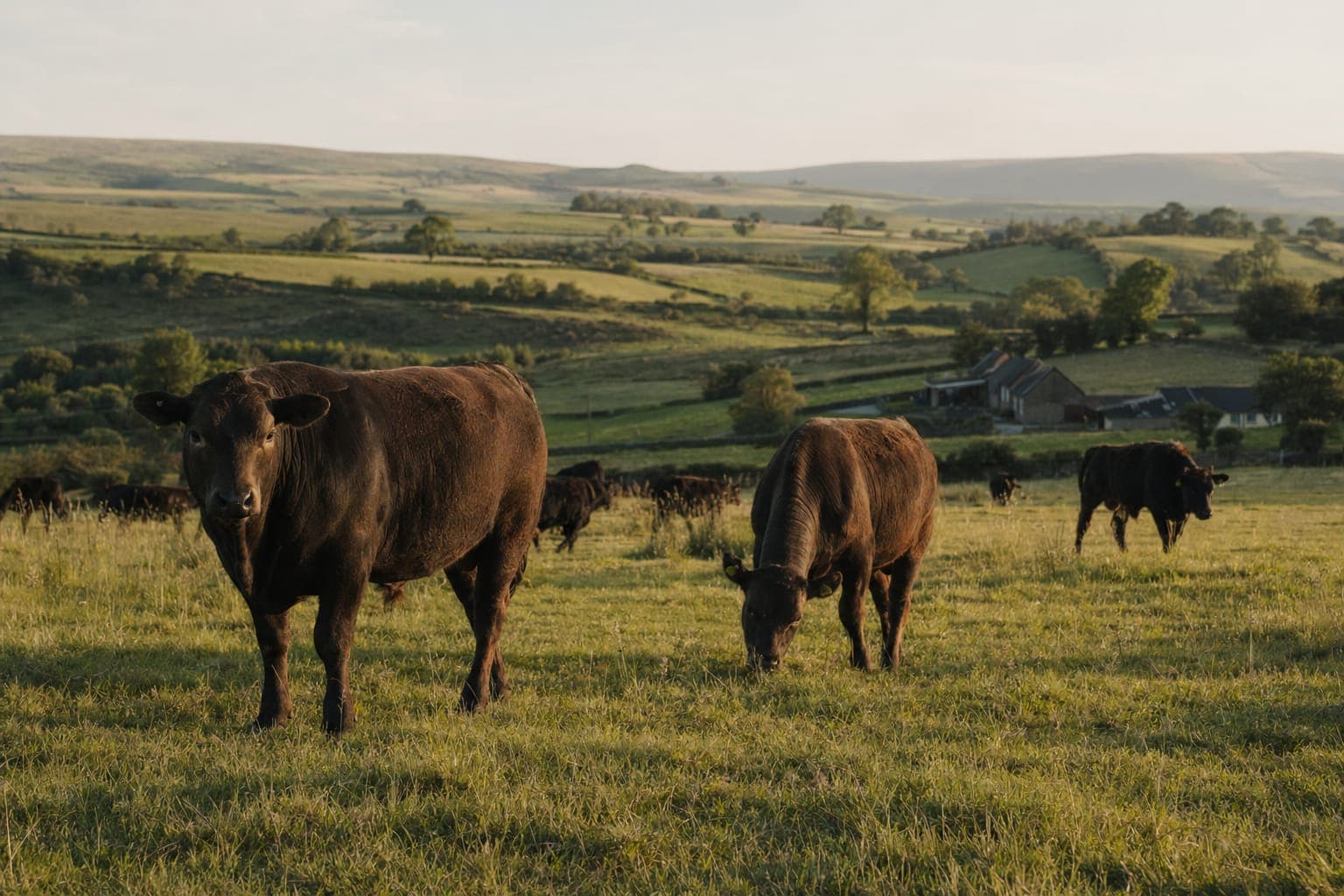
Why We Source Our Organs from UK Farms
We source all our organ products from UK farms. Here's why traceability, welfare, and local sourcing matter for ancestral nutrition.
Farming
What 'Grass-Fed' Actually Means (And What It Doesn't)
Grass-fed has vague definitions. Some cattle are grass-fed then grain-finished. Learn UK vs US standards, Pasture for Life, and what labels actually promise.
Farming
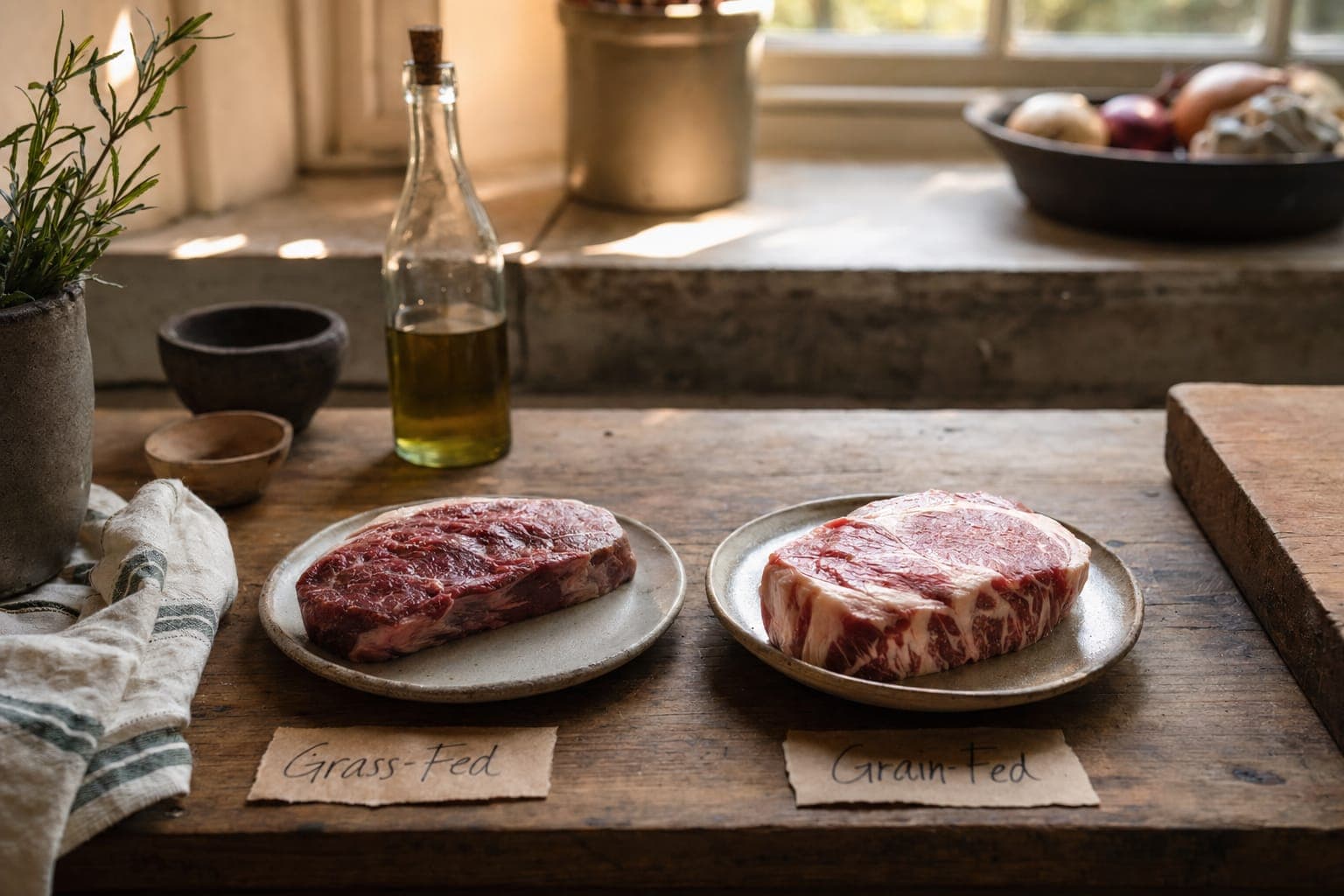
The Nutritional Difference Between Grass-Fed and Grain-Fed Beef
Grass-fed beef has 2-5x more CLA, 3x vitamin E, higher K2, and better omega-3 ratio. Here's the complete nutrient-by-nutrient comparison.
Real food, made effortless
Shop the blendA few ways to use it
All recipes
The Perfect Organised Morning Shake: Our Favourite Recipe
Our signature morning shake: Organised, raw milk, banana, honey. Simple, nourishing, and optimised for an empty stomach.

Energy Balls with Organised, Dates and Raw Honey
Make no-bake energy balls with Organised, dates, and raw honey. Perfect lunch box, pre-workout, or on-the-go snack. Simple recipe.
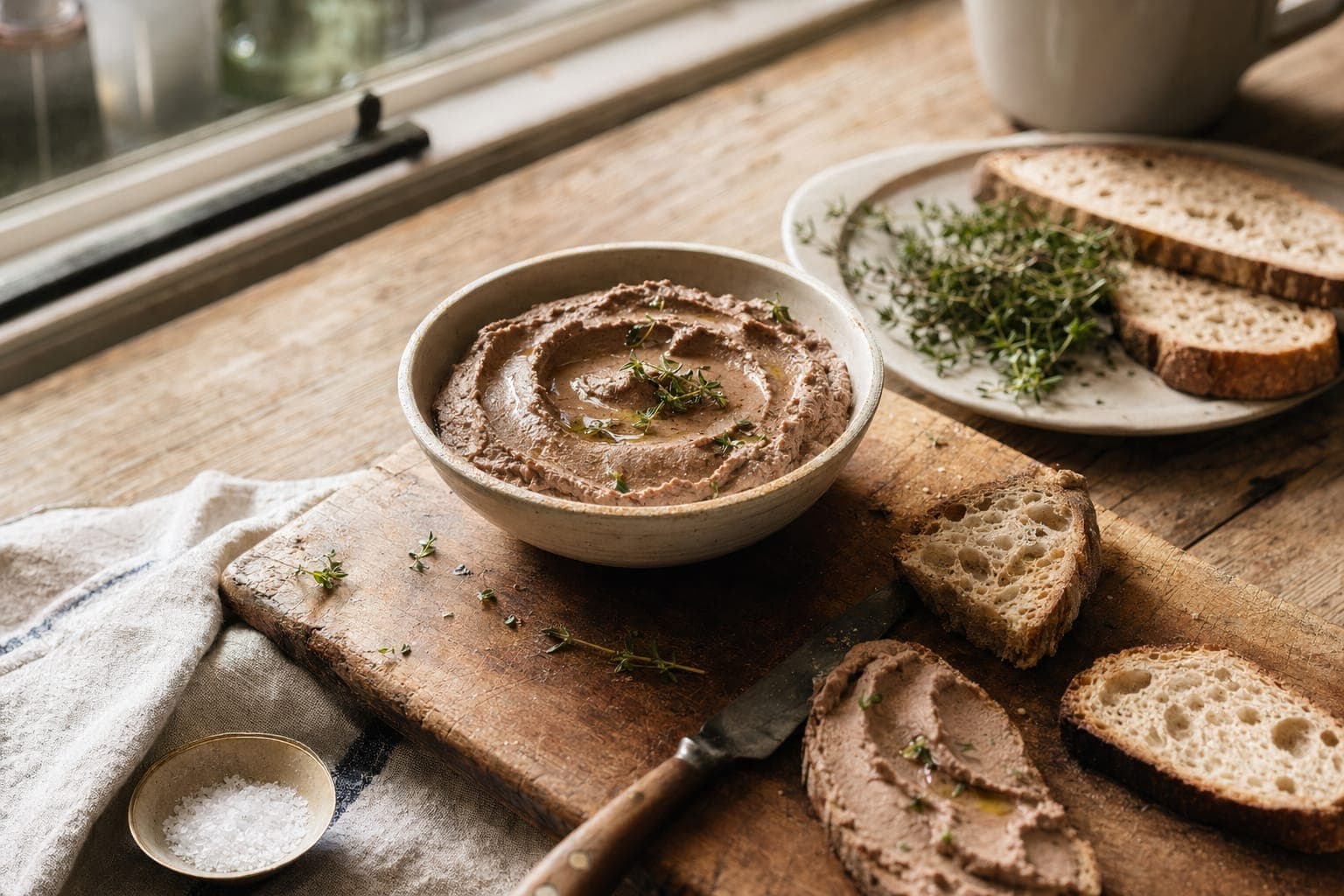
Liver Pate for Beginners: A Gentle Introduction to Organ Meats
Simple liver pate recipe to start eating organ meats. Chicken liver, butter, and herbs. Gentle introduction to nutrient-dense whole foods.


 Join over 100,000+ members
Build a better food system with us
The Organised community is thousands of people choosing real food and backing the farmers who grow it, all of us trying to leave the world a little better than we found it. If that is what you care about too, you belong here.