The Nutritional Difference Between Grass-Fed and Grain-Fed Beef
Pound for pound, a grass-fed steak looks the same as a grain-fed one. Chemically, they're different animals. The nutrient difference isn't marginal. It's material.
By Niall Kiddle, Founder, Organised

Reviewed by Pedro Rodrigues, Agronomist (farming and sourcing only) ·
7 min read · Published · Updated · 4 cited sources
Makers of the Organised Daily blend, a grass-fed beef organ supplement from regenerative UK farms
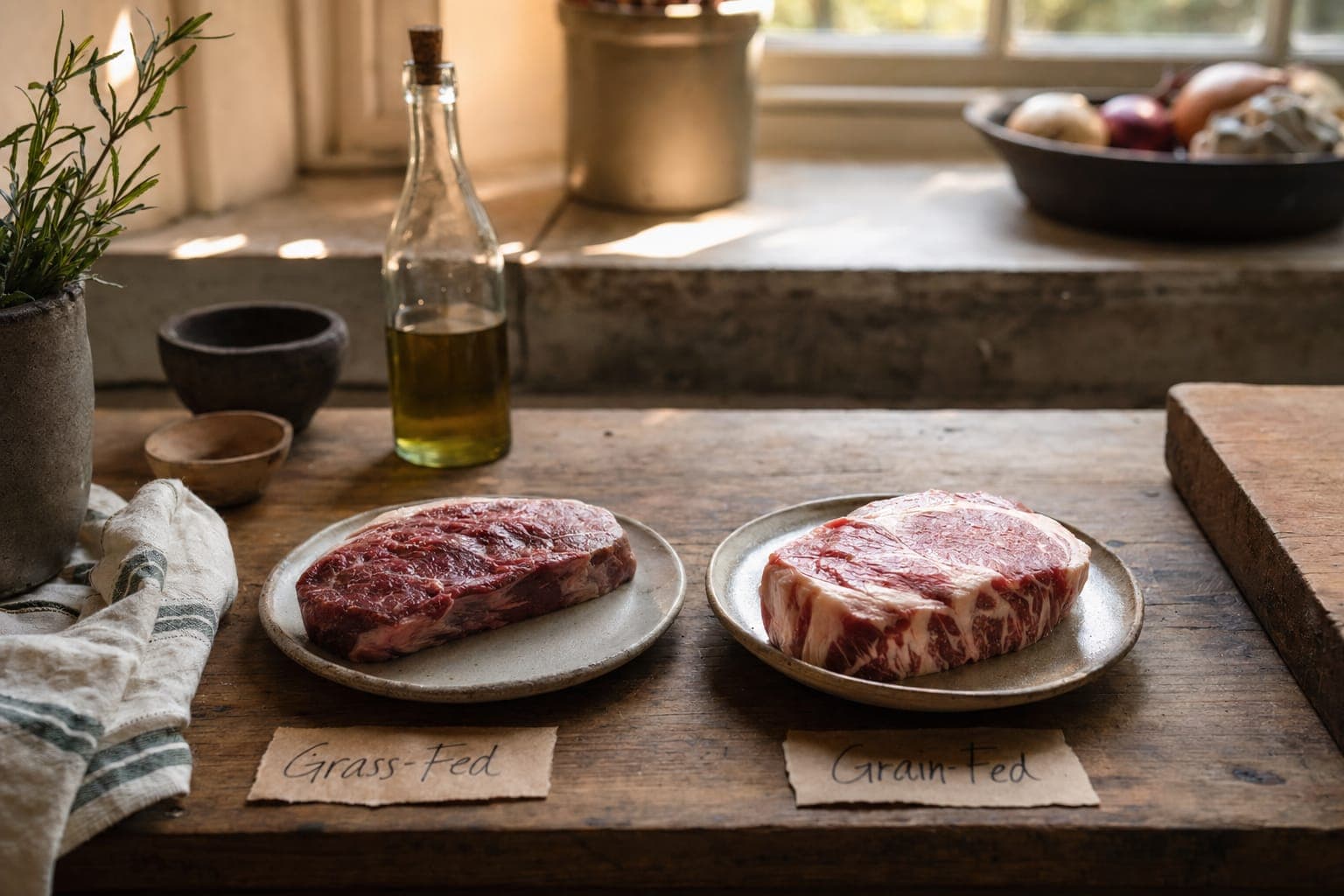
This is where theory meets practice. Here's what changes when a cow eats grass instead of grain.
CLA (conjugated linoleic acid)
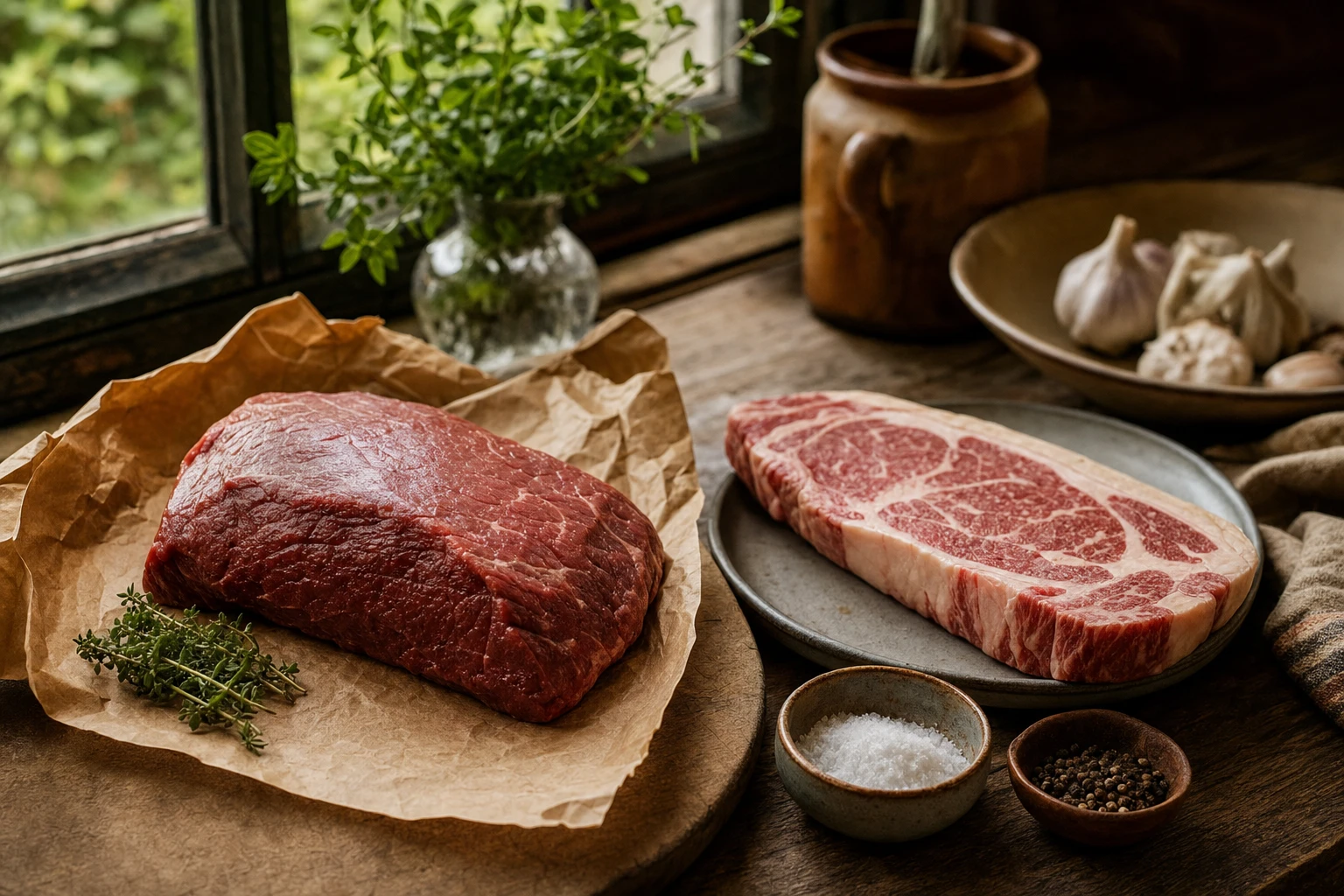
Grass-fed beef contains 2-5 times more CLA than grain-fed beef.1 CLA is produced in the rumen when cattle digest grass. Grain doesn't trigger CLA production. If a cow never eats grass, it produces virtually no CLA.
CLA is a type of polyunsaturated fat that research suggests supports metabolic health. Studies show CLA improves insulin sensitivity, promotes lean muscle protein synthesis, and may modestly reduce body fat accumulation. The evidence is not overwhelming, but it's consistent across multiple studies.
A typical serving of grass-fed beef (100g) contains roughly 0.6-1.0 grams of CLA. Grain-fed contains 0.1-0.2 grams. If you're eating grass-fed beef three times per week, you're accumulating meaningful CLA intake. Grain-fed produces negligible CLA content.
Is this a significant nutrient? Yes. But it's just one of several advantages of grass-fed.
CLA is found almost exclusively in grass-fed ruminant meat. If you're grass-fed beef is grain-finished, you've lost most of this benefit.
K2: the forgotten vitamin
Vitamin K2 is a fat-soluble vitamin found almost exclusively in the fats of grass-fed ruminants.3 A 100-gram serving of grass-fed beef can contain 25-30 micrograms of K2. Grain-fed beef contains virtually none.
K2 is essential for bone mineralisation, arterial elasticity, and proper calcium distribution. Without K2, calcium can deposit in arteries (contributing to arterial stiffness) rather than in bone. Modern Western diets are severely deficient in K2.
The best food sources of K2 are: grass-fed butter, grass-fed beef fat, hard aged cheeses (from grass-fed milk), and fermented foods like sauerkraut and tempeh. If you're not eating grass-fed dairy or beef, you're almost certainly K2 deficient.
This isn't a marginal deficiency. K2 is implicated in bone density, cardiovascular health, and tooth mineralisation. The difference between a diet with regular grass-fed beef and without is measurable.
Vitamin E and beta-carotene
Grass-fed beef contains up to 3 times more vitamin E than grain-fed beef. Vitamin E is a fat-soluble antioxidant found in grass. When cattle eat grass, they accumulate vitamin E. When they eat grain, vitamin E content drops.
Beta-carotene (the plant pigment that gives grass-fed fat its yellow colour) is also markedly higher in grass-fed beef. A 100-gram serving of grass-fed beef can contain 200-300 micrograms of beta-carotene. Grain-fed beef contains minimal amounts.
Vitamin E supports immune function, skin health, and acts as an antioxidant. Beta-carotene is a precursor to vitamin A and contributes to eye health and immune function.
Neither is deficient in modern diets if you're eating vegetables. But they're present in grass-fed beef at higher concentrations than in grain-fed, and the form (in the context of whole food fat) may be better absorbed.
Omega-3 and omega-6
Grass-fed beef has an omega-3 to omega-6 ratio of approximately 1:2 to 1:3. Grain-fed beef is approximately 1:10 to 1:15, depending on how much grain finishing occurred.
Both are essential fats, but the balance matters. When omega-6 dominates (as in grain-fed beef combined with a diet high in seed oils), inflammatory pathways in the body are preferentially activated. When omega-3 has more access to those same enzymatic pathways (1:2 ratio), inflammatory resolution is more efficient.
A person eating grass-fed beef three times per week and avoiding seed oils can gradually shift their tissue omega-3 to omega-6 ratio. A person eating grain-fed beef and processed foods will remain in the chronically pro-inflammatory state.
The omega profile is arguably the most important nutritional difference between grass-fed and grain-fed beef.
Minor minerals: zinc, selenium, iron
Research on mineral content is more limited than on fats and fat-soluble vitamins. Some studies suggest grass-fed beef has slightly higher bioavailable zinc and selenium. Others show minimal difference.
The likely explanation: mineral content in both types reflects the mineral content of the soil where the animal was raised, rather than feed type. A grass-fed cow on selenium-rich soil will have higher selenium. A grain-fed cow eating selenium-rich grain may have similar levels.
Iron content is roughly equivalent between grass-fed and grain-fed. The form (haem vs non-haem) is the same, and absorption is similar.
For practical purposes, the mineral difference is negligible. The real nutritional advantage of grass-fed beef is in the fats and fat-soluble vitamins, not minerals.
What the research shows
A 2010 meta-analysis published in Nutrition Journal reviewed studies comparing grass-fed and grain-fed beef2 and found that grass-fed beef had: significantly higher omega-3 fatty acids, higher CLA, higher vitamin E, and higher beta-carotene. No significant difference in protein or most minerals.
A 2016 study from Iowa State University found that grass-finished beef had higher CLA4 (2-5 times higher) and K2 content than grain-finished beef, even when the grain-finished beef was grass-fed earlier in life.
White Oak Pastures (a regenerative beef producer) published testing of their beef showing: CLA 3 times higher than conventional beef, K2 in grass-fed fat (essentially absent in grain-fed), beta-carotene 400+ units per 100g (virtually absent in grain-fed).
The research is consistent: grass-fed beef is nutritionally distinct from grain-fed beef, particularly in fats and fat-soluble vitamins.
Get farming and sourcing guides, free
Two short reads a week on regenerative farming and where real food comes from.
By signing up you agree to receive emails from us. No spam, unsubscribe anytime.
Does it matter in practice?
If you're eating grass-fed beef regularly (three times per week), the cumulative nutritional benefit is real. You're introducing sources of K2, CLA, and omega-3 that grain-fed beef doesn't provide. Over months, this affects your tissue composition.
If beef is 10 percent of your diet, the absolute difference is smaller but still measurable. A 100g serving of grass-fed beef provides more nutrient density than grain-fed.
If beef is 1 percent of your diet (one steak per month), the practical difference is negligible. The nutritional advantage of grass-fed is cumulative, not per-serving.
The strongest case for grass-fed beef: it's one of the few food sources of K2 (along with grass-fed butter and aged cheese). If you're not consuming these regularly, you're K2 deficient, and grass-fed beef is a practical solution.
The secondary case: the omega-3 to omega-6 ratio. If you're avoiding seed oils and eating fish, the omega ratio from grass-fed beef compounds a positive direction. If you're eating processed food and seed oils daily, grass-fed beef can't overcome the input mismatch.
Grass-fed beef is a nutrient-dense food. Grain-fed beef is also nutrient-dense. The difference is in fat composition and fat-soluble vitamins, not protein or basic minerals.
How much grass-fed beef do you need to see the benefit?
This is the practical question many people have. If you eat beef twice a week, is switching to grass-fed worth the cost? If you eat it once a month, does the difference matter?
CLA, K2, and omega-3 are cumulative benefits. Your body composition shifts gradually. If grass-fed beef is your only source of K2, you need it regularly (at least weekly) for the benefit to accumulate. If you're getting K2 from grass-fed butter, cheese, and organs separately, then even occasional grass-fed beef contributes to a broader pattern.
The rule of thumb: if beef is a major protein source (2-3 times per week or more), switching to grass-fed or grass-finished is worthwhile. If you eat beef occasionally (once a month), the grass-fed benefit is modest compared to the overall diet. In that case, prioritise organs instead. Liver from any feeding system is dramatically more nutrient-dense than any muscle meat.
The grass-fed premium is most valuable if beef is a staple protein. If it's occasional, spend the money on organs instead.


1 of 9
Daily blend
100,000+ thriving families4.9 on Trustpilot
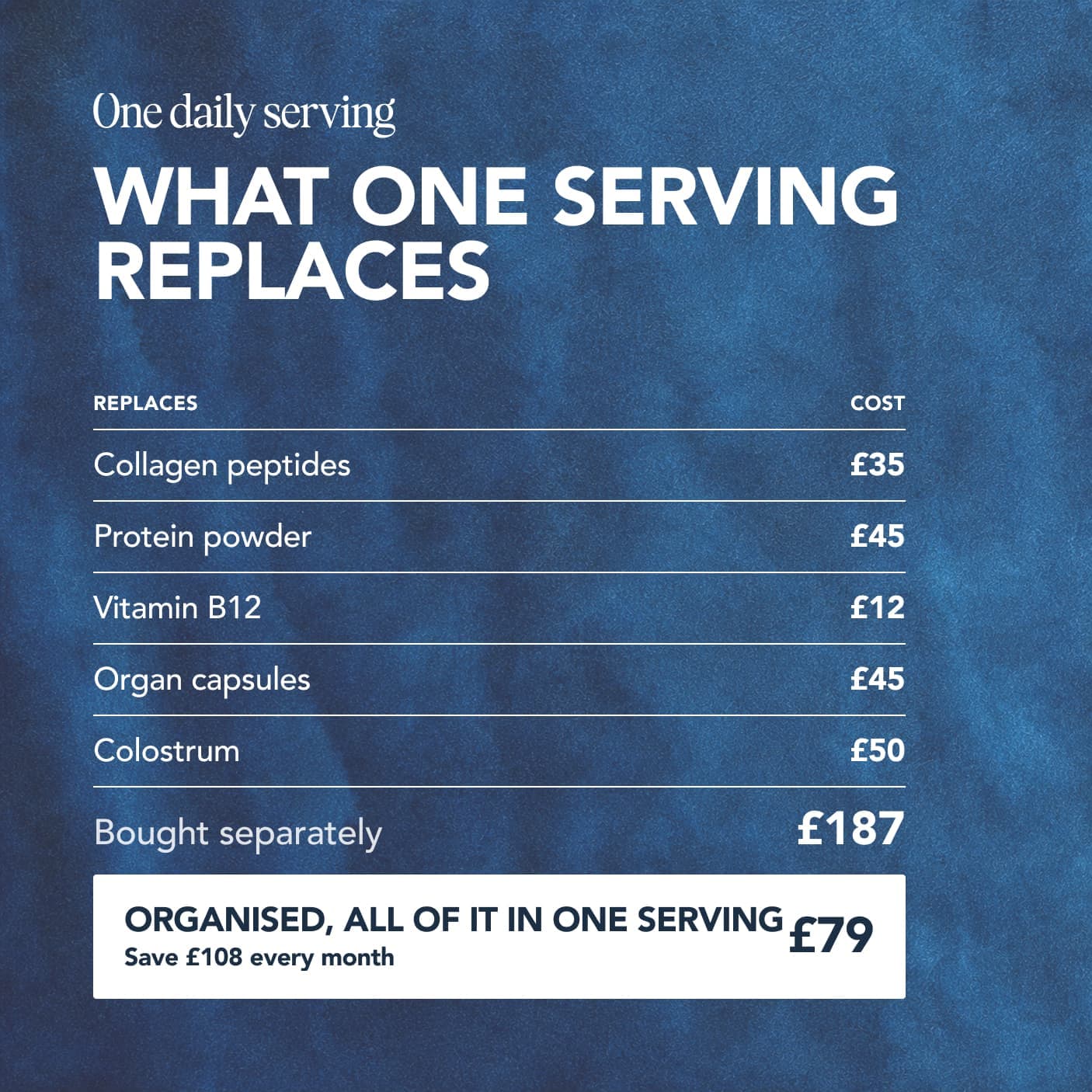
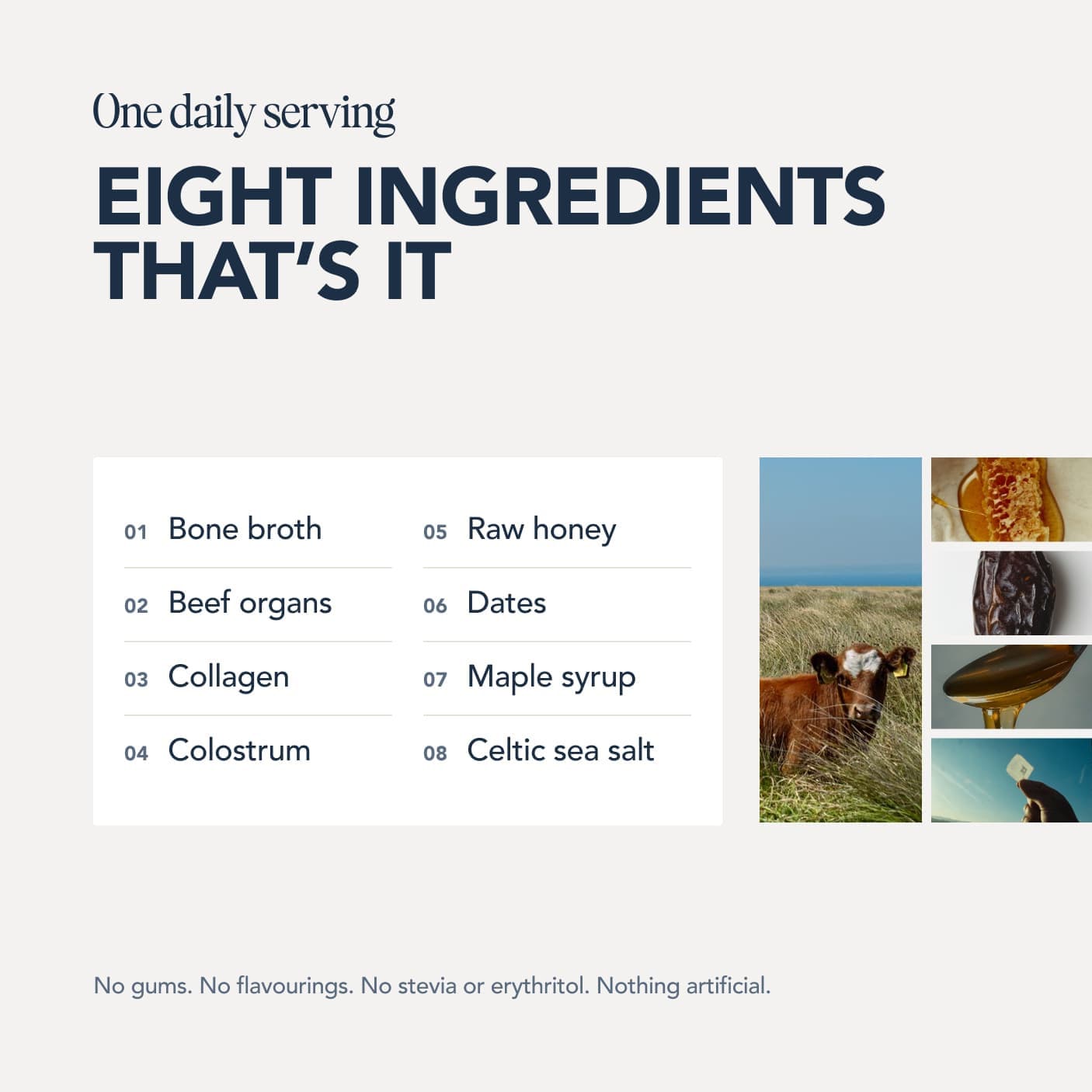
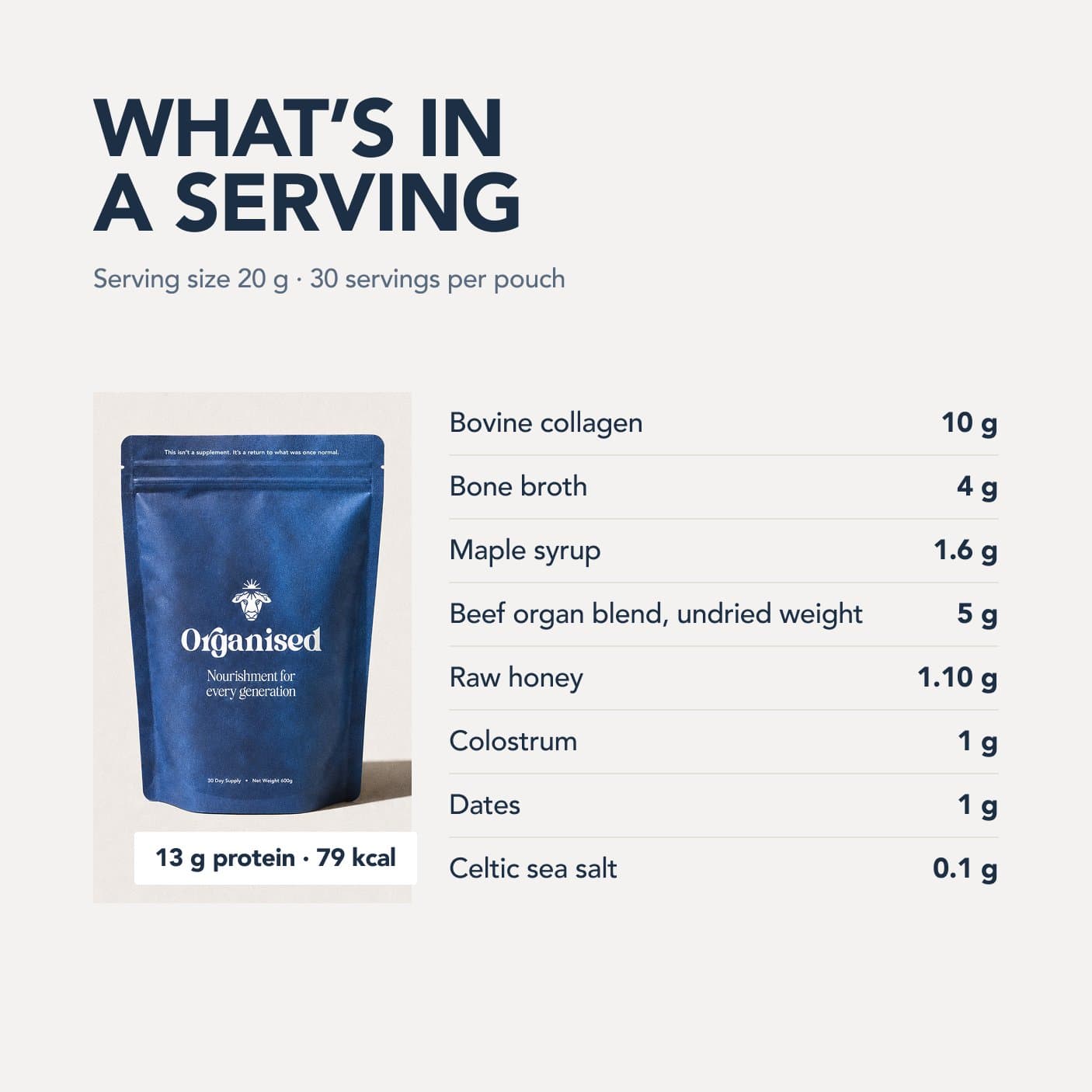
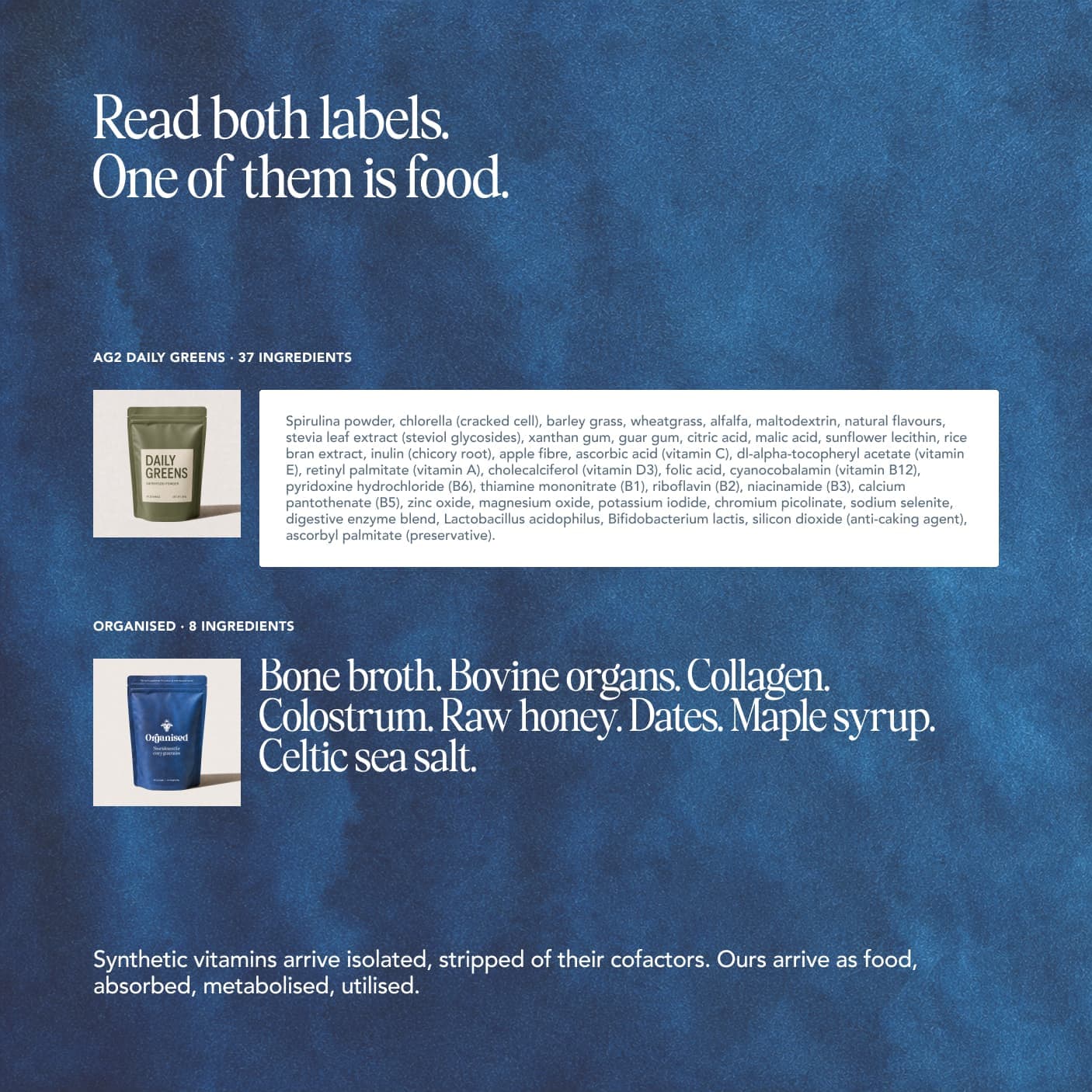
Eight real ingredients built around grass-fed beef organs, collagen and colostrum. Nothing synthetic added.
Free with your first order, worth £38. Plus £10 off the pouch with a subscription.



Free UK shipping · Made in England · 100 day money back guarantee on your first pouch · Skip, pause or cancel anytime
The practical bottom line
If grass-fed beef is accessible and affordable, eat it regularly. The nutrient profile is materially better, particularly in CLA, K2, vitamin E, and omega-3.
If grass-fed costs significantly more, the priority is quantity and consistency. Eating grain-fed beef three times per week is better than eating grass-fed once per month.
If you're choosing between grass-fed beef and other nutrient-dense foods (organ meat, fish, eggs), organ meat from conventional sources is nutritionally superior to muscle meat from grass-fed. Offal contains 10-100 times more of most micronutrients.
For most people, the practical strategy: eat grass-fed muscle meat when possible, eat organ meats (from any source) regularly, eat fish frequently, and use grass-fed butter. Together, these provide K2, CLA, omega-3, and other nutrients that grass-fed beef provides.
The nutrient difference between grass-fed and grain-fed beef is real. But it's one variable in a much larger nutritional equation. Get the overall pattern right (whole foods, minimal seed oils, regular fish, organ meat), and the grass-fed versus grain-fed distinction becomes a refinement rather than a revolution.
References
Every source below was checked on 27 August 2026. Each PubMed, PMC and DOI identifier was resolved against NCBI or Crossref, and what it opens is printed under the citation, so you can see the link goes where the citation says without leaving the page. Where a citation and its identifier disagreed, the citation was corrected to the record or the reference was deleted along with the sentence marker that pointed at it, and where the resolved paper turned out not to support the sentence, the sentence was cut back to what it does support. Borrowed authority is worse than none, because it looks like rigour.
- Daley CA, et al. A review of fatty acid profiles and antioxidant content in grass-fed and grain-fed beef. Nutr J. 2010. PMC2846864.Checked 27 August 2026: PMC2846864 opens Daley CA, Abbott A, Doyle PS et al, A review of fatty acid profiles and antioxidant content in grass-fed and grain-fed beef. Nutr J 2010;9:10. PubMed indexes it as: Review.
- Daley CA, et al. A review of fatty acid profiles and antioxidant content in grass-fed and grain-fed beef. Nutr J. 2010. PMC2846864.Checked 27 August 2026: PMC2846864 opens Daley CA, Abbott A, Doyle PS et al, A review of fatty acid profiles and antioxidant content in grass-fed and grain-fed beef. Nutr J 2010;9:10. PubMed indexes it as: Review.
- Walther B, et al. Menaquinones, bacteria, and the food supply: the relevance of dairy and fermented food products to vitamin K requirements. Adv Nutr. 2013. PMID 23858094.Checked 27 August 2026: PMID 23858094 opens Walther B, Karl JP, Booth SL et al, Menaquinones, bacteria, and the food supply: the relevance of dairy and fermented food products to vitamin K requirements. Adv Nutr 2013;4(4):463-73. PubMed indexes it as: Review.The authors' own declaration, from the record: Author disclosures: B. Walther, J.P. Karl, S.L. Booth, P. Boyaval, no conflicts of interest.
- Krusinski L, et al. Attention to the details: how variations in U.S. grass-fed cattle-feed supplementation and finishing date influence human health. Front Sustain Food Syst. 2022. Frontiers.Checked 27 August 2026: doi:10.3389/fsufs.2022.851494 opens Krusinski L, Sergin S, Jambunathan V et al, Attention to the Details: How Variations in U.S. Grass-Fed Cattle-Feed Supplementation and Finishing Date Influence Human Health Frontiers in Sustainable Food Systems 2022;6.
Who wrote and reviewed this guide
Niall Kiddle
Author · Founder, Organised
Niall is the founder of Organised. He started the company in 2024 after fixing his own health the slow way: in 2022 he swapped a cupboard of synthetic supplements for real food, raw milk, organ meats, bone broth and honey, and felt the difference within months.
Areas of expertise: Ancestral nutrition, Organ meats, Whole-food supplementation, Gut health, Regenerative sourcing
Read Niall's full profile
Pedro Rodrigues
Reviewer · Agronomist (farming and sourcing only)
Pedro is the agronomist Organised works with on farming and sourcing. His job on the guides is to keep the science honest: he reviews what we publish about soil health, regenerative agriculture, grazing and the way food is actually produced.
Areas of expertise: Regenerative agriculture, Agronomy, Soil health, Grass-fed farming, Food sourcing
Reviewed this guide on
Read Pedro's full profileBrowse the guides library
All guidesKeep reading
Farming
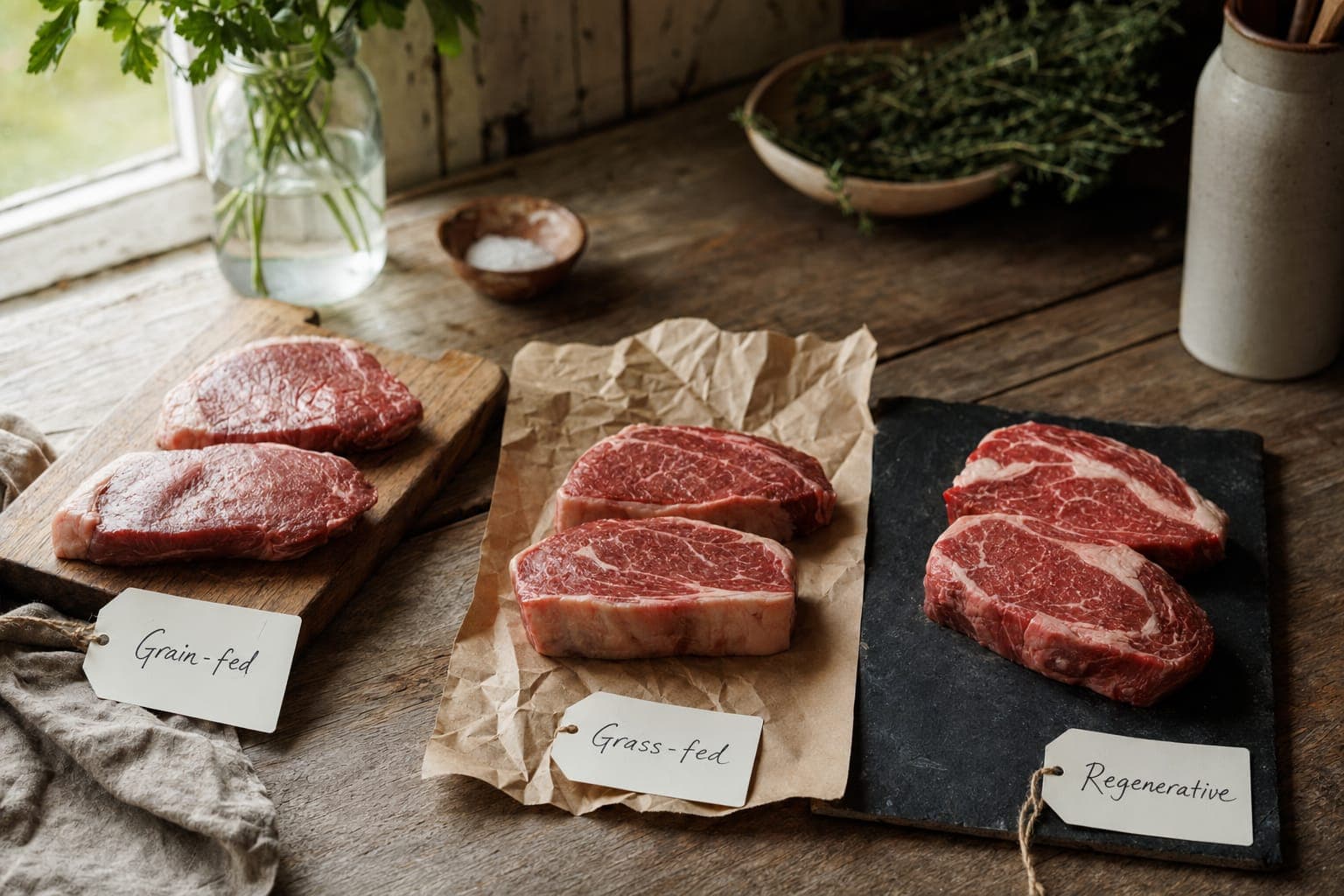
The Truth About Beef: Grain-Fed vs Grass-Fed vs Regenerative
Compare grass-fed vs grain-fed and regenerative beef on nutrition, welfare and environment. See how CLA, omega ratios and vitamins shift with how cattle live.
Farming
Grass-Fed vs Grass-Finished: Why the Distinction Matters
Grass-fed vs grass-finished beef is not the same. Learn what each term means, why most grass-fed cattle are grain-finished, and how it affects nutrients.
Farming
Omega-3 to Omega-6 Ratio: Why Grass-Fed Matters
Grass-fed beef has a 1:2 omega-3 to omega-6 ratio vs grain-fed's 1:15. This matters for inflammation, cardiovascular health, and metabolic resilience.
Real food, made effortless
Shop the blendA few ways to use it
All recipes
The Organised Recovery Smoothie for After Exercise
A recovery smoothie made with beef protein, raw milk, frozen berries, collagen, and honey. Optimal nutrition in the 30-minute window after exercise.
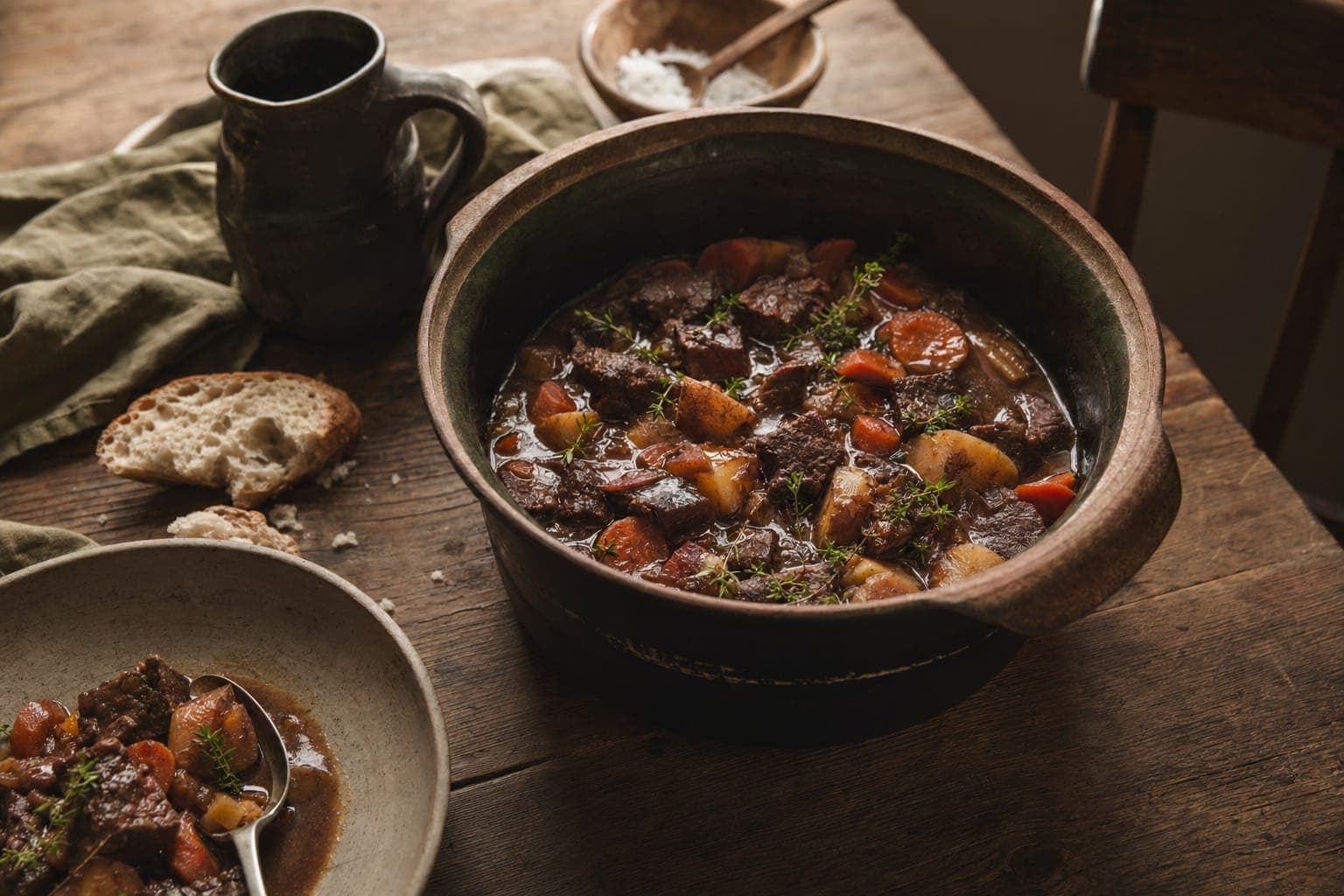
Collagen-Rich Beef Stew: Slow-Cooked Nourishment
Beef stew that delivers collagen from connective tissue and bone broth. Winter comfort food that actually nourishes. Simple slow cooker recipe.

Ancestral Breakfast Ideas from Around the World
Traditional breakfast recipes from cultures that got nutrition right. Japanese, Turkish, Scottish, and more. Whole-food breakfast inspiration.


 Join over 100,000+ members
Build a better food system with us
The Organised community is thousands of people choosing real food and backing the farmers who grow it, all of us trying to leave the world a little better than we found it. If that is what you care about too, you belong here.