Why We Source Our Organs from UK Farms
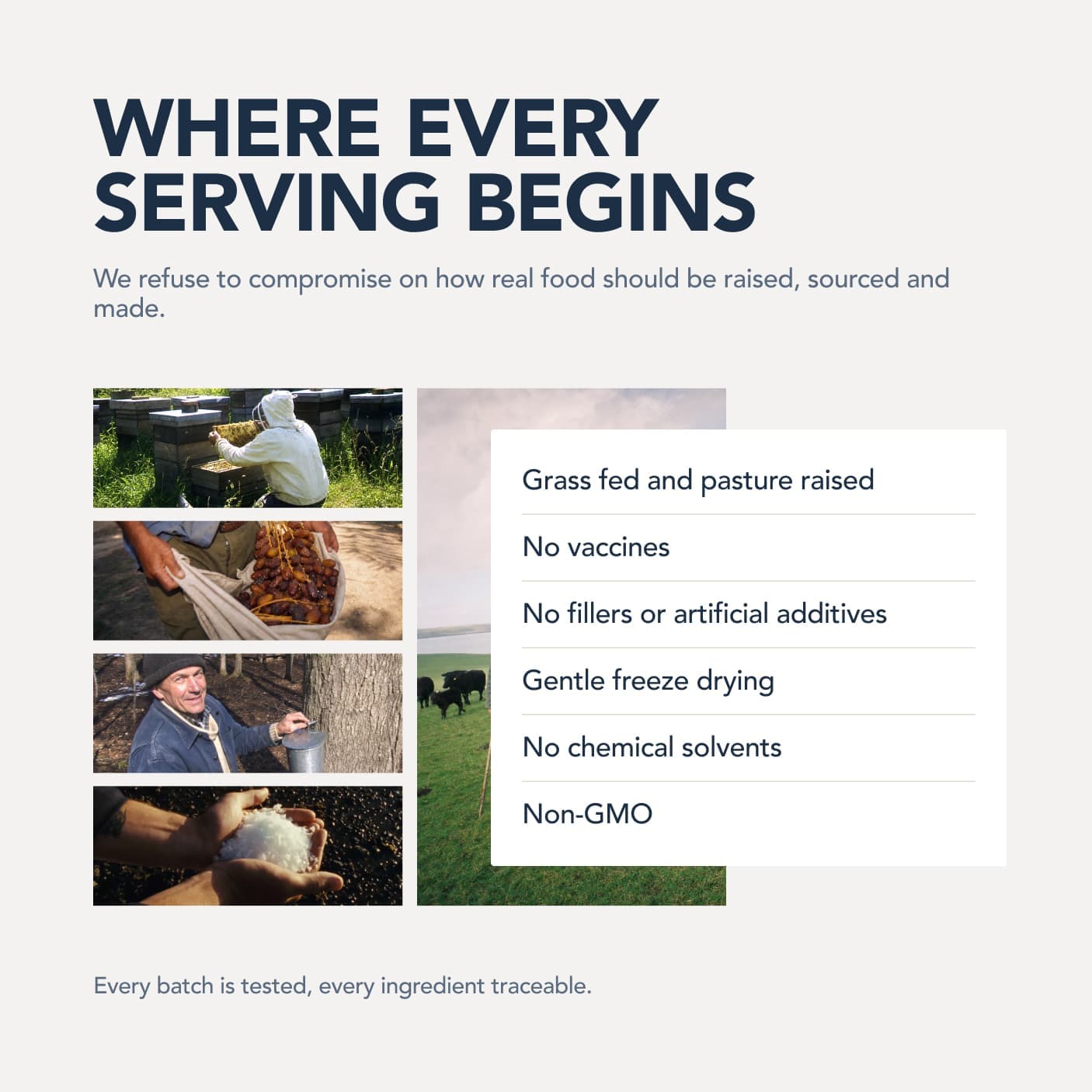
A freeze-dried organ supplement isn't just powder. It's an anchor to a specific animal, a specific farm, a specific grazing protocol. You can't build that relationship across oceans. That's why we source from UK farms only.
By Niall Kiddle, Founder, Organised

Reviewed by Pedro Rodrigues, Agronomist (farming and sourcing only) ·
6 min read · Published · Updated · 2 cited sources
Makers of the Organised Daily blend, a grass-fed beef organ supplement from regenerative UK farms
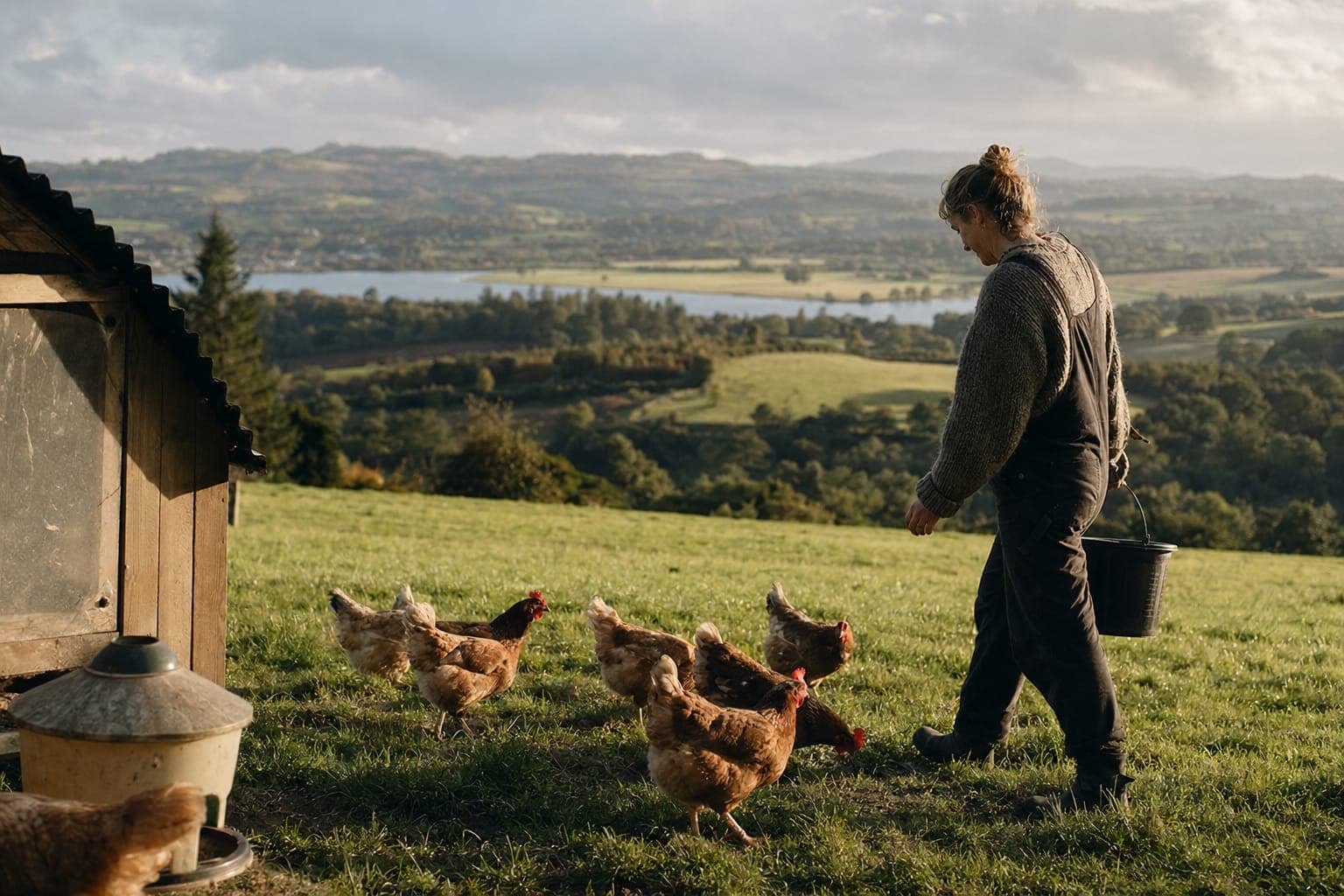
This isn't virtue signalling. It's a practical sourcing principle with real implications for quality, transparency, and traceability. When we talk about knowing where your food comes from, we mean it literally: we know the farmer's name, we know the field, we know the grazing system. We visit the farms. We've walked the pastures. We know the cattle.
The case for local sourcing
International supply chains are economically efficient. They are logistically sophisticated. They are impossible to verify on foot. When we source organ meats from overseas, we're buying promises. We're buying certifications we can't independently confirm. We're trusting intermediaries who have no stake in the integrity of the final product they're moving through a multi-country supply chain. When we source from UK farms, we can visit. We can see the grazing. We can talk to the farmer. We can ask questions specific to an individual animal. That level of verification costs us more. It limits our supplier options. It makes scaling harder. It's also the only way to actually know what you're buying.
Trust, real trust, only works at scale you can see. Everything else is a marketing claim. We've chosen to operate only at scale we can verify.
Trust, real trust, only works at scale you can see. Everything else is a marketing claim.
Traceability from animal to product
Blend 3.0, our flagship organ product, sources from named farms using a documented supply chain from pasture to freeze-dryer. You can trace your capsule back to a specific animal, a specific field, a specific grazing rotation. That's only possible with UK sourcing because our suppliers live in the same country as our manufacturer. When organs are shipped internationally, documents change hands. Certifications pass through intermediaries. The chain grows longer. Each link in that chain is a point where information can be lost or misrepresented, whether intentionally or through simple human error. We've chosen the more difficult path. We work with a small number of UK farms we know personally. Those farms supply organs to a processor we've vetted. The organs are freeze-dried at a facility we've audited. The final product carries the name of the source farm on the packaging. If something is wrong, we know exactly where to look and who to ask.
Supporting UK farmers and rural economies
UK farming is under pressure. Feed costs are rising. Labour is scarce. Margins are tightening. Conventional commodity farming is becoming economically unviable for smaller operations. The farms we work with are often family-run, often multi-generational, and increasingly dependent on direct sales and premium pricing to stay viable. When you buy Organised organs, you're supporting a specific farmer by name. Not a generic supply chain. Not a certification scheme. A person who's chosen to farm regeneratively, who's invested in animal welfare, who's built their operation around quality rather than volume. Every purchase sends a signal that this approach works economically. Conversely, sourcing from overseas, even from farms with excellent practices, means UK farms don't see that economic signal. They don't see the market demand for their products. They feel pressure only to compete on price.
The environmental argument
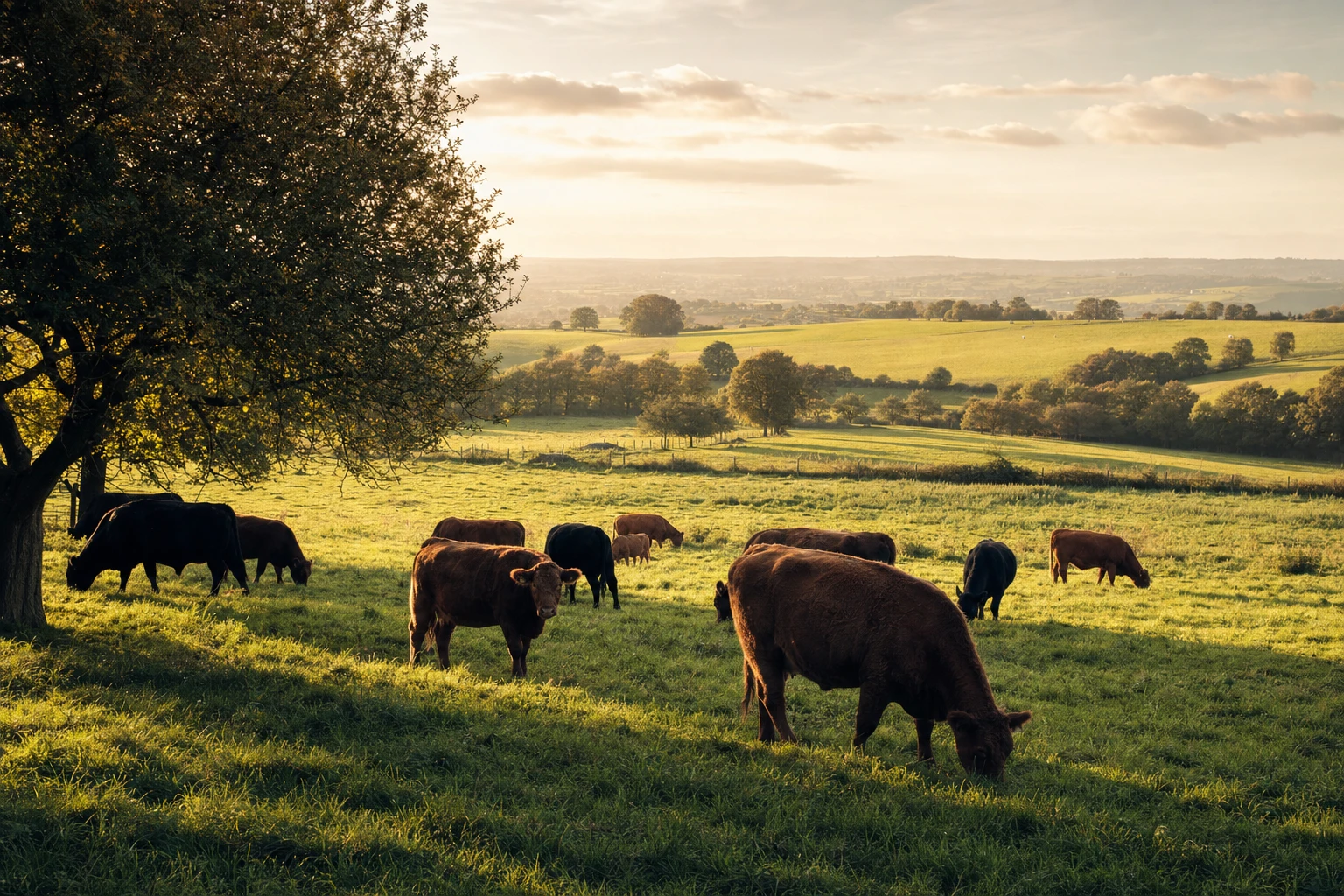
Flying organs across the world has a carbon cost. It's real. It's substantial. Sourcing from UK farms with planned rotational grazing systems that actively sequester carbon means the environmental profile of the product is positive, not negative.1 The cattle are building soil. The farming is regenerative. The transport is short. We could be dramatically cheaper if we sourced from factories in Asia or the USA. The cost of international transport would be recovered many times over in labour savings and production efficiency. We don't. The environmental principle isn't negotiable.
A supplement sourced from the other side of the world carries an environmental cost that undermines its nutritional benefit.
The quality difference it makes
UK farms we work with practice whole-animal utilisation as a matter of course. When a beef animal is slaughtered, every part is used. Organs go to us. Meat goes to restaurants or butchers. Bones go to bone broths. Hides go to leather workers. That's a traditional system where waste is minimised by economic necessity. In industrial supply chains, organs are often a byproduct to be processed and sold quickly. They may be frozen, shipped long distances, held in storage, and processed under time pressure to move inventory. All of those steps introduce oxidative stress and nutrient loss. UK sourcing means organs go from slaughter to freeze-dryer within 48 hours. That makes a measurable difference in nutrient retention. The B12 remains active. The vitamin A hasn't oxidised. The mineral profile is intact.
Get farming and sourcing guides, free
Two short reads a week on regenerative farming and where real food comes from.
By signing up you agree to receive emails from us. No spam, unsubscribe anytime.
What local sourcing actually costs
UK sourcing means our product costs more. It means our margins are tighter. It means we can't offer the aggressive pricing of competitors using international supply chains. It means we're constrained by the number of UK farms meeting our standards, so we can't expand production indefinitely. We've chosen these constraints deliberately. We could be larger, cheaper, and available everywhere if we sourced from overseas. We've chosen quality and traceability over scale. That's not a compromise we've made reluctantly. It's the business model we've committed to.
UK sourcing during supply disruptions
During the global supply chain disruptions of the early 2020s, we had the advantage of UK sourcing. When international suppliers could not deliver, we could pivot to local farms. When shipping costs tripled, we had logistics measured in miles, not ocean freighter routes.
This is not always cheaper. UK farming costs are higher than equivalent farming in New Zealand or Australia. Land is more expensive. Labour is more expensive. Environmental compliance is stricter. But the stability and resilience of UK sourcing proved valuable when global supply became unreliable.
Resilience is worth paying for. A supply chain that survives disruptions is more valuable than one that saves 20 percent during normal times.
1 of 9
Daily blend
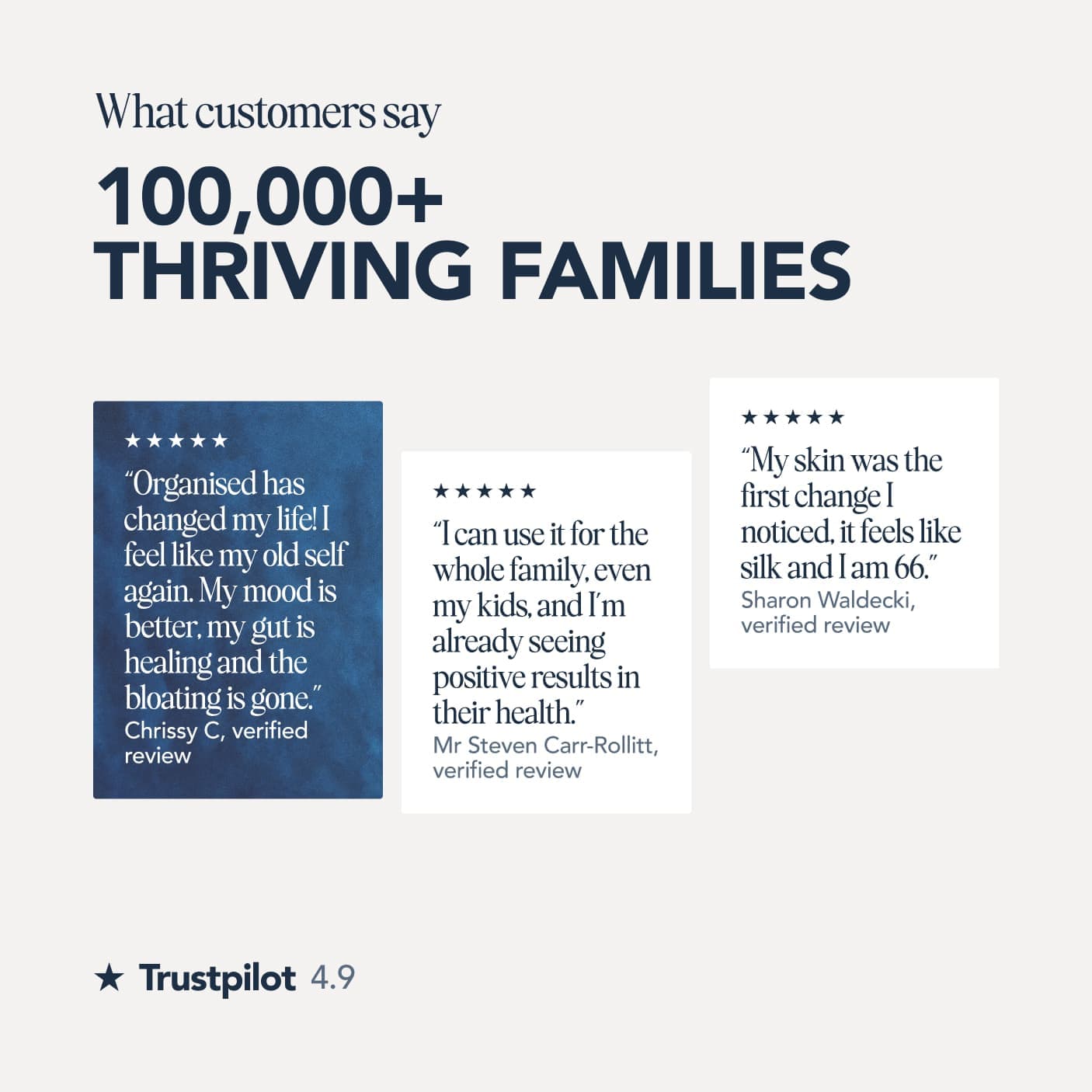
100,000+ thriving families4.9 on Trustpilot
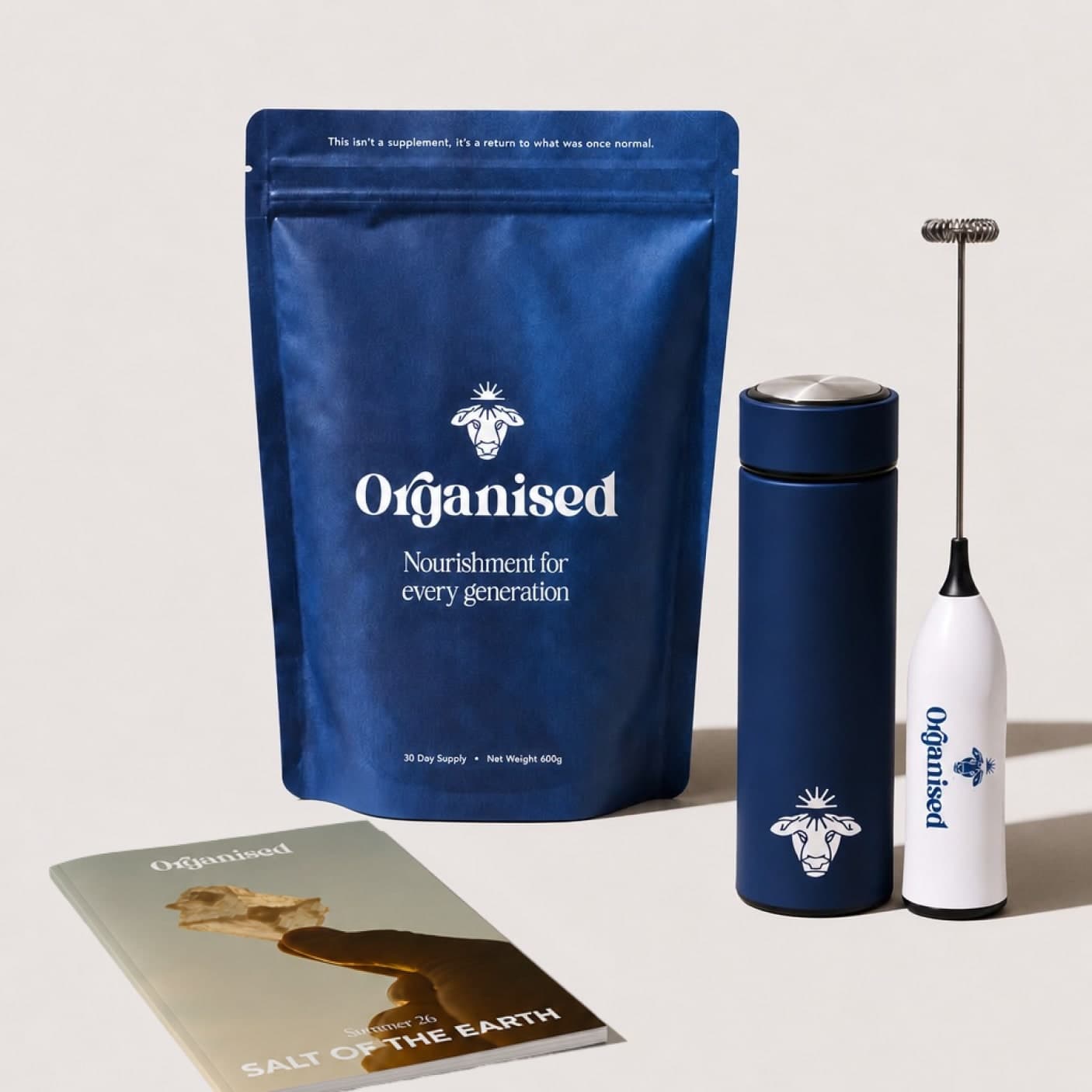
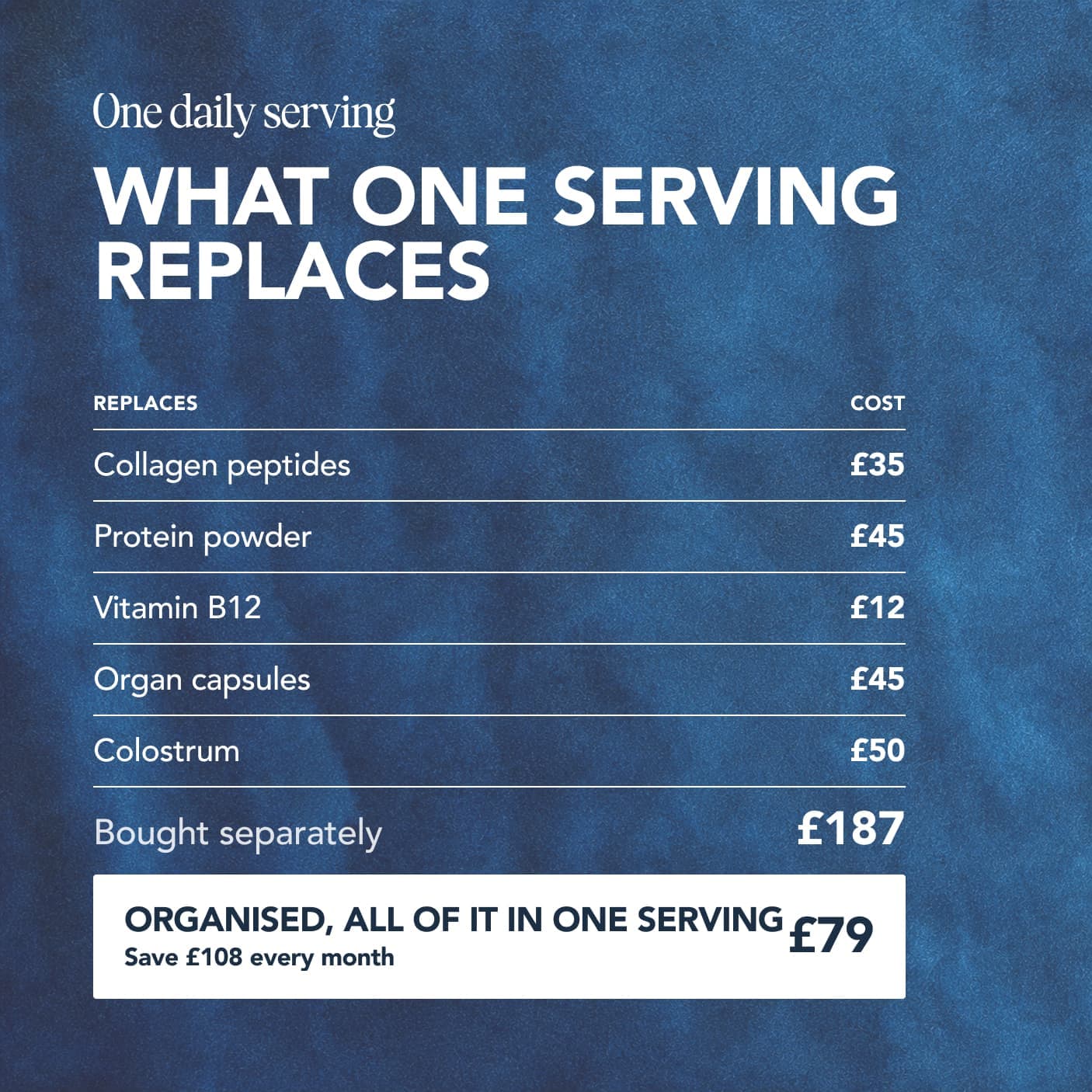
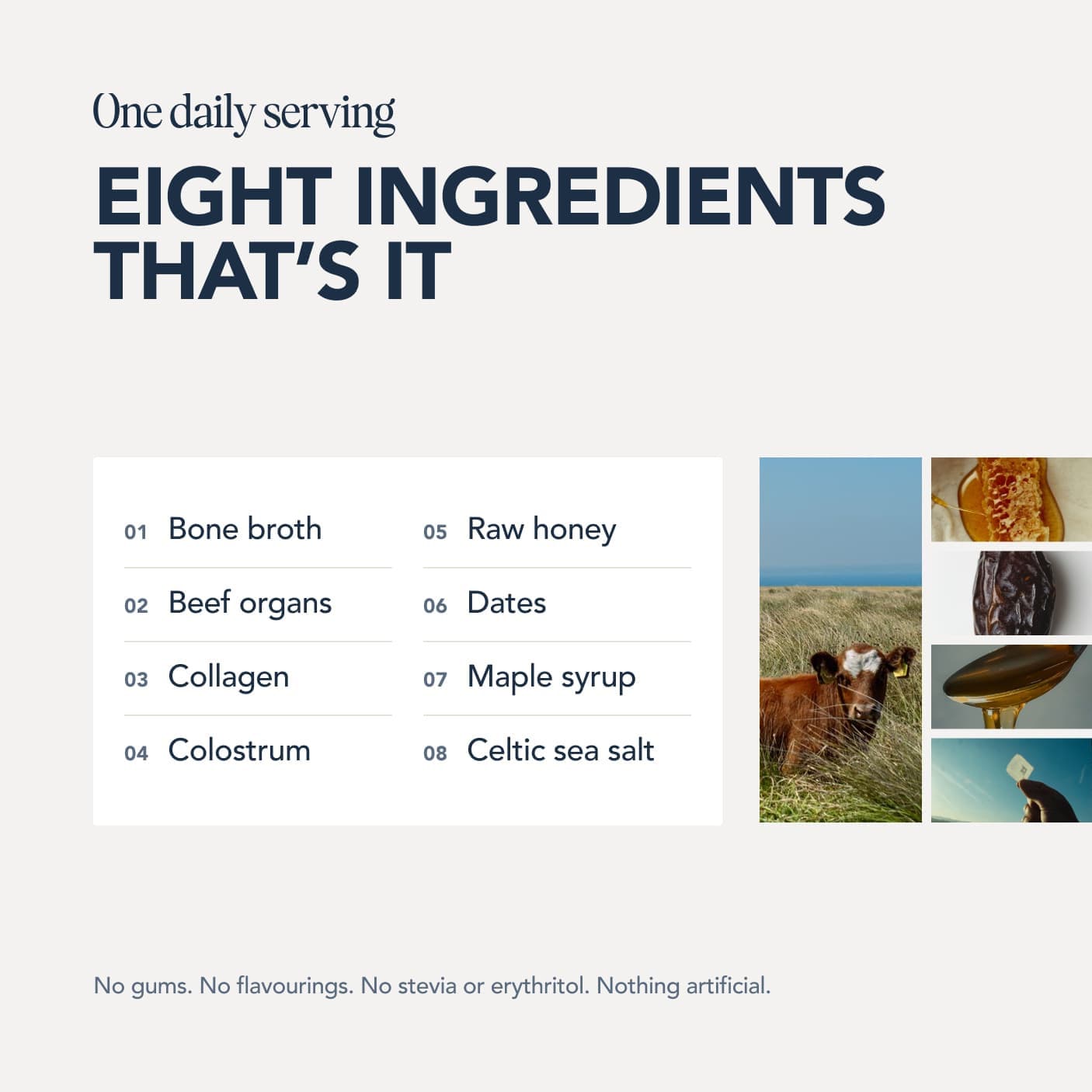
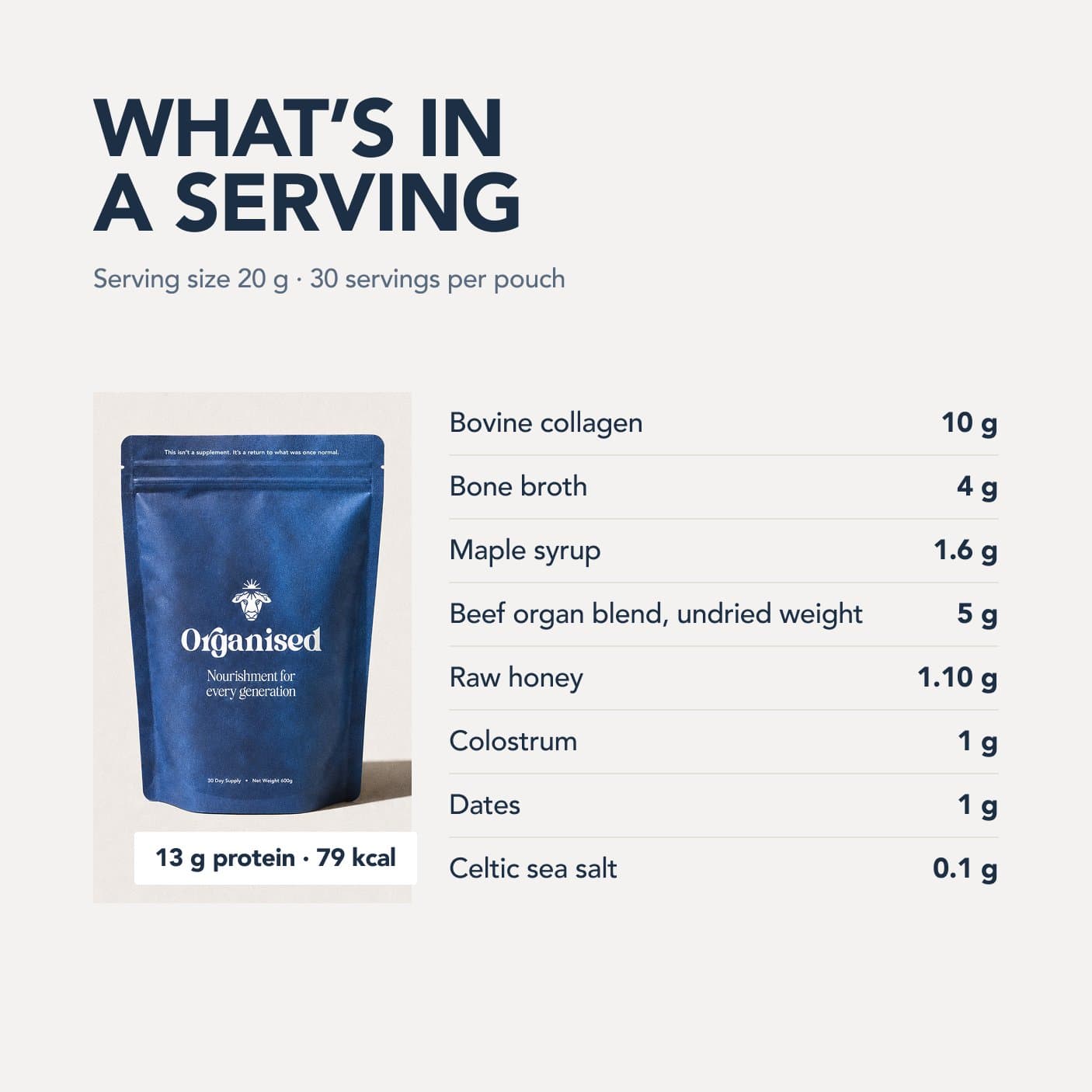
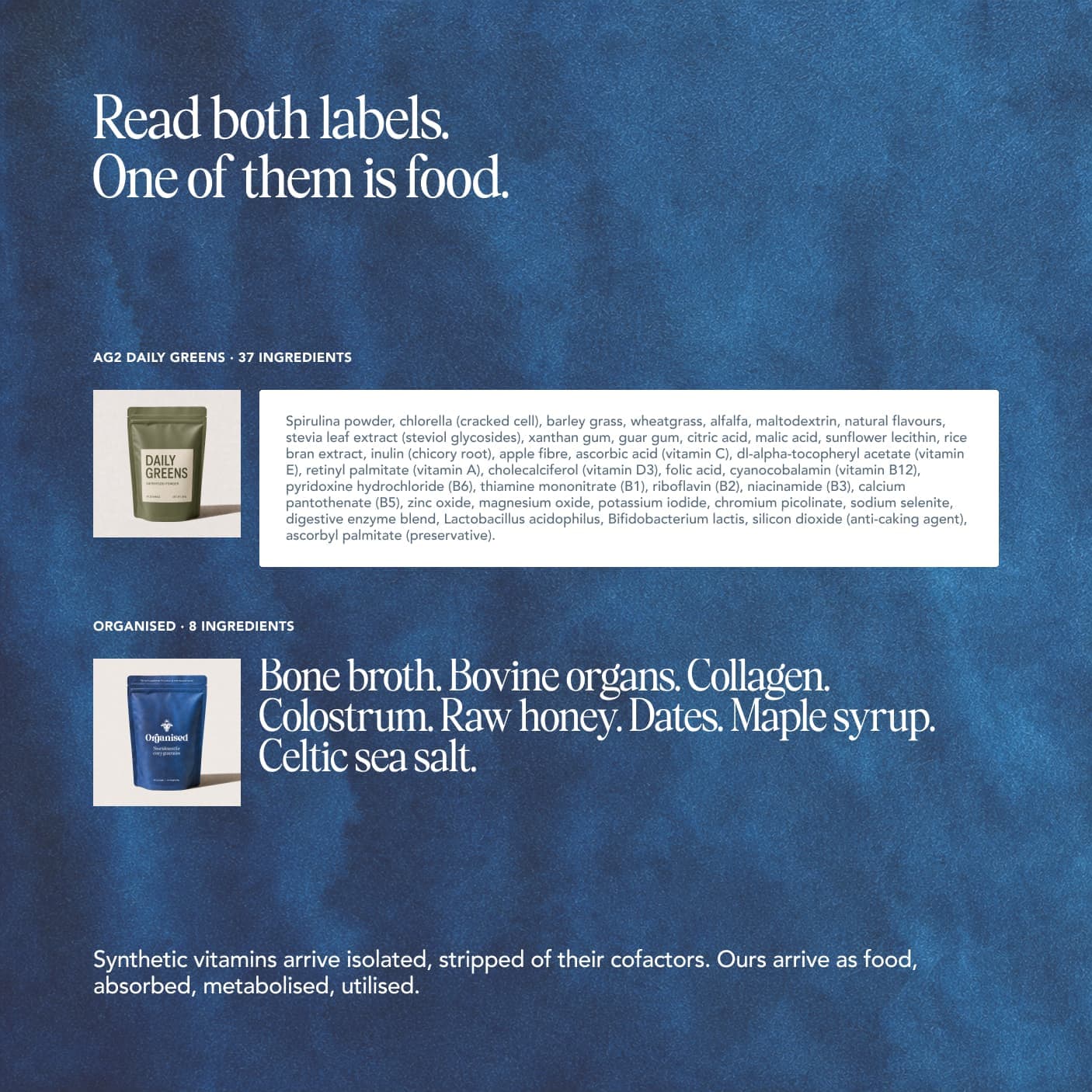
Eight real ingredients built around grass-fed beef organs, collagen and colostrum. Nothing synthetic added.
Free with your first order, worth £38. Plus £10 off the pouch with a subscription.
Free UK shipping · Made in England · 100 day money back guarantee on your first pouch · Skip, pause or cancel anytime
Traceability and batch history
UK sourcing means we know exactly where every batch came from. Not just which farm. Which paddocks the cattle grazed. What season. What grazing rotation the farm used. If there is a contamination issue or nutrient question, we can investigate the actual environment the animals were in.
International sourcing breaks this chain. An organ powder arrives from a processor who sourced from multiple farms across multiple regions. If a problem emerges, tracing it back is nearly impossible. With UK farms, we visit them. We know the farmers. We can ask questions and get answers.
Traceability is not a feature. It is the foundation of trustworthy sourcing.
The consistency of UK farming
UK farms operate under consistent regulatory frameworks. Animal welfare standards, antibiotic use protocols, environmental compliance, food safety, and traceability are all defined in law.2 A farm operating in Scotland follows the same broad rules as a farm in Wales or Kent.
This does not mean all UK farms are the same quality. It means the baseline is defined and audited. A farm that violates welfare standards faces legal consequences. A farm that uses banned antibiotics can lose certification. The consistency of the regulatory environment makes sourcing safer.
UK sourcing means you benefit from consistent legal standards that cross-border sourcing does not provide.
The bottom line
UK sourcing is harder. It's more expensive. It's slower. It's also the only way to build a genuine relationship between your supplement and the animal it came from. We've chosen to do the harder thing because we believe the transparency is worth it. When you take Organised organ products, you're taking nutrients from an animal you could visit, from a farm you could see, from a grazing system you could verify. That matters.
References
Every source below was checked on 27 August 2026. Each link was requested and read. Where a citation and its identifier disagreed, the citation was corrected to the record or the reference was deleted along with the sentence marker that pointed at it, and where the resolved paper turned out not to support the sentence, the sentence was cut back to what it does support. Borrowed authority is worse than none, because it looks like rigour.
- Stanley PL, Rowntree JE, Beede DK, et al. Impacts of soil carbon sequestration on life cycle greenhouse gas emissions in Midwestern USA beef finishing systems. Agric Syst. https://www.sciencedirect.com/science/article/pii/S0308521X17310338 [accessed May 2026].
- UK Government. Animal welfare on farms. https://www.gov.uk/guidance/animal-welfare [accessed May 2026].
Who wrote and reviewed this guide
Niall Kiddle
Author · Founder, Organised
Niall is the founder of Organised. He started the company in 2024 after fixing his own health the slow way: in 2022 he swapped a cupboard of synthetic supplements for real food, raw milk, organ meats, bone broth and honey, and felt the difference within months.
Areas of expertise: Ancestral nutrition, Organ meats, Whole-food supplementation, Gut health, Regenerative sourcing
Read Niall's full profile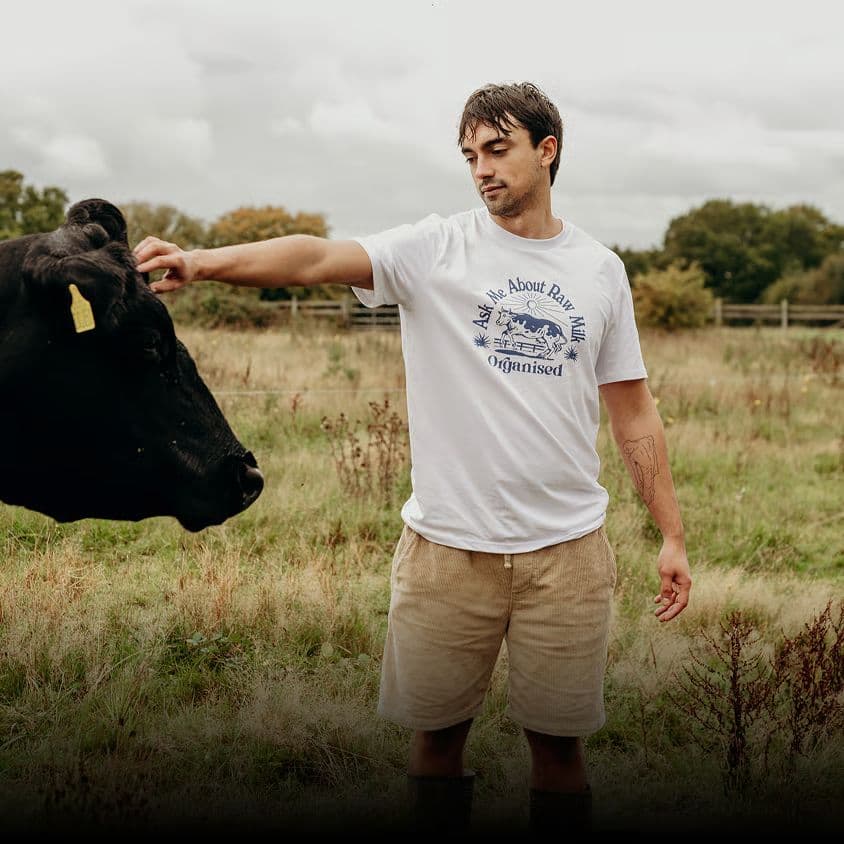
Pedro Rodrigues
Reviewer · Agronomist (farming and sourcing only)
Pedro is the agronomist Organised works with on farming and sourcing. His job on the guides is to keep the science honest: he reviews what we publish about soil health, regenerative agriculture, grazing and the way food is actually produced.
Areas of expertise: Regenerative agriculture, Agronomy, Soil health, Grass-fed farming, Food sourcing
Reviewed this guide on
Read Pedro's full profileMore on uk sourcing
View allBrowse the guides library
All guidesKeep reading
Farming
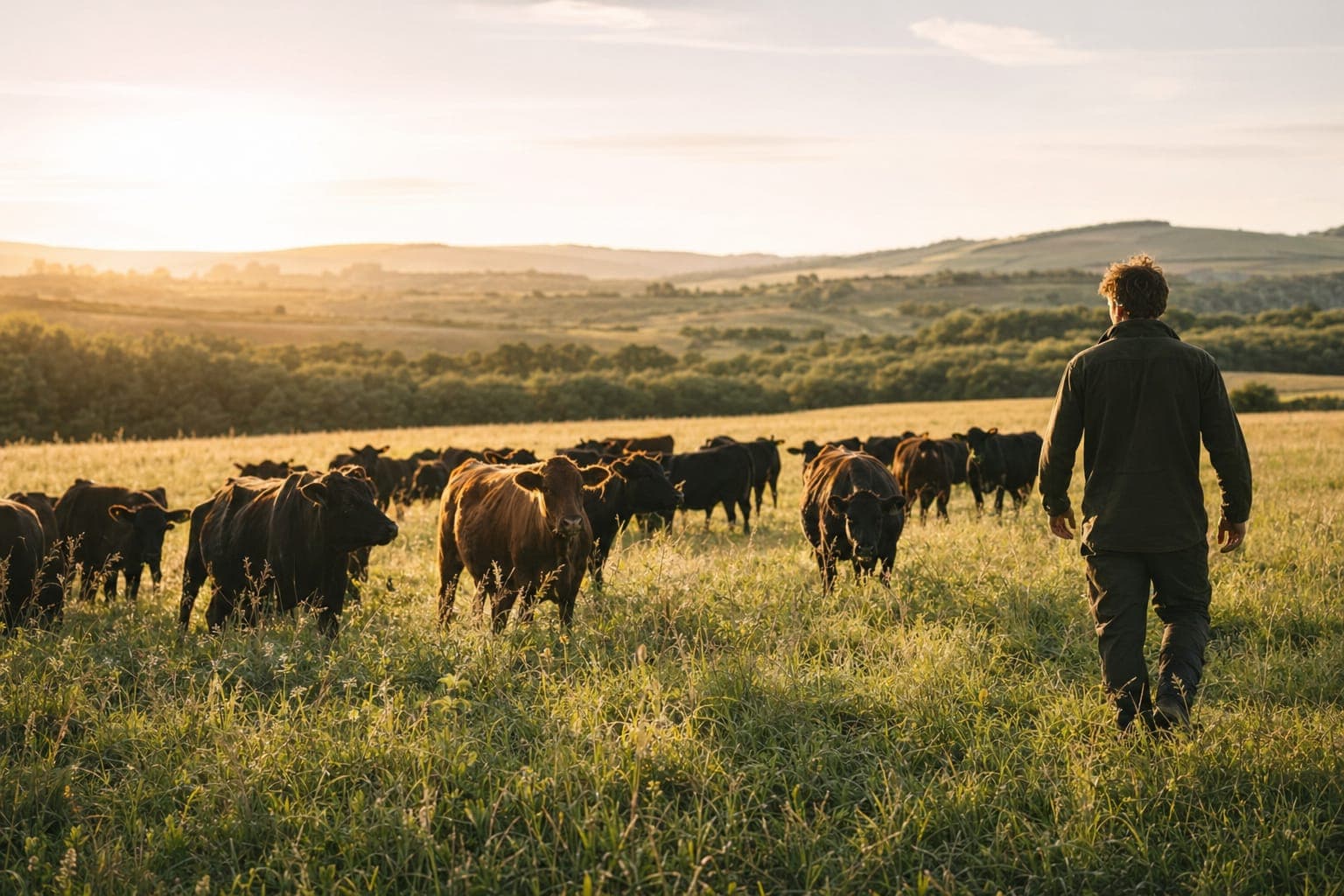
No mRNA Vaccines, No Bovaer, No Hormones: Our Sourcing Standards
We exclude mRNA vaccines, Bovaer, and hormones from our cattle sourcing. Here is our reasoning and what we choose instead.
Farming
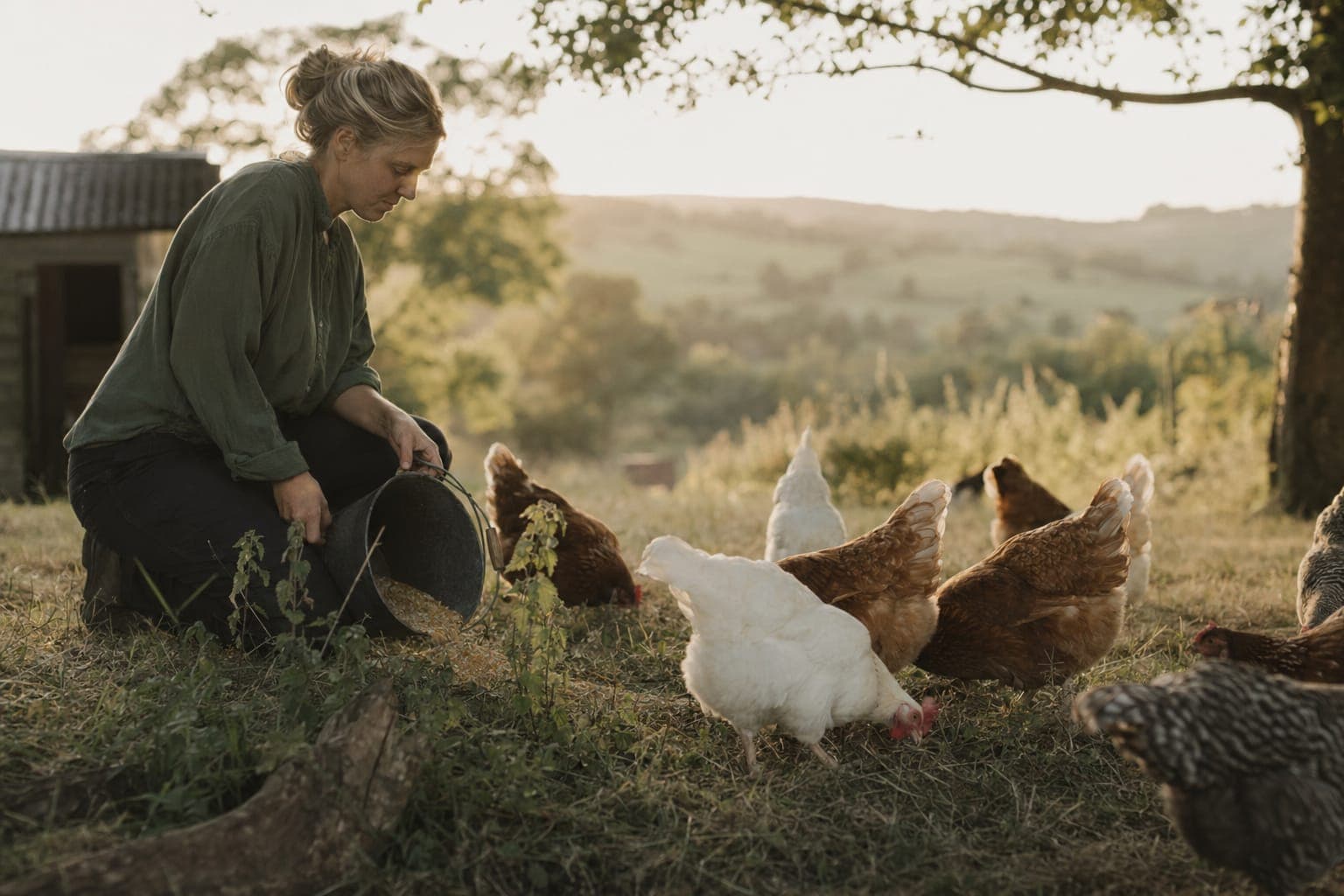
The Organised Code: Our Non-Negotiable Standards
Discover Organised's non-negotiable standards for sourcing, quality, and transparency. How we decide what makes it into the pouch.
Farming
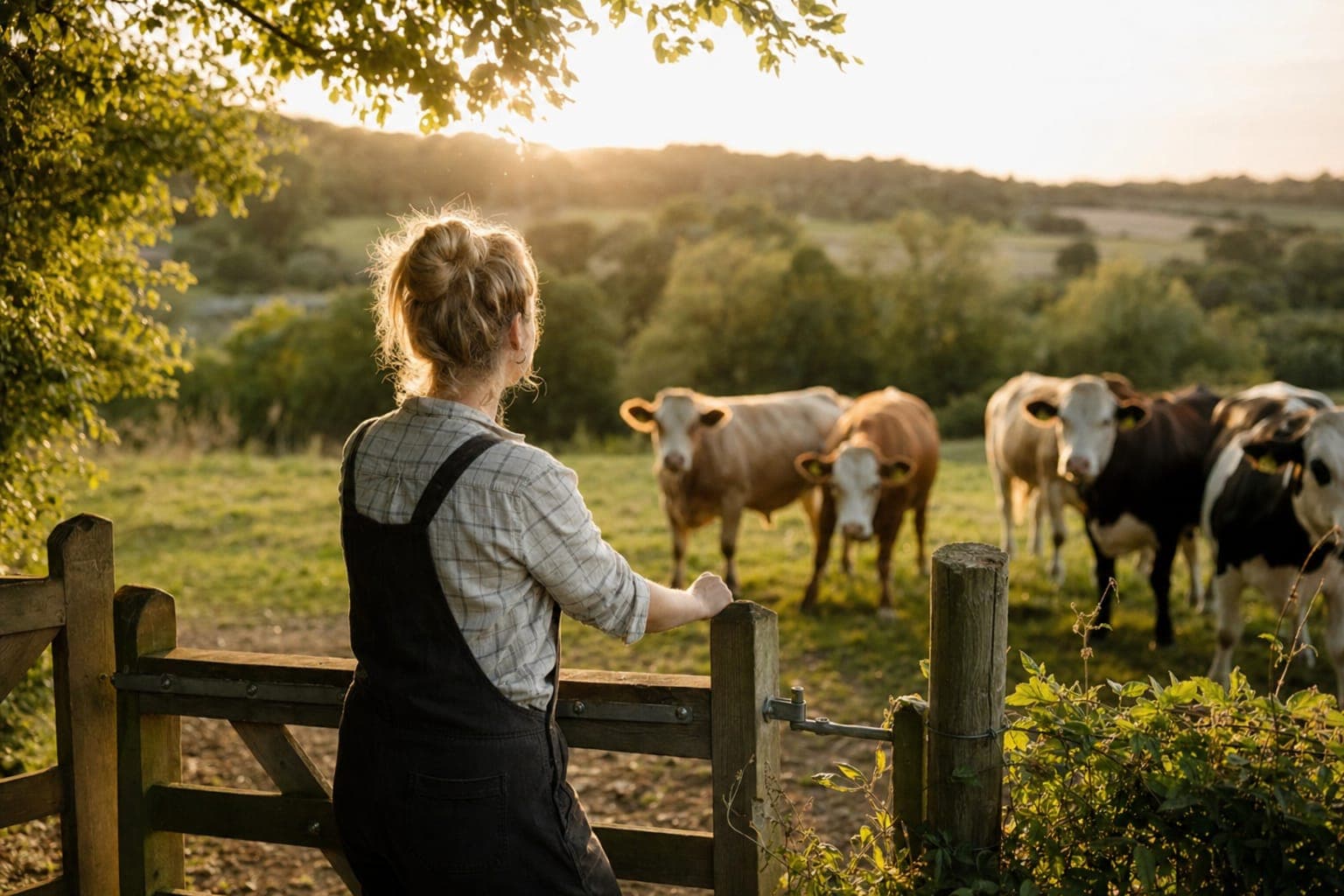
Supporting British Farmers: Why Local Sourcing Matters
UK farming is under pressure. Here's why sourcing local matters, and how your food choices can support British farmers directly.
Real food, made effortless
Shop the blendA few ways to use it
All recipes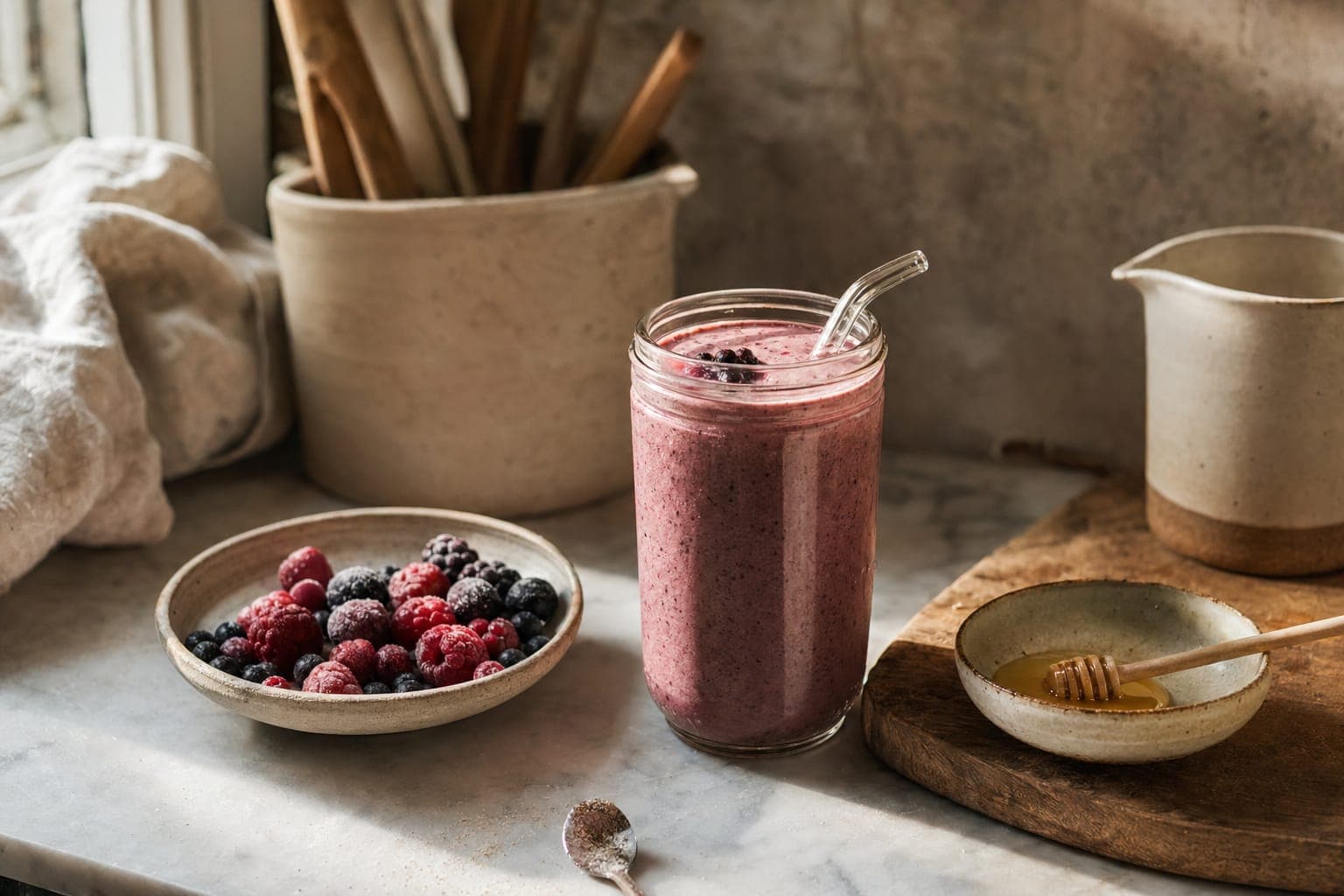
The Organised Recovery Smoothie for After Exercise
A recovery smoothie made with beef protein, raw milk, frozen berries, collagen, and honey. Optimal nutrition in the 30-minute window after exercise.
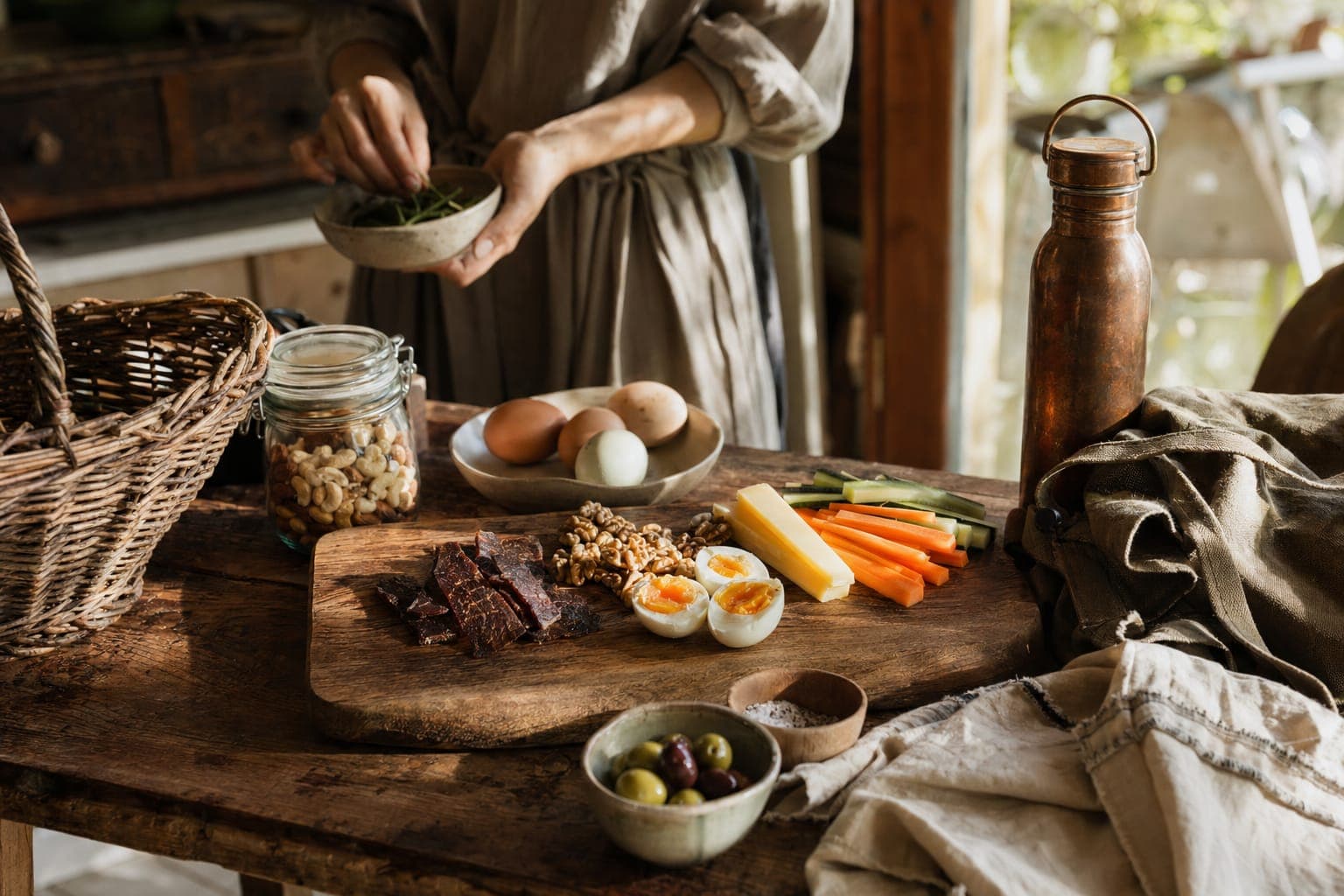
Whole Food Snacks for Busy Days
Practical whole food snacks that travel well and sustain energy. No refined carbs, no seed oils. Real food options for when you're busy.
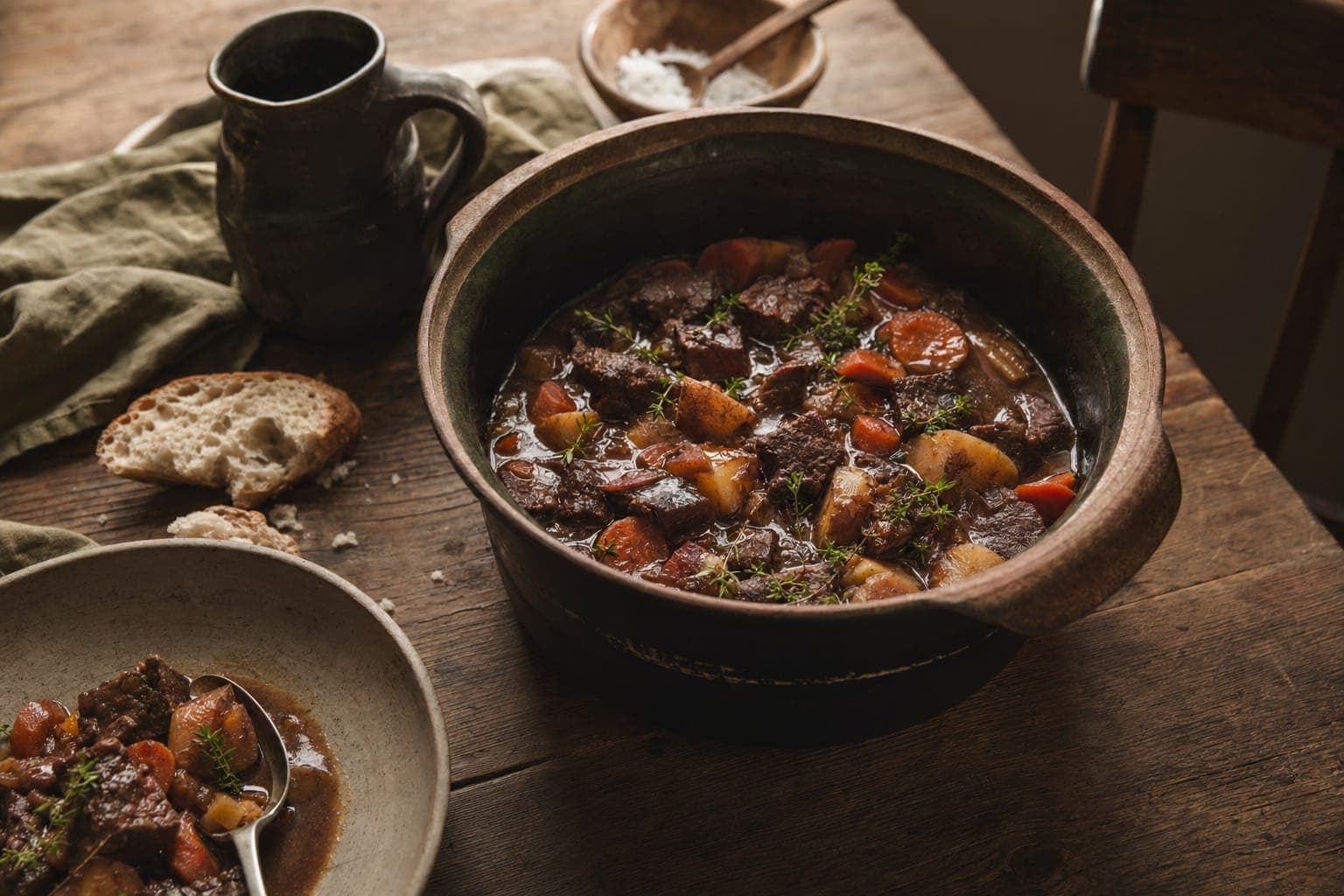
Collagen-Rich Beef Stew: Slow-Cooked Nourishment
Beef stew that delivers collagen from connective tissue and bone broth. Winter comfort food that actually nourishes. Simple slow cooker recipe.


 Join over 100,000+ members
Build a better food system with us
The Organised community is thousands of people choosing real food and backing the farmers who grow it, all of us trying to leave the world a little better than we found it. If that is what you care about too, you belong here.