Grass-Fed vs Grass-Finished: Why the Distinction Matters
Most grass-fed cattle never actually finish on grass. They finish on grain. That final four to six months rewrites the entire nutritional profile of the meat. The distinction is crucial and almost nobody talks about it.
By Niall Kiddle, Founder, Organised

Reviewed by Pedro Rodrigues, Agronomist (farming and sourcing only) ·
5 min read · Published · Updated · 1 cited source
Makers of the Organised Daily blend, a grass-fed beef organ supplement from regenerative UK farms
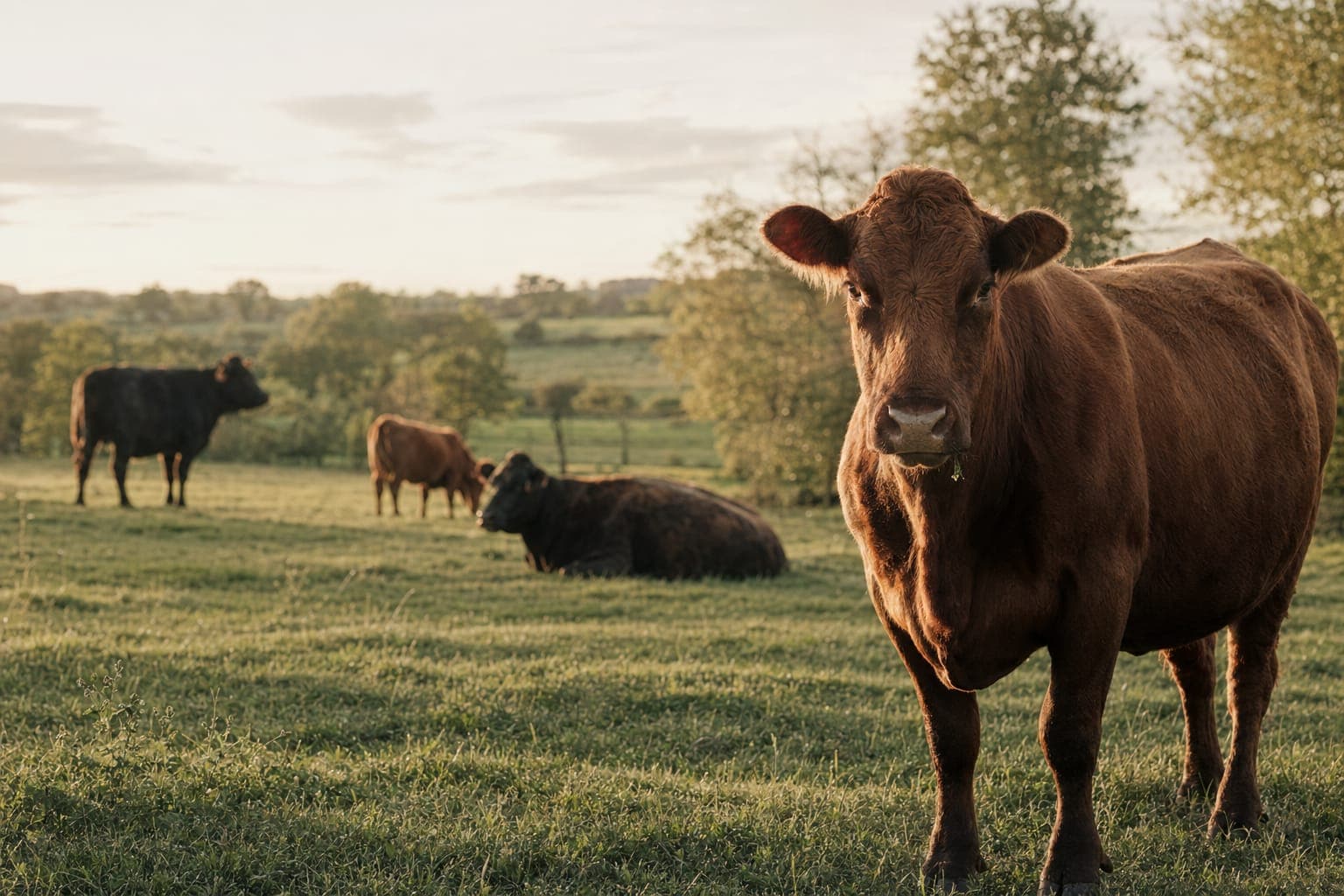
This is where the grass-fed marketing stops matching reality.

Why the final months matter
Animal tissue composition reflects recent diet more than lifetime diet. A cow that eats grass for two years then grain for six months will have a tissue profile closer to a grain-fed cow than a grass-finished cow.
The reason is metabolic. The fats your body accumulates come from what you've recently eaten. Longer-chain changes (protein synthesis, bone density) take time. But fat composition, particularly polyunsaturated fat content, shifts relatively quickly.
In cattle, this change is visible: grass-fed beef has a slightly yellow tinge to the fat (from beta-carotene in grass). Grain-finished beef, even if grass-fed beforehand, has white fat. The colour tells you what the animal recently ate.
What happens during grain finishing
Grain finishing is done to accelerate weight gain and marble fat throughout the muscle. Grain is calorie-dense and causes rapid fat deposition. A grain-finished animal gains weight faster than a grass-finished animal, producing a heavier carcass in less time.
From a production standpoint, this is efficient. Fewer months of feeding, faster turnover, heavier final weight. From a meat quality standpoint, it changes the product.
The grain diet also changes the animal's stress state. Grain causes digestive distress in ruminants (their stomachs are evolved for forage, not grain). Feedlots are crowded and stressful. The animal's cortisol is elevated, its immune system is compressed, and its behaviour is restricted.
Some of that stress biochemistry transfers into the meat. Research suggests that stress hormones can accumulate in tissue, though this is less studied than fat composition.
The nutrient shift
Grass-finished beef has been shown to contain higher levels of CLA (conjugated linoleic acid), beta-carotene (which gives grass-fed fat its yellow tint), vitamin E, and a more favourable omega-3 to omega-6 ratio than grain-finished beef.1
A grass-fed but grain-finished animal loses these benefits in the grain phase. The final months on grain increase omega-6 polyunsaturated fat, reduce CLA (which is produced in the rumen from grass), reduce K2 (which comes specifically from grass fat), and reduce beta-carotene (since the diet no longer contains the pigment).
The difference is not subtle. Testing from producers like White Oak Pastures shows that grass-finished beef has substantially higher CLA, K2, and beta-carotene than grass-fed-but-grain-finished beef.
A grass-fed animal's nutritional benefit accumulates over years of grazing. A grain-finishing phase can undo months of that work.
CLA and fat-soluble vitamins
CLA (conjugated linoleic acid) is produced in the rumen of cattle from forage, and grass-finished beef has been reported to contain roughly 2–3 times more CLA than grain-finished beef.1
Research on CLA is modest but consistent: it supports metabolic health, muscle protein synthesis, and body composition. It's not a panacea, but it's a distinct nutritional advantage of true grass-finished beef.
K2 is found almost exclusively in the fat of grass-fed ruminants. It's a critical nutrient for bone health, arterial elasticity, and calcium distribution. Grain-finished beef has minimal K2 because the cow didn't eat the plants that generate it.
Beta-carotene (vitamin A precursor) gives grass-fed fat its yellow colour. Grain-finished fat is white because beta-carotene is only present when the animal is actively eating grass-rich diet.
Vitamin E is higher in grass-finished beef for the same reason: grass contains vitamin E, grain doesn't (or minimally).
Together, these nutrients are not small differences. Grass-finished beef is nutritionally distinct from grass-fed-but-grain-finished beef.
Omega profile changes
Grass-finished beef has been reported with omega-6:omega-3 ratios of roughly 1.5:1 to 4:1, while grain-fed beef typically has ratios of 7:1 to 20:1, depending on the duration and composition of the grain phase.1
This matters for cumulative inflammation. A person eating grass-finished beef regularly will have a different tissue omega profile than someone eating grass-fed-but-grain-finished beef, even if the price difference is small.
Get farming and sourcing guides, free
Two short reads a week on regenerative farming and where real food comes from.
By signing up you agree to receive emails from us. No spam, unsubscribe anytime.
Finding truly grass-finished beef
Ask directly: was this animal ever grain-finished? If the answer is no, you have grass-finished beef. If the answer is yes, even for a month, it's been compromised.
Look for explicit labelling: "grass-finished," "pasture-finished," or "grain-free diet." If the label says only "grass-fed," assume the final phase included grain.
In the UK, Pasture for Life certification guarantees grass-finished (no grain, ever). In the US, American Grassfed Association and Grass-Fed Producer Verified both certify grass-finished beef.
Farmers markets often have true grass-finished beef because smaller producers don't need the efficiency gain of grain finishing. You can ask the farmer directly and get a straight answer.
Online suppliers specialising in regenerative or grass-finished beef (like White Oak Pastures, or UK-based regenerative producers) typically grass-finish exclusively. It's a selling point for them.
Cost and accessibility
Grass-finished beef costs 20-40 percent more than grass-fed-but-grain-finished beef. The extra cost reflects: longer feeding time (grass fattening takes more time than grain fattening), lower final weight (grain finishing produces heavier carcasses), and smaller market (fewer producers grass-finish exclusively).
It's a real cost. For a household budget, the difference between 12 GBP per 100g (grass-fed, likely grain-finished) and 16 GBP per 100g (truly grass-finished) adds up quickly.
The honest trade-off: grass-finished beef is nutritionally superior and requires longer-term land stewardship. Grass-fed-but-grain-finished is a compromise between cost and quality.
If you're budget-constrained, grass-fed (even grain-finished) is better than conventional grain-fed throughout. If you can access grass-finished and afford it, the nutritional difference over months is worth the premium.
The practical approach: eat less meat, but better meat. A smaller portion of grass-finished beef (3-4 ounces) three times a week is better nutrition and more affordable than larger portions of inferior beef weekly.
Grass-finished beef doesn't have to be your entire diet. It has to be what you choose when you're choosing intentionally.

1 of 9
Daily blend
100,000+ thriving families4.9 on Trustpilot
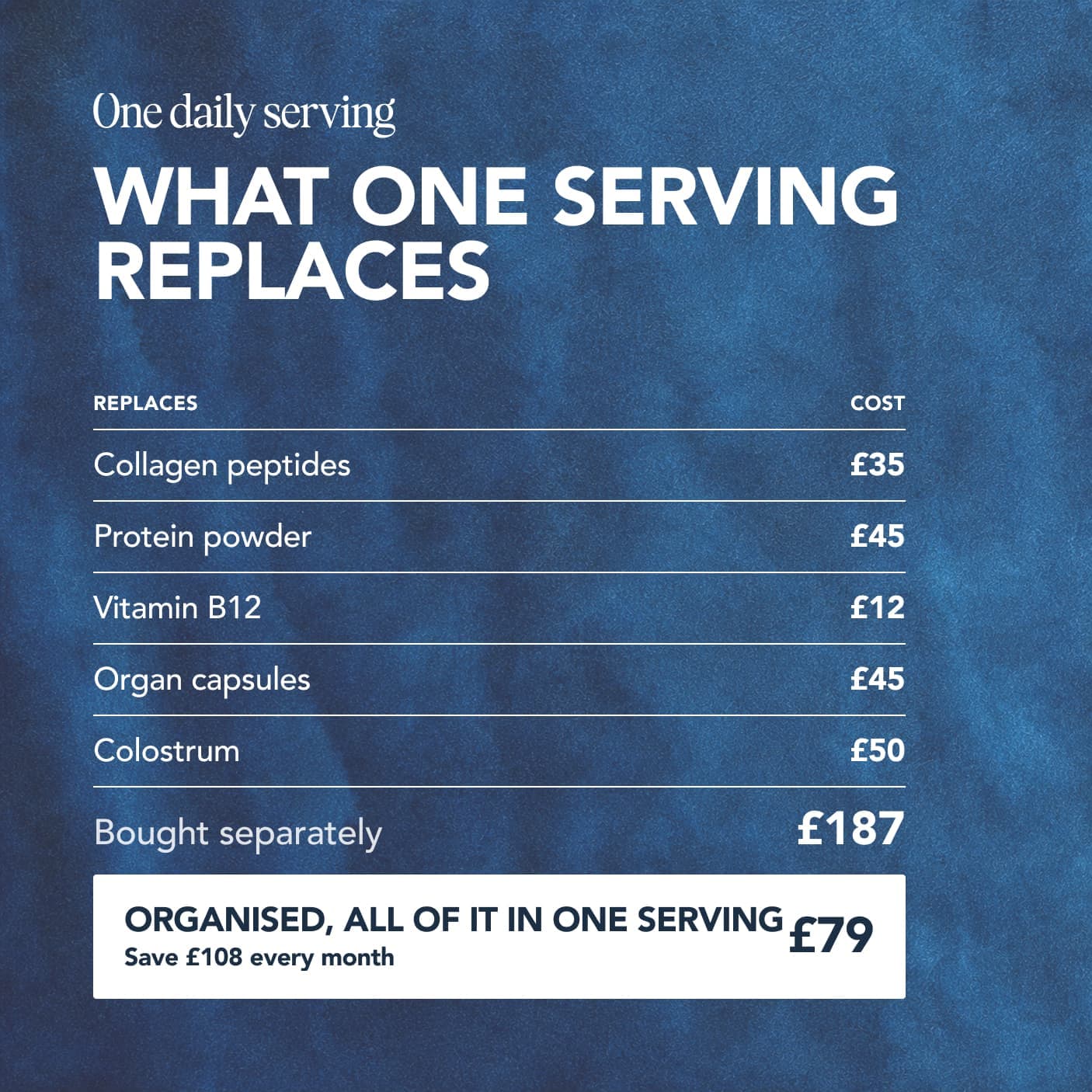
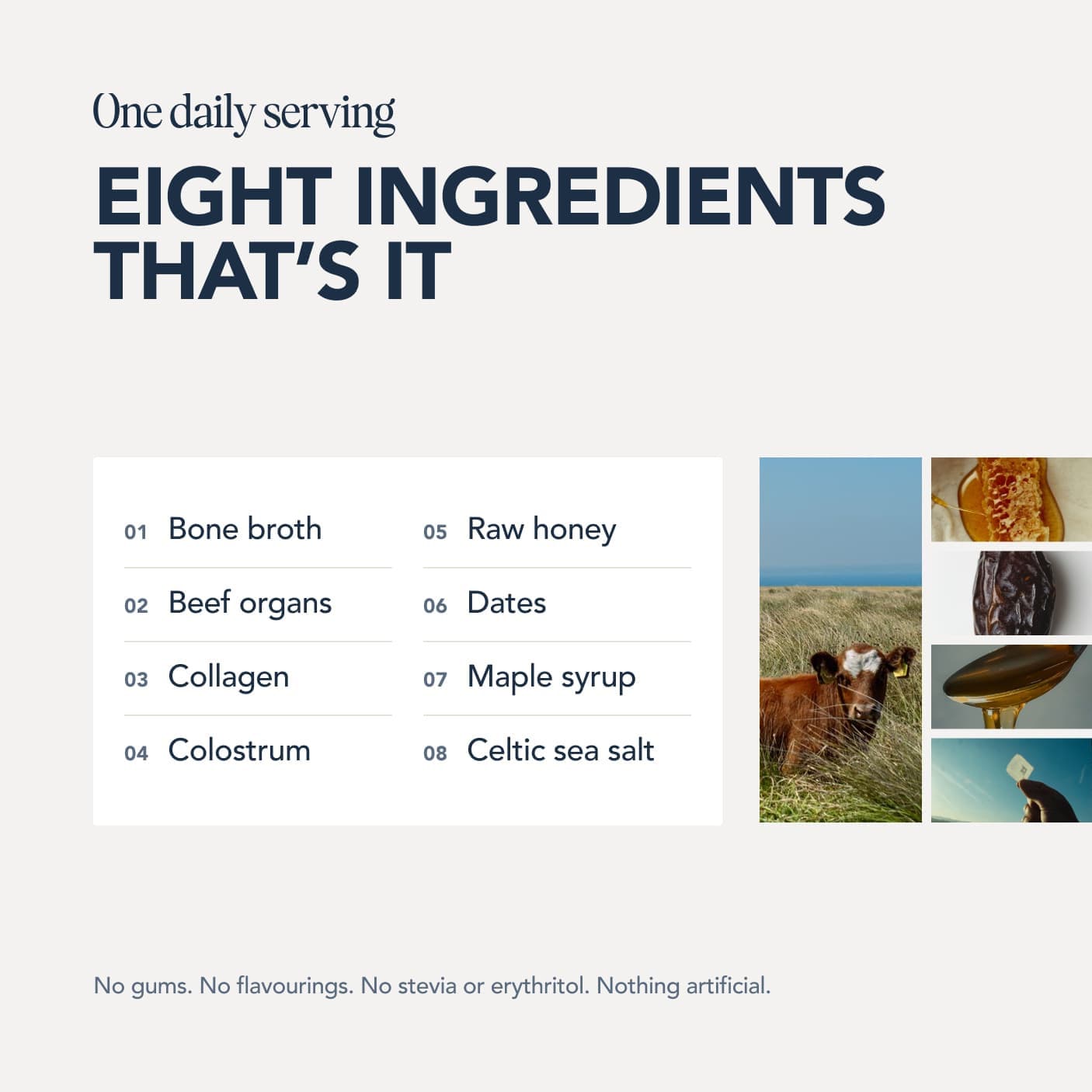
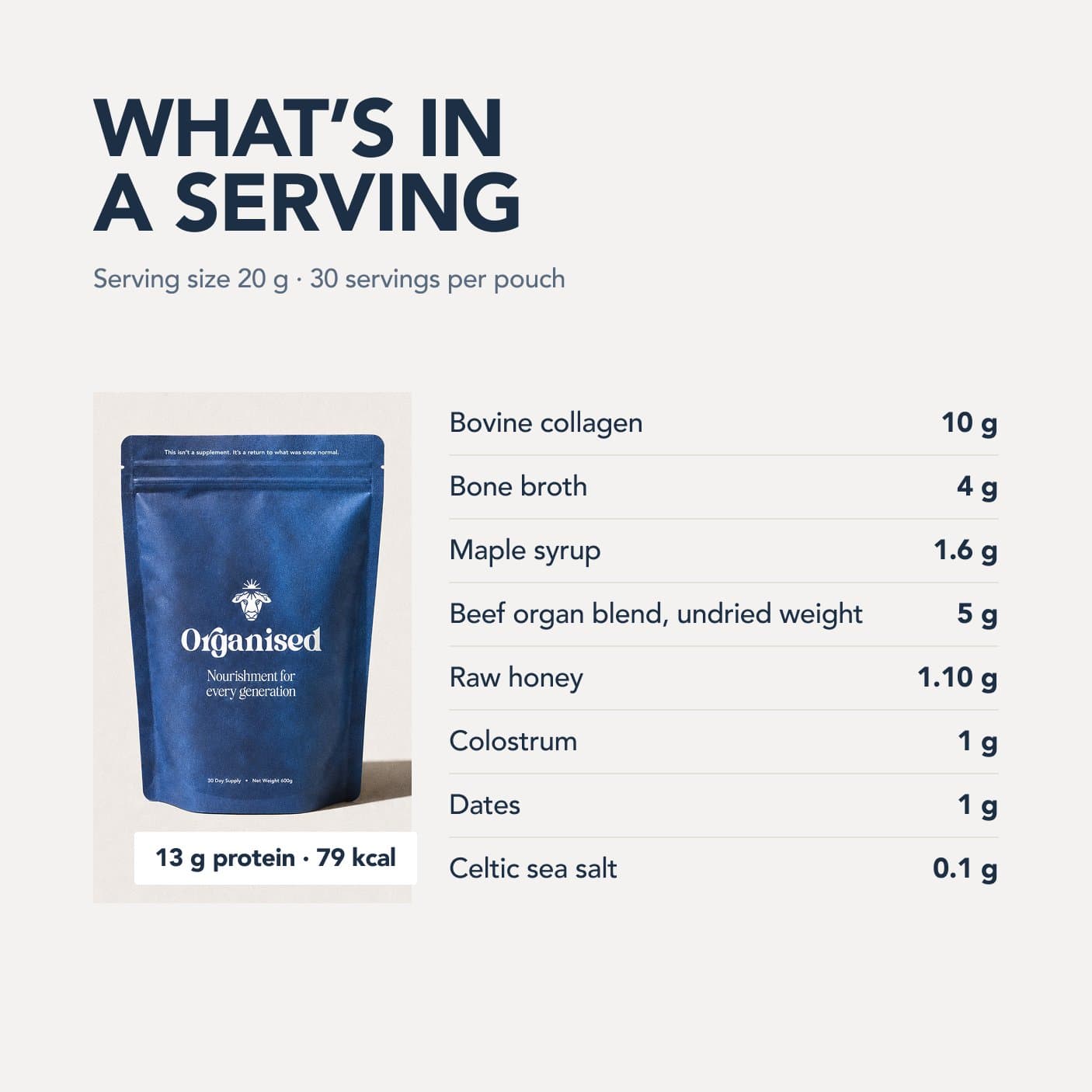
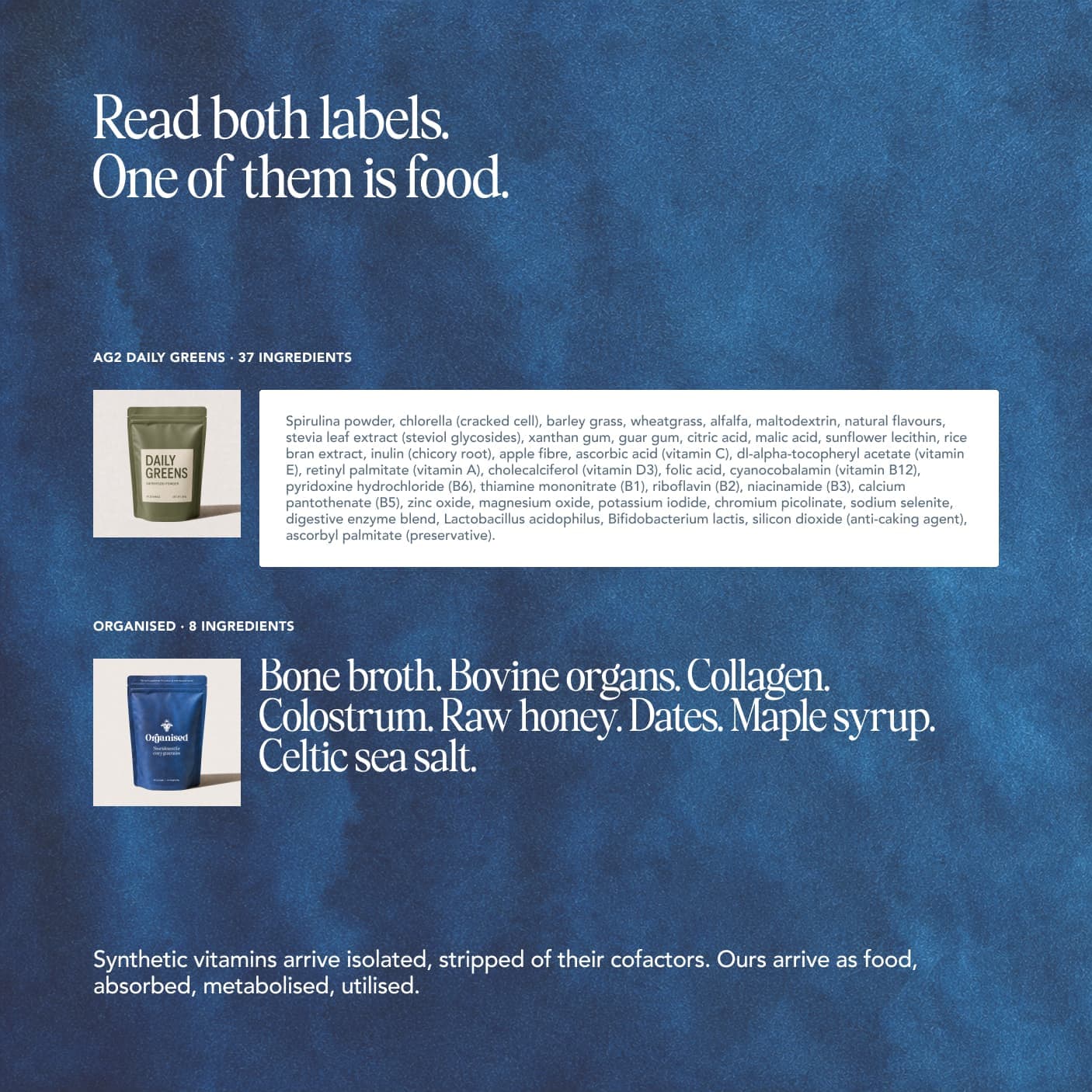
Eight real ingredients built around grass-fed beef organs, collagen and colostrum. Nothing synthetic added.
Free with your first order, worth £38. Plus £10 off the pouch with a subscription.



Free UK shipping · Made in England · 100 day money back guarantee on your first pouch · Skip, pause or cancel anytime
Testing and verifying grass-finished status
If you want to know whether a beef product was truly grass-finished or grain-finished, there's a way to verify it: fatty acid analysis. A tissue sample can be tested to show the ratio of CLA, omega-3 to omega-6, and specific fatty acid profiles. Grass-finished beef has a distinctive pattern. Grain-finished beef has a different pattern. This isn't subjective. It's measurable.
Most consumers don't have access to tissue analysis, so you have to rely on the producer's word or certification. Pasture for Life certification requires grass-finished status and audits for it. Red Tractor allows grain finishing, so the label alone doesn't tell you. Direct sourcing from a farmer who practises grass-finishing year-round is your most reliable path.
If you can't verify the finishing method directly, the only trustworthy claim is one backed by independent certification.
The bottom line
Grass-fed and grass-finished are not the same. Most commercial grass-fed beef is grain-finished in the final months. The final feeding phase determines the nutrient profile more than the preceding months.
If you're paying a premium for grass-fed beef, verify that it was never grain-finished. If it was, you're paying grass-fed prices for a compromise product. Find a supplier who grass-finishes exclusively, or accept that you're buying a middle option and adjust your expectations.
The best beef comes from animals that never ate grain. The label that guarantees this is "grass-finished," not "grass-fed." One word makes all the difference.
References
Every source below was checked on 27 August 2026. Each PubMed, PMC and DOI identifier was resolved against NCBI or Crossref, and what it opens is printed under the citation, so you can see the link goes where the citation says without leaving the page. Where a citation and its identifier disagreed, the citation was corrected to the record or the reference was deleted along with the sentence marker that pointed at it, and where the resolved paper turned out not to support the sentence, the sentence was cut back to what it does support. Borrowed authority is worse than none, because it looks like rigour.
- Daley CA, Abbott A, Doyle PS, Nader GA, Larson S. A review of fatty acid profiles and antioxidant content in grass-fed and grain-fed beef. Nutrition Journal. 2010. https://pmc.ncbi.nlm.nih.gov/articles/PMC2846864/Checked 27 August 2026: PMC2846864 opens Daley CA, Abbott A, Doyle PS et al, A review of fatty acid profiles and antioxidant content in grass-fed and grain-fed beef. Nutr J 2010;9:10. PubMed indexes it as: Review.
Who wrote and reviewed this guide
Niall Kiddle
Author · Founder, Organised
Niall is the founder of Organised. He started the company in 2024 after fixing his own health the slow way: in 2022 he swapped a cupboard of synthetic supplements for real food, raw milk, organ meats, bone broth and honey, and felt the difference within months.
Areas of expertise: Ancestral nutrition, Organ meats, Whole-food supplementation, Gut health, Regenerative sourcing
Read Niall's full profile
Pedro Rodrigues
Reviewer · Agronomist (farming and sourcing only)
Pedro is the agronomist Organised works with on farming and sourcing. His job on the guides is to keep the science honest: he reviews what we publish about soil health, regenerative agriculture, grazing and the way food is actually produced.
Areas of expertise: Regenerative agriculture, Agronomy, Soil health, Grass-fed farming, Food sourcing
Reviewed this guide on
Read Pedro's full profileBrowse the guides library
All guidesKeep reading
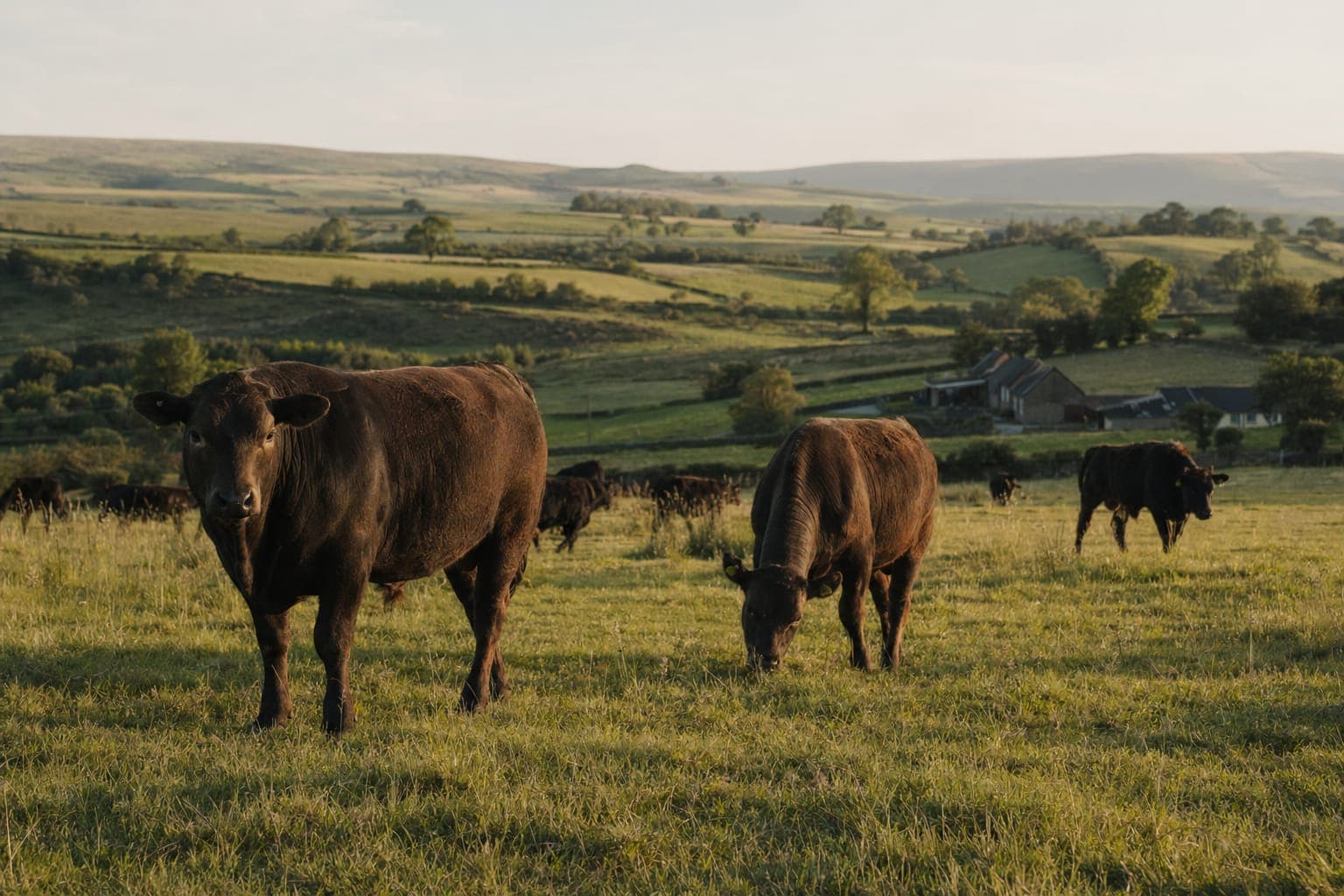
Farming
What 'Grass-Fed' Actually Means (And What It Doesn't)
Grass-fed has vague definitions. Some cattle are grass-fed then grain-finished. Learn UK vs US standards, Pasture for Life, and what labels actually promise.
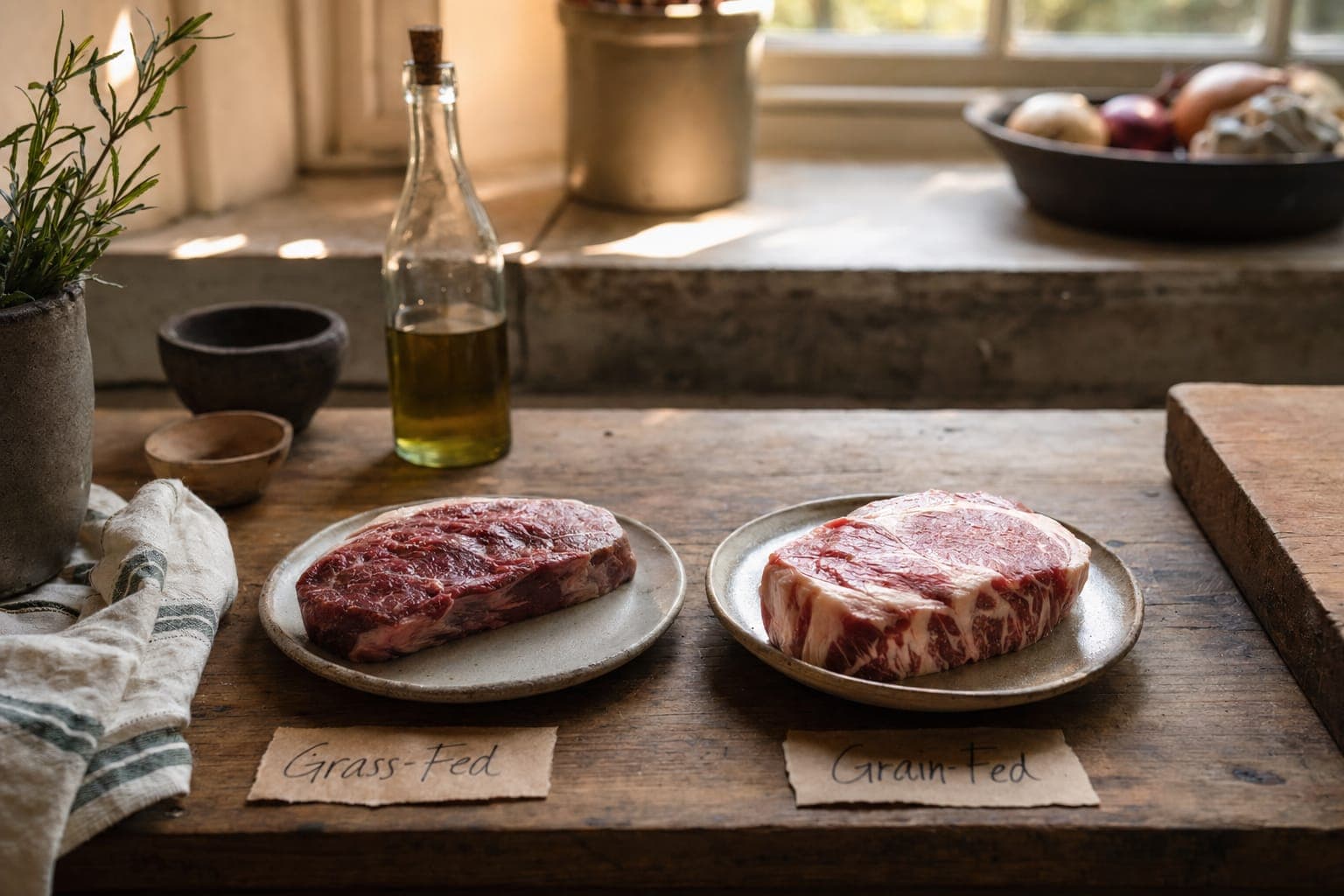
Farming
The Nutritional Difference Between Grass-Fed and Grain-Fed Beef
Grass-fed beef has 2-5x more CLA, 3x vitamin E, higher K2, and better omega-3 ratio. Here's the complete nutrient-by-nutrient comparison.
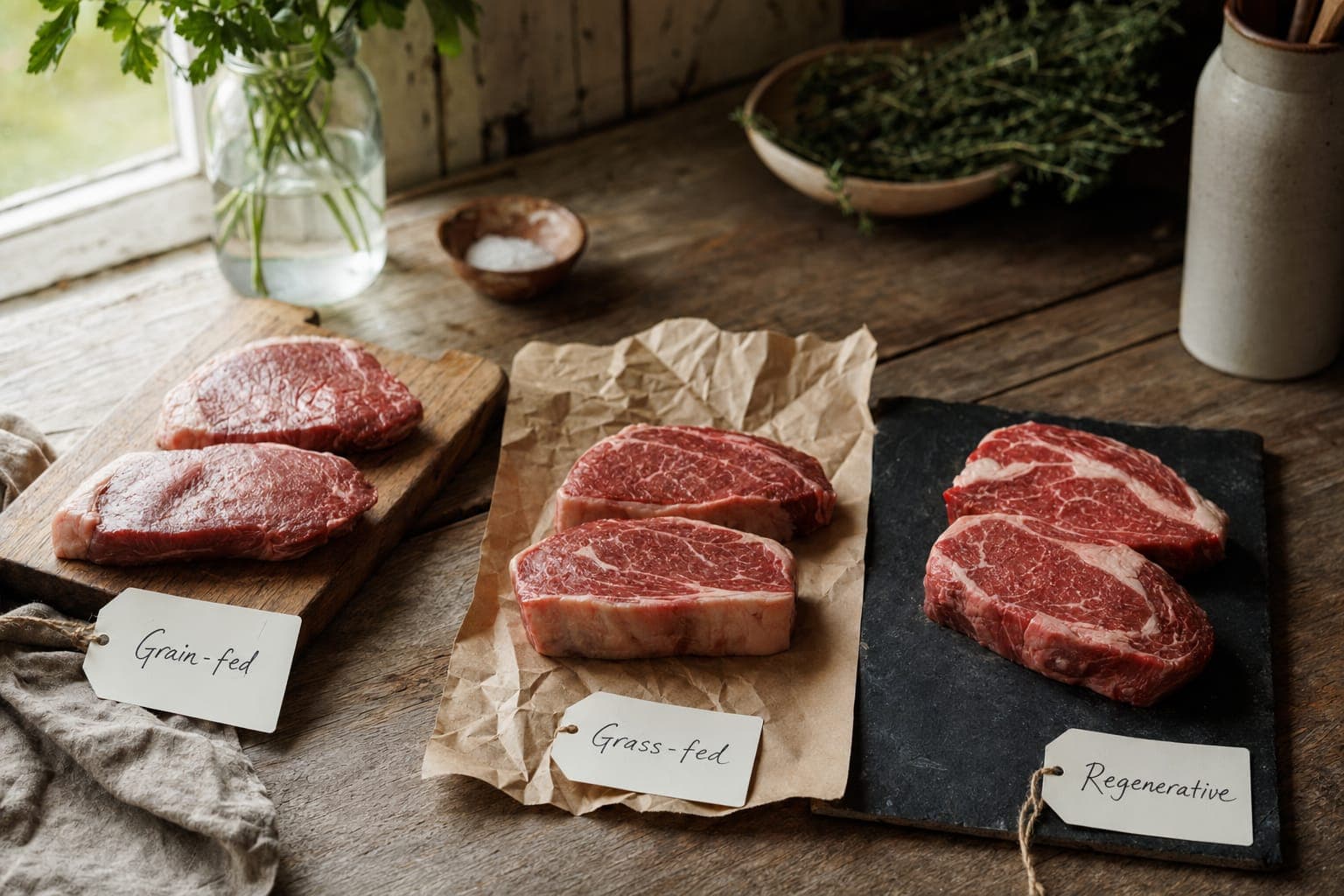
Farming
The Truth About Beef: Grain-Fed vs Grass-Fed vs Regenerative
Compare grass-fed vs grain-fed and regenerative beef on nutrition, welfare and environment. See how CLA, omega ratios and vitamins shift with how cattle live.
Real food, made effortless
Shop the blendA few ways to use it
All recipes
Gut-Healing Marshmallows with Collagen and Raw Honey
Learn to make gut-healing marshmallows with collagen and raw honey. A shareable treat that sneaks nutrition into every bite. Easy recipe with video tips.

Raw Milk Hot Chocolate with Collagen
A nourishing evening hot chocolate made with raw milk, grass-fed collagen, raw cacao, and honey. A nighttime ritual that supports sleep and gut health.

Organised Smoothie Bowl Recipes for Every Season
Four seasonal smoothie bowl recipes using Organised. Berry in summer, apple-cinnamon in autumn, tropical in spring, warming chocolate in winter.


 Join over 100,000+ members
Build a better food system with us
The Organised community is thousands of people choosing real food and backing the farmers who grow it, all of us trying to leave the world a little better than we found it. If that is what you care about too, you belong here.