How Cattle Help Sequester Carbon
Cattle produce methane. That's true. But properly managed cattle also sequester carbon. Dramatically. For every unit of carbon they release, regeneratively grazed cattle store multiple units in the soil. That distinction changes everything about how we should be thinking about livestock and climate.
By Niall Kiddle, Founder, Organised

Reviewed by Pedro Rodrigues, Agronomist (farming and sourcing only) ·
6 min read · Published · Updated · 4 cited sources
Makers of the Organised Daily blend, a grass-fed beef organ supplement from regenerative UK farms
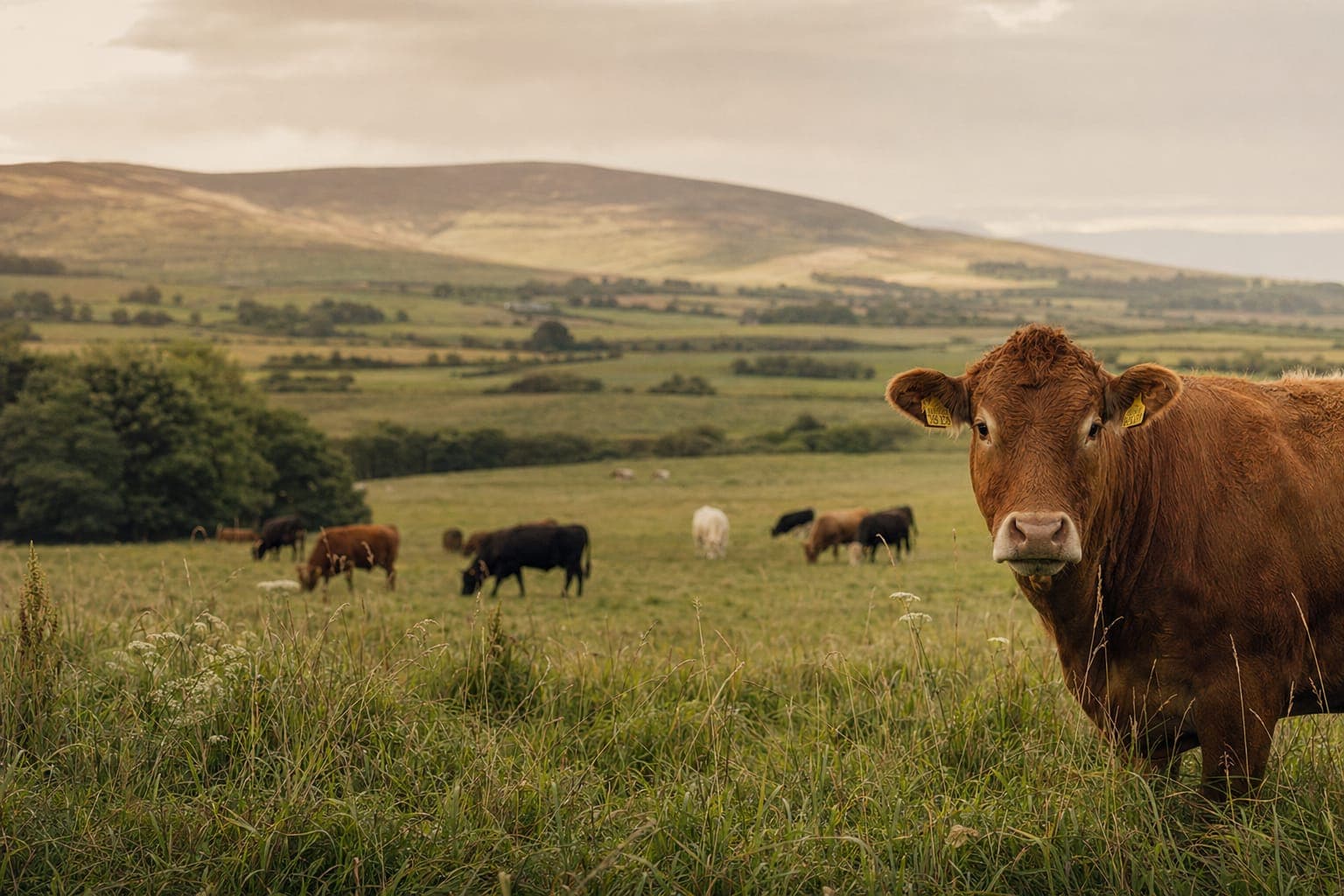
The conversation about cattle and climate has been dominated by methane. Methane is important. But it's incomplete. It ignores the carbon storage capacity of grasslands and the role of livestock in activating that storage.
The methane debate is incomplete
Cattle methane emissions are real and measurable. A single cow produces roughly 200 to 500 litres of methane daily, depending on diet and digestion.1 Methane is 28 to 34 times more potent than carbon dioxide over a 100-year period.2 From a pure emissions perspective, livestock agriculture contributes roughly 14 per cent of global greenhouse gas emissions3, with cattle the primary contributor. But methane is a short-lived gas. It persists in the atmosphere for roughly 10 to 12 years before breaking down into CO2 and water.2 Carbon sequestered in soil is stored indefinitely, potentially for centuries. When we compare livestock emissions to sequestration capacity, we're comparing a temporary pulse of methane to permanent carbon storage. That's not an apples-to-apples comparison.
The question isn't whether cattle produce methane. The question is whether they also sequester more carbon than they emit.
How soil carbon sequestration works
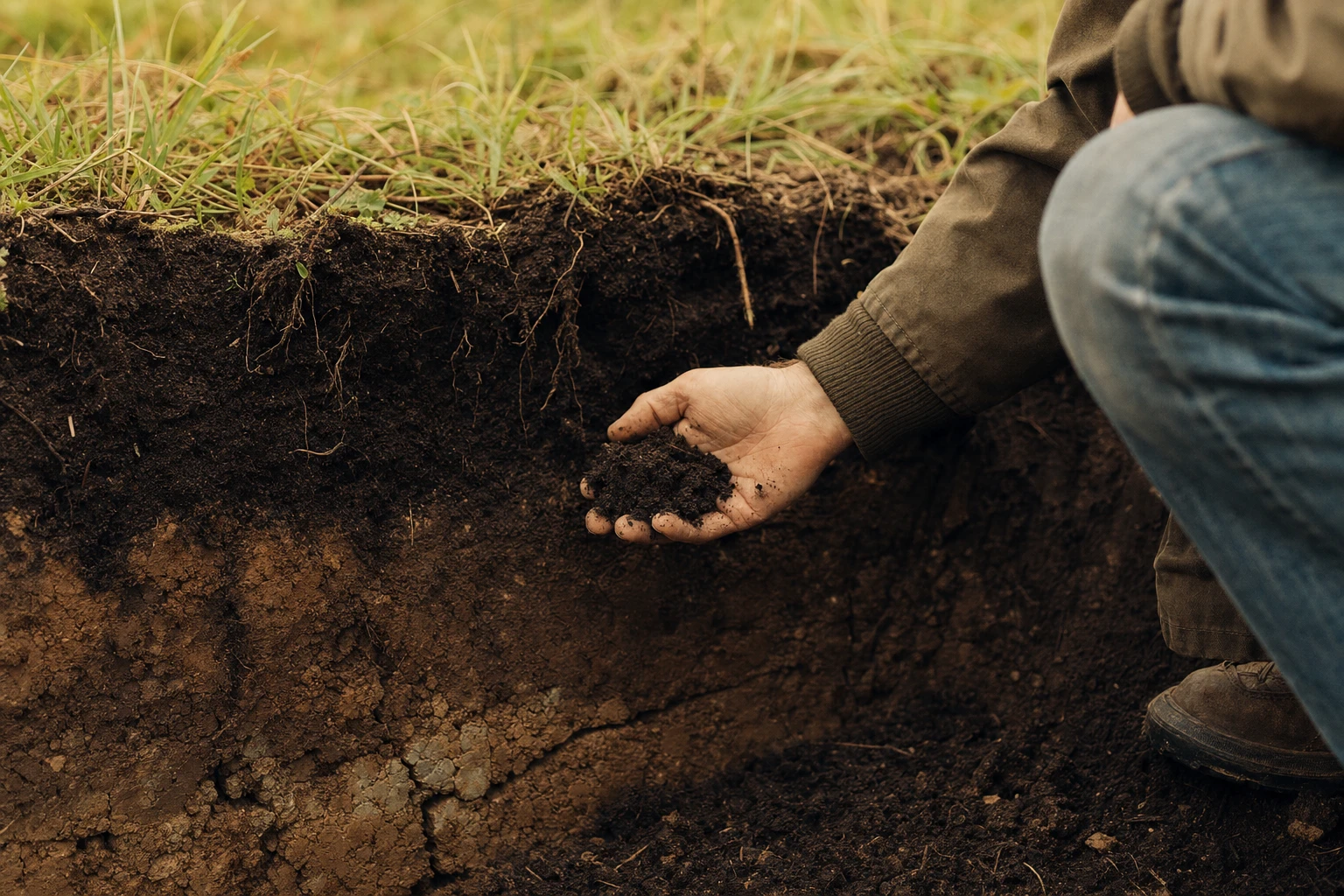
Soil carbon comes from plants. When grass grows, it captures atmospheric CO2 through photosynthesis and stores that carbon in plant biomass and root systems. When the plant dies or is grazed, the carbon is either released back to the atmosphere or stored in the soil. In healthy soil, microbial communities and plant roots form symbiotic networks. The plant roots excrete sugars and other carbon-rich compounds that feed soil microbes. Those microbes and fungi build stable carbon compounds that persist in the soil for years or decades. The carbon becomes part of the soil structure itself, improving water-holding capacity, microbial activity, and fertility. Soil with high organic matter can store up to 100 metric tonnes of carbon per hectare. Degraded soil stores a fraction of that. The difference between healthy soil and degraded soil is dramatic, and it's primarily driven by biological activity and the flow of carbon through plant and microbial communities.
The role of holistic planned grazing
Holistic planned grazing, pioneered by biologist Allan Savory, is a grazing management system where animals are moved frequently across pasture in planned patterns. The herd grazes intensively in a paddock for a short period, crushing plant material and stimulating root growth, then is moved to fresh pasture. The grazed paddock is given months of rest to recover. This mimics the grazing patterns of wild herbivore herds. It stimulates plant growth, increases root depth, drives nutrient cycling, and activates soil microbial communities. Over time, the soil becomes darker and richer. Water retention improves. The land becomes more drought-resistant. The data is compelling. A 2016 study of regeneratively grazed grasslands in the western United States found soil carbon sequestration rates of 0.6 to 1.4 metric tonnes per hectare per year. Over a decade, a single paddock captures 6 to 14 tonnes of carbon, stored in the soil.
Comparing sequestration to emissions
A single beef cow produces roughly 4 to 5 tonnes of CO2-equivalent methane per year. Over a 10-year methane half-life, that translates to roughly 25 to 30 tonnes of CO2-equivalent warming impact. But the land supporting that cow, under regenerative grazing, sequesters 0.6 to 1.4 tonnes of CO2 per hectare per year in soil carbon. A well-managed grazing system might support one cow per hectare. That hectare sequesters 6 to 14 tonnes of carbon per decade whilst the cow produces 25 to 30 tonnes of methane CO2-equivalent. On the surface, the emissions exceed the sequestration. But the calculation misses crucial variables. First, soil carbon sequestration continues indefinitely. Methane breaks down in 10 to 12 years. Second, the carbon sequestered in healthy soil produces secondary benefits: increased water retention, reduced erosion, improved fertility, and biodiversity. A degraded, heavily eroded field produces nothing but erosion.
A regeneratively grazed pasture isn't carbon-neutral. It's carbon-negative if you measure across decades rather than years.4
Get farming and sourcing guides, free
Two short reads a week on regenerative farming and where real food comes from.
By signing up you agree to receive emails from us. No spam, unsubscribe anytime.
Building soil for decades
The power of regenerative grazing emerges over time. A paddock grazed regeneratively for five years has slightly richer soil. After ten years, the difference is visible: darker earth, more microbial activity, better water retention. After twenty years, the transformation is profound. A soil that was degraded and compacted becomes biologically alive and productive. A farm transitioning from conventional to regenerative grazing will show year-one carbon sequestration of perhaps 0.3 tonnes per hectare. By year five, as soil biology recovers, sequestration increases to 0.6 to 0.8 tonnes. By year ten, it reaches 1.0 to 1.4 tonnes. The rates accelerate as soil health improves. This is why regenerative grazing matters at scale. A single farm sequestering 1,000 tonnes of carbon per year is meaningful. A region where thousands of farms adopt regenerative grazing sequesters millions of tonnes annually. That's climate strategy.
Why conventional farming misses this
Conventional industrial agriculture, whether cattle feedlots or annual monoculture crops, depletes soil carbon. Animals are confined to high-density operations, so land management is passive. Pastures are treated with herbicides to eliminate diversity, so plant root systems are shallow. The soil becomes compacted and biologically dead. Even grass-fed cattle on overstocked pastures can degrade soil through continuous overgrazing. The recovery period is too short. The plant communities don't recover. Root systems don't rebuild. The soil loses carbon steadily. Cattle management matters. Stocking density matters. Rest periods matter. Regenerative grazing requires knowledge, attention, and labour. A farmer must plan grazing rotations, monitor plant recovery, adjust animal movement based on seasonal conditions. It's more complex than feedlot confinement or set-and-forget pasture grazing.





1 of 9
Daily blend
100,000+ thriving families4.9 on Trustpilot
Eight real ingredients built around grass-fed beef organs, collagen and colostrum. Nothing synthetic added.
Free with your first order, worth £38. Plus £10 off the pouch with a subscription.



Free UK shipping · Made in England · 100 day money back guarantee on your first pouch · Skip, pause or cancel anytime
The grazing-carbon connection: research evidence
Research from organisations like the Savory Institute and universities studying regenerative grazing shows soil carbon increases under well-managed rotational grazing. Studies in the UK and New Zealand measured soil carbon accumulation of 0.5-2 tonnes per hectare per year under regenerative management, compared to loss or stagnation under conventional grazing.
The mechanism is straightforward: diverse pasture species have deep root systems. Those roots deposit carbon in soil as they grow and die. Rotational rest periods allow root recovery and deeper penetration. High-diversity pasture (40+ plant species rather than monoculture grass) sequesters carbon faster because different species root at different depths.
Soil carbon is not stable forever. If the land reverts to conventional management, carbon oxidises and returns to atmosphere. But well-managed regenerative pasture can accumulate carbon for decades. Over a 30-year farm operation, the cumulative carbon sequestration can outweigh methane emissions several times over, depending on grazing management intensity.
The carbon story is complex, but regenerative grazing trends negative (carbon sequestering). Industrial grazing trends positive (carbon generating). The direction matters.
The bottom line
Cattle don't have to be a climate liability. Properly managed through holistic planned grazing on regeneratively tended pastures, cattle are active carbon-sequestration tools. Over a decade, the carbon sequestered in the soil exceeds the methane emissions by the herd. Over multiple decades, the difference is dramatic. The question isn't whether to farm cattle. The question is how: confined and destructive, or rotationally grazed and regenerative. The climate outcomes are entirely different.
References
Every source below was checked on 27 August 2026. Each link was requested and read. Where a citation and its identifier disagreed, the citation was corrected to the record or the reference was deleted along with the sentence marker that pointed at it, and where the resolved paper turned out not to support the sentence, the sentence was cut back to what it does support. Borrowed authority is worse than none, because it looks like rigour.
- FAO. Livestock's long shadow: environmental issues and options. Food and Agriculture Organization of the United Nations. 2006. fao.org/4/a0701e.
- IPCC. Climate Change 2021: The Physical Science Basis. AR6 Working Group I Report (methane GWP100). ipcc.ch/report/ar6/wg1.
- FAO. Tackling climate change through livestock. Food and Agriculture Organization. 2013. fao.org/3/i3437e.
- Teague WR, et al. The role of ruminants in reducing agriculture's carbon footprint in North America. J Soil Water Conserv. 2016. jswconline.org/71/2/156.
Who wrote and reviewed this guide
Niall Kiddle
Author · Founder, Organised
Niall is the founder of Organised. He started the company in 2024 after fixing his own health the slow way: in 2022 he swapped a cupboard of synthetic supplements for real food, raw milk, organ meats, bone broth and honey, and felt the difference within months.
Areas of expertise: Ancestral nutrition, Organ meats, Whole-food supplementation, Gut health, Regenerative sourcing
Read Niall's full profile
Pedro Rodrigues
Reviewer · Agronomist (farming and sourcing only)
Pedro is the agronomist Organised works with on farming and sourcing. His job on the guides is to keep the science honest: he reviews what we publish about soil health, regenerative agriculture, grazing and the way food is actually produced.
Areas of expertise: Regenerative agriculture, Agronomy, Soil health, Grass-fed farming, Food sourcing
Reviewed this guide on
Read Pedro's full profileMore on regenerative farming
View allBrowse the guides library
All guidesKeep reading
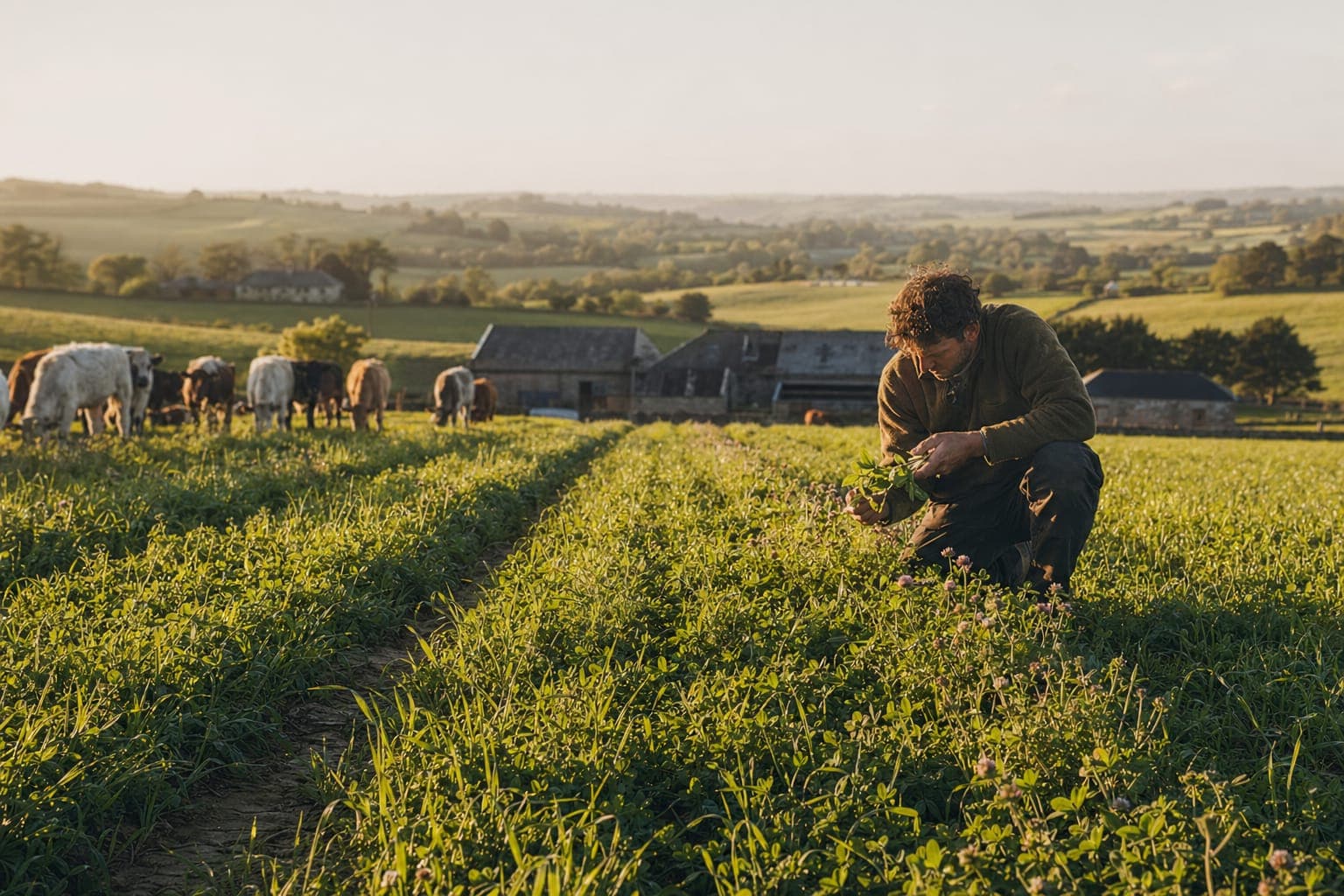
Farming
What Is Regenerative Agriculture? A Complete Guide
What is regenerative agriculture? Explore the five core principles, practices like cover crops and no-till, plus soil health and carbon, all explained simply.
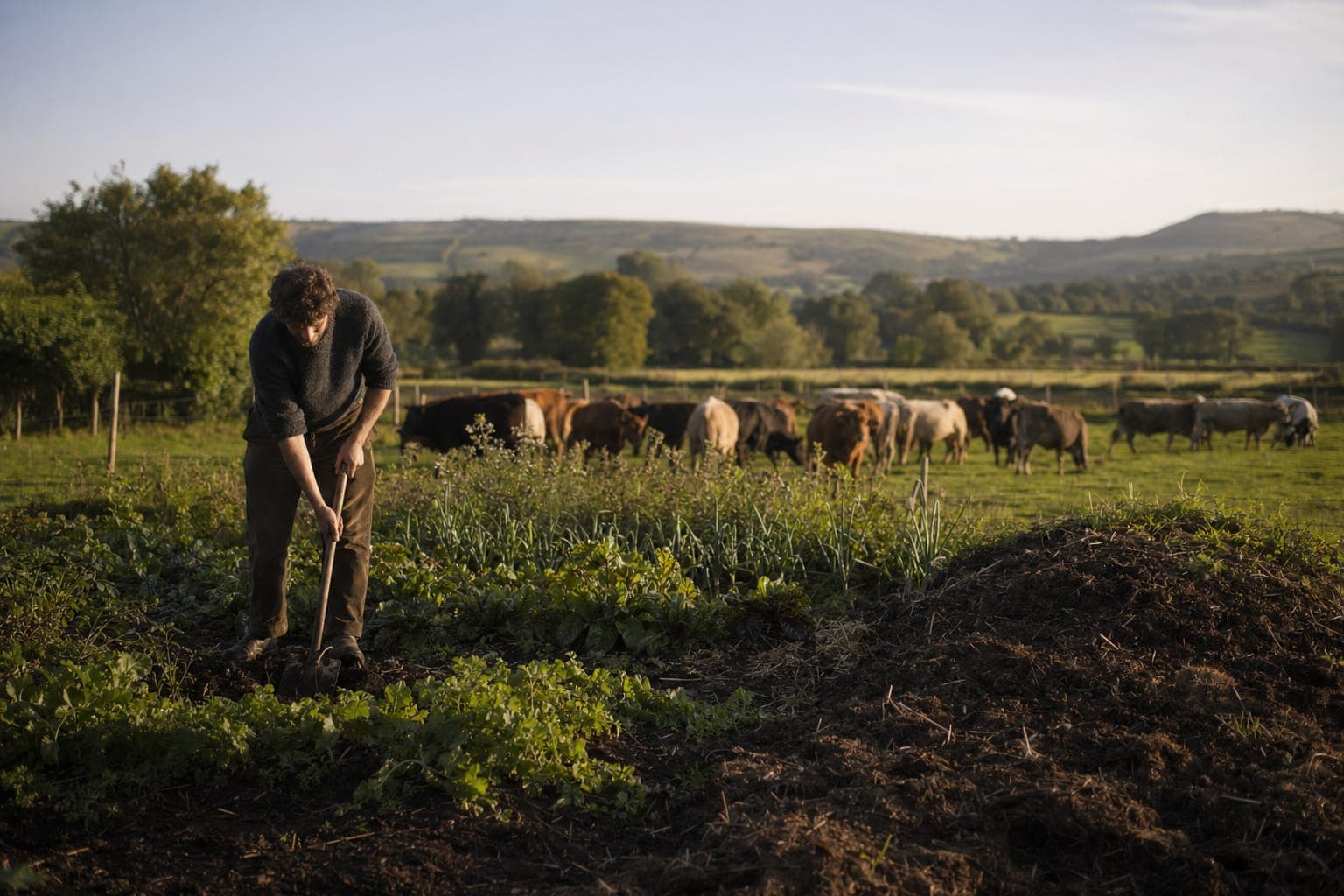
Farming
The Difference Between Organic and Regenerative Farming
Understand organic vs regenerative farming clearly. Organic excludes chemicals while regenerative rebuilds soil health. See where they overlap and differ.
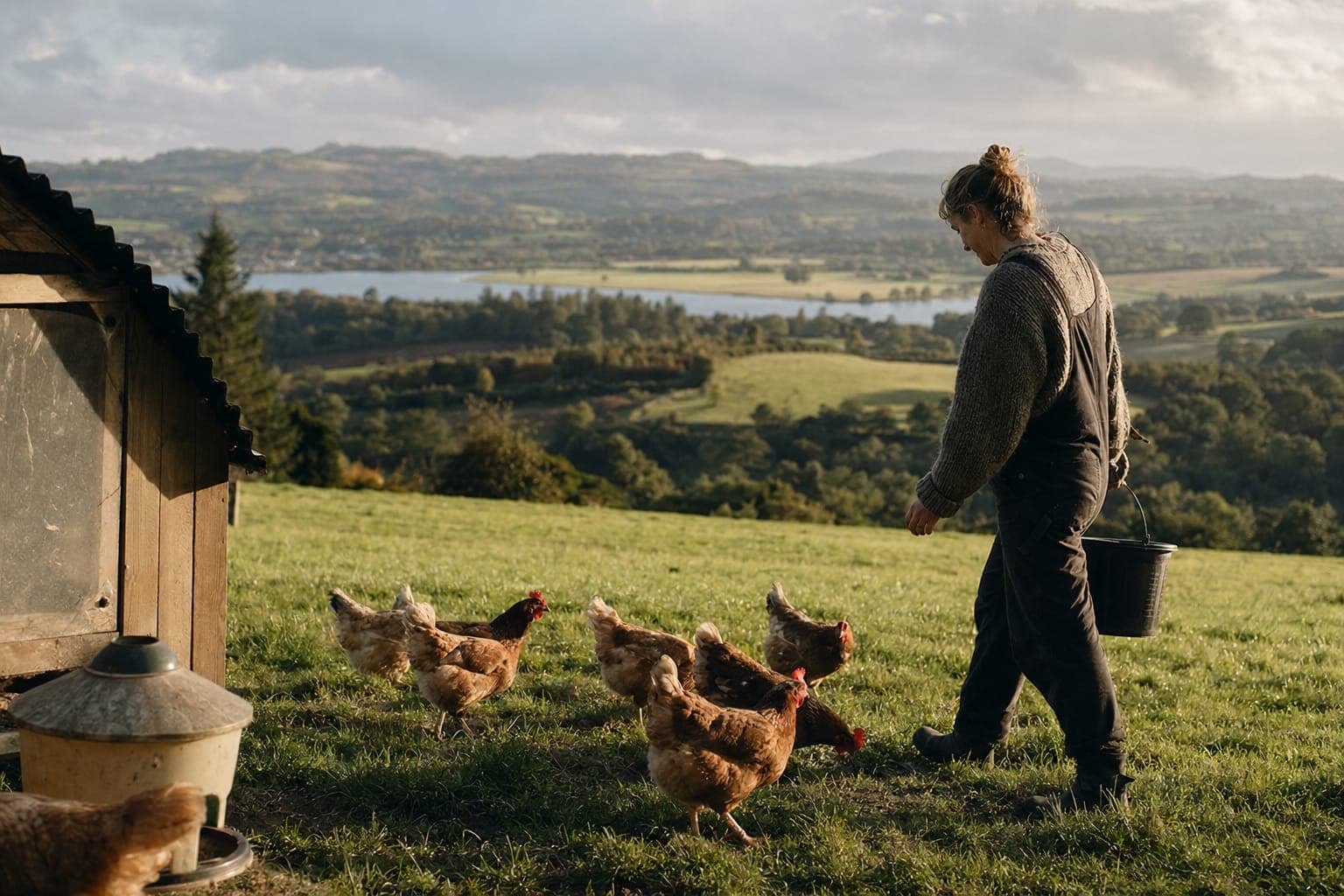
Farming
Why We Source Our Organs from UK Farms
We source all our organ products from UK farms. Here's why traceability, welfare, and local sourcing matter for ancestral nutrition.
Real food, made effortless
Shop the blendA few ways to use it
All recipes
Organised Overnight Oats: 3 Variations
Three delicious overnight oats variations with Organised. Chocolate, berry, tropical flavours. Make them Sunday, eat them all week.

Gut-Healing Marshmallows with Collagen and Raw Honey
Learn to make gut-healing marshmallows with collagen and raw honey. A shareable treat that sneaks nutrition into every bite. Easy recipe with video tips.

Whole Food Snacks for Busy Days
Practical whole food snacks that travel well and sustain energy. No refined carbs, no seed oils. Real food options for when you're busy.


 Join over 100,000+ members
Build a better food system with us
The Organised community is thousands of people choosing real food and backing the farmers who grow it, all of us trying to leave the world a little better than we found it. If that is what you care about too, you belong here.