How Regenerative Farming Produces More Nutrient-Dense Food
Better soil doesn't just help the plant grow. It changes what the plant contains and what the animal eating it contains. The chain is direct and measurable.
By Niall Kiddle, Founder, Organised

Reviewed by Pedro Rodrigues, Agronomist (farming and sourcing only) ·
6 min read · Published · Updated · 3 cited sources
Makers of the Organised Daily blend, a grass-fed beef organ supplement from regenerative UK farms
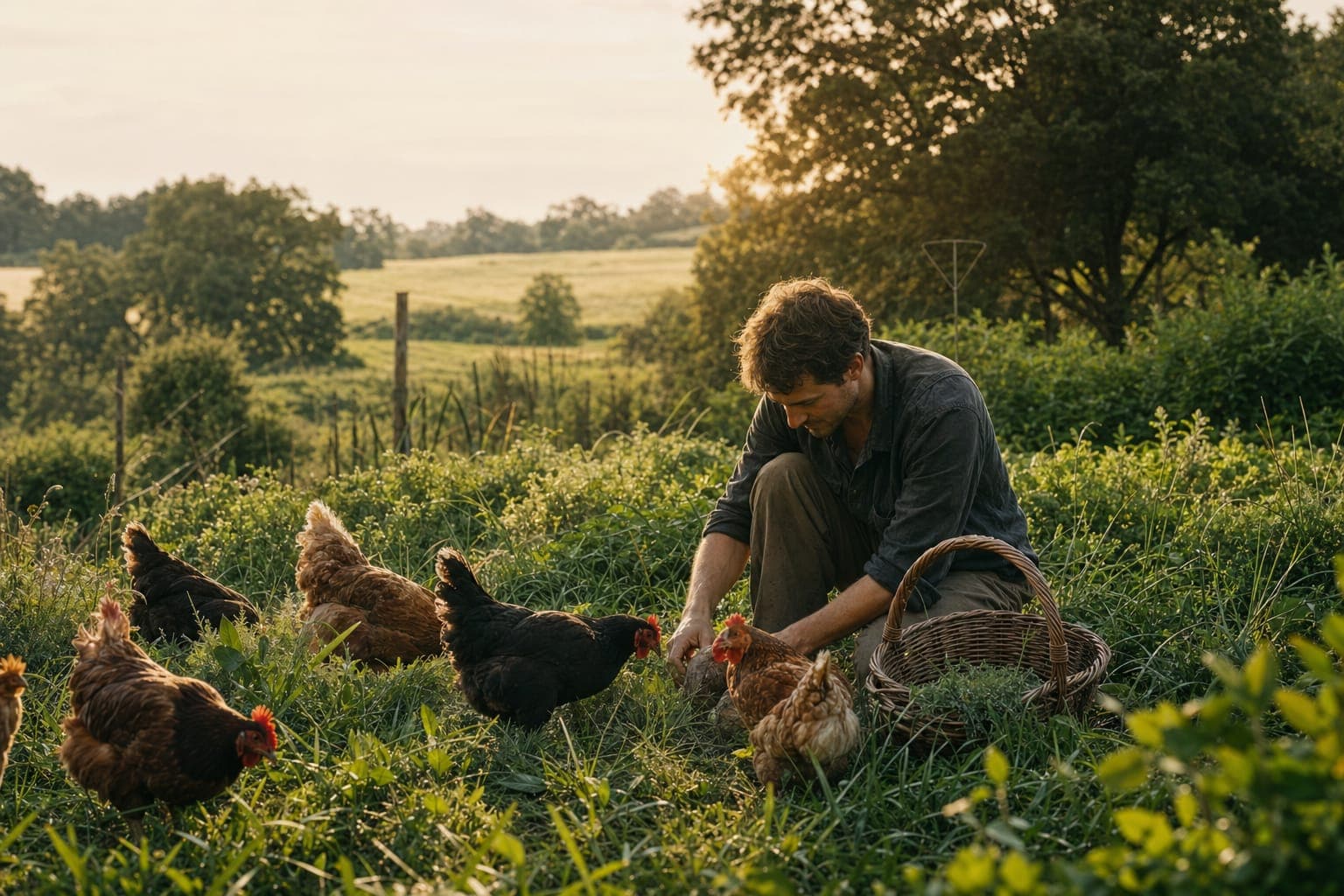
A soil with high microbial diversity and organic matter can deliver more minerals to plants than a depleted soil, regardless of fertiliser added.
Soil health and mineral availability
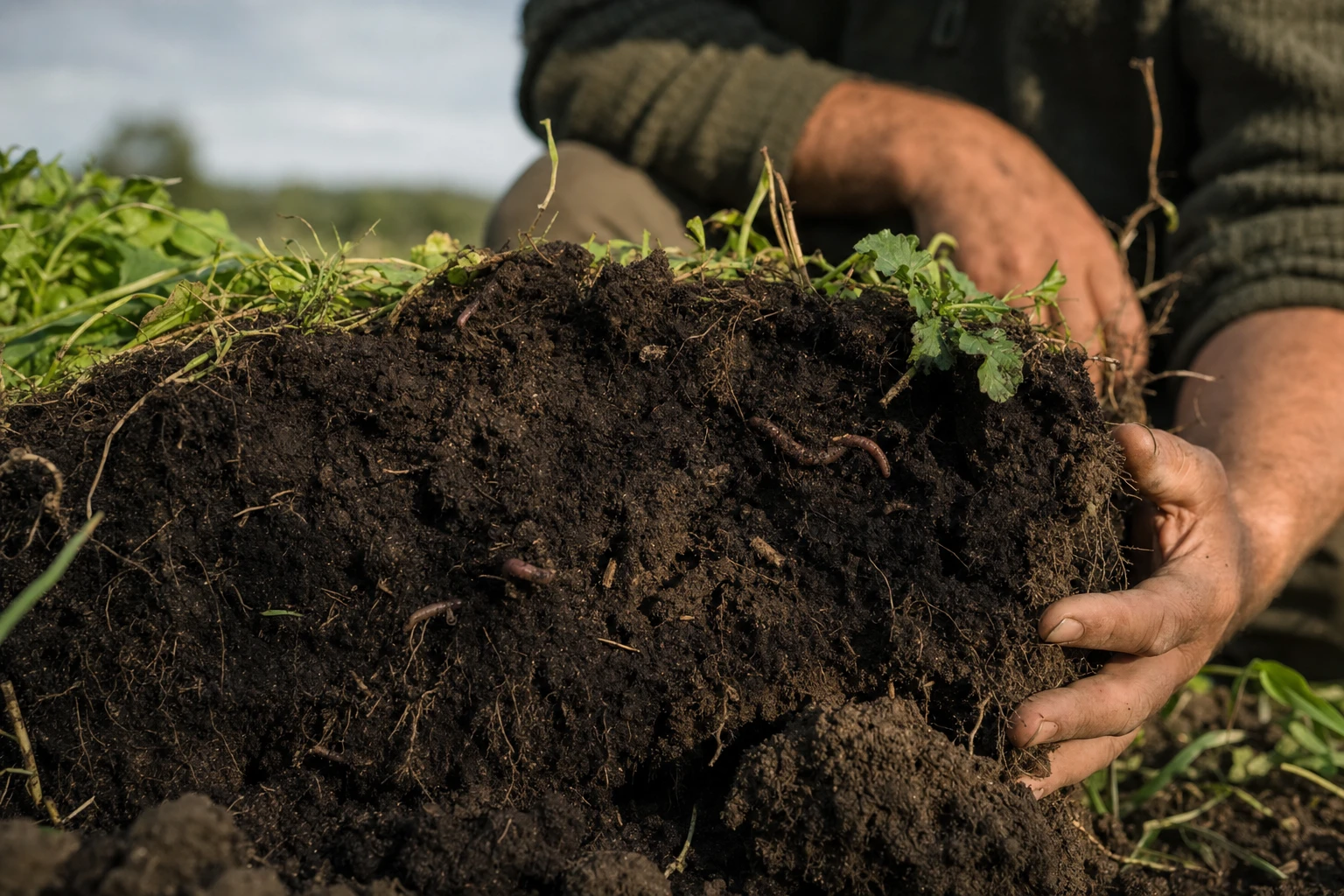
Soil is alive. It contains billions of microorganisms: bacteria, fungi, protozoa, nematodes. These organisms break down organic matter and make minerals bioavailable to plants.1
Depleted soil (from industrial agriculture) is biologically dead. Synthetic fertilisers bypass the need for soil biology to work. Nitrogen is delivered directly. The soil ecosystem collapses. When soil biology collapses, mineral cycling stops.
Regenerative soil is alive again. The biology is restored. Organic matter builds up. Fungi form networks with plant roots (mycorrhizal associations) that extract minerals from deep soil layers and transport them to the plant.2 This natural process delivers a broader spectrum of minerals in forms plants can readily use.
The difference in practice is stark. A conventional farm might apply synthetic phosphorus and potassium. The plant gets these two minerals. A regenerative farm builds living soil. The plant gets phosphorus, potassium, iron, copper, zinc, manganese, boron, and a dozen others, all extracted from the soil by fungal networks and delivered to the plant roots.
Dead soil needs synthetic minerals. Living soil delivers them naturally.
The plant uptake mechanism
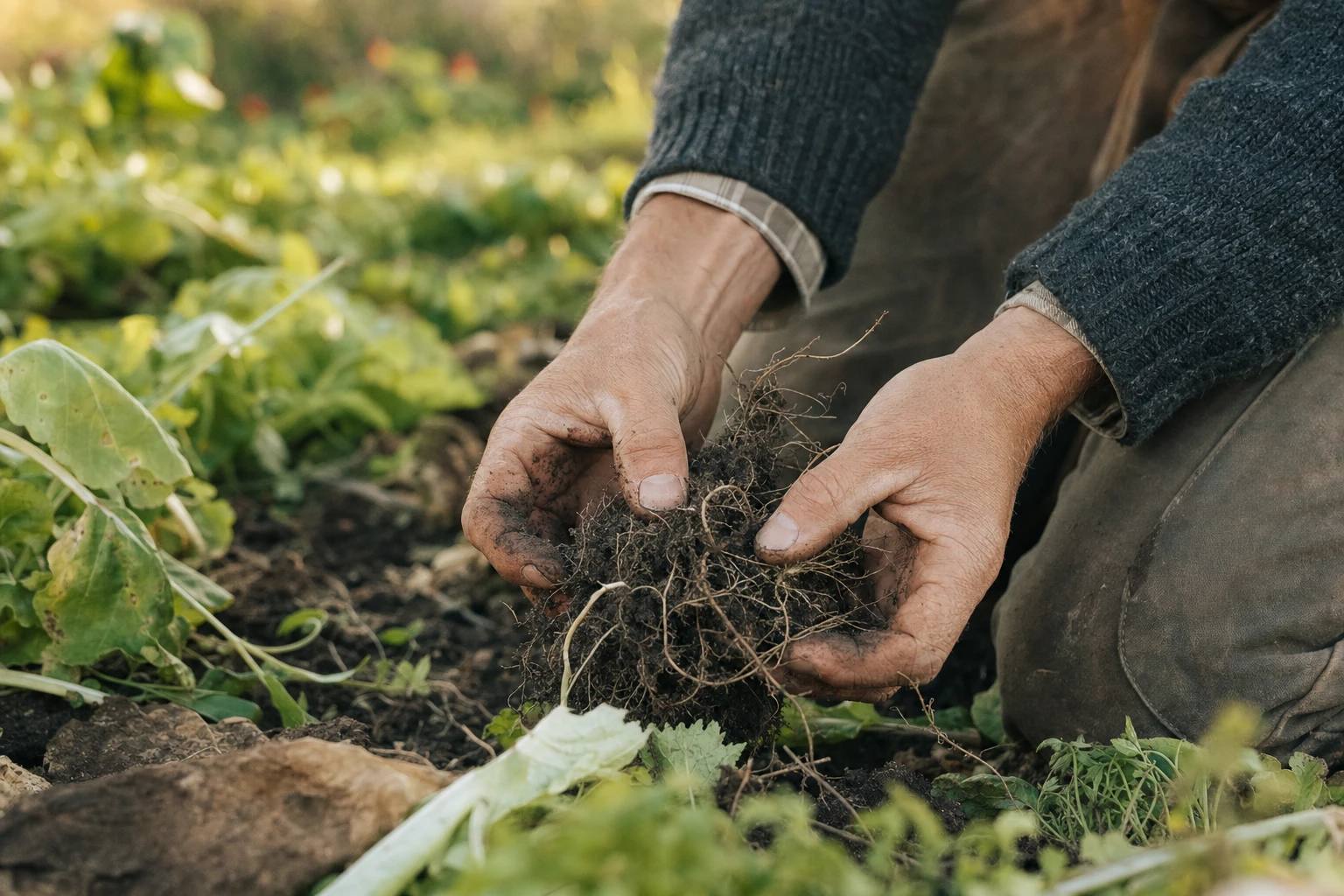
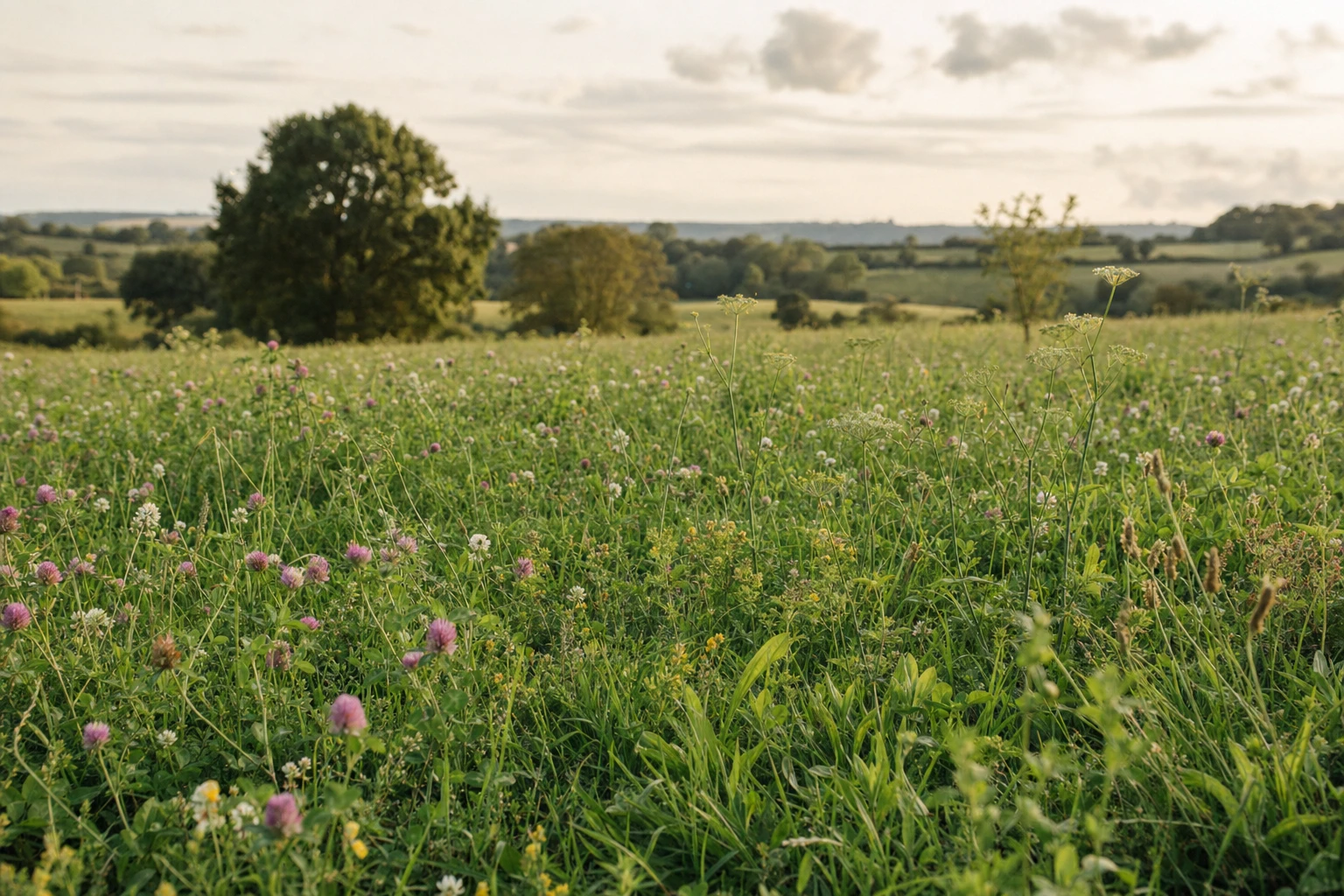
A plant on regenerative pasture has access to a broader spectrum of minerals because the soil is biologically diverse. The plant can select what it needs. It accumulates a richer mineral profile.
Conversely, a plant on depleted soil gets what's available: synthetic nitrogen, phosphorus, potassium. It might grow, but the mineral diversity is narrower.
Regenerative farming also means diverse pasture. Instead of a monoculture (one grass species), the pasture contains dozens of plants. Each plant mines different minerals. A deep-rooted plant like plantain brings up minerals from deep soil layers. Legumes fix nitrogen naturally. Chicory pulls up trace minerals. Different plants provide different nutrient profiles.
A cattle eating this diverse forage consumes a kaleidoscope of mineral-rich plants. The meat reflects this diversity. The organs (liver, kidney, heart) concentrate these minerals even further.
Plant diversity means mineral diversity. The animal is the collector of what the pasture offered.
Animal nutrition reflects forage quality
This is straightforward: the mineral content of meat reflects the mineral content of the forage the animal ate.3 If the pasture is mineral-rich, the meat is mineral-rich. If the pasture is depleted, the meat is depleted.
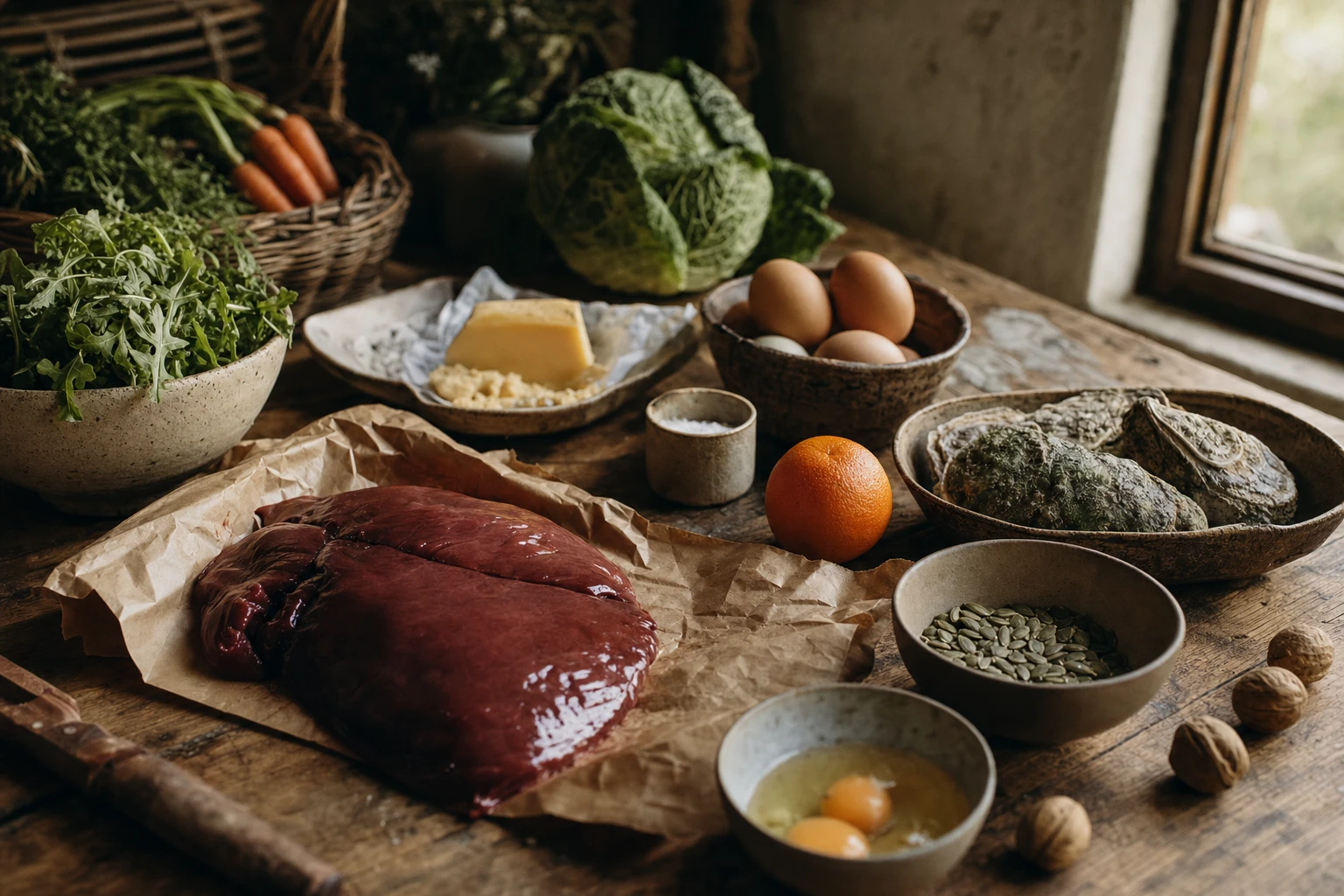
A beef cow on regenerative pasture eats plants from living soil. The forage is mineral-dense. The meat is mineral-dense. The liver is exceptionally mineral-dense. Conversely, a grain-fed cow eats grain from industrial monoculture. The grain is lower in micronutrients (particularly minerals). The meat is lower.
The difference is measurable. Liver from regeneratively-raised animals has higher copper, selenium, iron, and zinc than liver from conventionally-raised animals. The source is the forage. A cow eating Soil Association or Pasture for Life certified regenerative pasture accumulates more minerals in its tissue than a grain-finished animal.
This is why pasture quality matters more than herd size or processing method. You can freeze-dry the best product, but if the animal was grain-fed, the baseline nutrient density is lower.
The microbial bridge
Here's where it gets interesting. Regenerative farming also builds gut health in the animal. The animal on diverse forage has a richer gut microbiome. The microbes help the animal extract and utilise minerals more efficiently.
The animal on grain has a simplified, stressed gut microbiome. The digestive efficiency is lower. Even if the grain contained minerals, the animal wouldn't extract them as effectively. Grain diet simplifies the rumen microbiota. Fewer species of bacteria dominate. The result: lower nutrient extraction, higher inflammation, and lower tissue quality.
So the chain is: living soil supports diverse plants, diverse plants feed a healthy rumen microbiome, healthy microbiome extracts minerals efficiently, mineral-rich tissue results. Each step amplifies the effect.
This is why mob grazing (moving cattle frequently across pasture) produces better meat than continuous grazing or feedlot finishing. Frequent movement encourages the animal to eat a wider diversity of plants (including the nutritious species it might avoid if given unlimited access to monoculture). Diverse plant intake supports diverse rumen microbiota. The result: better nutrient extraction and tissue quality.
The connection runs through the entire system: soil biology, plant diversity, animal microbiome, tissue quality.
Get farming and sourcing guides, free
Two short reads a week on regenerative farming and where real food comes from.
By signing up you agree to receive emails from us. No spam, unsubscribe anytime.
Nutrient density data from regenerative farms
Research on regenerative farms (like those tracked by the Savory Institute and various UK farm audits) shows consistent patterns. After 5 to 7 years of regenerative management:
- Soil carbon increases by 25 to 50 per cent
- Forage mineral content (measured in pasture samples) increases measurably, with trace elements rising 20 to 40 per cent
- Beef iron and copper levels are 15 to 25 per cent higher than conventionally-produced beef from the same region
- Organ tissue micronutrient density improves consistently across copper, iron, zinc, and selenium
- Milk fat-soluble vitamin content (vitamins A, D, K2) rises significantly in dairy animals
The transition period is the hard part. In years 1 to 3, soil biology is recovering. Forage quality improves incrementally. By year 4 to 5, the system is producing genuinely nutrient-dense food. This is why Organised partners with established regenerative farms, not new ones. The years of soil building have already happened. The food is already nutrient-dense.
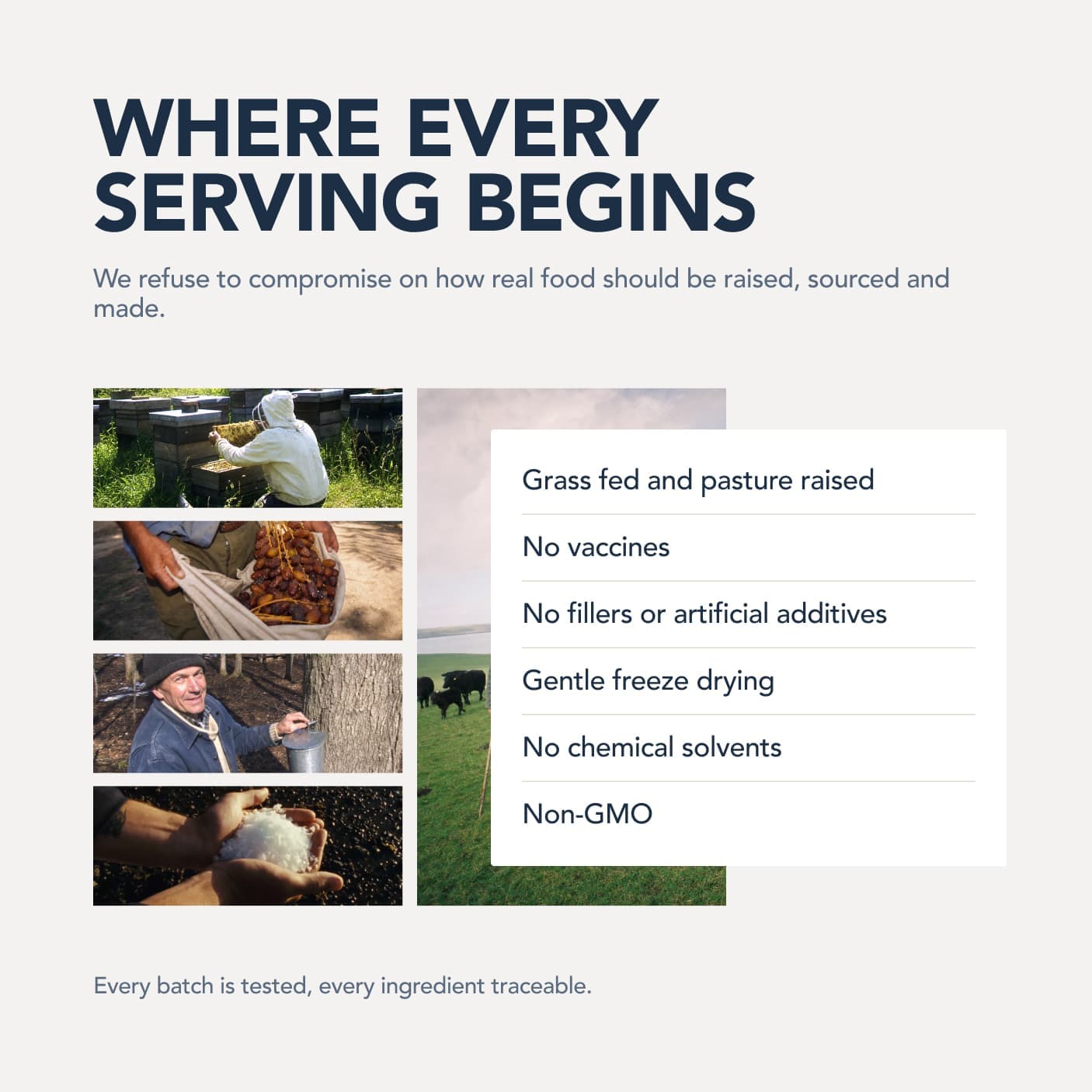
UK farms using Soil Association organic certification combined with regenerative practices (rotational grazing, diverse pasture, no synthetic inputs) consistently show the highest nutrient density measures. Pasture for Life certified farms (UK standard for grass-fed and finished beef) also produce exceptional nutrient density because the forage-only diet and rotational management optimise soil and plant diversity.
Why UK regenerative standards matter
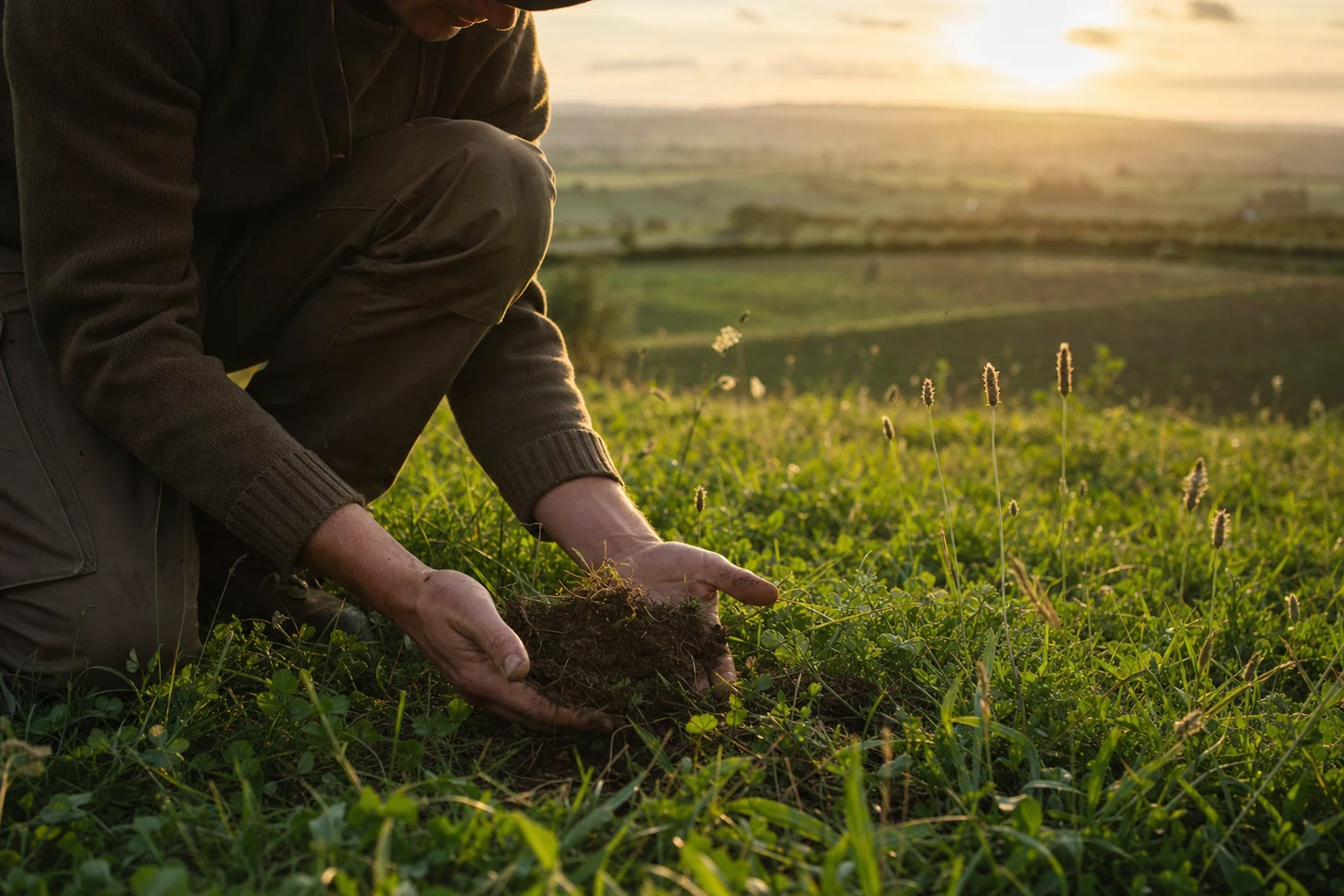
UK regenerative farms operate under different conditions than industrial agriculture elsewhere. The temperate climate and rainfall support diverse pasture naturally. The regulatory environment (UK Animal Welfare legislation, Soil Association standards) creates structure. When a UK farm commits to regenerative practice, the system works.
This is different from importing regenerative beef from countries with less developed standards or less supportive climates. Local UK regenerative beef carries the advantage of consistent standards, climate suitability, and traceability.

1 of 9
Daily blend
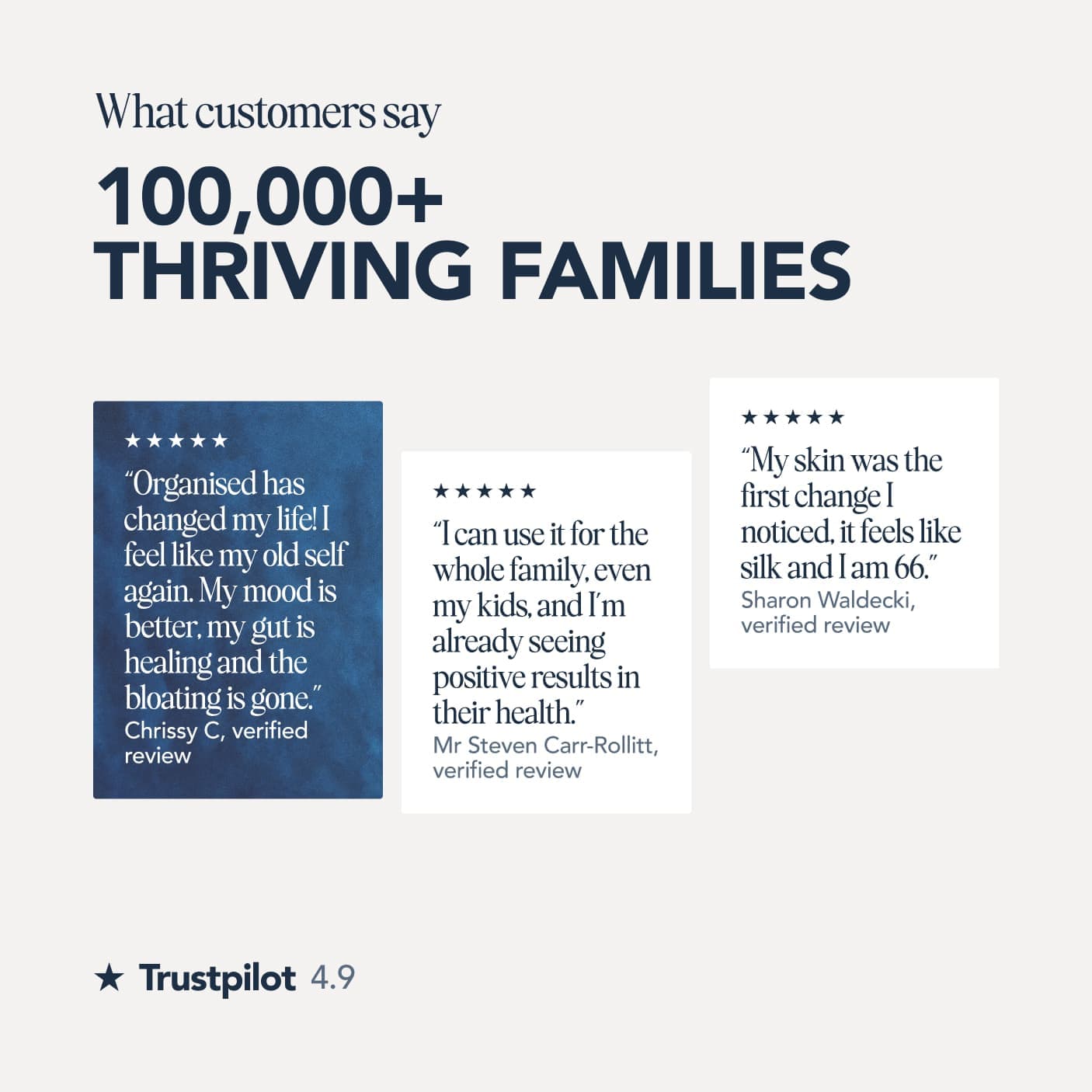
100,000+ thriving families4.9 on Trustpilot
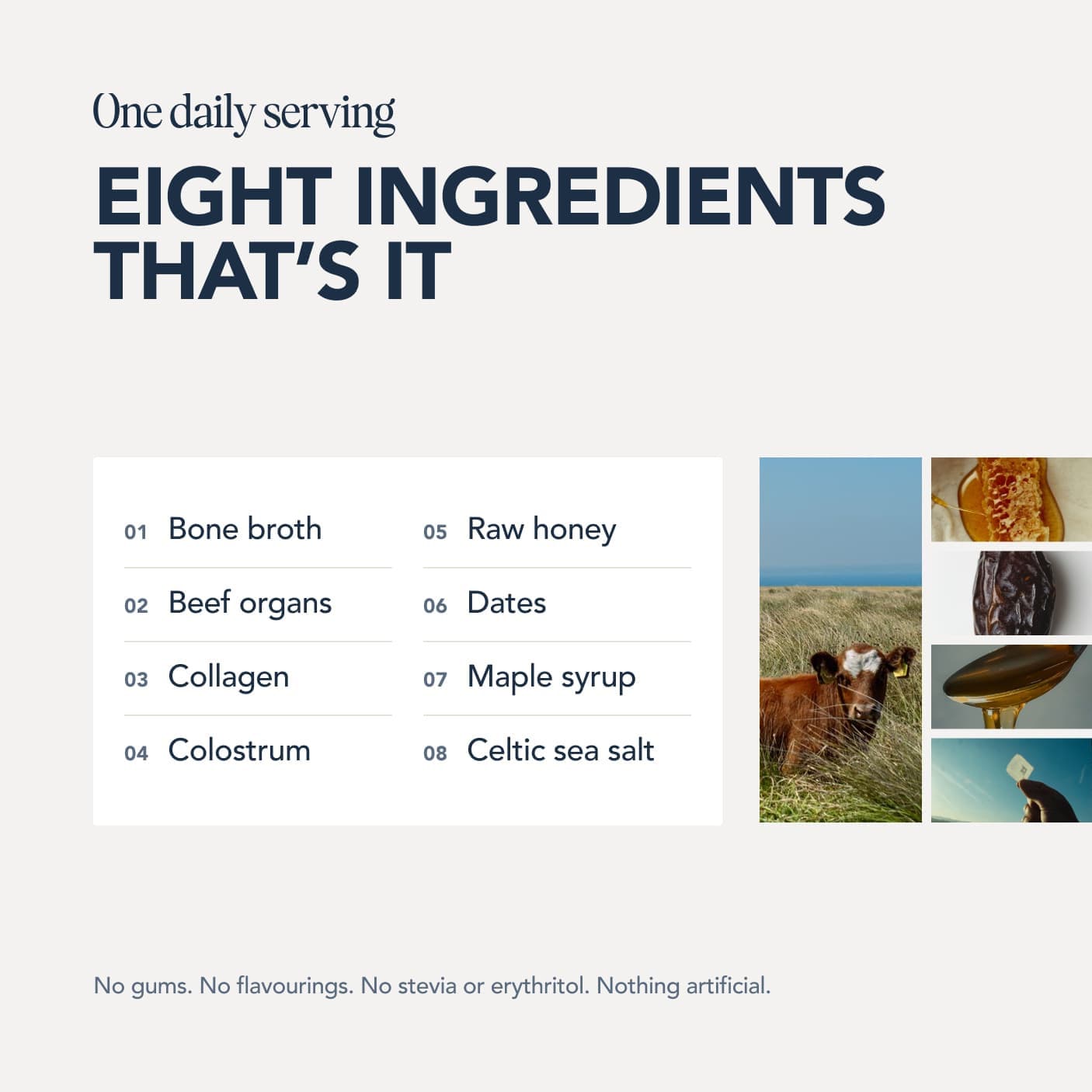
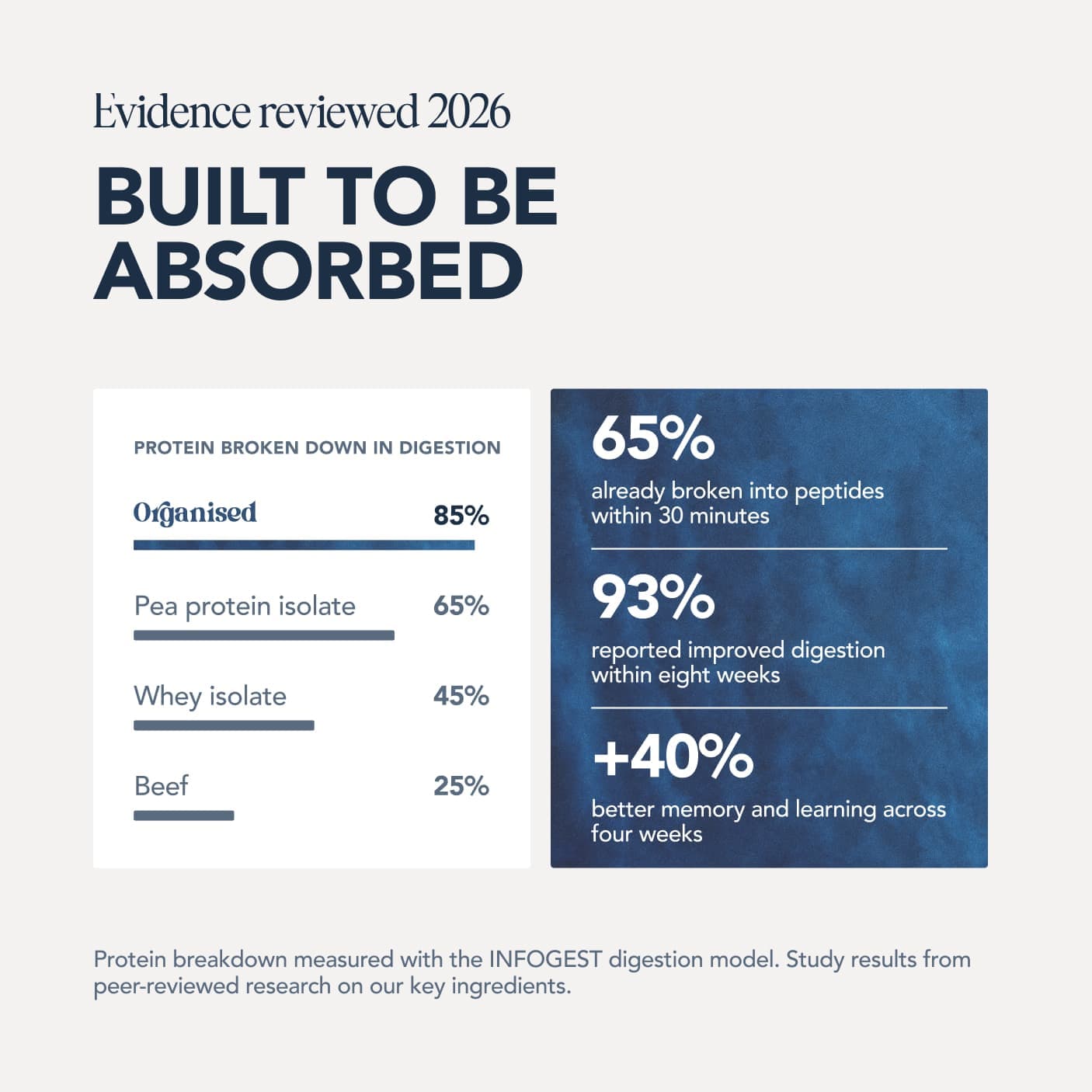
Eight real ingredients built around grass-fed beef organs, collagen and colostrum. Nothing synthetic added.
Free with your first order, worth £38. Plus £10 off the pouch with a subscription.



Free UK shipping · Made in England · 100 day money back guarantee on your first pouch · Skip, pause or cancel anytime
Why UK regenerative standards matter
UK regenerative farms operate under conditions that make it particularly effective. The temperate climate, adequate rainfall, and complex soil types support diverse pasture naturally. When a UK farm commits to regenerative practice, the system works because the climate supports it.
UK regenerative farms using mob grazing (moving cattle daily or weekly) create exceptional plant diversity. This frequent movement prevents overgrazing and encourages animals to eat a broader spectrum of plants. The pasture mineral diversity increases year on year.
The complete mineral cycling cascade
Here's the full picture: regenerative practices increase fungal networks. Fungal networks extract minerals from deep soil layers. Diverse plants access these minerals. Animals eating diverse plants consume diverse minerals. Animal tissue becomes mineral-dense. When you consume that tissue, you're getting the result of this entire cascading system.
This cascade is only possible on living soil. Industrial agriculture breaks it at the first step. Regenerative farming rebuilds it, step by step, year by year. This is why sourcing from UK regenerative farms produces genuinely superior meat and organs.
The bottom line
Regenerative farming isn't just better for the land. It produces food that's measurably more nutrient-dense than conventional alternatives. The chain is direct: living soil supports diverse plants, diverse plants produce mineral-rich forage, animals eating this forage develop mineral-rich tissue.
This is why sourcing matters. It's not marketing. It's the direct result of how the animal was fed, where it was fed, and what the soil underneath was doing. Choose regenerative when you can. Your body will reflect the choice.
References
Every source below was checked on 27 August 2026. Each PubMed, PMC and DOI identifier was resolved against NCBI or Crossref, and what it opens is printed under the citation, so you can see the link goes where the citation says without leaving the page. Where a citation and its identifier disagreed, the citation was corrected to the record or the reference was deleted along with the sentence marker that pointed at it, and where the resolved paper turned out not to support the sentence, the sentence was cut back to what it does support. Borrowed authority is worse than none, because it looks like rigour.
- U.S. Department of Agriculture, Natural Resources Conservation Service. Soil Biology Primer. https://www.nrcs.usda.gov/conservation-basics/natural-resource-concerns/soil/soil-biology [accessed May 2026].
- Smith SE, Read DJ. Mycorrhizal Symbiosis. Academic Press. Reviewed in Bonfante P, Genre A. Mechanisms underlying beneficial plant-fungus interactions in mycorrhizal symbiosis. Nat Commun. https://pubmed.ncbi.nlm.nih.gov/20975705/ [accessed May 2026].Checked 27 August 2026: PMID 20975705 opens Bonfante P, Genre A, Mechanisms underlying beneficial plant-fungus interactions in mycorrhizal symbiosis. Nat Commun 2010;1:48. PubMed indexes it as: Review.
- Daley CA, Abbott A, Doyle PS, et al. A review of fatty acid profiles and antioxidant content in grass-fed and grain-fed beef. Nutr J. https://pmc.ncbi.nlm.nih.gov/articles/PMC2846864/ [accessed May 2026].Checked 27 August 2026: PMC2846864 opens Daley CA, Abbott A, Doyle PS et al, A review of fatty acid profiles and antioxidant content in grass-fed and grain-fed beef. Nutr J 2010;9:10. PubMed indexes it as: Review.
Corrections
What this page used to say, and why it no longer says it. Corrections are dated and are never removed, because deleting the record of an error is a second error. Every guide we have corrected is listed at our corrections log.
- 27 August 2026. Reference 2 led with a textbook and linked a journal paper. The linked paper (Bonfante and Genre, Nature Communications 2010) now leads the entry.
Who wrote and reviewed this guide
Niall Kiddle
Author · Founder, Organised
Niall is the founder of Organised. He started the company in 2024 after fixing his own health the slow way: in 2022 he swapped a cupboard of synthetic supplements for real food, raw milk, organ meats, bone broth and honey, and felt the difference within months.
Areas of expertise: Ancestral nutrition, Organ meats, Whole-food supplementation, Gut health, Regenerative sourcing
Read Niall's full profile
Pedro Rodrigues
Reviewer · Agronomist (farming and sourcing only)
Pedro is the agronomist Organised works with on farming and sourcing. His job on the guides is to keep the science honest: he reviews what we publish about soil health, regenerative agriculture, grazing and the way food is actually produced.
Areas of expertise: Regenerative agriculture, Agronomy, Soil health, Grass-fed farming, Food sourcing
Reviewed this guide on
Read Pedro's full profileMore on regenerative farming
View allBrowse the guides library
All guidesKeep reading
Farming
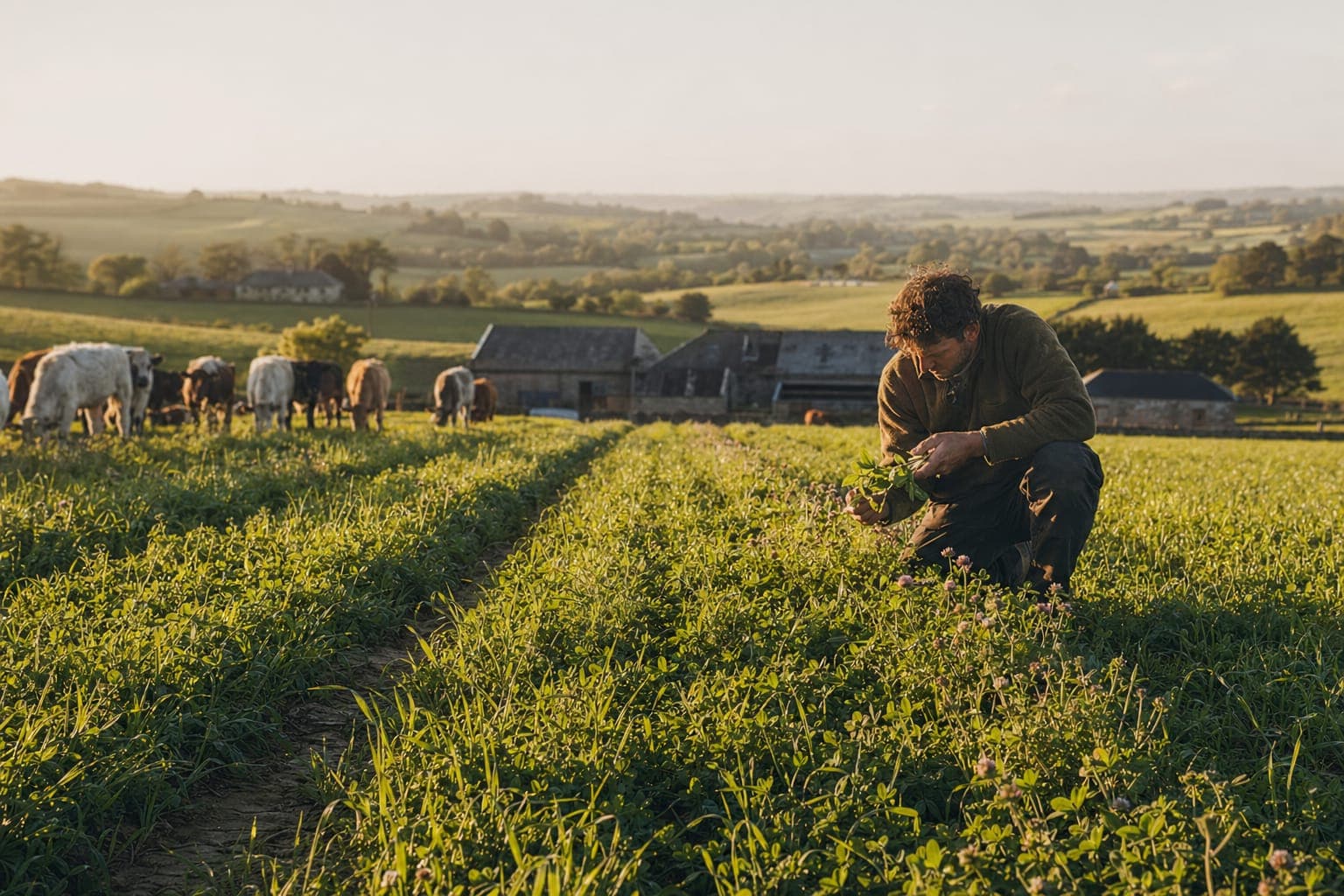
What Is Regenerative Agriculture? A Complete Guide
What is regenerative agriculture? Explore the five core principles, practices like cover crops and no-till, plus soil health and carbon, all explained simply.

Farming
Heavy Metals in Supplements: What You Need to Know
What heavy metals are in supplements, where they come from, and how to avoid them. Plus how strict testing protects you.
Farming
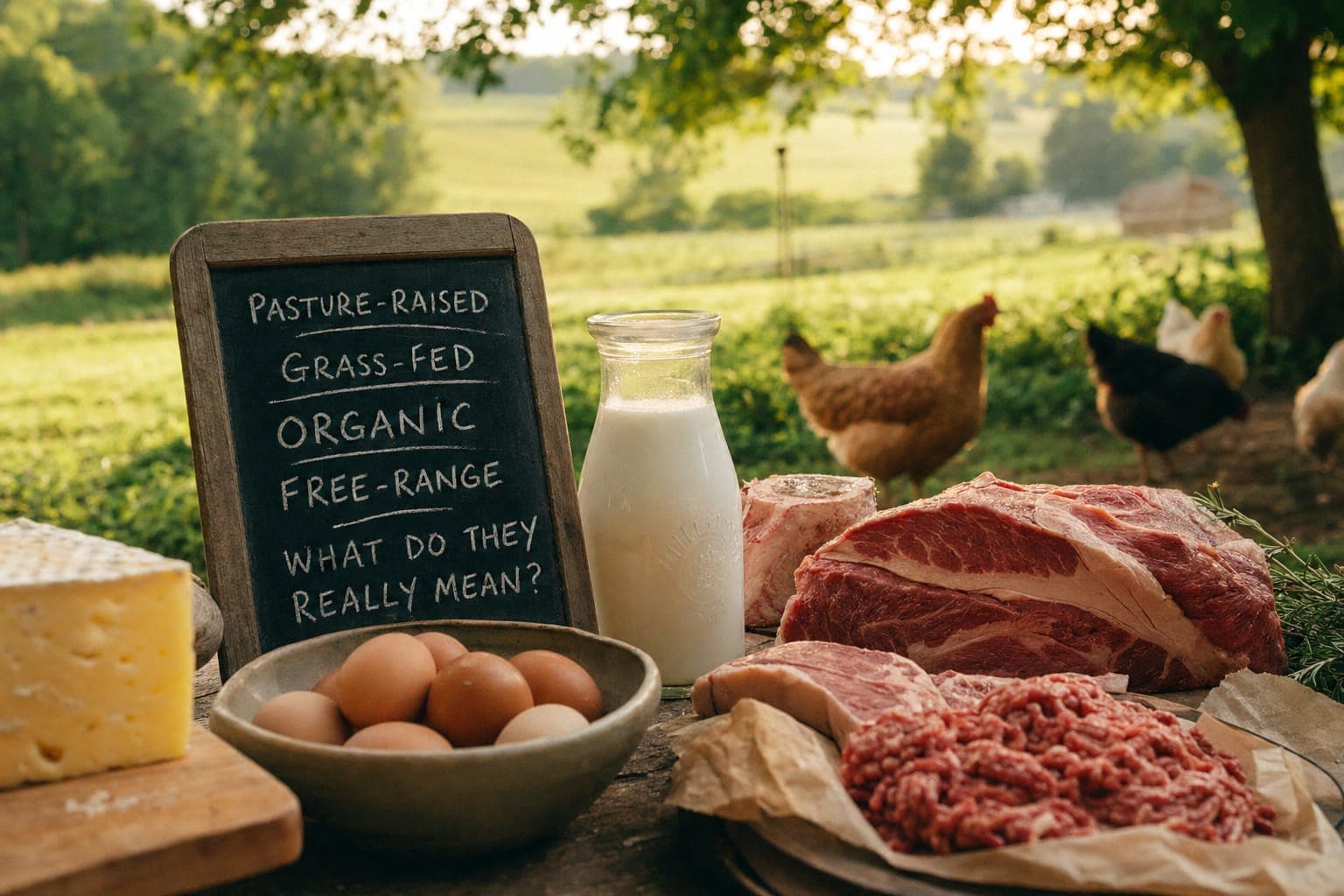
What the Labels Don't Tell You: Pasture-Raised, Grass-Fed and More
What pasture-raised, grass-fed, organic, and free-range actually mean. Find the real story behind the labels on your meat and dairy.
Real food, made effortless
Shop the blendA few ways to use it
All recipes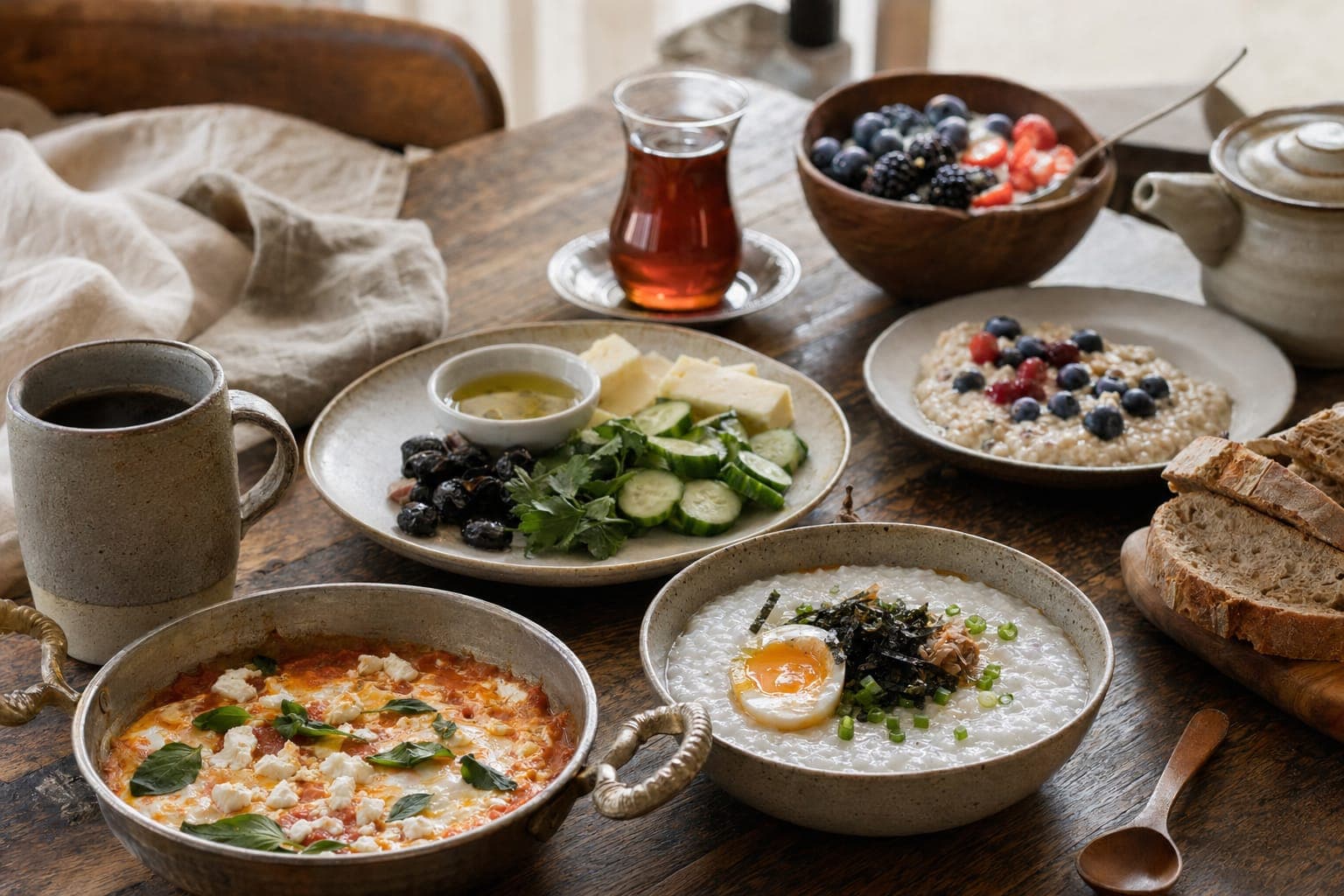
Ancestral Breakfast Ideas from Around the World
Traditional breakfast recipes from cultures that got nutrition right. Japanese, Turkish, Scottish, and more. Whole-food breakfast inspiration.
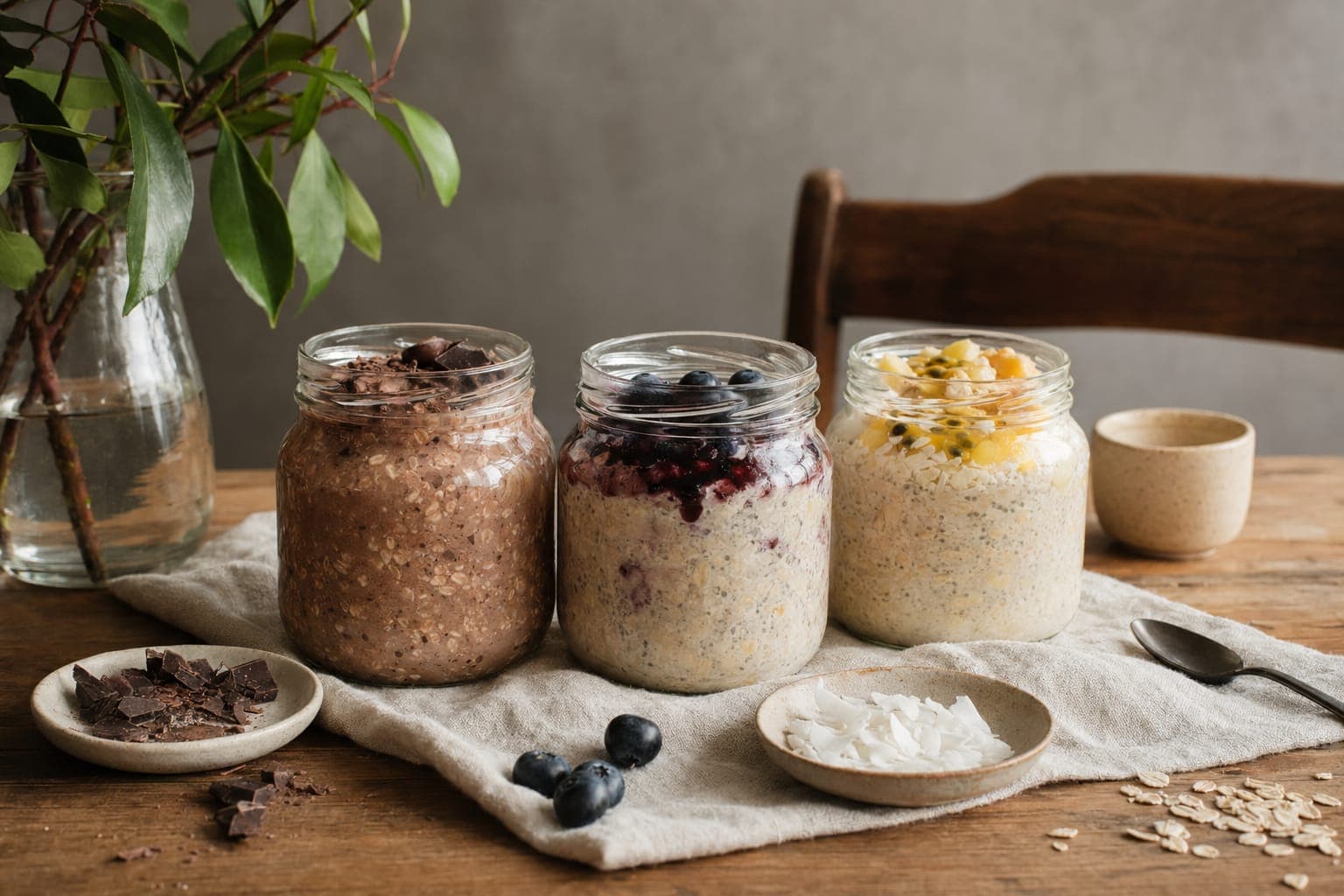
Organised Overnight Oats: 3 Variations
Three delicious overnight oats variations with Organised. Chocolate, berry, tropical flavours. Make them Sunday, eat them all week.

Raw Milk Hot Chocolate with Collagen
A nourishing evening hot chocolate made with raw milk, grass-fed collagen, raw cacao, and honey. A nighttime ritual that supports sleep and gut health.


 Join over 100,000+ members
Build a better food system with us
The Organised community is thousands of people choosing real food and backing the farmers who grow it, all of us trying to leave the world a little better than we found it. If that is what you care about too, you belong here.