What the Labels Don't Tell You: Pasture-Raised, Grass-Fed and More
The label says grass-fed. The sticker says organic. The package says free-range. You feel like you know what you're buying. But every single one of those words is a land mine of hidden meaning.
By Niall Kiddle, Founder, Organised

Reviewed by Pedro Rodrigues, Agronomist (farming and sourcing only) ·
7 min read · Published · Updated · 4 cited sources
Makers of the Organised Daily blend, a grass-fed beef organ supplement from regenerative UK farms
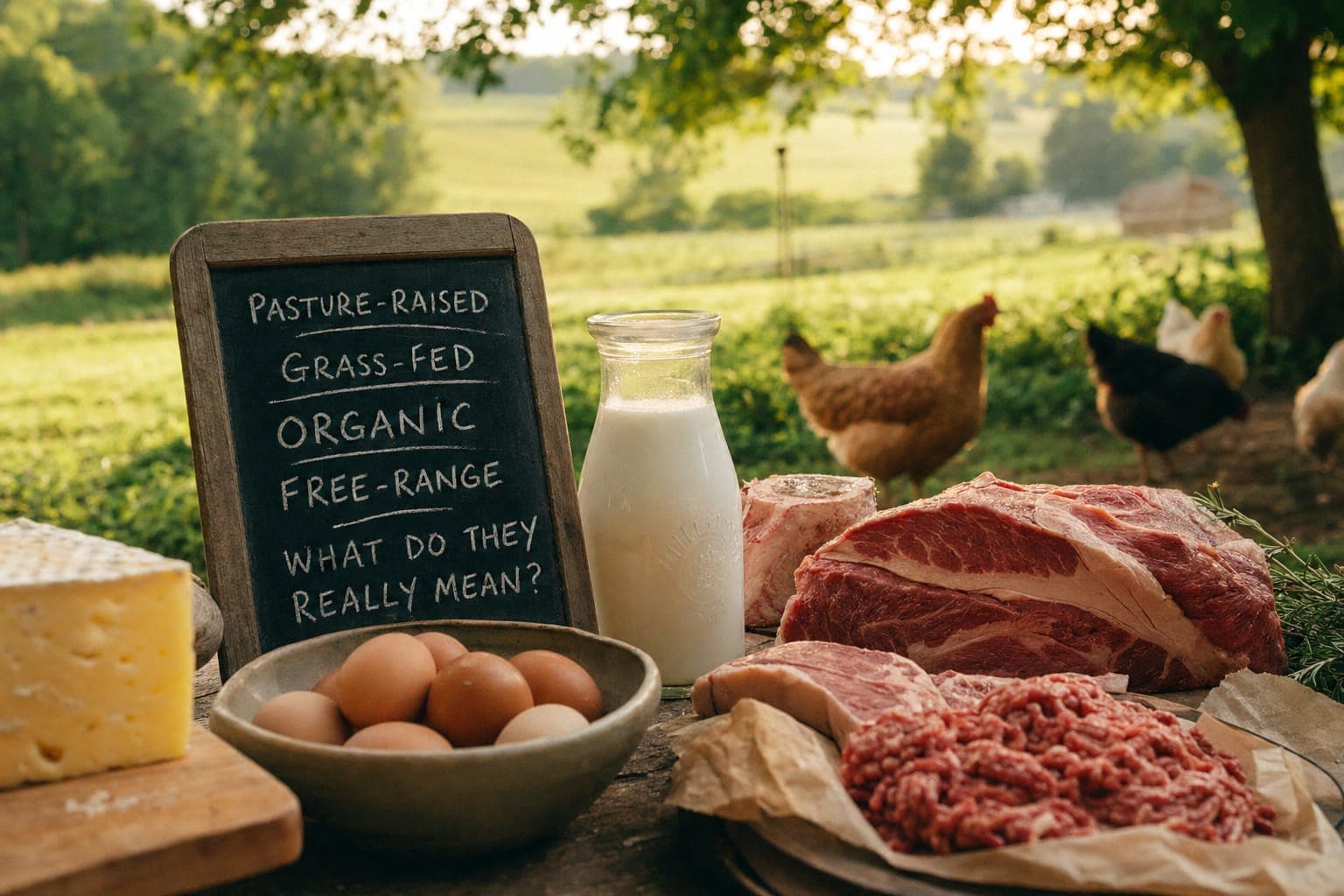
The gap between what these labels promise and what they deliver is where most people get confused, disappointed, or angry when they find out.
The gap between the label and the practice
Marketing has done something remarkable. It's convinced consumers that a label on a package tells you how an animal lived. It doesn't. It tells you one specific thing about one specific aspect of the animal's life, usually the part that sounds best.
Grass-fed tells you about diet, not welfare. Pasture-raised tells you about housing, not diet. Organic tells you about inputs, not practices. Free-range tells you about access, not actual use. None of them tells the whole story.
A label is an incomplete sentence. The marketing team chose which part to tell you.
The honest move: don't trust the label alone. Understand what each label actually means, then look at what's missing from the story.
Pasture-raised and what it doesn't guarantee
Pasture-raised sounds like the animal lived outside on grass. Legally, it means the animal had access to pasture at some point. It doesn't specify for how long, how much, or whether the animal ever actually went outside.
A pasture-raised chicken might have a door to a small outdoor run that it never uses. Pasture-raised pork might mean outdoor access during summer but confinement in winter. Pasture-raised cattle might have grazed for two months out of a three-year life.
The animal counts as pasture-raised. The marketing claim is technically true. The welfare standard might still be poor.
Worse, the pasture itself might be terrible. Depleted soil. No diversity. Bare ground. The animal had access, but what it was accessing wasn't good pasture.
Access to pasture isn't the same as actual pasture grazing. The label doesn't tell you which one you got.
Grass-fed without the full story
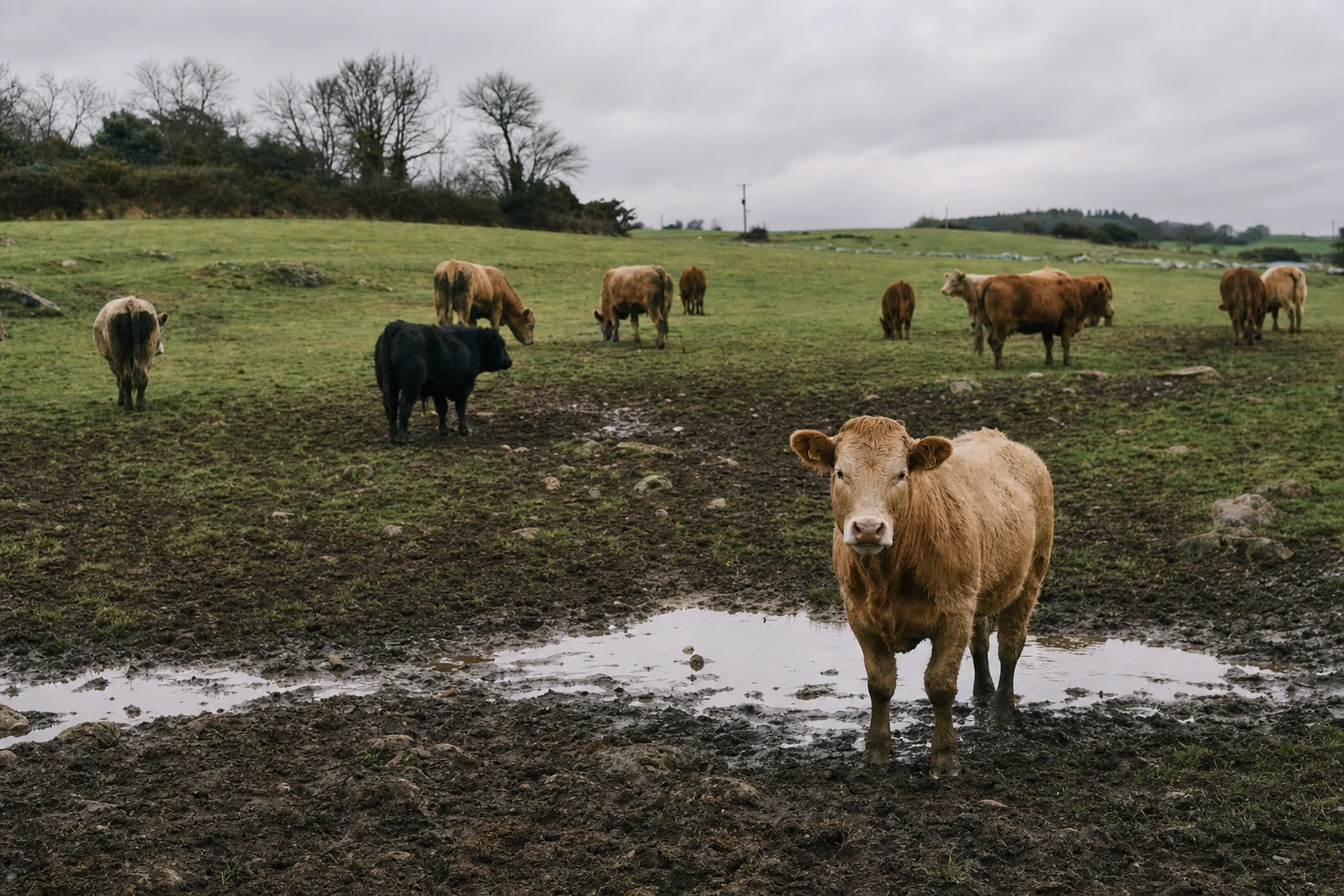
This has been covered before, but it deserves emphasis. Grass-fed doesn't mean grass-finished. It doesn't mean the animal spent its entire life on grass. It means the diet was primarily grass, at some point, possibly with significant grain supplementation or grain-finishing.
A grass-fed animal might have been grain-finished for the last three months of life, which is when intramuscular fat develops and flavor changes. You're buying meat shaped by the last quarter of the animal's life, not its whole history.
Grass-fed also doesn't guarantee welfare. It doesn't guarantee low antibiotic use. It doesn't guarantee the pasture was managed well. It tells you about diet. That's it.
Organic doesn't mean what you think
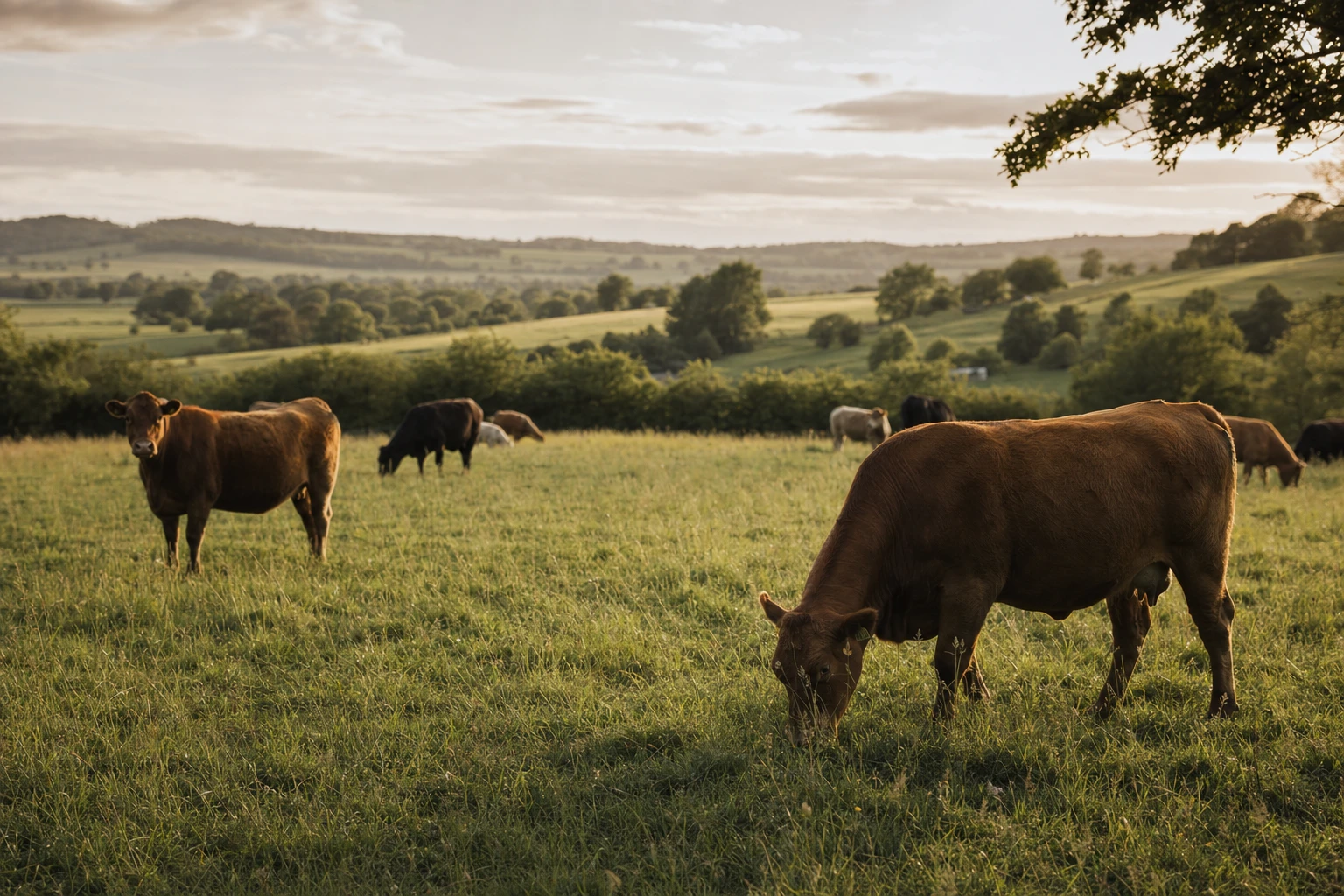
Organic means the animal ate organic feed, was raised without synthetic pesticides or antibiotics, and met specific housing and space requirements. It doesn't mean the animal was raised well. It doesn't mean the pasture was managed regeneratively. It doesn't mean the animal was happy.
An organic dairy cow might be in a barn year-round, eating organic hay, never seeing grass. Technically organic. Barely outdoor access. You're buying a certification, not a welfare standard.
Organic certification is also expensive, so it's more common on smaller farms that genuinely care. But the label itself doesn't guarantee that. A bad farmer with good labeling can claim organic legitimately.
Organic is about inputs, not outcomes. It's about what the animal ate, not how it lived.
Free-range and the outdoor access myth
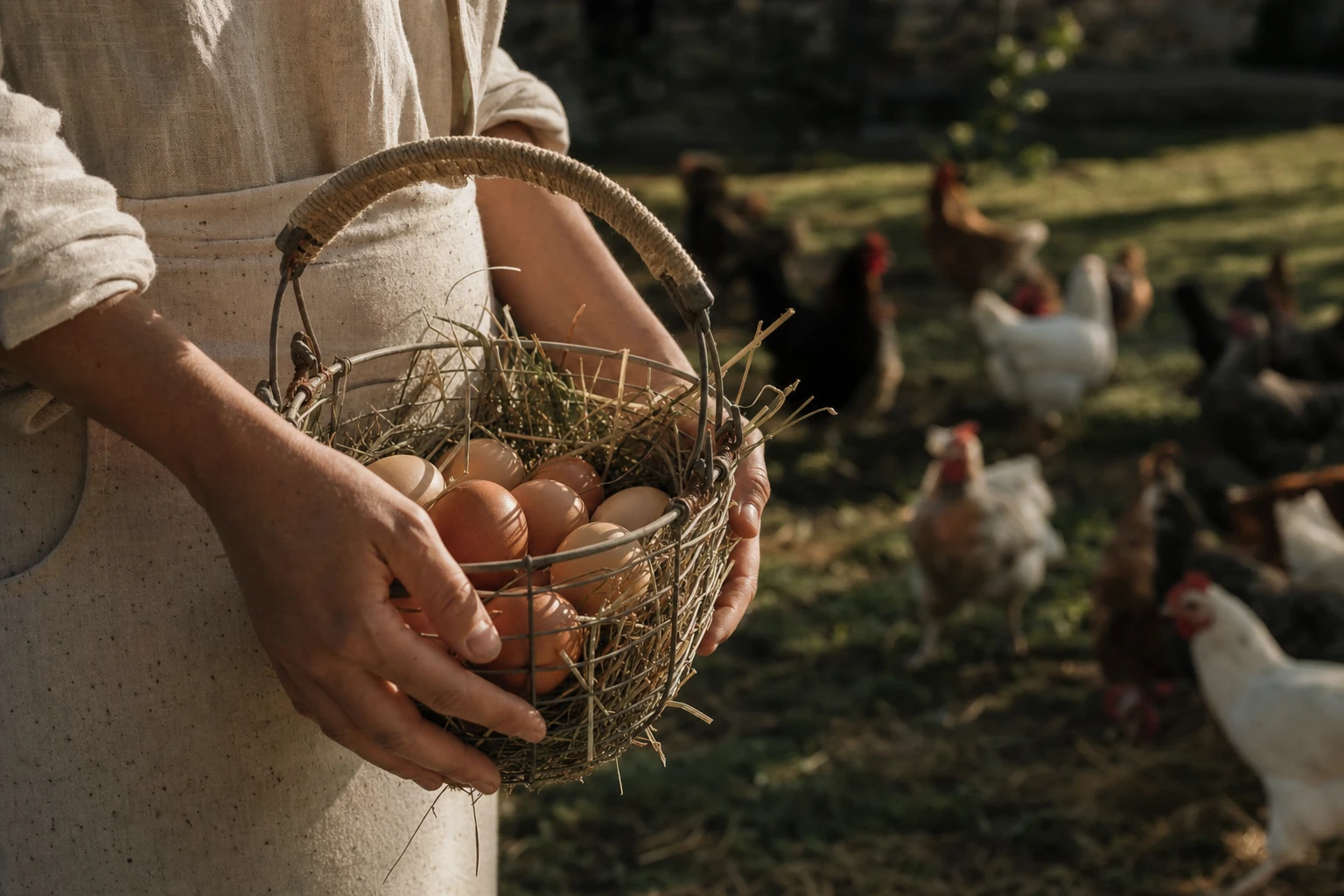
Free-range means the animal had access to outdoor space. It doesn't specify the size, quality, or whether outdoor access was actually used.
A free-range chicken facility might have thousands of birds in a barn with a small door to a muddy outdoor run. The door stays open. The birds never use it because they're afraid of open spaces. Technically free-range. Practically indistinguishable from cage-free.
Free-range doesn't guarantee the outdoor space has any grass, shade, or shelter. Doesn't guarantee the animal ever goes outside. Doesn't guarantee welfare.
The selling point sounds great. The standard is minimal.
Higher welfare labels that actually mean something
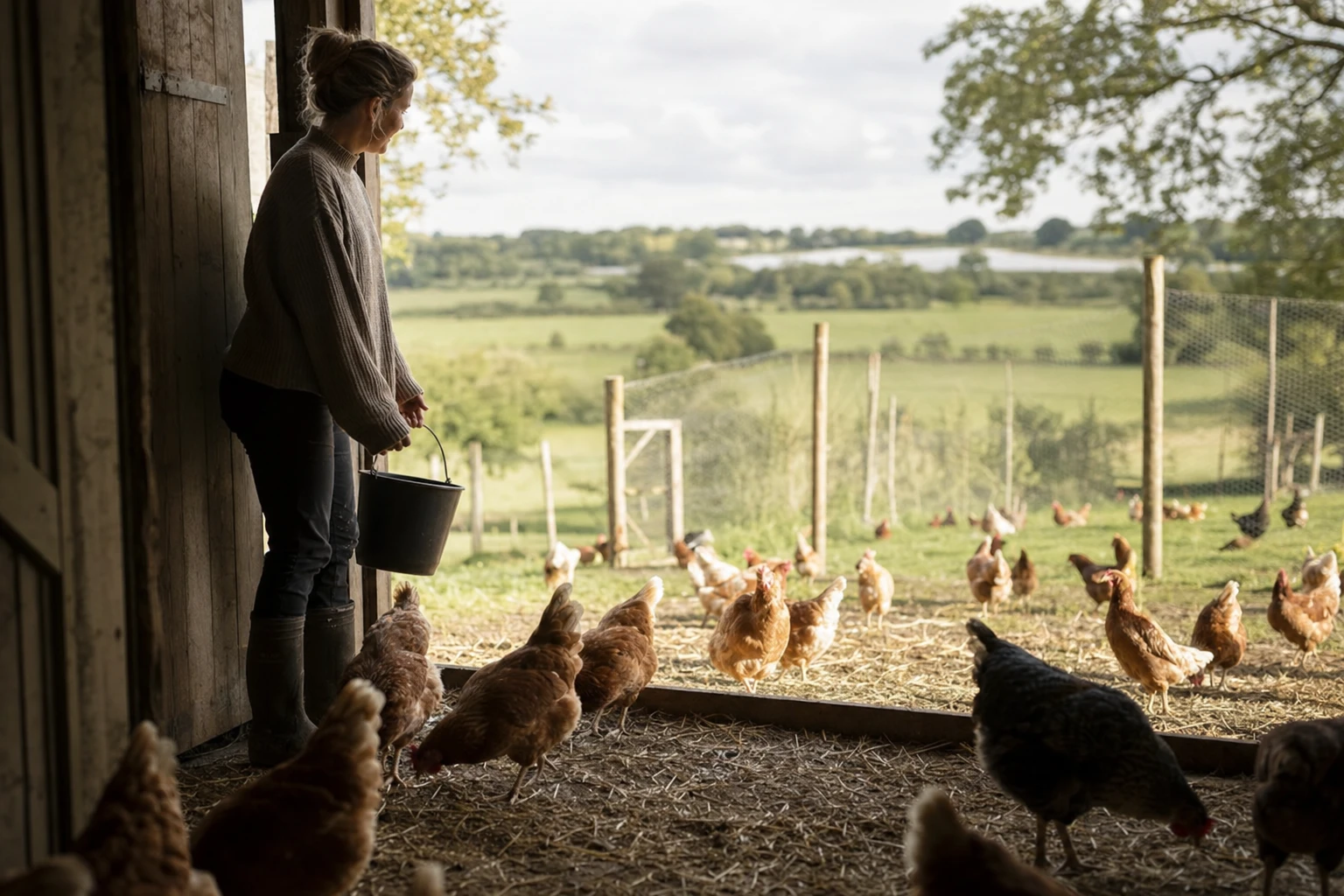
Not all labels are equally useless. Some have real standards:
- RSPCA Assured (UK): sets specific stocking densities, outdoor access requirements, handling standards. Real welfare rules. Independent auditing.1
- Red Tractor (UK): covers food safety, traceability, and welfare. Standards are enforceable. Regular inspections.2
- Pasture for Life (UK): cattle must be on pasture for most of the year (at least 6 months in some cases). Real standard, real enforcement.3
- Soil Association (UK/EU): organic certification with higher welfare requirements than basic organic. Better than organic alone.4
- Regenerative Organic Certified (emerging): covers soil health, animal welfare, and worker conditions. The bar is highest here.
These labels require independent auditing and real standards. They cost the farmer to maintain. Which is why they're less common and more trustworthy.
Get farming and sourcing guides, free
Two short reads a week on regenerative farming and where real food comes from.
By signing up you agree to receive emails from us. No spam, unsubscribe anytime.
How to read the actual standards
If you're buying meat or dairy in the UK, you're looking at labels that come from different regulatory regimes. A Tesco's own-brand grass-fed beef follows Tesco's sourcing standards, which differ from Sainsbury's standards, which differ from Waitrose. None of them are wrong. They're just different.
Red Tractor is probably the most visible. It's on around 60% of UK food products.2 But Red Tractor covers food safety, traceability, and basic welfare. It doesn't tell you the animal was grass-fed, regeneratively raised, or living the life you imagine when you see the label.
Pasture for Life is more specific. It requires cattle to spend at least half their lives grazing on pasture (not grain-fed in winter housing). It's verifiable. It's audited. It costs more to meet. That's why it's rarer and more trustworthy.
RSPCA Assured covers welfare specifically: stocking density limits, enrichment requirements, handler training standards. It's audited independently. An RSPCA Assured chicken has more space and better welfare than a standard free-range chicken, though both labels are technically accurate.
The Soil Association organic standard is similar to regular organic but with stricter requirements on outdoor access and stocking density. It's more expensive and more enforceable.
UK certification labels vary wildly. Some are marketing. Some are real standards. Learning the difference is the entire game.
1 of 9
Daily blend
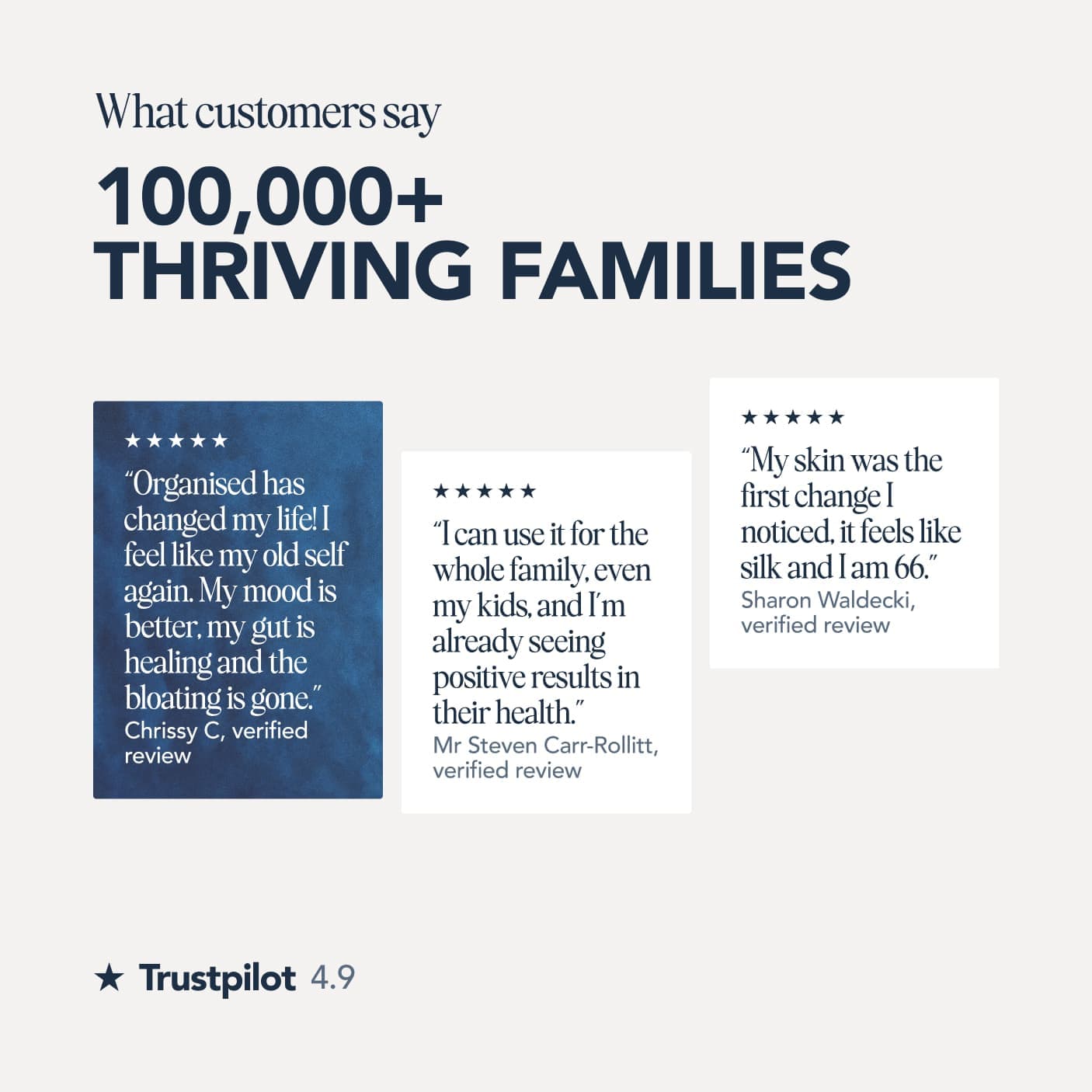
100,000+ thriving families4.9 on Trustpilot
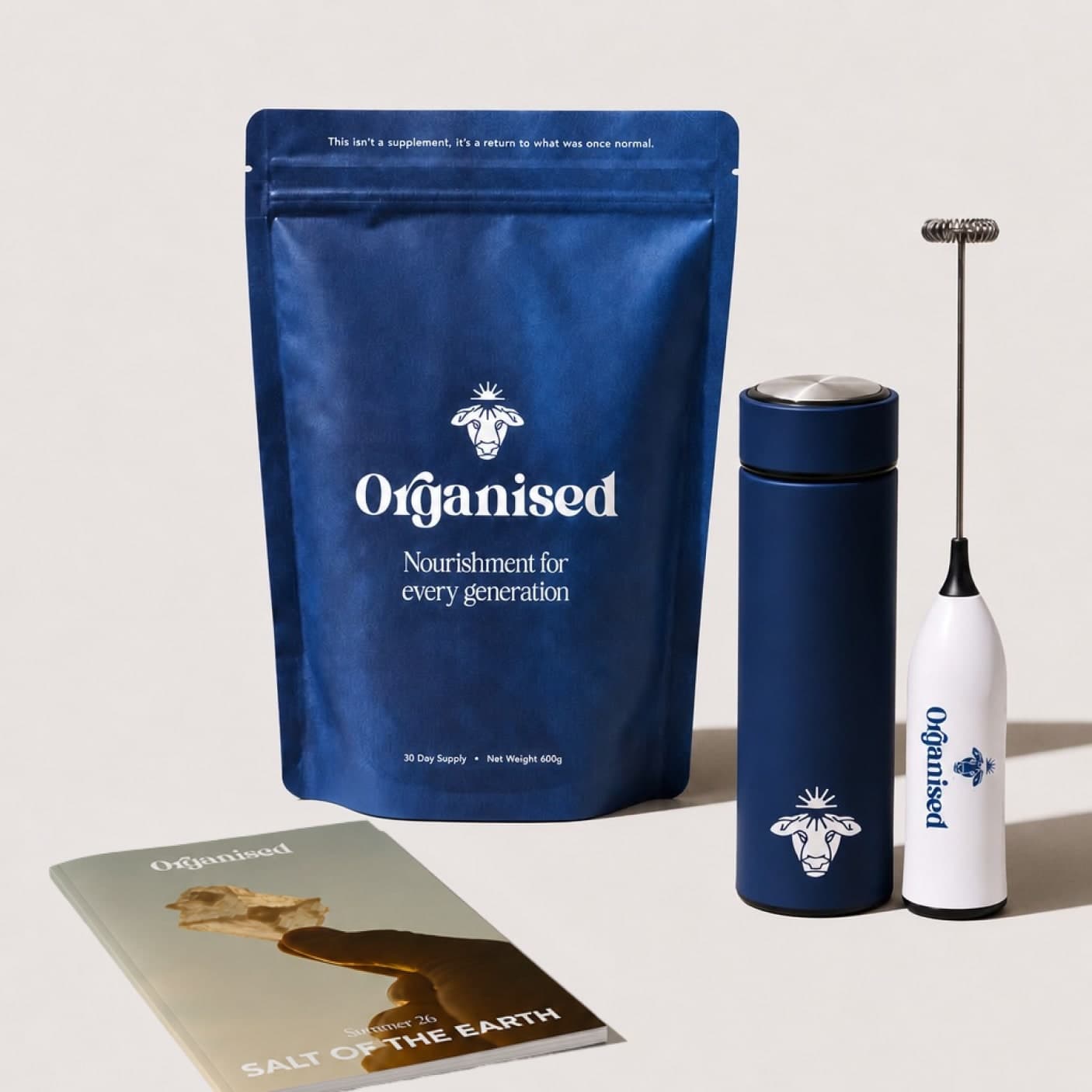
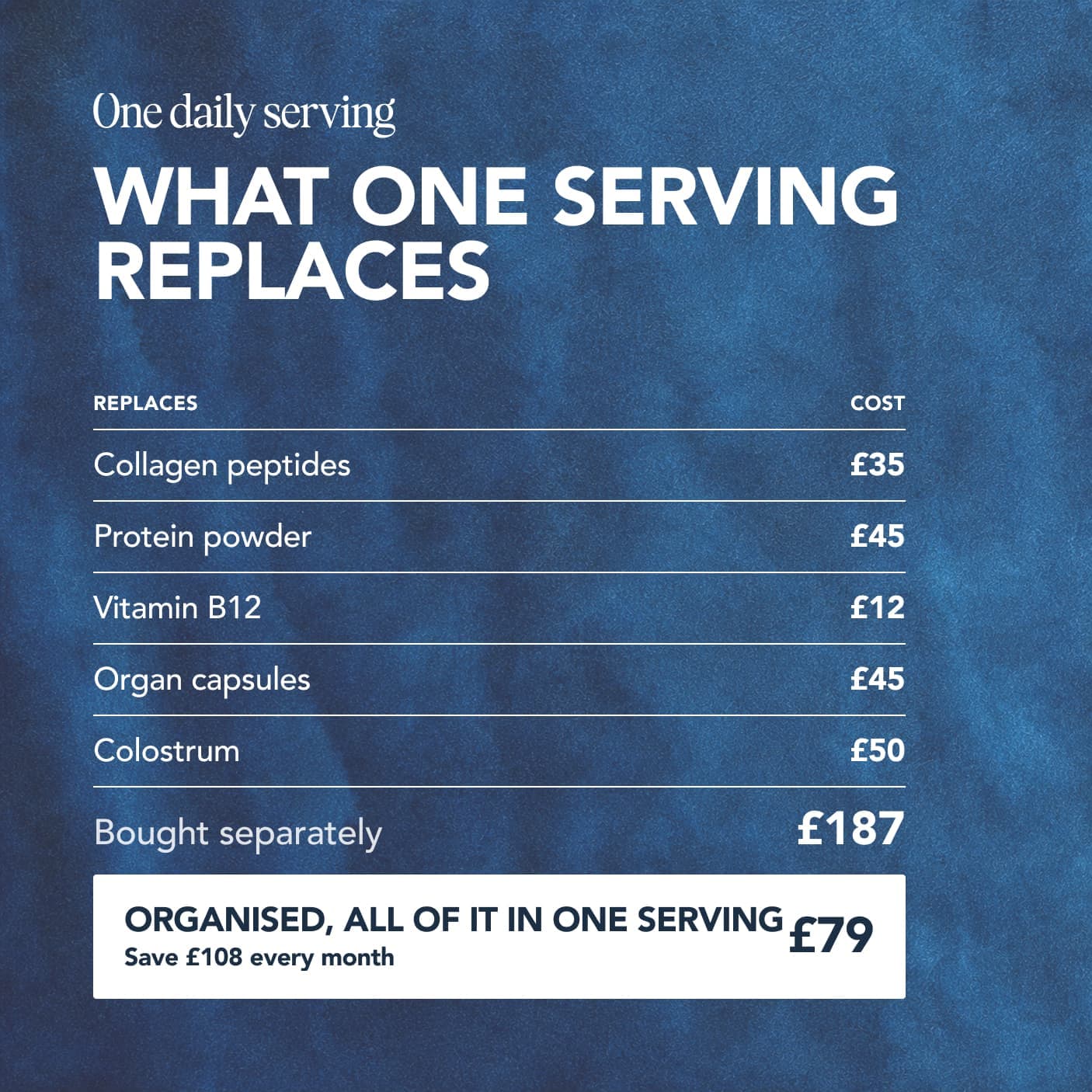
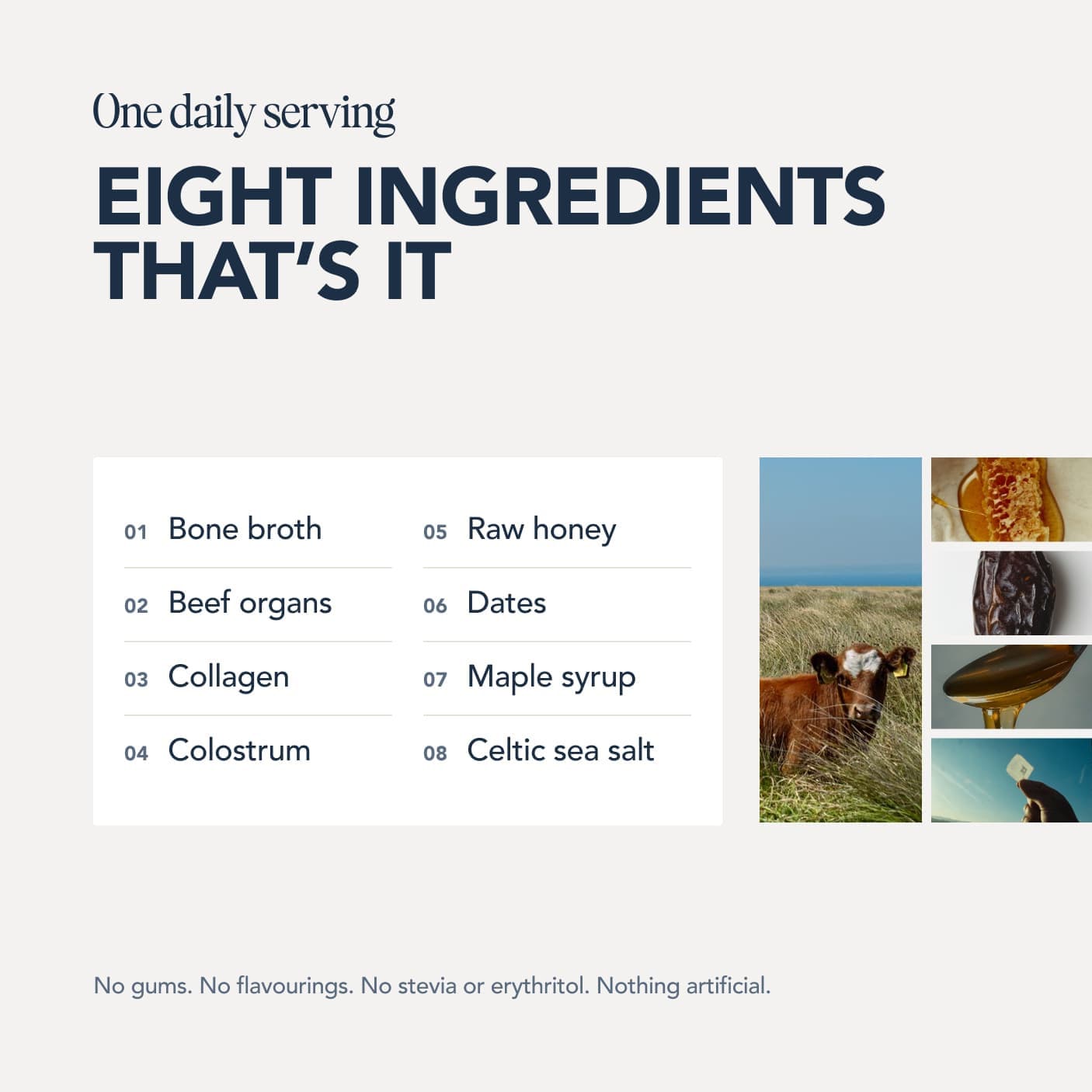
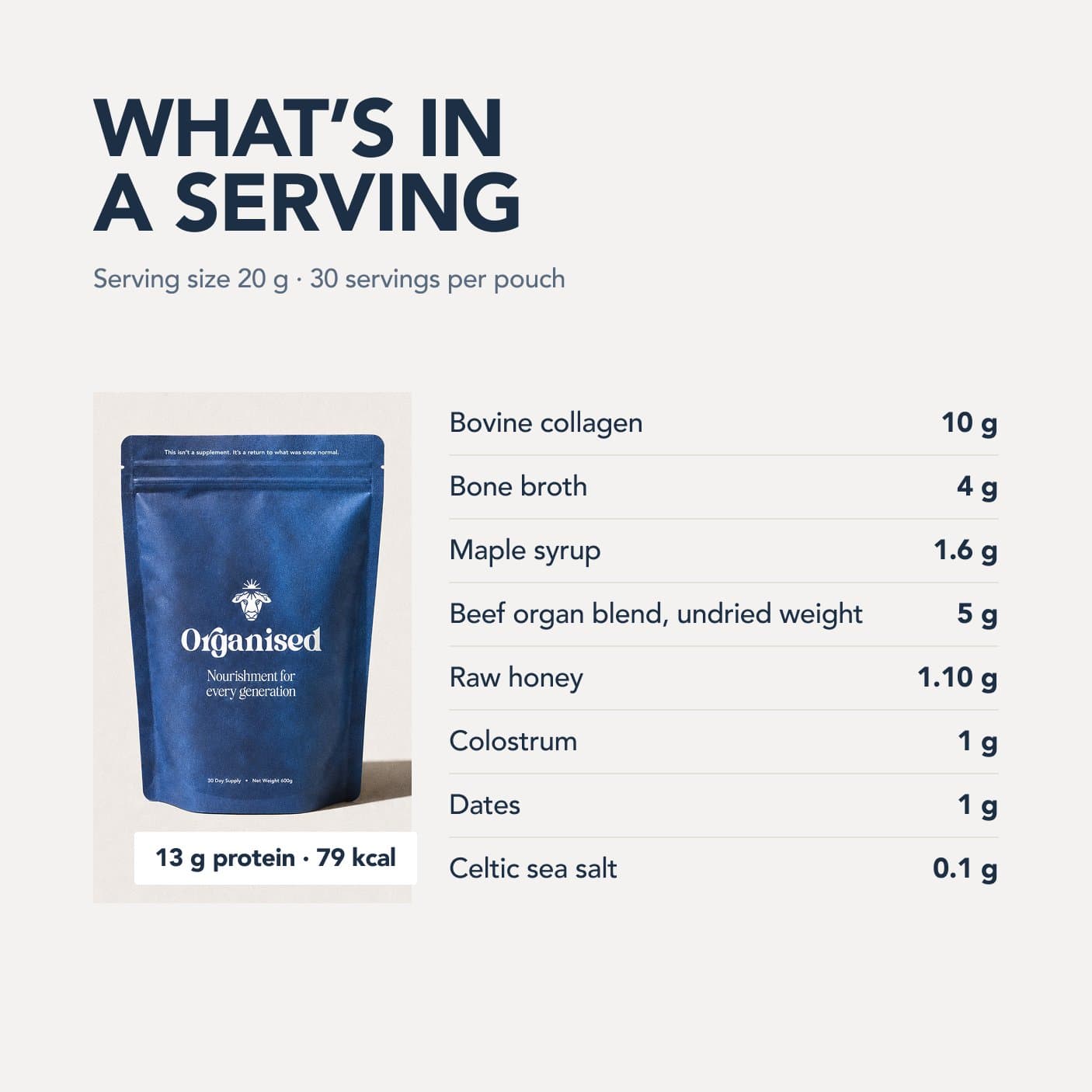
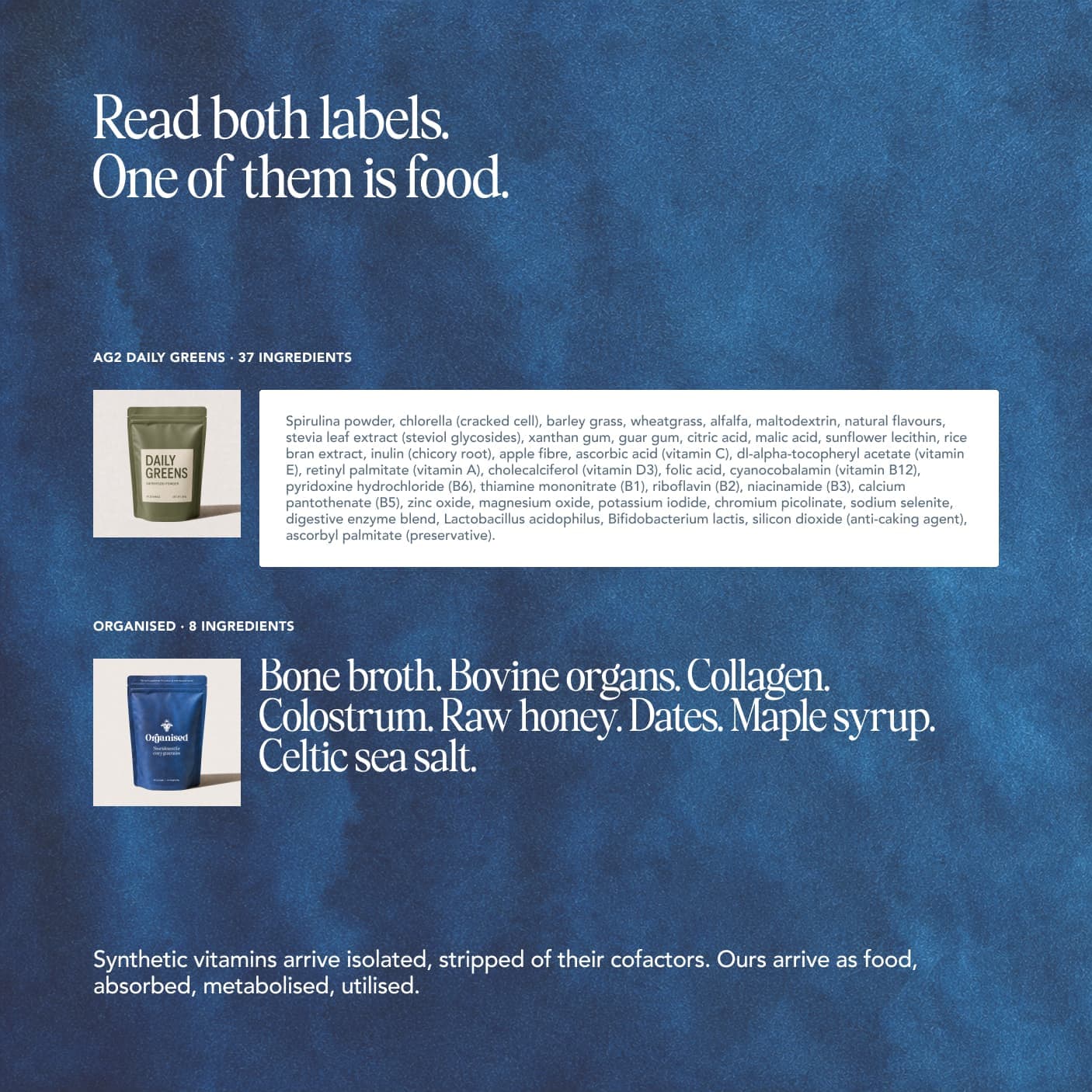
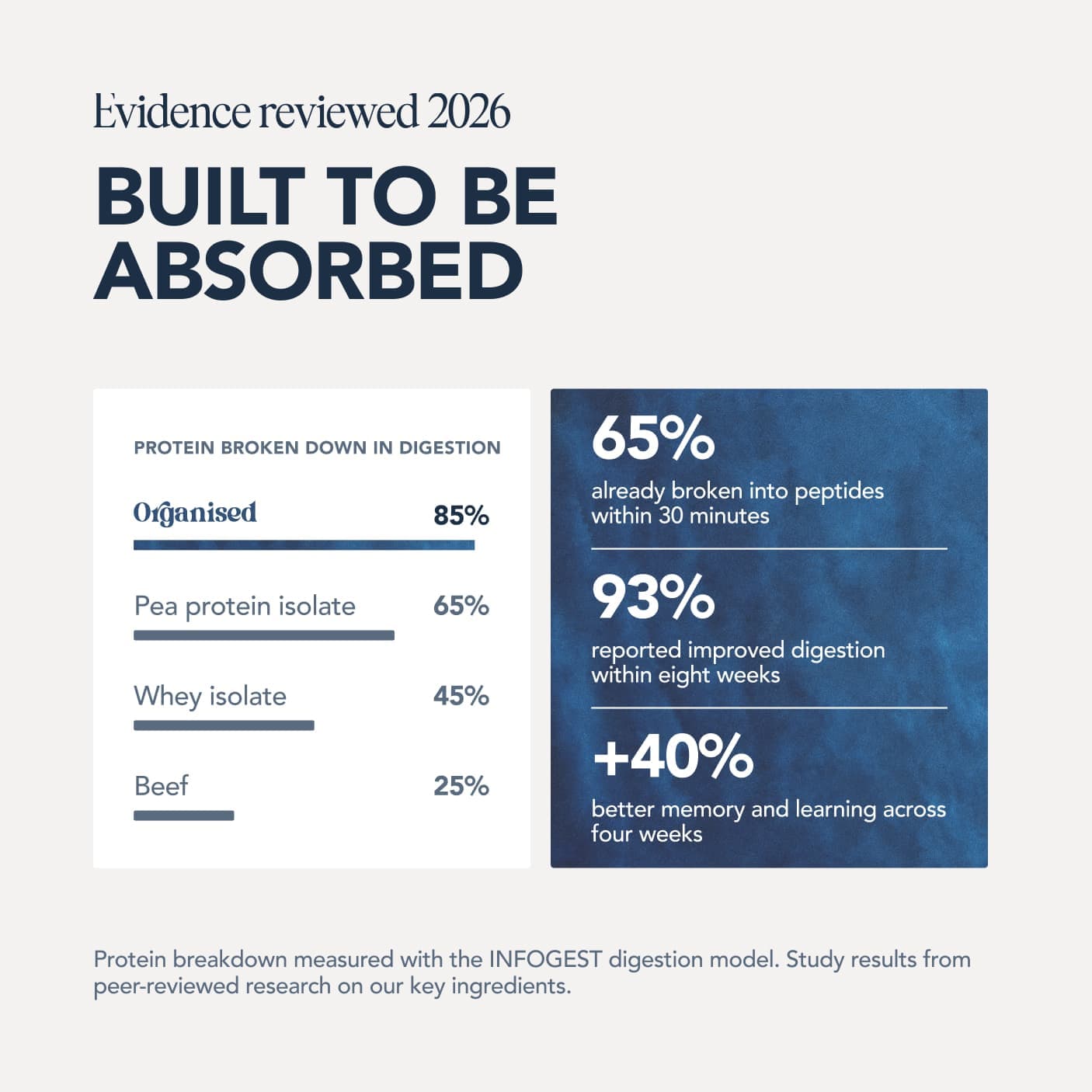
Eight real ingredients built around grass-fed beef organs, collagen and colostrum. Nothing synthetic added.
Free with your first order, worth £38. Plus £10 off the pouch with a subscription.

Free UK shipping · Made in England · 100 day money back guarantee on your first pouch · Skip, pause or cancel anytime
What each label actually costs the producer
This matters more than most people realise. A certification that costs the producer nothing is probably not setting a high bar. A certification that costs tens of thousands to maintain is probably measuring something real.
Red Tractor membership and auditing might cost a few hundred pounds per year. Pasture for Life certification costs more and requires actual evidence of grazing management. RSPCA Assured requires independent auditing, better infrastructure, and lower stocking densities, all of which costs money.
When a farmer chooses to pay for certification, they're choosing to be held accountable. The label is expensive enough that they wouldn't keep it if they weren't actually meeting the standard. This is a surprisingly useful heuristic.
By contrast, generic terms like pasture-raised or grass-fed have no cost and no enforcement. Anyone can say it. No audit required. This is why they're less trustworthy.
What to actually look for
Start with a certified label. RSPCA Assured, Red Tractor, Pasture for Life, or Soil Association. These have teeth. They're not perfect, but they mean something.
Then look for specificity. If the label says free-range, does it specify outdoor space size or actual grazing time? If it says grass-fed, does it clarify grass-finished or grain-finished? Specific claims are more trustworthy than vague ones.
Start by understanding what you're optimising for. Are you optimising for animal welfare? Pasture time? Minimal processing? Minimal antibiotic use? Environmental impact? No single label optimises for all of these. Grass-fed doesn't guarantee welfare. Organic doesn't guarantee pasture time. Free-range doesn't guarantee the pasture is any good.
Once you know what matters to you, look for the certification that matches. If welfare is your priority, RSPCA Assured or Red Tractor tells you more than grass-fed does. If you're concerned about land regeneration, Pasture for Life or Regenerative Organic Certified is more specific than organic alone.
Then check the specificity of the claims on the actual label. Good producers name the farm or the region. They list how long the animal was on pasture, the breed, the finishing method. Commodity producers give you the minimum marketing claim. The difference is obvious once you look.
Ask yourself a question: would the marketing team mention this detail if it looked bad? If the label says grass-fed but doesn't mention finishing method, that's a gap. If the package says pasture-raised but doesn't specify how much time or space, that's another gap. These gaps are where the story gets worse.
Then do the work: ask the butcher. Where did the animal come from? Can they tell you the farm? Can they describe the system? Most good farms are proud of their practice and happy to talk about it. Bad farms or commodity sourcing they can't describe.
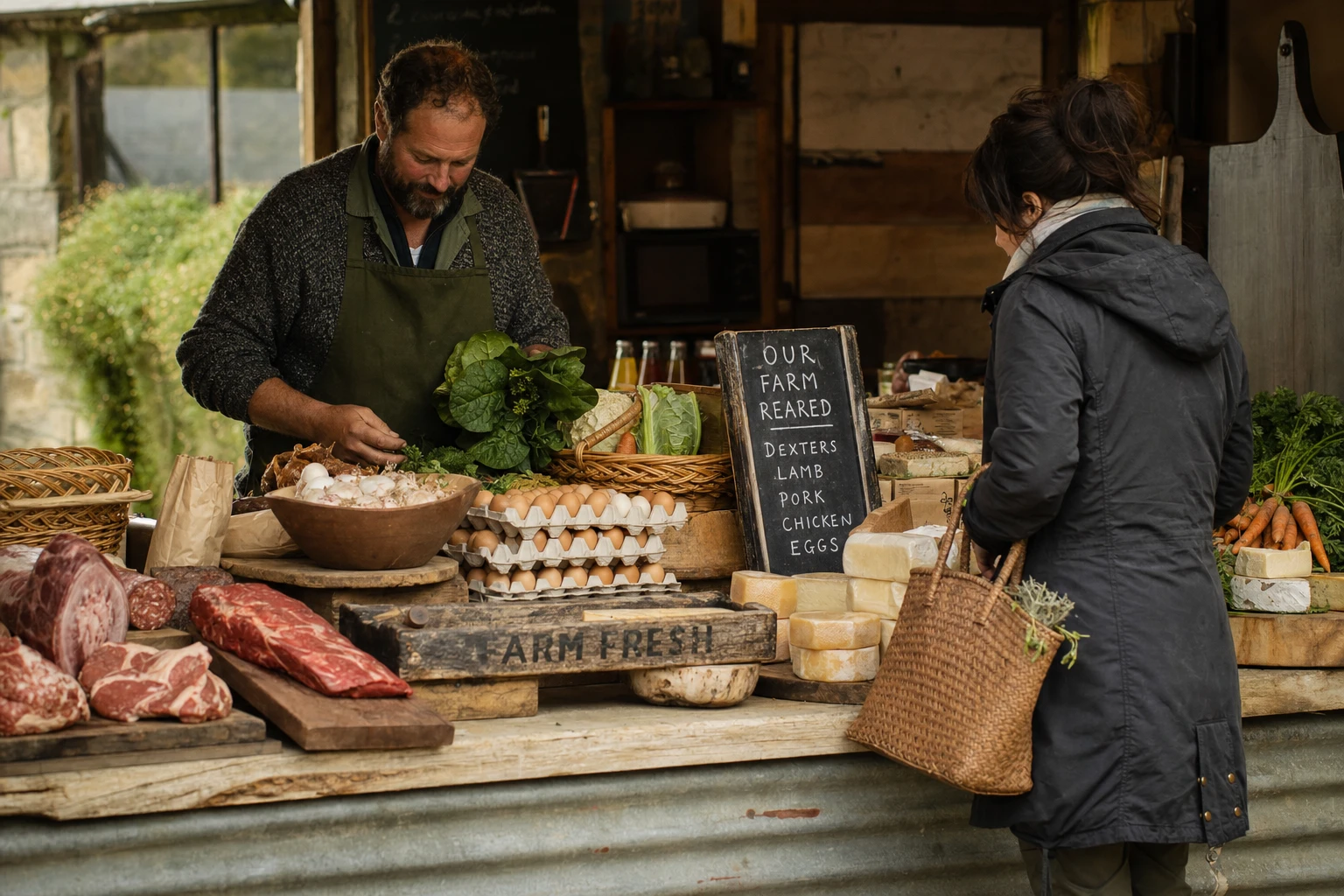
If you can, find a farm shop or farmers market. The animal behind your meat might be ten minutes away. You can visit. You can ask questions directly. Nothing beats seeing the land yourself.
The most trustworthy label is a relationship with someone who knows where the animal came from.
The bottom line
The labels tell you something. They just don't tell you everything. Grass-fed, pasture-raised, organic, free-range: all have meaning. None are lies. But all are incomplete.
Understand what each label actually says. Then look at what it doesn't say. Ask questions about the gaps. If the person selling can't answer, that gap might be the real story.
And if you can, skip the labels altogether and find someone who knows the farmer. That's the clearest answer you'll get.
References
Every source below was checked on 27 August 2026. Each link was requested and read. Where a citation and its identifier disagreed, the citation was corrected to the record or the reference was deleted along with the sentence marker that pointed at it, and where the resolved paper turned out not to support the sentence, the sentence was cut back to what it does support. Borrowed authority is worse than none, because it looks like rigour.
- RSPCA Assured. RSPCA Assured certification standards.
- Red Tractor. Red Tractor Assurance scheme.
- Pasture for Life. Pasture for Life certification.
- Soil Association. Soil Association organic standards.
Who wrote and reviewed this guide
Niall Kiddle
Author · Founder, Organised
Niall is the founder of Organised. He started the company in 2024 after fixing his own health the slow way: in 2022 he swapped a cupboard of synthetic supplements for real food, raw milk, organ meats, bone broth and honey, and felt the difference within months.
Areas of expertise: Ancestral nutrition, Organ meats, Whole-food supplementation, Gut health, Regenerative sourcing
Read Niall's full profile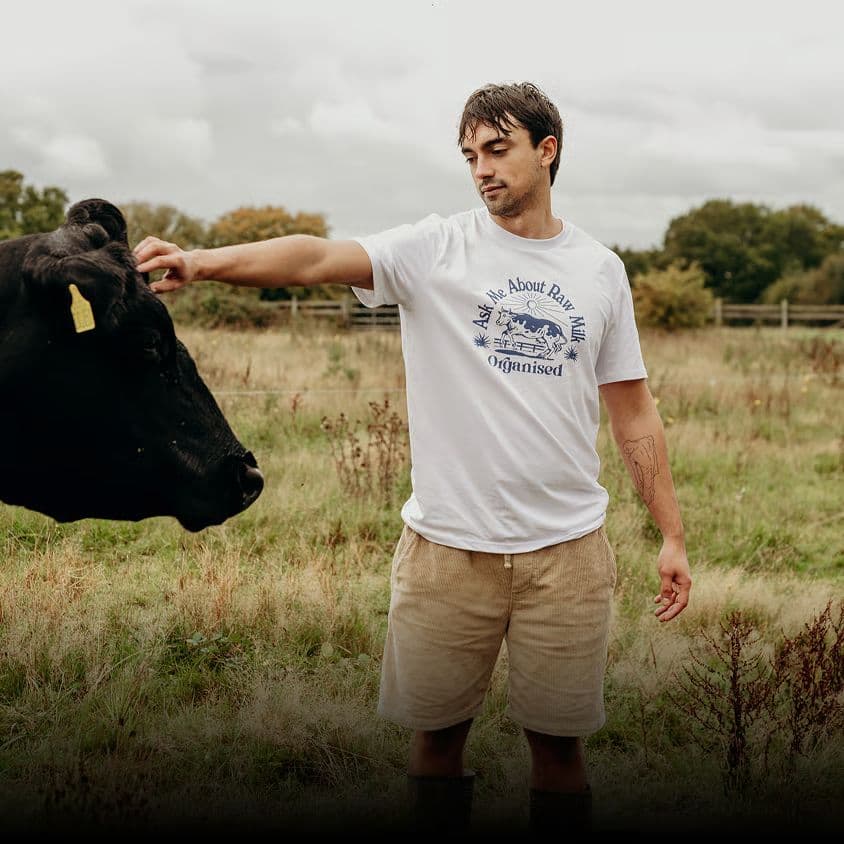
Pedro Rodrigues
Reviewer · Agronomist (farming and sourcing only)
Pedro is the agronomist Organised works with on farming and sourcing. His job on the guides is to keep the science honest: he reviews what we publish about soil health, regenerative agriculture, grazing and the way food is actually produced.
Areas of expertise: Regenerative agriculture, Agronomy, Soil health, Grass-fed farming, Food sourcing
Reviewed this guide on
Read Pedro's full profileBrowse the guides library
All guidesKeep reading
Farming
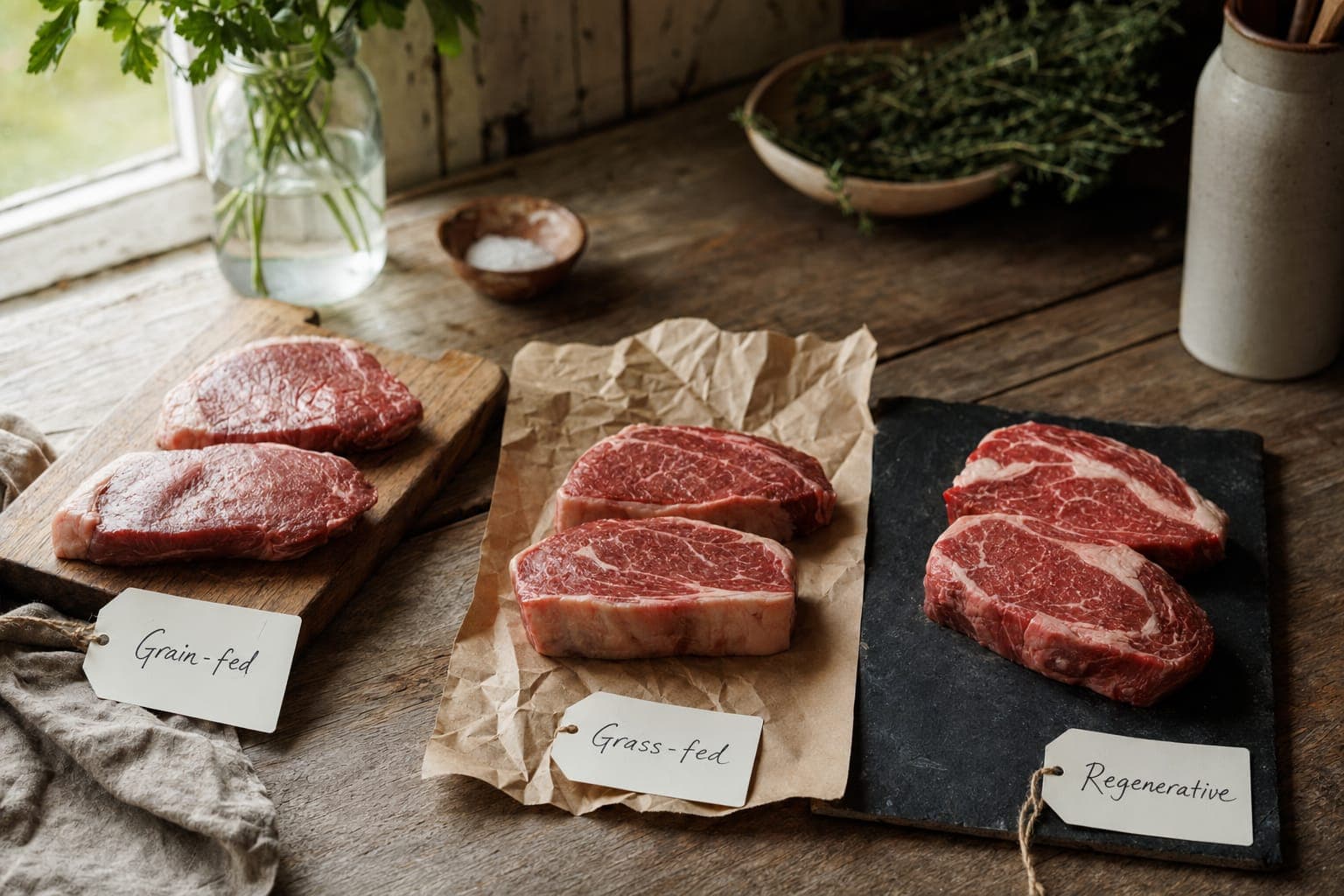
The Truth About Beef: Grain-Fed vs Grass-Fed vs Regenerative
Compare grass-fed vs grain-fed and regenerative beef on nutrition, welfare and environment. See how CLA, omega ratios and vitamins shift with how cattle live.
Farming
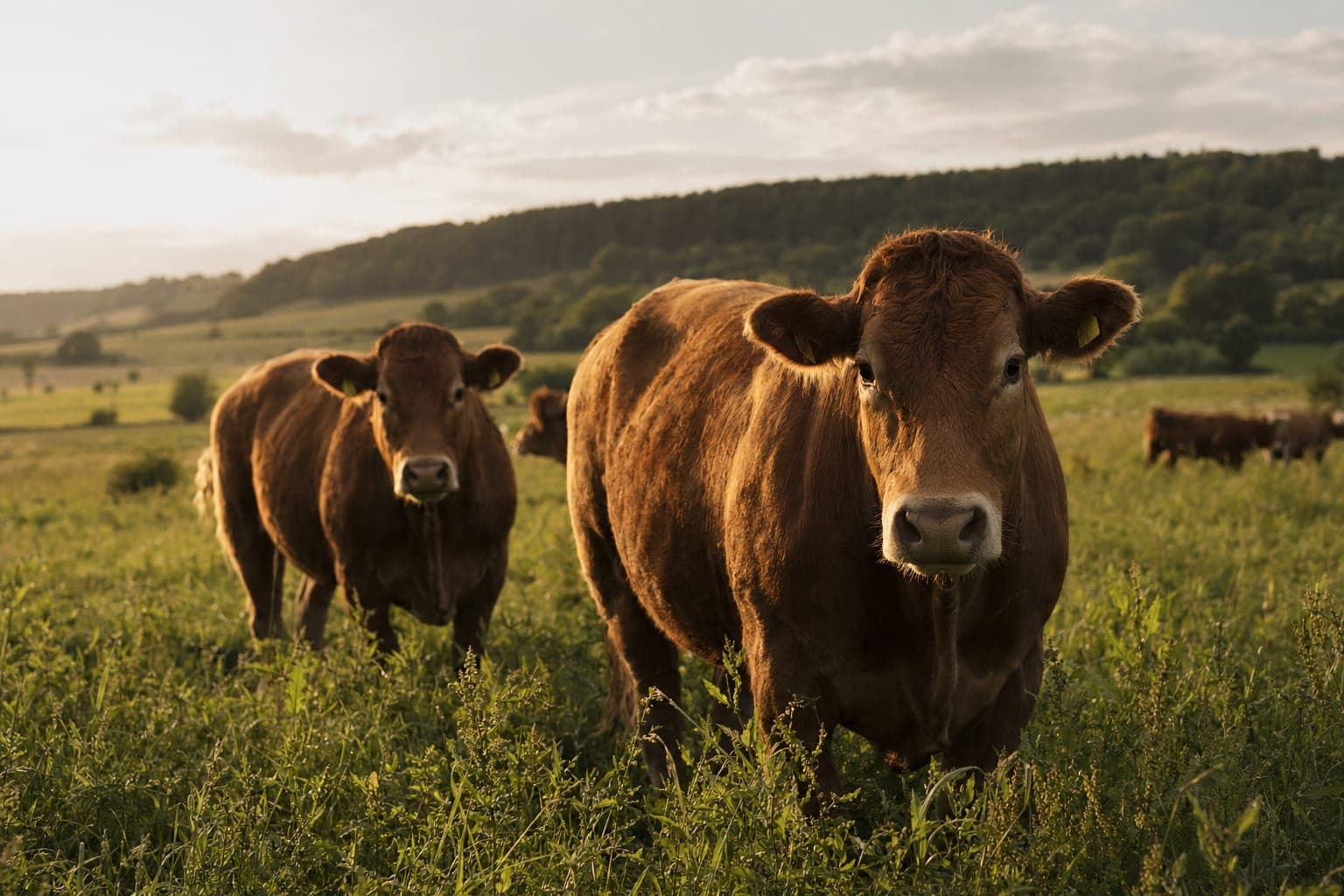
How Stress in Cattle Affects the Quality of Their Organs
Stressed cattle produce lower-quality organs and meat. Learn how animal welfare directly impacts the nutritional value of what you eat.
Farming
What 'Grass-Fed' Actually Means (And What It Doesn't)
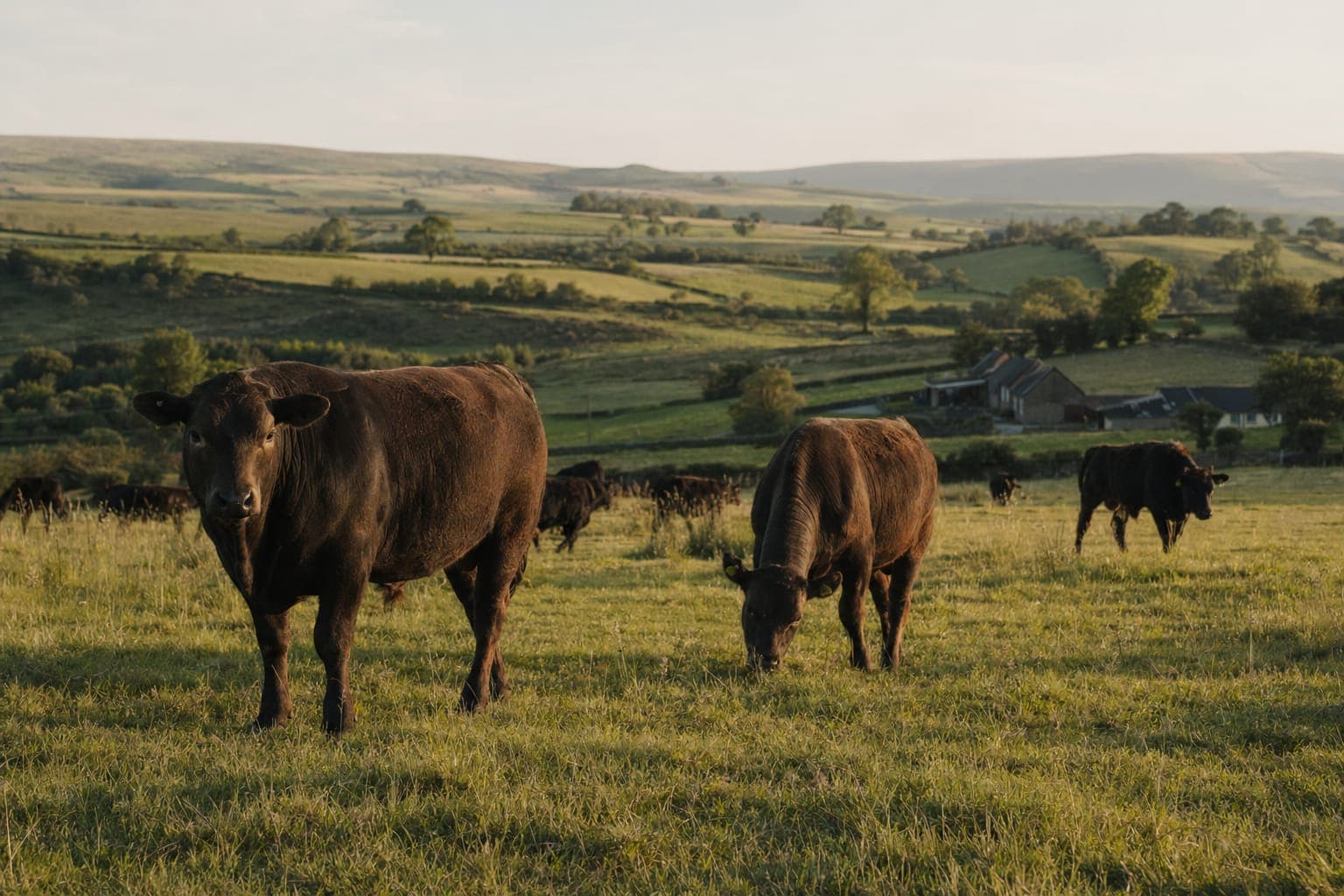
Grass-fed has vague definitions. Some cattle are grass-fed then grain-finished. Learn UK vs US standards, Pasture for Life, and what labels actually promise.
Real food, made effortless
Shop the blendA few ways to use it
All recipes
The Organised Recovery Smoothie for After Exercise
A recovery smoothie made with beef protein, raw milk, frozen berries, collagen, and honey. Optimal nutrition in the 30-minute window after exercise.
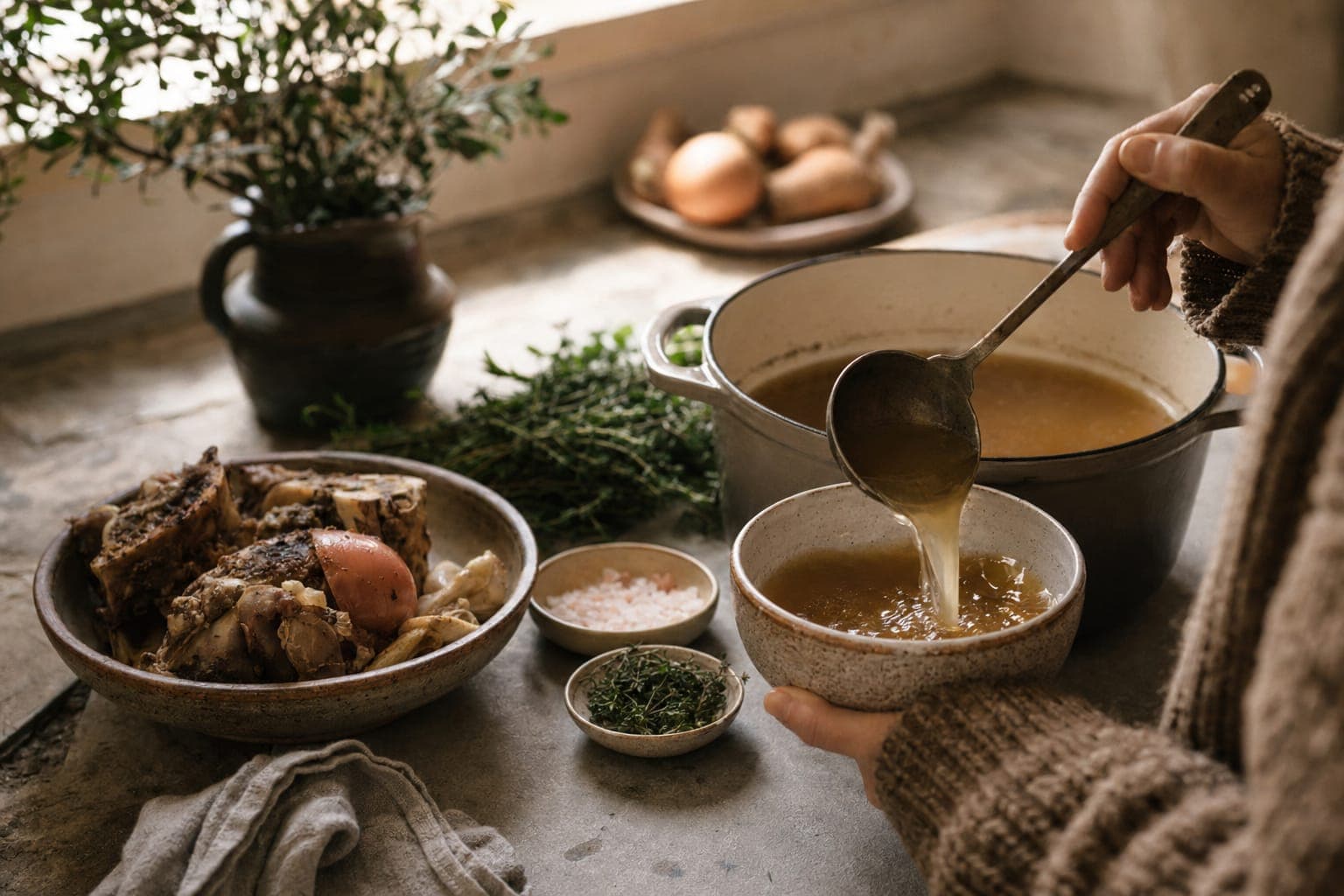
Bone Broth from Scratch: A Step-by-Step Guide
Step-by-step guide to making bone broth at home. Stovetop, slow cooker, and Instant Pot methods. Rich in collagen and gut-healing minerals.
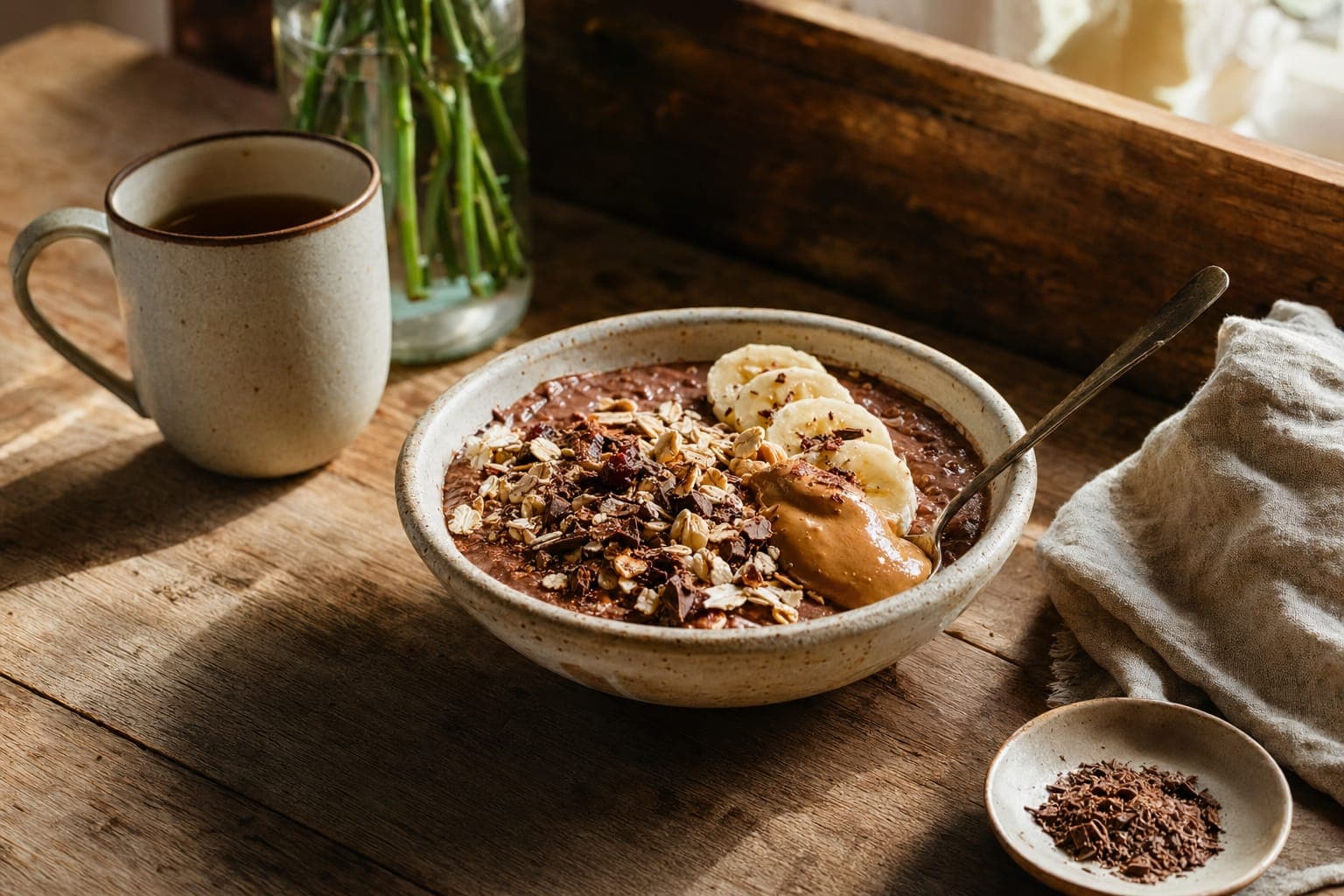
10 Ways to Use Organised That Aren't Just a Shake
Move beyond the basic shake. Discover 10 creative ways to use Organised in smoothie bowls, oats, yoghurt, baking, and more.


 Join over 100,000+ members
Build a better food system with us
The Organised community is thousands of people choosing real food and backing the farmers who grow it, all of us trying to leave the world a little better than we found it. If that is what you care about too, you belong here.