Supporting British Farmers: Why Local Sourcing Matters
UK farming is in a quiet crisis. Small farms are disappearing. Margins are collapsing. Young people are leaving rural communities because farming can't support a living anymore. This matters not just for farmers, but for food security and land stewardship. Here's what's actually happening, and why your sourcing choices matter.
By Niall Kiddle, Founder, Organised

Reviewed by Pedro Rodrigues, Agronomist (farming and sourcing only) ·
5 min read · Published · Updated · 2 cited sources
Makers of the Organised Daily blend, a grass-fed beef organ supplement from regenerative UK farms
The state of British farming
Over the last two decades, the number of small and medium farms in the UK has declined by more than 30 per cent.2 The farms that remain are either very large, industrialised operations, or they're struggling on narrow margins and ageing infrastructure. The average age of British farmers is now approaching 60. Few young people are entering the industry because the economics don't support it. This isn't a consequence of global markets or consumer demand for cheaper food. It's a direct result of commodity pricing, where farmers are paid wholesale prices for their products whilst paying retail prices for inputs. The input costs, particularly feed, fertiliser, and energy, have skyrocketed. Farm gate prices have stagnated for years.
A farmer today makes less per animal than a farmer did in 1990, whilst input costs have tripled. The maths simply doesn't work.
The pressure on farm economics
Consider a beef farm running 100 cattle. The farmer spends roughly £300 per animal per year on feed, veterinary care, land maintenance, and fuel. They sell the animal at market for approximately £800. The gross return is £500 per animal per year. For 100 cattle, that's £50,000 annually. Before labour, equipment maintenance, debt servicing, and land costs. After those, there's no profit. There's survival. A regenerative farm practising rotational grazing and producing high-quality meat can command premium prices, sometimes £1,200 to £1,500 per animal. That changes the equation completely. The farm becomes viable. The farmer can afford to invest in infrastructure, employ help, and plan for the future. Most farms can't access those premium markets. They're locked into commodity chains where they're price-takers, not price-makers. When the farm can't make money, the farmer borrows. When interest rates rise, the debt becomes unsustainable. When the farm becomes unviable, it's sold for development or absorbed into a larger industrial operation.
What happens when farms disappear
When small farms disappear, rural communities lose economic engines. Schools close. Shops close. Young people leave because there's no work and no future. The land itself changes hands. Once a farm is sold to a developer or a large industrial operation, it rarely reverts to small-scale farming. The pattern is one-directional. From a food security perspective, this is dangerous. The UK currently produces around 60 per cent of its own food.1 The rest is imported. If we lost the farming infrastructure we have now, we'd lose the ability to feed ourselves. We'd be entirely dependent on international supply chains vulnerable to climate shocks, political disruption, and global price volatility. Regenerative farming also builds soil. Industrial monoculture depletes it. A farmer practising rotational grazing is increasing soil organic matter, carbon sequestration, and long-term land health. That farmer is performing a public good with no economic reward. The economics need to change to keep those farmers farming.
How whole-animal sourcing helps
When organs, bones, and every part of the animal are valued and sold separately, the economic return to the farmer changes dramatically. Instead of selling a carcass at market for a fixed weight, the farmer sells organs to premium buyers, meat to restaurants, bones to broths, hides to leatherworkers. The total economic return per animal doubles or triples. That's the traditional system. That's what regenerative farms are returning to. When you source organs specifically, you're capturing value that used to be wasted or thrown away. You're making whole-animal farming economically viable.
Whole-animal utilisation isn't just ethical. It's the economic foundation that makes regenerative farming possible.
Local sourcing as economic support
When you buy from a local farm directly, or from a brand committed to local sourcing, you're sending an economic signal. You're telling that farmer their approach works. You're creating a revenue stream that doesn't depend on commodity prices. You're funding their investment in better grazing infrastructure, in soil testing, in longer-term planning. That's not charity. You're buying a product you want at a price that reflects its actual value. The farmer is receiving a fair price for their work. The system becomes sustainable. Your purchasing power directly supports the economics that keep these farms viable.
Get farming and sourcing guides, free
Two short reads a week on regenerative farming and where real food comes from.
By signing up you agree to receive emails from us. No spam, unsubscribe anytime.
What you can do as a consumer
Source from farms and brands committed to UK sourcing. Ask where your meat comes from. Ask about grazing practices. Support farmers markets and direct-to-consumer sales where the economic relationship is clear. Prioritise whole-animal products, including organs, bone broth, and gelatine, so the farmer captures value from every part. Buy less but better. One good steak from a grazing farm is worth more, economically and nutritionally, than three cheap steaks from industrial production. That single purchasing choice, multiplied across thousands of people, keeps farms viable.
Whole-animal utilisation and the economics of farming
UK beef farming has consolidated. Fewer farms, larger herds, tighter margins. A cattle farmer raising 200 head makes less profit per animal than they did 20 years ago. The economic pressure is constant.
Organ demand changes this equation slightly. A slaughterhouse will process organs anyway. If demand is zero, they are waste. If demand is high, they are sold for animal feed or low-value processing. If demand is premium (as it is for human consumption of grass-fed organs), suddenly the economics shift. An animal that was marginal becomes profitable enough to keep in the herd.
This is why whole-animal utilisation matters. It is not a moral virtue. It is an economic reality. Premium demand for organs supports the viability of smaller farms that would otherwise consolidate or disappear.
Your demand for organs is literally supporting farms that would otherwise fail.
1 of 9
Daily blend
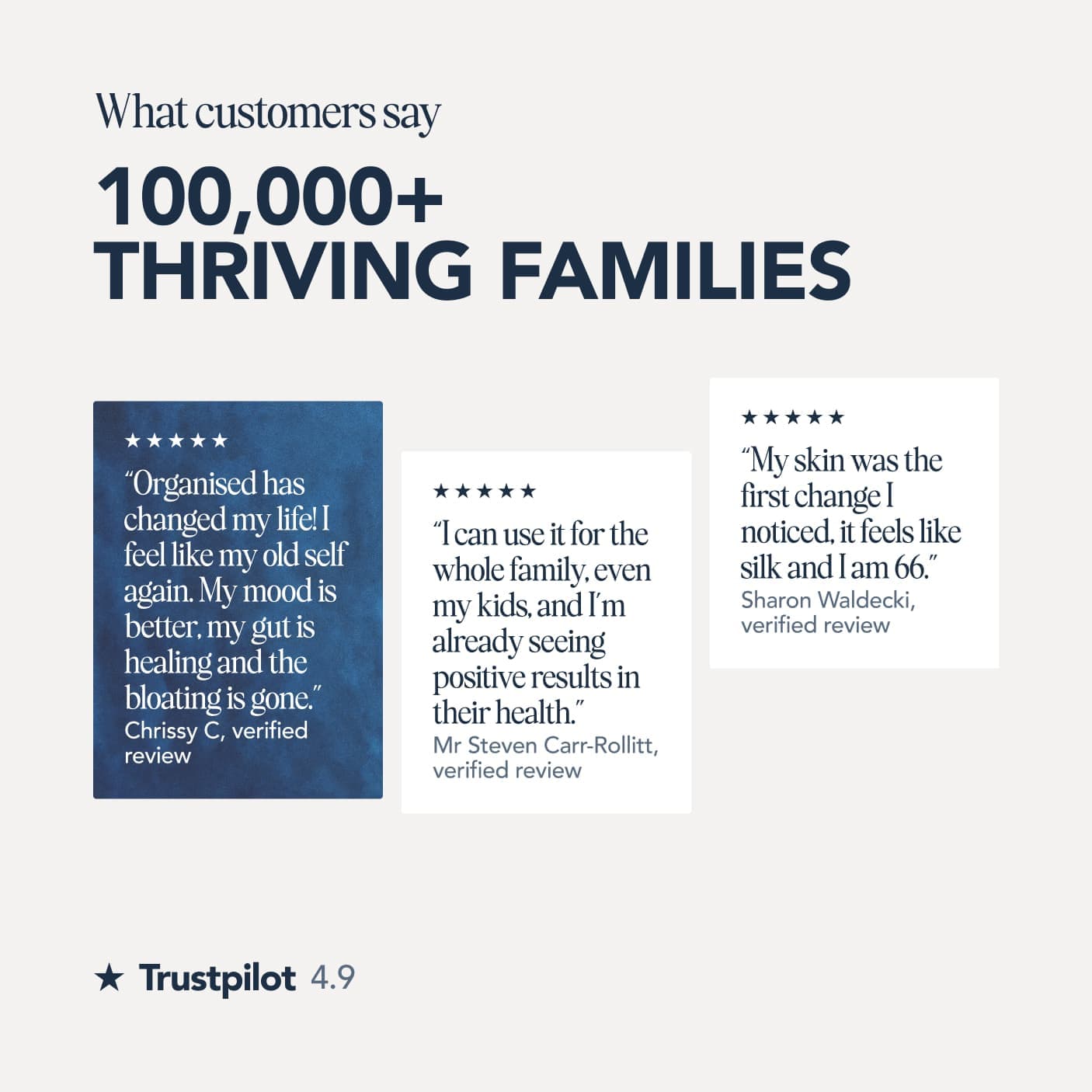
100,000+ thriving families4.9 on Trustpilot
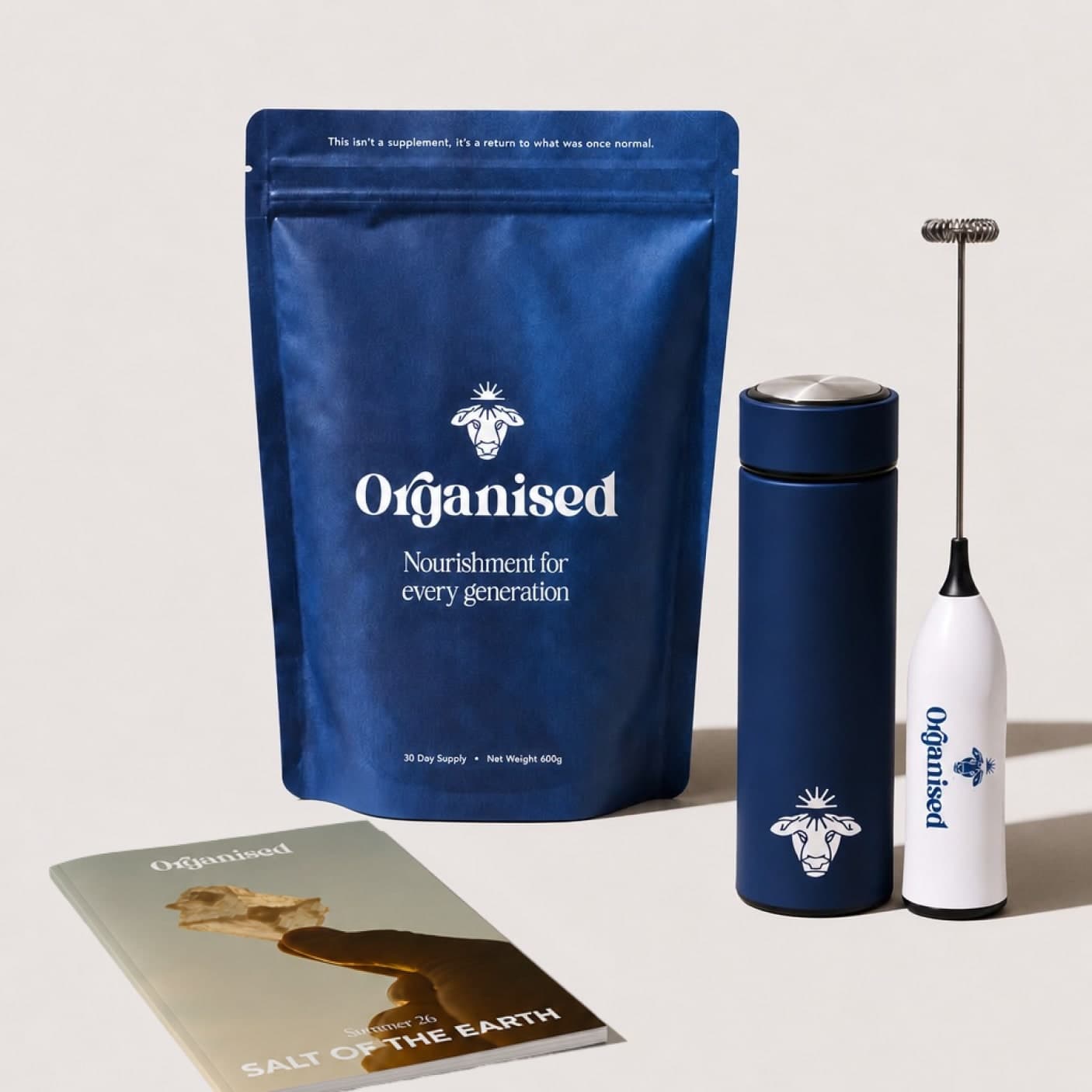
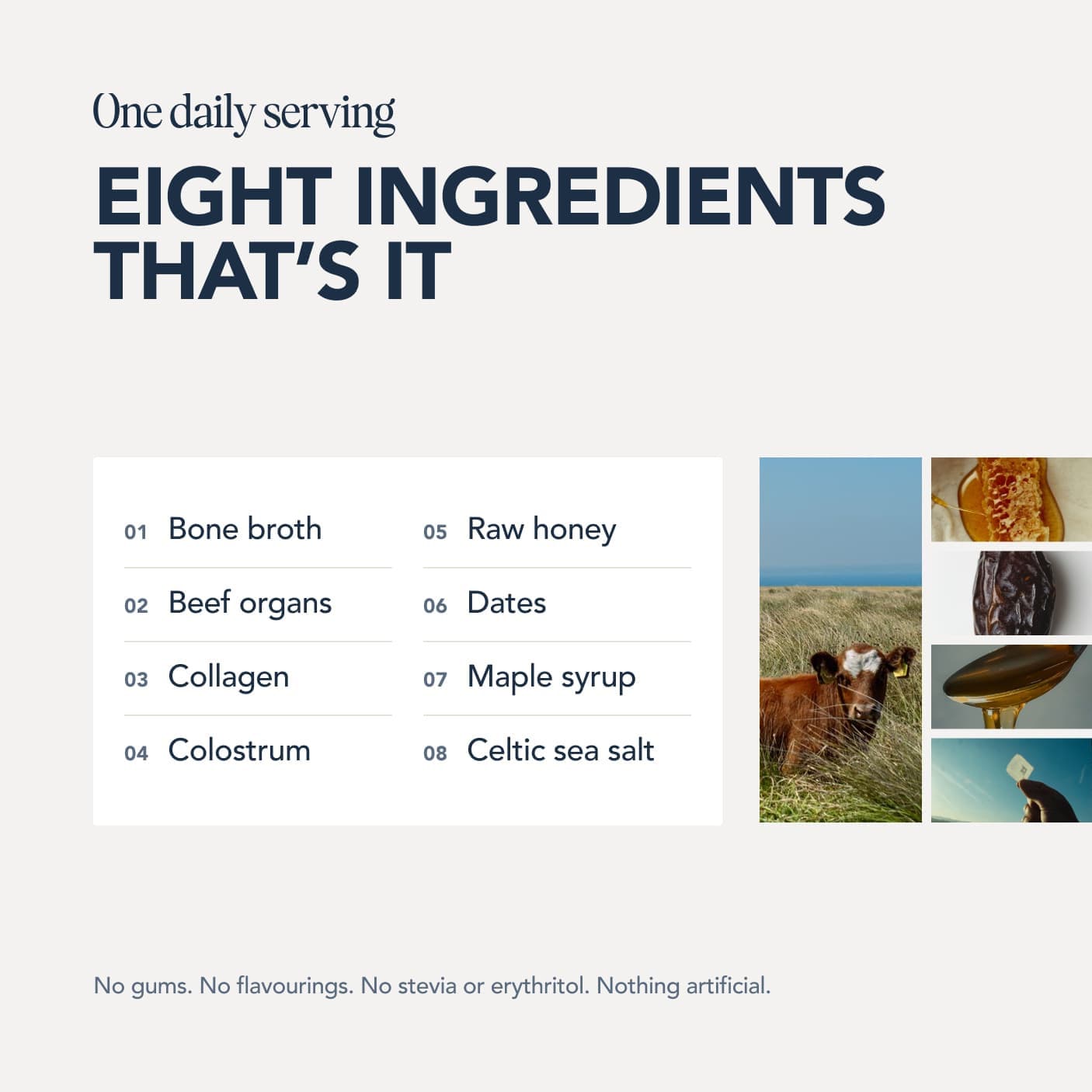
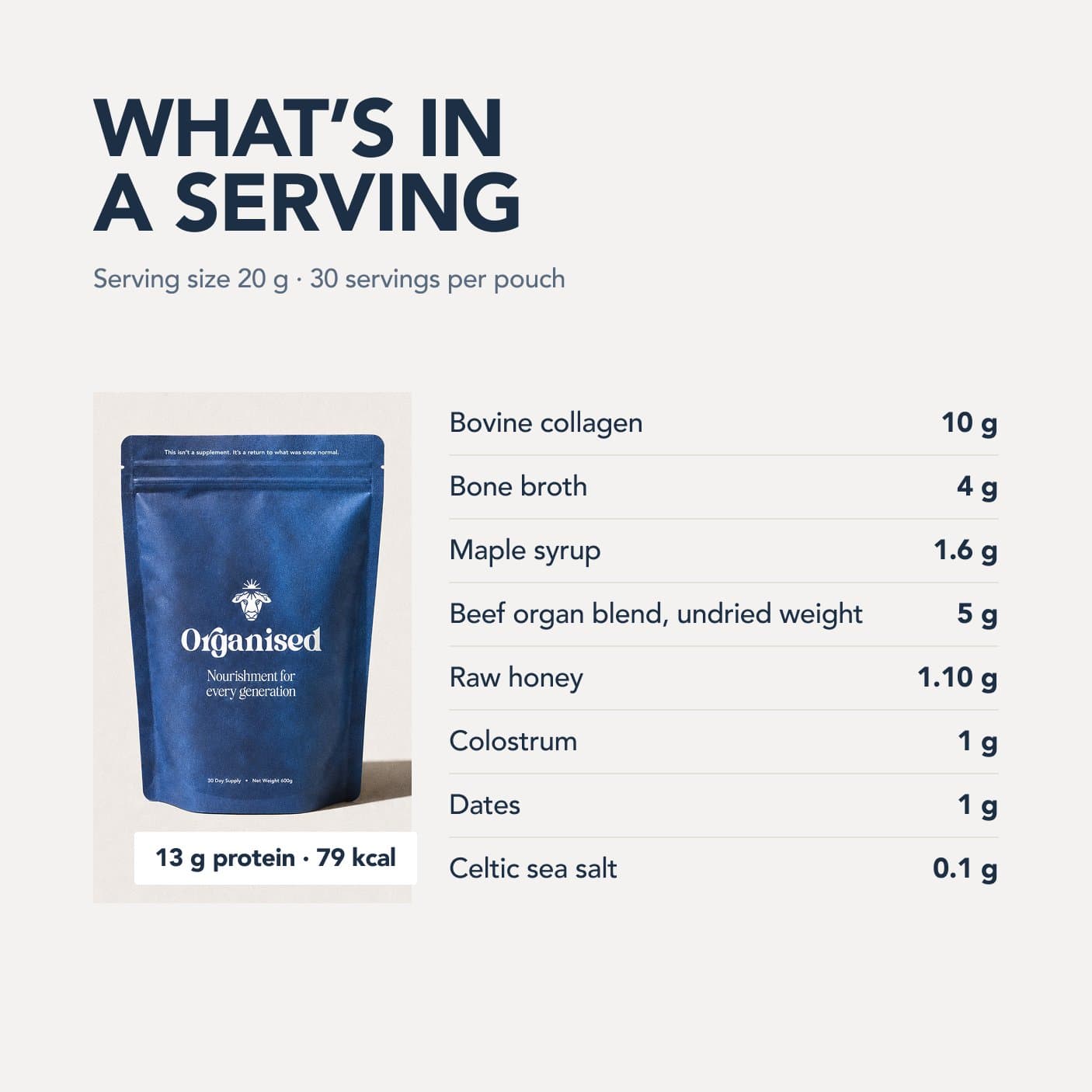
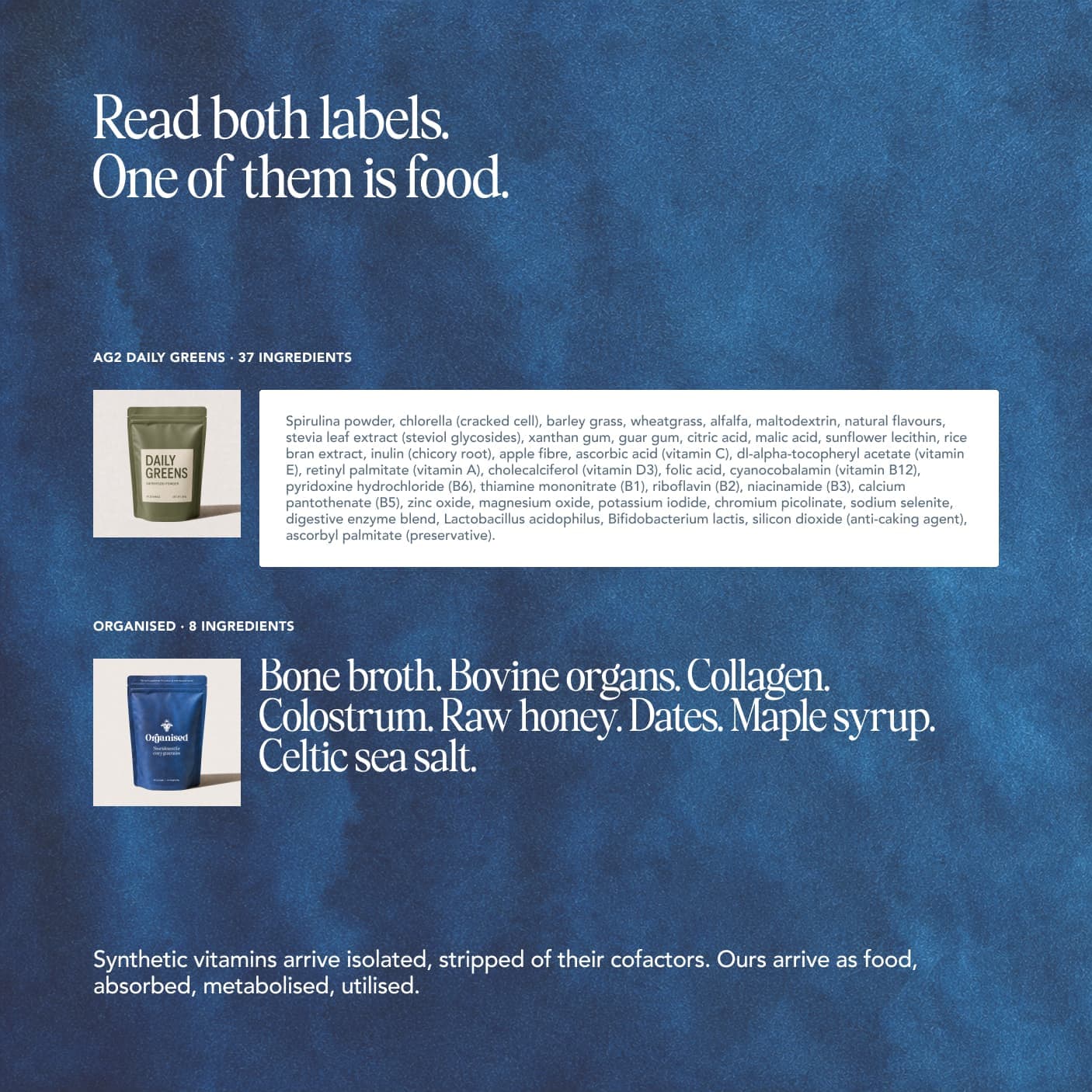
Eight real ingredients built around grass-fed beef organs, collagen and colostrum. Nothing synthetic added.
Free with your first order, worth £38. Plus £10 off the pouch with a subscription.
Free UK shipping · Made in England · 100 day money back guarantee on your first pouch · Skip, pause or cancel anytime
Land as an asset and a responsibility
UK farmland is managed. It is used. It is worked. Supporting British farmers means supporting land stewardship. UK farmers are responsible for over 17 million hectares of land.1 The way they manage that land affects soil quality, water systems, biodiversity, and carbon sequestration for decades.
Cheap commodity farming extracts from the land. Regenerative farming invests in the land. When you buy from farms practising regenerative management, you are paying for land improvement, not land extraction.
This costs more. It takes longer to see results. But it is the only sourcing approach that actually improves the asset you depend on.
Supporting British farmers is supporting the future of British land.
The bottom line
British farming is solvable. The solution isn't government intervention or quotas or subsidies. It's restoring economic viability to small and medium farms by creating direct relationships between producers and consumers who value quality and transparency. Your sourcing choices are part of that solution. When you choose local, you're not being sentimental. You're being strategic about food security and land stewardship.
References
Every source below was checked on 27 August 2026. Each link was requested and read. Where a citation and its identifier disagreed, the citation was corrected to the record or the reference was deleted along with the sentence marker that pointed at it, and where the resolved paper turned out not to support the sentence, the sentence was cut back to what it does support. Borrowed authority is worse than none, because it looks like rigour.
- Department for Environment, Food and Rural Affairs (Defra). Agriculture in the United Kingdom 2023. https://www.gov.uk/government/statistics/agriculture-in-the-united-kingdom-2023 [accessed May 2026].
- Department for Environment, Food and Rural Affairs (Defra). Structure of the agricultural industry in England and the UK at June. https://www.gov.uk/government/statistical-data-sets/structure-of-the-agricultural-industry-in-england-and-the-uk-at-june [accessed May 2026].
Who wrote and reviewed this guide
Niall Kiddle
Author · Founder, Organised
Niall is the founder of Organised. He started the company in 2024 after fixing his own health the slow way: in 2022 he swapped a cupboard of synthetic supplements for real food, raw milk, organ meats, bone broth and honey, and felt the difference within months.
Areas of expertise: Ancestral nutrition, Organ meats, Whole-food supplementation, Gut health, Regenerative sourcing
Read Niall's full profile
Pedro Rodrigues
Reviewer · Agronomist (farming and sourcing only)
Pedro is the agronomist Organised works with on farming and sourcing. His job on the guides is to keep the science honest: he reviews what we publish about soil health, regenerative agriculture, grazing and the way food is actually produced.
Areas of expertise: Regenerative agriculture, Agronomy, Soil health, Grass-fed farming, Food sourcing
Reviewed this guide on
Read Pedro's full profileMore on uk sourcing
View allBrowse the guides library
All guidesKeep reading
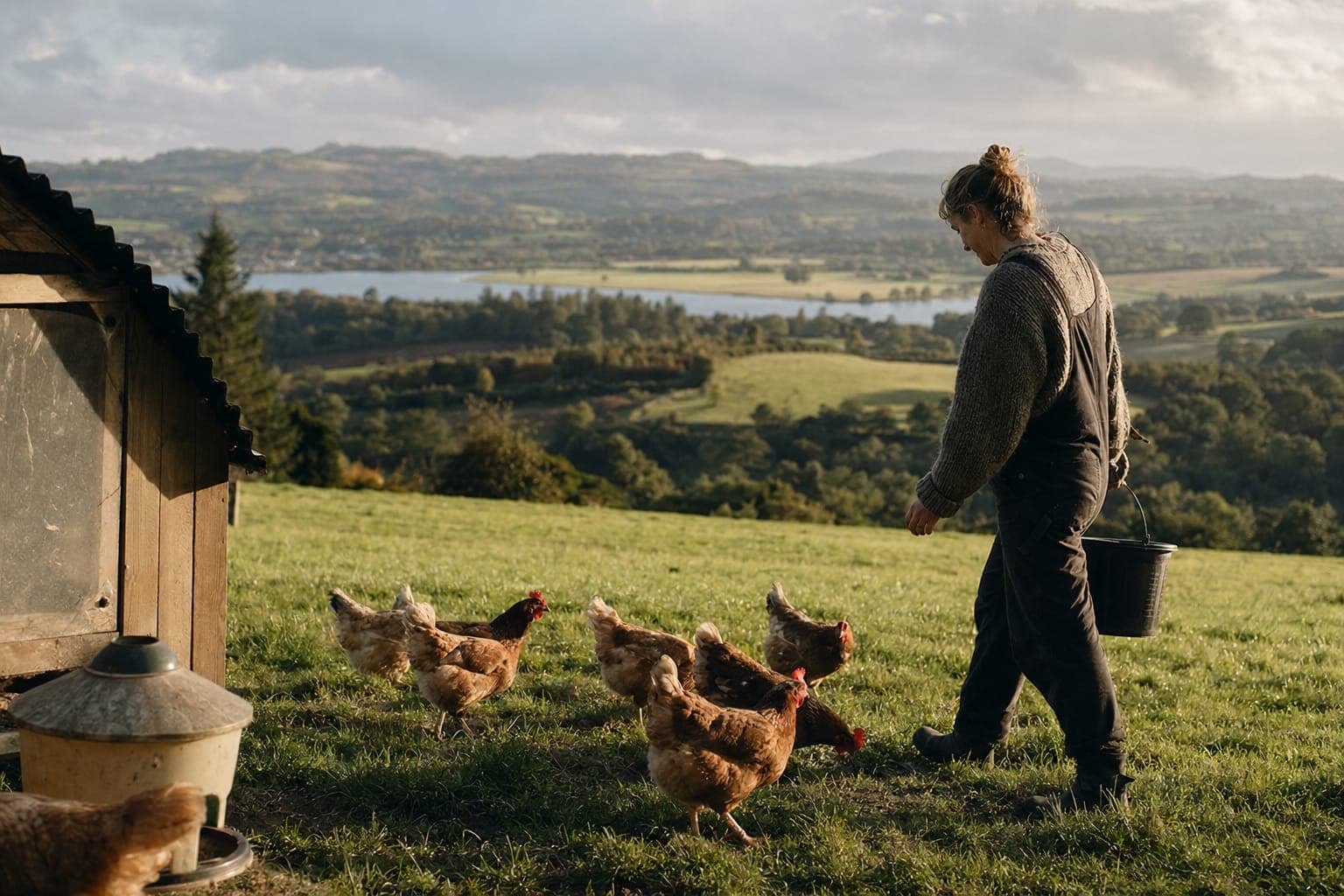
Farming
Why We Source Our Organs from UK Farms
We source all our organ products from UK farms. Here's why traceability, welfare, and local sourcing matter for ancestral nutrition.
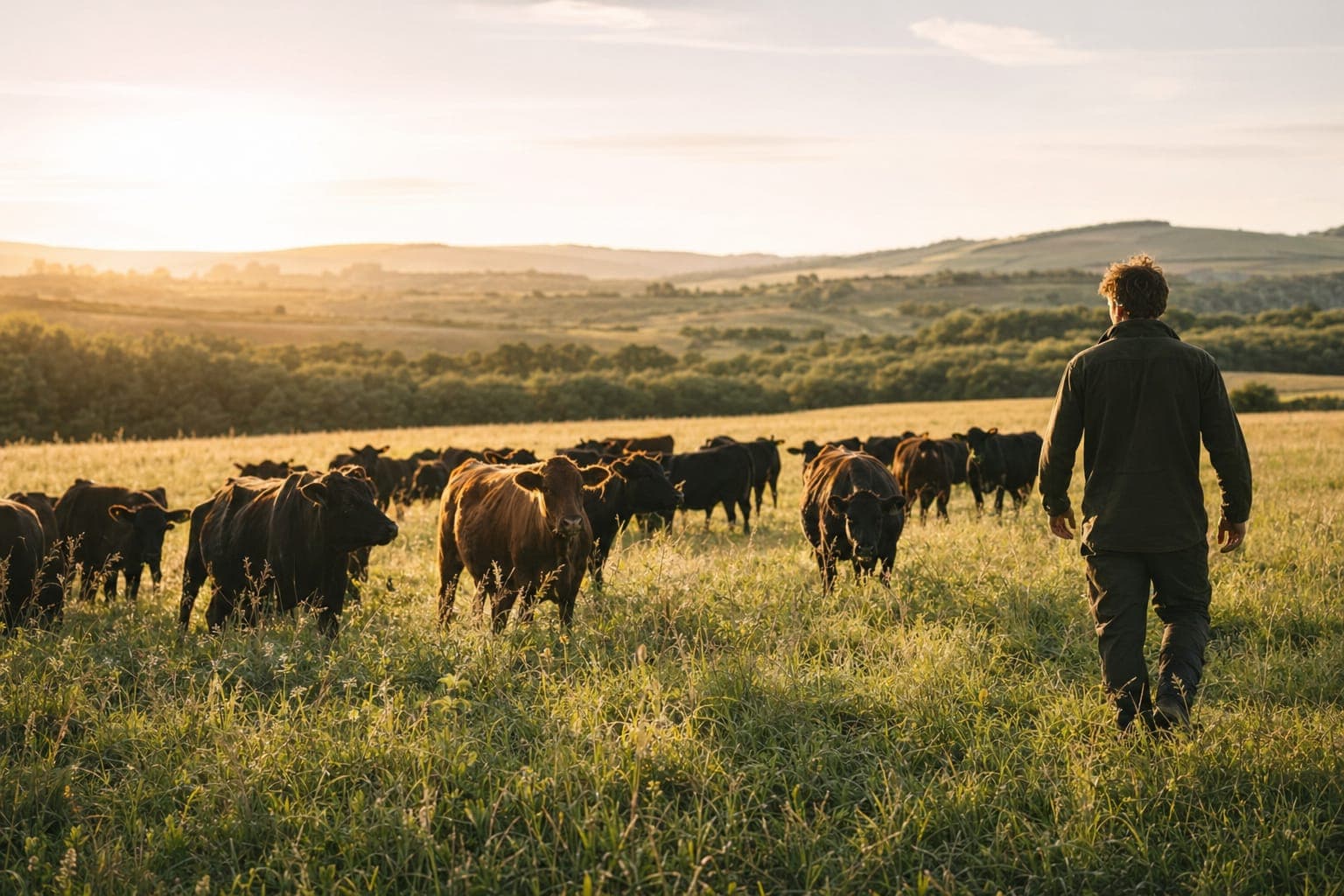
Farming
No mRNA Vaccines, No Bovaer, No Hormones: Our Sourcing Standards
We exclude mRNA vaccines, Bovaer, and hormones from our cattle sourcing. Here is our reasoning and what we choose instead.
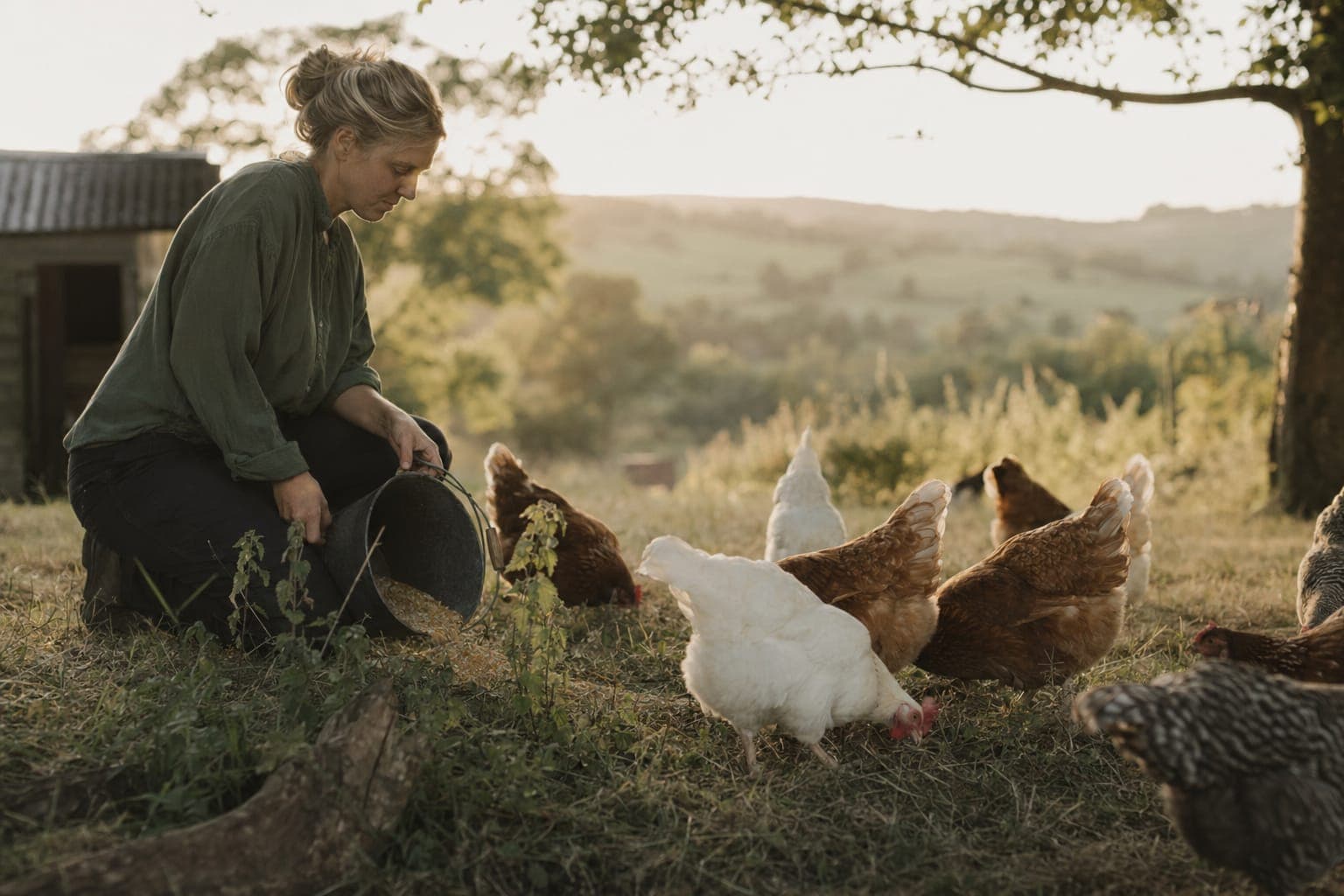
Farming
The Organised Code: Our Non-Negotiable Standards
Discover Organised's non-negotiable standards for sourcing, quality, and transparency. How we decide what makes it into the pouch.
Real food, made effortless
Shop the blendA few ways to use it
All recipes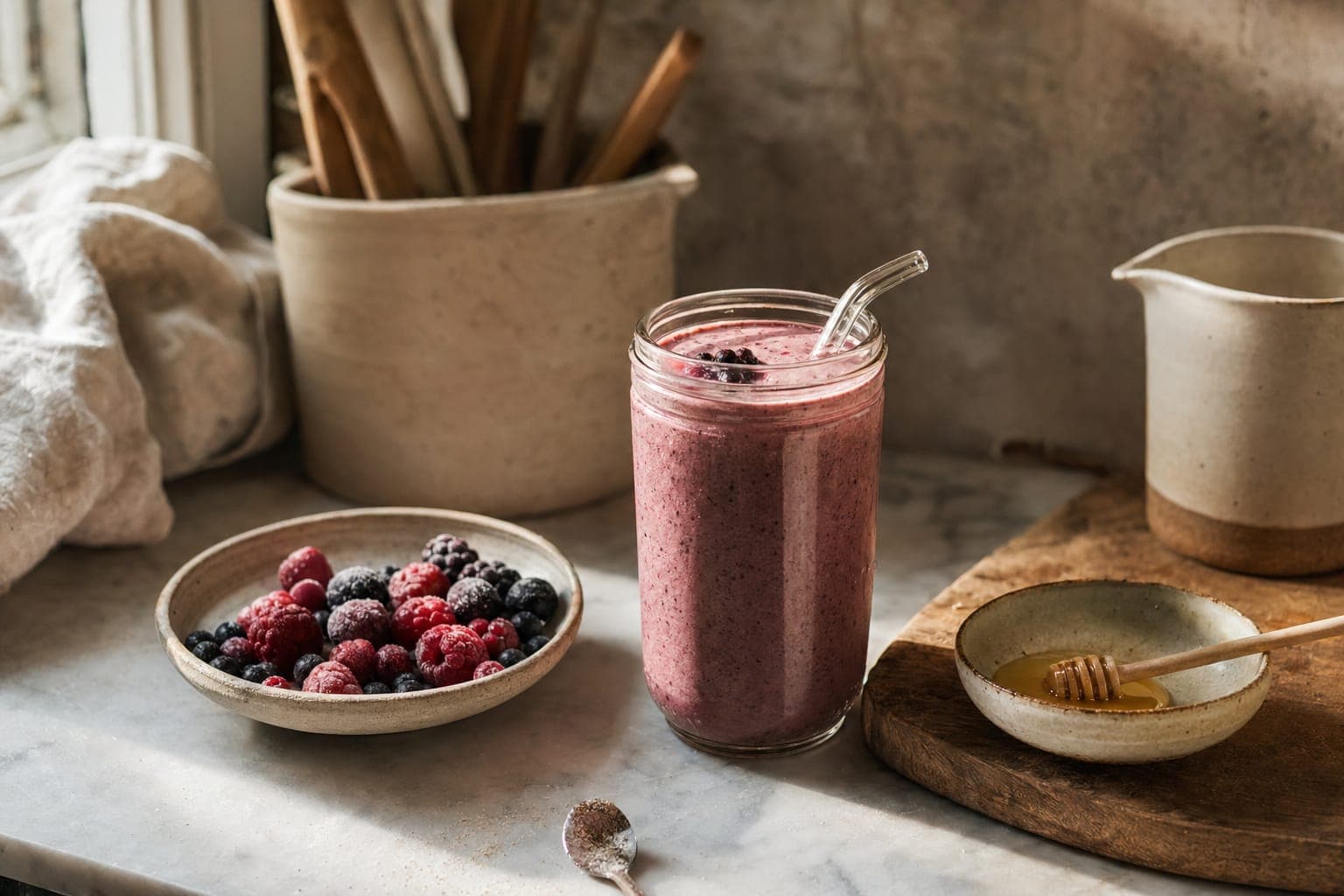
The Organised Recovery Smoothie for After Exercise
A recovery smoothie made with beef protein, raw milk, frozen berries, collagen, and honey. Optimal nutrition in the 30-minute window after exercise.
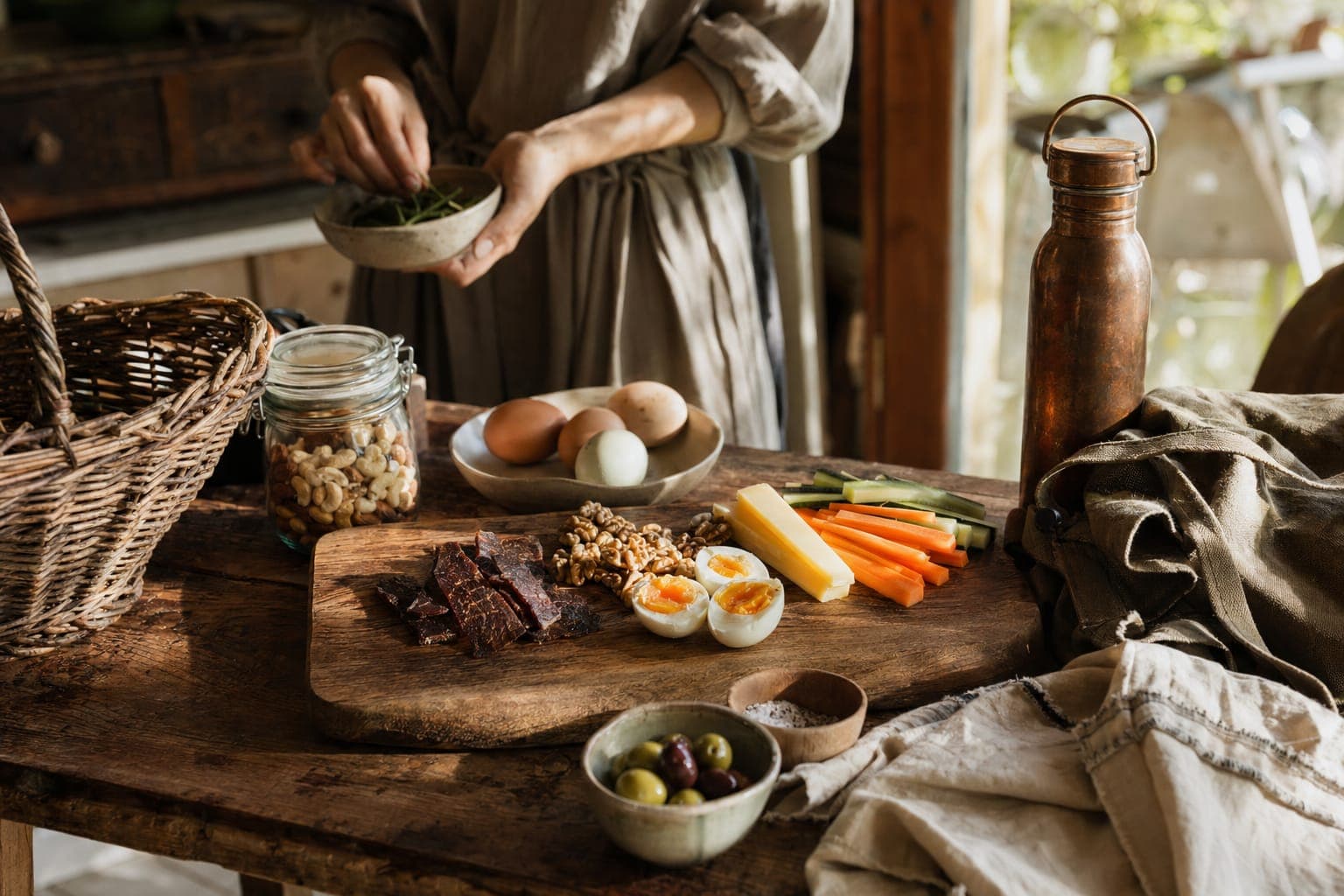
Whole Food Snacks for Busy Days
Practical whole food snacks that travel well and sustain energy. No refined carbs, no seed oils. Real food options for when you're busy.
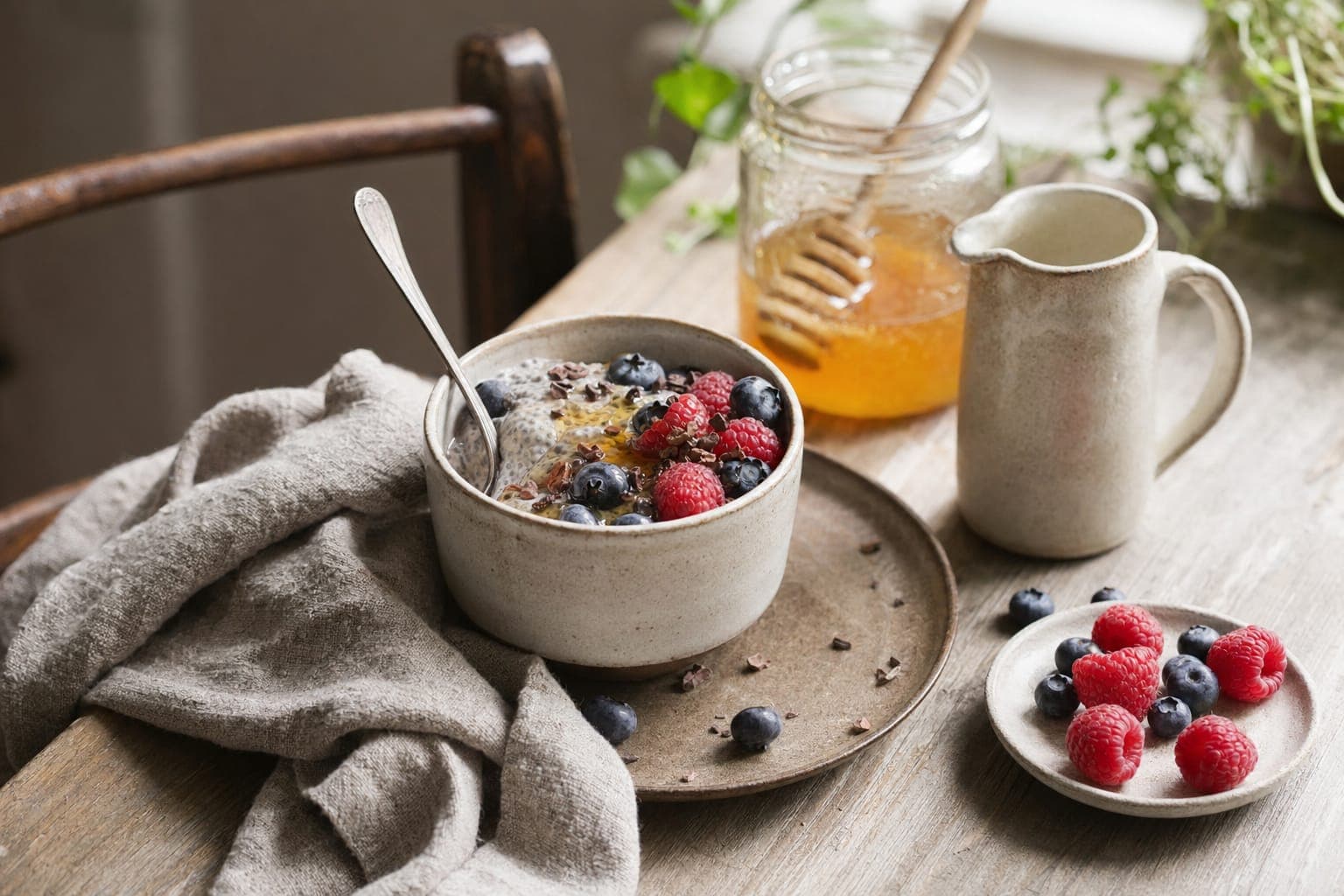
Organised Chia Pudding with Raw Honey and Berries
A no-cook chia seed pudding made with raw milk, collagen, berries, and raw honey. Prep it the night before and eat for breakfast.


 Join over 100,000+ members
Build a better food system with us
The Organised community is thousands of people choosing real food and backing the farmers who grow it, all of us trying to leave the world a little better than we found it. If that is what you care about too, you belong here.