The Difference Between 'Natural' and 'Whole Food'
Open a supplement bottle and you might see 'natural', 'whole food', 'certified organic', or any of a dozen other terms. Each means something completely different. Most mean almost nothing. Here's how to read the actual claims and ignore the marketing.
By Niall Kiddle, Founder, Organised

Reviewed by Pedro Rodrigues, Agronomist (farming and sourcing only) ·
5 min read · Published · Updated · 3 cited sources
Makers of the Organised Daily blend, a grass-fed beef organ supplement from regenerative UK farms

What 'natural' actually means on labels
In the UK and most of Europe, the term 'natural' is essentially unregulated when it comes to supplements. A company can print the word 'natural' on a bottle of entirely synthetic vitamins with virtually no legal consequence. It's a marketing claim, not a meaningful standard. The FDA in the United States has attempted to define 'natural' as a product derived from a natural source, not created through chemical synthesis.1 But even that definition is vague and poorly enforced. A synthetic compound that happens to be structurally identical to a naturally occurring compound can be labelled 'natural' under some interpretations.
'Natural' on a label is often just marketing. It tells you almost nothing about how the ingredient was made or where it came from.
Why 'natural' is almost meaningless
The word 'natural' appeals to consumers intuitively. We trust natural things. We distrust chemicals. But that distinction breaks down under scrutiny. Everything is chemistry. Water is natural. So is cyanide. Tobacco is natural. So is insulin. The spectrum from 'natural' to 'synthetic' doesn't map neatly onto a spectrum from 'safe' to 'dangerous'. What matters is the final form of the ingredient and how it was processed. A vitamin isolated through high-temperature extraction is natural in origin but has been heavily processed. A synthetic vitamin created to be structurally identical to its natural counterpart might be more predictable and more stable than the natural version. The marketing power of the word 'natural' has made it nearly useless as a consumer guide.
What 'whole food' actually requires
'Whole food' means the ingredient is derived from the actual food, not isolated or synthesised. A whole-food vitamin C supplement would be derived from an actual source like camu camu or rose hip, where the vitamin C exists within the food matrix alongside cofactors and other compounds naturally present.3 By contrast, ascorbic acid, even if derived originally from a natural source like corn, has been isolated and concentrated. The cofactors are removed. The food matrix is destroyed. It's no longer whole-food in any meaningful sense.
Whole food means the nutrient comes wrapped in the context in which it naturally exists, with its cofactors and supporting compounds intact.
How to identify genuinely whole-food supplements
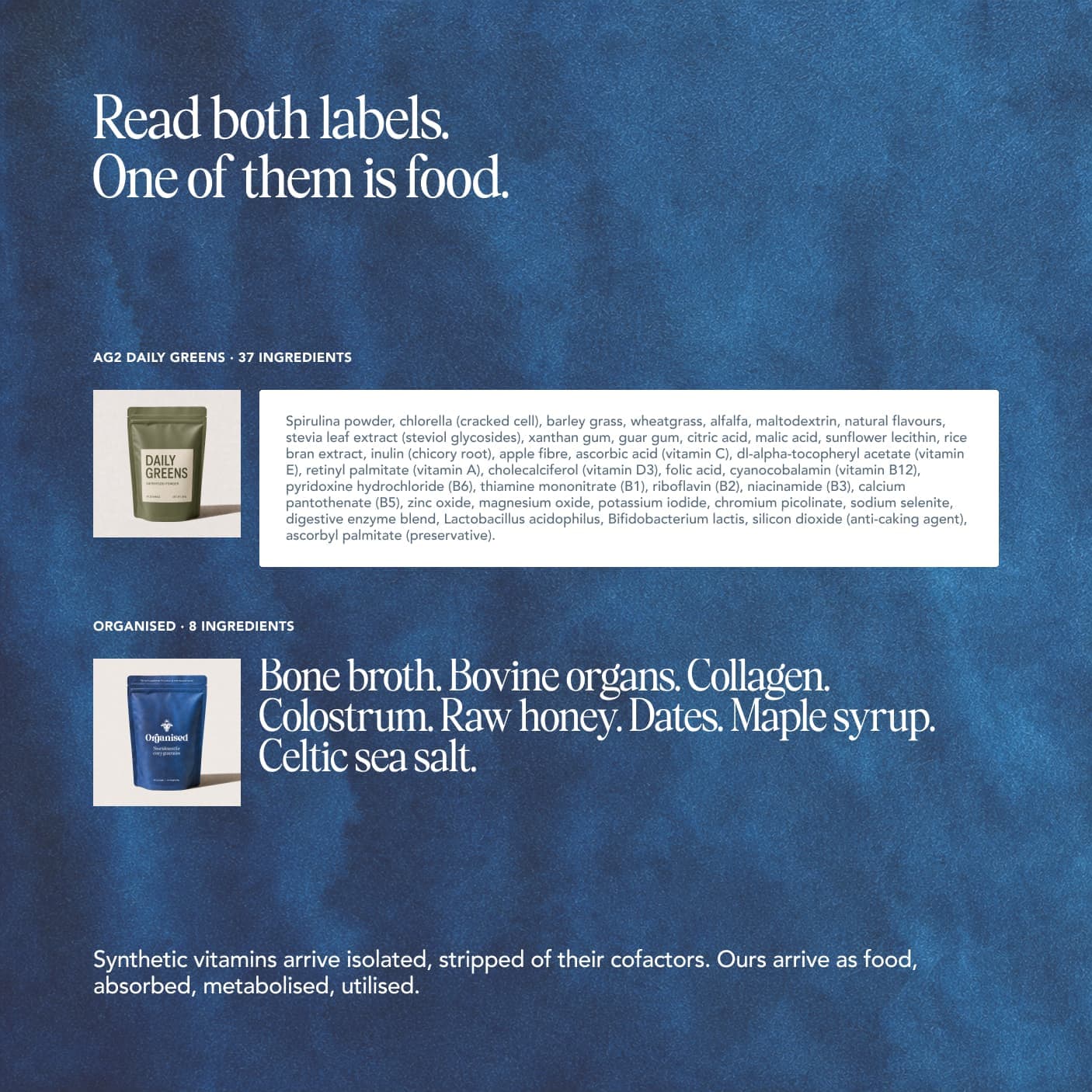
Genuinely whole-food supplements will list the whole food source as the ingredient. The label might read 'freeze-dried beef liver' or 'camu camu berry powder' or 'grass-fed whey protein'. The ingredient is the food itself, not an extracted or concentrated component of it. Contrast that with labels listing 'ascorbic acid', 'tocopherol', 'beta-carotene', or 'synthetic vitamin B12'. These are isolated nutrients. They may have been derived from natural sources, but they're no longer in their whole-food form.
Look at UK supplements on supermarket shelves. Most vitamin C supplements list 'ascorbic acid' as the ingredient, not 'orange powder' or 'rosehip powder'. Most multivitamins contain synthetic B vitamins and isolated minerals like 'zinc oxide' and 'ferric pyrophosphate'. These are isolated compounds, not whole foods, regardless of where they originally came from.
The Organised approach to supplements is straightforward: if the ingredient isn't something you could theoretically eat whole, we don't use it. That means freeze-dried organs. It means grass-fed whey from real dairy. It means if we're including vitamin D, it's coming from a food source (like egg yolk from pastured hens) or a whole-food compound, not a synthetic isolate.
The minimal processing standard
Between 'raw and unchanged' and 'heavily processed and isolated' lies a spectrum. Freeze-drying is minimal processing: the food is frozen and the water is removed under vacuum. The nutrient profile remains largely intact.2 The food matrix remains. Freeze-dried organ meats are whole-food supplements. Spray-drying introduces heat and can cause oxidation. High-pressure processing damages cell structures. Extraction and concentration create isolates. Each of these techniques involves progressively more intervention in the food.
Get farming and sourcing guides, free
Two short reads a week on regenerative farming and where real food comes from.
By signing up you agree to receive emails from us. No spam, unsubscribe anytime.
Where natural fails and whole food wins
Consider two hypothetical vitamin D supplements. Both labelled 'natural'. The first is 'lanolin-derived vitamin D3, naturally sourced from sheep wool'. The second is 'freeze-dried egg yolk from pastured hens'. Both are technically natural. The difference is that the lanolin-derived version is an extracted and concentrated isolate, whilst the egg yolk is a whole food. Your body doesn't have a separate absorption pathway for 'natural D3' versus 'whole food D3'. What matters is what comes with it.
In whole-food sources, vitamin D arrives with its cofactors intact: the fat-soluble matrix that allows absorption, the phosphorus, the vitamin A that regulates how D is used, and compounds we haven't even named yet. In the isolated D3, you get a single molecule. Some people absorb it fine. Others don't. The whole-food version works for more people, more reliably, because it comes with everything your body needs to actually use it.
This is why 'natural' is insufficient as a claim. A natural supplement that's been heavily processed and isolated is nutritionally inferior to a minimally processed whole food, even if the whole food is more expensive and less convenient. 'Natural' tells you the origin story. 'Whole food' tells you what's actually in the bottle.
A supplement derived from a natural source but processed into an isolate is not as effective as a genuine whole-food supplement. The difference isn't marketing. It's biochemistry.
1 of 9
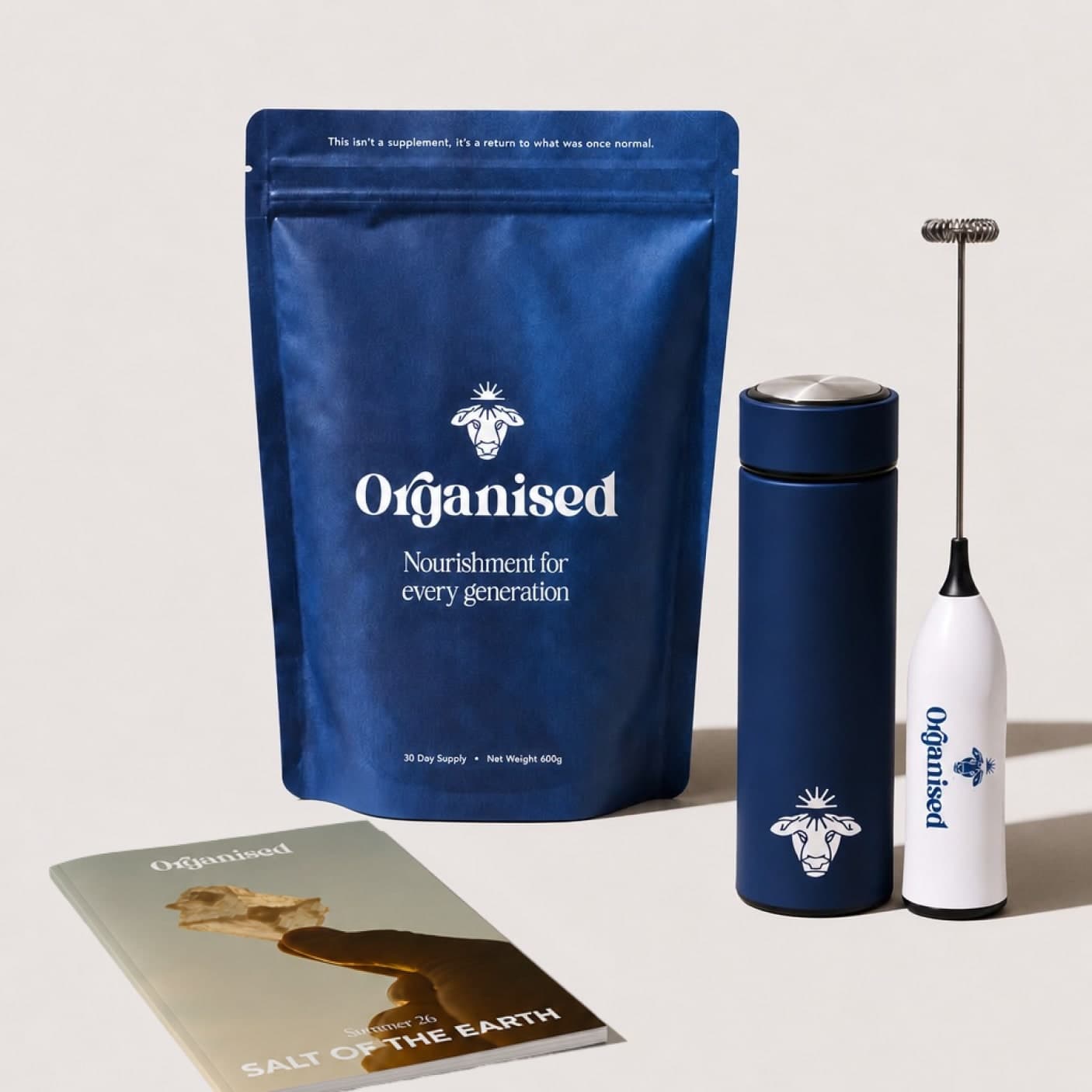
Daily blend
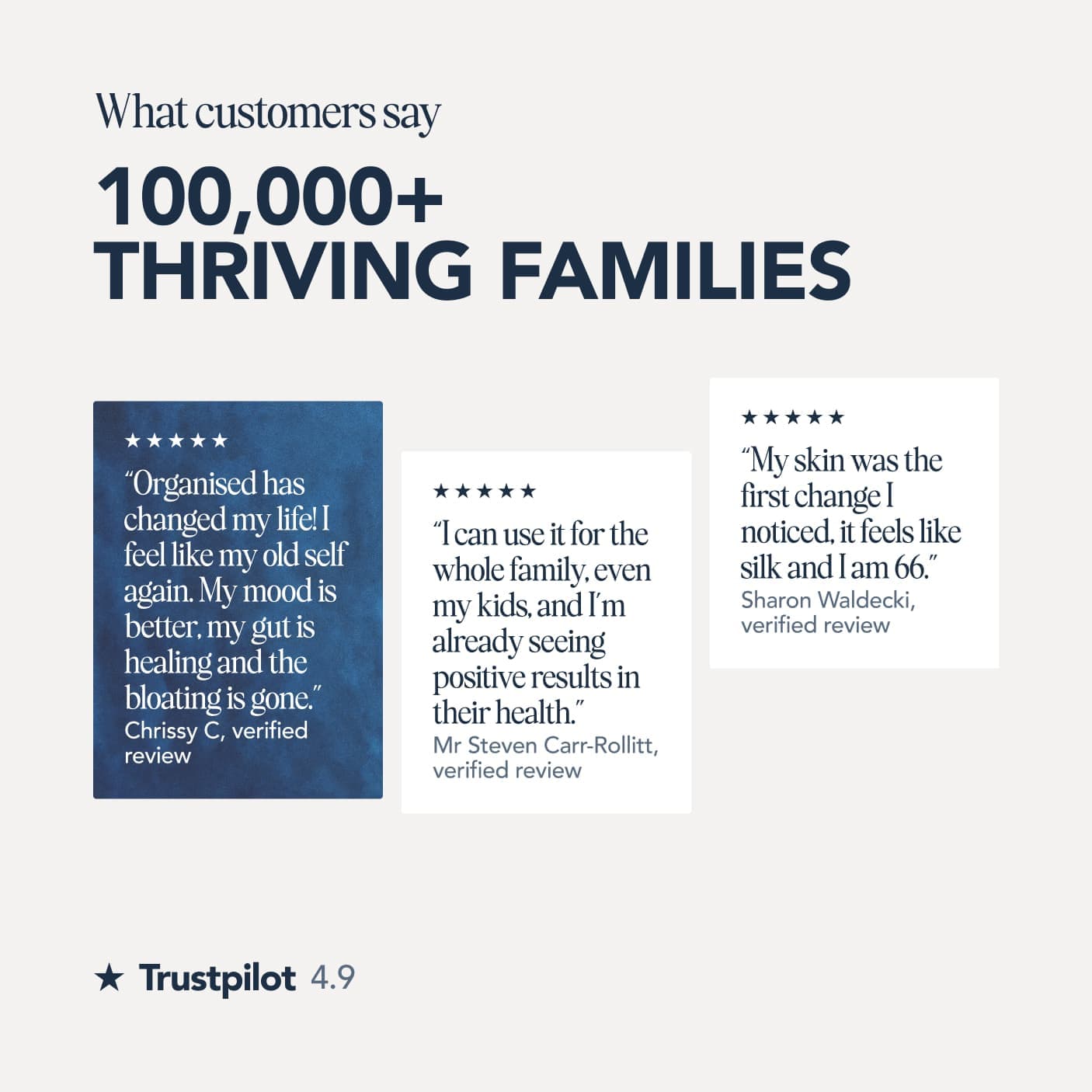
100,000+ thriving families4.9 on Trustpilot
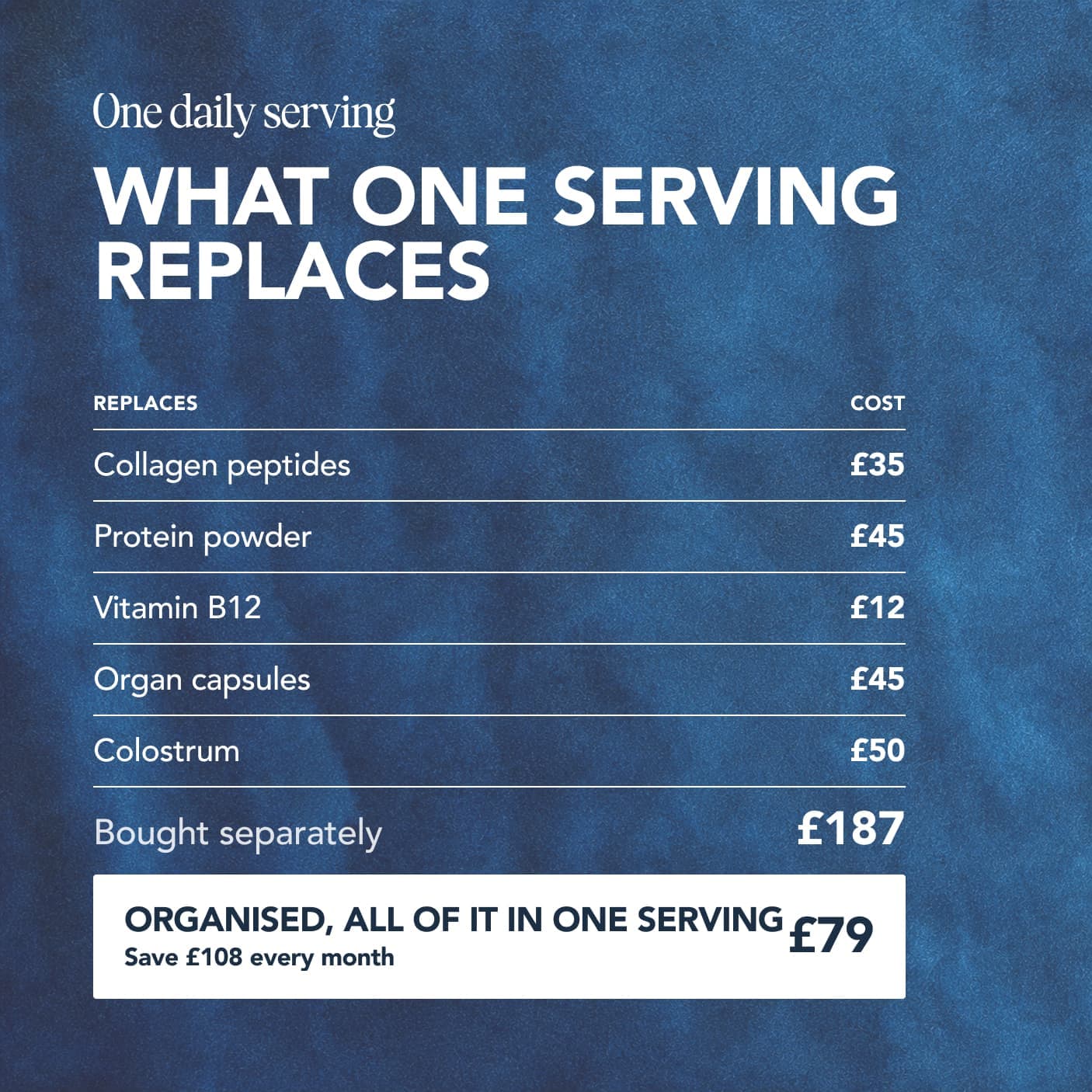
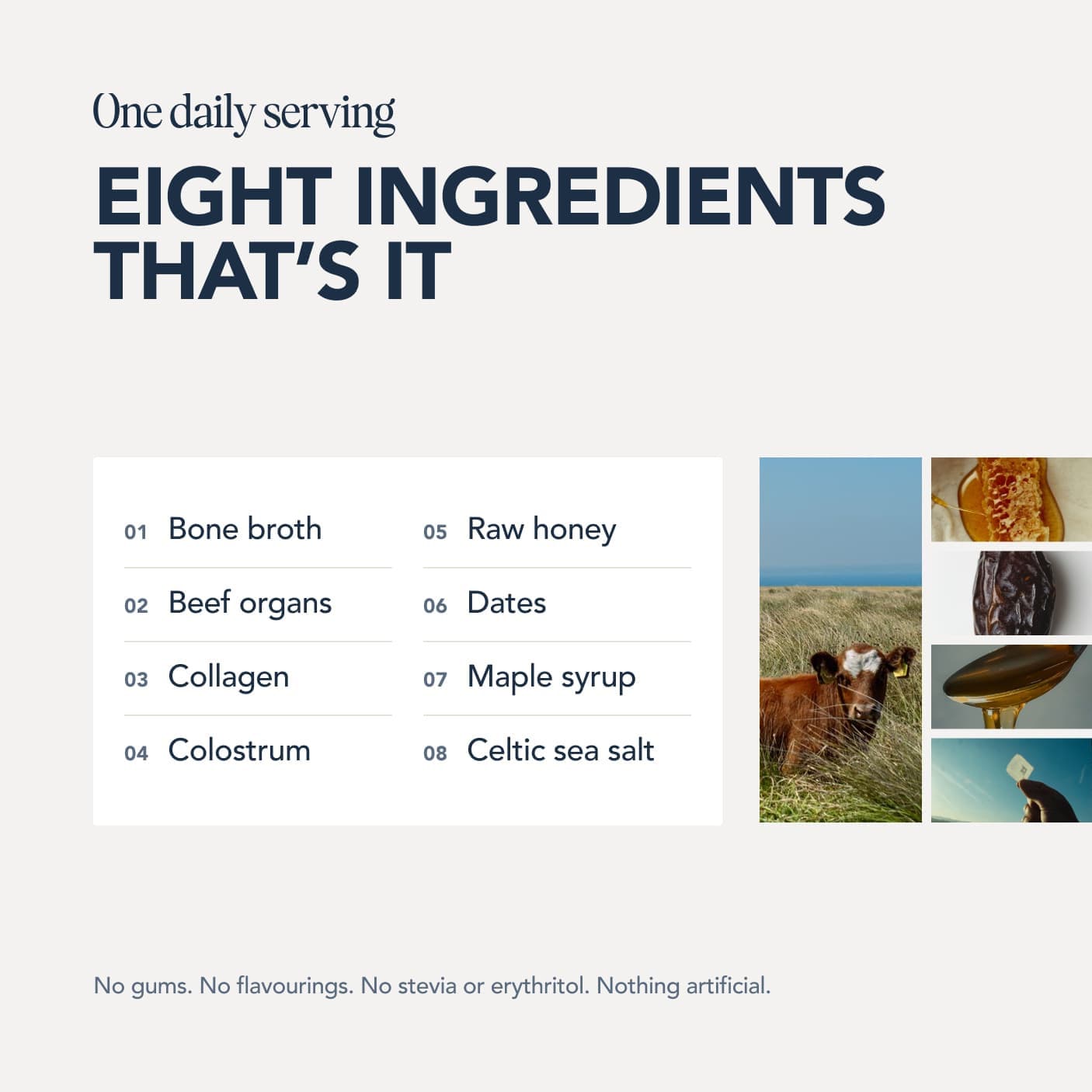
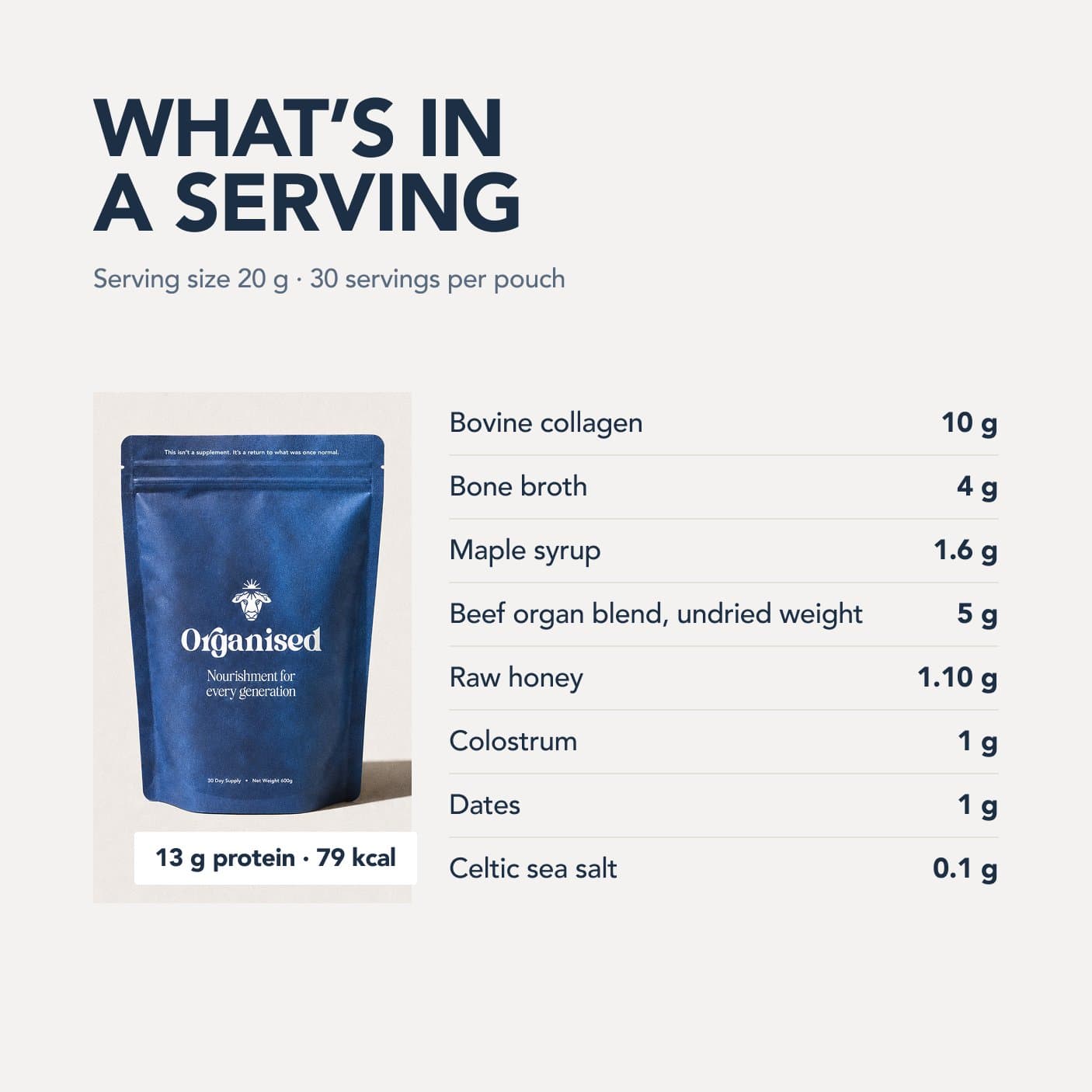
Eight real ingredients built around grass-fed beef organs, collagen and colostrum. Nothing synthetic added.
Free with your first order, worth £38. Plus £10 off the pouch with a subscription.
Free UK shipping · Made in England · 100 day money back guarantee on your first pouch · Skip, pause or cancel anytime
What to look for on the label
Read the ingredient list first, before any marketing claims. If the ingredients are whole foods or products derived directly from them, you have a whole-food supplement. If the ingredients are named compounds like 'tocopherol acetate' or 'cyanocobalamin', you have isolated nutrients, regardless of what the front of the label claims. Look for sourcing information. If the label doesn't tell you where the ingredient came from, it probably doesn't know. Whole-food supplements typically name the source because that's part of the claim: this is grass-fed beef liver, not beef liver from an unspecified feedlot.
The bottom line
'Natural' is marketing. 'Whole food' is a genuine standard. Don't let marketing language substitute for reading the actual ingredient list. If a supplement is genuinely whole-food and minimally processed, the company will say so clearly on the ingredients. If they rely instead on words like 'natural' or 'pure' without naming their sources, they're probably hoping you won't look closely. Look closely.
References
Every source below was checked on 27 August 2026. Each PubMed, PMC and DOI identifier was resolved against NCBI or Crossref, and what it opens is printed under the citation, so you can see the link goes where the citation says without leaving the page. Where a citation and its identifier disagreed, the citation was corrected to the record or the reference was deleted along with the sentence marker that pointed at it, and where the resolved paper turned out not to support the sentence, the sentence was cut back to what it does support. Borrowed authority is worse than none, because it looks like rigour.
- U.S. Food & Drug Administration. Use of the Term Natural on Food Labeling. FDA Natural Labeling.
- Ratti C. Hot air and freeze-drying of high-value foods: a review. J Food Eng. ScienceDirect.
- Jacobs DR Jr, Tapsell LC. Food, not nutrients, is the fundamental unit in nutrition. Nutr Rev. PubMed PMID: 17972438.Checked 27 August 2026: PMID 17972438 opens Jacobs DR Jr, Tapsell LC, Food, not nutrients, is the fundamental unit in nutrition. Nutr Rev 2007;65(10):439-50. PubMed indexes it as: Review.
Who wrote and reviewed this guide
Niall Kiddle
Author · Founder, Organised
Niall is the founder of Organised. He started the company in 2024 after fixing his own health the slow way: in 2022 he swapped a cupboard of synthetic supplements for real food, raw milk, organ meats, bone broth and honey, and felt the difference within months.
Areas of expertise: Ancestral nutrition, Organ meats, Whole-food supplementation, Gut health, Regenerative sourcing
Read Niall's full profile
Pedro Rodrigues
Reviewer · Agronomist (farming and sourcing only)
Pedro is the agronomist Organised works with on farming and sourcing. His job on the guides is to keep the science honest: he reviews what we publish about soil health, regenerative agriculture, grazing and the way food is actually produced.
Areas of expertise: Regenerative agriculture, Agronomy, Soil health, Grass-fed farming, Food sourcing
Reviewed this guide on
Read Pedro's full profileBrowse the guides library
All guidesKeep reading
Farming
The Organised Code: Our Non-Negotiable Standards
Discover Organised's non-negotiable standards for sourcing, quality, and transparency. How we decide what makes it into the pouch.

Farming
Why We Source Our Organs from UK Farms
We source all our organ products from UK farms. Here's why traceability, welfare, and local sourcing matter for ancestral nutrition.
Farming
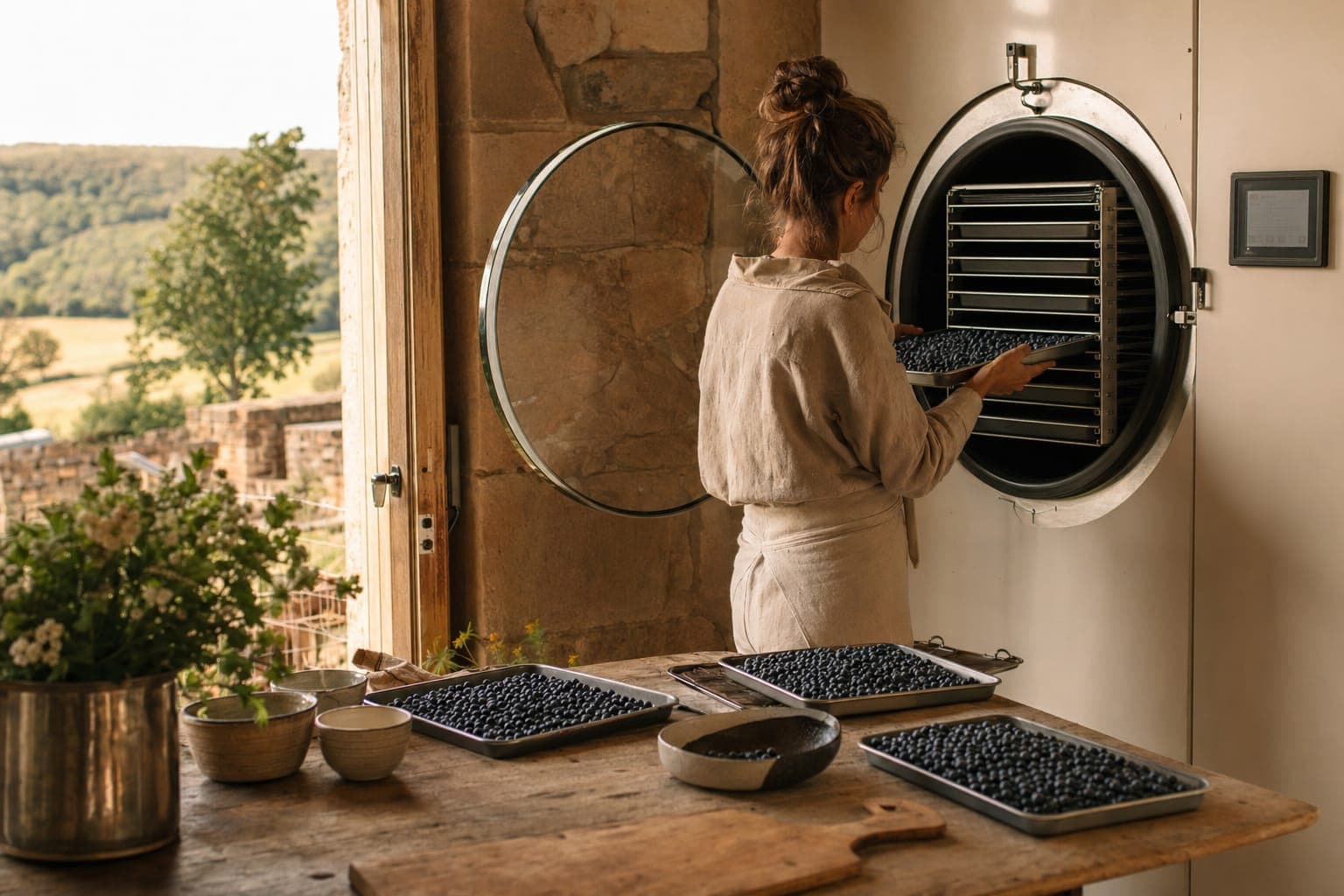
Why Freeze-Drying Preserves More Nutrients Than Other Methods
Learn why freeze-drying preserves vitamin and enzyme content better than spray-drying, heat-drying, or other processing methods used in supplements.
Real food, made effortless
Shop the blendA few ways to use it
All recipes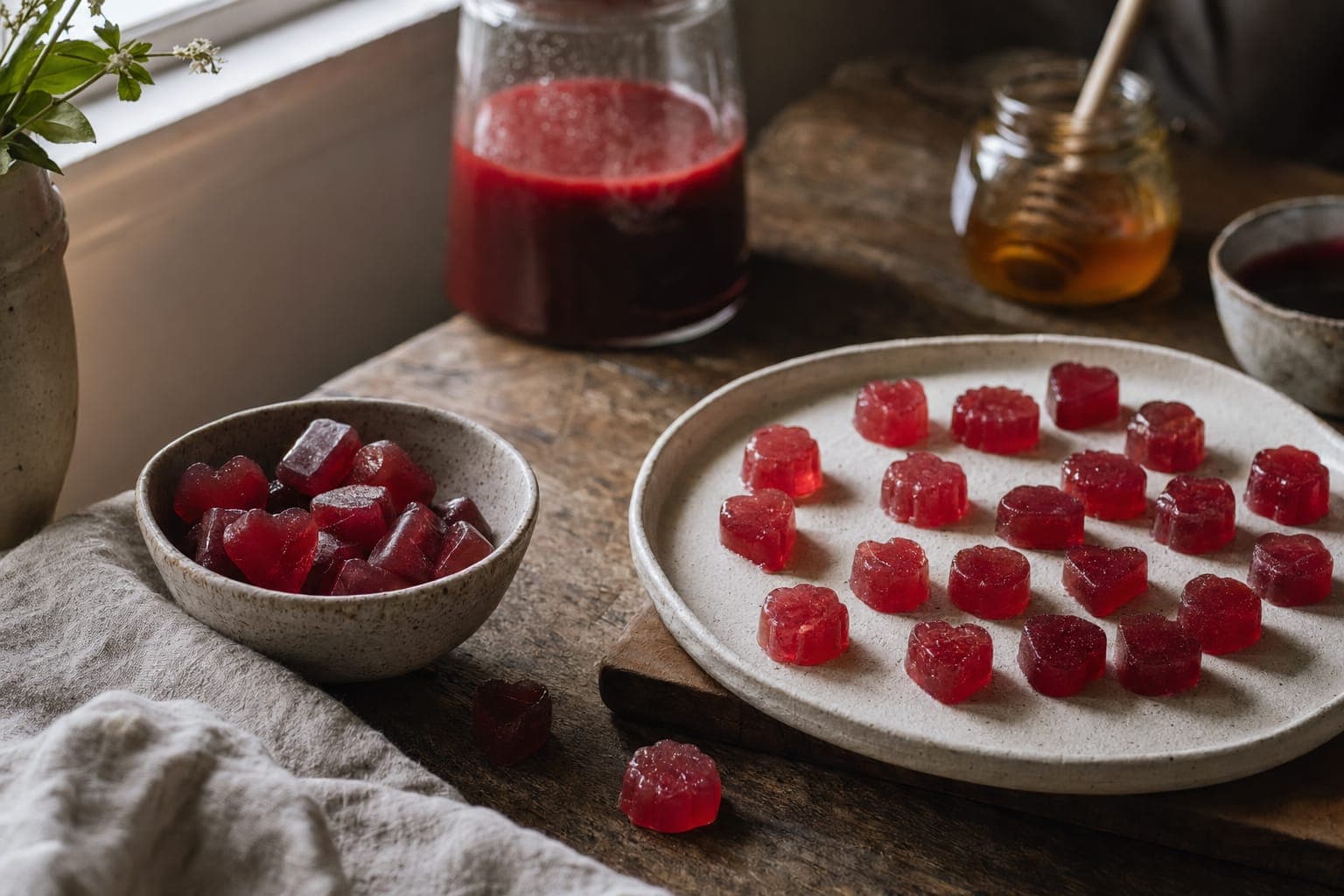
How to Make Your Own Gelatine Gummies
A simple recipe for homemade gelatine gummies using grass-fed gelatine, fresh juice, and raw honey. Better than shop-bought, kids love them.
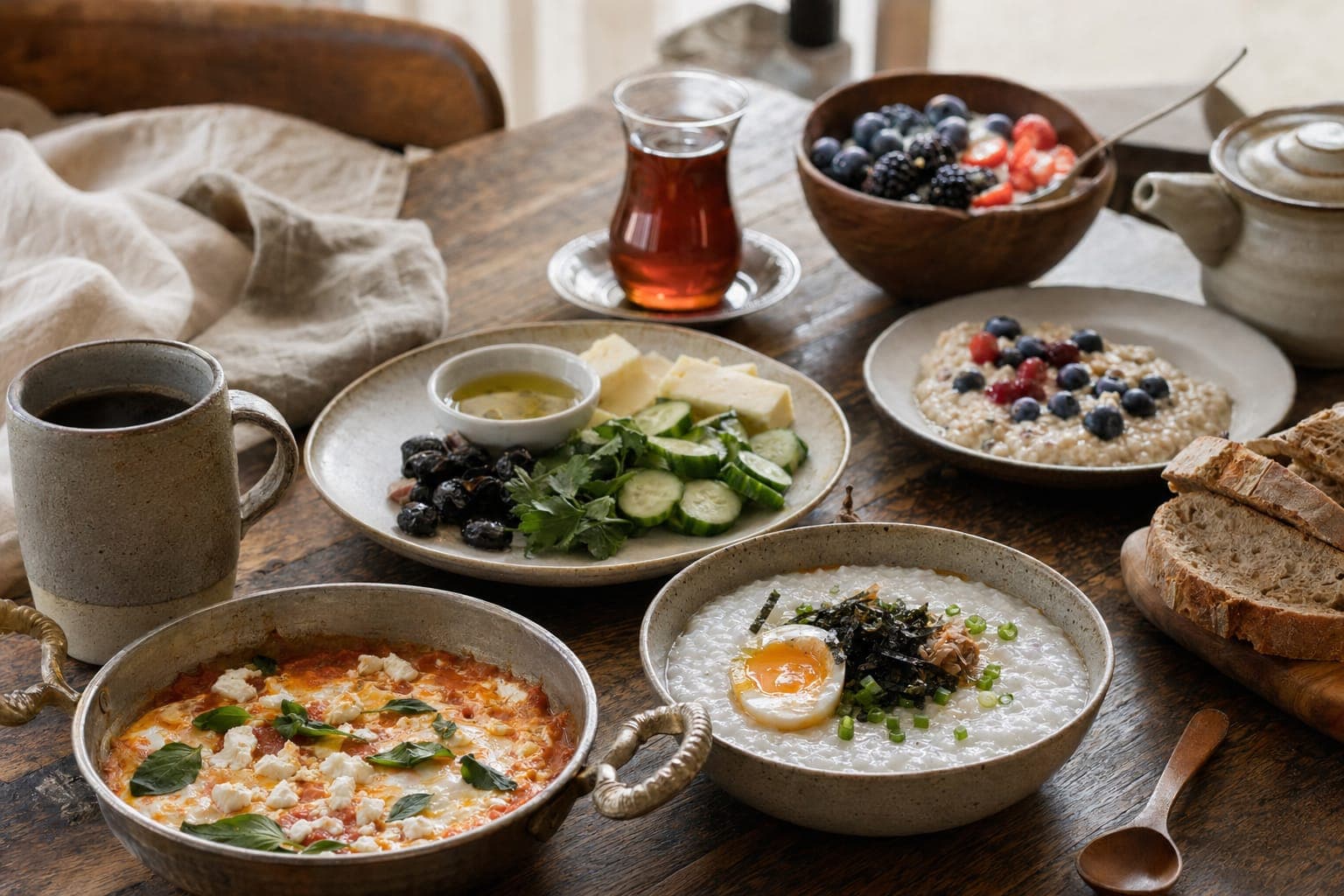
Ancestral Breakfast Ideas from Around the World
Traditional breakfast recipes from cultures that got nutrition right. Japanese, Turkish, Scottish, and more. Whole-food breakfast inspiration.
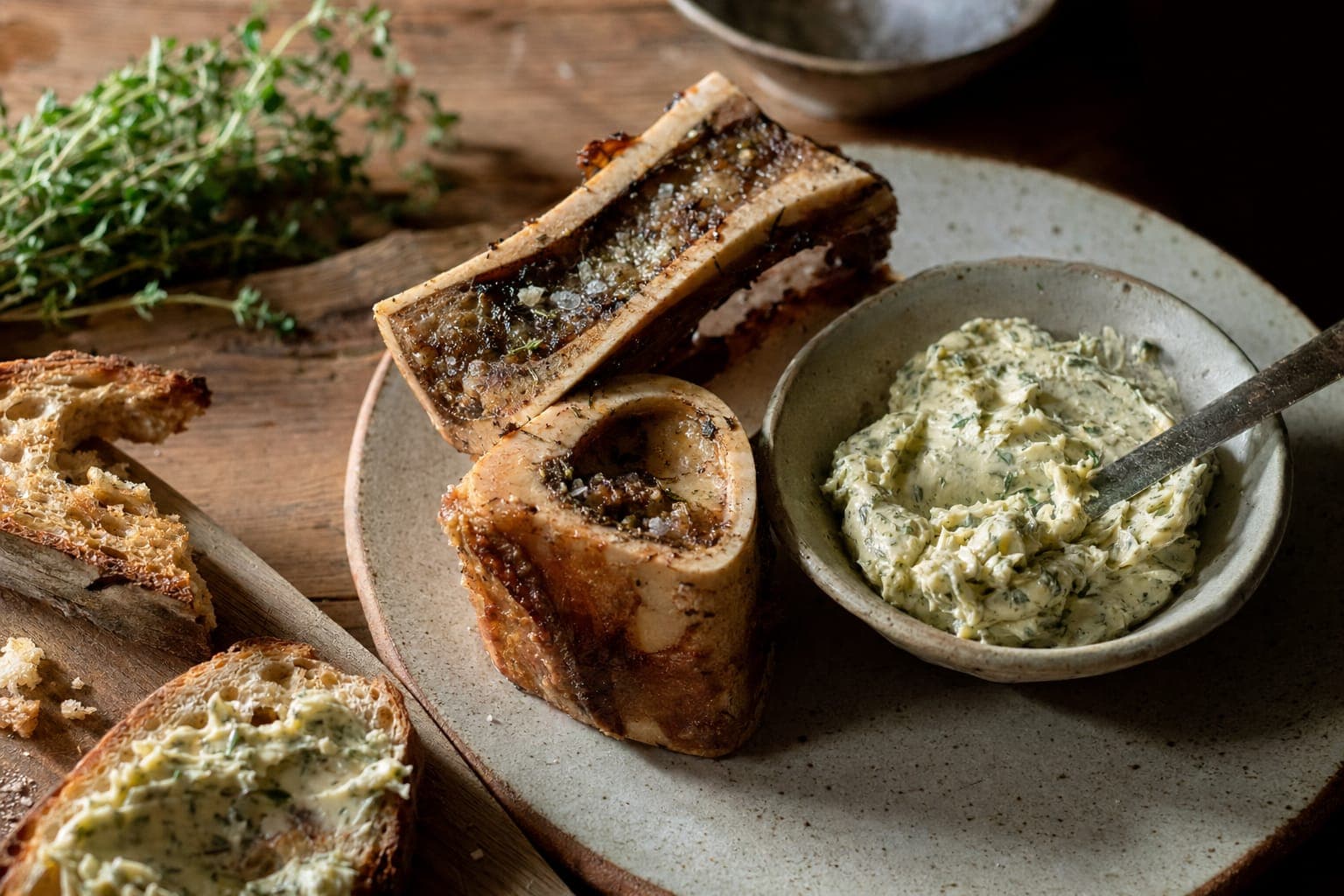
How to Make Bone Marrow Butter
Roast grass-fed marrow bones, scoop the marrow, and mix with butter and herbs. A nutrient-dense spread with fat-soluble vitamins.


 Join over 100,000+ members
Build a better food system with us
The Organised community is thousands of people choosing real food and backing the farmers who grow it, all of us trying to leave the world a little better than we found it. If that is what you care about too, you belong here.