6 Mineral Deficiencies You Probably Have Without Realising
The symptoms feel normal. You're tired. Your mood is flat. Your skin isn't great. Your metabolism feels sluggish. You assume this is just how life is. But these are classic signs of mineral deficiency. Most people in the modern world are missing critical minerals, and it's quietly undermining their health.

By Niall Kiddle, Founder, Organised

Reviewed by Pedro Rodrigues, Agronomist (farming and sourcing only) ·
8 min read · Published · Updated · 6 cited sources
Makers of the Organised Daily blend, a grass-fed beef organ supplement from regenerative UK farms
The symptoms feel normal. You're tired. Your mood is flat. Your skin isn't great. Your metabolism feels sluggish. Your joints creak. You assume this is just how life is now. But these are classic signs of mineral deficiency. Most people in the modern world are missing critical minerals, and it's quietly undermining their health.
Mineral deficiencies are epidemic because they don't produce dramatic symptoms that send you to the doctor. They produce subtle, chronic symptoms that people accept as normal. This is why they're so dangerous. You don't realise you're deficient until the problem is significant.
Why mineral deficiency is silent
Minerals are cofactors for hundreds of enzymatic processes. Without adequate minerals, everything slows down slightly. Your metabolism runs at 80%. Your immune system functions at 70%. Your energy production limps along at 60%. None of it's dramatic enough to feel like a crisis, so you adjust. You accept tiredness as normal. You think mood fluctuations are just personality. You don't connect the dots.
Modern agriculture has depleted mineral content in soil, which means produce grown in that soil contains fewer minerals. Processing removes minerals from foods. Stress and poor sleep increase mineral losses. Water quality has declined in many regions, removing magnesium and other minerals that were historically obtained through hydration. By the time you're reading this, you're probably deficient in multiple minerals without realising it.
1. Magnesium: The mineral you're definitely short on
Magnesium is involved in over 300 enzymatic reactions. It's essential for nervous system regulation, sleep quality, muscle function, blood sugar control, and stress resilience.1 Most people are chronically depleted, and it's probably the single most common mineral deficiency in modern populations.
Signs of deficiency: fatigue, muscle tension and twitching, difficulty sleeping, mood disturbance, anxiety, constipation, migraines, poor recovery from exercise, and high blood pressure.
Modern diets are systematically low in magnesium. It's abundant in leafy greens, nuts, seeds, and whole grains, but only if the soil it was grown in had magnesium. Many agricultural regions are magnesium-depleted. Additionally, stress, caffeine, and poor sleep all increase magnesium losses through urine. Alcohol consumption depletes magnesium. Modern life is a perfect storm for magnesium deficiency.
Testing: RBC magnesium or serum magnesium, though these don't capture total body stores well. Functional testing of status is difficult; the better approach is to trial supplementation and see if symptoms improve.
Repletion: Magnesium glycinate (highly absorbable, doesn't cause digestive upset) or magnesium threonate (for brain health). Magnesium baths and sprays provide transdermal absorption. Food sources include leafy greens, almonds, pumpkin seeds, and bone broth. Sea swimming provides transdermal magnesium. Most people need 300-500mg daily from food plus additional supplementation to fully replete.
If you're tired, tense, and can't sleep well, magnesium deficiency is the first place to look. The response to repletion is often dramatic within two weeks.
2. Zinc: The immunity and hormone mineral
Zinc is essential for immune function, wound healing, hormone balance, protein synthesis, DNA synthesis, and sense of taste and smell.2 Deficiency manifests as impaired immunity (frequent infections), poor wound healing, hair loss, skin problems, reproductive issues, low libido, and loss of taste or smell.
Zinc bioavailability is complex. Phytates in grains and legumes bind zinc and reduce absorption significantly. Plant-based zinc (non-heme) has poor bioavailability. Animal-based zinc (from red meat, shellfish, organs) is highly absorbable. This is why zinc deficiency is common in plant-heavy diets even when total zinc intake seems adequate on paper. The body simply can't access the zinc in those foods.
Testing: Serum zinc or RBC zinc, though these are imperfect measures of total body stores. Functional markers include immune function, wound healing, and taste perception (zinc is required for taste receptor function).
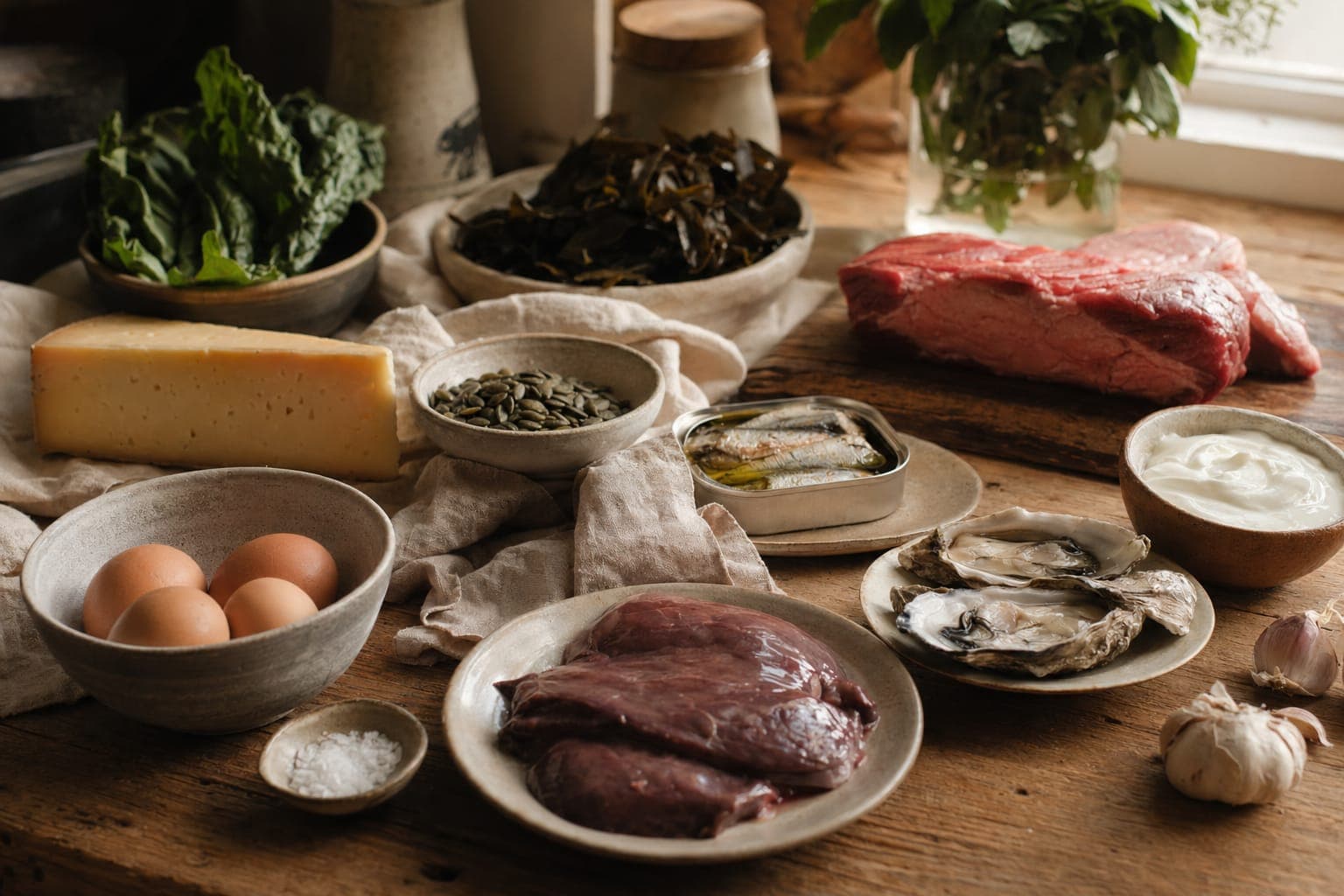
Repletion: Beef, shellfish, pumpkin seeds, organ meats (especially liver and kidney). A single serving of beef provides more absorbable zinc than large quantities of plant foods. If supplementing, zinc glycinate or zinc picolinate in 15-30mg daily doses. Avoid excessive supplementation, as zinc can interfere with copper absorption.
3. Iodine: The metabolism mineral
Iodine is essential for thyroid hormone synthesis. Without adequate iodine, your thyroid can't function, and metabolism slows dramatically.3 Signs of deficiency include fatigue, weight gain, cold intolerance, dry skin, mood disturbance, cognitive fog, and visible thyroid enlargement (goitre).
Iodine status in the population is complicated. Iodised salt provides iodine, but many people avoid salt for heart-health reasons (though this advice is increasingly questioned). Additionally, soil iodine content varies geographically. In iodine-depleted regions, deficiency is common even when people aren't restricting salt. Some areas have actually become more iodine-deficient as agriculture has shifted.
Testing: 24-hour urinary iodine or serum iodine. TSH and thyroid antibodies provide indirect information about thyroid function and whether iodine deficiency is causing thyroid problems.
Repletion: Seafood (the richest source), seaweed, eggs, dairy, and iodised salt. A small amount of seaweed or two servings of fish weekly usually maintains adequate iodine. Be cautious with seaweed supplementation, as iodine content varies wildly. Real salt (unhygienic enough to contain trace minerals) can contribute iodine if it's from coastal regions.
4. Selenium: The cellular protector
Selenium is a component of selenoproteins, which are essential for antioxidant defence, immune function, and thyroid hormone metabolism.4 Deficiency impairs immune function, thyroid health, and increases oxidative stress and cancer risk.
Brazil nuts are extraordinarily rich in selenium (one nut provides nearly a full day's requirement). Other sources include fish, meat, and organ meats. Soil selenium content varies regionally, so intake depends partly on where food is grown. Some regions have selenium-rich soil; others are depleted.
Testing: Serum selenium or red blood cell selenium. Glutathione peroxidase activity provides functional information about selenium status.
Repletion: Two Brazil nuts daily or regular seafood consumption. If supplementing, selenomethionine (the organic form) at 100-200 mcg daily. Don't exceed 400 mcg daily, as excessive selenium is toxic. This is one mineral where more is not better.
Get the science, plainly, free
Two short reads a week on what the research actually says about nutrition.
By signing up you agree to receive emails from us. No spam, unsubscribe anytime.
5. Potassium and sodium balance
These minerals work together to regulate fluid balance, blood pressure, muscle contraction, and nerve function. Modern diets are typically high in sodium (from processed foods) and low in potassium (from whole foods). This imbalance contributes to hypertension, metabolic dysfunction, and muscle weakness.
The problem isn't sodium itself. Sodium is essential. The problem is the ratio. Modern processed-food diets deliver high sodium with almost no potassium. Ancestral diets had far more potassium relative to sodium.
Adequate potassium (from vegetables, fruit, meat, fish, and bone broth) combined with moderate sodium intake supports blood pressure and metabolic health. The proper fix isn't to eliminate sodium. It's to massively increase potassium intake while moderating (not eliminating) salt.
Testing: Serum electrolytes give a snapshot of current levels, though they're tightly regulated and may appear normal even when intake is imbalanced.
Repletion: Whole foods naturally contain potassium. Vegetables, fruit, meat, fish, and bone broth all provide potassium. Real salt in moderation, balanced with adequate potassium from food.
6. Iron: The oxygen carrier
Iron is essential for oxygen transport, energy production, and immune function. Deficiency causes fatigue, poor exercise tolerance, brain fog, impaired immunity, and cold hands and feet.5
Iron deficiency is particularly common in women (due to menstrual losses) and in people eating predominantly plant-based diets. Heme iron from meat is far more absorbable than non-heme iron from plants. Even with adequate total iron, plant-based diets often deliver poorly absorbable iron.
Testing: Serum iron, ferritin, transferrin saturation, and total iron-binding capacity. Ferritin is the most useful marker of total body iron stores.
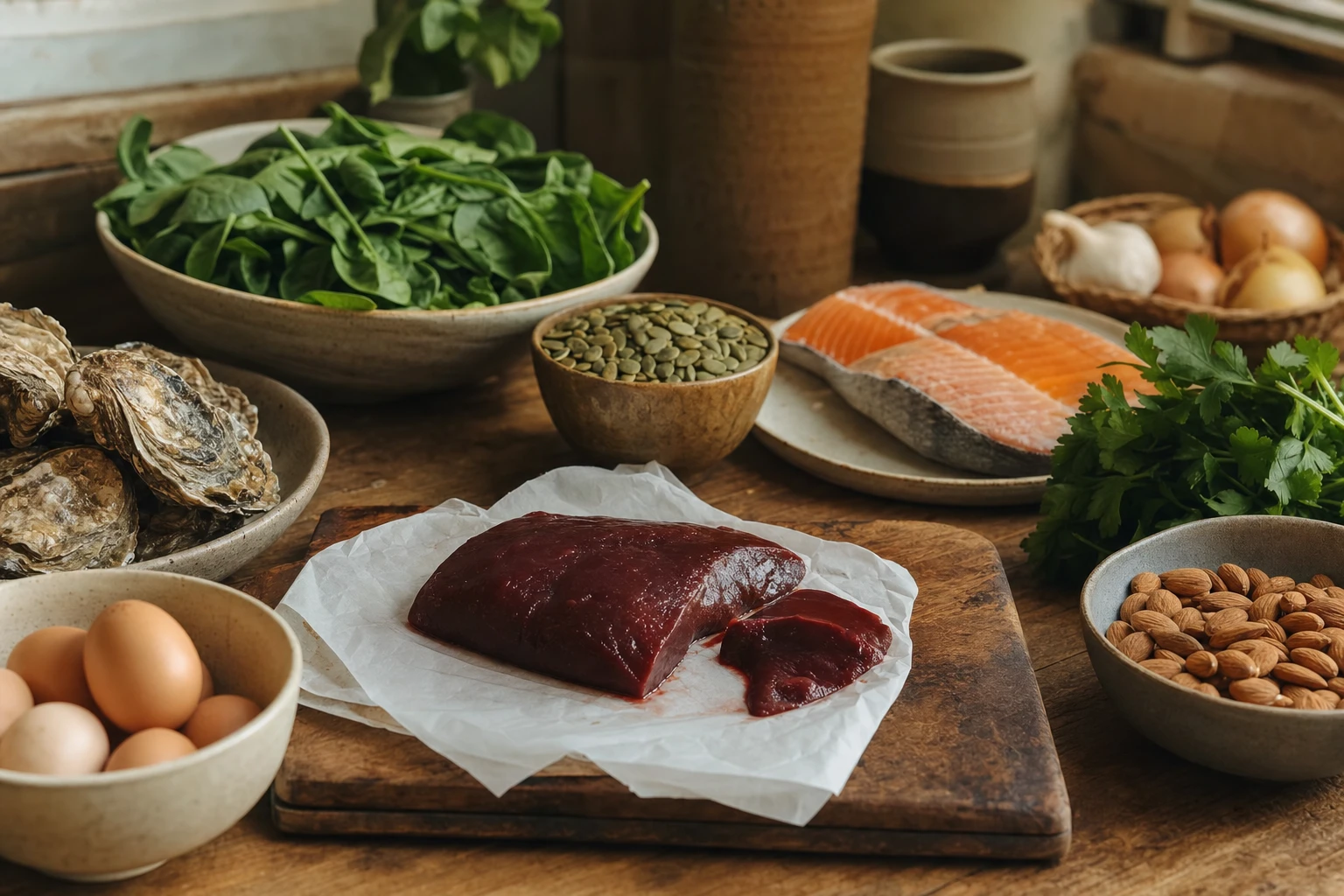
Repletion: Beef, organ meats (especially liver), fish, particularly for heme iron. If deficient, supplementation may be necessary, but this requires proper testing and monitoring to avoid iron overload, which is toxic.
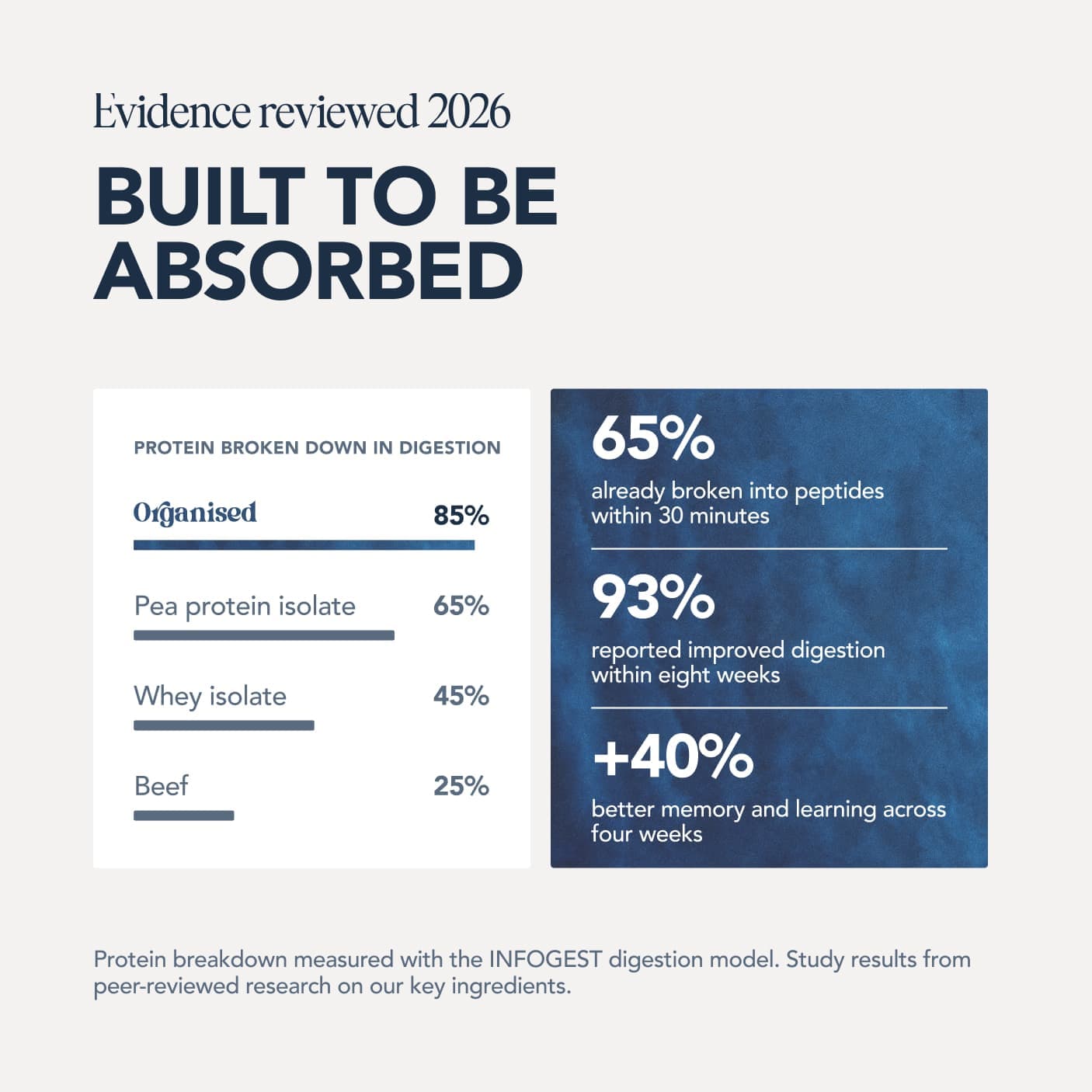

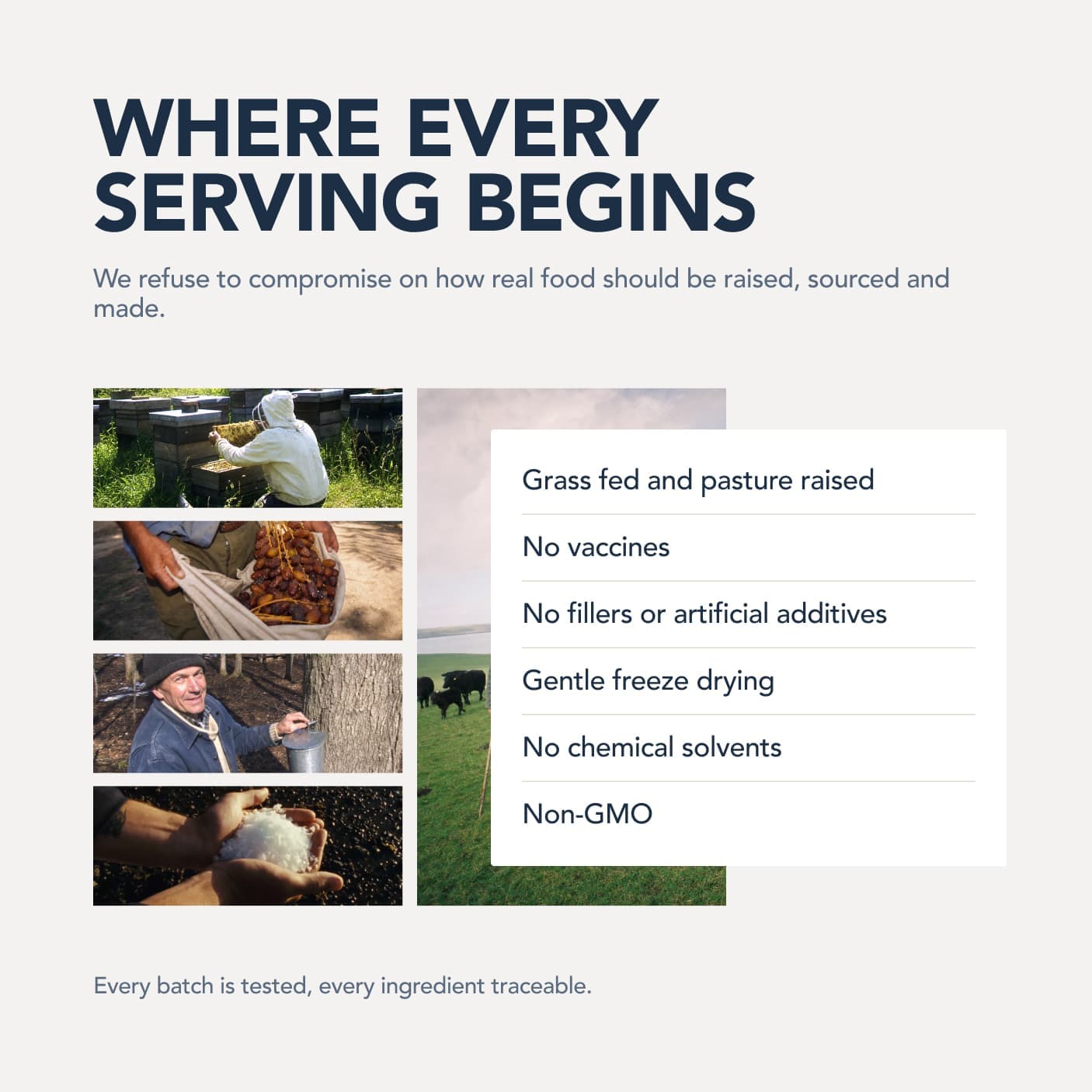
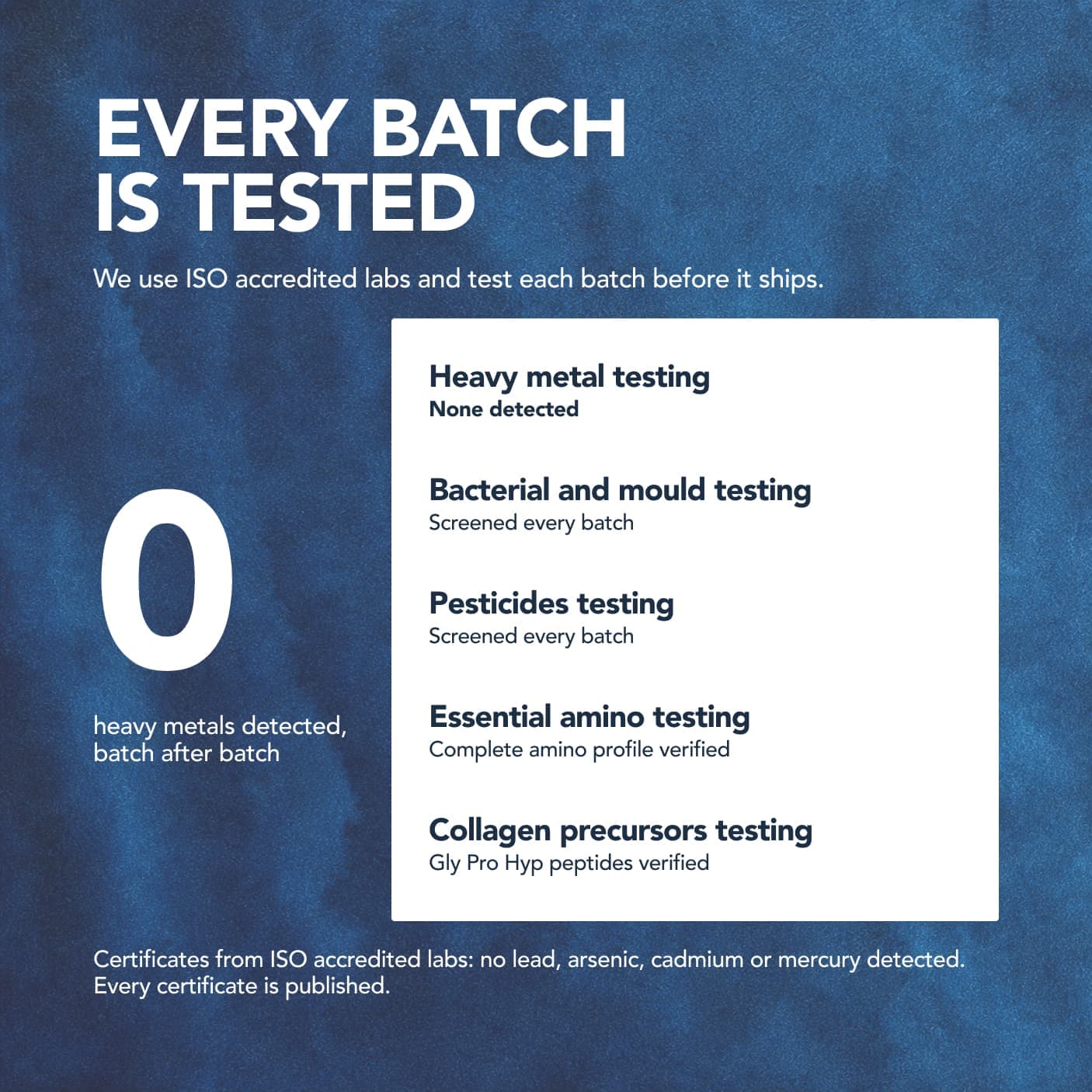
1 of 9
Daily blend
100,000+ thriving families4.9 on Trustpilot
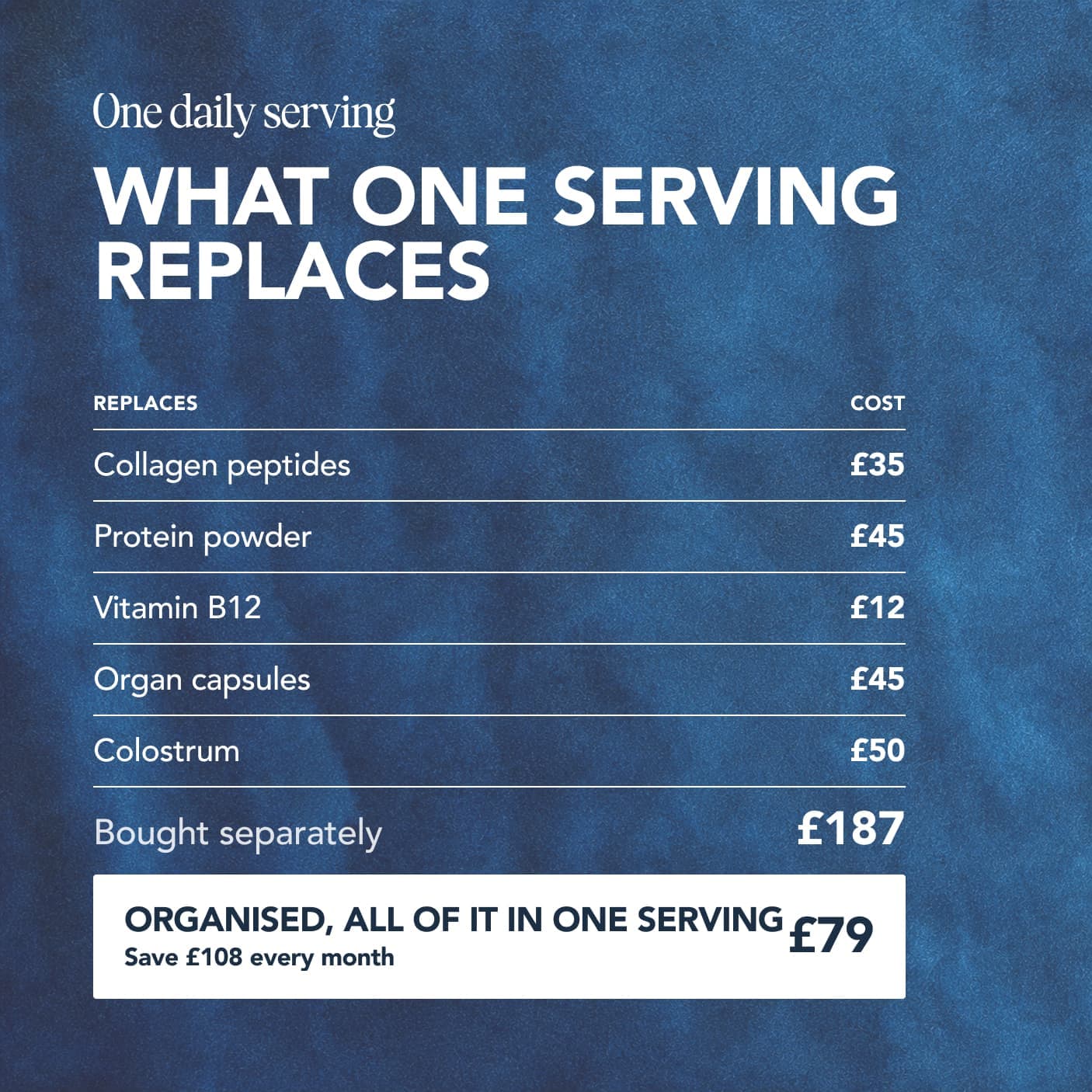
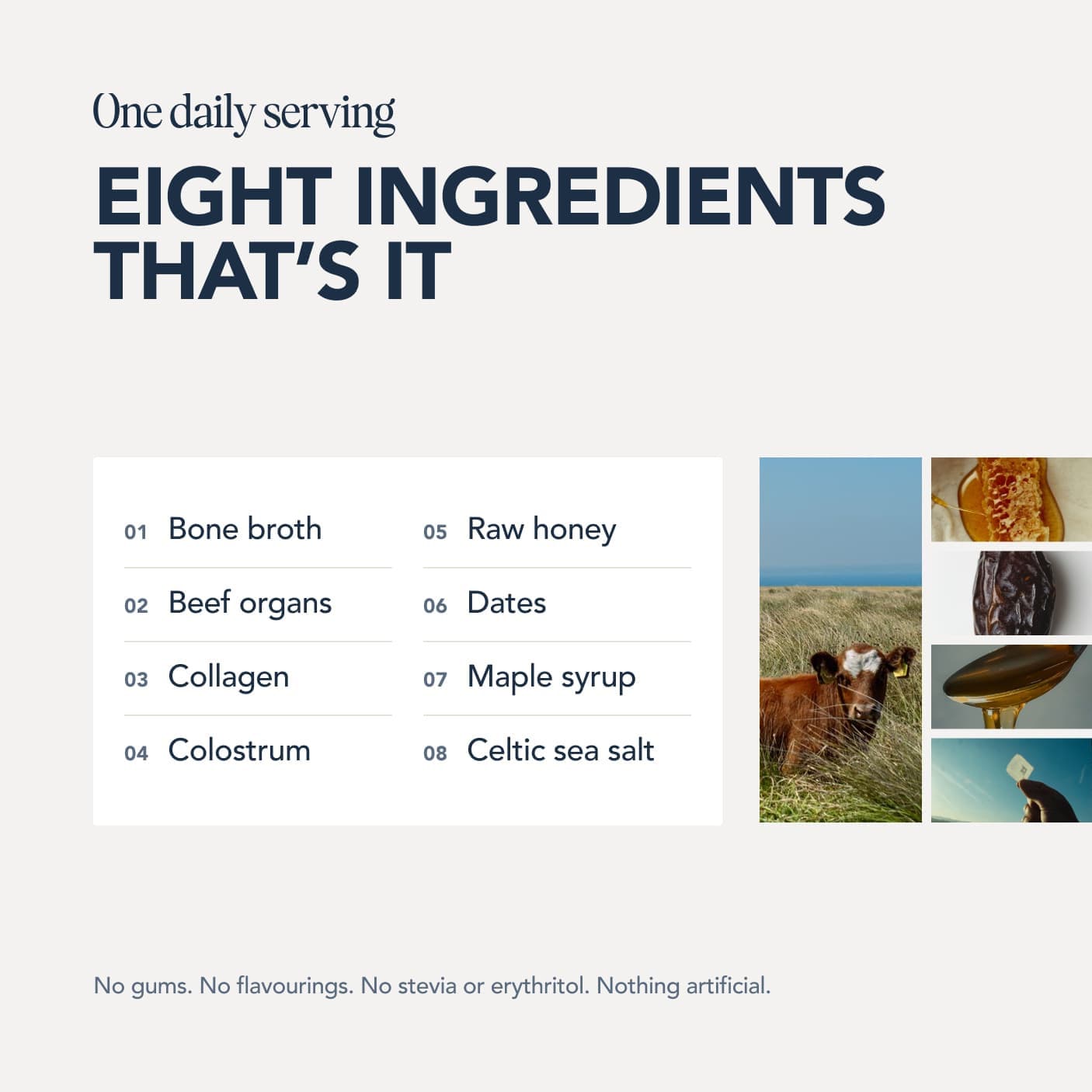
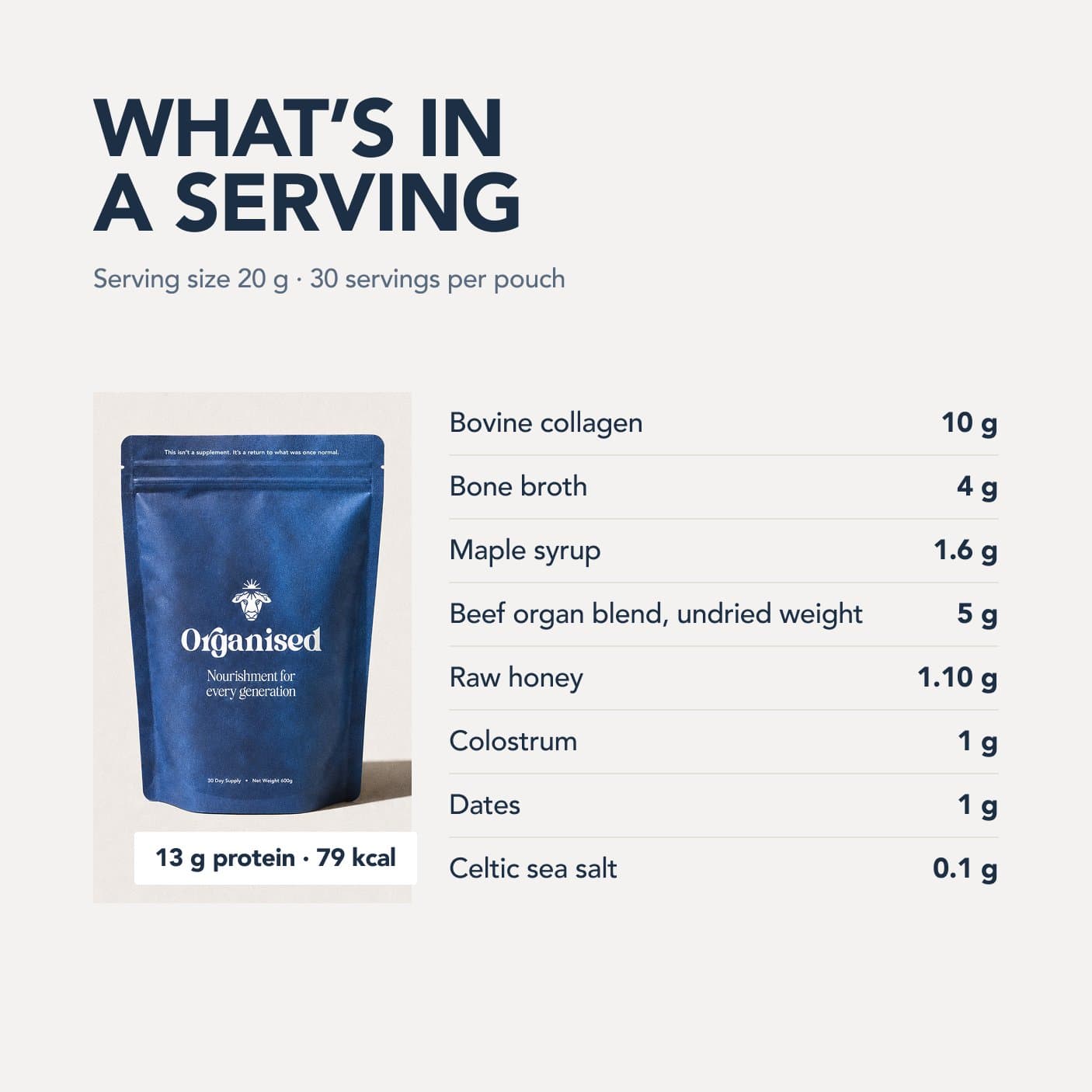
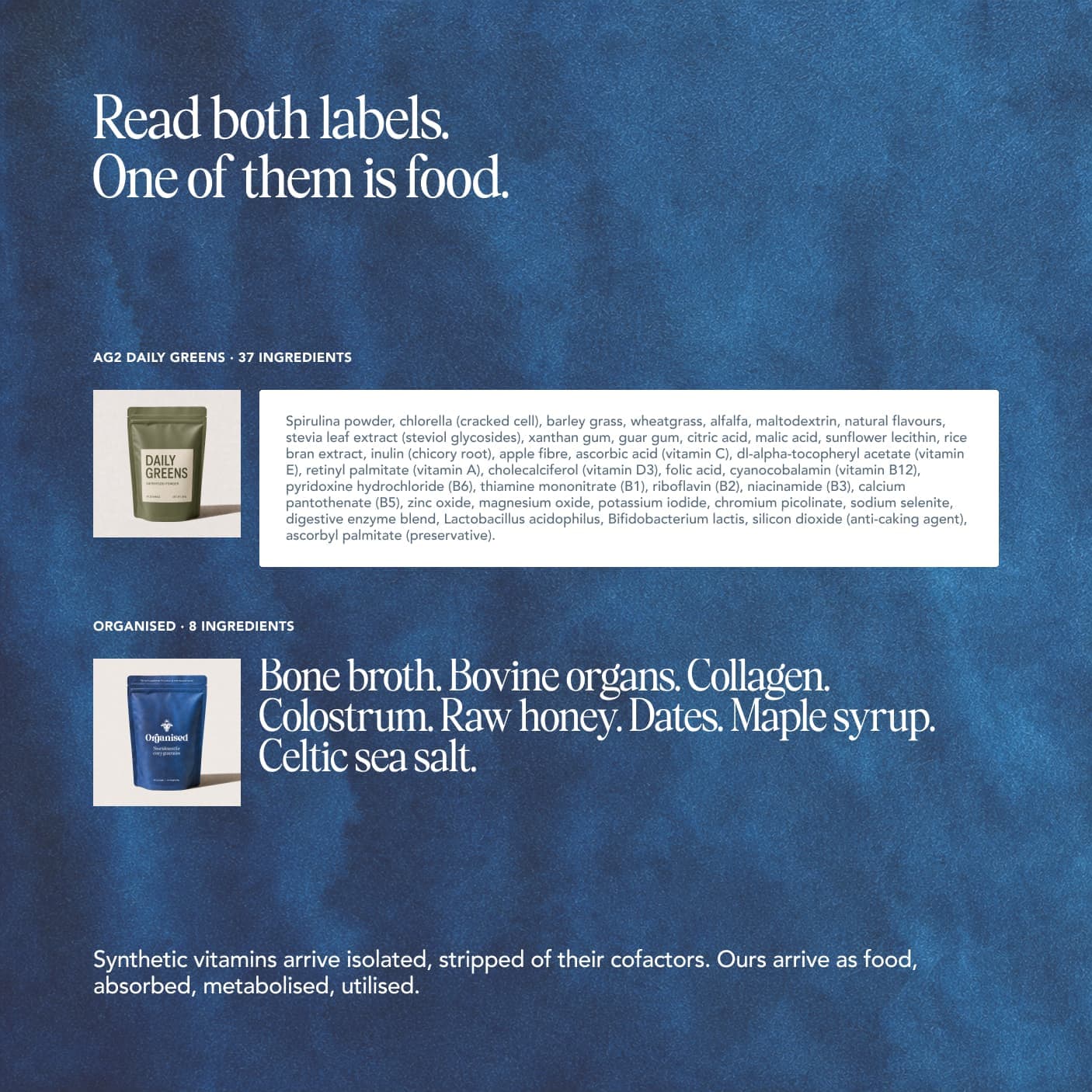
Eight real ingredients built around grass-fed beef organs, collagen and colostrum. Nothing synthetic added.
Free with your first order, worth £38. Plus £10 off the pouch with a subscription.

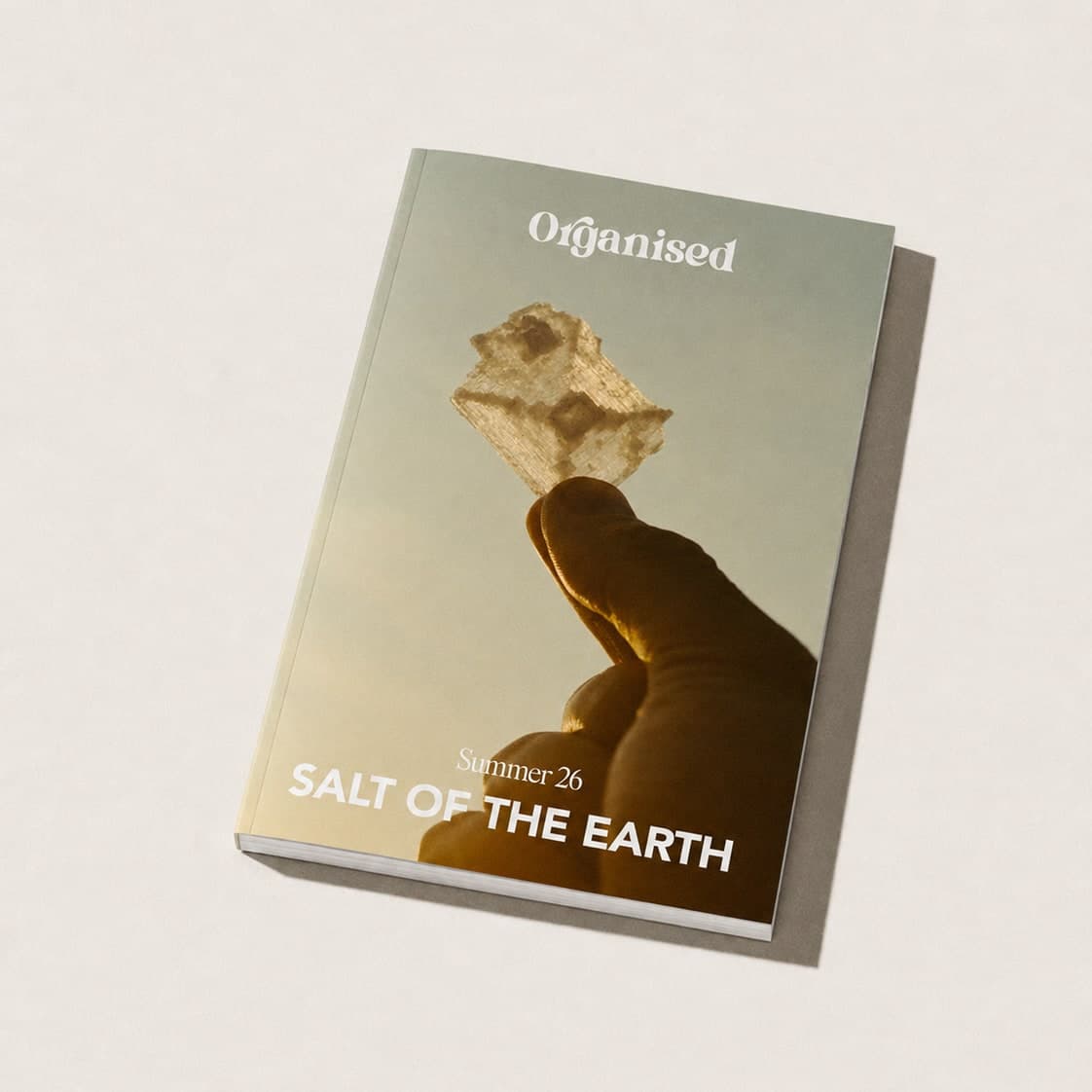
Free UK shipping · Made in England · 100 day money back guarantee on your first pouch · Skip, pause or cancel anytime
7. Copper: The overlooked mineral
Copper is essential for energy production, immune function, iron metabolism, and connective tissue formation. Deficiency causes fatigue, poor immune function, and connective tissue problems.6
Copper is often overlooked because deficiency is less common than other minerals. However, high-dose zinc supplementation can deplete copper, creating a secondary deficiency. Some people with high-dose zinc supplementation develop copper deficiency symptoms.
Testing: Serum copper and ceruloplasmin (the copper-carrying protein).
Repletion: Beef, shellfish, nuts, seeds, whole grains, and organ meats. If supplementing zinc, include small amounts of copper (2-4mg daily) or ensure adequate copper from food.
These seven minerals account for most of the silent deficiency problems in modern populations. Replete them, and most people feel dramatically better within weeks.
How to test and replete
The best approach is a comprehensive micronutrient panel that tests multiple minerals simultaneously. Not all doctors order these routinely, but functional medicine practitioners and naturopaths typically do.
If you can't get comprehensive testing, start with the most likely culprits. Magnesium status is almost certainly low. Zinc absorption is likely poor unless you're eating regular red meat. Iodine may be adequate if you use salt, but not if you've been avoiding it.
Rather than guessing, a trial of supplementation with clear markers of improvement is useful. If you supplement magnesium and your sleep improves within two weeks, you were deficient. If you add zinc and your immunity strengthens, your zinc status was low.
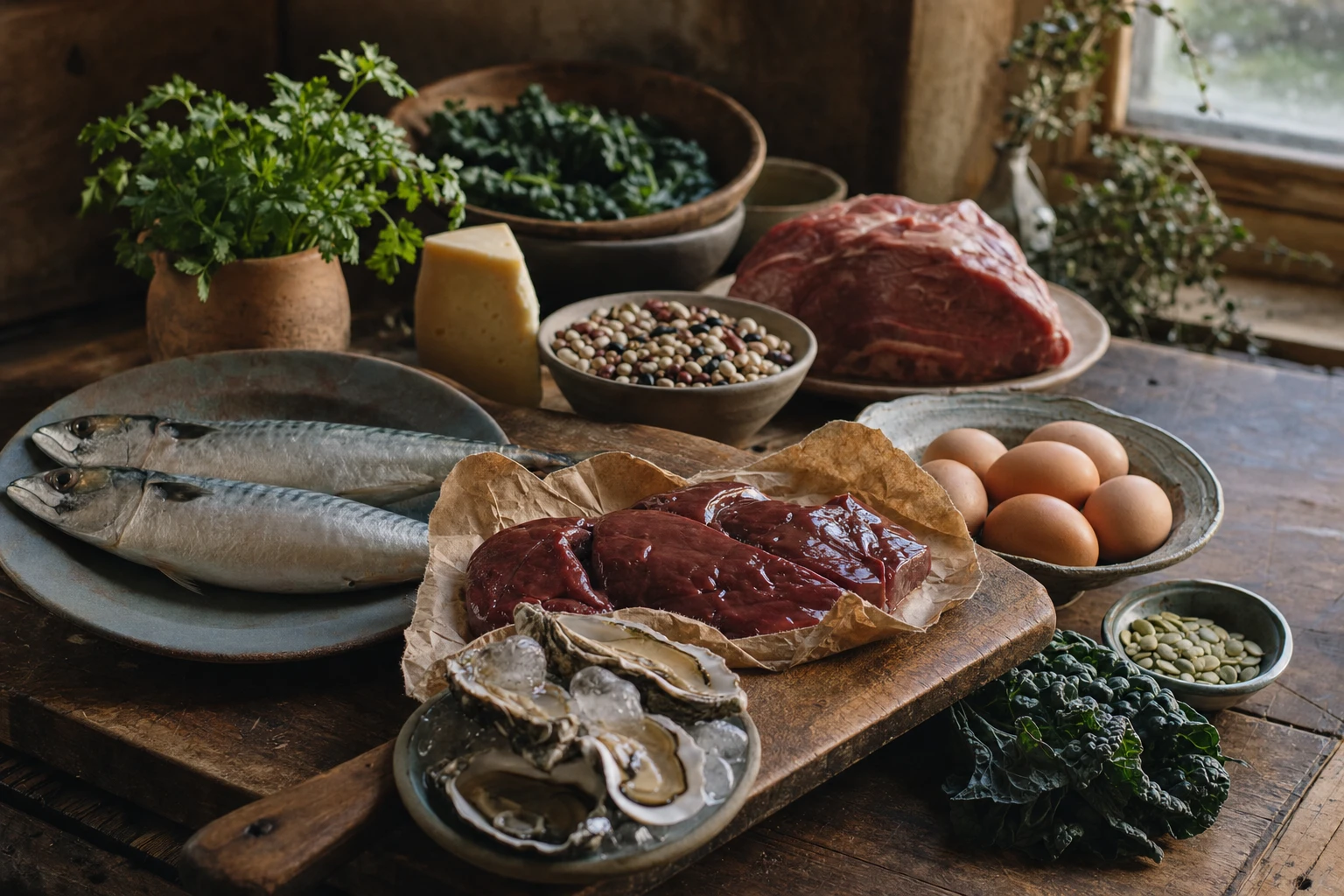
The ideal approach is real-food repletion: eating beef, organ meats, fish, seafood, vegetables, and salt. These foods contain all of these minerals plus hundreds of others in forms your body recognises and absorbs well. But if deficiency is significant, supplementation accelerates the recovery.
The bottom line
Mineral deficiency is epidemic and usually invisible. The vague symptoms, tiredness, mood issues, sluggish metabolism, poor immunity, poor recovery, feel like normal life, so they go unaddressed for years. But they don't have to be normal. Most people feel dramatically better within weeks of correcting mineral status.
The fastest, most effective way to improve mineral intake is eating nose-to-tail, including organ meats, which are the most mineral-dense foods available. Beef liver alone contains more bioavailable minerals than entire days of conventional eating. Add this one change, test your levels, and supplement what remains deficient. Within months, you'll feel like a different person.
References
Every source below was checked on 27 August 2026. Each link was requested and read. Where a citation and its identifier disagreed, the citation was corrected to the record or the reference was deleted along with the sentence marker that pointed at it, and where the resolved paper turned out not to support the sentence, the sentence was cut back to what it does support. Borrowed authority is worse than none, because it looks like rigour.
- National Institutes of Health, Office of Dietary Supplements. Magnesium - Health Professional Fact Sheet. https://ods.od.nih.gov/factsheets/Magnesium-HealthProfessional/ [accessed May 2026].
- National Institutes of Health, Office of Dietary Supplements. Zinc - Health Professional Fact Sheet. https://ods.od.nih.gov/factsheets/Zinc-HealthProfessional/ [accessed May 2026].
- National Institutes of Health, Office of Dietary Supplements. Iodine - Health Professional Fact Sheet. https://ods.od.nih.gov/factsheets/Iodine-HealthProfessional/ [accessed May 2026].
- National Institutes of Health, Office of Dietary Supplements. Selenium - Health Professional Fact Sheet. https://ods.od.nih.gov/factsheets/Selenium-HealthProfessional/ [accessed May 2026].
- National Institutes of Health, Office of Dietary Supplements. Iron - Health Professional Fact Sheet. https://ods.od.nih.gov/factsheets/Iron-HealthProfessional/ [accessed May 2026].
- National Institutes of Health, Office of Dietary Supplements. Copper - Health Professional Fact Sheet. https://ods.od.nih.gov/factsheets/Copper-HealthProfessional/ [accessed May 2026].
Who wrote and reviewed this guide
Niall Kiddle
Author · Founder, Organised
Niall is the founder of Organised. He started the company in 2024 after fixing his own health the slow way: in 2022 he swapped a cupboard of synthetic supplements for real food, raw milk, organ meats, bone broth and honey, and felt the difference within months.
Areas of expertise: Ancestral nutrition, Organ meats, Whole-food supplementation, Gut health, Regenerative sourcing
Read Niall's full profile
Pedro Rodrigues
Reviewer · Agronomist (farming and sourcing only)
Pedro is the agronomist Organised works with on farming and sourcing. His job on the guides is to keep the science honest: he reviews what we publish about soil health, regenerative agriculture, grazing and the way food is actually produced.
Areas of expertise: Regenerative agriculture, Agronomy, Soil health, Grass-fed farming, Food sourcing
Reviewed this guide on
Read Pedro's full profileMore on nutritional science
View all- Glutathione: Your Body's Master Antioxidant
- Methylation: What It Is and Why It Matters
- The Difference Between Heme and Non-Heme Iron (And Why It Matters)
- The Micronutrient Gap: Why Even 'Healthy' Diets Fall Short
- The Role of Fat-Soluble Vitamins: A, D, E and K
- Understanding Your Blood Work: A Nutritional Perspective
- What Is Oxidative Stress and How Does Nutrition Help?
- Why Nutrient Density Should Replace Calorie Counting
Browse the guides library
All guidesKeep reading
Science
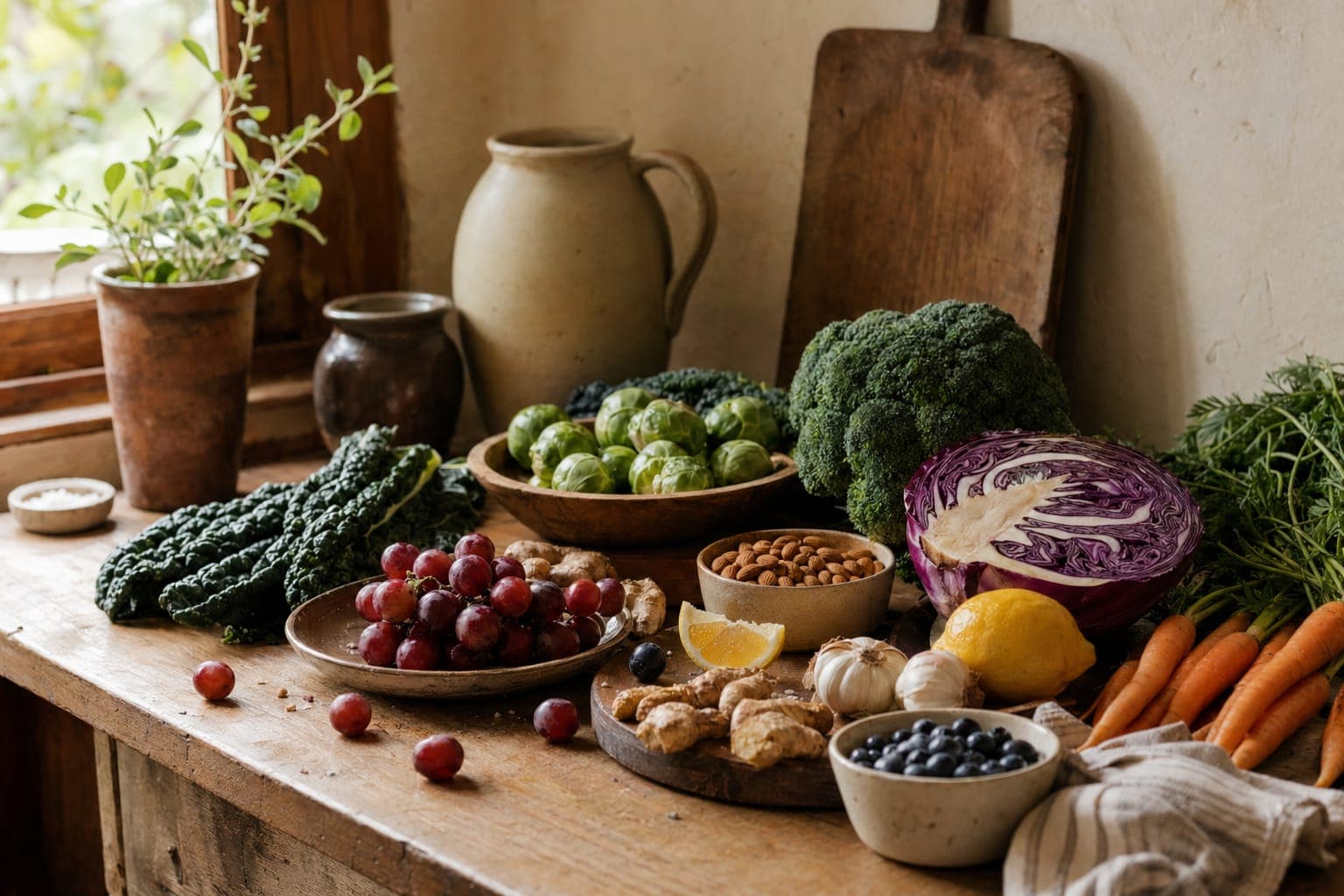
What Is Oxidative Stress and How Does Nutrition Help?
Understand oxidative stress and how your body's antioxidant systems work. Learn which nutrients support glutathione and SOD, and where to find them in food.
Science
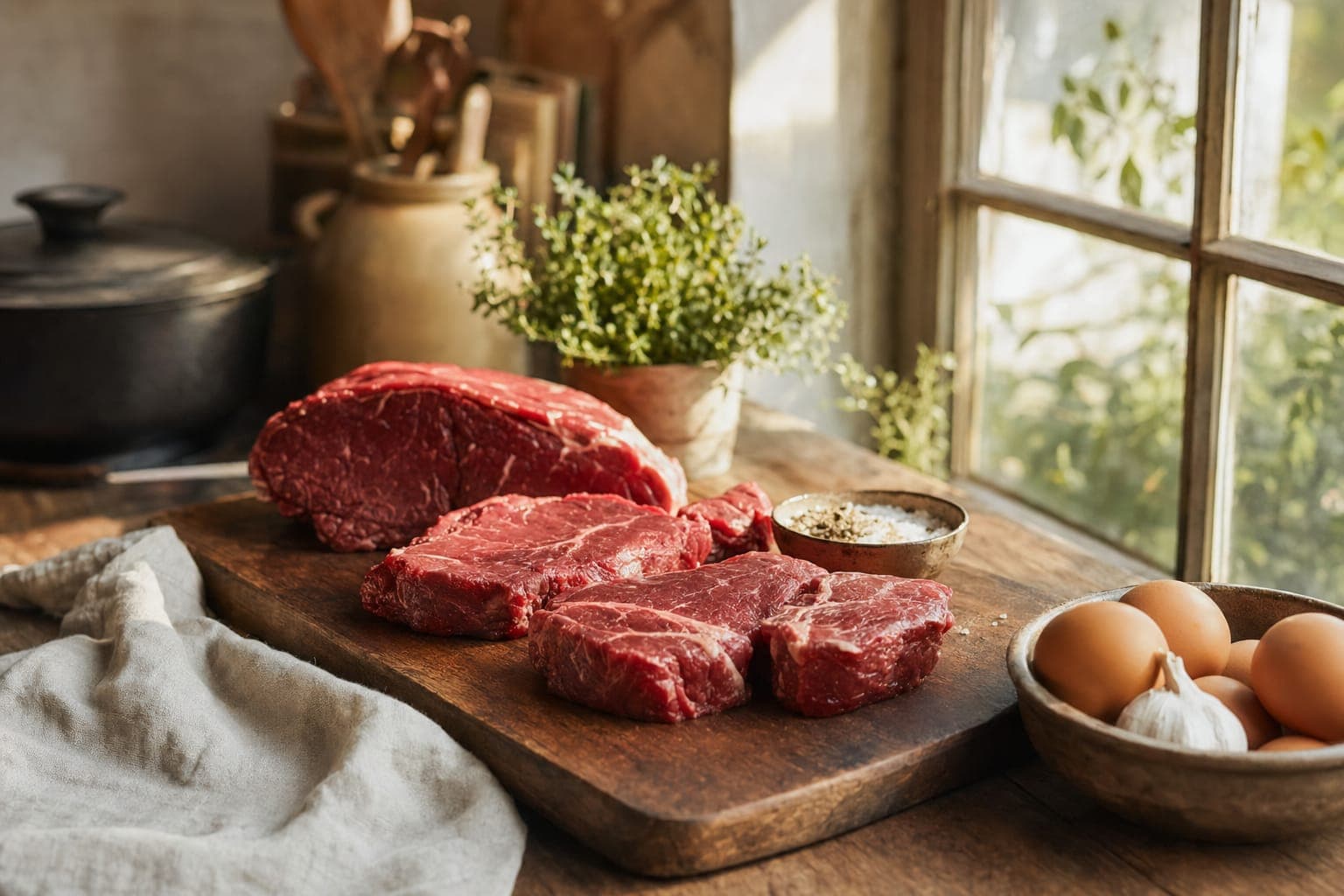
Beef Protein and Muscle Gain: What the Research Actually Shows
What does the research say about beef protein for muscle gain? We review key studies and what beef adds beyond protein: creatine, carnitine, taurine and B12.

Science
The Microbiome and Weight: What New Research Reveals
Your gut bacteria directly influence weight. Discover how Firmicutes, Bacteroidetes, and short-chain fatty acids affect metabolism.
Real food, made effortless
See the blendA few ways to use it
All recipes
Organised Chia Pudding with Raw Honey and Berries
A no-cook chia seed pudding made with raw milk, collagen, berries, and raw honey. Prep it the night before and eat for breakfast.

The Perfect Organised Morning Shake: Our Favourite Recipe
Our signature morning shake: Organised, raw milk, banana, honey. Simple, nourishing, and optimised for an empty stomach.
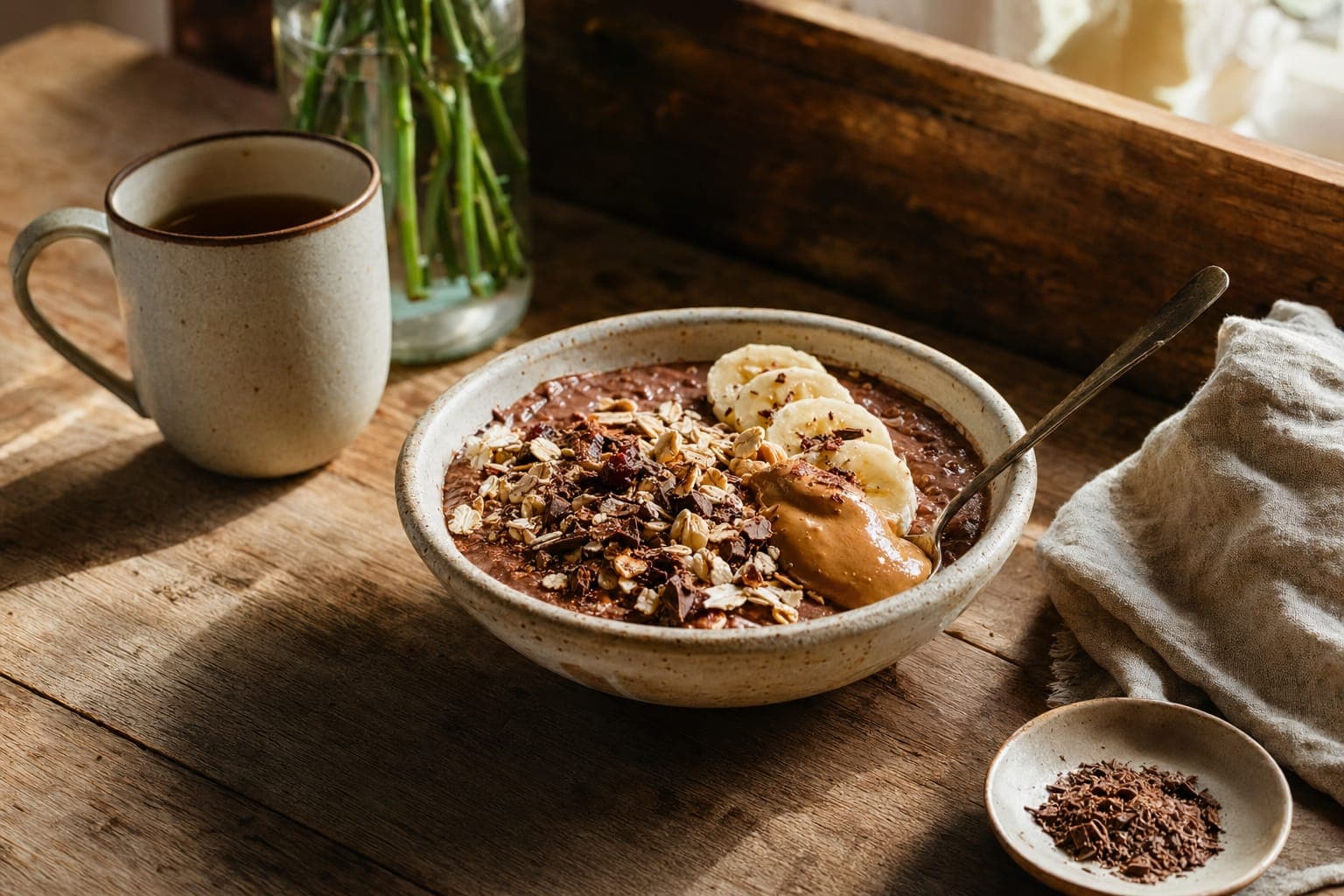
10 Ways to Use Organised That Aren't Just a Shake
Move beyond the basic shake. Discover 10 creative ways to use Organised in smoothie bowls, oats, yoghurt, baking, and more.


 Join over 100,000+ members
Build a better food system with us
The Organised community is thousands of people choosing real food and backing the farmers who grow it, all of us trying to leave the world a little better than we found it. If that is what you care about too, you belong here.