What Is Oxidative Stress and How Does Nutrition Help?
Your cells are constantly under attack. Not from invaders, but from byproducts of your own metabolism. Every time you produce energy, use oxygen, or fight infection, your cells generate free radicals, unstable molecules that damage proteins, fats, and DNA. This is oxidative stress. Your body has sophisticated defences against it. But modern life taxes those defences. Here's how oxidative stress works and how nutrition can support your antioxidant systems.
By Niall Kiddle, Founder, Organised

Reviewed by Pedro Rodrigues, Agronomist (farming and sourcing only) ·
6 min read · Published · Updated · 3 cited sources
Makers of the Organised Daily blend, a grass-fed beef organ supplement from regenerative UK farms
What oxidative stress actually is
A free radical is an atom or molecule with an unpaired electron.1 That unpaired electron makes the molecule unstable and reactive. It will attack nearby molecules, trying to steal an electron to become stable again. In doing so, it damages the molecule it attacks.
Your cells generate free radicals constantly as a byproduct of normal metabolism. Mitochondria produce them when they convert glucose into ATP. Immune cells produce them when they kill bacteria. UV exposure generates them in your skin. Inflammation generates them. Some free radical production is normal and even necessary. It's part of how cells signal each other.
But when free radical production exceeds your body's capacity to neutralise them, oxidative stress occurs. The excess free radicals damage the very molecules that cells depend on. Lipid peroxidation damages cell membranes. Protein oxidation damages enzymes. Oxidative damage to DNA can cause mutations that lead to cancer.
Modern life accelerates free radical production. Chronic inflammation from processed food and stress. Excessive exercise without adequate recovery. Air pollution. Blue light exposure. All of these drive oxidative stress. Your antioxidant defences haven't evolved for this much exposure.
Why it accelerates ageing and disease
Oxidative stress is a major driver of ageing. When free radicals damage proteins, your cells have to spend energy replacing them. When they damage mitochondrial DNA, mitochondria function less efficiently. When they damage telomeres, cells lose the ability to divide. Over years and decades, this accumulated damage drives cellular ageing.
Chronic oxidative stress is also involved in virtually every age-related disease. Cardiovascular disease, neurodegeneration, cancer, diabetes, arthritis. In each case, oxidative stress is part of the mechanism that drives disease progression.
This isn't to say free radicals are purely bad. They have signalling functions. But the problem is balance. When antioxidant defences are overwhelmed, the damage cascades. A single burst of oxidative stress can initiate a chain reaction of cellular damage that takes days to repair.
Oxidative stress isn't about having free radicals. It's about the balance between free radical production and your antioxidant defences. When defences are strong, free radicals are neutralised before they damage cellular components.
Your body's antioxidant defences
Your body doesn't rely on vitamin E or vitamin C to handle oxidative stress. Those are helpful, but they're minor players. The heavy lifting is done by your own antioxidant enzymes, particularly three: superoxide dismutase (SOD), catalase, and glutathione peroxidase.
SOD converts the superoxide free radical, one of the most destructive, into hydrogen peroxide and oxygen. Catalase then converts hydrogen peroxide into water and oxygen, neutralising it harmlessly. Glutathione peroxidase uses the tripeptide glutathione to neutralise various free radicals and lipid peroxides.
These three enzymes form a coordinated defence system. If any one of them is impaired, free radicals accumulate faster. If all three are robust, your cells can tolerate significant oxidative insult without damage.
Your body produces these enzymes in proportion to the oxidative stress it faces. In response to exercise, for example, mitochondria produce more free radicals, and your cells respond by upregulating SOD and catalase production. This is why moderate exercise is protective. It stimulates antioxidant defence adaptation.
But this adaptive capacity has limits. Chronic overproduction of free radicals (from excessive inflammation, air pollution, overtraining without recovery) can overwhelm adaptation. The antioxidant defences are maximally activated and still can't keep up.
How nutrition supports these defences
Your antioxidant enzymes are proteins. They require specific minerals as cofactors to function. SOD requires copper, zinc, and manganese. Catalase requires iron. Glutathione peroxidase requires selenium. Without these minerals, these enzymes can't be assembled or function properly.
Additionally, glutathione synthesis requires adequate glycine, glutamate, and cysteine. If your amino acid status is poor, or if your methylation status is poor (which affects cysteine availability), glutathione production drops. And glutathione is central to your entire antioxidant system. It doesn't just neutralise free radicals. It regenerates other antioxidants so they can be used again.
Organ meats are extraordinarily rich in both the minerals and amino acids that support antioxidant defences. Beef liver contains roughly 6 milligrams of copper per 100 grams, far more than muscle meat. It's rich in iron, zinc, and selenium. Oysters are famously high in zinc and copper. Kidney is rich in selenium.
Bone broth, made from connective tissue and bones, provides glycine in abundance, supporting glutathione synthesis. It also provides minerals like magnesium and calcium that serve as cofactors for antioxidant enzymes.
Vitamin E and C do play a supporting role. Vitamin E protects cell membranes from lipid peroxidation. Vitamin C helps regenerate vitamin E. But they're best thought of as supporting actors. The main defence is your own antioxidant enzyme system, and that depends on minerals and amino acids.
Your body's antioxidant defences don't come from supplements. They come from your own enzymes, which require copper, zinc, manganese, iron, and selenium as cofactors. Organ meats and bone broth provide these in abundance.
Get the science, plainly, free
Two short reads a week on what the research actually says about nutrition.
By signing up you agree to receive emails from us. No spam, unsubscribe anytime.
Modern oxidative stressors you can control
Understanding oxidative stress in isolation isn't helpful if you're not addressing the sources. Your antioxidant defences are powerful, but they're finite. If you're chronically driving free radical production through modifiable behaviours, supplements and nutrients are playing defence whilst you create offence.
Processed food is one of the largest drivers. Refined carbohydrates spike blood sugar, driving free radical production in response to elevated glucose. Seed oils, unstable at high temperatures, oxidise during cooking and create oxidative stress when you eat them. Excess alcohol drives free radical production. Chronic sleep deprivation impairs your antioxidant enzyme production, creating a downward spiral.
Over-exercise without adequate recovery is another surprise culprit. Moderate exercise upregulates antioxidant defences. Excessive exercise without sufficient recovery overwhelms them. You create more free radicals than your system can handle. This is why athletes often show signs of accelerated ageing if they're training hard without attention to recovery, sleep, and nutrient density.
Chronic stress elevates cortisol, which drives inflammation and oxidative stress. Air pollution, particularly fine particulate matter, triggers oxidative stress directly in your lungs and throughout your body. Blue light exposure from screens, especially late in the day, impairs mitochondrial function and increases free radical production.
Nutrition supports your antioxidant defences. But so does sleep, stress management, avoiding seed oils, and moderating exercise intensity relative to recovery.

1 of 9
Daily blend
100,000+ thriving families4.9 on Trustpilot
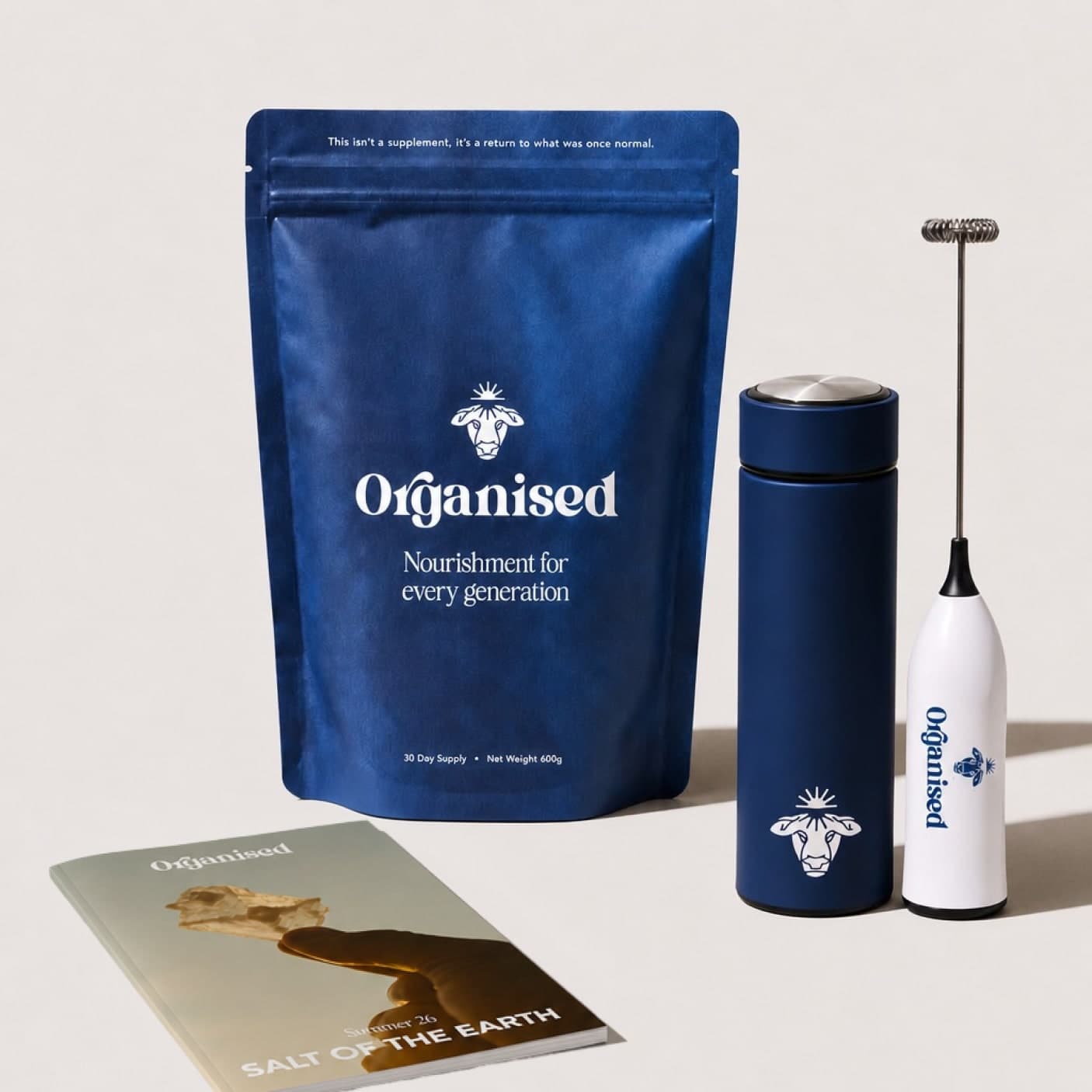
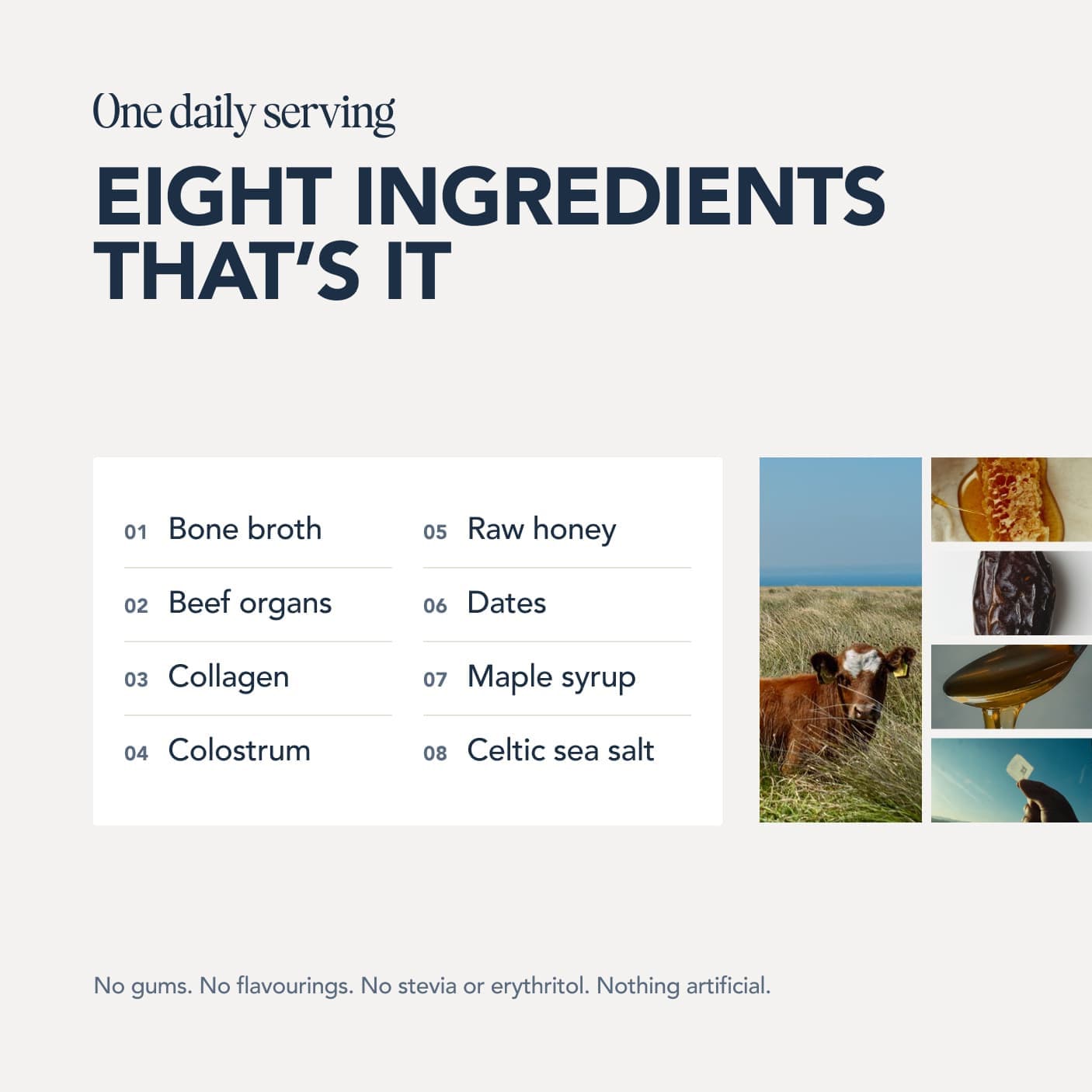
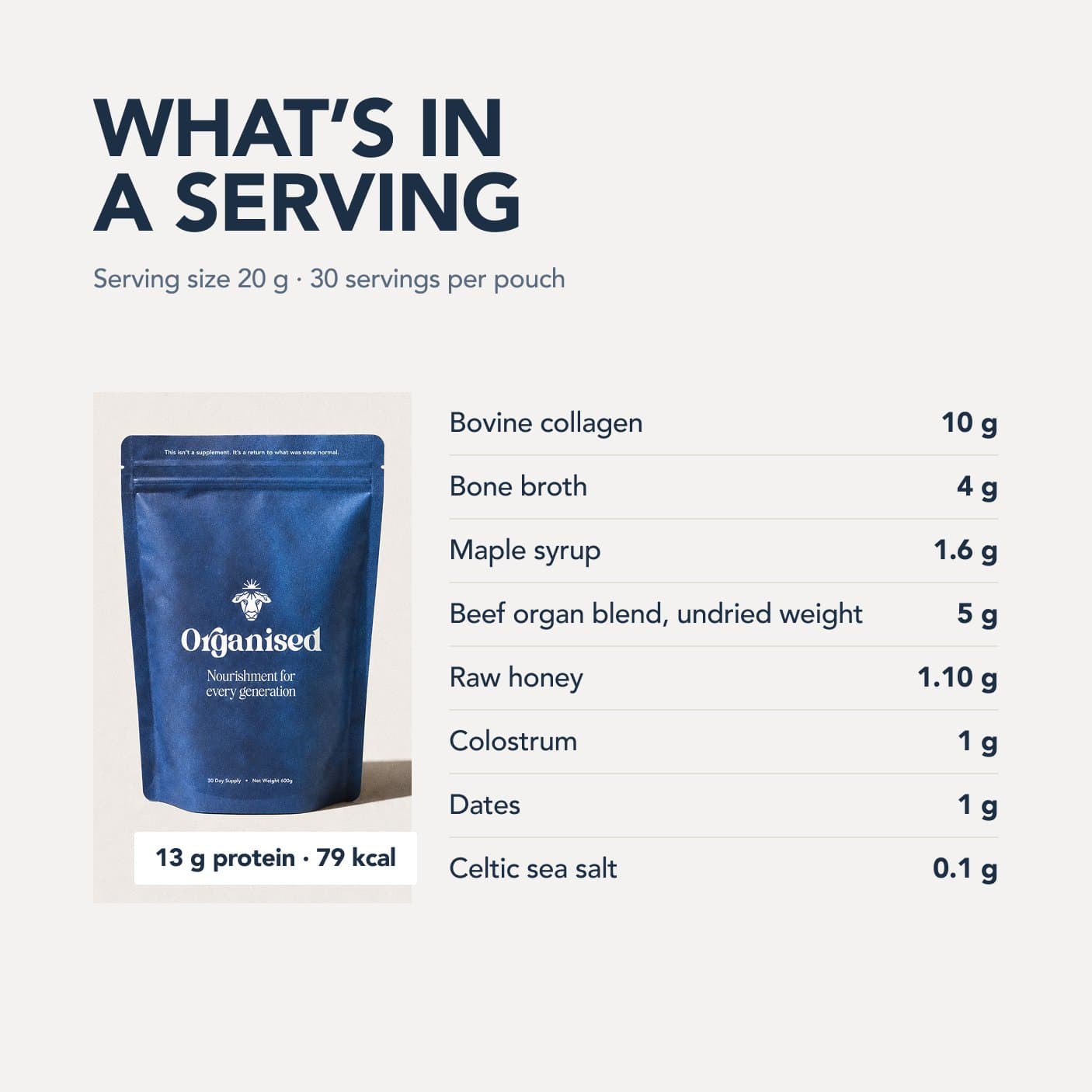
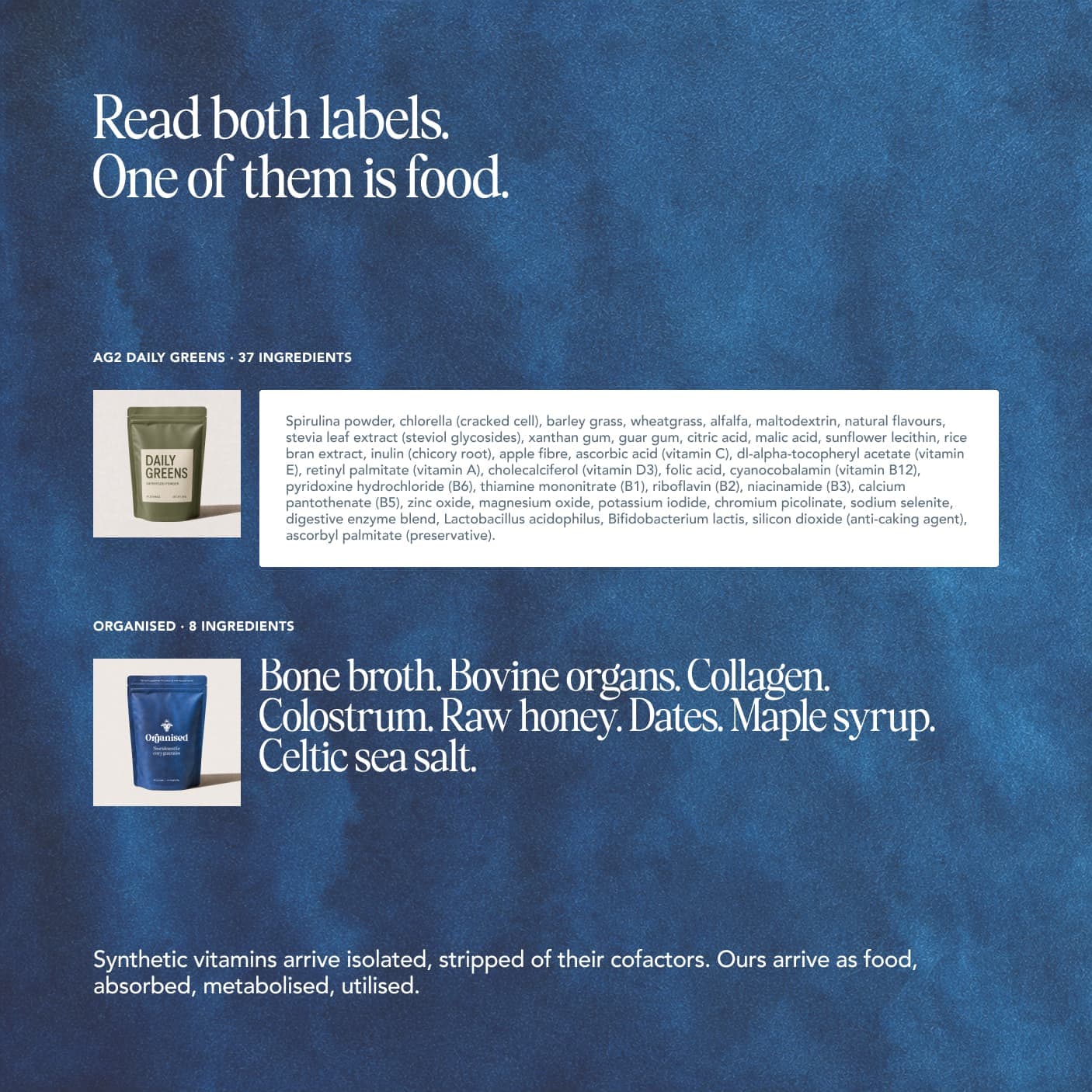
Eight real ingredients built around grass-fed beef organs, collagen and colostrum. Nothing synthetic added.
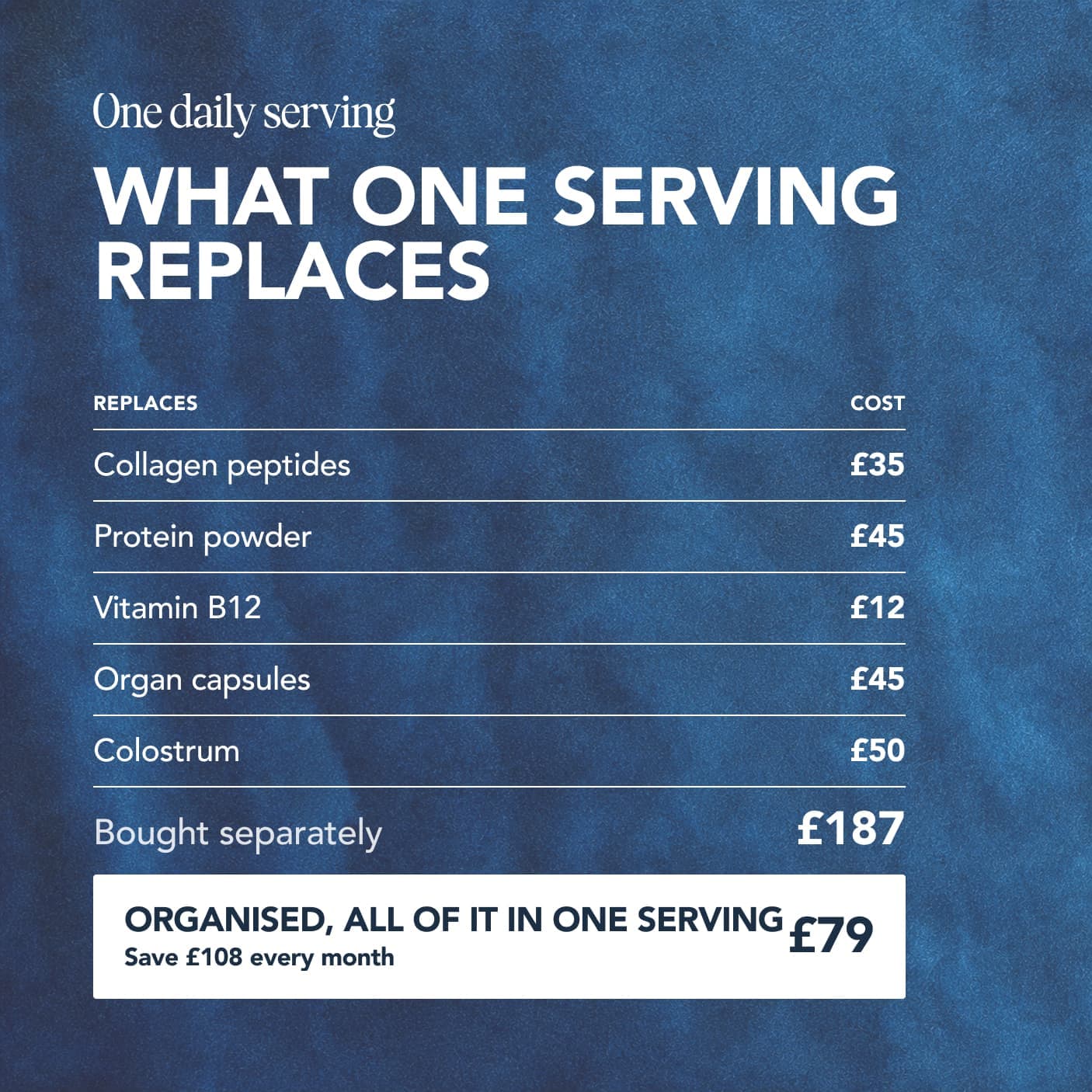
Free with your first order, worth £38. Plus £10 off the pouch with a subscription.
Free UK shipping · Made in England · 100 day money back guarantee on your first pouch · Skip, pause or cancel anytime
Practical implementation
Knowing the mechanism is useful only if it translates to action. Here's a practical hierarchy. First, reduce the drivers of oxidative stress. Cut processed food. Replace seed oils with butter, coconut oil, or animal fats that are stable at high heat. Prioritise sleep. Manage stress through whatever works for you, walks, breath work, community, practice.
Second, eat nose-to-tail. Organ meats aren't a supplement. They're food. Beef liver once or twice per week provides copper, zinc, iron, and selenium in quantities that synthetic supplements struggle to match. The cofactors work synergistically. You're not isolating single nutrients. You're eating the entire mineral complex that evolution designed.
Third, include bone broth or collagen peptides for glycine, or ensure you're eating gelatinous cuts, bone-in meats, slow-cooked stews, cartilage-rich offal. Glycine is fundamental to glutathione synthesis, and it's rare in muscle meat. It concentrates in connective tissue.
Fourth, don't neglect the minerals themselves. If you're not eating organ meats regularly, consider targeted supplementation with zinc and selenium particularly. These are difficult to get consistently from plant sources. A single brazil nut provides substantial selenium, but consistency is the issue. Organs provide it reliably.
The bottom line
Oxidative stress is a fundamental driver of ageing and disease, but it's preventable and manageable. Your body has sophisticated antioxidant defences built on three main enzymes: SOD, catalase, and glutathione peroxidase.2 These defences require specific minerals and amino acids to function.
Rather than chasing antioxidant supplements, prioritise the nutrients that enable your own antioxidant systems. Eat organ meats for copper, zinc, iron, and selenium.3 Drink bone broth for glycine and mineral cofactors. Ensure adequate protein for amino acid building blocks. Manage stress and inflammation, which drive free radical production.
Moderate exercise, adequate sleep, and a stable stress load also support your antioxidant adaptation. These are the foundations. Superimposed on that foundation, targeted supplementation with specific minerals might help. But nutrition is the base. Get that right, and your cells can handle oxidative stress the way they evolved to.
References
Every source below was checked on 27 August 2026. Each PubMed, PMC and DOI identifier was resolved against NCBI or Crossref, and what it opens is printed under the citation, so you can see the link goes where the citation says without leaving the page. Where a citation and its identifier disagreed, the citation was corrected to the record or the reference was deleted along with the sentence marker that pointed at it, and where the resolved paper turned out not to support the sentence, the sentence was cut back to what it does support. Borrowed authority is worse than none, because it looks like rigour.
- Sies H. Oxidative stress: a concept in redox biology and medicine. Redox Biol. 2015. PMC4309861.Checked 27 August 2026: PMC4309861 opens Sies H, Oxidative stress: a concept in redox biology and medicine. Redox Biol 2015;4:180-3. PubMed indexes it as: Review.
- Ighodaro OM, Akinloye OA. First line defence antioxidants — superoxide dismutase, catalase, and glutathione peroxidase. Alex J Med. 2018. sciencedirect.com.
- NIH Office of Dietary Supplements. Selenium fact sheet. ods.od.nih.gov/factsheets/Selenium-HealthProfessional.
Who wrote and reviewed this guide
Niall Kiddle
Author · Founder, Organised
Niall is the founder of Organised. He started the company in 2024 after fixing his own health the slow way: in 2022 he swapped a cupboard of synthetic supplements for real food, raw milk, organ meats, bone broth and honey, and felt the difference within months.
Areas of expertise: Ancestral nutrition, Organ meats, Whole-food supplementation, Gut health, Regenerative sourcing
Read Niall's full profile
Pedro Rodrigues
Reviewer · Agronomist (farming and sourcing only)
Pedro is the agronomist Organised works with on farming and sourcing. His job on the guides is to keep the science honest: he reviews what we publish about soil health, regenerative agriculture, grazing and the way food is actually produced.
Areas of expertise: Regenerative agriculture, Agronomy, Soil health, Grass-fed farming, Food sourcing
Reviewed this guide on
Read Pedro's full profileMore on nutritional science
View all- 6 Mineral Deficiencies You Probably Have Without Realising
- Glutathione: Your Body's Master Antioxidant
- Methylation: What It Is and Why It Matters
- The Difference Between Heme and Non-Heme Iron (And Why It Matters)
- The Micronutrient Gap: Why Even 'Healthy' Diets Fall Short
- The Role of Fat-Soluble Vitamins: A, D, E and K
- Understanding Your Blood Work: A Nutritional Perspective
- Why Nutrient Density Should Replace Calorie Counting
Browse the guides library
All guidesKeep reading
Science
Epigenetics and Nutrition: How Food Shapes Gene Expression
Your genes aren't destiny. Nutrients like B12, folate, and choline control epigenetic switches that turn genes on or off. Learn how food shapes your biology.
Science
The Role of Fat-Soluble Vitamins: A, D, E and K
A clear guide to fat-soluble vitamins A, D, E and K2, how they work together, the best food sources and why organ meats are the richest source of them all.
Science
Amino Acids 101: Essential, Non-Essential and Conditional
There are nine essential amino acids you must eat. But four conditionally essential amino acids matter more than most people realise.
Real food, made effortless
See the blendA few ways to use it
All recipes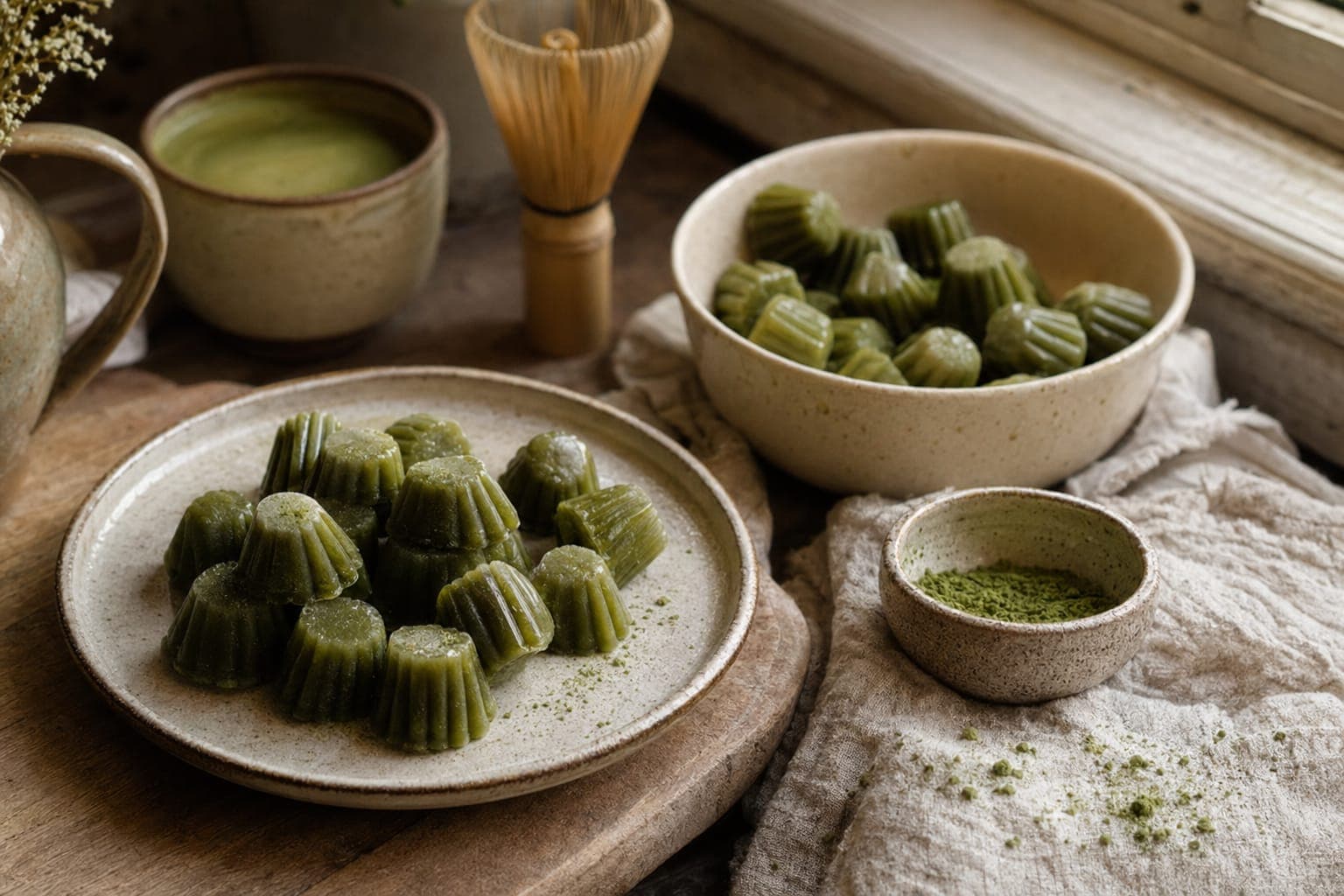
Matcha Latte Gummies with Collagen and Gelatine
Make visually stunning matcha latte gummies infused with collagen and gelatine. Simple recipe for gut-healing sweets you'll actually want to eat.
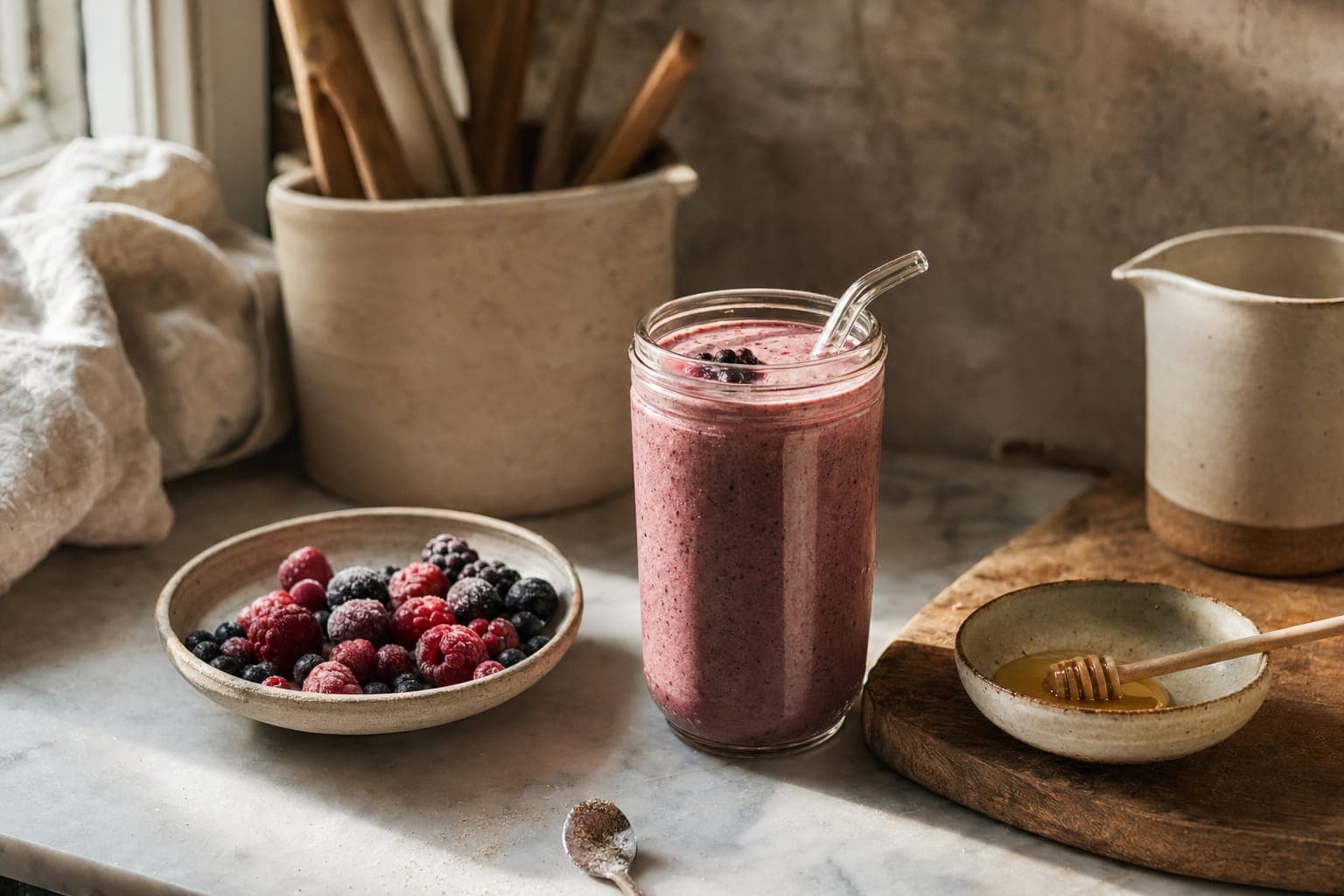
The Organised Recovery Smoothie for After Exercise
A recovery smoothie made with beef protein, raw milk, frozen berries, collagen, and honey. Optimal nutrition in the 30-minute window after exercise.
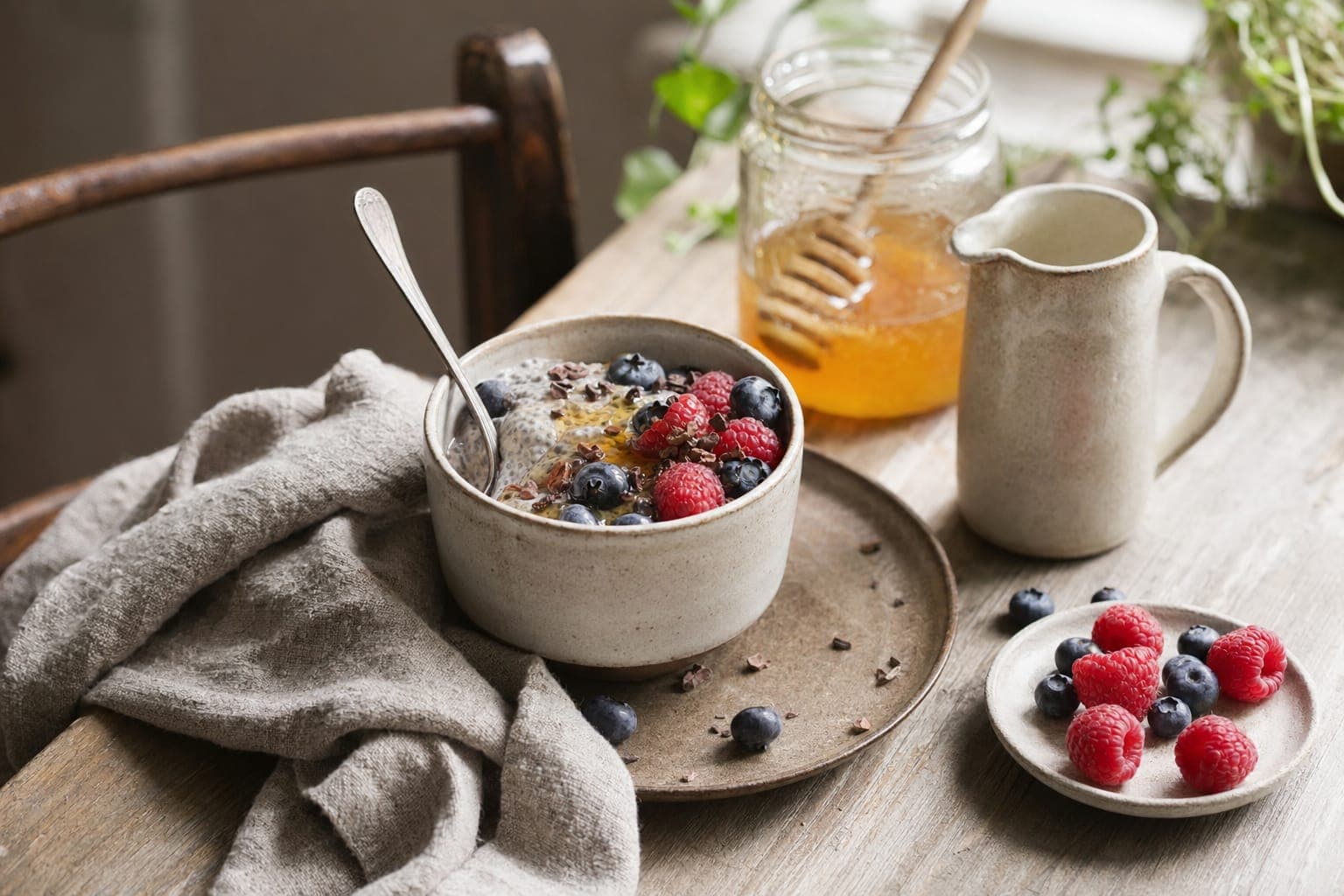
Organised Chia Pudding with Raw Honey and Berries
A no-cook chia seed pudding made with raw milk, collagen, berries, and raw honey. Prep it the night before and eat for breakfast.


 Join over 100,000+ members
Build a better food system with us
The Organised community is thousands of people choosing real food and backing the farmers who grow it, all of us trying to leave the world a little better than we found it. If that is what you care about too, you belong here.