Are Organ Supplements Just a Trend? Looking at the History
Today's trend of organ supplements feels new. But in the 1920s, glandular therapy was legitimate medicine. Adelle Davis was recommending liver in the 1960s. Weston Price was studying ancestral diets built on organ meats. This isn't new. It's memory.
By Niall Kiddle, Founder, Organised

Reviewed by Pedro Rodrigues, Agronomist (farming and sourcing only) ·
6 min read · Published · Updated · 4 cited sources
Makers of the Organised Daily blend, a grass-fed beef organ supplement from regenerative UK farms

The 1920s and the birth of glandular therapy
In the 1920s, American and European doctors were experimenting with glandular extracts. The theory was straightforward: if an organ is deficient, give the patient dried extract of that organ. If someone was struggling with thyroid function, give them thyroid gland extract. If someone was anaemic, give them liver. If someone was weak and fatigued, give them adrenal.
This wasn't fringe medicine. Glandular and organ extracts were stocked by pharmacies, prescribed by physicians, and reported on in medical journals of the era. The legacy that survived from this period is striking: insulin, isolated from pancreatic extract by Banting and Best in the early 1920s, and desiccated thyroid extract for hypothyroidism, both emerged from this broader tradition of using animal-organ preparations to treat human disease. Other organ extracts of the period had no comparable evidence base and faded from medicine as more targeted pharmaceuticals were developed.
The theory behind it was vitalism, the idea that each organ has some vital essence, and consuming that organ supports that function in the body. Modern science would say that's nonsense. The active compounds in organ meat are specific nutrients: nutrients found in that organ at higher concentrations than elsewhere. Liver is rich in iron, B12, folate, and retinol because the liver stores them. Thyroid is rich in selenium and iodine because the thyroid needs them.
What the vitalists didn't understand, modern biochemistry explains. But the outcomes were real. Glandular therapy worked, not because of vital essences, but because organ meats and organ extracts are nutrient-dense in precisely the nutrients each organ needs to function.

They didn't understand the mechanism, but they were right. Organ extracts worked because organs are nutrient-dense.
Adelle Davis and the nutritional revolution
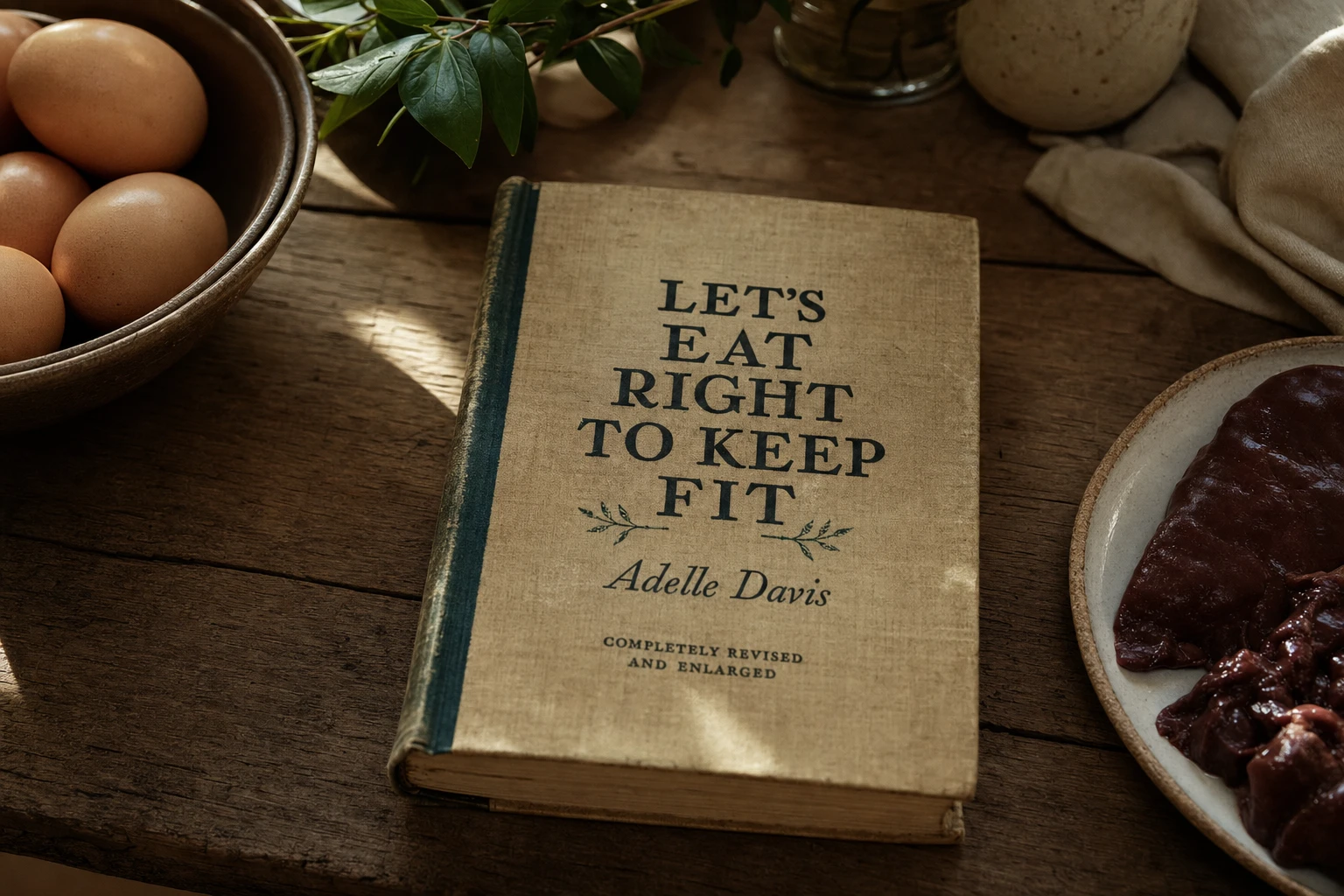
Adelle Davis was a nutritionist working in the 1950s and 1960s. She wrote books that sold millions of copies. She was beloved by readers and loathed by the medical establishment. Why? Because she recommended actual food.
She recommended liver so forcefully and so frequently that she became almost synonymous with it. She recommended eggs, butter, milk, organ meats, bone broth. She recommended these foods before they were trendy, before wellness was a marketing category, before Instagram made wholesome eating aesthetic.
What made her controversial was that she recommended these foods not as part of a diet, but as preventive medicine. Eat liver to prevent anaemia. Eat eggs to prevent protein deficiency. Eat butter to get fat-soluble vitamins. She was saying, essentially, that nutrition was medicine, and that disease prevention was possible through food.
The medical establishment wanted disease treatment, not prevention. The food industry wanted processed food sales, not whole food recommendations. Adelle Davis threatened both. She was investigated, criticised, sidelined. But her recommendations worked. People who followed them got healthier. The evidence was undeniable, which made the resistance even more fierce.
Weston Price and ancestral organ consumption
Weston Price was a dentist whose 1930s field research documented the dental and skeletal health of traditional cultures eating ancestral diets.1 He examined their diets, their health, their skeletal development, their dental health.
Every single healthy traditional culture he studied ate organ meats. The Swiss alpine communities ate organ meats. The Masai ate organ meats. The Inuit ate organ meats. The Polynesians ate organ meats. Organ meats were not a poverty food, eaten only when muscle meat ran out. They were priority foods, often reserved for pregnant women, growing children, and the elderly.
Price documented this meticulously. He published photographs of skulls, dental records, dietary descriptions. He showed that when these cultures switched to modernised diets that excluded organ meats and included processed foods, their health collapsed within a generation. Their teeth degraded. Their skeletal structure weakened. Their disease rates skyrocketed.
What Price was documenting was the loss of nutrient density. When you remove organs from the diet and replace them with refined carbohydrates and seed oils, you lose access to the most nutrient-dense foods available. The collapse in health is inevitable.
What the traditional cultures taught us
Every culture that lived well for centuries did something similar: they didn't waste anything. Muscle meat, organs, bones, skin, cartilage, connective tissue, marrow. They used it all. And in using it all, they ensured that they got the full spectrum of amino acids, minerals, and vitamins that their bodies needed.
A traditional diet built on nose-to-tail eating was, by accident or design, perfectly balanced. You got muscle-building amino acids from meat. You got glycine and collagen from bones and skin. You got iron and B12 and retinol from liver. You got iodine and selenium from thyroid. You got calcium and phosphorus and fat-soluble vitamins from bone broth. No nutrient was isolated. No food was elevated as magic. They just ate the whole animal.
Modern nutrition tried to extract individual nutrients. Modern industry tried to market individual foods as superfoods. Modern science tried to isolate single compounds and sell them as supplements. But the old way worked because it was holistic. The whole was better than the parts.
Get the science, plainly, free
Two short reads a week on what the research actually says about nutrition.
By signing up you agree to receive emails from us. No spam, unsubscribe anytime.
Why we forgot and how we're remembering
The shift away from organ meats happened in the mid-20th century for economic reasons. Processed food was new. It was convenient. It didn't require home cooking. It promised modern efficiency. The food industry promoted muscle meat as the status symbol of modernity, whilst organs were left to become pet food or rendered into unrecognisable forms.
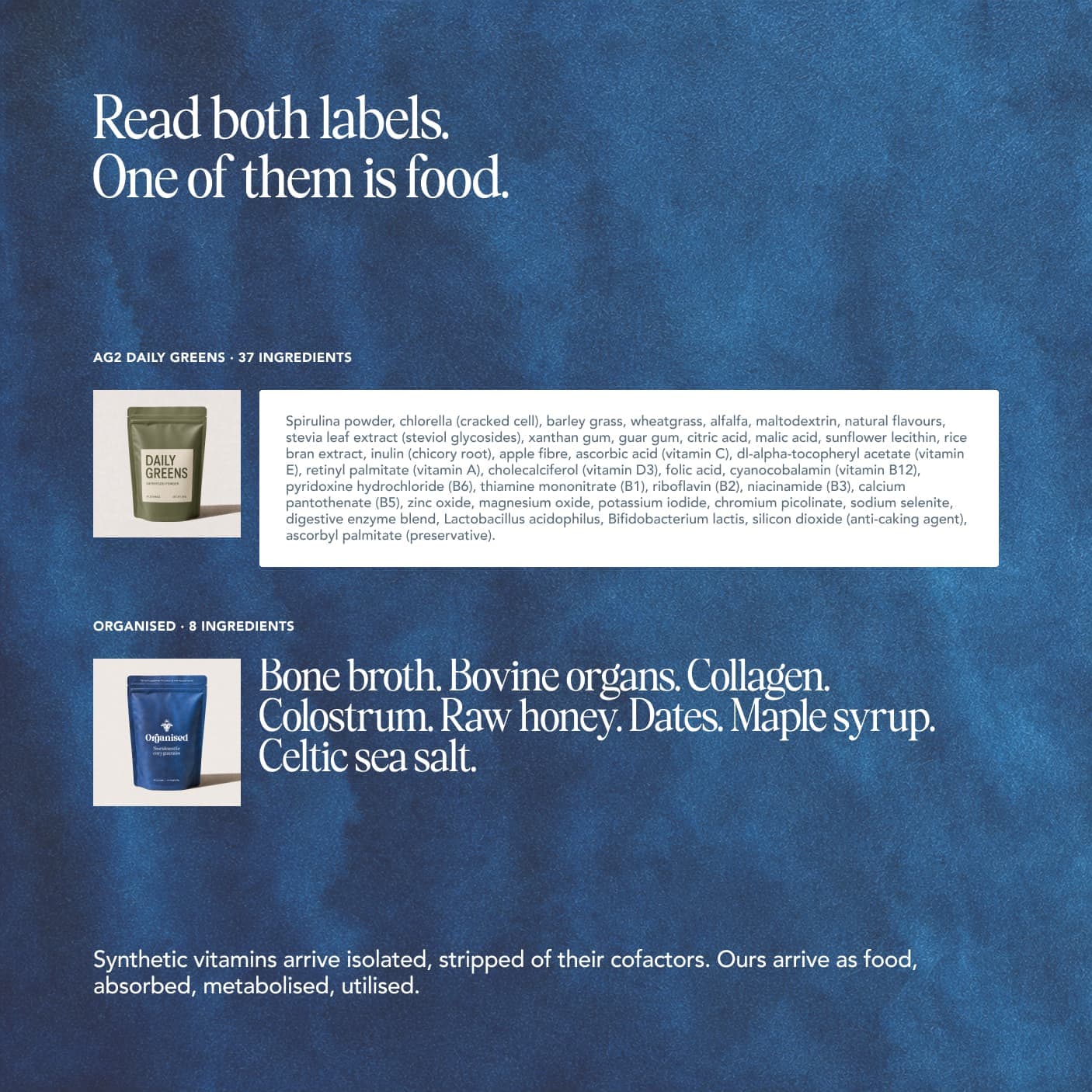
At the same time, nutrition science began isolating nutrients and treating them as separate. You don't need liver. You just need iron. You don't need eggs. You just need protein. You don't need bone broth. You just need collagen peptides, isolated and purified. This reductionist approach made business sense. You can't patent liver. You can patent a purified supplement.
But the body doesn't work that way. The body works with wholes. With synergies between nutrients. With cofactors and enhancers that exist in whole foods but get lost in isolation. The people who followed the old way, eating organs and bone broth and whole animal, stayed healthier. The people who followed the modern reductionist approach got sicker.
Today's resurgence of organ supplements and organ meats isn't a trend. It's a return. It's the re-emergence of something humans knew for millennia and forgot for barely 70 years. It's Adelle Davis being vindicated. It's Weston Price's photographs being understood. It's glandular therapy being translated into modern language: nutrient density. It's the same medicine, with better biochemistry.

1 of 9
Daily blend
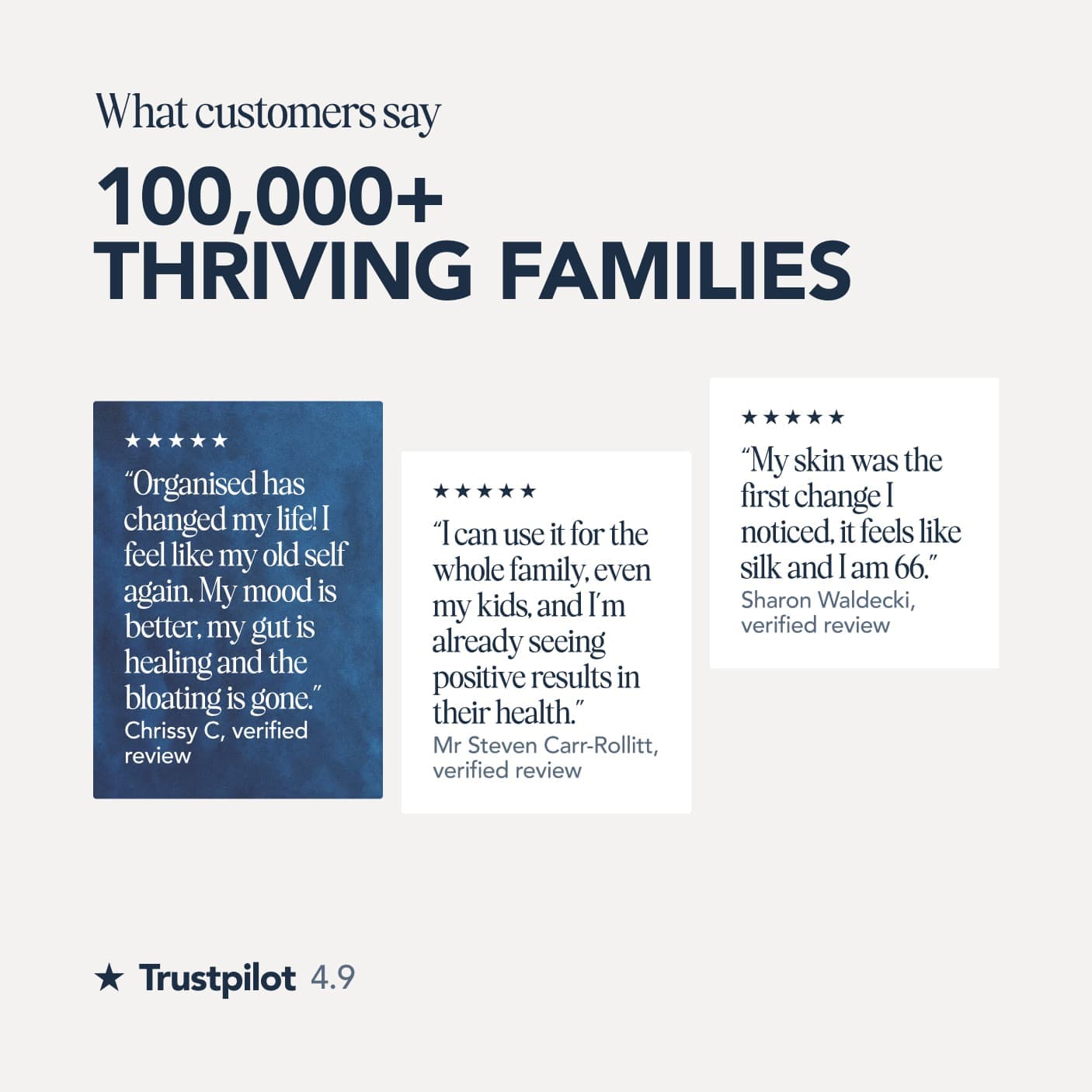
100,000+ thriving families4.9 on Trustpilot
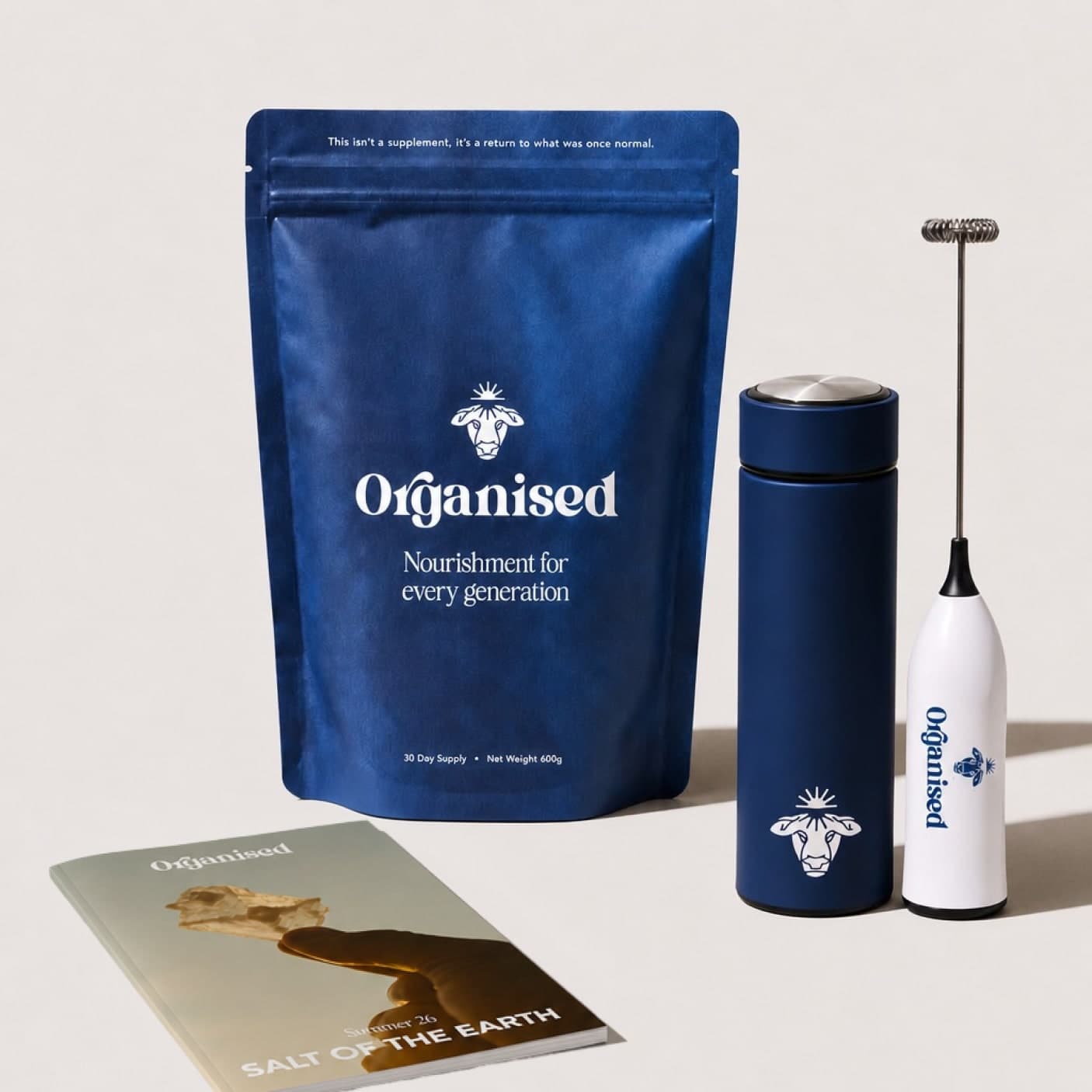
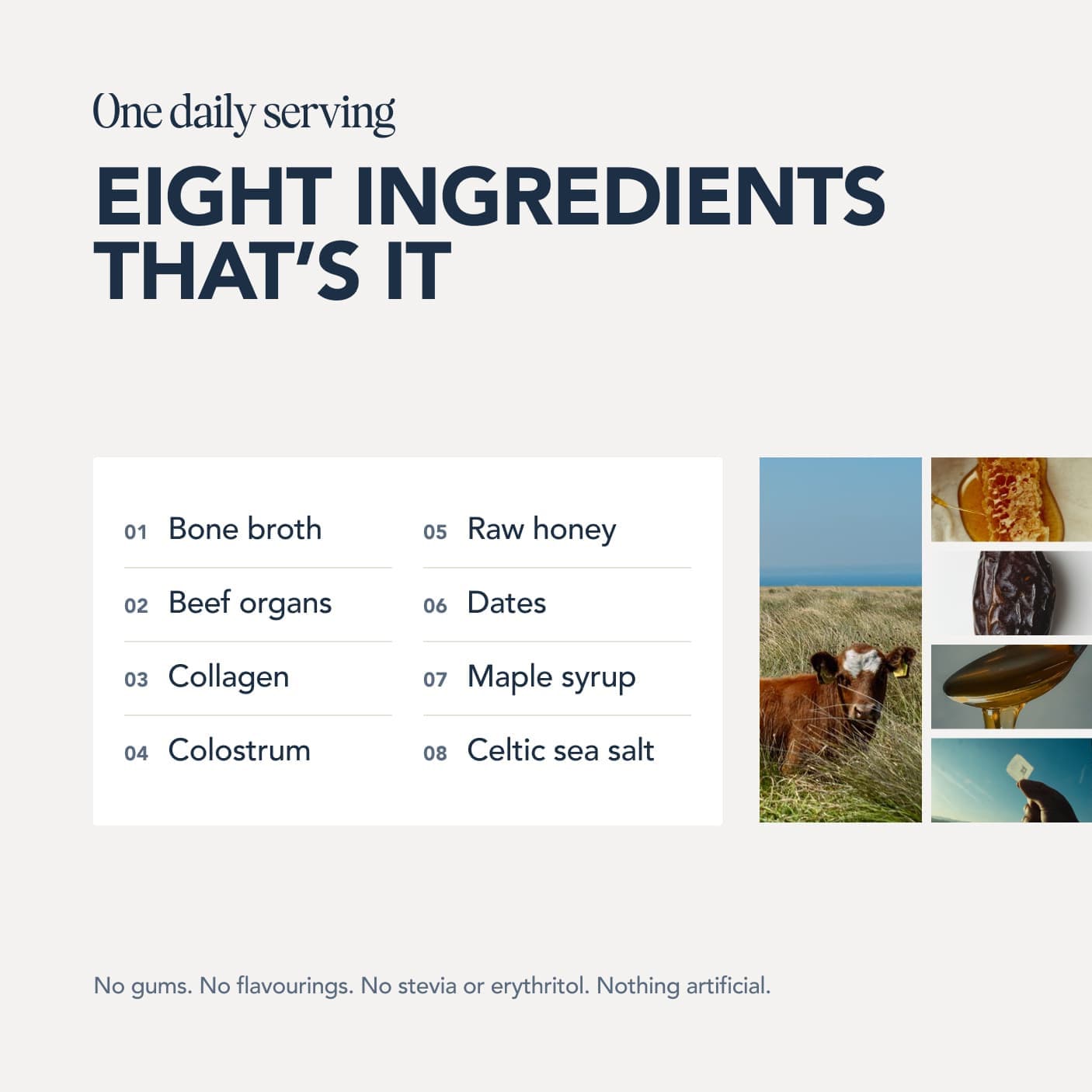
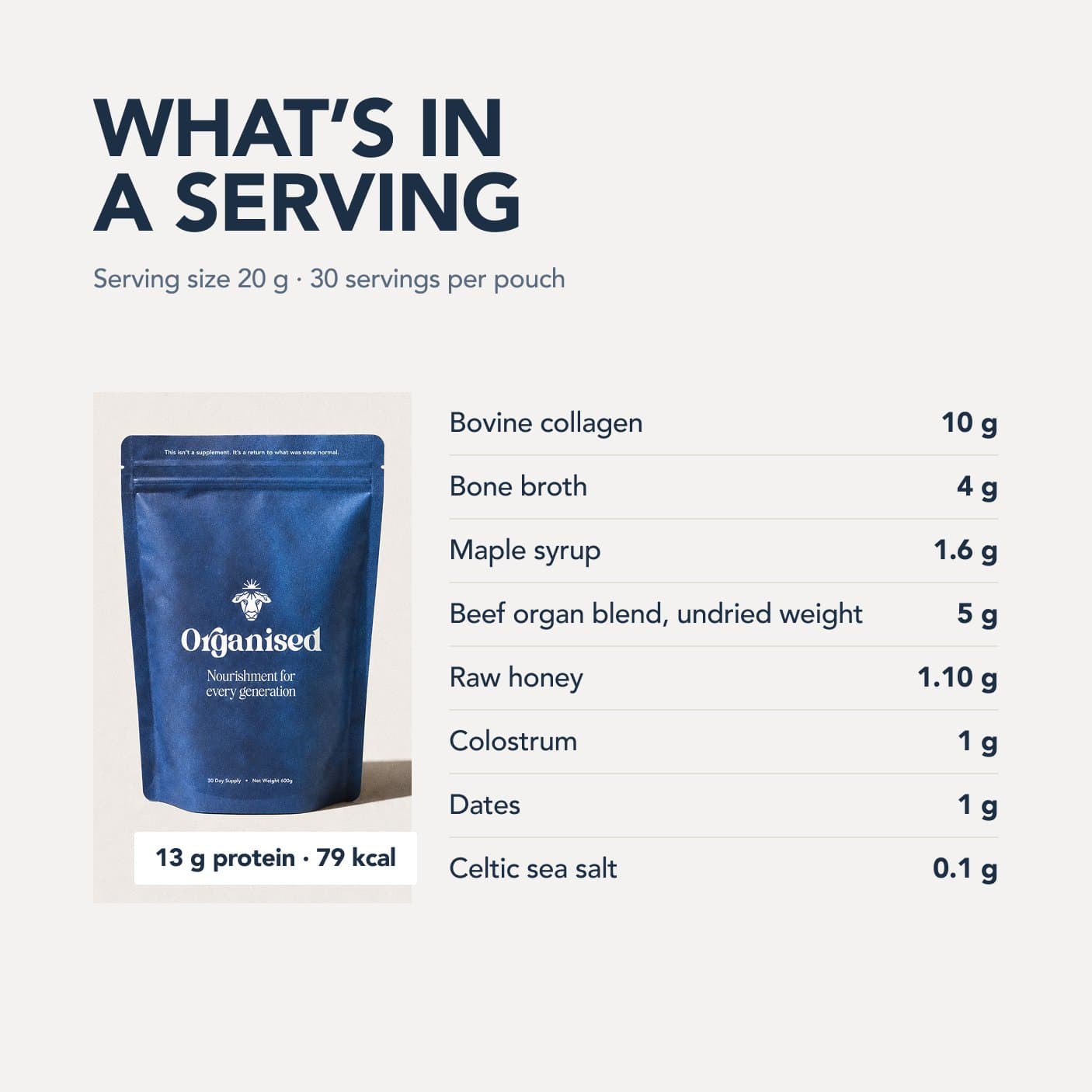
Eight real ingredients built around grass-fed beef organs, collagen and colostrum. Nothing synthetic added.
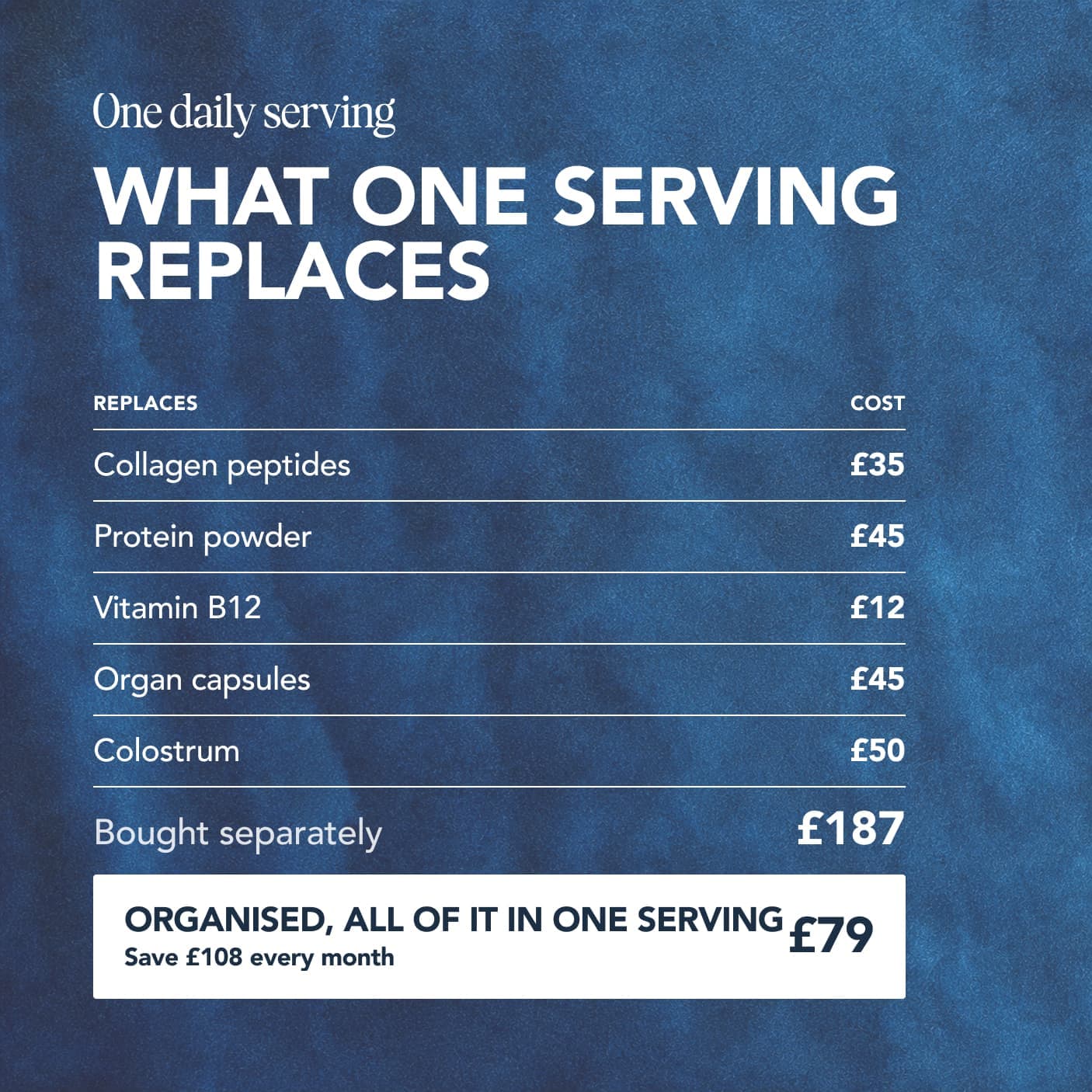
Free with your first order, worth £38. Plus £10 off the pouch with a subscription.
Free UK shipping · Made in England · 100 day money back guarantee on your first pouch · Skip, pause or cancel anytime
Modern science validating the old ways
Today's nutritional science is finally catching up to what traditional cultures knew. Research on organ meats shows they contain nutrient concentrations that muscle meat cannot match. Beef liver is exceptionally high in copper and B12 compared with muscle meat.2 Beef liver contains 7 micrograms of B12. Muscle meat contains 1 to 2.
Research on glycine shows roles in collagen synthesis, sleep quality, and metabolic regulation.3 Where do you get glycine? Bone broth, gelatinous cuts of meat, skin, and organs. The very foods that modern culture abandoned.
Research on hydrolysed collagen peptides shows benefits for skin and joint outcomes.4 What are collagen peptides? Hydrolysed collagen from bones, cartilage, and connective tissue. From the exact foods that traditional cultures prioritised.
The mechanism that Weston Price observed, that traditional cultures stayed healthy on whole-animal diets and degraded when they adopted processed foods, is now understood at a biochemical level. It's nutrient density. It's nutrient synergy. It's the difference between eating foods that contain 50 essential and semi-essential nutrients working together, and eating foods that contain 2 or 3 isolated ones.
Modern organ supplements are not magic. They're concentrated nutrition. They're what your body was designed to expect, served in a form that fits modern convenience. The trend isn't new. The understanding is just finally catching up.
The bottom line
When you eat organ supplements or organ meats today, you're not chasing a fad. You're doing what healthy humans did for thousands of years. You're replicating what Weston Price documented in traditional cultures. You're following Adelle Davis's recommendation. You're using an approach to nutrition that the 1920s recognised as medicine and that modern science is finally catching up to explain. The old ways were right. We just forgot for a moment.
References
Every source below was checked on 27 August 2026. Each PubMed, PMC and DOI identifier was resolved against NCBI or Crossref, and what it opens is printed under the citation, so you can see the link goes where the citation says without leaving the page. Where a citation and its identifier disagreed, the citation was corrected to the record or the reference was deleted along with the sentence marker that pointed at it, and where the resolved paper turned out not to support the sentence, the sentence was cut back to what it does support. Borrowed authority is worse than none, because it looks like rigour.
- Price WA. Nutrition and Physical Degeneration. 1939.
- U.S. Department of Agriculture, FoodData Central. Beef, liver — nutrient profile.
- Li P, Wu G. Roles of dietary glycine, proline, and hydroxyproline in collagen synthesis and animal growth. Amino Acids. 2018;50(1):29-38. PMID: 28929384.Checked 27 August 2026: PMID 28929384 opens Li P, Wu G, Roles of dietary glycine, proline, and hydroxyproline in collagen synthesis and animal growth. Amino Acids 2018;50(1):29-38. PubMed indexes it as: Review.
- Pu SY et al. Effects of oral collagen for skin anti-aging: a systematic review and meta-analysis. Nutrients. 2023;15(9):2080.Checked 27 August 2026: PMC10180699 opens Pu SY, Huang YL, Pu CM et al, Effects of Oral Collagen for Skin Anti-Aging: A Systematic Review and Meta-Analysis. Nutrients 2023;15(9). PubMed indexes it as: Meta-Analysis, Systematic Review.The authors' own declaration, from the record: The authors declare no conflict of interest. The funders had no role in the design of the study; in the collection, analyses, or interpretation of data; in the writing of the manuscript; or in the decision to publish the results.
Who wrote and reviewed this guide
Niall Kiddle
Author · Founder, Organised
Niall is the founder of Organised. He started the company in 2024 after fixing his own health the slow way: in 2022 he swapped a cupboard of synthetic supplements for real food, raw milk, organ meats, bone broth and honey, and felt the difference within months.
Areas of expertise: Ancestral nutrition, Organ meats, Whole-food supplementation, Gut health, Regenerative sourcing
Read Niall's full profile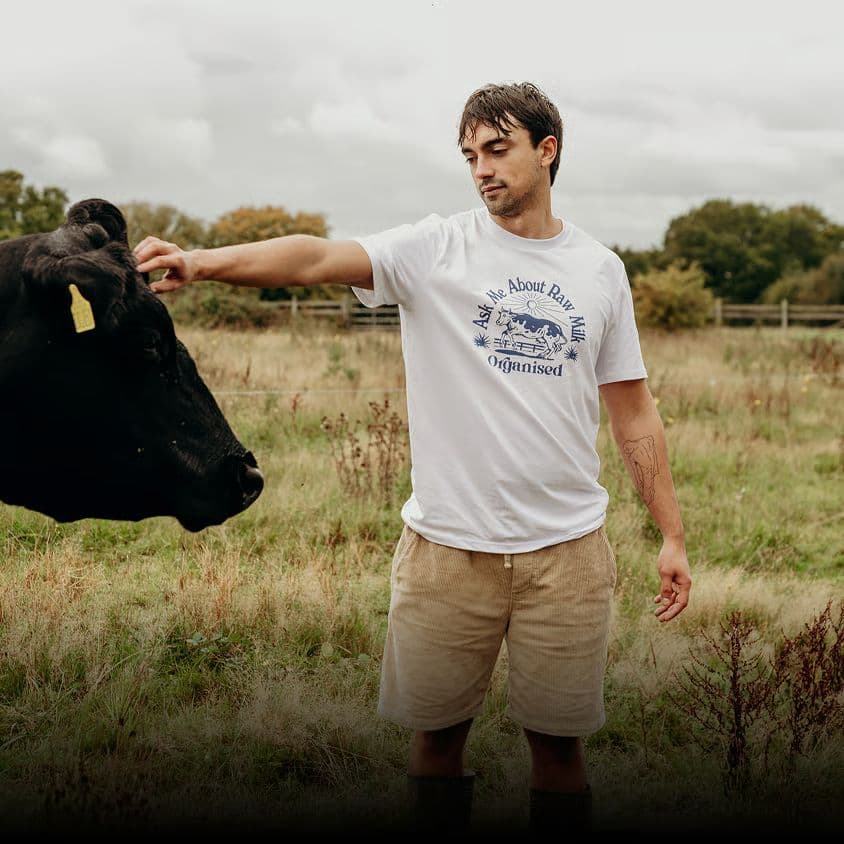
Pedro Rodrigues
Reviewer · Agronomist (farming and sourcing only)
Pedro is the agronomist Organised works with on farming and sourcing. His job on the guides is to keep the science honest: he reviews what we publish about soil health, regenerative agriculture, grazing and the way food is actually produced.
Areas of expertise: Regenerative agriculture, Agronomy, Soil health, Grass-fed farming, Food sourcing
Reviewed this guide on
Read Pedro's full profileBrowse the guides library
All guidesKeep reading
Ancestral
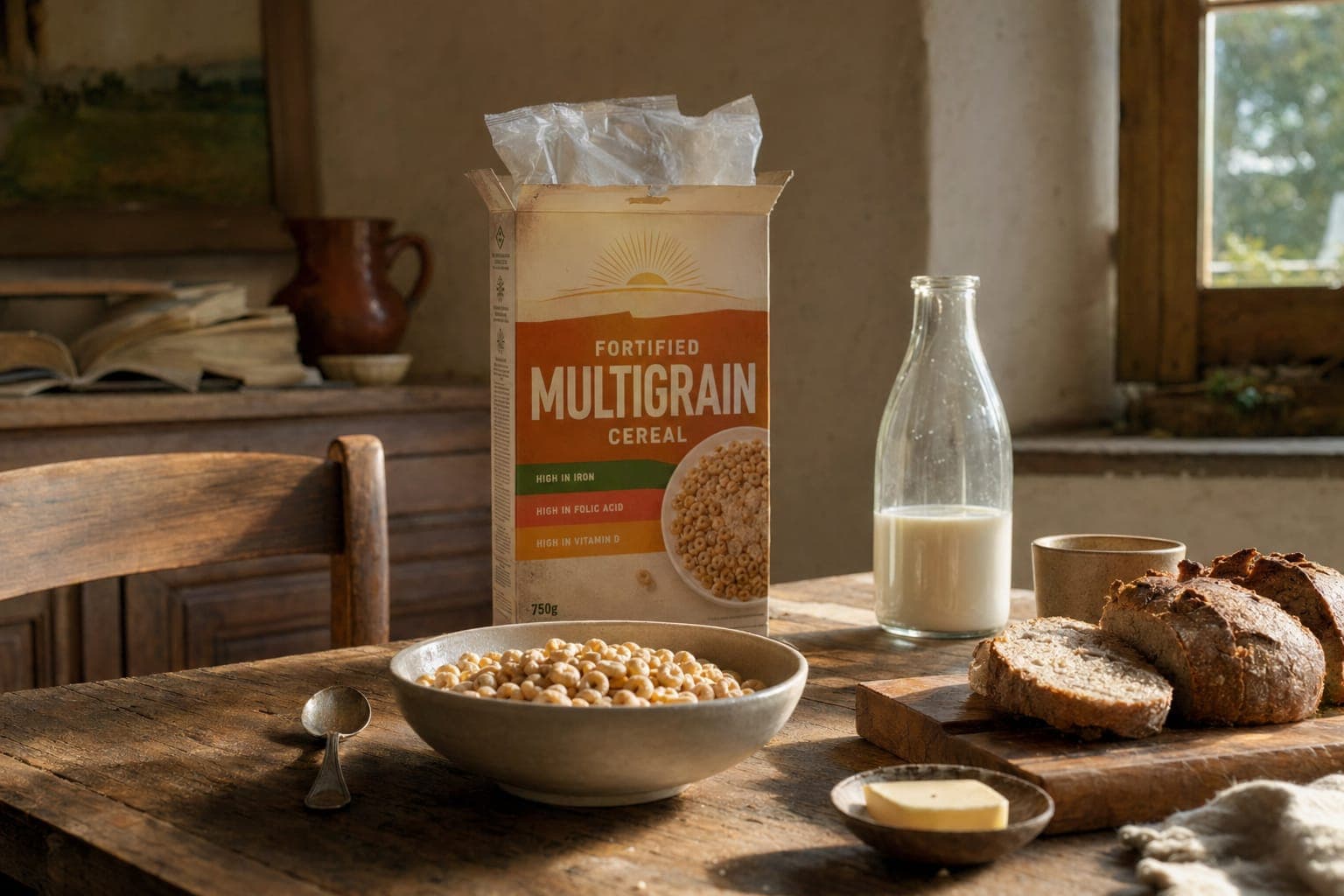
Why 'Fortified' Doesn't Mean Nutritious
Fortified foods are often low-quality cereals dosed with synthetic vitamins. Folic acid is not folate. Learn what fortification really means for you.
Life stage
The Micronutrients Athletes Deplete Fastest
Intense training depletes micronutrients faster than you replace them. Here's what athletes lose and how to replenish it.
Comparisons
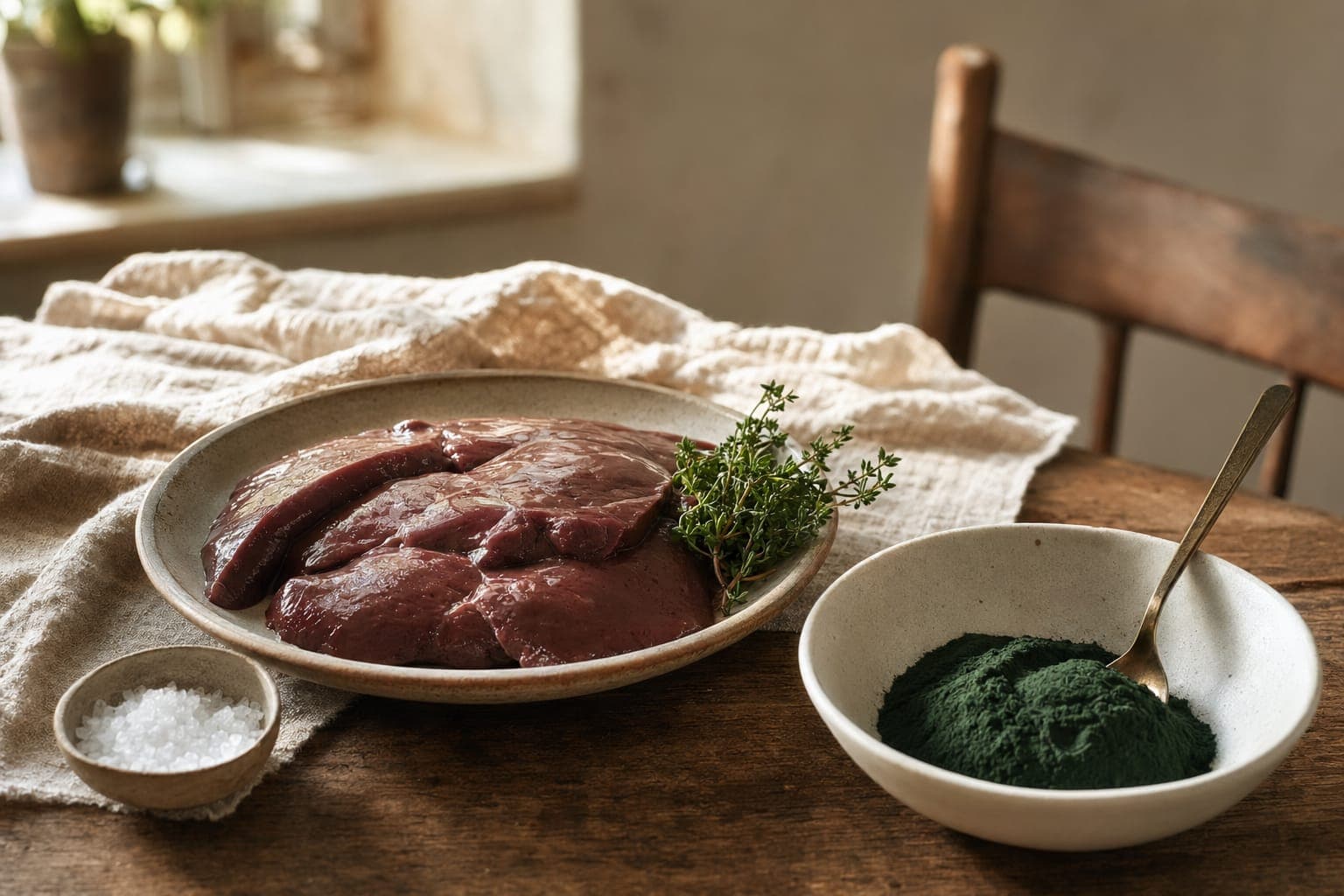
Beef Liver vs Spirulina: Which Is Really the Superfood?
Which is truly nutrient-dense? Compare beef liver and spirulina nutrient for nutrient, including retinol, B12, and contamination risk. You might be surprised.
Real food, made effortless
See the blendA few ways to use it
All recipes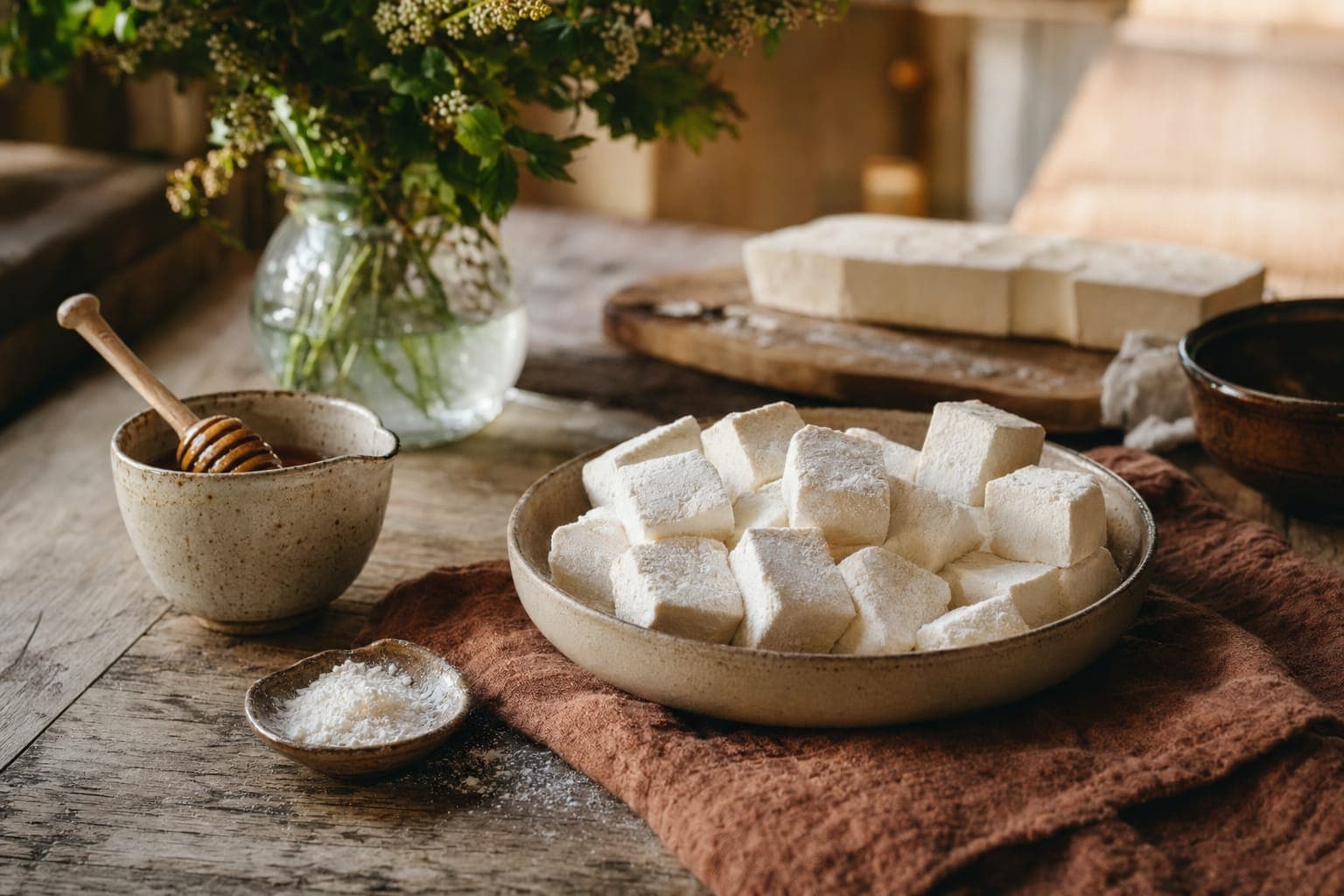
Gut-Healing Marshmallows with Collagen and Raw Honey
Learn to make gut-healing marshmallows with collagen and raw honey. A shareable treat that sneaks nutrition into every bite. Easy recipe with video tips.
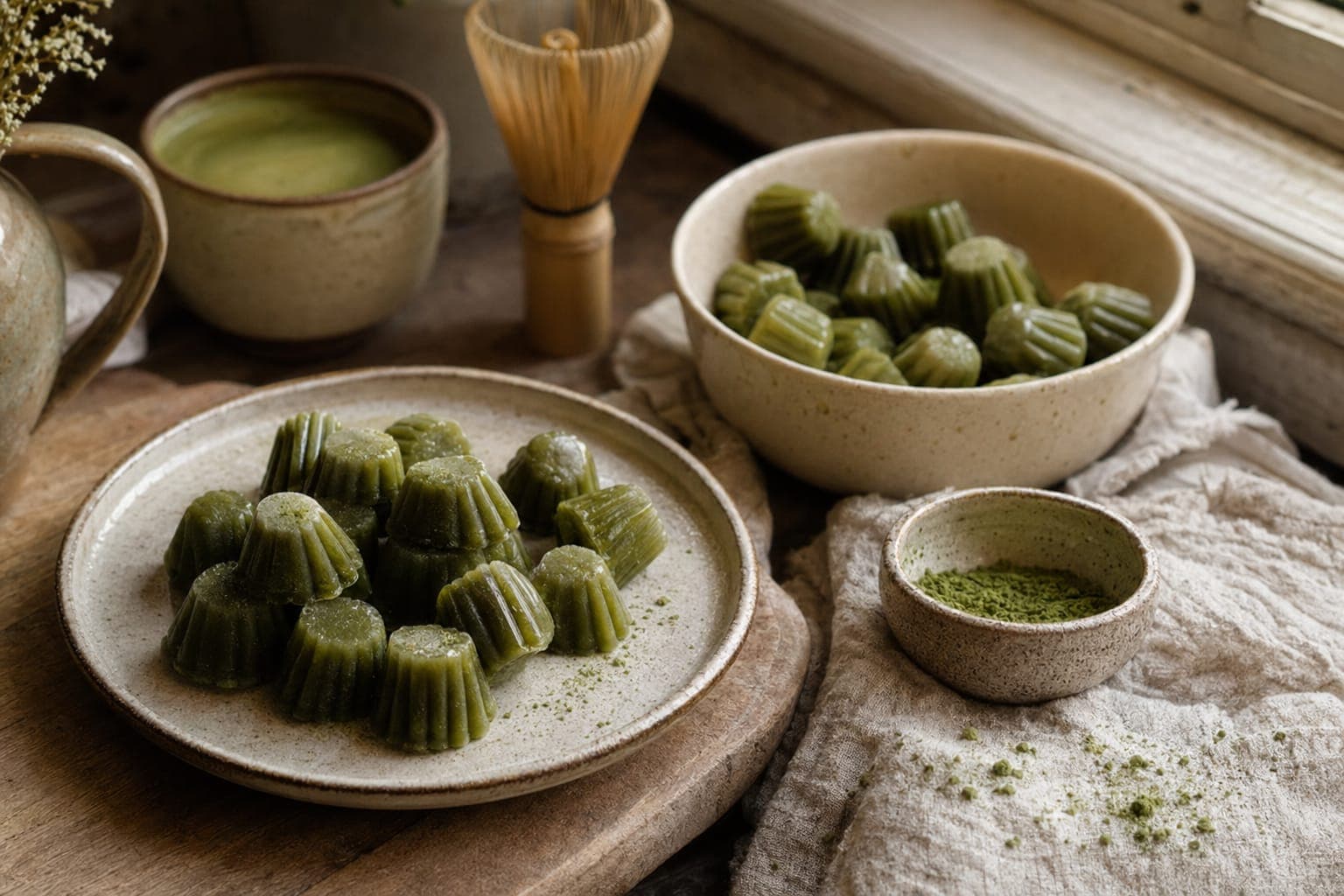
Matcha Latte Gummies with Collagen and Gelatine
Make visually stunning matcha latte gummies infused with collagen and gelatine. Simple recipe for gut-healing sweets you'll actually want to eat.
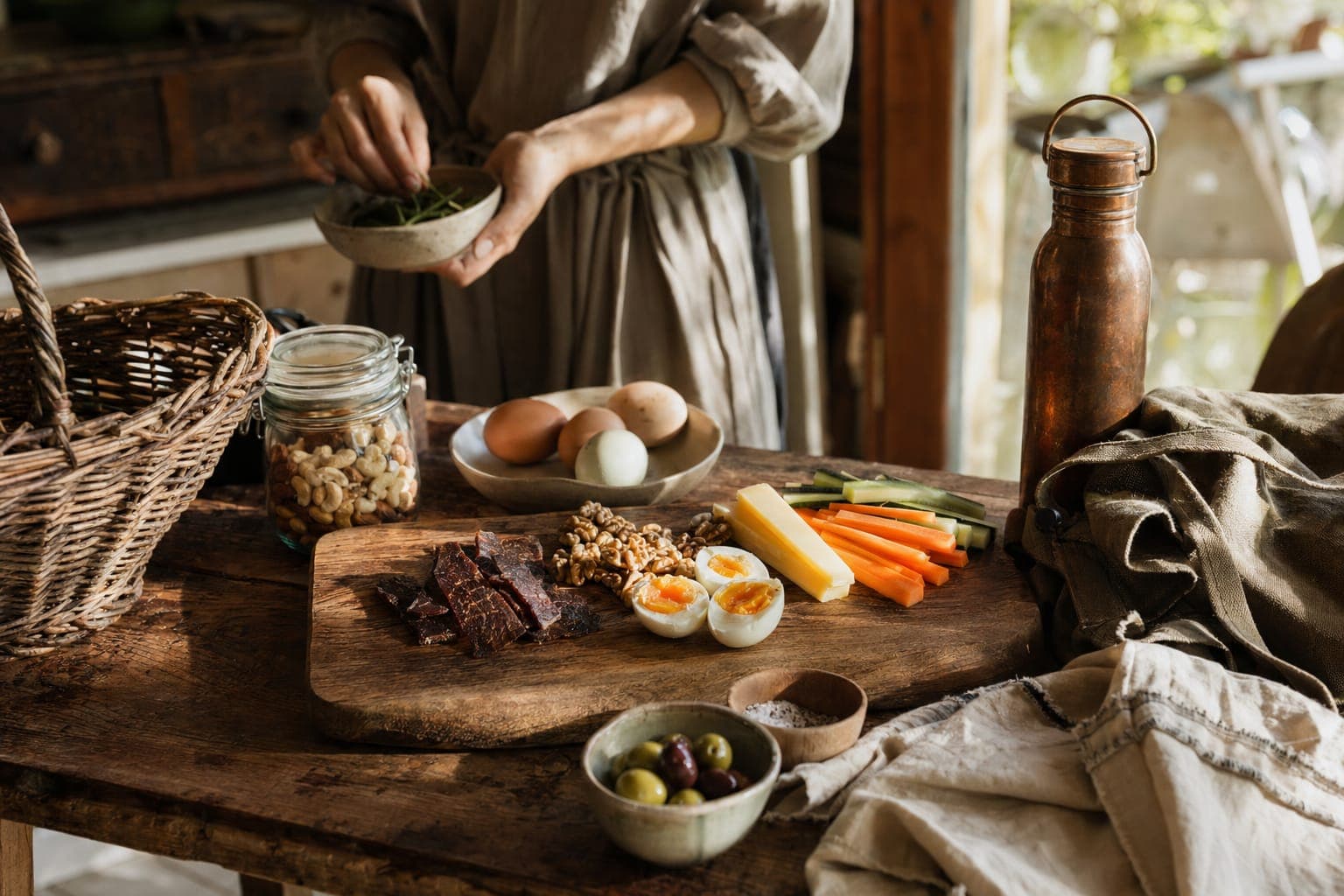
Whole Food Snacks for Busy Days
Practical whole food snacks that travel well and sustain energy. No refined carbs, no seed oils. Real food options for when you're busy.


 Join over 100,000+ members
Build a better food system with us
The Organised community is thousands of people choosing real food and backing the farmers who grow it, all of us trying to leave the world a little better than we found it. If that is what you care about too, you belong here.