Cholesterol in Organ Meats: Should You Be Worried?
Organ meats are high in cholesterol. This is true. But whether eating them raises your blood cholesterol, or whether that even matters, is much more nuanced than the health industry has told you.

By Niall Kiddle, Founder, Organised

Reviewed by Pedro Rodrigues, Agronomist (farming and sourcing only) ·
6 min read · Published · Updated · 5 cited sources
Makers of the Organised Daily blend, a grass-fed beef organ supplement from regenerative UK farms
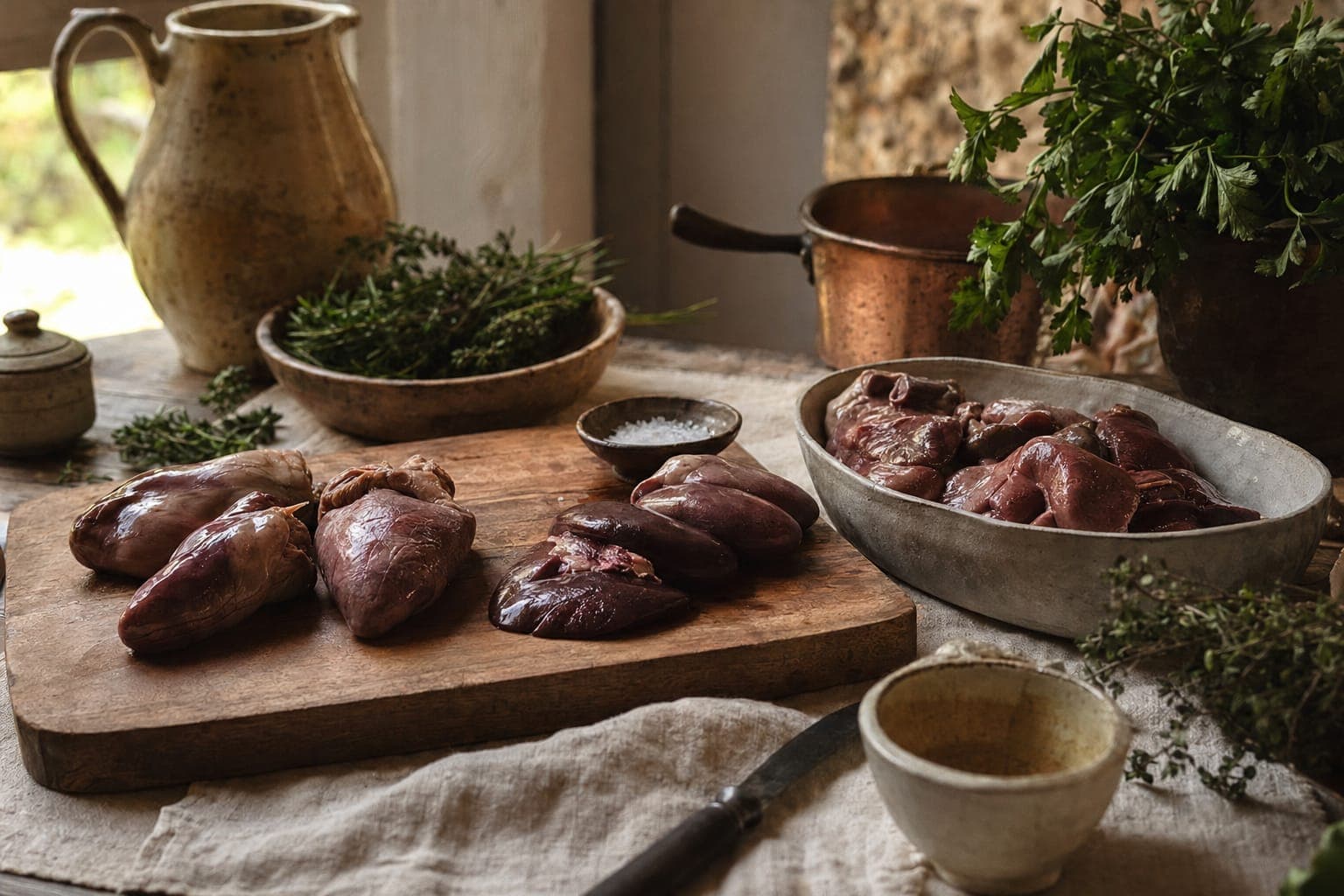
The cholesterol-phobic approach to health created a generation of people afraid of one of their body's most essential molecules. Here's what the updated science actually shows.

Dietary vs serum cholesterol
Dietary cholesterol, the cholesterol you eat, is fundamentally different from serum cholesterol, the cholesterol in your blood. This distinction is crucial and often ignored in health discussions.
Your body produces roughly 1000mg of cholesterol daily from scratch, primarily in the liver.1 You eat maybe 200-400mg from food. The dietary contribution is tiny compared to what your body manufactures on its own.
More importantly, when you eat more dietary cholesterol, your liver often produces less, maintaining relatively stable blood cholesterol levels. Your body tightly regulates serum cholesterol because it's essential for cell membranes, hormone synthesis, brain function, and nervous system integrity.
This is why the relationship between dietary cholesterol intake and blood cholesterol is weak and inconsistent. Some people's cholesterol increases modestly with dietary cholesterol. Others show virtually no change. The variation depends on genetics, overall diet quality, inflammation status, insulin sensitivity, and metabolic health.
Eating cholesterol doesn't necessarily raise blood cholesterol. Your body is actively managing cholesterol levels regardless of what you eat.
The cholesterol guideline shift
In 2015, the Dietary Guidelines Advisory Committee removed the recommendations to limit dietary cholesterol.2 After decades of saying "eat no more than 300mg of dietary cholesterol daily," they essentially said: there's no evidence this matters.
The shift was quiet. The media didn't trumpet it the way they did the original cholesterol-is-evil messaging in the 1980s and 90s. But it was significant. The government agency that had recommended cholesterol restriction for 30 years admitted there was no solid scientific basis for it.
This doesn't mean cholesterol doesn't matter for health. It means that dietary cholesterol specifically isn't the lever you should be pulling to manage blood cholesterol. Inflammation, overall diet quality, metabolic health, physical activity, and lifestyle factors matter far more than how much cholesterol you eat.
LDL particles and size matter more
Here's where the conversation gets more sophisticated than a simple cholesterol number. What actually matters for cardiovascular risk isn't just "LDL cholesterol" as a single number. It's the size and density of the LDL particles.
There are small, dense LDL particles (which are more atherogenic and more likely to lodge in artery walls) and large, fluffy LDL particles (which are less likely to cause damage).3 Someone with a high total cholesterol but predominantly large LDL particles is in a far better position than someone with low cholesterol but small, dense particles.
Organ meats are high in cholesterol but also high in saturated fat. Saturated fat from whole foods tends to increase LDL particle size rather than decrease it. This is actually protective from an atherogenic standpoint. The effect is the opposite of what the old cholesterol-phobic model would predict.
Individual response variation
Some people (called "hyper-responders") do see significant increases in blood cholesterol when eating high-cholesterol foods. But they're a minority, maybe 20-30% of the population, and even when their blood cholesterol rises, it often doesn't follow traditional risk patterns.
If you eat organ meats and your cholesterol increases, this might indicate hyper-responsiveness, or it might be a sign of underlying inflammation or metabolic dysfunction that the cholesterol elevation is merely reflecting, not causing.
The proper response is to track not just total cholesterol, but HDL, LDL particle size, LDL particle number, triglyceride levels, and inflammatory markers like high-sensitivity C-reactive protein. Someone with elevated cholesterol but excellent HDL, predominantly large LDL particles, low triglycerides, and low inflammation is in a far better position than someone with low cholesterol but high triglycerides, low HDL, small dense LDL particles, and elevated inflammatory markers.
Total cholesterol tells you almost nothing about cardiovascular risk. Particle size, HDL ratio, triglycerides, and inflammation tell you far more.
Cholesterol is essential
Cholesterol isn't a contaminant. It's a precursor for steroid hormones (testosterone, oestrogen, cortisol, aldosterone, progesterone).1 It's the primary building block of cell membranes, determining how fluid and how responsive your cells are. It's essential for brain function and neuroplasticity. Your nervous system requires cholesterol for myelin formation.
Without adequate cholesterol, your body begins to fail. Your hormones become dysregulated. Your cell membranes become rigid. Your brain function declines.
This is why very low cholesterol diets are associated with increased mortality from non-cardiovascular causes. Cancer risk, depression, cognitive decline, immune dysfunction, all increase when cholesterol gets too low. Some research suggests that very low cholesterol (below 160 mg/dL) increases all-cause mortality.
Organ meats provide cholesterol because your body needs it. The cholesterol isn't a contaminant. It's a nutrient.
Get the science, plainly, free
Two short reads a week on what the research actually says about nutrition.
By signing up you agree to receive emails from us. No spam, unsubscribe anytime.
Inflammation vs cholesterol
Modern cardiology is increasingly recognising that inflammation, not cholesterol alone, is the primary driver of heart disease and atherosclerosis.4 This shift is reflected in the increasing use of anti-inflammatory medications and biomarkers.
You can have high cholesterol and low inflammation (low cardiovascular risk). You can have low cholesterol and high inflammation (high cardiovascular risk). The latter is far more dangerous.
Organ meats are actually anti-inflammatory. They contain essential amino acids (especially glycine, which is profoundly anti-inflammatory), minerals like zinc and selenium, fat-soluble vitamins, and bioactive compounds that support anti-inflammatory function. The cholesterol they provide is needed for hormone synthesis, which is necessary for managing inflammation appropriately and maintaining metabolic health.
What comprehensive cholesterol testing actually shows
Standard cholesterol testing (total cholesterol, LDL, HDL, triglycerides) tells you only part of the story. More comprehensive testing reveals what actually matters for cardiovascular risk.
Advanced lipid testing looks at LDL particle number and size distribution. Small, dense LDL particles are atherogenic (cause artery damage). Large, buoyant LDL particles are not. Someone with a high total LDL-C but mostly large particles has lower risk than someone with lower total LDL but mostly small, dense particles.
Triglyceride to HDL ratio is one of the best predictors of cardiovascular risk. A ratio below 2:1 is healthy. A ratio above 4:1 indicates high risk. This single calculation often tells you more than total cholesterol numbers.
Lipoprotein(a), or Lp(a), is another critical marker often overlooked. It's a genetic factor that predicts cardiovascular risk independently of cholesterol. Some people have high Lp(a) (high risk) regardless of their cholesterol numbers. Others have low Lp(a) (lower risk) despite high cholesterol.
Apolipoprotein B (ApoB) measures the number of LDL particles. It's arguably a better predictor of cardiovascular risk than LDL-C. Organ meats might raise LDL-C modestly, but they typically improve ApoB, particle size, and triglyceride ratios.

1 of 9
Daily blend
100,000+ thriving families4.9 on Trustpilot
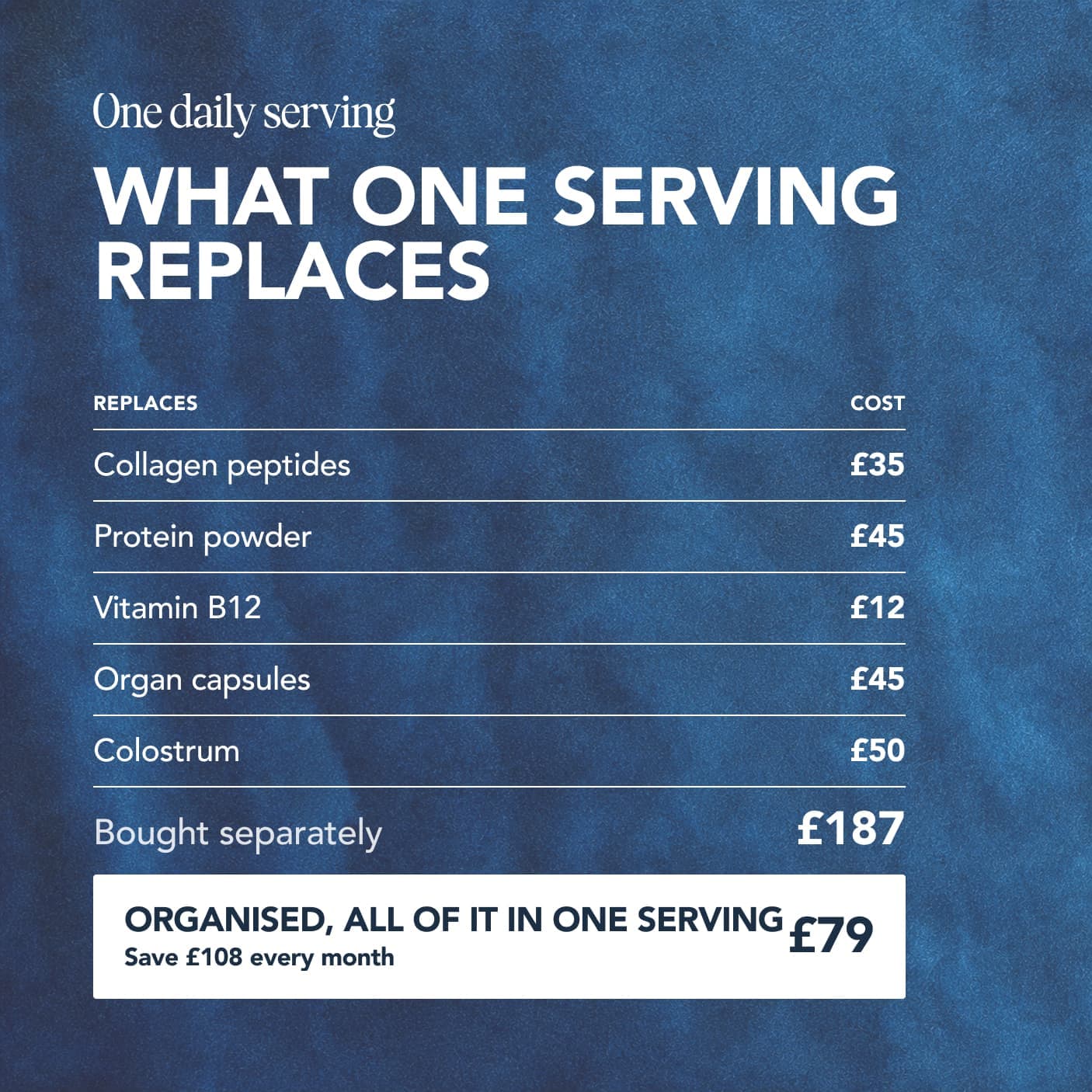
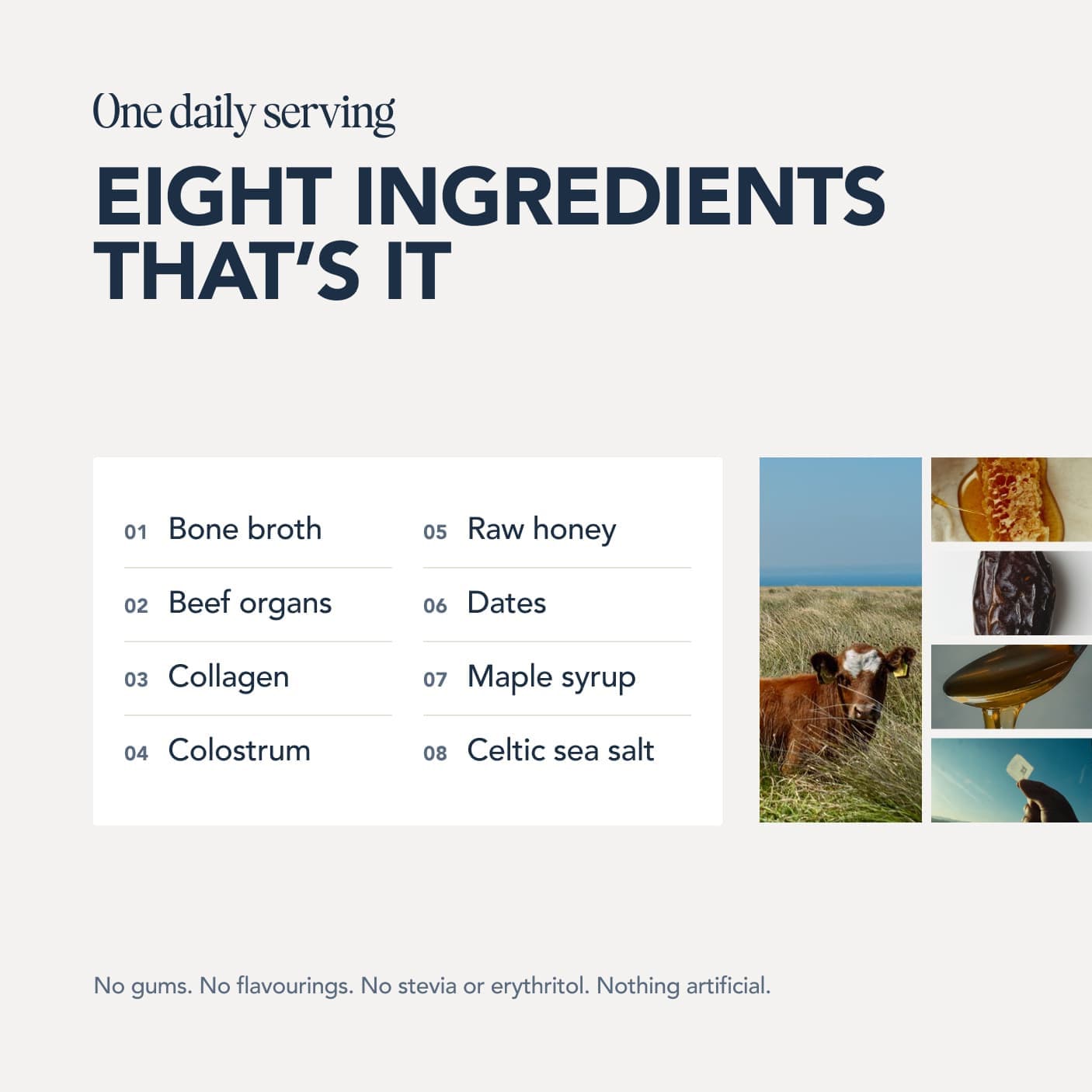
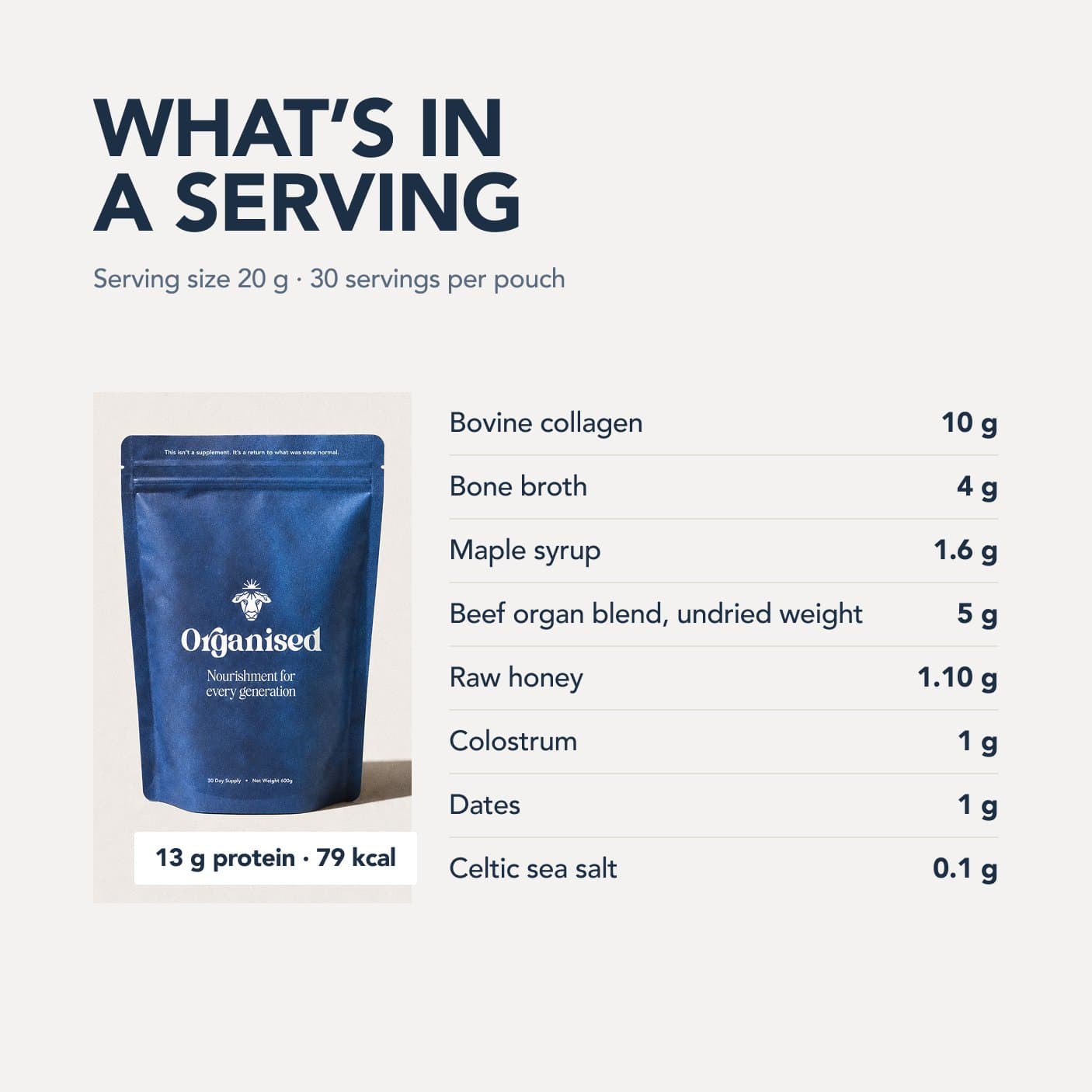
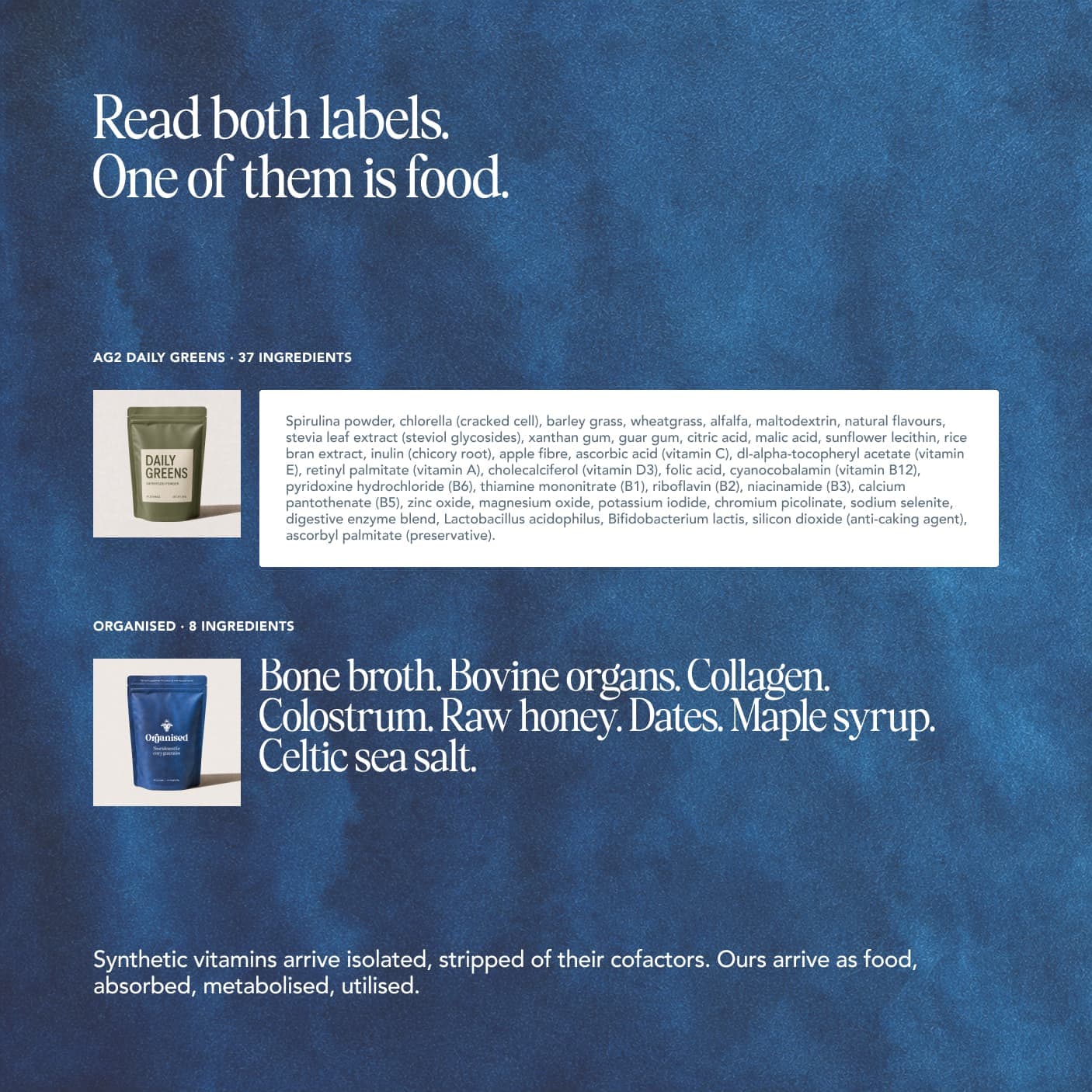
Eight real ingredients built around grass-fed beef organs, collagen and colostrum. Nothing synthetic added.
Free with your first order, worth £38. Plus £10 off the pouch with a subscription.

Free UK shipping · Made in England · 100 day money back guarantee on your first pouch · Skip, pause or cancel anytime
Organ meats and overall heart health
Will eating organ meats raise your blood cholesterol? Possibly slightly. Will that increase cause harm? Almost certainly not if your overall metabolic health is good and your inflammatory markers are low.
The research on organ meat consumption specifically is limited, but related research on high-saturated-fat diets (organ meats are rich in saturated fat) shows mixed results. Some people's cholesterol rises modestly. Many show little change.5 Those who do see an increase often see an increase in HDL ("good" cholesterol) alongside LDL increase, maintaining or improving the HDL:LDL ratio.
More relevant is what organ meat does for overall health. The nutrient density is unparalleled. The ease of satiety is remarkable. The anti-inflammatory compounds, the cofactors for metabolic function, the minerals that most people are deficient in, these all support better health. A small cholesterol increase pales in comparison to the nutritional benefit.
The bottom line
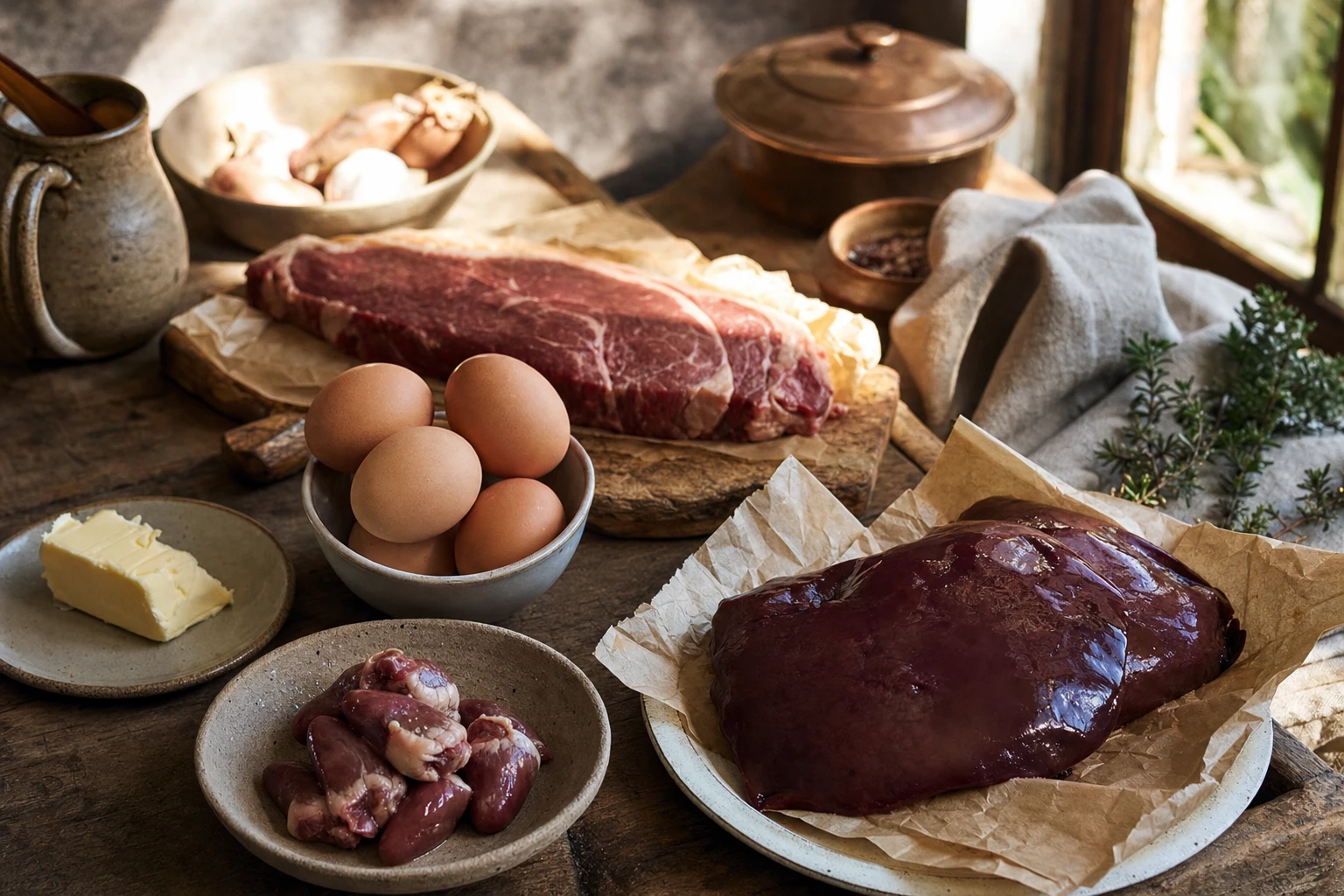
Eating organ meats may increase your blood cholesterol slightly. For most people with good metabolic health, this isn't concerning. For people with familial hypercholesterolaemia or other genetic predispositions to very high cholesterol, caution might be warranted, though even this is debatable in light of modern research.
Don't avoid organ meats because of cholesterol. Track your cholesterol if it's a concern for you, but focus on the metrics that matter: inflammation, particle size, HDL ratio, triglyceride levels, and overall metabolic health. Organ meats support all of these far better than the low-nutrient foods people eat instead of them.
References
Every source below was checked on 27 August 2026. Each PubMed, PMC and DOI identifier was resolved against NCBI or Crossref, and what it opens is printed under the citation, so you can see the link goes where the citation says without leaving the page. Where a citation and its identifier disagreed, the citation was corrected to the record or the reference was deleted along with the sentence marker that pointed at it, and where the resolved paper turned out not to support the sentence, the sentence was cut back to what it does support. Borrowed authority is worse than none, because it looks like rigour.
- Cox RA, Garcia-Palmieri MR. Cholesterol, Triglycerides, and Associated Lipoproteins. In: Clinical Methods. 3rd ed. NCBI Bookshelf NBK351.
- Carson JAS et al. Dietary Cholesterol and Cardiovascular Risk: A Science Advisory From the American Heart Association. Circulation. AHA Circulation.Checked 27 August 2026: doi:10.1161/cir.0000000000000743 opens Carson JAS, Lichtenstein AH, Anderson CAM et al, Dietary Cholesterol and Cardiovascular Risk: A Science Advisory From the American Heart Association Circulation 2020;141(3).
- Krauss RM. Lipoprotein subfractions and cardiovascular disease risk. Curr Opin Lipidol. PubMed PMID: 20531184.Checked 27 August 2026: PMID 20531184 opens Krauss RM, Lipoprotein subfractions and cardiovascular disease risk. Curr Opin Lipidol 2010;21(4):305-11. PubMed indexes it as: Review.
- Libby P et al. Inflammation in atherosclerosis: from pathophysiology to practice. J Am Coll Cardiol. PMC2834169.Checked 27 August 2026: PMC2834169 opens Libby P, Ridker PM, Hansson GK et al, Inflammation in atherosclerosis: from pathophysiology to practice. J Am Coll Cardiol 2009;54(23):2129-38. PubMed indexes it as: Review.
- Siri-Tarino PW et al. Meta-analysis of prospective cohort studies evaluating the association of saturated fat with cardiovascular disease. Am J Clin Nutr. PubMed PMID: 20071648.Checked 27 August 2026: PMID 20071648 opens Siri-Tarino PW, Sun Q, Hu FB et al, Meta-analysis of prospective cohort studies evaluating the association of saturated fat with cardiovascular disease. Am J Clin Nutr 2010;91(3):535-46. PubMed indexes it as: Meta-Analysis.
Who wrote and reviewed this guide
Niall Kiddle
Author · Founder, Organised
Niall is the founder of Organised. He started the company in 2024 after fixing his own health the slow way: in 2022 he swapped a cupboard of synthetic supplements for real food, raw milk, organ meats, bone broth and honey, and felt the difference within months.
Areas of expertise: Ancestral nutrition, Organ meats, Whole-food supplementation, Gut health, Regenerative sourcing
Read Niall's full profile
Pedro Rodrigues
Reviewer · Agronomist (farming and sourcing only)
Pedro is the agronomist Organised works with on farming and sourcing. His job on the guides is to keep the science honest: he reviews what we publish about soil health, regenerative agriculture, grazing and the way food is actually produced.
Areas of expertise: Regenerative agriculture, Agronomy, Soil health, Grass-fed farming, Food sourcing
Reviewed this guide on
Read Pedro's full profileMore on debunking
View all- Are Organ Meats High in Purines? What Gout Sufferers Need to Know
- Do You Really Need 5 a Day? What the Evidence Says
- Does Red Meat Cause Cancer? A Nuanced Look at the Evidence
- Is Too Much Protein Bad for Your Kidneys? Separating Fact from Fear
- Liver Doesn't Store Toxins: Debunking the Biggest Organ Meat Myth
- The Real Reason Your Doctor Says 'Eat Less Red Meat'
- The Saturated Fat Myth: What Modern Research Actually Shows
Browse the guides library
All guidesKeep reading

Science
Collagen and Skin Elasticity: A Meta-Analysis of the Evidence
Deep dive into the 52.3% skin elasticity improvement. Methodology, sample size, and what realistic expectations should be.

Science
The Connection Between Nutrition and Autoimmune Disease
Autoimmune disease is not just genetic. Nutrition affects gut barrier integrity, molecular mimicry, and immune tolerance. Learn the mechanisms.
Science
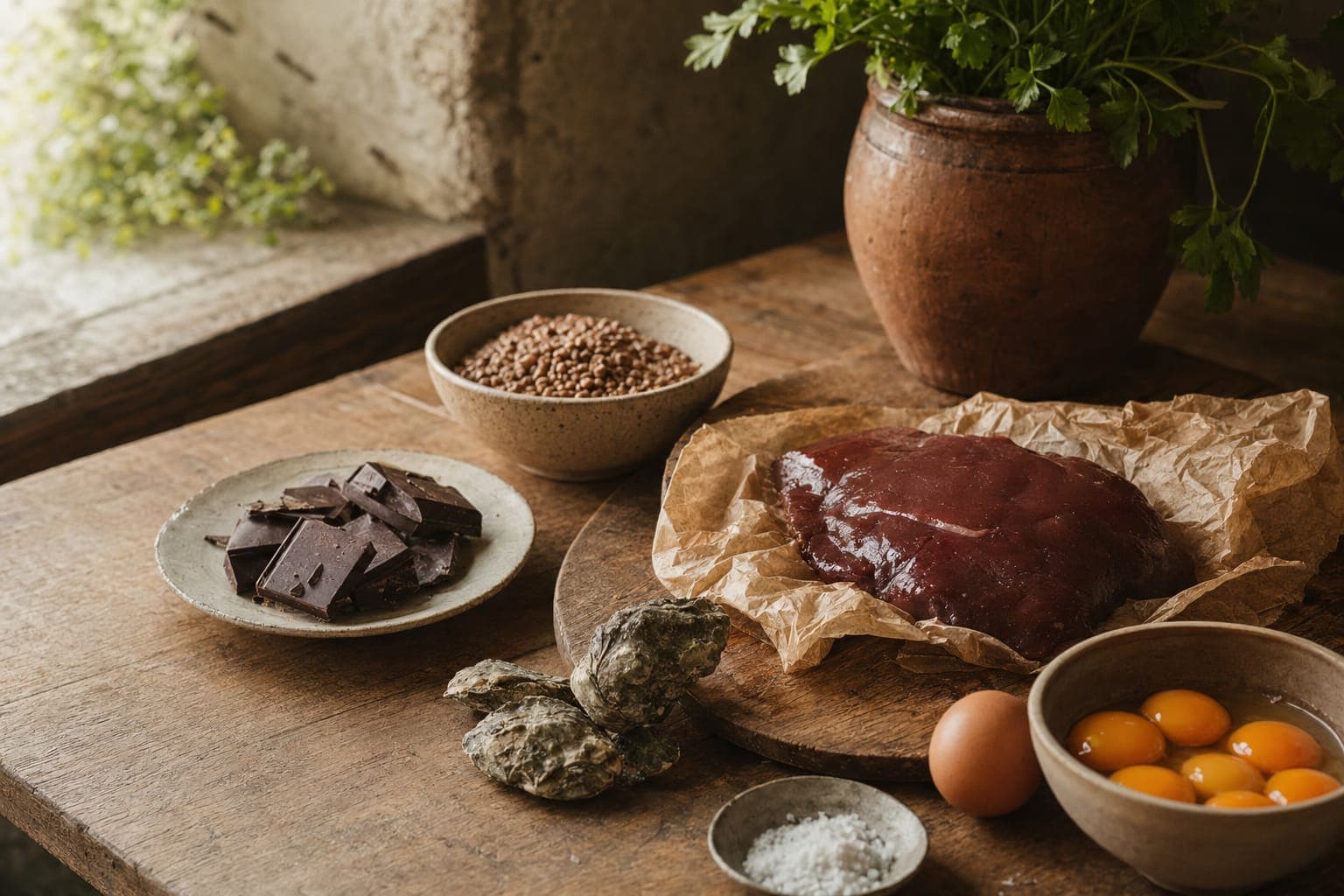
Copper and Iron: Why These Minerals Must Be in Balance
Learn why copper and iron must stay balanced. Discover ceruloplasmin's role, zinc's blocking effect, and why iron overload without copper is dangerous.
Real food, made effortless
See the blendA few ways to use it
All recipes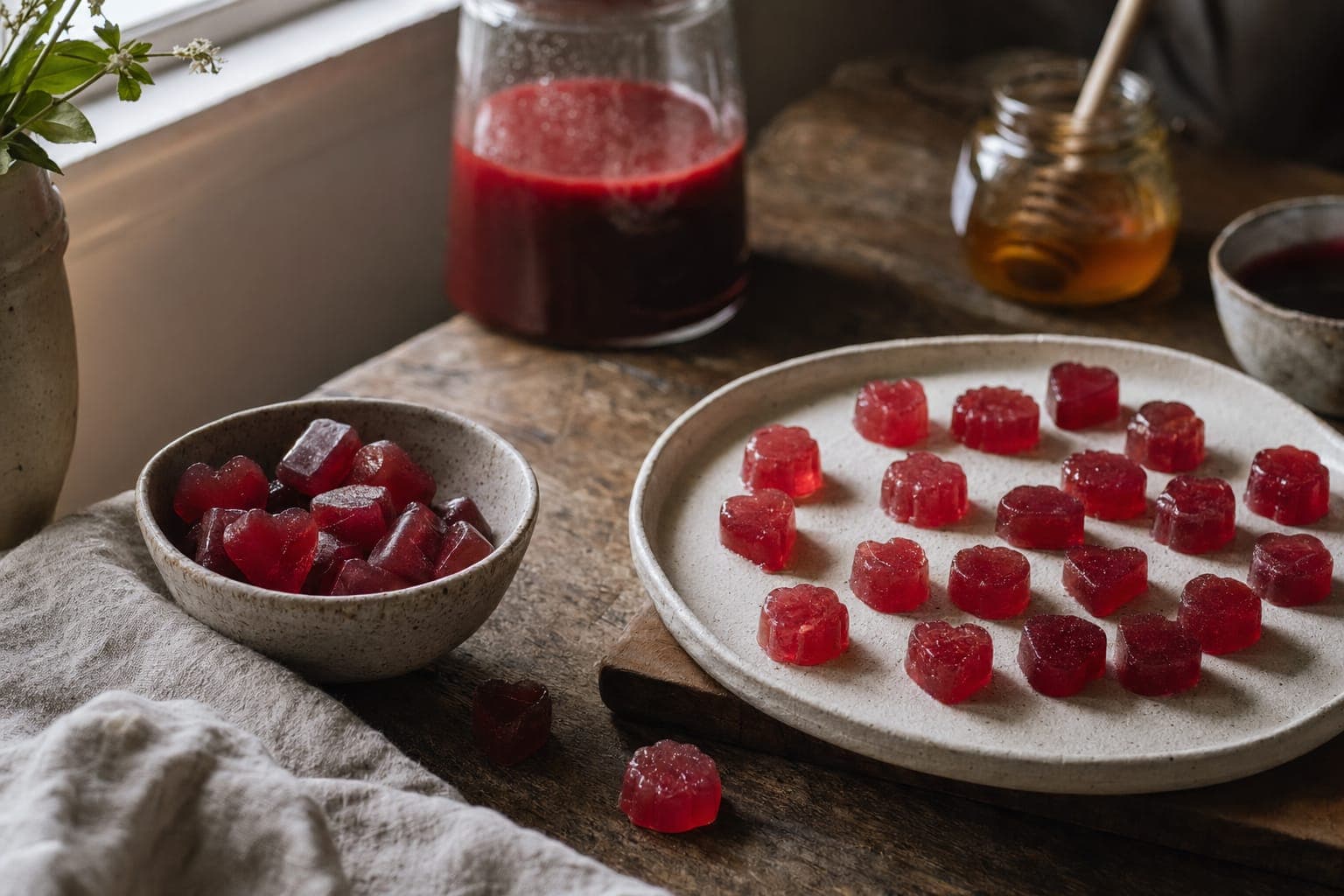
How to Make Your Own Gelatine Gummies
A simple recipe for homemade gelatine gummies using grass-fed gelatine, fresh juice, and raw honey. Better than shop-bought, kids love them.

Raw Milk Ice Cream with Organised
Make raw milk ice cream at home with Organised for a seasonal, nutrient-dense treat. Three simple flavours to try whenever the craving strikes.
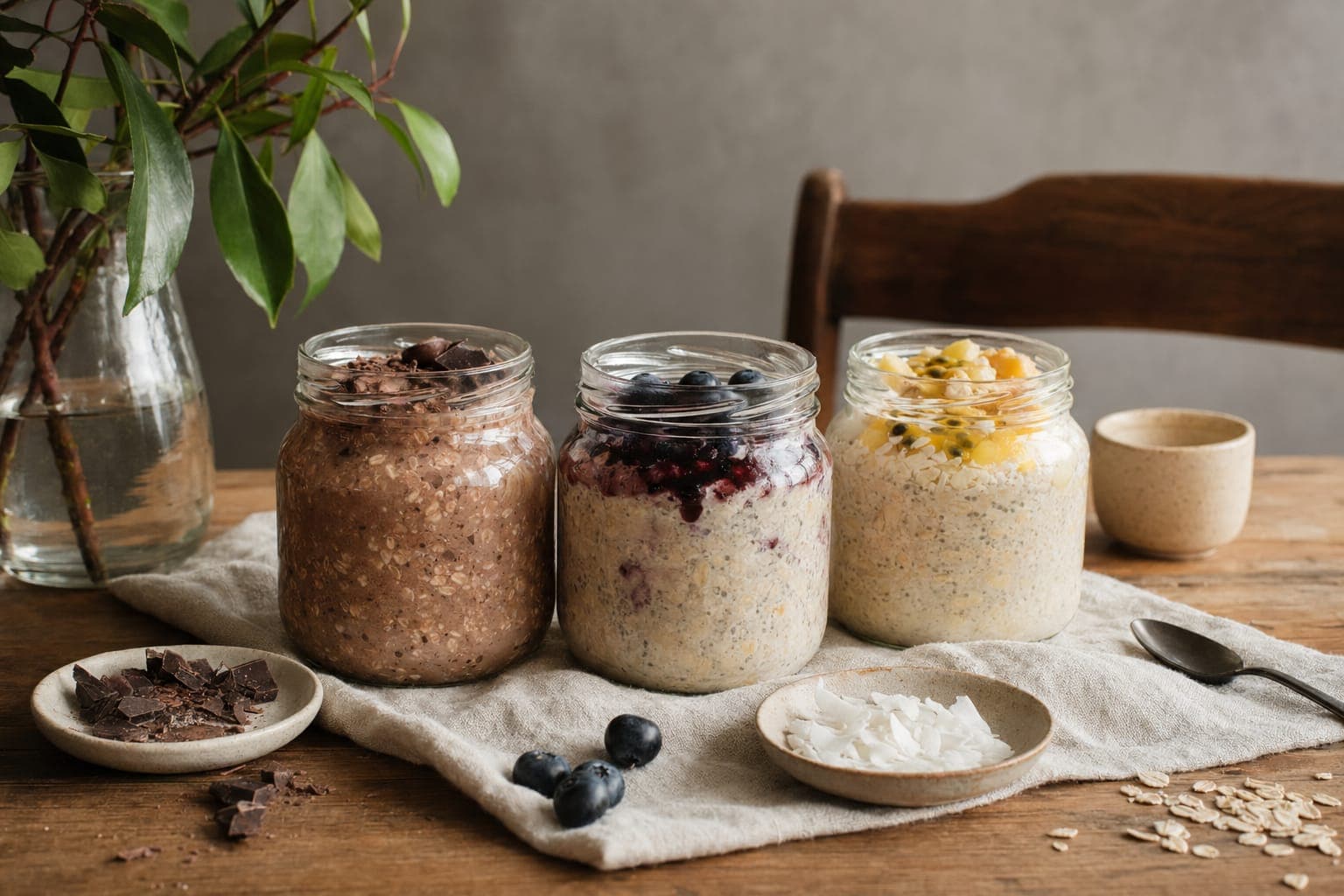
Organised Overnight Oats: 3 Variations
Three delicious overnight oats variations with Organised. Chocolate, berry, tropical flavours. Make them Sunday, eat them all week.


 Join over 100,000+ members
Build a better food system with us
The Organised community is thousands of people choosing real food and backing the farmers who grow it, all of us trying to leave the world a little better than we found it. If that is what you care about too, you belong here.