The Connection Between Nutrition and Autoimmune Disease
You've been told your autoimmune disease is in your genes. But genes load the gun. Nutrition pulls the trigger. And the good news is, you can put the gun down.
By Niall Kiddle, Founder, Organised

Reviewed by Pedro Rodrigues, Agronomist (farming and sourcing only) ·
6 min read · Published · Updated · 6 cited sources
Makers of the Organised Daily blend, a grass-fed beef organ supplement from regenerative UK farms
Your immune system is not broken, it's confused
Autoimmune disease is not a failure of your immune system. It's a misdirection of it. Your immune system hasn't stopped working. It's attacking the wrong target. It's attacking your own tissues instead of pathogens. The question isn't how to shut down your immune system. The question is how to retrain it.
Your immune system learned this behaviour somewhere. It didn't wake up one day and decide to attack your thyroid gland. Something taught it to do that. Something convinced it that your thyroid is a threat. And in 80 per cent of autoimmune cases, that something involves the gut.
Here's why. Your gut is the largest immune interface in your body. 70 per cent of your immune system is clustered there.1 Every day, your gut is scanning the food you eat, the bacteria living in your intestines, the viruses passing through. Your gut immune system is making millions of split-second decisions: safe or threat? Keep it out or let it in? This tolerance decision is where autoimmunity begins.
Your immune system is not broken. It's learned the wrong lesson. And nutrition is how you teach it the right one.
The gut barrier and the start of autoimmunity
Your gut lining is a single layer of cells. Not multiple layers. One. Those cells are held together by tight junction proteins. Zonula occludens, claudin, occludin. Those proteins keep what's inside the gut lumen from passing into your bloodstream. They maintain the barrier.
When those tight junctions fail, the barrier becomes permeable. Lipopolysaccharide (LPS) from gram-negative bacteria, partially digested food particles, bacterial antigens, and other intestinal contents leak into the bloodstream.2 Your immune system sees these foreign materials and mounts a response. Over time, if the barrier stays compromised, your immune system can start cross-reacting with your own tissues that structurally resemble those bacterial antigens.
Nutrition affects tight junction integrity directly. Zonulin, a protein that opens tight junctions, is triggered by bacterial LPS and by gluten in susceptible individuals.2 Eliminate the trigger, heal the barrier, reduce zonulin activation, and the immune confusion starts to resolve.
Glutamine, an amino acid found in bone broth and gelatinous meat, is fuel for the intestinal epithelium. Without it, those tight junction cells atrophy. Zinc, found richly in oysters and red meat, is essential for barrier protein synthesis. Vitamin D regulates both barrier function and immune tolerance. Deficiency in any of these creates a permeable gut and a confused immune system.
Molecular mimicry and why food matters
Molecular mimicry is the mechanism where your immune system confuses a pathogen with part of your body.4 A bacterial protein looks similar enough to your thyroid peroxidase that when you fight the infection, you inadvertently teach your immune system to attack thyroid tissue too. That's the beginning of Hashimoto's.
The bacteria most likely to trigger this are ones living in your gut. Your gut microbiota can drive cross-reactivity with self-tissues. But what determines your gut microbiota? What you eat. Dysbiotic bacteria thrive on seed oils, refined carbohydrates, and processed foods. Healthy bacteria thrive on fibre, fermented foods, and whole animal products.
Change your diet, shift your microbiota away from dysbiotic species, reduce their LPS production, lower your zonulin activation, heal your gut barrier, and you reduce the bacterial antigens your immune system is getting exposed to. You reduce molecular mimicry. Your immune system stops getting confused.
The bacteria living in your gut are teaching your immune system which tissues are safe. Feed them well, and they teach tolerance. Feed them poorly, and they teach attack.
Nutrition as immune regulation
Vitamin D is the most direct lever. It's not really a vitamin. It's a hormone that regulates T regulatory cells, the immune cells responsible for tolerance.3 People with vitamin D deficiency have fewer T regulatory cells and are more susceptible to autoimmune disease. Optimal vitamin D status (ideally 60 to 80 ng/ml) suppresses Th17 cells, pro-inflammatory immune cells that drive autoimmunity.
Omega-3 to omega-6 ratio matters profoundly. Omega-3 fatty acids (from fish, fish oil, grass-fed meat) are anti-inflammatory and support immune tolerance. Omega-6 fatty acids, especially from seed oils, are pro-inflammatory and skew immunity toward Th17 activation and autoimmunity. Most modern diets are 15:1 or 20:1 omega-6 to omega-3. Ancestral diets were roughly 1:1 or 2:1. That ratio shift has helped drive the autoimmune epidemic.
Zinc, selenium, vitamin A, iron, and copper are all critical cofactors for immune regulation. Deficiency in any of them tips the balance toward dysregulation. Yet standard treatment for autoimmune disease is often immunosuppression, which worsens nutritional status and deepens the problem.
Get the science, plainly, free
Two short reads a week on what the research actually says about nutrition.
By signing up you agree to receive emails from us. No spam, unsubscribe anytime.
The specific nutrients that heal the gut barrier
If you want to reverse the permeability that drives autoimmunity, you need to understand which nutrients directly support barrier integrity. This isn't vague. It's biochemistry.
L-glutamine is perhaps the most direct. It's the primary fuel for intestinal epithelial cells.5 Those tight junction cells are highly metabolic. They need glutamine constantly. Without it, they atrophy. Bone broth is glutamine-rich. Gelatinous cuts of meat provide it. If your gut barrier is damaged, glutamine supplementation (5 to 10 grams daily) can accelerate healing within weeks.
Zinc is essential for the synthesis and function of tight junction proteins themselves. Zonula occludens, claudin, occludin, all require zinc as a cofactor. Red meat and oysters are your richest sources. Zinc deficiency is common in autoimmune disease, partly because the immune activation uses zinc rapidly, and partly because many autoimmune people have poor nutrient absorption.
Vitamin A regulates the tight junctions through retinoic acid signalling on your intestinal epithelial cells. It's not optional. Retinol (not beta-carotene) from liver or fish oil is the form your gut barrier responds to most effectively.
Short-chain fatty acids (butyrate, propionate, acetate) are produced when your microbiota ferments dietary fibre and resistant starch. Butyrate is the primary fuel for your colon cells and directly strengthens tight junctions.6 Feed your microbiota fermentable fibre (leafy greens, root vegetables, legumes if tolerated), and your tight junctions strengthen. This is why resistant starch supplementation helps so many people with leaky gut.
These aren't supplements. They're nutrients in whole foods. If you're eating nose-to-tail (liver for vitamin A, red meat and oysters for zinc, bone broth for glutamine, fibre-rich vegetables for butyrate production), you're systematically healing your barrier. If you're eating processed foods and lean chicken breast, you're systematically damaging it.
What you can do now
This is not a replacement for medical care. If you have autoimmune disease, you need a doctor who understands both the disease and the role of nutrition. But within that framework, these steps matter.
- Eliminate seed oils. Use butter, olive oil, avocado oil. This alone shifts your omega ratio immediately.
- Optimise vitamin D. Test your level. Aim for 60 to 80 ng/ml. Supplement if needed.
- Heal the gut barrier. Bone broth, gelatinous meat, fermented foods, elimination of processed carbohydrates and refined sugar.
- Balance your microbiota. Fermented foods, resistant starch, fibre from whole foods. Avoid antibiotics unless critical.
- Adequate protein. Especially animal protein rich in zinc, selenium, and complete amino acids.
- Eliminate common triggers. In susceptible individuals, gluten, dairy, and lectins are common molecular mimicry culprits. Test elimination.

1 of 9
Daily blend
100,000+ thriving families4.9 on Trustpilot
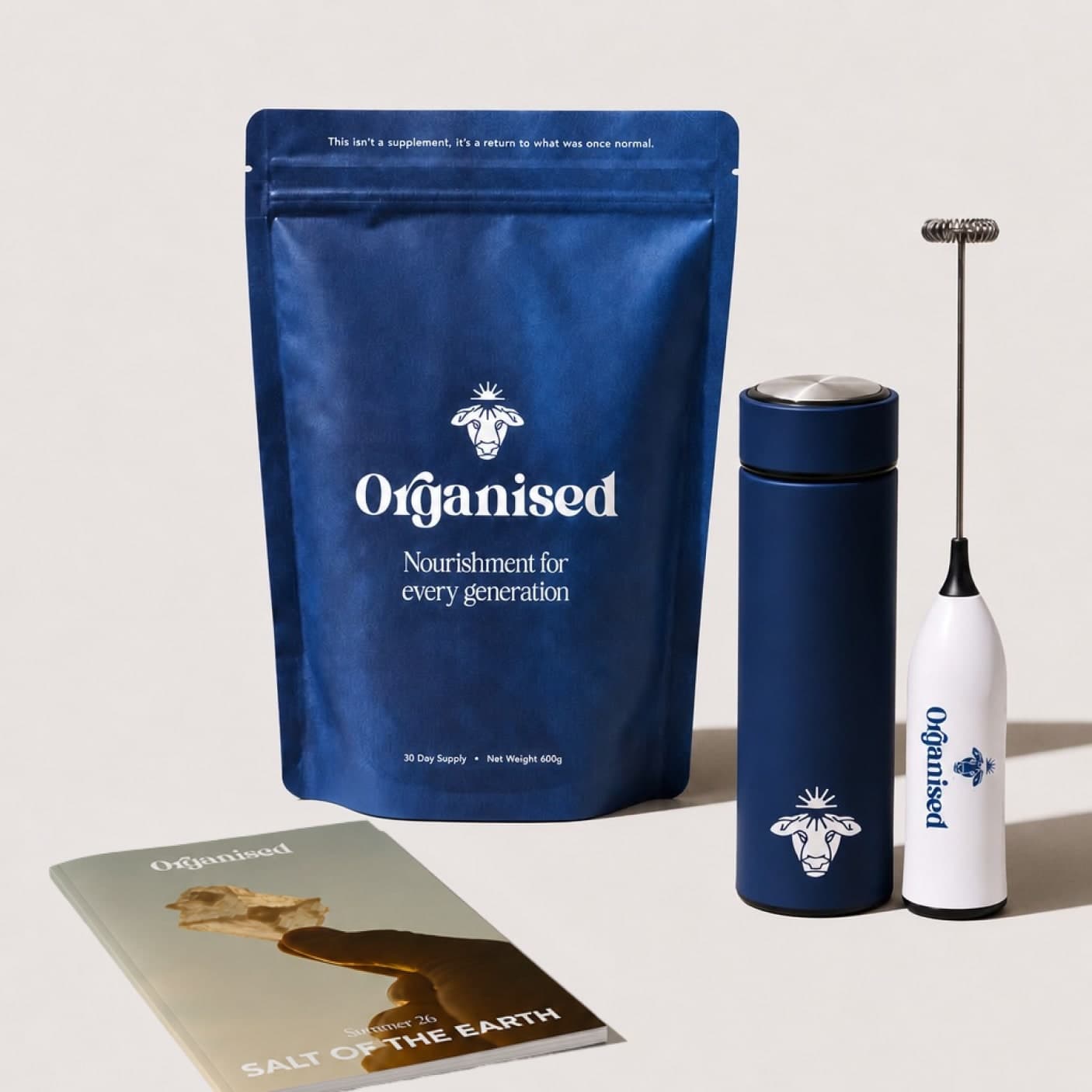
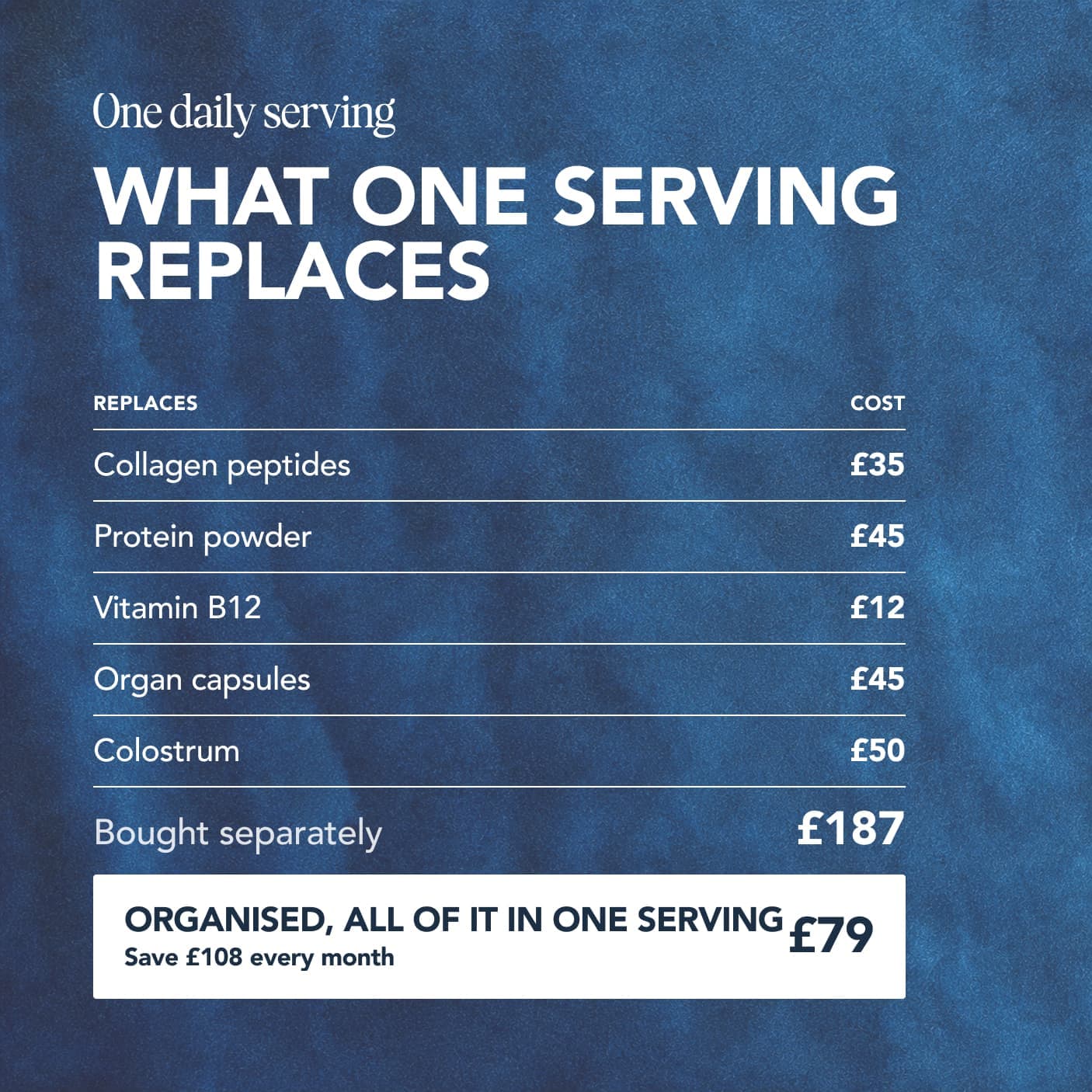
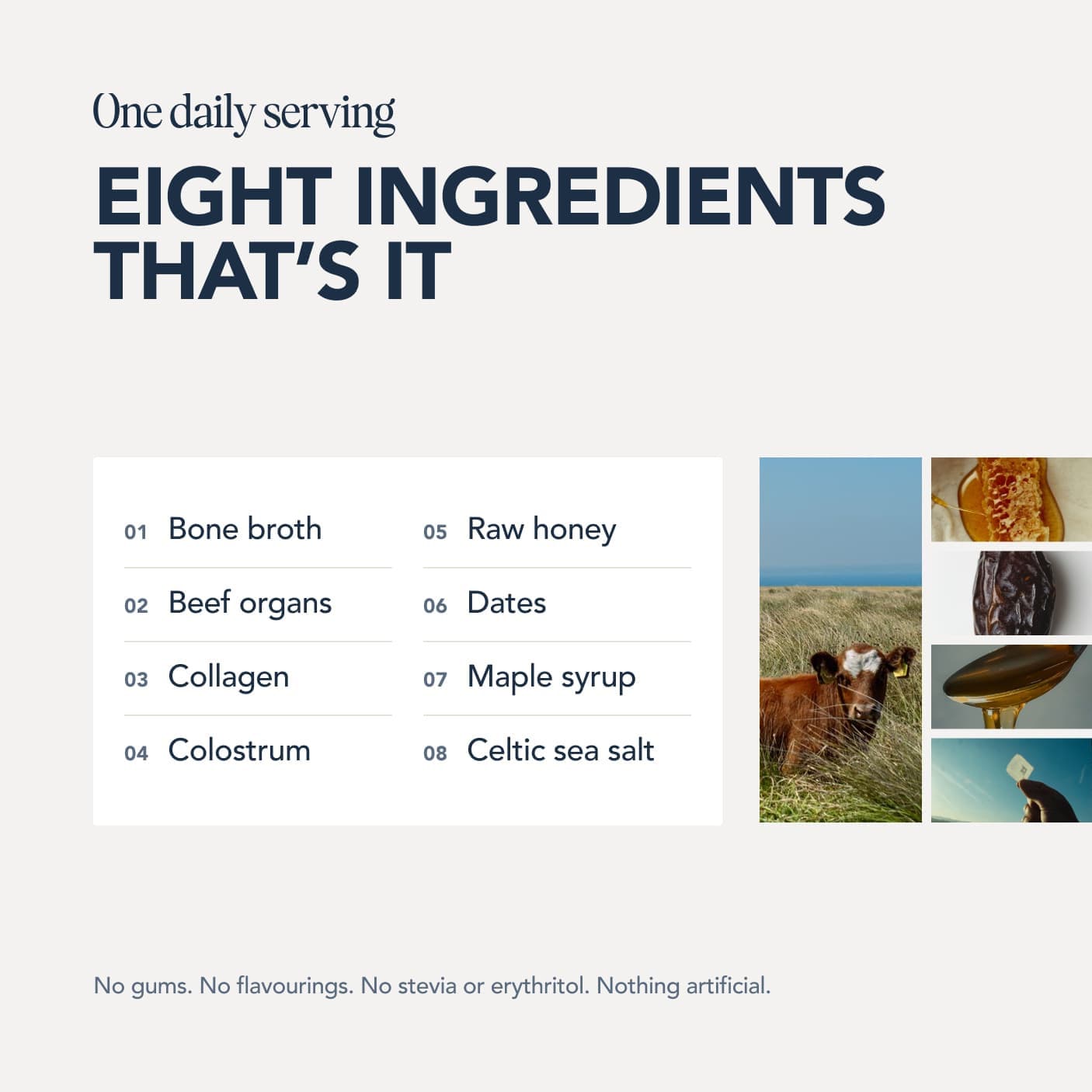
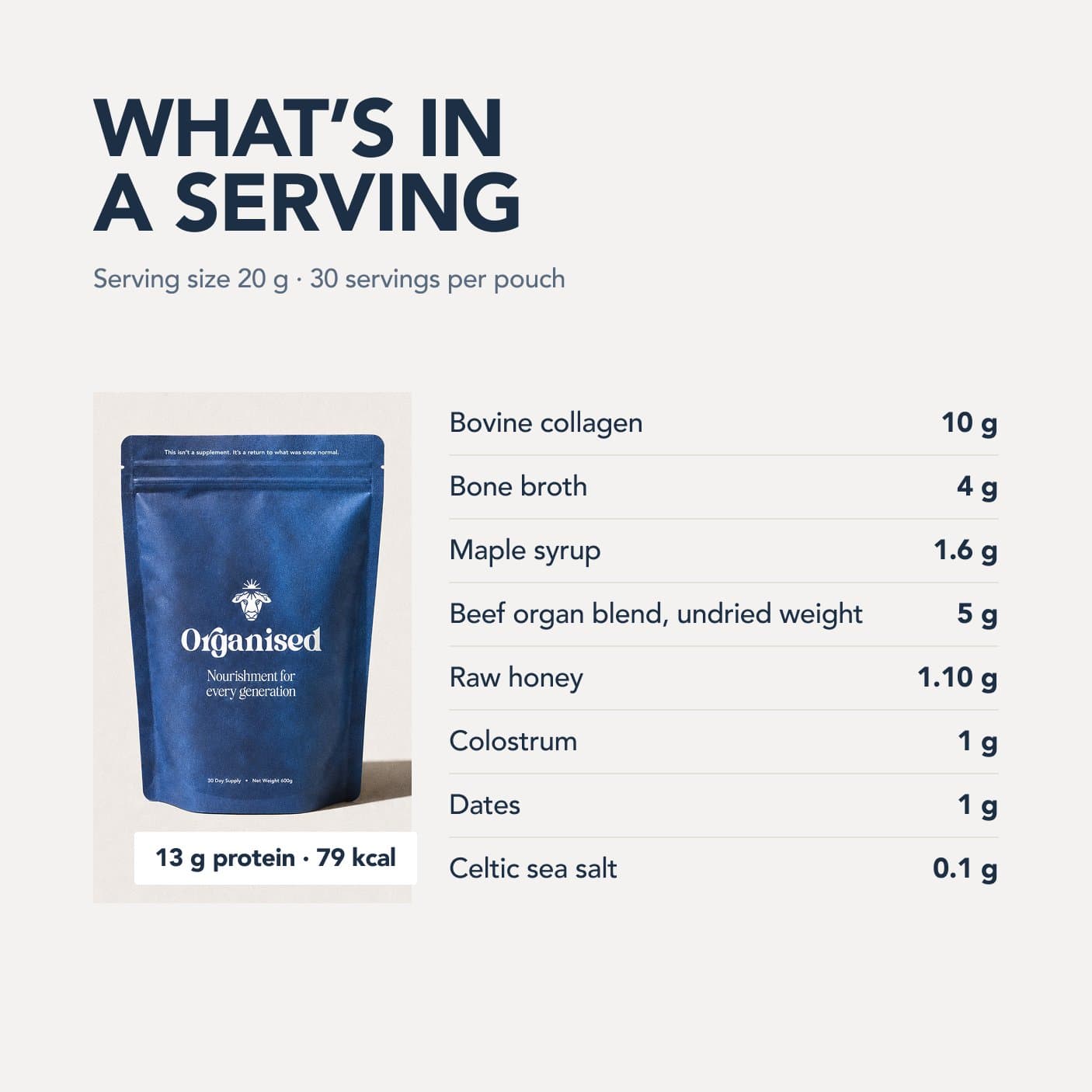
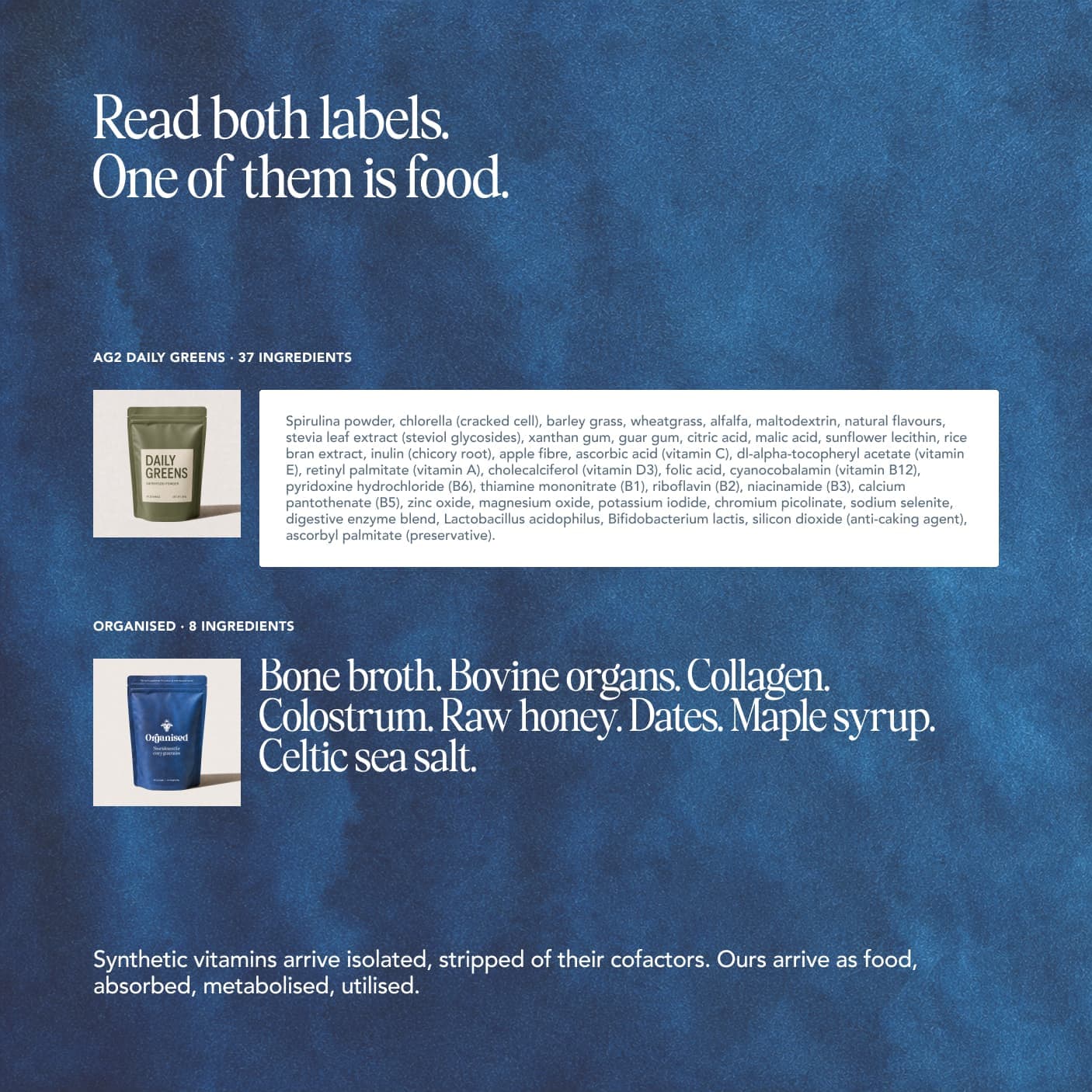
Eight real ingredients built around grass-fed beef organs, collagen and colostrum. Nothing synthetic added.
Free with your first order, worth £38. Plus £10 off the pouch with a subscription.
Free UK shipping · Made in England · 100 day money back guarantee on your first pouch · Skip, pause or cancel anytime
The bottom line
Autoimmune disease involves genetics, environment, and infection, yes. But nutrition is the one lever you control directly. Your gut barrier, your microbiota, your immune tolerance, your vitamin D status, your omega balance, all of it is shaped by what you eat. Work with a doctor. But don't wait for medication to solve something that nutrition can prevent or substantially improve. Your immune system is not broken. It's just confused. And you have the power to teach it differently.
References
Every source below was checked on 27 August 2026. Each PubMed, PMC and DOI identifier was resolved against NCBI or Crossref, and what it opens is printed under the citation, so you can see the link goes where the citation says without leaving the page. Where a citation and its identifier disagreed, the citation was corrected to the record or the reference was deleted along with the sentence marker that pointed at it, and where the resolved paper turned out not to support the sentence, the sentence was cut back to what it does support. Borrowed authority is worse than none, because it looks like rigour.
- Vighi G et al. Allergy and the gastrointestinal system. Clin Exp Immunol. PMC2515351.Checked 27 August 2026: PMC2515351 opens Vighi G, Marcucci F, Sensi L et al, Allergy and the gastrointestinal system. Clin Exp Immunol 2008;153 Suppl 1(Suppl 1):3-6. PubMed indexes it as: Review.
- Fasano A. Zonulin and its regulation of intestinal barrier function: the biological door to inflammation, autoimmunity, and cancer. Physiol Rev. PMID:21248165.Checked 27 August 2026: PMID 21248165 opens Fasano A, Zonulin and its regulation of intestinal barrier function: the biological door to inflammation, autoimmunity, and cancer. Physiol Rev 2011;91(1):151-75. PubMed indexes it as: Review.
- Aranow C. Vitamin D and the immune system. J Investig Med. PMC3166406.Checked 27 August 2026: PMC3166406 opens Aranow C, Vitamin D and the immune system. J Investig Med 2011;59(6):881-6. PubMed indexes it as: Review.
- Cusick MF et al. Molecular mimicry as a mechanism of autoimmune disease. Clin Rev Allergy Immunol. PMC3266166.Checked 27 August 2026: PMC3266166 opens Cusick MF, Libbey JE, Fujinami RS, Molecular mimicry as a mechanism of autoimmune disease. Clin Rev Allergy Immunol 2012;42(1):102-11. PubMed indexes it as: Review.
- Kim MH, Kim H. The Roles of Glutamine in the Intestine and Its Implication in Intestinal Diseases. Int J Mol Sci. PMC5454963.Checked 27 August 2026: PMC5454963 opens Kim MH, Kim H, The Roles of Glutamine in the Intestine and Its Implication in Intestinal Diseases. Int J Mol Sci 2017;18(5). PubMed indexes it as: Review.The authors' own declaration, from the record: The authors declare no conflict of interest.
- Hamer HM et al. Review article: the role of butyrate on colonic function. Aliment Pharmacol Ther. PubMed PMID: 17973645.Checked 27 August 2026: PMID 17973645 opens Hamer HM, Jonkers D, Venema K et al, Review article: the role of butyrate on colonic function. Aliment Pharmacol Ther 2008;27(2):104-19. PubMed indexes it as: Review.
Corrections
What this page used to say, and why it no longer says it. Corrections are dated and are never removed, because deleting the record of an error is a second error. Every guide we have corrected is listed at our corrections log.
- 27 August 2026. Reference 2 named Fasano's Physiological Reviews paper on zonulin but linked a different Fasano paper. It now links the paper it names.
Who wrote and reviewed this guide
Niall Kiddle
Author · Founder, Organised
Niall is the founder of Organised. He started the company in 2024 after fixing his own health the slow way: in 2022 he swapped a cupboard of synthetic supplements for real food, raw milk, organ meats, bone broth and honey, and felt the difference within months.
Areas of expertise: Ancestral nutrition, Organ meats, Whole-food supplementation, Gut health, Regenerative sourcing
Read Niall's full profile
Pedro Rodrigues
Reviewer · Agronomist (farming and sourcing only)
Pedro is the agronomist Organised works with on farming and sourcing. His job on the guides is to keep the science honest: he reviews what we publish about soil health, regenerative agriculture, grazing and the way food is actually produced.
Areas of expertise: Regenerative agriculture, Agronomy, Soil health, Grass-fed farming, Food sourcing
Reviewed this guide on
Read Pedro's full profileBrowse the guides library
All guidesKeep reading
Life stage
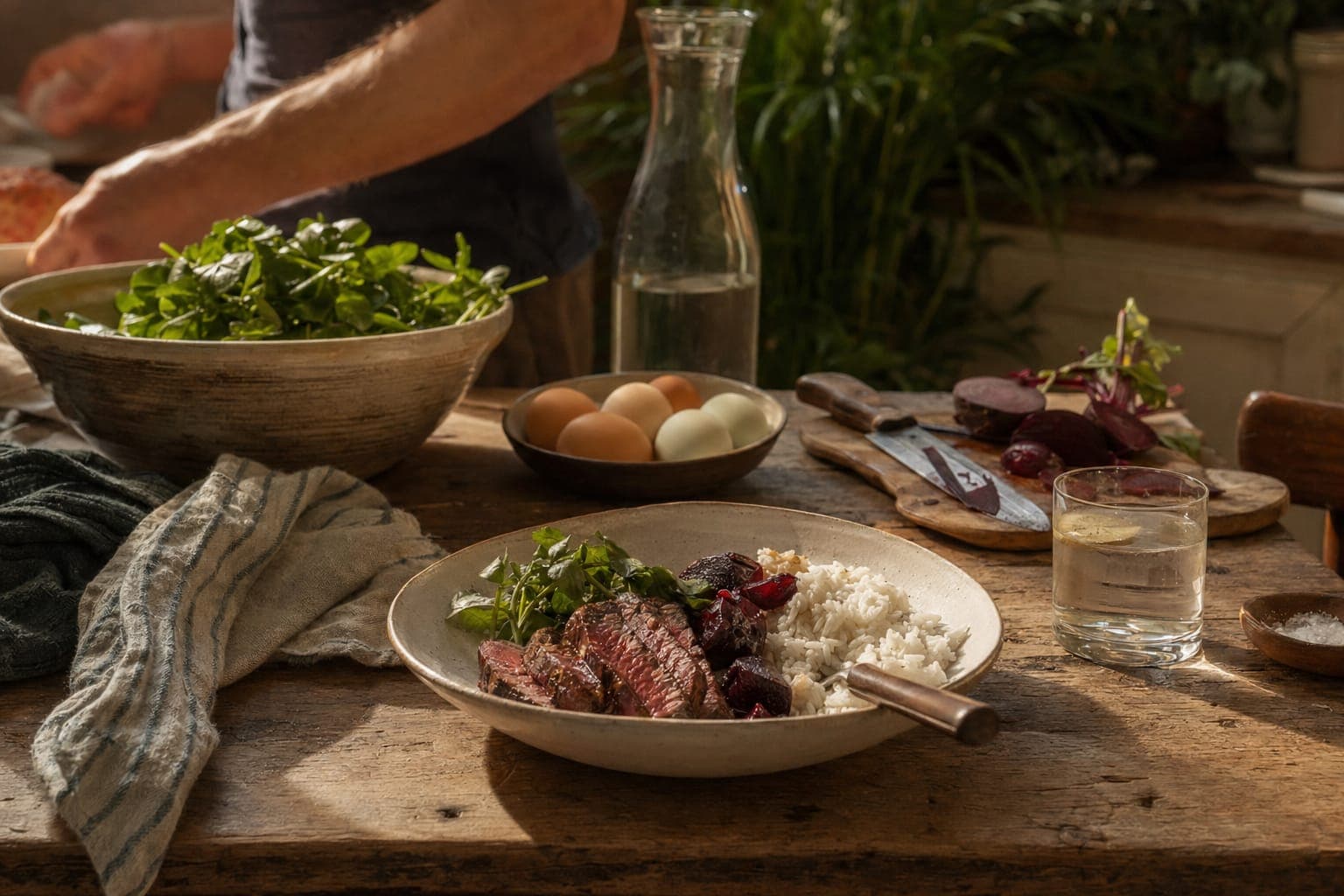
Recovery Nutrition: What to Eat After an Intense Training Session
Discover the post-workout recovery nutrition that matters most. The first few hours after training shape muscle repair and adaptation. Here is what to eat.
Science
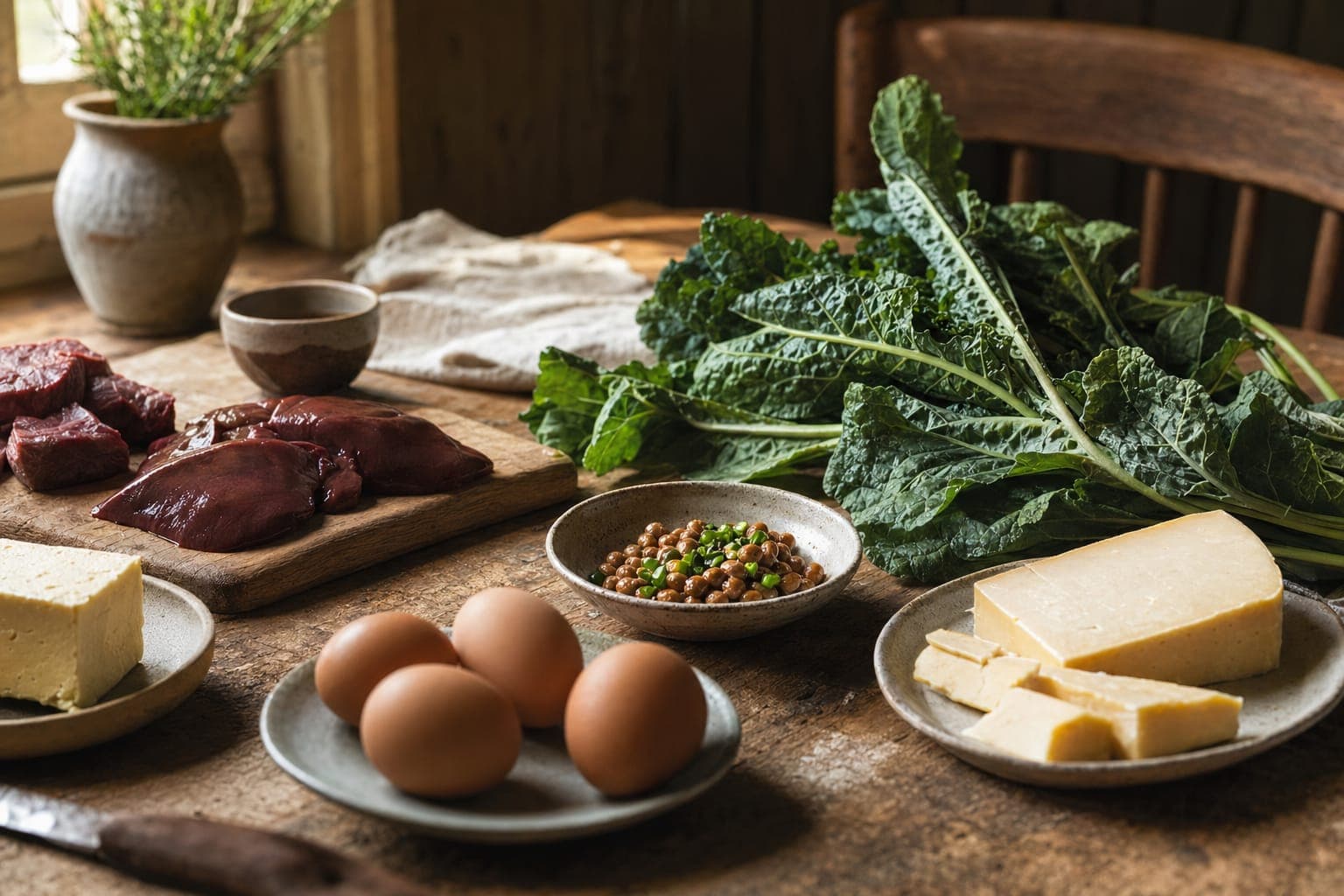
Vitamin K2: The Nutrient Nobody Talks About
Learn about vitamin K2, the nutrient that directs calcium to bone and away from arteries. Discover MK-4, MK-7, and the best food sources.

Farming
Can Regenerative Agriculture Feed the World?
Explores whether regenerative farming can scale to feed global populations. Examines yield data, Savory Institute research, and White Oak Pastures case study.
Real food, made effortless
See the blendA few ways to use it
All recipes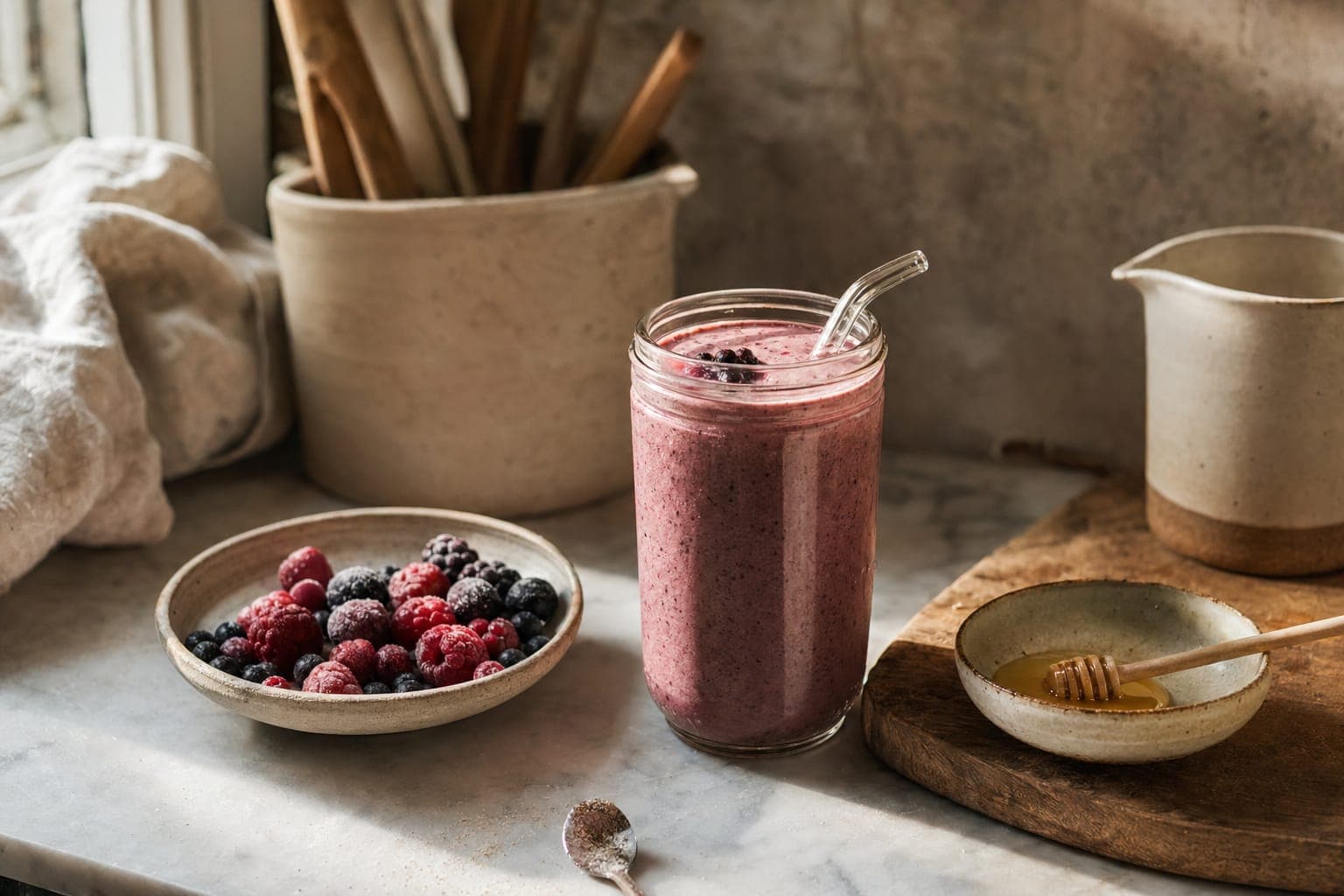
The Organised Recovery Smoothie for After Exercise
A recovery smoothie made with beef protein, raw milk, frozen berries, collagen, and honey. Optimal nutrition in the 30-minute window after exercise.
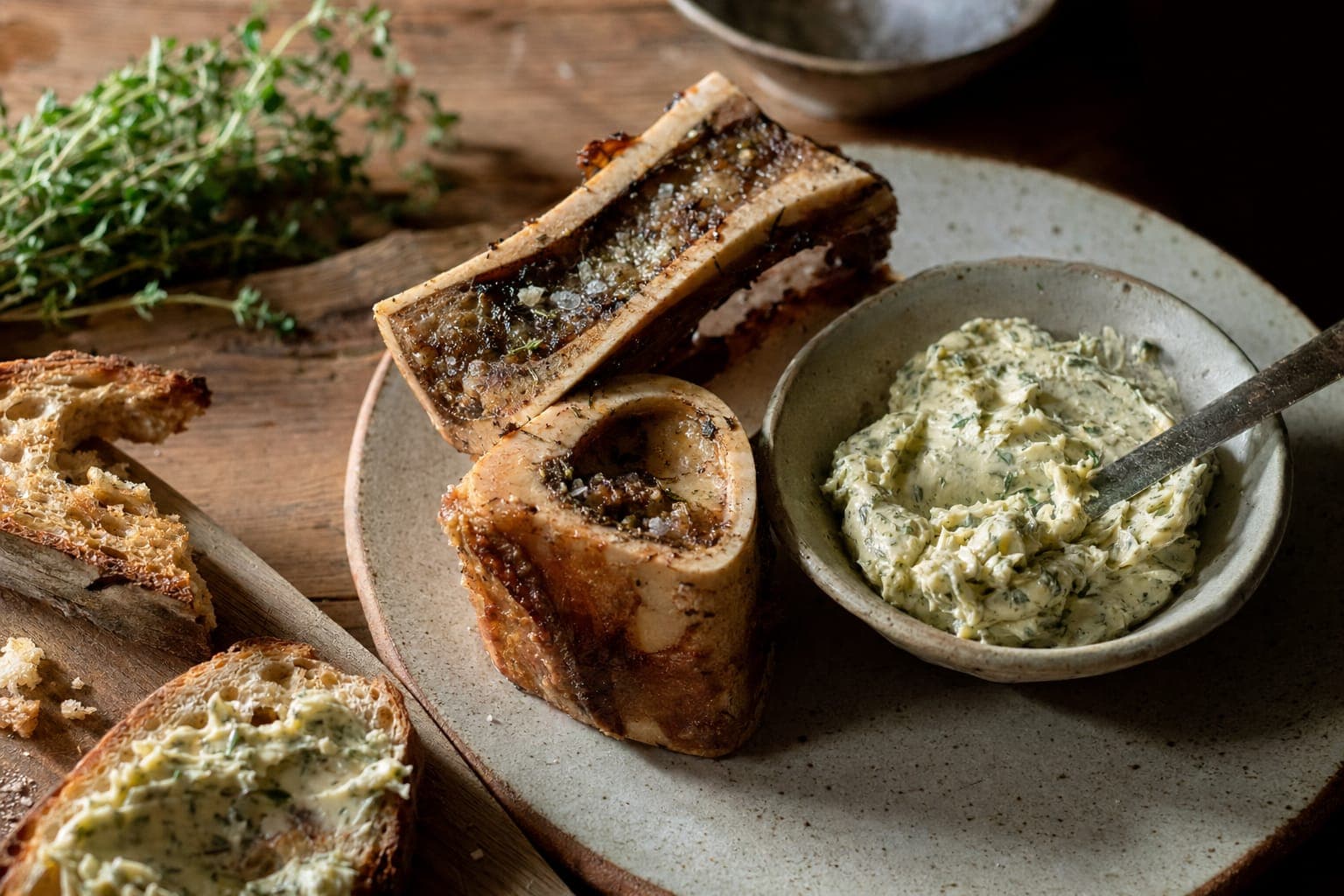
How to Make Bone Marrow Butter
Roast grass-fed marrow bones, scoop the marrow, and mix with butter and herbs. A nutrient-dense spread with fat-soluble vitamins.
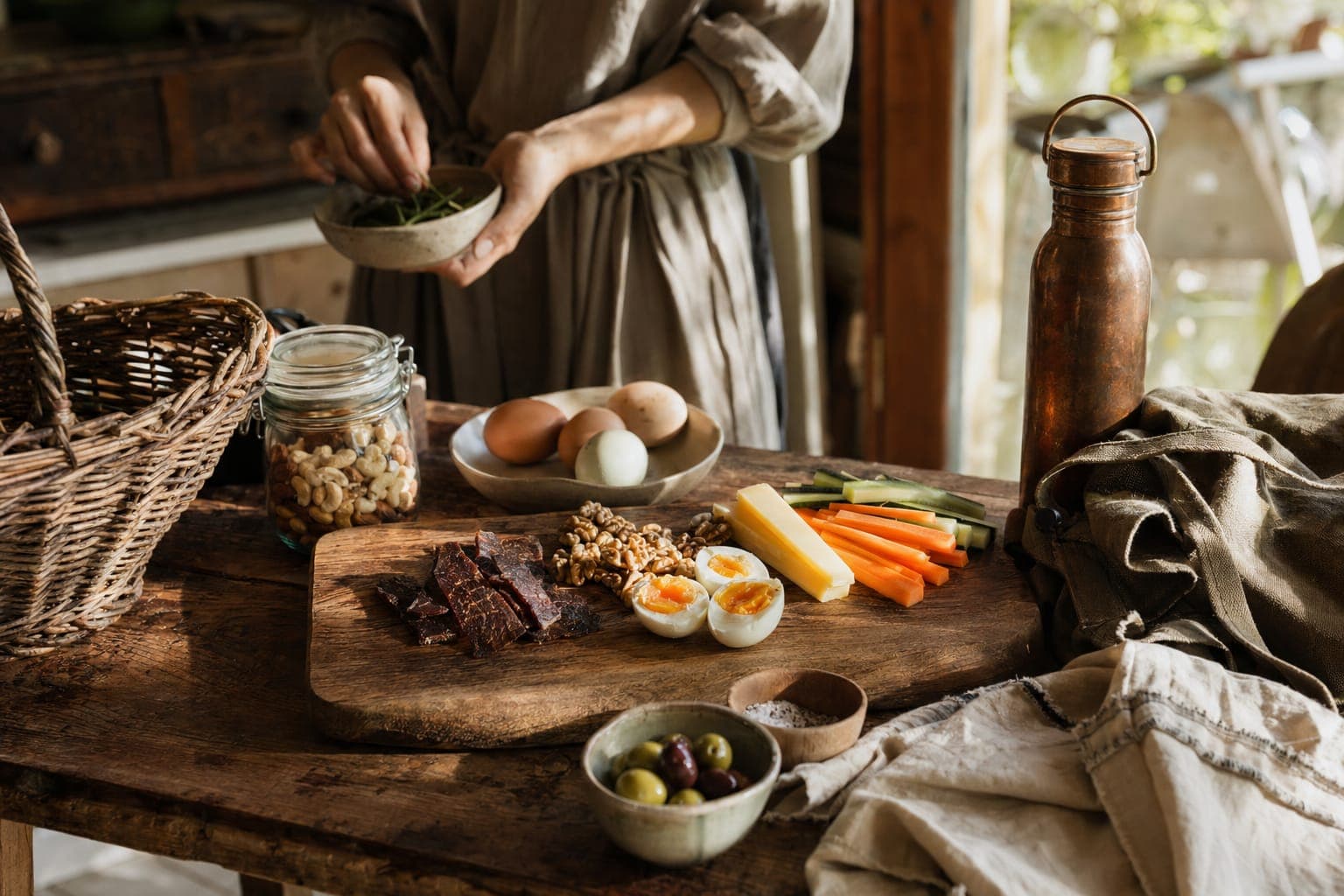
Whole Food Snacks for Busy Days
Practical whole food snacks that travel well and sustain energy. No refined carbs, no seed oils. Real food options for when you're busy.


 Join over 100,000+ members
Build a better food system with us
The Organised community is thousands of people choosing real food and backing the farmers who grow it, all of us trying to leave the world a little better than we found it. If that is what you care about too, you belong here.